IMPACT OF MEANINGFUL RECOGNITION ON NURSES’ WORK ENVIRONMENT IN ICU: A COMPARATIVE EXPLORATION OF NURSE LEADERS’ AND STAFF NURSES’
PERCEPTION
Usha Koshy Cherian
A dissertation submitted to the faculty at the University of North Carolina at Chapel Hill in partial fulfillment of the requirements for the degree of Doctor of Nursing Practice in the
School of Nursing.
Chapel Hill 2016
ABSTRACT
Usha Koshy Cherian: Impact of Meaningful Recognition on Nurses’ Work Environment in ICU: A Comparative of Nurse Leaders’ and Staff Nurses’ Perception
(Under the direction of Gwen Sherwood)
Purpose: Meaningful Recognition (MR) for job performance, one of the six essential standards of a Healthy Work Environment (HWE), is central to nurses’ satisfaction and
retention, patient satisfaction and outcomes, and organizational outcomes (AACN, 2005).
However, little evidence exists to guide clinical practices related to MR strategies that are most valued by clinical nurses. As a result, nurse managers and other leaders often provide recognition based on assumptions, traditions, and previous experiences, which may or may not be
meaningful to their nursing staff members. The purpose of this project was to explore the perception of MR among staff nurses and nurse leaders, compare these perceptions, and identify innovative methods for recognizing nurse’s contributions in ways that are valued by the
individual, and make recommendations for implementing these methods to the Organizations’ Nursing Practice Council.
Design: This DNP project used mixed method approach to explore the perception of MR among a convenience sample of nurse leaders and staff nurses working in the Intensive Care Units (ICU) of a large academic medical center, utilizing a mixed method approach. Twenty six
Results: Thematic analysis of the focus group discussion yielded eight themes: what is MR; when to give MR, ways to give MR, who should give MR, who should receive MR, benefits of MR and barriers in providing MR. A lack of awareness about the concept of MR and unavailability of best practices to provide MR were the major reasons cited by staff nurses and
nurse leaders for not providing MR. In addition, limited resources, institutional policies and the size and diversity of the nursing workforce were also barriers to providing MR to nurses. Survey
results indicated that critical care staff nurses’ perception of the current work environment and MR was ‘good’ based on the AACN’s scoring guidelines for HWE survey. The results of the Recognition survey was similar to the focus group discussion theme ‘ways to give MR’, which
confirmed that salary commensurate to performance scheduling flexibility, opportunities for growth, private verbal feedback and written and public recognition were the most meaningful
methods of recognition.
DEDICATION
To all the nurses I had the privilege to work with and learn from.
ACKNOWLEDGEMENTS
I owe this accomplishment to my parents who instilled the passion for life-long learning
and perseverance that gave me the courage to pursue this journey. I would like to share this success with my beloved husband, Koshy Cherian, who provided constant support,
encouragement, and unconditional love while handling the dual responsibilities of father and mother and my children, who endured for the academic path their mother was pursuing, yet pushed me to reach the goal. I am thankful to my siblings, in-laws, family and friends who
provided psychological, emotional and spiritual support and cheered me throughout.
I am grateful to my project committee chair, Dr. Gwen Sherwoodfor her faith in me; her
guidance, feedback, patience and encouragement and above all her humane, kind nature that helped me complete this project.
I have great appreciation for my committee members Dr. Cheryl A. Smith- Miller, for
recognizing the potential in this project and assisting with the successful execution of the project, Dr. Rebecca Kitzmiller for the timely feedback and tutorials on data analysis and Dr. G. Rumay
Alexander for her support in refining this project.
I owe a huge debt of gratitude to Dr. Cathy Zimmer, Dr. Paul Mihas and Rosemary Russo of Odum Research Institute for their expert assistance with data analysis. Words are not
I have great appreciation to all my teachers, especially Dr. Debra Barksdale and Dr.
Grace Hubbard for being present for me and providing new avenues of experiences; and my graduate school friends Brenda Pun, Megan Wildes and Megan Brissie, for making this journey a richer one.
TABLE OF CONTENTS
LIST OF TABLES ... xi
LIST OF FIGURES ... xii
CHAPTER 1. IMPACTING NURSES’ WORK ENVIRONMENT THROUGH MEANINGFUL RECOGNITION ... 1
Introduction ... 1
Problem Statement ... 2
Purpose of the DNP Scholarly Project ... 3
Clinical Question ... 3
CHAPTER 2. LITERATURE REVIEW ... 5
Effect of MR and HWE on Patient Outcomes ... 6
Effect of MR on Nurse Outcomes ... 8
Effect of MR and HWE on Organizational Outcomes ... 9
Nurse-Related Financial Outcomes ... 9
Patient-Related Financial Outcomes ... 10
Conceptual and Theoretical Framework ... 12
CHAPTER 3. METHODOLOGY ... 15
Project Setting ... 15
Sample... 16
Protection of Human Subjects ... 18
Confidentiality ... 19
Data Security ... 19
Step 1. Focus Group Interviews ... 19
Step 2: Surveys ... 22
Data Analysis ... 26
Analysis of FGI using ATLAS ... 26
Analysis of Surveys using SPSS ... 27
CHAPTER 4. RESULTS ... 29
Focus Group Interview ... 29
Demographic Data ... 30
Theme 1: What is MR? ... 37
Theme 2: When to Give MR ... 40
Theme 3: Appropriate Time to Give MR ... 41
Theme 4: Benefits of Giving MR ... 42
Theme 5: Ways to give MR ... 43
Theme 6: Who Should Give MR? ... 48
Theme 7: Who Should Receive MR? ... 49
Theme 8: Struggles Related to MR ... 51
CHAPTER 5. DISCUSSION ... 66
Limitations ... 88
Significance and Implications ... 89
Dissemination ... 91
Conclusion ... 92
Recommendations for Nursing Practice Council ... 93
APPENDIX A: PERMISSIONS ... 99
APPENDIX B: HEALTHY WORK ENVIRONMENT PROJECT FLIER ... 107
APPENDIX D: HEALTHY WORK ENVIRONMENT ASSESSMENT
TOOL (AACN, 2005) ... 110
APPENDIX E: RECOGNITION QUESTIONNAIRE (BLEAGAN, 1992) ... 112
APPENDIX I: FOCUS GROUP INTERVIEW SESSION SCRIPT ... 118
APPENDIX J: DNP PROJECT SURVEY PACKET (VIA QUALTRICS ) ... 119
APPENDIX K: COMPARISON OF MEANS OF HWE, MR, AND THE SIX RECOGNITION FACTORS WITH THE DEMOGRAPHIC CHARACTERISTIC OF THE SAMPLE ... 121
LIST OF TABLES
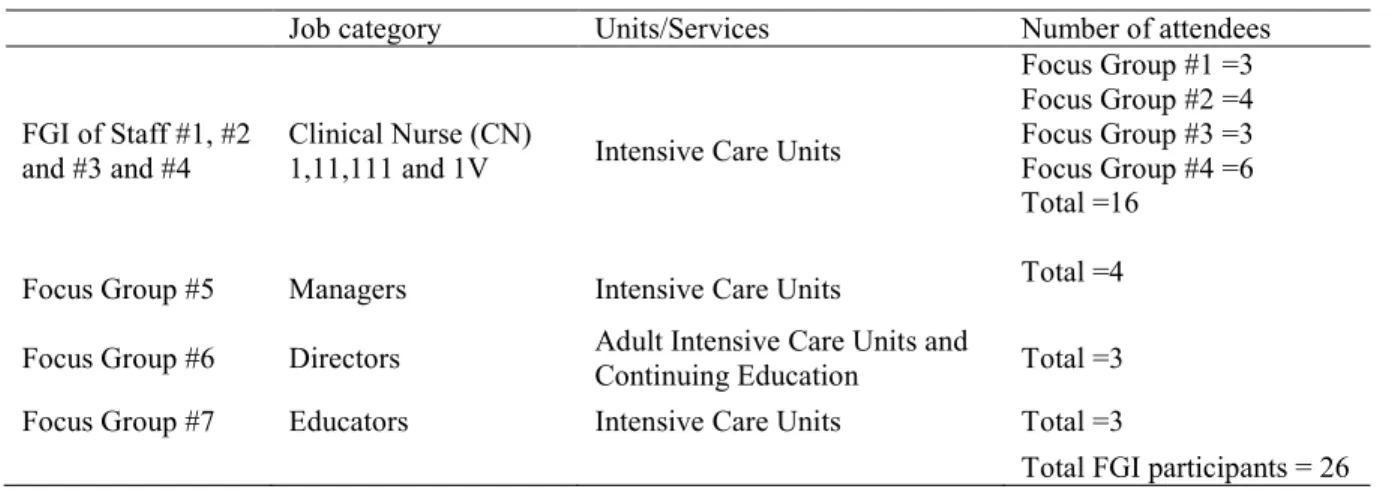
Table 1. Details of Sample for Focus Group Interview ... 17
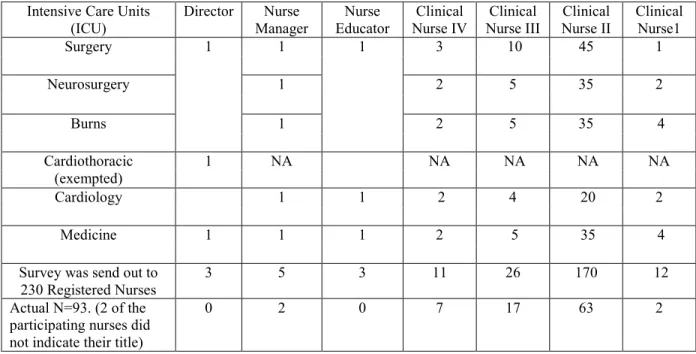
Table 2. Potential and Actual Sample Pool Based on Registered Nurses Employed in the Adult Intensive Care Units (ICU)... 18
Table 3. Appreciative Inquiry Framework for FGI ... 20
Table 4. Focus Group Interview Questions ... 21
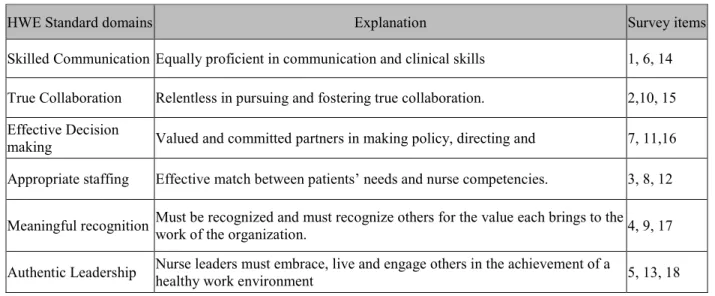
Table 5. Six Domains of Healthy Work Environment and Subscale Survey Item Numbers ... 23
Table 6. Six Factors of Recognition Behaviors ... 24
Table 7. Demographic Data for the FGI Participants ... 30
Table 8. Code Book for FGI Qualitative Analysis ... 32
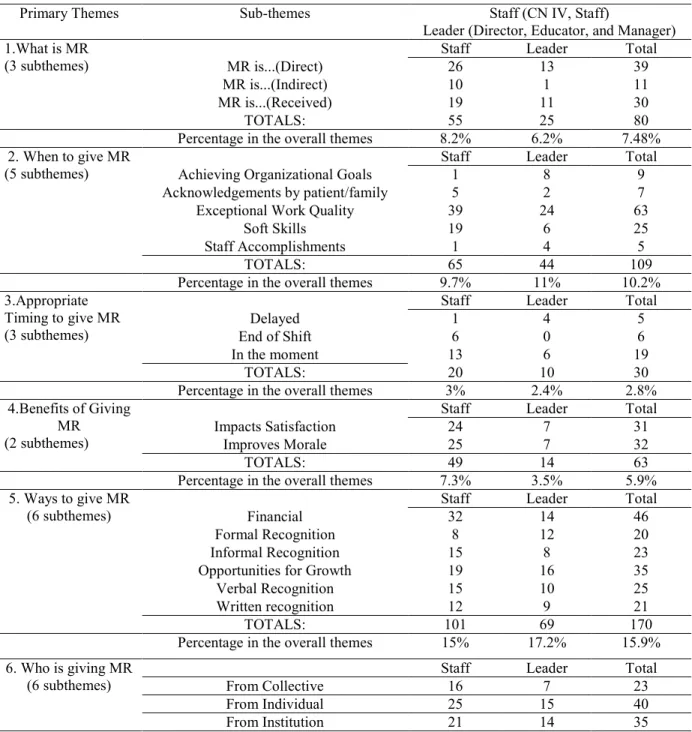
Table 9. Qualitative Analysis of Meaningful Recognition ... 34
Table 10. Contrasting Quotations from Leaders vs. Staff ... 37
Table 11. Demographic Data for the Survey Participants ... 55
Table 12. Healthy Work Environment Individual Item Score ... 57
Table 13. Healthy Work Environment and Six Subscales ... 58
Table 14. Meaningful Recognition individual items scores ... 58
Table 15. Specialty Certification Levene’s Test for Equality of Variances for HWE and MR ... 59
Table 16. Intend to Stay ANOVA Table ... 59
Table 17. Years of Experience at UNCH ANOVA Table ... 59
Table 18. ANOVA Table for Gender, HWE, and MR ... 60
Table 19. Recognition Scale Individual Score for Each Item ... 62
Table 20. Factors of Recognition Behaviors... 63
LIST OF FIGURES
Figure 1. Themes according to priority based on the number of codes. ... 36
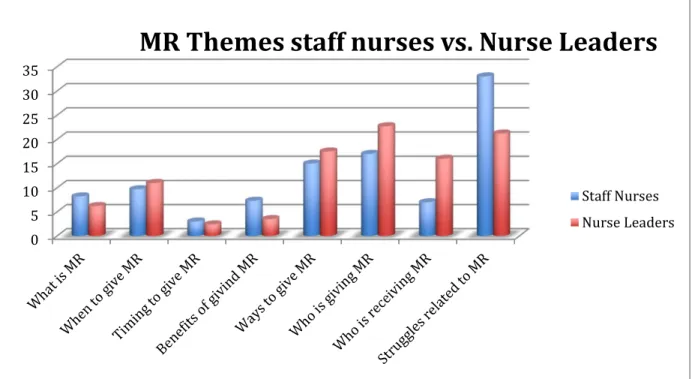
Figure 2. MR themes staff nurses vs. nurse leaders. ... 36
Figure 3. When to give MR. ... 40
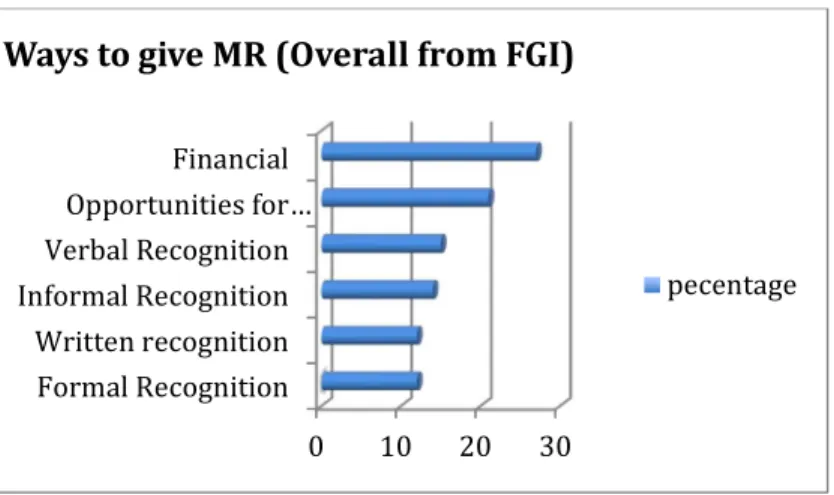
Figure 4. Overall ranking of ways to give MR. ... 43
Figure 5. Ways to give MR: staff nurse versus leader. ... 44
Figure 6. Who should be giving MR? ... 48
Figure 7. Struggles related to MR. ... 51
Figure 8. Comparison of HWE and MR across title. ... 61
CHAPTER 1. IMPACTING NURSES’ WORK ENVIRONMENT THROUGH MEANINGFUL RECOGNITION
Introduction
Nursing is a noble and rewarding but physically and emotionally exhausting profession. Nurses are expected to demonstrate mental composure, physical stamina, and alert intelligence (Robins, 2015) while working in a highly complex, interactive, and stressful healthcare
environment. A Healthy Work Environment (HWE) is linked to patient safety, nurse retention and recruitment, and financial viability of the organization (AACN, 2013; Aiken, Clarke, Sloane, Lake, & Cheney, 2008; Djukic, Kovner, Brewer, Fatehi, & Greene, 2014; Kelly, Kutney-Lee,
Lake, & Aiken, 2013). The 2004 Institute of Medicine (IOM) report Keeping Patients Safe: Transforming the Work Environment of Nurses inspired the American Association of Critical-Care Nurses (AACN) to implement the HWE initiative. The HWE framework consists of six evidence-based standards: skilled communication, true collaboration, effective decision-making, appropriate staffing, meaningful recognition, and authentic leadership (AACN 2005). The
AACN has emphasized the interdependence of these standards and that when any standard is considered optional effective and sustainable outcomes cannot be achieved (AACN, 2005). Yet,
even after a decade of publishing the HWE framework, the standard of Meaningful Recognition (MR) remains an underused, misunderstood and abstract concept. Surveys show that at a national level the MR survey results are declining (Ulrich et.al, 2014). At an institutional level,
MR is often the lowest scoring item in the annual workforce engagement survey (WES). During discussions with leaders and staff nurses it was evident that at an individual level, MR remains as
‘Meaningful Recognition’ and ‘Healthy Work Environment’ research articles related to MR was scarce when compared to the number of research studies exploring the other five standards of HWE (staffing, communication, collaboration, decision-making, and leadership) proving that MR is not a widely studied subject in health care academia and research.
To compound this issue, the definition of MR remains unclear for many nurses and nurse leaders. Prior reesearch studies on MR conducted in health care and nursing field (Blegen, 1992;
Abualrub & Al-Zaru, 2008) and in other industries (Ventrice, 2013) state that monetary benefits are a major form of recognition. However the recent data from AACN (2013) survey suggests that MR for nurses is not based on monetary rewards but involves RNs in leadership positions
acknowledging the value that nurses bring to the organization. The majority of RNs who responded to the AACN survey ranked acknowledgement from patients as the most meaningful
recognition (51.4%), followed by recognition from fellow RNs (21.3%) and, lastly, recognition from frontline nurse managers (11.5%) (Ulrich et.al, 2014). This indicates that there is an urgent need to explore the concept of MR and increase awareness among nurse leaders of about the importance of MR and equip the leaders with tools to provide MR to staff and thereby create and sustain a HWE (Ulrich et.al, 2014).
Problem Statement
Meaningful Recognition (MR) for job performance is one of the six essential standards of
Healthy Work Environment (HWE) and is central to nurses’ satisfaction and retention, patient satisfaction and patient and organizational outcomes. The process of MR acknowledges an
individual’s behavior and the impact their actions have on others, and ensures that the feedback is relevant to the recognized situation and is equal to the person’s contributions (AACN, 2005). The lack of recognition contributes to dissatisfaction, poor morale, high turnover, reduced
outcomes (Lefton and aBreugger, 2009). However, there is little evidence to guide clinical practices related to MR strategies that are most valued by nurses. As a result, nurse managers and other leaders often provide recognition based on assumptions, traditions, and previous
experiences, which may or may not be meaningful to nursing staff (Cronin & Becherer, 1999) and may negatively affect the health of the work environment.
Therefore, exploring effective methods of recognizing staff contributions that are valued by the recipient within specific work environments and settings may provide valuable
information for developing effective MR interventions. In addition, the information gathered through this project may be used in leadership training to increase awareness among the nurse leaders about MR and its potential benefits such as improved patient satisfaction and outcomes.
Purpose of the DNP Scholarly Project
This DNP scholarly project will focus on the MR component of the HWE. The aims of the project are to (a) examine the understanding of nurse leaders and staff nurses who work in
adult critical care units about the concept of MR and its importance in shaping an HWE; (b) identify strategies to efficiently and effectively provide MR in the critical care units; and c)
propose a sustainable plan for educating nurse leaders and nurses on establishing and maintaining the process of MR in the critical care units.
Clinical Question
What are the practical and effective ways in which nurses and nurse leaders can provide Meaningful Recognition (MR) to nurses so as to contribute to a Healthy Work Environment
(HWE) in the Critical Care Units of University of North Carolina Hospitals (UNCH)?
Specific questions to guide the project.
1. How do staff nurses working in the adult critical care units rate their work
2. How do nurses and nurse leaders from adult critical care units perceive Meaningful Recognition (MR)?
3. Are there differences in perception of HWE and MR based on the critical care staff nurses’ level of education, position in the institution, age group, gender, years of service in the unit, years of experience in the institution, and years of experience in nursing?
4. What are adult critical care staff nurses’ preferred ways of being recognized as measured by the Recognition Questionnaire?
CHAPTER 2. LITERATURE REVIEW
Meaningful recognition (MR) is the process of acknowledging one’s behaviors and the impact these actions have on others, ensuring the feedback is relevant to the recognized situation
and is equal to the person’s contributions (AACN, 2005).MR has the following characteristics: it is ongoing and builds on itself, relevant to the person being recognized, congruent with the
person being recognized, occurs in response to the value they add, is a fundamental human need, and is an essential requisite to personal and professional development (AACN, 2005). According to AACN (2005), providing meaningful recognition is essential for effective and sustainable
outcomes of healthy work environment to emerge.
MR leads to higher job satisfaction, a stronger commitment to the organization and
profession, better delivery of quality patient care, and stronger workgroup cohesion and collaboration (Grochow, 2012). Lack of MR causes people to feel invisible, undervalued, unmotivated, and disrespected (AACN, 2005), all of which will result in a poor work
environment. The impact of nurses’ work environments on patient outcomes, nurse outcomes, and organizational outcomes is well documented in the literature (Aiken, Clarke, Sloane, Lake,
& Cheney, 2008; Djukic, Kovner, Brewer, Fatehi, & Greene, 2014; Institute Of Medicine (IOM), 2004; Kelly, Kutney-Lee, Lake, & Aiken, 2013). Less than optimal work environments affect the quality of healthcare delivery, the attractiveness of the organization for customers (patients &
Inadequate leadership support that stems from deficient leader education and leaders’
lack of understanding about HWE are cited as contributory factors for poor work environments
(Ulrich et al., 2014). The monetary value attached to human components such as recognizing staff to improve the work environment is invisible to administrators because the revenue they
generate cannot be easily tracked and the energy they create is intangible (Homisak, 2015). Strong nurse leaders who recognize the value of MR at all levels of the organization, especially at the patient care unit level, are essential to establish a HWE (Shirey, 2006). Kramer, Maguire, and Brewer (2011) conducted a study of work environments among 12,233 nurses who worked in magnet-designated hospitals. The findings of this study confirm that development of healthy
unit work environments is a professional responsibility and this is possible through partnership between organizational and nurse leadership and the clinical professional staff at the unit level.
Promoting and advocating for a culture that encourages recognition at workplace might help in retaining staff and thus enhance the quality ofnursing care (Abualrub & Al-Zaru, 2008)
Effect of MR and HWE on Patient Outcomes
The review of literature did not yield any studies that specifically explored the relation
between MR and patient care outcomes. However evidence suggests that meaningful recognition
is associated with positive self esteem, which fuels psychological capital factors such as
self-efficacy, optimism, and resiliency; perceived organizational support; organizational
commitment; job embeddedness; and job satisfaction (Lefton, 2012). In addition, many studies
have explored the effect of HWE as a whole or the specific components of the HWE on patient
care outcomes. One thing is clear—awareness about job satisfaction and burnout is important
Intensive Care Units (ICUs) are highly stressful healthcare settings that require high
standards of nursing skills and competences that can lead to high job stress and less job
satisfaction for nurses working in the ICUs (Myhren, Ekeberg, & Stokland, 2013) and thereby
pose many challenges to maintain a healthy work environment. Bai (2015) reports that although
the unique nature of nursing practice in ICUs may lead to higher job stress and less job
satisfaction for nurses, an HWE can facilitate nurse’s job satisfaction, retention rate, quality of
patient care, and patient care outcomes. The findings of a study done among 706 nurses to
investigate the mediating effect of nurse job satisfaction on the relationship between a healthy
work environment and nurse-reported quality of care (QC) in Chinese intensive care units
supported the conclusion that a healthy work environment could improve nurse job satisfaction
and nurse-reported QC in the ICUs (Bai, 2015).In a study to explore the relationships between
nursing practice environments and medication error interception in acute care hospitals among 686 staff nurses, researchers found that better practice environments were positively and significantly associated with error interception (Flynn, Liang, Dickson, Xie, & Suh, 2012).
Patients’ quality of care suffers when nurses’ work environments are unhealthy because an HWE is essential for the nurse to effectively coordinate and integrate the multiple aspects of care and bring about positive outcomes for patients (Mitchell, 2008). The U.S. Department of Health and Human Service (DHHS) reported that a poor nursing work environment had negative consequences on hospitalized Medicare beneficiaries such as adverse events, prolonged hospital
stay, and death (Kurtzman & Fauteux, 2014). Researchers has reported statistically significant association between higher staffing levels (HWE standard) and decreased hospital-associated
Researchers report that decreasing the nurse workload by 1 patient per nurse lowered mortality by 9% in hospitals with the best work environments and by 4% in hospitals with average work environments but had virtually no effect in hospitals with poor work environments (Aiken et al., 2012).
Effect of MR on Nurse Outcomes
Nurse outcomes are measured in terms of autonomy, self-efficacy, job satisfaction, commitment to the organization, and retention. Nurses with an increase in autonomy and self-efficacy in the workplace are more satisfied in their job and have an increased commitment to the
organization (Huddleston, 2014). Kelly, McHugh, and Aiken (2011) conducted a secondary analysis of data from a four-state survey of 26,276 nurses in 567 acute care hospitals to evaluate
differences in work environments and nurse outcomes in magnet and non-magnet hospitals. They reported that magnet hospitals had significantly better work environments (t = −5.29, P < .001), more highly educated nurses (t = −2.27, P < .001), and nurses were 18% less likely to be dissatisfied with their job (P < .05) and 13% less likely to report high burnout (P < .05). The study of work environments in nine countries found that hospitals with poor workenvironments
were associated with negative outcomes for nurses (burnout, job dissatisfaction) and patients (lower-quality care, not prepared for discharge) (Aiken, Sloane, & Clarke, 2011). The 2013 AACN survey stated that about 50% of the nurses who responded to the survey had the intention
to leave within the next 3 years (21.3% within 12 months and 29.2% within 3 years). However the respondents were willing to reconsider the plans to leave if leadership and respect from
Effect of MR and HWE on Organizational Outcomes
Organizational outcomes, which are measured in terms of employee productivity, employee retention, and attainment of organizational goals, are the direct results of nurse and
patient outcomes (Huddleston, 2014). Organizational outcomes are a major factor in determining the financial health of the organization.
Nurse-Related Financial Outcomes
The shortage of nurses is projected to be 285,000 RNs by 2020 and approximately 500,000 RNs by 2025 (Buerhaus et al., 2009). In the 2013 AACN survey, nurses who were dissatisfied with their current position had plans to leave the organization (32.3%) or the work unit (16.5%) (Ulrich et al.,2014). Considering the average salary is $64,690 for an RN, the approximate cost to replace one medical-surgical nurse is $92,442 and the cost to replace a specialty practice nurse is estimated at $145,000 (Huddleston, 2014). In addition to the direct costs, there are hidden costs such as advertisement, hiring process, orientation, and training. High turnover rate and shortage of nurses will place greater demands on nurses providing direct
patient care, which will further affect nurse satisfaction. From the author’s observation a high
turn over rate also heavily affects the stability of the nursing work force. In some instances when one or more key members leave the work force it can have a ripple effect on the rest of the work
force, resulting in a mass exodus of nurses from the unit or organization. As the nurse turnover continues to creep up, managing retention may become a strategic imperative; therefore
including programs that build relationships, commitment, and confidence early on in the
preceptors in the operating room reinforced positive behaviors and improved preceptor morale,
ongoing education, enhanced bonding, and served as a source of fun.
It is interesting to note that other industries such as information technology companies are also concentrating on the area of MR to improve HWE. MR boosts engagement,
productivity, and profits, whereas ineffective recognition is a waste of both money and time (Ventrice, 2013). However leaders should keep in mid that recognition has meaning only when it is relevant to the person being recognized. Ventrice (2013) points out that employees are
motivated by recognition more than rewards. The most meaningful recognition is best done by individually acknowledging the team members when they are doing right and communicating with them. Recognition that is not congruent with a person’s contributions or comes in tandem with emotionally charged organizational change is often perceived as disrespectful tokenism (Barnes & Lefton, 2013).
Patient-Related Financial Outcomes
Financial stability of health care organizations heavily depends on the reimbursements from third-party payers, which in turn is based on patient outcome and satisfaction. In the
literature there was no evidence of direct relationship between MR and patient outcomes. However, MR being a component of the overall HWE, the author is making a safe assumption that MR being a part of the HWE has an indirect influence on patients’ outcomes that are
affected by HWE.
The Hospital Consumer Assessment of Healthcare Providers and Systems (HCAHPS) is a widespread measure of hospital’s patient-centered care and patient experience and is
significantly influenced by the quality of nurses’ work environments. For every 10% of nurses who reported dissatisfaction with their jobs, there was a 2% decrease in the percentage of
scores can result in a 2% reduction in payment from Center for Medicare and Medicaid Services
(CMS) (Mattox, 2014) and may affect the organization’s financial health.
Rate of readmissions is a measure of organizations’ quality of care. Kramer, Maguire, and Brewer (2011) studied 12,233 experienced nurses from 717 clinical units in 34 magnet
hospitals and reported that nurses' ratings of quality of patient care directly correlated to quality of work environment. In an unhealthy work environment discharge planning is done less often
(Ulrich et al., 2014), which causes high readmissions. In 2013 Medicare levied $227 million in fines for excess readmissions (Ulrich et al., 2014). Because hospitals are not reimbursed for readmissions, this cost (estimated to be about $11,200 per readmission) has to be absorbed by the
hospitals (Ulrich et al., 2014). In addition CMS will penalize the organization a 3% readmission penalty in fiscal year 2015 (Ulrich et al., 2014).
Hospital-acquired conditions (HAC) are expensive and are no longer reimbursed by third-party payers. Therefore healthcare organizations are encouraged to identify the
circumstances that lead to HACs and develop preventative strategies to reduce the incidence of
HAC (Nero, Lipp, & Callahan, 2011). The cost of preventable harm to hospitalized Medicare beneficiaries in 2010 is estimated to be $324 million (Kurtzman & Fauteux, 2014). The
estimated mean direct cost per hospital-associated infections (HAI) is $15,275. An average of 10 cases of HAIs are reported every month, which will cost the organization $1,833,000 (Rizzo, 2013). Researchers who investigated the relationships between critical care work environments and nurse-reported healthcare-associated infections (HAIs), using a sample of 3,217 critical care nurses in 32 hospitals reported that nurse-reported HAIs were less likely to occur in an HWE
HWE) among care providers in U.S. hospitals. Re-designing of the work environment can
optimize the nurses’ work environment and improve nurses’ job satisfaction, reduce nurses’ turnover, and avoid CMS penalties for poor nurse-sensitive outcomes (Djukic, Kovner, Brewer, Fatehi, & Greene, 2014).
Conceptual and Theoretical Framework
The concept of MR can be explored on the basis that (a) MR is a basic human need and (b) organizational culture has a unique role in valuing MR and shaping a HWE.
This project used theory of Human Motivation (Hierarchy of Needs) by Abraham
Maslow and the theory of organizational culture developed by Edgar Scheinas a theoretical framework.
Theory of Human Motivation (Hierarchy of Needs). (Appendix M Image A1)
The basic human need for MR can be explained using Maslow’s theory of human motivation (Maslow, 1943),commonly known as Maslow’s Hierarchy of Needs. According to Maslow, individuals are motivated to act on the basis of their needs, where the most basic needs (e.g., food, water) must be met before higher-order needs are pursued (e.g., to know, to
understand) (Maslow, 1943).The two human needs that correlate with the concept of MR are the need to belong to a group and be accepted (belonging and love) and the need to be competent, achieve mastery of tasks, and receive attention and praise for having attained competency
(esteem). Attainment of these two levels allows the person to reach the highest level of human needs, self-actualization, which offers peace with surroundings and satisfaction with one’s career
and life (Carter, 2012).
According to AACN (2005), recognition of the value and meaningfulness of one’s contribution to an organization’s work is a fundamental human need and an essential requisite to
dissatisfaction and burnout, which is a psychological response to long-term emotional and interpersonal stressors, usually in the work context (Myhren, Ekeberg, & Stokland, 2013).
Evidence links six work-life issues that cause burnout. These include: work overload, lack of control, lack of reward, lack of community, lack of fairness, and value conflict (Paris & Terhaar,
2011), many of which are experienced by nurses. Applying Maslow’s hierarchy to nursing practice suggests that when the self-esteem needs are not met, nurses will be less motivated and
less likely to progress to the higher-level function of self-actualization in the practice environment (Paris & Terhaar, 2011).
Limitations: Maslow’s theory is well known and appealing to common sense, there is no empirical evidence to support its hierarchical aspect. This theory fails to take into account the cultural and individual differences and thus it may not be generalizable across all populations.
Theory of Organizational Culture (Appendix M Image A2)
Meaningful recognition is not an event but a process that must be ongoing and built over time, thus becoming a norm within the work culture (Barnes & Lefton, 2013). Schein (2010) defined culture as a “pattern of shared basic assumptions learned by a group as it solved its problems of external adaptation and internal integration which has worked well enough to be
considered valid and therefore to be taught to new members as the correct way to perceive, think, and feel in the relation to those problems” (p. 18.).Each organization’s culture is relatively unique, malleable, and subject to continual change, thereby creating the potential to maximize
service, quality, and outcomes for both healthcare providers and patients (Bellot, 2011). Edgar Schein’s (1992) organizational cultural model has three elements—artifacts,
are observable patterns of meanings that are testable in the physical environment and by social
consensus. Basic assumptions, however, are shared values that are not readily observable but have to be inferred from the observations of the culture. According to Schein (1992), “to learn something new in this realm requires us to resurrect, reexamine and possibly change some of the
more stable portions of our cognitive structure (double loop learning or frame breaking). Such learning is intrinsically difficult because reexamination of basic assumptions temporarily
destabilizes our cognitive and interpersonal world releasing large quantities of basic anxiety”(p. 22). However, there is hope that the culture in systems can be created, embedded, evolved, and ultimately manipulated by leaders. Schein (1992) stated that the dynamic process of culture
creation and management are the essence of leadership and thus leadership and culture are fundamentally intertwined and become two sides of the same coin.
Changing culture requires leaders with vision as well as the appropriate management tools to engage personnel in embracing a positive change for a healthier and more productive workplace (Brunges & Foley-Brinza, 2014). Thus the need for organizational acceptance of programs that provides MR as a part of creating a favorable environment can be explained using organizational culture theory. This theory guided the author to develop the ultimate goals of this
project—to understand the culture of the facility and develop appropriate tools to provide meaningful recognition to nurses.
CHAPTER 3. METHODOLOGY
This DNP project, an exploratory, descriptive, correlational study, was completed using mixed methodology techniques. The aim of this design was to explore the perception of MR
among nurses using results from the Healthy Work Environment (HWE) and Meaningful Recognition (MR), identify the types of recognition most meaningful for nurses working in the
critical care units of University of North Carolina Hospitals (UNCH) and explore differences in the perceptions of the HWE and MR based on the various demographic characteristics of the participants. Qualitative data was collected through Focus Group Interviews (FGI) of 26 staff
nurses and nurse leaders from the adult critical care units of UNCH. Following the FGI, a survey was administered to all the nurses and nurse leaders of the adult critical care units at UNCH.
Project Setting
This project was conducted among the nurses and nurse leaders from the adult critical
care units at the University of North Carolina Hospitals (UNCH). The University of North Carolina Health Care System (UNC Health Care), based in Chapel Hill, is a level III trauma center and a not-for-profit integrated healthcare system. UNCH is owned by the state of North Carolina and is affiliated with the UNC School of Medicine. UNCH has a total of 803 beds, which includes 11 critical care units with a combined total of 150 beds (UNCH, 2015). The adult critical care areas are managed by surgery services, medicine services, and cardiovascular
Sample
A voluntary convenience sample of registered nurses from five adult intensive care units at UNCH participated in this project. All levels of Registered Nurses (RN), including Staff
Clinical Nurse I, II, III and IV, nurse managers, nurse directors, and nurse educators from the five critical care units were invited to participate in this project to ensure a representative sample
of units and nurse positions (see Table 1 for the details of Focus Group Interview participants and Table 2 for the potential sample pool of nurses to whom the survey was administered). Clinical Nurse I is a new graduate, with no clinical experience as an RN. After 1 year of clinical
experience, the RN is transitioned to Clinical Nurse II. This is the largest group of nurses at UNCH and includes nurses with experience ranging from 1 year to over 30 years. Clinical Nurse
IIs are promoted to a Clinical Nurse III by submitting a portfolio of their leadership abilities and extra clinical activities and projects and with the approval from the managers. Clinical III positions are limited in number; representing approximately ten percentage of the total staff
nurse positions. Clinical Nurse IVs have a dual role as a clinical expert and assistant manager of the units. Clinical Nurse IVs performs administrative functions such as scheduling, payment of
salary as well as performing clinical duties. Managers oversee all CNs and the overall administration of the unit. Educators organize and execute continuing education of the staff nurses. Directors oversee a service line with many patient care units. All directors directly report
to the Chief Nursing Officer. The participants were categorized into two groups, leaders and staff nurses, based on their hierarchical position in the organization and salary status. Managers,
directors, and educators were categorized as leaders due to their position and decision-making capacity over staff nurses and the monthly salary status. Clinical nurses I, II, III and IV, were grouped into the staff category because they were direct caregivers at the bedside and were paid
performs some amount of managerial function, their role gravitates more to being clinical experts
at bedside than as a manger.
The PI obtained written permission from the respective directors and nurse managers of the critical care units before recruiting the participants for FGI and the surveys (Appendix A).
Cardiothoracic Intensive Care Unit was exempted from the project due to leadership transition, as requested by the director of the cardiovascular services.
The director, managers, and educators were individually invited through email to participate in the project. Staff nurses were invited to participate in the FGI through an e-mail send out by the managers of the respective critical care units participating in the study. In
addition, fliers were posted on the bulletin boards in the bathrooms and break rooms of the participating critical care units to inform the participants about the different timings of FGI and
ensure participation from all the units. The participants were selected on a first come-first served basis to fulfill stratification for representation of all four levels of staff nurses in the critical care units (Table 1).
Table 2. Details of Sample for Focus Group Interview
Job category Units/Services Number of attendees
FGI of Staff #1, #2 and #3 and #4
Clinical Nurse (CN)
1,11,111 and 1V Intensive Care Units
Focus Group #1 =3 Focus Group #2 =4 Focus Group #3 =3 Focus Group #4 =6 Total =16
Focus Group #5 Managers Intensive Care Units Total =4 Focus Group #6 Directors Adult Intensive Care Units and
Continuing Education Total =3 Focus Group #7 Educators Intensive Care Units Total =3
Table 3. Potential and Actual Sample Pool Based on Registered Nurses Employed in the Adult Intensive Care Units (ICU)
Intensive Care Units (ICU)
Director Nurse Manager
Nurse Educator
Clinical Nurse IV
Clinical Nurse III
Clinical Nurse II
Clinical Nurse1
Surgery 1 1 1 3 10 45 1
Neurosurgery 1 2 5 35 2
Burns 1 2 5 35 4
Cardiothoracic (exempted)
1 NA NA NA NA NA
Cardiology 1 1 2 4 20 2
Medicine 1 1 1 2 5 35 4
Survey was send out to 230 Registered Nurses
3 5 3 11 26 170 12
Actual N=93. (2 of the participating nurses did not indicate their title)
0 2 0 7 17 63 2
Protection of Human Subjects
This DNP project proposal was submitted to the University of North Carolina’s (UNC) Institutional Review Board (IRB) and was considered exempt under the non-biomedical category (IRB #15-2052) on October 20, 2015 (Appendix G). This project was also reviewed and
approved by the UNCH Nursing Research Council (NRC) on September 23, 2015 (Appendix F). Prior to the Focus Group Interview, the primary investigator (PI) explained the details of the
project from the project information sheet (Appendix H, Item 1) and obtained an informed consent from each participant. Prior to administering the surveys in Qualtrics, the participants were instructed to read the information document and reminded that participation in the survey
was considered as their consent (Appendix J, Item 1). This document also provided information about the approximate time needed to participate in the project and the voluntary nature of the
Confidentiality
To reassure the participants about the confidentiality of the data collected through the focus group interviews and the surveys, informed consent included statements such as (I) data
collected will only be used for research purposes, (ii) PI will not ask you for your name or any other identifiers, (iii) your responses in the FGI /Survey will be anonymous, and (iv) all
information you provide will be combined with the group’s responses, any unit data will only be reported as group data.
Data Security
Only the PI had access to the FGI recordings and the transcripts. Access to the electronic data was limited to the PI, the PI’s advisor, and the statistician appointed by school faculty. The
PI stored digitally recorded data from the FGI securely and only the PI handled the raw data. Only de-identified data were securely, electronically transferred for transcription and only the PI
and the transcriptionist could access this data. Survey data was stored in Qualtrics software on the PI’s personal computer, which was password secured. All data related to the study in paper or electronic form will be stored securely for a maximum of 5 years and then destroyed. The
ultimate ownership of the data will remain with the PI and will not be shared without an ethical review.
Data Collection
Data collection for the project was implemented using both Focus Group Interviews and
Surveys using two instruments. Both approaches collected demographic data from participants.
Step 1. Focus Group Interviews
The purpose of the Focus Group Interviews (FGI) was to elicit perceptions, information, attitudes, and ideas about the importance of Meaningful Recognition (MR) in creating an HWE
indicates that smaller group interaction is productive and nurses enjoy the opportunity to have
their ideas and opinions heard (Brunges & Foley-Brinza, 2014). Publically expressed statements of disagreement, conflict, and conviction may add to the richness of the data as well as power and meaning of the study findings.
Focus Group Interviews (FGI) prompts were formulated on the basis of an Appreciative Inquiry (AI) 4 D (Discovery, Dream, Design, Delivery) framework to explore the concept of MR
and its perceived importance in creating and maintaining an HWE among nurses in the critical care units (Table 3).
Table 4. Appreciative Inquiry Framework for FGI
Appreciative inquiry is an organizational development intervention developed by Cooperrider in 1986 based on affirmation, appreciation, and dialogue that searches for the best in people and
organization, actively acknowledges and celebrates their successes,shifts the focus from a problem to possibilities and thus enhances organizational growth (Trajkovski, Schmied, Vickers, & Jackson, 2013).
The four key phases of AI process (4-D cycle) occur in sequence:
Discovery phase explores the chosen topic area interviews, storytelling, and discussions groups
(Trajkovski et.al., 2013).
Dream phase is where participants work together to develop assertive statements of what the organization hopes to achieve (Trajkovski et.al. 2013) and expand on the key positive theme generated during the AI interviews to create compelling positive vision (Havens, 2006).
Design Phase invites people to examine and to determine which committee structures, policies,
procedures, recognition methods and communication links best facilitate the dream (Havens, 2006).
Delivery Phase focus on sustaining the envisioned future and transforming the new vision into a
The FGI prompts were prepared based on the literature about MR and HWE and were
clearly phrased, appropriately sequenced, and explicitly aligned with the AI framework so that the response elicited addressed the topic of effectively and efficiently providing MR for nurses in intensive care units. The prompts were reviewed and validated by the DNP project committee
members. These prompts encouraged the nurses to explore the value of MR for them, recall the most valued MR they received, and identify ways to provide and receive MR in a consistent and
systematic manner.
Volunteer participants for FGIs received an email reminder of the venue and time 7–10 days prior to the FGI sessions. A reminder email was sent out 3 days before and one day before
the actual FGI. A medium-sized conference room was used for each FGI to enhance the acoustic quality of recording. At the beginning of each FGI, the PI discussed the consent to participate in
the project with the participants, introduced the topic of FGI, provided a short definition of HWE and MR, and requested the participants to fill out a demographic questionnaire (see Appendix H for the complete FGI packet).
Table 5. Focus Group Interview Questions
Introduction:
This session will use appreciative approach using Appreciative Inquiry (AI) framework and focus on the positives and values on what would be meaningful recognition.
FGI Prompts
1.What is your understanding of Meaningful Recognition and Healthy Work Environment?
2.Think of the times in your nursing career when you felt rewarded. What is the most meaningful recognition you've received as a nurse? (Personal anecdotes). Who provided the most meaningful recognition for you?
3. If you could dream most valuable way of providing MR what would it be? (What are examples of MR that you value)?
4.What are considerations in providing MR among nurses in our organization?
FGI with leaders (directors, managers, and educators) was conducted by the PI and was
assisted by facilitated by the nurse researcher at UNCH, who also served as a committee member for this DNP project and the staff nurses’ (Clinical nurse I, II, III, and IV) interviews were conducted by the PI alone.
All the interviews were audio-recorded using Olympus VN-722 PC voice recorder and cell phone recording was used as back up. For additional clarity and richness of data, the PI
documented informal notes during the FGI sessions, requested the participants to clarify their responses, and prompted in depth discussion of certain topics by using phrases like, “did I understand it right,” “is this what you meant,” “could you explain it further?”
Step 2: Surveys
The surveys administered to the nurses and nurse leaders had three parts—The Healthy Work Environment (HWE) Survey (AACN, 2005) and Recognition Survey (Blegen, 1992) and Demographic Survey. The purpose of HWE survey was to obtain quantitative data on nurses’
perception of the health of their work environment and the meaningful recognition they received. The purpose of Recognition Survey was to obtain data on the methods of recognition that are
meaningful to nurses. The purpose of Demographic Survey was to obtain the demographic features of the nurses who participated in the survey.
Survey Instruments
1.Healthy Work Environment (HWE) survey (Appendix D), developed by the American Association of Critical-Care Nurses (AACN) in 2005, is a tool for the preliminary
assessment of work environment.
the highest score possible. An aggregate HWE mean score for all 18 items and a mean scale for each subscale were calculated. AACN’s scoring guidelines were used to interpret the mean scores for the entire assessment and for the six HWE standards: 1.00–2.99 = Needs
Improvement; 3.00–3.99 = Good; 4.00–5.00 = Excellent.
Table 6. Six Domains of Healthy Work Environment and Subscale Survey Item Numbers
HWE Standard domains Explanation Survey items
Skilled Communication Equally proficient in communication and clinical skills 1, 6, 14 True Collaboration Relentless in pursuing and fostering true collaboration. 2,10, 15 Effective Decision
making Valued and committed partners in making policy, directing and 7, 11,16 Appropriate staffing Effective match between patients’ needs and nurse competencies. 3, 8, 12 Meaningful recognition Must be recognized and must recognize others for the value each brings to the
work of the organization. 4, 9, 17
Authentic Leadership Nurse leaders must embrace, live and engage others in the achievement of a
healthy work environment 5, 13, 18
The questions and scales have been reviewed for face validity and administered to two groups of 250 subjects each (AACN, 20015). Both samples were tested for reliability and
showed internal consistency with identical factor structures and Cronbach's Alpha scores of 0.80 or better (AACN, 2015). Permission to use the HWE assessment tool was obtained from the AACN in September 2015 (Appendix A, item #1).
2.Recognition Questionnaire (Appendix E) developed by Blegen and colleagues (1992) is used widely to measure nurses’ perception of managers’ recognition behaviors and to
determine what types of recognition is meaningful to nurses. Content validity was established by
the list was reduced to 30 behaviors that were categorized under six factors: monetary rewards
commensurate with performance (salary), private verbal feedback, written acknowledgement, public acknowledgement, schedule adjustment, and opportunities for growth and development (Table 6). I added one more item under factor 3, to see if the charge nurse responsibilities were
perceived as recognition, thus taking the final recognition survey to a 31-item instrument. Each individual item in the survey is scored on a 5-point Likert scale, where I = not at all or 5 = great.
Table 7. Six Factors of Recognition Behaviors
Factor 1: Opportunities for growth and
development
• Spend a day with the supervisor • Participate in unit planning
• Develop booklet describing services • Support for career goals
• Recommended as expert speaker • Time to work on special project • Opportunity for peer review • Set criteria for reward fairness • Represent unit at hospital meetings • Consulted on important decisions • Discuss patient care and management • Encouraged to develop expertise
• Encouraged to participate in state and national activities Factor 2:
Written acknowledgment
• Letter about performance to file • Letter about extra hours to file • Letter about performance to Director Factor 3:
Private verbal feedback
• Private verbal feedback • On the job feedback
• Selected as a charge nurse on a rotation basis. • Selected as preceptor
Factor 4:
Public acknowledgment
• Congratulates in front of peers • Patient evaluations posted
• Patient evaluation copy to the director • Head nurse brags about staff nurses • Celebration for years of service Factor 5: Schedule
• Preference for selection of hours • Priority to stay home with low census • Day off with pay for workshop
Blegen and colleagues (1992) conducted a factor analysis using varimax rotation
procedure to establish construct validity. Cronbach’s alpha coefficients for the six subscales range from .64 to .89. I obtained written permission from Dr. Mary Blegen in September 2015 to use and modify the survey as needed (Appendix A, item #2).
3. The Demographic questionnaire (Appendix C) was used to obtain data on work title/position, gender, age range, education, years of work experience and length of time working
in the critical care areas, ethnicity, and other relevant information.
Inclusion criteria for the survey
The following were the inclusion criteria for the survey: (1) Registered Nurse (RN)
currently employed in one of the five critical care units (Table 2); (2) Registered Nurse (RN) directly involved in the supervision or professional development of RN’s in one of the critical
care units; and 3) willing to participate and complete the survey questionnaires. There were 230 RNs employed in the five adult critical care units, thus providing a potential sample of 230 RNs available for survey (Table 2).
Sample size calculation: Power analysis was conducted using G*Power 3.1software (Paul, Erdfelder, Buchner, & Lang, 2009) to estimate sample size to ensure adequate statistical
power for data analysis. According to the calculation, with an effect size of 0.30, an alpha of 0.05, and power of 0.90, 88 nurses were needed for the sample.
Administration of survey
All three surveys were combined and administered via Qualtrics software tool using the site license provided by the University of North Carolina (UNC), Chapel Hill. After obtaining
information about the survey were posted in the bulletin boards in the break rooms and
bathrooms of the five adult critical care units. There were 230 RNs from five adult critical care units invited to take part in the survey (survey packet in Appendix J). Survey was open for two weeks from November 2, 2015 to November 17, 2015. A reminder email was sent on the seventh
day to obtain maximum participation. During the two weeks, 95 nurses completed the survey (41.3 % response rate). Of the 95 responses, two surveys were blank, without any information
and were eliminated during the analysis.
Assessment of resources
The survey instruments for the project were available through the UNC-Chapel Hill site license. The student version of all three software packages, i.e. Qualtrics software for
administering survey, SPSS software for survey data analysis and Atlas software for qualitative data, were available through the Odum Institute of Research at University of North Carolina at Chapel Hill. FGIs were conducted in conference rooms in the clinical areas at UNCH for convenience Interviews were recorded with permission and used the transcription hub for transcribing the focus group interview data.
Data Analysis
Analysis of FGI transcripts and the surveys were performed using descriptive statistics and the distribution was calculated in absolute and relative frequencies.
Analysis of FGI using ATLAS
The digitized audio recordings were electronically sent to a transcribing agency for
transcription into verbatim notes by trained professional transcriptionists. PI subsequently listened to all seven recorded interviews and audited the transcripts for accuracy. Content analysis of the data obtained through FGI was conducted utilizing the technique described by
summaries), data display (display of data in the form of tables) and conclusion drawing/verification of themes (Miles and Huberman, 1994).
To maintain rigor, content analysis of the transcript was done with a co reader who has extensive qualitative research background and experience. Initially, PI and the co-reader read
each of the interview transcripts independently to identify emerging themes by using line by line coding and highlighting key words, phrases and quotes. The PI and the co- reader extensively
discussed these codes until a consensus was reached that the codes developed were valid, mutually exclusive and exhaustive. A codebook (Table 7) with eight themes and 41 sub themes were created and this codebook was submitted to the faculty chairperson for approval.
After receiving approval the transcripts were imported into data analysis software ATLAS.ti 7 with the help of experts from Odum Institute of Research at UNC. Using ATLAS.ti
7, the PI coded all seven FGI transcripts. Later the coding was checked and verified for discrepancies by the co-reader and faculty chairperson.
Qualitative analysis of the coded data was conducted through ATLAS.ti 7 using the
analysis features such as codes-primary documents table, code-co occurrence table, and Query tool. This method of displaying of the data in tables made it convenient to get an in-depth understanding of the data and draw conclusions about the perception of the concept of MR among various nurse positions in the critical care units.
Analysis of Surveys using SPSS
Demographic data was analyzed through Statistical Package for Social Sciences (SPSS)
Descriptive and inferential statistics for the data collected through HWE and Recognition
surveys were computed using IBM SPSS 23.0 software, accessed through the virtual lab at UNC (https://virtuallab.unc.edu). The survey data imported from Qualtrics software was subjected to pre-analysis screening to ensure accuracy of the data imported. Descriptive analyses of data were
conducted to describe the characteristics of the entire sample and the subgroups and were reported as frequencies, means, standard deviations, and percentages. Inferential statistical tests
such as t-tests and analysis of variance (ANOVA) with Bonferroni post hoc multiple comparison were used to explore critical care nurses perceived levels of MR and HWE and the preferred methods of recognition. Correlational analysis was conducted using Pearson bivariate correlation
coefficient to examine the relationship between critical care nurses perceived levels of MR and HWE and preferred methods of recognition with the demographic characteristics of nurses such
CHAPTER 4. RESULTS
The findings of qualitative data from FGI were cross-referenced with the quantitative data from the surveys. Analyses were similar and there were many parallels between the
findings, further elaboration is found in the discussion section.
Focus Group Interview
Twenty-Six Registered Nurses who work in the five participating ICU units participated in seven different FGI sessions, conducted between October 27, 2015, and November 3, 2015.
For the purpose of interpretation and comparison of results, nurse managers, nurse directors, and nurse educators were categorized as leaders due to their position and decision-making capacity over staff nurses and the monthly salary status. Clinical nurses I, II, III and IV, were grouped
into the staff category because they were direct caregivers at the bedside and were paid on an hourly basis with lesser decision-making capacity. According to the demographic data, 16 staff
nurses and 10 nurse leaders attended the FGI interviews, thus ensuring a representative sample of all levels of nurses from the five adult critical care units of UNCH hospitals (Table1).
Each focus group interview lasted between 30 and 55 minutes. Data saturation was
achieved by the seventh FGI with no new themes emerging and this was reported to the research nurse at UNCH. To validate the content analysis, themes, subthemes, and appropriate coding of
Demographic Data
Demographic data included position, gender, race, education, specialty certification, intent to stay, age group, years of experience as a nurse, years of experience in the institution,
and years of experience in the unit. The FGI participants were predominantly female (n=19, 73.0 %); BSN educated (n =19, 73.0%), staff nurses (n = 16, 62.0%), hold a specialty certification (n
=22, 85.0%), and were Non Hispanic white (n =22, 85.0%). The majority of the participants were between 31 and 40 years of age (n =33, 35.9%) with a mean group age of 40.6 years. Twenty-seven percent of participants (n =7) had 6–10 years of nursing experience, 38% (n =10) worked at UNCH for 6–10 years, and 58% of the nurses (n =15) were employed in the same unit for 0–5 years. All levels of clinical nurses (CN) were represented: 62.0% staff nurses (n =16)(CN I, CN II, CN III, and CN IV) and 38% nurse leaders (n =39) (Nurse managers, directors, and nurse educators). Seventy-seven percent of the group (n =20) intent to remain at UNCH for the next 12 months; 19% (n =5) were undecided about their intent to stay. Eighty-five percent of the nurses (n =22) had a specialty certification. Table 7 provides the details of demographic data for the focus group participants.
Table 8. Demographic Data for the FGI Participants (N=26)
Frequency Percentage
Position Staff Nurse 16 62
Leader 10 38
Gender Female 19 73
Male 7 27
Race
African American/Black 0 0
American Indian/Alaskan
Native 0 0
Asian/Pacific Islander 4 15
Non Hispanic/White 22 85
Education
Associate degree 1 4
BSN 19 73
Masters and doctorate 6 23
Specialty Certification Yes 22 85
No 4 15
Intent to Stay
Yes 20 77
No 1 4
Undecided 5 19
Age (Mean 40.6)
20 - 30 years 4 15
31- 40 years 11 43
41- 50 years 6 23
51-60 years 5 19
Years of experience as a nurse (Mean= 12.78).
Less than 1 year 2 7
1 year to 5 years 3 12
6 years to 10 years 7 27
11 years to 20 years 6 23
21 years to 30 years 5 19
More than 30 years 3 12
Years of experience in UNCH (Mean=10.38 years)
Less than 1 year 2 7
1 year to 5 years 7 27
6 years to 10 years 10 38
11 years to 20 years 3 12
21 years to 30 years 3 12
More than 30 years 1 4
Years of experience in the unit (Mean =5.79 years)
Less than 1 year 3 12
1 year to 5 years 12 46
6 years to 10 years 8 31
11 years to 20 years 2 7
21 years to 30 years 1 4
More than 30 years
The qualitative data analysis revealed the participant’s perceptions about MR and helped to identify themes related to effectively, economically, and efficiently provide MR. A total of
staff nurses’ comments contributed to 668 codes (16 staff nurses) and leaders’ contributed to 401
codes (10 nurse leaders). These codes were categorized into eight primary themes and related subthemes (Table 8). Many times there were overlap of themes as the individual participants’ comments referred to multiple aspects of the concept of MR and this resulted in multiple codes
assigned to the same statement.
Table 9. Code Book for FGI Qualitative Analysis
Themes Subthemes Examples given by the FGI participants 1.What is MR
(3 subthemes)
MR is...(Direct) MR is...(Indirect) MR is...(Received) 2. When to give MR
(5 subthemes)
Achieving Organizational Goals
Example: HCAHPS, Patient Satisfaction, QI, VAP, Hand washing, Ulcer, Public Recognition (any admin goal achieved)
Acknowledgements by patient/family
Letter of acknowledgement from patient read at leadership meeting, Patient returns to unit to say thank you..
Exceptional Work Quality Team player, job done above and beyond, teaching the new nurse, acquiring new skills, taking an extra shift
Interpersonal and social skills
Bedside manner, the presence nurses bring, values they share, the culture they create around them (ask questions, etc.)
Staff Accomplishments Certifications, graduate school, research, paper presentation, magnet
3.Appropriate Timing to give MR (3 subthemes)
Delayed Because you remember they stood out End of Shift From people who observed you.
In the moment During the event, so it doesn't lose value. 4.Benefits of Giving
MR (2 subthemes)
Impacts Satisfaction Self esteem, Feeling that you are valuable (not expendable), uplifting
Improves Morale Feeling that you are a part of a team, Building confidence 5. Ways to give MR
(6 subthemes)
Informal Recognition Leader’s presence
Opportunities for Growth Conferences, etc., freedom to ask questions, progression for those who wish to stay at bedside
Verbal Recognition Staff Meeting, Positive feedbacks
Written recognition Email, Texts, Cards, Personal letters of acknowledgement 6. From: Who Is
giving MR (6 subthemes)
From Collective Unit, shift, educators, staff nurses in general From Individual Peer to peer, one on one recognition. From Institution The hospital, higher ups, etc.
From Leaders Ex: letter of acknowledgement from patient read at leadership meeting
From Patients and Families
From Self Intrinsic MR from achieving goals, the warm and fuzzy feeling when patient gets better or when families trust the nurse.
7.To: Who is receiving MR (6 subthemes)
To Collective Unit, shift, educators, staff nurses in general To Individual Peer to peer, one on one recognition To Institution The Hospital, higher Ups, etc.
To Leaders Ex: Letter of acknowledgement from patient read at leadership meeting
To Patients and Families
To Self Intrinsic MR from achieving goals. 8. Reasons MR
doesn't happen now/struggle to give
(10 subthemes)
Apathy Rude, unprofessional, negative, general near burn out. Belief that MR is Negative Has negative consequences, cliques, entitlement, offend
other people
Common Misconceptions We do a good job, getting paid (compensation), Culture Change Current tendency is to point out mistakes
Current Efforts Devalued MR needs to constantly change or it gets stagnant, takes time, expectations change
Diverse Individual Needs
Institutional Barriers No growth opportunity for nurses who stay at the bedside, Undertones of recognition set by the organization, The criteria set for recognition is vague
MR give MR
Maintain Status Quo No MR is ok, we have shared governance, voice is being heard
Resources Time, Money, Staffing, Size of the workforce
Table 10. Qualitative Analysis of Meaningful Recognition via Atlas (N= 1,069 codes)
Primary Themes Sub-themes Staff (CN IV, Staff)
Leader (Director, Educator, and Manager) 1.What is MR
(3 subthemes)
Staff Leader Total
MR is...(Direct) 26 13 39
MR is...(Indirect) 10 1 11
MR is...(Received) 19 11 30
TOTALS: 55 25 80
Percentage in the overall themes 8.2% 6.2% 7.48% 2. When to give MR
(5 subthemes)
Staff Leader Total
Achieving Organizational Goals 1 8 9
Acknowledgements by patient/family 5 2 7
Exceptional Work Quality 39 24 63
Soft Skills 19 6 25
Staff Accomplishments 1 4 5
TOTALS: 65 44 109
Percentage in the overall themes 9.7% 11% 10.2% 3.Appropriate
Timing to give MR (3 subthemes)
Staff Leader Total
Delayed 1 4 5
End of Shift 6 0 6
In the moment 13 6 19
TOTALS: 20 10 30
Percentage in the overall themes 3% 2.4% 2.8% 4.Benefits of Giving
MR (2 subthemes)
Staff Leader Total
Impacts Satisfaction 24 7 31
Improves Morale 25 7 32
TOTALS: 49 14 63
Percentage in the overall themes 7.3% 3.5% 5.9% 5. Ways to give MR
(6 subthemes)
Staff Leader Total
Financial 32 14 46
Formal Recognition 8 12 20
Informal Recognition 15 8 23
Opportunities for Growth 19 16 35
Verbal Recognition 15 10 25
Written recognition 12 9 21
TOTALS: 101 69 170
Percentage in the overall themes 15% 17.2% 15.9% 6. Who is giving MR
(6 subthemes)
Staff Leader Total
From Collective 16 7 23
From Individual 25 15 40
From Leaders 39 36 75
From Patients and Families 11 11 22
From Self 1 8 9
TOTALS: 113 91 204
Percentage of overall themes 17% 22.7% 19.08% 7.Who is receiving
MR (6 subthemes)
Staff Leader Total
To Collective 4 10 14
To Individual 26 43 69
To Institution 0 0 0
To Leaders 1 8 9
To Patients and Families 0 1 2
To Self 1 13 14
TOTALS: 44 63 107
Percentage of overall themes 7% 16% 10% 8. Struggles related
to MR (10 subthemes)
Staff Leader Total
Apathy 24 5 29
Belief that MR is Negative 10 2 12
Common Misconceptions 1 8 9
Culture Change 33 8 41
Current Efforts Devalued 39 9 48
Diverse Individual Needs 17 8 25
Institutional Barriers 9 10 19
Lack of Awareness about MR 40 16 56
Maintaining Status Quo (Staff) 1 4 5
Resources 47 15 62
Percentage of overall themes 221 (33%) 85 (21.2%) 306 (28.69%) Total number of codes under all themes 668 401 1069
0 50 100 150 200 250 300 350
Themes according to priority
based on the number of codes
Figure 1. Themes according to priority based on the number of codes.
Figure 2. MR themes staff nurses vs. nurse leaders.
0 5 10 15 20 25 30 35
MR Themes staff nurses vs. Nurse Leaders
Staff Nurses
Theme 1: What is MR?
Subthemes: MR is direct; MR is indirect; MR is received.
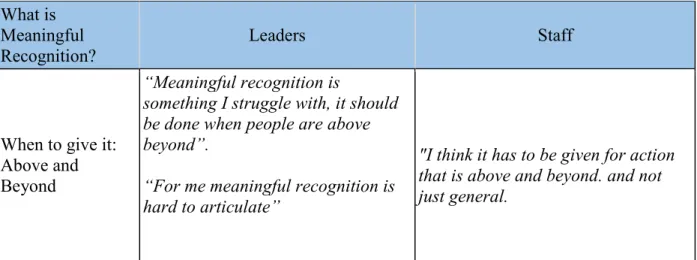
The theme “what is MR”and its subthemes were coded for 80 comments from the entire FGI transcripts. Overall, the question what is MR was very difficult for staff nurses and leaders to answer directly. One of the nurse leaders verbalized, “For me meaningful recognition is hard to articulate”. The following statement made by a nurse leader, “MR is something that a person can really take to heart and feel as the genuine expression of whoever is recognizing and
something that is very valued” was the response that was closest to the AACN’s definition of MR (AACN, 2005). More often participants gave examples of when to give MR, who to give MR to, or ways to give MR and associated MR with the Workforce Engagement Survey (WES)
scores, “this was an area it was low in one of our previous surveys and so we talked about what does that mean”. The focus group discussions confirmed that although nurses and nurse leaders had some awareness about the concept of MR, mostly MR remains as an abstract concept.
Table 10 provides examples of participant responses that answer the question directly and contrasts the questions “What is MR?” to “What is the most MR you’ve received?”
Table 11. Contrasting Quotations from Leaders vs. Staff What is
Meaningful Recognition?
Leaders Staff
When to give it: Above and Beyond
“Meaningful recognition is
something I struggle with, it should be done when people are above beyond”.
“For me meaningful recognition is hard to articulate”