OPTIMIZING COST DISCUSSIONS BETWEEN ONCOLOGISTS AND PATIENTS TO REDUCE FINANCIAL TOXICITY:
A QUALITATIVE STUDY OF ONCOLOGIST PERSPECTIVES
Dana Swartzberg Wollins
A dissertation submitted to the faculty at the University of North Carolina at Chapel Hill in partial fulfillment of the requirements for the degree of Doctor of Public Health in the Department of Health Policy and Management in the Gillings School of Global Public Health.
Chapel Hill 2019
ii © 2019
iii ABSTRACT
Dana Swartzberg Wollins: Optimizing Cost Discussions Between Oncologists and Patients to Reduce Financial Toxicity: A Qualitative Study of Oncologist Perspectives
(Under the direction of Stacie B. Dusetzina)
As the cost of cancer care continues to rise and patients shoulder increasing financial burden for their care, there is a growing sentiment within the oncology community that patients be clearly informed of their out-of-pocket (OOP) costs as part of delivering high quality cancer care. The American Society of Clinical Oncology (ASCO), in particular, has dedicated
significant time and attention to raising awareness of the rising cost of cancer care, as well as emphasizing the importance of cost discussions between oncologists and their patients. Despite these efforts, cost discussions are not happening frequently, and there are no established models for how this communication should be integrated into oncology practice.
iv
process for identifying and mitigating financial toxicity. OOP cost estimator tools and payment models that incentivize OOP cost communication are facilitators for oncologists to have cost-related conversations with their patients. To effectively assist patients in understanding, minimizing and managing their OOP costs, physician and patient education, information-based solutions and a systems-based, whole care team approach are needed.
v
This dissertation is dedicated to:
Aaron, for your unconditional love, unwavering support, many sacrifices, patience, and encouragement.
Ethan, for putting up with my busy days and nights, for studying beside me, and for always showing me your support and care.
vi
ACKNOWLEDGEMENTS
I am grateful for the guidance and support of so many friends and colleagues who have helped me through this journey.
I wish to express my deepest thanks to my dissertation chair and committee members, each of whom provided invaluable expertise and assistance to me during this process. Thank you to Dr. Stacie Dusetzina, for giving your time and expertise to me as my committee chair, as well as for your unwavering support and investment in my growth and success; Dr. Antonia Bennett, for your insights, curiosity, and willingness to generously share your qualitative research expertise; Dr. Sandra Greene, for your wisdom and experience, and for reminding me dissertations are not meant to sit on shelves, but rather to serve as blueprints for change; Dr. Rebecca Slifkin, for your keen observations, thoughtful feedback, and careful editorial eye; and Dr. Yousuf Zafar, for the time and expertise you gave in serving on my committee and, through your pioneering research, for paving the way for me and many others to study and help find solutions to financial toxicity in cancer care.
I also wish to acknowledge the exceptional community of faculty and staff at the Gillings School of Global Public Health, Doctor of Public Health Program—particularly Dr. Pam
Silberman for your vision, leadership, and commitment to making the world a better place. Thank you, also, to my classmates of Cohort 11, for teaching me so much and for your support and friendship.
vii
viii
“The good physician treats the disease;
the great physician treats the patient who has the disease.”
ix
TABLE OF CONTENTS
LIST OF TABLES ... xii
LIST OF FIGURES ... xiv
LIST OF ABBREVIATIONS ... xv
CHAPTER 1: INTRODUCTION ... 1
Financial Toxicity of Cancer Care ... 1
Cost as a Component of Shared Decision-Making ... 2
The Role of Clinical Decision Support ... 3
Tools to Improve Cost Communication ... 4
The ASCO Value Framework ... 5
Improving Cost Discussions in Cancer Care ... 7
Research Question and Aims ... 7
Significance of Study ... 7
CHAPTER 2: LITERATURE REVIEW ... 9
Introduction ... 9
Methods... 11
Results ... 12
x
CHAPTER 3: METHODS ... 22
Development of the Interview Guide ... 22
Selection of Study Participants ... 23
Interview Methods ... 23
Data Analysis ... 24
CHAPTER 4: RESULTS ... 25
1. Why Cost Comes Up ... 27
2. When and How Cost Comes Up ... 31
3. Discussion Frequency & Initiation ... 34
4. Attitude & Experience ... 35
5. Processes and Resources Used within the Oncology Practice ... 37
6. Strategies for Reducing Patient Out-of-Pocket Costs ... 44
7. Barriers to Cost Discussions between Oncologists and Patients ... 53
8. Facilitators of Cost Discussions between Oncologists and Patients ... 60
9. Improving the Integration of Cost Discussions into Oncology Practice ... 62
CHAPTER 5: DISCUSSION ... 72
Cost Discussions between Oncologists and Patients: Current State ... 73
Improving the Integration of Cost Discussions into Oncology Practice ... 82
Study Limitations ... 98
xi
Overall Strategy for Integrating Cost Communication in the Cancer Setting ... 101
Recommendations for ASCO ... 108
Source: Costs of Care: Getting the Patient-Provider Conversation Right. Accessed at: https://www.rwjf.org/en/blog/2016/06/costs_of_care_getti.html ... 133
ASCO Implementation Strategy ... 135
CHAPTER 7: CONCLUSION ... 163
APPENDIX 1: EMAIL SOLICIATION ... 167
APPENDIX 2: INTERVIEW GUIDE ... 168
APPENDIX 3: TELEPHONE CONSENT FOR KEY INFORMANT INTERVIEWS ... 170
APPENDIX 4: CODE BOOK ... 171
APPENDIX 5: SUMMARY OF STUDY FINDINGS ... 175
APPENDIX 6: ASCO’S QUALITY OF CARE INITIATIVES ... 185
xii
LIST OF TABLES
Table 1. Characteristics of Included Studies... 15
Table 2. Study Participant Characteristics ... 25
Table 3. Study Themes ... 27
Table 4. Desired Attributes for Price Transparency Tools ... 87
Table 5. Role of a Financial Navigator ... 93
Table 6. Strategy for Integrating Cost Communication in the Oncology Setting ... 103
Table 7. Cost Communication Initiative Domains, Recommendations & Tactics ... 116
Table 8. Priority Research Objectives for ASCO ... 132
Table 9. Robert Wood Johnson Foundation Case Study ... 133
Table 10. Cost Communication Initiative Tactics ... 134
Table 11. Implementation Plan- Steps 1 & 2 ... 137
Table 12. Oncologist Education & Training ... 140
Table 13. Clinical Guidance ... 142
Table 14. Patient Education & Awareness ... 144
Table 15. Practice Tools & Resources ... 146
Table 16. Quality Assessment & Improvement ... 148
Table 17. Policy ... 151
Table 18. Research ... 153
Table 19. Oncologist Education & Training Timeline ... 155
Table 20. Clinical Guidance Timeline ... 156
Table 21. Patient Education & Awareness Timeline ... 157
xiii
Table 23. Quality Assessment & Improvement Timeline ... 159
Table 24. Policy Timeline ... 160
Table 25. Research Timeline ... 161
xiv
LIST OF FIGURES
Figure 1. Conceptual Model for Shared Decision-Making ... 3
Figure 2. PRISMA Diagram ... 13
Figure 3. Strategic Goals... 102
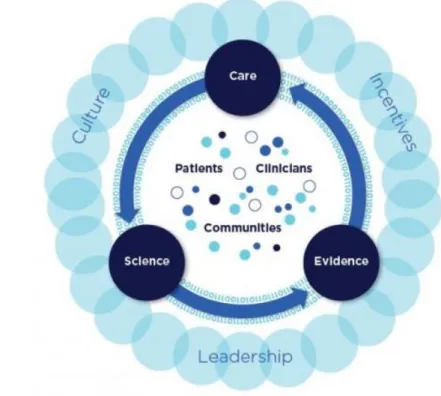
Figure 4. NAM Schematic of the Continuously Learning Healthcare System ... 109
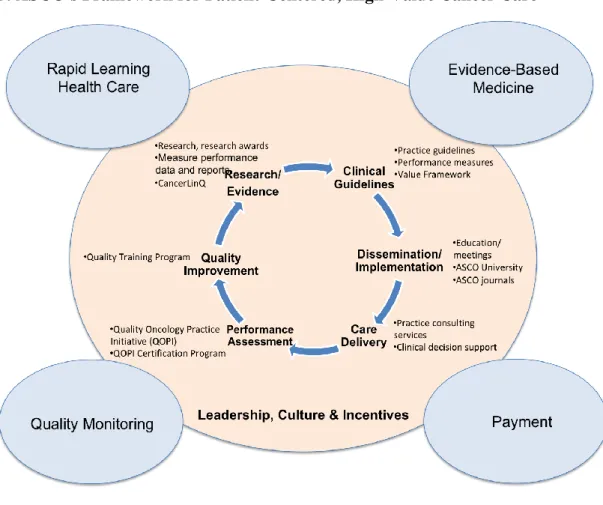
Figure 5. ASCO's Framework for Patient-Centered, High-Value Cancer Care ... 113
Figure 6. Strategic Recommendations ... 115
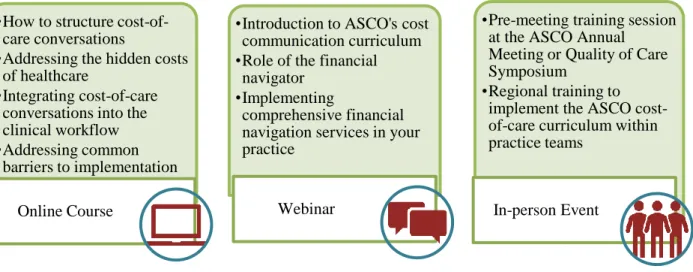
Figure 7. Example of a Multi-Modal ASCO Cost Communication Curriculum ... 120
xv
LIST OF ABBREVIATIONS AAIM Alliance for Academic Internal Medicine
AAR Ask, Advise, Refer
ABIM American Board of Internal Medicine ACCC Association of Community Cancer Centers ACP American College of Physicians
ASCO American Society of Clinical Oncology CDS Clinical Decision Support
CME Continuing Medical Education
CMS Center for Medicare & Medicaid Services COST Comprehensive Score for Financial Toxicity CPT Current Procedural Terminology
EHR Electronic Health Record EMR electronic medical record
ERISA Employee Retirement Income Security Act FDA Food and Drug Administration
HER human epidermal growth factor receptor IRB Institutional Review Board
IV intravenous
JOP Journal of Oncology Practice
MIPS Merit-based Incentive Payment System MOC Maintenance of Certification
NAM National Academies of Medicine
xvi NHB Net Health Benefit
OCM Oncology Care Model OOP Out-of-Pocket
PARP poly ADP ribose polymerase
PCORI Patient-Centered Outcomes Research Institute
PRISMA Preferred Reporting Items for Systematic Reviews and Meta-Analyses PROMIS Patient-Reported Outcomes Measurement Information System
QOPI Quality Oncology Practice Initiative QPP Quality Payment Program
1
CHAPTER 1: INTRODUCTION Financial Toxicity of Cancer Care
Over the last decade, U.S. healthcare expenditures, particularly in the area of cancer care, have risen dramatically. Cancer drugs represent the fastest-growing component of rising cancer care costs, with the average price of a novel anticancer drug routinely exceeding $100,000 per year or course of treatment.1 Increasingly these costs are being passed on to patients in the form
of cost sharing (i.e., deductibles, coinsurance, and copayments), which can have catastrophic effects on the financial well-being of patients and their families.2,3 As a result, a new side effect of treatment has been coined in the oncology community: financial toxicity.4 Financial toxicity has been shown to impact not only individuals’ finances, but also their survival, leading to poor
patient compliance with medications, dose adjustments, and skipped appointments.4
To address this issue, the National Academies of Medicine (NAM), the American Society of Clinical Oncology (ASCO) and others have recommended that patients be clearly informed of costs as part of delivering high quality cancer care.5,6 Financial navigation services have begun to take root to help patients understand the costs of their care as well as to identify co-pay assistance, “free drug” programs and other resources. These services generally begin after the
2
financial impact of care to be incorporated into the treatment selection process, in the same way that any other potential toxic effect is considered.8
Cost as a Component of Shared Decision-Making
Improving the value of cancer care by reducing cost while maintaining or improving quality has become a shared goal among patients, clinicians, payers and policy makers. The patient perspective, however, is of critical importance in defining value. Because perception of value is so individualized, it is important that discussions with patients include an assessment of patient needs, goals, and preferences. Including cost-benefit discussions as a component of shared decision-making has the potential of both improving outcomes and decreasing costs, thereby increasing the value of care delivered.
3
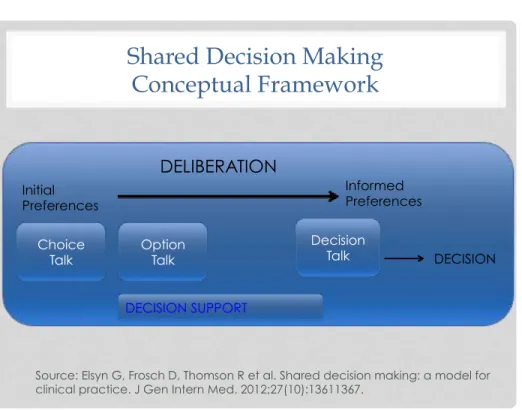
Figure 1. Conceptual Model for Shared Decision-Making
Despite the perceived benefits of discussing cost with their patients, physicians today often do not do so, whether due to lack of training or lack of information on how much the treatments they prescribe actually cost. Among physicians, common barriers reported include insufficient time and a belief that they did not have a solution to offer.11 Among patients, a wide variety of barriers have been reported including patients’ own discomfort, insufficient time, a belief that their physician did not have a viable solution, and concerns about the impact of discussions on quality of care.12–14
The Role of Clinical Decision Support
Clinical decision support (CDS) encompasses a variety of tools to enhance decision-making in the clinical workflow, such as computerized alerts and reminders, data reports and summaries, and diagnostic and treatment decision-making support.15 CDS tools can be used to facilitate shared decision-making by helping patients understand the clinical evidence and
Shared Decision Making
Conceptual Framework
DELIBERATION Initial
Preferences
Informed Preferences
Choice
Talk Option Talk
Decision
Talk DECISION
DECISION SUPPORT
4
identify their preferences, preparing them to make informed, values-based decisions with their healthcare providers. Clinical decision support has been shown to support patient-centered, evidence based clinical decision making across a variety of clinical settings as well as to improve quality and reduce costs by increasing adherence to evidence-based practices.16 In the cancer setting, clinical decision aids have been developed across the continuum of cancer care to promote shared decision-making. A 2013 systematic review identified 22 risk prognostic tools across several cancer types.17 Several tools also have been developed to assess the risk of
chemotherapy toxicity in older adults.18,19 However none appears to have been developed to date
to facilitate discussions between physicians and patients about the cost of cancer care. Tools to Improve Cost Communication
A promising effort is underway among organizations in the cancer community to help make the cost of care more transparent to clinicians and patients, and to place cost within the overall context of value.
• The National Comprehensive Cancer Network (NCCN) has established evidence blocks to help inform clinical decision making with a focus on efficacy, safety, quality of supporting evidence, and affordability.20
• Memorial Sloan Kettering Cancer Center has developed the DrugAbacus, an interactive tool designed to help determine a more appropriate price for a specific agent, based on what
experts consider are possible components of a drug's value.21
• ASCO has developed the Value Framework, a conceptual tool to help physicians and patients weigh the potential benefits of treatment with possible side effects and costs.22
5
and physicians in the context of shared decision-making about treatment options, and both use estimates of drug acquisition costs as a surrogate for patient affordability (meaning they do not actually integrate patient cost). In contrast, the DrugAbacus evaluates therapies at the population level to inform policies and payer coverage decisions. It considers cost from the point of view of price and therefore is not designed to aid in doctor-patient discussions.
The ASCO Value Framework
ASCO developed the Value Framework to facilitate shared decision-making between doctors and patients by helping them assess the relative value of cancer treatment regimens that have been studied head-to-head in clinical trials. The framework defines value as a combination of clinical benefit, side effects, and improvement in patient symptoms or quality of life in the context of cost. Two versions of the framework have been developed: one for treatments used in metastatic cancer and the other for adjuvant drugs used in earlier disease. In both types, a single net health benefit (NHB) score is generated by awarding points for clinical benefit and adding or subtracting them for toxicity. The score can then be contrasted to a drug regimen’s cost—both the drug acquisition and the patient-specific cost if used in the clinical setting. The initial version of the Value Framework was released in 2015 for public comment.23 ASCO published an
updated Value Framework in 2016 incorporating feedback that was received.22
6
respect to clinical benefit, toxicity and cost and generate an NHB score, which could be displayed along with each treatment’s overall cost.
To address each patient’s needs and preferences, the framework authors envisioned that a tool of this type should allow for patients to change the weight of the included variables,
enabling the application to recalculate the NHB and display the new results. For example if, in the advanced disease setting, longevity is less important to a patient than freedom from toxicity, the tool should be able to adjust the clinical benefit and toxicity parameters to reduce the impact of clinical benefit and enhance the impact of toxicity, thereby producing a personalized NHB. For each regimen in the tool, cost information would be provided using average sales price data for intravenous therapies and wholesaler acquisition cost information for oral drugs. Patient-specific cost information would be entered into the tool manually based on the patient’s insurance plan and status, which would need to be obtained separately. Development of the tool would begin with a prototype, which would likely undergo changes based on feedback from physicians and patients.
Ultimately ASCO’s goal is to enable development of a tool for use by oncologists in discussing treatment options with their patients. However, in developing the tool, several questions will need to be addressed. First, it is unclear when in the clinical workflow a tool of this type would be most useful, and for which patients. It also is not clear if the tool will be used if it requires additional time on the part of the oncologist. However if adding this step ultimately leads to reduced costs and better care and outcomes for patients, oncologists may be willing to take part. Finally, it is important to note that the ASCO Value Framework, as currently
7
off work. It remains to be seen how valuable a tool will be to oncologists if it is not able to synthesize information beyond the costs of cancer drugs alone, or to provide patient-specific costs in an automatic way.
Improving Cost Discussions in Cancer Care
As the cost of cancer care continues to rise and patients shoulder an increasing degree of financial burden for their care, there is a growing sentiment within the oncology community that the cost patients will bear as a result of their treatment should be discussed as an integral part of shared decision-making. Doing so can help ensure patients make informed decisions and receive information and assistance on how to reduce such harm. However these
discussions are not happening frequently, and there are no established models for how cost discussions should be integrated into oncology practice. Greater understanding is needed of how these discussions are currently taking place, what barriers and facilitators exist to having these discussions, and the ways in which these discussions can impact patient care.
Research Question and Aims
The goal of this study is to answer the following question: How can doctor-patient discussions about cost be optimized to reduce patient financial toxicity in the cancer setting? Study aims are as follows:
1. Describe the nature of these discussions, the process or tools used, and the perceived impact (key informant interviews)
2. Identify the barriers and facilitators for oncologists to having cost-related conversations with their patients (key informant interviews)
3. Establish an action plan for improving the integration of cost discussions into oncology practice (plan for change)
Significance of Study
8
to its current state. Through this work, I have developed a strong interest in better
9
CHAPTER 2: LITERATURE REVIEW Introduction
The purpose of this literature review was to assess the following question: When discussions about cost occur between oncologists and patients, what is their impact? Limited evidence exists as to the extent or nature of cost discussions between oncologists and patients. The incidence and quality of discussions have been assessed in three ways: survey-based studies that query patients and/or providers about their desire to have cost discussions; survey-based studies that ask patients and/or providers to recall whether they have discussed costs with their oncologist; and studies of audio-recorded conversations between patients and providers. These studies show that relatively few physicians or patients initiate cost discussions, suggesting missed opportunities for discussion between clinicians and interested patients.13,24,25
Significant variation exists in the degree to which patients report a desire to have cost discussions with their physicians, ranging from approximately 50% to nearly 100% of surveyed patients with cancer.14,26,27 Similarly, studies based on recall suggest variation in the extent to which patients report discussing their costs with oncologists. Those estimates of cost discussions frequency vary widely, from as low as 14% of patients discussing their healthcare spending with physicians to as high as 44% in a single year.2,11,26,28 The heterogeneity in estimates may be in part a result of differences in study design, with survey-based studies subject to recall bias. Studies that rely on analyzing recorded conversations between physicians and patients report that 30% of patient-physician interactions include cost conversations.29
10
Oncologists may avoid cost discussions because they are unprepared for those discussions.13
Oncologists often report not knowing how much the treatment they prescribe will cost to any given patient, and few believe they have access to adequate resources to discuss costs.12 With lack of transparency in health systems’ pricing, and with per-patient variation in insurance coverage, tracking costs for patients is challenging if not impossible. Patients also report a wide variety of barriers to having effective cost discussions with their oncologists, including patients’ own discomfort, insufficient time, a belief that their physician cannot reduce their costs, and concerns about the impact of cost discussions on quality of care.26
While little is known about the incidence of cost discussions, even less is known about whether there is an ideal way in which to have these discussions. An emotionally-charged first visit with an oncologist might not be the most appropriate time to do so. However, it is
reasonable to anticipate that if a conversation about cost is helpful, it will likely be most helpful earlier in the course of care. Social workers and financial counselors are better able to provide financial assistance to patients before debt is incurred rather than after.30 Additionally, it is important that discussions are tailored to individuals’ literacy levels and personal circumstances. As well, these discussions should occur throughout the treatment period—particularly at the time of any change in treatment—and throughout the cancer care continuum. Cancer survivors are also at risk for experiencing financial burden, suggesting that assessments for financial burden should continue into survivorship.31
11
recent study of 1755 recorded patient-physician conversations, Hunter et al found that 22% of cost-reducing strategies discussed involved switching to lower-cost therapies.32 Twenty-three percent of the time, physicians discussed reducing OOP costs by changing the timing, source, or location of care. Of note, this study was limited in that these strategies were recorded, but there was no follow-up to determine whether the strategies were instituted or whether they reduced costs for patients.
Methods
A systematic literature review was conducted using PubMed, Scopus, and Embase
databases. These databases were selected because they represent most comprehensive sources of medical literature with a concentrated focus on North America and Europe. PubMed covers journal articles related to medicine and healthcare, but does not include information about
meeting abstracts or conference proceedings. In contrast, Embase includes meeting abstracts and conference proceedings, which is desirable in studying the relatively new field of financial toxicity. Scopus delivers a broad overview of interdisciplinary scientific information, drawing from the physical, health, life and social sciences, making it a valuable resource for this topic as well. This strategy was supplemented with searching by hand and with expert suggestions as well.
12 physician-patient discussion about cost.
Once all studies were initially identified, eligibility assessment was performed first by removing duplicate records and then by screening the titles and abstracts to determine whether or not each met the eligibility criteria. Those studies that appeared to meet criteria were then reviewed in full-text version to confirm eligibility. Information was extracted from each included study on:
• Characteristics of study participants • Study’s inclusion and exclusion criteria • Type of intervention
• Type of outcome measure
The potential for bias exists in this review. In addition to publication bias and selection bias within studies, there is a potential for recall bias if patients studied were asked to recall the impact of cost and/or a discussion with their physician at a future date. This bias could be significant for cancer patients, who are under emotional stress at and following the time of diagnosis and may have difficulty with accurate recall. To minimize this bias, studies that assessed financial toxicity and the presence of a physician-patient cost discussion at the time of the clinical encounter were sought in particular, although recall-based studies were not excluded.
Results
13
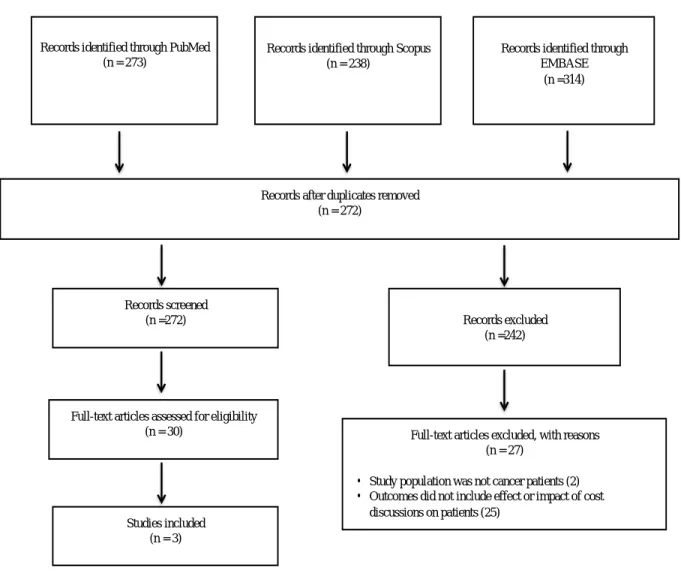
eliminated based on exclusion criteria. Three articles ultimately were included in the literature review. Bibliographies of these three articles also were searched to identify additional relevant studies, however no additional articles were identified that met the inclusion criteria.
Figure 2. PRISMA Diagram
Although there are a growing number of studies assessing physicians’ and patients’ attitudes and perceptions of discussing cost as a hypothetical construct, there is a dearth of studies that have been published assessing the outcomes of actual discussions between
Records identified through PubMed (n = 273)
Records identified through Scopus (n = 238)
Records identified through EMBASE
(n =314)
Records after duplicates removed (n = 272)
Records screened (n =272)
Full-text articles assessed for eligibility (n = 30)
Studies included (n = 3)
Records excluded (n =242)
Full-text articles excluded, with reasons (n = 27)
· Study population was not cancer patients (2) · Outcomes did not include effect or impact of cost
14
physicians and patients in the cancer setting. Three studies that have recently been published on this topic are as follows:
• A study by Zafar et al examined whether having a patient-oncologist discussion of cancer treatment costs lowered OOP expense for the patient.14
• Another study by Bestvina et alassessed the association between having a patient-oncologist discussion of cancer treatment OOP cost and medication adherence, a critical component of quality cancer care.2
• Finally, a study Kelly et al study assessed patient satisfaction when the physician consultation included discussion of costs. 33
15 Table 1. Characteristics of Included Studies
Study (year)
Population Design Size Measure(s) of Effect
Major Finding(s) Zafar
(2015)
Insured patients with breast and colorectal cancer at a U.S.
academic medical center Cross-sectional survey study with follow-up
300 Patient desire to discuss cost of treatment with doctors, interest in incorporating cost into treatment decision making, and whether or not patients found cost discussions useful in lowering OOP expense
Patients with cancer receiving treatment varied in their desire to discuss costs with doctors, however most who talked to their doctors about costs believed the conversations helped reduce their costs.
Bestvina (2014)
Insured patients with breast and colorectal cancer at a U.S.
academic medical center Cross-sectional survey study with follow-up
300 Self-reported medication non-adherence Patient-oncologist cost communication and financial distress were associated with medication non-adherence,
suggesting that cost discussions are important for patients forced to make cost-related behavior alterations. Kelly (2015) Previously treated metastatic breast, lung, or colorectal cancer who were either on active treatment or surveillance Cross-sectional survey study
96 Patient attitudes and assessed patient satisfaction when consultations included discussion of costs.
Patients with cancer desired cost-of-treatment discussions, and these conversations did not lead to negative feelings in the majority of patients.
Utility of cost conversations between physicians and patients
16
three affiliated rural oncology clinics. Patients were approached while waiting in clinic to receive chemotherapy. After obtaining informed consent, trained interviewers surveyed each patient in person at the time of enrollment. Three months after completion of the baseline survey, interviewers surveyed each patient again by phone or in person to determine whether preferences for cost discussions changed over time. To assess the generalizability of their findings, the researchers compared age, disease characteristics, and treatment characteristics of patients who chose to participate to those who declined participation. The researchers
summarized descriptive variables including demographics, clinical, and financial characteristics, and they used logistic regression to assess which characteristics were associated with a greater patient desire to discuss costs with doctors.
Results showed that 56% (n = 155) of patients expressed a desire to discuss treatment related OOP costs with their doctor. However, only 19% (n = 56) had actually spoken with their doctor about their OOP costs. Of those, 32 (57%) reported lower OOP costs as a result of the cost discussion. (Note: Statistical significance was not reported.) Methods of cost reduction included physician referral of the patient to a financial assistance program (53%), the physician advocating for the patient or facilitating the insurance approval/coverage process (25%),
switching to less expensive prescription medications (19%), changing or decreasing the number of tests (13%), or decreasing the number of physician visits (6%). While based on a small sample, these results suggest that cost discussions might help lower patients’ financial burden without, in the majority of cases, changing care.
17
doctor-patient cost discussions, financial distress and medication non-adherence, which is a critical component of quality cancer care. Subjective financial distress was measured using the InCharge Financial Distress/Financial Well-Being Scale. Non-adherence included skipping doses, taking less medication than prescribed, or not filling the prescription because of cost. Fifty-two (17%) reported “high” or “overwhelming” financial distress, and 80 (27%) reported non-adherence to their cancer medications.
Effect of physician-patient cost conversations on the doctor-patient relationship
Kelly et al assessed patient satisfaction after the cost of chemotherapy was introduced into the doctor-patient relationship. Chemotherapy and targeted therapy costs were provided to patients by their oncologist during the consultation using a web-based decision-support platform called eviti Advisor. The study population was composed of 96 cancer patients with previously treated metastatic breast, lung, or colorectal cancer who were either on active treatment or surveillance and receiving their oncology care from an oncologist on faculty at Johns Hopkins University. Researchers identified patients by contacting oncologists weekly over a period of 7 months and asking them to provide a list of eligible patients attending their clinic. A member of the study team approached patients at the time of registration, provided the patient with
information about the study and obtained written consent. Before their consultation with their oncologist, patients were asked to complete a baseline questionnaire evaluating their need for cost of treatment information. At the end of the clinical encounter, participating oncologists were asked to discuss with their patients whether they had any financial difficulties with their
18
Results showed that more than 80% of patient respondents reported that it is “quite important” or “extremely important” for them to know what they will be personally responsible for paying. Additionally, the majority of patients (81.2%) reported that they felt no negative feelings or conflicts (graded 1-2 on 10-point Likert scale) when they discussed cost of treatments with their oncologist.
Discussion
While a growing body of evidence suggests that patients often struggle with treatment-related financial burden, little work has been done to identify effective ways of introducing cost into physician-patient discussions, or to place this information within the overall context of the value of various treatment options under consideration. Several studies have been published documenting attitudes and perceptions among physicians and patients, as well as assessing the frequency with which these conversations are occurring. However few studies have described the nature of these discussions, the process or tools used to have these studies, and/or their impact on patient care. Compounding the problem is that those studies that have assessed the impact of cost discussions between oncologists and patients vary in the outcomes they assessed, making it difficult to generalize the findings.
19
The Zafar et al study represents an important contribution to the literature on barriers to physician-patient communication on cost. Despite the well-described patient- and physician- reported barriers to effective cost discussions, this study reports lower OOP costs can result from cost discussions. However, as noted by the researchers themselves, further study is needed to test the effectiveness of practice-based, cost-related alterations in care.
The study by Bestvina et al also contributes to the literature by reporting, perhaps for the first time, that cost-related communication may be a marker for people who are concerned about the personal cost implications of their health care and are at risk for non-adherence. Because non-adherence can be such a strong indicator of poor outcome, this finding is significant. As the researchers note, instead of waiting for behavioral change (e.g. medication non-adherence) caused by financial distress, broaching the topic of cost earlier in the course of treatment could help patients avoid non-adherence.
The Kelly et al study sheds further light on an important, under-studied questions: Can physicians and patients discuss treatment costs in the clinic, and how will this discussion affect the patient-physician relationship? This study demonstrates that these discussions do not cause patient dissatisfaction and are viewed by both oncologists and patients as important. As the only study that introduced a cost conversation and tested its impact, this study offers a model for future studies of this type.
20
of the studies by Zafar et al and Bestvina et al is that they employed a follow-up survey to assess differences in perceptions over time. A strength of the Kelly et al study is that it utilized broad inclusion criteria and had diversity among the patients it enrolled, suggesting these data could represent a real-world oncology clinic (at least within an academic cancer center). Additionally, in the Kelly et al study, a small number of health care professionals conducted all of the surveys using a standard questionnaire and met frequently to ensure consistency across the study team.
Several limitations can be noted among these studies as well. Because all three studies focused on insured cancer patients being treated at a major academic referral center, the results may not be generalizable to that of the overall cancer patient population. Additionally, many of the outcomes relied on patient self-report, which could diminish the reliability of the results. Additional specific weaknesses of these studies are noted below:
• In the Zafar et al study, patients were sampled in a consecutive but nonrandom way and, as stated above, most were treated at a major referral center, diminishing the generalizability of the findings. However, the study had a high response rate and non-responders and responders were quite similar, suggesting the sample was representative of the center itself.
Additionally, the desire to discuss costs was not measured via a validated measure (no validated instruments were available to measure this outcome.) Additionally, the follow-up interval of 3 months was short. As well, only a small number of patients reported having cost discussions, and the researchers relied on patient self-report.
21
• Specific weaknesses of the Kelly et al study include its small sample size as well as the absence of any recordings of the physician-patient discussions. Another weakness is that the researchers did not provide patient-specific costs; rather, average costs were provided and therefore lacked accuracy for the patient receiving the information.
As the cost of cancer care continues to rise and patients shoulder an increasing degree of financial burden for their care, there is a need for systematically designed interventions that assess the impact of physician-patient discussions on patient financial toxicity. In conducting future studies, it will be important to achieve better understanding of what constitutes a
22
CHAPTER 3: METHODS
For this study, I used a qualitative methods approach to assess how doctor-patient
discussions about cost can be optimized to reduce patient financial toxicity in the cancer setting. Semi-structured telephone interviews were conducted with clinical oncologists (n=24) in a variety of practice settings and disease specialties. Participants were identified through several sources, including ASCO practice survey data, snowball sampling, and direct outreach to ASCO members identified through participation in ASCO committee work. The 40-45 minute
interviews explored current practices, barriers and facilitators to communicating cost information to cancer patients. The study was approved by the University of North Carolina – Chapel Hill Institutional Review Board (study number 16-2871) in March 2018.
Development of the Interview Guide
23
Selection of Study Participants
Participants were a convenience sample of practicing oncologists located across the United States in a variety of geographic locations and practice settings, identified through purposive sampling. Potential respondents were drawn initially from the ASCO 2016 Trends Survey, which yielded only 3 participants. The remaining 21 participants were identified from current and prior ASCO committee membership rosters, as well as through snowball sampling. In identifying participants, I sought to identify a diverse mix of oncologists representing different
areas of specialization, as well as a mix of gender, years in practice, geographic location, practice
type and patient mix.
Interview Methods
Prospective participants were recruited by email (see Appendix 1). After participants agreed to be interviewed for the study, appointments were scheduled for the telephone interview, usually within two weeks of the initial contact. I informed each participant that the research was for my dissertation (as part of doctoral studies at the UNC Gillings School of Global Public Health), and that the results would be used to inform my work at ASCO in this area.
Interviews were conducted by telephone with each participant between July 13, 2018 and August 29, 2018. After introductions were made and the purpose of the study explained, I requested verbal informed consent at the start of each interview. The oncologists were informed that their participation in the study was completely voluntary, and that they could stop the interview at any time or opt to not answer any of the questions asked. I then described the
provisions for confidentiality and assured participants that their name and their institution’s name would not be associated with specific comments or answers, nor would their name or
24
asked for permission to audio record the discussion; all consented to have their interviews recorded. There were no offers of a monetary or nonmonetary incentive to the participants in this study, other than the offer to provide a copy of a completed summary of this research after committee approval. In addition, there were no costs to be borne by subjects, other than their time. All interviews were audio-recorded and professionally transcribed.
Data Analysis
25
CHAPTER 4: RESULTS
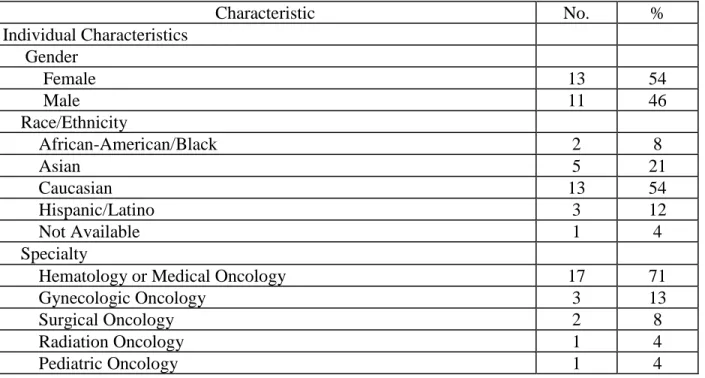
Interviews with 24 oncologists from a variety of disease specializations and practice settings were included in the study. Participant characteristics are provided in Table 2 below. The majority of oncologists specialized in adults hematology or medical oncology, however the specialties of gynecologic oncology, surgical oncology, radiation oncology, and pediatric oncology also were represented.
Practice settings were identified as physician-owned, hospital/health system-owned, academic or public hospital (non-academic). The majority of oncologists interviewed came from large academic settings (54%) and served primarily Medicare- and private-insured patient
populations.
Table 2. Study Participant Characteristics
Characteristic No. %
Individual Characteristics Gender
Female 13 54
Male 11 46
Race/Ethnicity
African-American/Black 2 8
Asian 5 21
Caucasian 13 54
Hispanic/Latino 3 12
Not Available 1 4
Specialty
Hematology or Medical Oncology 17 71
Gynecologic Oncology 3 13
Surgical Oncology 2 8
Radiation Oncology 1 4
26
Cancers Treated
Breast Cancer 9 38
Gastrointestinal (i.e., colorectal, pancreatic) 3 13 Gynecologic (i.e., endometrial, cervical, uterine) 3 13
Hematologic (i.e., leukemia, lymphoma) 3 13
Skin and Soft Tissue Sarcomas 1 4
All Cancer Types 4 17
Years in Practice
Less than 10 y. 5 21
11-20 y. 6 25
21 or more y. 13 54
Practice Characteristics
Clinical Care Settinga
Physician-Owned 5 21
Hospital/Health System-Owned 2 8
Academic 13 54
Public Hospital (Non-Academic) 4 17
Sizeb
1-5 5 21
6-12 1 4
13-40 4 17
41-100 4 17
>100 10 42
Region
Midwest 3 13
Northeast 7 29
Southeast 7 29
Southwest 3 13
West 4 17
Insurance Mixc
Predominantly Medicare and Private Pay 18 75
Predominantly Medicaid, Medicare/Medicaid Dual and Uninsured 6 25 a Practice setting categories based on the ASCO Oncology Practice Census, with the addition of the category, Public
Hospital (Non-Academic) to distinguish this unique practice setting
b Practice size based on the number of practicing hematologist/oncologists in the setting, as defined in the ASCO
Oncology Practice Census
c Insurance mix self-reported by oncologists. Responses were categorized into two main category types that
emerged: Predominantly Medicare and Private Pay and Predominantly Medicaid, Medicare/Medicaid Dual and/or Uninsured
27 Table 3. Study Themes
Theme Description
1. Why cost comes up
The issue of OOP costs arises primarily due to insurance coverage concerns, high drug costs and patient inability to pay for the ancillary costs of care (e.g. transportation, time off work). For oncologists in private practice, discussing cost is viewed as important not only for patient well-being, but also for the financial health of the practice. 2. When and how
cost comes up
The topic of OOP costs can arise in several ways, by either the patient or the oncologist bringing it up before or during treatment. Often the patient initiates discussion with another member of the staff, who brings the issue to the attention of the oncologist.
3. Discussion frequency and initiation
The frequency with which OOP cost discussions take place between oncologists and patients varies widely depending practice setting and population served. Oncologists in private practice are significantly more likely to initiate a discussion of cost and ensure it takes place. 4. Attitude and
experience
Oncologists believe not being able to afford one’s care has become expected and universal. They view communicating with their patients about OOP costs as important, but most do not feel adequately prepared to do so.
5. Processes and resources used in practice
The process of obtaining OOP cost information, in addition to the necessary steps required to obtain financial assistance, is a time-intensive, back-and-forth process that can increase patient anxiety and lead to delays in care.
6. Strategies to reduce OOP costs
Oncologists are aware of and use a wide range of strategies to help patients predict, plan for, and afford their OOP costs. Oncologists view enrolling a patient in a clinical trial as a way to reduce OOP costs, but say doing so also can increase indirect costs.
7. Barriers to cost communication
Lack of education, resources and a systemic process for identifying and mitigating financial toxicity in practice are barriers to OOP cost
communication between oncologists and patients. 8. Facilitators of
cost
communication
Dedicated staff support, OOP cost estimator tools, and payment models that incent OOP cost communication are facilitators for oncologists to having cost-related conversations with their patients.
9. Improving cost discussions in oncology practice
To effectively assist patients in understanding, minimizing and managing their OOP costs, physician and patient education, information-based solutions and a systems-based, whole care team approach are needed.
1. Why Cost Comes Up
Oncologists identified several reasons why the issue of OOP costs comes up in
28
concerns, high drug costs, and patient inability to pay for ancillary costs of care (i.e., transportation, time off work).
Insurance coverage concerns
Oncologists spoke at length about the significantly increased impact OOP costs are having on their patients compared to the past due to patients’ poor insurance coverage.
Oncologists frequently cited an overall increase over the past several years in patients coming in with high-deductible health plans, or plans that do not cover the cost of prescription drugs. They also identified high co-pays, as well as the accumulation of smaller but collectively significant co-pay expenses for patients who require long durations of therapy. Most oncologists said their patients don’t have an uninsured problem; rather, they have an under-insured problem. They may be uninsured briefly/temporarily, but for the most part they can qualify for state emergency Medicaid, which can be done retroactively. The exception is undocumented individuals, who cannot qualify for Medicaid and who will be turned away even by non-profit hospitals in some states (i.e., Florida).
Newer, more expensive drugs
Oncologists discussed how new drugs carry exponentially higher price tags than their older, often generic, counterparts. In particular, targeted therapies—which can offer
significantly improved length and quality of life compared to earlier generation treatments—can cost upwards of $10,000 per month.
29
drugs. However oral drugs usually have higher associated patient OOP costs. One breast oncologist from a hospital/health-system-owned setting in California noted,
I had a patient, she was the perfect candidate for CD46 inhibitor with an [aromatase inhibitor], perfect candidate, and there was not one way I could get it affordable. And she just sat there and said, “You know what? We can't afford this. We accept it and we can't afford it. We are not going to sell our house. We know this isn't curable." And she couldn't get it. And so we had to give [her] chemotherapy, which might be covered because of intravenous (IV) versus oral. Instead of having a three years’ survival on pills (average disease free survival), she progressed in eight months. We had to give her more chemo. It was terrible.
Ancillary expenses
Oncologists caring for patients from low socioeconomic (SES) backgrounds often identified ancillary expenses as the main cost concern among their patients. These costs include transportation to and from appointments, lost wages from being out of work, daycare costs, eating food in restaurants instead of cooking at home, and loss of housing. Oncologists working in public hospitals noted there is less concern about the cost of what they are prescribing,
because most care is covered from a treatment perspective. Instead conversations tend to focus on ancillary costs that their patients have trouble affording. From a medical oncologist from a public hospital in New York City:
As far as the drugs are concerned, our patients are actually pretty insulated from drug cost just because of how poor they are. If they're undocumented uninsured, our pharmacy will give drugs to patients for a nominal fee. I'm talking $2 copay for upper-tier chemotherapy medicines—or free, for that matter. There's no instance of a donut hole. There's no
intermediate level of suffering that our patients need to pay in order to get access to the drugs. You're either able to pay a little bit or pay none at all.
30
Sometimes patients who are living in a not secure housing situation who pay month-to-month without a year-long lease, who get themselves admitted for two to three weeks at a time, get discharged to find that their room has been given away, and that they're newly homeless. That causes a crisis on discharge.
Just today we had a patient with multiple myeloma who would be a candidate for an autologous bone marrow transplant, and she elected for a course of treatment that didn't include that because she was worried about cost, and she's worried about not being home for multiple weeks at a time and the ability to hang on to her housing. We ended up picking a substandard level of care. We could offer the standard of care, but she picked the substandard level of care because she couldn't deal with the expense of not living at home. So there's that.
A necessity to preserve practice health
Oncologists in private practice noted they consider discussing cost not only as important for their patients, but also as necessary to ensure the financial health of the practice. They uniformly identified concern about expense to the practice if the patient is unable to cover the cost of care. A private practice oncologist in rural Texas explained:
We do talk to people about cost because we have to. If we can treat the patient for free and actually break even, we can do that. But if we are going to be losing so much money that we really can't do that, we have to talk to them about that.
Oncologists also made it clear that expenses are increasing for practices due to decreasing reimbursement, which can result in lower profit margin to the practice. They noted that because oncologists purchase their drugs up front, then bill insurance for them when they are used, the financial risk—and burden—is on the oncologist. A gynecologic oncologist in private practice in Texas:
31
they got one or two cycles. So I actually ended having to pay that out of my pocket, because the company I use expects to be reimbursed whether the insurance pays or not. So I kind of learned from that experience having to pay. And I could not send the family the bill because the patient had just died. So I ate this cost and paid it myself.
2. When and How Cost Comes Up
Oncologists described several scenarios in which the topic of OOP costs comes up between them and their patients, both during and after the initial treatment decision-making period: 1) The patient brings it up in anticipation of high costs prior to treatment; 2) the oncologist knows a treatment tends to be expensive and brings it up prior to treatment; 2) the patient brings it up when having trouble coping with OOP costs during treatment; 4) the
oncologist becomes concerned by something their patient says either before or during treatment, leading him/her to think there may be financial concerns going on; and 5) the oncologist is notified by his/her staff that a patient is having financial concerns that cannot be addressed adequately by the office, and needs to discuss alternative treatment options.
Not at the initial visit
Most oncologists said the topic of OOP rarely comes up—and is not appropriate for them to bring up—during the initial consultation or visit. During this time, patients are usually
consumed with worry and emotionally distraught over the diagnosis of cancer. As well, there are often more pressing issues to discuss. From a pediatric oncologist from a rural academic cancer center in Alabama:
A kid comes in, a four-year-old who had been fine until about three weeks ago and then suddenly started becoming more and more tired, started having low-grade fevers. You do all the tests during the day and you are sitting in the evening with a tired, exhausted, frightened family, and you are telling them that their child has cancer.
32
for about three hours or more. I don't know how much they absorb in those three hours. You tell them everything, you come back the next morning and you tend to then repeat a large part of it again. Then you break it down into bite-sized pieces: Today we will do this, tomorrow we will do this, and the next day we will do this. You give them as much reassurance as you can.
I'm painting this scenario to tell you that within this mix, we have to, at some point, address finances also. We have to address issues such as how many days will the father miss of work, will the employer be okay with them missing work, how long will they be okay, this is going to be a three-year haul, how much of it will they tolerate, what will the siblings do, who will handle the day-care for the siblings, if both of them are working, how will they juggle that. So lost wages bringing the patient, who quite often lives four hours away, back and forth, having the right transportation for that. And then in the mix of things, we have to fit in this conversation about how much it is going to cost. So that is why the cost issue is often neglected in these conversations upfront.
During treatment decision-making
Several oncologists said they have incorporated addressing the topic of finances into their discussions in a general way with their patients, particularly if they know the treatment they are prescribing tends to be expensive. From a gastrointestinal cancer oncologist in an academic medical center in Chicago:
I’ll say to the patient something to the effect of, “we will be running all of this through your insurance company and will let them know if the costs are prohibitive.”
From a breast oncologist in a large physician-owned practice in Texas:
I try to set expectations because I find there's a lot of anxiety in cancer care when expectations aren't met. So I try to set the expectation of cost and so they know they can approach me back and they don't have to feel guilty or shame or concern that I'm not going to care for them if they have financial concerns around treatment decisions.
33
From a surgical oncologist in an academic cancer center in New York:
I will mention to people the very high cost of drugs for our patients with a HER [human epidermal growth factor receptor] 2 positive cancer, for example, but I will tell them, “I don't know your exact insurance, I don't know your exact deductibles, but it will be covered as to the extent of your deductibles." So I have raised that. I don't formally do that with every case, but I will bring that up with individuals. Usually in the tune of, "Don't worry. This is covered by your insurance. These expensive drugs are covered by your insurance, to the extent of your deductibles."
Oncologists often said they look for “red flags” from their patients to gauge if financial issues are a concern. If there are “red flags,” oncologists will often bring in financial services or social workers to help address concerns. From a hematologist-oncologist in an urban public hospital center in New York City:
I always try to get to know a little more about who they live with, how they support themselves. And if I find anything concerning then I bring it up. If I find that, for example, they're unemployed or if they're supporting other family members, if they're having some issues with housing, for example, then I will bring it up. But otherwise, if I don't see anything that I consider my own red flags, I don't bring it up.
From a surgical oncologist from rural academic cancer center in New Hampshire:
It is often times tip-toed into, especially because when you come and see me it does involve an operation and sometimes people view that as an opportunity to get into the 'how much work am I going to miss' perspective of things. When people start worrying about missing a couple of days of work, it often times signifies that there is not a lot of give in their savings and in what they can do.
34
going to be an issue. If so, most practices help the patient identify financial assistance of some kind. If the search does not yield adequate assistance, then the billing or practice manager will let the oncologist know another treatment should be considered, if possible. Only at that time will the issue of cost come up in the context of treatment decision-making.
At the start of or during treatment
Once a patient has been prescribed treatment and is beginning or in the midst of care, the topic of OOP costs tends to be initiated more often by patients. Several oncologists noted it is often the case that the patients get one to two months down the road, and they get a flurry of bills and are overwhelmed. Commonly, patients will bring it up to another person on the care team, who then brings it to the oncologists’ attention.
3. Discussion Frequency & Initiation
When asked about the frequency with which OOP cost issues comes up in their
discussions with patients, oncologists provided a wide range of responses, ranging from “rarely” to “every hour.” Most qualified their answers noting the issue of cost comes up with nearly every patient, just not necessarily with the oncologist him or herself. Many admitted to not talking about it as much as they should.
Variation by practice setting
35
practice, as noted earlier. From a breast oncologist who has worked in both a physician-owned and hospital/health-system owned setting:
In my private practice, cost was so important to patients that every patient had a chemo education visit where they actually sign a consent form after full detailed education. And they had a financial counseling visit. They knew the co-pay and the coverage and the cost of their care. Because as a private practice, we had no slush fund or philanthropy to pay for costs patients couldn't pay for and there were definitely patients over time that said, "I can't afford to pay for this regimen. What is the second choice, the third choice? What would that cost?" And there were patients that had too much money to qualify for patient assistance programs. And we know the cost of things, because it came up with our patients all the time.
Oncologists not in physician-owned practices varied in the degree to which they said they address cost issues with their patients. Oncologists in public hospital settings reported discussing costs with nearly every patient, at every visit. They attributed this to the fact that their patients usually struggle to afford their care and need financial assistance, and their institutions lack the resources to have ancillary staff available to help patients with their financial needs, leaving the task to the oncologists themselves.
4. Attitude & Experience
Oncologists believe OOP costs are a significant problem affecting a growing number of their patients. They view communicating with their patients about OOP costs as an important but challenging aspect of care.
Uncomfortable to discuss, but less so than in the past
36
equipped to help. A few also said they did not believe it is their role to discuss costs with their patients. From a breast oncologist from a rural academic cancer center in Alabama:
I think that we don't, as a community, feel incredibly comfortable with talking about cost. Many of us, myself included, don't necessarily believe that that is our role. I'd much rather have patients talking with a financial counselor about cost than me. That is not my area of expertise.
Easier if the patient brings it up first
Many oncologists said they feel more comfortable discussing cost if the patient brings it up first, because they are concerned the topic could make the patient uncomfortable and create a challenging dynamic. For this reason, a few oncologists said they try to minimize the focus on cost to the degree that they can. From a hematologist-oncologist at a hospital/health system-owned cancer center in Florida:
It’s a double-edged sword, right? People already sometimes have a skewed view of us either trying to overcharge, and so if we talk too much about cost, then people have a skewed view. "Hey, this person is talking more about the cost of something than the actual healing." So we try to minimize that to some degree, purposefully. But then when we notice that there are areas of concern—“Hey, we notice that this either might not be covered or there is a high deductible"—or something that is reasonable to discuss, then we discuss it at that point and we explain why we are discussing it.
Positive effects
Many oncologists reported there can be positive effects from bringing up OOP cost issues with their patients. Doing so can come to a relief to patients and can also help patients feel heard and understood by their doctors. Additionally, oncologists noted having the discussion can create a more intimate relationship between doctor and patient. From a hematologist-oncologist at a public hospital in New York city:
37
going on in their life, not just their cancer, and you do understand that certain things, there are things which, you know, go above and beyond even their health and you know, they do appreciate that you are trying to help them with that aspect of their treatment as well.
A shared responsibility among the care team
Oncologists expressed they feel it is important to inform patients about what their treatment will cost, and to help them identify ways to make their care as affordable as possible. However, as noted earlier, many said they do not think it is necessary for this information and assistance to come from the oncologist directly—and some said they do not believe it is their role. However oncologists generally agreed they do have a role in addressing cost in the context of clinical decision making, i.e., to know and discuss what clinical options are available for the patient that may be similar clinically but less expensive in cost.
5. Processes and Resources Used within the Oncology Practice
Oncologists described a variety of approaches they use in their practices to help patients understand and address OOP costs. These approaches varied significantly depending on the presence or absence of ancillary staff to assist them in the process. However in every case, oncologists described the process of helping their patients as time- and resource-intensive, noting it can take weeks of work to obtain help for one patient.
Role of staff support
Oncologists in this study reported having different types and levels of staff resources available to assist their patients with OOP costs. Some oncologists interviewed work in settings with several financial counselors. Others work with none. Oncologists in many hospital/health system settings generally have financial counselors, billing managers and/or nursing staff who work directly with the patients to estimate their OOP costs and assist them with finding
38
ancillary staff to assist. Those in larger, well-resourced physician-owned practices have what appears to be the greatest amount of staff support. Oncologists in academic settings varied in the degree of staff assistance available; however most in areas serving lower-SES patient populations reported needing more help than they have. Those in public hospitals varied significantly in the degree of available staff support, depending on the level of resources available within the system.
In many practice settings, often a nurse, front desk worker, or billing or practice manager serves in a financial counseling role, checking the patient’s insurance, checking to see if they need co-pay assistance, and identifying free drug programs or other foundations to help minimize expenses. Many oncologists described this work as occurring “in the background,” apart from the doctor-patient interaction. From a breast oncologist in urban cancer center in Seattle:
Intake nurses identify patients that are likely to have financial challenges and limitations and will notify a financial counseling office. Sometimes there’s even communication or discussion with the patient about their financial situation before they see the doctor. However, since often these patients, the urgency of their clinical situation or just their desire to be seen as soon as possible, not infrequently, they’ll actually see the oncologist before any financial issues are worked out. After the treatment plan and management plan is worked out, then the financial office will be informed of that, so as they have some idea of what the patient may be facing in terms of financial obligations.
From a breast oncologist in rural cancer center in Alabama:
There are social workers and financial counselors and pre-op people, all the people that are working in this space are definitely aware of different resources that are available both locally and nationally. I really believe that those groups that are working in the trenches on covering the cost are using multiple different resources to try to find a way to get this covered and/or budget more appropriately or set up a payment plan. Those are all helping to address this issue. Much of that is happening in the background.
39
minimize expenses, if necessary. The same is true when oral chemotherapy is prescribed, except assistance usually takes place through a specialty pharmacy, as described further below.
Oncologists noted that sometimes the patient can receive the drug for little or no co-pay as a result of this work.
Reactive versus proactive financial counseling
In some situations, usually in large physician-owned practices, all patients meet with a financial counselor before starting treatment. From a breast oncologist in a large, urban physician-owned practice in Texas:
We have several financial counselors. Every patient that receives any kind of chemotherapy in my practice, it's the standard of care that we have them meet with a financial counselor, so they understand what their out of pocket cost is, prior to initiating treatment, for every single patient that initiates therapeutic intervention. We are always completely transparent about what their out of pocket cost is, before they initiate treatment, but frequently that discussion enters in my room with patients, whenever the costs are very high. So an example is the CDK46 inhibitors. And so we help manage that through patient assistance programs, and then some patients don't receive that particular intervention, because the cost is prohibitive.
In the majority of cases, financial counselors meet with patients only when called in by a clinic nurse, social worker, office coordinator or other staff member who “senses a problem” or when an issue arises. For example, if a patient receives a bill or was charged for a service he or she doesn’t understand, then the financial counselor will address the specific problem. It is not often that the counselor meets with the patient to explore what the treatment costs are going to be in advance. Oncologists noted their counselors have not been used in that way and, in fact, are not often prepared to do so. From a medical oncologist in a hospital/health system-owned cancer center in Florida: