BRIDING THE REPRODUCTIVE HEALTH GAP BETWEEN THE
HUMANITARIAN AND DEVELOPMENT NEXUS
Flora Stacy Barrow
A Master’s Paper submitted to the faculty of the University of North Carolina at Chapel Hill in partial fulfillment of the requirements for the degree of Master of Public Health in the
Public Health Leadership Program
Chapel Hill Spring 2019
____________________________________
____________________________________ Date
____________________________________
ii
ABSTRACT
Approximately one in four individuals requiring humanitarian assistance are women of
reproductive age (15–49). A minimum standard was established to address reproductive health in humanitarian settings (RHHS), but RHHS still remains a largely unmet need. This systematic
review intends to update readers on current RHHS practices and programs; discuss the
impediments to bridging short-term humanitarian responses and long-term development
strategies; and provide recommendations for human-development focused, non-governmental
organization leaders to better address reproductive health (RH) and family planning (FP) in
humanitarian crises. The systematic review included peer-reviewed, quantitative evaluations of
RH programs in humanitarian or crisis settings reporting outcome data published in English
between January 2014 and March 2019. Ten papers set in five countries met the outlined
inclusion criteria from a total of 684 papers identified through the Africa-Wide Information,
Academic Search Premier, and Global Health databases. Four papers reported on family
planning programs and six on maternal and newborn health (MNH). Evidence from the
evaluations reported sexual and reproductive health (SRH) interventions that strengthen
existing health system care delivery, apply quality improvement (QI) methodologies, and use of
community health worker home-visits to increase SRH knowledge and use of services.
Effective coordination is necessary to bridge the recovery gap between humanitarian
iii
further generation of evidence to identify best practices and inform future program
implementation. Human development non-governmental organizations have an opportunity to
bridge the humanitarian relief and development nexus gap by increasing their internal capacity
iv
TABLE OF CONTENTS
LIST OF ABBREVIATIONS ... V
INTRODUCTION ... 1
BACKGROUND ... 3
Reproductive Health in Humanitarian Settings ... 3
Defining the Nexus ... 4
LITERATURE REVIEW ... 6
Search Strategy Methods ... 6
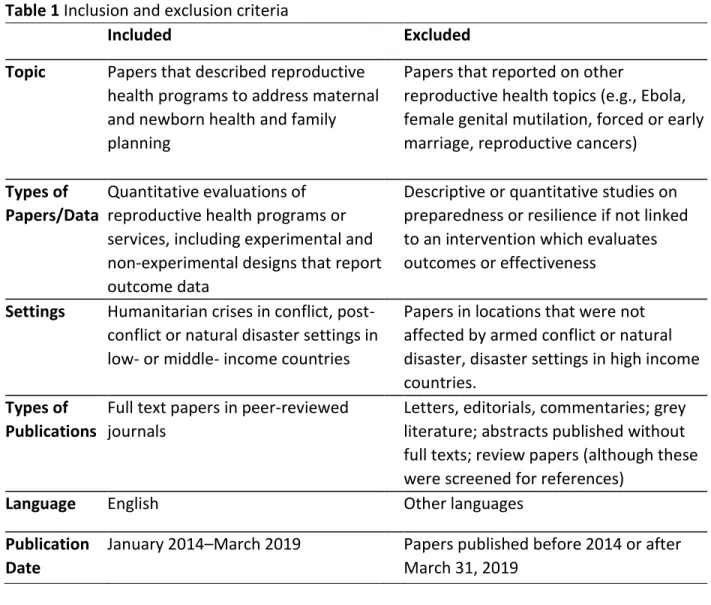
Table 1 Inclusion and exclusion criteria ... 7
Results ... 7
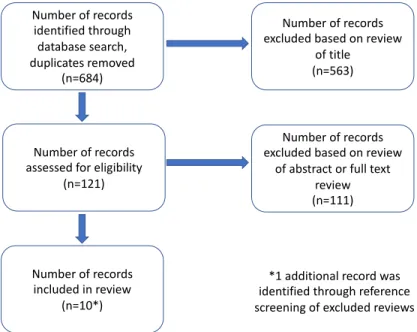
Figure 1 Selection Process for Systematic Review ... 8
Table 2 Description of Papers Included in Systematic Review ... 9
Family Planning ... 14
Maternal and Newborn Health ... 15
BRIDGING THE GAP BETWEEN HUMANITARIAN AND DEVELOPMENT ASSISTANCE ... 17
Discussion... 20
RECOMMENDATIONS ... 22
v
LIST OF ABBREVIATIONS
ANC Antenatal Care
CHW Community Health Worker
EmONC Emergency Obstetric and Newborn Care
FP Family Planning
GBV Gender-Based Violence
IAWG Inter-Agency Working Group (IAWG) on Reproductive Health in Crisis
IDP Internally Displaced Person
MISP Minimum Initial Service Package
MOH Ministry of Health
MNH Maternal and Newborn Health
NGO Non-Governmental Organization
PNC Postnatal Care
QI Quality Improvement
RH Reproductive Health
RHHS Reproductive Health in Humanitarian Settings
1
INTRODUCTION
Tumultuous situations around the world are escalating as a result of mounting political
instability, social upheaval, and economic turmoil. There are 131.7 million people in need of
humanitarian assistance globally (1). Approximately one in four individuals in need of
humanitarian assistance are women and adolescent girls of reproductive age (14-49), including
over four million pregnant women (2). The increasing number of protracted crises have
displaced millions and left those who remain behind without the resources to access water,
sanitation, food, shelter, medical supplies and services. For women, this includes a lack of
access to sexual and reproductive health (SRH) resources.
During an emergency the need for reproductive health (RH) does not suddenly stop or
diminish. Crises often add additional stress to weak health systems in developing countries.
Women in humanitarian crisis situations experience reduced access to already limited SRH
services due to damaged health facilities, shortages of SRH supplies, and inadequate healthcare
workforces (3). More than half of all maternal deaths worldwide occur in humanitarian and
fragile settings (4). Family planning (FP) methods help to reduce maternal mortality by reducing
the chance of pregnancy and associated complications, and estimates predict that
contraceptive methods have the potential to avert 44.2% of maternal deaths in developing
regions (5). Women in complex emergency settings experience high unmet SRH needs,
including high unmet modern contraceptive needs (3,4,6,7). Sexual and reproductive health is
considered a human right, and response efforts must continue to improve comprehensive SRH
2
includes a full range of FP methods; sexual and gender-based violence (GBV) prevention and
clinical care for survivors; transmission prevention, treatment, and management of HIV and
other sexually transmitted infections (STIs); as well as pre-, peri-, and postnatal care for
pregnant women and newborns.
This systematic review begins with background on the dual challenges of meeting the
reproductive health and family planning needs for people in humanitarian settings, describes
the challenges associated with funding for humanitarian and development needs, summarizes
the existing reproductive health in humanitarian settings (RHHS) programs, and concludes with
recommendations for how human development non-governmental organizations (NGOs) with
experience implementing SRH interventions can extend their expertise to humanitarian
3
BACKGROUND
Reproductive Health in Humanitarian Settings
Reproductive health and family planning needs are often overlooked during conflicts,
crises, natural disasters, and other emergencies. Neglecting RH and FP needs in conflict settings
where women and girls are more vulnerable to sexual violence and exploitation creates chain
reactions including: transmission of STIs including HIV; unwanted pregnancies in dangerous
conditions; life-threatening complications from pregnancies; as well as other staggering
consequences (2). The Inter-Agency Working Group on Reproductive Health in Crises (IAWG)
developed and periodically revises the Minimum Initial Service Package (MISP), which is
considered the basic standard for reproductive health service provision in humanitarian and
crises settings. The MISP is designed to be implemented at the onset of every emergency to
address the growing need for reproductive health in humanitarian settings. The main objectives
of the MISP are to:
• ensure there is a clear MISP implementation lead,
• prevent sexual violence and respond to survivors’ needs,
• prevent HIV and STI transmission and reduce related morbidity and mortality,
• prevent maternal and newborn morbidity and mortality,
• prevent unintended pregnancies,
• plan to integrate comprehensive SRH services into primary health care (9)
Incorporation of the MISP into the Humanitarian Charter and Minimum Standards in
4
attention to the importance of RH in crisis (10). Several assessments of MISP implementation
show trends in increased awareness of MISP objectives and some improvements in
implementation (11–18). The MISP has been used in responses to natural disasters (13,18), protracted refugee settings (17), and incorporated into disaster preparedness plans (19). While
improvements have been made in recognizing the need for RHHS, a global IAWG review
revealed that there is still a significant gap in addressing reproductive health essentials in crises
(16). Furthermore, other humanitarian response areas are prioritized over SRH in emergency
response despite greater acknowledgment of the importance of reproductive health and sexual
health in humanitarian settings (20).
Defining the Nexus
Delivering reproductive healthcare in humanitarian settings requires synergy between
short-term relief and longer-term development. Historically, humanitarian aid was created to
quickly address emergency situations, while development assistance was designed to
sustainably improve social and economic situations. Humanitarian assistance intends to
preserve human dignity, save lives, and alleviate suffering, and is guided by the principles of
humanity, independence, neutrality, and impartiality (21). Development work aims to gradually
build capacity in a society by growing capabilities. Most agencies and organizations developed
mechanisms to reflect this historical division and addresses these situations separately.
The scale and complexity of humanitarian disasters seen today require a continuum of
assistance and responses to address widespread violence, damage to societies and economies,
loss of life, and population displacement. The strict division between relief and development
5
between SRH service delivery across the humanitarian-development spectrum is reflected by
gaps in assistance delivery due to stock-outs, shortages of SRH providers, and lack of funding
(11–18,20). The short-term orientation of humanitarian assistance neglects to incorporate development objectives or address the interconnected challenges associated with the
underlying issues. Systematic underfunding for the recovery transition between humanitarian
relief and development exacerbates the humanitarian-development disconnect (16,22).
Increased coordination amongst donors and between implementing actors is needed to
6
LITERATURE REVIEW
Delivering quality SRH care in humanitarian settings presents many challenges. Poor
infrastructure, resource shortages, and safety concerns in disasters and conflict-affected areas
can make addressing RH needs problematic. Moreover, it is difficult to determine the
underlying need for and effectiveness of SRH service delivery in disaster and crisis settings. Data
on reproductive health indicators is largely unavailable. Data collection is made increasingly
difficult with additional security and logistical challenges. Particularly in humanitarian crisis
settings, pragmatic implementation research competes with rigorous data collection. The aim
of this literature review is to summarize existing SRH practices and programs in humanitarian
and crisis settings, identify promising scalable practices, discuss barriers to service delivery, and
make recommendations for systemic change to better address RHHS.
Search Strategy Methods
This systematic review was modeled after—and updates—Casey’s evaluation of
reproductive health programs in humanitarian settings published between 2004–2013 by summarizing programs on reproductive health and family planning in humanitarian and crisis
settings (23). The search was conducted through the Africa-Wide Information, Academic Search
Premier, and Global Health databases. The search was limited to peer-reviewed papers
published in English from 2014–March 2019 (see Table 1 for full inclusion/exclusion criteria). The search terms used described conflict and crises in combination with reproductive health
and family planning. Since Casey’s review, revisions to the MISP designated the prevention of
unintentional pregnancies as a standalone objective (9). Search terms for SRH were based on
7
reproductive health, family planning, HIV/AIDS and STIs, maternal and newborn health (MNH),
and sexual and gender-based violence (9). However, the focus of this search did not encompass
GBV, as there is a significant existing body of literature on the subject in conflict and crisis
settings.
Table 1 Inclusion and exclusion criteria
Included Excluded
Topic Papers that described reproductive health programs to address maternal and newborn health and family planning
Papers that reported on other
reproductive health topics (e.g., Ebola, female genital mutilation, forced or early marriage, reproductive cancers)
Types of Papers/Data
Quantitative evaluations of reproductive health programs or services, including experimental and non-experimental designs that report
outcome data
Descriptive or quantitative studies on preparedness or resilience if not linked to an intervention which evaluates
outcomes or effectiveness
Settings Humanitarian crises in conflict, post-conflict or natural disaster settings in low- or middle- income countries
Papers in locations that were not affected by armed conflict or natural disaster, disaster settings in high income countries.
Types of Publications
Full text papers in peer-reviewed
journals
Letters, editorials, commentaries; grey literature; abstracts published without
full texts; review papers (although these were screened for references)
Language English Other languages
Publication Date
January 2014–March 2019 Papers published before 2014 or after March 31, 2019
Results
The search strategy yielded 684 results after duplicates were removed. There were 563
records excluded based on a review of title. Papers describing RH programs and outcomes
8
papers were excluded if there were no specific health interventions or outcomes measured. Of
the 121 records assessed for eligibility, 111 were excluded based on abstract or full text
screening. On closer review of several full-text articles, 21 articles were excluded because they
were not rigorously evaluated. One additional record was identified when screening references
of excluded reviews. A total of ten studies met the inclusion criteria (Figure 1).
Figure 1 Selection Process for Systematic Review
The ten SRH studies were conducted in five different countries with populations
affected by conflict. No study published in 2014 meeting the inclusion criteria was identified. In
2015, three papers published met these criteria. Two papers met the inclusion criteria in 2016,
four in 2017, and one in 2018. Additionally, no search results through March 2019 met the
criteria. Geographically, two of the studies identified were evaluated in the Middle East, while
the remaining eight were carried out in Africa.
Number of records identified through
database search, duplicates removed
(n=684)
Number of records excluded based on review
of title (n=563)
Number of records assessed for eligibility
(n=121)
Number of records included in review
(n=10*)
Number of records excluded based on review
of abstract or full text review (n=111)
9 Table 2 Description of Papers Included in Systematic Review
Author (Year)
Country Intervention Evaluation Design Key Findings
Family Planning
Adam (2016) Sudan Maternal health workers
provided home-based family planning counseling targeting couples.
Cross-sectional
post-intervention multi-stage cluster survey of women aged 15–49 years who had experienced pregnancy after joining the internally displaced person (IDP) camp. Initial survey (n=640) administered in February 2007 and follow-up survey (n=640) given in April 2009 in three IDP camps in West Darfur, Sudan.
Modern FP use increased from 10.9% in 2007 to 21.6% in 2009 (p<0.001). As compared with the initial survey, women in the follow-up survey were 5.4 times more likely to be aware of (adjusted odds ratio [aOR] 5.4; 95% confidence interval [CI] 3.9, 7.4) and 2.8 times more likely to use (aOR 2.8; 95% CI 2.0, 4.1) any modern FP method.
Casey et al. (2017)
Democratic Republic of Congo (DRC)
Support of existing
healthcare delivery system to make essential supplies available to health facilities. Delivered competency-based training on
contraceptive counselling to providers.
Program data review identified women (18+) who had initiated a short-acting (n=304) or long acting (n=244) contraceptive method 12–18 months prior. Women were identified from health facility registries and interviewed between October–
November, 2015.
After 12 months, 81.6% women reported using their baseline contraceptive method
continuously. Discontinuation was associated with use of a short-acting method (Hazard ratio [HR] 1.74 [95% CI: 1.13, 2.67]) and wanting a child within two years (HR 2.58 [95% CI: 1.45, 4.54]) within the first 12 months. Casey &
Tshipamba (2017)
DRC Health system
strengthening activities were coordinated through Ministry of Health (MOH). These included
competency-based family
Mixed methods design. Cross-sectional surveys were
conducted in 2008 (n= 607) and 2010 (n= 575) of women of reproductive age (15–49) using a two-stage cluster sampling
10
planning training, essential supplies and equipment provision and supply chain management, and
monitoring and evaluation.
design in Kasongo, DRC. Facility assessments appraised
government health facility capacity to provide
contraceptive services in 2007 and 2010. Monthly data collection of 22 government
facilities’ contraception method initiation between January 2008–May 2014, which was reduced to 9 facilities June 2011–2014.
modern contraceptive methods between 2008 and 2010 increased from 3.1% to 5.9% (aOR 2.03; 95% CI: 1.3, 3.2). Long-acting and permanent contraceptive method initiation was 8% in 2008, which increased significantly (p< 0.001) to 83% among supported facilities in 2014.
Chukwumalu et al. (2017)
Somalia Combination of approaches
including adequate equipment and supplies, capacity building activities including competency-based clinical training and provider support,
community engagement, and monitoring and evaluation activities were utilized to improve service delivery.
Mixed method evaluation design between four supported health facilities. Routine data collection began January 2013 and was reviewed monthly with MOH partners. Client exit interviews were also conducted annually using standard semi-structured questionnaires. An independent program evaluation was
completed in December 2015 by an external evaluator.
The monthly average number of clients receiving intervention services significantly (p=.006) increased from 19.91 (Standard Deviation [SD=15.95]) in 2013 to 34.75 (SD=4.11) in 2014. Monthly mean service delivery increased to 37.92 (SD=9.52) in 2015. Over the course of the program, 98% of clients (n=1090) were counselled for contraception, and 88% accepted at the point of service.
Maternal and Newborn Health
Adam (2015) Sudan Maternal health workers
provided personalized, home-based education highlighting the importance of facility-based delivery.
Cross-sectional
post-intervention multi-stage cluster survey in April 2009 of married women 15–49 years old who had experienced pregnancy after joining the Krending,
Women who received home-based maternal health education had lower odds of home delivery (aOR 0.57; 95 % CI: 0.35, 0.93),
11
Krenik, or Habillah IDP camp (n=640) in West Darfur, Sudan.
Adam et al. (2015)
Sudan Interpersonal
communication campaigns (home and shelter visits, in-clinic sessions and
counselling) and mass education campaigns catered towards
intervention population socio-cultural norms promoted awareness of antenatal care (ANC), institutional delivery services and postnatal care (PNC).
Cross-sectional
post-intervention multi-stage cluster survey of married women aged 15–49 years who had
experienced pregnancy after joining the IDP camp. Initial survey (n=640) administered one year after the start of the interventions in February 2007, and three-year follow-up survey (n=640) given in April 2009 in Krending, Krenik, and Habillah IDP camps in West Darfur, Sudan.
More women were aware of ANC (odds ratio [OR] 18.6; 95% CI: 13.1,
26.5) received ≥ 3 ANC visits (OR
8.8; 95% CI: 6.4, 12.0), delivered at a healthcare facility (OR 5.4; 95% CI: 4.0, 7.4) and received a PNC visit (OR 5.5; 95% CI: 4.0, 7.7) in the follow-up than in the initial survey, after multivariable adjustment.
Bouchghoul et al. (2015)
Jordan Establishment of a
non-governmental organization managed obstetric care unit that could provide basic emergency obstetric and newborn care
(EmONC). Added additional staff so there was at least one midwife and one obstetrician available or on-call 24/7. Referral system for high-risk pregnancies was
Six month prospective
observational study of pregnant women who came to the
obstetric care unit for delivery (n=371) in the obstetric care maternity unit in the Zaatari refugee camp. Emergency and high-risk pregnancies (n=82) were identified by delivery characteristics or other indications and referred to nearby hospitals for comprehensive EmONC in
No maternal mortality was
12
established for
comprehensive EmONC.
Jordan between September 2012 and February 2013.
Edmond et al. (2018)
Afghanistan Community health workers (CHWs) were trained in behavioral change communication skills during the antenatal and postnatal periods and home visiting in addition to basic CHW training. CHWs performed home visits to pregnant or postpartum women.
Baseline survey assessment in August 2015 pre-intervention (n=1408), and endline survey conducted in July 2016 after one year of intervention (n=1372). Women surveyed were less than 12 months postpartum and from intervention and control districts in the Bamyan and Kandahar provinces of Afghanistan.
Increased care seeking and service use in intervention villages from baseline (8.2% increase facility delivery, 9.8% skilled birth attendant attendance, 11.9% increase care sought for maternal postnatal complications).
Intervention did not significantly increase birth preparedness and newborn care practices.
Hynes et al. (2017)
DRC Facilities were provided
with essential medical supplies and new
equipment, basic EmONC clinical training was provided. A participatory quality improvement (QI) methodology was used in conjunction with the components. Training was given to QI teams were supported by (trained) coaches, and tested small changes to improve care.
Longitudinal quasi-experimental design at 12 health facilities serving conflict-affected
populations in North Kivu, DRC. Intervention facilities were
matched with comparable ‘peer’
facility controls. Patient exit interviews with post-partum women and matched
partograph data review were conducted at baseline (n=257) November–December 2015 and endline September–November 2016 (n=224).
QI intervention had a significantly (p<0.05) greater active
13
Pham et al. (2016)
Sudan Supportive supervision,
quality assurance, finance, and human resources for midwives in combination with intensive health promotion campaigns.
Supportive supervision, quality assurance, finance, and human resources for midwives in combination with intensive health promotion campaigns.
Coverage of births attended by a skilled health professional improved from 35.7% (95% CI: 21.0, 53.6) in the initial assessment to 52.7% (95% CI: 39.0, 66.0) in the final assessment (p=0.025).
14 Family Planning
The United Nations Population Fund (UNFPA) defines family planning as “the
information, means and methods that allow individuals to decide if and when to have children”
(24). Four study interventions were categorized as family planning as they aimed to increase
availability and use of contraceptive methods (25–28). Programs used different strategies to increase FP use including: Ministry of Health (MOH) support to improve supply chain
management, provider trainings, and introduction of monitoring and evaluation systems in DRC
(26,27); capacity building approaches providing competency-based training and supportive
supervision, infrastructure improvement and supply chain management, and monitoring and
evaluation in Somalia (28); and community-based FP training and targeted education in Sudan
(25). Competency-based clinical training was provided in three of the FP interventions (26–28), which significantly increased the use of contraceptive methods from 3.1% to 5.9% (aOR 2.03
[95% CI: 1.3-3.2]) and monthly postabortion contraception adoption (50% to 98% of patients)
from baseline to the end of the study period. Efforts to strengthen the existing health system
infrastructure were taken to improve the availability of essential supplies and improve the
system’s ability to fulfil this need (26–28). All four FP intervention studies included in this review aimed to increase capacity within the health system to provide FP services. These
studies showed significant increases in both awareness indicators and use of FP methods, when
methods and use were measured. In Sudan, home-based FP counseling and education training
for community health workers (CHWs) were associated with women being 5.4 times more likely
to be aware of (aOR 5.4 [95% CI: 2.0, 4.1]) and 2.8 times more likely to use modern FP methods
15
Maternal and Newborn Health
Six studies evaluated interventions that were focused on improving maternal and
newborn health outcomes. Different programs used different interventions to improve
outcomes related to pregnancy. Three papers evaluated the effects of community health
workers on MNH. In Sudan, mass education campaigns, provider-patient communication, and
home-based education were targeted towards pregnant mothers in internally displaced person
(IDP) camps (29,30). CHWs were used to raise awareness and use of antenatal care (ANC),
institutional delivery, and postnatal care (PNC) services in Sudan. These interventions were
associated with significant improvements of the odds of giving birth in a health facility, as well
as receiving antenatal and postnatal care visits (29,30). In Afghanistan, female CHWs were
trained to provide multiple home-visits to pregnant and post-partum women and deliver
behavioral change communication messaging (31). The evaluation by Edmond et al. found that
the use of a CHW improved knowledge and care seeking behaviors, but did not improve birth
preparedness and newborn care practices (31).
Three interventions used some form of iterative, or quality improvement (QI), approach
in humanitarian crisis settings (32–34). An obstetric care unit, staffed and managed by a non-governmental organization, provided basic emergency obstetric and newborn care (EmONC)
and established a coordinated referral system for emergency and complicated births in a Syrian
refugee camp in Jordan with no maternal mortalities over a six months period (34). Another
Sudan-based intervention increased the number of midwives by providing supervisory support,
quality assurance measures, human resources for healthcare workers, and monitoring and
16
were made through the contribution of medical supplies and basic training; select intervention
groups of healthcare workers were also trained in QI methodologies, which had much greater
rates of improvements for active management of the third stage of labor (aOR 3.47 [95% CI:
1.17, 10.23]) and essential newborn care (OR 49.62 [95% CI: 2.79, 888.28]) outcomes in
17
BRIDGING THE GAP BETWEEN HUMANITARIAN AND DEVELOPMENT
ASSISTANCE
Effective SRH care delivery relies on coordination across implementing actors and
between funding sources to address both the supply and demand side of the equation (35).
Challenges on the supply side of SRH delivery include access to necessary supplies and
equipment, capable healthcare workforces, supply chain management, tracking resource use,
and monitoring need (35). Humanitarian relief efforts aim to save lives and mitigate suffering
but cannot begin to address these needs without a concurrent application of development
principles simultaneously addressing systemic and existing infrastructure barriers. Emergency
RH service delivery requires effective coordination between funding and implementing actors
on the ground to avoid provider shortages, running out of essential medical supplies, and
ensuring that maternal, sexual, and reproductive health needs are met (11–18,20). Failure to address fundamental human rights creates additional vulnerabilities and negative health
consequences for women in crisis settings. Despite greater awareness of RHHS as a problem,
gaps in service coverage remain largely due to funding shortages and lack of coordination
across the nexus (16).
Further examination of the fundamental principles of relief, recovery, and development
helps to understand this issue. Humanitarian and development aid were created to serve
different purposes. Namely, humanitarian assistance is meant to delivery lifesaving assistance,
preserve human dignity, and alleviate suffering in emergency situations while operating by the
humanitarian principles of independence, impartiality and neutrality (22). The purposes of
18
contrast, the goal of development assistance is to improve social and economic conditions over
a long-term period by boosting accountability, self-ownership, and alignment between all levels
of society to achieve mutually beneficial results (22). Development approaches build upon
existing health infrastructure, take cultural context into account, and generate additional SRH
service demand.
Actors on both ends of the humanitarian-development spectrum have differing
approaches. Development work targets societies as a whole by partnering with central and
local governments. This is often a challenge for humanitarian actors in emergencies, particularly
in situations affected by conflict. Humanitarian principles of neutrality and independence
discourage actors from choosing sides and partnering with governments. Instead, humanitarian
relief works prefers to operate in cooperation with civil society partners or independently (36).
The seemingly clear divisions between approaches are much more difficult to distinguish on the
ground, and gaps in assistance delivery are most prominent in the grey area of recovery,
between humanitarian relief and development.
Challenges delivering reproductive, maternal, newborn, and sexual health services
reveal the many issues associated with pronounced divisions between humanitarian and
development assistance. In the context of an emergency, it is difficult to provide aid without
the infrastructure necessary to delivery it. Additionally, the introduction and subsequent uptake
of RH services in crisis settings, such as long-acting reversible contraceptives (LARCs), can be
low if cultural factors and other barriers to adoption or continuation are not recognized and
addressed (23,26,27). Humanitarian aid could create a lasting impact by strengthening existing
19
However, humanitarian actors often fail to incorporate recovery and plans for longer-term
sustainable solutions into their response. Conversely, development programs insufficiently
address disaster risk reduction and conflict prevention. Development efforts in conflict-affected
states do not often dedicate resources for disaster preparation, leaving societies extremely
vulnerable to disasters. Failure to reduce conflict risks and increase overall resilience in fragile
states may rapidly devolve into crisis when pressure is applied. Recognizing that relief,
recovery, and development are fundamentally linked helps to identify areas that can improve
20 Discussion
This systematic review found that some evaluation evidence has been generated for
maternal and newborn health, as well as family planning programs in humanitarian crisis
settings. Among other research disciplines there are significantly larger evidence bases in
humanitarian settings. Subjects including the areas of mental health, communicable diseases,
and other aspects of RH including GBV in humanitarian contexts are well researched in
comparison to MNH and FP, and suggest that conducting quality evaluations in these settings
are possible (23,37). Despite a robust evidence base of SRH programs in non-crisis settings,
there is a lack of high quality, rigorous data available in crisis settings. While the evidence base
is still relatively slim, this review further supports the case that FP and RH evaluation can be
conducted in crisis settings. Efforts must be made to improve RHHS delivery in humanitarian
settings and determine the most cost-effective and efficient best practices. Quality, routine
data collection is needed to understand the need and progress made in these settings.
Peer-reviewed, published articles do not fully represent programmatic work.
Organizations collecting indicator measurements and implementing successful programs should
publish and share their results, as there is a gap between the available peer-reviewed research
and adaptation of results to areas affected by humanitarian crises. It would be useful for
programs to publish their results as well as unsuccessful endeavors so that resources were not
invested in the same activities and wasted. This would help to directly link published research
to future SRH interventions, particularly for organizations unfamiliar with operating in these
21
A lack of knowhow and knowledge prevent many humanitarian organizations from
adopting early recovery approaches that incorporate development principles early on (22).
Human development non-governmental organizations are in the best position to address this
issue to bridge the gap between the nexus of relief, recovery, and development. Development
organizations, particularly NGOs with experience in areas of SRH, have the knowledge and
coordination experience to improve RH delivery and health outcomes to supplement this
shortcoming. With an increase in emergency situations and protracted crises around the world
there is a growing need for effective aid delivery. Funding agencies struggle to identify
organizations that can provide continuous support along the humanitarian-development nexus,
evidenced by low percentages of applications received for recovery or development funding in
humanitarian contexts from NGOs already involved in relief efforts (22). An analysis of internal
organization capacity revealed that many implementing organizations lack the internal
capabilities to operate beyond their existing operations in emergency settings (38). In order to
be competitive for funding, organizations must develop and increase their own internal
capacity to respond to humanitarian crises.
The field of RHHS would benefit from additional investigation to expand the limited
body of literature including bringing more published internal reports to the public domain,
conducting rigorous evaluations of programmatic work, and documenting and publishing
additional case studies. Future additions to the RHHS body of research should also focus on
reviewing and exploring further opportunities for partnerships and coordination between
22
RECOMMENDATIONS
Recognizing this opportunity and large market for NGOs to expand their work has the
potential to increase an organization’s competitive strategy and likely aligns with the existing
vision. Internal organizational changes must be made to overcome historical divisions between
humanitarianism and development and incorporate both approaches. Leaders of NGOs must be
aware of these market opportunities as they are responsible for creating the internal
organizational change necessary to be considered for funding awards. Creating the
organizational change necessary to address reproductive health during the relief and early
recovery stages of a humanitarian crisis requires a sense of urgency to address the reproductive
health gap coupled with change-oriented leadership behaviors. These behaviors focus on
influencing changes in strategic objectives, strategies, organization structure, organizational
culture, increasing flexibility and innovation to adapt to changing environments, and gaining
commitment to changes (39).
Articulating a shared vision and developing a strategy to expand internal capabilities to
address reproductive health needs in emergency settings help leaders establish credibility for
their vision. Gaining the support of the executive team is necessary to expand, or even pilot,
operation in crisis conditions as there are many risks to working in humanitarian settings that
should be taken into consideration. Effective leaders also build support from middle and
working management levels and external players including: government funding agencies like
the U.S. State Department’s Bureau of Population, Refugees, and Migration (PRM), U.S. Agency
for International Development’s (USAID) Office of U.S. Foreign Disaster Assistance (OFDA), the
23
ground in crisis areas (22,40); and consultants (39). Each NGO hoping to expand their
capabilities to humanitarian settings should complete a more thorough stakeholder analysis to
accurately identify organization-specific opponents to change and strategic feasibility.
Dictating organizational structure changes from the Executive Team is not
recommended. Instead, informal crisis response pilot team(s) should be assembled and filled
with empowered, competent change agents that agree with and actively support the overall
vision and strategy to expand capabilities in relief and recovery zones. Pending the success of
the pilot, the team, or temporary working group or task force, should identify what structural
changes should be made to integrate the team into the organization structure rather than
imposing organizational structure changes from the executive level. Leadership should
coordinate and guide the process by which the strategy will be implemented rather than
dictating precisely how to create change.
Influencing company culture can be done by adjusting reproductive health strategies to
address the issue in humanitarian settings, and changing ways to support and reward practice
to accomplish objectives. Directing attention towards and communicating RHHS as a priority
during planning and operations management is an important step in cultural change.
Prioritizing humanitarian behaviors and principles in new employee recruitment and selection
efforts and promoting these values among existing employees by allocating rewards, are also
ways that leaders can shape organizational culture (39). By changing the shared assumptions
24
If the organization is in a position to make new hires, NGOs can modify their recruitment
process and priorities by rewriting job descriptions to include different activities and
responsibilities, and hire staff with backgrounds and experience in humanitarian contexts.
Leadership must recognize and praise individual contributions towards achieving humanitarian
capabilities, as this shows the importance and commitment the organization places on the
objective and promotes a culture that reflects this. Management systems can also be
redesigned to formally reflect this priority by changing employee evaluation criteria, developing
or incorporating metrics that encourage humanitarian thinking and approaches, and
incorporating these values into performance evaluations. Another way to change management
systems is to modify internal criteria and procedures. NGOs can create internal project and
funding proposal requirements that incorporate humanitarian goals and reinforce these
principles.
Monitoring and communicating the progress of change is crucial to understanding the
effects, both anticipated and unanticipated, of change. Information gathered from monitoring
progress allows for targeted adjustments to be made. Quality improvement methodologies
highlight the importance of the evaluation phase, as analyses reveal strengths and weakness
that should be addressed (41). Results should be communicated to appropriate stakeholders to
inform future strategic decisions and celebrate successes when appropriate.
With roughly 32 million women and girls of reproductive age living in crisis settings,
there is a tremendous unmet need for RH information and services (37). Non-governmental
25 implementing partners’ ability to continuously address reproductive health from the onset or
26
BIBLIOGRAPHY
1. United Nations Office for the Coordination of Humanitarian Affairs (OCHA). Global Humanitarian Overview 2019. 2018 Dec.
2. UNFPA. Humanitarian Action 2019 Overview. 2019 Jan.
3. Warren E, Post N, Hossain M, Blanchet K, Roberts B. Systematic review of the evidence on the effectiveness of sexual and reproductive health interventions in humanitarian crises. BMJ Open. 2015 Dec 18;5(12):e008226.
4. WHO. Maternal mortality [Internet]. Maternal Mortality. 2018 [cited 2019 Apr 1]. Available from: https://www.who.int/en/news-room/fact-sheets/detail/maternal-mortality
5. Ahmed S, Li Q, Liu L, Tsui AO. Maternal deaths averted by contraceptive use: an analysis of 172 countries. Lancet. 2012 Jul 14;380(9837):111–125.
6. Shrivastava S, Shrivastava P, Ramasamy J. Responding to the public health challenge of rising maternal mortality in humanitarian crises. Ann Trop Med Public Health.
2016;9(6):404.
7. Austin J, Guy S, Lee-Jones L, McGinn T, Schlecht J. Reproductive health: a right for refugees and internally displaced persons. Reprod Health Matters. 2008 May;16(31):10–
21.
8. World Health Organization, UN Population Fund, Escuela Andaluza de Salud Pública. Sexual and Reproductive Health during Protracted Crises and Recovery: Granada Consensus. Geneva; 2009.
9. Inter-Agency Working Group on Reproductive Health in Crises. 2018 Inter-Agency Field Manual on Reproductive Health in Humanitarian Settings. 2018;
10. Sphere Association. Humanitarian Charter and Minimum Standards in Humanitarian Response. The Sphere Handbook. 4th ed. Geneva, Switzerland; 2018.
11. CARE, InternationalPlanned Parenthood Foundation, Save the Children, Women’s
Refugee Commission. Priority Reproductive Health Activities in Haiti: An Inter-agency MISP Assessment. 2011;
12. Women’s Refugee Commission. Reproductive Health Coordination Gap, Services Ad Hoc
in Kenya: Minimum Initial Service Package (MISP). 2008;
27
14. Women’s Refugee Commission. Lifesaving Reproductive Health Care in Chad: Ignored
and Neglected. 2004;
15. Women’s Refugee Commission. Still in Need: Reproductive Health Care for Afghan
Refugees in Pakistan. 2003;
16. Chynoweth SK. Advancing reproductive health on the humanitarian agenda: the 2012-2014 global review. Confl Health. 2015;9(Suppl 1):I1.
17. Krause S, Williams H, Onyango MA, Sami S, Doedens W, Giga N, et al. Reproductive health services for Syrian refugees in Zaatri Camp and Irbid City, Hashemite Kingdom of Jordan: an evaluation of the Minimum Initial Services Package. Confl Health. 2015 Feb 2;9(Suppl 1 Taking Stock of Reproductive Health in Humanitarian):S4.
18. Chaudhary P, Vallese G, Thapa M, Alvarez VB, Pradhan LM, Bajracharya K, et al.
Humanitarian response to reproductive and sexual health needs in a disaster: the Nepal Earthquake 2015 case study. Reprod Health Matters. 2017 Nov;25(51):25–39.
19. Lisam S. Minimum initial service package (MISP) for sexual and reproductive health in disasters. J Evid Based Med. 2014 Dec;7(4):245–248.
20. Myers A, Sami S, Onyango MA, Karki H, Anggraini R, Krause S. Facilitators and barriers in implementing the Minimum Initial Services Package (MISP) for reproductive health in Nepal post-earthquake. Confl Health. 2018 Aug 15;12:35.
21. OCHA, Implementation. What are Humanitarian Principles? Humanitarian Principles [Internet]. 2012 Jun [cited 2019 Mar 26];Humanitarian Principles:(Humanitarian Principles). Available from: https://www.unocha.org/sites/dms/Documents/OOM-humanitarianprinciples_eng_June12.pdf
22. Steets J. Global Public Policy InstitutePublished: Berlin, 9 June 2011. Donor Strategies for' ' Addressing the Transition Gap and Linking Humanitarian and Development Assistance. Berlin: Global Public Policy Institute; 2011.
23. Casey SE. Evaluations of reproductive health programs in humanitarian settings: a systematic review. Confl Health. 2015 Feb 2;9(1):S1.
24. UNFPA - United Nations Population Fund. Family planning [Internet]. [cited 2019 Apr 6]. Available from: https://www.unfpa.org/family-planning
28
26. Casey SE, Tshipamba M. Contraceptive availability leads to increase in use in conflict-affected Democratic Republic of the Congo: evidence from cross-sectional cluster surveys, facility assessments and service statistics. Confl Health. 2017 Mar 8;11:2.
27. Casey SE, Cannon A, Mushagalusa Balikubirhi B, Muyisa J-B, Amsalu R, Tsolka M. Twelve-month contraceptive continuation among women initiating short- and long-acting reversible contraceptives in North Kivu, Democratic Republic of the Congo. PLoS One. 2017 Sep 8;12(9):e0182744.
28. Chukwumalu K, Gallagher MC, Baunach S, Cannon A. Uptake of postabortion care services and acceptance of postabortion contraception in Puntland, Somalia. Reprod Health Matters. 2017 Nov;25(51):48–57.
29. Adam IF. The influence of maternal health education on the place of delivery in conflict settings of Darfur, Sudan. Confl Health. 2015 Oct 5;9(1):31.
30. Adam IF, Nakamura K, Kizuki M, Al Rifai R, Vanching U. Relationship between implementing interpersonal communication and mass education campaigns in
emergency settings and use of reproductive healthcare services: evidence from Darfur, Sudan. BMJ Open. 2015 Sep 15;5(9):e008285.
31. Edmond KM, Yousufi K, Anwari Z, Sadat SM, Staniczai SM, Higgins-Steele A, et al. Can community health worker home visiting improve care-seeking and maternal and newborn care practices in fragile states such as Afghanistan? A population-based intervention study. BMC Med. 2018 Jul 9;16(1):106.
32. Hynes M, Meehan K, Meyers J, Mashukano Maneno L, Hulland E. Using a quality improvement approach to improve maternal and neonatal care in North Kivu, Democratic Republic of Congo. Reprod Health Matters. 2017 Nov;25(51):140–150. 33. Pham K, Sharpe EC, Weiss WM, Vu A. The use of a lot quality assurance sampling
methodology to assess and manage primary health interventions in conflict-affected West Darfur, Sudan. Popul Health Metr. 2016 Oct 6;14:34.
34. Bouchghoul H, Hornez E, Duval-Arnould X, Philippe H-J, Nizard J. Humanitarian obstetric care for refugees of the Syrian war. The first 6 months of experience of Gynécologie Sans Frontières in Zaatari Refugee Camp (Jordan). Acta Obstet Gynecol Scand. 2015 Jul;94(7):755–759.
35. Akl EA, El-Jardali F, Bou Karroum L, El-Eid J, Brax H, Akik C, et al. Effectiveness of Mechanisms and Models of Coordination between Organizations, Agencies and Bodies Providing or Financing Health Services in Humanitarian Crises: A Systematic Review. PLoS One. 2015 Sep 2;10(9):e0137159.
29
37. Singh NS, Smith J, Aryasinghe S, Khosla R, Say L, Blanchet K. Evaluating the effectiveness of sexual and reproductive health services during humanitarian crises: A systematic review. PLoS One. 2018 Jul 6;13(7):e0199300.
38. Tran N-T, Dawson A, Meyers J, Krause S, Hickling C, Inter-Agency Working Group (IAWG) on Reproductive Health in Crisis. Developing institutional capacity for reproductive health in humanitarian settings: A descriptive study. PLoS One. 2015 Sep
2;10(9):e0137412.
39. Yukl GA. Leadership In Organizations. 5th ed. Upper Saddle River, NJ: Prentice Hall; 2001.
40. Barot S. In a State of Crisis: Meeting the Sexual and Reproductive Health Needs of Women in Humanitarian Situations | Guttmacher Institute [Internet]. 2017 [cited 2019 Mar 15]. Available from: https://www.guttmacher.org/gpr/2017/02/state-crisis-meeting-sexual-and-reproductive-health-needs-women-humanitarian-situations