228
THE COROLOGY, ECOLOGY AND PHYTOSOCIOLOGY OF THE WOODY
PLANT COMMUNITIES OF THE LAPUŞNIC VALLEY, PART OF THE
NERA GORGES-BEUŞNIŢA NATIONAL PARK
MARIANANICULESCU1,ALMALIOARANICOLIN2, IULIANBERCEA1, ŞTEFAN
STĂNESCU3, LAURENŢIU
NICULESCU1,ILIESILVESTRUNUŢĂ4
1University of Craiova,Faculty of Agriculture and Horticulture, Departament of Botany, 19 Libertatii
Street,200583, Craiova, Romania, [email protected]
2Banat’s University of Agricultural Sciences and Veterinary Medicine, Timişoara, Departament of
Botany, E-mail: [email protected]
3Forestry Direction Reşiţa 4Segarcea Forest Manager΄s Office, [email protected]
Key words: Lăpuşnic Valley, woody plant communities, corology, ecology, beech forests
ABSTRACT
The examined area, process which started in 2011, is situated along the course of Lăpuşnic, a tributary of the Nera river and is an integral part of the Nera Gorges-Beuşniţa National Park. Calcareous substratum and climate influences sub-Mediterranean determine the type of flora and vegetation of Lăpuşnic Valley. In the Lăpuşnic basin there were identified numerous vulnerable (V), rare (R), and endangered (E) taxa, which are found in the red lists, published in our country. The general aspect of vegetation in the the Lăpuşnic basin represents an image of the very different stationary conditions, to which one can add the influence of the anthropo-zoogenous factors. The wooden vegetation is represented by forests, underwoods and riverside coppices, the forests occupy the largest area. In the Lăpuşnic basin, important areas are occupied by the beech forests belonging to the Festuco drymeiae-Fagetum Morariu et al. 1968 plant community. At lower altitudes, one can find alder tree groves which belong to the association Stellario nemori-Alnetum glutinosae (Kärstner 1938) Lohm. 1957. The Quercetum petraeae-cerris Sóo (1957) 1969 plant community grow on the slopes of the lower limit of the basin Lăpuşnic. Subcontinental peri-Pannonic scrub are represented by the following plant communities: Syringo-Fraxinetum orni Borza 1958 em. Resmeriţă 1972 (Syn.: Syringeto-Fraxinetum orni coryletosum colurnae Borza 1958; Syrigo-Carpinetum orientalis humiletosum domogledicum Jakucs 1959; Syringetum-Cotinetetum-Acaerineum tatarici Georgescu 1934), Cotino-Carpinetum orientalis Csürös et al. -1968, Syringo-Carpinetum orientalis Jakucs 1959. They form the so called ,,sibliacuri,, and are included in the Habitat 40A0* - Subcontinental peri-Pannonic scrub. This plant communities are installed on bedrock, hard to reach land, with slopes moderately to highly pitched, even on steep walls.
INTRODUCTION
The examined area, process which started in 2011, is situated along the course of Lăpuşnic, a tributary of the Nera river and is an integral part of the Nera Gorges-Beuşniţa National Park. Calcareous substratum and climate influences sub-Mediterranean determine the type of flora and vegetation of Lăpuşnic Valley.
In the Lăpuşnic basin there were identified numerous vulnerable (V), rare (R), and endangered (E) taxa, which are found in the red lists, published in our country.
The general aspect of vegetation in the the Lăpuşnic basin represents an image of the very different stationary conditions, to which one can add the influence of the anthropo-zoogenous factors.
229
belonging to the Festuco drymeiae-Fagetum Morariu et al. 1968 plant community. At lower altitudes, one can find alder tree groves which belong to the association Stellario nemori-Alnetum glutinosae (Kärstner 1938) Lohm. 1957. The Quercetum petraeae-cerris Sóo (1957) 1969 plant community grow on the slopes of the lower limit of the basin Lăpuşnic. Subcontinental peri-Pannonic scrub are represented by the following plant communities:
Syringo-Fraxinetum orni Borza 1958 em. Resmeriţă 1972 (Syn.: Syringeto-Fraxinetum orni coryletosum colurnae Borza 1958; Syrigo-Carpinetum orientalis humiletosum domogledicum Jakucs 1959; Syringetum-Cotinetetum-Acaerineum tatarici Georgescu 1934), Cotino-Carpinetum orientalis Csürös et al. -1968, Syringo-Carpinetum orientalis
Jakucs 1959. They form the so called ,,şibliacuri,, and are included in the Habitat 40A0* - Subcontinental peri-Pannonic scrub. They are installed on bedrock, hard to reach land, with slopes moderately to highly pitched, even on steep walls.
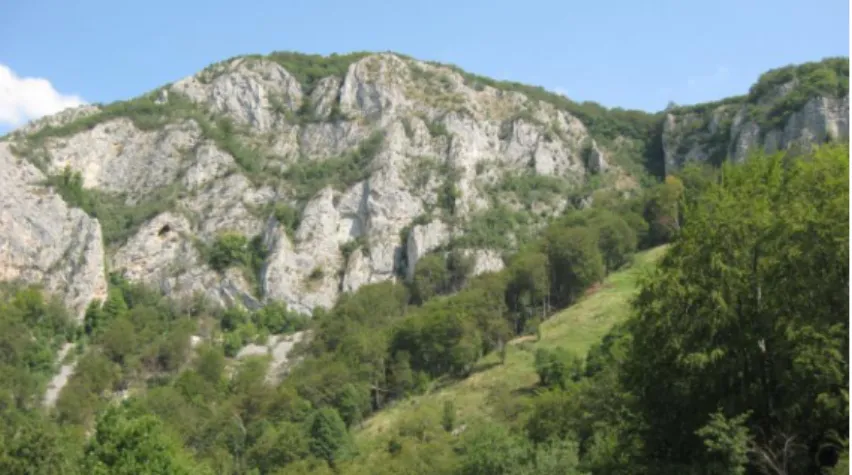
Fig. 1. Lăpuşnic Valley (M. Niculescu, 26.VII.2013)
1. Ass. Festuco drymeiae-Fagetum Morariu et al. 1968 (Table no. 1)
The beech forests are well-represented, develops on the slopes with various exhibitions and slopes whose inclination can vary from 100 to 400, varies according to age, which is between 60-130 years old, and status of preservation is less good to very good (fig. 3).
230
Fig.2.Lăpuşnic Valley (M. Niculescu, 26.VII.2013)
These phytocoeonoses have a special composition, being characterised by the dominance of the species by Querco-Fagetea class , Fagetalia order and Symphyto – Fagion alliance:Luzula luzuloides, Calamagrostis arundinacea, Galium odoratum, G. schultesii,
Carex sylvatica, Dentaria bulbifera, Pteridium aquilinum, Carex pillosa, Mycelis muralis, Poa nemoralis. Athyrium filix-femina, Dryopteris filix-mas, Viola reichenbachiana, Rubus hirtus,
Asarum europaeum, Neottia nidus-avis, Atropa bella-dona ş.a.The coordinates of this type
of forest are:44095΄20" Northern latitude and 21091΄12" East longitude.
Fig.3. Ass. Festuco drymeiae-Fagetum Morariu et al. 1968 –Lăpuşnic Valley- Ogaşu Rău (L. Niculescu, 26.VII.2013)
Limitative factors: fall wind, early or late frosts, plant pathology agents and attack attack of entomofauna species. In the Lăpuşnic basin some phytocoenoses suffering from significant attacks by: Nectria galligena, Psudomonas syringae, Cryptococcus fagisuga,
Xyleborus saxeseni, Trypodendron domesticum, cu specii de Cerambycidae, Hylecoetus dermestoides, Taphrorynchus bicolor, Xyleborus monographus. Lymantria monacha causes
very large attacks in the arboretum, where surveys have been carried out. These
arboretum requires urgent and appropriate treatments and hygienic cutting and painting
231
Char. ass.
Fagus sylvatica 4-5 4 4-5 4-5 4 4 4 4 4-5 4-5 V
Festuca drymeia 1 2 +-1 1 1 2 1 1 2 +-1 V
Symphyto – Fagion
Dentaria bulbifera + + + + + + + + + + V
Isopyrum thalictroides + + + + + + + + + + V
Asarum europaeum + + + + + + + + + + V
Circea lutetiana + + + + + + + + + + V
Athyrium filix-femina - + + + - + + + + + IV
Dryopteris filix-mas - + + - - + + - + + III
Carex pillosa + + + - + + + - + + IV
Actaea spicata + + + - + + + - + + IV
Fagetalia et Querco Fagetea
Luzula luzuloides + + + + + + + + + + V
Anemone nemorosa + + - - + + - - + + III
Hedera helix +-1 1 +-1 +-1 +-1 1 +-1 +-1 + + V
Cornus sanguinea + + - - - + - - + + III
Viola reichenbachiana + + + - + + + - + + IV
Carex sylvatica +-1 1 +-1 1 +-1 1-2 +-1 1 +-1 +-1 V
Poa nemoralis 1 +-1 + + + 1 + + + 1 V
Galium schultesii + + + - + + + - - - III
Calamagrostis arundinacaea
+ + + - + + + - + + IV
Galium odoratum + + - - + + - - - - II
Melica iniflora + + + - + + + - + + IV
Brachypodium sylvaticum
+ + + + + + + - + + V
Lapsana communis + + + - + + + - + + IV
Neottia nidus-avis + - - - + - - - + - II
Oryzopsis virescens + + + - + + + - - - III
Atropa bella-dona - + - - + - - - - + II
Cotinetalia
Fraxinus ornus + + + - - - + + - + III
Helleborus odorus - + + + - + + + - - III
Tilia tomentosa - - - + - - - + + + II
Variae Syntaxa
Mycelis muralis - + + + - + + + - - III
Glechoma hederacea - - - + - - - + + + II
Hieracium murorum - + + + - + + + + + IV
Campanula patula - - + - - - + - + + II
Campanula persicifolia - + + - - - I
Campanula rapunculus - - - - + - - - + - I
Urtica dioica + + - - - I
Chelidonium majus + + - - - I
Diverse specii de briofite + + + + + + + + + + V
232
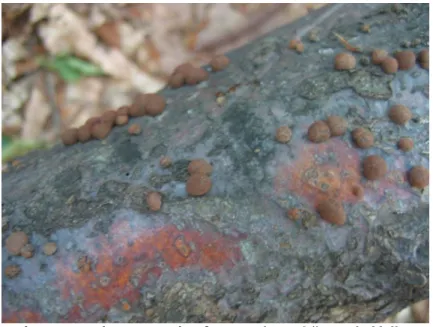
Fig. 4. Nectria sp. attack – frequently on Lăpuşnic Valley
2. Ass. Stellario nemori-Alnetum glutinosae (Kärstner 1938) Lohm. 1957 (Syn. Alnus glutinosa-Salix purpurea Paucă 1941, Aegopodium-Alnetum
praecarpaticum Kárpáti V., Kárpáti I. et Jurko 1963, Alnetum glutinosae
Meijer-Drees 1936.) (Table no. 2)
The Stellario nemori-Alnetum glutinosae (Kärstner 1938) Lohm. 1957 plant community is part of the habitat 91E0 * Alluvial forests with Alnus glutinosa and
Fraxinusexcelsior (Alno-Padion, Alnion incanae, Salicion albae;CLAS. PAL.: 44.3, 44.2 şi
44.13. In this basin the Habitat 91E0 * is poorly developed, the characteristic plant community meeting more in the form of strips of about 10-15 m wide. However analyzed phytocoenosis are comprised are well sourced, even if you stretch more in the form of strips along the Lăpuşnicului.
The herbaceous layer is very developed, reaching a coverage of up to 70%. The degree of antropizare is relatively small. We can mention a few species which present a high constancy: Stellaria nemorum, Glechoma hederacea, Brachypodium sylvaticum, Lysimachia numularia, Aegopodium podagraria, Erigeron annus, Poa pratensis, Ranunculus repens, R. ficaria, Geranium phaeum, Alliaria petiolata, Mentha longifolia, Saponaria officinalis. The coordinates of this type of forest are:44095΄01" Northern latitude and 21090΄04" East longitude.
Ass. Stellario nemori-Alnetum glutinosae (Kärstner 1938) Lohm. 1957 Table No. 2
No. of relevée 1 2 3 4 5 6 7 8 K
Altitude m.o.s. (x 10 m) 40 45 40 45 45 40 40 40
Canopy 0,6 0,6 0,7 0,7 0,6 0,6 0,6 0,6
Coverage of herbacaeous layer (%)
65 70 40 40 70 70 80 80
Sampling surface (m2) 400 400 400 400 400 400 400 400
Char. ass.
Alnus glutinosa 3-4 4 4 4 3-4 3-4 3-4 3-4 V
Stellaria nemorum 1 1 + + 1 1 1 1 V
Alno – Ulmion
Festuca gigantea + + + + + + + + V
Ranunculus repens 1 1 + + 1 1 1 1 V
Carex remota + + + - - + - - III
Matteuccia struthiopteris - - - - + + - - II
Geranium phaeum - + - - - - + - II
Fagetalia
Salvia glutinosa +-1 - 1 - 1 + + + IV
233
Crataegus monogyna - - - + + - - + II
Rosa canina + - + - - + - - III
Poa nemoralis + + + - - + - - III
Molinio-Arrhenatheretea
Agrostis stolonifera 1 + + + +-1 + +-1 +-1 V
Achillea millefolium - + + - + + - - III
Poa pratensis +-1 +-1 + +-1 +-1 1 1 1 V
Trifolium pratense + + - + - - - - II
Variae Syntaxa
Alliaria petiolata +-1 +-1 +-1 + +-1 + 1 1 V
Lamium maculatum + + + + - + - + IV
Sambucus nigra + +-1 1 +-1 + + + +-1 V
Salix alba - - - + + + - - II
S. fragilis + + - - - - + - II
Aegopodium podograria +-1 + 1 +-1 1 1 1-2 1-2 V
Mycelis muralis + + + - - - - + III
Geranium robertianum - - - + - + - - II
Urtica dioica + +-1 + + +-1 1 +-1 1 V
Glechoma hederacea +-1 + + 1 1 1 1 + V
Mentha longifolia + +-1 + +-1 + +-1 1 +-1 V
Galium aparine + + + - + - + + IV
Rorippa sylvestris + + + + + + + + V
Prunella vulgaris + - + + - + + + IV
Saponaria officinalis + + + - - - - + III
Erigereon annus + + + + + + + + V
Tanacetum vulgare + - + - + - - + III
Prunus cerasifera + + - - - - + - II
Lysimachia numularia + - + - + - - + III
Althaea officinalis + - + - - - II
Place and data of the relevés: 1-10, Lăpuşnic Valley, 26.VII.2013
3. Ass. Salicetum albaeIssler 1924 (Syn.: Salicetum albae-fragilis R. Tx. 1937)
The phytocoenoses of the of Salix alba inhabits meadows, residuary permanent wetlands, alluvial soil with flysch-sandy, or clay loam. In the Lăpuşnic basin this plant community meets at the lower limit of the basin. About the ecological categories, from the humidy point of view, the mesophytes are most common, meso-hygrophytes and hygrophytes.
Characteristic species, Salix alba is accompanied by Salix fragilis, which in some transitional plant associations is codominant, and subdominant in others.
In the grassy stratum, there are frequently met the following species: Urtica dioica, Sapponaria officinalis, Geranium robertianum, Aegopodium podagraria, Agrostis stolonifera, Glechoma hederacea, Ranunculus repens, Equisetum arvense, Calystegia sepium, Humulus lupulus Lysimachia nummularia, Lycopus europaea, L. exaltatus, Lythrum salicaria
234
phytocoenosis can be explained by thishigh degree of human intervention. This plant community is also part of the habitat 91E0 * - Alluvial forests with Alnus glutinosa and
Fraxinusexcelsior (Alno-Padion, Alnion incanae, Salicion albae;CLAS. PAL.: 44.3, 44.2 şi
44.13.
4. Ass. Quercetum petraeae-cerris Sóo (1957) 1969 (Table no. 3)
This plant community is found at the lower limit of the basin, towards the village Lăpuşnicu Mare. The phytocoenosis from this plant community are found on the slopes of the southern and south-western exposure, on the brown soils, deep, developed on limestone bedrock. This type of forest examined in Lăpuşnic have a productivity of class IV and age is ee 85 years. These forests are in a good conservation status, requiring only the cuts for hygiene and preservation. Limitative factors of which act at their level of those hydric deficit stands high has an important role. The Quercetum petraeae-cerris Sóo (1957) 1969 plant community is part of the 91M0 habitat PannonianBalkanic turkey oak -sessile oak forests; CLAS. PAL.: 41.76.
Ass. Quercetum petraeae-cerris Sóo (1957) 1969
Table no. 3
No. of relevée 1 2 3 4 5 6 7 8 9 10 K
Altitude m.o.s. (x 10 m) 52 52 52 52 52 52 52 52 52 52
Exposure S SV SV SV S S V SV SV V
Inclination (in grades) 10 10 15 10 15 20 25 20 10 25
Canopy 0,7 0,7 0,7 0,7 0,7 0,7 0,7 0,6 0,7 0,7
Coverage of herbacaeous layer (%)
40 30 40 35 35 40 40 45 35 30
Sampling surface (m2) 400 400 400 400 400 400 400 400 400 400
Char. ass.
Quercus petraea 3-4 4 4 4 4 4 4 4 4 4 V
Quercus cerris 1 1-2 1 1 1 1 1 1 1 1-2 V
Quercetea pubescenti-petraeae et Qurcetalia petraeae-pubescentis
Quercus frainetto 1 1 1 +-1 +-1 1 + + 1 1 V
Comus mas + - - + - - - I
Rosa canina + + + + + + + + + + V
Tanacetum corymbosum - + - + - - + - + - II
Astragalus glycyphyllos + + + + + + + + + + V
Trifolium medium + + - - + + - - + + III
Fragaria viridis + + - - - + - - + + III
Vincetoxicum hirundinaria
+ + + + + + + + + + V
Sedum cepaea + - + - + - + - - + II
Campanula persicifolia + + + - + + + - - - III
Dianthus armeria + + + - + + + - + + IV
Hypericum perforatum + + - - + + - - - - II
Coronilla varia + - + - + - + - - + II
Arabis turrita + + - - - + - - + + III
Viola hirta + - - - + I
Poa angustifolia + - - + - - - I
Lithospermum purpureo coeruleum
+ + + + + + + + + + V
Festuca heterophylla + + + + + + + + + + V
Teucrium chamaedrys + + + - + + + - + + IV
Carex montana + + - - + + - - - - II
Potentilla micrantha + - + - + - + + - + III
Oryzopsis virescens + + - - - + - - + - II
Potentilla alba + + - - + + - - - - II
Lychnis coronaria + - - + - - - I
Fraxinus ornus - - - + + - - - I
Helleborus odorus + + + + + + + + + + V
235
Euonymus europaeus - + + + - - - + + + III
Poa nemoralis +-1 1 1 1 1 +-1 1 1-2 1 +-1 V
Veronica officinalis + + + + + + + + + + V
Campanula ranunculoides
+ + + + + + + + + + V
Luzula luzuloides + + + + + + + + + + V
Carex pilosa 1 1 +-1 +-1 + + +-1 +-1 1 + V
Galium schultesii + + + + + + + + + + V
Melica nutans + + + + + + + + + + V
Melica uniflora + + + + + + + + + + V
Euphorbia amygdaloides + + + + + + + + + + V
Veronica chamaedrys + + + + + + + + + + V
Brachypodium sylvaticum
+ 1 1 1 +-1 1 +-1 1 - + V
Viola sylvestris + + + + + + + + + + V
Ranunculus auricomus + + + - - - + + - + III
Lathyrus vernus + + + + + + + + + + V
Galium verum + - + + - + - - - - II
Carex divulsa + - - - - + - - - - I
Hedera helix + + + + + + + + + + V
Geum urbanum + + + + + + + - - + IV
Asperula taurina + + + + + + + + + + V
Hieracium sabaudum + + + + + + + + + + V
Variae Syntaxa
Cardaminopsis arenosa - + - - + - - - I
Lathyrus venetus + + + + + + + + + + V
Trifolium medium + + + + + + + + + + V
Digitalis grandiflora + + - - - I
Inula hirta + + + + + + + + + + V
Mycelis muralis - + + + - + - + + + IV
Glechoma hederacea + + + + + + + + + + V
Rubus caesius - - - + + + - - - - II
Campanula patula + - - - + - - - + - I
Campanula rapunculus + + + + + + + + + + V
Larthyrius hallersteinii + - + + - + - - - - II
Euphorbia cyparissias + - - - + + + - - - II
Betonica officinalis + - - - + - - - + - I
Galium aparine - - + + + + - - - + III
Viscaria vulgaris + + - + - + - - - - II
Scrophularia nodosa - - - + - + - - + + II
Place and data of the relevés: 1-10, Lăpuşnic Valley, 26.VII.2013, 5.X.2013
Subcontinental peri-Pannonic scrub are represented by the following plant communities: Syringo-Fraxinetum orni Borza 1958 em. Resmeriţă 1972 (Syn.: Syringeto-Fraxinetum orni coryletosum colurnae Borza 1958; Syrigo-Carpinetum orientalis humiletosum domogledicum Jakucs 1959; Syringetum-Cotinetetum-Acaerineum tatarici
236
orientalis Jakucs 1959. They form the so called ,,sibliacuri,, and are included in the Habitat 40A0* - Subcontinental peri-Pannonic scrub. This plant community are installed on bedrock, hard to reach land, with slopes moderately to highly pitched, even on steep walls and are in a good conservation status.
CONCLUSIONS
The examined area, process which started in 2011, is situated along the course of Lăpuşnic, a tributary of the Nera river and is an integral part of the Nera Gorges-Beuşniţa National Park. Calcareous substratum and climate influences sub-Mediterranean determine the type of flora and vegetation of Lăpuşnic Valley. In the Lăpuşnic basin there were identified numerous vulnerable (V), rare (R), and endangered (E) taxa, which are found in the red lists, published in our country. The general aspect of vegetation in the the Lăpuşnic basin represents an image of the very different stationary conditions, to which one can add the influence of the anthropo-zoogenous factors. The wooden vegetation is represented by forests, underwoods and riverside coppices, the forests occupy the largest area. The beech forests represented by the plant community Festuco drymeiae-Fagetum
Morariu et al. 1968 are well-represented, develops on the slopes with various exhibitions and slopes whose inclination can vary from 100 to 400, varies according to age, which is between 60-130 years old, and status of preservation is less good to very good. The
Quercetum petraeae-cerris Sóo (1957) 1969 plant community grow on the slopes of the lower limit of the basin Lăpuşnic. Subcontinental peri-Pannonic scrub are represented by the 3 plant communities. They form the so called ,,sibliacuri,, and are included in the Habitat 40A0* - Subcontinental peri-Pannonic scrub. This plant communities are installed on bedrock, hard to reach land, with slopes moderately to highly pitched, even on steep walls and are in a good conservation status.
ACKNOWLEDGEMENT
This work has benefited by the financial support from the European Regional Development Fund (ERDF) under the Operational ProgrammeEnvironment (Priority Axis 4) by the project “Developing managementplan of Nera GorgesBeuşniţa National Park (R OSCI0031 and ROSPA0020 NeraGorges-Beuşniţa)”- Manager Lecturer dr. Alma NICOLIN.
BIBLIOGRAPHY
1.Borhidi, A. - 1995, Social Behaviour types, the naturalness and relative ecological indicator values of the higher plants in the Hungarian Flora, Acta Botanica Hungarica, 39(1-2): Budapest, 81-97 pp.
2. Braun– Blanquet J. – 1932, Plant Sociology, the study of plant communities, Ed. Mc-Graw – Hill Book Company, Inc. New – York and London, 31-33
3. Mucina, L. – 1997, Conspectus of Classes of European vegetation, Folia Geobot.Phytotax., Praha, 32: 117-172.
4.Niculescu, M. - 2006, Flora and vegetation in the upper basin of the Luncavat River, Ph.D. thesis, "Babes-Bolyai" University of Cluj-Napoca,.347 pp.
5.Niculescu, M. et al. 2009, Researches about Quercus cerris forests situated in the North-East of Dolj county, Analele Universitatii din Craiova, Agricultura, Montanologie/ Annals of the University of Craiova, Agriculture, Montanology, Cadastre series, http://agronomie.administrativ.ucv.ro/aamc/index.php/aamc, vol. XXXIX/B 2009
6. Sanda, V., Popescu, A., Barabaş, N. – 1997, Cenotaxonomia şi caracterizarea
grupărilor vegetale din România, St. Com., Muz. Şt. Nat. Bacău, 14: 5-366.
7. XXX – 2007, European Commission Interpretation Manual of European Union Habitats - EUR27, DG Environment - Nature and Biodiversity.