TABLE OF CONTENTS
Full Abstract………. 4
Systematic Review……… 5
A Systematic Review of Cardiovascular Disease Risk Screening & Education Programs Using Community Health Workers Targeting Hispanic/Latino Communities and/or Migrant and Seasonal Farmworkers Abstract………. 6
Introduction……….. 7
Methods……… 10
Table 1: Eligibility Criteria for Systematic Review Study Selection………….. 12
Results……….. 15
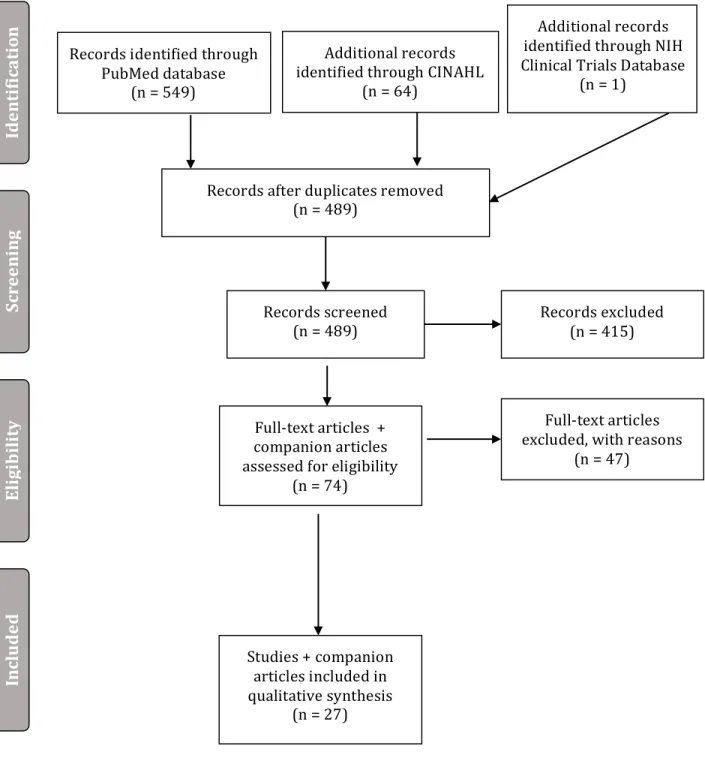
Figure 1: Flow Diagram of Study Screening and Selection……… 16
Discussion……… 20
Appendices………... 22
Appendix A: Search Terms and MeSH Terms used for Study Identification…. 22 Appendix B: Description of All Variables for which Data was Sought……….. 23
TABLE OF CONTENTS
Original Research………... 31
Prevalence of Hypertension and Obesity Among Migrant and Seasonal Farmworkers in North Carolina Abstract……… 32
Introduction………. 33
Methods……… 37
Results……….. 42
Discussion……… 46
Tables………... 50
Table 1: Demographic Characteristics of MSFW Population by Presence of Hypertension in 2012……… 50
Table 2: Demographic Characteristics of MSFW Population by Presence of Hypertension in 2015……… 51
Table 3: Demographic Characteristics of MSFW Population by Hypertension Severity in 2012……… 53
Table 4: Demographic Characteristics of MSFW Population by Hypertension Severity in 2015……… 55
Table 5: Demographic Characteristics of MSFW Population by BMI Classification in 2015………... 57
Table 6: Odds Ratios of Hypertension based on Gender, Migrant Classification, H2A Status, and Smoking Status in 2012………. 59
Table 7: Odds Ratios of Hypertension based on Gender, Migrant Classification, H2A Status, Smoking Status, and Obesity in 2015……….. 60
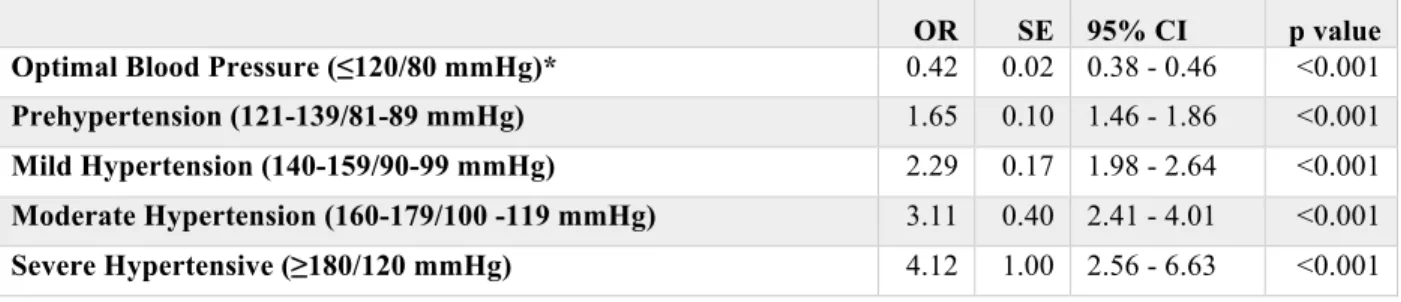
Table 8: Odds Ratios of Obesity based on Hypertensive Severity and Migrant Classification in 2015………... 61
Table 9: Odds Ratios by Hypertension Severity based on Migrant Classification in 2012……….. 62
FULL ABSTRACT
Migrant and seasonal farmworkers (MSFW) play an important role in the agricultural and economic vitality of the United States. Given occupational hazards associated with agricultural labor and work, research involving the health of MSFW has been primarily related to the
occupational and environmental health concerns. However, research is limited on broader health concerns affecting this population, including hypertension and cardiovascular health, and
A Systematic Review of Cardiovascular Disease Risk Screening & Education Programs Using Community Health Workers Targeting Hispanic/Latino Communities and/or
ABSTRACT
INTRODUCTION
Migrant and seasonal farmworkers (MSFW) play an important role in the agricultural and economic vitality of the United States. Locally, North Carolina has one of the largest
farmworker populations in the country with more than 150,000 farmworkers and their
dependents working and living in the state during each growing season.1 Given occupational hazards associated with agricultural labor and work, research involving the health of migrant and season farmworkers has been primarily related to the occupational and environmental health concerns (e.g. living conditions, pesticide exposure), affecting this population.2–5 These
occupational and environmental determinants of health are important for health care and public health providers to understand when serving this community. Additionally, this information is vital for policy makers to understanding when crafting policies directly affecting this
population.3,6,7 However, research has been limited on broader health concerns affecting this population, including chronic disease and cardiovascular health.8,9
In the United States and North Carolina, the majority of farmworkers are
Hispanic/Latino, with 94 percent of migrant farmworkers in North Carolina citing Spanish as their primary language.1,10 The health of farmworkers is complicated by poor and crowded housing, pesticide exposure, occupational related illness and injuries, limited workers’
The demographic characteristics and conditions translate to increased risk for
occupational and environmental-related health problems, poor oral health, increased risk for infectious disease, including tuberculosis and HIV/AIDS, poor mental health, and chronic disease.11 Research from California suggests migrant immigrant farmworkers have an elevated prevalence of chronic and cardiovascular disease (CVD) risk factors, including obesity, high blood pressure and high cholesterol.8
Given these risks in the face of significant adverse social determinants of health, it is imperative this population is specifically targeted with effective hypertension and CVD risk screening. The United States Preventive Services Task Force currently recommends blood pressure screening for hypertension for all adults over the age of 18 years given the risks associated with untreated high blood pressure and the benefit of early treatment.12 The current definition of hypertension, established by the Seventh Joint National Committee (JNC 7)13 and modified and reaffirmed by JNC 8, is a systolic blood pressure of 140 mmHg and/or a diastolic pressure of 90 mmHg for nondiabetic and/or patients under the age of 60 years.14
Community health workers (CHWs) or lay health workers have been effectively utilized to create culturally appropriate and contextualized screening and educational programs for hypertension.15–17 The intention of this review was to better understand the utility of community health workers to screen and implement culturally effective programs for Hispanic/ Latino migrant and seasonal farmworkers. The key question that guided this systematic review was:
Among Hispanic/Latino migrant and seasonal farmworkers, what is the efficacy
of cardiovascular disease (CVD) risk screening and/or educational interventions
by non-medical personnel (e.g. community health workers, etc.) in non-clinical
(e.g. rates of screening, referrals to follow up medical care) and improving CVD
risk factors (e.g. hypertension, elimination of risky behaviors etc.) over the
duration of the individual’s lifetimes?
METHODS
Modification of the Research Question:
This systematic review sought to better understand the utility of community health workers for community-based screening and culturally appropriate interventions to improve CVD outcomes among Hispanic/Latino MSFW. However, early into the research process it was discovered that relevant literature specifically involving the MSFW population was extremely limited (n=118). Thus, it was decided early into study selection to expand the research question to include all studies that targeted Hispanic/Latino populations, no matter their MSFW status. This decision was made after discovering most current and relevant screening and educational programs targeted the broader Hispanic/Latino population, not just migrant and seasonal farmworkers. Thus, the research question was modified with the intention to address the applicability of these results to migrant and seasonal farmworkers following the qualitative assessment of current literature. The modified research question asks:
Among Hispanic/Latino individuals, what is the efficacy of cardiovascular disease
(CVD) risk screening and/or educational interventions by non-medical personnel
(e.g. community health workers, etc.) in non-clinical and community-based
settings at identifying individuals with high risk for CVD (e.g. rates of screening,
referrals to follow up medical care) and improving CVD risk factors (e.g.
hypertension, elimination of risky behaviors etc.) over the duration of the
individual’s lifetimes?
Study Identification and Search Strategy
Following consultation with librarians at the University of North Carolina (UNC) Health Sciences Library, a search strategy was developed to find studies relevant to the research
question. Online databases PubMed and CINAHL were searched for relevant English-language studies published since 2000 to present to review the most recent and relevant literature. The National Institute of Health (NIH) Clinical Trial database was searched for ongoing or unpublished studies not found on the PubMed and CINAHL databases. Specific search and MeSH terms were chosen to cover for each significant component of the research question:
farmworkers, community health workers, cardiovascular disease, Hispanic Americans, and
screening. The specific search and MeSH terms used for study identification is provided in Appendix A. Given the specificity of the target population (i.e. migrant and seasonal farmworkers), the search terms were used in combination with the term community health
workers and cardiovascular disease to create an inclusive group of studies for initial screening of relevant studies. For example, one search combined community health workers and
cardiovascular disease (and associated search terms) with Hispanic Americans to find relevant studies, while another search combined community health workers and cardiovascular disease
with screening to find relevant studies. This process was completed in PubMed, CINAHL, and the NIH Clinical Trials Database to comprehensively identify relevant studies for this research topic.
Exclusion and Inclusion Criteria
described programs that targeted individuals at risk or with diabetes in the larger scope of CVD risk factors. This review excluded internationally-based studies involving populations ethically or culturally dissimilar from Hispanic/Latino communities living in the United States; however, studies conducted outside of the U.S. that targeted populations or communities of Hispanic or Latino decent were included. This decision was made given the migratory behavior of the Hispanic/Latino migrant and seasonal farmworker community to and from countries in Central and South America. Finally, this review included studies that involved at least 25 percent of participants who identified as Hispanic or Latino as a portion of the study population; however, it excluded similar cohort or population-based studies with less than 25 percent of participants identifying as Hispanic or Latino.
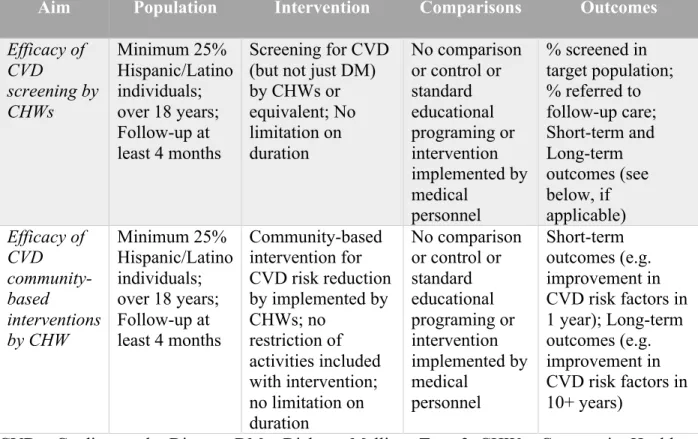
Table 1: Eligibility Criteria for Systemic Review Study Selection
Aim Population Intervention Comparisons Outcomes
Efficacy of CVD screening by CHWs Minimum 25% Hispanic/Latino individuals; over 18 years; Follow-up at least 4 months
Screening for CVD (but not just DM) by CHWs or equivalent; No limitation on duration
No comparison or control or standard educational programing or intervention implemented by medical personnel
% screened in target population; % referred to follow-up care; Short-term and Long-term outcomes (see below, if applicable) Efficacy of CVD community-based interventions by CHW Minimum 25% Hispanic/Latino individuals; over 18 years; Follow-up at least 4 months
Community-based intervention for CVD risk reduction by implemented by CHWs; no
restriction of activities included with intervention; no limitation on duration
No comparison or control or standard educational programing or intervention implemented by medical personnel Short-term outcomes (e.g. improvement in CVD risk factors in 1 year); Long-term outcomes (e.g. improvement in CVD risk factors in 10+ years)
Study Selection and Data Collection
Following the initial study identification described above, relevant articles found in PubMed and CINAHL were combined. Duplicate articles were removed, and the remaining studies were screened using their abstract for selection based on the eligibility and exclusion criteria. Following this initial screening process, the full text of remaining articles was reviewed for relevance and eligibility criteria. Literature deemed relevant and eligible following this full text review was included in the full systematic review and quality assessment. A meta-analysis was not completed with this systematic review.
A single reviewer (MR) completed the data collection. The extent of data collected was subject to the type and description of study design, intervention, and outcomes provided in the primary article and/or companion articles reviewed. The reviewer did not contact any primary authors to collect additional data not provided in their published articles. When provided, information and data extraction was divided into three categories: study characteristics, study intervention, and outcomes. The specific variables used for each of these categories is provided in Appendix B.
Assessment of Bias and Strength of Evidence
Assessment of study quality and strength of evidence were performed at the outcome level following the evaluation of all selected studies. Studies found to be low quality were not excluded from the summarization of results, but their strength was considered when evaluating the cumulative evidence found in the systematic review. Given the limited scope of the
systematic review, articles were only evaluated for quality and strength of evidence by a single reviewer (MR).
Summary Measures and Synthesis of Results
RESULTS
Initial search revealed 488 articles, from which 74 were chosen for full-text review. Of these 74 articles, 27 articles were found eligible and included in this systematic review. One ongoing study was found searching the NIH Clinical Trials database; however, it had yet to release results and was not included in the review.21 Additional details of the study selection process are provided in the PRISMA flowchart included in Figure 1 provided below. Appendix C provides identifying characteristics (e.g. title, authors, date of publication) for the studies included in review.
Study Characteristics
Twenty-three of the 27 articles selected specifically targeting Hispanic/Latino communities living in the United States or in border regions of Mexico.18,22–42 Only one study specifically targeted a population of Hispanic/Latino MSFW.18 Three studies did not specifically target Hispanic/Latino communities or migrant or seasonal farmworkers, but had sample populations with significant proportions of Hispanic/Latino individuals (42 percent,43 25.1 percent,44 and 45.6 percent45). Three studies were implemented completely outside of the United States, but targeted individuals of Hispanic/Latino descent.27,46,47
Figure 1: PRISMA Flowchart*
Records identified through PubMed database
(n = 549)
Sc
re
en
in
g
In
cl
u
d
ed
El
igi
b
il
it
y
Id
en
ti
fi
ca
ti
on Additional records
identified through CINAHL (n = 64)
Records after duplicates removed (n = 489)
Records screened
(n = 489) Records excluded (n = 415)
Full-text articles + companion articles assessed for eligibility
(n = 74)
Full-text articles excluded, with reasons
(n = 47)
Studies + companion articles included in qualitative synthesis
(n = 27)
*Note: This flow diagram describes the study selection following the expansion of the target
Additional records identified through NIH Clinical Trials Database
Risk of Bias Within Studies
Each study was evaluated for risk of bias and strength of evidence criteria established by Evidence-based Practice Centers.19 No studies were eliminated from the synthesis of results due to poor quality. The risk of bias for each study is summarized in Appendix C. Bias, both selection bias and measurement bias, was unsuspected in the majority of studies. Selection bias was suspected in one study given the poor retention rate42 and two others for measurement bias given their reliance on self-reported data.39,40 A fourth article on a general evaluation and overview of various community-based and clinic-based programs targeting Hispanic/Latino communities to improve CVD risk factor and did not provide sufficient information to assess the risk of bias of the individual programs reviewed.25 Of the studies that reported following CBPR methodology (n=2), CBPR principles were followed with varying degree ranging from strong adherence23 to moderate adherence largely for reasons for not including community members in the study design process.22
Results of Individual Studies
Analysis of data from the studies showed insufficient evidence that community-based educational programs significantly improved long-term cardiovascular health outcomes. This was often of a consequence of limited evidence about lifetime morbidity and/or mortality. Only two studies specifically evaluated the effectiveness of CHW-led interventions to improve CVD risk scores, a variable best predictive of long-term cardiovascular health outcomes. One study found a reduction in 10-year CVD risk score as measured by the Framingham Risk Score (FRS) (-0.8 percent +/- 6.2 percent, p<0.001 in all participants retested and -2.0 percent +/- 8.5 percent in participants with FRS > 10 percent at baseline) following the implementation of a statewide screening program that utilized community health workers. This study contained 25 percent Hispanic/Latino participants (28 percent at follow-up) and provided no mention if any
participants were MSFW.44 The second study found the community-based intervention lead by
promotoras or CHWs resulted in a greater improvement in 10-year coronary heart disease (CHD) risk score compared to the control intervention without CWH involvement (-0.009, p=0.05 vs. -0.005, p=0.05). However, this slightly greater improvement in the 10-year CHD risk score for the intervention cohort was not statistically significant when compared to the control group. Still, secondary analysis using multiple variable regression found significantly greater (additional decrease of 0.010, p=0.05) when the women’s CHD risk levels were in the upper quartile (>75% risk) at baseline.34
few studies demonstrated changes to anthropometric measures, such as waist circumference, blood pressure, and total cholesterol.22,29,32,41 However, many of these studies failed to show lasting changes for biomarkers or blood pressures past the immediate conclusion of the intervention.
Harms associated with screening for hypertension or CVD risk factors were rarely discussed in studies specifically targeting the efficacy of screening by community health
workers.18,43,44,46 This absence made evaluating the magnitude of benefit provided by screening difficult given the current literature available.
Synthesis of Results:
After reviewing these studies, it is possible that community-based interventions to educate and/or screening Hispanic/Latino communities can increase knowledge and intention of healthy behaviors among participants. However, the ability for these programs to make lasting improvements for their cardiovascular health and related risk factors (i.e. hypertension, obesity, etc.) has not been demonstrated. Additionally, there was limited information available about the harms associated with these screening and/or education programs. Thus, the strength of
DISCUSSION
Summary of Evidence:
Given the specificity of the original target population of Hispanic/Latino migrant and seasonal farmworkers, the research question had to be expanded to include all cardiovascular disease screening and community-based interventions targeting Hispanic/Latino individuals. A number of programs throughout the United States and Central and South America utilize community health workers and community-based educational interventions to try to improve cardiovascular disease risk factors among Hispanic and Latino individuals.
From this review of recent literature, evidence that these screening and/or community-based programs improve long-term cardiovascular outcomes is limited. Most studies found some improvement in self-reported measures of heart-healthy behavior (i.e. statistically significant increase in physical activity and decreases in fat or salt consumption). However, few studies found lasting changes in intermediate measures of cardiovascular health, such as blood pressure or weight, or CVD risk. Thus, the evidence available that current screening and educational programs using CHWs and targeting Hispanic/Latino individuals significantly improves long term cardiovascular outcomes is insufficient. However, despite limited evidence supporting the long term effectiveness of these types of interventions, they showcased CHWs as an important and possibly useful resource improve cardiovascular health within this underserved population and others in the United States and global community.
Limitations:
Additionally, the search strategy may not have captured this body of literature completely. First, this review only included articles published since 2000. From this review, it was discovered that the NIH developed culturally appropriate curriculum for CVD for Hispanic/Latino communities prior to 2000 (i.e. Salud Para Su Corazón). Expanding the literature search to include these earlier studies and the development of the curriculum could improve the results of future reviews. Additionally, the review only looked at studies published in English. Given the
population of interest, including studies published in other languages, specifically Spanish, could be useful for future reviews.
Conclusions:
While some evidence supports the use of community health workers and community-based programs to screen and provided education around CVD risk factors in Hispanic/Latino
community, more research is necessary to understanding the long-term outcomes of these programs. Additionally, more research is needed to understand the efficacy of these types of programs in transient and underserved migrant and seasonal farmworker populations.
APPENDICIES
Appendix A: Search Terms and MeSH Terms used for Study Identification
Farmworker/ Migrant Farmworker
"Farmers"[Mesh] OR “farm worker” OR “farm workers” OR farmworker OR “migrant worker” OR “migrant workers”
Community Health Worker
promotores OR promotora OR promotoras OR embajadoras OR comodrones OR abuela OR "lay advocates" OR "lay health" OR "lay workers" OR "lay worker" OR "lay advisors" OR "lay educators" OR "lay counselors" OR "lay counselor" OR "indigenous volunteers" OR "lady health workers" OR "lady health worker" OR "lay facilitators" OR "community health advisor" OR "community health advisors" OR "community health workers" OR "community health worker" OR "peer workers" OR "peer educators" OR "peer educator" OR "natural helpers" OR consejeras OR "community health volunteers" OR "community health volunteer" OR "community
educators" OR "community educator" OR "village health workers" OR "village health worker" OR "community based distributors" OR community health aides[MeSH]
Cardiovascular Disease/ Hypertension
"Hypertension"[Mesh] OR “chronic disease” OR “high blood pressure” OR "Cardiovascular Diseases"[Mesh] OR "Chronic Disease"[Mesh]
Hispanic/Latino Americans
"Hispanic Americans"[Mesh] OR latino OR latinos
Screening
Appendix B: Data Collection – Description of All Variable for which Data was Sought
Study Characteristics Study Intervention* Outcomes
Study Setting/ Location (country
and/or state) Description of Intervention individuals screened (if Number/proportion of
applicable)
Program Name Description of Who
Delivered Intervention
Referral Rate for Follow-Up Care (if applicable)
Study Design Frequency of Intervention Short-Term Outcomes Overall Sample Size Duration of Intervention Change in CV anthropometric
measurements (e.g. cholesterol testing, blood
pressure, BMI, etc.)
Group Sample Size (if
applicable) Follow-up Period following Intervention Change in Other Outcomes (i.e. quality of life scores,
depression screening, etc.)
Randomization *The same variables were collected for the study
standard or control comparison group if
applicable.
Long-Term Outcomes (if provided)
Study duration Morbidity (i.e. proportion of
participants with diagnosed and treated hypertension, cardiovascular disease, etc.)
Description of Recruitment
Funding Source Mortality (i.e. all-cause
mortality, CV-related mortality) over course of
participant’s lifetime
Population Targeted Proportion of MSFW in Sample
Baseline Demographic Characteristics (e.g. age, race/ethnicity, gender, insurance
status, preferred language, etc.)
Harms (if provided)
Baseline CV Risk History (e.g. past diagnosis or family history of cardiovascular disease or related chronic conditions (e.g.
hypertension, diabetes, hyperlipidemia), smoking
status)
Adverse effects of treatment
Baseline Anthropometric Measurements (e.g. cholesterol
laboratory testing, blood pressure, glucose, body mass
index, etc.)
Anxiety of Diagnosis
Other Baseline Characteristics (e.g. quality-of-life, depression
screening scores, etc.)
Appendix C: Descriptions and Risk of Bias of Studies Included in Systematic Review
Author Year Title Summary of Study Population Program or Intervention Summary of Screening Summary of Outcome
Overall Quality Assessment (+, ++, +++)
Risk of Bias
Staten, Lisa K Cutshaw, Christina A Davidson, Christopher Reinschmidt, Kerstin Stewart, Rosie Roe, Denise J
2012 Effectiveness of the
Pasos Adelante (Steps Forward) chronic disease prevention and control program in a US-Mexico border community, 2005-200841
305 individuals, primarily Hispanic women (91.5%) who were born in Mexico, preferred speaking Spanish, were married, and were not educated beyond high school living in or around border community of Douglas, AZ
12-week sessions (adaptation of National Heart, Lung, and Blood Institute’s Su Corazón, Su Vida (1st edition) 9-week curriculum) from January 2005 to May 2008 and included walking groups and education targeting nutrition and physical activity
Decreases in BMI (P = .04), waist and hip circumference (P < .001), diastolic and systolic blood pressure (P < .001), and total cholesterol (P = .008) from baseline to program conclusion; No significant change in anthropometric or lab measures in 3-month f/up
++ Unsuspected
Cutshaw, Ca Staten, Lk Reinschmidt, Km Davidson, C Roe, Dj
2011 Depressive Symptoms and Health-Related Quality of Life Among Participants in the Pasos Adelante (Steps Forward) Chronic Disease Prevention and Control Program, Arizona, 2005-200830
305 individuals, primarily Hispanic women (91.5%) who were born in Mexico, preferred speaking Spanish, were married, and were not educated beyond high school living in or around border community of Douglas, AZ
12-week sessions (adaptation of National Heart, Lung, and Blood Institute’s Su Corazón, Su Vida (1st edition) 9-week curriculum) from January 2005 to May 2008 and included walking groups and education targeting nutrition and physical activity
Mean number of physically and mentally unhealthy days declined significantly from baseline to postprogram, but the mean number of activity limitation days did not; All 3 proportions (self-reported health as fair/poor, self-report of mental distress, CES-D score of 16+ declined from baseline to postprogram, but no significant changes occurred between postprogram and f/up
++ Unsuspected
Balcázar, Héctor Alvarado, Matilde Hollen, Mary Luna Gonzalez-Cruz, Yanira Pedregón, Verónica
2005 Evaluation of Salud Para Su Corazón (Health for your Heart) -- National Council of La Raza Promotora Outreach Program28
223 Latino families (80% with atleast 1 CVD risk factor) served by 33 promotores at seven locations across the United States
7 educational sessions from the NHLBI heart-healthy curriculum called Your Heart, Your Life delivered by promotores +/- 1 optional diabetes session; intervention also included home visit and/or telephone f/up up to 6 months
90% of participants successful referred for screening (e.g. blood pressure, cholesterol);
Improvement in 'heart-healthy behaviors' following intervention, only physical activity improvement statistically significant
++ Unsuspected
Balcazar, H. 2006 Salud Para Su Corazon-NCLR: A
Comprehensive Promotora Outreach Program to Promote Heart-Healthy Behaviors Among Hispanics24
29 trained promotoras serving 188 families from three NCLR affiliates in Escondido, California; Chicago, Illinois; and Ojo Caliente, New Mexico
7 educational sessions from the NHLBI heart-healthy curriculum called Your Heart, Your Life delivered by promotores; intervention also included home visit and/or telephone f/up up to 6 months
No reported results on improvements of participant post-intervention health outcomes
Balcazar, H Rosenthal, L De Heer, H Aguirre, M Flores, L Vasquez, E
2009 Use of Community-based Participatory Research to Disseminate Baseline Results from a Cardiovascular Disease Randomized
Community Trial for Mexican Americans Living in a U.S.-Mexico23
328 Hispanic adults ages 30–75 with at least one risk factor for CVD (overweight, smoking, high cholesterol, diabetic or hypertensive), who were recruited through approaching households in randomly selected census tracts around El Paso, TX
HEART Study - RCT - intervention: eight health education classes based on the “Su Corazón, Su Vida” (Your Heart Your Life) curriculum of NHLBI and taught by CHWs; control: no involvment with CWHs
Report development of CBPR process; no reported results on improvements of participant post-intervention health outcomes
++ Unsuspected
Balcazar, Hector G Byrd, Theresa L Ortiz, Melchor Tondapu, Sumanth R Chavez, Monica
2009 A randomized community intervention to improve hypertension control among Mexican Americans: using the promotoras de salud community outreach model26
40 participants in RCT, 58 participants in control; Recruited from Hispanic adults ages 30–75 with at least one risk factor for CVD (overweight, smoking, high cholesterol, diabetic or hypertensive), who were recruited through approaching households in randomly selected census tracts around El Paso, TX
HEART Study - RCT - intervention: eight health education classes based on the “Su Corazón, Su Vida” (Your Heart Your Life) curriculum of NHLBI and taught by CHWs; control: no involvement with CWHs
Perceived benefits, and two heart-healthy behaviors (salt and sodium, and cholesterol and fat) were shown to be statistically significantly different between the intervention and control groups; no statistically significant or lasting
improvements in blood pressure
+++ Unsuspected
Balcázar, Héctor G de Heer, Hendrik Rosenthal, Lee Aguirre, Melissa Flores, Leticia Puentes, Flor a Cardenas, Victor M Duarte, Maria O Ortiz, Melchor Schulz, Leslie O
2010 A promotores de salud intervention to reduce cardiovascular disease risk in a high-risk Hispanic border population, 2005-200827
328 participants (192 in intervention) with at least 1 CVD risk factor
(Framingham score) were selected by randomizing 10 US Census tracts in El Paso, Texas
HEART Study - RCT - intervention: eight health education classes based on the “Su Corazón, Su Vida” (Your Heart Your Life) curriculum of NHLBI and taught by CHWs; control: no involvement with CWHs
Significant improvements were seen in self-reported behaviors such as weight control practices (p=0.01), salt intake (p<0.001), and cholesterol and fat intake (p=0.01); Only diastolic blood pressure, was significantly different between the 2 groups after controlling for baseline values and confounders (p<0.001)
+++ Unsuspected
Balcazar, H. Alvarado, M. Ortiz, G.
2011 Salud Para Su Corazon (Health for Your Heart) Community Health Worker Model25
Hispanic communities with CVD targeted by community-based and clinic-based approaches
Summary of 6 Salud Para Su Corazon (SPSC) family of programs that have addressed cardiovascular disease risk reduction in Hispanic communities facilitated by CHWs
Improved self-reported attitudes and perceptions towards CVD risk reduction, improved self-reported dietary behaviors, and improved clinical outcomes (total cholesterol, non-HDL cholesterol and LDL cholesterol
de Heer, H. D. Balcazar, H. G. Castro, F. Schulz, L.
2012 A Path Analysis of a Randomized Promotora de Salud Cardiovascular Disease-Prevention Trial Among At-Risk Hispanic Adults31
328 participants (192 in intervention) with at least 1 CVD risk factor
(Framingham score) were selected by randomizing 10 US Census tracts in El Paso, Texas
HEART Study - RCT - intervention: eight health education classes based on the “Su Corazón, Su Vida” (Your Heart Your Life) curriculum of NHLBI and taught by CHWs; control: no involvement with CWHs
Using SEM analyses, intervention participation was associated with improved nutritional consumption, but not lower CVD risk. Stronger health beliefs predicted healthier nutritional habits
+++ Unsuspected
Staten, Lisa K Gregory-Mercado, Karen Y
Ranger-Moore, James Will, Julie C Giuliano, Anna R Ford, Earl S Marshall, James
2004 Provider counseling, health education, and community health workers: the Arizona WISEWOMAN project42
217 women over age 50 recruited from two Tucson clinics participating in the National Breast and Cervical Cancer Early Detection Program (NBCCEDP), 75% Hispanic; recruited between August 1998 and February 2000
Individuals randomized to 3 interventions (provider counseling only, provider counseling + 2 health education classes, or provider counseling + 2 health education classes + CWHs social support)
Total cholesterol significantly decreased in both the PC+HE and PC+HE+CHW groups; the % of hypertensive individuals decreased significantly in both the PC and PC?HE?CHW groups; however, none of the characteristics were significant after controlling for BMI, age, ethnicity, and baseline measurement
++ Suspected - only 67% retention
Farrell, Maureen Hayashi, Toshi Loo, Ryan K Rocha, David Sanders, Charlene Hernandez, Marianne Will, Julie C
2009 Clinic-based nutrition and lifestyle counseling for Hispanic women delivered by community health workers: design of the California WISEWOMAN study33
1093 low-income, uninsured or underinsured Hispanic women aged 40– 64 who participate in cancer detection programs enrolled between January 2006 and August 2006
3 face-to-face in Spanish & English counseling sessions at approximately 1, 2, and 6 months after enrollment, each taking place at the clinic for about 30 minutes; CHWs used visual aids and hands-on tools to teach the New Leaf nutrition and physical activity curriculum; control - provided with usual care for elevated blood pressure and cholesterol
Only baseline characteristics reported, no reported results on improvements of participant post-intervention health outcomes
+++ Unsuspected
Hayashi, Toshi Farrell, Maureen A Chaput, Lily A Rocha, David A Hernandez, Marianne
2009 Lifestyle Intervention, Behavioral Changes, and Improvement in Cardiovascular Risk Profiles in the California WISEWOMAN Project34
1093 low-income, uninsured or underinsured Hispanic women aged 40– 64 who participate in cancer detection programs enrolled between January 2006 and August 2006; Of the 1,093 women enrolled in the study, 869 women (433 in intervention and 436 in control) completed both the baseline screening and annual f/up
3 face-to-face in Spanish & English counseling sessions at approximately 1, 2, and 6 months after enrollment, each taking place at the clinic for about 30 minutes; CHWs used visual aids and hands-on tools to teach the New Leaf nutrition and physical activity curriculum; control - provided with usual care for elevated blood pressure and cholesterol
Improvement in the 10-year CHD risk was greater for intervention (-0.009) than control (-0.005) women, but difference not statistically significant; 5.9mm Hg reduction in SBP in intervention; Multiple regression found significantly greater (additional 0.017) when the women’s CHD risk levels were in the upper quartile at baseline
+++ Unsuspected
Altman, Robin Nunez de Ybarra, Jessica
Villablanca, Amparo C.
2014 Community-Based Cardiovascular Disease Prevention to Reduce Cardiometabolic Risk in
35 of 42 Latino, low-income women from northern and central CA
Latina Preventive Heart Disease Program was - educational sessions consisted of eight bimonthly
Significant ( p <0.05) improvements in knowledge of symptoms, risk factors for CVD, calling 911, and
Latina Women: A Pilot
Program22 delivered in increments of 2.0–2.5 hours over the course of 4 months
healthy behaviors; clinical health status also improved, especially for serum triglycerides ( p< 0.05; 21% decline), prevalence of MetS (from 43% to 37% of participants), and serum levels of the proinflammatory TNF-a (from 16.9– 1.11 pg/mL to 13.5– 0.8 pg/mL, p<0.05)
Balcázar, Héctor Fernández-Gaxiola, Ana Cecilia
Pérez-Lizaur, Ana Bertha
Peyron, Rosa Adriana Ayala, Carma
2015 Improving heart healthy lifestyles among participants in a Salud Para Su Corazón promotores model: the Mexican pilot study, 2009-201229
550 Mexican adults age 18 and older living in Santa Fe, Mexico City, DF, Mexico - 452 (82%) completed intervention
22 promotores led 12-week intervention involving 8 educational sessions following the Su Corazón su Vida curriculum +/- 9th diabetic session
Positive responses for cholesterol and fat consumption reduction were seen among participants 60 or younger (p=0.03). Among those older than 60, salt reduction and weight control increased (p=0.008). Mean blood glucose concentration among adults older than 60 decreased postintervention (p=0 .03).
+++ Unsuspected
Denman, Catalina A. Rosales, Cecilia Cornejo, Elsa Bell, Melanie L. Munguía, Diana Zepeda, Tanyha Guernsey de Zapien, Jill
2014 Evaluation of the Community-Based Chronic Disease Prevention Program Meta Salud in Northern Mexico, 2011 - 201232
166 of 265 (62.5%) primarily women (99%) Mexican women from Sonora, Mexico completed intervention and f/up
Meta-Salud program consisted of 13 weekly educational sessions adapted from Pasos Adelante and Su Corazon, Su Vida facilitated by 9 CHWs
From baseline to 3-month fol- low-up, we found significant changes in BMI (0.26 [95% CI, 0.09–0.43]), waist circumference (1.00 [95% CI, 0.30–1.69] cm), waist-to-hip ratio (0.007 [95% CI, 0.001–0.01]), weight (0.66 [95% CI, 0.24–1.11] kg), total cholesterol (14.2 [95% CI, 6.6– 21.8] mg/dL), HDL cholesterol (−11.1 [95% CI, −14.1 to −8.1] mg/dL), LDL cholesterol (21.6 [95% CI, 14.0–29.2] mg/dL), and glucose (7.55 [95% CI, 0.08–15.0] mg/dL)
+++ Unsuspected
Hunter, Jennifer B de Zapien, Jill Guernsey Papenfuss, Mary Fernandez, Maria Lourdes Meister, Joel Giuliano, Anna R
2004 The impact of a promotora on increasing routine chronic disease prevention among women aged 40 and older at the U.S.-Mexico border35
204 uninsured Hispanic women age 40 and older living in a rural U.S.-Mexico border area (e contiguous border communities of Agua Prieta, Sonora, Mexico, and Douglas, Arizona, United States); only US women eligible for
RC intervention - two intervention arms, either the postcard arm (control group) or the promotora arm (intervention group) to increase compliance with annual preventive exams
Intervention was associated with a 35% increase in rescreening over the postcard-only reminder (risk ratio [RR] = 1.35, 95% CI 0.95-1.92)
Keller, Colleen Fleury, Julie Perez, Adriana Belyea, Michael Castro, Felipe G.
2011 Mujeres en Accion: Design and baseline data36
107 Hispanic women in Phoenix, AZ area
Intervention - A theory-based, culturally relevant social support intervention over a 12 week period, with 3 booster sessions over the 12 months; Control - monthly newsletters with information about sunscreen, breast self-examinations and other adult health and safety issues on the same schedule
Only baseline characteristics reported, no reported results on improvements of participant post-intervention health outcomes
++ Unsuspected
Kim, Sue Koniak-Griffin, Deborah
Flaskerud, Jacquelyn H Guarnero, Peter a
2004 The impact of lay health advisors on
cardiovascular health promotion: using a community-based participatory approach37
256 Latino residents of Pacoima who were 18 years of age or older
12 promotores taught 3 classes that provided content aimed at promoting healthy lifestyles in the areas of physical activity, smoke-free environments, and nutrition following the Su Corazón su Vida curriculum
Improvement in lifestyle behaviors - Overall lifestyle behaviors {t = -13.40, p< 0.001), and the 3 subsets of nutrition behavior (t = -10.97, p<0.001), physical activity behavior {t--12.46, p < 0.001), and smoke- free behavior (t = -2.61, p < 0.05) improved from baseline to follow-up
++ Unsuspected
Koniak-Griffin, DeborahBrecht, Mary-LynnTakayanagi, SumikoVillegas, JuanMelendrez, MaryleeBalcázar, Héctor
2015 A community health worker-led lifestyle behavior intervention for Latina (Hispanic) women: Feasibility and outcomes of a randomized controlled trial38
223 self-identified Latinas, 35–64 years of age, Spanish- and/or English-speaking, and overweight (BMI ≥25) recruited from Los Angles community (86.5% 6-month f/up and 87% 9-month f/up)
Intervention - Mujeres Sanas y Precavidas 8 weekly classes based upon Your Heart, Your Life (Su Corazón, Su Vida) and Individual Teaching and Coaching included 8 contacts (4 home visits plus 4 telephone calls) delivered over 4 months; Control - 6-month safety/disaster preparedness educational program was conducted by a separate team of promotoras, not involved in the intervention
Controlling for age, were statistically significant for waist circumference (F[2,213]=3.26, p=0.04), with the intervention group demonstrating a decrease over the follow-up period; change from baseline was statistically significant at 9 months
+++ Unsuspected
Krantz, Mori J. Coronel, Stephanie M. Whitley, Elizabeth M. Dale, Rita
Yost, Jason Estacio, Raymond O.
2013 Effectiveness of a community health worker cardiovascular risk reduction program in public health and health care settings44
4743 participants at risk for CHD in 34 Colorado counties (25.1% Hispanic) with 698 a part of analysis population
After the screening interaction, CHWs con- ducted a follow-up call approximately 2 weeks later to check on the status of referrals and action plans, and assist participants with over- coming any barriers. The frequency and timing of additional follow-ups were decided by the CHW and participant
Statistically significant improvements in diet, weight, blood pressure, lipids, and FRS with the greatest effects among those with uncontrolled risk factors. Successful phone interaction by the CHW led to lower FRS at retests (p = 0.04)
Levitt, Naomi S. Puoane, Thandi Denman, Catalina A. Abrahams-Gessel, Shafika Surka, Sam Mendoza, Carlos Khanam, Masuma Alam, Sartaj Gaziano, Thomas A.
2015 Referral outcomes of individuals identified at high risk of
cardiovascular disease by community health workers in Bangladesh, Guatemala, Mexico, and South Africa46
4,101 eligible participants at high cardiovascular disease (CVD) risk in the community who would benefit from the introduction of
preventative management, in Bangladesh, Guatemala, Mexico, and South Africa
Screening for CVD risk was conducted by CHWs in community settings, CHWs also provided those individuals identified to be at high risk with referral letters to primary health facilities for formal assessment and management
37% percent (96/263) of those referred attended follow-up: 36 of 52 (69%) were urgent and 60 of 211 (28.4%) were non-urgent referrals; A diagnosis of hypertension (HTN) was made in 69% of urgent referrals and 37% of non-urgent referrals with treatment instituted in all cases
+++ Unsuspected
Margolius, David Bodenheimer, Thomas Bennett, Heather Wong, Jennifer Ngo, Victoria Padilla, Guillermo Thom, David H.
2012 Health coaching to improve hypertension treatment in a low-income, minority population45
237 patients with poorly controlled hypertension at a primary care clinic (45.6% Hispanic) fin San Francisco, CA
Home blood pressure monitoring, weekly health coaching, and home titration of blood pressure
medications if blood pressures were elevated (n = 129) vs home blood pressure monitoring and health coaching but no home titration (n = 108)
Both the home-titration arm and the no–home-titration arm had a reduction in systolic blood pressure, with no significant difference between them; more coaching patients had, greater reduction in SBP
++ Unsuspected
Sanchez, V Cacari Stone, L Moffett, M L Nguyen, P Muhammad, M Bruna-Lewis, S Urias-Chauvin, R
2014 Process evaluation of a promotora de salud intervention for improving hypertension outcomes for latinos living in a rural US.-Mexico border region39
96 low-income Latino adults with hypertension in two rural/frontier coun- ties in the New Mexico border region
Corazón por la Vida, a 9-week promotora de salud–led curriculum to
The higher the dose of sessions, the better the self-reported outcomes (salt & sodium, total readiness, intention to reduce fat); No significant findings in the exercise and fruit and vegetable readiness factors, participants reported barriers to nutritious and affordable food and lack of recreational options
+ (reliant on self-reported data) Suspected - reliant on primarily self-reliant data
Spinner, Jovonni R Alvarado, Matilde
2012 Salud Para Su Carozón--a Latino promotora-led cardiovascular health education program40
453 Latino, primarily female (85.9%) from 7 communities in 3 states (FL, TX, MD)
Promotora led 10 sessions follow Salud Para Su Corazon curriculum in 7 communities throughout US
Increases in physical activity outside of work (57%-78%), heart health knowledge (49%-76%), and confidence in preparing heart healthy meals (66%-81%) (all p < 0.001)
+ (reliant on self-reported data) Suspected - reliant on primarily self-reliant data
Thompson, Reagan H. Snyder, Audrey E. Burt, David R. Greiner, Doris S. Luna, Max A.
2014 Risk Screening for Cardiovascular Disease and Diabetes in Latino Migrant Farmworkers: A Role for the Community Health Worker18
66 MSFW living in 10 housing complexes for migrant workers in Nelson County, VA
Intervention - Latino CHWs led-screening using non-invasive diabetes and CVD screening tools; Control - RN-led screening; both on sit (at housing complex)
CHWs perform similarly to RNs in the use of non-invasive DM and CVD screening tools (p=0.10); 8 of 21 (38.1 %) of the referred farmworkers scheduled and attended healthcare visits
Whitley, Elizabeth M. Main, Deborah S. McGloin, Joe Hanratty, Rebecca
2011 Reaching individuals at risk for cardiovascular disease through community outreach in Colorado43
Data from CVD screenings of 17,995 individuals throughout Colorado between 2006
and 2009 (42% Hispanic)
CHW screening for CVD risk using BP, height and weight, finger stick blood collection for cholesterol; Glucose screening was added during the third year. Self-reported data on personal and family health history and health behaviors were also collected; FRS≥10 were referred to primary care
Increased outreach to minority population - Compared to Colorado state data, individuals screened were more likely to be African American (13% of screened vs. 4% for CO), Hispanic/Latino (42% vs. 20% in CO) and less likely to be high school graduates (55% vs. 87% in CO); Poor f/up - the CHWs completed one follow-up contact for only 15%, two follow-up contacts for 4%, and three contacts for 2% of clients
ABSTRACT
Migrant and seasonal farmworkers (MSFW) play an important role in the agricultural and
economic vitality of the United States. Given occupational hazards associated with agricultural
labor and work, research involving the health of migrant and season farmworkers has been
primarily related to the occupational and environmental health concerns. However, research has
been limited on broader health concerns affecting this population, including hypertension and
cardiovascular health. This study was a descriptive, cross-sectional study of a cohort of MSFW
who are served by the North Carolina Farmworkers Health Program (NCFHP) and contracted
sites in 2012 and 2015. Demographic, and noninvasive anthropometric data (e.g. BMI) and
blood pressure were collected at annual health assessments conducted by outreach workers
during each year. Prevalence of hypertension and obesity was calculated for each year using the
data that met inclusion criteria and biological plausibility. Among the cohort of farmworkers,
the prevalence of hypertension was 23.0% in 2012 and 25.6% in 2015. When prehypertension is
included, 59.9% of farmworkers in 2012 and 68.1% of farmworkers in 2015 and were
prehypertensive or hypertensive. Additionally, 78.7% of all farmworkers with BMI data
available were overweight or obese in 2015. Finally, compared to seasonal farmworkers,
migrant farmworkers demonstrated nearly double odds of hypertension in 2012 and over 1.5 the
odds of hypertension in 2015. These prevalence estimates are comparable to other studies of the
prevalence of hypertension and obesity in the Hispanic/Latino population nationally. However,
this study was unique with its ability to describe prevalence of hypertension among farmworkers
using actual blood pressure measurements and provide greater understanding of the health
INTRODUCTION
Migrant and seasonal farmworkers (MSFW) play an important role in the agricultural and
economic vitality of the United States. North Carolina has one of the largest farmworker
populations in the country with more than 150,000 farmworkers and their dependents working
and living in the state during each growing season.1 Given occupational hazards associated with
agricultural labor and work, research involving the health of migrant and season farmworkers has
been primarily related to the occupational and environmental health concerns, e.g. living
conditions, pesticide exposure, impacting this population.2–5 These occupational and
environmental determinants of health are important for health care and public health providers to
understand when serving this community. Additionally, this information is vital for policy
makers to understanding when crafting policies directly affecting this population.3,6,7 However,
research has been limited on broader health concerns affecting this population, including chronic
disease and cardiovascular health.8,9 This research hopes to add to and expand on the growing
field of research attempting to understand the impact of cardiovascular disease on the MSFW
population in North Carolina.
In 2012, North Carolina ranked sixth in United States in the number of migrant
farmworkers working in agriculture in the state.1 According to the most recent data collected by
the US Department of Commerce - Workforce Solutions and Agriculture Services Office, there
were 87,871 migrant and seasonal farmworkers working in the state in 2015 and 17,496 H-2A
visa holders.51 Migrant farmworkers are by nature migratory, traveling from place to place
working in agriculture throughout the United States or internationally. In contrast, seasonal
to work in seasonal and temporary farm work throughout the United States.1,52,53 In the United
States and North Carolina, the majority of farmworkers are Hispanic/Latino, with 94 percent of
migrant farmworkers in North Carolina citing Spanish as their primary language.1,10
Farmworkers in North Carolina are spread out between counties and differing agricultural
industries ranging from harvesting and planting tobacco to Christmas trees. The health of
farmworkers is complicated by poor and crowded housing, pesticide exposure, occupational
related illness and injuries, limited workers’ compensation, and limited health care access.2,3,5,7,11
Additionally, adverse social determinants of health plague this population through immense
poverty and hunger. The national average income is $11,000 with farmworkers on the east coast
earning about 35 percent less than the national average, and nearly 5 of 10 farmworkers
household in North Carolina reported not being able to purchase enough food for their families.1
These demographic characteristics and conditions translate to increased risk of for
occupational and environmental-related health problems, poor oral health, increased risk for
infectious disease, including tuberculosis and HIV/AIDS, poor mental health, and chronic
disease.11 Research from California suggests migrant immigrant farmworkers have an elevated
prevalence of chronic and cardiovascular disease risk factors, including obesity, high blood
pressure and high cholesterol.8 Current estimates of the prevalence of hypertension among the
farmworker populations are between 10.3%54 and 27%.8 However, data on chronic disease
among farmworkers is generally based on clinical data, such as reported clinical diagnoses, or
self-reported diagnosis.8,9,11,54–57 Little to no research has been done to understand the
prevalence of cardiovascular risk factors, e.g. hypertension, within the farmworker population in
Looking at the population more broadly, it is possible these studies described above are
underestimations of hypertension and obesity among the MSFW population given the impaired
access to continued and long term primary care.56 Research investigating the prevalence of
hypertension among the national Hispanic/Latino community in the United States found
age-adjusted rates of hypertension among men ranging from 25.4% to 30.1% and 23.5% to 28.8%
among women. Additionally, national rates of obesity within the Hispanic/Latino population
ranged from 36.5% to 36.6% among men and 42.6% to 44.9% among women.58,59 These
prevalence rates come from studies using data from the Hispanic Community Health Study/
Study of Latino (HCHS/SOL) which was able to measure blood pressure from a cohort of over
16,000 self-identified adults aged 18 to 74 years between March 2008 and June 2011. The
HCHS/SOL defined hypertension as defined as systolic blood pressure ≥140 mm Hg, diastolic
blood pressure ≥90 mm Hg, or receiving treatment.58,59
Understanding the prevalence of hypertension in the MSFW population in North Carolina
has both health delivery and public health implications. For health care providers, this research
has the opportunity to improve health delivery and care by alerting providers to a significant and
important health problem affecting a population. Additionally, this research has the opportunity
to provide public health officials a better understanding of the size and scope of cardiovascular
disease and chronic disease among farmworkers to improve outreach and the distribution of
resources. Farmworkers are an essential population to the economic and agricultural success of
North Carolina and the United States. This research hopes to add to the growing body of
literature attempting to understand the risks and determinants of the health and wellbeing of this
METHODS
This study was a descriptive, cross-sectional study of a cohort of migrant and seasonal
farmworkers (MSFW) who are served by the North Carolina Farmworkers Health Program
(NCFHP) and contracted sites in 2012 and 2015. This type of study design was chosen as it is
best suited for evaluating prevalence of a disease or condition (i.e. hypertension and obesity) in a
large population. The cohort from which information was gathered included all migrant and
seasonal farmworkers or their family members, 18 years or older, served by NCFHP. While this
cohort did not include all farmworkers working in North Carolina during the study period, it was
a representative sample of the larger population of farmworkers in the state as well as the United
States.
The NCFHP, through the Office of Rural Health in the NC Department of Health and
Human Services, works with local agencies to provide care and services throughout North
Carolina and responds to gaps in health care that would otherwise prevent farmworkers from
accessing health care.60 Data and information used by the NCFHP was taken from a sub-set of
data collected from 21 farmworker health programs in North Carolina that receive 330g migrant
health funding from the Bureau of Primary Health Care, Health Resources and Services
Administration (HRSA). Of the 21 programs, 10 are farmworker health programs funded by
contract with the NCFHP which is a part of the North Carolina Office of Rural Health and
Community Care. Data for this specific study was only taken from the 10 sites that contract with
the NCFHP, which submit and input data into the electronic health record system, ‘fhases,’ used
by NCFHP for care coordination and administrative purposes. Consent from farmworkers and
their family members for their health information to be collected and entered into the ‘fhases’
or a NCFHP-contracted site on the date of service of the initial encounter. This project received
IRB approval through the University of North Carolina Office of Human Research Ethics
(Reference No. 164676).
Data Source & Data Collection
NCFHP conducts annual health assessments with its partnering agencies to evaluate the
health status of the several thousand farmworkers they serve. Data used in this study was
collected from health assessments conducted between January 1, 2015 and December 31, 2015
and January 1, 2012 and December 31, 2012. These health assessments were conducted by
outreach and community health workers employed by NCFHP and/or contracted sites listed
above. They were commonly conducted in or nearby the camp or housing facility the
farmworkers lived. During these health assessments, outreach workers, primarily non-medical
staff, take a single blood pressure measurement, weight, and height in an effort to screen clients
for hypertension and obesity and connect them with medical services when needed.
Additionally, outreach workers collect demographic information and basic health information
about clients. Health assessments were conducted in Spanish or English, dependent on the
farmworker’s preference. Farmworker information collected from these health assessments was
entered into ‘fhases,’ an electronic health record program used by NCFHP. Datasets used for
this analysis were generated and pulled directly from ‘fhases.’
Definitions of Demographic Variables, Hypertension, and Obesity
The specific demographic variables used for this descriptive study included:
self-identified sex, age, Latino identity, English fluency, type of insurance (defined as uninsured,
non-shelter, other not specified, or unknown), smoking status (defined as never smoker, former
smoker, current every day smoker, current someday smoker, smoker with frequency unknown,
and unknown smoking status), worker classification (defined as seasonal, migrant or other), H2A
visa status, household size, estimated household income, NCFHP site that conducted assessment,
and date of service or encounter date. All demographic information was based on the self-report
of farmworkers. Numerical de-identified patient identification numbers were used to identify
individual patients and remove duplicate or additional measurements not included in the
statistical analysis.
The anthropometric data measures used included blood pressure, weight, and height. All
three measurements were collected by non-medical outreach workers during the clients’ initial
health assessment for each year. Blood pressure was measured using an electronic blood
pressure device with an appropriately sized cuff. Outreach workers were trained to take up to
two measurements of blood pressure if the first measurement was elevated (defined as a systolic
blood pressure greater than 140 mmHg or diastolic blood pressure greater than 90 mmHg) and
record the lowest of the two measurements into ‘fhases.’ If the second blood pressure remained
elevated, outreach workers were trained to refer the client to a trained medical professional or
primary care provider for additional follow-up. Weight was measured in pounds using an
electronic scale. Height was measured in inches using measuring tape with the individual
against a wall. Body mass index (BMI) was calculated by ‘fhases’ using weight and height
inputted in for the encounter date.
These blood pressure and BMI measurements were used to describe the prevalence of
hypertension and obesity in the population of farmworkers served by NCFHP. Hypertension was
mmHg or diastolic blood pressure of 90 mmHg.13 For additional sub-group analysis of the
dataset, hypertension was categorized into different stages of severity defined as: optimal (≤120
mmHg/80 mmHg), prehypertension (121-139 mmHg/ 81-89 mmHg), mild hypertension
(140-159 mmHg/90-99 mmHg), moderate hypertension (160-179 mmHg/101-119 mmHg), and severe
hypertension (≥180 mmHg/120 mmHg).
BMI measurements were used to describe the prevalence of obesity in the population of
farmworkers. BMI classifications and obesity was defined using the US Centers for Diseases
Control and Prevention definitions: underweight (<18.5 kg/m2), normal weight (18.5 – 24.9
kg/m2), overweight (25.0 – 29.9 kg/m2), obese (30.0 – 39.9 kg/m2), and severely obese (>40
kg/m2).
Statistical Analysis
Individual data points were collected by individual encounters or dates of the health
assessment per farmworker. Prior to statistical analysis, all encounters for each year were
reviewed for quality and their measurements for biological plausibility. Exclusion criteria for
data included encounters where blood pressure was not recorded, encounters from farmworkers
or their family members under age 18 years, encounters following the initial health assessment
(i.e. additional encounters following the initial health assessment with blood pressure
measurements), encounters that included blood pressure and/or body mass index measurements
that were not biologically plausible. Biological plausibility for blood pressure was defined as
systolic blood pressure greater than 80 mmHg, diastolic blood pressure greater than 40 mmHg,
and systolic blood pressure greater than diastolic blood pressure. Biological plausibility for BMI
did not meet these criteria for biological plausibility were excluded from the dataset prior to
statistical analysis.
Prevalence of hypertension and obesity was calculated for each year using the data that
met inclusion criteria and biological plausibility. Prevalence ratios were defined as the
proportion of individuals with hypertension or obesity as defined above over one year.
Prevalence of hypertension was further characterized based on demographic variables described
above. All prevalence calculations were unadjusted and unstandardized to a larger population
and therefore reflect the prevalence within the specific cohort studied. Further, logistic
regression modeling was used to calculate unadjusted odds ratios for hypertension and obesity
based on specific demographic characteristics (i.e. sex, worker classification, and H2A visa
status.) Additionally, logistic regression modeling was used to calculate unadjusted odds ratios
for varying categories of hypertension severity and BMI classification. All statistical testing was
conducted at an 0.05 significance level and with 95% confidence intervals. Statistical analysis
RESULTS
Following the exclusion of data for quality and biological plausibility, blood pressures
were available for 4,772 farmworkers in 2012 and 6,467 farmworkers in 2015. NCFHP outreach
workers were not trained on appropriate weight and height measurements to calculate BMI until
2013. Thus, BMI was only available for the 2015 cohort of farmworkers. Within the 2012
cohort, “Housing Type” was missing for 107 individuals (2.2%). The remaining variables
analyzed had no missing data. Within the 2015 cohort, “Housing Type” was missing for 2
individuals (<1%), “Smoking Status” for 2 individuals (<1%), and BMI for 1,106 individuals
(17.1%).
Among the 2012 cohort of farmworkers, the prevalence of hypertension was 23.0%.
Table 1 details the demographic characteristics of cases of hypertension among MSFW served
by NCFHP in 2012. The average age among farmworkers found with hypertension was slightly
higher than those without hypertension (38.7 years, SD 11.4 years vs 34.5 years, SD 10.3 years).
Additionally, almost all farmworkers, both those with and without hypertension, were male
(95.9% and 78.4% respectively), identified as Latino (97.6% and 98.3% respectively), not fluent
in English (94.9% and 95.9% respectively), and uninsured (95.9% and 97.9% respectively).
Among those with hypertension, 45.9% currently or formerly smoked cigarettes compared to
32.8% of those without hypertension. With regard to specific labor characteristics of the
farmworkers, 71.6% of those with hypertension were working with H-2A visas compared to
50.5% of those without hypertension. Additionally, 82.0% of farmworkers in 2012 with
hypertension were classified as migrant farmworkers compared to 70.5% of those without
Among the 2015 cohort, the prevalence of hypertension was 25.6%. Table 2 details the
demographic characteristics of cases of hypertension among MSFW served by NCFHP in 2015.
The average age among farmworkers found with hypertension was slight higher than those
without hypertension (38.0 years, SD 11.9 years vs 34.4 years, SD 10.6 years). Additionally,
almost all farmworkers, both those with and without hypertension, were male (91.0% and 81.0%
respectively), identified as Latino (99.0% and 99.8% respectively), not fluent in English (97.6%
and 98.2% respectively), and uninsured (96.1% and 97.4% respectively). Among those with
hypertension, 46.8% currently or formerly smoked cigarettes compared to 39.3% of those
without hypertension. Additionally, among those with hypertension 89.6% are overweight or
obese, compared to 75.9% of farmworkers without hypertension. Of those with hypertension
over half or 50.7% are obese or severely obese. With regard to specific labor characteristics of
the farmworkers, 74.0% of those with hypertension were working with H-2A visas compared to
62.1% of those without hypertension. Additionally, 78.4% of farmworkers in 2015 with
hypertension were classified as migrant farmworkers compared to 70.8% of those without
hypertension.
When comparing 2012 to 2015, the prevalence of hypertension increased slightly by
2.6% over the three years. However, the demographic characteristics of the cohort from each
year were similar as described above and in detail in Tables 1 and 2.
When blood pressure measurements were subdivided further by severity, 59.9% of
farmworkers in 2012 were prehypertensive or hypertensive. The majority of these individuals
were only prehypertensive (36.9%). However, 4.7% have elevated systolic blood pressure ≥160
mmHg or diastolic blood pressures ≥ 100 mmHg requiring relatively prompt medical care and