SLEEP DISTURBANCE IN INDIVIDUALS DIAGNOSED WITH COLORECTAL CANCER: FACTORS ASSOCIATED WITH SLEEP DISTURBANCE AND CHANGES IN SLEEP DISTURBANCE
Theresa Marie Coles
A dissertation submitted to the faculty of the University of North Carolina at Chapel Hill in partial fulfillment of the requirements for the degree of Doctor of Philosophy in the Department of Health Policy and
Management in the Gillings School of Public Health.
Chapel Hill 2017
ABSTRACT
Theresa Marie Coles: Sleep Disturbance in Individuals Diagnosed with Colorectal Cancer: Factors Associated with Sleep Disturbance and Changes in Sleep Disturbance
(Under the direction of Bryce Reeve)
ACKNOWLEDGEMENTS
My co-workers at RTI-HS dubbed my dissertation “LC2,” indicating that my dissertation was my second child after Luciana. Indeed, there were many parallels between rearing a child and completing a dissertation, including the hard work, sense of responsibility, enjoyment, ups and downs, pride, humility, and the realization that sometimes we have to go with the flow. If my dissertation is like a child, “It takes a village” sums it all up. This dissertation truly is the product of an entire village.
If I am the mother of this dissertation, my husband Dragos is the father, supporting me all the way through. Not only has he been a cheerleader but also a coach driving me to finish, giving me tough love, and inciting a fire in me when needed. He supported me daily and helped me keep my eye on the end game. Both Dragos and Luciana (the sister!) have been extremely patient. When I found out I was pregnant in the first year of my coursework, I pictured graduation day with her and how proud I would be for her to be there with us.
I sincerely appreciate all the support from my parents, Barbara and John Gilligan, who encouraged me to be whatever I wanted to be when I grew up. They provided support and advice throughout the whole dissertation process.
I am grateful for my chair and advisor, Dr. Bryce Reeve, who sat patiently with me for more than a year before we settled on a dissertation topic. Bryce’s guidance, encouragement, and patience were driving forces behind the completion of this dissertation and I am forever grateful.
To my dissertation committee—Xianming Tan, Antonia Bennett, Hanna Sanoff, and Ethan Basch—thank you for your guidance and insight. You brought depth to the learning process with this dissertation. I am thankful that you were committed to our ambitious timeline for graduation.
progress”), and enlightening. She helped formulate my dissertation proposal and was generous with her time and mentoring.
To all my RTI-HS coworkers and management, especially the psychos, including Lauren Nelson, Lori McLeod, Val Williams, Nikki Williams, Shanshan Qin, and Sheri Fehnel: Thank you so much for your patience and support as I worked through my PhD program and completed this dissertation. Your
flexibility and understanding were unparalleled. When I was juggling, you always jumped in to take a ball. Thank you, especially, to Lauren Nelson, who put me in touch with Bryce and encouraged me to apply to the HPM program (and listened to me talking about it every week).
To my study partners, especially Emily Mangone and Beth Schaffer and many others: Our study sessions were epic and comprise some of the most fun moments at UNC. I will always look back at those times with fondness—thank goodness we passed comps!!!!!
This research was supported by RTI-HS and The Alvin R. Tarlov & John E. Ware Jr. Doctoral Dissertation Award in Patient Reported Outcomes. Thank you for believing in me!
TABLE OF CONTENTS
LIST OF TABLES ... xii
LIST OF FIGURES ... xiv
CHAPTER 1. INTRODUCTION ... 1
CHAPTER 2. LITERATURE REVIEW ... 5
2.1 Overview ... 5
2.2 Colorectal Cancer Summary ... 5
2.2.1 Risk Factors ... 5
2.2.2 Symptoms that Signal CRC Prior to Diagnosis ... 6
2.2.3 Screening ... 6
2.2.4 Stages and Grades ... 6
2.2.5 Treatment ... 7
2.2.6 Prognosis ... 9
2.3 Importance of Studying Sleep Disturbance in Individuals Diagnosed with CRC ... 9
2.4 HRQOL in Individuals Diagnosed with Colorectal Cancer ... 10
2.4.1 General Impact of CRC on HRQOL ... 10
2.4.2 Impact of Surgery on HRQOL ... 11
2.4.3 Impact of Colostomy on HRQOL ... 11
2.4.4 Impact of Chemotherapy on HRQOL ... 12
2.4.5 Impact of Radiotherapy on HRQOL ... 13
2.5 Conceptual Model ... 13
2.6 Sleep ... 15
2.6.1 Sleep Physiology ... 15
2.6.2 Sleep Disorders ... 15
2.7.1 Factors in the General Population ... 17
2.7.2 Factors in Individuals Diagnosed with Cancer ... 18
2.8 Sleep and Symptom Clusters ... 20
2.9 Consequences of Disturbed Sleep... 21
2.10 Treatments for Sleep Disturbance ... 21
2.11 Exercise ... 22
2.11.1 Measuring Exercise ... 22
2.11.2 Relationship Between Exercise and Sleep... 26
CHAPTER 3. METHODS ... 28
3.1 Methods Overview... 28
3.2 MY-Health Study ... 28
3.3 Research Objectives and Hypotheses ... 29
3.3.1 MANUSCRIPT 1 ... 29
3.3.2 MANUSCRIPT 2 ... 30
3.3.3 MANUSCRIPT 3 ... 30
3.4 Analysis Dataset... 31
3.4.1 Dependent Variables ... 32
3.4.2 Independent Variables ... 32
3.5 Analytic Methods ... 37
3.5.1 Rationale for RMMs... 37
3.5.2 RMM Estimation ... 38
3.5.3 Analysis Conventions ... 40
3.5.4 RMM Starting Values ... 40
3.5.5 Power ... 44
CHAPTER 4. SLEEP QUALITY IN INDIVIDUALS DIAGNOSED WITH COLORECTAL CANCERS: FACTORS ASSOCIATED WITH SLEEP DISTURBANCE AS PATIENTS TRANSITION OFF TREATMENT (MANUSCRIPT 1) ... 57
4.1 Background ... 57
4.2 Methods ... 59
4.2.3 Measures ... 60
4.2.4 Analyses ... 61
4.3 Results ... 65
4.3.1 Regression Mixture Models ... 65
4.3.2 Missing Data and Patient Attrition ... 67
4.4 Discussion ... 68
4.5 Conclusion ... 71
CHAPTER 5. RELATIONSHIP BETWEEN SLEEP AND EXERCISE IN A SAMPLE OF INDIVIDUALS DIAGNOSED WITH COLORECTAL CANCER (MANUSCRIPT 2) ... 78
5.1 Background ... 78
5.2 Methods ... 80
5.2.1 MY-Health Study Design ... 80
5.2.2 Participants ... 80
5.2.3 Measures ... 81
5.2.4 Analyses ... 83
5.3 Results ... 87
5.3.1 Regression Mixture Models ... 88
5.3.2 Missing Data and Patient Attrition ... 89
5.4 Discussion ... 90
5.5 Conclusion ... 94
CHAPTER 6. RELATIONSHIP BETWEEN CHANGES IN SLEEP AND EXERCISE AS COLORECTAL CANCER SURVIVORS TRANSITION OFF TREATMENT (MANUSCRIPT 3) ... 103
6.1 Background ... 103
6.2 Methods ... 106
6.2.1 MY-Health Study Design ... 106
6.2.2 Participants and Terminology ... 106
6.2.3 Measures ... 106
6.2.4 Analyses ... 109
6.5 Conclusion ... 117
CHAPTER 7. CONCLUSIONS ... 129
7.1 Summary of Findings ... 129
7.2 Strengths and Limitations ... 130
7.3 Policy Implications and Future Directions ... 132
LIST OF TABLES
Table 2.1. Five-Year Survival Rate for Colon and Rectal Cancers... 9
Table 3.1. Manuscript 1 Starting Value Results ... 42
Table 3.2. Manuscript 2 Starting Value Results ... 43
Table 3.3. Manuscript 3 Starting Value Results ... 43
Table 3.4. Simulation Parameters ... 46
Table 4.1. Patient Characteristics at Month 10 Data Collection ... 72
Table 4.2. Descriptive Statistics for change in patient-reported outcome measures ... 73
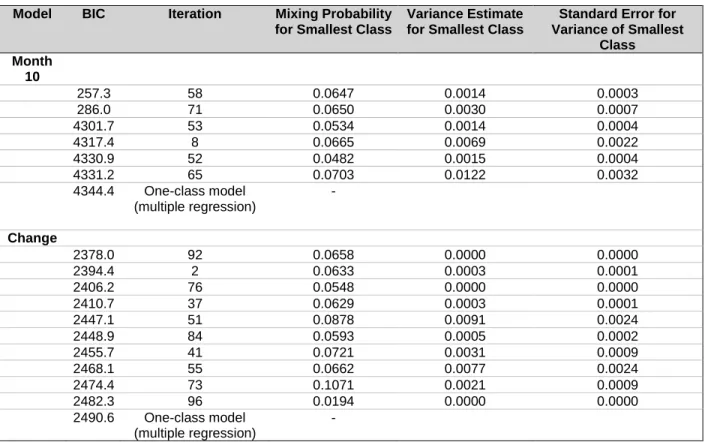
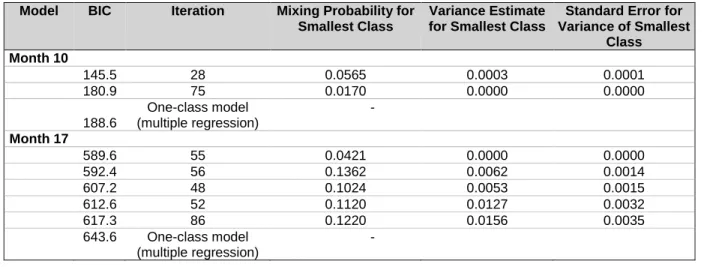
Table 4.3. RMM Model Fit Statistics ... 73
Table 4.4. Multiple Regression Results, Relationship Between Sleep Disturbance and Patient, Disease, and Treatment Characteristics Approximately 10 Months After Diagnosis (n = 613) ... 74
Table 4.5. Multiple Regression Results, Relationship Between Change in Sleep Disturbance and Change in Patient, Disease, and Treatment Factors from Approximately 10 to 17 Months After Diagnosis (n = 361) ... 75
Supplemental Table 4.1. Descriptive Comparison of Patients not in the Month 10 Analysis Due to Missing Responses Compared to Patients Included in the Month 10 Analysis ... 76
Supplemental Table 4.2. Descriptive Comparison of Patients not Included in the Change Analysis Compared to Patients Included in the Change Analysis ... 77
Table 5.1. Patient Characteristics at Month 10 ... 95
Table 5.2. Bivariate Relationship Between PROMIS Sleep Disturbance and Exercise Categories ... 96
Table 5.3. RMM Model Fit Statistics ... 96
Table 5.4. Multiple Regression Results, Month 10 model (n = 587) ... 97
Table 5.5. Multiple Regression Results, Month 17 (n = 356) ... 98
Supplemental Table 5.1. Descriptive Statistics for Variables Entered in RMM and Multiple Regression Models ... 99
Supplemental Table 5.2. Effect of Missing Responses at Month 10: Month 10 Descriptive Statistics ... 101
Supplemental Table 5.3. Patient Attrition: Month 10 Descriptive Statistics ... 102
Table 6.1. Patient Characteristics at Month 10 ... 118
Table 6.4. Multiple Regression Results: Relationship between Change in
PROMIS Sleep Disturbance and Change in Exercise (n = 348) ... 122 Supplemental Table 6.1. Regression Mixture Model: Two-Class Solution (n = 348) ... 123 Supplemental Table 6.2. Multiple Regression Results: Sensitivity Analysis
for Six Exercise Categories Assessing the Relationship Between Sleep
Disturbance and Exercise Change/Persistence (n = 349) ... 126 Supplemental Table 6.3. Participant Survey Attrition: Comparison of Month 10
LIST OF FIGURES
Figure 2.1. Health field model. ... 14 Figure 2.2. Portion of the Godin Leisure-Time Physical Activity questionnaire. ... 26 Figure 3.1. MY-Health study data collection for individuals diagnosed with CRC and
typical CRC treatment timeframe. ... 31 Figure 3.2. Simulation results for cross-sectional models (proportion of patients in
class with healthier sleepers = 50% of sample, proportion of patients in class with
poorer sleepers = 50% of sample). ... 48 Figure 3.3. Simulation results for cross-sectional models (proportion of patients in
class with healthier sleepers = 70% of sample, proportion of patients in class with
poorer sleepers = 30% of sample). ... 49 Figure 3.4. Simulation results for cross-sectional models (proportion of patients in
class with healthier sleepers = 80% of sample, proportion of patients in class with
poorer sleepers = 20% of sample). ... 50 Figure 3.5. Simulation results for change models (proportion of patients in class with
healthier sleepers = 50% of sample, proportion of patients in class with poorer
sleepers = 50% of sample) ... 51 Figure 3.6. Simulation results for change models (proportion of patients in class with
healthier sleepers = 70% of sample, proportion of patients in class with poorer
sleepers = 30% of sample). ... 52 Figure 3.7. Simulation results for change models (proportion of patients in class
with healthier sleepers = 80% of sample, proportion of patients in class with poorer
CHAPTER 1. INTRODUCTION
This dissertation highlights sleep as an important but often overlooked aspect of health-related quality of life (HRQOL) in individuals diagnosed with colorectal cancer (CRC). The prevalence of insomnia in cancer patients undergoing chemotherapy is 43%,1 between 30% and 87% of cancer patients are estimated to experience sleep disturbance.2 The prevalence of sleep disturbance in CRC patients is unknown but a secondary data analysis from a randomized control trial estimated that at least half of individuals diagnosed with CRC experience decrements in sleep.3 Although CRC is the third most common adult cancer diagnosed in the United States4 with more than 1.1 million individuals currently living with the disease,5 few studies examined sleep quality in the CRC population. HRQOL differs by cancer site6 and individuals diagnosed with CRC manage unique consequences of CRC treatment such as bowel control and stomas along with more general aspects of cancer and cancer treatment such as fatigue, anxiety, pain, and nausea,7,8 all of which have implications for sleep quality.
Consequences of sleep disturbance include decreased cognitive functioning9 and fatigue,10,11 and cancer patients attribute impaired daytime functioning, trouble keeping up at work and social activities, and mood disturbance to sleep disturbance.12 Sleep disturbance is also a risk factor for infectious and cardiovascular diseases and depression13 and is associated with loss in work productivity and work quality as well as an increased number of visits to health professionals.14 With a 90% five-year survival rate for localized disease and 70% five-year survival rate for regional stages,15 patients diagnosed with CRC can expect to live relatively healthy lives for some time. With much of life still ahead for many CRC survivors, sleep quality should be assessed because the consequences of poor sleep negatively impact HRQOL, reduce work productivity, and increase risk of developing other comorbidities. Yet sleep has rarely been included as an outcome in CRC research.
related to cancer diagnosis for one person,16-19 but another person may attribute sleep disturbance to physical symptoms such as pain or nausea,20,21 and these factors may vary by severity of sleep
disturbance. Chemotherapy, in particular, has been shown to negatively impact circadian rhythms19,22 and is associated with sleep disturbance in other cancers; the relationship between sleep disturbance and chemotherapy may be time dependent, with patients experiencing worse sleep disturbance during or immediately following chemotherapy. The relationship between sleep disturbance and CRC treatment is unknown. By understanding patient-level factors associated with poorer or better quality sleep,
researchers could provide new insight to clinicians on the patient, disease, and treatment characteristics associated with worse sleep disturbance or worsening sleep disturbance. Identifying patient-level factors associated with sleep disturbance may also provide insight in the design of future randomized studies to identify patients who would benefit most from an intervention for severe sleep disturbance.
Once sleep disturbance has been identified in individuals diagnosed with CRC, patients who would benefit from interventions to improve sleep quality are faced with a number of treatment options aimed mostly at treating clinically significant levels of insomnia or other diagnosed sleep disorders. Exercise improves sleep quality in healthy individuals23 and is recommended by the American College of Sports Medicine in cancer patients because it improves physical function, HRQOL, and cancer-related fatigue.24 Little research has explored the relationship between exercise and sleep in the CRC population, and assessing the relationship between exercise and sleep disturbance in CRC patients is important because exercise may provide a simple, safe, practical, low-cost option for managing sleep disturbance that can be tailored to each patient. Further, exercise may mitigate sleep disturbance that is meaningful to a patient but does not meet specifications to be diagnosed as a clinical sleep disorder.
This dissertation evaluates sleep disturbance in individuals with CRC, with the objectives of providing insight on the patient, disease, and treatment characteristics associated with sleep disturbance, investigating whether there is variation in these factors across levels of sleep disturbance severity and finally assessing the relationship between sleep disturbance and exercise.
points in the cancer continuum when most stage I-III CRC patients are transitioning (or have transitioned) off treatment. This dissertation includes two overarching research aims:
Aim 1: Evaluate the relationship between sleep disturbance and patient, disease, and
treatment characteristics:
Aim 1a: evaluate relationship between sleep disturbance and patient, disease, and treatment characteristics approximately 10 months after diagnosis;
Aim 1b: evaluate relationship between change in sleep disturbance and patient, disease, and treatment characteristics from approximately 10 to approximately 17 months after diagnosis. Primary hypothesis: Time since last chemotherapy treatment will be among the strongest factors associated with sleep disturbance outcomes.
Aim 2: Evaluate the relationship between sleep disturbance and exercise.
Primary hypotheses: Patients who were classified as moderately or highly active exercisers will report less sleep disturbance than patients who did not exercise. Patients who increased exercise activity groups from 10 to 17 months after diagnosis would experience a decline in sleep disturbance.
This dissertation is organized into seven chapters. Chapter 2 is a literature review, describing CRC treatment and known HRQOL challenges for individuals diagnosed with CRC, the conceptual model for this research, known factors associated with sleep disturbance and exercise, and previous research on sleep disturbance. Chapter 3 provides a description of the overall methods used in this dissertation, outlining the overall study design, variables of interest, analytic models, and power analyses. Chapters 4 through 6 describe the three studies driving this dissertation. Chapter 4 (manuscript 1) addresses Aim 1 in its entirety: identifying patient, disease, and treatment characteristics associated with of sleep
CHAPTER 2. LITERATURE REVIEW
2.1 Overview
Sleep disturbance was considered a core cancer symptom by the National Cancer Institute Steering Committee25 and a Delphi consensus,26 but research on sleep in cancer patients is minimal compared to other aspects of health-related quality of life (HRQOL), particularly in the colorectal cancer (CRC) population. Within the cancer population, sleep studies are most prominent in breast cancer. Sleep literature from the general population and other cancers are integrated in this literature review to
supplement not-yet-developed information in the literature about the CRC population. This chapter presents background information on key topics related to CRC (e.g., risk factors, treatment, prognosis) and sleep in CRC patients (e.g., factors associated with sleep disturbance, relationship between sleep and exercise). Chapter 2 also presents the conceptual model that ties these research topics together.
2.2 Colorectal Cancer Summary
CRC is cancer that starts in the colon or rectum.27 CRC is the third most common adult cancer in the United States4 and more than 1.1 million people live with CRC,5 approximately the population of Rhode Island.28 About 135,430 new cases are expected to be diagnosed in 2017.29
2.2.1 Risk Factors
Risk factors for CRC include certain health conditions, lifestyle factors, and specific racial/ethnic backgrounds. Health conditions associated with higher risk of CRC include inflammatory bowel disease, family history of CRC or polyps, genetic syndromes such as familial adenomatous polyposis or Lynch syndrome, and type 2 diabetes.30,31 Lifestyle factors associated with increased risk of CRC include lack of physical activity, diet low in fruits and vegetables, obesity, and alcohol and tobacco use.30 Some racial and ethnic backgrounds put patients at greater risk for developing CRC. For example, for unknown reasons, African Americans have the highest CRC incidence and mortality rates in the United States.31 Ashkenazi Jews have the highest CRC risk in the entire world, a status attributed to a specific gene.31
2.2.2 Symptoms that Signal CRC Prior to Diagnosis
CRC usually develops from adenomatous polyps in the colon or rectum.33 Symptoms of CRC are usually due to these polyps, such as blood in stool, abdominal pain, aches or cramps that do not go away, and unexplained weight loss.34 Some patients do not experience any symptoms,34 highlighting the importance of CRC screening.
2.2.3 Screening
Treatment works best when CRC is found early, therefore regular screenings for adults between the ages of 50 and 75 are recommended by the United States Preventive Services Task Force
(USPSTF).35 Screening may include high-sensitivity fecal occult blood testing (FOBT), sigmoidoscopy, and colonoscopy.36 High-sensitivity FOBTs are noninvasive and are recommended once a year.37 Individuals collect a small amount of stool for lab testing where the samples are tested for blood.37 A sigmoidoscopy is recommended every five years.38 During a sigmoidoscopy, a physician inserts a thin, flexible tube into the rectum to detect polyps or cancer inside the rectum and lower one-third of the colon.37 Colonoscopy is recommended every ten years and is similar to sigmoidoscopy except that the physician is able to check for polyps and cancer inside the rectum and entire colon.37 During this test, clinicians may remove any polyps and some cancers.37
The median age of CRC diagnosis is 68 years, and most CRC patients are diagnosed between ages 65 and 75.5 CRC is more often diagnosed at later stages with only 40% of patients diagnosed with localized-stage disease.39 Incident cases are almost evenly split between males (47%) and females (36%).5 Incidence rates are highest in blacks and lowest in Asians/Pacific Islanders.40
2.2.4 Stages and Grades
CRC stages and grades guide clinicians on how to treat the cancer. CRC staging is based on the results of various tests such as physical exams, biopsies and imaging tests, and surgery.41 The American Joint Committee on Cancer (AJCC) Tumor Node and Metastases (TNM) system is most often used to stage CRC.41 Clinicians take these three factors into account when naming the stage. Specifically, they will look at how far the tumor has grown into the wall of the intestine or nearby organs, if the cancer has spread to nearby lymph nodes, and if the cancer has metastasized (spread) to other organs of the body.41
which is then subdivided into stage groupings determined by the status of the tumor, lymph nodes, and metastases (e.g., T, N, and M). Patients with stage 0 cancer are at the earliest stage in which the cancer has not grown beyond the inner layer of the colon or rectum.41 Stage I cancer is defined as cancer that has grown through the inner layers of the colon or rectum (e.g., mucosa) but has not spread to nearby lymph nodes or distant sites.41 Stage II cancer includes cancer that has grown into the outermost layers of the colon or rectum and may have reached nearby tissues but has not reached lymph nodes or distant sites.41 Stage III is defined as cancer that has spread to nearby lymph nodes and may have grown to other nearby tissues or organs.41 Stage IV CRC includes cancer that has grown through the walls of the colon or rectum and may or may not have spread to nearby lymph nodes but has spread to at least one distant organ or distant lymph nodes.41 CRC grades also guide clinicians in treatment and prognosis decisions. CRC grade is decided based on a visual assessment of the cancer under a microscope41 and grades are assigned between 1 and 4. Grade 1 indicates that the cancer resembles normal colorectal tissue and grade 4 indicates that the cancer looks very abnormal.41 Lower-grade cancers are expected to grow and spread more slowly than higher-grade cancers.41
2.2.5 Treatment
Treatment for CRC varies by stage and grade. Stage I CRC includes surgery (which may take place during a colonoscopy) to remove the polyp. If the grade is high or if cancer cells were located at the edges of the polyp, follow-up surgery may be indicated. If the cancer was not part of a polyp, patients undergo a partial colectomy to remove a section of the colon and nearby lymph nodes. Other than surgery, no additional treatment is indicated for stage 0 and I CRC.42,43
Stage III colon cancer includes surgery to remove the section of colon with cancer as well as nearby lymph nodes42 and surgery is almost always followed up with adjuvant chemotherapy using the FOLFOX (5-FU, leucovorin and oxaliplatin) or CapeOx (capecitabine and oxalipatin) regimens (other regimens may apply depending on personal characteristics).42 As with Stage II colon cancer, radiation therapy may be advised if it were suspected that cancer cells were left behind during surgery.42 The treatment for stage III rectal cancer usually includes chemotherapy, radiation, and surgery43. First,
patients are administered chemotherapy and radiation (called chemoradiation) to shrink the cancer before surgery.43 The surgery removes the rectal tumor and nearby lymph nodes (and sometimes includes pelvic exenteration if the cancer has reached nearby organs).43 After surgery, patients undergo chemotherapy for approximately six months.43
Patients with stage IV CRC have cancer in distant organs and tissues, therefore surgery is indicated when cancer has spread to only a few areas.42 The purpose of the surgery is to remove the affected colon, nearby lymph nodes, and other tissues where the cancer may have spread. The cancer is either pre-treated with chemotherapy before surgery (called neoadjuvant chemotherapy) or chemotherapy may be given after surgery (adjuvant therapy) (or both).42 If metastases are too large to be removed via surgery, chemotherapy is the primary treatment. In this case, surgery may be needed for other reasons, such as unblocking the colon.42 Chemotherapy regimens for stage IV colon and rectal cancer are extremely varied but may include FOLFOX, CapeOX, FOLFIRI (leucovorin, 5-FU, and irinotecan), and combinations that include a compound to target the growth of blood vessels (vascular endothelial growth factor (VEGF)) in tumors such as bevacizumab.42,43 Patients with rectal cancer may undergo additional treatments before and after surgery that include radiation.43 For example, patients with stage IV rectal cancer may undergo chemo and/or radiation before surgery, then undergo chemotherapy and/or radiation after surgery.43
2.2.6 Prognosis
Patients diagnosed with localized disease have an overall 5-year survival rate of 90% and patients diagnosed with regional disease have a 70% survival rate.15 Table 2.1 displays the five-year survival rate for colon and rectal cancers by stage as reported by the American Cancer Society.44 These statistics are based on stage of diagnosis (not current stage). Survival rates are derived from CRC statistics between 2004 and 2010 when current treatments may not have been available.44
Table 2.1. Five-Year Survival Rate for Colon and Rectal Cancers
Colon Rectal
Stage I 92% 87%
Stage II 63-87% 49-80%
Stage III 53-89% 58-84%
Stage IV 11% 12%
Death rates in blacks (29.4 per 100,000 population) are more than double Asians/Pacific Islanders (13.1 per 100,000 population) and approximately 50% higher than non-Hispanic whites (19.2 per 100,000 population).40
2.3 Importance of Studying Sleep Disturbance in Individuals Diagnosed with CRC
The survival rate for a majority of CRC survivors is relatively high (see Table 2.1); patients will live for quite some time with the HRQOL impacts of the disease, diagnosis, and treatment. CRC patients experience worse health-related quality of life (HRQOL) than that of the healthy population.6,45,46 CRC not only has HRQOL implications for patients but also for caregivers.47,48 Thus, the impact of CRC on HRQOL in the United States is substantial.
The prevalence of sleep disturbance or insomnia in the cancer population is approximately three times higher than the general population,49 and the prevalence of sleep disorders in CRC is not well-studied, 50 but one study showed that half of the study participants diagnosed with CRC likely experience decrements in sleep.3
CRC is diagnosed in men and women, and the type and location of surgery and treatment regimens are different. Therefore, the information derived from breast cancer studies can only inform CRC research, not supplement CRC research. The severity of impact on HRQOL and the type of HRQOL domains impacted by cancer differ by cancer type;6 CRC patients should be studied independently to better understand their unique HRQOL experiences.
2.4 HRQOL in Individuals Diagnosed with Colorectal Cancer
Individuals diagnosed with CRC may experience a number of symptoms and HRQOL impacts due to cancer or cancer treatment, all of which may change over time given changes in treatment and health status. This dissertation investigates sleep disturbance as patients transition out of treatment and into the survivorship stage, 10 to 17 months post-diagnosis. The following section will summarize relevant published research. Generally, HRQOL improved over time but CRC survivors may experience persistent HRQOL decrements for five or more years after diagnosis.
2.4.1 General Impact of CRC on HRQOL
A population-based observational study compared the HRQOL of older Americans (>= 65 years) after CRC diagnosis with the HRQOL of the general U.S. population.45 CRC patients who had been diagnosed within the previous six months reported the most dramatic declines in physical functioning, general health, mental health, social functioning and vitality compared to the general population.45 These declines exceeded minimally important difference thresholds relevant for each scale. Vitality and general health continued to decline until 12 and 18 months post-diagnosis for CRC patients respectively, also exceeding the minimal important difference thresholds.45
In a German study it was found that one year after CRC diagnosis, insomnia and fatigue were the most prominent symptoms compared to nausea, pain, appetite loss, constipation and diarrhea, with over half reporting symptoms related to insomnia (e.g., trouble sleeping) and almost 80% reporting symptoms of fatigue (e.g., feeling tired, weak).20 CRC patients reported worse emotional and social functioning compared to the general German population.20
primarily concerned about cancer recurrence and reported changes in depression and anxiety.
Approximately half of the patients described worsened physical function caused by loss of strength and fatigue. Social functioning was a concern for some patients due to access to bathroom facilities. Patients reported fewer social interactions attributed to tiredness and friends treating them differently. CRC patients reported that the cancer affected sexual relationships. These findings were also echoed in another qualitative study assessing open-ended responses written by CRC patients at various survivorship stages (mostly under 3 years post-treatment).53 Bowel/ostomy trouble, sexual function, fatigue, and nerve toxicity were among the most impacted areas of life for CRC patients. Neuropathy, fatigue, and trouble with bowel/ostomy decreased in difficulty over time.
Five or more years post-diagnosis, individuals diagnosed with CRC generally reported similar HRQOL compared with population norms.54 However, CRC survivors reported slightly worse physical functioning, depression, and anxiety than the general population.
2.4.2 Impact of Surgery on HRQOL
A recent study of CRC patients who underwent surgery described trajectories of recovery within the first 2 years after surgery.55 Patients were administered a number of HRQOL outcome measures (e.g., Quality of Life in Adult Cancer Survivors (QLACS), EQ-5D, Personal Wellbeing Index) at 3, 9, 15, and 24 months after surgery. Results show a general improvement in HRQOL over 24 months after surgery.
Age may play an important role in functioning within a month after surgery with older patients (> 70 years) having worse HRQOL outcomes (e.g., physical, emotional, and social functioning) than younger patients.56
2.4.3 Impact of Colostomy on HRQOL
After surgery, some patients have colostomies to aid in recovery. A study comparing HRQOL between patients who had ostomies due to cancer versus non-cancer patients who had ostomies for other reasons found that cancer patients reported better HRQOL than non-cancer ostomy patients.52 Overall, patients reported that ostomies influenced their lives by causing fatigue, sleeplessness,
with stomas reported worse social functioning, fatigue, nausea/vomiting, pain, insomnia, and appetite loss.20
2.4.4 Impact of Chemotherapy on HRQOL
Oxaliplatin is approved for first-line adjuvant chemotherapy treatment of stage III CRC and advanced CRC.57 Despite its efficacy, it is associated with peripheral neuropathy,57 which presents as weakness, numbness, or pain in the hands and feet and is attributed to nerve damage. In an
observational study, 89% of individuals diagnosed with stage III or IV CRC undergoing oxaliplatin chemotherapy experienced at least one symptom of peripheral neuropathy.58 Notably, patients who experienced worse peripheral neuropathy also experienced worse sleep disturbance.
Another study compared HRQOL for patients who underwent a curative resection (surgery) and adjuvant chemotherapy treatment of oral uracil/ftorafur (UFT) plus leucovorin (LV) versus curative resection alone for individuals diagnosed with stage II and III colon cancer.59 Clinically significant
differences were found between treatment groups with worse HRQOL in the adjuvant chemotherapy arm on role function, fatigue, dyspnea, and financial difficulties.59
An RCT followed CRC patients’ HRQOL through adjuvant chemotherapy and up to 5 years after as measured by the EORTC QLQ-C30.60 Patients were randomized to protracted venous infusion (PVI) 5-FU for 12 weeks or 5-5-FU and leucovorin (LV) for 6 months.60 HRQOL trajectories were similar with patients in the 12-week PVI 5-FU arm recovering more quickly than the 6-month 5-FU + LV arm.60 HRQOL worsened within two weeks of starting chemotherapy, but patients recovered to
pre-chemotherapy HRQOL as they transitioned off of the pre-chemotherapy regimen (week 12 and 24 depending on the study arm).60 HRQOL continued to improve after chemotherapy ended and reached a plateau between 1 and 5 years post-chemotherapy.60
A recent study examined patients’ symptoms and HRQOL up to 16 months after chemotherapy.61 The study included individuals diagnosed with CRC, lung cancer, or lymphoma who underwent
chemotherapy. The study found that symptom severity generally persisted 16 months after
2.4.5 Impact of Radiotherapy on HRQOL
Patients who underwent adjuvant radiotherapy for rectal cancer were assessed prior to radiation and 4-6 weeks after radiation. Fatigue and appetite loss significantly worsened by the end of radiotherapy compared to before, but patient functioning did not change significantly. HRQOL in general returned to pre-treatment levels 4-6 weeks after radiotherapy.
2.5 Conceptual Model
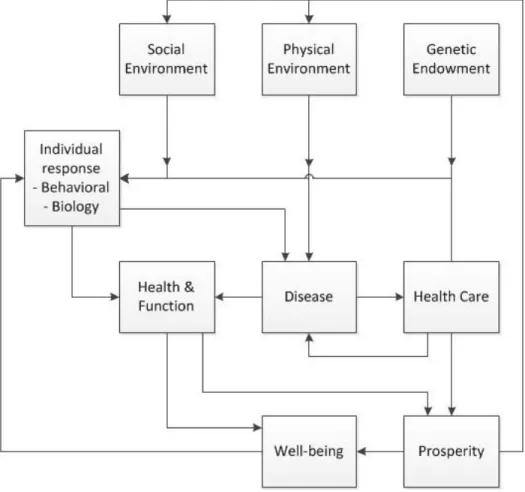
Figure 2.1 illustrates a conceptual framework proposed by Evans and Stoddart to model determinants of health.62 This model, called the Health Field Model, was developed by the Program in Population Health of the Canadian Institute for Advanced Research (CIAR).63 The CIAR consisted of an interdisciplinary group of researchers, communicators, and policymakers in Canada who wanted to understand implications for resource allocations in population health and who were concerned about health inequities.63,64 Evans and Stoddart were among the first researchers to call for a more holistic perspective on determinants of health, including the social environment.65 Although the Health Field Model was developed by individuals interested in Canadian health policy, the seminal paper titled “Producing Health, Consuming Health Care” is widely read. The model is relevant in the United
States,66,67 many diseases,64 nursing,68 and even the design of outdoor spaces to increase public activity levels69 and environmental policy.70
The Health Field Model emphasizes three aspects of health, including disease status (e.g., CRC), health and functional capacity (e.g., sleep), and well-being (e.g., HRQOL), each of which could be
considered an outcome in research studies. The differentiation of these aspects of health is an important feature of the Health Field Model because it illustrates that each of the three health outcomes are a result of dynamic relationships among the individual factors. The model will be applied to this dissertation to provide a framework for identifying factors associated sleep disturbance (“Health and Function” box), and to evaluate exercise as a possible behavior associated with less sleep disturbance (“Individual Response” box). CRC status is affected by health care (e.g., chemotherapy, surgery), social environment, physical environmental, genetic and individual behaviors/biology, and indirectly by well-being and
aspects play a role in well-being. Health behaviors (e.g., exercise) are seen as intermediate factors that are influenced by social, physical, genetic, and financial factors and even general well-being. The health behavior of interest in this dissertation is exercise. Sleep disturbance fits within the “Health and Function” box, thus this dissertation focuses on this aspect of health as the outcome. The model depicts “Health and Function” affecting well-being, which includes HRQOL.
Figure 2.1. Health field model.
2.6 Sleep
2.6.1 Sleep Physiology
The Bureau of Labor Statistics reports that Americans spend approximately one-third of time asleep.71 Sleep physiology is complex and sleep patterns change over individuals’ life span. This section provides a brief introduction to sleep physiology and adult sleep patterns.
There are two types of sleep: (1) non-rapid eye movement (NREM) and rapid eye-movement (REM). NREM includes four sleep stages, with each stage representing deeper sleep and NREM sleep makes up between 75% and 80% of total sleep time.72 NREM and REM alternate cyclically during sleep episodes.72 As individuals sleep, their REM time increases and dreaming most often occurs during REM sleep.72
Many physiological changes occur during NREM and REM sleep.72 For example, brain activity decreases during NREM but increases in REM. Heart rate and blood pressure slow from wakefulness during NREM but then increase compared to NREM during REM. Sympathetic nerve activity increases during REM. Airway resistance increases during NREM and REM, and respiratory flow becomes
increasingly faster and more erratic during REM. The cough reflex is suppressed during REM and NREM sleep. During REM, body temperature is not regulated (e.g., no shivering or sweating). Renal function changes cause more concentrated and reduced urine flow. Clearly, many body systems are affected during sleep, with many implications for individuals with sleep disorders.
As adults age, there are changes in how sleep is initiated and maintained, as well as the percentage of time spent in each stage of sleep. Generally, sleep efficiency, the ability to initiate and maintain sleep, decreases with age.73 As adults age, they typically adopt earlier wake times and experience reduced sleep consolidation. Arousal during sleep increases with age. Specifically, night awakenings to go to the bathroom (nocturia) is a common experience among elderly and is associated with poorer sleep. Sleep complaints differ by gender with women expressing worse sleep problems than men.73 There is some evidence of racial differences in sleep quality.73
2.6.2 Sleep Disorders
1. Insomnia (e.g., chronic short-term)
2. Sleep-related breathing disorders (e.g., obstructive sleep apnea, sleep-related hypoventilation disorders)
3. Central disorders of hypersomnolence (e.g., narcolepsy)
4. Circadian rhythm wake disorders (e.g., delayed sleep phase disorder, irregular sleep-wake rhythm disorder)
5. Parasomnias (e.g., sleep walking, sleep terrors)
6. Sleep-related movement disorders (e.g., restless legs syndrome, periodic limb movement disorder)
7. Other sleep disorders
Insomnia is defined as “persistent sleep difficulty despite adequate opportunity and
circumstances for sleep, which is accompanied by daytime consequences that are attributable to the sleep disturbance.”75
Insomnia is often considered the primary sleep disorder associated with cancer.11,76 The second category, sleep-related breathing disorders, is characterized by respiration problems during sleep due to obstruction or reduced/absent respiratory effort. Individuals who have sleep-related
related movement disorders include restless leg syndrome and bruxism (e.g., clenching/grinding of teeth during sleep).
2.6.3 Sleep Disturbance Defined
Cancer patients experience difficulty falling asleep, difficulty staying asleep, and nighttime awakenings.76 Based on qualitative development with input from patients, clinicians, and stakeholders and subsequent quantitative evaluations of relevant sleep disturbance concepts, the Patient-Reported Outcomes Measurement Information System (PROMIS) Sleep Disturbance item bank and definition of sleep disturbance measured by these items was published.77,78 The PROMIS Sleep Disturbance scale is the outcome variable in all aims of this dissertation, therefore the PROMIS definition of sleep disturbance applies to all aims of this dissertation:
“The PROMIS Sleep Disturbance item bank assesses perceptions of sleep quality, sleep depth, and restoration associated with sleep; perceived difficulties and concerns with getting to sleep or staying asleep; and perceptions of the adequacy of and satisfaction with sleep. The PROMIS Sleep Disturbance Scale does not include symptoms of specific sleep disorders, nor does it provide subjective estimates of sleep quantities (e.g., the total amount of sleep, time to fall asleep, or amount of wakefulness during sleep).”55
2.7 Factors Associated with Sleep Quality
2.7.1 Factors in the General Population
In the general population, psychiatric conditions play an important role in sleep quality;
depressive symptoms are associated with difficulties falling asleep but not with lower sleep efficiency or total sleep time and anxiety is associated with worse sleep quality.73,79,80,81 Other health conditions impact the quality of sleep such as conditions associated with pain (e.g., chronic pain, arthritis, hip fracture, fibromyalgia, back pain), cardiovascular diseases (e.g., stroke, heart attack, angina), respiratory conditions (e.g., asthma, bronchitis), diabetes, and gastroesphageal reflux.73 Retirement from work is associated with better sleep quality.73 Physical functioning, such as mobility limitations, visual impairment, lack of exercise, alcohol use, and smoking82 contribute to declines in sleep quality in adults.73 Men
personal characteristics have been shown to be important predictors of insomnia in the general population, including lower education/socioeconomic status.86
Physiology. Patients’ age and gender play important physiological roles in sleep quality.72 Sleep efficiency declines with age72 but the relationship between age and sleep is complicated.73 For example, it is unclear if the physiological phenomenon of decreased sleep efficiency with age should be considered insomnia or merely accepted as part of normal aging by patients who are growing older.73 Predictors of sleep disturbance may vary by age. Three key studies highlighted predictors of sleep disturbance in younger (age 17–24) and older (age 50 or older) populations. First, a study of sleep in
older-adolescent/college students (age 17–24) found that poor sleep quality was associated with negative moods (e.g., anger, confusion, depression, fatigue, tension, stress) and illness.87 Students reporting worse sleep consumed more alcohol per day than better sleepers and were more likely to use alcohol to induce sleep.87 Tension and stress were the most salient predictors of sleep quality, and approximately 20% of students reported that stress interfered with sleep at least once a week.87 Gender, alcohol, caffeine, exercise, and television/videogame exposure were not statistically significant predictors of sleep quality.87 Second, in a recent review of risk factors for sleep disturbance in older adults, female gender, depressed mood, and physical illness were the most consistent risk factors for future sleep disturbance.88 In this population, chronological age was not a consistent predictor of future sleep disturbance,88 but this may be because the physiological changes due to age may have already taken place by age 50 or soon thereafter. Third, a population-based study examined the relationship between insomnia, psychological variables, and HRQOL variables in adults age 50 or older.89 Researchers found that insomnia diagnoses and symptoms were predicted by previous insomnia episodes, depressive symptoms, and lower scores on the vitality and role physical (limitations in accomplishments/work due to physical health) subscales on the Short Form Health Survey (SF-12).89
2.7.2 Factors in Individuals Diagnosed with Cancer
CRC population specifically. Most studies assessing sleep disturbance have been in mixed-site advanced cancer and breast cancer populations. Of the relevant mixed-site cancer studies reviewed as part of this literature review, patients with CRC accounted for less than 22% of each sample.91,93-95
In the oncology literature, the independent variables entered into models to find factors associated with sleep disturbance vary from study to study, but depression,90,92,93,95 anxiety,94,95 and pain94,95 were often statistically significant predictors of sleep disturbance or insomnia. Other factors include hopelessness,93 post-traumatic stress disorder (due to cancer diagnosis),93 physical health and functioning,90,92,93 health behaviors (sleep behaviors),90,91 patient characteristics (e.g., gender, age),90-92 sedative use,94 fatigue,94 consuming more cigarettes,92 and having undergone surgery.91
Although depression, anxiety, and pain are important factors associated with sleep disturbance in many studies, they are not always statistically significant in the models. Models varied widely from study to study depending on the cancer sites, stages, and window of time covered by the studies, as well as covariates entered in the models. For example, in a study that predicted sleep quality among head and neck cancer patients with any stage disease (stage 0-4) one year after diagnosis, depression, smoking, xerostomiaa (dryness in mouth) and pain were predictors of sleep quality. Pain was highlighted as a strong predictor of worsened sleep, but pain is more prevalent among individuals diagnosed with head and neck cancer versus other cancers.96 Another study including patients diagnosed with advanced lung, breast, gastrointestinal, urogenital (and other) cancers aimed to identify correlates of sleep quality.93 All patients in the study were in palliative care, and statistically significant predictors of sleep quality (using multivariate methods) were the SF-12 mental and physical component scales and post-traumatic stress disorder (due to cancer diagnosis).93
In contradiction to the general population, in which older age is often associated with worse sleep, younger age is sometimes associated with higher risk for cancer-related insomnia.2,21,97 The reason for this is unclear, but it is possible that the expectations for better health among younger patients might be a factor.2 Also, younger patients often undergo more aggressive treatment regimens leading to worse HRQOL overall.2
Treatment-related factors may impact patients emotionally and physically (either directly or because of side effects). For example, medications commonly administered to patients diagnosed with cancer such as opioids, antiemetic medications, and corticosteroids are associated with sleep
disruption.98 Symptoms associated with cancer treatment such as dyspnea, gastrointestinal symptoms (e.g., chemotherapy-induced nausea), and pain are associated with sleep impairment.21 Studies that reviewed the effect of cancer treatment on sleep disturbance found that chemotherapy was particularly detrimental to sleep.21,99 Most studies that assessed the relationship between treatment trajectories and sleep or HRQOL were in breast cancer; other studies assessed a mixture of patients diagnosed with different types of cancer. One study including patients diagnosed with a variety of cancers, pointed to a decline in HRQOL severity within one year after diagnosis.100 Two other studies assessing the
longitudinal relationship between sleep and fatigue in breast cancer patients undergoing chemotherapy found that sleep quality was poor prior to chemotherapy but there was little change in sleep quality during chemotherapy.16,17 Another study in breast cancer found persistent sleep problems before and after surgery for breast cancer.101 HRQOL (including sleep) was assessed as part of a randomized trial of chemotherapy in ovarian cancer patients.18 The study authors found an immediate deterioration in sleep and other aspects of HRQOL around the first cycle of chemotherapy and then a statistically significant improvement in sleep and other aspects of HRQOL throughout chemotherapy.18 The trajectory of sleep disturbance throughout and after treatment for patients with CRC is unknown.
2.8 Sleep and Symptom Clusters
include sleep in symptom cluster research. Few (if any) studies investigate symptom clusters specifically in CRC. Nonetheless, there is some evidence that sleep, depression, anxiety, and fatigue are related and comprise a symptom cluster in other cancers. For example, a prospective longitudinal evaluation of the symptom cluster of sleep, fatigue, depression, anxiety, and cognitive impairment in women with breast cancer undergoing chemotherapy found that the composition of the symptom cluster was supported with similar patterns of severity and changes over time.106 Another study in breast cancer supported a similar cluster of depression, fatigue, and sleep disturbance.107 A descriptive study of patients diagnosed with lung cancer who had undergone surgery within the previous week found that almost 77% of patients reported co-occurrence of pain, fatigue, sleep disturbance, and distress.108 A small (n = 120) descriptive study with elderly patients diagnosed with colorectal, lung, head/neck, breast, gynecological, prostate, or esophageal cancer at any disease stage found that pain, fatigue, insomnia, and mood disturbance were very prevalent in elderly patients who were receiving chemotherapy or radiotherapy.81
2.9 Consequences of Disturbed Sleep
The importance of sleep is well-documented in the literature; sleep disturbance is associated with worse health, increased mortality, decreased cognitive functioning,9 fatigue,10,11 reduced immune
response, and reduced HRQOL.9,109,110 Sleep disturbance is also a risk factor for progression of CRC,3 infectious diseases, cardiovascular diseases, and depression.13 Further, cancer patients described impaired daytime functioning, trouble keeping up at work and with social activities, and mood disturbance as a result of sleep disturbance.12 Thus, sleep disturbance has serious implications for overall HRQOL.
Sleep disturbance is also associated with increased healthcare resource use (e.g., visits to health professionals) and decreased work productivity and work quality in chronically ill patients.14 The economic impact of fatigue in the workplace due to insomnia or insufficient sleep syndrome was estimated to be $13.2 million annually in a study published in 2010 based on the general U.S. population of working adults.111
2.10 Treatments for Sleep Disturbance
daytime side effects such as sedation or dizziness. Despite recommendations that pharmacotherapies should only be administered for 4 to 6 weeks,21 cancer patients may be treated for sleep disturbance with these medications long beyond this period.
Cognitive behavioral therapy (CBT) is recommended by the American Academy of Sleep Medicine as a first-line therapy for patients with insomnia. CBT includes relaxation therapy, sleep hygiene, and cognitive therapy. Unfortunately, a lack of providers with CBT expertise and patient adherence issues are considerable barriers to sleep treatment efficacy.9
Of these treatment options, neither are directly associated with additional health benefits, but another potential treatment with accumulating evidence of its effectiveness is exercise. Exercise improves aerobic fitness112 and other aspects of quality of life such as anxiety, pain, and fatigue, all of which are associated sleep disturbance.113-115 Exercise has been evaluated as a treatment for sleep disturbance in the healthy U.S. population23,116 and a number of RCTs and observational studies have investigated exercise as a possible treatment for sleep disturbance in cancer patients.113,117-121 Exercise is generally accessible and a low-cost alternative treatment for sleep disturbance.
2.11 Exercise
2.11.1 Measuring Exercise
Exercise intensity is measured in various ways, including subjective and objective measurements. Objective measures of activity.
Wearable devices such as accelerometers, pedometers, heart-rate monitors, and armbands are objective measures of physical activity.122 Devices are more expensive than subjective measures of activity and require specialized software and hardware, but they are associated with many benefits.122 Devices are generally easy to use and they can capture large amounts of data on duration of physical activity and time spent participating in different intensities of exercise.122 Depending on the type of activity researchers are interested in measuring, some devices are better than others. For example, some accelerometers cannot differentiate body position (e.g., standing, sitting, lying down),123 pedometers are accurate measures of running or walking but cannot measure other activities such as swimming.122
(VO2peak). 125,126
VO2peak has also been used to categorize training intensity in cancer patients. 124
To measure VO2peak, cardiopulmonary exercise testinginvolves measuring patient metabolic data via expiratory gas analysis. After a brief warmup, patients’ workload is increased incrementally throughout the test until patients feel overly fatigued (volitional fatigue), achieve a set respiratory exchange ratio (RPE) (e.g., 1.10126) or patients become limited by symptoms. For example, if patients experience chest pain, dizziness, or nausea, the test would stop. Heart rate, RPE and VO2 are measured regularly
throughout the test. VO2peak is calculated using an average of the highest values during the last minute of the test.126 Clearly, VO2peak measurements require significant resources and measuring cardiorespiratory fitness to track exercise intensity is not feasible in many studies.
Subjective measures of activity.
Self-reported physical activity questionnaires are patient-reported and based on individuals’ perceived exercise intensity, recall of activity duration, and frequency of exercise. Self-reported
questionnaires are the most common mode of exercise assessment because they are easy and efficient to use and they are a low-cost alternative to objective measures.122 Disadvantages of self-reported exercise include recall and social desirability bias.122 Examples of self-reported questionnaires on physical activity commonly used in research to include the past-week Modifiable Activity Questionnaire (MAQ127), Recent Physical Activity Questionnaire (RPAQ128), and the 7-day Physical Activity Recall (PAR129).
Self-report activity diaries/logs are a specific type of self-reported questionnaire in which study participants record their physical activity in real time.122 Diaries are more burdensome for patients but are associated with less recall bias. Bouchard’s Physical Activity Record (BAR) is an example of a physical activity diary in which study participants record their physical activity every 15 minutes for three days.130 The BAR is a highly reliable (intraclass correlation = 0.96) measure of energy expenditure over the three-day administration period.130
Another type of physical activity measurement is direct observation. Observers monitor and record study participants’ activity.122
may only be cost-prohibitive when working with study participants who are unable to complete self-report questionnaires.
Exercise recommendations for cancer patients.
In 1995, the Centers for Disease Control and Prevention and the American College of Sports Medicine recommended that every U.S. adult should accumulate 30 minutes or more of moderate-intensity physical activity on most, preferably all, days of the week.57 Other entities have provided cancer-specific recommendations. For example, the American College of Sports Medicine (ACSM) recommends 150 minutes of moderate-intensity exercise per week or 75 minutes of vigorous exercise per week.15 Researchers from the American Cancer Society went further to say “some activity is better than none and exceeding the guidelines is likely to provide additional health benefits.”58
The ACSM advises that cancer patients should be assessed for peripheral neuropathies,
musculoskeletal morbidities, and cardiovascular disease.24 Cardiac toxicity due to cancer treatments may go undetected.24 Specific to CRC, the ACSM recommends that patients should establish consistent and proactive infection prevention for ostomies if they plan to participate in exercise more vigorous than walking.24 Infection risk is higher for patients undergoing chemotherapy or radiation due to compromised immune function.24 CRC patients with ostomies should also seek physician permission prior to
participating in contact sports or weight training due to risk of hernia.24 Exercise defined.
The terms physical activity and exercise are often used interchangeably but there is an important difference in definitions. Physical activity is “any bodily movement produced by skeletal muscles that requires energy expenditure.”131 Exercise is physical activity that is “planned, structured and repetitive to improve physical fitness.”131
Exercise measurement in this dissertation.
The MY-Health study included three patient-reported items intended to measure the number of times patients engaged in different intensities of exercise per week:
2. Now think about the activities that take moderate physical effort that you did in your free time during the last 7 days. Moderate physical activities make you breathe somewhat harder than normal, such as bicycling, dancing, swimming and gardening. Do not include walking. In the past 7 days, how many times did you do moderate activities?
3. Now think about walking that you did in your free time during the last 7 days, such as walking for fun, relaxation, exercise or walking the dog. Please do not include walking for
transportation. In the past 7 days, how many times did you walk during your free time? Response choices for the three exercise items were:
None
Once
2 to 4 times
5 to 7 times
8 to 10 times
11 times or more
Four exercise groups were derived to characterize patients’ level of activity (see Chapter 3 Methods for additional details on derivation).
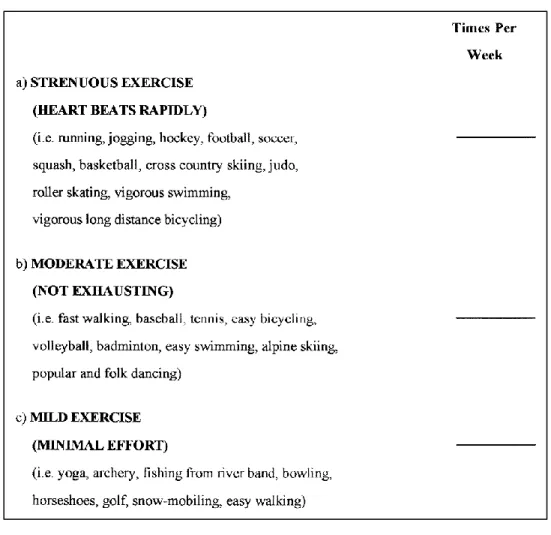
The exercise questions administered in the MY-Health study are not part of a psychometrically evaluated scale, however the questions are very similar to those found in other psychometrically evaluated scales such as the Godin Leisure-Time Physical Activity Questionnaire132 (relevant items pictured in Figure 2). The Godin Leisure-Time Physical Activity Questionnaire is often used in oncologic settings,133,134 and validity studies support its use in ranking healthy adults into exercise categories of “active” and “insufficiently active.”135
Figure 2.2. Portion of the Godin Leisure-Time Physical Activity questionnaire.
2.11.2 Relationship Between Exercise and Sleep
Two studies that looked at change in sleep over time showed no significant effect of exercise on change in sleep disturbance, but both studies were in breast cancer.140,141 A meta-analysis conducted as part of a Cochrane review found a significant effect of exercise on sleep outcomes 3 months after the exercise interventions began compared to control arms. There was no statistically significant difference at time points longer than 3 months. Of the studies investigating sleep in the Cochrane review, none
focused specifically on patients diagnosed with CRC.121 Another recent RCT in breast cancer found that physical activity may prevent worsening of sleep disturbance.142
Three studies investigated the association between sleep and exercise with a focus on CRC patients, including two observational studies120,119 and one RCT.117 Of these studies, the RCT showed the most promising results indicating that exercise may improve sleep but all patients were diagnosed with stage IV disease. Cheville and colleagues enrolled 66 patients diagnosed with stage IV colorectal or lung cancer and followed patients over the course of 8 weeks. They assessed a home-based exercise
intervention in which patients exercised four or more days a week. The intervention resulted in a
statistically significant improvement in sleep for the patients who participated in the exercise intervention versus those who were randomized to the usual care arm.117 The two observational studies did not find a relationship between sleep and exercise, but both were small—119 adult participants119
and 45 adult participants120—and neither were powered to detect differences in sleep outcomes. The larger observational study conducted by Cho and colleagues incorporated a self-reported questionnaire to measure exercise.119 The exercise questions were not part of a validated scale but were developed specifically for the study. Items measured frequency, intensity, and duration of exercise. The smaller observational study conducted by Lin and colleagues employed an opt-in exercise protocol such that participants were placed in a supervised exercise group or a usual care group based on their
CHAPTER 3. METHODS
3.1 Methods Overview
The analyses conducted as part of this dissertation used data from a large community-based observational study that included over 5000 individuals diagnosed with cancer. These data were subset to colorectal (CRC) patients only to address research questions specific to this dissertation. The timing of data collection was of particular importance in developing research objectives and hypotheses. Thus, the parent study is described first (Section 3.2), then Section 3.3 outlines research objectives and
hypotheses. Section 3.4 picks up with detailed information on the analysis dataset used in this dissertation. Analytic methods and power analyses are described in Section 3.5.
3.2 MY-Health Study
Data for this dissertation were obtained from a community-based study of over 5000 individuals diagnosed with cancer. Designed to evaluate the psychometric properties of Patient-Reported Outcomes Measurement Information System (PROMIS) measures in a diverse population of cancer patients, Georgetown University’s Measuring Your Health study (MY-Health) recruited adults diagnosed with one of seven cancers (e.g., breast, prostate, colorectal, non-small cell lung, non-Hodgkin lymphoma, uterine, or cervical cancer) through four Surveillance, Epidemiology and End Results (SEER) cancer registries in the United States (California (two registries), Louisiana, and New Jersey) between 2011 and 2013.143 Individuals aged 21 years and older and diagnosed within the previous 6–13 months were invited to participate in the MY-Health study via mail. Participants completed questionnaires using mail-in hard copy questionnaires at two time points:
Race/ethnic minorities and younger patients were oversampled. Questionnaires were available in English, Spanish, and Mandarin. Most data were collected via self-reported questionnaires, but some medical information (e.g., cancer site, age at diagnosis, cancer stage) were collected via SEER. Additional details on the study design, procedures, and measures administered in the study were previously published.143
3.3 Research Objectives and Hypotheses
As noted in Chapter 1 (Introduction), this dissertation included two aims with the purpose of splitting the largest aim, Aim 2, into two manuscripts. Because the dissertation includes three
manuscripts, for clarity, research objectives and hypotheses will be referred to by manuscript number instead of by aim.
Research objectives and hypotheses: 3.3.1 MANUSCRIPT 1
Research objective 1a: Investigate whether there was variation in patient, disease, and
treatment characteristics across levels of sleep disturbance severity at Month 10.
Hypothesis 1a: Associations between factors (e.g., patient, disease, and treatment characteristics) and sleep disturbance differ by severity of sleep disturbance.
Research objective 1b: Evaluate the relationship between sleep disturbance and patient,
disease, and treatment characteristics with the goal of identifying correlates of sleep disturbance at Month 10.
Hypothesis 1b: Patients who were currently undergoing chemotherapy during the time of data collection or those who had more recently undergone chemotherapy would report worse sleep disturbance than patients who never had chemotherapy.
Research objective 1c: Investigate whether there was variation in patient, disease, and
treatment characteristics across the magnitude of change in sleep disturbance severity from Month 10 to Month 17.
Exploratory research objective 1d: Evaluate the relationship between change in sleep
disturbance (Month 10 to Month 17) and patient, disease, and treatment characteristics with the goal of identifying correlates of change in sleep disturbance.
3.3.2 MANUSCRIPT 2
Research objective 2a: Investigate whether the relationship between exercise and sleep
disturbance differed by severity of sleep disturbance at Month 10 and at Month 17.
Hypothesis 2a: The relationship between exercise and sleep disturbance differs by severity of sleep disturbance.
Research objective 2b: Evaluate the relationship between exercise and sleep disturbance at
Month 10.
Hypothesis 2b: Patients who were categorized as moderately or highly active at Month 10 would experience less sleep disturbance than patients who did not exercise.
Research objective 2c: Evaluate the relationship between exercise and sleep disturbance at
Month 17.
Hypothesis 2c: Patients who were categorized as moderately or highly active at Month 17 would experience less sleep disturbance than patients who did not exercise.
3.3.3 MANUSCRIPT 3
Research objective 3a: Investigate whether the relationship between change in sleep
disturbance and change exercise differed by magnitude of change in sleep disturbance from Month 10 to Month 17.
Hypothesis 3a: The relationship between change in sleep disturbance and change in exercise activity differs by magnitude of change in sleep disturbance.
Research objective 3b: Evaluate the relationship between change in sleep and change in
exercise from Month 10 to Month 17.
3.4 Analysis Dataset
Of the MY-Health sample, 734 individuals had been diagnosed with stage I, II, or III CRC and participated in the Month 10 data collection. Approximately 54% of these patients participated in the follow-up assessment at Month 17 (n = 400).
Figure 3.1 illustrates the MY-Health data collection time points and how they correspond to patients’ diagnosis and general CRC treatment patterns. Time since diagnosis runs along the x-axis in months, starting with CRC diagnosis on the far left side. The mean time since diagnosis at the first data collection was 9.7 months for the CRC sample [denoted by the first dotted vertical line] (SD = 1.6, median = 9.5, min = 5.5, max = 21.3). The follow-up data collection occurred approximately 17.3 months after diagnosis for the CRC sample [denoted by the second dotted vertical line] (SD = 2.0, median = 17.0, min = 12.8, max = 26.4). The tan bars indicate approximately one standard deviation above and below the mean number of months since diagnosis when patients participated in the MY-Health survey. Typical treatment trajectories are shown by CRC stage (green, blue, and pink bars). The main takeaway from Figure 3.1 is that most CRC patients were likely transitioning off CRC treatment around the Month 10 data collection.
3.4.1 Dependent Variables
Patient-Reported Outcomes Measurement Information System (PROMIS) Sleep Disturbance items were administered to patients at Month 10 and Month 17 data collections. PROMIS Sleep
Disturbance measures concepts such as trouble staying asleep, not getting enough sleep, restlessness, feeling refreshed after sleep, and difficulty falling sleep in “the past 7 days.” Results of the full
psychometric evaluations of the PROMIS Sleep Disturbance item bank144 and short forms145 were previously published. A custom 6-item short form was scored; the psychometric properties of the 6-item form were evaluated in individuals enrolled in the MY-Health study (Cronbach’s α = 0.88 – 0.95).146 PROMIS Sleep Disturbance is a continuous variable scored on a t-score metric with a mean of 50 and standard deviation (SD) of 10 based on the referent population (mixture of clinical and the general U.S. population147), and higher scores indicate worse sleep disturbance. Change in sleep disturbance was calculated by subtracting PROMIS Sleep disturbance scores at 10 months from scores at 17 months after CRC diagnosis. Positive change is indicative of worsening sleep.
3.4.2 Independent Variables
Factors associated with sleep disturbance.
The MY-Health dataset contained information on patient, disease, and treatment factors associated with sleep disturbance. There is a known link between cancer treatment and sleep