EFFECT OF DAILY SELF-WEIGHING ON WEIGHT LOSS IN ADULTS
Dori M. Steinberg
A dissertation submitted to the faculty of the University of North Carolina at Chapel Hill in partial fulfillment of the requirements for the degree of Doctor of Philosophy in the
Department of Nutrition, Gillings School of Global Public Health.
Chapel Hill 2012
Approved by:
Deborah F. Tate, Ph.D. Dianne S. Ward, Ed.D.
Carmen Samuel-Hodge, R.D., Ph.D. Susan Ennett, Ph.D.
ABSTRACT
DORI STEINBERG: Effect of Daily Self-weighing on Weight Loss in Adults (Under the direction of Deborah F. Tate)
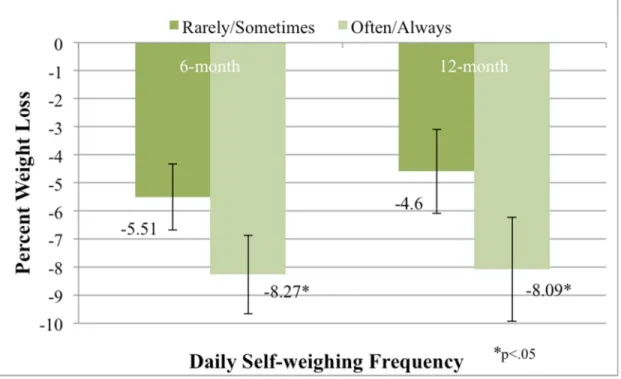
Limited experimental evidence has examined the impact of daily self-weighing on weight loss and psychological outcomes. The purpose of this dissertation was to assess the effect of daily self-weighing on weight loss, behavioral, and psychological outcomes among overweight and obese adults using an experimental design and robust analytic methods. This dissertation followed three aims. Aim 1 consisted of a secondary data analysis among participants enrolled in a 12-month Internet-based weight loss intervention to examine the association between daily weighing and weight loss and explore whether diet and physical activity behaviors explain that relationship. Those who reported daily weighing had greater percent weight loss compared to those who reported less frequent weighing at 6 months [(8.27% (5.40) vs. 5.51% (5.41); p=.003] and 12 months [8.09% (7.81) vs. 4.60% (6.35); p=.004]. At 6 months, multiple mediation analysis showed that eating and exercise behaviors acted as mediators between daily self-weighing and weight loss. At 12 months, only eating behaviors explained the
iv
ACKNOWLEDGEMENTS
I gratefully acknowledge the support and guidance I have received from my dissertation committee: Deborah F. Tate (chair), Gary G. Bennett, Susan T. Ennett, Carmen Samuel-Hodge, and Dianne S. Ward. Dr. Tate has taught me a tremendous amount about intervention research and encouraged me to undertake a project of this magnitude. The support I received to help fund this dissertation from both the Lineberger Comprehensive Cancer Center, Cancer Control Education Program (#R25 CA057726), as well as the UNC Gillings School of Global Public Health Dissertation Award was
invaluable. Without this funding, I would not have been able to include an objective measure of self-weighing frequency, which greatly improved the quality of this research.
I would also like to acknowledge the support I received for my second year of doctoral training from the NIH NRSA Predoctoral Traineeship for the Department of Nutrition (T32-DK07686-17), as well as NIH Grant R01-DK60058 provided to Dr. Tate for the HealtheLife Study. I am grateful for the supportive and helpful staff at the UNC Weight Research Program (Molly Diamond, Karen Erickson, Kristen Polzien, Keneisha Quick, and Megan McMullin), all the wonderful doctoral students and postdocs in the Tate Lab (Melissa Crane, Noel Kulik, Liz Lyons, Brie Turner-McGrivey), as well as Hannah Willmott for providing research assistance.
vi
TABLE OF CONTENTS
LIST OF TABLES ... xi
LIST OF FIGURES ... xii
LIST OF ABBREVIATIONS ... xiii
Chapter I. INTRODUCTION ...1
A. Overview ...1
B. Specific Aims ...2
II. THEORETICAL FRAMEWORKS ...4
A. Introduction ...4
B. Social Cognitive Theory...4
C. Kanfer’s Model of Self-regulation ...7
D. Theoretical basis for self-monitoring ...8
E. Self-weighing as a self-monitoring strategy for weight control ...8
F. Conceptual Model ...9
III. LITERATURE REVIEW ... 11
A. Obesity as a public health problem ... 11
B. Evidence of health benefits from weight loss ... 11
viii
E. Weight loss interventions delivered via the Internet ... 17
F. Self-weighing frequency and weight loss ... 19
G. Dietary and physical activity behaviors associated with self-weighing ... 21
H. Negative psychological consequences associated with self-weighing ... 22
I. Summary and potential implications ... 25
IV. MECHANISMS LINKING DAILY SELF-WEIGHING AND WEIGHT LOSS AMONG OVERWEIGHT ADULTS ... 27
A. Overview ... 27
B. Introduction ... 28
C. Methods ... 29
D. Results ... 34
E. Discussion ... 36
F. Conclusions ... 38
V. THE EFFICACY OF A DAILY SELF-WEIGHING WEIGHT LOSS INTERVENTION USING SMART SCALES AND EMAIL ... 45
A. Overview ... 45
B. Introduction ... 46
C. Methods ... 49
D. Results ... 55
E. Discussion ... 57
F. Conclusions ... 60
VI. DAILY SELF-WEIGHING DOES NOT CAUSE ADVERSE PSYCHOLOGICAL OUTCOMES AMONG OVERWEIGHT ADULTS LOOKING TO LOSE WEIGHT: RESULTS FROM A RANDOMIZED CONTROLLED TRIAL... 66
B. Introduction ... 67
C. Methods ... 69
D. Results ... 73
E. Discussion ... 76
F. Conclusions ... 79
VII. SUMMARY OF FINDINGS AND RECOMMENDATIONS FOR FUTURE RESEARCH ... 83
A. Summary of Findings ... 83
Aim One ... 84
Aim Two ... 86
Aim Three ... 93
B. Implications of Findings... 95
C. Recommendations for Future Research ... 97
D. Conclusions ... 101
APPENDIX 1: EATING BEHAVIOR INVENTORY ... 103
APPENDIX 2: QUESTIONNAIRE ON DAILY SELF-WEIGHING PERCEPTIONS ... 104
APPENDIX 3: CENTER FOR EPIDEMIOLOGIC STUDIES DEPRESSION SCALE ... 105
APPENDIX 4: BRIEF MIZES ANORECTIC COGNITIONS QUESTIONNAIRE ... 106
APPENDIX 5: BODY SHAPE QUESTIONNAIRE ... 107
APPENDIX 6: THREE-FACTOR EATING QUESTIONNAIRE ... 109
APPENDIX 7: EXAMPLE OF SCREEN SHOT (WWW.BODYTRACE.COM) ... 113
APPENDIX 8: EXAMPLE OF EMAIL WITH TAILORED FEEDBACK ... 114
x
LIST OF TABLES
Table 1: Descriptive baseline characteristics of participants in the HealtheLife Study of those included and excluded from the analytical sample
at 12 months (n=158) ... 41
Table 2: Indirect effects of daily self-weighing on weight loss at 6 and 12 months through changes in caloric intake, eating behaviors, and physical activity ... 44
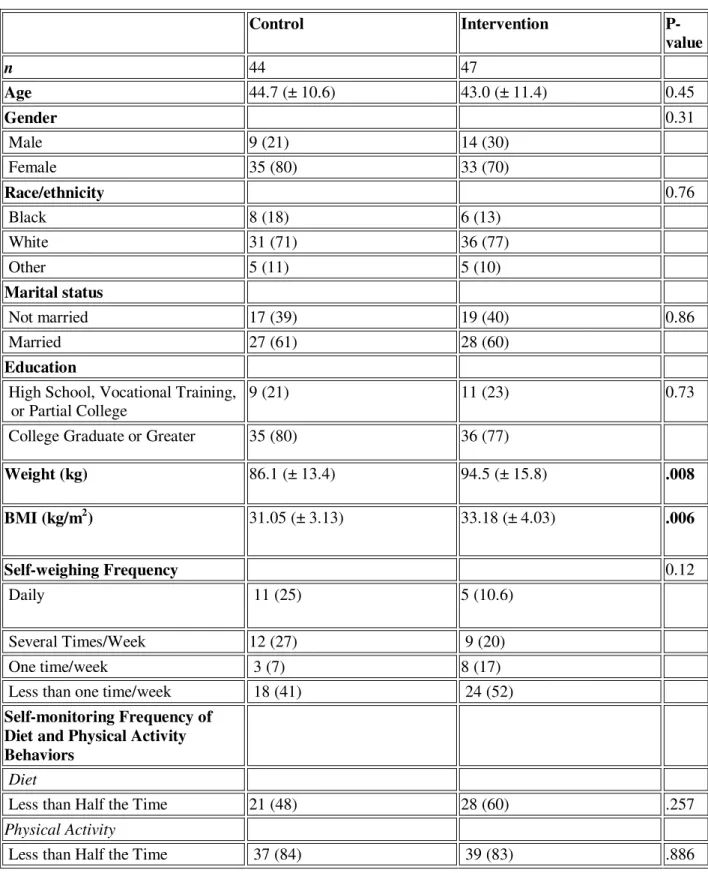
Table 3: WEIGH Study baseline characteristics by study group (n=91) ... 62
Table 4: Average caloric intake and expenditure by study group... 65
Table 5: Baseline characteristics by study group for aim 3 (n=91) ... 80
xii
LIST OF FIGURES
Figure 1: Social Cognitive Theory ...5
Figure 2: Kanfer's Model of Self-regulation ...7
Figure 3: Conceptual Model of the Intervention ... 10
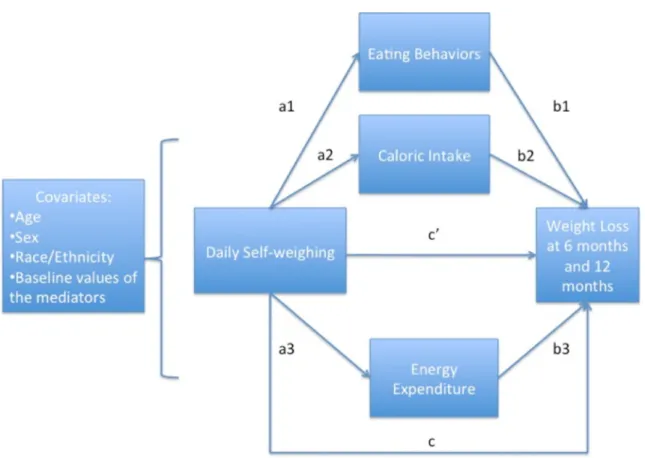
Figure 4: Multiple Mediation Model ... 40
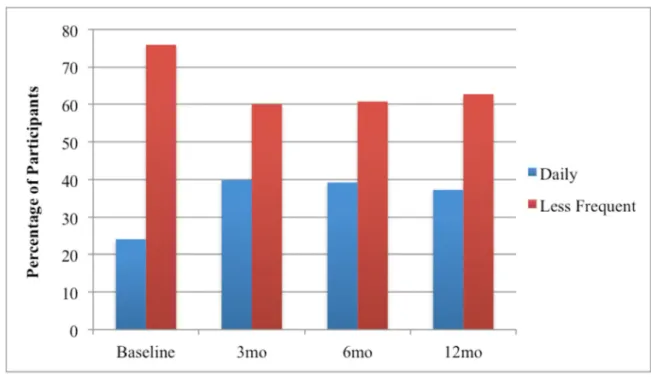
Figure 5: Self-weighing frequency among study participants at all time points ... 42
Figure 6: Weight loss by self-weighing frequency (6 months: n=144; 12 months: n=141)... 43
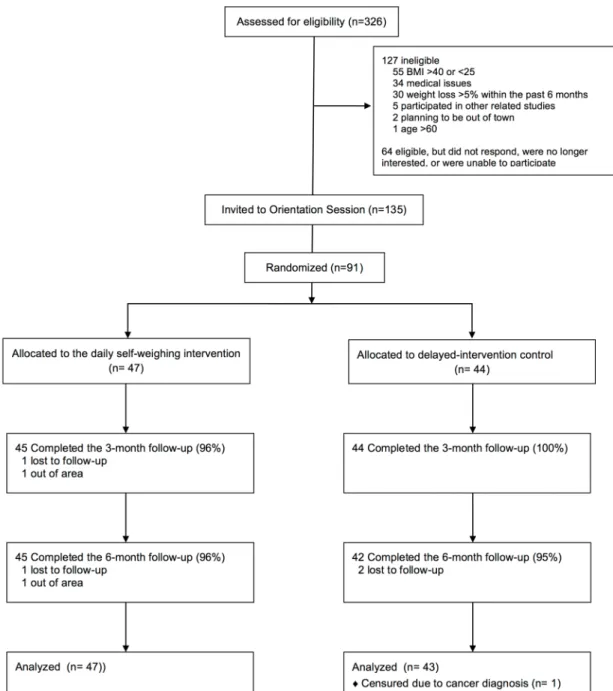
Figure 7: Study enrollment and retention diagram (CONSORT) ... 61
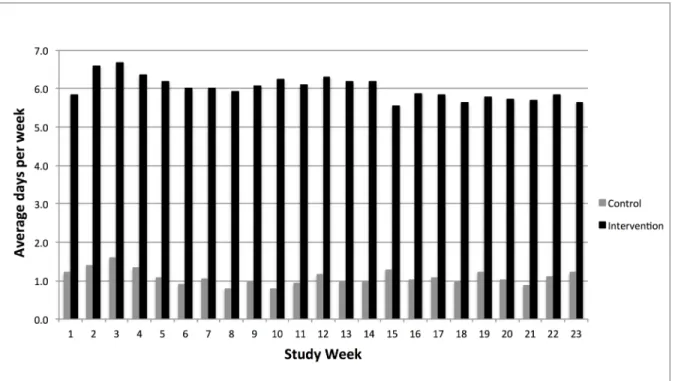
Figure 8: Self-weighing frequency by study week and study group ... 63
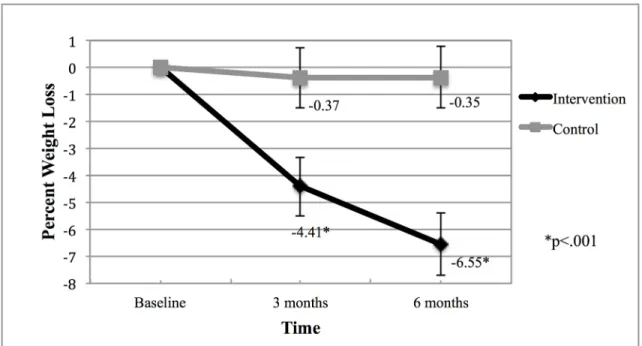
Figure 9: Weight loss over time by study group ... 64
LIST OF ABBREVIATIONS
BMI – Body Mass Index (kg/m2) EBI – Eating Behavior Inventory PA – Physical Activity
CHAPTER I
INTRODUCTION
I.A. Overview
Obesity continues to be a challenging public health problem.1 Despite producing large reductions in weight, standard behavioral weight loss interventions require a significant amount of effort, as one of the main components is detailed self-monitoring of dietary intake and exercise habits. This behavior, although effective, is difficult to sustain and may
contribute to weight regain post treatment.2 Furthermore, because of the frequent face-to-face contact and detailed self-monitoring, these interventions have limited potential for
dissemination. Interventions focused on enhancing simple strategies for self-monitoring may be just as effective and provide more lasting effects.
One of the simplest forms of self-monitoring is self-weighing. Self-weighing is an important tool for self-regulation of body weight as it provides feedback on how eating and exercise behaviors are impacting weight, and allows individuals to make adjustments to these behaviors to affect energy balance.3 Observational research indicates that daily self-weighing is associated with greater weight loss as compared to less frequent self-weighing.4 However, there is limited experimental evidence testing this association.5,6 Furthermore, previous assessments of self-weighing were measured via self-report, which may introduce
adverse psychological effects in adults participating in weight control interventions, there remains concern as to potential negative consequences as a result of daily weighing.8
The results of this dissertation provided experimental evidence tested under low-intensity conditions regarding the efficacy of daily self-weighing for weight loss. An objective measure of self-weighing frequency was collected via a scale that transmitted weight data. Given that self-weighing does not impact weight loss directly but rather via changes in diet and physical activity behaviors, a full understanding of the mechanisms explaining this relationship was conducted. Furthermore, this research examined psychological outcomes as a result of daily self-weighing to further add to the evidence surrounding the debate. The specific aims outlining the goals of the dissertation are listed below.
I.B. Specific Aims
AIM 1: Determine the association between daily self-weighing and weight loss via
secondary data analyses with individuals enrolled in a 12-month Internet behavioral weight loss program.
1a. Examine the association between self-reported daily self-weighing and percent weight loss at 6 and 12 months.
3
Hypothesis 1b: Individuals who reported more frequent self-weighing will report greater engagement in diet and physical activity behaviors associated with weight loss, which will in turn lead to greater weight loss at 6 and 12 months compared to those who reported less frequent self-weighing.
AIM 2: Compare the efficacy of a daily self-weighing intervention against a
delayed-intervention control group on weight loss and changes in diet and physical activity behaviors at 6 months.
Hypothesis: Participants in the group randomized to receive the daily self-weighing intervention will have greater percent weight loss at 6 months compared to those in the delayed control group. Participants in the intervention group will also report lower caloric intake and greater caloric expenditure compared to the control group at 6 months.
AIM 3: Examine the impact of treatment group on changes in psychological measures, including depressive symptoms, anorectic cognitions, body dissatisfaction, binge eating, dietary restraint, disinhibition, and susceptibility to hunger.
CHAPTER II
THEORETICAL FRAMEWORKS
II.A. Introduction
Theoretical frameworks are helpful to guide intervention design and evaluation because they provide an understanding of the determinants and processes of health behavior change.9 Social Cognitive Theory10 and Kanfer’s Model of Self-regulation11,12 were utilized to understand and guide the research conducted in this dissertation. These theories were chosen because of their collective emphasis on self-regulation, a construct that is necessary for weight control. Theoretical and empirical support relevant to this research is outlined below.
II.B. Social Cognitive Theory
5 Figure 1: Social Cognitive Theory
Self-efficacy
Self-efficacy is defined as confidence in one’s ability to perform a behavior across various situations, and has been shown to be predictive of behavior change, specifically with regard to weight management.15 One of the central ways to increase self-efficacy is via focus on small goals or small behaviors.14 This is because mastery, a key predictor of self-efficacy, is more easily achieved if the goal or behavior does not require large amounts of effort or cognitive load.16 Furthermore, it has been shown that individuals who utilize a greater number of regulation strategies (e.g., monitoring, goal setting) have greater self-efficacy in the face of challenging situations, which can lead to better weight control.17 Daily self-monitoring, specifically, is a predictor of self-efficacy because it provides daily
accountability of a goal-oriented behavior.
Linde and colleagues found that eating and exercise self-efficacy predicted certain monitoring behaviors (e.g., days counting calories and days following eating plan) and other behaviors associated with weight control (e.g., fruit and vegetable intake, walking).
days following eating or exercise plans), including a strong correlation with days of self-weighing.18
Reinforcement and Self-control/Self-regulation
Reinforcement refers to responses to a person’s behavior that increase or decrease the likelihood of reoccurrence. Using tools to promote self-initiated positive reinforcement of particular behaviors could increase the likelihood of action.13,16 Mahoney found that adding a self-initiated award as a form of reinforcement enhanced weight loss.19,20 For example, a body scale can act as a tool to reinforce particular diet and physical activity behaviors that may enhance weight loss. Self-control refers to personal regulation of goal-directed behavior or performance. Self-control is often used interchangeably with self-regulation and can be enhanced via opportunities for self-monitoring, goal setting, and problem solving.13,16
Although an extreme example, Rosen found that individuals who observed themselves eating via a handheld mirror, a form of “active self-confrontation” that enhances self-control, were less likely to deviate from a prescribed eating plan for weight loss and more likely to report greater satisfaction and control with regard to their goals.21 Similarly, weighing oneself everyday could act as a form of active confrontation, which could potentially enhance self-regulation allowing for greater engagement in diet and physical activity behaviors that could produce a caloric deficit. In general, self-directed approaches that focus on self-regulation may enhance self-control. Self-management and self-reliance can enhance empowerment, which in turn may increase self-efficacy, potentially leading to better weight loss
outcomes.22,23
Behavioral Capability
7
behavior, he or she must know what the behavior is (knowledge of the behavior) and how to perform it (skill).”13 The interplay between SCT constructs posits that self-efficacy for behavior change can be enhanced via behavioral skills training, further indicating it as an important construct to intervene upon.24 Including a skills-based component in a weight loss intervention is important for providing individuals with the knowledge and skills necessary to make behavioral changes. This includes knowledge about nutrition and weight control topics, such as label reading or portion control, but also the behavioral skills training necessary to respond to a variety of circumstances with topics such as problem solving and relapse prevention.25
II.C. Kanfer’s Model of Self-regulation
This model is relevant for self-monitoring behaviors and weight control, as it describes the three stages of self-monitoring, self-evaluation, and self-reinforcement as the process necessary for self-regulation.
As is depicted in Figure 2, Kanfer posits that individuals self-monitor when behavior change is present or necessary in response to some feedback. Using feedback from
environmental and personal cues, individuals then self-evaluate by comparing the feedback to the performance criterion that was set. From here, individuals assess whether their
performance is above, below, or at the given standard. This allows for a judgment that either results in positive reinforcement or punishment regarding the behaviors, leading to either continued behavior change, maintenance or termination.11,12
II.D. Theoretical basis for self-monitoring
Evidence indicates that self-monitoring is one of the key behaviors associated with weight loss success.26 Self-monitoring provides personal accountability and allows for greater awareness of how behaviors are impacting weight outcomes.27 This is informed by SCT and Kanfer’s model of self-regulation as self-monitoring allows for self-regulation via greater awareness, which can lead to greater self-efficacy, self-control, and self-initiated reinforcement.28 Individuals are able to observe what they are eating, what
activities/behaviors they are performing, and how these choices are impacting their weight. II.E. Self-weighing as a self-monitoring strategy for weight control
Self-weighing has been shown to be a self-monitoring strategy that is associated with greater regulation of body weight.7 Applying the theoretical frameworks to self-weighing helps understand this positive association. Individuals self-weigh and receive feedback
9
lack of reinforcement for the behaviors that resulted in weight gain. This then leads to behavior change or maintenance of current strategies.
Based on these frameworks, more frequent weighing should lead to greater
self-regulation as even small changes in body weight could be identified and resolved.3 Weighing more frequently will allow for small day-to-day changes to be made to regulate body weight. These small changes are optimal over larger changes, as they are easier to achieve and sustain, leading to greater self-efficacy and empowerment over one’s ability to regulate their body weight.3 Compared to more intensive strategies typically included in lifestyle
modification programs for weight loss, small, measureable goals that do not require drastic modifications to a person’s lifestyle may be a better strategy for self-regulation as they have greater potential for longer lasting effects. The focus on self-weighing as a small, more achievable self-monitoring behavior may help enhance self-regulation, and possibly allow for greater sustainability of weight loss outcomes.
II.F. Conceptual Model
Using the relevant constructs from SCT and Kanfer’s model of self-regulation, Figure 3 illustrates the conceptual model outlining the process through which daily self-weighing will impact weight loss within this intervention. Self-weighing, as a key self-monitoring
behavior, along with skills training will enhance behavioral capability and self-regulation/self-control via positive reinforcement for behaviors and continued daily
CHAPTER III
LITERATURE REVIEW
III.A. Obesity as a public health problem
Obesity continues to be one of the most important public health problems in the U.S given that 69% of adults are overweight or obese, 36% are obese and 15% are morbidly obese.1 Chronic diseases affected by obesity such as cardiovascular disease, diabetes, and some cancers are of great concern.29 Specifically, evidence indicates a positive association between obesity and hypertension, hyperlipidemia30 and glucose intolerance,31 and a recent review estimates that 20% of all cancer cases are caused by overweight and obesity.32 Approximately 300,000 deaths are attributed to obesity each year,33 and the yearly cost of obesity has been estimated to account for 9% of medical expenses, or approximately 75 billion dollars.34 Fortunately, risk for most of these health outcomes is greatly reduced with achievement of a healthy body weight.35
III.B. Evidence of health benefits from weight loss
6-12 months.37,38 Weight loss of at least 5% is associated with clinically meaningful changes in biomarkers associated with chronic disease (i.e., blood pressure, glycemic control, blood lipid levels).39-41
Specifically, the Diabetes Prevention Program (DPP) was one of the pivotal weight loss trials examining the effect of weight loss on incidence of chronic disease. This trial was a multicenter study examining the effect of a 6-month lifestyle modification weight loss intervention on the incidence of Type-2 Diabetes after three years compared to a group that received standard lifestyle recommendations for weight loss plus the use of the Diabetes medication Metformin or a group that received standard lifestyle recommendations for weight loss plus a placebo twice daily. The lifestyle intervention group received a 16-lesson curriculum over 24 weeks that focused on promoting a low-fat diet, 150 minutes of brisk walking for exercise each week, and behavior modification strategies with the goal of achieving a 7% weight loss by the end of the study.42 Results indicated that the lifestyle intervention group lost on average ~7% after 6 months and the incidence of Type-2 Diabetes was significantly lower among those in the lifestyle intervention group compared to the other groups with an incidence reduction of 58% in those receiving the lifestyle intervention and 17% in those receiving the Metformin compared to the placebo group.43 These results were vital to our understanding about the efficacy of a lifestyle modification weight loss
intervention and its impact on clinically meaningful health benefits.
13
received usual care. The intervention was similar to the DPP with regard to dosage, as it included weekly contact for the first 6 months and bi-weekly contact for the second 6 months with trained weight loss counselors either in the form of group or individual contact.36 In addition to better weight loss outcomes, the intervention group experienced significant improvements compared to the control group in fitness levels, blood pressure, lipid levels, and markers of kidney function, as well as a decrease in the use of medications for
hypertension, diabetes, and lipid reduction.38 This study further indicates the benefit that weight loss can have on reducing the burden from chronic disease.
III.C. Challenges of current weight reduction strategies
Long-term sustainability of weight loss outcomes remains a concern. About 30-35% of participants in weight control trials return to their baseline weight within the 1st year
following treatment and about 50% of participants by 5-years post treatment.44 Although some weight loss was maintained, lifestyle intervention participants within the Diabetes Prevention Program and Look AHEAD Study saw weight regain 10 and 4 years post
treatment, respectively.45,46 Weight regain is likely attributed to difficulty maintaining newly adopted eating and exercise behaviors and consequently, individuals return to old behaviors. Examining approaches to help individuals maintain these behaviors is critical.
Daily self-monitoring of food intake and exercise is the central tenet of most weight loss interventions, typically requiring detailed monitoring of calories and fat content of all foods and beverages consumed, daily physical activity, and weekly monitoring of weight.2 However, after completion of the program and cessation of frequent accountability, these monitoring behaviors are difficult to sustain.27,37 This leads to a decrease in actual
regain occurs.2
Results from the National Weight Control Registry (NWCR), a cohort study following approximately 5000 individuals who have lost at least 30 lbs. and maintained that loss for at least 1 year, indicate that individuals who are successful at weight loss maintenance continue to perform the behavioral strategies included in weight loss programs,47 further confirming the effectiveness of these strategies. After completion of a weight loss intervention, the lack of continued contact may make it difficult to continue compliance with self-monitoring and other weight control behaviors, suggesting that motivation to sustain these behaviors relies on some type of external accountability.2,37 Interventions focusing on strategies for self-management and self-regulation may help decrease this reliance and lead to greater
sustainability of self-monitoring and performance of behaviors associated with weight loss. III.D. Self-directed, low-intensity approaches for weight control
To help address the recidivism of weight that often occurs post treatment, a self-directed or low-intensity approach to weight loss has been considered a viable alternative to standard behavioral weight loss programs.48 This lower intensity approach may decrease the reliance on external accountability that so often occurs during standard behavioral weight loss interventions. Self-directed approaches include self-administered manuals, written or email correspondence, computer assisted courses or information, or use of commercial self-guided programs.49 The addition of minimal contact with a trained therapist may help enhance the effectiveness of this type of approach.50
15
included in formal programs, including weekly monitoring of weight, daily
self-monitoring of intake, consistent physical activity, and a reduction in caloric intake via use of portion control, decreases in fat intake, and a reduction in certain types or classes of foods (e.g., dessert, sugars). It is important to note, however, that individuals who utilized self-directed approaches to achieve their weight loss tended to be less overweight prior to losing the weight, report less weight cycling, and report less disinhibition for eating behaviors.51 This suggests individuals seeking a self-directed approach may have fewer barriers to achieving weight control, making this approach more effective, and for others, an intensive program may be more beneficial.
Interventions to test self-directed, lower-intensity approaches for weight control have shown promise. Miller and colleagues tested this type of approach (n=35) against a wait list control group (n=9) among individuals who were previously unsuccessful with
self-administered weight loss programs. The 6-month intervention consisted of an initial face-to-face contact followed by a guided workbook that included worksheets for
self-monitoring of dietary intake and exercise behaviors that focused more on changes in dietary and exercise patterns, and not on severe restrictions in caloric intake. The only additional contacts consisted of the interactions with the staff at the 3 and 6-month assessment visits and monthly mailing of the worksheets to the clinic. Although they experienced 34% attrition, after 6 months the intervention group lost on average 8.1kg ± 0.09kg. This was significantly greater than the control group, which did not show a measureable change in body weight.52
combinations of 4 components (weekly lessons, weekly homework, interim weigh-ins, and monetary deposits by participants). There were 8 groups total and after 15 weeks, they found a significantly greater weight loss in all the possible groups, except the group receiving lessons only, compared to the delayed control group. What is interesting from these results is that the group receiving lessons plus interim weigh-ins had a significantly greater reduction in BMI compared to the delayed control group.53 Similarly, Lally and colleagues conducted a brief self-directed weight loss intervention that consisted of similar weigh-ins and a leaflet with recommendations for eating and activity behaviors promoting weight loss, and a self-monitoring checklist. They tested the effect of this approach using a 3-group design, assessing the leaflet with monthly weighing or with weekly weighing in clinic against a delayed control group. Both intervention groups lost significantly more weight after 8 weeks compared to the control group, however, there were no differences between intervention groups.54 These results suggest that a low-intensity approach that includes weigh-ins and lessons can produce enough of a caloric deficit to result in weight loss.
17
approach in phase two. This group lost on average 4.5% ± 0.1% of their initial body weight during the first 6 weeks, while those who “stepped up” lost on average only 0.7% ± 0.1% of their initial body weight. During the second phase those who “stepped up” did not achieve any further weight loss, and similarly, the self-directed group maintained their weight losses from phase one without further weight loss.56 Self-monitoring was the greatest predictor of success for those in the self-directed group, suggesting that including self-monitoring, as a component of a self-directed approach, is necessary to enhance weight loss outcomes. III.E. Weight loss interventions delivered via the Internet
Delivering weight loss treatment via the Internet may increase sustainability and dissemination potential given no face-to-face contact. Gold and colleagues tested an intensive program delivered via the Internet compared to a commercial online weight loss program. The intervention was similar to the traditional treatments for obesity with the exception of face-to-face contact. The intervention consisted of hour-long weekly group chats with a trained weight loss counselor, weekly weighing, self-monitoring of diet and physical activity behaviors, and prescriptions to achieve diet and physical activity goals associated with achieving a weight loss of 1-2 lbs. per week. After 6 months, intervention participants achieved 7.3±7.8% weight loss on average, while the comparison group lost on average 3.6±6.1%.57 These results are comparable with findings from standard face-to-face interventions, indicating that an intensive approach can be delivered via the Internet.
Internet-based behavioral weight loss program (1.6 ± 3.3 kg vs. 4.0 ± 2.8 kg, respectively; p = 0.005).58 This indicates that the Internet and email are a viable method to delivery weight loss therapy. Although barriers typical to face-to-face contacts were removed, concerns with regard to long-term sustainability of both of these interventions remain because of the strong reliance on external accountability and detailed self-monitoring that was involved.
Both of the interventions described above included individualized feedback via weekly emails or chats based on self-monitoring behaviors and weight loss progress. However, this type of individualized feedback may contribute to the high intensity nature of the program, which increases reliance of external accountability and may limit the potential for dissemination. The inclusion of tailored feedback may help address some of these concerns. Although this feedback remains individualized, it is less intensive as it relies on the results of particular goals (e.g., eating less fat) and does not require one-on-one email or group chat-based counseling. The effectiveness of this type of feedback was investigated in a study that examined the effect of a computer-automated program for weight loss that
included tailored feedback regarding weight and other self-monitoring behaviors (e.g., diet and physical behaviors) compared to a group that received an interactive website but no weekly behavioral feedback. After 3 months, the tailored feedback group lost significantly more weight compared to the no-feedback group (−5.3 ± 4.2 kg vs. −2.8 ± 3.5 kg; p=.005).59
Within the group receiving the computer-automated program, there was a significant positive relationship between submission of online food and exercise diaries and weight loss,
self-19
monitoring behaviors is an effective approach for weight loss delivered via the Internet. III.F. Self-weighing frequency and weight loss
The majority of self-weighing evidence indicates that more frequent self-weighing is associated with greater weight loss, however, there remains debate among researchers and practitioners regarding the most appropriate recommendation for self-weighing frequency, with specific focus on the merits of daily weighing versus less frequent weekly self-weighing.7
Most evidence comparing daily vs. less frequent self-weighing is derived from observational designs in the form of post hoc analyses. The seminal study by Linde and colleagues found, when assessing self-reported self-weighing within the “Weigh to Be” intervention at baseline, 12, and 24 months that a dose-response relationship was present with regards to self-weighing frequency and reduction in BMI. Specifically, individuals who reported daily self-weighing lost on average 1.3 and 2 BMI units at 12 months and 24
months, while those who reported weekly or never weighing lost 1 BMI unit or gained at both time points respectively (p<.05).4 What is even more promising about these results is that they were derived from a community-based weight loss intervention, where weight losses were smaller given the inclusion of lower intensity intervention strategies. Another post hoc analysis looking at effects of self-weighing and weight loss within the “Drop It At Last” trial showed that individuals who reported daily self-weighing lost significantly more weight compared to those who reported weekly or less often selfweighing [6.8kg (1.3) vs. -3.5kg (1.2) vs. -1.2 (2.0); p=.04].60
daily self-weighing intervention on weight loss among participants enrolled in the Weigh by Day Trial with follow-up at 12 and 18 months. This study also used an objective scale that transmitted weight information via a phone line that was received by trained counselors for telephone-based counseling. They found the intervention to be effective compared to a delayed control group (-7.5±1.5 lbs., vs. 1.3±1.4; p<.05).6 Furthermore, those who reported weighing at least weekly were 6 times more likely to have lost at least 5% of their body weight compared to those that weighed less than weekly, and a significant self-weighing by time interaction was found at 6 months (p<.001), but not at 12 or 18 months.61 One concern is the poor adherence to daily weighing during the 6-month intervention period; participants weighed on average 50% of possible days. Furthermore, the amount of attrition seen in this study was concerning (30% at 12 months and 50% at 18 months). Given these attrition rates, the results may not accurately reflect the effect this behavior can have on weight loss.
Only one study manipulated weighing examining daily vs. less frequent self-weighing using a randomized controlled design. Gokee-LaRose and colleagues conducted a pilot study (n=40) to assess differences in weight loss after a week intervention and 10-week follow-up period between those receiving a Behavioral Self-regulation program that included daily self-weighing at home, and a Standard Behavioral Treatment program that included weekly weighing in-clinic. There were no differences between groups after 10 weeks [-6.4 kg (4.0) vs. -6.2 kg (4.5)] or 20 weeks [-6.6 kg (5.5) vs. -5.8 kg (5.2)] (p=0.84 for time x group analyses).5 However, the intervention was only 10 weeks, had a small sample size, and only the Behavioral Self-Regulation group was prescribed self-weighing, while intervention staff weighed the Standard Behavioral Treatment group in the study clinic.
21
STOP Regain trial. The goal of this study was to test the efficacy of delivering a self-regulation program for weight loss maintenance either via the Internet or face-to-face interactions compared to a control group receiving the standard of care. Using the scale, participants were instructed to weigh daily and respond to the number on the scale based on color zones, where green equated to <1.4kg regained, yellow was a regain of 1.4-2.2kg and red was a regain ≥2.3kg. They were told to use the scale in a way similar to using a home thermostat, making adjustments as needed to remain in energy balance. Specifically, they received guidance on how to make changes to their eating and exercise behaviors based on the different color zones. Daily self-weighing increased in both intervention groups and was associated with an 82% reduction in risk of regaining 2.3 kg or more as compared to the control group (p<0.001). These results indicate not only that daily self-weighing is
associated with better weight loss maintenance, but also that self-weighing frequency can be enhanced within the context of a scale-based intervention. Furthermore, the study achieved 93% retention across all groups at 18 months, indicating that participants were willing to participate in a scale-based intervention that focused on daily weighing for self-regulation.62
These results indicate that daily weighing is effective for weight control, but that more experimental research for weight loss is needed examining either the additive benefit of daily weighing compared to less frequency weighing or daily weighing within a self-regulation program for weight loss.
III.G. Dietary and physical activity behaviors associated with self-weighing
self-weighing frequency with diet and physical activity behaviors. Linde and colleagues examined differences in baseline characteristics of individuals who reported greater than or equal to weekly weighing compared to those who reported less than weekly weighing. The results indicated that those who reported at least weekly self-weighing ate less fat and walked more blocks each day.63 With adolescents, Alm and colleagues found that those who reported more frequent self-weighing ate less food, less calories, and followed more of a structured diet.64 Qi and Dennis found that there was a significant increase in daily self-weighing in those that lost at least 5kg, and also found increases in self-monitoring of intake, restraint, and stimulus control with regards to eating behaviors.65
However, none of these studies examined the relationship between self-weighing and these behaviors using a prospective or temporal relationship. Understanding the mediating mechanisms through which more frequent self-weighing impacts key behaviors is important to understanding how this behavior is effective for weight loss. Using mediation analysis will allow for a greater understanding of the causal relationship rather than just an
association.66
III.H. Negative psychological consequences associated with self-weighing
23
one point in time about current weight status. Results indicate that individuals who were told they were overweight reported poorer psychological outcomes compared to those who were told their weight was normal.71 Although compelling, the reaction to false feedback among normal weight individuals is not necessarily comparable to using the scale to self-monitor progress among overweight and obese adults looking to lose weight. Furthermore, these studies examined one time weighing and its impact on psychological state. This is not the same as using self-weighing as a self-monitoring tool for weight loss over time where habituation to this behavior might decrease the amount of value-laden judgment from the number on the scale.
To our knowledge, only one study has looked at the impact of daily self-weighing specifically, outside of a weight control intervention. Ogden and Whyman experimentally tested the impact of this behavior among normal weight, non-treatment seeking female college students (n=30) on a variety of psychological outcomes after 2 weeks of daily weighing against a no-weighing group. Results show that there was a significant difference between groups with regard to mood and self-esteem, with the intervention group reporting poorer outcomes.69 However, this study evaluated the impact of daily weighing with a small sample size over a 2-week period, and included normal weight, young adult females who were not seeking weight loss treatment. These results are not necessarily applicable to a population of overweight and obese adults looking to lose weight, who would use daily weighing as a self-monitoring tool for long-term weight management.
72
and there is also limited evidence that these states lead to poorer weight loss outcomes.73 What is most important, they state, is that there might be negative effects of scale avoidance given the effectiveness of self-weighing for weight control. There appears to be no risk for adverse outcomes, rather potential improvements, when examining evidence from weight control interventions.
Welsh and colleagues examined differences in body dissatisfaction between those weighing weekly or daily and found that self-weighing frequency was not associated with greater body dissatisfaction, and in fact may have improved body satisfaction. They state that these results are possibly due to the hypothesis that self-weighing increases self-efficacy for weight loss, which would enhance body satisfaction.60 With regard to outcomes
associated with eating disorders, Gokee-LaRose and colleagues looked at the effect of a daily weighing intervention for weight loss among young adults and found no increased risk for development of eating disorders, negative body image, or mood disorders; rather,
improvements were seen on all parameters.5 Linde and colleagues examined whether there was an association between self-weighing and BMI among overweight adults with or without depression. They found that more frequent self-weighing and lower depression scores were associated with lower BMI, but that there was no interaction between depression and self-weighing, suggesting the effect of depression status does not vary by self-weighing
25 consequences in individuals trying to lose weight. III.I. Summary and potential implications
In summary, obesity continues to be a very challenging public health problem.
Creating effective and sustainable strategies to enhance weight reduction would have strong public health implications. Standard behavioral weight loss interventions include regular face-to-face contacts and detailed self-monitoring of diet and exercise behavior, however, the high intensity of these components may not be sustainable long-term. The literature suggests that a low intensity approach can be effective for producing clinically significant weight loss, especially when self-monitoring is a central component. This effectiveness may be enhanced with the addition of minimal contact or tailored feedback. Delivering this type of approach via the Internet can increase the potential for dissemination.
Previous evidence indicates that daily self-weighing may be more beneficial for weight loss, and weight control overall, compared to less frequent self-weighing. Similarly, more frequent weighing appears to be associated with positive changes in behavioral outcomes and without concern for psychological harm among overweight and obese adults looking to lose weight. Despite this, a recent review of the self-weighing literature stated, “At this time, the evidence base does not support endorsement of a precise self-weighing frequency and
of time.
In summary, more research is necessary to test lower intensity interventions delivered via the Internet that focus on self-regulation for weight loss via daily self-weighing This dissertation project will help address some of these gaps by evaluating the behavioral mechanisms through which daily weighing leads to weight loss, as well as the effect of a daily self-weighing intervention on weight loss and psychological outcomes using an experimental study design and inclusion of an objective measurements of self-weighing. Should daily self-weighing appear efficacious, and continue to show no adverse
CHAPTER IV
MECHANISMS LINKING DAILY SELF-WEIGHING AND WEIGHT LOSS AMONG OVERWEIGHT ADULTS
IV.A. Overview
Evidence indicates that daily self-weighing is associated with greater weight loss compared to less frequent weighing. This is likely via direct impact on behaviors that produce caloric deficits. However, these mechanisms have not been thoroughly tested. The purpose of this analysis was to examine whether diet and physical activity behaviors act as possible mediators between daily self-weighing and weight loss among participants enrolled in a 12-month Internet behavioral weight loss intervention.
eating behaviors acted as a mediator for 12-month weight loss.
Results confirm that daily weighing is associated with greater weight loss compared to less frequent weighing. These findings also suggest that daily weighing leads to greater engagement in diet and physical activity behaviors associated with producing a caloric deficit, which in turns leads to weight loss.
IV.B. Introduction
Obesity continues to be one of the most important public health problems in the U.S given that 69% of adults in the U.S. are overweight or obese and 36% are obese.1 Chronic diseases affected by obesity are of great concern.29 Fortunately, risk for these health outcomes decreases with even small reductions in body weight.35
Evidence indicates that self-monitoring of weight is an effective weight control strategy.7,26 This is supported by regulation theory, which posits that individuals self-monitor and self-evaluate when behavior change is necessary in response to some feedback. This feedback allows for a judgment that results in either positive reinforcement or
punishment regarding the behaviors associated with that feedback.11,12 In this instance, self-weighing is the self-regulatory behavior and the scale provides the feedback about how eating and exercise behaviors affect body weight. Given this, more frequent weighing will provide more proximal feedback, making it easier to connect specific behaviors with changes in body weight.3
29
between daily self-weighing and eating and exercise behaviors that may lead to weight loss. Given that simply stepping on the scale will not produce weight loss, it is important to have an understanding of how this daily behavior leads to better weight control. To our
knowledge, no studies have examined the mechanisms explaining the relationship between daily self-weighing and weight loss using mediation analysis. This type of analysis will allow for a better understanding of the causal relationship.66
This study involved a secondary analysis of data from the HealtheLife Study to examine the impact of daily self-weighing on weight loss and the mechanisms linking those variables over time within the context of a weight loss intervention. Consistent with previous research and self-regulation theory, it was hypothesized that individuals who reported daily self-weighing would have greater percent weight loss after 6 and 12 months compared to those that reported less frequent self-weighing. Furthermore, it was hypothesized that individuals who reported daily self-weighing would report greater engagement in eating and exercise behaviors associated with weight loss, which would then lead to greater weight loss at both 6 and 12 months compared to those that reported less frequent self-weighing.
IV.C. Methods Sample
weighing. All measures were obtained at baseline, 3, 6, and 12 months. The present analyses were conducted on those with available data for all measures at that follow-up. The sample for the weight loss analysis was 144 at 6 months and 141 at 12 months. For the mediation analysis, the sample was decreased to 127 for the 6-month data and 124 for the 12-month data.
Measures Weight
Percent weight loss at 6 and 12 months was calculated from measured weights. Weights were measured in person, in hospital gowns without shoes using a digital scale. Daily Self-weighing
The primary independent variable was daily self-weighing frequency over the past 3 months, which was assessed via the Eating Behavior Inventory question “I weigh myself daily.” The Eating Behavior Inventory (EBI) is a 26-item questionnaire developed from a survey of behavioral treatment manuals with the goal of generating items that represented specific behaviors that had been empirically and theoretically implicated in weight loss.9 The item regarding daily self-weighing has 5 response options that include never/hardly ever, some of the time, about half of the time, much of the time, and always or almost always with values of 1-5 attached to those responses. To better understand weighing frequency
throughout the intervention, an average daily self-weighing score was calculated by
31
daily self-weighing frequency was then dichotomized and categorized as rarely/sometimes (1-3.9),and often/always (4-5) in order to capture the effect differences between those that reported almost always doing this behavior compared to those that reported rarely or sometimes doing this behavior.
Eating and Exercise Behaviors Caloric Intake
Caloric intake was measured using the Block Food Frequency Questionnaire (FFQ). This FFQ is a 98-item questionnaire that has been shown to be a moderately valid78 and reliable measure79 of total energy intake compared with more objective measures of food intake.
Eating Behaviors
Eating behaviors associated with weight loss were also assessed via the EBI over the previous 3 months. The questionnaire includes both positive and negative behaviors, and negative behaviors are reverse scored to allow for calculation of a total score and assessment of whether higher scores are associated with better outcomes. An example of a positive behavior includes I refuse food offered to me by others and an example of a negative
Energy Expenditure
Exercise habits were assessed using the Paffenbarger Exercise Habits Questionnaire, which captures leisure time physical activity. Data were analyzed as total energy expenditure from physical activity per week.82 This questionnaire has moderate to high test-retest
reliability (r =0.72),83 and has been used in previous weight loss interventions to capture changes in physical activity.84
Additional covariates considered for inclusion in the models that might act as confounders are age, sex, and race/ethnicity.
Statistical Analyses
Given no differences in weight loss (data not shown), both intervention groups were collapsed into one group for the purposes of this analysis. ANOVA was conducted to examine the relationship between the dichotomous daily self-weighing variable and the continuous measure of percent weight loss at both 6 and 12 months. No imputations for missing data were conducted and participants with any missing values were assumed to be missing at random. Log transformations were made for continuous variables showing a non-normal distribution. Energy expenditure from physical activity was the only variable that required a log transformation. Weight loss over time was expressed as percent of baseline weight lost.
Multiple mediation analysis was conducted using the methods of MacKinnon85 and Preacher and Hayes86 to assess the mediating effects of eating and exercise behaviors
between daily self-weighing and weight loss controlling for appropriate covariates (age, sex, race/ethnicity) and baseline values of the mediators to assess changes over time. This
33
with additional control of covariates that might be associated with the variables in the model but were not mediators. For 6-month percent weight loss we examined daily self-weighing at 3 months and its impact on the mediator measured at 6 months. This was done to account for temporality as each measurement reflected behavior over the past 3 months. Similarly for 12-month weight loss, we examined daily self-weighing at 6 months with the mediator at 12 months. This analysis initially included a series of regression analyses to assess the
significance between the a, b, c, and c’ paths (Figure 4). Path c represents the total effect, which is the relationship between the independent variable and the dependent variable. Path a represents the relationship between the independent variable and the mediator, path b is the relationship between the mediator and the dependent variable controlling for the independent variable, and path c’, the direct effect, is the relationship between the independent variable and the dependent variable controlling for the mediators.87 Point estimates are presented as unstandardized beta coefficients.
IV.D. Results
Table 1 contains sample characteristics. Participants were on average 46.2±8.6 years old, obese (BMI: 31.7± 4.2 kg/m2), predominantly female (83%) and White (87%).
Main outcomes
Figure 5 presents self-weighing frequency among the participants. Over the past 3 months, 24.1% of participants reported often or always daily self-weighing at baseline, while 39.2% and 37.3% reported often or always daily weighing at 6 and 12 months respectively. Figure 6 presents the weight loss data by self-weighing frequency. Individuals who reported often or always daily self-weighing had greater percent weight loss compared to those that reported less frequent self-weighing at both 6 months [(8.27% (5.40) vs. 5.51% (5.41); p=.003] and 12 months [8.09% (7.81) vs. 4.60% (6.35); p=.004]
Mediation Outcomes
Table 2 shows the indirect effects from the multiple mediation models for each of the mediators at both time points. At 6 months, the effect of daily weighing often or always on weight loss was marginally significant (path c: β = 1.81 +/- 0.93 p = .054). For eating behaviors (EBI), daily weighing was significantly associated with higher EBI score [path a1:
β = 5.24 +/- 2.1, p = .01] and EBI score was significantly associated with greater weight loss (path b1: β = .12 +/- .04, p = .002). For energy expenditure (PA), daily weighing was
significantly associated with greater engagement in physical activity (path a3: β = .32 +/- .16, p = .04) and physical activity was significantly associated with greater weight loss (path b3:
35
mediation. A significant indirect effect was seen for both eating behaviors and physical activity at 6 months, indicating that these variables significantly mediated the relationship between daily self-weighing and weight loss [EBI: β = 0.64 (95% CI: .16, 1.45); p <.05; PA:
β = 0.39 (95% CI: .02, 1.15); p <.05]. The indirect effect for caloric intake was non-significant [β = -0.09 (95% CI: -0.73, 0.09); p >.05];
At 12 months, the effect of daily weighing often/always on weight loss was significant (path c: β = 3.70 +/- 1.26 p = .004 ). For eating behaviors, daily weighing was significantly associated with higher EBI score (path a1: β = 5.72 +/- 2.1, p = .007) and EBI score was significantly associated with greater weight loss (path b1: β = .18 +/- .05, p = .001). For energy expenditure, daily weighing was not significantly associated with greater engagement in physical activity (path a3: β = .14 +/- .20, p = .49) and PA was also not significantly associated with weight loss (path b3: β = .56 +/- .57, p = .32). Similar to the 6-month outcomes, there were no significant associations for caloric intake. The effect of daily weighing on weight loss was attenuated but remained significant when EBI, caloric intake, and PA score were entered into the model (path c1’: β = 2.42 +/- 1.2, p = .047). This suggests partial mediation. For 12 months, only eating behaviors produced a significant indirect effect [β = 1.26 (95% CI: .30, 3.04); p <.05]. The indirect effects for physical activity and caloric intake at 12 months were non-significant [PA: β = .07 (95% CI: -.14, .68); p >.05; Caloric Intake: β =.15 (95% CI: -0.08, 1.0); p >.05 ]. Thus, when conducting multiple
mediation analysis, both eating behaviors and physical activity helped explain the
IV.E. Discussion
Consistent with previous research, we found that daily self-weighing was associated with greater weight loss compared to less frequent weighing among overweight individuals enrolled in a weight loss intervention. This analysis sought to add to the evidence base with an examination of the mechanisms explaining that relationship using mediation analysis. We found that those who reported daily self-weighing more often were more likely to report greater engagement in eating and exercise behaviors associated with producing a caloric deficit. This, in turn, led to greater percent weight loss at 6 months compared to those that reported daily weighing less often.
At 12 months, only changes in eating behaviors explained how daily weighing led to greater weight loss. The lack of mediation findings for physical activity at 12 months may be because energy expenditure decreased between 6-12 months in all participants, and there was a small amount of weight regain during this time period. Caloric intake was not associated with daily weighing or weight loss. The reason for this may be because food frequency questionnaires provide a better representation of overall dietary patterns and are a less precise measure of caloric intake.88 What is shown, however, is that those who reported daily
37
Prior to this study, limited evidence examined the link between self-weighing frequency and diet and physical activity behaviors, as well as other behaviors associated with weight control. Linde and colleagues examined differences in baseline characteristics of individuals who reported greater than or equal to weekly weighing compared to those who reported less than weekly weighing. The results indicated that those who reported at least weekly self-weighing ate less fat and walked more blocks each day.63 With adolescents, Alm and colleagues found that those who reported more frequent self-weighing ate less food, less calories, and followed a structured diet.64 Qi and Dennis found that there was a significant increase in daily self-weighing in those that lost 5kg, and also found increases in self-monitoring of intake, restraint, and stimulus control with regards to eating behaviors.65 Consistent with our findings, these results suggest that daily weighing is associated with dietary strategies for weight loss. However, these previous analyses were conducted cross-sectionally, making it unclear as to whether the more frequent weighing caused individuals engage in weight loss behaviors or if greater engagement in these behaviors and greater weight loss led to more frequent weighing. The present analysis provides more temporal evidence regarding the mechanisms between daily weighing and weight loss.
Limitations
limiting the sample size. However, the sample size of was still large enough to conduct mediation analysis using bootstrapping.89
Strengths
Despite these limitations, these analyses have several strengths. Previous research examining self-weighing with both behavioral and weight outcomes suffered from a lack of understanding regarding temporality, where both variables were measured simultaneously. This makes it difficult to determine whether daily weighing led to greater weight loss or greater weight loss led to more frequent weighing. Although not as ideal as an experimental manipulation, the longitudinal data in this study accounted for temporality by examining the variables at multiple times throughout the study period, which suggest that perhaps daily weighing preceded changes in eating and exercise behaviors, as well as weight loss.
None of the previous evidence examined the relationship between self-weighing and these behaviors using mediation analysis, which adds to the evidence base with robust methods. Despite this, more experimental research manipulating daily self-weighing is necessary to provide a greater understanding as to whether daily weighing causes weight loss and the mechanisms explaining that relationship. Furthermore, it will be important to utilize an objective measure of self-weighing to better capture the impact of self-weighing
frequency on weight loss IV.F. Conclusions
39
41
Table 1: Descriptive baseline characteristics of participants in the HealtheLife Study of those included and excluded from the analytical sample at 12 months (n=158)
Baseline measure Included (n = 141) Excluded (n = 17) p-value
Age (years) 46.2 ± 8.6 45.1 ± 10.8 0.605
BMI (kg/m2) 31.7 ± 4.2 31.9 ± 3.9 0.860
Sex
Male 24 (17%) 4 (23%)
0.353
Female 117 (83%) 13 (77%)
Race/ethnicity
White, non-Hispanic 123 (87%) 15 (88%)
0.633 Not White, or Hispanic 18 (13%) 2 (12%)
Daily self-weighing frequency
Often/Always 35 (25%) 3 (18%)
0.377
43
Table 2: Indirect effects of daily self-weighing on weight loss at 6 and 12 months through changes in caloric intake, eating behaviors, and physical activity
Point Estimate 95% CI*
Lower Bound Upper Bound Indirect Effects at 6 months
Eating Behaviors .642 .159 1.455
Caloric Intake -.090 -.732 .091
Physical Activity .386 .025 1.151
Indirect Effects at 12 months
Eating Behaviors 1.058 .239 2.896
Caloric Intake .147 -.081 1.011
Physical Activity .078 -.160 .692
a
Multiple Mediation Analysis; 5000 bootstrap samples. b
Confidence intervals containing zero are interpreted as not significant. c
CHAPTER V
THE EFFICACY OF A DAILY SELF-WEIGHING WEIGHT LOSS INTERVENTION USING SMART SCALES AND EMAIL
V.A. Overview
Limited experimental evidence has examined the impact of daily self-weighing on weight loss among overweight adults. Overweight and obese men and women (n=91) were randomly assigned to a daily self-weighing intervention or delayed control group. The 6-month intervention included a cellular-connected “smart” scale for daily weighing, web-based graph of weight loss, and weekly emails with tailored feedback and lessons on behavioral weight control. Weight was measured in clinic at 3 and 6 months. Smart scales provided an objective measure of self-weighing frequency. At all time points, caloric intake and expenditure, and perceptions of daily self-weighing were measured.
intervention participants, daily self-weighing was perceived as an easy, positive and helpful behavior. These results indicate that an intervention focusing on daily self-weighing can produce clinically significant weight loss, as well as positive changes in behavioral
outcomes. This further establishes daily self-weighing as a feasible and effective weight loss strategy.
V.B. Introduction
Recent estimates indicate that 69% of Americans are overweight or obese.1 This has major implications for the incidence and prevalence of chronic diseases such as heart disease and diabetes,29 as well as some cancers.32 Evidence indicates that even 5-10% weight losses can reduce risk factors for these diseases.39-41 Standard behavioral weight loss interventions that include frequent face-to-face interactions with a trained weight loss counselor and detailed self-monitoring of diet and physical activity behaviors produce on average about 7-10% weight loss after 6-12 months,2,38,43 however, the intensive nature of these interventions limits their potential for dissemination. This indicates a need for effective, lower intensity programs that reduce the burden of frequent face-to-face contacts and increases the potential for broader public health impact and reach.
47
judgment to be made that either results in positive reinforcement or a lack of reinforcement for specific behaviors.11,12
Despite being effective and theoretically grounded, detailed self-monitoring of diet and physical activity behaviors is difficult to sustain. Burke and colleagues found that adherence to self-monitoring protocols declines dramatically over time during participation in a
behavioral treatment program for weight loss.91,92 Furthermore, qualitative evidence indicates that the labor intensive nature of self-monitoring leads to feelings of being overwhelmed, frustrated, and defeated.93 Given poor adherence, a need exists for interventions that test simple and sustainable types of self-monitoring strategies.
Self-weighing is a simple self-monitoring behavior that has been shown to be useful for self-regulation of body weight.94 Self-weighing provides feedback suggestive of how eating and exercise behaviors are impacting weight, and acts as a tool to allow individuals to make small adjustments to these behaviors to affect energy balance. Based on self-regulation theory, daily weighing is optimal over less frequent weighing because the feedback is more proximal, making it easier to attribute changes in weight to specific diet and physical activity behaviors. This allows for better self-regulation as small changes in body weight can be identified and resolved, likely leading to greater self-efficacy and empowerment over one’s ability to regulate their body weight.3
loss within a phone-based weight loss intervention and found a similar dose response pattern.60
Both of these studies, however, examined daily weighing and weight loss post hoc using an observational study design making it impossible to ascertain if the weight losses seen were a result of daily weighing or if losing weight led to more frequent weighing. Furthermore, a retrospective self-report measure of self-weighing frequency was used, which may have introduced systematic recall bias. Experimental evidence does indicate that daily self-weighing is effective for self-regulation of body weight during weight loss
maintenance.62 However, there is limited experimental evidence examining whether daily self-weighing is effective for weight loss, when coupled with a lower intensity
intervention.5,61
49 V.C. Methods
Participants
Inclusion criteria included men and women ages 18-60 with a body mass index (BMI) between 25-40 kg/m2 and a maximum weight of 330 lbs. (the maximum weight allowable on the scales provided). Participants were also required to have access to the Internet to allow for weight tracking. Exclusion criteria included having a pre-existing medical condition (i.e., myocardial infarction within the past 2 years, cancer diagnosis (non-skin) within the past 5 years, uncontrolled high blood pressure, unstable thyroid disease, current treatment for psychiatric disorder other than depression, hospitalization for depression within the past year, or history of eating disorder), pregnant or nursing within the past 6 months or planning to become pregnant, currently undergoing treatment for substance abuse, or planning to move out of the area. Individuals were also excluded if, within the past 6 months, they participated in a structured weight-loss program or lost and kept off at least 10 lbs. of their body weight. Recruitment
assessments at 3 and 6 months.
Study Design and Intervention Description
Participants were randomized to one of two treatment groups (Figure 1): A daily self-weighing intervention group or a delayed intervention control group. The 6-month
intervention consisted of 4 main components: (1) cellular-connected “smart” scales for daily weighing; (2) web-based graph of weight trends overtime; (3) weekly tailored feedback via email on self-weighing frequency and weight loss progress; and (4) 22 weekly lessons on behavioral weight control via email. Intervention participants were instructed to weigh daily at the same time each day using the smart scales. The smart scale displayed current weight and sent it directly to a website (www.bodytrace.com) via the wireless cellular network. The scales did not rely on an individual’s cell service, but rather were connected to the Body Trace website via a separate cell service embedded in the scales. This allowed participants to use the scales in any location that had cell service. Participants were able to view on the website a graph of weight trends overtime.
51
they were weighing daily and losing at least 0.5 lbs. per week. Conversely, the feedback for those that were not losing weight included more specific strategies for making changes to diet and physical activity behaviors.
Initially, participants attended a face-to-face group session that included measurement of baseline weight, procurement of smart scales, and a 30-minute discussion about calorie balance. The weekly emailed lessons on behavioral weight control provided further skills training strategies for making changes to diet and physical activity behaviors. The lessons were initially derived from the Diabetes Prevention Program42 and adapted from other Internet-based and face-to-face weight loss interventions59,95,96 to be tailored to the goals of this study. Lessons were both informational and behavioral, and included topics such as portion control, restaurant eating, structured exercise, problem solving, stimulus control, and relapse prevention. Participants were not encouraged to self-monitor diet and exercise, but were provided with recommendations to achieve a caloric intake of 1200-1500 calories per day and 150-200 minutes of moderate intensity exercise per week. Examples of calorie-controlled meal plans were also provided to help guide food choices. After the study was complete, intervention group participants were followed up at 9 months to assess weight loss maintenance. During this maintenance period, intervention participants retained the smart scales but were provided with no further feedback or lessons.