IMPLEMENTATION OF A GOLDEN HOUR PROTOCOL FOR EXTREMELY PREMATURE INFANTS
Sarah E. W. Croop
A dissertation submitted to the faculty at the University of North Carolina at Chapel Hill in partial fulfillment of the requirements for the degree of Doctor of Nursing Practice in the
School of Nursing.
Chapel Hill 2018
iii ABSTRACT
Sarah E. W. Croop: Implementation of a Golden Hour Protocol for Extremely Premature Infants (Under the direction of Suzanne Thoyre)
Extremely premature (EP) infants are fragile, susceptible to rapidly developing
hypothermia and hypoglycemia, and face substantial risk of long-term morbidity and mortality. Golden Hour protocols (GHP) bundle and standardize evidence-based practices for care of these vulnerable infants during the first 60 minutes of life and are reported to decrease short-term and potentially decrease long-term morbidity and mortality. The purpose of the study was to examine short- and long-term outcomes in EP infants following implementation of a GHP in one neonatal intensive care unit.
Cyclical plan-do-study-act quality improvement (QI) methodology was utilized. Data were collected on inborn infants < 27 weeks’ gestation (2012-2017) over 3 phases; pre-GHP (n = 80), Phase I (n = 42), and Phase II (n = 92). There were no statistically significant differences in infant characteristics.
iv
Evaluation of long-term morbidity and mortality did not reveal significant differences. However, there was an increase in the number of infants resuscitated and admitted at the cusp of viability (22 and 23 weeks gestation) over the three phases of the study (16%, 16%, 29%), similar to national trends of providing more aggressive care at earlier gestational ages. Although significant improvements in long-term outcomes were not observed, the lack of significant differences may represent a protective effect of GHP as the highest risks of morbidity and mortality are associated with the most premature infants.
Additional studies, larger sample sizes, and consistent analysis of long-term morbidities would provide greater insight into the impact of GHP. Ongoing QI should focus on sustaining achieved improvements, continuing to improve time to completion of care, and seeking additional, meaningful short-term outcome measures.
v
TABLE OF CONTENTS
LIST OF TABLES………... viii
LIST OF FIGURES……….…………... ix
LIST OF ABBREVIATIONS……….….x
CHAPTER 1: IMPLEMENTATION OF A GOLDEN HOUR PROTOCOL FOR EXTREMELY PREMATURE INFANTS ………1
Introduction………. ….1
Local Problem………. 2
Significance to Healthcare ………...3
Literature Review……….5
Search Strategy ...6
Quality Assessment ...6
Outcome Measures...7
Temperature ...8
Glucose ...8
Intraventricular hemorrhage...9
Chronic lung disease ...9
Retinopathy of prematurity ...10
Additional themes ...10
Summary ...10
vi
Purpose of Project ...14
Methods...14
Setting ...15
Population and Study Sample ...15
Ethical Considerations ...15
Project Implementation ...15
Key Personnel and Stakeholders ...16
Barriers to Implementation and Sustainability ...16
Resources and budget ...17
Preparation of Equipment and Supplies ...18
Respiratory management ...18
Thermoregulation ...20
Fluid, Electrolyte, and Nutritional Management ...22
Intravascular Access and Cardiovascular Stability ...22
Infection Control ...23
Efficiency ...24
Effective Teamwork and Communication ...25
Study of the Interventions ...28
Measures ...28
Short-term ...28
Temperature ...28
Glucose ...29
vii
Long-term ...30
Severe intraventricular hemorrhage ...30
Severe chronic lung disease ...31
Retinopathy requiring treatment ...31
Gastrostomy tube placement ...32
Length of stay ...32
Mortality/survival ...32
Procedures ...32
Data Analysis ...33
Results ...33
Discussion ...34
Strengths of the Project ...36
Limitations of the Project...37
Conclusion ...39
Usefulness ...39
Suggested next steps and sustainability ...39
Potential spread to other contexts ...39
Implications...40
Conflict of Interest and Funding ...40
viii
LIST OF TABLES Table
1. Summary of the Evidence: Quality Improvement
Projects to Implement a Golden Hour Protocol ...41
2. Quality Assessment of the Studies Included in the Review of Literature ...42
3. Patient Characteristics ...43
4. Resuscitation Demographics ...44
ix
LIST OF FIGURES
Figure 1 Search results in the format of a PRISMA flow diagram ...46
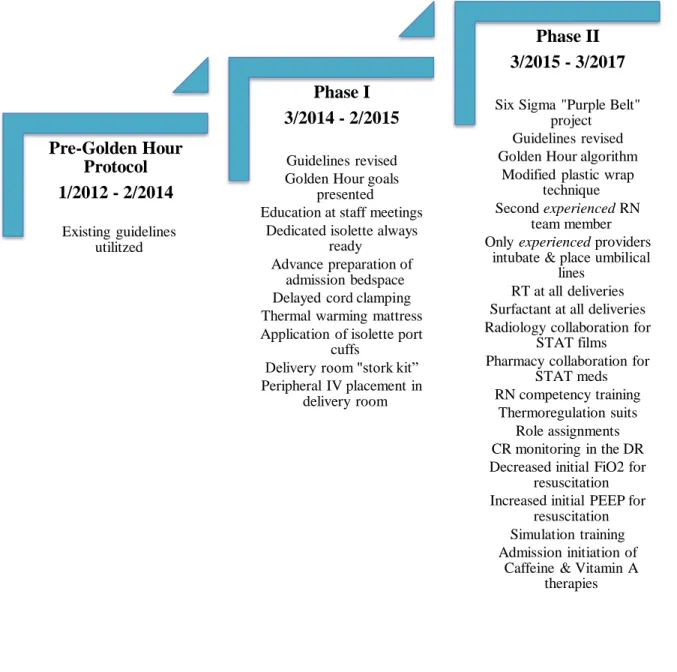
Figure 2 Golden Hour timeline of quality improvement interventions ...47
Figure 3 Golden Hour Algorithm ...48
Figure 4 Golden Hour Role Assignments ...49
Figure 5 Golden Hour Role Assignments Cue Cards ...50
Figure 6 Golden Hour Delivery Room Positioning Map ...51
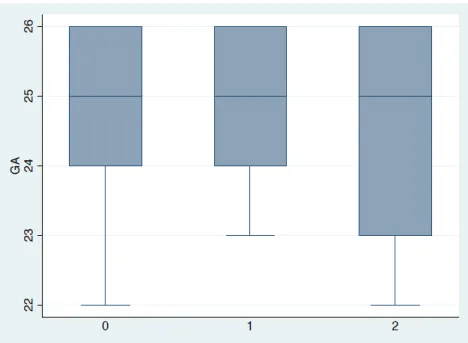
Figure 7 Box plot of gestational ages across the study phases ...52
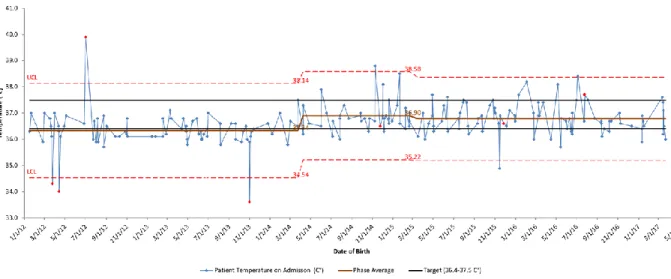
Figure 8 Control chart of the changes in admission temperatures over time ...53
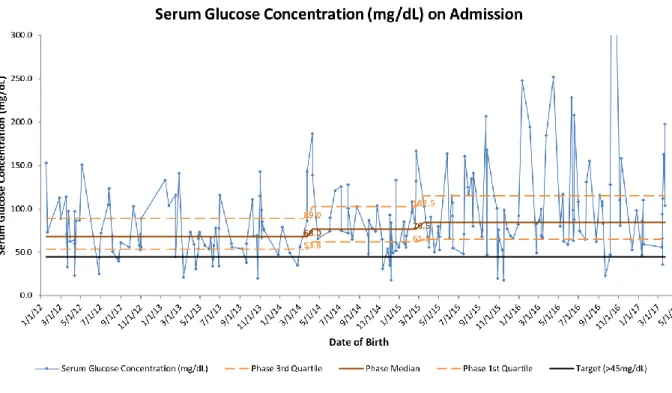
Figure 9 Run chart of the changes in serum glucose concentration on admission over time ...54
x
LIST OF ABBREVIATIONS
CINAHL Cumulative index to nursing and allied health literature CLD Chronic lung disease
CPAP Continuous positive airway pressure DNP Doctorate of nursing practice
ELBW Extremely low birth weight
ELGAN Extremely low gestational age neonate EMR Electronic medical record
EP Extremely premature
GH Golden hour
GHP Golden hour protocol GIR Glucose infusion rate G-tube Gastrostomy tube
IRB Institutional review board
IV Intravascular
IVH Intraventricular hemorrhage L&D Labor and delivery
LOS Length of stay
NICU Neonatal intensive care unit NRP Neonatal Resuscitation Program PDSA Plan do study act
xi PMA Postmenstrual age
PRISMA Preferred reporting items for systematic review and meta-analyses PubMed Publisher MEDLINE
QI Quality improvement
ROP Retinopathy of prematurity STAT Latin: statim
1
CHAPTER 1: IMPLEMENTATION OF A GOLDEN HOUR PROTOCOL FOR EXTREMELY PREMATURE INFANTS
Introduction
During the first few minutes of life, premature, low birth weight infants are susceptible to rapidly developing hypothermia, hypoglycemia, hypotension, and respiratory failure and they face substantial risks of morbidity and mortality (Glass et al., 2015). Resuscitation of these infants in the delivery room and stabilization during admission to the neonatal intensive care unit (NICU) involves a complex set of tasks and procedures, which must be performed proficiently within a short time period. These interventions are critical to maintaining the infant’s stability and minimizing the potential for the aforementioned adverse sequelae of premature birth which contribute considerably to the risk of long-term morbidity and mortality (Annibale & Bissinger, 2010; Glass et al., 2015; Doyle & Bradshaw, 2012; Vento, Cheung, & Aguar, 2009; Wyckoff, 2014). Not only must care be provided quickly and proficiently, but because of the
interdependence of interventions required for stabilization, they must also be performed in a systematic and sequential manner (Annibale & Bissinger, 2010; Reuter, Messier & Steven, 2014; Taylor, Kiger, Finch, & Bizal, 2010; Vergales et al., 2015). Due to the vulnerability of these infants and the complexity of the care required at birth, introduction of Golden Hour protocols that bundle evidence-based clinical practices and standardize their application within the first hour of life have become increasingly integral to providing consistent care in the NICU
2
Messier & Steven, 2014; Reynolds, Pilcher, Ring, Johnson, & McKinley, 2009; Vergales et al., 2015; Wallingford, Rubarth, Abbott, & Miers, 2012).
The term “Golden Hour” was originally used to refer to an approach to resuscitation that aimed to improve outcomes in adult trauma and emergency medicine. As a result of the potential to influence immediate survival as well as long-term outcomes during the first few minutes of life, the term Golden Hour (GH) is now also used to describe the hour following birth for premature, low birth weight infants (Annibale & Bissinger, 2010; Doyle & Bradshaw, 2012; McGrath, 2012; Vento, Cheung, & Aguar, 2009). The main objectives of GH protocols are to avoid short-term sequelae including hypothermia, hypoglycemia, hypotension, and respiratory compromise which the literature suggests may reduce the long-term morbidities of
intraventricular hemorrhage (IVH), periventricular leukomalacia, chronic lung disease (CLD) and retinopathy of prematurity (ROP) and potentially decrease length of stay (LOS) and mortality (Glass et al., 2015; Doyle & Bradshaw, 2012; Vento, Cheung, & Aguar, 2009).
Local Problem
In the study unit, clinical care guidelines are revised biennially based on the most current literature. The author participated in the evaluation of the guidelines for extremely premature, extremely low birth weight (ELBW) infants in November of 2012. At that time, reports for the unit obtained from the Vermont Oxford Network’s (VON) databases revealed that several outcome measures for this population, including admission temperatures and serum glucose concentrations fell below the unit standards and VON databases’ reported ranges for similar type NICUs. A quality improvement (QI) initiative to implement a GH protocol for the initial
3
reducing inter-provider variance and other inconsistencies in care. Prior to initiation of the QI project, retrospective baseline data were collected on a cohort of infants meeting the planned sampling criteria. As the data were collected, the team discovered that the time from birth to obtaining vascular access, initiating intravascular (IV) fluids and antibiotics, as well as overall length of time for the admission to be completed was lengthier than the 60 minutes suggested in the GH literature. The conclusive purpose of the GH QI project was to design and implement a systematic, evidence-based approach to the care of extremely premature, ELBW infants within the first hour of life and to increase the consistency and efficiency of care in an effort to improve both short- and long-term outcomes for this population in the study unit.
Significance to Healthcare
Prematurity is the leading cause of neonatal mortality and contributes to approximately 50% of childhood disabilities in the United States; it is also the second leading cause of death in children under five years of age worldwide, making it a global health issue of substantial
importance (Glass et al., 2015; U.S. Department of Health and Human Services, 2014). The highest risks of morbidity and mortality are associated with the most premature and lowest birth weight infants (U.S. Department of Health and Human Services, 2014). Infants born very prematurely (< 32 weeks’ gestation) or at a very low birth weight (< 1,500 grams) have
respectively 89 and 110 times the risk of death in the first year of life as their full-term and non-low birth weight counterparts (U.S. Department of Health and Human Services, 2014).
Extremely premature (< 28 weeks’ gestation), extremely low birth weight (< 1000 grams) infants face substantially higher risks of death and disability, with Glass et al. (2015) reporting mortality rates of 30-50% and a further morbidity risk of 20-50% for survivors. In a single-center,
4
in 4 infants receiving active care survived the neonatal period without severe complications (Mehler, et al., 2016). These complications are often predictors of neurodevelopmental and sensorial disabilities including epilepsy, cerebral palsy, cognitive delay, hearing loss and visual impairment (Glass et al., 2015). In the aforementioned retrospective analysis of neonates delivered at 22-23 weeks’ gestation, nearly one-third of surviving infants were severely
neurologically impaired (Mehler, et al., 2016). In addition, there is emerging evidence that even for extremely premature, ELBW infants without severe disabilities there is an increased risk of symptoms of mental health issues such as autism, inattentiveness, anxiety and obsessive-compulsive disorder (Fevang, Hysing, Markestad, & Sommerfelt, 2016). Severe impairments and disabilities such as these not only decrease the infant’s quality of life but also negatively affect the family (Behrman & Butler, 2007).
In 2005, the annual costs related to prematurity and low birth weight were estimated to exceed $26 billion (Behrman & Butler, 2007; U.S. Department of Health and Human Services, 2014). This estimate represents the cost of intensive care, early intervention, special education and lost productivity due to disability (Behrman & Butler, 2007; U.S. Department of Health and Human Services, 2014). Although extremely premature, ELBW infants make up only 6% of premature births, the cost of their care represents more than one-third of the total costs related to prematurity (Allen, Smith, Iliev, Evans, & Werthammer, 2017; Glass et al., 2015). In one
5
(Kornhauser & Schneiderman, 2010). While the average LOS for a term infant in the NICU is about 6 days, the average LOS for infants < 32 weeks’ gestation is about 46 days and in one evaluation of 2,012 ELBW infants from the California Quality Care Collaborative the median LOS was 79 days (range 23–219 days) (Lee, Bennett, Schulman, & Gould, 2013; March of Dimes Perinatal Data Center, 2011).
Cost analysis emphasizes the financial benefit a reduction in LOS might have on hospital expenses during the infant’s initial hospitalization and suggests a long-term economic advantage to improving outcomes in this population. In one study of the relationships between LOS, cost, and clinical outcomes it was proposed that reducing LOS may not uniformly reduce hospital resource utilization (DeRienzo, Kohler, Lada, Meanor, & Tanaka, 2016). The findings in this relationship evaluation suggest that interventions should not simply be aimed at reducing LOS without aiming to improve clinical outcomes as well, a dual goal consistent with the aims of this project (DeRienzo, Kohler, Lada, Meanor, & Tanaka, 2016). Premature, low birth weight infants also have an increased risk of re-hospitalization during the first year of life and disproportionate length of stay for those hospitalizations (Behrman & Butler, 2007). An improvement in the incidence of morbidities has the potential for a positive effect not only by reducing the initial LOS in the intensive care unit but also by reducing the risk for re-hospitalization in this vulnerable patient population.
Literature Review
6
QI projects relating to implementation of a GH protocol in the NICU. An appraisal of the quality of the studies obtained was performed and the outcome measures reported by each of the study units were evaluated. A summary of the evidence is presented in Table 1.
Search Strategy
The author conducted a review of the literature, not limited by year of publication, with articles retrieved from PubMed and CINAHL databases using the search terms (“golden hour” OR “golden hours” OR “golden minutes”) and (birth OR newborn OR infant* OR infanc* OR postnatal OR neonat* OR preterm OR prematur* OR preemie OR periviable OR gestation* OR “low-birth-weight” OR “low birth weight” OR “low birthweight” OR “extremely low gestational age” OR NICU OR ELBW OR VLBW OR ELGAN). This search resulted in 47 articles; 27 articles from PubMed and 20 articles from CINAHL. Following removal of duplicates, 34 articles remained. Inclusion criteria were English language, population: premature infants (defined as < 37 weeks’ gestation), articles related to implementation of a GH protocol; setting, neonatal intensive care units. A total of 15 articles were excluded based on the above inclusion and exclusion criteria and 19 articles remained. Of the remaining articles, there were seven primary sources; research-based articles presenting outcomes following implementation of a GH protocol in the NICU. Figure 1 displays the PRISMA flow diagram of the systematic review.
Quality Assessment
Retrospective data collected on a defined cohort of infants prior to project
7
grams or < 1000 grams while gestational age inclusion criteria varied from < 33 weeks’ gestation to < 27 weeks’ gestation across the studies.
The outcomes evaluated in these studies and reported in this review include objective measures of axillary temperature and serum glucose concentration and clinical diagnoses of IVH, ROP and CLD. Only one of the studies adjusted for confounding variables when calculating odds ratios (Ashmeade, 2014). The statistical methods used were not discussed in two of the studies (Reynolds et al., 2009; Wallingford et al., 2012). In the remaining studies, inferential statistics were used to determine differences between the groups with p values of 0.05 or less used to determine significance (Ashmeade, 2014; Castrodale & Rinehart, 2014; Reuter, Messier & Steven, 2014; Lambeth, Rojas, Holmes and Dail, 2016; Vergales et al., 2016). An assessment of the quality of each study in the review is provided in Table 2. using the Quality Improvement Minimum Quality Criteria Set; a tool for the critical appraisal of QI intervention publications (Hempel et al., 2015).
Outcome Measures
Each of the review studies was conducted in a single-center facility as a QI project. The sample sizes ranged from 32 to 173 infants in the pre-protocol cohorts, and from 17 to 1,091 infants in the post-protocol cohorts. Several studies demonstrated statistically significant improvements in outcome measures including admission temperature, serum glucose
8
Temperature.
Six of the studies reviewed reported outcomes related to temperature and revealed improvements in infants’ temperatures. Four of the studies demonstrated statistically significant results. Reynolds et al. (2009) report a statistically significant improvement in mean admission temperatures (36.68 ± 0.65 degrees Celsius versus 36.04 ± 0.81; p = 0.0001) in the seven years following implementation of a GH protocol and a revision of that protocol. Wallingford et al. (2012) also demonstrated improvement in admission temperatures to within a “euthermic range” (31.1% versus 10.8%) as reported in the VON data for their institution over a 2-year period following initiation of a GH protocol. However, no statistical analysis of the data was provided. Similarly, Vergales et al. (2015) demonstrated improvement in admission temperatures to within a “euthermic range” (71.3% versus 54.8%; p = 0.056). Statistically significant improvements in admission temperatures were presented by Ashmeade et al. (2016); ≥ 97.6°F in the post-GH protocol group (57%) versus the pre-protocol group (40%); (p = 0.005). Castrodale and Rinehart (2014) also reported statistically significant improvements in admission temperatures falling within goal range after implementation of a GH protocol (49.6% versus 28%; p = 0.002). Lambeth, Rojas, Holmes and Dail (2016) reported a slight increase in their mean admission temperatures initially after implementation of the GH protocol and although the mean returned to baseline as the project progressed, they reported less variability around that mean.
Glucose.
9
Although Lambeth, Rojas, Holmes and Dail (2016) discuss glycemic control, they simply report stable glucose concentrations throughout their QI project without statistical analysis.
Intraventricular hemorrhage.
Three of the studies report outcomes related to IVH. All three studies described improving trends in the incidence of IVH; however, only one of the studies reached statistical significance. A statistically significant improvement in the number of infants who developed IVH following implementation of a GH protocol (18% versus 46%; p = 0.03) was demonstrated by Reuter, Messier and Steven (2014). Vergales et al. (2015) were able to show a decreasing trend in the incidence of grade 3 or 4 IVH (10.6% versus 13%; p = 0.42); however, it did not reach statistical significance. Ashmeade et al. (2016) also demonstrated a decreasing trend in the rates of IVH (13% versus 21%; p = 0.477).
Chronic lung disease.
10
Retinopathy of prematurity.
Only one study included ROP as an outcome measure. Ashmeade et al. (2016) reported an improving trend in the incidence of ROP (13% versus 63%; p = 0.097). In addition, following adjustment for baseline variables, the odds ratios demonstrated a 48% reduction in the odds of developing ROP (OR = 0.52; 95% CI [0.28-0.98]; p = 0.043).
Additional themes.
Vergales et al. (2015) reported on the outcome measures of mean arterial pressure as an indicator of stability and LOS. In this study, arterial blood pressure demonstrated greater stability, defined as a mean ≥ gestational age, in the post-GH protocol implementation group (76% versus 57%; p = 0.02). Neonatal LOS was also significantly decreased for infants in the post-protocol group, with discharge home occurring at a lower mean postmenstrual age; 39 weeks’ gestation versus 40 weeks’ gestation (p = 0.04).
Summary
There are only a few published studies on outcomes following implementation of a GH protocol in the NICU. Based on the findings in the seven studies that were reviewed, it is
suggested that implementation of a GH protocol to guide application of evidence-based practices positively influences both short- and long-term outcomes in neonatal intensive care. Application to the population of interest, premature, low birth weight infants is clearly supported by the inclusion criteria of the studies reviewed.
11
Vergales et al., 2015; Wallingford, Rubarth, Abbott, & Miers, 2012). Improvement in temperatures to within a euthermic range has substantial implications for the premature, low birth weight infant as numerous studies have demonstrated hypothermia to be associated with hypoglycemia, hypoxemia, metabolic acidosis, increased incidence of CLD, late-onset sepsis and IVH as well as increased rates of mortality (Laptook & Watkinson, 2008; Miller, Lee, & Gould, 2011).
Although long-term outcomes were not reported in a consistent manner across the
studies, those that were reported suggested tendencies towards improvements in the incidence of IVH, ROP and CLD following implementation of a GH protocol (Ashmeade et al., 2016; Reuter, Messier & Steven, 2014; Vergales et al., 2015; Wallingford et al., 2012). These morbidities are predictors of neurodevelopmental and sensorial disabilities for premature, low birth weight infants including epilepsy, cerebral palsy, cognitive delay and visual impairment (Glass et al., 2015). Any improvement in the incidence of morbidities such as these has the potential for a positive effect not only by reducing the need for associated diagnostic, therapeutic and surgical interventions but also by reducing the length of stay, risk for re-hospitalization and improving long-term neurodevelopmental outcomes (Horbar, 2012). Additional studies with consistent analysis of long-term outcome measures across multiple centers would provide greater insight into the impact of GH protocols on long-term morbidities and neurodevelopmental outcomes.
12
comparison of the impact of GH protocols on defined subgroups of premature, low birth weight infants such as the VLBW (< 1500 grams) and ELBW (< 1000 grams) populations.
Theoretical Framework
The Donabedian Model, a theory which focuses on evaluating the quality of healthcare, provides a framework for this QI project. This structure-process-outcomes framework for assessing quality in healthcare is the work of Avedis Donabedian, a physician from Beruit, Lebanon with a master’s degree in public health from Harvard University (Anderson, 2015). The model Dr. Donabedian presents in his writings is both descriptive, identifying the components of quality assessment, and prescriptive in that it guides QI endeavors. In his initial work in 1966 Dr. Donabedian concentrated on the quality of medical care, specifically at the level of patient-physician interactions (Donabedian, 2005). A review of Dr. Donabedian’s writings reveals that he began to focus on quality assessment of nursing care in the late 60s and over the following 30 years his writings encompassed quality assessment in all aspects of healthcare from
epidemiology to informational technology.
13
well as various care providers: neonatologists, neonatal nurse practitioners, neonatal fellows, neonatal nurses, and respiratory therapists.
Process involves the series of steps and actions by which medical care is provided to the patient (Ayanian & Markel, 2016). For the GH project, the process begins with preparing for the delivery of the infant, in the NICU and in L&D once the team has received notification of an impending birth. Following the infant’s delivery, the process continues with resuscitation and stabilization through completion of the admission and initiation of an environment of minimal stimulation. The goal for the GH project is to have all these processes completed within the first hour of life.
Outcomes are the measurable phenomenon that allow for QI and ongoing monitoring (Ayanian & Markel, 2016; Donabedian, 1981). For premature, low birth weight infants, survival without neurologic impairment is one of the most important outcome measures. The GH project uses several short-term outcome measures, including admission temperature, serum glucose concentration, and calculation of length of time to various short-term goals, as a means for ongoing monitoring and evaluation of QI. The goal of this Doctorate of Nursing Practice (DNP) project is to also evaluate long-term outcome measures related to IVH, CLD, ROP, and LOS following implementation of a GH protocol. These long-term outcome measures directly affect the likelihood of survival without neurologic impairment.
14
assurance and QI, the Donabedian Model has strong applicability to the GH project, which is focused on assessing structure in the NICU and altering the processes surrounding care during delivery and admission of extremely premature, ELBW infants in order to improve outcomes in neonatal intensive care.
Purpose of Project
The goals for the QI project were to design and implement a systematic, evidence-based approach to the care of extremely premature, ELBW infants within the first hour of life and to increase the consistency and efficiency of care in an effort to improve both short- and long-term outcomes for this population in the study unit. The purpose of the DNP project is to describe the QI project in the study unit and the process of its implementation and to present statistical analysis of outcome measures over the first three years following project implementation.
For the purposes of this project, short-term outcome measures are those obtained and recorded during the first hour of life: admission temperature, serum glucose concentration, and those measurements related to efficiency of care such as time from birth to initiation of IV fluids and nutrition, antibiotic administration, central line placement, and completion of GH care. Long-term outcome measures include the incidence of morbidities such as IVH, CLD, ROP and evaluation of the effect on LOS and mortality.
Methods
15
protocol in April, 2014 and continued through March, 2017. For ongoing evaluation of the effectiveness of interventions, plan-do-study-act (PDSA) cycles were used in accordance with the study unit’s institutional use of Lean Six Sigma methodology for QI. Changes in
interventions over two PDSA cycles; Phase I and Phase II were compared with the baseline or pre-GH protocol data (Figure 2).
Setting
The study unit is a 58-bed level IV NICU in a teaching hospital. During the day there are usually three neonatologists, four neonatal nurse practitioners, and two neonatal fellows on service, any combination of which attend the deliveries of extremely premature, ELBW infants with residents and nurse practitioner students in the role of observing learners. At night, one fellow and one nurse practitioner provide delivery coverage with the support of a senior resident and the on-call neonatologist.
Population and Study Sample
The study population was defined as all inborn infants < 27 weeks’ gestation who survived initial resuscitation in the delivery room and were admitted to the NICU. Approximately 40-50 infants per year meet this criteria in the study unit. As a QI project, all infants meeting these criteria were provided the same care.
Ethical Considerations
In accordance with ethics and human subject permissions, IRB exemption was obtained from the Institutional Review Board of the University of North Carolina at Chapel Hill.
Project Implementation
16
infants, determined a need for further standardization of care practices to improve unit outcomes. A GH protocol was designed in order to achieve a consistent, sequential approach to
implementation of the unit’s evidence-based clinical guidelines during the first hour of life. The existing unit guidelines were updated prior to implementation and with each subsequent phase of the project. The project phases correspond with specific changes in GH QI interventions (Figure 2). These changes were determined by PDSA cycles, during which trends in short-term
outcomes, stakeholder feedback, and the availability of new products and new evidence-based interventions were all taken into consideration. Interdisciplinary education and reinforcement were provided with each phase to promote implementation and sustainability. Data analysis and the interpretation of study results were reported in light of these project phases.
Key Personnel and Stakeholders
Key personnel for the GH project encompassed a wide range of interdisciplinary team members responsible for the success of each infant’s GH. These personnel included physicians, nurse practitioners, nurses, respiratory therapists, and ancillary staff in the NICU, as well as the departments of pediatric pharmacy and radiology. The stakeholders in the project encompass not only the key personnel but also nursing leadership, hospital administration, department of
pediatrics and division of neonatology faculty members, as well as the infants’ families.
Barriers to Implementation and Sustainability
17
The next step was to include representatives from all the interdisciplinary groups of key personnel in the project planning. The unit’s GH QI team was initially comprised of two nurse practitioners and an attending physician. The team added additional nurse practitioners, a neonatal fellow, several staff nurses, members of nursing leadership, and a respiratory therapist to ensure full investment of key personnel in the project.
Resources and budget
Prior to the initiation of the project, the team anticipated the need for allocation of additional non-clinical staff time for project presentations, teaching and leading team meetings. As a result of previously ensuring full investment of key stakeholders from the division of neonatology, the GH QI team was able to have this time provided to key personnel as needed to support the success of the project in the study unit.
The need for new equipment and supplies including shorter peripheral intravenous (PIV) catheters, supply kits, chemical thermal mattresses, polyethylene thermoregulation suits, respiratory devices, etc. was also anticipated. Nursing leadership presented the team’s requests for new products during budget meetings. If money was approved for the product, that particular intervention could be implemented; otherwise, less expensive alternatives were explored.
During the second phase of the project, the QI team was able to draw on a concurrent hospital-wide QI initiative to assist in meeting GH goals. This project was related to early
18
Preparation of Equipment and Supplies
Planning during the first phase of the QI project was focused on establishing a culture of advanced preparation for GH deliveries and admissions. The nurses kept a cleaned and stocked isolette reserved for extremely premature, ELBW admissions available at all times. Upon
notification of an imminent delivery, all necessary equipment in the delivery room and in the unit was set up in advance. The respiratory therapist set up a ventilator and bubble continuous
positive airway pressure (CPAP) at the assigned admission bed space. The previously prepared isolette was moved into the bed space and warmed at this time. Nurse practitioners gathered the necessary items for umbilical line insertion, placed them on the procedure cart, and moved the cart adjacent to the admission bed space. The admitting nurses obtained IV pumps, warmed the IV fluids and then primed all IV tubing. In addition, “stork-kits” were placed within easy reach for delivery attendance. These kits contained items specific to the resuscitation and care of extremely premature, ELBW infants and were created to ensure easy access to necessary tools in the delivery room.
Respiratory management
All infants in the study unit were resuscitated according to The Neonatal Resuscitation Program (NRP) guidelines. Prior to implementation of the GH protocol a respiratory
management plan was devised based on the available literature and taking into consideration the infant’s gestational age and their risk factors for respiratory instability. Immediate intubation with prophylactic surfactant administration was performed for infants < 25 weeks’ gestation. Based on assessment of risk factors for infants 25 weeks’ gestation, the provider chose between in-and-out surfactant administration (defined as intubating, administering surfactant and
19
respiratory support. The plan for all infants 26 weeks’ gestation or greater was immediate application of CPAP for respiratory support, with a low threshold to administer in-and-out surfactant. Intubation was provided for infants of any gestational age requiring prolonged positive pressure ventilation per NRP guidelines. Early extubation to bubble CPAP was encouraged for infants who required intubation during the GH.
During the second phase of the project, several new interventions were implemented related to establishing and maintaining respiratory stability. In the delivery room, attendance of a respiratory therapist and availability of surfactant at every extremely premature, ELBW delivery regardless of gestational age was made mandatory. This ensured surfactant could be
administered immediately to all infants who required intubation. It also meant there was a provider dedicated to assisting with securing the airway who could take over management of the airway once the airway had been secured.
The 7th edition NRP guidelines were published during Phase II of the project (Weiner, Zaichkin, & Kattwinkel, 2016). This resulted in changes for resuscitation and respiratory management of extremely premature, ELBW infants. The use of cardiorespiratory monitoring leads became standard in the delivery room instead of sole reliance on pulse oximetry
20
Two pharmacological therapies, vitamin A and caffeine, are known to reduce the risk of CLD and improve outcomes in premature, LBW infants (Darlow, Graham, & Rojas-Reyes, 2016; Schmidt et al., 2006). These medications had been used routinely in the study unit prior to
implementation of the GH, although vitamin A was periodically unavailable during the study due to national shortages. Although they were routinely used, there were some inconsistencies with their ordering and timing of use. In an effort to improve consistency with use and further reduce the incidence and severity of CLD in the study unit, the last respiratory interventions
implemented during this phase were immediate initiation of both caffeine and vitamin A therapy on admission. Both medications became standard parts of the admission orders for extremely premature, ELBW infants in the study unit.
Thermoregulation
Hypothermia in the first few minutes of life has a substantial impact on the extremely premature, ELBW infant’s stability. Their body temperatures can fall as quickly as 0.5-1 degree Celsius per minute following delivery resulting in cold stress which rapidly leads to decreased cardiac output, hypotension, and metabolic acidosis (Bissinger, 2014). Literature suggests that admission temperature is inversely related to mortality with a 28% increase in the risk for mortality with each decrease in admission temperature by one degree Celsius (Laptook, Salhab, Bhaskar, & the Neonatal Research Network, 2007).
One of the goals of the GH is to maintain euthermia throughout the admission and
21
decrease convective heat loss. The radiant warmer and all supplies were preheated to reduce conductive heat loss. Following delivery, during the initial phase of the project, the infant was placed on a chemical warming mattress under radiant heat and covered with a clear, plastic wrap to minimize radiant and evaporative losses. Radiant heat and plastic wrap had been used at baseline for infants in the pre-protocol cohort. With implementation of the GH protocol the technique used for wrapping the infant in plastic was changed due to observations that it was difficult to keep the plastic in contact with the infant during resuscitation. One corner of the plastic wrap was folded over the infant’s head and a stocking knit cap was placed over the plastic wrap. This technique was used as plastic covering is more effective at preventing heat loss than our previous use of the stocking knit cap alone (Trevisanuto et al., 2010). Use of chemical warming mattresses beginning in the delivery room and continuing through central line placement was also implemented during Phase I and continued through Phase II.
During Phase II of the project, the plastic wrap and stocking cap were replaced by a
polyethylene, heat loss prevention suit with an adjustable hood. The suit closed vertically along the infant’s midline with a Velcro fastener that allowed for easy exit of monitoring device cords and IV catheters. The Velcro could be opened for line placement without removing the infant from the polyethylene covering and thus avoided loss of heat during central line placement and radiographic confirmation.
22
Fluid, Electrolyte, and Nutritional Management
At delivery, infants are disconnected from placental circulation and therefore, their source of nutrition is interrupted. Extremely premature, ELBW infants quickly become hypoglycemic and within hours begin to develop a negative nitrogen balance and enter a catabolic state. Therefore, initiation of glucose and protein administration during the first hours of life are essential components of the GH (Taylor, Kiger, Finch, & Bizal, 2010). To this end, with implementation of the GH, peripheral IV access was to be established in the delivery room during stabilization with a maximum of two attempts. If not obtained in the delivery room, peripheral IV access was established on admission to the NICU. Upon admission, a 10% dextrose infusion was initiated at 60 mL/kg/day to provide a continuous glucose infusion rate (GIR) while central access was being established. Umbilical arterial and venous catheters were inserted immediately after admission. Following radiographic confirmation of central placement, the 10% dextrose infusion was replaced with a 10% dextrose, 2.5% amino acid solution via the venous catheter and a 3.6% isotonic amino acid solution via the arterial catheter for a total fluid goal of 80 mL/kg/day. In the study unit, fluids infusing through a peripheral line cannot be subsequently primed and infused through a central line. The plain dextrose solution was used peripherally and then replaced with the dextrose and amino acid solution centrally. This allowed for the provision of a continuous, stable GIR after delivery and the early initiation of protein without wasting an entire bag of the costly dextrose and amino acid solution to provide the GIR until central access could be confirmed.
Intravascular Access and Cardiovascular Stability
23
early administration of nutrition, monitoring central blood pressure, and effectively treating potential sepsis. First peripheral and then central access were established. The GH QI team collaborated with the radiology department to expedite obtaining radiographic confirmation of central umbilical line placement. A designated order was created in the EMR “XR Neonate Umbilical Line Placement” to be placed immediately on admission. This would alert the radiology technician to the imminent need for an x-ray. Once the provider was suturing the umbilical lines in place, a page was sent to the radiology technician’s STAT pager that the infant was ready for the x-ray to be performed.
Establishing arterial access permitted central blood pressure monitoring to be initiated within the first hour of life which was vital for determination of the infant’s cardiovascular stability. One other GH QI study, Vergales et al. (2015), reported mean arterial blood pressure as an outcome measure and found improved hemodynamic stability in the post-GH protocol
implementation group. Although our study did not report data on arterial blood pressure, we did utilize an evidence-based, unit-specific guideline for the management of hypotension in the extremely premature, ELBW infant.
Concurrently with Phase I of the GH QI project, delayed cord clamping was implemented for the study population. This practice is aimed at reducing some of the same long-term morbidities as the GH. Delayed cord clamping is associated with a reduction in the incidence of IVH and the need for early red blood cell transfusions and may also reduce LOS (Chiruvolu et al., 2015;
Mercer, et al., 2006).
Infection Control
24
associated with prematurity. When indicated, antibiotics were ordered on admission to NICU. All admission lab work including the blood culture was sent to the lab as soon as arterial blood return was obtained during central line placement. Once the blood culture had been obtained, antibiotics could be administered through the PIV even before central line placement had been completed and confirmed. As previously discussed, during Phase II of the project, a separate hospital wide QI project aimed at improving the initial response to pediatric sepsis allowed for improved expediency of delivery of the antibiotics to the infant’s bedside.
Efficiency
Efficiency is the fundamental theme of any GH protocol and supports each of the goals previously discussed. According to Merriam-Webster, the focus of the word efficient is on how little is wasted or lost in the process of achieving the desired results (Efficient, n.d.). Efficiency
within the GH refers to the capacity to achieve completion of the protocol goals without wasting
precious minutes of the infant’s first hour of life and risking compromises in stability that lead to long-term morbidity and mortality. The GH interventions previously described were
implemented to improve efficiency towards achieving the essential GH goals. Below are a few efficiencies which were implemented to improve staff productivity in support of the GH goals. Phase I of the project was designed to coincide with hospital-wide implementation of a new EMR. Within the new EMR the GH QI team was able to customize a new set of orders
25
A set of documents were added to the hospital intranet with the other unit guidelines which could be easily accessed and referenced or printed for use during the GH. These documents included the GH Algorithm (Figure 3), a nursing-specific worksheet for the GH admission process in the unit, a GH role assignments document with provider-specific assigned tasks (Figure 3), simulation training resources based on gestational age, role assignment cue cards for simulation training (Figure 4), a map of recommended positioning during delivery room resuscitation based on role assignments for simulation training (Figure 5) and a resource on management of hypotension in the extremely premature, ELBW infant.
Effective Teamwork and Communication
Consistent application of effective teamwork and communication throughout the GH process is essential to achieving efficiency. Interventions aimed at effective teamwork and
communication began with extensive education and training of staff prior to the initial implementation of the GH QI project. This included instructional presentations for nurse
practitioners and physicians, presentations at nursing staff meetings with hands on demonstration of various protocol techniques, and presentations at respiratory therapy meetings. Golden Hour training was also incorporated into the required yearly competencies for the unit nursing staff the month of initial project implementation. Only “stork nurses,” nurses who had passed in-depth training and attended a specified number of deliveries with another “stork nurse,” attended the deliveries of extremely premature, ELBW infants.
26
responsiveness while Six Sigma seeks to determine root causes of performance and eliminate variation (UNC School of Medicine, 2015). “Purple Belt” projects focus on the Lean aspect of QI and utilize a technique called “value stream mapping,” a process of diagraming the people, resources, activities, and information required to deliver a product or service (Schweikhart & Dembe, 2009). “Value stream mapping” is used to identify ways to reduce waste and improve efficiency (Schweikhart & Dembe, 2009). This particular “Purple Belt” project revealed significant room for improvement with teamwork and communication in order facilitate more efficient care. One of the most important means of accomplishing this goal was the development of a process algorithm, the ELBW GH Algorithm, to guide team members through the steps of the GH (Figure 3). The document served as a reference and a tool for QI data collection.
27
As suggested by Vergales et al. (2015) each team member was assigned specific tasks and positions around the radiant warmer in the delivery room to improve team dynamics and communication during the resuscitation (Figures 5, 6). To support staff education,
interprofessional teamwork, and communication, simulation training was incorporated to help solidify these roles and responsibilities. During actual resuscitations of extremely premature, ELBW infants video recording without patient identification was utilized. This provided another means of evaluation for ongoing QI efforts and provided a tool for debriefing and staff training purposes. The recordings were erased following evaluation per established legal guidelines. A day of high-fidelity training was held on a quarterly basis for the team members who happened to be in the unit at that time. In addition, the study unit implemented abbreviated, just-in-time GH delivery training simulations to be held any time an infant < 27 weeks’ gestation was to imminently deliver. For these sessions, the members of the team assigned to the potential delivery for that day met and assigned roles, responsibilities, and position around the radiant warmer. Simulation cue cards were used to remind each team member of their tasks and
positions (Figures 4, 5). First, the specific circumstances related to that particular delivery were established. The assigned team discussed the indications for delivery, mode and location of delivery, whether the infant had received antenatal steroids, the presence of fetal anomalies and any other complicating factors. Then the team leader, and second provider made a preliminary determination about whether or not to immediately intubate for those infants who were 25 weeks’ gestation (based on the previously discussed risk factors). After establishing the likely scenario, the team performed a quick, just-in-time simulation of the delivery.
28
throughout the phases. The author, who was also the primary investigator (PI), gave project updates and compliance reminders at physician and nurse practitioner staff meetings. In addition, the PI regularly spoke to or sent email reminders to the team members involved in a study
delivery who did not fill out and submit the data collection sheet.
Study of the Interventions
Interventions were evaluated as a component of the PDSA cycle. The short-term outcomes and trends in data following interventions were studied in combination with feedback from key personnel and stakeholders. Assessment of multiple process measures including time to
achieving various GH goals provided a way to determine the overall effect of interventions on short-term outcomes and identify the processes that were unsuccessful and required change.
Measures
The study sample was described using the information in Table 4. Short- and long-term study outcome measures are listed below. The definition of each measure is provided along with the rationale for choosing it, the validity and reliability of the method of measurement, and the plan for analysis.
Short-term
Temperature.
29
Glucose.
Measurement of the infant’s serum glucose concentration was performed using either point-of-care or laboratory testing. This value was reported in milligrams per deciliter (mg/dL) in the infant’s EMR. Measurement of the serum glucose concentration using either method is a valid and reliable method of determining whether interventions aimed at preventing
hypoglycemia are effective. Hypoglycemia in this study was defined as a glucose less than 45mg/dL. Rates of hypoglycemia were evaluated using run charts and by calculation of the percent of the sample that were hypoglycemic.
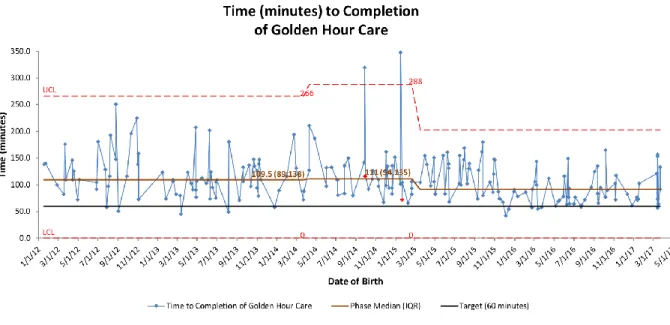
Time to completion of Golden Hour care.
Time to completion of GH care was defined by the study unit as closing the top of the isolette, initiating humidity, and providing decreased environmental stimulation to approximate the condition of the infant in the womb. The goal was to accomplish complete stabilization within the first 60 minutes of life. This is a measurement of the efficiency of the team in meeting the goals of the GH without compromising the infant’s stability or wasting time. There is no
dedicated location in the infant’s EMR to document this time and real-time documentation on the data collection sheet was inconsistent. Therefore, time to confirmation of central access was used as a surrogate for completion of GH care as this should be the last goal achieved in the process.
30
completion of GH care in minutes with interquartile ranges was calculated for each infant in the study and this information was also analyzed using control charts.
For the purposes of this study time to IV fluid administration and antibiotic
administration were collected but statistical analysis was not performed. These measures should both occur prior to confirmation of central line placement and thus evaluation is useful for root cause analysis during PDSA cycles but not necessarily as a measure of the success of the project.
Long-term
The rationale for choosing the long-term outcomes measures of IVH, CLD, ROP, and LOS is that they are all indicators both of stability in the first few weeks of life and of the potential for long-term neurodevelopmental impairment and sensorial disabilities. The need for gastrostomy tube (G-tube) placement is an indicator of the infant’s lack of ability to feed safely by mouth which may be directly related to the severity of lung disease and/or the degree of neurologic impairment. Due to the rate of mortality inherent in this population, evaluation of outcomes for CLD, ROP requiring treatment, G-tube placement, and LOS were calculated either for survivors only or as combined outcomes of “long-term measure or death.”
Severe intraventricular hemorrhage.
Every infant in the study unit delivered at < 27 weeks’ gestation received at least one screening cranial ultrasound at 7-10 days of life. Infants who were clinically unstable may have received the screening as early as a few hours of life. These ultrasounds were interpreted by pediatric radiologists and the interpretation was attached to the imaging in the infant’s EMR.
31
of severe IVH due to the more objective criteria of ventricular dilatation and parenchymal involvement. The rates of severe IVH were evaluated by calculating the percent of the sample with a clinical diagnosis of grade III or IV IVH on cranial ultrasound.
Severe chronic lung disease.
The study unit defined severe CLD, using the diagnostic criteria of the National Institute of Child Health and Human Development; the need for supplemental oxygen of 30% or greater and or positive pressure (PPV or CPAP) at 36 weeks PMA or discharge, whichever comes first (Jobe & Bancalari, 2001). Each infant’s EMR was searched and the respiratory requirements at the time of discharge for those survivors who were discharged home were documented. This is an easily reproducible means of evaluating the rate of CLD. However, it should be noted that variability exists between units regarding how CLD is treated and the infant’s “oxygen
requirement” is defined. The percent of infants surviving to discharge home without severe CLD and a composite outcome of the percent of infants with severe CLD or death were calculated.
Retinopathy of prematurity requiring treatment.
32
Gastrostomy tube placement.
The EMR was used to evaluate the number of infants surviving to discharge who required placement of a G-tube for enteral nutrition. The percent of surviving infants with a G-tube in place at discharge was calculated. This is both a reliable and a valid method of measurement.
Length of stay.
Length of stay was defined as the PMA on the day of discharge to home. The validity and reliability of LOS as an indicator of early stability and reduction in morbidity is complicated in the study unit. As the unit is a Level IV regional referral center in a tertiary care facility, many of the most stable infants in the study were transported to outlying centers with lower level
intensive care nurseries closer to the infants’ homes. Evaluation of PMA at discharge as opposed to the day of life at discharge is a more accurate measurement of LOS across a wide range of gestational ages in the study (22-26 weeks). The PMA at the time of discharge home were obtained from the infants’ EMR and the median was calculated. These numbers excluded those infants who died or were transferred to another facility prior to discharge home.
Mortality/survival.
The percentages of infants who died prior to transfer or discharge home were calculated. In addition, as previously discussed, the percentages of infants with the composite scores of “death or ROP” and “death or CLD” were calculated.
Procedures
33
project, a more in-depth process algorithm was created which replaced the initial handout and also served as a data collection sheet (Figure 3).
Deliveries of infants < 27 weeks’ gestation and completion of the data collection sheet were tracked by the PI. Some of the QI data used for evaluation of interventions in the PDSA cycles could only be obtained in real-time. For example, the infant’s temperature in the delivery room is not charted anywhere in the EMR and neither is the time of completion of GH care. All
verifiable information on the data collection sheet was confirmed by the PI using the infant’s EMR. If a data collection sheet had not been filled out in real-time during the GH the PI filled it out using the infant’s EMR. For the purposes of this study, only outcomes based on verifiable information were presented. De-identified data were entered into a Microsoft Excel spreadsheet by the PI. Data collection sheets were then stored in a locked cabinet inside a locked office within the study unit.
Data Analysis
Statistical process control or run charts were created using QI Macros for Excel to display patterns over time in admission temperature, serum glucose concentration, and time to
completion of GH care. Clinical outcomes across the three phases of the project were compared with Chi-Square or Fisher’s exact for categorical data and one-way ANOVA/Kruskal/Wallis for continuous data using STATA software. Statistical significance was set at p values of 0.05 or less.
Results
34
weeks’ gestation who survived resuscitation in the delivery room and were admitted to the NICU were excluded from Phase II due to severe congenital anomalies which resulted in death shortly after birth.
The study unit’s designation as a regional referral center results in a more medically fragile patient population. Infants with complicated hospital courses and those requiring more medical intervention due to morbidities of prematurity remain in the unit. The more stable infants are transferred out to lower level nurseries closer to their homes to facilitate bonding and preparation for discharge home. This phenomenon resulted in missing data for a small portion of the sample. There was a loss of 7% of the data for CLD due to transfer out prior to 36 weeks PMA, and 4% of the data related to ROP for survivors who were transferred early was dropped.
There were no significant differences in gestational age, birth weight, sex, administration of any antenatal steroids, or delivery method (cesarean vs vaginal) across the phases (Table 3) nor were significant differences noted in resuscitation measures including 5-minute Apgar scores and surfactant administration (Table 4). Significant differences were observed in short-term
outcomes between the phases. There was a significant reduction in the incidence of abnormal admission temperatures, hypoglycemia, and minutes to complete admission (Table 5). These improvements in short-term outcome measures were also illustrated by the statistical process control and run charts (Figures 8, 9, 10). Evaluation of long-term morbidity and mortality did not reveal significant differences (Table 5).
Discussion
35
outcomes in the study unit. The primary areas of focus during the first two phases of the project were on maintaining euthermia and preventing hypoglycemia. Therefore, most of the
interventions implemented during the study were aimed at improving these two short-term outcome measures for which data analysis revealed the most significant improvements. Although we did not consistently meet the goal of completion of GH care within the first 60 minutes of life, we were able to make statistically significant improvements towards this goal. Our findings were similar to the findings of the studies in the review which demonstrated improvements in temperature, glucose, and/or time to completion of the GH (Ashmeade, 2014; Castrodale & Rinehart, 2014; Lambeth, Rojas, Holmes, & Dail, 2016; Reynolds, Pilcher, Ring, Johnson, & McKinley, 2009; Vergales et al., 2015; Wallingford, Rubarth, Abbott, & Miers, 2012).
36
As a slightly more vulnerable population, periviable infants born at 22 and 23 weeks gestation are less resilient and more susceptible to the negative effects of cold stress and hypoglycemia (Wyckoff, 2014). But despite this higher risk, and a higher proportion of these infants in the Phase II cohort, there were no significant differences in their long-term outcomes or in the PMA at discharge. We hypothesize that these results may indicate a positive effect of the GH protocol which may be stronger at lower gestational ages. Stratification of results by gestational age across studies could provide further insight into this effect.
An improvement in short-term outcomes corresponds to an improvement in population health for extremely premature, ELBW infants in the study unit. There is a potential for a reduction in healthcare expenditures associated with diagnostic, therapeutic and surgical
interventions for complications related to hypoglycemia and hypothermia. There is also potential for a decreased burden on the healthcare system after discharge related to re-hospitalization and the provision of care for long-term morbidities if the GH does in fact offer a protective effect in this population (Behrman & Butler, 2007; Horbar, 2012). Future studies could examine costs associated with outcome measures more closely.
Strengths of the Project
One of the main strengths of the study is the focus on an extremely premature population of infants, those < 27 weeks’ gestation. In contrast, some of the other studies in the review included more mature infants, up to 32 and 33 weeks’ gestation (Reynolds, Pilcher, Ring, Johnson, & McKinley, 2009; Wallingford, Rubarth, Abbott, & Miers, 2012). As the project progressed, the study population included a higher percentage of even more premature infants (22 and 23 weeks gestation), related to the national trend of providing more aggressive
37
demonstrated results with a similar or higher level of significance and outcomes that measured tighter within goal ranges than some of the other NICUs in the review with less fragile, less premature populations.
Additionally, through the phases of the project, several tools were developed to support achievement of the GH goals. These tools included “stork kits” of materials needed for delivery room care, laminated lists of supplies needed for umbilical line placement, laminated cue cards for role assignment and positioning in the delivery room, guidelines for GH simulation training, a worksheet for nurses admitting the extremely premature, ELBW infant, and two EMR “order-sets.” Many of these resources could be easily adapted and used by other NICUs looking to implement a successful, evidence-based GH protocol.
Limitations of the Project
One limitation of the study was the potential for reduced availability of physicians and nurse practitioners for nighttime delivery attendance. Similar to most NICUs across the nation, the study unit staffs with fewer providers at night than during the day. There were always enough experienced providers at night to fill both the roles of team leader and the second provider
responsible for establishing the airway. However, on the rare occasion that another emergency occurred during the GH, both providers may not have been available to attend the delivery and the role of team leader may have been unfilled. This was largely addressed by the simulation training which included role assignment for all staff attending the delivery of extremely
38
to assume and share additional responsibilities in the rare occasion the role of team leader was unfulfilled.
Although the project has an excellent design for examination of outcomes related to QI, the retrospective-prospective study design presents a limitation to traditional research design and examination of long-term outcomes. With this type of design there is poor control over the exposure variable, covariates and potential confounding factors. The retrospective/prospective cohort design and the 5-year time span of this QI project introduce the risk of historical threat to the validity of the study in regards to examination of long-term outcome measures. Changes in practice over time and other confounding variables, not related to the interventions of the GH might contribute to variations in outcomes and in some instances and could provide an alternative explanation of the study findings.
In addition, other NICUs may not have been exposed to the same changes in practice or confounding factors. Therefore, these threats to the internal validity of the study also limit the generalizability of the work. For this reason, and as a result of differences in available resources, staffing, and physical space, GH protocols are unit-specific. Although the generalizability to other units is limited, the transferability is relatively high because these protocols can be adapted and modified to fit the unique requirements of any NICU.
39
infants. This was due to transfers to other facilities which complicates or prevents collection of long-term outcome measures. However, this was true across all three phases of the project.
Conclusion
Usefulness
Golden Hour protocols promote efficient care delivery and prioritize the stability of the most vulnerable population in the NICU through the first, most tenuous minutes of resuscitation and stabilization. They also provide a way to incorporate tools for building effective teamwork and communication within interdisciplinary groups in the NICU.
Suggested next steps and sustainability
Prolonged exposure to the study interventions is evidence of the sustainability of this GH protocol and of the capacity for internal monitoring of ongoing compliance. The study unit’s GH QI team is already considering the next steps in sustaining the goals already achieved. Although portable radiography has been standard in the study unit for some time, the recent acquisition of a system that now allows for real-time, bedside viewing of the films may be an important avenue for continuing improvements in the time to central line confirmation and completion of GH care. Maintaining “just-in-time” simulation training and utilizing information from delivery room video recording will allow the team to continue fostering teamwork, communication, and
efficiency. Furthermore, identifying additional, meaningful short-term outcome measures such as blood pressure, blood flow, serum cortisol levels, etc. might provide better indicators of the effectiveness of the GH interventions.
Potential spread to other contexts
40
evidence-based GH protocol is relevant to any NICU. (2) The extension of the GH protocol to include very premature, VLBW infants is beneficial.
Implications
A systematic, evidence-based approach to care of extremely premature, ELBW infants in the first hour of life resulted in improved short-term outcomes. Although significant differences in long-term outcomes were not observed in this study, the results may represent a protective effect of GH protocols as the highest risks of morbidity and mortality are associated with the most premature infants. Additional studies with larger sample sizes and consistent analysis of long-term morbidities would provide greater insight into the long-term impact of GH protocols. Stratification of results by gestational age across studies could possibly provide further
understanding of any potential protective effect. Ongoing QI should focus on sustaining achieved improvements, continuing to improve time to completion of care, and seeking additional,
meaningful short-term outcome measures.
Conflict of Interest and Funding
41 Table 1
Summary of the Evidence: Quality Improvement Projects to Implement a Golden Hour Protocol
Author Design Population Sample Setting Admission Temperature
Admission Glucose
IVH CLD ROP Additional
Ashmeade et al., 2014
QI project; retrospective collection of baseline data; prospective data following change in practice Inborn infants delivered at
GH < 28 weeks and/or < 1000 grams BW Pre-protocol N = 173
Post N = 122
82-bed, Level IV NICU Tampa, FL Improvement in admission temperatures; ≥ 97.6°F 40% vs 57%;
p = 0.005
Decreasing trend in the rates of IVH; 21% vs 13%; p =
0.477
Decreased
odds of developing
CLD by 64%; (OR =
0.36; 95% [CI] = 0.17-0.74; p =
0.005)
Decreased
odds of developing
ROP; 48% reduction (OR = 0.52; 95% [CI] = 0.28-0.98; p
= 0.043) Castrodale & Rinehart, 2014 Retrospective cohort study Inborn infants delivered at
GA < 28 weeks
Pre-protocol N = 106
Post N = 119
75-bed, Level III NICU Indianapolis, IN Improvement in admission temperatures to within goal range (36.5-37.4°C) 28% vs 49.6%; p = 0.002 Improvement in achieving admission glucose >50mg/dL 55.7% vs 72.3%; p = 0.012 Lambeth et al., 2016 QI project; retrospective collection of baseline data; prospective data following change in practice Inborn infants delivered at < 1500 grams BW Pre-protocol
N = 50
Post N = 105
56-bed, Level IIIB NICU Winston-Salem, NC Increase in mean temperature from baseline (reported via control chart) Stable glucoses; no significant improvement (reported via control chart) Reuter et al., 2014 Retrospective cohort study Inborn infants delivered at
GA ≤ 29 weeks or < 1000 grams BW
Pre-protocol
N = 32
Post N = 40
Level III NICU Sioux Falls, SD
Decreased rates of IVH 46% vs 18%; p =
0.03 Reynolds et al., 2009 QI project; retrospective collection of baseline data; prospective data following change in practice Inborn infants delivered at
GA < 32 weeks or < 1500 grams BW
Pre-protocol N = 245
Initial N = 1,091
Revised N = 103
83-bed, Level III NICU Dallas, TX Improvement in mean admission temperatures; 36.04°C ± 0.81 vs 36.68
± 0.65; p = 0.0001 Vergales et al., 2016 QI project; retrospective collection of baseline data; prospective data following change in practice Inborn infants delivered at
GA < 27 weeks
Pre-protocol
N = 62
Post N = 90
51-bed, Level IV NICU, Charlottesville, VA Improvement in admission temperatures to within a
defined euthermic range (36.0-37.5°C) 54.8% vs 71.3%; p =
0.056
Decreasing trend in incidence of grade 3 or 4 IVH 13% vs 10.6%; p
= 0.42
No change; 69% vs 70.5%; p =
1.0 MAP demonstrated greater stability (MAP: mean
≥ GA) 76% vs 57%
p = 0.02 Discharge
home at lower mean PMA; 40 vs 39 weeks;
p = 0.04 Wallingford
et al., 2012
QI project; retrospective collection of baseline data; prospective data following change in practice Inborn infants delivered at
GA < 33 weeks
Pre-protocol
N = 32
Post N = 17
Level III NICU Omaha, NE Improvement in admission temperatures; 10.8% vs 31.1% (per reported VON data) Improving trends in the incidence of CLD; 52.5% vs 31.1% (per reported VON data)