COMPARISON OF FOAMING PROPERTIES BETWEEN CHELATED RECONSTITUTED SMP AND CASEINATES
A Thesis presented to the
Faculty of California Polytechnic State University, San Luis Obispo
In Partial Fulfillment
of the Requirements for the Degree Master of Science in Agriculture,
With Specialization in Dairy Products Technology
©2016 Boya Liu
COMMITTEE MEMBERSHIP
TITLE: Comparison of Foaming Properties between Chelated Reconstituted SMP and Caseinates
AUTHOR: Boya Liu
DATE SUBMITTED: June 2, 2016
COMMITTEE CHAIR: Vincent Yeung, Ph.D., Assistant Professor Animal Science Department
California Polytechnic State University San Luis Obispo
COMMITTEE MEMBER: Philip S. Tong, Ph.D., Professor Animal Science Department
California Polytechnic State University San Luis Obispo
COMMITTEE MEMBER: Hunter Glanz, Ph.D., Assistant Professor Statistics Department
ABSTRACT
Comparison of Foaming Properties between Chelated Reconstituted SMP and Caseinates
Boya Liu
Caseinate powders have been well accepted because of their foaming properties. In this study, 10% solution of reconstituted skim milk powder (SMP) chelated with sodium hexametaphosphate (SHMP) and trisodium citrate (TSC) at 1 mEq, 50 mEq and 100 mEq were prepared to conduct a comparison with sodium caseinate, potassium caseinate, and calcium caseinate solutions. Foamability, foam stability as well as the preferential locations of αs-casein, β-casein and 𝜅-casein in their foams were analyzed. It was hypothesized that the foamability, foam stability and the preferential locations of these three caseins in the milk foams are different from treatment to treatment. Milk foam was generated with an air-injection method at a flow rate of 0.30 L/M for 18 seconds. Foam stability was measured through half-life method. The foam composition was quantified with sodium dodecyl sulfate-polyacrylamide gel electrophoresis (SDS-PAGE) method. Analysis of Variance (ANOVA) test results
concluded that there were no significant differences detected in
locations of αs-casein(p>0.05), β-casein (p>0.05) and 𝜅-casein (p>0.05). In conclusion, the addition of calcium chelating salts might increase the foamability to the same level as caseinate solutions. Furthermore, the study proved that the combination of calcium chelating salts and chelator levels is able to alter the foam stability.
ACKNOWLEDGMENTS
My heart is full of gratitude in my two-year experience in Cal Poly. The friendly and enthusiastic staff in Cal Poly made my graduate student life much more meaningful. I would not be as skillful and professional as I currently am without the extraordinary education I received here in San Luis Obispo.
I am also grateful for my parents for the moral and financial support for my undergraduate and graduate education. Moreover, their being role models in my life teach me to be a responsible person.
It is such an honor and pleasure to have gained training and guidance from Dr. Philip Tong, who not only efficiently delivers knowledge to his students, but also encouraged us to think more as dairy scientists. The expertise and support shared by other committee members: Dr. Hunter Glanz and Dr. Vincent Yeung, laid a solid foundation for my path to finish this project.
The generous support I received from DPTC was also appreciated. Sean Vink and Matt Arnold walked me through various experimental procedures and helped me locate and fix various problems in my experiments.
I would like to thank my DPTC friends who unselfishly share their
knowledge and help. My memories with them will be remembered forever. I want to represent my special gratitude to my best friend Haiwen He who always stand by me to offer his advice and Jeff Wilbur for keeping me updated about the dairy industry.
TABLE OF CONTENTS
LIST OF TABLES ... xi
LIST OF FIGURES ... xii
CHAPTER 1: INTRODUCTION ... 1
CHAPTER 2: LITERATURE REVIEW ... 3
2.1. Milk... 3
2.2. Casein ... 4
2.2.1 Casein Structure ... 4
2.2.2 Casein Models ... 5
2.2.3 Interfacial Properties of Casein ... 6
2.3. Caseinates ... 7
2.3.1. Composition of Caseinate ... 7
2.3.2. Manufacture of Caseinate ... 8
2.3.3. Disadvantages of Caseinates ... 8
2.3.4 Foaming Properties of Caseinates ... 8
2.4. Foaming ... 9
2.4.1. Foaming Principles ... 9
2.4.2. Milk Foam Composition ... 13
2.4.3. Factors Influencing the Foaming Properties of Milk ... 13
2.4.4. Influence of Electric Charges on the Foaming Properties of Milk ... 14
2.4.5. Influences of Temperature on Milk Foaming Properties ... 14
2.4.6. Influences of Oil on Milk Foaming Properties ... 15
2.4.8. Milk Foam Stability ... 16
2.5. Chelators ... 17
2.5.1. Functions ... 17
2.5.2. Influences of Chelators on Dairy Products ... 17
2.5.3. Influence of Calcium Chelating Salts on the Foaming Properties ... 18
2.6. Rationale, Objective and Hypothesis ... 18
CHAPTER 3: MATERIALS AND METHODS ... 20
3.1. Chemicals and Ingredients ... 20
3.1.1. Skim Milk Powder ... 20
3.1.2. Sodium Caseinate ... 20
3.1.3. Potassium Caseinate ... 20
3.1.4. Calcium Caseinate ... 20
3.1.5. Sodium Citrate Dihydrate ... 20
3.1.6. Sodium Hexametaphosphate ... 21
3.1.7. Hydrochloride Acid ... 21
3.2. Standardization ... 21
3.3. Sample Preparation ... 22
3.3.1. Chelated SMP Samples ... 22
3.3.2. Caseinate Samples ... 23
3.4. Experimental Design and Analysis ... 24
3.5. Foamability ... 25
3.6. Foam Stability ... 27
CHAPTER 4: RESULTS AND DISCUSSIONS ... 30
4.1. Foamability ... 30
4.2. Effects of Calcium Chelating Salts on Foamability ... 33
4.3. Foam stability ... 34
4.4. Effects of Calcium Chelating Salts on Foam Stability ... 36
4.5. Foam Composition ... 40
4.5.1. αs-casein... 43
4.5.2. β-casein ... 43
4.5.3. 𝜅-casein ... 44
4.6. Overall Discussion ... 44
CHAPTER 5: CONCLUSION AND SIGNIFICANCE OF FINDINGS ... 46
CHAPTER 6: LIMITATIONS AND DIRECTIONS FOR FUTURE RESEARCH ... 47
REFERENCES ... 49
APPENDICES 57 1. Statistical Analysis of Foamability among all Treatments. ... 57
2. Statistical Analysis of Foamability among Chelated Reconstituted SMP. ... 58
3. Statistical Analysis of Foam Stability among all Treatments. ... 59
4. Statistical Analysis of Foam Stability among Chelated Reconstituted SMP. ... 60
5. Statistical Analysis of Preferential Locations of αs-casein. ... 61
6. Statistical Analysis of Preferential Locations of β-casein. ... 62
8. Foamability (mL) and Half-life (min) of Non-treated SMP and Micellar
LIST OF TABLES
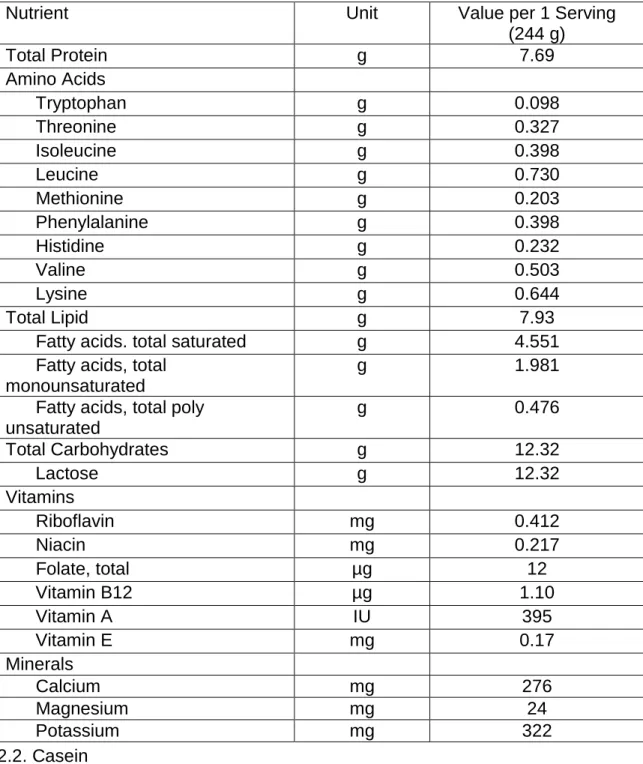
Table 1: Nutrition composition of 1 serving size of whole milk in Standard
Reference 28 (USDA, 2015). ... 4 Table 2: Amounts of SMP, Chelator and Deionized water in each
experimental sample. ... 23 Table 3: Composition of caseinate samples. ... 24 Table 4: Mean value, standard deviation and 95% confidence interval of
foamability. ... 32 Table 5: Mean value, standard deviation and 95% confidence interval of foam stability. ... 35 Table 6: Tukey’s HSD test result for the foam stability within the chelated
LIST OF FIGURES
Figure 1: Model of casein micelle proposed by Walstra et. al. (2006) ... 6
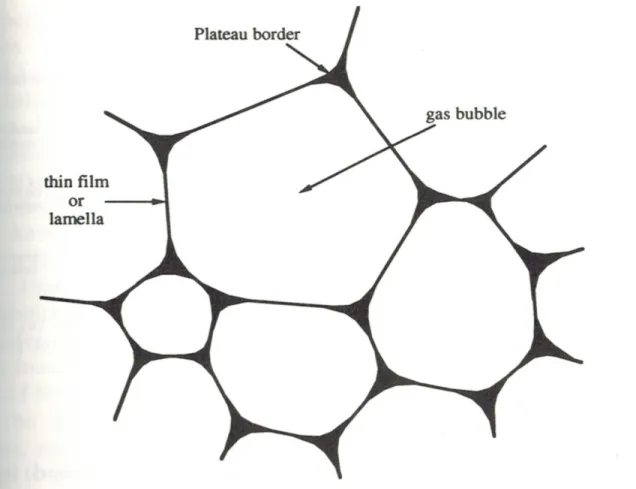
Figure 2: Diagram of the structure of foam bubbles proposed by Wilde and Clark (1996). ... 10
Figure 3: Mechanisms of different foams proposed by Wilde and Clark (1996). 11 Figure 4: Photomicrograph of foam-spray dried milk powder particles by Haranhan et al. (1962) ... 12
Figure 5: Flow diagram of experimental design. ... 25
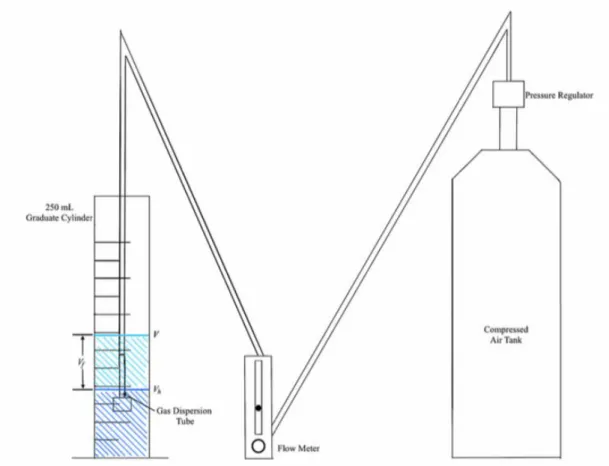
Figure 6: Experimental Setup for Foamability Test. ... 27
Figure 7: Actual experimental setup for foamability. ... 28
Figure 8: Histogram of Foamability of Reconstituted SMP chelated by TSC and SHMP in the levels of 1 mEq, 50 mEq, and 100 mEq. ... 34
CHAPTER 1: INTRODUCTION
Milk foam has been playing an important role in texture development in ice-cream, mousse, whipped topping, meringues as well as coffee (Sharma et al., 2012). With that being noticed, the market sees an increase in the use of foaming properties of milk. Research on the foaming properties date back to the early 20th century, but it was not until the middle of 20th century that this topic attracted people’s interests due to the invention and implementing of vacuum drying in milk production; more attention has been paid to this subject because of the expanding market of espresso-style beverages (Huppertz, 2010).
The foaming properties, which includes foamability and foam stability, of milk solution, are determined by a wide variety of factors. Those factors are categorized into intrinsic and extrinsic factors; intrinsic factors include the size of the protein, the hydrophobicity, protein structure flexibility, and extrinsic factors are the surface tension, surface viscosity, surface diffusion and thin film drainage (Wilde and Clark, 1996). Other influential elements were summarized as foaming conditions; i.e., foaming temperature, pH of the milk, heat treatment, mineral balance, concentration, proteolysis, and appearance of lipids (Huppertz, 2010). Only a limited amount of research has been done for the examination how chelating reactions in milk will change the foaming properties. Kamath et al. (2011) compared chelated reconstituted skim milk by between trisodium
samples at certain temperatures. The comparison of chelated milk and caseinate solutions remained to be examined.
The food industry benefits from caseinate powders because of their good foaming properties. However, the cost of production, limited availability along with other disadvantages restricted its usage. β-casein in milk is considered as a good material for milk foaming (Fox and McSweeney, 2015). Wilde and Clark (1996) indicated that shelf-life of milk prevented its wide application, while skim milk powder has a much longer storage time due to its low fat and water content. The above opinions see the needs of more studies in the foaming properties of reconstituted skim milk for the replacement of caseinates. With the contradictions on the foaming properties of past research, lack of studies in the comparisons between chelated SMP and caseinates, as well as insufficient studies in the preferential locations of αs-casein, β-casein, and 𝜅-casein, more research on the foaming properties of chelated milk should be conducted.
CHAPTER 2: LITERATURE REVIEW 2.1. Milk
Table 1: Nutrition composition of 1 serving size of whole milk in Standard Reference 28 (USDA, 2015).
Nutrient Unit Value per 1 Serving
(244 g)
Total Protein g 7.69
Amino Acids
Tryptophan g 0.098
Threonine g 0.327
Isoleucine g 0.398
Leucine g 0.730
Methionine g 0.203
Phenylalanine g 0.398
Histidine g 0.232
Valine g 0.503
Lysine g 0.644
Total Lipid g 7.93
Fatty acids. total saturated g 4.551
Fatty acids, total monounsaturated
g 1.981
Fatty acids, total poly unsaturated
g 0.476
Total Carbohydrates g 12.32
Lactose g 12.32
Vitamins
Riboflavin mg 0.412
Niacin mg 0.217
Folate, total µg 12
Vitamin B12 µg 1.10
Vitamin A IU 395
Vitamin E mg 0.17
Minerals
Calcium mg 276
Magnesium mg 24
Potassium mg 322
2.2. Casein
2.2.1 Casein Structure
Swaisgood (1993), there are three structures of casein, where the primary structure helped researchers to determine the appearance of αs1-casein, αs2-casein, β-casein and 𝜅-casein, researches of secondary structure suggested the potential existence of structural motifs, and its tertiary structure indicated that the hydrophobic domains of the caseins may interact with their secondary structure. 2.2.2 Casein Models
Phadungath (2005) summarized the three major types of casein models, which are the coat-core model, internal structure model and subunit model, which is also known as submicelle model. A large casein component is called a casein micelle which is made up of various caseins. Figure 1 is a sketch of a casein micelle. In the subunit model proposed by Walstra et al. (2006), each submicelle contains between 20 and 25 casein molecules; some submicelles may contain 0 to 2 𝜅-caseins (shown as protruding chains), which shows affinity to water
molecules, but about an equal amount of αs-caseins and β-caseins.
The casein submicelles are held together by the hydrophobic forces between αs-caseins and β-caseins (Walstra et. al, 2006). Horne (2006) pointed out that calcium phosphate is responsible for binding the submicelles together in the milk system. Therefore, the addition of calcium chelating salts into the milk system is expected to take the calcium away and the casein micelle will be broken down into casein submicelles. Zhao and Corredig (2016) claimed that chelators are able to disrupt the structure of casein micelles and in turn the
can be foamed easily while its foam stability is limited because of the thick lamella (Fox and McSweeney, 2003).
Figure 1: Model of casein micelle proposed by Walstra et. al. (2006) 2.2.3 Interfacial Properties of Casein
The interfacial properties of casein have been widely studied because of its benefits in the functionalities in the food and dairy products applications. According to Dickinson (1999), research on the major components of the
interfacial materials, which are αs1-casein and β-casein, are worthy to be studied because such studies are helpful in finding the relationship between
experiment conducted by Maldonado-Valderrama et al. (2008), the behavior of milk foams is greatly influenced by the viscoelastic properties of β-casein. 2.2.4 Other Uses of Casein
Not only the food industry values the functions of casein, it has been adjusted for other purposes as well. It was reported that in countries with long history, like Greece, Egypt, Rome and China, casein had been used by
craftsmen in making handcrafts for a long time (Sutermeister, 1939). Fox and McSweeney (2003) also mentioned casein in industrial uses like paints making, leather coating as well as rubber manufacturing. The peptides derived through enzymatic hydrolysis, hydrolysis during microbial fermentation, hydrolysis using enzymes obtained from microorganisms as well as hydrolysis during
gastrointestinal digestion can be used in the area of mineral supplementation and antimicrobial peptides (Phelan et al., 2009)
2.3. Caseinates
2.3.1. Composition of Caseinate
carbonate solutions. Potassium caseinate appeared to have similar composition compared to sodium caseinate prepared from bicarbonate solutions. β-casein and 𝜅-casein contents in calcium caseinate were relatively high.
2.3.2. Manufacture of Caseinate
To manufacture caseinates, acidified casein is dewatered and then dissolved in alkali, then the solution is spray dried with a final product of pH 6.7 (Roginski, 2003). For example, the manufacture of potassium caseinate or ammonium caseinate can be fulfilled by the addition of potassium hydroxide or ammonium hydroxide (Fox, 1989).
2.3.3. Disadvantages of Caseinates
Caseinates are usually taken advantage in the dairy industry because of high solubility. On the contrary, the disadvantage of it is the high processing cost due to its high viscosity because the caseinate solution can only go up to 20% concentration before the spray drying process (Fox et al., 2015).
Based on research by Cayen and Baker (1963), large variations of flavor profiles have been detected in sodium caseinates manufactured by different companies; unpleasant properties such as gluey, bitter and oily tastes were also observed.
2.3.4 Foaming Properties of Caseinates
Wagner’s (2007) study showed that the increasing concentration of sodium caseinate solution comes with an increasing foamability, and their exploration on the foaming properties of caseinates led to another conclusion that Quick Scan method is suggested for the examinations of foams with high concentrations. Another study indicated that foamability was determined by surface tension and pH, while foam stability was influenced by molecular structure and various aggregation behaviors (Marinova et al., 2009). It was also pointed out that foam stability of caseinate solutions correlated with the equilibrium surface pressure, and no coalescence was observed in solutions with low caseinate concentrations (Sánchez and Patino, 2005).
2.4. Foaming
2.4.1. Foaming Principles
Figure 2: Diagram of the structure of foam bubbles proposed by Wilde and Clark (1996).
The foaming behaviors of foams generated by surfactants and proteins appeared to be different; surfactants-based foams are formed by Marangoni effect where free surfactants will actively replace the diffused ones in the foam, while the proteins will adsorb at the air-water interface with electrostatic,
properties as well as the proportions of the small-molecule surfactants (Rouimi et al., 2005).
Figure 3: Mechanisms of different foams proposed by Wilde and Clark (1996). According to Fox et al. (2003), there are three phases for protein film to generate. In the first phase, the proteins are transported to the air-water interface through convection, diffusion, or a combination of these two. The second phase is caused by the electrical charges in the system and the composition of the proteins, specifically the amino acids, is the dominant factor behind it;
Milk foam was studied in other forms as well. It had been proved long time ago that milk powder dehydrated through spray drying showed great dispersibility (Hanrahan et al., 1962). A diagram below suggested the particle image of foam-spray dried milk powder. The above conclusions were later proved by Berlin et al. (1969) with studies on the water vapor sorption of foam-spray-dried whole milk.
2.4.2. Milk Foam Composition
Protein is considered to be excellent foaming agents based on their good adsorption toward the air-water interface, properties of steric stabilization and electrostatic stabilization, and their tendency to form structural coherence
(Murray, 2007). It has been proved the that the major composition of milk foam is casein (Kamath et al., 2011).
The above results matched the theory proposed by Fox et al. (2015), that the properties of casein to be an excellent absorbent of air-water due to its open structure, high proportion of apolar amino acid residues and uneven distribution of amino acids. Besides that, β-casein is the dominant component which has a balanced hydrophilic and hydrophobic properties. On the perspective of foam stability, it is determined by the electric charges, the drainage, and
disproportionation of air bubbles. Such factors influence each other and change the system. For example, the electric charge can be altered by the change of pH. On the isoelectric point, protein will show better hydrophobicity which leading to a better foam stability. Meanwhile, loss of protein hydrophilicity decreases the viscosity of the solution, in which case the foam stability will increase. In the end, there will be more drainage that destabilizes the air-water interface.
2.4.3. Factors Influencing the Foaming Properties of Milk
consists the extrinsic properties (Wilde and Clark, 1996). However, based on the research conducted in the past few years, other properties of the system have been proved to be influential as well (Huppertz, 2010).
2.4.4. Influence of Electric Charges on the Foaming Properties of Milk An experiment was conducted by Marinova et al. (2009), where
researchers adjusted the environment of the solution. Whey protein and sodium caseinate were added into the system, and it was concluded that the ionic strength is directly proportional to the solution foamability. It was proved that sodium caseinate solutions showed the lowest foamability, while whey protein solutions expressed their best foamability.
An investigation carried out by Kamath (2011) concluded that this air-serum interface consists of both casein and whey, which disagrees with Mohanty et al. (1988)’s point. Other experiments have been done and proved Marinova’s other finding that a high surface elasticity is necessary to sustain the foam for a longer time (Rouimi et al., 2004).
2.4.5. Influences of Temperature on Milk Foaming Properties
2.4.6. Influences of Oil on Milk Foaming Properties
Kamath and Deeth (2005) ended the prediction that all oil tends to inhibit milk foaming but olive oil improved the foaming process in their experiment. Pilhofer et al. (1994) conducted an experiment in order to examine the behaviors of foamed vegetable oil, milk fat and milk fat fractions, and the result suggested that compared to other kinds of lipids, vegetable oils yielded the lowest drainage while emulsified milk fat was considered to have bad foam stability.
The reason of low stability of emulsified milk fat foam was proposed to be associated with the crystallization activities, and lipid particles were considered to destabilize the air-water interface by penetration the thin films between the air bubbles (Kamath et al.,2008). On the contrary, when foaming temperature was increased above 45ºC, milk fat begins to lose their crystalline state, thus less negative impact on foam stability was observed. However, during the test of half-life, the temperature of the air-water interface would start to drop back to the room temperature where the fat recrystallized within lamella and plateau borders. The researcher considered the recrystallization of milk fat at the air-water
interface as a stabilization factor of milk foams. 2.4.7. Milk Foaming Methods
Kamath et al. (2011) tested foamability by checking how many millimeters of foam they could achieve out of 50 millimeters of sample solution with an air-injection method Foam stability was measured by recording the time it takes for the foam to reduce to half of its original volume.
The reliability of whipping method combined with overrun and drainage measurement was examined with sodium caseinate, milk protein isolate and whey protein samples. It turned out that the method is simple and capable of detecting differences of foaming properties between the three treatments (Phillips et al., 1987).
2.4.8. Milk Foam Stability
Rather than testing the half-life that the foam collapse, Rouimi et al. (2004) used K-12 tensiometer from Krüss to determine the surface tension of the air-liquid interface. This is identical to Damodaran et al. (1997) ’s test method. The maximum bubble pressure tells the strength of the bonds between the protein and the interface. Foam stability was also explained by stratification
2.5. Chelators 2.5.1. Functions
While in milk, chelators are used to remove calcium from solution phase. Calcium phosphate is the compound that binds casein submicelles. Once the calcium is taken out from the system by chelating agents, the submicelles will fall apart. As a consequence, the separated casein submicelles will exist in the liquid as serum caseins. Also, chelators are often used to improve heat stability and increase viscosity in milk (Kort, 2012). Common chelators used in milk are sodium phosphate, polyphosphates, and citrates.
2.5.2. Influences of Chelators on Dairy Products
2.5.3. Influence of Calcium Chelating Salts on the Foaming Properties
β-casein is considered to be more surface active compared with intact casein micelles (Zhang and Goff, 2004). Moreover, adding calcium chelating salts was proved to have the effects of increasing the adsorption of β-casein (Walstra, 1990). However, the experimental results showed that the addition of citrate neither had enhancing effects on the foamability of reconstituted skim milk, nor changed the foam stability under 5 ºC, 25 ºC and 85ºC; chelated
samples showed low foam stability at 45 ºC and 65ºC (Kamath, 2011). However, the conclusion contradicted with other research when whipping or steam-frothing foaming methods were applied; improvements of foamability and foam stability were contributed from the disassociation of casein micelles (Augustin and Clarke, 2008).
2.6. Rationale, Objective and Hypothesis
On the perspective foaming properties of chelated milk, various
conclusions have been drawn from different researchers, as some concluded that no changes in foamability can be resulted from the addition of chelators, and foam stability is decreased in this case due the disruption of casein micelles at certain temperatures (Kamath, 2011). On the contrary, the disruption of casein micelles caused by citrates is concluded to be responsible for the improvement of foamability and foam stability, as well as the shift of preferential location of β-casein from the serum phase to the air-water interface (Augustin et al., 2008).
αs-casein, β-αs-casein, and 𝜅-casein of reconstituted SMP. Furthermore, such aspects will be compared with those of sodium caseinate, potassium caseinate, and calcium caseinate.
CHAPTER 3: MATERIALS AND METHODS 3.1. Chemicals and Ingredients
3.1.1. Skim Milk Powder
The skim milk powder (SMP), made from pasteurized milk with low heat treatment spray drying process, was provided by Fonterra, New Zealand. According to the manufacturer, this ingredient has a composition of 54.1% lactose, 33.4% protein, 7.9% minerals, 3.8% moisture and 0.8% fat. 3.1.2. Sodium Caseinate
The sodium caseinate powder was obtained from Erie Foods International, Inc. (Erie, Illinois). According to the manufacturer, this ingredient has a
composition of 94.1% protein, and 4.1% moisture. 3.1.3. Potassium Caseinate
The potassium caseinate was also provided by Erie Foods International, Inc. (Erie, Illinois). According to the manufacturer, this ingredient has a
composition of 97.4% protein and 4.9% moisture. 3.1.4. Calcium Caseinate
The calcium casein was obtained from Erie Foods International, Inc. (Erie, Illinois). According to the manufacturer, this ingredient has a composition of 94.4% protein and 3.7% moisture.
3.1.5. Sodium Citrate Dihydrate
3.1.6. Sodium Hexametaphosphate
The sodium hexametaphosphate powder was obtained from ICL Performance Products LP (St. Louis, MO). According to this company, the composition of this ingredient was P2O5 between 62.8% and 64.5% and 0.05% insoluble.
3.1.7. Hydrochloride Acid
1 N hydrochloride acid (HCl) was purchased from Fisher Scientific (Waltham, MA).
3.2. Standardization
The milk was reconstituted at a 10% weight by weight concentration. The concentration of caseinate solution was adjusted based on their specifications so that the all the samples will have the same casein level. The casein content of 10% SMP was determined first with a Rapid Method for Determination of Milk Casein Content by Infrared Analysis (Barbano and Dellavalle, 1987) with certain modifications. Detailed procedures are described below:
1. 150 grams of reconstituted SMP were made with the addition of 15 grams of SMP into 135 grams of deionized water. The
solution was mixed with a stirring bar under room temperature for 30 minutes.
3. 100 mL of the solution were transferred into a glass beaker for casein quantification. The solution was placed in a water bath at 40ºC for 10 minutes.
4. pH of the heated milk was adjusted to 4.6 with 8M phosphoric acid.
5. The solution was swirled gently and then heated at 40ºC for another 10 minutes.
6. The product was filtered through a Whatman #1 filter paper (Catalog Number: 1541-150, GE Healthcare Life Sciences), and only the filtrate was kept.
7. The filtrate was then purified with a Whatman #42 filter paper (Catalog Number: 1442-110). A clear solution was achieved at this step.
8. 25 mL of the clear solution was then heated to 40ºC for FOSS Milkoscan FT™ 2 (Eden Prairie, MN) testing.
9. The concentration of casein in the original solution was calculated by the difference of total protein level in the 2 solutions.
3.3. Sample Preparation 3.3.1. Chelated SMP Samples
microorganism growth. Chelators, which are SHMP and TSC were added in various amounts and mixed for another 30 minutes. Detailed amounts of
ingredients needed are stated in the Table 2. The samples were then stored in a refrigerator set at 4ºC overnight to ensure an entire chelation process. The next morning, samples were warmed back to room temperature. pH was adjusted between 6.65 and 6.70 with the addition of 1N hydrochloride acid drop-wise. The pH was monitored with a pH meter (Orion 2 Star, Thermo Scientific). The
samples were stirred for 1 hour so that the system reaches equilibrium. pH was checked and adjusted if necessary at this point.
Table 2: Amounts of SMP, Chelator and Deionized water in each experimental sample.
Chelators SMP (g) Chelator (g) Deionized Water
1 mEq TSC 6.0 0.0222 53.9478
50 mEq TSC 6.0 1.0998 52.8702
100 mEq TSC 6.0 2.2002 51.5676
1 mEq SHMP 6.0 0.0054 53.9646
50 mEq SHMP 6.0 0.2580 53.7120
100 mEq SHMP 6.0 0.5160 53.4540
3.3.2. Caseinate Samples
adjustment procedure was the same as above. Samples were prepared on the day of the test.
Table 3: Composition of caseinate samples.
3.4. Experimental Design and Analysis
The aim of this experiment was to compare the foamability, foam stability and foam composition of chelated 10% (Wt/Wt) reconstituted SMP and
reconstituted caseinate solutions. The null hypothesis was that there is no detectable difference in foamability, foam stability and foam composition across all treatments. The 9 treatments in this experiment, containing 6 reconstituted SMP treatments treated with a combination of chelator types (TSC or SHMP) and chelator levels (1 mEq, 50 mEq and 100 mEq). Such treatments are compared with reconstituted sodium caseinate, potassium caseinate, and calcium
caseinate. There were 5 replicates for each treatment in the foamability and foam stability test, and 3 replicate for each treatment for the foam composition test. The experimental design is summarized in Figure 5. All experimental units were prepared and conducted with a randomized order structured with JMPⓇsoftware. The retrieved data was analyzed through Analysis of Variance (ANOVA). Each explanatory variable was treated individually and neither factorial design nor blocking factor was used because caseinates were categorized differently
Caseinates (g) Deionized Water (g)
Sodium Caseinate 1.7662 50.7075
Potassium Caseinate 1.7064 50.7674
compared to TSC and SHMP treatments. Tukey’s HSD test was conducted once a significant p-value was detected in order to compare treatments’ outputs.
Figure 5: Flow diagram of experimental design. 3.5. Foamability
EW-32460-40, Cole-Parmer) was used to monitor and control the flow rate at 0.3 LPM. The pressure gauge controlled the air pressure between 0.34 and 0.40 psi. A compressed air tank worked as the air supply. A filter tube with 10 MM
diameter and type C porosity size (Item Number: 7200-26, Ace Glass) was responsible for forming small bubbles that in the end generate the foam. A diagram of the experimental setup is seen below (Figure 6). The actual experimental setup for foamability test is shown in Figure 7.
Foamability was expressed as the volume of foam generated after 18 seconds of air injection and can be calculated by the equation below:
Vf = V – Vh
Figure 6: Experimental Setup for Foamability Test.
3.6. Foam Stability
Figure 7: Actual experimental setup for foamability.
3.7. Gel Electrophoresis
Mini-PROTEINⓇ TGX™ PreCast Gels with 12% Acrylamide (Catalog Number: 4561043DC, Bio-Rad) were mounted into the Mini-PROTEIN® 2 Cell. A premixed 10x Tris buffer (Catalog Number: Bio-Rad) was diluted 10 times and poured into the cell. The gel mount was filled first to detect possible leakage. The device was then connected to the power supply (PAC 300, Bio-Rad) and run at 150V for 10 minutes. After power disconnection, 1 μl of the samples was loaded into wells 1 through 9 and 10 ul of the Precision Plus Protein™ Standards
(Catalog Number: 161-0373) was loaded on well 10. The cell was then reconnected to the power supply and conducted at 150V for 30 minutes.
Then, the gel was removed and placed in Coomassie Brilliant Blue R-250 (Catalog Number: 20278, Fisher Scientific) overnight. On the next day, the gel was rinsed with deionized water for four times and soaked in the destain solution for one hour. The process was repeated until a clear background showed up. Gels were stored in the deionized water.
CHAPTER 4: RESULTS AND DISCUSSIONS 4.1. Foamability
Past research showed that the foamability of milk was associated with the protein particle size (Wilde and Clark, 1996). In this study, skim milk powders treated with higher amount of calcium chelating salts were expected to have better foamability. However, there was no significant difference detected in the foamability of 1 mEq SHMP, 50 mEq SHMP, 100 mEq SHMP, 1 mEq TSC, 50 mEq TSC, 100 mEq TSC, treated SMP, sodium caseinate, potassium caseinate, and calcium caseinate (p-value = 0.5301). Because of the large p-value, it was not necessary to run the post-hoc test because there are no significant
differences between the treatments due to the large overall p-value. The
histogram below showed that higher concentration of calcium chelating salts did not necessarily lead to better foamability. The mean foamability, standard
deviation, and 95% confidence interval was shown in Table 4.
The expectation of this experiment was that, the addition of TSC and SHMP would improve the foaming properties of reconstituted SMP. According to previous studies, caseins should be more available for the air-water interface with the appearance of calcium chelating salts (Augustin and Clarke, 2008). Kamath et al. (2011), also stated that calcium-chelating agents would enhance the adsorption of β-casein to the air-water interface. Sodium caseinate
results can be predicted because caseinate solutions have been shown to have good foaming properties (Monhanty et al., 1988) and chelated SMP will have better foamability compared to non-chelated SMP samples (Augustin et al., 2008). These results suggest that the addition of calcium chelating salts increased the foamability of reconstituted SMP. This may be due to the dissociation of casein micelles under the influence of calcium chelating salts, making αs-casein and β-casein more available for the air-water interface.
However, the SMP samples treated with higher amount of calcium chelating salts were expected to have better foaming properties compared to the ones treated with 1 mEq. The output of the analysis could not confirm the assumption. A large variance of foamability within the same treatment caused a violation of the equal variance assumption which could be the factor that led to the failure of detecting possible significant differences.
Based on the statistical analysis, it turned out that the difference between the highest and the lowest means should be at least 17.5260 in order to achieve a significant p-value with the current root mean square error of 6.5192.
Due to the lack of comparison with a control reconstituted SMP treatment, I established another experiment to examine the foamability and foam stability of non-treated SMP, as well as micellar casein solutions. The SMP control
of the samples were completed through JMPⓇ. Foamability of each replicate is
shown on Appendix 8. The mean foamability of control SMP is 102.667 mL. On average, 94.000 mL of foam generated out of 50 mL of micellar casein solution. The 2-sample t-test analysis result showed that the foamability of the control SMP treatment is significantly better compared to the micellar casein solutions (p-value < 0.05). Detailed statistical analysis by Minitab ExpressⓇ is shown on
Appendix 9. The difference can be explained by some unique factors of micellar casein solutions. Besides, whey protein was proved to be constituting around 20% in total protein level of the foam by Kamath et al. (2011) and this study. Both micellar casein and caseinate treatments do not contain any whey protein. Since casein in this solution existed as a whole micelle form, the size of the protein is too large, making it more difficult to be transported to the air-water interface. This matched with Wilde and Clark (1996)’s opinion that proteins in smaller sizes are more optimistic for foamability. Also, the surface-active caseins are trapped in the internal parts of the casein micelle based on the casein submicelle model
(Phadungath, 2005). This prohibited those proteins to express their interfacial properties. Due to the disruption of casein micelles with chelators or acidification process during production, this may also have explained the reason that the mean foamability of micellar caseins is smaller when compared with caseinates and chelated SMP. However, since these are two separate experiments,
statistical comparisons cannot be conducted.
Table 4: Mean value, standard deviation and 95% confidence interval of foamability.
Factors Mean Standard
Error
Foamability (mL)
Calcium Caseinate 96.6 3.20 (90.687, 102.513) Potassium Caseinate 103.8 3.89 (97.887, 109.713) Sodium Caseinate 102.6 5.02 (96.687, 108.513)
1 mEq SHMP 105.4 0.51 (99.4871, 111.3129)
50 mEq SHMP 106.6 2.60 (100.687, 112.513)
100 mEq SHMP 102.4 0.75 (96.4871, 108.3129)
1 mEq TSC 102.8 0.86 (96.8871, 108.7129)
50 mEq TSC 102.6 3.87 (96.687, 108.513)
100 mEq TSC 102.6 1.63 (96.687, 108. 513)
4.2. Effects of Calcium Chelating Salts on Foamability
Figure 8: Histogram of Foamability of Reconstituted SMP chelated by TSC and SHMP in the levels of 1 mEq, 50 mEq, and 100 mEq.
A maximum difference in mean of 11.76 is needed to detect significant differences based on root mean square error of 4.649373. The study published by Kamath et al. (2011) showed that the difference in foamability between the chelated SMP with 5mM TSC and the control sample is close to 11.76. Such comparisons may suggest that if standard deviations are controlled to a degree around 1.7, or larger differences were observed in the mean differences between the treatments, it is very likely for us to obtain a significant p-value.
4.3. Foam stability
0.0001). Tukey's HSD was conducted in order to detect the differences between the samples. It appeared that samples treated with the least amounts of calcium chelating salts (1 mEq SHMP and 1 mEq TSC) showed the best foaming
properties. However, there were no significant differences detected between these two treatments. On the other hand, the rest of the treatments had
significant lower foam stability compared to 1 mEq SHMP and 1 mEq TSC, but there were no significant differences between these two treatments. The mean foam stability, standard deviation and 95% confidence interval are shown in Table 5.
Table 5: Mean value, standard deviation and 95% confidence interval of foam stability.
Factor N Mean
Foam Stability (min.) Standard Error 95% Confidence Interval Calcium Caseinateb
5 3.4000 0.24 (-0.4906 , 7.2906)
Potassium Caseinateb
5 11.200 1.43 (7.309, 15.091)
Sodium Caseinateb
5 3.4000 0.24 (-0.4906, 7.2906)
1 mEq SHMPa 5 64.000 2.65 (60.109, 67.891)
50 mEq SHMPb 5 9.000 0.63 (5.1094, 12.8906)
100 mEq SHMPb 5 9.2000 0.80 (5.3094, 13.0906)
1 mEq TSCa 5 52.200 4.58 (48.309, 56.091)
50 mEq TSCb 5 10.2000 0.97 (6.3094, 14.0906)
100 mEq TSCb 5 10.200 1.02 (6.309, 14.091)
* Samples sharing the same letter do not have a statistically significant difference in foam staibility.
β-casein would have less capability to aggregate on the interface. Huppertz (2010) summarized the past works and determined that calcium chelators would actually improve the foamability. The above standpoints contradicted each other. Based on the analysis of this experiment, SMP samples with 1 mEq chelator
concentration had the best foam stability among all the chelated treatments, and was significantly better compared to other treatments. The addition of large amounts of SMP seemed to decrease the foamability. This study confirmed with the opinion that the addition of calcium chelating salts can decrease the foam stability. This result matched with Kamath et al.’s (2011) opinion but contradicted with Augustin et al.’s (2008) findings. The variances might be caused by the different sample preparations, foaming methods and possibly other factors. In Augustin et al.’s (2008) experiment, the calcium chelating salts were added prior to the spray drying process while in this experiment, calcium chelating salts were added right after the SMP reconstitution process. Other than that, those
caseinate solutions had very low foam stability and contradicted with Mohanty et al.’s (1988) experimental result. However, pH of caseinate solution was adjusted to different levels. Wilde and Clark (1996) pointed out that the electric charges in the sample environment play an important role in determining foam stability. 4.4. Effects of Calcium Chelating Salts on Foam Stability
Another ANOVA statistical test was conducted to examine the chelated samples alone for foam stability. The chelator type, their levels and the
along with these two main effects. Examining the interaction is important because a significant interaction represents the simultaneous influence of two variables. The overall p-value of this analysis was less than 0.0001, indicating that significant differences in foam stability existed within the six treatments. Hence, the individual test effects were examined. The results showed that the interaction between the chelator type and chelator level had a p-value of 0.0118. There is strong evidence to convince us that the combination of chelator type and chelator level had resulted in significant differences in the foam stability. The mean half-life of each treatment is shown in Figure 9. In this scenario, it is not necessary for us to look at the main effects.
Figure 9: Histogram of Foam Stability of Reconstituted SMP chelated by TSC and SHMP in the levels of 1 mEq, 50 mEq, and 100 mEq.
reconstituted SMP treated with 1 mEq SHMP samples had significantly stronger foam stability than those treated with 1 mEq TSC. 1 mEq TSC samples had significant stronger foamability compared to the rest of the treatments. No significant differences in foamability were detected within the treatments of 50 mEq TSC, 100 mEq TSC, 50 mEq SHMP and 100 mEq SHMP. It also appears that the samples treated with higher levels of calcium chelating salts had lower foam stability. This result matched with Kamath et al. (2011) ’s conclusion that the addition of chelators would lead to a decrease in foam stability. The reason can be explained by Walstra (1990) ’s theory that casein micelles will lose stability when being turned into submicelles by taking away the calcium
phosphates out of the casein micelles, which worked as bonds that hold casein submicelles together.
Table 6:Tukey’s HSD test result for the foam stability within the chelated treatments.
Chelator Type Level (mEq) Least Square Mean (min.)
SHMP 1 64.00a
TSC 1 52.20b
TSC 50 10.20c
TSC 100 10.20c
SHMP 100 9.20c
SHMP 50 9.00c
The high mean half-life values shown in 1 mEq TSC and SHMP
treatments and low stability in treatments with high amounts of chelators can be resulted from 2 possible reasons. For the first possibility, 1 mEq could be the special chelator concentration to improve foam stability. On the other hand, the addition of calcium chelating salts can only destabilize the foam stability but due to the lack of control SMP treatment, this possibility can not be explored. In the experiment to compare the foam stability between non-treated SMP and micellar casein, non-treated SMP has a mean half-life of 31.5 minutes while foams of micellar casein totally collapsed within 1 minute. Foam stability of non-chelated SMP is significantly higher than the micellar casein solutions (p-value < 0.05). Statistical analysis Minitab ExpressⓇ is shown on Appendix 10. Although the
mean half-life of control SMP is higher than the 50 mEq and 100 mEq chelated SMP treatments, it still appeared to be lower than the 1 mEq treatments by
around 20 minutes, suggesting that the addition of 1 mEq concentration of SHMP or TSC improved the foam stability. The result partially supported the opinions from Augustin et al. (2008), where they mentioned that a disruption of casein micelles and release of β-casein can improve the foam stability. The zero half-life of micellar casein based foam can also explain by their theory. The bubble
coalescence and disproportionation mechanisms can be detected visually in micellar casein foams, where the lamella was breaking and bubbles were
This is possibly why SMP treated with 50 mEq and 100 mEq chelators showed low foam stability. However, since these are two separated experiments, statistical analysis cannot be conducted.
4.5. Foam Composition
Kamath et al. (2011), analysis of the foam composition of reconstituted SMP across several temperatures showed that the foam consisted of around 40% αs-casein, 30% β-casein, 10% 𝜅-casein, 15% β- lactoglobulin, and 5%
α-lactalbumin. However, the researchers did not examine the foam composition of the chelated samples. According to the theory proposed by Augustin et al.
(2008), calcium chelating salts are able to dissociate casein micelles and release casein submicelles into the serum. The protein content in the foam was assumed to be higher. The protein composition was expressed as the percentage of
To statistically analyze the preferential locations of the αs-casein,
Table 7: Protein Distribution in the Original Solution and the Foam Fraction.
* TSC-1: 1 mEq TSC; TSC-2: 50 mEq TSC; TSC-3: 100 mEq TSC; SHMP-1: 1 mEq SHMP; SHMP-2: 50 mEq SHMP; SHMP-3: 100 mEq SHMP; Na-cas: sodium caseinate; K-cas: potassium caseinate; Ca-cas: calcium caseinate.
αs-casein β-casein 𝜅-casein β-lactoglobulin α-lactalbumin
TSC-1 Liquid 37.50±1.34 35.53±1.03 1.22±0.68 9.29±1.05 1.93±1.23
Foam 38.15±1.78 33.88±2.15 0.74±0.65 8.24±2.14 2.60±2.03
TSC-2 Liquid 35.93±2.27 34.48±1.78 0.75±0.63 9.90±1.70 5.89±1.14
Foam 35.44±1.74 32.42±1.18 1.39±0.96 10.47±2.14 3.86±1.33
TSC-3 Liquid 32.61±0.17 30.05±1.65 1.31±1.03 13.82±0.04 7.05±0.47
Foam 32.03±0.85 31.64±1.02 1.67±0.61 12.82±0.56 5.70±0.73 SHMP-1 Liquid 35.65±2.14 33.86±2.03 0.54±0.39 11.32±2.33 4.26±2.22 Foam 33.91±2.44 32.97±3.08 1.07±0.80 11.37±3.90 5.06±3.10 SHMP-2 Liquid 33.41±3.39 33.09±3.39 1.25±1.49 13.11±2.33 5.41±1.98 Foam 32.92±3.48 31.91±3.30 1.25±0.70 12.97±4.84 4.21±2.01 SHMP-3 Liquid 34.80±1.67 34.40±1.81 2.94±1.45 10.93±1.13 3.83±0.32 Foam 35.32±2.63 30.95±2.58 1.26±0.41 11.25±4.08 5.72±2.25
Na-Cas Liquid 38.58±3.31 36.26±3.64 1.62±0.33 ND ND
Foam 36.08±6.94 38.77±0.72 1.40±1.19 ND ND
K-Cas Liquid 36.09±1.37 36.46±2.16 4.17±0.21 ND ND
Foam 38.79±1.71 38.75±3.13 1.79±1.16 ND ND
Ca-Cas Liquid 39.89±4.34 37.62±2.85 2.56±1.58 ND ND
4.5.1. αs-casein
As has been studied by Creamer et al. (1982), αs-casein showed
hydrophobicity. Hence, it was expected that there would be more αs-casein in the milk foam because of its hydrophobicity property. In order to detect the
preferential locations of αs-casein in all treatments, ANOVA was conducted. The overall p-value of this test is 0.7580. There is not enough evidence for us to detect significant differences between the treatments. The result helped us to conclude that there is no preferential location for the αs-casein at the foam. 4.5.2. β-casein
The null hypothesis of this test is that there are no detectable significant differences on the preferential locations of β-casein while the alternative
hypothesis is that significant differences of β-casein preferential locations between the nine treatments. Based on the studies fulfilled by Lin et al. (1972), the addition of calcium chelating salts is able to release β-casein into the serum. In this case, an increase in the amount of surface active β-casein can be
expected in the milk foam (Kamath, 2011). In this scenario, β-casein should be more located in the milk foam, and the case will be apparent in the reconstituted SMP samples treated with higher levels of chelators. The overall p-value of the ANOVA to examine β-casein content is 0.2196. There was not sufficient
evidence to convince us that there are significant differences between the treatments in the preferential locations of β-casein among the treatments. Null hypothesis of this test is accepted. It appeared that no differences in the
release of β-casein from the micelles into the serum did not make more β-casein adsorb to the air-water interface. The situation may be resulted from the case that β-caseins released by calcium chelating salts have smaller particle sizes and it make it hard to β-caseins to aggregate on the interface (Walstra, 1990).
4.5.3. 𝜅-casein
The preferential locations of 𝜅-casein were expected to be the same since no treatments in this experiment were intended to change any properties of it. And this have been proved by the result of ANOVA with an insignificant p-value of 0.1388. The conclusion is that there were no significant differences in the 𝜅 -casein preferential locations in the treatments. Its preferential locations remained to be the same either the treatments were caseinate solutions or the chelated reconstituted SMP.
4.6. Overall Discussion
In conclusion, there is no significant difference detected in foamability between the caseinate solutions and the chelated reconstituted SMP treatments. According to Monhanty et al. (1988), caseinate solutions are believed to have good foaming properties, and the results of the current study may suggest that the addition of calcium chelating salts can boost the foamability of reconstituted SMP.
caseinates would have very low mean foam stability. These results were in contrast to previous studies (Marinova et al., 2009). One explanation of the inconsistent results can be the differences of the viscosity because the caseinate solutions were prepared at different protein concentrations than the SMP
solutions.
Other than the aspects stated above, the preferential locations of the αs-casein, β-αs-casein, and 𝜅-casein remained to be the same despite the treatments. Although the addition of calcium chelating salts was able to release β-caseins (Lin, 1972), they did not result in a larger amount of β-casein attached to the air-water interface.
In conclusion, the addition of calcium chelating salts may boost the
foamability to the same level as the caseinate solutions, and decreased the foam stability. Chelated reconstituted SMP might be a good replacement for
caseinates in the perspective of foaming, however, more studies should be done in this area because the foaming properties is dependent on the foaming
CHAPTER 5: CONCLUSION AND SIGNIFICANCE OF FINDINGS There were no significant differences found in foamability between
CHAPTER 6: LIMITATIONS AND DIRECTIONS FOR FUTURE RESEARCH Although a good quantity of studies has been done on the foaming
properties of caseins, there are some areas that remain to be explored. With the growing demands for the use of such properties from the food industry, as well as the limited amount of work had been done on the interactions between foaming factors, more research needs to be done on the interfacial materials generated from milk solutions. Following research directions are suggested as follows:
1. On the perspective of foamability test, the equal variance assumption was found to be violated due to large standard deviations within the
treatments. Before then, a lot of work had been done to yield more uniform outputs. The large variance is now believed to be generated due to the test method. Thus, foamability is recommended to be measured by an overrun method where the liquid should be foamed totally. Meanwhile, whipping rather than air-injection method is suggested.
2. The output of the SDS-PAGE analysis indicated lower amount of αs-casein and 𝜅-casein existed within the caseinate solutions compared to caseinate content determination test results (Dzuiba et al., 1999); if the previous study is valid, it would be not convincing enough to generalize the conclusions of this study into a broader scale. Caseinate powders from various sources should be examined before choosing a specific one. 3. According to Fox et al. (2015), SDS-PAGE is not a very precise method
β-casein are quite similar to each other and SDS-PAGE separates different kinds of proteins based on their molecular weight. Use of High
Performance Liquid Chromatography (HPLC) is suggested if conditions are allowed.
4. Previous research indicated that a combination of calcium chelators is able to result in various changes in the physicochemical properties (Kaliappan et al., 2011). Examining the influence of a combination of calcium chelating salts on the foaming properties of reconstituted SMP or micellar casein can be an interesting topic.
REFERENCES
Augustin, M.A., and P.T. Clarke. 2008. Skim milk powders with enhanced foaming and steam-frothing properties. Dairy Science and Technology Dairy
Sci. Technol. 88:149–161. doi:10.1051/dst:2007012.
Barbano, D., and M. Dellavalle. 1987. Rapid Method for Determination of Milk Casein Content by Infrared Analysis. Journal of Dairy Science. 70:1524– 1528.
Berlin, E., B. Anderson, and M. Pallansch. 1969. Effect of Temperature on Water Vapor Sorption by Dries Milk Powders. Journal of Dairy Science. 53:146–149. doi:10.3168/jds.s0022-0302(70)86171-9.
Biancuzzo, R.M., A. Young, D. Bibuld, M.H. Cai, M.R. Winter, E.K. Klein, A. Ameri, R. Reitz, W. Salameh, T.C. Chen, and M.F. Holick. 2010. Fortification of orange juice with vitamin D2 or vitamin D3 is as effective as an oral
supplement in maintaining vitamin D status in adults. American Journal of
Clinical Nutrition. 91:1621–1626. doi:10.3945/ajcn.2009.27972.
Cayen, M., and B. Baker. 1963. Foodstuff Flavors, Some Factors Affecting the Flavor of Sodium Caseinate. J. Agric. Food Chem. Journal of Agricultural and
Food Chemistry. 11:12–14. doi:10.1021/jf60125a003.
Structure. Journal of Dairy Science. 65:902–906. doi:10.3168/jds.s0022-0302(82)82289-3.
Damodaran, S., and A. Paraf. 1997. Food proteins and their applications. Marcel Dekker, New York.
Dickinson, E. 1999. Caseins in emulsions: interfacial properties and interactions. International Dairy Journal. 9:305–312.
Dziuba, J., A. Babuchowski, M. Smoczynski, and Z. Smietana. 1999. Fractal analysis of caseinate structure. International Dairy Journal. 9:287–292. doi:10.1016/s0958-6946(99)00076-x.
Fox, P.F. 1989. Developments in dairy chemistry. Elsevier Applied Science, London.
Fox, P.F., P.L.H. McSweeney, J.A. O'Mahony, and T. Uniacke-Lowe. 2015. Dairy Chemistry and Biochemistry. Springer International Publishing, Cham.
Fox, P.F., and P.L.H. McSweeney. 2003. Advanced dairy chemistry. Kluwer Academic/Plenum, New York.
Hanrahan, F., A. Tamsma, K. Fox, and M. Pallansch. 1962. Production and Properties of Spray-Dried Whole Milk Foam. Journal of Dairy Science. 45:27–31. doi:10.3168/jds.s0022-0302(62)89321-7.
Haug, A., A.T. Høstmark, and O.M. Harstad. 2007. Bovine milk in human nutrition – a review. Lipids Health Dis Lipids in Health and Disease. 6:25.
Horne, D.S. 2006. Casein micelle structure: Models and muddles.
Current Opinion in Colloid & Interface Science. 11:148–153. doi:10.1016/j.cocis.2005.11.004.
Huppertz, T. 2010. Foaming properties of milk: A review of the influence of composition and processing. International Journal of Dairy Technology. 63:477–488. doi:10.1111/j.1471-0307.2010.00629.x.
Kort, E. 2012. Influence of calcium chelators on concentrated micellar casein solutions: from micellar structure to viscosity and heat stability.
Kaliappan, S., and J. Lucey. 2011. Influence of mixtures of
calcium-chelating salts on the physicochemical properties of casein micelles. Journal of
Dairy Science. 94:4255–4263. doi:10.3168/jds.2010-3343.
Kamath, S., T. Huppertz, A.V. Houlihan, and H.C. Deeth. 2008. The influence of temperature on the foaming of milk. International Dairy Journal. 18:994–1002. doi:10.1016/j.idairyj.2008.05.001.
Kamath, S., R. Webb, and H. Deeth. 2011. The composition of interfacial material from skim milk foams. Journal of Dairy Science. 94:2707–2718.
doi:10.3168/jds.2010-3839.
Lin, S.H.C., S.L. Leong, R.K. Dewan, V.A. Bloomfield, and C.V. Morr. 1972. Effect of calcium ion on the structure of native bovine casein micelles.
Biochemistry. 11:1818–1821.
Maldonado-Valderrama, J., A. Martín-Rodriguez, M.J. Gálvez-Ruiz, R. Miller, D. Langevin, and M.A. Cabrerizo-Vílchez. 2008. Foams and emulsions of β-casein examined by interfacial rheology. Colloids and Surfaces A:
Physicochemical and Engineering Aspects. 323:116–122.
doi:10.1016/j.colsurfa.2007.11.003.
Marinova, K.G., E.S. Basheva, B. Nenova, M. Temelska, A.Y. Mirarefi, B. Campbell, and I.B. Ivanov. 2009. Physico-chemical factors controlling the
foamability and foam stability of milk proteins: Sodium caseinate and whey protein concentrates. Food Hydrocolloids. 23:1864–1876.
Mizuno, R., and J.A. Lucey. 2005. Effects of emulsifying salts on the turbidity and calcium-phosphate-protein interactions in casein micelles. J. Dairy Sci. 88:3070–8. doi:10.3168/jds.S0022-0302(05)72988-X.
Mohanty, B., D. Mulvihill, and P. Fox. 1988. Emulsifying and foaming properties of acidic caseins and sodium caseinate. Food Chemistry. 28:17–30. doi:10.1016/0308-8146(88)90003-9.
Murray, B.S. 2007. Stabilization of bubbles and foams. Current Opinion
in Colloid & Interface Science. 12:232–241. doi:10.1016/j.cocis.2007.07.009.
Murray, B.S., and R. Ettelaie. 2004. Foam stability: proteins and nanoparticles. Current Opinion in Colloid & Interface Science. 9:314–320. doi:10.1016/j.cocis.2004.09.004.
O' Donnell, S., A. Cranney, T. Horsley, H.A. Weiler, S.A. Atkinson, D.A.
Hanley, D.S. Ooi, L. Ward, N. Barrowman, M. Fang, M. Sampson, A.
Tsertsvadze, and F. Yazdi. 2008. Efficacy of food fortification on serum
25-hydroxyvitamin D concentrations: systematic review. American Journal of Clinical
Nutrition. 88:1528–1534. doi:10.3945/ajcn.2008.26415.
Oetjen, K., C. Bilke-Krause, M. Madani, and T. Willers. 2014.
Temperature effect on foamability, foam stability, and foam structure of milk.
Colloids and Surfaces A: Physicochemical and Engineering Aspects. 460:280–
Phadungath, C. 2005. Casein micelle structure: a concise review. J. Sci. Technol. 27:201–212.
Phelan, M., A. Aherne, R.J. Fitzgerald, and N.M. O'brien. 2009. Casein-derived bioactive peptides: Biological effects, industrial uses, safety aspects and regulatory status. International Dairy Journal. 19:643–654.
doi:10.1016/j.idairyj.2009.06.001.
Phillips, L.G., Z. Haque, and J.E. Kinsella. 1987. A Method for the
Measurement of Foam Formation and Stability. Journal of Food Science J Food
Science. 52:1074–1077. doi:10.1111/j.1365-2621.1987.tb14279.x.
Pilhofer, G.M., H.-C. Lee, M.J. Mccarthy, P.S. Tong, and J.B. German. 1994. Functionality of Milk Fat In Foam Formation and Stability. Journal of Dairy
Science. 77:55–63.
Roginski, H., J.W. Fuquay, and P.F. Fox. 2003. Encyclopedia of dairy science. Academic Press, London.
Rouimi, S., C. Schorsch, C. Valentini, and S. Vaslin. 2005. Foam stability and interfacial properties of milk protein?surfactant systems. Food
Hydrocolloids. 19:467–478. doi:10.1016/j.foodhyd.2004.10.032.
Sceni, P., and J. Wagner. 2007. Study on Sodium Caseinate Foam
Stability by Multiple Light Scattering. Food Science and Technology International. 13:461–468.
Sharma, A., A.H. Jana, and R.S. Chavan. 2012. Functionality of Milk Powders and Milk-Based Powders for End Use Applications-A Review.
Comprehensive Reviews in Food Science and Food Safety. 11:518–528.
Sutermeister, E. 1939. Casein and its industrial applications. Reinhold Pub. Corp., New York.
Swaisgood, H.E. 1993. Review and Update of Casein Chemistry. Journal
of Dairy Science. 76:3054–3061. doi:10.3168/jds.s0022-0302(93)77645-6.
USDA. 2015. National Nutritient Database for Standard Reference
Release 28. Accessed May 4, 2016. https://ndb.nal.usda.gov/ndb/foods/search
Walsh, D.J., K. Russell, and R.J. Fitzgerald. 2008. Stabilisation of sodium caseinate hydrolysate foams. Food Research International. 41:43–52. doi:10.1016/j.foodres.2007.09.003.
Walstra, P. 1990. On the Stability of Casein Micelles. Journal of Dairy
Science. 73:1965–1979.
Wilde, P.T., and Clark, D.C. 1996. 5. Foam formation and stability. In Hall, G.M. ed. Methods of testing protein functionality. Blackie Academic &
Professional, London.
Zhang, Z., and H. Goff. 2004. Protein distribution at air interfaces in dairy foams and ice cream as affected by casein dissociation and emulsifiers.
International Dairy Journal. 14:647–657. doi:10.1016/j.idairyj.2003.12.007.
Zhao, Z., and M. Corredig. 2016. Short communication: Serum
composition of milk subjected to re-equilibration by dialysis at different
temperatures, after pH adjustments. Journal of Dairy Science. 99:2588–2593.
APPENDICES
8. Foamability (mL) and Half-life (min) of Non-treated SMP and Micellar Casein Solutions.
Treatment Foamability (mL) Half-life (min)
1. SMP 99 27
2. Micellar Casein 98 0
3. SMP 99 33
4. Micellar Casein 88 0
5. SMP 110 32
6. Micellar Casein 89 0
7. Micellar Casein 95 0
8. Micellar Casein 94 0
9. SMP 104 36
10. SMP 100 32
11. SMP 104 29