Munich Personal RePEc Archive
Challenges for ensuring the information
security of commercial banks
Bojinov, Bojidar
Tsenov Academy of Economics, Svishtov, Bulgaria
2016
1
CHALLENGES FOR ENSURING THE INFORMATION SECURITY OF COMMERCIAL BANKS
Prof. Bojidar Вojinov, РhD
Tsenov Academy of Economics, Svishtov, Bulgaria
Abstract: The introduction of new information and
communication technology into banking has radically altered the
essence and character of banking activity. Alongside the
competitive advantages and the direct economic effect of the
advent of high-tech innovation in the banking sector, credit
institutions are facing a number of challenges, one of them being
to ensure the security of their products and related information.
The main objective of this research is to elucidate the nature,
instances, and methods of managing data security in commercial
banks. An emphasis is put on some sources of operational risk in
commercial banks which have a direct impact on the potentially
growing risk in terms of data security. The research also focuses
on the role of bank management in governing that process, as well
as the methods and mechanisms for reducing the occurrence of
the risk related to information security.
Key words: banks, data security, information technology,
distance banking, online banking.
2
INTRODUCTION
The advent of new information and communication technology in
banking has gradually, yet radically altered the essence and character of
banking activity. From a historical perspective, the adoption of innovative
communication methods has helped reduce price differentials in
geographically distant markets. In terms of organization, technological
innovations have contributed to the more efficient integration and
communication between departments and to expanding the product range
and distribution channels of retail banks.1 Alongside the competitive
advantages and the direct economic effect of the advent of high-tech
innovation in the banking sector, credit institutions are facing a number of
challenges, one of them being to ensure the security of their products and
related information2.
The main objective of this research is to elucidate the nature,
instances, and methods of managing data security in commercial banks.
Hence, the object of the research is data security of bank assets, while the
1 See: Batiz-Lazo, B., Wood, D. Information technology innovations and commercial banking:
a review and appraisal from an historical perspective. Accounting and finance research unit, Manchester Business School, The University of Manchester, 2001, ISBN 0 7492 45476, p. 3.
2 Bank security is an instance of the commitment of banks to ensure the safe storage and
management of customers’ and banks’ assets and related data, as well as to guarantee the physical security and safety of clients and employees in bank offices. Specialized dictionaries define the term
‘security’ as the ‘physical security, internal audits, and prescribed procedures for ensuring the safety of customers and accounting records’ and ‘protection from attacks; confidentiality; warranty that deposited money will be paid back’. In economic literature, the term is generally approached as
‘creating an environment in which dangerous conditions or circumstances are absent or their possible consequences are reduced to such a level that they would not be detrimental to the smooth functioning of a bank, its property, or infrastructure, or prevent banks from achieving their goals’; and protection from hazards related to the conscious actions of individuals or legal entities and designed to cause
damage to a bank. See: Шишманов, К. Използването на съвременните информационни
технологии в банковото дело – предизвикателства и реалност. Финансова стабилизация и икономически растеж. Сборник доклади, Свищов, 2000, с. 121; Fitch, T. Dictionary of Banking terms. Barrons’s, 1997, p. 413; Dictionary of Banking and Finance. A&C Black Publishers Ltd, 2005, p. 319; Лаврушин, О.И. Банковский менеджмент. Москва, Кронус, 2009, с. 519; Алавердов А.Р.
Организация и управление безопасностью в кредитно-финансовых организациях. Московская
3 subject focuses on available opportunities for efficiently managing that
security.
* * *
There is no generally accepted definition or uniform approach to
the essence and scope of data security in specialized literature3. Within a
broader context, data security refers to all aspects of managing and
preserving the integrity of the data processed by a particular entity,
whatever the technical device used to store or process that data. Within
the context of society computerization, the term ‘data security’ has
acquired a narrower meaning to refer solely to the process of managing
and ensuring the security of electronic data only. The scope of the
concept has evolved, too, and from initially referring to the set of
measures for protecting data from unauthorized access, nowadays it
comprises the entire range of measures for preventing and dealing with
problems in the operation of IT systems, alongside the measures adopted
to protect information flows from unauthorized access or use.
At the same time, data security directly relates to the occurrence of
operational risk in the banking sector4 and is a direct consequence of
operational problems, organizational changes, lack of or inadequate
procedures, no segregation of duties, insufficiently or inadequately
trained staff, internal control violations, fraud or unpredicted events
which may result in contingent losses, errors, delays in the fulfilment of
3 For further reading on issues related to general bank security, its varieties and forms, see:
Божинов, Б. Банковата сигурност –основни проявления и аспекти. Народностопански архив, бр.
3, 2016.
4 For further reading on issues related to bank risks, see: Божинов, Б. Управление на
рисковете в търговската банка. Библиотека „Образование и наука“, бр. 58, АИ „Ценов“, Свищов,
4 tasks, IT system failures, fires and disasters which lead to the destruction
of assets or data. 5
The most common sources of operational risk which affect data
security relate to: 6
Staff (the human factor), and in particular:
o Inadvertent and/or incompetent actions relating to lack of
adequate skills and knowledge; inadequate training; lack of
awareness about performance standards; employed methods,
tools, and procedures; negligence; technical errors;
inadequate control, etc.;
o Deliberate actions related to unauthorized transacting; theft;
forgery of data in the accounting system; forgery of financial
and payment documents; theft of cash; hacking; breach of
bank rules and procedures; money laundering; insider
trading, and other intentional acts for the purpose of personal
gain;
o Poor planning and management of personnel– staff shortage
and its replacement with insufficiently trained or qualified
staff; sick leaves; staff turnover, etc.;
o Affecting customers’ interests through breach of bank
secrecy; disclosure of personal and/or confidential
information; damaging the interests of clients, etc.;
Internal processes – breaches in prescribed rules, guidelines,
processes, policies and control procedures; poor risk assessment
and risk measurement in result of errors or omissions in applied
models;
5 See: Димитрова, Т. Вътрешният одит – ефективен инструмент на банковия
мениджмънт, библиотека Образование и наука, бр. 38, АИ Ценов, Свищов, 2013, с. 87
6 See further: Трифонова, С. Управление на операционния риск на банките. Вътрешен
5 Systems – problems in the IT systems which lead to a partial or
complete interruption of bank operations. Those could be
divided into:
o General systematic risks related to restricted access to
systems and networks; inadequate procedures for data
backup and recovery; anti-virus and malware protection
policy; policy on restricting unauthorized access to the
systems, etc.;
o Risks related to the software used, which may be due to
system failures; errors in computation and/or reporting of
operations and other programming errors in result of obsolete
and/or inadequate technology; unauthorized access to
customer data and accounts; data back-up problems, etc.;
o Risks related to the hardware, which refer mainly to using
out-dated or poor quality computer systems; lack of crucial
backup servers and hardware items; lack of backup and
recovery systems; lack of emergency power systems, etc. External factors related to:
o Force majeure – disasters, fires, vandalism, terrorist attacks,
etc.;
o Deliberate third-party actions – robbery, fraud on behalf of
the bank, hacker attacks, illegal access to customer accounts,
other deliberate actions;
o Risks related to service providers – providers of telephone
services, power supply, telecommunications, outsourcing
6 A specific feature of bank activity is the confidentiality requirement
in terms of borrowed and managed funds and their owners, which relates
directly to the trust-based relationship between banks and their customers.
This is also one of the reasons why banks are extremely reluctant to
disclose their problems, including any incidents and security breaches in
their information systems. Such information generally leaks out only after
a financial crime has been detected, through independent specialized
institutions, or when intruders themselves publicly announce their
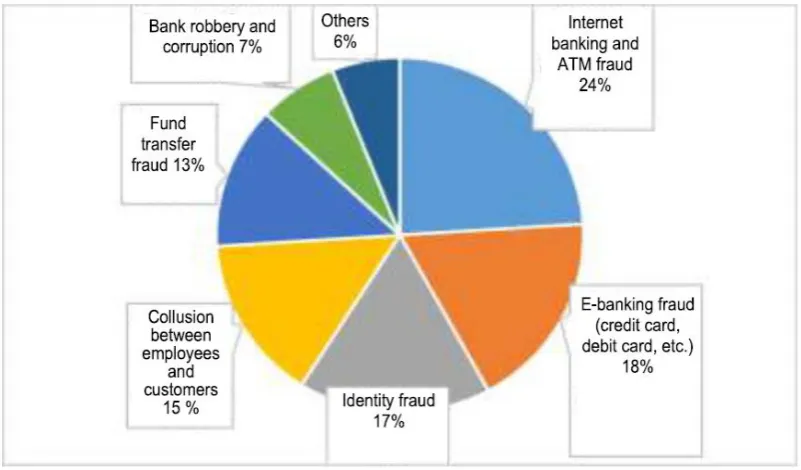
breakthrough. 7 We should note that according to statistics only 7 % of all
[image:7.595.95.496.333.568.2]bank crime is committed using computer and IT technology. 8
Fig. 1. Frequency of occurrence of major risks related to bank fraud9
7 See: Хакери източили $71 млн. от банка през SWIFT. http://technews.bg/article-90580.html (last access 29.05.2016); Хакери атакуваха сайта на гръцката централна банка.
http://news.bnt.bg/bg/a/khakeri-atakuvakha-sayta-na-grtskata-tsentralna-banka (last access 29.05.2016); Хакери са източвали средства от близо 100 банки по света. http://www.capital.bg/ biznes/kompanii/2015/02/16/2473701_hakeri_sa_iztochvali_sredstva_ot_blizo_100_banki_po/ (last access 29.05.2016)
8 See: Звезда, И.И. К вопросу о классификации способов мошенничества в банковской
сфере. Известия Тульского государственного университета. Экономические и юридические науки, 2015, том 3-2, 97-105, с. 99.
7 Major attacks on the data security of bank systems through theft,
manipulation, or destruction of data are an attempt either to get rich
quickly or to cover or commit another crime. These relate mainly to: 10
ID related fraud committed to take over the accounts of third
parties or to open accounts and acquire financial instruments
through false identity. While the aim of the first type of crime is
direct theft of cash, the second type of crime is generally part of
a complex criminal scheme for committing commercial,
financial, insurance, or tax fraud;
Acquiring confidential information to engage in various
espionage activities, in most cases to collect information about a
business or a family partner, as well as to gain access to internal
information which could be used for future enrichment;
Exploiting existing bank infrastructure to commit financial and
tax crime. In addition to financial, commercial, and tax fraud
which involves the bank accounts of real and/or fictional
persons and companies, organized crime also uses the bank
system to conceal the true origin of funds acquired illegitimately
and to facilitate their infiltration and integration into legal
economy (a process known as ‘money laundering’11);
10 Adapted after: Lagazio, M., Sherif, N., Cushman, M. A multi-level Approach to
understanding the Impact of Cyber Crime on the Financial Sector. p. 8.
11The term ‘money laundering’, which is used as an umbrella term for legitimizing ill-gotten
gains, describes the practice of American mafia which used to filter in cash from gambling as earnings received from the laundromat business. Meyer Lansky, Al Capone’s financial advisor, is believed to have been the first person to exploit the bank system for legitimizing earnings from criminal business during the Prohibition in the Unites States. See: Storm, A. Establishing The Link Between Money Laundering and Tax Evasion. The Clute Institute International Academic Conference Munich,
Germany 2014, p. 1; Alacer. Happy Birthday, Anti Money Laundering!
8 Cybercrimes12 are in most cases designed to steal funds, yet
they may be committed to conceal evidence of other crime by
destroying all currently accessible or back-up data at a bank.
Cyber terrorism and information warfare13, despite having
different origins and objectives, pose a serious threat to bank
activity, too, since both aim to totally destroy data and IT
infrastructure, to interrupt normal business processes, and to
cause problems to banks, the financial system, and economy in
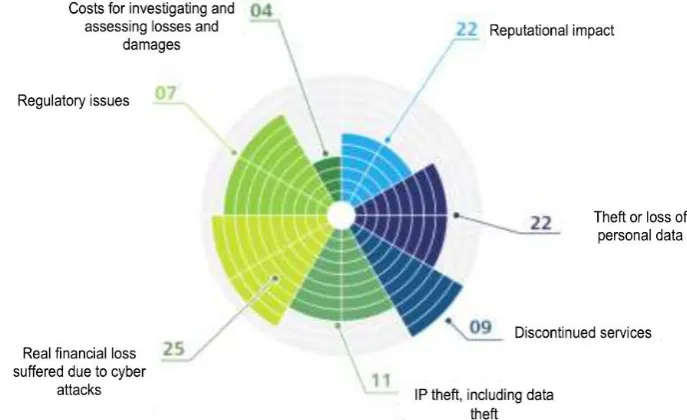
[image:9.595.124.468.307.517.2]general.
Fig. 2. Major impacts of data security problems upon bank
institutions14
12 Specialized literature distinguishes among several categories of cybercrime: traditional
crime, hybrid cybercrime, true cybercrime, and cyber platform crime. Traditional cybercrime relates to exploiting cyberspace as providing more opportunity for crime (for example, traditional fraud, piracy, espionage, stalking, trading sexual material). Hybrid cybercrimes mainly relates to the activity of criminal groups which benefit from new opportunities provided by the Internet (such as ID theft, hacking, hacktivism, illegal online trade). True cybercrime relies on the opportunities created purely by the Internet and is carried out entirely within the cyberspace (for example, spam, denial of service, illicit cybersex). Cyber platform crimes (botnets, for instance) are committed to facilitate other types of crime, rather than to directly carry out criminal activity.See further: Lagazio, M., Sherif, N., Cushman, M. A multi-level approach to understanding the impact of cyber crime on the financial sector. p. 7.
13 See: Кибертероризъм – заплаха отвъд виртуалното пространство.
http://news.unabg.org/ кибертероризъм-заплаха-отвъд-вирту/ (last access 11.06.2016); Мале, П.
Заплахата от кибертероризма придобива очертания. http://e-vestnik.bg/16797/zaplahata-ot-kiberterorizma-pridobiva-ochertaniya/ (last access 11.06.2016).
9 The major type of damage suffered by banks due to breaches of
data security relate to: 15
Direct financial losses due to theft of funds held and managed
by the commercial bank;
Indirect financial losses due to regulatory fines, legal costs,
recovery and clean-up costs, loss of customer trust and loyalty; Image (Reputation) costs which relate to the loss of public and
customer trust due to the public disclosure of data security
breaches and leakage of confidential information about bank
transactions, customers, money laundering, involvement in
criminal schemes, etc.
Opportunity costs due to accidents with data security within a
bank which, in addition to the two items above, also refer to the
deteriorating competitiveness of a bank; shifts in internal and
organizational priorities; reduced workload which affects
operating profit, etc.;
IT Defense costs which include costs for designing IT and
communication infrastructure to prevent attacks and ensure the
fault tolerance of bank IT systems, as well as costs related to the
deployment of organizational measures to increase data security
and to improve the training and awareness of staff and
customers in terms of newly emerging IT risks and their
prevention.
Managers of commercial banks have a crucial role in the process of
managing data security within the overall process of operational risks
15 Adapted and supplemented after: Lagazio, M., Sherif, N., Cushman, M. A multi-level
10 management.16 Hence, the Board of Directors has the responsibility to
design and develop an operational framework for managing the risk
related to data security; to determine the maximum tolerance of the
institution to this type of risk; and to ensure adequate capital to secure the
risk which the bank takes. The operational framework may be approached
as a set of policies and strategies adopted by banks in the sphere of data
security; the methods that banks employ to identify, assess and minimize
risk, as well as their organizational structure, powers, and responsibilities
in terms of risk management. 17
The role of senior bank management in this process relates to
establishing the prerequisites for the efficient introduction and
implementation of the policies, strategies, and procedures which the
Board has prescribed and approved for managing the risk related to data
security, as well as its direct responsibilities in terms of general
management, assessment and monitoring of the overall process and the
implementation of corrective actions in case of identified deficiencies and
omissions, or changes in the internal and/or external environment.
Some of the measures adopted to increase data security also relate
to the recruitment and training of bank officers; upgrading the hardware
and software products which banks use; as well as the implementation of
efficient internal control policies.
16 For further reading on issues related to the management of bank risks, see: Божинов, Б.
Управление на рисковете в търговската банка. Библиотека „Образование и наука“, бр. 58, АИ „Ценов“, Свищов, 2013.
17 For further reading on issues related to bank policies, see: Божинов, Б. Актуални аспекти
11
Business processes
GENERAL INFORMATION SECURITY POLICY
Predicted risks and threats Applied technologies
Information security conception
Data protection and recovery model
Selection of devices for data protection and recovery
Desinging roles fore information security in the exploitation of IT systems by bank officers and
bank consumers
Monitoring Instalation and exploitaion of
devices
Safety analysis of the operation of IT systems
[image:12.595.94.493.73.401.2]Systems recovery and remediation of damage
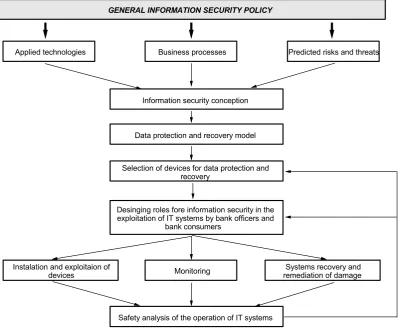
Fig. 3. Principle technology for ensuring data security at
commercial banks18
The operational management of the risk related to data security is
usually the responsibility of specialized information security units which
may report directly to IT departments or to Risk Management
Committees. Direct supervision on the activity of bank employees by
their line managers in terms of compliance with established rules and
procedures for internal control is, of course, an important condition for
reducing the risk of internal bank fraud and omissions.
18 See: Тютюнник А.В., Турбанов А.В. Банковское дело. Финансы и статистика, Москва,
12 Inasmuch as the risk related to data security belongs to the category
of the so called ‘pure risks’, i.e. it may only incur losses, the major
approaches related to its management refer to:
Risk aversion – this approach is only applicable to certain
aspects of the risk which banks are able to avoid (for example,
by refusing to provide remote banking);
Risk taking by providing reserves which may be statutory (for
example, in compliance with Ordinance No. 8 of the Bulgarian
National Bank) or voluntary;
Risk transferring to third parties, including through insurance,
hiring outside providers of IT services, and any other applicable
methods;
Risk minimization through assessment; adequate procedures for
process management, reporting, and efficient internal control;
recruitment, training and qualification of bank employees;
Risk diversification (only applicable to certain aspects of
operational risk, mainly related to systems and software) by
introducing mechanisms to back up exploited technological,
technical, and communication solutions; outside providers of
services; alternative methods for providing services, etc.
The fast rate of development of IT and communication technology
and the advent of hi-tech innovations in all spheres of human life force
banks to identify adequate tools for the operational management and
minimization of risks related to their data security. Some of the latest
13 authentication; geo-location; device recognition; cross channels to
monitor and analyze user behavior, etc. 19
Main aspect of developing data security systems for remote banking
Elaborating requirements to ensure the safety of the system's operation
Technological solutions Organisational measures Improving the documentation for systems operation
Informing clients about newly emerging threats
Desinging verification procedures for disputables documents
Technology preventing the access of unauthorized persons
to the system
Technology detecting fraudulent operations in the systems
SMS send to customers (to notify them about login in the systems,
transactions, etc.)
Previous login review options
Automated monitoring of suspicious documents Hardware solutions for
crypto protection
Virtual keyboards used to enter passwords
One-time passwords to enter the system
Passwords send through SMS
Token devices used to generate passwords
Restricred access to the system through IP/ MAC
address control
Antivirus software provided to customers Scratch card with
[image:14.595.88.507.135.436.2]one-time password
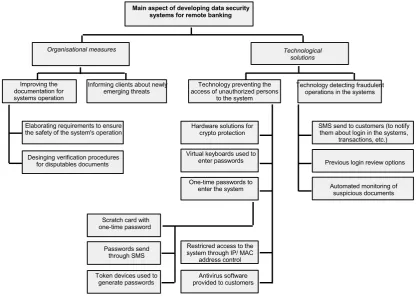
Fig. 4. Major aspects of improving information security with remote
banking20
Multi-factor authentication relates to the deployment of a
multi-step process for unique user identification in which, in addition to
standard user names and passwords, various devices and methods are
used alongside some private information provided by bank clients during
the account opening phase (such as their favorite football team, the brand
of their first car, their pets, etc.) so that they could be uniquely recognized
by banks’ automated IT systems. As for the devices and equipment which banks employ for user authentication, in most cases these are tokens
19 See: ACI Univercal Payment. Fighting online fraud: an industry perspective. volume 3,
2014, p. 5-6.
20 See: Визгунов, А., Визгунов, Ар. Уровень защищенности от несанкционорованного
14 which generate random numbers; USB devices containing login
credentials or other unique information; notifications delivered as text
messages (including about sending a single confirmation code).
Banks have recently started using the MAC addresses of their
customers’ devices (computers, tablets, telephones) and geo-location services (through IP addresses or GPS) to assess the potential risk of
conducted transactions and to request further information for the unique
identification of ordering parties in transactions. Furthermore, automated
expert systems are increasingly introduced by banks to analyze consumer
behavior (for example, the usual time they log in, their typical actions, the
typical amount, frequency, direction and means of payment, the devices
they use) and thus detect any irregularities (the so called ‘red flags’)
which indicate a potential fraud attempt, including through identity theft.
Over the last years, banks have started integrating ‘disaster
recovery plans’ into their data security management policies. Those plans
include measures for identifying and designing alternative mechanisms
and channels to resume their services in case they are interrupted (through
back-up equipment, technology, communication links, emergency power
systems, etc.); designing backup systems ensuring quick recovery of data
archives at minimum or no loss of data (building clusters, applying
virtualization systems, real time data duplication, high backup frequency
to ensure minimum loss of data) and creating Disaster Recovery centers
including by using external providers or cloud services.
15
Conclusion
Globalization and digitization processes have been altering slowly,
yet irreversibly all aspects of contemporary society. While providing new
opportunities and facilities, these processes also pose new risks and
challenges, hence the growing importance of data and data security in the
new digital environment. The only available solution for commercial
banks is to adapt to and evolve in the new circumstances, which requires
digitization and automation of existing processes; exploitation of new
distribution channels to offer bank products and services; as well as
creating new products and services. Hence, data security risk
management has become a new key aspect of bank risk management and
16
References
1. Алавердов А.Р. Организация и управление безопасно
-стью в кредитно-финансовых организациях. Московская финансово
-промышленная академия. Москва, 2004.
2. Божинов, Б. Актуални аспекти на банковата политика.
Библиотека „Образование и наука“, бр. 50, АИ „Ценов“, Свищов,
2013.
3. Божинов, Б. Банковата сигурност – основни проявления
и аспекти. Народностопански архив, бр. 3, 2016.
4. Божинов, Б. Управление на рисковете в търговската
банка. Библиотека „Образование и наука“, бр. 58, АИ „Ценов“, Свищов, 2013.
5. Визгунов, А., Визгунов, Ар. Уровень защищенности от
несанкционорованного доступа как ключевой показатель качества системь дистанционного банковского обслуживания. Информацион
-нье технологии в бизнесе, Бизнес-информатика, №2 (12), 2010.
6. Димитрова, Т. Вътрешният одит – ефективен инструмент
на банковия мениджмънт, библиотека Образование и наука, бр. 38, АИ Ценов, Свищов, 2013.
7. Звезда, И.И. К вопросу о классификации способов мо
-шенничества в банковской сфере. Известия Тульского государст
-венного университета. Экономические и юридические науки, 2015, том 3-2, 97-105.
8. Лаврушин, О.И. Банковский менеджмент. Москва, Кро
-нус, 2009.
9. Трифонова, С. Управление на операционния риск на бан
17 10. Тютюнник А.В., Турбанов А.В. Банковское дело. Финан
-сы и статистика, Москва, 2005.
11.Шишманов, К. Използването на съвременните информа
-ционни технологии в банковото дело - предизвикателство и реал
-ност. // Финансова стабилизация и икономически растеж: Междуна
-родна научно-практическа конференция, Свищов, 2000, с. 119-122. 12. Шишманов, К. Рисковете при използването на интернет
банкирането и отговорността на потребителите . // Финансите и сто
-панската отчетност - състояние, тенденции, перспективи : Юбилейна
международна научнопрактическа конференция, Сборник доклади,
Т. 1., Свищов , 2013, с. 79-84.
13.ACI Univercal Payment. Fighting online fraud: an industry
perspective. volume 3, 2014.
14.Batiz-Lazo, B., Wood, D. Information technology
innova-tions and commercial banking: a review and appraisal from an historical
perspective. Accounting and finance research unit, Manchester Business
School, The University of Manchester, 2001.
15.Deloitte - India Banking Fraud Survey - Edition II, 2015.
16.Dictionary of Banking and Finance. A&C Black Publishers
Ltd, 2005.
17.Financial Fraud Action UK. News release
18.Fitch, T. Dictionary of Banking terms. Barrons’s, 1997.
19.Lagazio, M., Sherif, N., Cushman, M. A multi-level
Approach to understanding the Impact of Cyber Crime on the Financial
Sector.
20.Storm, A. Establishing The Link Between Money
Launde-ring And Tax Evasion. The Clute Institute International Academic
18
Internet Sources
21.Кибертероризъм – заплаха отвъд виртуалното простран
-ство. http://news.unabg.org/кибертероризъм-заплаха-отвъд-вирту/ (last access 11.06.2016).
22. Мале, П. Заплахата от кибертероризма придобива очер
-тания. http://e-vestnik.bg/16797/zaplahata-ot-kiberterorizma-pridobiva-ochertaniya/ (last access 11.06.2016).
23.Хакери атакуваха сайта на гръцката централна банка.
http://news.bnt.bg/bg/a/khakeri-atakuvakha-sayta-na-grtskata-tsentralna-banka (last access 29.05.2016).
24.Хакери източили $71 млн. от банка през SWIFT.
http://technews.bg/article-90580.html (last access 29.05.2016).
25.Хакери са източвали средства от близо 100 банки по
света. http://www.capital.bg/biznes/kompanii/2015/02/16/2473701_
hakeri_sa_iztochvali_sredstva_ot_blizo_100_banki_po/ (last access
29.05. 2016).
26.Alacer. Happy Birthday, Anti Money Laundering!
http://www.alacergroup.com/happy-birthday-anti-money-laundering/ (last