By
RACHEL KASYOKA KIOKO
C50/CE/14370/2009
A THESIS SUBMITTED TO THE SCHOOL OF HUMANITIES AND SOCIAL SCIENCES IN PARTIAL FULFILLMENT OF THE
REQUIREMENTS FOR THE AWARD OF THE DEGREE OF MASTER OF ARTS IN GENDER AND DEVELOPMENT STUDIES OF KENYATTA
UNIVERSITY
DEDICATION
I dedicate this work to my husband and friend, Henry Kioko, for his moral support
and for keeping me company when working on this research project. To my dear
children Kithendu and Wambua. My beloved mother Joyce Mwikali and my late
ACKNOWLEDGEMENT
First and foremost I give thanks to Almighty God for this far He has taken me. The
completion of this study was made possible through co-operative efforts from
several key individuals. I therefore extend my most sincere thanks to all those who
participated in these efforts.
I am greatly indebted to Dr. Pacificah Okemwa and Dr. Grace Okong’o who were
my supervisors, for their effective supervision, dedication, availability and
professional advice. I extend my gratitude to my lecturers who taught me in the
Master of Arts in Gender and Development Studies programme, therefore enriching
my research with the learnt knowledge and skills.
The chiefs, and sub-chiefs, women and men groups and individuals who were my
respondents deserve my appreciation for their willingness to provide the required
information during my research study. My sincere thanks also go to the Gender and
Development Studies Administrative staff for their care, guidance, and concern
throughout the study. My appreciation also goes to my classmates, with whom I
weathered through the storms, giving each other encouragement and for their
positive criticism. I appreciate Mr. Felix Orwa who was my research assistant for
his dedication and technical support. May God bless you abundantly.
TABLE OF CONTENTS TITLE
DECLARATION ... Error! Bookmark not defined.
DEDICATION ... iii
ACKNOWLEDGEMENT ... iv
TABLE OF CONTENTS ... v
LIST OF TABLES ... viii
LIST OF FIGURES ... ix
OPERATIONAL DEFINITION OF TERMS ... x
GLOSSARY ... xi
ABBREVIATIONS ... xii
ABSTRACT ... xiii
CHAPTER ONE ... 1
INTRODUCTION ... 1
1.1 Background to the Study ... 1
1.2 Statement of the Problem ... 7
1.3 Research Objectives ... 9
1.3.1 Broad Objective ... 9
1.3.2 Specific Objectives ... 9
1.4 Research Questions ... 10
1.5 Significance of the Study ... 10
1.6 Justification of the Study ... 10
1.6 Scope and Limitations of the Study ... 11
CHAPTER TWO ... 13
LITERATURE REVIEW ... 13
2.1 Introduction ... 13
2.2 Knowledge and Attitude of Married Couples Towards Marital Infidelity ... 13
2.3 Causes of infidelity among married couples in MCC ... 18
2.4 Challenges Resulting from Marital Infidelity ... 24
2.5 Strategies that May be Used to Address Marital (Sexual) Infidelity ... 26
2.6 Theoretical Framework ... 28
2.6.2 Double-Shot Theory ... 30
2.6.3 Attachment model ... 32
2.7 Conceptual Framework ... 33
Figure 2.1: Diagrammatic representation of the conceptual framework ... 34
CHAPTER THREE ... 36
RESEARCH METHODOLOGY ... 36
3.1 Introduction ... 36
3.2 Research Design ... 36
3.3 Site of the Study ... 36
3.5 Study Variables ... 39
3.6 Sampling Technique ... 39
3.6.1 Sample Size Determination ... 40
3.7 Methods of Data Collection ... 41
3.8 Research Instruments ... 41
3.9 Reliability ... 42
3.10 Validity ... 44
3.11 Data Collection Technique ... 44
3.12 Data Analysis ... 44
3.12.1 Quantitative Data Analysis ... 45
3.12.2 Qualitative Data Analysis ... 45
3.13 Data Management and Ethical Considerations ... 46
CHAPTER FOUR ... 47
4.1 Introduction ... 47
4.2 Demographic Information ... 47
4.2.1 Distribution of Respondents by Age ... 48
4.2.2 Distribution of respondents by gender ... 48
4.2.3 Distribution of Respondents by Employment Status ... 50
4.2.4 Distribution of Respondents by Education ... 51
4.3 Knowledge and Attitude Towards Marital Infidelity ... 52
4.3.1 Respondents’ understanding of marital infidelity ... 53
4.3.2 Acceptable Forms of Infidelity to married men ... 53
4.3.3 Acceptable Forms of Infidelity to married women ... 55
4.3.6 Acceptability of Infidelity in a Particular Gender ... 59
4.3.7 Gender Likely to be Involved in Marital Infidelity ... 61
4.3.8 Attitude of Married Couples on Marital Infidelity ... 62
4.4 Causes of Marital Infidelity Among Married Couples in MCC ... 64
4.4.1 Norms Regulating Sex in Marriage in Mwingi Central Constituency ... 64
4.4.2 Values Held by the Akamba About Sex in Marriage ... 67
4.4.3 Beliefs Held by Akamba Community about Sex in Marriage ... 69
4.4.4 Reasons for occurrence of infidelity among married couples ... 71
4.4.5 Reasons of Marital Infidelity Among Married Couples in MCC by gender ... 76
4.5 Challenges Resulting from Marital Infidelity ... 79
4.5.1 Challenges of Husband’s Marital Infidelity ... 80
4.5.2 Challenges of Wife’s Marital Infidelity ... 81
4.5.3 Challenges Resulting from Marital Infidelity on Children ... 83
4.6 Strategies to Address Marital Infidelity ... 85
4.6.1 Strategies to Check Cases of Infidelity ... 85
4.6.2 Cultural Strategies to Reduce Infidelity on Marriage ... 89
4.6.3 Contemporary Strategies to Reduce Infidelity in Marriage ... 91
4.6.4 Strategies to Mitigate the Challenges of Infidelity ... 94
CHAPTER FIVE ... 97
SUMMARY, CONCLUSION AND RECOMMENDATIONS ... 97
5.1 Introduction ... 97
5.2 Summary of findings ... 97
5.3 Conclusion ... 100
5.4 Recommendations ... 100
5.5 Areas for Further Studies ... 101
REFERENCES ... 102
APPENDIX ONE: STRUCTURED QUESTIONNAIRES ... 109
APPENDIX TWO: FOCUS GROUP DISCUSION SCHEDULE ... 117
APPENDIX THREE: INTERVIEW SCHEDULE ... 124
APPENDIX FOUR: RESEARCH AUTHORIZATION LETTER ... 131
LIST OF TABLES
Table 3.1: Reliability Results ... 43
Table 4.1: Attitude of married couples on marital infidelity ... 63
Table 4.2: Akamba values regarding sex in marriage ... 68
Table 4.3: Reasons for occurrence of infidelity ... 72
Table 4.4: Variation by gender on the reasons for involvement in marital infidelity . 77 Table 4.6: Cultural strategies to reduce infidelity in marriage ... 89
LIST OF FIGURES
Figure 2.1: Diagrammatic representation of the conceptual framework ... 34
Figure 3.1: Map of MCC and its location in Kenya ... 38
Figure 4.1: Distribution of Respondents by Age ... 48
Figure 4.2: Distribution of respondents by gender ... 49
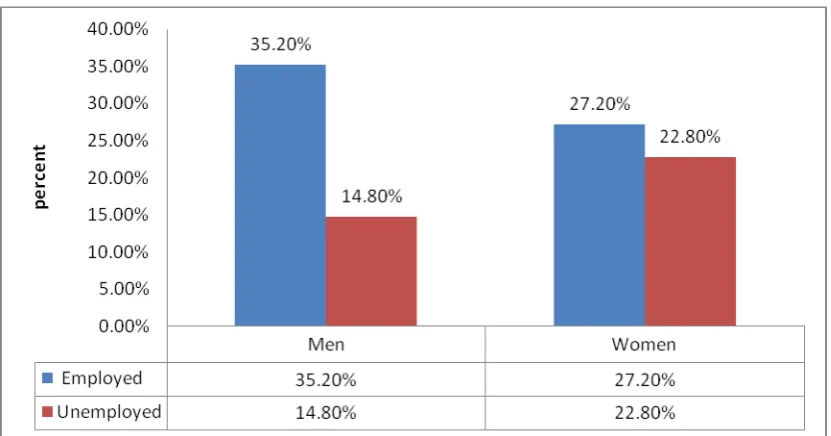
Figure 4.3: Distribution of respondents by employment status ... 50
Figure 4.4: Distribution of respondents by education ... 51
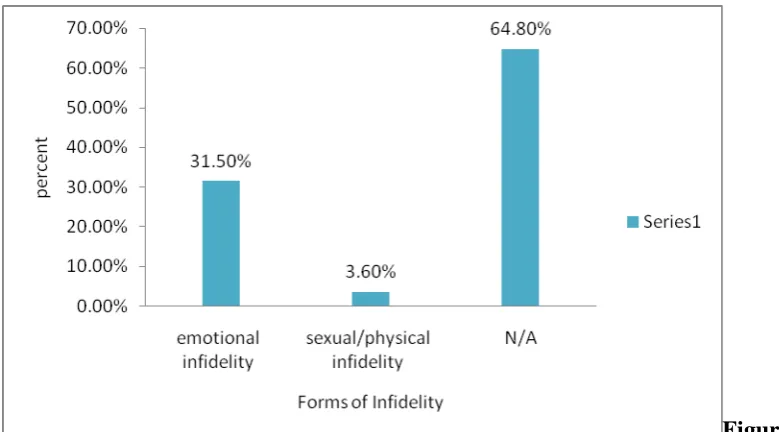
Figure 4.5: Acceptable forms of infidelity to married men ... 54
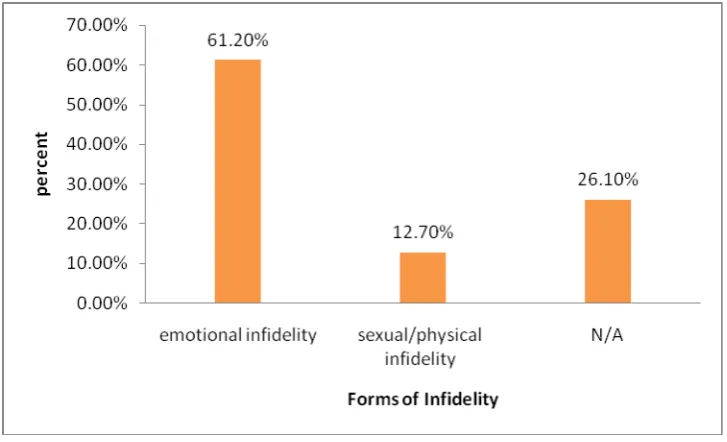
Figure 4.6: Acceptable forms of infidelity to married women ... 55
Figure 4.7: Prevalence of infidelity in MCC ... 57
Figure 4.8: Cases of infidelity ... 58
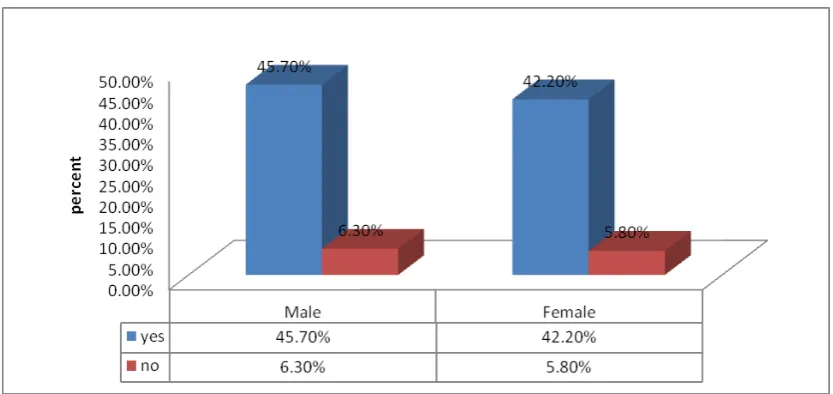
Figure 4.9: Acceptability of infidelity in a particular gender ... 59
Figure 4.10: Gender likely to be involved in marital infidelity ... 61
Figure 4.11: Norms regulating sex in marriage in MCC ... 65
OPERATIONAL DEFINITION OF TERMS
Marriage: This term is used to refer to a legally or formally recognized union between a man and a woman for purposes of procreation and companionship.
Civil marriage: A civil marriage is one where the marriage ceremony has a government or civil official perform the ceremony.
Christian marriages: These marriages are based on Christian principles as presented in the Bible and Christian denominations’ teachings.
Infidelity/extradyadic/extramarital affairs: Is a term used in the study to refer to a breach of an expectation of sexual and or emotional exclusivity expressed or implied
in an intimate relationship. They are used synonymously in the context of the study.
Emotional infidelity: Channelling time and attention into someone other than the person’s partner to the point that their partner feels neglected.
Religion: The researcher uses this term to refer to a spiritual organization of individuals based on their faith e.g. Christians.
Household: This refers to a domestic unit consisting of the members of a family who live together along with non-relatives such as servants.
GLOSSARY
Mpango wa kando: A Swahili phrase for infidelity used to denote an extramarital partner.
Kamuti: Is a term which describes traditional love portion used by the Akamba community to ensure that their partners love them and stay faithful to them.
Kamutiri: A fine charged on a man caught having an affair with another man’s wife in MCC.
Kavonokya: Is a long dress every married woman in MCC is expected to wear as it covers their entire body and prevents other men from developing sexual interests in
them.
Kaweto: This is a term used by the Akamba in MCC to refer to a woman married to another woman who is childless or unable to bear a son for purpose of procreaton.
Kithitu: It is a bad omen cast over a family by a witchdoctor to kill every member of that family when a member commits a crime and denies responsibility.
Kuia: It is an act of having someone follow or watch one’s wife in order to ensure they do not commit adultery in MCC.
Mbingo: This is Akamba traditional medicine used by married men in the community to keep their wives from having extramarital sex and if one attempts
they are caught stuck.
Muvatha: This is a cleansing ritual performed among the Akamba community living in MCC when a close relative dies to protect family members from death.
ABBREVIATIONS
AIDS: Acquire Immunodeficiency Syndrome
ATR: African Traditional Religions FGD: Focus Group Discussion GBV: Gender Based Violence
HIV: Human Immunodeficiency Virus
IBCT: Integrative Behavioural Couple Therapy KII: Key Interview Informants
KNBS: Kenya National Bureau of Statistics MCC: Mwingi Central Constituency NACC: National Aids Control Council NGO Non Governmental Organization SPSS: Statistical Package for Social Sciences STI: Sexually Transmitted Infections
TBCT: Traditional Behavioural Couple Therapy UN: United Nations
ABSTRACT
CHAPTER ONE INTRODUCTION
1.1 Background to the Study
The dictionary definition of infidelity is disloyalty or an act of disloyalty to your
marriage partner, or other sexual partner which usually includes having sex with
someone else (Longman Active Study Dictionary 363). Infidelity is categorised into
two groups: sexual infidelity and emotional infidelity (Shackelford, Buss, Bennett
299). Infidelity also means both unfaithfulness and not believing in God, in English.
Hence sexual fidelity and believing in God comes from the same root, and they are
combined perfectly. This study specifically addresses marital infidelity.
In past decades a specific gender has shown a relationship with infidelity meaning
the causes of infidelity are gender based. A large body of research with American
samples indicated that men; have a stronger desire to engage in sexual infidelity,
(Prins,Buunk & Van Yperen, 1993), are more likely to engage in sexual infidelity
(Allen & Baucom, 2004; Atkins, Baucom, & Jacobson, 2001), have more
extra-dyadic sexual partners (Blumstein & Schwartz, 1983; Wiggins & Lederer, 1984),
have more episodes of infidelity, including short or long term affairs and one-night
stands (Brand, Markey, Mills, & Hodges, 2007), have more physical contact with an
extra-dyadic partner (including intercourse) (Wiederman & Hurd, 1999), cite more
sexual motivations for infidelity (Barta & Kiene, 2005), and are less likely to fall in
love with an extra-dyadic partner (Glass & Wright, 1985). Husbands are also more
suspicious of a wife’s potential sexual infidelity, as well as more likely to discover a
Women, on the other hand, tend to have a greater emotional connection with the
extra-dyadic partner (Spanier & Margolis, 1983), report more intimacy and
self-esteem motivations for infidelity, are more likely to feel this behavior is unlike
them, and are more concerned about the negative judgments of others when they are
unfaithful (Brand et al., 2007). Moreover, among women, the strength and frequency
of affairs are related to the degree of dissatisfaction with the primary relationship,
whereas among men the desire to engage in infidelity is less dependent on the state
of the primary partnership (Prins et al., 1993). Although women are more distressed
about their own infidelity (Van den Eijnden, Buunk, & Bosveld, 2000), American
women are less concerned about hurting their spouse(Allen and Baucom, 2006).
Perhaps the lower level of marital satisfaction experienced by women leads them to
feel more justified about their infidelity.
Although gender differences in infidelity have been found in almost all past
research, male and female rates of infidelity are becoming increasingly similar,
particularly in younger cohorts in developed countries (Atkins, Baucom & Jacobson,
2001; Choi Catania & Dolcini, 1994; Laumann, Gaugnon, Michael & Michaels, S.,
1994; Feldman & Cauffman, 1999; Oliver & Hyde, 1993; Wiederman, 1997)
Wiederman (1997) found no gender differences in extramarital sex among men and
women under age 40. Seal, Agostinell & Hannett, (1994) found that although men
are more likely to report a desire to seek extradyadic partners, actual extra-dyadic
sexual encounters show no gender difference. Decreasing gender differences in
infidelity may be due to social changes, including rising female economic and
reproductive independence (Fisher, 1999), or to the use of more sensitive
aspects of infidelity, however, continue to vary by gender. Women still seem to be
more likely to engage in infidelity when they are not satisfied with their primary
relationship, while men tend to have higher rates of intercourse with an extra-dyadic
partner.
Individuals who attend religious services frequently were less likely to engage in
sexual infidelity (Amato & Rogers, 1997; Choi et al., 1994); whereas those who
were less religious were more likely to engage in philandering (Whisman & Snyder,
2007). There is no evidence, however, that religious denomination plays a role in
tendency toward infidelity (Edwards & Booth, 1976; Forste & Tanfer, 1996). The
relationship between religious activity and infidelity, however, is often moderated
by other variables. Among African Americans and Hispanic Americans, more
religious activity was associated with less sexual infidelity, but this association did
not hold among CaucasianAmericans (Choi et al., 1994). Atkins, Baucom &
Jacobson, (2001) found that religious participation lowered the risk of extramarital
sex for individuals in “very happy” marriages, but not for those in “pretty happy” or
“not too happy” marriages.
Race and culture play a role in infidelity. Some work indicates that African
Americans and Hispanic Americans were more likely than Whites to engage in
infidelity (Amato & Rogers, 1997; Treas & Giesen, 2000). The higher rates for
African Americans, however, may be due to the shortage of single men in the
African American community, creating increased opportunities for married black
men to engage in infidelity with single black women (Wiederman,
1997).Extramarital sex also appears to be more prevalent in some African societies
women were found to have had extra-dyadic sex in the past year, compared with
only 8% of men and 1% of women in Hong Kong (Carael, Cleland, Deheneffe, Feny
& Ingham, 1995). In contrast, in a large sample of Japanese and American
college-age participants, Tsapelas, Aron & Orbuch, (2009) did not find a culture difference
in extra-dyadic relationships.
Educational level plays a role in the frequency of infidelity. In many studies,
infidelity has been associated with either lower levels of education Infidelity 18
(Treas & Giesen, 2000) or higher levels of education (Whisman & Snyder, 2007),
suggesting that these statistics are dependent on contingent variables. For example,
in a large U.S. national study of dating, cohabiting, and married women, Forste and
Tanfer (1996) found that women who were more educated than their husbands were
more likely to engage in sexual infidelity; but if the husband was more educated
than the wife, she was less likely to philander. Level of education relative to that of
the partner appears to be more important than absolute level of education.
Income level and the distribution of income between partners is also related to
infidelity. Atkins et al., (2001) found a positive relationship between income and
extramarital sexual involvement among individuals with an annual income above
$30,000. These researchers suggest that higher income leads to infidelity through its
influence on factors such as opportunity, education, and feelings of entitlement.
Further, lower income individuals may be financially dependent on their partners
and thus regard infidelity as too risky to pursue
In a random sample of 3,432 American individuals, Laumann et al., (1994) reported
(1988) concluded, however, that American women are more disapproving of sexual
infidelity in premarital committed relationships than are men. Disapproval of
infidelity also differs among ethnic groups in the United States. Whereas 30% of
Asian American men and women feel that violence toward a sexually unfaithful
wife is justified (Yoshioka, DiNoia, & Ullah, 2001), 48% of Arab American women
and 23% of Arab American men approve of a man slapping a sexually unfaithful
wife (Kulwicki & Miller, 1999); 18% of Arab American women even approve of a
man killing a sexually unfaithful wife. American men and women overall
disapprove of emotional infidelity is the least, followed by sexual infidelity; and
disapproval is highest when the infidelity involves both sexual and emotional
components (Glass & Wright, 1985).
According to Young, Griffin-Shelley, Cooper, Buchanan & O’Mara (2000), there
are many signs of realizing the existence of infidelity in a relationship. They can be
described as: Change in sleep patterns, a demand for privacy, other responsibilities
ignored, evidence of lying, personality changes, loss of interest in sex, and declining
investment in the relationship (65-66).
In Africa just like in the Western world, infidelity is a problem facing many families
and societies. According to the UN (2008), a South African population-based survey
in 2005 indicated that 40 per cent of men and 25 per cent of married women
reported having concurrent partners with infidelity being rife among people living in
both cities and rural areas. The study showed that sexual fantasies, money/poverty
and also sexual adventures were some of the reasons why married couples in South
Africa engaged in infidelity. According to data from a survey conducted in West
likely than those whose wives were not abstaining to engage in extramarital sex (Ali
& Cleland, 2001).
In Ghana, nearly one in five married men (19%) reported having engaged in
extra-marital sex, on average; men had 1.3 extraextra-marital partners. Sex outside marriage
was associated with age, with a greater proportion of 15–29-year-olds (24%) than of
couples aged 30–39 (20%) or 40 or older (12%) reporting having had a partner other
than their spouse (Sitawa & Yanyi, 2005). This finding is consistent with previous
researches in other countries that suggest that men’s tendency to have multiple sex
partners tends to be higher at younger ages (Hill, Cleland & Ali, 2004). Extramarital
sex was most prevalent among couples who reported service or skilled occupations
(24%) and least prevalent among agricultural workers and the self-employed (15%).
However, couples who reported other occupations or being unemployed had the
highest mean number of extramarital partners (1.8). In addition, a significantly
greater proportion of couples in urban than in rural areas reported having had
extramarital relationships (24% vs. 16%), and the mean number of partners was
higher for urban men than for those in rural areas (Sitawa et al., 2005).
Kenya is amongst the countries in Africa that are plagued with marital infidelity.
Statistics show that 60% of married men and 40% of married women commit
adultery (UN, 2008). There are differences in the rates of infidelity with Nairobi
recording the highest infidelity rate of 60% men and 40% women engaging in
extramarital affairs, followed by Nyanza with 55% men and 45% women, while
different regions recorded different rates of infidelity among married couples
(Spylink International, 2011). These are normally caused by individual,
of either under-appreciation or even being ignored by their partner and in extreme
cases poverty being a cause. Little work has been done on the causes of infidelity in
Kenya.
A study by Okemwa (2002) in Kenya, showed that sexual satisfaction, sex of the
children, inability to bear children, and lack of trust among the married couples
about male/female relationships were some of the factors contributing to marital
infidelity. As this background information shows, marital infidelity be it emotional
or physical has existed for centuries and affect many married couples. It is also clear
from different studies that there are several factors documented worldwide as being
the motivators of infidelity among married couples, though not much is written
about these factors in Africa and or Kenya, and such literature needs more research
where Mwingi is concerned. Based on this information, the researcher sought to find
out the determinants of infidelity among married couples in Mwingi Central
Constituency, Kitui County Kenya.
1.2 Statement of the Problem
Infidelity impacts strongly on relationship functioning and stability (Drigotas,
Safstrom, & Gentilia, 1999; Whisman, Dixon, & Johnson, 1997), making the study
of this phenomenon crucial and timely in the MCC. In spite of widespread beliefs
that relationship partners should be faithful to each other, marital infidelity occurs
fairly often. There are various motives for infidelity distinguished by Drigotas,
Safstrom and Gentilia, (1999), such as sexuality, emotional satisfaction, social
Sexual infidelity, which can be defined as extradyadic sex within the context of a
monogamous relationship, is considered to be among the most significant threats to
the stability of adult relationships, including marriage. For example, Betzig (1989)
compared 160 cultures and found that infidelity was the single most cited cause of
divorce. In Western countries, it has been estimated that between 25 and 50% of
divorcees cited a spouse’s infidelity as the primary cause of the divorce (Kelly &
Conley, 1987).
Many African communities including the Akamba have regulations against
infidelity especially in marriage. However, infidelity in the Akamba community has
led to marital strife leading to separations, wife battering, prostitution in urban
centres, children born from different fathers and the spread of HIV/AIDS (NACC,
2007). According to NACC (2010), 42% of men and 36% of married couples in
MCC were unfaithful to their partners. Elsewhere, in Nairobi, Infotrak(2010)
revealed that 56% of men and 46% of women were involved in infidelity.
The discovery or disclosure of infidelity outside of a committed relationship often
leads to emotional havoc for individuals and conflict between members of the
committed relationship, regularly ending in dissolution of important interpersonal
connections. Involvement in romantic relationships outside of one’s active
committed relationship has also been reported to result in, among other things, a
sense of relational betrayal (Allen et al., 2005). It is invaluable to find out the factors
influencing infidelity among married couples.
Reports of infidelity and divorce are on the rise, all this is an indication of breach on
to a feeling of loss and this is loss of trust through betrayal and a feeling of great
distress. Infidelity produces controversy which is surrounded by emotional
reactions not only to the spouses but also to the children.
Infidelity has been associated with increased risk of mental health problems,
including depression and anxiety (Cano & O’Leary, 2000). Given the high
prevalence and adverse consequences of infidelity, there is need for research to
identify the correlates of infidelity. Although there is a sizable body of literature on
the prevalence and correlates of infidelity, there is need to pay attention to the
determinants of infidelity. This is because, in specific contexts such as the MCC
infidelity is a sensitive topic and, as such, may be influenced by cultural/context
specific factors. Therefore, this study sought to find out why infidelity continued
among married couples inspite of sanctions and negative consequences in Mwingi
Central Constituency Kenya.
1.3 Research Objectives 1.3.1 Broad Objective
To find out the determinants of marital infidelity among married couples in Mwingi
Central Constituency.
1.3.2 Specific Objectives
i. To assess the knowledge and attitude of married couples in MCC on marital
infidelity.
ii. To find out the causes of infidelity among married couples in MCC.
couples in MCC.
iv. Evaluate the strategies used to address marital infidelity among the Akamba
in MCC.
1.4 Research Questions
i. What is the knowledge and attitude of married couples in MCC on marital
infidelity?
ii. What are the causes of infidelity among married couples in MCC?
iii. Which are the challenges resulting from marital infidelity among married
couples in MCC?
iv. What are the strategies used to address marital infidelity among the Akamba
in MCC?
1.5 Significance of the Study
First, the study may help married couples manage issues of infidelity as well as find
ways of solving or changing this behaviour as a copy of the study would be given to
the chiefs to pass study findings to community members once the study is
completed. The government may also use this information to develop policies
governing marital infidelity. It may as well as come up with awareness campaign
strategies geared at informing the couples of factors that may lead into infidelities.
1.6 Justification of the Study
Marital fidelity has been known not only to keep a family together but also to help
marriage. People get married with fidelity in mind but infidelity has always been
documented to affect almost 80% of marriages around the world (UN, 2008).
Infidelity impacts negatively on development in any given area due to its effects on
the people involved, MCC being one of them. Resources that are made for the
development in the family or the community are deviated to cater for extramarital
affairs and treatment of HIV/AIDS. Infidelity fuels the spread of HIV/AIDS which
drains development resources (Kenya Forum, 2013). This has resulted to children
dropping out of school, orphans, poor health, low man power, among others . This
has led to stagnated or retrogressed development in MCC, making it necessary to do
the study in MCC.
1.6 Scope and Limitations of the Study
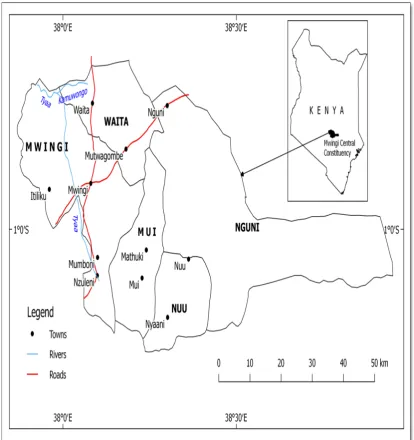
This study was carried out among married couples in Mwingi Central Constituency
Kitui County which has five divisions. The five divisions include; Mwingi Central,
Waita, Nguni, Mui, and Nuu.
The researcher faced various limitations during fieldwork amongst them identifying
and having unfaithful married couples participate in the study. The researcher,
therefore, worked with other villagers and assured the respondents of confidentiality.
The researcher established a good rapport with the respondents and used separate
FGDs with husbands and wives as well as asked such information from a third party.
This enabled the participants to give information about themselves and others
without shame and fear because there was no name mentioning. Another limitation
was the respondents’ knowledge of what infidelity really was. Therefore, due to the
informed the respondents that they were not being accused of the offense and
therefore, not feel offended and that they were free to participate or refuse to. The
meaning of infidelity was explained by the researcher; this created an atmosphere
of trust and friendship hence making the respondents comfortable enough to answer
questions. The Chief’s protection was sought for the two research assistants during
CHAPTER TWO LITERATURE REVIEW 2.1 Introduction
This chapter reviews literature related to the study globally, in Africa and in Kenya.
The following thematic areas are included; knowledge and attitude of married
couples towards marital infidelity, causes of infidelity among married couples,
challenges resulting from marital infidelity, behaviour change strategies, theoretical
and conceptual framework.
2.2 Knowledge and Attitude of Married Couples Towards Marital Infidelity Western culture reflects and reinforces the view that love, sex and commitment are
strongly related in romantic relationships and sexual exclusivity is one of the norms
considered integral to relationships encompassing these elements (West et al., 2005;
Campbell et al., 2010). This appears to be especially true of marriage. Physical
intimacy outside this partnership is viewed as unacceptable by the cultural majority
around the world including African cultures, yet research confirms that the
occurrence of this behaviour is in fact widespread (Allen et al., 2005). It thus
appears that attitudes and intentions regarding infidelity do not necessarily match the
behaviour. Moreover, the notion of exclusivity is not limited to sexual behaviour. It
encompasses a range of relationship behaviours, and research suggests there are
individual differences in attitude and values which blur the boundaries of what is
considered acceptable and unacceptable. This variability in the description of
behaviour, short of sexual intercourse, which is considered permissible with
someone other than one's primary partner, makes the concept of infidelity difficult to
Attitudes towards infidelity also differ according to gender. However, an important
distinction, as with the incidence of infidelity, is that these gender differences have
often been found in research exploring attitudes to ‘potential’ rather than ‘actual’
infidelity. Women are reportedly more likely to associate sex with love and affection
than are men, while men, compared to women, have been found to be more
accepting of infidelity. In contrast, Harris (2003) found no gender differences in
responses to a mate's actual infidelity. The 358 men and women in his study had
experience with two prior relationships and 36% of these participants reported
experience with an unfaithful partner. Both genders reported more distress over the
emotional aspects of their partner's infidelity. Of interest, women were more likely
than men to end the relationship as a consequence of their partner's infidelity.
Similarly, an earlier study by Wilson et al., (1990) found that the attitudes of men
and women towards various forms of sexual behaviour were converging. This
apparent shift in attitudes has been followed closely by rates of infidelity that reflect
increasing similarity, as noted by (Fricker, 2006).
Attitudes towards marital infidelity can also be attributed to sexual satisfaction or
lack of it in marriage. In a marriage, every partner tries as best as they can to fulfill
one another’s sexual desires and ensure that each of them is sexually satisfied failure
to which one or both partners may try to have their sexual desires fulfilled by
another person who is not their marital partners (Friedman et al., 2000; Hicks et al.,
2001). Attitudes towards marital infidelity can also be attributed to taste and value.
A review of clinical and research studies by Glass et al., (2002) identify 31 reasons
for extramarital relations; most, falling under the categories of sex, emotional
2002). Some people's tastes and values increase the likelihood that they will engage
in extramarital sex. People highly interested in sex might eschew sexual exclusivity
because they anticipate greater pleasure from extramarital relations. The views held
by Glass et al., (2002) may all be true as the tastes and values held by married
couples can influence infidelity or hinder it, hence this study tried to determine how
taste and value influence infidelity among married couples in Mwingi Central
Constituency.
There are many expectations that exist in romantic relationships. The issue of
fidelity appears to be central to the longevity and integrity of the relationship
(Whitty, 2003; West et al., 2005). However, a closer look at differential attitudes and
societal norms surrounding fidelity goes a long way to clarifying the motivating
factors contributing to extradyadic relations. Many of the norms associated with
relationship exclusivity have begun to change over the past thirty years leaving
substantial uncertainty as to the particular behaviour partners should expect to
remain restricted. For instance, research has indicated an association between more
liberal attitudes and a greater likelihood of engaging in unfaithful behaviours
(Fricker, 2006). The situation is then further complicated in that individuals have
"scripts", derived from particular family experiences, for sexuality, love, marriage
and extramarital involvement and that these scripts are brought into the partnership
(Boekhout et al., 2003; Fricker, 2006).
The association between sexual attitudes and extradyadic behaviour is clearly in
need of investigation. Individuals with a strong interest in sex and those with sexual
experience prior to a committed relationship involving marriage were found by
(2006) examined perceptions of infidelity associated with individuals' beliefs about
the interrelationship of love, sex and marriage. Forty-five young married couples
were interviewed and findings suggested that those with strong beliefs about a
love-sex-marriage association were least likely to engage in extramarital sex and if they
did, they were most likely to do so in response to relationship dissatisfaction.
Almost all respondents expected strict monogamy and had communicated this,
believing extramarital sex was always unacceptable. A few felt that dissatisfaction
or deficits in love may be an acceptable condition for the occurrence of extramarital
sex (Fricker, 2006).
In a random sample of 3,432 American individuals, Laumann and colleagues (1994)
reported that 77% of participants believed that extramarital sex is always wrong.
Lieberman (1988) concluded, however, that American women are more
disapproving of sexual infidelity in premarital committed relationships than are men.
Disapproval of infidelity also differs among ethnic groups in the United States.
Whereas 30% of Asian American men and women feel that violence toward a
sexually unfaithful wife is justified (Yoshioka, DiNoia, & Ullah, 2001), 48% of
Arab American women and 23% of Arab American men approve of a man slapping
a sexually unfaithful wife (Kulwicki & Miller, 1999); 18% of Arab American
women even approve of a man killing a sexually unfaithful wife. American men and
women overall disapprove of emotional infidelity the least, followed by sexual
infidelity; and disapproval is highest when the infidelity involves both sexual and
emotional components (Glass & Wright, 1985).
People who have been sexually unfaithful are more approving of infidelity (Solstad
some form of infidelity (sexual, emotional, or sexual and emotional infidelity) felt
there were conditions under which this behavior was justified (Glass & Wright,
1992). In a sample of American dating adolescents, disapproval of infidelity was
very high, yet one third reported engaging in infidelity (Feldman & Cauffman,
1999). Widmer and colleagues (1998) conducted a study of attitudes regarding
infidelity in 24 countries and also found widespread disapproval of extramarital
sexual relationships, but participants in some countries, particularly Russia,
Bulgaria, and the Czech Republic, were more tolerant of infidelity than were those
in other countries. Japanese women were also more inclined to engage in sexual
infidelity, but not approve of it (Maykovich, 1976), while American women were
more inclined to approve of it without engaging in it.
The availability of this literature does not mean that the Akamba also experience or
share similar knowledge and attitudes. There is a difference in socio-cultural
location of the study but this study revealed knowledge and varied attitudes of the
Akamba married couples in MCC on marital infidelity. This study revealed some of
the knowledge and attitudes as both men and women know about marital infidelity
and more men than women are involved in it because of the patriarchal nature on
sexing marriage in the community. This means women have no control over their
sexual matters neither their husbands’. At the same time, their attitude differs with
gender, men prefer sex infidelity while women prefer emotional infidelity. At the
same time, determinants of marital infidelity were found to be many and differed
with gender. MCC society seriously condemns women’s marital sexual infidelity
Why do men and women around the world engage in infidelity, despite the risks to
their partnerships, children, social standing, financial well being, and health? This
research sought to bridge this gap by analsing the causes of infidelity among married
couples in MCC by looking at their knowledge and attitude towards marital
infidelity.
2.3 Causes of infidelity among married couples in MCC
Buss and Shackelford (1997) found that individuals who are unhappy in their
marriages expect to engage in infidelity in the future, and they expect their spouses
to do the same. Relationship dissatisfaction also correlates with the number of
extra-dyadic partners (Wiggins & Lederer, 1984) and the degree of emotional and sexual
involvement with one’s extra-marital partner (e.g., Allen & Baucom, 2001; Glass &
Wright, 1985). Marital dissatisfaction, however, unfolds in different ways for men
and women (Allen et al., 2008). Unfaithful husbands indicate less satisfaction with
their primary relationship before getting married; whereas unfaithful wives do not
report lower levels of premarital relationship satisfaction.
The degree of investment in a primary partnership and perceived quality of
alternatives also play a role in infidelity. Rusbult’s investment model (Drigotas &
Barta, 2001; Rusbult, 1980; Rusbult, Drigotas, & Verette, 1994) predicts that in
addition to satisfaction with the relationship, other factors influence commitment to
the relationship, including self-perceived ability to do without the relationship, and
the benefits that might be lost if the relationship ends, including possessions, friends
and connections. Among college students, the degree of investment in the
relationship negatively predicted the degree of physical and emotional infidelity
Researchers have also explored the relationship between infidelity and the “Big
Five” personality traits—openness to new experience, conscientiousness,
extroversion, agreeableness, and neuroticism – and related traits. Individuals who
engage in infidelity are more open to new experiences and extroverted than their
partners (Orzeck & Lung, 2005; Wiederman & Hurd, 1999; Yeniceri & Kokdemir,
2006), and more susceptible to boredom (Hendrick & Hendrick, 1987). Sexual
infidelity is also associated with low agreeableness (Costa & McCrae, 1992;
Graziano & Eisenberg, 1997), with low conscientiousness, and with higher
neuroticism, or lacking positive psychological adjustment (Whisman et al., 2007).
These correlations are found worldwide. In a study of 10 world regions, including
North America, South America, Western Europe, Eastern Europe, Infidelity 12
Southern Europe, the Middle East, Africa, Oceania, South Asia and East Asia,
individuals with a low degree of agreeableness or conscientiousness are also more
likely to be unfaithful (Schmitt, 2004). In fact, individuals whose spouses have a low
degree of agreeableness or conscientiousness are also more likely to engage in
infidelity (Shackelford, Besser, & Goetz, 2008). And in relationships where both
partners have a similar degree of agreeableness, conscientiousness, neuroticism, and
openness to new experiences, individuals are more likely to be faithful (Drigotas et
al., 1999; Orzeck & Lung 2005). Based on the available data, low conscientiousness
and low agreeableness seem to be most strongly related to infidelity (compared to
the other “Big Five” traits) and these associations seem to be found in a diverse
With regard to psychological disorders, individuals with relatively higher levels of
psychopathy (Neubeck & Schletzer, 1969), and men (Hurlbert et al., 1994) and
women (Buss & Shackelford, 1997) high in narcissism reported greater involvement
in various forms of infidelity. In men, excessive alcohol consumption was related to
a greater prevalence of extramarital involvement, and individuals with higher rates
of depression were more likely to engage in extramarital sex (Beach, Jouriles, &
O’Leary, 1985). The probability of sexual Infidelity infidelity was also greater for
women who had been sexually abused as children (Whisman & Snyder, 2007),
perhaps because childhood sexual abuse is often related to sexual dissatisfaction and
sexual difficulties in adult relationships (Finkelhor, Lewis, & Smith, 1989;
Rumstein-McKean & Hunsley, 2001). Finally, Platt and colleagues (2008) found
that adult children who knew about their father’s infidelity were also more likely to
engage in philandering.
Sociological and Demographic Factors Associated With Infidelity The imbalance of
power in the primary relationship has been associated with infidelity. Edwards and
Booth (1976) found that wives who reported that they “get their way” more often
during disagreements were also more likely to have extramarital sexual
involvements. Men and women who considered themselves more socially desirable
than their spouses also had more extramarital partners and engaged in sexual
infidelity sooner after wedding (Walster et al.,1978).
In past decades gender has shown a relationship with infidelity. A large body of
research with American samples indicated that men have a stronger desire to engage
in sexual infidelity (Prins et al., 1993), are more likely to engage in sexual infidelity
extra-dyadic sexual partners (Blumstein & Schwartz, 1983; Wiggins & Lederer, 1984),
have more episodes of infidelity, including short or long term affairs and one-night
stands (Brand, Markey, Mills, & Hodges, 2007), have more physical contact with an
extra-dyadic partner (including intercourse) (Wiederman & Hurd, 1999), cite more
sexual motivations for infidelity (Barta & Kiene, 2005), and are less likely to fall in
love with an extra-dyadic partner (Glass & Wright, 1985). Husbands are also more
suspicious of a wife’s potential sexual infidelity, as well as more likely to discover a
wife’s affair (Brand et al., 2007).
Individuals who work outside the home while their partners remain in the home also
express higher rates of extramarital sexual involvement (Atkins et al., 2001),
perhaps because the work environment provides the opportunity and time to get to
know coworkers (Treas & Giesen, 2000). In clinical samples, 46% to 62% of
individuals reported that they met their extramarital sexual partner at work (Glass,
2003; Wiggins & Lederer, 1984). The likelihood of extramarital involvement is also
related to the degree to which an individual’s job involves touching clients,
discussing personal concerns with colleagues or clients, or working alone with
co-workers (Treas & Giesen, 2000). Liu (2000) found a positive relationship between
opportunity and sexual infidelity among men. It is unclear, however, whether men
actually create more opportunities for infidelity, respond to more opportunities for
infidelity, or have fewer qualms about engaging in infidelity (Atkins, Yi, & Baucom,
2005).
Duration of the primary relationship also plays a role in infidelity. Among dating,
cohabiting and married couples, the longer the primary relationship continues, the
1987). Among married women, the likelihood of extramarital involvement peaks in
the seventh year of marriage, then declines; but among married men, the likelihood
of extramarital involvement decreases over time until the eighteenth year of
matrimony, after which the likelihood of extramarital involvement increases (Liu,
2000). Similarly, in a sample of couples in therapy Infidelity for infidelity, sexual
infidelity first occurred after an average of seven years of marriage (Wiggins &
Lederer, 1984). Lawson and Samson (1988) reported, however, that the length of
marriage prior to initial sexual infidelity is decreasing with younger cohorts. Certain
developmental stages in a marriage, including pregnancy and the months following
the birth of a child, are also high risk times for infidelity among males (Allen &
Baucom, 2001; Brown, 1991; Whisman et al., 2007).
Age may make a difference in one’s inclination toward infidelity, however the data
are contradictory. Recent, large, representative surveys indicate that the prevalence
of sexual infidelity generally increases with age in America (Atkins et al., 2001;
Wiederman, 1997); however, there also seems to be an interaction between age and
gender. In a sample of married American participants, women ages 40-45 and men
ages 55-65 were more likely to report infidelity at some point in their lifetime.
Individuals outside of these age ranges were less likely to have been unfaithful, and
men and women younger than 40 did not differ significantly in their reported rates
of infidelity. These data may not necessarily reflect age differences but rather cohort
differences.
Culture describes the social realities in any given society (Malinowski, 1957). Most
cultures perceive sex in marriage as sacred and sex outside marriage as a breach of
sex matters and extramarital sex can lead to divorce. Their culture influences their
sexuality (Benokraits, 2005). Elsewhere in India, sex for women is confined within
marriage for procreation but men may have extramarital sex (Kelly, 2001). In
Africa, sex is considered sacred and is used for the purpose of procreation (Kirwen,
2005). According to Kanogo (2005), many men usually have extramarital affairs
while their wives must remain faithful. Among the Akamba of Kitui County,
marriage is normally viewed as a union which brings together a man and woman for
the purpose of procreation. The Akamba also have roles which regulate sexual
practices within marriages.
As Kanogo (2005) observes, if a man was caught having an affair with another
man’s wife, it resulted to a fine (kamutiri) to eliminate the feud between the families
or clans involved. An infidel wife could be beaten or sent away to her parents.
Wives could not accuse husbands of adultery as husbands’ fidelity to his wife is
never pledged (Kanogo, 2005). Although true, the views in these studies failed to
address the views of married women on such norms, values and customs that are
only restrictive to them while allowing their husbands to commit adultery. Another
issue was that time and variables change, the current study was carried out in a
different time altogether while the geographical location also differed. This study
intended to find out the current values, customs and beliefs as well as gender view of
the Akamba on infidelity among married couples in MCC and how some cause
marital infidelity.
Although prior reseachers have extensively analysed causes of infidelity among
married couples, little is known from the Kenyan perspective. The geographical
determinants of infidelity among married differ. Thus this paper tries to bridge this
gap by looking on the causes of infidelity among married couples in MCC.
2.4 Challenges Resulting from Marital Infidelity
Attitudes towards "casual sex" are influenced by gender. Infidelity comes in a
variety of forms ranging in complexity that are viewed differently among genders.
There is an intimate relationship between sexuality and emotionality (Jayson et al.,
2008). Men and women, however, tend to approach that relationship from vastly
different points of reference and those differences clearly impact reactions to
infidelity for each gender, whether that infidelity is emotional or sexual, in very
different ways (Jayson et al., 2008).
Gender differences in reaction to a partner’s emotional and sexual infidelity are
well-documented and hypothesized adaptive problems (Buss et al., 2004). Due to
adaptive problem of parental uncertainly, men are more upset than women by a
partner’s sexual infidelity. Also, adaptive concern with parental investment and
resources diversion makes women feel more upset than men by a partners’
emotional infidelity (Ward et al., 2004; Allen et al., 2005; Blow et al., 2005; Sangrin
et al., 2005; Burdette et al., 2007; Guerrero et al., 2007; Hirsch et al., 2007; Levy et
al., 2010; Bahareh, 2011).
There is currently debate in the field of evolutionary psychology whether an innate,
evolved sex difference exists between men and women in response to an act of
infidelity; this is often called a "sex difference" (DeSteno et al., 2002; Harris, 2003;
Sagarin, 2005). Those that posit a sex difference exists state that men are more likely
relations with another), whereas women are more likely to be disturbed by an act of
emotional infidelity (having one’s partner fall in love with another). Those against
this model argue that there is no difference between men and women in their
response to an act of infidelity (Murphy et al., 2006; Miller et al., 2009).
Couple therapists view extramarital affairs as one of the most damaging relationship
events and one of the most difficult problems to treat in couple therapy (Whisman et
al., 2007). Furthermore, infidelity is the most commonly cited cause of divorce in
the United States and the single most common cause of conjugal dissolution across
160 societies (Whisman et al., 2007). In addition, infidelity has been associated with
increased risk of mental health problems, including depression and anxiety (Cano &
O’Leary, 2000). Given the high prevalence and adverse consequences of infidelity,
there is a growing body of literature conducted to identify the factors influencing
infidelity (Allen et al., 2005). In a study conducted by Fisher Maryanne et al.,
(2008), the authors found that couples who have had marital infidelity in Canada
experience various challenges such as divorce, jealousy, separations, unwanted
pregnancies and the faithful partner also struggles with the possibility of forgiving
their partner.
Given the fact than none of these studies were carried out in MCC, the study,
therefore, sought to answer the following questions; what challenges do women,
men and children face from marital infidelity? How does marital infidelity affect the
family unit? In which gender does the society view infidelity with favour? These are
some of the gaps that this study intended to fill in MCC. The study found various
infidelity. The society has a double standards for men and women on infidelity by its
way of severe punishment which favours men over women.
2.5 Strategies that May be Used to Address Marital (Sexual) Infidelity
Infidelity just like any form of behaviour is a problem that can be mitigated.
Behaviour change strategies in the context of this study are those ways employed to
help reduce or change the behaviours of unfaithful individuals or couples around the
world. One group of studies on infidelity refers to treatments as a way of helping
individuals stop their extramarital affairs. From a clinical standpoint, Atkins et al.,
(2005) observed that it may be helpful for couples to understand betrayal during a
treatment process not in one-time event. They found that unfaithful couples show
improvement during treatment more than faithful couples. However, they showed
couples who had an affair and did not keep this affair a secret improved more in
satisfaction than others. The authors further concluded that the unfaithful spouse is
more distressed than the spouse who is not involved and both partners have similar
outcome in therapy.
In contrast, Gordon et al., (2004) concluded that the spouse who is not involved in
infidelity is more distressed during therapy and also receives more gains in treatment
compared to involved spouse. Studies on treatments and infidelity had tried to find
the efficiency of step-by-step, forgiveness-oriented approach to help recovered
couples from infidelity. The first step of healing was to deal with the influence of the
infidelity. The second step covers the meanings and framework of infidelity and
third step helps the couples carry on after infidelity. At the end of treatment, most of
the participants had a high level of forgiveness reacting to the infidelity (Gordon et
infidelity using Traditional Behavioural Couple Therapy (TBCT) and Integrative
Behavioral Couple Therapy (IBCT). Their participants were 19 couples who
experienced infidelity. They compared the level of distress and course of treatment
in couples who experienced infidelity and in couples seeking therapy for another
reason.
They concluded that at pretreatment stage, the couples who involved in infidelity
suffer more than other couples. At the end of treatment, the results of infidelity
couples were equal with the couples without affairs. According to Bahareh, (2011)
treatment model of infidelity is based on a multi-dimensional process of apology and
forgiveness in which spouse works toward regaining trust through specific tasks.
This study concluded that many couples after experiencing infidelity in their
relationship work toward balancing the relationship.
Glass (2002) suggests that during couple therapy, a general decision about the future
of the relationship be made by the couple early in therapy, as it will guide the course
of treatment. Couples are asked to decide whether the therapy should be labelled as
marital, reconciliation, separation, or ambivalence therapy. The larger goals of
treatment include establishing a safe therapeutic environment, understanding the
meaning of the infidelity, creating goodwill/hope, and deciding whether to stay
married or separate (Gordon et al., 1999; Glass, 2002). Therapy provides an
opportunity for clients to express their thoughts and feelings about the affair in a
constructive way, with an emphasis on active listening and empathic understanding.
It is important that this process not be rushed, so that clients don’t make a decision
about the future of the relationship without fully exploring the impact of the
Therapy generally facilitates communication between partners, and research has
shown that couples who are able to discuss the infidelity in depth are less likely to
separate or divorce (Vaughn, 2002). Therapy also provides a forum for the injured
spouse to have his/her questions about the infidelity answered by the unfaithful
spouse; when the unfaithful spouse is willing to answer such questions, there is a
lower risk of divorce (Vaughn, 2002). However, despite the positive relationship
outcomes associated with couple therapy, therapy will not necessarily promote or
ensure reconciliation. Among couples in marital therapy, those who report infidelity
are more likely to separate or divorce (Glass, 2002). Given that many people are
engaging in infidelity in Mwingi Central Constituency, strategies were needed to
remedy this behaviour among the married couples, however, a gap existed in terms
of cultural differences of the communities studied and the geographical location of
such communities addressed in the given literature above. This study revealed some
strategies to prevent and end infidelity in MCC such as; spouse punishment,
professional counselling and involvement of community elders and other family
members.
2.6 Theoretical Framework
The study was guided by two theories regarding infidelity, namely; evolutionary and
the “double shot” hypothesis.
2.6.1 Evolutionary Theory
Evolutionary theory provides one explanation for gender differences in reaction to
infidelity (Nannini & Myers, 2000; Sheets & Wolfe, 2001). According to this
partner has intercourse with another man, there is no guarantee that offspring he
raises with her are his genetic children. The uncertainty of paternity gives rise to
excellent reasons for a man to be intolerant of adulterous sex in his partner. A male
in this position may contribute resources to this offspring, as well as squander
opportunities to reproduce elsewhere (Buss, et al., 1992). Using this same model, a
woman is concerned about her partner becoming emotionally attached, lest he
abandons her for the new partner, leaving her to rear their offspring without
resources or assistance from the father.
If her partner is investing more assets into another woman’s offspring, whether in a
monogamous or polygamous relationship, it is to the detriment of her own children.
This theory is consistent with results wherein women overwhelmingly selected
emotional infidelity as more distressing, and more men selected physical infidelity
(Harris & Christenfeld, 1996; Whitty & Quigley, 2008). Additionally, physiological
studies support this perspective, finding that men demonstrate greater autonomic
arousal response to envisioning sexual infidelity and women have a greater response
to emotional infidelity (Buss et al., 1996). The study found that determinants of
sexual infidelity among married couples in MCC were gender specific as per the
theory’s foundations. Men engaged in sexual infidelity for sexual satisfaction and
ego bolstering while women engaged in sexual infidelity for emotional comfort and
material support.
The evolutionary theory like any other sociological theory is strived with strengths
and weaknesses. One of the most important aspects of the evolutionary theory is that
it deals with systems, structures, adaptations and change as part of social
On the other hand, evolutionary theory tend to offer simplistic explanations of social
complexities such as the integration of technology into the lives of individuals and
how it affect their psychology, their perception of the society, tolerance level as well
as their beliefs with regard to social values and norms.
Evolutionary psychologists are accused of over-relying on the Adaptionist
framework (Workman & Reader, 2008), and that explanations of adaptive behaviour
are “just so” stories, not adequately supported by the evidence. Confer et al. (2010),
give an example of the testing of the hypothesis that memory is more sensitive to
subject matter involving food, or other things that improve fitness, with memory
paradigms involving recall as a successful case. However, some remain unconvinced
and have good reasons: Richardson (2007) argues many studies only confer
“probabilistic support”; for example of studying pornographic material consumption
to test the hypothesis that men prefer younger women as mate choices. Many other
indicators too like behaviour in public places, penile erection in response to sight of
different aged females, effects of cosmetics, are probably related and relevant to the
hypothesis, but such simple correlations are not strong evidence (Richardson, 2007).
The problem is one of reverse engineering an explanation. However he does
concede that a trait is the result of natural selection is not controversial, but the
explanation or how of Adaptionist hypotheses are inadequately supported
(Richardson, 2007).
2.6.2 Double-Shot Theory
A competing theory, commonly called the double-shot or two-for-one hypothesis
woman is in love with the outside partner (Harris & Christenfeld, 1996; Whitty &
Quigley, 2008). Conversely, when women hear of a man being in love with another
woman, they assume that with emotional involvement already in place, the man
must also be having sex with the other woman. In both of these cases, it is assumed
that if the one form of infidelity is present, the other one will be as well, so there is
betrayal twice over, hence the name “double-shot”. This is based on stereotypes
women being unwilling to have sex without emotional attachment and men being
interested in sex regardless of the presence of an emotional bond.
Supporting this theory, male participants who read scenarios involving sexual and
emotional infidelity believed that sex implied love on the part of their partners more
than did women and more women believed that love implied sex (Harris &
Christenfeld, 1996). Similarly, in a replication of this work, men chose sexual
infidelity as more upsetting than emotional and the reverse was true of women.
There was partial support for the double-shot hypothesis, in that men assumed that if
their female partner was having sex with another man, she was likely in love with
him and women assumed that a man’s participation in sex did not imply love.
However, they did not find that women were more likely than men to believe that
love implied sex (Whitty & Quigley, 2008).
In the same study, the double-shot hypothesis was applied to gender differences in
online infidelity and it was not supported for online activities. Still another study
used the forced choice method, followed by questions about the likelihood of a
sexual relationship forming along with a deep emotional attachment and vice versa.
The belief that emotional infidelity implies sexual infidelity was more common
theories in explaining the determinants of sexual infidelity, particularly the
difference in gender on engaging in sexual infidelity among the married couples.
The study found that the attitudes of men and women towards various forms of
marital infidelity were different. Thus, the determinants of marital infidelity were
also different according to gender.
2.6.3 Attachment model
Researchers have also studied infidelity from the perspective of the attachment
model (Bogaert & Sadava, 2002). According to this perspective, children develop a
specific style of attachment based on the way they are treated by caregivers
(Bowlby, 1973). If a caregiver is not responsive to a child’s distress, the child may
develop negative models of the self and others, known as fearful avoidant
attachment. Other children develop a style of attachment in which they have a
positive concept of the self but a negative concept of others, known as the
dismissive avoidant attachment style. Still others develop a preoccupied attachment
style, in which they have a negative concept of the self and a positive concept of
others. Those who receive the appropriate attention and care in childhood often
develop a secure attachment style with a positive concept of both themselves and
others.
Researchers now believe that attachment style remains active throughout the life
course and serves as a foundation for attachment with a spouse (Fraley & Shaver,
2000; Hazan & Diamond, 2000; Hazan & Shaver, 1987). Research indicates that
secure attachment is positively associated with more stable relationships and less
infidelity (Miller & Fishkin, 1997), whereas insecure attachment is positively
with a dismissive attachment style and women with a preoccupied attachment style
had the largest number of extra-dyadic partners (Allen & Baucom 2004); and
individuals expressive of anxious attachment, particularly women, were also more
likely to engage in sexual infidelity (Bogaert & Sadava, 2002). The attachment
model explains why some married couples engage in marital infidelity. Couples with
insecure attatchment sought for extramarital attachment because of habits formed in
their childhood. This theory was used to explain the situation in MCC. The study
narrowed down to use evolutionary theory and double-shot theory which were
suitable to explain the phenomenon.
2.7 Conceptual Framework
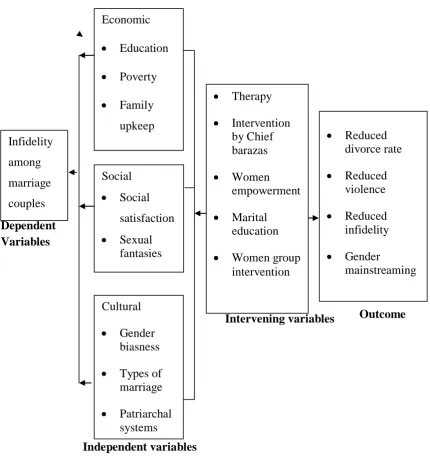
Social, economic and cultural factors have contributed to the persistence and
continued rise of infidelity among couples and the relationship between these
Figure 2.1: Diagrammatic representation of the conceptual framework Source: (Author, 2014)
Various factors contribute and or influence infidelity among married couples world
over, these factors have continued to encourage and or fuel infidelity over time.
Among these factors are time spent away from home due to work which from
normally encourages extramarital affairs due to loneliness, poverty which forces Dependent Variables Outcome Intervening variables Independent variables • Therapy • Intervention by Chief barazas • Women empowerment • Marital education
• Women group
intervention • Reduced divorce rate • Reduced violence • Reduced infidelity • Gender mainstreaming Infidelity among marriage couples Economic • Education • Poverty • Family upkeep Social • Social satisfaction • Sexual fantasies Cultural • Gender biasness
• Types of
marriage
married women to turn to infidelity for financial support, fantasies which force
married couples to seek sexual fantasies outside marriage, sexual occurrencies
which force the partners to seek sexual fulfillment that they are not being given at