Abstract
Background. Despite the potential importance of worksite physical activity interventions, reviews suggest there is currently a lack of clarity regarding their effectiveness. Aim. This meta-analysis assessed the effectiveness of worksite interventions designed to promote physical activity and investigate whether 1) interventions explicitly designed based on theory are more effective, and 2) inclusion of specific behaviour change techniques improves
effectiveness. Methods. Worksite interventions with a primary aim of increasing physical activity were systematically reviewed. Designs were experimental or quasi-experimental and outcome measures were objective or validated self-report. Interventions were coded based on the extent to which theory/predictors were used to select/develop intervention techniques. A standardised theory-linked taxonomy of 26 behaviour change techniques (BCTs) was also used to code interventions. Effects of explicit use of theory, individual techniques, and number of BCTs used were assessed using meta-analysis and meta-regression. Results. Twenty six studies reporting 27 evaluations were included in the meta-analysis and a random effects model produced an overall effect size (d) of .21 (95% CI .17 to .26). Subgroup
analysis indicated that interventions using theory more explicitly were more effective, producing an effect size of .34 (CI .23 to .45; I² = 0%). No significant differences in effect sizes were found between studies that had used individual behaviour change techniques and those that had not, and studies that used more techniques were not more effective.
Conclusion. Overall, worksite physical activity interventions were effective, but only produced small sized effects on physical activity. Theory based interventions were more effective.
INTRODUCTION
The benefits of a physically active lifestyle in promoting health and disease
prevention are well documented and no longer subject to debate (DoH, 2004). However, in developed countries people are becoming increasingly sedentary (World Health Organisation [WHO], 2004). Unfortunately, physical inactivity is not only a risk factor for a number of diseases (e.g., Warburton, Nicol, & Bredin, 2006), but it also has a considerable negative impact on the health economy (Allender, Foster, Scarborough, & Rayner, 2007). For example, the annual indirect cost of physical inactivity in England has been estimated to be £8.2 billion (Department of Culture, Media and Sport [DoCMS], 2002), and was estimated to be over $500 billion in the US in 2008 (Chenoweth & Leutzinger, 2006). As a consequence, promoting physical activity is of great relevance.
Most adults spend over half their waking life at work, commonly in deskbound occupations (Gilson, McKenna, Cooke, & Brown, 2007). The sedentary nature of many jobs, combined with the increasing use of motorised transport, has contributed to a decline in physical activity behaviour amongst adults (Lawlor et al., 2003). Coupled with the individual health benefits of physical activity, employers endorsing physical activity interventions at work may benefit from increased productivity and a reduction in absenteeism (Dishman, Oldenburg, O'Neal, & Shephard, 1998; Proper, Staal, Hildebrandt, Van der Beek, & Van Mechelen, 2002).
Evidence for the effectiveness of worksite physical activity interventions
of the employee population, worksite physical activity interventions may be especially valuable because the imbalance between physical activity and energy expenditure at work may contribute to the obesity epidemic (Troiano, Berrigan, & Dodd, 2008). Despite the potential importance of worksite physical activity interventions, reviews (e.g., Abraham & Graham-Rowe, 2009; Dishman et al., 1998; Dugdill, Brettle, Hulme, McCluskey, & Long, 2008; Proper et al., 2002) suggest there is a lack of clarity regarding their effectiveness. One of the earliest reviews undertaken (Dishman et al., 1998) included 26 studies and found a heterogeneous small effect size (r = .11; 95% CI = -.20 to .40) that was statistically non-significant. As a result, the authors concluded that the typical worksite intervention was yet to demonstrate a statistically significant impact on physical activity or fitness. By contrast, the review by Proper et al. (2002) supported the implementation of worksite physical activity interventions at least in relation to reducing the risk of musculoskeletal disorders, but these conclusions were based only on two high quality (RCT) studies (Grønningsäter, Hytten, Skauli, Christiensen, & Ursin, 1992; Gundewall, Liljeqvist, & Hansson, 1993). Both reviews (Dishman et al., 1998; Proper et al., 2002) concluded that the majority of worksite physical activity interventions lacked methodological rigour through poor study design, had a general reliance on self-report measures, and provided insufficient descriptions of the randomisation procedure. The evidence presented by Dishman et al. (1998) and Proper et al. (2002) is persuasive because in each review, studies were included based on assessment of
physical activity behaviour. However, studies from the USA and Asia were not included in this analysis.
The most up to date reviews of worksite physical activity interventions have been recently undertaken by Conn et al. (2009), and Abraham and Graham-Rowe (2009). Abraham and Graham-Rowe extended the results of Dishman et al. (1998) by assessing interventions for the period of 1997-2007. They concluded that worksite physical activity interventions have small positive effects on PA when assessed by self-report measures (d = .23), but these effects were more modest when using objective measures of cardiorespiratory fitness (e.g., Harvard Step Test, VO2 Max Test, heart rate measures) as the outcome measure (d = .15).
Conn et al. (2009) undertook a rigorous workplace physical activity intervention evaluation with a large number of studies (k = 206), which produced a similar mean effect size of d
= .21. Both Abraham and Graham-Rowe and Conn et al. assessed the impact of moderating variables, such as intervention techniques and contextual characteristics. However, neither of these, or any other published worksite physical activity meta-analysis have examined the extent to which theory was used to inform the design of interventions, and how this impacts on effectiveness.
The importance of theory in health behaviour change interventions
Theory is regarded as the primary foothold that developers have in creating health behaviour change interventions (Brug, Oenema, & Ferreria, 2005). It can be used to explain the structural and psychological determinants of behaviour and to guide the development and refinement of health promotion interventions (Painter, Borba, Hynes, Mays, & Glanz, 2008). Interventions can be informed by theory in a number of ways. For example, through
to target that will be of most benefit to individuals. Theory also allows one to assess whether the targeted factors in the intervention represent mediators of changes in behaviour (Baron & Kenny, 1986; Shrout & Bolger, 2002). Moreover, the application of theory should improve the likelihood of intervention effectiveness by helping researchers/practitioners to make informed decisions when developing behaviour change interventions (Fishbein & Yzer, 2003). Therefore without the use of theory, information to understand processes, gain knowledge, and accumulate evidence is limited (Lippke & Ziegelmann, 2008).
Claims regarding the increased effectiveness of theory based interventions date back to the late 1990’s (Griffin, Kinmonth, Skinner, & Kelly, 1999), and have been supported in recent years (Marteau, Dieppe, Foy, & Kinmonth, 2006; Michie, Sheeran, & Rothman, 2007; Painter et al., 2008). In an attempt to confirm these assertions, a large meta-analytic review of interventions to prevent HIV reported that the degree of behaviour change was positively related to the use of theory (Albarracin et al., 2005). However, this finding was based only on whether or not a theory was stated, rather than if it had been used and to what extent in intervention design. To advance on these findings, a meta-analysis of internet-based health promotion interventions (20 [24%] of which targeted physical activity behaviour) assessing the impact of theoretical basis was recently undertaken by Webb et al. (2010). Using a coding scheme developed by Prestwich and Michie (2009), the authors of this review found that interventions making extensive use of theory tended to report larger effects on behaviour than did those interventions that made less extensive or no use of theory. Furthermore, Webb et al. (2010) also noted that there was considerable variation in the degree to which intervention design was informed by theory.
reviews have suggested that health behaviour interventions are rarely informed by theory. For example, in their meta-analysis of tailored interventions (of which five [13%] addressed physical activity), Noar et al. (2007) discovered that 9% of the studies they investigated had no explicit theoretical basis. In addition, Dombrowski, Sniehotta, Avenel, and Coyne (2007) found that although 34 (44%) of the RCTs they investigated reported the theoretical basis for intervention development, not a single study explained how theory led to development of the intervention, and none provided a systematic rationale which underpinned the intervention development. Furthermore, in an evaluation of 37 online interventions (six of which aimed to promote physical activity/exercise), Evers et al. (2003) identified that the majority (76%) did not base their intervention on theory. These weaknesses make it difficult to determine if published interventions are evidence-based or simply evidence-inspired (Michie & Abraham, 2004). As such, the current quality of published evaluations could be limiting the
development of a science of behaviour change (Dombrowski et al., 2007).
The reviews presented above were based on a range of health behaviours and targeted at different populations. Therefore, the question regarding the effectiveness of workplace physical activity interventions in relation to the extent to which theory is used and how explicitly it is applied remains unanswered. Consequently, one aim of the present review was to investigate whether the extent to which interventions were explicitly based on theoretical predictors influences the effectiveness of physical activity interventions for employees. How do behaviour change techniques influence worksite physical activity intervention effectiveness?
the way in which the BCTs used in many interventions has been described has been inconsistent due to the absence of a standardised vocabulary which defines intervention components (Abraham & Michie, 2008). This has caused reviewers to use diverse approaches to categorising intervention content (e.g., Albarracin et al., 2005; Webb & Sheeran, 2006), which has made it difficult to pinpoint the specific characteristics of interventions that are effective in promoting behaviour change.
Recent work in this area has alleviated some of these problems. Abraham and Michie (2008) defined a set of 26 reliable theory-linked behaviour change techniques (BCTs) that can be used to characterise intervention content, as well as to clarify content differences between them. This taxonomy of BCTs has inspired reviewers to code interventions and assess the effects of each technique, as well as combinations of techniques, across
interventions (e.g., Michie, Abraham, Whittington, McAteer, & Gupta, 2009; Webb et al., 2010). For example, in a meta-analysis and meta-regression of online health behaviour change interventions (Webb et al., 2010), results indicated that interventions using more techniques had a greater impact on behaviour. Furthermore, the techniques of ‘self-monitoring’, ‘stress management’, ‘skills training’, ‘modelling’, ‘relapse prevention’, ‘facilitating social comparison’, ‘goal setting’, ‘action planning’, and ‘provision of feedback on performance’ were each found to have significant effects on behaviour change (ranging from d = .18 to .50). Findings from a meta-analysis of worksite physical activity interventions by Abraham and Graham-Rowe (2009) indicated that the use of self-monitoring was
effectiveness of workplace physical activity interventions, the present review used the taxonomy developed by Abraham and Michie (2008) to code intervention content. Aims and objectives
The primary aim of this systematic review was to assess the effectiveness of worksite physical activity behaviour change interventions. Secondary aims were to investigate whether intervention effectiveness is improved by:
The extent to which interventions are explicitly designed based on theory.
Use of any of 26 theoretically-specified behaviour change techniques. Method
The methods used to collect and summarise the evidence as part of this review are in accordance with the preferred reporting items for systematic reviews and meta-analyses guidelines (PRISMA: Liberati et al., 2009). The review of interventions covered the period from 1975 to January 2009 to coincide with 1) the formation by the American Psychological Association (APA) of a task force on health research (APA Task Force, 1976), and 2) the emergence of health psychology as a scientific discipline (Friedman & Adler, 2007). Research papers were sourced initially through electronic databases, including an advanced version of the Web of Science, PSYCHINFO, SPORT-DISCUS and Medline. Relevant references were explored and retained when they met the inclusion criteria. Reference sections of retrieved articles were also searched manually. Finally, subscription to ZETOC alerts was established in order to be kept up to date with the latest publications in this area. Search terms included ‘physical activity’, ‘exercise’, ‘intervention’, ‘behaviour change’, ‘worksite’, and ‘employees’.
c) an experimental or quasi-experimental design (i.e., controlled trials and interrupted time series designs) was used (Dishman et al., 1998). If the intervention was multi-faceted (e.g., it was attempting to improve dietary and physical activity behaviour), it was considered for inclusion as long as a primary aim was to improve levels of physical activity. Interventions aimed at individuals sharing a clinical condition (e.g., pregnant women, individuals with diabetes, mental health problems, etc.), amateur or professional athletes, or ageing adults (i.e., retired individuals) were excluded. This is because interventions aimed at these individuals are likely to have a different purpose. For example, for amateur/profession athletes, the overall aim may be related to rehabilitation following injury (e.g., Evans & Hardy, 2002); for ageing adults, the aim may be related to increasing mobility (e.g., Logan et al., 2004), rather than physical activity.
Over 9000 papers were identified by the initial search strategy. The search filter ‘health promotion’ was applied and narrowed the articles down to 1203. A review of the abstracts reduced this total to 93 studies. The first author reviewed each paper independently and 14% of the results were cross checked by two experienced experts in the field. A full text review of individual papers and associated reference lists resulted in 26 accepted studies (27 evaluations). Appendix 1 provides a list of rejected studies and reasons for exclusion. Data extraction
Effect sizes were calculated using the standardised mean difference d [(mean a – mean b) / pooled standard deviation]. Given that some studies had small sample sizes, Hedges g correction was used for all effect sizes (Hedges & Olkin, 1985; Kampenes, Dyba, Hannay, & Sjøberg, 2007)1. Where the appropriate data were available, these values and
associated standard error for each comparison were computed from means and standard deviations. When this data could not be obtained, the following approaches were used to
1 The correction factor, J, yields an unbiased estimate of the pooled standard deviation, δ, using the following
calculate effect sizes, in this order: 1) mean change in each group, F for difference in change and sample size, 2) difference in means for each group, confidence intervals, and sample size, 3) mean difference in each group, standardised deviation difference in each group, and sample size, 4) raw difference in group means, standard error, and sample size. Articles reporting multiple outcome measures (e.g., self-reported minutes per week, VO² Max, total energy expenditure (EE) per week) were recorded and an average effect size for each study was calculated, but group sample sizes were initially halved to avoid underestimating the variance associated with each effect size (Borenstein, Hedges, Higgins, & Rothstein, 2009). Where data were reported from multiple time points, the results were taken from the first measurement point at which the intervention delivery had finished, and where there was more than one measurement point taken after the intervention had finished, an average effect size was used. When gender groups were assessed separately, both were included but treated as separate studies. Where two interventions in the same study met the inclusion criteria, the intervention with the greatest effect was chosen (cp. Michie et al., 2009).
Coding of study characteristics
Data were coded using a review scheme developed by the authors and the following information was extracted: a) bibliographic information, b) location (country), c) sample size (including attrition information), d) design, e) duration of treatment (weeks), f) average time of outcome assessment, g) format of delivery (group, individual, or both), h) source of delivery (e.g., web, health professional, etc.), i) contact time (hours), j) outcome measure (fitness, duration, energy expenditure, or steps), k) behaviour target (sole PA or PA plus another behaviour), l) delivery during work hours, and m) effect size information (means, standard deviation, statistic type, value of statistic, direction of effect, number of responders).
Additionally, interventions were coded using Abraham and Michie’s (2008)
differentiate between intervention content, and to identify the specific factors successful in changing physical activity behaviour. Instructions from Abraham and Michie’s (2008) 5-page coding manual were followed and both the intervention and control groups in each study were coded. Coding values were assigned to assess the effectiveness of behaviour change techniques in the intervention group, relative to the control group (rather than using within group change over time as the measure of effectiveness) and were as follows: 1 = technique present in intervention group only, -1 = technique present in control group only, 0 =
technique present in both or not present in either group.
Finally, interventions were coded based on the extent to which the theory/predictors used to select/develop intervention techniques were made explicit. This coding approach was based on guidance about systematic examination of the use of theory within intervention research provided by Michie and Prestwich (2010). Two items from this guidance (theory/model of behaviour mentioned and theory/predictors used to select/develop
intervention techniques) supported the research questions posed here. These were combined to produce four categories that interventions could be allocated to: A = no mention of theory at all, B = broadly describes how theory was used to inform intervention design, C =
describes how theoretical constructs were used to inform the design of somespecific intervention strategies, or D = described how theoretical constructs were used to inform the design of everyspecific intervention strategy.
Inter-rater reliability checks on technique identification and explicit use of theory was conducted by the second and third authors on 8 (30%) of the 26 papers. A Kappa value of .43 (p < .01) was produced for agreed presence of techniques, and an 80% agreement for
presence and absence of techniques was also found, indicating moderate levels of reliability. Agreement for explicit use of theory was 63%. Disagreements were resolved through
Data synthesis and analytic strategy
Analysis and computations were conducted using Comprehensive Meta Analysis software, Version 2.2.040 (Borenstein, Hedges, Higgins, & Rothstein, 2005). A random effects meta-analysis, random effects sub-group analyses, and random effects method of moments meta-regression were performed. For categorical variables, planned sub-group analyses were undertaken using a Q-test based on analysis of variance to investigate whether effect sizes differ as a function of sub-group membership (Borenstein et al., 2009). Planned univariate meta-regression was used with continuous variables and is defined as “…a
combination of meta-analytic principles (of combining results from multiple studies with due attention to within-study precision and among study variation) with regression ideas (of predicting study effects using study-level covariates)” (Sutton & Higgins, 2008; p.629). The regression coefficients (β) are the estimated increase in the effect size per unit increase in the covariates(s). For all types of analyses, positive effect sizes indicate that the intervention had a better outcome than the control group (Michie et al., 2009).
Cohen’s d was used as the primary estimate of effect size for each study, with Hedge’s g adjustment. Weighted average effect sizes (d+) were based on a random effects
model (DerSimonian & Laird, 1986) to incorporate the assumption that studies are likely to be different from one another in ways too complex to be captured by a few simple study characteristics (Cooper & Hedges, 1994). Cohen’s (1992) guidelines were used to interpret effect sizes. Classifications for what is considered to be small, medium and large effect sizes are d+= .20, d+= .50, and d+= .80, respectively2.
The Q statistic (Cochran, 1954), I² statistic (Higgins & Thompson, 2002), and visual inspection of the forest plots were used to examine statistical heterogeneity in the meta-analysis. A statistically significant Q indicates that the effect sizes are heterogeneous. I²
2 The classifications for Cohen’s d effect sizes also apply to Hedges g (Cohen, 1988, 1992; Kampenes et al.,
describes the percentage of total variation across studies that is due to heterogeneity rather than chance, so presents the proportion of observed variance that reflects real differences in effect size (Higgins, Thompson, Deeks, & Altman, 2003). Based on suggestions made by Higgins et al. (2003), an I² of 25% was interpreted as low heterogeneity, 50% as moderate, and 75% as high.
Random effects subgroup analysis was performed to examine whether any of the following intervention characteristics were associated with increased intervention effectiveness: behaviour target (coded as solely physical activity, or multi-behaviour), outcome type (coded as self-report or objective), outcome measure (coded as
cardiorespiratory fitness, duration, energy expenditure, or steps), format of delivery (coded as individual, group, or a mixture of both), delivery approach (coded as written materials, education session, pedometer, computer, web, peer, counsellor/health professional), delivery time during work (coded as yes or no), country (coded as UK, USA and Canada, all Europe, or other), and explicitness of theory (coded as A = no mention of theory at all, B = broadly describes how theory was used to inform intervention design, C = describes how theoretical constructs were used to inform the design of somespecific intervention strategies, or D = described how theoretical constructs were used to inform the design of everyspecific intervention strategy).
Random effects subgroup analysis was also used to examine the association between the 26 individual BCTs and intervention effectiveness. To be included in the analysis, a single technique was required to be used in at least four separate studies (cp. Michie et al., 2009).
For all subgroup analyses, if there were more than two comparisons for each
against all others. If there were too few studies (i.e., less than 3 interventions; cp. Webb et al., 2010) in a particular category for a comparison (e.g., ‘steps’ as an outcome measure was used by only two studies), it would not be included as a stand-alone sub-group to be compared, but would be included in the comparisons against the other sub-groups for that particular
intervention characteristic.
Finally, random effects univariate meta-regression models were used to examine whether any of the following continuous intervention characteristics were associated with intervention effectiveness: average measurement point (range: 3 to 144 weeks post-baseline), length of intervention (range: 2 to 72 weeks), intervention contact time (range: .2 to 72 hours), and number of intervention techniques (range: 0 to 14).
To examine how much of the heterogeneity was accounted for by the covariate(s) included in each analysis, the adjusted R² was used. Adjusted R² is calculated by comparing the baseline value of the heterogeneity variance (τ²total) obtained from the original meta-analysis with the heterogeneity variance from the subgroup or meta-regression meta-analysis (τ²within), using the following formula 1- ( τ²within/ τ²total) (Borenstein et al., 2009).
The possibility of publication bias was assessed using the Duval and Tweedie non-parametric “trim and fill” method (Duval & Tweedie, 2000a, 2000b). This provides information regarding the impact of missing studies by adjusting the meta-analysis to take into account these hypothetically missing studies.
Results Description of interventions
Of a possible 26 behaviour change techniques, the overall average per intervention was 6.1 (SD = 3.3). Five of the techniques were used in less than three evaluations (‘provide
information about others’ approval’, ‘set graded tasks’, ‘agree behavioural contract’, ‘prompt self talk’, ‘stress management’, and ‘motivational interviewing’). Active control groups were often used (as opposed to control groups that receive no intervention) and twelve (44%) control groups used at least one technique. The overall mean number of techniques in the control groups was 1.3 (SD = 1.9).
Key intervention characteristics by study, as well as a summary of intervention characteristics are displayed in Table 2 and Appendix 2. Forty four percent of interventions were delivered in the USA, followed by 33% in Europe, 11% in Canada , 7% in Australia, and 4% in Japan. Twenty two percent of interventions were delivered during work hours. The duration of interventions ranged from two weeks to over 12 months (M = 21.4 weeks, SD = 16.8). Intervention contact time ranged from twenty minutes to 71 hours (M = 25.1 hours, SD
to inform the design of somespecific intervention strategies, and no studies described how theoretical constructs were used to inform the design of every specific intervention strategy. Effect of the interventions
Overall effect
Pooling the data across 27 evaluations (N = 15,062) using a random effects model produced an overall effect size of .21 (95% CI .17 to .26), indicating that participants receiving behaviour change interventions reported significantly better outcomes on physical activity than those in the control conditions (Table 5). Examination of the Q illustrated that heterogeneity was not statistically significant (Q = 30.6, p > .05). However, the Q statistic and p-value address only the test of significance and should not be used as surrogates for the amount of true variance (Borenstein et al., 2009). To assess the proportion of observed variance that reflects real differences in effect size, I² was examined and suggested 16% of the heterogeneity reflected true differences, which, according to Higgins et al. (2003), is low. The planned subgroup and meta-regression analyses were subsequently conducted because it has been suggested that it is appropriate to use these analyses to explore sources of
heterogeneity, even if an initial overall test for heterogeneity is non-significant (Thompson & Higgins, 2002). Under the random effects model, the “trim and fill” (Duval & Tweedie, 2000a, 2000b) imputed point estimate was .19 (95% CI .14 to .24). This, in the context of effect size, has similar substantive implications as the original meta-analysis result, indicating no evidence of publication bias.
Moderating variables
behaviour change techniques. Adjusted R² was used to examine how much of the heterogeneity was accounted for by the covariate(s) included in each analysis.
Intervention characteristics. Examination of intervention characteristics via subgroup analysis (Appendix 3) indicated that none of the heterogeneity was explained by outcome type, outcome measure, behaviour target, delivery source, format of delivery, location of delivery, delivery approach, or delivery during work hours (adjusted R² = 0%). For the four continuous intervention characteristics, meta-regression (Appendix 4) indicated that average measurement point, length of intervention, and intervention contact time did not explain any of the variance (adjusted R² = 0%). These results suggest that none of the 11 characteristics assessed impact on intervention effectiveness.
Explicit use of theory. Subgroup analysis (Appendix 3) (based on three categories as no studies fell into category D) indicated a significant difference in effects of interventions that varied in the extent to which the design of the intervention was explicitly informed by theory (p < .05), and all of the heterogeneity was explained (adjusted R² = 100%). In
Following Lipsey (2003) and Patall, Cooper, and Robinson (2008), we assessed for confounding between this moderator and other potential moderators. What has been observed in recent literature is examination for confounding amongst only those moderators that were found to be significant (e.g., Hagger, Wood, & Chatzisarantis, 2010). However, no other moderators in this review were found to be significant and it would not be feasible to test for covariation amongst every pair of moderators assessed here (DeCoster, 2009). Therefore, factors shown to act as moderators in other meta-analyses in this area were tested as potential confounders. In particular, the use of self-report versus objective measures of physical activity has been noted as a moderator in other meta analyses (e.g., Abraham & Graham-Rowe, 2009), and so was tested as a potential confounder. Due to small cell sizes, the Freeman-Halton extension to the Fisher exact test for 2 x 3 contingency tables (Freeman & Halton, 1951) was used to test for confounding (calculations were performed using the Vasser Stats website: http://faculty.vassar.edu/lowry/ VassarStats.html, accessed 04.10.10, (c) R Lowry). Confounding was apparent (p < 0.001) and was attributable to the fact that not a single study coded as using some theory in intervention design used objective measures of physical activity. Additional analyses revealed that, with regards to explicit use of theory, the patterns observed across the whole sample of studies were replicated when only studies using self-report measures were employed.
remaining techniques (prompt barrier identification, and relapse prevention) were associated with larger effect sizes in interventions that used these techniques in comparison to those interventions that did not, relative to the respective control groups. However, no significant differences in effect sizes were found between studies that had used each technique and those that had not.
Finally, meta-regression indicated that number of techniques used did not explain any of the variance (β = -.004, 95% CI -.016 to .007; I² = 0%; p = .35). This result indicates that increasing the number of techniques used within an intervention does not impact on physical activity behaviour.
Discussion
This meta-analysis of interventions designed to promote physical activity among worksite populations used novel approaches to classify interventions according to explicit use of theory (Michie & Prestwich, 2010) and BCTs (Abraham & Michie, 2008). Twenty seven evaluations, which actively involved employees in physical activity behaviour change interventions and were evaluated using an experimental or quasi-experimental design, were identified. Results indicated that such interventions are minimally effective, producing a small overall effect size (d = .21) (Cohen, 1992). This falls in the range of other
meta-analyses of worksite physical activity interventions (e.g., Abraham & Graham-Rowe, 2009, d = .22; Dishman et al., 1998, r = .11).
These relatively low effect sizes should not be taken as suggesting that the
interventions are ineffective. For example, considering the eight evaluations which assessed fitness as the primary outcome measure (N = 1129), an average effect size of .22 was observed3. This is a similar finding to that by Abraham and Graham-Rowe, who found the
effect size of the nine studies that they evaluated, which used fitness measures, to be .27.
3 Interventions that used self-reported duration and energy expenditure outcome measures also achieved average
Therefore, in accordance with their interpretation, although this is relatively small, if replicated across the population (and maintained) it is possible that this average increase in population fitness could have a considerable health and economic impact (Abraham & Graham-Rowe, 2009).
Similarly to a recent review of healthy eating and physical activity interventions by Michie et al. (2009), most design characteristics, such as behaviour target (sole physical activity or multi-behaviour), delivery source (e.g., web, health professional, etc.), format of delivery (group, individual, both), delivery approach (type of tailoring, if any), delivery during work hours, average measurement point and intervention contact time, did not distinguish between effective and ineffective interventions. In addition, neither the use of specific behaviour change techniques, nor the use of more behaviour change techniques, made a difference to intervention effects on behaviour. This may be related to how individual techniques have been operationalised, or to the quality and fidelity of intervention delivery for those that have used a large number of techniques, two points addressed below.
Explicit use of theory
lead to behaviour change (Hardeman et al., 2005), an idea recently endorsed by Michie and Prestwich (2010).
Analysis was undertaken to assess for confounding between this moderator and one other (non-significant) moderator of interest - type of measurement outcome. We attributed the significant Fisher’s exact test to the fact that not a single study coded as using some
theory in intervention design used objective measures of physical activity. However, the effect of explicit use of theory found across all studies remained when self-report studies were assessed independently. Furthermore, assessment of descriptive statistics indicated that of the ten studies including objective measures (for which d = .22), eight used a health professional or counselor to deliver the interventions, and the mean contact time was 32.6 (SD = 29.9) hours. The mean contact time for the 17 studies using self-report (those that did not provide contact time information were assumed to be 0 hours) as the outcome assessment (for which d = .21) was 1.5 (SD = 2.9) hours, and only two of these involved the use of a health professional or counselor. As such, the form of delivery and contact time found for studies using objective outcome measures appears to be intensive, and the difference in effect size between these and self-report studies is minimal (.01). This may suggest that that if theory is used more explicitly in intervention design, similar intervention effects may be found without having to involve large proportions of contact time and labour intensive intervention strategies. If the health benefits of such non-labour/time intensive interventions outweigh the costs, which can be calculated using methods such as cost-effectiveness analysis (Proper & Van Mechelen, 2007), these theory driven interventions may be considered more worthwhile.
strategies. Of the remaining evaluations, 41% broadly mentioned the use of theory and had the lowest overall effect size (d = .18). Such outcomes verify concerns noted by Rothman (2004), who stated that where a theoretical base for an intervention is stated, there is seldom reference to a method describing how the theory informed the design of the intervention. This implies that there may have been little consideration given to how the theory might have been used to inform the intervention at the planning stage, or weak communication of these factors when results have been broadcast (Michie & Prestwich, 2010).
Although psychological theories provide an essential contribution to health promotion practice, the gap between theory and practice is somewhat difficult to bridge (Kok, Schlaama, Ruiter, & Van Empelen, 2004). With over 30 psychological theories of behaviour (e.g., Theory of Planned Behaviour, Azjen, 1985; Theory of Reasoned Action, Azjen & Fishbein, 1980; Health Belief Model, Rosenstock, 1966) and behaviour change (e.g., Transtheoretical Model, Prochaska, DiClemente, & Norcross, 1992; Health Action Process Approach, Schwarzer, 1992), finding and applying the appropriate theories to design interventions can be a bewildering process (Bartholomew, Parcel, Kok, & Gottlieb, 2001). As such,
practitioners will often turn to existing interventions to see what others have done in similar situations. However, the scientific literature rarely includes descriptions of interventions that provide developers with clear ideas about what interventions and specific behaviour change techniques might be useful to them (Bartholomew, Parcel, Kok, & Gottlieb, 2006). This lack of information may be forcing intervention developers to ‘guess’ what techniques have been used based on loose evidence, which could lead to techniques being inappropriately used in subsequent interventions. The identification of such issues provides a case for an improved standard of intervention reporting (Abraham & Michie, 2008).
In contrast to the limited amount of previous research on effectiveness of behaviour change techniques (Abraham & Graham-Rowe, 2009; Michie et al., 2009; Webb et al., 2010), no techniques were found to be significantly effective across the 27 evaluations examined here. Each of these reviews identified self-monitoring to impact significantly on effect size. However, in the worksite physical activity intervention meta-analysis by Abraham and Graham-Rowe, some conflicting findings were reported. For example, for those studies with self-report as the outcome measure, the use of self-monitoring was associated with
intervention effectiveness. On the other hand, for those studies that used fitness as the primary outcome measure, interventions without self-monitoring appeared to be more effective. The smaller number of studies in the present review meant that it was not possible to compare the impact of self-monitoring amongst studies that used self-report and objective measures of fitness (only two studies with a primary outcome measure of fitness made use of self-monitoring in the intervention here).
One alternative explanation for the lack of significant effects of individual techniques may be related to the use of theory. More specifically, given that only 26% of the studies in the review explicitly used theoretical constructs to inform the design of at least some intervention strategies, it is not known exactly why/how techniques were chosen in the studies that did not use theory explicitly. It is therefore possible that several theoretical constructs were targeted with incompatible techniques. Hence, when subsequently tested for effectiveness, this inappropriate use may have caused certain techniques to demonstrate no, or even negative effects on behaviour.
Limitations and recommendations for future research
should be addressed. First, the number of studies included in the review is moderate, which may have implications for the reliability of these results. However, in a comparison of fixed and random effects methods of meta-analysis by Field (2001), Type I error rates for random effects models were only produced by the Hedges method (the meta-analytic approach used in the current review) when 15 studies or less were analysed. A total of 26 studies were used in the current review and Field suggested that for meta-analyses including around 30 studies, this method produced the most desirable error rates. Nevertheless, meta-analyses of more studies would be required to strengthen the evidence that explicit use of theory improves intervention effectiveness. Further, this would increase the possibility of identifying significant impacts of BCTs.
Second, although this meta-analysis corrected for sampling error within the included studies by calculating frequency weighted effect sizes, it did not correct for other study imperfections. There are other artifacts in addition to sampling error which can serve to attenuate the true strength of intervention effect sizes (Hunter & Schmidt, 2004), such as measurement error, range variation, and attrition artifacts. Therefore, it is important to
acknowledge that there may be some potential bias in the average effect size produced in this meta-analysis as other possible sources of error have not been corrected for.
Third, with regards to one of the main findings from this review – more explicit use of theory improved effect sizes, a relationship was found between this and type of outcome assessment. However, additional analysis revealed the effect of explicit use of theory remained when studies using self-report were assessed independently. Assessment of the effectiveness of interventions using explicit use of theory which are assessed by objective measures would be one avenue for future research.
Furthermore, most journals do not report the use of specific techniques as identified by the coding scheme, meaning the use of particular techniques is subject to interpretation. This is highlighted by the moderate Kappa value produced for the inter-rater reliability checks undertaken on the presence of techniques. However, there was 80% agreement between coders for presence and absence of techniques, indicating better reliability from this
alternative method of assessment. Good inter-rater coding reliability in relation to behaviour change techniques has previously been achieved in the physical activity domain (e.g., Michie et al. (2009) achieved a mean Kappa value of .80 for the physical activity studies included in their review). These discrepancies suggest that additional training for researchers regarding BCT coding may be required to ensure understanding and interpretation is consistent amongst coders. Furthermore, accuracy of coding may be improved if the generic definitions provided by the Abraham and Michie (2008) taxonomy receive further development to improve intervention content descriptions.
Finally, the theory coding scheme (Michie & Prestwich, 2010) used to identify the extent to which theory was used in each study was not fully applied in this review. It was felt that, in this instance, it would be more appropriate to select the elements of the scheme to work with that were pertinent to answering the research questions posed in this review. Future research might be to make full use of the theory coding scheme in evaluating health behaviour change interventions.
Practical implications
would help researchers and practitioners attempting to replicate, test, or synthesise
interventions, as information would be available about what makes particular interventions effective or ineffective (Michie et al., 2009). If interventions to change behaviour based on theory are designed using behaviour change techniques matched to relevant theoretical constructs, not only might this enhance the efficacy of interventions, but such a mapping process might also make the reporting process more straightforward.
Conclusion
The present review has systematically coded the characteristics of worksite physical activity interventions, and linked these characteristics to effect size. The strengths of the review are the systematic, meta-analytic approach, the use of two established coding frames, and a respectable number of studies that focus on a range of intervention approaches. The findings suggest that the effectiveness of worksite interventions is positively associated with the extent to which theory has been explicitly used to inform intervention design. Use of specific or more behaviour techniques did not impact on effect size.
References
Abraham, C., & Graham-Rowe, E. (2009). Are worksite interventions effective in increasing physical activity? A systematic review and meta-analysis. Health Psychology Review, 3(1), 108-144.
Abraham, C., & Michie, S. (2008). A taxonomy of behavior change techniques used in interventions. Health Psychology, 27(3), 379-387.
Albarracin, D., Gillette, J. C., Earl, A. N., Glasman, L. R., Durantini, M. R., & Ho, M. H. (2005). A test of major assumptions about behavior change: A comprehensive look at the effects of passive and active HIV-prevention interventions since the beginning of the epidemic. Psychological Bulletin, 131(6), 856-897.
Allender, S., Foster, C., Scarborough, P., & Rayner, M. (2007). The burden of physical activity-related ill health in the UK. Journal of Epidemiology and Community Health, 61, 344-348.
APA-Task-Force. (1976). Contributions of psychology to health research: patterns, problems, and potentials. American Psychologist, 31, 263-274.
Atlantis, E., Chow, C. M., Kirby, A., & Singh, M. A. F. (2004). Worksite intervention effects on physical health: an rct. Health Promotion International, 21(3), 191-200.
Azjen, I. (1985). From intentions to actions: a theory of planned behavior. In J. Khul & J. Beckman (Eds.), Action control: from cognition to behaviour. Heidelberg: Springer.
Azjen, I., & Fishbein, M. (1980). Understanding attitudes and predicting social behaviour. Englewood Cliffs, NJ: Prentice-Hall.
Bartholomew, L. K., Parcel, G. S., Kok, G., & Gottlieb, N. (2001). Intervention mapping: developing theory and evidence-based health education programs. Mountain View, CA: Mayfield.
Bartholomew, L. K., Parcel, G. S., Kok, G., & Gottlieb, N. (2006). Planning health promotion programs: an intervention mapping approach. San Fransico: Jossey-Bass.
Blissmer, B., & McAuley, E. (2002). Testing the requirements of stages of physical activity amongst adults: the comparitive effectiveness of stage-matched, miss-matched, standard care, and control interventions. Annals of Behavioral Medicine, 24, 181-189.
Borenstein, M., Hedges, L. V., Higgins, J., & Rothstein, H. (2005). Comprehensive Meta-analysis Version 2. Englewood, N.J.: Biostat.
Borenstein, M., Hedges, L. V., Higgins, J., & Rothstein, H. (2009). Introduction to meta-analysis. Chichester: Wiley.
Brand, R., Schlicht, W., Grossmann, K., & Duhnsen, R. (2006). Effects of a physical exercise intervention on employees' perceptions of quality of life: a randomized controlled trial. Sozial-Und Praventivmedizin, 51(1), 14-23.
Brox, J. I., & Froystein, O. (2005). Health-related quality of life and sickness absence in community nursing home employees: randomized controlled trial of physical exercise.
Occupational Medicine-Oxford, 55(7), 558-563.
Brug, J., Oenema, A., & Ferreria, I. (2005). Theory, evidence and intervention mapping to improve behavior nutrition and physical activity interventions. International Journal of Nutrition and Physical Activity, 2(2), 1-7.
Cardinal, B. J., & Sachs, M. L. (1996). Effects of mail-mediated, stage-matched exercise behavior change strategies on female adults' leisure-time exercise behavior. Journal of Sports Medicine & Physical Fitness, 36(2), 100-107.
Chenoweth, D., & Leutzinger, J. (2006). The economic cost of physical inactivity and excess weight in American adults. Journal of Physical Activity and Health, 3(2), 148-163.
Cochran, W. G. (1954). The combination of estimates from different experiments.
Biometrics, 10, 101-129.
Cohen, J. (1988). Statistical Power Analysis for the Behavioural Sciences (2nd ed.). New Jersey: Lawrence Erlbaum Associates.
Cohen, J. (1992). A power primer. Psychological Bulletin, 112, 155-159.
Conn, V. S., Hafdahl, A. R., Cooper, P. S., Brown, L. M., & Lusk, S. L. (2009). Meta-analysis of workplace physical activity interventions. American Journal of Preventive Medicine, 37(4), 330-339.
Cooper, H., & Hedges, L. V. (1994). The Handbook of Research Synthesis. New York: Russell Sage Foundation.
DeCoster, J. (2009). Meta-Analysis Notes. Retrieved 05/09/2010, from http://www.stat-help.com/notes.html
DerSimonian, R., & Laird, N. (1986). Meta-analysis in clinical trials. Controlled Clinical Trials, 7(3), 177-188.
Dishman, R. K., DeJoy, D. M., Wilson, M. G., & Vandenberg, R. J. (2009). Move to Improve: a randomized workplace trial to increase physical activity. American Journal of Preventive Medicine, 36(2), 133-141.
DoCMS. (2002). Game Plan: a strategy for delivering government's sport and
physical activity objectives. Retrieved 05/10/2010, from
http://www.cabinetoffice.gov.uk/media/cabinetoffice/strategy/assets/game_plan_report.pdf.
DoH. (2004). At least five a week: Evidence on the impact of physical activity and its relationship to health: A report from the Chief Medical Officer. Online: http://www.dh.gov.uk/en/Publicationsandstatistics/Publications/PublicationsPolicyAndGuida
nce/DH_4080994 . Accessed on 12/04/2010. London.
Dombrowski, S. U., Sniehotta, F. F., Avenel, A., & Coyne, J. C. (2007). Towards a cumulative science of behaviour change: Do current conduct and reporting of behavioural interventions fall short of best practice? Psychology and Health, 22, 869-874.
Dugdill, L., Brettle, A., Hulme, C., McCluskey, S., & Long, A. F. (2008). Workplace physical activity interventions: a systematic review. International Journal of Worlplace Health Management, 1(1), 20-40.
Duval, S., & Tweedie, R. (2000a). A non-parametric 'trim and fill' method of accounting for publication bias in meta-analysis. Journal of the American Statistical Association, 95, 89-98.
Duval, S., & Tweedie, R. (2000b). Trim and fill: a simple funnel-plot-based method of testing and adjusting for publication bias in meta-analysis. Biometrics, 56, 455-463.
Elbel, R., Aldana, S., Bloswick, D., & Lyon, J. L. (2003). A pilot study evaluating a peer led and professional led physical activity intervention with blue-collar employees: Work: Journal of Prevention, Assessment & Rehabilitation Vol 21(3) 2003, 199-210.
Evans, L., & Hardy, L. (2002). Injury rehabilitation: a goal setting study. Research Quarterly for Exercise and Sport, 73(3), 310-319.
Evers, K. E., Prochaska, J. M., Driskell, M. M., Cummins, C. O., Prochaska, J. O., & Velicer, W. F. (2003). Strengths and weaknesses of health behaviour change programs on the internet. Journal of Health Psychology, 13, 531-543.
Field, A. (2001). Meta-analysis of correlation coefficients: a monte carlo comparison of fixed and random effects methods. Psychological Methods, 6, 161-180.
Fishbein, M., & Yzer, M. C. (2003). Using theory to design effective health behaviour interventions. Communication Theory, 13(2), 164-183.
Freeman, G. H., & Halton, J. H. (1951). Note on exact treatment of contingency, goodness of fit and other problems of significance. Biometrics, 38, 141-149.
Friedman, H. S., & Adler, N. E. (2007). The history and background of health psychology. In H. S. Friedman & R. C. Silver (Eds.), Foundations of Health Psychology (pp. 3-18). New York: Oxford University Press.
Gilson, N., McKenna, J., Cooke, C., & Brown, W. (2007). Walking towards health in a university community: A feasibility study. Preventive Medicine, 44(2), 167-169.
Griffin, S., Kinmonth, A. L., Skinner, C. S., & Kelly, J. (1999). Educational and psychosocial interventions for adults with diabetes. London: British Diabetic Association.
Grønningsäter, H., Hytten, K., Skauli, G., Christiensen, C. C., & Ursin, H. (1992). Improved health and coping by physical exercise or cognitive behavioural stress management traning in a work environment. Psychology and Health, 7, 147-163.
Hagger, M., Wood, C., & Chatzisarantis, N. (2010). Ego depletion and the strength model of self-control: a meta-analysis. Psychological Bulletin, 136(4), 495-525.
Hardeman, W., Sutton, S., Griffin, S., Johnston, M., White, A. J., Wareham, N. J., et al. (2005). A causal modelling approach to the development of theory-based behaviour change programmes for trial evaluation. Health Education Research, 20, 676-687.
Hedges, L. V., & Olkin, I. (1985). Statisical methods for meta-analysis. Orlando, FL: Academic Press.
Higgins, J., & Thompson, S. (2002). Quantifying heterogeneity in a meta-analysis.
Statistics in Medicine, 21(11), 1539-1558.
Higgins, J., Thompson, S., Deeks, J., & Altman, D. (2003). Measuring inconsistency in meta-analysis. British Medical Journal, 327, 557-560.
Hunter, J. E., & Schmidt, F. L. (2004). Methods of meta-analysis: correcting for error and bias in research findings (2nd ed.). London: Sage.
Ishii, A., Nakiri, M., Nagatomi, K., Tsuji, Y., Hoshiko, M., Yamaguchi, Y., et al. (2007). Effect of a physical activity improvement program using the transtheoretical model at a small-scale company. Kurume Medical Journal, 54(1-2), 1-8.
Kampenes, V. B., Dyba, T., Hannay, J. E., & Sjøberg, D. I. K. (2007). A systematic review of effect size in software engineering experiments. Information and Software Technology, 49, 1073-1086.
Kok, G., Schlaama, H., Ruiter, R. A. C., & Van Empelen, P. (2004). Intervention mapping: a protocol for applying health psychology theory to prevention programmes.
Journal of Health Psychology, 9, 85-98.
physical activity: the case of the UK Cycle Network. Journal of Epidemiological Community Health, 57, 96-101.
Lee, C., & White, S. W. (1997). Controlled trial of a minimal-intervention exercise program for middle-aged working women. Psychology & Health, 12(3), 361-374.
Liberati, A., Altman, D. G., Tetzlaff, J., Mulrow, C., Gøtzsche, P. C., Ioannidis, J. P. A., et al. (2009). The PRISMA statement for reporting systematic reviews and meta-analyses of studies that evaluate healthcare interventions: explanation and elaboration. Research Methods and Reporting, 339, Online: http://www.bmj.com/content/339/bmj.b2700.
Lippke, S., & Ziegelmann, J. P. (2008). Theory-based health behaviour change: developing, testing, and applying theories for evidence-based interventions Applied Psychology: An international review, 57(4), 598-716.
Lipsey, M. W. (2003). Those confounded moderators in meta-analysis: good, bad and ugly. The Annals of the American Academy of Political and Social Sciences, 587(69), 69-81.
Logan, P. A., Gladman, J. R. F., Avery, A., Walker, M. F., Dyas, J., & Groom, L. (2004). Randomised controlled trial of an occupational therapy intervention to increase outdoor mobility after stroke. British Medical Journal, 11(329), 1372-1375.
Marcus, B. H., & Forsyth, L. H. (1999). How are we doing with physical activity?
American Journal of Health Promotion, 14(2), 118-124.
Marteau, T., Dieppe, P., Foy, R., & Kinmonth, A. L. (2006). Behavioural medicine: changing our behaviour. British Medical Journal, 332, 437-438.
Michie, S., & Abraham, C. (2004). Interventions to change health behaviours: evidence based or evidence inspired? Psychology and Health, 19(1), 29-49.
Michie, S., & Prestwich, A. (2010). Are interventions theory-based? Development of a theory coding scheme. Health Psychology, 29(1), 1-8.
Michie, S., Sheeran, P., & Rothman, A. J. (2007). Advancing the science of behaviour change. Invited editorial. Psychology & Health, 22, 249-253.
Napolitano, M. A., Fotheringham, M., Tate, D., Sciamanna, C., Leslie, E., Owen, N., et al. (2003). Evaluation of an Internet-based physical activity intervention: A preliminary investigation. Annals of Behavioral Medicine, 25(2), 92-99.
Nichols, J. F., Wellman, E., Caparosa, S., Sallis, J. F., Calfas, K. J., & Rowe, R. (2000). Impact of a worksite behavioral skills intervention. American Journal of Health Promotion, 14(4), 218-221.
Noar, S. M., Benac, C., & Harris, M. (2007). Does tailoring matter? Meta-analytic review of tailored print health behabiour change interventions Psychological Bulletin, 133(4), 673-693.
Painter, J. E., Borba, C. P. C., Hynes, M., Mays, D., & Glanz, K. (2008). The use of theory in health behaviour research from 2000 to 2005: a systematic review. Annals of Behavioral Medicine, 35, 358-362.
Patall, E. A., Cooper, H., & Robinson, J. C. (2008). The effects of choice on intrinsic motivation and related outcomes: a meta-analysis of research findings. Psychological Bulletin, 2, 270-300.
Peterson, M., & Aldana, S. (1999). Improving exercise behavior: an application of the stages of change model in a worksite setting. American Journal of Health Promotion, 13, 229-232.
Pinto, B. M., Friedman, R., Marcus, B. H., Kelley, H., Tennstedt, S., & Gillman, M. W. (2002). Effects of a computer-based, telephone-counseling system on physical activity.
Plotnikoff, R. C., Brunet, S., Courneya, K. S., Spence, J. C., Birkett, N. J., Marcus, B., et al. (2007). The efficacy of stage-matched and standard public health materials for promoting physical activity in the workplace: the Physical Activity Workplace Study (PAWS). American Journal of Health Promotion, 21(6), 501-509.
Plotnikoff, R. C., McCargar, L. J., Wilson, P. M., & Loucaides, C. A. (2005). Efficacy of an E-mail intervention for the promotion of physical activity and nutrition behavior in the workplace context. American Journal of Health Promotion, 19(6), 422-429.
Pohjonen, T., & Ranta, R. (2001). Effects of worksite physical exercise intervention on physical fitness, perceived health status, and work ability among home care workers: Five-year follow-up. Preventive Medicine, 32(6), 465-475.
Pratt, C. A. (2008). Findings from the 2007 Active Living Research conference implications for future research. American Journal of Preventive Medicine, 34(4), 366-368.
Prochaska, J., DiClemente, C. C., & Norcross, J. C. (1992). In search of how people change: applications to addictive behaviors. American Psychologist, 47, 1102-1114.
Proper, K. I., Hildebrandt, V. H., Van der Beek, A. J., Twisk, J. W., & Van Mechelen, W. (2003). Effect of individual counseling on physical activity fitness and health: a randomized controlled trial in a workplace setting. American Journal of Preventive Medicine, 24(3), 218-226.
Proper, K. I., Staal, J. B., Hildebrandt, V. H., Van der Beek, A. J., & Van Mechelen, W. (2002). Effectiveness of physical activity programs at worksites with respect to work-related outcomes. Scandinavian Journal of Work, Environment & Health, 28, 75-84.
Purath, J., Miller, A. M., McCabe, G., & Wilbur, J. (2004). A brief intervention to increase physical activity in sedentary working women. Canadian Journal of Nursing Research, 36(1), 76-91.
Rosenstock, I. (1966). Why people use health services. Millbank Memorial Fund Quarterly, 44 suppl, 94-127.
Rothman, A. J. (2004). Is there nothing more practical than a good theory?: Why innovations and advances in health behaviour change will arise if interventions are used to test and refine theory. International Journal of Behavioural Nutrition and Physical Activity, 1(11), Accessed online on 05/09/2010: http://ijnpa.org/content/2011/2011/2011.
Schwarzer, R. (1992). Self-efficacy in the adoption and maintenance of health behaviors: theoretcial approaches and a new model. In R. Schwarzer (Ed.), Self-efficacy: thought control of action (pp. 217-242). Washington DC: Hemisphere.
Shephard, R. J. (1996). Worksite fitness and exercise programs: a review of methodology and health impact. American Journal of Health Promotion, 10, 436-452.
Shrout, P. E., & Bolger, N. (2002). Mediation in experimental and non-experimental studies: New procedures and recommendations. Psychological Methods, 7, 422-425.
Speck, B. J., & Looney, S. W. (2001). Effects of a minimal intervention to increase physical activity in women: daily activity records. Nursing Research, 50(6), 374-378.
Spittaels, H., De Bourdeaudhuij, I., Brug, J., & Vandelanotte, C. (2007a). Effectiveness of an online computer-tailored physical activity intervention in a real-life setting. Health Education Research, 22(3), 385-396.
Sternfeld, B., Block, C., Quesenberry, C. P., & Block, T. J. (2009). Improving Diet and Physical Activity with ALIVE: A Worksite Randomized Trial. American Journal of Preventive Medicine, 36(6), 475-483.
Sutton, A. J., & Higgins, J. (2008). Recent developments in meta-analysis. Statistics in Medicine, 27, 625-650.
Talvi, A. I., Jarvisalo, J. O., & Knuts, L. R. (1999). A health promotion programme for oil refinery employees: changes of health promotion needs observed at three years.
Occupational Medicine-Oxford, 49(2), 93-101.
Thompson, P. D., & Higgins, J. (2002). How should meta-regression analyses be undertaken and interpreted? Statistics in Medicine, 21, 1559-1573.
Troiano, R. P., Berrigan, D., & Dodd, K. W. (2008). Physical activity in the United States as measured by accelerometer. Medicine and Science in Sports and Exercise, 40(1), 181-188.
van Wier, M. F., Ariens, G. A., Dekkers, J. C., Hendriksen, I. J., Smid, T., & van Mechelen, W. (2009). Phone and e-mail counselling are effective for weight management in an overweight working population: a randomized controlled trial. Bmc Public Health, 9, 6.
Warburton, D. E. R., Nicol, C. H., & Bredin, S. S. D. (2006). Health benefits of physical activity: the evidence. Canadian Medical Association Journal, 174(6), 801-809.
Webb, T. L., Joseph, J., Yardley, L., & Michie, S. (2010). Using the internet to promote health behaviour change: a meta-analysis of the impact of theoretical basis, use of behavior change techniques, and mode of delivery on efficacy. Journal of Medical Internet Research, 12(1), e1.
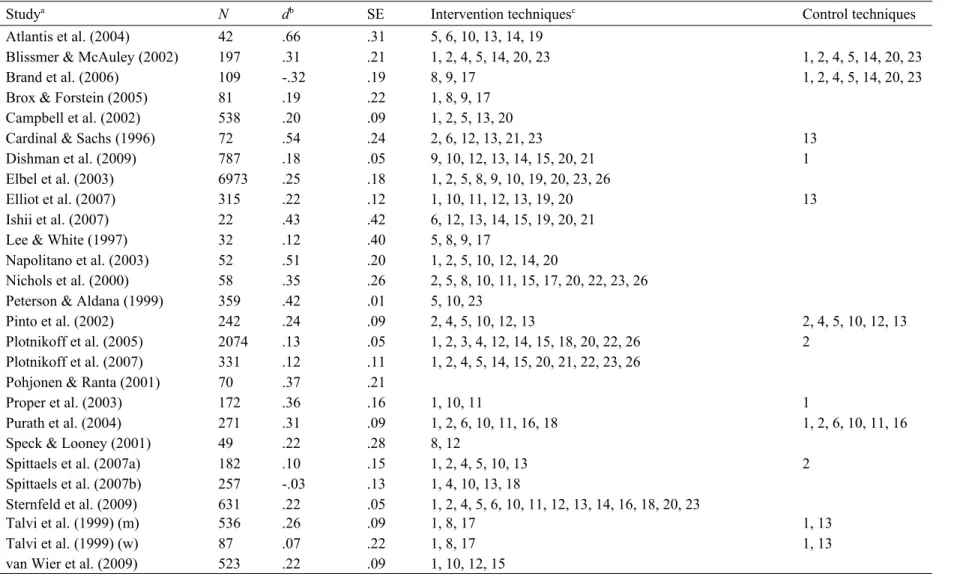
Table 1. Effectiveness and behaviour change techniques by study
Studya N db SE Intervention techniquesc Control techniques
Atlantis et al. (2004) 42 .66 .31 5, 6, 10, 13, 14, 19
Blissmer & McAuley (2002) 197 .31 .21 1, 2, 4, 5, 14, 20, 23 1, 2, 4, 5, 14, 20, 23
Brand et al. (2006) 109 -.32 .19 8, 9, 17 1, 2, 4, 5, 14, 20, 23
Brox & Forstein (2005) 81 .19 .22 1, 8, 9, 17
Campbell et al. (2002) 538 .20 .09 1, 2, 5, 13, 20
Cardinal & Sachs (1996) 72 .54 .24 2, 6, 12, 13, 21, 23 13
Dishman et al. (2009) 787 .18 .05 9, 10, 12, 13, 14, 15, 20, 21 1
Elbel et al. (2003) 6973 .25 .18 1, 2, 5, 8, 9, 10, 19, 20, 23, 26
Elliot et al. (2007) 315 .22 .12 1, 10, 11, 12, 13, 19, 20 13
Ishii et al. (2007) 22 .43 .42 6, 12, 13, 14, 15, 19, 20, 21
Lee & White (1997) 32 .12 .40 5, 8, 9, 17
Napolitano et al. (2003) 52 .51 .20 1, 2, 5, 10, 12, 14, 20
Nichols et al. (2000) 58 .35 .26 2, 5, 8, 10, 11, 15, 17, 20, 22, 23, 26
Peterson & Aldana (1999) 359 .42 .01 5, 10, 23
Pinto et al. (2002) 242 .24 .09 2, 4, 5, 10, 12, 13 2, 4, 5, 10, 12, 13
Plotnikoff et al. (2005) 2074 .13 .05 1, 2, 3, 4, 12, 14, 15, 18, 20, 22, 26 2
Plotnikoff et al. (2007) 331 .12 .11 1, 2, 4, 5, 14, 15, 20, 21, 22, 23, 26
Pohjonen & Ranta (2001) 70 .37 .21
Proper et al. (2003) 172 .36 .16 1, 10, 11 1
Purath et al. (2004) 271 .31 .09 1, 2, 6, 10, 11, 16, 18 1, 2, 6, 10, 11, 16
Speck & Looney (2001) 49 .22 .28 8, 12
Spittaels et al. (2007a) 182 .10 .15 1, 2, 4, 5, 10, 13 2
Spittaels et al. (2007b) 257 -.03 .13 1, 4, 10, 13, 18
Sternfeld et al. (2009) Talvi et al. (1999) (m)
631 536
.22 .26
.05 .09
1, 2, 4, 5, 6, 10, 11, 12, 13, 14, 16, 18, 20, 23
1, 8, 17 1, 13
Talvi et al. (1999) (w) 87 .07 .22 1, 8, 17 1, 13
van Wier et al. (2009) 523 .22 .09 1, 10, 12, 15
Note. a One study (Talvi et al, 1999) reported data from men and women separately, therefore were entered into the meta-analysis as if they were from
cTechniques: 1 = provide information on behaviour-health link, 2 = provide information on consequences, 3 = provide information about others’ approval, 4 = prompt
intention formation, 5 = prompt barrier identification, 6 = provide general encouragement, 7 = set graded tasks, 8 = provide instruction, 9 = model/ demonstrate the
behaviour, 10 = prompt specific goal setting, 11 = prompt review of behavioural goals, 12 = prompt self-monitoring of behaviour, 13 = provide feedback on performance, 14 = provide contingent rewards, 15 = teach to use prompts/ cues, 16 = agree a behavioural contract, 17 = prompt practice, 18 = use of follow up prompts, 19 = provide
Table 2. Key characteristics of studies included in the meta-analysis Study N Study design Duration of treatment (weeks) Average time of outcome assessment (weeks) Format of delivery Source of delivery Contact time (hrs) Outcome No. BCTs Explicit use of theory
Atlantis et al. (2004) 42 RCT 24 24 GI W/HP/C 71 F 6 A
Blissmer & McAuley (2002) 197 RCT 16 8 I WM NS EE 7 C
Brand et al. (2006) 109 RCT 24 24 G HP 26 F 3 A
Brox & Forstein (2005) 81 RCT 24 24 G HP/ES 24 F 4 A
Campbell et al. (2002) 538 RCT 72 72 G WM/PC/PE NS EE 5 B
Cardinal & Sachs (1996) 72 RCT 4 4 I WM NS EE 6 C
Dishman et al. (2009) 787 RCT 12 12 GI PE/HP NS D 8 B
Elbel et al. (2003) 6973 QUAS 3.5 6 GI PE 3.8 EE 10 C
Elliot et al. (2007) 315 QUAS 52 52 G WM/PE/ES 8.3 EE 7 B
Ishii et al. (2007) 22 CT 4 8 GI WM NS S 8 B
Lee & White (1997) 32 CT 24 48 G WM/HP/ES 12 D/F 4 A
Napolitano et al. (2003) 52 RCT 4 8 I W NS D 7 C
Nichols et al. (2000) 58 RCT 24 36 G HP/ES 9 EE 11 C
Peterson & Aldana (1999) 359 RCT 6 3 I WM NS EE 3 C
Pinto et al. (2002) 242 RCT 24 36 I PC 3 D 6 C
Plotnikoff et al. (2005) 2074 RCT 12 12 I W NS EE 11 B
Plotnikoff et al. (2007) 331 RCT 52 52 I WM NS EE 11 B
Pohjonen & Ranta (2001) 70 RCT 36 144 GI ES/HP 72 F 0 A
Proper et al. (2003) 172 RCT 36 36 I ES 2.3 F 3 B
Purath et al. (2004) 271 RCT 6 6 I C .2 D 7 B
Speck & Looney (2001) 49 CT 12 12 I WM NS S 2 A
Spittaels et al. (2007a) 182 RCT 24 24 I W NS D 6 B
Spittaels et al. (2007b) 257 RCT 24 24 I W NS D 5 B
Sternfeld et al. (2009) 631 RCT 16 16 I WM/C/W NS D 14 B
Talvi et al. (1999) (m) 536 QUAS 20 144 GI C 59.5 F 3 A
van Wier et al. (2009) 523 RCT 24 24 I C 1 EE 4 A
Note. For design: RCT = randomised controlled trial; L = longitudinal; S = stratified; QUAS = quasi-experimental; CT = controlled trial; For delivery format: G = group; I = individual; GI = individual and group; For delivery source: W = web; PC = computer; HP = health professional; C = counsellor; PE = peer; WM = written materials; ES = educational session; P = pedometer; For tailored approach: U = universal; DP = demographics/personal; SM = stage-matched; E/L = tailored to exercise/lifestyle; SS = tailored to social support; A = tailored to attitudes; SE = tailored to self-efficacy; BI = tailored to behavioural intentions; For intervention contact time: NS = not specified; explicit use of theory: A = No mention of theory at all; B = Broadly describes how theory was used to inform intervention design – no explanation of how theoretical constructs were used to inform the design of specific intervention strategies; C = Described how theoretical constructs were used to inform the design of some specific intervention strategies; D = Described how theoretical constructs were used to inform the