ABSTRACT
BRYANT, MICHELLE RENEE. Testing Feedback Intervention Theory: Effects of Person-centered and Task-Person-centered Feedback on Attention and Performance. (Under the direction of Dr. Anne Collins McLaughlin).
Testing Feedback Intervention Theory: Effects of Person-centered and Task-centered Feedback on Attention and Performance
by
Michelle Renee Bryant
A dissertation submitted to the Graduate Faculty of North Carolina State University
in partial fulfillment of the requirements for the degree of
Doctor of Philosophy
Psychology
Raleigh, North Carolina 2015
APPROVED BY:
_______________________________ ______________________________
Dr. Anne Collins McLaughlin Dr. Jason Allaire
Committee Chair
DEDICATION
ACKNOWLEDGEMENTS
A great deal of the success of this dissertation relied on the help of so many people. My gratefulness extends well beyond this dedication page. I hope that you have felt my appreciation throughout the years. First, to my advisor; without you, Dr. Anne McLaughlin, my graduate career wouldn’t have been possible. In some ways, I feel like we did this very
much together. In other ways, I feel like you offered me the opportunity to accomplish this on my own. You were and always will be my greatest mentor.
To Maurita Harris, you are an inspiring young researcher. You were instrumental in pulling together this dissertation. I am so grateful for your hard work and assistance in everything.
To Dr. Mary Luong; you and I will remain friends for the rest of our lives. You are very dear to my heart for all you’ve done to encourage me and support me. You are
irreplaceable.
To my mom, my dad, and my brother; you are amazing supporters and certainly my biggest cheerleaders. I love you. To my mother-in-law and brother-in-law, you helped in so many ways. Thank you for all of your love and support.
BIOGRAPHY
Michelle graduated from North Carolina State University in 2005 with a Bachelor of Arts in Psychology. She went on to become certified as a North Carolina Teacher and taught public high school for three years. Afterward, she entered graduate school at North Carolina State University to pursue a Masters and PhD in Human Factors and Cognition in the Psychology department. While attending graduate school she published in the Journal of Human Factors, and gave talks at prestigious conferences such as the International Human Factors Society and the North Carolina Cognition Conference. Also while attending NCSU, Michelle held an internship at Johnson Space Center in the Human Space Flight and
TABLE OF CONTENTS
LIST OF TABLES ... vii
LIST OF FIGURES ... viii
Introduction ... 9
Feedback Intervention Theory ... 9
Task- and Self-goal Processing ... 16
The Current Study ... 19
Method ... 22
Participants ... 22
Measures and Covariates ... 23
Need for Cognition Scale (NFC). ... 23
General Self-Efficacy Scale (GSE). ... 24
Shipley’s Institute of Living Scale. ... 24
Short State Stress Questionnaire (SSSQ). ... 25
Coping Inventory for Task Stressors (CITS). ... 25
Experimental Task: Anagrams ... 26
Person-Centered Feedback Condition ... 27
Task-Centered Feedback Condition ... 27
Pilot study of anagrams. ... 27
Design ... 29
Independent variables. ... 29
Dependent variables. ... 29
Results... 31
Mixed Model ANCOVA Results Summary ... 38
Justification for MLM ... 39
MLM Overview ... 41
Equation ... 41
Model 1 Fixed Effects ... 43
Model 2 ... 44
Model 2 Fixed Effects ... 44
MLM Results Summary ... 45
Discussion ... 46
Limitations ... 48
Theoretical Contributions ... 49
Applied Contributions ... 50
Conclusion ... 50
REFERENCES ... 51
APPENDICES ... 58
APPENDIX A: Feedback Manipulations for Kluger and DiNisi’s (1996) Meta-Analysis ... 59
APPENDIX B: Demographics Questionnaire ... 84
APPENDIX D: General Self Efficacy Scale ... 76
APPENDIX E: Shipley’s Institute of Living Scale ... 77
APPENDIX F: Shortened State Stress Questionnaire (SSSQ) ... 81
APPENDIX G: Coping Inventory for Task Stressors Scale ... 82
APPENDIX H: Anagram Experimental Task Example Stimulus ... 83
LIST OF TABLES
Table 1 Descriptive statistics for the sample including age, self-efficacy, need for cognition,
and verbal ability. ... 23
Table 2. Pilot Performance Results ... 28
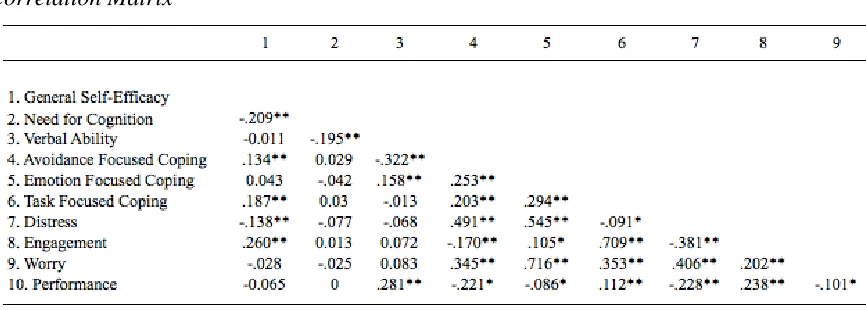
Table 3 Correlation Matrix ... 32
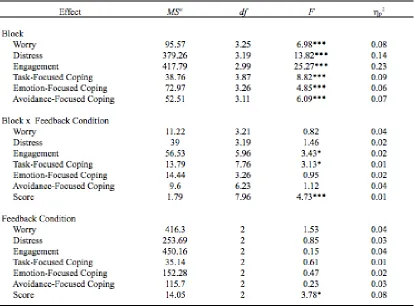
Table 4 Mixed model, repeated measures ANCOVA results ... 33
LIST OF FIGURES
Figure 1. Dweck’s (1986) model for the relationship between theories of intelligence and
goal orientation. ... 12
Figure 2. Krenn et al., (2013) experimental design testing FIT. ... 15
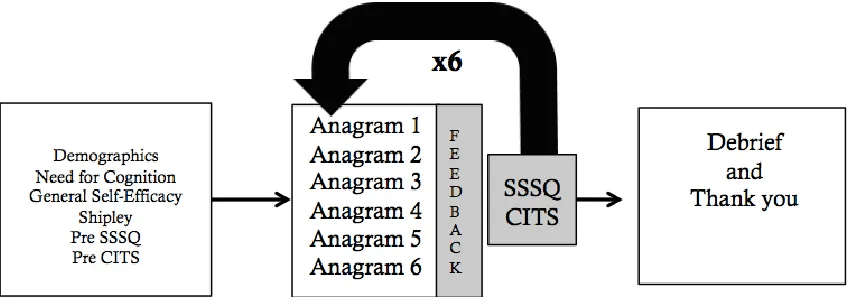
Figure 3. A mixed model, repeated measures design ... 30
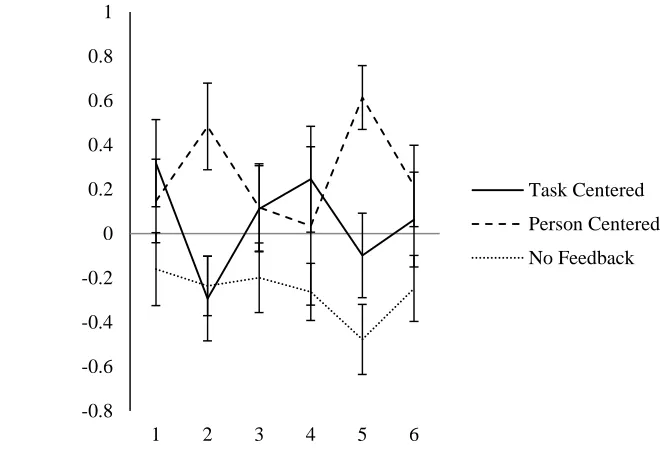
Figure 4. Block x Condition interaction for standardized performance scores. ... 35
Figure 5. Block by Condition interaction for the task focused coping measure. ... 36
Figure 6. Block by Condition interaction for reports of engagement... 37
Introduction Feedback Intervention Theory
Feedback Intervention Theory (FIT) proposed by Kluger and DiNisi (1996)
Similarities exist between FIT and previous theories regarding performance including control-theory (Carver & Scheier, 1982), goal-setting theory (Locke & Latham, 1990), and social cognition theory (Bandura, 1991). For example, control theory proposes that when a discrepancy between state and desired state occurs actions are taken to minimize the
discrepancy between the two (Carver & Scheier, 1982). Carver and Scheier (1982) called this a closed loop of control where the negative feedback loop (the attempt to minimize
discrepancy) continues until the discrepancy is eliminated or until failure to eliminate the discrepancy leads to aborting the task. FIT is similar to control theory in that it proposes a feedback loop where individuals seek to reduce discrepancies between current state and goal state. Carver and Scheier (1982) further support this assertion and found in subsequent studies that self-focus increased feedback seeking behaviors that compared their own performance to the performance of others (Scheier & Carver, 1983). According to control-theory these types of comparisons are particularly detrimental to performance because when performance matches others’ performance, the individual tends not to be motivated to
continue the task. These behaviors imply that goals are associated with performance in comparison with others.
direct an individuals’ attention in a task. That is, once the goal has been established, attention
is focused on attributes of the goal. This is also true for tasks that give feedback, such that reattempting the task allows individuals to set new goals. Thus, feedback associated with goal-related objectives will be attended to, while feedback relevant to non-goal objectives will be ignored. For example, Locke and Bryan (1969) found that when participants were given KR on two dimensions of performance with only one dimension as a goal, they improved their performance on the goal-dimension alone.
In addition to these theories cited by Kluger and DiNisi (1996) in support of FIT, two other phenomena show evidence that self-goal processing is potentially harmful to
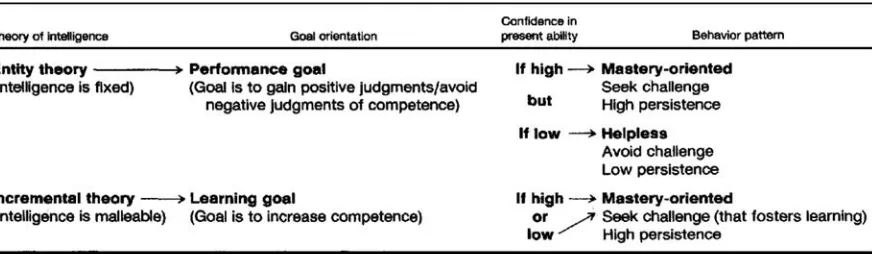
performance and task-goal processing is beneficial: implicit theories of intelligence and stereotype threat. (Fig 1; Dweck, 1986) introduced a theory of intelligence based on the belief that intelligence is either fixed or malleable. In this view, individuals who believe that intelligence is fixed view it as an innate, unchangeable, quality and will orient toward a performance goal (a goal in which self-preservation is the aim).
treated students differently based on their view intelligence as fixed or changeable (e.g., Dweck & Bempechat, 1983; Jones, Bryant, Snyder, and Malone, 2012). Further comparisons have been made between goal setting and goal orientation where goal orientation was
directly related to performance such that those with a learning goal performed significantly better than those who had performance goals (Van de Walle, Brown, Cron, & Slocum, 1999). These findings support FIT by suggesting differences in processing types differentially affect performance.
Figure 1. Dweck’s (1986) model for the relationship between theories of intelligence and goal orientation.
The role of stereotype threat aligns with these viewpoints. For example, stereotype threat often imposes a fixed intelligence mindset on a goal, such as when females are told before a math exam that girls are not good at math (Brown & Josephs, 1999). This mindset cultivates pervasive negative thought intrusion such that performance outcomes are poor (Cadinu, Maass, Rosabianca & Kiesner, 2005). Additionally, Hess, Auman, Colcomb and Rahhal (2003) found that memory performance of older adults was negatively affected by environmental cues that directed attention to negative performance expectations.
Specifically, when told that the study was examining age-related memory decrements, older adult participants made faster judgments about negative trait terms than about positive traits. When cues were eliminated, the effects were not found. This evidence provides support for FIT in that those who experience stereotype threat show behaviors that are similar to self-goal processing such that regardless of ability, performance outcomes are poor.
Kluger and DiNisi’s (1996) meta-analysis of the feedback literature found that in
excluded studies (107 of 127 according to Kluger & DiNisi’s (1996) inclusion criteria) extending findings to other areas is difficult. Additionally, task-goal feedback and self-goal feedback were not manipulated in any of the included studies.
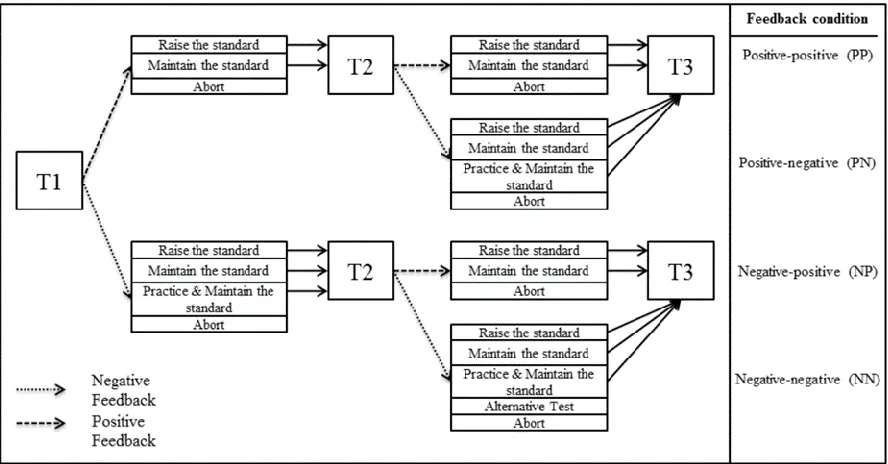
In the most recent study of FIT, Krenn, et al., (2013) provided false positive or false negative feedback in an experimental design that included a short (1.9s) video clip where participants indicated the number of athletes depicted in each clip. The number of athletes ranged from four to nine and varied in difficulty by asking participants to distinguish between active athletes, referees, substitutions, and spectators. Positive and negative feedback were predicted to influence goal behavior. Specifically, goal behavior would depend on feedback condition and subsequently impact performance as outlined by FIT. Results showed that in conditions where a positive feedback trial was followed by another positive feedback trial (positive-positive; Fig 2), participants were more likely to raise their goal standard than those in the negative-negative conditions. There were no differences in performance between groups. A limitation of this study was the combination of normative and KR feedback. For example, in the positive feedback condition participants were
informed that they answered 13 of 14 correct and that their performance was above average. Likewise, in the negative feedback condition participants were informed that they answered two or three correct answers and that their performance was below standard. This is
problematic because normative feedback explicitly compares the performance of an individual to the performance of others and is considered person-centered and thus, directs attention to the self. Additionally, these comparisons influence individuals to adopt
corrective information) has shown that if the feedback does not help individuals reject flawed strategies, then it is not beneficial to performance (Kluger et al., 1996). Thus, without the inclusion of KR plus corrective information Krenn et al., (2013) only manipulated person-centered, false, feedback.
Figure 2. Krenn et al., (2013) experimental design testing FIT.
This is an important study to highlight because it is one of few that have attempted to test FIT and demonstrates limitations that this study will attempt to avoid. First, the inclusion of performance relative to the performance of others as (normative feedback) and KR only represented only person-centered feedback. The second limitation of this study is that the feedback was artificial. It is possible that individuals perceived feedback to be less credible if it contrasted significantly with beliefs of performance (Ammons, 1956; Nease, Mudgett, Quiniones, 1999).
Overall, the there is a wealth of support across the literature for FIT. This underscores the necessity to systematically test feedback content effects on attentional processes.
Specifically, determining if task-focused feedback will engender task-goal processing and if person-focused feedback will engender self-goal processing. The current study will be the first step in testing if FI effects on performance are attenuated by cues that direct attention to self-goal processes.
Task- and Self-goal Processing
While stress is associated with discrepancy between current state and goal state, the appraisal of stress depends on the amount of resources one has to cope with demands (Lazarus & Folkman, 1984; Lazarus, 1991). In other words, individuals appraise similar situations differently based on prior experiences and will respond by engaging in behaviors that minimize threats and maximize gains (Lazarus, 1999). This transactional definition encompasses various emotion processes that many stress researchers agree should be
minimizing discrepancy between current state and goal state is accomplished. This approach yielded two salient forms of coping: emotion-focused and task-focused (Lazarus & Folkman, 1988).
Task-focused coping (or problem-focused) is defined as the effort to remove a threatening event or reduce its effects (Carver & Schrier, 1994). Task-goal orientation is defined as one that allows individuals to reject ineffective strategies in favor of more
effective strategies for better performance outcomes. Kluger and DiNisi argue that task-goal processing represents the most efficient resource allocation in performing tasks. Therefore, feedback that enhances task-goal processing should draw attention to the task and away from self-goal processing behaviors such that performance can be maximized. It is likely that any stress resulting from this environment will be less associated with attention to
self-preservation. Similarities exist between task-focused coping and task-goal processing such that items included on the Coping Inventory for Task Stressors (CITS; (Matthews & Campbell, 1998)) questionnaire ask participants to report the degree to which they tried to focus on the problem, consider different solutions to the problem, and think about and learn from mistakes. This suggests that coping strategy may be an accurate measurement for assessing the level of task-goal processing because items discriminate task-based behaviors from self-based behaviors.
According to Kluger and DiNisi (1996) feedback that praises, purposefully discourages, or threatens self-esteem draws attention to the self and away from the task. Praise in feedback is associated with positive emotions and thus positive affect (Sekerka,
benign (Lazarus, 1991). Therefore, praise likely reduces arousal affiliated with uncertainty or novelty of a task but does so in a way that draws attention to the self, rather than to the task. In this way, it is unlikely to see any performance gains from praise feedback even in skilled performance (Baumeister, Hutton, & Cairns, 1990) because attention is focused on attributes of ones behaviors and self-preservation in subsequent performances.
Discouraging or threatening feedback regarding performance is likely associated with negative affect. The association between this and arousal efforts may increase arousal past the point of efficient resource use resulting in threat or challenge appraisals (Lazarus, 1991). These self-referencing appraisals focus the individual on their competence, and feelings of evaluation. Kluger and DiNisi argued that attentional resources are then directed toward the self, similar to praise feedback. However, in a threat or challenge environment, it is more likely that resources will be taxed, unlike benign appraisals. When cognitive resources are taxed, stress is likely to be reported (Lazarus & Folkman, 1984; Hobfall, 1989). Taken together, the content of feedback, whether praise or discouraging/threatening, is likely to affect stress experiences of an individual. That is, feedback that shifts attention to the self is likely to affect stress experiences such that resources will be allocated disproportionately to the self, restricting resource allocation to the task.
Matthews, Campbell, Falconer, Joyner, Huggins & Gilliland & Warm, 2002). These items ask participants to report the extent to which they engage in self-conscious thoughts while performing a task. Additionally, comparisons between task types have shown reliable
patterns of reports for worry. For example, in tasks where threats to competency are likely to occur such as, social-evaluative threat (evaluative audience of the individuals performance) or impossible anagrams, worry reports are higher than for a working memory and vigilance task (Matthews, Emo, Gunke, Zeidner, Roberts, Costa, & Schultze, 2006). In addition, these patterns persist in repeated measures tasks that are tedious and monotonous (Matthews et al., 2002). This is important because if specific patterns of worry reports align to task
characteristics, researchers can predict stress experiences by task type. Therefore, the use of stress measures is promising for assessing level of self-goal processing.
The Current Study
After reviewing the literature, there appeared to be a gap in understanding how feedback may encourage different processing types and how those processing types may be related to the experience of stress. There is a wealth of theoretical support for Kluger and DiNisi’s (1996) Feedback Intervention Theory that asserts feedback content directs
behaviors and decrease stress unrelated to the task. Specifically, worry as measured by the SSSQ (Helton, 2004) appears to measure components related to self-goal processing such that higher scores will be associated with higher self-goal processing. Task-focused coping as measured by the CITS (Matthews et al., 1998) appears to measure components of task-goal processing such that a higher score on task-focused coping will be associated with higher task-goal processing. By relating stress experiences to feedback content a clearer relationship with performance was expected. That is, task-goal processing was expected to benefit
performance, and self-goal processing was expected to harm performance.
The literature also revealed an ambiguous relationship between feedback and performance. Studies have manipulated aspects of feedback (e.g., timing, frequency) in an attempt to define actionable feedback theory with no agreed upon result (Hattie &
Temperley, 2007). It may be possible that feedback content is a moderating variable between stress experiences and performance. Therefore, I proposed a theory that explains differences in stress experiences as attention differences in processing and that feedback content predicts performance outcomes because it engenders processing type. The following specific aims and hypotheses will be tested:
Hypothesis 1: Feedback content directed to the person (person-centered) will increase self-goal processing as evidenced by increased worry reports on the Shortened Stress State Questionnaire (SSSQ) (Helton & Näswall, in press).
To test the hypothesis that feedback content will affect goal processing, the SSSQ (Helton et al.) will be administered to measure level of self-goal processing and the CITS (Matthews et al.) will be administered to assess task-goal processing in person-oriented and task-centered feedback conditions while performing an anagram task.
Hypothesis 3: Self-goal processing is expected to be negatively associated with performance. Hypothesis 4: Task-goal processing is expected to be positively associated with performance. To test the hypothesis that processing type will be associated with performance levels,
correlation was utilized to determine if self-reports on the worry subscale of the SSSQ and task-focused coping from the CITS differ by feedback condition.
Hypothesis 5: Controlling for need for cognition, self-efficacy, and verbal ability, stress and coping measures will differ significantly by condition such that the task centered feedback condition will report more task focused coping and person centered feedback condition will report more worry.
To test the hypothesis that stress and coping measures will differ by condition, an ANCOVA was employed to determine if self-reports of stress and coping differed significantly by feedback condition controlling for time-stable covariants.
To test the hypothesis that feedback content will moderate the relationship between
processing type and performance, a multi-level model will be employed where performance, worry, and task-focused coping are nested within person (level 2), and feedback group will be entered into the equation at the group level (level 1) along with covariates.
Method Participants
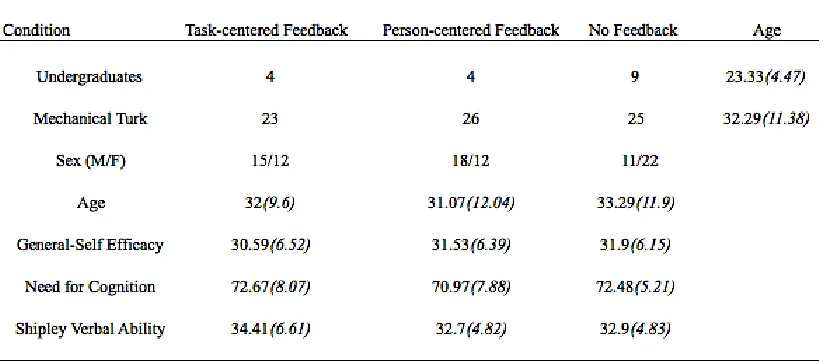
Undergraduates from a large southeastern university were recruited via an online participant database. Students were given course credit for their participation through an Introductory Psychology course. Table 1 shows demographic characteristics of the sample. An a priori power analysis based on the effect sizes reported for feedback intervention in Kluger and DiNisi’s (1996) meta-analysis, required 35 participants per group to find a
medium effect size (d = 0.5), with power of 0.8. A total of 105 participants were recruited. After removing participants who violated terms of inclusion (English as a first language, 18 years or older, or passed 14 or less of 20 attention checks throughout the study, 90
Table 1
Descriptive statistics for the sample including age, self-efficacy, need for cognition, and verbal ability.
Note: Age was measured in years; General Self-efficacy measured via the General Self-Efficacy Questionnaire (Chen, Gully, & Eden, 2001)); Need for Cognition measured via Need for Cognition Scale (Cacioppo, Petty, & Kao, 1984); Verbal Ability measured by Shipley (Shipley, 1940).
Measures and Covariates
Need for Cognition Scale (NFC). The NFC (Appendix C; Cacioppo, Petty, & Kao, 1984) was developed to assess the relative manner in which individuals engage in and enjoy cognitive tasks. The short form consists of 18 items from the original 34-item scale and will be scored on a 10-point Likert scale including very strong disagreement (0), neither
agreement nor disagreement (5), and very strong disagreement (10) with higher scores indicating lower need for cognition. Validity was assessed by comparing variability associated with each added item after the original analysis for the absolute value of factor loadings and found that variance associated with Chonbach’s alpha decreased with the
Scree testing which yielded .90 compared to .91 for the longer scale. NFC is expected to differentially affect engagement such that those who are high in NFC are likely to be more engaged in the experimental task than those low in NFC. Therefore, by including NFC scale, it is possible to control for any variance explained by this variable.
General Self-Efficacy Scale (GSE). The GSE scale (Appendix D; Chen, Gully, & Eden, 2001) is an 8-item scale developed to assess trait-like beliefs of ones over-all
competence and subsequent performance across tasks. It is motivational and is predictive of state self-efficacy across tasks, and serves as a buffer against state self-efficacy. Test-retest validity were high rt1– t2= .65, rt2 – t3= .66, rt1 – t3= .62. Additionally, content validity (as done by card sorting method) found the GSE to be a more consistent construct than a previously well-used scale. All items are scored on a 5-point Likert scale from strongly disagree (1) to strongly agree (5) with higher scores indicating greater self-efficacy. It is likely that positive and negative feedback will differentially affect high and low self-efficacy individuals. For example, Nease, et al., (1999) found that high-self efficacy individuals were significantly less accepting of negative feedback over the duration of the task while low-self efficacy
individuals remained the same in acceptance over trials. Therefore, by controlling for self-efficacy it will be possible to see the effects of feedback over and above self-self-efficacy differences.
sleep). By adding the number of correctly answered items, a sum was derived where higher scores indicated higher verbal ability. Correlations between the Shipley and other intellectual ability tests are high, including .78 for the Wechler Adult Intelligence Scale (Watson & Klett, 1968). Hayslip and Sterns (1979) found that crystallized intelligence and anagram
performance are moderately correlated (.23 to .50). Therefore, verbal knowledge was included as a possible covariate of performance.
Short State Stress Questionnaire (SSSQ). The SSSQ (Appendix F; Helton et al., in press) is a shortened form of the multi-dimensional Dundee State Stress Questionnaire (Matthews, et al., 1999). It examined three higher-order factors of stress: Engagement, Distress, and Worry (Matthews, Szalma, Panganiban, Neubauer, & Warm, 2013). The Worry subscale has shown to be positively correlated to emotion-based coping such that worry increased with greater emotion-based coping strategies (Matthews et al., 2002) making it an appropriate measure of self-goal processing. Participants responded to the SSSQ once before exposure to the experimental task, and after feedback was given (in feedback conditions) or after each block (controls).
closely align with definitions of task-goal and self-goal processes suggesting this measure is appropriate for examining these behaviors. Participants completed the CITS once before exposure to the experimental task, and then after feedback was given (in feedback conditions) or after each block (controls).
Experimental Task: Anagrams
Person-Centered Feedback Condition
Participants in the person-centered feedback condition received KR and either a negative, neutral, or positive statement regarding their true performance; “You’re really great at this! You recognized more words than most people do for this block,” (positive) or
“You’re really bad at this! You recognized less words than most people do for this block,”
(negative). Studies that have manipulated feedback similar to person-centered content used similar phrases (Kamins & Dweck, 1999).
Task-Centered Feedback Condition
Participants received one of two statements in the task centered feedback condition, “You recognized 10 of 15 possible words in this block. The standard is 9 words,” (positive) or “You recognized 5 out of 15 possible words for this block. The standard is 9 words,”
(negative). Similar phrases have been used in research examining task-based feedback (Hattie, et al., 2007). Additionally, previous studies of task feedback included comparison to an individuals’ past performance. For this study, task centered feedback conditions received
information regarding previous scores from prior blocks and were presented with common task enhancing strategies for anagram solutions. The control condition received no feedback.
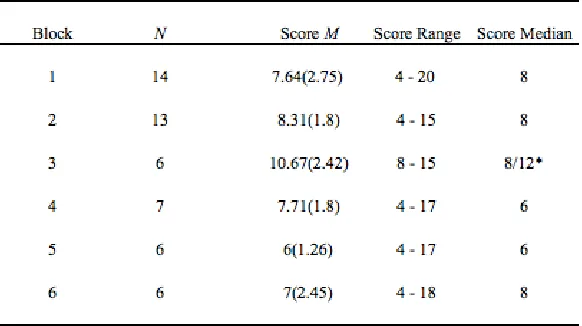
Pilot study of anagrams. A pilot study was used to determine four elements of the experimental task; (1) presentation time of stimulus, (2) difficulty of stimulus within blocks and across task, (3) evidence of both task-focused and emotion-focused coping reports and (4) to assure performance does not show ceiling or floor effects.
although some blocks had more possible solutions than others resulting in some variability in performance external to the variables measured. Pilot participants were collected via
convenience sampling and were administered only one block of six anagrams. The SSSQ and CITS were administered after the block was completed. This process was repeated for each of the six blocks. Performance was measured to check for floor and ceiling effects. Results from this analysis can be found in Table 2.
Table 2.
Pilot Performance Results
98% of others who performed that block. For participants who scored in the 50th percentile, they received neutral feedback indicating that others had performed similarly. Lastly,
participants who scored lower in the lower 50th percentile received negative feedback and KR comparing their performance to the performance of others.
Design
After block means and percentile rankings were determined, a mixed model, repeated measures design (Figure 3) was employed where participants were randomly assigned to one of three feedback groups (person centered feedback, task centered feedback, or no feedback).
Independent variables. Feedback was a between-subjects manipulation (person centered and task centered). Need for cognition, general self-efficacy, and verbal knowledge were measured as possible covariates of performance.
Figure 3. A mixed model, repeated measures design
NOTE: A mixed model, repeated measures design was employed where participants responded to
demographics, need for cognition, general self-efficacy, Shipley’s verbal ability, pre-task SSSQ, and pre-task CITS. Following all participants performed the 6 trials, each followed by a trial-level SSSQ and CITS, then debriefed and thanked for their time.
Procedure
via SSSQ and CITS. After completion of the last trial block, participants were debriefed and thanked for their time. Sessions lasted for approximately 60 minutes.
Results
A Pearson’s correlation was utilized to test if feedback condition predicted processing
type (Hypotheses 3 and 4) as measured by self-reported worry and task-focused coping. Results showed that worry had a significantly negative relationship with performance (r = -.101, p < .05) such that increased worry reports were associated with decreased performance confirming Hypothesis 3. Similarly, task focused coping had a significantly positive
relationship with performance (r = .112, p < .001) such that increased task focused coping reports were associated with increased performance confirming Hypothesis 4. Engagement was also positively associated with performance (r = .238, p <.001). Avoidance focused coping (r = -.221, p < .001), emotion focused coping (r = -.086, p <.05), and distress (r = -.228, p <.001) were all negatively associated with performance where when performance was high, these reports were low. These relationships confirmed relationships regarding self-reported stress and coping and performance and further analysis was conducted. Finally, measures that were expected to be covariates of performance or self-report measures were also included in the correlation analysis. Need for cognition was not found to have a
self-efficacy was associated with lower distress. Given these relationships, general self-self-efficacy and verbal ability were included in the following analyses while need for cognition was excluded.
Table 3.
Correlation Matrix
Note: * p < .05, ** p < .01, **, p < .001
indicating significant differences between the variance of differences. This may be due in part to the small sample size. It is recommended that when deciding which correction to use that values of sphericity that are less than .75 than the Green-house-Geisser estimate of sphericity ( ) should be used (Field, 2013). However, given that some of the estimates of
sphericity are above .75 and some are below, the more conservative Huynh-Feldt correction was used for determining significant relationships.
Table 4.
Results revealed a main effect of Block for all measures except performance score (Table 4), which was not expected to vary as the blocks were standardized. This means that reports of stress and coping measures varied throughout the study independent from
Figure 4. Block x Condition interaction for standardized performance scores.
NOTE: Post-hoc pairwise comparisons revealed a significant difference between the person centered and no feedback conditions where person-centered feedback outperformed the no feedback condition across most blocks.
-0.8 -0.6 -0.4 -0.2 0 0.2 0.4 0.6 0.8 1
1 2 3 4 5 6
Task Centered
Person Centered
No Feedback
S
ta
n
d
ar
d
iz
ed
P
er
fo
rma
n
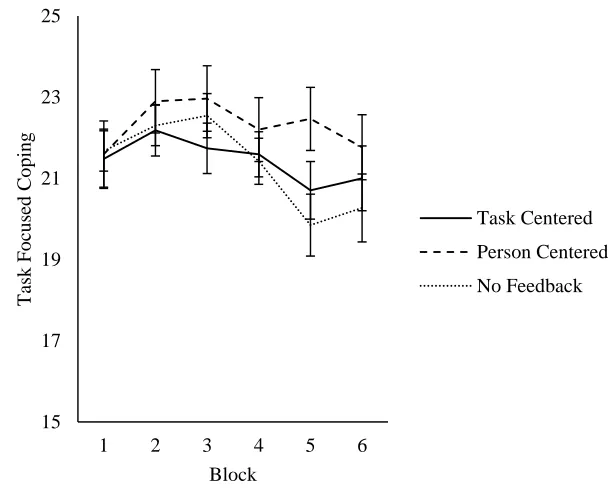
Figure 5. Block by Condition interaction for the task focused coping measure.
NOTE: All feedback conditions reported task-focused coping similarly in blocks one through four. However, at block five, the person centered feedback condition reported higher task-focused coping than both task centered feedback and no feedback conditions. In general, as the task progressed, those in the person centered feedback condition maintained their task-focused coping while those in the no feedback and task-centered conditions reduced their reports of task focused coping.
15 17 19 21 23 25
1 2 3 4 5 6
T
ask
Fo
cu
sed
C
o
p
in
g
Block
Task Centered
Person Centered
Figure 6. Block by Condition interaction for reports of engagement.
NOTE: Feedback conditions reported engagement similarly in blocks one through three. However, at block four, the person-centered feedback condition diverged and reported higher engagement than both task-centered and no feedback conditions.
20 22 24 26 28 30 32 34
1 2 3 4 5 6
E
n
g
ag
em
en
t
Block
Task Centered
Person Centered
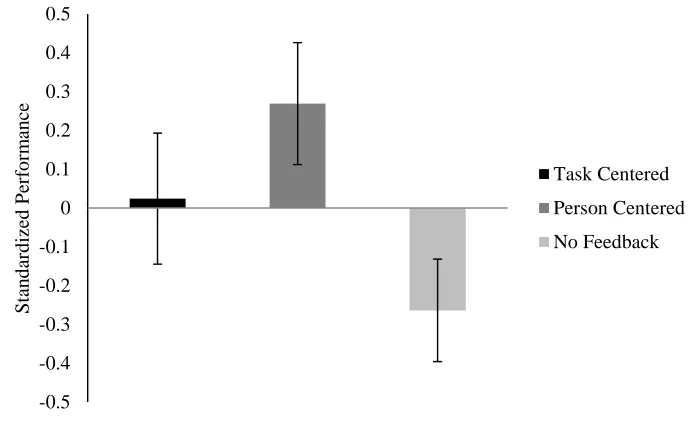
Figure 7. Mean standardized performance scores collapsed across blocks.
NOTE: Person centered feedback condition significantly outperformed the no feedback group.
Mixed Model ANCOVA Results Summary
Results of the ANCOVA showed that after controlling for verbal ability and self-efficacy that all self-reported stress and coping measures varied significantly across blocks. That is, after accounting for participants’ ability to perform well on the anagram task, and beliefs regarding that ability, participants reported significantly different affective
experiences across blocks. Furthermore, as participants continued through the study, feedback content affected the way in which participants reported engagement, and task focused coping. Specifically, participants in the person centered feedback condition reported more engagement, and more task focused coping behaviors while also out performing other feedback conditions. Therefore, Hypothesis 5 was not supported.
-0.5 -0.4 -0.3 -0.2 -0.1 0 0.1 0.2 0.3 0.4 0.5
Stan
d
ar
d
ized
P
er
fo
rm
an
ce
Task Centered
Person Centered
One possible explanation for these findings is that participants in the person centered feedback condition received feedback that was positive, neutral, or negative in valence dependent on percentile rank of score unlike the task centered feedback condition (Appendix I). In addition, of the 30 participants in the person centered feedback condition, 26 received at least 2 blocks of neutral (“Others have scored similarly”) or positive feedback (“Your score is very good,” “You are doing extremely well,” or “You have a high quality score”).
This difference in feedback valence may have altered the experience of participants in the person centered feedback such that better scores produced positive feedback, in turn increasing engagement. This is especially possible since participants in the person centered feedback group were not significantly different on any other measured variable (Table 1). Justification for MLM
variances to remain a part of the structure such that changes in verbal ability and self-efficacy due to predictors is partitioned to the group level and for individuals. That is, both within-person and between-within-person variability in the predictors for the dependent variable can be calculated and are free to vary from a constrained group slope. Therefore, by analyzing data using MLM a better picture of how individuals’ performance changes as compared to the
group, and when compared to themselves was revealed including the variance associated with level 2 predictors. Since differences in performance were likely to occur at both levels, the slopes for level 1 predictors were allowed to vary to gain a more complete picture of the data.
Another GLM typically used for this design is a regression analysis where predictors are entered into the equation to determine if a relationship exists between predictors and the outcome variable. The primary problem of this approach surrounds the implicit assumption that the data were measured once, and given by one individual (independence of
observations). This repeated measures design (or nested data) would require running several regressions, which can inflate the degrees of freedom and as a result, increase the likelihood of a Type 2 error. This is because the analysis would appear to be more powerful than it actually is as well as yield results showing effects that are estimated to have come from a larger sample. In contrast, MLM is structured so as to account for dependency of
(performance) it is possible to see individual differences within, and between groups without over or under estimating their contribution to a constrained slope.
MLM Overview
A multilevel modeling approach was employed to determine if feedback condition moderated the relationship between self–reported worry and task focused coping and performance. MLM allowed for an examination of the individual variation in a 2 level hierarchy. Level 1 variables were examined by block and were measured repeatedly. These measures included performance, worry, and task-focused coping. Feedback condition was entered as a Level 2 predictor due to the between-subjects manipulation. Self-efficacy, and verbal ability were also Level 2 variables and were measured once. By examining
performance, self-reported worry and self-reported task-focused coping at multiple time points it was possible to see intra-individual change or the change that occurs around a participants’ own mean in each condition (Neupert, Miller, & Lachman, 2006) and to make inferences about the effects of self-efficacy, and verbal ability within-person (Lee & Bryk, 1989). The demographic attributes of the sample are found in Table 1.
Equation
Level 1: Performanceit = β0it + β1it (Worry) + β2it (Task focused Coping) + rit Level 2: β0i = 00 + 01(Feedback Condition) + 02 (VA) + 03 (GSE) + u0i
β1i = 10 + 11(Feedback Condition) + u1i β2i = 20 + 21(Feedback Condition) + u2i
In Level 1, the intercept, β0it, was defined as the expected level of Performance for person i when all other predictors were zero. The Worry slope, β1, was the expected change
in Performance uniquely associated with Worry. The error term, rit, represented a unique effect associated with person i (i.e., how much that individual changed or varied in
Performance after accounting for the predictors). The Task-focused coping slope, β2, was the expected change in Performance uniquely associated with Task-focused coping. The
individual intercepts (β0i) and slopes (β1i, andβ2i) become the outcome variables at Level 2. In the intercept equation (β0i), 00 showed Performance was significantly different from zero when all other predictors are zero. In the slope for Worry (β1i), 10 represented the average
change in Performance due to Worry. In the slope for Task-focused coping (β2i), 20
represented the average change in Performance due to Task-focused coping. In the intercept equation (β0i), the main effect terms for Feedback Condition (01), Verbal ability (02), and General Self Efficacy (03) and on Performance were represented.In the slope for Worry
(β1i), 11 represented the degree to which the relationship between Performance and Worry
depended on Feedback Condition. In the slope for Task-focused coping (β2i), 21 represented the degree to which the relationship between Performance and Task-focused coping
average of performance was represented by u0i. The extent to which people varied from the sample Worry slope was represented by u1i. The extent to which people varied from the sample Task-focused coping slope was represented by u2i.
Model 1
Model 1 represented a modified analysis where only level 1 predictors and covariates were entered.
The following equation represented Model 1:
Level 1: Performanceit = β0it + β1it (Worry) + β2it (Task-focused Coping) + rit Level 2: β0i = 00 + 01(Feedback Group) + 02 (VA) + u0i
β1i = 10 + u1i β2i = 20 + u2i
A fully unconditional model was employed where only performance was entered as the dependent variable. Results from this analysis indicated that 67% of the variability in performance was between people (Level 2) (τ00 = .67, z = 6.16, p < .001) while 23% of the
variability was within-person (Level 1) (σ2 = .33, z = 15, p < .001). Results from this analysis determined that there was enough variability at both levels for further analysis of
performance.
Model 1 Fixed Effects
coping reports. However, feedback condition was not a significant level 2 predictor of performance (γ01 = -.17, t = -1.73, p = .09). Further, an R2 change was calculated from the
within person fluctuation in performance (σ2) in the fully unconditional model and σ2 from Model 2. Controlling for verbal ability and self-efficacy, this model accounted for 3% of the 32% of within person variance.
Model 2
Since task focused coping and worry were significant predictors of performance, Model 2 was derived to determine if cross-level interactions existed such that feedback condition moderated the relationship between self-report measures and performance. Model 2 represented the adjusted analysis (excluding NFC) to test Hypothesis 5 and can be found below:
Level 1: Performanceit = β0it + β1it (Worry) + β2it (Task-focused Coping) + rit Level 2: β0i = 00 + 01(Feedback Group) + 03 (VA) + 04 (GSE) + u0i
β1i = 10 + 11(Feedback Group) + u1i β2i = 20 + 21(Feedback Group) + u2i
Model 2 Fixed Effects
Main Effects. No main effects were found where cross-level interactions were included (see Table 5). Therefore, Hypothesis 6, that feedback would moderate the relationship between stress and coping measures and performance, was not supported.
Table 5.
Results of Multilevel Models
MLM Results Summary
the relationship between the variables (Singer, 1998). That is, using Model 1 alone to explain the relationships between level 1 and level 2 variables is justified.
Controlling for verbal ability and self-efficacy, Model 1 showed that both worry and task focused coping significantly predicted performance. This means that when performance was high, worry was low and task focused coping was high. However, this finding did not transcend condition. That is, feedback was not found to moderate the relationship between self-reported worry and task focused coping with performance. Taken together, these results found that when ability and perception of ability was held constant, worry and task focused coping behaviors were still significant predictors of performance.
Discussion
Contrary to hypotheses, feedback condition did not predict differences in self-goal processing as measured by the worry subscale of the SSSQ (H3). Task-goal processes as measured by task-focused coping subscale of the CITS were unexpectedly affected by feedback type in the person centered feedback condition (H4) such that task focused coping behaviors were higher than both task centered and no feedback conditions. A correlation analyses revealed that worry was negatively related to performance while task focused coping was positively related to performance (supporting both H1 and H2). The direction of the relationship between feedback condition and measures of stress and coping in Hypothesis 5 were contrary to predicted. That is, the person centered feedback group reported higher engagement, higher task focused coping, and performed better than both alternate feedback conditions. Finally, feedback condition was not found to significantly moderate the
The findings reported in this study contradict Feedback Intervention Theory (FIT) proposed by Kluger and DiNisi (1996). That is, person centered feedback did not encourage self-goal processes as measured by the worry subscale of the SSSQ and task centered feedback did not encourage task-goal processes as measured by the task focused coping subscale of the CITS. One possible explanation for this contradiction is that this study was an on-line study whereas the meta-analysis focused on tasks presented in-person. In the
participants were given positive feedback they performed better as well as more creatively thereby reporting increased motivation to succeed and engagement than a group who received moderate feedback alone. Further support for this explanation comes from a study conducted by Muntean (2011) where positive feedback facilitated increased motivation for studying due to increased interest in an e-learning task. In fact, observation of the valence of feedback received by participants in the person centered feedback condition revealed that of the 30 participants, 26 received at least 2 blocks of neutral or positive feedback. In sum, these findings suggest that differences in feedback valence (positive versus negative) may change the relationship between feedback content and performance such that more positive feedback increases both engagement and task-focused coping behaviors.
Limitations
It was hypothesized that task centered feedback would positively affect performance over and beyond other feedback conditions. However, findings for the task centered feedback condition showed that scores hovered about the grand mean of scores across blocks. This finding contradicts Kluger and DiNisi’s (1996) FIT assumption that feedback directed toward the task will engender task-directed attention. One possible explanation for this finding may be the lack of feedback delivered specific to individual performance. For example,
participants in the task centered feedback condition received information regarding their score (how many correct) as well previous block scores (“Your score in block 1 was X, Your score for block 2 was X, Your score for this block was X”). Following KR, task centered
individual (i.e., “Try finding prefixes or suffixes first”). Future studies that employ
individualized performance feedback that focuses on the task will better highlight differences that may exist between person directed and task directed feedback content.
Another limitation of this study regarded goal-setting behaviors. It has been shown that goal-setting behaviors are related to feelings of goal attainment and success in a task (Schunk, 1990). The sample used in this study was comprised of attributes that have been linked to goal-setting behaviors (i.e., self-efficacy M = 31.3 of 40 and need for cognition, M = 71.03 of 80), however, it may be that goal-setting behaviors were different for the person centered feedback condition in ways that were not measured. Future studies should include measures specific to goal-setting.
Theoretical Contributions
FIT predicts relationships between individuals and the feedback content such that task focused feedback directs attention to the task while person focused feedback directs attention to the self. The result of this direction of attention should be worse performance when
Applied Contributions
Applied settings will be most interested in the role stress and coping measures play in computerized cognitive tasks. First, the persistence of engagement may have increased performance over time in the current study, presumably encouraged by the person centered feedback. Since feedback was given before stress and coping was measured, it may also be possible that performance increased engagement over time. The bi-directional nature of these two variables may inform developers focused on creating learning tasks that utilize feedback in difficult tasks. In monitoring stress and coping behaviors, developers may better manage an individual’s desire to continue participating, and thus promote learning. Likewise, skill may be improved through engagement rather than feedback utilization alone.
Conclusion
REFERENCES
Aldwin, C. M. (2007). Stress, coping, and development: An integrative perspective. New
York: Guilford Press.
Ammons, R. B. (1956). Effects of knowledge of performance: A survey and tentative
theoretical formulation. Journal of General Psychology, 54, 279-299.
Bandura, A. (1989). Human agency in social cognitive theory. American psychologist, 44(9),
1175-1184.
Bandura, A. (1991). Social cognitive theory of self-regulation. Organizational Behavior and
Human Decision Processes, 50(2), 248-287.
Baumeister, R. F., Hutton, D. G., & Cairns, K. J. (1990). Negative effects of praise on skilled
performance. Basic and Applied Social Psychology, 11(2), 131-148.
Broadbent, D. E. (1971). Decision and stress. London: Academic Press.
Brown, R. P., & Josephs, R. A. (1999). A burden of proof: Stereotype relevance and gender
differences in math performance. Journal of Personality and Social
Psychology, 76(2), 246-257.
Cacioppo, J. T., Petty, R. E., & Feng Kao, C. (1984). The efficient assessment of need for
cognition. Journal of Personality Assessment, 48(3), 306-307.
Cadinu, M., Maass, A., Rosabianca, A., & Kiesner, J. (2005). Why do women underperform
under stereotype threat? Evidence for the role of negative thinking. Psychological
Carver, C. S., & Scheier, M. F. (1982). Control theory: A useful conceptual framework for
personality–social, clinical, and health psychology. Psychological Bulletin, 92(1),
111-135.
Carver, C. S., & Scheier, M. F. (1990). Origins and functions of positive and negative affect:
A control-process view. Psychological Review, 97(1), 19-35.
Carver, C. S., & Scheier, M. F. (1994). Situational coping and coping dispositions in a
stressful transaction. Journal of Personality and Social Psychology, 66(1), 184-195.
Casler, K., Bickel, L. & Hackett, E. (2013). Separate but equal? A comparison of participants
and data gathered via Amazon’s MTurk, social media, and face-to-face behavioral
testing. Computers in Human Behavior, 29(6), 2156-2160.
Chen, G., Gully, S. M., & Eden, D. (2001). Validation of a new general self-efficacy
scale. Organizational Research Methods, 4(1), 62-83.
Clark, J. M., & Paivio, A. (2004). Extensions of the Paivio, Yuille, & Madigan (1968)
norms. Behavior Research Methods, Instruments, & Computers, 36(3), 371-383.
Davidson, R. & Henderson, R. (2000). Electronic performance monitoring: A laboratory
investigation of the influence of monitoring and difficulty on task performance, mood
state, and self-reported stress levels. Journal of Applied Psychology, 30(5), 906-920.
Dweck, C. S. (1986). Motivational processes affecting learning. American
Psychologist, 41(10), 1040-1048.
Dweck, C. S., & Bempechat, J. (1983). Children's theories of intelligence: Consequences for
Erez, M. (1977). Feedback: A necessary condition for the goal setting-performance
relationship. Journal of Applied Psychology, 62(5), 624-627.
Folkman, S., & Lazarus, R. S. (1988). Coping as a mediator of emotion. Journal of
Personality and Social Psychology, 54(3), 466-475
Hagger, M. S., Koch, S., & Chatzisarantis, N. L. D. (2015). The effect of causality
orientations and positive competence-enhancing feedback on intrinsic motivation: A
test of additive and interactive effects. Personality and Individual Differences, 72,
107-111.
Hattie, J., & Timperley, H. (2007). The power of feedback. Review of Educational
Research, 77(1), 81-112.
Hayslip, B., & Sterns, H. L. (1979). Age differences in relationships between crystallized and
fluid intelligences and problem solving. Journal of Gerontology, 34(3), 404-414.
Helton, W. S., & Näswall, K. (In Press). Short Stress State Questionnaire: Factor Structure
and State Change Assessment. European Journal of Psychological Assessment.
Hess, T. M., Auman, C., Colcombe, S. J., & Rahhal, T. A. (2003). The impact of stereotype
threat on age differences in memory performance. The Journals of Gerontology
Series B: Psychological Sciences and Social Sciences, 58(1), 3-11.
Hobfoll, S. E. (1989). Conservation of resources: A new attempt at conceptualizing
stress. American Psychologist, 44(3), 513-523.
Hysong, S. J. (2009). Meta-analysis: audit and feedback features impact effectiveness on care
Jones, B. D., Bryant, L. H., Snyder, J. D., & Malone, D. (2012). Preservice and inservice
teachers' implicit theories of intelligence. Teacher Education Quarterly, 39(2),
87-101.
Jones, B. D., Wilkins, J. L., Long, M. H., & Wang, F. (2012). Testing a motivational model
of achievement: How students’ mathematical beliefs and interests are related to their
achievement. European Journal of Psychology of Education, 27(1), 1-20.
Kamins, M. L., & Dweck, C. S. (1999). Person versus process praise and criticism:
Implications for contingent self-worth and coping. Developmental Psychology, 35(3),
835-847.
Kluger, A. N., & DeNisi, A. (1996). The effects of feedback interventions on performance: a
historical review, a meta-analysis, and a preliminary feedback intervention
theory. Psychological Bulletin, 119(2), 254-284.
Krenn, B., Würth, S., & Hergovich, A. (2013). The impact of feedback on goal setting and
task performance: Testing the feedback intervention theory. Swiss Journal of
Psychology, 72(2), 79-89.
Kristjansson, S. D., Kircher, J. C., & Webb, A. K. (2007). Multilevel models for repeated measures designs in psychophysiology: An introduction to growth curve models. Psychophysiology, 44, 728-136.
Lazarus, R. S. (1991). Emotion and adaptation. New York: Oxford University Press
Lazarus, R. S. (1999). The cognition–emotion debate: A bit of history. In, Dalgleish, T. and
Locke, E. A., & Latham, G. P. (1990). A Theory of Goal Setting & Task Performance. NJ:
Prentice-Hall, Incorporated.
Locke, E. A., & Bryan, J. F. (1969). The directing function of goals in task
performance. Organizational Behavior and Human Performance, 4(1), 35-42.
Locke, E. A., & Latham, G. P. (2002). Building a practically useful theory of goal setting and
task motivation: A 35-year odyssey. American psychologist, 57(9), 705-717.
Matthews, G., & Campbell, S. E. (1998). Task-induced stress and individual differences in
coping. Proceedings of the Human Factors and Ergonomics Society 42nd Annual
Meeting, 42, 821-825.
Matthews, G., Campbell, S. E., Falconer, S., Joyner, L. A., Huggins, J., Gilliland, K., Warm,
J. S. (2002). Fundamental dimensions of subjective state in performance settings:
Task engagement, distress, and worry. Emotion, 2(4), 315.
Matthews, G., Emo, A. K., Funke, G., Zeidner, M., Roberts, R. D., Costa Jr, P. T., &
Schulze, R. (2006). Emotional intelligence, personality, and task-induced stress. Journal of
Experimental Psychology: Applied, 12(2), 96-107.
Matthews, G., Joyner, L., Gilliland, K., Campbell, S., Falconer, S., & Huggins, J. (1999).
Validation of a comprehensive stress state questionnaire: Towards a state big
three. Personality Psychology in Europe, 7, 335-350.
Matthews, G., Szalma, J., Panganiban, A. R., Neubauer, C., & Warm, J. S. Profiling task
stress with the Dundee stress state questionnaire. In, Cavalccanti, L., & Azevedo, S.
Muntean, C. I. (2011). Raising engagement in e-learning through gamification. In The 6th
International Conference on Virtual Learning IVCL 2012, 323-329.
Nease, A. A., Mudgett, B. O., & Quiñones, M. A. (1999). Relationships among feedback
sign, self-efficacy, and acceptance of performance feedback. Journal of Applied
Psychology, 84(5), 806- 814.
Novick, L. R., & Sherman, S. J. (2008). The effects of superficial and structural information
on online problem solving for good versus poor anagram solvers. The Quarterly
Journal of Experimental Psychology, 61(7), 1098-1120.
Oettingen, G., Marquardt, M. K., & Gollwitzer, P. M. (2012). Mental contrasting turns
positive feedback on creative potential into successful performance. Journal of
Experimental Psychology, 48(5), 990-996.
Pekrun, R., Cusack, A., Murayama, K., Elliot, A. J., & Thomas, K. (2014). The power of
anticipated feedback: Effects on students’ achievement goals and achievement
emotions. Learning and Instruction, 29, 115-124.
Power, M. J. (Eds.), Handbook of Cognition and Emotion. New York: John Wiley and Sons
Ltd.
Saxby, D. J., Matthews, G., Warm, J. S., Hitchcock, E. M., & Neubauer, C. (2013). Active
and passive fatigue in simulated driving: Discriminating styles of workload regulation
and their safety impacts. Journal of Experimental Psychology: Applied, 19(4),
287-300.
Scheier, M. F., & Carver, C. S. (1983). Self-directed attention and the comparison of self
Sekerka, L. E., Vacharkulksemsuk, T., & Fredrickson, B. L. (2011). Positive emotions:
Broadening-and-building upward spirals of sustainable development. In, Cameron, K.
and Spreitzer, G. (Eds.) Oxford Handbook of Positive Organizational Scholarship,
168-177. New York: Oxford University Press, Inc.
Shipley, W. C. (1940). A self-administering scale for measuring intellectual impairment and
deterioration. Journal of Psychology, 9, 371-377.
Van de Walle, D., Brown, S. P., Cron, W. L., & Slocum Jr, J. W. (1999). The influence of
goal orientation and self-regulation tactics on sales performance: A longitudinal field
test. Journal of Applied Psychology, 84(2), 249-259.
Watson, C. G., & Klett, W. G. (1968). Prediction of WAIS IQ's from the Shipley‐Hartford,
the Army General Classification Test and the Revised Beta Examination. Journal of
Clinical Psychology, 24(3), 338-341.
Wells, A., & Matthews, G. (1996). Modeling cognition in emotional disorder: The S-REF
APPENDIX A: Feedback Manipulations for Kluger and DiNisi’s (1996) Meta-Analysis
Study
Person-centered manipulation
Task-centered
manipulation Other
Anderson, Crowell, Doman & Howard (1988)
1: Posting of
individual hit rates on the entryway of the
locker room
Anshel (1987) (False FB)
Assigned to:
1: Positive
2: Negative
3: Neutral
Positive treatment FB consisted of saying "excellent" or "great:
Negative treatment FB consisted of saying "poor" or "bad"
After the 12th trial the opposite message was read to each student:
Arkin &
Schumann (1984)
1: KR; one answer
change
2: KR; two answer
changes
3: KR; three answer
changes
4: KR; answer until
correct
5: No FB condition
Arkin & Walts
(1983) 1: FB/one-attempt condition 2: FB/two-attempts condition 3: FB/three-attempts condition
4: Answer until
correct
Austin & Grant
(1981) Interviews: Didactic
Didactic + mock
interview
Didactic + Review of
professional interview
Didactic + Watched themselves interview no
FB
Didactic + Watched themselves interview
w/FB
Baechie & Lian (1990)
FB given directly to student/group and
immediately after reading
a metaphor story
Bandura &
Cervone (1983)
1: FB: % and higher/lower than
previous attempt
2: Goal FB: Trying
to attain __%
3: FB + Goal
Baron (1988) FB given by person,
1: Constructive-criticism: specific in content, considerate, no
attributions, no threats
2: Destructive: general, inconsiderate,
attributions, made threats
Belluchi & Hoyer
(1975)
1: Non contingent positive FB following each trial
2: No external FB on any of three tasks
3: Positive FB on Cancelling and copying task with no FB on the Digit Symbol test
Bethge Carlson &
Wiedl (1982) 1: No FB
2: Correct/Incorrect
+ Detail on why
3: Ss describes pattern, then explains why they choose their choice and correct/incorrect FB given
immediately after Betz & Weiss
(1976) 1: Stradaptive + KR
2: Stradaptive
NoKR
3: Conventional +
KR
4: Conventional
NoKR
FB given by
computer
Bilsky, Gilbert &
Pawelski (1978) Experiment 1:
1: Tested FB
training
Experiment 2:
1: Tested FB type by pictorial stimuli
(From Abstract)
Boggiano &
Barrett (1985)
Circled the space where the piece was missing, then given:
1: Success (did well on 9/10)
2: Failure (did well on 1/10)
3: No Fb
Brabender & Boardman (1977)
1: RT FB in practice and
task
2: RT FB in practice, no
FB in task
3: Normative FB (avg
subject takes X long)
Bridgeman (1974) 1: Positive FB (great you outscored most 7th
graders
2: Negative FB (poor, you did worst than most
7th graders
3: Hasn't been scored yet:
Bustamante, Moreno, Vizueta
(1980)
1: Saw favorite picture after correct
2: Saw stimulus longer
3: No FB
Butler (1987)
1: Comments group "you thought of good ideas, maybe you can think of
more..."
2: Grades group
3: Praise group "very
good"
4: No FB
Butler & Nisan
(1986) 1: Task related comments
2: Numerical grades
3: No evaluative (no FB)
Calpin, Edelstein & Redmon (1988)
1: FB
(self-monitoring)
2: FB + goal (self-monitoring +
assigned goals)
Carroll & Kay
(1988)
1: Error recovery FB
+ Halt
2: Error recovery FB
+ Less Halt
3: Proactive recovery Inst/FB +
Halt
4: Proactive
recovery Inst/FB
Chhokar & Wallin
(1984) Average safety
performance put on a graph in a highly trafficked area in the work zone, FB given once every week, based
on average performance.
Chung & Dean
(1976) 1: Incentive pay
2: Reinforced bonus
3: KR
Church & Camp
(1965) 1: KR
2: No KR (computer given by green or
red light)
Clark, Guskey &
Benninga (1983) Mastery learning:
1. 3 formative
assessments
2. Those who did not achieve 90% had corrective activities and
FB
3. Control group
DeGregorio & Fisher (1988)
1: How well or how
poorly performed
2: 1+ active questions to
clarify
3: Self assessment not
discussed
4: Self assessment
discussed in FB session
Dossett, Latham & Mitchell (1979)
Experiment 1:
1: KR on # of problems attempted and solved correctly
2: No KR (Rest period): KR given by experimenter
Experiment 2: 1. No KR
manipulation
Earley (1986)
1: Praise- "you are doing
well"
2: Criticism- "you are
doing poorly"
3: No FB
Given by supervisor.
Erez (1977)
1: Ss told how they did relative to others during the same stage (10%,
25%, 50%, 75%, 90%)
2: no FB
Fb given by experimenter
Fischer (1982)
1: Trial by trial outcome given by experimenter
1: Success during
the noise sound
2: Scoring rule base pay; "incentive pay"
2: Failure during the
noise sound
3: No FB given by
experimenter?
Foushee, Davis, Stephan &
Bernstein (1980)
1: Given the cause of a crash after the termination of every
approach
English speakers were read the explanation. French speakers were given a card to read that had the explanation. The instructor sat beside them
throughout.
2: No FB
Fowler (1981)
1: KR given via computer on each item immediately
after answering:
2: No KR
Fulmer & Rollings
(1976)
1: Computer given FB on each item
2: no FB
Gardner, Sandoval, Reyes (1986) Geen (1981) False FB, observed/given by experimenter
1: KR only 1: Success
2: No KR 2: Failure
3: No FB
Glover (1989)
Goltz (1990)*
Goltz, Citera, Jensen, Favero &
Komaki (1989) 1: Group FB
2: Individual FB
Hammond, Summers &
Deane (1973)
1: Outcome FB
every trial
2: Task properties
FB 3: Both outcome FB impeded performance Hanna, G:S:
(1976) 1: Total FB
2: Partial FB
3: No FB
Hill & Ward
(1989)
Luck vs: Skill manipulation
1: After trial 1 they were given positive FB
2: After trial 2 they were given more positive FB, "Incredible -- few people perform that well (are so lucky) at this game!)