Development of an alternative scoring system for the Visual Reproduction subtest of
the Wechsler Memory Scale -Revised
Submitted by
Therese Clark B. A. (Hons)
A thesis submitted as partial fulfillment of the requirements
for the degree of Doctor of Psychology
Psychology Department
Victoria University of Technology
St Albans, Victoria, 3021
Australia
^^ ^-oiol'^
STA THESIS 153.120287 CLA 30001007197181 Clark, Therese Development of an
ABSTRACT
The Visual Reproduction subtest of the Wechsler Memory Scale-Revised has been widely used as a measure of memory. However, there are a number of
limitations with the administration, scoring and interpretation of the subtest. A revised scoring system was developed in this study in order to address some of the
deficiencies in the original scoring system. The revised scoring system was found to have very good reliability and this reliability was at least equal to that found for the original scoring system. There was also a high correlation between the two scoring systems, indicating that both systems generated a similar grading of memory
performance in an elderly sample. However, further research is needed to extend the psychometric information available and to develop a normative base. An Index of non-verbal memory performance was also derived from the revised scoring system in order to provide an indicator of deficient non-verbal memory. This Index was able to discriminate between persons with left and right hemisphere lateralised lesions and therefore has the potential to provide a diagnostic indicator of non-verbal memory dysfunction. Although further research is needed in order to validate this Index in other samples, this approach provides an alternative to the development of new "non-verbal" memory tests. In order to extend the clinical information available from the Visual Reproduction Subtest, cueing, recognition, and perceptual match procedures were also developed and standardised. The results obtained with these measures indicated that a number of individuals were able to recall substantially more
DECLARATION OF AUTHORSHIP
" I declare that this thesis does not contain any material written or published
elsewhere by another person except where reference is made in the text of the thesis. I further declare that no persons work has been used without due acknowledgement in the main text of the thesis."
"This thesis has not been submitted for the award of any other degree or diploma in any other tertiary institution."
"I further declare that this study has adhered to the ethical principals as established by the Psychology Ethics Committee of Victoria University."
ACKNOWLEDGEMENT
TABLE OF CONTENTS
ABSTRACT
DECLARATION OF AUTHORSHIP ACKNOWLEDGEMENT
TABLE OF CONTENTS LIST OF TABLES
LIST OF FIGURES
PAGE NO. ii iii iv V xi XV INTRODUCTION
A Theoretical Approach to Memory
A Model of Memory Processing
Organisation and Storage in Memory Episodic and semantic memory Declarative and procedural memory Implicit and explicit memory
Verbal and non-verbal memory
Current Understanding of the Foundations of Human Memory
The Neurobiology of Memory The Neuroanatomy of Memory
Declarative Memory
Anterograde memory: the temporal lobes. Anterograde memory: the diencephalon. Anterograde amnesia: the basal forebrain. Anterograde amnesia: the fi-ontal lobes Semantic Memory
Retrograde Memory Implicit Memory
Memory Dysfunction in Neurological Disease
The Amnesic Syndrome
Subtypes of the Amnesic Syndrome
Memory Dysfunction in other Neurological Disorders Short-term and Long-Term Declarative Memory Semantic and Episodic Memory
Declarative and Procedural Memory Implicit and Explicit Memory
TABLE OF CONTENTS CONT.
PAGE NO.
Assessment of Memory 13
Declarative Memory 14 jAjiterograde Memory 14
Verbal episodic memory assessment. 14 Non-verbal episodic memory assessment. 17
Semantic memory assessment. 18
Recognition memory. 18
Retrograde Memory 19
Implicit Memory 19 Issues in the Clinical Assessment of Memory 20
Assessment of Memory with the Wechsler Memory Scales 21
Structure 21 Wechsler Memory Scale (WMS) 21
Wechsler Memory Scale-Revised (WMS-R) 24 Wechsler Memory Scale- Third Edition (WMS- 111) 26
Scoring and Index Composition 29 Wechsler Memory Scale (WMS) 29
Wechsler Memory Scale-Revised (WMS-R) 30 Wechsler Memory Scale- Third Edition (WMS- 111) 31
Norms 34 Wechsler Memory Scale (WMS) 34
Wechsler Memory Scale-Revised (WMS-R) 34 Wechsler Memory Scale- Third Edition (WMS-111) 35
Reliability 36 Wechsler Memory Scale (WMS) 36
Wechsler Memory Scale-Revised (WMS-R) 36 Wechsler Memory Scale- Third Edition (WMS- 111) 36
Validity 37 Construct Validity- Factor Analytic Studies 37
Wechsler Memory Scale (WMS) 37 Wechsler Memory Scale-Revised (WMS-R) 37
Wechsler Memory Scale- Third Edition (WMS- 111) 39
Diagnostic Utility 40 Content Validity of Selected Subtests 41
Logical Memory 41 Wechsler Memory Scale (WMS) 41
TABLE OF CONTENTS CONT.
PAGE NO.
Verbal Paired Associate Learning 44 Wechsler Memory Scale (WMS) 44 Wechsler Memory Scale-Revised (WMS-R) 45
Wechsler Memory Scale- Third Edition (WMS- 111) 45
Faces 47 Visual Reproduction 49
Wechsler Memory Scale (WMS) 49 Wechsler Memory Scale-Revised (WMS-R) 49
Wechsler Memory Scale- Third Edition (WMS- 111) 58
Is there a Distinction between Verbal and Non-Verbal Memory 60
Non-Verbal Memory Assessment 63
Development of an Alternative Scoring System and an Elaborated 64 Administration for the Visual Reproduction Subtest of the WMS-R
Development of the Revised Scoring System 65 Development of an Index of Non-verbal Memory 68 Developing an Elaborated Administration of the Visual 69 Reproduction subtest
METHOD 72
Participants 72
Experimental Group 72
Control Group 73
Materials 75
Visual Reproduction 75 Logical Memory 76 Verbal Paired Associates 77
Faces 77 Block Design 78
Vocabulary 78 Trail Making Test 78
Design 79
Subtests Administered 79 Visual Reproduction: Additional Measures 79
TABLE OF CONTENTS CONT.
PAGE NO.
Perceptual Match Procedure 83
Logical Memory 84 Verbal Paired Associates 85
Faces 86 Block Design 87
Vocabulary 87 Trail Making Test 87
Development of the Revised Scoring System for the Visual 88 Reproduction Subtest
Procedure 90
Development of the Revised Scoring System 90
Development of Additional Measures 92 The Use of the Expanded Assessment Format and the New 92
Scoring Criteria with a Clinical and Non-Clinical Sample
RESULTS 94
The Revised Scoring System 94
Data Analysis 94
Initial Comparison between the Original and Revised Scoring 104 Systems
Comparison Between the Two Scoring Systems After Further 105 Revision
Reliability 107
Intra-rater and Inter-rater Reliability 107
Intra-rater Reliability 107 Correlation analysis. 108 Agreement in total score. 110 Level of agreement on individual items. 113
Scoring trend. 115 Inter-rater Reliability 116
Correlation analysis. 117 Agreement in total score. 120 Level of agreement on individual items. 124
TABLE OF CONTENTS CONT.
PAGE NO.
Internal Consistency- Visual Reproduction Scoring 127
Validity 128
Demographic Characteristics of the Study Sample 129 Concurrent Validity- Visual Reproduction Revised and Original 131
Scoring System
Relationship Between Memory Measures 131 Correlation between the original and revised scoring 132
systems.
Correlation between non-verbal memory measures. 132 Relationship between memory for designs and story 133 memory.
Relationship between memory for faces and story 135 memory.
Relationship between memory for designs and 136 memory of associated and "novel" word pairs.
Relationship between memory for faces and memory 138 of associated and novel and "novel" word pairs.
Relationship between verbal memory measures. 139 Relationship between memory and cognitive 140 measures.
Construct Validity 142 Experimental and Control Group 142
Left and Right Group 145 Non-verbal Memory Index 148 Normative Data for the Visual Reproduction Revised Scoring 154
System
Range of Scores Obtained in the Combined Study Sample 161
Visual Reproduction Cueing, Multiple Choice and Perceptual Match 163
Clinical Usefulness 163 Cued Format 163 Multiple Choice 164 Perceptual Matching 166
Rehability 167 Validity 167
Criterion Related Validity 168
TABLE OF CONTENTS CONT.
DISCUSSION
Part One- Evaluation of the Revised Scoring System
Design Advantages of the Revised Scoring System Psychometric Properties of the Revised Scoring System Increased Score Range
Relationship between the Original Scoring System and the Revised Scoring System
Disadvantages of the Revised Scoring System
Part Two- Assessment of Non-Verbal Memory with the Revised Scoring System
Relationship between the Revised Scoring System and Non-verbal and Verbal Memory Measures
The ability of the Revised Scoring System to Distinguish between Clinical Meaningful Groups
A Non-Verbal Memory Index
Part Three- Expanding the Clinical Utility of the Visual Reproduction Subtest
Cueing- The Contribution of Encoding and Retrieval to Memory Recall
Recognition- the Contribution of Encoding and Retrieval to Memory Recall
Perceptual Match- Contribution of Perception to Memory Recall
Future Directions
Conclusions
REFERENCES
PAGE NO.
171
171
171 172 175 176
177
179
180
184
187
190
191
193
196
198
199
202
LIST OF TABLES
TABLE 1.
TABLE 2.
TABLE 3.
TABLE 4.
TABLE 5.
TABLE 6.
TABLE 7.
TABLE 8.
TABLE 9.
TABLE 10.
TABLE 11.
TABLE 12.
TABLE 13.
TABLE 14.
TABLE 15.
TABLE 16.
TABLE 17.
TABLE 18.
TABLE 19.
TABLE 20.
Subtest Content of the Wechsler Memory Scale Primary and Optional Subtests on the WMS-111 Summary Indexes on the WMS-R
Index Composition on the WMS-111
Demographic Characteristics of the Experimental Group
Demographic Characteristics of the Control Group Changes to the Original Stories of the Logical
Memory Subtest
Order of Administration of Tests
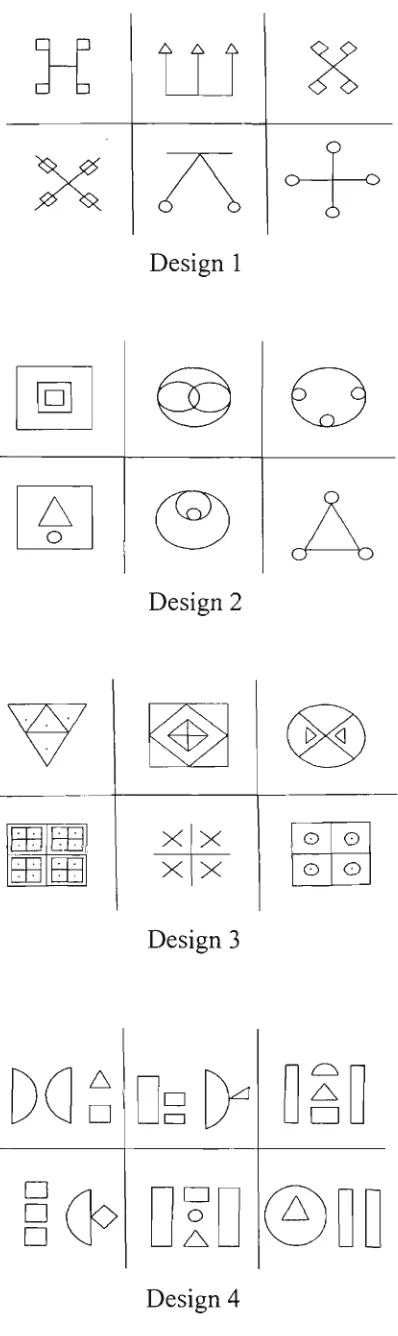
Scoring items for Design One on the Revised Scoring System
Scoring items for Design Two on the Revised Scoring System
Scoring items for Design Three on the Revised Scoring System
Scoring items for Design Four on the Revised Scoring System
Correlation Between the Revised and Original Scoring Systems
Correlation between the Scoring Systems after Further Revision
Correlation Between Scoring of Immediate Recall on Two Occasions
Spearman's Correlation Between the Scoring of Delayed Recall on Two Occasions
Pearson's Correlation Between The Scoring Of Delayed Recall On Two Occasions
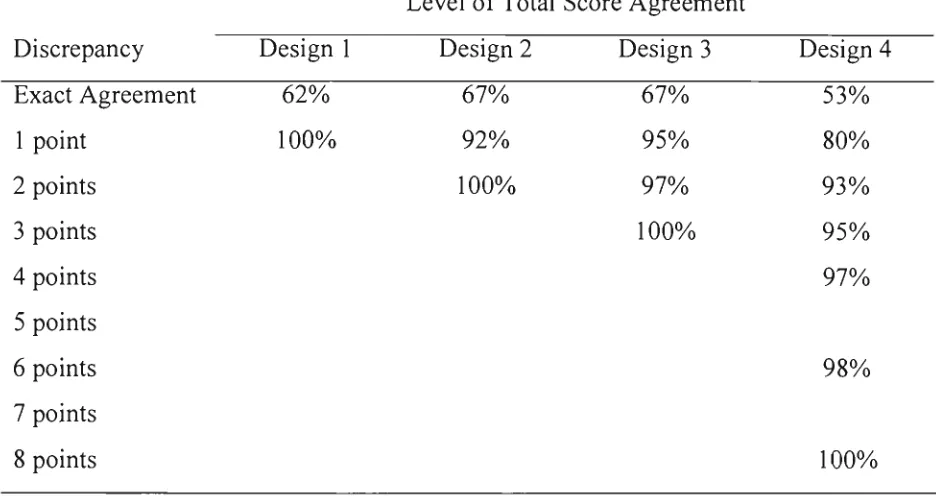
Cumulative Percentage of Protocols with Agreement in Total Score on the Original Scoring System for Immediate Recall Cumulative Percentage of Protocols with
Agreement in Total Score on the Revised Scoring System for Immediate Recall Cumulative Percentage of Protocols with
Agreement in Total Score on the Original Scoring System for Delayed Recall
LIST OF TABLES CONT.
TABLE 21.
TABLE 22.
TABLE 23.
TABLE 24.
TABLE 25.
TABLE 26.
TABLE 27.
TABLE 28.
TABLE 29.
TABLE 30.
TABLE 31.
TABLE 32.
TABLE 33.
TABLE 34.
TABLE 35.
TABLE 36.
TABLE 37.
TABLE 38.
PAGE NO.Cumulative Percentage of Protocols with 113 Agreement in Total Score on the Revised
Scoring System for Delayed Recall
Percentage of Items with Acceptable Scoring 114 Agreement
The Number of Positive and Negative Changes 115 from the First to the Second Scoring Occasion
using the Original Scoring System
The Number of Positive and Negative Changes 116 from the First to the Second Scoring Occasion
using the Revised Scoring System
Correlation Between Scorers for Immediate recall 118 Spearman's Correlation Between Scorers for 119
Delayed Recall
Pearson's Correlation Between Scorers for 119 Delayed Recall
Cumulative Percentage of Protocols with 120 Agreement in Total Score on the Original
Scoring System for Immediate Recall
Cumulative Percentage of Protocols with 121 Agreement in Total Score on the Revised
Scoring System for Immediate Recall
Cumulative Percentage of Protocols with 122 Agreement in Total Score on the Original
Scoring System for Delayed Recall
Cumulative Percentage of Protocols with 122 Agreement in Total Score on the Revised
Scoring System for Delayed Recall
Mean Score on each of the Visual Reproduction 124 Designs for each Scorer
Percentage of Items with Acceptable Scoring 125 Agreement
Number of Positive and Negative Changes 126 Between Scorers on the Original Scoring
System
Number of Positive and Negative Changes 127 Between Scorers on the Revised Scoring
System
Cronbach' s Alpha's for each design on the Revised 128 and Original Scoring Systems
T-test comparisons between groups for age, years 130 of education and gender
LIST OF TABLES CONT.
TABLE 39.
TABLE 40.
TABLE 41.
TABLE 42.
TABLE 43.
TABLE 44.
TABLE 45.
TABLE 46.
TABLE 47.
TABLE 48.
TABLE 49.
TABLE 50.
TABLE 51.
TABLE 52.
TABLE 53.
TABLE 54.
TABLE 55.
TABLE 56.
TABLE 57.
TABLE 58.
TABLE 59.
PAGE NO.
Correlation Between the Recall of Visual 13 4 Reproductions and Story Memory
Correlation Between Face Memory and Story 135 Memory
Correlation Between the Recall of Visual 13 6 Reproductions and Recall of Associated Word
Pairs
Correlation Between the Recall of Visual 13 7 Reproductions and Recall of Novel Word Pairs
Correlation Between Face Memory and the Recall 138 of Word Pairs
Correlation Between Story Memory and Recall of 139 Word Pairs
Correlation Between Immediate Memory Subtests 140 and the Cognitive Measures in the Control
Group
Correlation Between Immediate Memory Subtests 141 and the Cognitive Measures in the Experimental
group
Mann Whitney U Comparisons Between the 143 Experimental and Control groups
Mann Whitney U Comparisons Between the Left 146 and Right Hemisphere Groups
Items that were significantly different between the 149 two groups on the original scoring system
Items that were significantly different between the 149 two groups on the revised scoring system
A 20 item Scale of Non-Verbal Memory Derived 151 firom the Revised Scoring System
A Potential Index of Non-verbal Memory 152 Mean Scores on Cognitive Measures for the 154 Control Group
Median Scores for each Design in the Control 155 Group
Interquartile Ranges for each Design for Immediate 155 Recall in the Control Group
Interquartile Ranges for each Design for Delayed 156 Recall in the Control Group
Percentiles and Ranges for Immediate Recall in the 161 Combined Study Sample
Percentiles and Ranges for Delayed Recall in the 162 Combined Study Sample
LIST OF TABLES CONT.
TABLE 60.
TABLE 61.
TABLE 62.
TABLE 63.
TABLE 64.
TABLE 65.
Benefit from Cueing on the Visual Reproduction Task in the Control Group
Frequency of Scores of on Multiple Choice Multiple Choice Recognition of each Design in
Participants with no delayed or cued Recall Correlation between Visual Reproduction
Immediate and Delayed recall with the Multiple Choice and Perceptual Matching tasks
Mean Scores on the Multiple Choice and Perceptual Match tasks
Mann-U-Whitney Test Comparisons Between the Experimental and Control Groups on the Multiple Choice and Perceptual Match tasks
PAGE NO. 164
165 166
168
169
LIST OF FIGURES
PAGE NO FIGURE 1. Cues used for each of the Visual Reproduction Designs 80 FIGURE 2. Multiple-choice Stimuli for the Visual Reproduction 82
Subtest
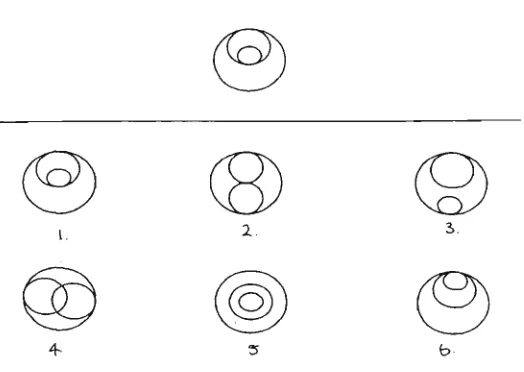
FIGURE 3. Perceptual Match stimuli for Design 2 of the Visual 83 Reproduction Subtest
FIGURE 4. Distribution of scores on the 16 item index for the left 153 and right groups
FIGURES Immediate Recall-Scatterplot of the total raw scores on 157 the revised and original scoring system
FIGURE 6 Delayed Recall- Scatterplot of the total raw scores on the 158 revised and original scoring systems
FIGURE 7 Immediate Recall-Scatterplot of raw scores on the 159 revised scoring system and percentile scores on the
original scoring system
FIGURE 8 Delayed Recall- Scatterplot of raw scores on the revised 160 scoring system and percentile scores on the original
INTRODUCTION
According to Tranel and Damasio (1995) memory "refers to knowledge that is stored in the brain and to the processes of acquiring and retrieving such knowledge" (p. 31). Many current theories of memory tend to view it as comprising a number of components that are inter-related and that are mediated by a number of connected neural systems (Baddeley, 1995; Curran & Schacter, 1997; Leng & Parkin, 1990; Squire, Knowlten & Musen, 1993; Zola-Morgan & Squire, 1993).
A Theoretical Approach to Memory
A number of different models and theories of memory have been proposed to explain how memory traces are encoded, stored and retrieved (Atkinson & Shiffrin, 1968; Baddeley, 1986; Craik & Lockhart, 1972; Tulving, 1972, 1985). Detailed descriptions of these models are available elsewhere (Atkinson & Shiffrin, 1968; Baddeley, 1986, 1990; Squire, 1982, 1986, 1987; Squire & Butters, 1992; Squire & Cohen, 1984; Tulving, 1985) and only a brief overview will be presented here.
A Model of Memory Processing
Many early models of memory were based on an information-processing approach, in which information was hypothesised as passing through a number of distinct stages. A classic example of this approach was the gateway theory of memory organisation proposed by Atkinson and Shiffrin (1968). In this model, sensory
information was thought to initially enter iconic or echoic memory. This information was stored for very brief periods and decayed rapidly unless it was attended too and transferred to short-term memory (STM).
Short-term memory was considered capable of storing small amounts of information for approximately 30 seconds; although STM was also thought to be extremely sensitive to interference from competing information. If the material in STM was rehearsed or encoded, it was transferred to long-term memory (LTM).
of organisation, with information being available for later retrieval through short-term memory.
The concept of STM was modified by Baddeley and Hitch (1974) to account for research findings that where inconsistent with the notion of a single short-term storage system. They proposed that there were a number of temporary storage systems that were capable of storing different types of information for brief periods of time. They replaced the concept of STM with that of working memory to represent the activity of these storage systems. In this model, working memory consisted of a central executive that organised the activity of the temporary storage systems, including the phonological loop (auditory-verbal information) and the visuo-spatial scratch pad (visual-spatial information).
The information-processing approach to memory organisation also assumed that the processing of information consisted of three sequential processes, including encoding (the process by which sensory information was transformed into a memory), storage (the persistence of the memory over time) and retrieval (the process of
accessing stored information). Prominent theories of information encoding, storage and retrieval included those of Craik and Lockhart (1972), Mandler (1980), and Tulving and Thompson (1973).
Organisation and Storage in Memory
Long-term memory has been typically understood as comprising multiple components. Several distinctions have been postulated based on clinical and experimental studies including: 1) declarative memory and procedural memory (Cohen & Squire, 1980), 2) episodic memory and semantic memory (Tulving, 1972;
1987, 1991), 3) explicit memory and implicit memory (Squire, 1992), and 4) verbal memory and non-verbal memory (Milner, 1958; 1971). These distinctions will be briefly described.
Episodic and semantic memory.
Tulving (1972) proposed that episodic and semantic memories were different types of knowledge systems in LTM. Episodic memories were said to be
the time they occurred. According to Tulving (1972) semantic memories involved context-independent general knowledge, including the knowledge of words, symbols, concepts and rules.
Declarative and procedural memory.
Cohen and Squire (1980) proposed that memories could be categorised as either declarative or procedural in nature. Declarative memories included facts and data from previous experiences. Semantic memory and episodic memory have been considered declarative memories by some authors, because both are derived from previous experiences, both can be consciously retrieved and both can be used in many contexts (Baddeley, 1995; Cohen & Eichenbaum, 1993; Squire et al, 1993). In
contrast, the term procedural memory was used to refer to skill acquisition, rule learning, habit formation and procedural learning. It was postulated that procedural memories could not be consciously retrieved and used in different contexts other than those that were present when the information was learned (Cohen & Eichenbaum,
1993).
The procedural memory concept was renamed non-declarative memory and expanded by some authors to include priming, simple classical conditioning and non-associative learning (Squire, 1987; Squire et al., 1993). Conversely, Cohen and Eichenbaum (1993) suggested that these additional aspects of memory (priming, simple classical conditioning and non-associative learning) could be seen as different components of the procedural memory system.
Implicit and explicit memory.
Verbal and non-verbal memory.
A distinction has also been made between declarative memory for material that is non-verbal and for material that is verbal in nature (Milner, 1971). It has been suggested that material of a non-verbal nature is stored in a different area of the brain than material that is of a verbal nature (Squire & Butters, 1992). This distinction will be explored in more detail in a later section.
Current Understanding of the Foundations of Human Memory
The Neurobiology of Memory
For the encoding, storage and retrieval of memories to occur, information must leave a trace in mental processes. This memory trace has been postulated to result from some type of structural and/or biochemical modification.
Studies of habituation, sensitisation and classical conditioning in the marine mollusc, Aplysia californica, have supported the idea that the consolidation of information into a memory trace could result from alterations in the strength of synapses. Kandel and Schwartz (1982) and Shepherd (1994) provide an extended discussion of these studies. In humans, similar changes in synaptic strength have been found as the result of processes called Long Term Potentiation (LTP) and Long Term Depression (LTD). These processes could potentially provide the substrate for some forms of memory in humans because they have been shown to lead to long-term physiological changes in the human brain.
glutamate, NMDA receptors, non-NMDA receptors, sodium ions, calcium ions and protein kineases (Shepherd, 1994). Acetylcholine, Serotonin and Neuropeptides such as Vasopressin have also been implicated (Kopelman, 1992).
A complementary process to LTP, called Long Term Depression (LTD), has been demonstrated in the human cerebellum. Like Long Term Potentiation, Long Term Depression (LTD) can also result in physiological changes at a neural level. LTD refers to the finding that stimulation of mossy or parallel fibres with climbing fibres results in long-lasting depression in Purkinje cell responses (Thompson, 1986). LTP and LTD could provide the neural basis for at least some kinds of human
memories.
Studies have also suggested that changes in gene transcription may produce prolonged alterations in a cells excitatory potential (Shepherd, 1994). Indeed, studies have shown that learning does not occur when protein and RNA synthesis is reduced, suggesting a role for these substances in memory (McGeer, Eccles & McGeer, 1978). Further research is needed to establish if and how gene transcription is involved in human memory.
The Neuroanatomy of Memory
The gross anatomical basis of memories has been derived from animal models (Mishkin, 1978, 1982), from observations of individuals with localised brain damage (Squire, 1986; Zola, 1997), from ablation studies in animals (Damasio,
Graff-Radford, Eslinger, Damasio & Kassell, 1985; Zola-Morgan, Squire & Amaral, 1989) and more recently from functional imaging studies (Squire, Amaral & Press, 1990).
Declarative Memory
Anterograde memory: the temporal lobes.
to the entorhinal, perirhinal and para-hippocampal cortices can produce a more severe amnesia (Mishkin, 1978; Squire, 1986; Zola, 1997). Damage restricted to the
perirhinal and para-hippocampal cortices has also been found to produce memory impairment (Squire, 1992), although damage to the fornix has not been shown to produce long lasting memory impairment in monkeys (Zola-Morgan et al., 1989). Thus, both human studies and primate research has suggested that the hippocampus and the surrounding cortex are the most crucial regions of the temporal lobe for memory function.
The hippocampal complex in each hemisphere have been postulated to be specialised for different types of declarative memory (Milner, 1971). In this view, the left temporal region has a primary role in verbal memory and non-verbal memory is mediated by the right temporal region (Squire & Butters, 1992). Indeed, removal of, or damage to, the structures in the left mesial temporal lobe has been shovm to consistently impair verbal memory and learning (Chelune, Naugle, Luders & Awad,
1991; Frisk & Milner, 1990; Giovagnoli & Avanzini, 1999; Herman, Connell, Barr & Wyler, 1995a; Ivnik, Sharbrough & Laws, 1987; Rausch & Babb, 1993; Saling et al., 1993).
Damage to, or removal of, structures in the right temporal lobe has also been shown to impair the learning of and delayed recall of visual and spatial information (Giovagnoli & Avanzini, 1999; Gliebner, Helmstaedter & Elger, 1998; Glosser, Deutsch, Cole, Corwin & Saykin, 1998; Helmstaedter, Pohl, Hufnagel & Elger, 1991; Milner, 1965; Morris, Abrahams & Polkey, 1995b; Piguet, Saling, O'Shea, Berkovic & Bladin, 1994; Smith & Milner, 1989; Trenerry, Jack, Cascino, Sharbrough & Ivnik, 1996). However, not all studies have found an association between tasks used to measure non-verbal memory and the right temporal lobe (Barr et al., 1997; Dobbins, Kroll, Tulving, Knight & Gazzniga, 1998; Helmstaedter, Pohl & Elger, 1995; Ivnik et al. 1987; Lencz et al., 1992; Naugle, Chelune, Luders & Awad, 1991; Piguet et al., 1994; Rausch & Babb, 1993; Saykin, Gur, Sussman, O'Connor & Gur, 1989). The association between non-verbal memory and the right temporal lobe has been found more consistently when delayed recall has been examined or when the task has
Anterograde memory: the diencephalon.
The thalamus (particularly the dorsomedial and anterior nuclei) plus the mammillary bodies and their cormecting tracts (mammillothalamic tract and ventroamygdalofugal pathway) have been linked to episodic memory (Butters & Stuss, 1989; Kopelman, 1995a; Mayes, Meudell, Mann & Pickering, 1988; Squire, 1992; Squire & Zola-Morgan, 1988; Tranel & Damasio, 1995). Although the precise roles of these regions have not been well specified, these sites have been implicated in the neuropathology of Wemicke-Korsokoff Syndrome and other forms of
diencephalic amnesia. Of note, most of these regions have connections to the hippocampus or entorhinal cortex.
Anterograde amnesia: the basal forebrain.
The basal forebrain nuclei (septal nuclei, the diagonal band of Broca, and the nucleus basalis, substansia innominata) have also been implicated in episodic
memory. As this region is involved in delivering acetylcholine to the hippocampus and many areas of the cerebral cortex, damaged can result in defects in memory functioning (Damasio et al., 1985).
Anterograde amnesia: the frontal lobes.
Semantic Memory
The storage area for semantic memories appears to be relatively independent of the mesial temporal memory system (Squire, 1987; Tulving, 1985; Zola-Morgan & Squire, 1993). Research has indicated that deficits in semantic memory are associated with the anterolateral aspects of the temporal lobe, particularly in the left hemisphere (Hodges, Salmon 8c Butters, 1992; Snowden, Griffiths & Neary, 1994; Snowden, Neary, & Marm, 1996; Snowden, Neary, Mann, Goulding & Tsta, 1992).
Retrograde Amnesia
The hippocampal system does not seem to be fundamentally involved in the retrieval of previously learned information and so it is not implicated in retrograde amnesia (Tranel & Damasio, 1995). Damage to the CAl field of the hippocampus alone has not been found to produce a severe retrograde amnesia (Zola, 1997). However, if structures surrounding the CAl region are also damaged, a severe and temporally graded retrograde amnesia has been found (Zola, 1997). The non-medial temporal region (the anterior, inferior and lateral portions of the temporal lobe) appears to be important in the retrieval of past memories (Hodges, 1995; Jones & Tranel, 1993; Tranel & Damasio, 1995). Studies of individual cases have also implicated the medial diencephalon, mammillary bodies, fornix and basal forebrain structures in retrograde amnesia (Hodges, 1995).
Implicit Memory
The basal ganglia and the cerebellum are thought to be involved in the
acquisition and retrieval of non-declarative/procedural memories, although knowledge of the precise role of these areas in memory functioning is still limited (Squire et al.,
1993; Thompson, 1986; Tranel & Damasio, 1995). This system is relatively
Memory Dysfunction in Neurological Disease
Memory problems are a common sequel of neurological trauma and disease. They are also seen in affective disorders. Disruption of memory function, such as occurs in amnesic disorders and dementia syndromes, can have devastating effects on independent living because of the importance of learning and memory in most aspects of life. With neurologically based memory disorders, a complete loss of all forms of memory is rare and memory for some kinds of information is preserved or less affected. Additionally, memory difficulties can occur secondary to impairment in other cognitive functions such as attention.
The Amnesic Syndrome
The amnesic syndrome represents the severe end of the spectrum of memory disorders. Although there can be a great deal of heterogeneity in individual
presentation, the key elements include:
1) A marked anterograde amnesia. This is an impairment in the recall of autobiographical information from the period after the onset of brain trauma. Typically, immediate memory is preserved, but a deficit in
delayed declarative memory is present. Although there are many different etiologies that can cause an amnesic syndrome, an anterograde amnesia is characteristic of almost all (O'Connor, Verfaellie & Cermack, 1995; Parkin & Leng, 1993).
2) A retrograde amnesia, that is, an inability to recall episodic information from some period of time before the onset of amnesia. Context-free information such as linguistic knowledge is usually retained. The
retrograde amnesia may have a temporal gradient; older memories may be more reliably retrieved than those closer to the time of the onset of the anterograde amnesia (McCarthy & Warrington, 1990; O'Connor et al.,
1995; Parkin & Leng, 1993).
In addition to these elements, a normal attention span, normal intelligence, normal perceptual processing and knowledge of personal identity have all been included as aspects of the amnesic syndrome. Confabulatory tendencies, personality changes, executive deficits, impaired insight, behavioral and cognitive changes have been found in some, but not all cases of the amnesic syndrome (Hodges, 1995; Kopleman, 1998; O'Connor et al., 1995; Parkin, 1984).
Subtypes of the Amnesic Syndrome
Individuals with amnesia tend to be divided into those with primary damage in the 1) medial temporal region, 2) in the diencephalon, 3) in the frontal lobe, or 4) those with a non-neurological basis, that is, psychogenic amnesic (Feher & Martin,
1992; McCarthy & Warrington, 1990; Parkin & Leng, 1993). The characterisdc features associated with each etiology are described in Butters and Stuss (1989), Hodges (1995), Kopleman (1995a, 1995b, 1998), O'Connor et al. (1995) and Parkin (1984).
Although amnesic syndromes have been divided into subcategories based on their primary neuropathological locus, the issue of amnesic subtypes has been a controversial area (McCarthy & Warrington, 1990; O'Connor et al., 1995; Feher & Martin, 1992). It has been argued by some that there is only one core amnesic syndrome (e.g. Weiskrantz, 1985). In contrast, others have argued that there are significant differences among people with amnesia (e.g. Butters, 1984; Butter et al.,
1988). The issue of amnesic subtypes remains unresolved.
Memory Dysfunction in other Neurological Disorders
Other neurological conditions are also associated with memory dysfunction, including all dementia syndromes, degenerative conditions such as multiple sclerosis, and acquired brain injuries. The memory loss in these cases has some features that are characteristic of the amnesic syndrome, but there are usually some additional areas of deficit in memory and other cognitive functions.
pathological changes (Lezak, 1995). Differences in the pattern of memory disorders can be seen amongst subcortical and cortical dementia syndromes. These patterns share similarities and differences with the amnesic syndromes. A comparison of amnesic and dementia syndromes illustrates the variety of presentations of those with memory impairment.
Short-term and Long-term Declarative Memory
Anterograde amnesia or a deficit in episodic memory has been identified as a cardinal diagnostic feature of dementia syndromes and amnesic disorders. However, there can be differences in the episodic memory difficulties found in these groups. For example, many individuals with amnesia have been found to have intact immediate memory, whilst having extremely poor long-term memory (Baddeley,
1995; Scoville & Milner, 1957). In contrast, immediate memory, immediate span and working memory can often be impaired along with long-term memory in the cortical dementias, such as Alzheimer's Disease (Brandt & Rich, 1995).
The anterograde amnesia seen in some cortical dementias such as Alzheimer's Disease may be (or become over time) as pervasive as that seen in the severe amnesic syndrome. However, the episodic memory impairment in other dementia syndromes may not be as severe. For example, those with a subcortical dementia syndrome may have poor immediate and delayed free recall, but can have normal performance on recognition tasks, suggesting a retrieval difficulty as the basis of their poor free recall (Brandt & Rich, 1995; Cummings, 1990; McPherson & Cummings, 1996). In
contrast, those with an amnesic disorder such as Wernicke-Korsakoff Syndrome and those with a cortical dementia such as Alzheimer's Disease, typically show little reliable benefit from cueing or recognition formats on episodic memory tasks (Bondi, Salmon & Kasniak, 1996). This suggests that an encoding or storage difficulty may be the basis of their poor performance on free recall tasks.
Semantic and Episodic Memory
It has been proposed that episodic and semantic memories can be dissociated in individuals with amnesia (Feher & Martin, 1992). Indeed, preservation of
previously acquired semantic memories has been found in most amnesics with the exception of amnesia as the result of Herpes Simplex Encephalitis (which typically results in a pervasive semantic memory deficit). However, this preservation may be limited to the semantic memories acquired before the onset of brain damage and not extend to the learning of new semantic information (Parkin & Leng, 1993). Indeed, the results of more recent research have tended to suggest that many of those with amnesia have impaired new learning for episodic and semantic information (Baddeley, 1995; Gabrieli, Cohen & Corkin, 1988; Squire, 1987).
Semantic memory can be affected in the dementia syndromes, but to varying degrees. Semantic memory is mildly impaired in the early stages of Alzheimer's Disease with a relatively greater impairment in episodic memory. However, in Semantic Dementia, semantic memories are severely impaired at the outset, whilst episodic memory may be relatively preserved (Snowden, Goulding & Neary, 1989).
Declarative and Procedural Memory
Individuals with severe amnesic syndromes often show normal procedural learning in contrast to their severe impairments in episodic and/or semantic memory (Cohen 8c Squire, 1980; Corkin, 1968, 1984; Squire, 1986). The disfinction between declarative and procedural memory has also been demonstrated in demented
individuals. For example, individuals with Alzheimer's disease have impaired declarative learning (although episodic memory may be more greatly affected in the early stages than semantic memory). Conversely they show intact performance on some motor and perceptual tasks assessing procedural learning (Brandt & Rich, 1995). However, in other dementia syndromes, typically subcortical (e.g.
Implicit and Explicit Memory
Tasks included under the banner of implicit memory, such as priming and skill learning, have been found to be performed normally in people with an amnesic
disorder, in contrast with their impaired performance on explicit memory tasks (Squire et al., 1993). Implicit memory, particularly on motor based priming tasks, motor skill learning and perceptual processing, is also typically unimpaired in those with Alzheimer's Disease, in the context of impaired episodic memory. In contrast to those with amnesia and other forms of dementia, motor, visuo-motor and perceptual skill acquisition is typically impaired in Huntington's Disease (Brandt & Rich, 1995).
Although amnesic individuals can perform near normally on priming tasks, impaired lexical, semantic and pictorial priming can be seen with some forms of dementia (e.g. Alzheimer's Disease) but can be unimpaired in others such as
Huntington's Disease (Brandt & Rich, 1995). This illustrates further the variability in memory difficulties displayed across amnesic and dementing conditions.
Thus, whilst there are similarities in memory functioning between some forms of amnesia and dementia, noteworthy differences can be observed. Memory
assessment procedures need to be able to address these different aspects of memory impairment.
Assessment of Memory
Memory assessment is conducted in both clinical practice and research. Clinically, memory assessment can be conducted for a number of reasons including:
- to identify a deficit;
- to determine the nature of the deficit, for example, non-verbal or verbal, recall or recognition;
- to distinguish if a deficit is organic and/or functional in origin; - to determine whether a deficit is due to other factors such as poor
motivation, poor concentration or reduced intelligence;
- to predict the persons memory functioning in everyday life; - to develop a rehabilitation program; and
to monitor the effects of rehabilitation (Parkin & Leng, 1993; Lezak, 1995).
Memory assessment for the purposes of research often has different aims which may include investigating models of memory and ascertaining different patterns of memory disorders and how these relate to brain lesions.
Theoretically, distinctions have been made between declarative and procedural memory (Cohen & Squire, 1980). However, in clinical practice memory assessment mainly examines declarative memory, and so this area will be the primary focus of this review. Declarative memory assessment can be further refined to include tasks that assess verbal memory and those that assess non-verbal memory.
Declarative Memory
Anterograde Memory
Verbal episodic memory assessment.
Assessment of verbal memory has typically involved serial recall, free recall and paired-associate tasks. Serial recall tasks, such as the repetition of digits, letters and syllables have been used to assess immediate memory capacity. Such tasks require the participant to recall items presented in a list in the exact order in which they were presented. Digit span tasks are commonly used for this purpose.
relative contributions of proactive and retroactive interference to be determined and delayed recall of the list provides a measure of long-term retention. Many also include a task to assess delayed recognition of the material.
Paragraph recall, such as the Logical Memory Subtest of the WMS and WMS-R (Wechsler, 1945, 1987) and the Babcock Story Recall Test (Rapaport, Gill, & Schafer, 1968) have been used to assess verbal memory. Although generally found to be very reliable, the scoring of story recall tasks has been criticised. For example, these scoring systems often do not address substitutions, omissions, additions,
changes in the sequence of information and guidelines often do not indicate the speed or style of administration (Lezak, 1995; Mitrushina, Boone & D'Elia, 1999).
Saling (1998) proposed that verbal memory was not a unitary function but instead comprised several levels of cognitive processing. Thus, verbal memory tasks were not considered to be equivalent for assessing verbal memory because they were different in their composition and their reliance upon cognitive processes. Saling, O'Shea and Berkovic (1995) referred to story recall tasks as "language-rich" verbal memory tests, in that they shared a high correlation with measures of language
competence. Language rich memory tasks such as these were thought to be dependent on the left neocortex, but not specifically on the hippocampal region. Indeed, deficits on story recall tasks have been consistently found in groups with left hemisphere compromise (Bornstein, Pakalnis & Drake, 1988; Herman, Wyler, Somes, Berry & Dohen, 1992). However, those with left and right hippocampal sclerosis have not been found to differ in their performance on story recall tasks (Saling, 1998).
Paired associate learning tests have also been commonly used to assess aspects of verbal memory. This type of task involves the presentation of pairs of words that the participant is required to learn. In the experimental trial, the participant is given the first word and required to recall its pair. Many of these tasks, such as the versions on the Wechsler Memory Scale and its revision (Wechsler, 1945; 1987) include "familiar" pairs, based on well-learned associations, and "novel" pairs, with no previous association.
Saling et al. (1995) suggested that the learning of related of "familiar" word pairs was a "language rich" form of verbal memory assessment. Learning unrelated or novel word pairs, was considered to represent a "language poor" form of verbal
less demand on language functioning and was therefore associated with the
functioning of the left hippocampus as compared to the left medial temporal lobe. There does not appear to be a consensus as to whether paired associate learning tasks should include "familiar" pairs or only "novel" pairs. Saling et al. (1995) found that the recall of word pairs that were devoid of syntactic or
grammatical connection, like "novel" pairs, was impaired in persons with left hippocampal sclerosis. However, pairs that did have some syntactic or semantic relationship, like "familiar" pairs, were easily learnt (Saling et al., 1995). Thus, "novel" pairs may be more effective in identifying impairments in the hippocampal memory system. This has been supported by the finding that in individuals with neuronal loss/sclerosis, a verbal memory impairment has been found more consistently on paired associate learning tasks using "novel" pairs rather than on language rich memory tasks such as prose recall (McMillan, Powell, Janota & Polkey, 1987; Rausch & Babb, 1993; Saling et al., 1993).
Paired associate tasks incorporating only unfamiliar pairs may be useful for investigating the integrity of the left hippocampal memory system. However, there would appear to be some clinical benefit in examining the difference between new learning and "refreshing" of old associations (i.e. priming), particularly in the moderately to severely impaired when the use of only hard pairs can result in little recall. This poverty of immediate recall makes testing of long term retention very difficult. Thus, the inclusion of only "novel" pairs or both "novel" and "familiar" pairs may depend on the goal of assessment.
The previously mentioned tasks have been primarily procedures involving free recall. Although paired associate learning involves a cueing procedure and word list tasks have commonly included delayed recognition procedures, very few tasks have systematically included an assessment of recognition memory. The value of the free recall/recognition comparison is the opportunity it provides to understand the
Non-verbal episodic memory assessment.
Tests of non-verbal memory have typically involved the serial recall of visual-spatial information, recognition of visual material, design recall and design
reproduction.
Immediate/working memory tasks involving non-verbal stimuli have typically entailed the presentation of a sequence of dots or blocks that have to be reproduced immediately after their presentation (Milner, 1971) or asked for the individual to report the number of dots presented in an array (Kimura, 1963). These tasks have been generally found to be effective in measuring immediate memory spans.
Tasks comprising design reproduction and recall have been the most common form of non-verbal memory tasks. Such tasks would include the Visual Reproduction subtest of the WMS and WMS-R (Wechsler, 1945, 1987), the Rey Osterrieth
Complex Figure Test (Rey, 1941), the Rey Complex Figure Test (Meyers & Meyers, 1995), the Biber Figure Learning Test (Glosser, Goodglass & Biber, 1989), the Rey Visual Design Learning Test (Spreen & Strauss, 1991), the Visual Spatial Learning Test (Malec, Ivnik and Hinkeldey, 1991), The Brief Visuo-Spatial Memory Test (Benedict & Groniger, 1995), and the Benton Visual Retention Test (Benton, 1992). All these tests involve a visuo-motor response and require adequate visual perceptual skills. Thus, scoring and interpretation could be confounded by impairments in construction, reduced motor skill or visual perceptual disturbance. This could potentially complicate the interpretation of defective performance on these tasks (Heilbronner, 1992).
Complex Figure Test, the original stimulus is not presented in its entirety; rather, individual components of the design are presented. This may lead to some confusion for the participant, as the conditions of the original presentation are different than those of the recognition trial. It also confounds cueing with recognition. Moreover, the material used in all three tasks may be amenable to verbal encoding, thus making the interpretation of defective performance (and sound performance) problematic.
Tasks involving the recognition of visual material, rather than requiring a visuo-motor response, include the Continuous Recognition Memory Test (Hannay, Levin & Grossman, 1979), the Continuous Visual Memory Test (Trahan & Larrabee,
1988), the Figural Memory subtest of the WMS-R (Wechsler, 1987) and the Faces subtest of the Warrington Recognition Memory Test (WRMT, Warrington, 1984). The Continuous Recognition Memory Test uses easily verbalisable stimuli and therefore may be confounded by verbal encoding of the material. However, the Continuous Visual Memory Test employs ambiguous designs and the Warrington Recognition Memory Test uses faces to restrict verbal labeling. The advantage of these tests is that they can be used for evaluating non-verbal memory when free recall is impaired or when the individual cannot reproduce a design. However, they do not include free recall and recognition trials using the same material. Therefore, the relative contributions of encoding, storage and retrieval to poor performance on these tasks cannot be established.
Semantic memory assessment.
The assessment of semantic memory has typically involved tests of word meanings and word knowledge. In this respect, assessment is usually directed at retrograde memory (Lezak, 1995).
Recognition memory.
Recognition can involve the act of recognising something or it can refer to a method of testing. In a recognition memory test, the test stimuli is presented among a number of alternatives and the individual is asked to identify the test stimuli
literature until recently (Warrington, 1984; Wechsler, 1997). The importance of this type of task is the opportunity it provides in understanding the basis of defective performance. For example, a failure to retrieve information during free recall could imply that information was not encoded, was forgotten or was stored but could not be accessed. By comparing performance on free recall and recognition tasks using the same material, information can be gained to assist in determining the basis of
impaired performance. If performance is superior on a recognition task, as compared to free recall, a retrieval deficit may be postulated. If performance is equally poor on both tasks, a deficit in encoding or storage may be inferred. Tasks that can help distinguish between difficulties with encoding information or a difficulty with retrieval of information from memory are likely to be diagnostically useful because certain disorders are associated with prominent encoding or prominent retrieval deficits, (Kapur, 1987; Lezak, 1995).
Individual tests of recognition memory do exist, for example, the Warrington Recognition Memory Test (Warrington, 1984). This test provides a recognition memory task for both words (verbal memory) and faces (non-verbal memory). However, many of these tests do not evaluate both recall and recognition memory using the same material.
Retrograde Memory
The clinical approach to investigating retrograde memory has been to explore people's abilities to recall salient items from their own autobiographical (episodic) or public (semantic) history ( Mayes, 1995). However, performance on these tasks has often been difficult to interpret because it has been difficult to equate the salience of memories and it is hard to establish if the person knew the public information premorbidly (Feher & Martin, 1992).
Implicit Memory
implicit memory. Tasks used in the research literature include Word-Stem completion priming, mirror drawing, motor pursuit, reading mirror reversed words and prototype learning (Feher & Martin, 1992; Squire & Shimamura, 1997).
Issues in the Clinical Assessment of Memory
As noted previously, memory impairments are a characteristic of many neurological disorders that can have a variety of presentations. Hence, memory can not be considered a unitary ability. The assessment of memory in normal participants and in neurological conditions requires the evaluation of a number of different
elements. This may involve the use of a number of independently developed memory tests or a specific memory "battery". However, for these tests to be useful, certain practical and technical criteria need to be met.
A primary concern in choosing a clinical memory test is that the content of the test adequately reflects the current theoretical understanding of memory processes. Thus, a memory task needs to include measures of immediate recall, delayed recall and recognition. Other important considerations are measures of rates of forgetting and sensitivity to interference (Mayes, 1986). Tests should also be chosen to reflect common clinical dissociations, for example, non-verbal and verbal memory.
However, in the case of non-verbal memory tests, procedures need to be incorporated to control for visuo-constructive, visuo-practic and visuo-spatial components.
The statistical and normative data available are also very important in the evaluation of a test. Quantitative measures such as percentiles or standardised scores are needed for individual tests and for subtests of a memory battery so that
performance can be characterised in reference to a normative group and so that performance across tasks can be compared. Scoring systems also need to be developed that minimise floor effects in clinical populations and ceiling effects in non-clinical populations.
reliability (the degree of stability, consistency, predictability and accuracy in the scores, i.e., small errors of measurement) and validity (content, criterion, construct, clinical). Research and clinical evidence that the test discriminates between clinical and diagnostic groups of relevance and that it reflects differences in the severity of impairment is also needed when evaluating the usefulness of a memory measure.
A number of practical issues also need to be addressed when choosing a memory test for use in clinical practice. These include the ease of administration of the instrument and the length of the test. Clinically, ecological validity is also
important. The availability of alternative forms is important if serial assessment is to be conducted. Memory measures are often administered to the impaired and the elderly and therefore the measure chosen should not place excessive demands on sensory or motor systems that can be impaired in these groups.
As well as the development of specialised tests, memory test development has involved the development of omnibus batteries to provide coverage of the many different types of memory tasks. These batteries include the Memory Assessment Scale (Williams, 1991), the Denman Neuropsychology Memory Scale (Denman, 1984) and the Rivermead Behavioural Memory Test (Wilson, Cockbum & Baddeley, 1985). Reviews of these tests are available elsewhere (Lezak, 1995; Spreen & Strauss, 1998). The Wechsler Memory Scale (Wechsler, 1945; Wechsler, 1987; Wechsler, 1997) has been the most widely used memory battery (Mitrushina et al., 1999). The scale has undergone two revisions, the Wechsler Memory Scale- Revised (WMS-R, Wechsler, 1987) and the most recent revision the Wechsler Memory Scale- Third Edition (WMS-111, Wechsler, 1997). The clinician needs to decide whether to use an omnibus battery, a number of individual tests or a combination of both.
Assessment of Memory with the Wechsler Memory Scales
Structure
The Wechsler Memory Scale (WMS)
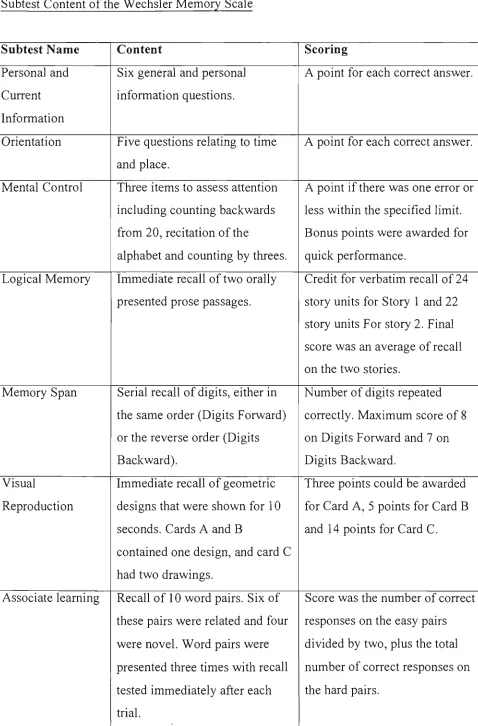
(Personal and Current Information, Orientation, Mental Control, Logical Memory, Memory Span, Visual Reproduction, Associate Learning) with two alternative forms. Details of the content and scoring of these subtests is found in Table 1. The scores for the subtests on the WMS were added together to yield a global memory quotient (MQ). This process will be described in more detail in a later section.
The WMS was widely criticised on practical, theoretical and psychometric levels (Erickson & Scott, 1977; Prigatano, 1978). On a practical level, it was suggested that the WMS manual was inadequate and uninformative and that the scoring rules for Logical Memory and Visual Reproduction were too brief and imprecise, resulting in poor inter-scorer agreement (Loring & Papanicolaou, 1987).
At a theoretical level, the WMS was criticised due to the assumption that the memory quotient (MQ) adequately measured memory. The use of the single
summarising measure was seen as implying that memory was a unitary and an additive phenomenon, which was not consistent with clinical and research findings. The use of a single summarising measure was also criticised because it had the
potential of masking variability among subtests, which in turn could limit the clinical information that could be obtained from the test (Erickson & Scott, 1977; Herman,
1988; Loring & Papanicolaou, 1987).
The inclusion of orientation and personal information questions in the MQ of the WMS was also considered questionable, as these questions did not appear to reflect memory recall (Erickson & Scott, 1977; Prigatano, 1978). In addition, the lack of coverage of different types of memory functioning, for example, delayed memory and recognition memory and the greater number of tasks measuring verbal as
compared to non-verbal memory, were identified as major weaknesses (Erickson & Scott, 1977; Herman, 1988; Loring & Papanicolaou, 1987).
Table 1
Subtest Content of the Wechsler Memory Scale
Subtest Name Personal and Current Information Orientation Mental Control Logical Memory Memory Span Visual Reproduction Associate learning Content
Six general and personal information questions.
Five questions relating to time and place.
Three items to assess attention including counting backwards from 20, recitation of the
alphabet and counting by threes. Immediate recall of two orally presented prose passages.
Serial recall of digits, either in the same order (Digits Forward) or the reverse order (Digits Backward).
Immediate recall of geometric designs that were shown for 10 seconds. Cards A and B
contained one design, and card C had two drawings.
Recall of 10 word pairs. Six of these pairs were related and four were novel. Word pairs were presented three times with recall tested immediately after each trial.
Scoring
A point for each correct answer.
A point for each correct answer.
A point if there was one error or less within the specified limit. Bonus points were awarded for quick performance.
Credit for verbatim recall of 24 story units for Story 1 and 22 story units For story 2. Final score was an average of recall on the two stories.
Number of digits repeated correctly. Maximum score of 8 on Digits Forward and 7 on Digits Backward.
Three points could be awarded for Card A, 5 points for Card B and 14 points for Card C.
In order to remedy some of the limitations of the WMS, two variations were developed. Russell (1975) produced a revision that incorporated delayed recall trials for the Logical Memory and Visual Reproduction subtests. This revision continues to be widely used and continues to have normative data published for it (Russell, 1988). However, Russell also included cues for both the subtests and no normative data was provided without cueing, making it difficult to compare this variation with the
original version.
The Boston Revision of the WMS (Milberg, Hebben & Kaplan, 1986)
included all the elements of the original, but added delayed recall and immediate and delayed recognition trials for the Visual Reproduction, Logical Memory, and Paired Associates subtests. The Visual Reproduction subtest also incorporated a copy trial following immediate recognition and a perceptual match trial following delayed recognition. Although these modifications addressed many of the problems with the content of the original, no detailed clinical data was reported. The inclusion of
immediate recognition trials and an immediate copy trial for the Visual Reproduction Subtest also allowed additional exposure to the designs. Thus, performance on
delayed recall with the Boston Revision was not directly comparable to the WMS version of the subtest and in fact reflected multiple exposure to the material, confounding interpretation of delayed recall.
The Wechsler Memory Scale-Revised (WMS-R)
The first revision of the WMS, the Wechsler Memory Scale-Revised, was published in 1987. Major changes to the original scale included the extension of the age range, an increase in the size of the normative sample, the replacement of the MQ with five composite scores, the addition of three new visual memory subtests, the inclusion of delayed recall trials for most of the subtests and the revision of scoring procedures for several subtests.
The WMS-R retained some of the WMS subtests with item and scoring
A brief overview of the major changes in the WMS-R follows and the reader is referred to the manual for more information (Wechsler, 1987). Major changes to the scale included:
1) The Information and Orientation subtests were combined and no longer contributed to the general memory index;
2) The content of all other subtests was retained with some modification. The Logical Memory subtest included one of the original stories with minor modification (Story A) and a different passage. Story B. The Visual Reproduction subtest retained the first two cards from the WMS subtest and two new cards were added, one with one design and the other with two designs. The Verbal Paired Associates subtest contained eight of the
original word pairs, and the two word pairs that were highly overleamed were eliminated.
3) Updated and more comprehensive scoring guidelines were included for the Logical Memory and Visual Reproduction subtests to address previous criticisms.
4) Three new subtests were added to the WMS-R, as potential measures of non-verbal memory. The Visual Paired Associates subtest required the recall of the association between colours and abstract line drawing pairs. The Figural Memory subtest involved multiple-choice recognition of shaded geometric designs. The Visual Memory Span subtest involved mimicking a sequence of taps on an array of coloured squares.
5) Delayed recall trials were added for Logical Memory, Visual
Reproduction, Verbal Paired Associates and Visual Paired Associates to measure retention of information over time.
Although several of these changes were considered to be worthwhile improvements, a number of criticisms have been directed at the WMS-R (Elwood,
1991a; Loring, Lee, Martin & Meador, 1989b; Wong & Gilpin, 1993; Woodard, 1993; Zeilinski, 1993).
encompass memory performance (which the manual acknowledged). For example, it did not assess every modality, everyday memory problems, autobiographical memory or procedural memory (Zeilinski, 1993). There was also limited recognition testing procedures for verbal and some nonverbal tasks, which prevented a direct comparison between recall and recognition testing (Loring, 1989a; Reid & Kelly, 1993; Troster et al., 1993). Although the Figural Memory subtest assessed non-verbal recognition memory and the Visual Reproduction subtest assessed non-verbal memory via a free recall procedure, no direct comparison could be made between free recall and
recognition of the same material.
Psychometrically, the test was criticised because raw scores were used to generate index scores, which resulted in the subtests contributing differentially to the total score. Norms for separate subtests were also limited to percentiles for Logical Memory, Visual Reproduction, Digit Span and Spatial Span. The use of interpolated scores for some age groups and the small size of the standardisation sample were also criticised (Elwood, 1991a). These criticisms will be reviewed in more detail later.
Wechsler Memory Scale- Third Edition (WMS-111)
The Wechsler Memory Scale-Third Edition (WMS-111) was the second revision of the original memory scale and it involved major changes in the content and administration. Many of these changes were significant improvements on the earlier editions and as a result the WMS-111 has the potential to provide a more detailed evaluation of memory.
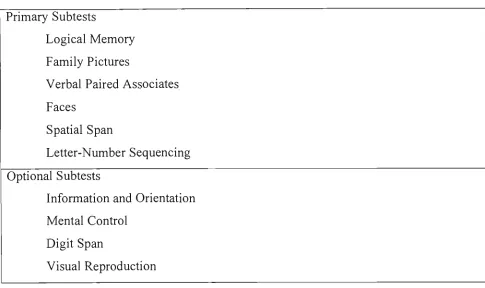
Table 2
Primary and Optional Subtests on the WMS-111
Primary Subtests
Logical Memory Family Pictures
Verbal Paired Associates Faces
Spatial Span
Letter-Number Sequencing
Optional Subtests
Information and Orientation Mental Control
Digit Span
Visual Reproduction
Four new memory tasks were added in the WMS-111, namely. Family Pictures, Faces, Word Lists and Letter Number Sequencing. There were also major changes to most of the other subtests retained from the previous edition (Information and Orientation, Digit Span, Mental Control, Verbal Paired Associates, Logical Memory, Visual Reproduction). The WMS-111 not only included measures of immediate and delayed memory, but also incorporated measures of recognition for most of the memory tasks.
In briefly examining the content of the WMS-111, the Information and Orientation subtest was retained in the second revision with only one item being slightly modified. Mental Control was also retained as an optional subtest, with modification to include more items and the addition of time bonus points. The Digit Span subtest was not fundamentally altered, but shorter and longer digit sequences were added.
recognition task was added. Scoring criteria were included for accuracy and thematic content, the later measuring the ability to recall major themes of the story.
The Verbal Paired Associates procedure was also retained as a primary subtest. However, all the eight word pairs from the WMS-R were replaced with new unrelated pairs, which were said to contain high imagery words. Four trials were given in the immediate condition and a recognition trial was added after delayed recall.
The Visual Reproduction subtest was retained but designated an optional subtest. Design B from the WMS-R was discarded and two new designs were added to extend the floor and the ceiling of the test. In addition to immediate and delayed recall trials, a recognition task, a perceptual discrimination task and a copy trial were added. The scoring system was significantiy revised, with partial credit being awarded on almost all the scoring items.
The Faces subtest on the WMS-111 was included as a primary subtest and evaluated immediate and delayed memory for faces via a recognition procedure. Participants were required to remember 24 target faces (presented individually for two seconds) and subsequently identify them from a series of targets and distracters. After a delay, the individual was asked to identify the faces from the original set from a series of distracters.
The Family Pictures subtest involved the presentation of four different scenes of a family group (six people and their dog) undertaking an activity. Each of the scenes was sequentially presented for 10 seconds each. After all four scenes were presented, the individual was asked questions about the content (characters, spatial location of the characters and the activity being undertaken by the character) of these pictures. After a delay period the individual was again asked questions about the content of these pictures.
The Spatial Span subtest assessed an individual's ability to reproduce a
sequence of visual-spatial locations either in the same order or in the reverse order. It was essentially the same task as the Visual Memory span subtest of the WMS-R, although the series of spatial patterns were presented on a three dimensional board rather than on a two dimensional card.
Letter Number Sequencing involved the presentation of a string of letters and numbers of gradually increasing length (from two to eight elements). The individual was required to repeat the letter-number sequence by first repeating the numbers together in ascending order and then the letters together in alphabetical order.
Although the WMS-111 contained many different tasks to measure many different aspects of memory, the administration of all the primary subtests is likely to be time consuming. The manual suggested the core battery could be administered in 30 to 40 minutes, however, the elderly and other clinical groups are likely to take longer than this to complete the test. The constant demands on memory when administering even the core battery alone could also result in a significant risk of fatigue for the elderly and clinical groups. This may complicate interpretation of memory performance across the subtests.
Scoring and Index Composition of the Wechsler Memory Scales
Wechsler Memory Scale (WMS)
Wechsler Memory Scale- Revised (WMS-R)
On the WMS-R, the eight subtests contributed to five indexes, which replaced the single mental quotient on the WMS. The Indexes were equivalent statistically to IQ scores, with each Index having a mean of 100 and a standard deviation of 15. To obtain these Index scores, raw scores for the individual subtests were weighted, and the sums of these weighted scores were added to yield a weighted raw score. This was then converted into an Index score according to the participant's age. The subtests corresponding to the summary indexes and their weighting are shown in Table 3.
Table 3
Summary Indexes on the WMS-R
Summary Indexes
Attention/Concentration
Verbal Memory
Visual Memory
General Memory
Delayed Recall
Subtest Contribution
Mental Control x 1 Digit Span x 2
Visual Memory Span x 2
Logical Memory Immediate Recall x 2
Verbal Paired Associates Immediate Recall x 1 Figural Memory xl
Visual Paired Associates Immediate Recall x 1 Visual Reproduction Immediate Recall x 1
The sum of the Verbal and Visual Memory Index weighted scores.
Logical Memory Delayed x 1
Visual Paired Associates Delayed x 2 Verbal Paired Associates Delayed x 2 Visual Reproduction Delayed x 1