Scholarship@Western
Scholarship@Western
Electronic Thesis and Dissertation Repository
1-14-2016 12:00 AM
High Fidelity Simulation: Panacea or Potential Problem?
High Fidelity Simulation: Panacea or Potential Problem?
Mark E. Hunter
The University of Western Ontario
Supervisor
Dr. Sandra DeLuca
The University of Western Ontario Graduate Program in Education
A thesis submitted in partial fulfillment of the requirements for the degree in Master of Education
© Mark E. Hunter 2016
Follow this and additional works at: https://ir.lib.uwo.ca/etd
Part of the Curriculum and Instruction Commons
Recommended Citation Recommended Citation
Hunter, Mark E., "High Fidelity Simulation: Panacea or Potential Problem?" (2016). Electronic Thesis and Dissertation Repository. 3465.
https://ir.lib.uwo.ca/etd/3465
This Dissertation/Thesis is brought to you for free and open access by Scholarship@Western. It has been accepted for inclusion in Electronic Thesis and Dissertation Repository by an authorized administrator of
HIGH FIDELITY SIMULATION: PANACEA OR POTENTIAL PROBLEM?
Thesis format: Monograph
by
Mark Hunter
Graduate Program in Educational Studies
A thesis submitted in partial fulfillment of the requirements for the degree of
Master of Education
The School of Graduate and Postdoctoral Studies The University of Western Ontario
London, Ontario, Canada
ii
Abstract
An expanding trend in health science education is to replace time spent in traditional
clinical settings with high fidelity simulation (HFS). Utilizing a ethnographic
methodology to observe students as they engaged in HFS and exploratory interviews to
uncover student perceptions, this qualitative work sought to further understand the
implications of this trend by exploring what students experienced when they interacted
with HFS mannequins in simulated environments. Twenty five students attending a large
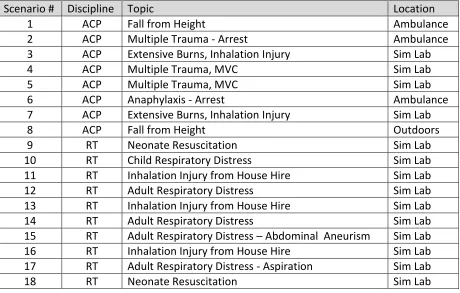
Ontario community college participated in the twenty two HFS scenarios that were
evaluated in this study. While the numerous benefits of HFS identified in the literature
were also evident in this work, the results emerging from this study suggested that
students do not perceive HFS as they do real life. The implications of this perception on
the trend to replace time in clinical learning environments with HFS are presented in the
discussion.
Keywords
High fidelity simulation, health science education, mannequin, grounded theory, clinical
iii
Acknowledgments
The completion of this work would not have been possible were it not for the wisdom,
insightfulness and profound patience of my supervisor, Dr. Sandra DeLuca. I will be
forever grateful for her ability to challenge me to expand my thought processes, listen to
my inner voice and to not be hesitant to deal in the messiness.
I am also extremely grateful for the support, encouragement and opportunities to further
my ability to write and publish that were so generously provided to me throughout my
graduate studies by my advisory committee member, Dr. Kathryn Hibbert.
I would also like to express my sincere appreciation to the dedicated students who gladly
and generously volunteered their time to participate in this study and candidly shared
their experiences with me.
iv
Table of Contents
Abstract ... ii
Acknowledgments... iii
Table of Contents ... iv
List of Tables ... vii
List of Appendices ... viii
Preface: Locating myself in the work ... ix
Chapter 1 ... 1
1 Introduction: Asking the Questions ... 1
1.1 The Issue ... 1
1.2 Background to the Questions ... 2
1.3 Exploring the Questions ... 4
1.4 The Research Question ... 5
1.5 The Journey to Answer the Question ... 5
Chapter 2 ... 7
2 The Literature ... 7
2.1 Examination of High Fidelity Simulation ... 7
2.1.1 HFS: The history ... 7
2.1.2 HFS: Acquisition of Psychomotor Skills ... 9
2.1.3 HFS: Development of Assessment Skills ... 9
2.1.4 How is HFS perceived by Health Science Students? ... 10
2.1.5 HFS: Impact on patient safety... 11
2.1.6 HFS: Influence on Research ... 12
2.1.7 HSF Concerns and Critical Questions ... 12
v
Chapter 3 ... 16
3 Methodology ... 16
3.1 Conceptual Framework ... 16
3.2 Grounded Theory: A Methodological Guide for this Inquiry ... 17
3.3 Gathering Rich Data ... 18
3.3.1 Grounded theory ethnography ... 18
3.3.2 Digitally recorded passive observation ... 19
3.3.3 Site of Investigation ... 20
3.3.4 High Fidelity Simulation Participants ... 20
3.3.5 Interviews ... 22
3.3.6 Selection of participants interviewed ... 22
3.3.7 Ethics... 23
3.4 Data Analysis ... 23
3.4.1 Unpacking the Video data ... 23
3.4.2 Expanding understanding through interview conversations ... 25
3.5 Summary ... 26
Chapter 4 ... 27
4 Findings ... 27
4.1 General Observations ... 27
4.2 Finding meaning in what I observed ... 30
4.2.1 Initial Coding of Incidents ... 30
4.2.2 Discovering Meaning in Absent Behaviours ... 33
4.2.3 Focused Coding ... 34
4.2.4 Comparing Incidents More consistent with Patient Interaction to Incidents Less Consistent with Patient Interaction ... 37
vi
4.2.6 A summary of the meanings that emerged from analysis of coded data .. 45
4.3 Exploring the significant incidents ... 47
4.3.1 Significant Incidents Less Consistent with a Patient Interaction ... 47
4.3.2 Significant events more consistent with patient interaction ... 50
4.4 Finding Meaning in Interview Data ... 51
4.4.1 Initial coding and Themes Emerging in the Interview Data ... 51
4.4.2 Summary of Findings Emerging from Interview data ... 66
Chapter 5 ... 68
5 Discussion ... 68
5.1 What incidents occurred ... 68
5.2 The Need to Explore Why incidents Occurred ... 69
5.3 Progressing from Analysis to Theory ... 69
5.4 Implications... 71
5.5 Limitations ... 72
5.6 Implications for Future Research ... 72
References ... 74
Appendix A - Ethics Approvals ... 86
Appendix B - Letter of Information ... 90
Appendix C - Consent Form ... 92
vii
List of Tables
Table 1 ... 28
Table 2 ... 31
Table 3 ... 34
Table 4 ... 35
Table 5 ... 37
Table 6 ... 39
Table 7 ... 41
Table 8 ... 43
viii
List of Appendices
Appendix A - Ethics Approvals ... 86
Appendix B - Letter of Information ... 90
ix
Preface: Locating myself in the work
This thesis employs an ethnographic approach to explore the what and why questions
emerging from the use of high fidelity simulation in the education of health science
students. As I inserted myself into this work it is arguably necessary that you, the reader,
be exposed to not only my research but also to the significant experiences that have
impacted me and, as a result, shaped the various lenses through which I will be viewing
this work.
The clock arm swings past 0300 hrs. on a busy night in the intensive care unit (ICU) where I am working as a young critical care RN in a large teaching hospital. I am holding the hand of a young wife, “Susan” as I begin to initiate what is known as “withdrawal of treatment” on her 35 year old husband, “Bob”. With her other hand, Susan is clutching their school aged daughter to her side. Tears are just below the surface as I look through rapidly blinking eyes and recall that a previously healthy Bob had presented earlier in the week with chest pain and shortness of breath which was attributed to an inflammation of the anatomical sac which surrounds the heart. This was not supposed to have gone like this. Bob’s condition, known as pericarditis, typically responds well to treatment and patients’ are expected to move on to a full recovery. Tragically for Bob and his family, that did not happen as all efforts to resolve his condition were unsuccessful and he subsequently developed multi-system organ failure with no chance of recovery. I
continued my futile attempts to keep my tears below the surface as his daughter crawls up beside her dad and says her final goodbyes before being taken out of the unit by her grandparents. As I look over his comatose body, the rational side of my consciousness processes that all of Bob’s major organ systems have shut down, his brain is not functioning and if it were not for the application of complex invasive technology, commonly referred to as “life support”, he would have died days ago. Although Bob is now unconscious and non-responsive, I ensure he has an adequate amount of narcotics on board to control any pain he might be experiencing while I re-affirm with Susan that she understands what she has consented to, what we going to do and what she can expect to happen. Working with the respiratory therapist we remove Bob’s breathing tube, ensure his airway is clear and then begin to reduce the amount of medication he is receiving to let the natural course of death occur. Susan pulls up a chair and sits beside Bob’s bed and I sense that she wants to talk. I listen. We share a comfortable silence as together we watch Bob’s breathing becoming more irregular. I pull the curtains and provide what privacy I can so that she can have some final alone time with him. His vital signs cease at 0730 hours and his wife tearfully embraces me as Bob is declared dead.
This event occurred over two decades ago. Despite the significant passage of time, it
provides context for this work and is presented to provide insight as to why I chose to
x
to expand the practice of replacing clinical experience (educational opportunities in
which student practitioners interact with actual human patients in actual clinical settings)
with opportunities for students to engage with computer controlled mannequins in a
simulated environment. Interacting with patients is a human experience. It is difficult and
challenging work. My experiences as a critical care practitioner make me question if this
complex skill can be sufficiently developed by interacting with a microprocessor.
The critical tone of the statement above may cause the reader to believe that this an
anti-technology work. Far from it, I like to work with my hands and I am very comfortable
with tools and technology. In hindsight, these personal characteristics undoubtedly played
a large role in my decision to initially pursue a career in the technology rich environment
of intensive care. However, despite finding some initial comfort with the pumps, alarms
and gadgets that fill the ICU, I quickly realized that the challenge was not working with
the technology, the real work for me was being the warm, caring body that effectively
engaged with the patients or, as the story above illustrates, their families.
This preface is not to be misinterpreted as a narcissistic preamble to a pity party. I
enjoyed my work in the ICU. Yes, it was at times emotionally draining. Walking step by
step with a family as their loved one moves progressively and inextricably closer to death
is an emotionally exhausting experience. Yet, as I reflected on those fatiguing
interactions, I realized that I also found them rewarding. I began to appreciate that my
role as a Registered Nurse was not what I thought it would be when the naivety and
inexperience of youth and caused me to believe I was going to save the world. My role
was also, (and perhaps arguably, more so in the critical care environment), to provide my
patients and their families with support and often that would include support throughout a
death experience. This expansion in my understanding of what I perceived to be my
purpose as a care provider was not an overnight journey. The transition took time,
consultation with colleagues, spiritual advisors and feedback from patients and their
families to help me appreciate that my notion of what “saving the world” looked like as
an RN was far broader than I ever had imagined. It was not about making people well, it
was about engaging with individuals in a manner that made them feel valued and
xi
My understanding of the need for care providers to engage effectively with patients was
also shaped by my experiences as a patient who had suffered a critical injury. During
nursing school I was pulled from a horse drawn sleigh while we were celebrating the first
day of what was euphemistically known as reading week. I hit the frozen ground hard,
head first and was alarmed at the loud crunching sound that was generated on impact. As
I carefully turned my head I heard what I best describe as the sound of corn popping
emitting from my neck. I took my gloves off, wiggled my fingers and felt a wave of relief
as I affirmed I could still move. But I knew something was seriously wrong and went to
the local emergency room (ER). In the ER examining room I looked OK, had minimal
numbness or tingling, I could walk without any issues and all of my reflexes were intact.
I explained my concerns, what I heard when I landed and what I felt, but no one listened.
Disregarded, I felt like a “cold body” that was just there to be processed and dismissed as
the machine of ER efficiency hummed along (DeLuca, Bethune-Davis, Elliot, 2015).
The physician told me to go home. Fortunately, I listened to my inner voice, became
noncompliant and refused to leave without an x-ray. I am unsure if it was the inability to
engage in a discourse or if they just feared “a scene”, regardless, I was placated and sent,
notably without any cervical spine precautions in place, for the x-ray I demanded. The
machine like “going through the motions” approach to my care suddenly came to a
screeching halt as the first film emerged from the processor and came into view for the
technician. My neck was smashed and unstable. Cervical vertebrae 5 was crushed into
what is referred to as a wedge fracture and it was evident that any movement on my part
could result in serious spinal cord damage. Fortunately, after a prolonged period in
cervical traction and extensive surgery I went on to a full recovery. However, I am
frightened when I ponder the likely outcome (quadriplegia, inability to have children) if I
had not listened to my inner voice and forced those that were entrusted to “care” for me
to listen to my concerns.
The intensive care unit in which I was employed had a significant education program to
provide new nurses to the area with the unique knowledge and skills they required to
work in this highly specialized environment. I was asked to work with new staff in this
program and a light went on as I discovered that while I enjoyed being a clinician, I really
xii
care. I also uncovered something else. The common understanding was that learning the
specialized drugs, equipment and procedures associated with critical care was the
difficult aspect of the training. This was inconsistent with my experience facilitating the
progress of new critical care practitioners as I began to appreciate that for most,
developing competency with clinical skills came relatively easily. A significantly greater
challenge however, was to develop the ability to successfully interact in the complex
communication milieu that accompanies the critically ill patient.
Inspired by a desire to teach, I left the ICU to become a college educator of health science
students. Although my college educational career began in Nursing, I soon moved to
emergency care and have been primarily focused on Paramedic education for the bulk of
my career in postsecondary education. Again my passion for technology emerged, and I
became the early adopter and workshop facilitator to explore ways in which we could
utilize technology as a means to enrich the student learning experience. Watching my
inspired colleagues at work I witnessed firsthand that there are few limits to what can be
accomplished when powerful technology is embraced by creative educators. I was
privileged to work with a passionate team that embraced the use of computer controlled
mannequins, used “Hollywood quality” makeup to mimic the appearance of real life
traumatic injuries and developed nationally recognized, large scale simulations involving
hundreds of participants in massive interdisciplinary disaster response exercises. Yet
despite these endeavors, the most common complaint from employers of our new
graduates remained relatively unchanged from my observations of ICU nurse candidates
years ago: that new practitioners continue to have difficulty interacting effectively with
patients.
With insight that seems to emerge with extended experience, I increasingly find myself
struggling with an educational dilemma. On the one hand I hold a fundamental belief in
the ability of technology to enhance student learning, while on the other, my lived
experience as a critical care RN, a seriously injured patient and a long time educator
cause me to question the ability of simulation technology to develop the capacity for the
Chapter 1
1
Introduction: Asking the Questions
1.1
The Issue
Traditionally, health science programs have required students to complete significant
amounts of time in clinical settings with actual patients as they develop their ability to
deliver health care. A health professional student would typically spend more time
in "clinical" than any other learning environment within a program. The traditional
educational approach is increasingly more difficult to provide to health science students,
as escalating demands on these clinical areas has resulted in reduced access for students
(Grant & Davis, 2004; Issenberg, Mcgaghie, Petrusa, Gordon, & Scalese, 2005;
Macedonia, Gherman, & Satin, 2003; Maran & Galvin, 2003; Reilly & Spratt, 2007;
Waldner & Olson, 2007). As a consequence, health profession educators are required to
condense the amount of time a student would spend in a traditional clinical setting and
replace these experiences with increased time spent in new, technologically advanced,
simulation areas (C. Reed, personal communication, September 29, 2008; DeLuca,
Bethune-Davis, Elliot, 2015; Florida Board of Nursing, 2007; Gassert, 2006; Nehring,
2008; Hayden, 2014). As an educator of health science students my experience with the
introduction of technology into health science education is consistent with what I have
found expressed in the literature. Technology has appreciably enhanced the teaching and
learning process in simulated environments and represents a significant improvement
over previously utilized “low tech” options (e.g. learning intramuscular injections by
injecting an orange), (Kneebone, 2003; Maran & Galvin, 2003). While the benefits of
technology in the didactic component of health science education are widely identified
and acknowledged, minimal work has been completed to support the effectiveness of
educating health care professionals by replacing human patient interactions with time
1.2
Background to the Questions
The practice of simulating real life experiences is an educational approach that can be
traced back to the “writings of Aristotle and the practices of Socrates” (Ruben, 1999, p.
500). Advances in computer technology however, have dramatically affected the nature,
scope and appearance of simulation. To illustrate the effect that technology has had on
simulation consider that in the 1970’s a person playing the newly released video game of
that period was entertained (as evidenced by the popularity of the game) by moving a
white bar shaped “paddle” across a black screen to “hit” a white, square “ball” (Winter,
2001). Despite the enjoyment the novel game provided, the limited nature of the
interaction did not allow the player to feel any of the sensations that one would
experience while actually playing ping pong. Today however, observe a group of seniors
“bowling” using a high definition, surround sound, interactive gaming system and it
becomes more difficult to make the same claim. Technology in the hands of creative
thinkers has allowed simulation experiences to become increasingly closer to the reality
that they were intended to represent. But can simulation replace reality?
The term fidelity is employed to describe the extent to which a simulation matches the
appearance and behaviour of the reality it is endeavoring to emulate (Farmer, van Rooij,
Riemersma, Joma, & Moral 1999). The use of technologically advanced, computer
programmed, anatomically correct mannequins complete with palpable pulses, breath
sounds, blood pressure, voice, breathing mechanics, and heart rhythms that allow for
complex physiological responses in environments designed to replicate clinical settings is
known as high fidelity simulation (HFS) (McCaughey, 2010; Small, et al., 1999, ).
Although these learning environments may look like a hospital room and the “patient” on
the bed has computer enabled, life-like attributes that facilitates cognitive development
and the acquisition of skills, are these simulations of sufficient fidelity that learning
experienced by health science students in a clinical setting with actual patients can be
replicated in a simulated environment using HFS?
Like countless others, I have been drawn into the enticing web of HFS. The high fidelity
medium provides a platform that fosters limitless creativity, dramatically expands our
other words, HFS is “cool”. However, my experience as both a clinician delivering front
line patient care and as educator facilitating health science students’ transition from
neophyte to competent practitioner provides me with the insight to appreciate that the real
challenge in becoming an independent care provider is not the ability to perform a
psychomotor task, prioritize actions or even implement effective clinical judgment, rather
it is the capacity to provide the human element in the patient’s experience. As Carl
Buehner succinctly articulated decades ago “They may forget what you said – but they will never forget how you made them feel” (O’Toole, 2014). This criticality of the human
element in the patient interaction is also supported by Griffin et al. (2004) who concluded
that, “successful interactions between patients and their practitioners lie at the heart of
medicine” (p. 595). Despite many positive, well documented attributes, does HFS create
an environment that allows participants to have a human experience? Or, does the
academy’s ever expanding use of silicone covered, high fidelity mannequins further
contribute to conceptualization of the patient as ‘thing’ to be fixed or a ‘cold body’
(DeLuca, et al., 2015)?
Simulation has quickly become a popular research subject (McGaghie, 2010), as
educators question the ability of HFS to effect numerous aspects of health care including,
but certainly not limited to: skill development, competence, confidence, learner
satisfaction, skill transfer, end of life care, disaster response, patient safety, research, etc.
(Issenberg, 2005; Knudson, 2013; Kopp & Hanson, 2012; Morrison & Catanzaro, 2010;
Reilly & Spratt, 2007) however, a review of this work reveals a surprising paucity of
evidence that questions what is actually happening when students engage with high
fidelity mannequins that are being utilized to simulate human patients. In juxtaposition to
DeLuca’s notion of the “cold body” do students engage with the mannequin as if it was a “warm body”? Specifically, do students: talk with mannequins? touch the mannequins?
make eye contact with the mannequins? demonstrate emotion in these scenarios? change
their demeanor in response to an alteration in the mannequin’s condition? display affect
that is consistent with the scenario? In our haste to use our creative educator talents in the
exciting medium of HFS have we missed asking the fundamental question of what HSF
1.3
Exploring the Questions
As I continued to expand my own use of HFS in the education of Health Science students
and saw others rushing to get on the simulation bandwagon, I began to view HFS through
a more critical lens. I was impassioned about the use of HFS but at the same time I was
becoming more conflicted as I began to question the efficacy of HFS. As noted above,
reviewing the literature revealed a significant volume of work measuring various
performance indicators and supporting the use of HFS, but despite the quantity of
research investigating HFS it remained under theorized (Schiavenato, 2009) with
fundamental questions regarding what HFS could and could not do going unanswered.
Although the HFS band wagon was filling up as the obvious course to pursue in health
science education, other than work utilizing surveys exploring student’s perceptions of
HFS, I was challenged to find evidence that addressed the “warm body” questions that
kept occupying an ever greater portion of my consciousness.
My need to address the “warm body” elements that are an essential part of providing care
(Mead & Bower, 2000) led to the conceptualization of this work. I wanted to explore
what students experienced as they engaged in HFS. Rather than adding to the relatively
significant body of self-efficacy derived evidence (Leigh, 2008) I saw the need to
approach this what question from the lenses of ethnography and Ground Theory
methodologies. I designed a study that would provide video evidence of health science
students in actual HFS scenarios that could then later be analyzed and coded through my
lens as an experienced clinician and educator for behavioral trends and themes. After
determining what was occurring, I conducted subsequent interviews as a means to help
explore the why questions that I expected to arise as result of the analysis of the students’
behavior in their HFS scenarios. Recognizing the need to gather rich data, while at the
same time appreciating the limits of time, resources and scope for a Masters’ thesis, I
involved students from two distinct health science disciplines engaging in 22 HFS
1.4
The Research Question
In the current health care education environment of reduced (and in some cases
eliminated) access to clinical sites the trend to replace clinical experience with HFS is
viewed as necessary and arguably, logical despite the limited amount of research
evidence to support the move (Bond et al., 2008; Laschinger et al., 2008; Rauen, 2004).
As a key element of clinical practice has been identified as successful interaction between
care provider and patient (Griffin et al., 2004) and the current trend in the education of
students learning to deliver health care is to replace student health care provider – patient
interactions with HFS with few questioning the effect of inserting the “cold body” of a
mannequin into a human interaction, the intent of this study is to explore the nature of the
interaction between health science students and computer aided mannequins in high
fidelity simulations. What do health science students experience when they interact
with high fidelity simulation mannequins in simulated environments?
1.5
The Journey to Answer the Question
Following the identification of the numerous issues and questions that arise from the ever
expanding use of HFS in the education of health science students, the text progresses
from the research question to explore the literature dedicated to HFS. The amount of
work exploring the various elements of HFS is substantive. As a result, the reader will be
presented with a focused literature review in chapter two that explores the elements of
HFS that best support and challenge the research question. The literature review then
leads the reader to an explanation and justification of the conceptual model which
underpins this research.
After a review of the rationale for the utilization of a qualitative, grounded theory
methodology the text in chapter three then describes the process utilized to gather the rich
data uncovered in this research. Themes emerging from data analysis are then presented
In the final chapter the reader will find my interpretation and limitations of the research
findings as well the potential implications of this work on the current practice of utilizing
HFS to replace clinical education experiences.
Chapter 2
2
The Literature
Like Seniors playing a modern day video game, health science students are more
entertained and engaged in HFS situations than they previously were in traditional labs
which were unencumbered by technology (Bradley, 2006; Friedman, 1995). Therein lies
the crux of the issue. HFS represents such a significant enhancement to the education of
health science students that it is irresistibly attractive to couple expanding technology
with the creativity of educators to produce ever more realistic and stimulating
environments for students to learn in. So much so, that few have paused to question
where the line between simulation and reality lies. Arguably, as technology continues to
expand and educators continue to develop their expertise in utilizing it, the line will
move, perhaps to the point where it is blurred beyond recognition. However, in light of
the current trend to replace real life patient interactions with HFS, the intent of my
literature review is to explore where the line might exist today.
In the review of the literature I will first investigate the aspects of patient care that can be
learned through the use of simulation by examining the history, successes and failures of
HFS simulation across the health science disciplines. In light of the movement in health
care provider education to utilize student-mannequin interaction as a substitute for
student-patient interaction, I will then explore the literature to identify elements of the
health provider-patient interaction and the health provider – mannequin interaction. In
doing so I intend to identify any gaps into which this work, exploring the nature of the
student – HFS simulation mannequin interaction, will be positioned.
2.1
Examination of High Fidelity Simulation
2.1.1 HFS: The history
As previously noted, simulating real life events with games, role play and application of
the technology of the day with the intent to enhance one’s ability to perform in the actual
event is a common practice that has been occurring for centuries. Macednonia, Gherman
388) as they describe how our ancient ancestors in the Paleolithic period created leather
models of women with the apparent intention of simulating child birth. Today my
nephews enjoy playing (and often beating) their uncle in a stimulating game of chess.
What my nephews do not appreciate is we are participating in a war simulation whose
origins date back to 600 A.D. (United States Chess Federation, n.d.). Although arguably a
less cerebral war simulation, warriors in the Middle Ages utilized advancing technology
to create more elaborate simulation and saw jousting emerge as a means to provide
knights with “practical, hands-on preparation in horsemanship, accuracy and combat
simulations that kept them in fighting shape between battles” (History UK, n.d.).
Technological advancements continued to progress through into the 1800’s when the
industrial revolution and developments in power, communication and transportation
provided the platform for creative educators to continue to develop higher fidelity
simulation experiences that more closely imitated real life. Technology and enhanced
communication would “forever change the way people relate to each other” (Rosen, 2013
p.5) and laid the foundation for radical changes in the use of simulation across numerous
disciplines (Bradley, 2006).
One of the first industries to harness technological advances and seize simulation as
medium to enhance the educational process was aviation. At first glance flying an aircraft
may appear far removed from HFS and patient care. However, the significant number of
HFS authors that reference aviation simulation (Blum, 2012; Bradley, 2006; Cooper,
2004; DeMaria, 2014; Dresser, 2007; Drews & Bakdash, 2013; Fritz, Gray, & Flanagan,
2008; Good, 2003; Gordon, Wilkerson, Shaffer, & Armstrong, 2001; Gore, Hunt, &
Raines, 2008; Grenvik & Schaefer, 2004; Harris, Eccles, Ward, & Whyte, 2013; Leigh,
2008; Macedonia, Gherman, & Satin, 2003; Maran & Glavin, 2003; McGarry, 2014;
Nehring, 2008; Okuda et al, 2009; Seybert, Laughlin, Benedict, Barton, & Rea, 2006;
Rauen, 2004; Rosen, 2008; Small et al, 1999; Waterson, Flanagan, Donovan, &
Robinson, 2000; Ziv, Ben-David, & Ziv, 2005) as they describe influences on the
development of patient care simulation warrants an inclusion of flight simulation in this
review of the literature. Although the references to aviation simulation are numerous in
the HFS literature and the prevalence of these references implies that the success of
education, absent in the discussion is a comparison of the fundamental and significant
differences between the work environment of a pilot and that of a health care provider.
Does the use of a computer interface simulation that successfully prepares pilots to
interact with a plane indicate that the use of a microprocessor enhanced mannequin can
successfully prepare health science students to successfully interact with a patient?
Although simulation has been an education technique utilized for centuries, the
development of the microcomputer launched the use of simulation into hyperdrive across
a variety of industries including flight training, military exercises, business management
and even disaster simulations for nuclear plant operators.
2.1.2 HFS: Acquisition of Psychomotor Skills
The passing of tubes through various body orifices or through the skin is a technical skill
that is associated with a degree of risk to the patient if performed incorrectly. Nursing
students trained on high fidelity mannequins showed improved performance
re-demonstrating the skill sets of nasogastric tube insertion and urinary catheter insertion
than those trained on low-tech mannequins (Grady, et al. 2008). Naylor et al. (2009)
arrived at a similar conclusion in their investigation of the ability of third year medical
students to learn how to perform urinary catheterization using simulation.
Similarly, Hall, et al. (2005) investigated the ability of Paramedic students to acquire the
skill set of endotracheal intubation (ETI) using HFS. Randomizing a group of 36
Canadian Paramedic students ½ were trained utilizing traditional operating room time
with an anesthetist while the remaining students were trained using HFS. After receiving
the training each group then completed 270 ETI’s (15 per student) in a controlled setting
within the operating room. The authors concluded that both simulator and operating room
training allowed the students to acquire sufficient ETI skills.
2.1.3 HFS: Development of Assessment Skills
Developing the ability to apply knowledge to interpret assessment findings is a more
dynamic skill than the tube insertions describe above, however, as Steadman, et al.
Comparing a traditional method of case study and oral feedback from an instructor, (a
process identified by the authors as problem based learning), to HFS, the medical
students engaged in HFS scored significantly higher on the final assessment of skill
acquisition than did the students who were trained using traditional methods. As a
medical specialty, Anesthesia has arguably achieved the most extensive and long
standing use of HFS in health care education. After a randomized trail evaluating
anesthetists and anesthesia trainees’ ability to recognize and respond to malignant
hypothermia, Chopra et al. (1994) concluded that “training on an anesthesia simulator
does improve the performance of anesthetists in dealing with emergencies during
anesthesia” (p. 293).
2.1.4 How is HFS perceived by Health Science Students?
In addition to the research which supports enhanced skill acquisition through the use of
HFS, the students experiencing HFS report that they believe it is an effective training
modality. In a survey of 28 Emergency Medical Technicians (EMT’s) Bier and Hile
(2008) concluded that the perception of those using advanced procedure mannequins was
superior to traditional models of training. Likewise, nurses participating in a simulation
experience designed to enhance the ability of nursing staff in a bone marrow transplant
unit to manage critically ill patients also reported a high degree of satisfaction with HFS.
All 12 nurses participating in the simulation recommending that HFS be used for
subsequent sessions (Kuhrik, N.S., Kuhrik, M. Rimkus, Tecu, & Woodhouse, 2008).
Enhancing self-confidence may be one reason that students reflect positively on HFS
experiences. Goldenberg, Andrusyszn and Iwasiw (2005) indicate that despite the
limitations of a small, (n=22), convenience sample, nursing students participating in HFS
report a significant increase in self-efficacy scores after engaging in a HFS experience.
These works indicate that students perceive HFS positively. However in an investigation
of student and faculty perceptions of HFS, Feingold, Calaluce and Kallen (2004) raise a
question that further serves to position this enquiry. Consistent with the Kuhrik, Kuhrik,
Rimkus, Tecu, & Woodhouse (2008) and Goldenberg, Andrusyszn and Iwasiw (2005),
Feingold, Calaluce and Kallen (2004) report that the majority of both students and faculty
skills learned in the simulated environment would transfer to actual clinical settings only
half (50.8%) of the 65 students surveyed felt that transfer would occur. Interestingly, this
response contrasts significantly with the perceptions of the faculty group of which 100%
felt that skills developed in simulated environments would transfer to real life
experiences. Do the people experiencing the simulation know something that those
observing it do not?
2.1.5 HFS: Impact on patient safety
HFS literature indicates that enhanced patient safety may be an additional benefit to be
gained by expanding the utilization of simulation. Reflecting on the use of HFS
simulation in the orientation of nurses to cardiac surgery, Rauen (2004) identifies that the
ability for students to learn in an environment where making mistakes does not result in a
threat to patient safety is a distinct advantage to simulation as a teaching strategy.
Similarly, Issenberg et al. (1999) report that HFS allows surgical residents the
opportunity to develop their laparoscopic skill sets such as hand-eye coordination, cutting
technique, suture placement and knot tying all without any risk to a patient.
Identifying patient safety as a priority in nursing care, Gore, Hunt & Raines
(2008) implemented a unique experience in which they employed HFS to allow nursing
students the opportunity to make mistakes without harming patients. In a mock hospital
unit students were required to “work” a four hour shift prior to attending an actual
clinical experience. During that time the researchers created situations that compromised
patient safety (e.g. medication error),created patient injuries (e.g. moved a mannequin
onto the floor to simulate a fall after a student erroneously left a bed rail in a down
position) and observed how the students responded. Simulation allowed the authors to
create hazards representing a threat to patient safety which allowed the students to apply
assessment, critical thinking and evaluation skills as they responded. As the authors note,
outcomes were not monitored to determine if this experience resulted in enhanced patient
2.1.6 HFS: Influence on Research
Balancing the requirement to ensure the safety of human subjects with the need to
evaluating the effectiveness of new patient care equipment and procedures is oftentimes
challenging. Questioning the most effective method to manage an airway in prehospital
pediatric arrest, Chen and Hsiao (2008) desired to compare the efficacy of endotracheal
intubation (ETI) and the Laryngeal Mask Airway (LMA). HFS was selected as the
method utilized to proceed with the trial without creating patient harm. As a result of
their study, Chen and Hsiao conclude that, “the LMA led to more rapid establishment of effective ventilation and fewer complications” ( p. e297) and support the use of the LMA
to manage pediatric patient airways in the out of hospital environment. Although HFS
allowed Chen and Hsiao’s trial to proceed without risk to children, this trial also
illuminates a question that helped shape this current study, that being, is it reasonable to
extrapolate findings derived from a simulator to a human population? The authors do not
include this issue as a potential limitation to their findings.
2.1.7 HSF Concerns and Critical Questions
As noted from the review of the literature, there is significant support for the use of HFS
in the education of health care providers. Research that identifies concerns or raises
critical questions surrounding the use HFS is generally not well evidenced in the
literatures. This is not intended as a criticism of our research community but is rather, I
believe, a reflection of the allure and common sense appeal of HFS. Although expensive
(Nehring & Lashley, 2004), it works.
So alluring is the potential draw of HFS that Kneebone, Scott, Darzi & Horrocks (2004)
caution that there is the “danger that simulation may become an end in itself,
disconnected from the professional practice for which it purports to be a preparation” (p.
1099). That said, many authors investigating the use of HFS in health science education
note that the effectiveness of the methodology is offset by the increased time required by
faculty to engage the technology, design scenario’s, maintain equipment, and explore
best simulate urine and which of these will not damage the $50,000 mannequin?”
(Goldenberg et al. 2005; Gore et al. 2008).
In one of few works that calls into question the effectiveness of HFS, Engum, Jeffries and
Fischer (2003), recruited 163 nursing and medical students to participate in a randomized
trial that compared the ability of the students to develop their IV cannulation skills using
either a high fidelity, computer IV catheter simulator or, the traditional “low tech”
demonstration followed by practice on plastic arms. Both groups had comparable pretest
scores and both groups developed similar ability to demonstrate the skill. The results of
the study indicated that the group exposed to the traditional “low tech” methodology showed, “a significant improvement in cognitive gains, student satisfaction and
documentation of the procedure” (p. 67) when compared to the HFS group. The authors
also report that the traditional low tech method was preferred by the students. At first
brush the evidence provided by Engum et al. (2003) suggests that the investment in HFS
may not produce results that are in any way improved, and in fact may be worse than
those afforded by traditional, low tech (and low cost) methods. The value of an
alternative position aside, a review of the methodology of this study reveals that the
variable between the two groups was not limited to the sophistication of the simulation
device. The low tech group was provided an instructor whereas the HFS group was not.
It is a reasonable criticism that the results reported by the authors were less influenced by
the nature of the simulation device and more significantly affected by the interaction that
the students had with another human being (their instructor).
My methodological criticisms aside, the results articulated by Engum et al. (2003) serve
to further position this inquiry. In Engum et al.’s work, despite the attractiveness of HFS,
a high tech, high cost simulator could not replicate the results produced by traditional
interaction between student and instructor. These findings are consistent with social
learning theory as developed by Bandura (1977), which argues that the most powerful
effect on the student in this situation would not be the lure of the HFS but rather the
My review of the literature indicated that HFS has enhanced health care provider
education as HFS has been shown to facilitate acquisition of psychomotor skill sets,
enhance development of assessment skills, improve self-efficacy, have a positive impact
of patient safety, make trials of new patient care equipment possible, quantify evaluation
and is well received by the students. These findings are consistent with the results of a
systemic review of HFS conducted by Issenberg, et al. (2005) in which these authors
conclude that, “high-fidelity medical simulations are educationally effective and
simulation-based education complements medical education” (p. 10). Likewise, Rauen
(2004) articulates numerous advantages of HFS, however, despite the significant, positive
impact of HFS on health provider education she concludes succinctly, “the research available is not sufficient to support having simulation replace clinical education” (p. 51).
It is into this identified gap that I will position my work. Given the current reality of
decreasing access to clinical sites and, regardless of the lack of evidentiary support, the
corresponding trend to replace these experiences with HFS, there is a significant need to
hold this educational practice up to question. But through what theoretical lens?
2.2
Exploring Health Care Provider – Mannequin
Interactions
Numerous authors ascribe lifelike attributes to HFS (Kuhrik et al., 2008; Prion, 2008;
Seropian, Brown, Gavilanes, & Driggers 2004; Underberg, 2003) with some of the more
enthusiastic proponents of HFS arguing that high fidelity mannequins with realistic
weight distribution, joint articulation, breath sounds, bowel sounds, palpable pulses,
vocalizations, and feedback mechanisms make the mannequin “almost as good as a real
patient” (Grady et al., 2008, p. 404). Others however, advise caution, noting that
“simulations are not identical to real life events” (Issenberg et al. 1999, p. 861) and must
be employed along with patient interaction to realize its full potential (Kneebone, et al.,
2004).
In one of few articles considering the interaction between high fidelity mannequins and
humans, Friedman (1995) articulates the essential elements of clinical simulation. In
spite of the advanced technology of HFS, the human-machine interaction is limited to the
“unambiguous movement of controls” (p. 206) and lacks the complexity “of the
interaction between two human beings who exchange information via verbal and
non-verbal language with many nuances and subtleties” (p. 206). Friedman’s caution calls
attention to the complex health care provider - patient interaction and further supports the
need to question what health science students are experiencing when they interact with
Chapter 3
3
Methodology
3.1
Conceptual Framework
As I pondered the enormity and potential scope of my inquiry I was forced to peel away
and unpack the complexity of educating students to provide health care to patients.
Considering the work of Friedman (1995) and Kneebone et al. (2004), and drawing on
my experience as a health care provider and educator, I proposed that an essential
element that differentiates a clinical experience for a health science student from that of a
simulation experience is the interaction that occurs between the student provider and
human patients. My conjecture is also supported by Griffin et al. (2004) who conducted a
broad review of randomized controlled trials of interventions to alter the interaction
between patients and practitioners and conclude succinctly, “successful interactions between patients and their practitioners lie at the heart of medicine” (p. 595).
Stating that “much of what a nurse achieves in her work happens in the course of her action with patients”, Abraham & Shanley (1992) argue that the elements of patient care
are dependent upon the nurse and the patient’s ability to understand one another, their
ability to communicate and their ability to “modify their behaviour to accommodate the
views and response of the other” (p.2). These positions serve to further shape my initial
supposition; that health care is dependent upon provider-patient interaction and the
significant element of that interaction is the social element.
This position is supported by Ben-Sira’s (1976) work investigating patient satisfaction
with their health care. Utilizing a revised approach to social interaction theory to
underpin his work, Ben-Sira (1976) determined that social interaction between patient
and physician had a more significant influence than did administrative factors, the
willingness of the physician to meet the demands of the patient and even the perceived
technical competence of the physician by the patient.
As articulated by Ben-Sira (1976) and Grol (1997), social interaction theory
this inquiry which investigated the nature of the interaction between health professional
students and HFS mannequins.
3.2
Grounded Theory: A Methodological Guide for this
Inquiry
The lack of a substantive body of knowledge describing the nature of the interaction that
occurs between student health care provider and HFS mannequin necessitate that this
inquiry be exploratory and qualitative. Seeking to investigate the nature of patient deaths
in hospitals Glaser & Strauss (1965) observed the process of death and its impact on
patients and the professionals that cared for them. From their observations they organized
and analyzed their data and in doing so created a unique process of methodological
strategies in which theories could arise from data obtained, a methodology they identified
as Grounded Theory (Glaser & Strauss, 1967) Grounded theory represents an alternative
way of knowing as it differs from traditional research methodologies in which testable
hypothesis are deduced from pre-existing theories (Charmaz, 2006). Given the absence of
existing theories to explain the interaction between student and HFS mannequin, the
“systematic, yet flexible guidelines for collecting and analyzing qualitative data”
(Charmaz, 2006 p. 2) of Grounded Theory make this methodology a logical choice from
which to approach this inquiry. Additional support for utilizing grounded theory for this
inquiry is provided by Cutcliffe (2000), who notes that “grounded theory is rooted in
symbolic interactionism, wherein the researcher attempts to determine what symbolic
meanings, artifacts, clothing, gestures and words have for groups of people as they
interact with one another” (p. 1477).
Glaser and Strauss’s (1967) articulation of grounded theory was a well received
and prominent methodology adopted by health science (particularly nursing) and social
science disciplines throughout the later part of the twentieth century (Charmaz, 2006).
However, the popularity of grounded theory has resulted in a variety of “conflicting
opinions and unresolved issues regarding the nature and process of grounded theory”
(Cutcliffe, 2000, p. 1476), necessitating the need for me, as a novice researcher, to
Kathy Charmaz’s (2006) work, Constructing Grounded Theory: A Practical Guide
Through Qualitative Analysis proved to be just such just such a guide.
3.3
Gathering Rich Data
3.3.1 Grounded theory ethnography
What is happening when students interact with a HFS mannequin? Do students converse
with the mannequin? What non-verbal behaviour will be evident during the
student-mannequin interaction? As a research process that “offers an investigator the opportunity to gather live data from naturally occurring social situations” (Cohen, Manion &
Morrison, 2007, p. 398) observation is a logical methodology with which to pursue these
and other, as yet undetermined, questions. Bond et al. (2008) also support the use of
observation to investigate simulation noting that the “youth of simulation training calls
out for high quality, descriptive studies that use good observational tools” (p. 1037).
Observation by itself however, would limit the data gathering to what is seen and heard
by the researcher, blind to the crucial data such as the cognitive and emotional
experiences of the participants. These cognitive and emotional experiences lie at the heart
of the research question and to uncover these understandings this inquiry requires a
perceptive process that reaches beyond observation to find meaning in what is observed.
Ethnography is described as a family of methods that involve engagement with the
participants and the rich, respectful, disciplined recoding of their experience to lead to
enhanced understanding (Willis and Trondman, 2000). Although she did not study human
interactions, Jane Goodall is arguably one of the most famous ethnographic researchers.
Immersing herself in civilizations of chimpanzees for decades, her observations and the
derivation of meaning that emerged from analyzing these behaviours lead to
understandings that were previously unobtainable (Mariampolski, 1999). To access this
deeper knowledge and “gain an insider’s depiction of the studied world” (Charmaz, 2006,
p. 21) an ethnographic method was employed in which passive observation was
thoroughly recorded, analyzed was followed up by interviews with the participants.
Identifying grounded theory as a type of ethnography Charmaz goes on to articulate that
grounded theory ethnography differs from other forms of ethnography in that “grounded
setting itself” (2006, pg. 22). As the intent of this study is to determine the phenomenon
that is occurring when health science students interact with HFS mannequins, grounded
theory ethnography is an ideal methodology for this work as it will provide “systematic
guidelines for probing beneath the surface and digging into the scene” (Charmaz, 2006,
p.23).
3.3.2 Digitally recorded passive observation
Consistent with the exploratory intention, the observation was semi-structured in nature
in that I had a small agenda of issues to explore (e.g. verbal communication with the
mannequin as opposed to the operator, the existence and nature of physical touch)
however the primary intent was to observe what is taking place and to “review the
observational data prior to suggesting an explanation for the phenomena observed”
(Cohen et al., p. 397).
HFS typically occurs in technologically advanced simulation labs in health science
education institutions. Although this environment is an artificially created space intended
to represent a clinical setting, the subjects being observed spend time regularly in this
space, and as such, this observation would be most accurately described as occurring in a
natural setting. These labs are commonly equipped with digital video recording
equipment to facilitate high stakes evaluation with the use of simulation. Observation for
this study occurred during the student`s usual simulation times while the students were
engaged in simulation experiences as they normally do in their lab classes. Using video
cameras to gather naturally occurring data is a well-established practice that yields rich
results and provides researchers with a mechanism to validate their interpretation (Jewitt,
2012).
Although traditional ethnographic observational techniques involve the investigator
immersing themselves in the research setting (Ball, 1997), the presence of existing video
recording equipment in the HFS lab areas facilitated data collection without having the
presence of an investigator influence the naturally occurring nature of interaction
between the students and the HFS mannequins. It was identified that although this
were aware that they are being recorded and this may have potentially created reactivity
(Cohen et al., 2007), and influenced their engagement with the mannequins. Given the
subjects’ previous experience and exposure to video recording devices in this
environment video recording was utilized instead of investigator immersion as I
predicted that the familiarity with the recoding process would produce less reactive
effects than would the introduction of an investigator to the environment. Additional
benefits of video recording the observations were to minimize the potential negative
effects of selective observer attention, attention deficit of the observer, selective observer
data entry and expectancy effects (Cohen et al., 2007).
3.3.3 Site of Investigation
This inquiry utilized the health science simulation labs at a large college in Southwestern
Ontario.
3.3.4 High Fidelity Simulation Participants
Theoretical sampling is proposed by Glaser and Strauss (1967) as a means to collect data
when employing a grounded theory framework to respond to a research question. A key
decision for the grounded theory researcher utilizing theoretical sampling to make is “to
which group does one turn for data?” (Cohen, et al., 2007, pg. 117). Given as the research question being explored was “What do health science students experience when they
interact with high fidelity simulation mannequins in simulated environments?” the
participants for this study were elicited from the Health Science student population that
were engaged in HFS as a regular aspect of their curriculum.
Recruitment of participants occurred through the use of posters and class presentations
inviting voluntary participation in the study. One hundred and sixteen students from
across six programs completed consent forms. These consent forms were then compared
to existing groupings in the various program lab classes. Typical HFS scenarios involve
groups of 2-4 students. As all students in a group had to provide consent to participate in
order for that group’s HFS scenario to be included in this study, the total number of HFS
scenarios available to me was 52. Consistent with the underpinnings of theoretical
experience levels was a purposeful intention of the methodological design of this inquiry
as I questioned how the varying background of the participants may influence the nature
of their interaction with HFS mannequins. Although in the interest of gathering rich,
diverse data a broad perspective is arguably preferable, given the constraints of time and
resources, it was not feasible to observe the substantial number of HFS scenarios that
were available to me as a result of my recruitment. Consistent with the methodology
presented in my research proposal, I elected to limit the breath of this inquiry to two
disciplines as originally intended.
Advanced Care Paramedic (ACP) and Respiratory Therapy (RT) were the two health
science disciplines I elected to include in the participant sample for this study. Both
programs utilize HFS environments extensively in their respective curriculum and all
participants had previous experience with HFS. The ACP program is a one year graduate
program with all students being currently qualified Paramedics in the Province of
Ontario. Students in the program are experienced Health Care providers as the admission
requirements specify that applicants possess a minimum of 4000 hours of current
experience as a working Paramedic. RT is a three year advanced diploma program. The
majority of students entering this program have graduated from either a college or
university program prior to admission to RT. At the time of this inquiry the RT students
were in their second year and had experienced minimal interactions with actual patients
as their time in Health Care settings was limited to a small number of observational
experiences.
Health science students typically interact with the HFS mannequins in groups. These
groups usually range in size from 2 to 4 students per group. I did not modify the
structure of the groups in any way but rather observed the students interacting with the
mannequins as they typically would in their HFS lab. Twenty five total participants
engaged with the HFS mannequins in the 22 HFS simulation scenarios that were included
in this study. The HFS scenarios assessed were part of regular class activity and were not
test situations. Twenty of the participants were RT students and five were ACP students.
Depending upon the natural rotations within their lab classes, some students participated
3.3.5 Interviews
Data gathered via observation alone was not likely to yield the deeper knowledge
required to formulate an understanding of the participant’s experience with the
mannequins in HFS as the investigator runs the risk of failing to appreciate the
perspective of the subjects and may also fail to understand or misinterpret the social
meanings which impact upon the interaction (Foster, 1996). Access to this level of
information requires that interviews be conducted with the participants (Kvale, 1996,
Charmaz, 2006).
Formulating pre-determined questions was not feasible given the lack of existing
substantive data regarding the nature of the interaction between students and HFS
simulation mannequins. As a result, an informal conversational interview strategy was
employed which built on and emerged from observations (Patton, 1980). Interviews were
conducted on campus in standard interview rooms. Given as an intention of HFS is to
prepare students for practice in clinical and field environments with actual patients, the
interviews were conducted after the students had completed either all or a significant
amount of their scheduled time the clinical or field environment. It was predicted that this
timing would provide the participants with the ability to compare and contrast their
experiences in HFS with their experiences in clinical practice. Data from these interviews
was audio recorded and transcribed for analysis. Interviews ranged in length from 19 to
50 minutes with the average interview lasting 30 minutes. Data gleaned from observation
of students engaged in HFS was then combined with the data obtained through interview
conversations with the participants as a strategy to generate rich, powerful data
(Charmaz, 2014, p.23).
3.3.6 Selection of participants interviewed
All students that were observed interacting with the mannequin were asked if they would
be willing to be interviewed to discuss their experience. Eleven students from various
3.3.7 Ethics
The research proposal for this study was submitted to both the Western University
Faculty of Education Research Ethics Board (REB) and the Fanshawe College REB for
review and approval. After providing some minor clarifications involving choices made
in my theoretical sampling (described in 4.2.4 above), the need for observation and
assurance that non-participants would not be included in video used in the study, the
REBs at both institutions approved this inquiry. All participants were required to provide
a signed, informed consent form prior to participating in the study.
3.4
Data Analysis
3.4.1 Unpacking the Video data
As the intent of this work is to better understand what Health Science students experience
when engaging in HFS, the first phase of analysis employed was to observe the
interactions of the participants to discover what is actually occurring during the HFS
scenarios. Although the initial analytic action sounds simplistic, remaining open to
discover emerging meanings is critical to the analysis process (Charmaz, 2014). Further
comprehensive observation was then employed using traditional grounded theory
techniques as developed by Glaser and Strauss, (1967). Although a key element in the
successful analysis of data in grounded theory is to remain open to emerging meanings,
(Charmaz, 2012), as identified earlier, I observed these interactions through the lens of an
experienced practitioner and educator. While it could be argued that this lens has created
bias in my data analysis, the argument can also be made that it was through the benefit of
this experienced lens that a meaningful understanding of the data emerged that would not
have been possible if the data was viewed through the lens of the novice. As a grounded
theorist who challenged the assertion that meaningful data analysis could only arise from
a non-influenced perspective, Dey (1999) asserted, “there is a difference between an open
mind and an empty head”(p. 251).
In keeping with grounded theory tradition the purpose of observation is to create codes
from the data. This activity is known as coding and is described by the pivotal grounded
meaning from data by assigning labels to segments that describe what each segment is
about (Charmaz, 2003). This critical step is best articulated by Charmaz, (2014) as she
noted that “coding is the pivotal link between collecting data and developing an emergent
theory to explain these data. Through coding, you define what is happening in the data
and begin to grapple with what it means” (p. 113). A key element of successful coding is
to have the codes emerge from the data rather than fitting the data into predetermined
codes or categories. In this way, grounded theory furthers understanding, rather than
limiting it (Charmaz, 2006, p. 46).
In this work I elected to analyze the video data collected using incident-to-incident
coding (Charmaz, 2014, p. 128) as the interactions and activities of the participants added
richness that could not be captured using a line by line coding of conversations that were
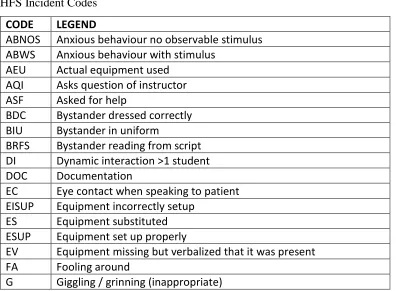
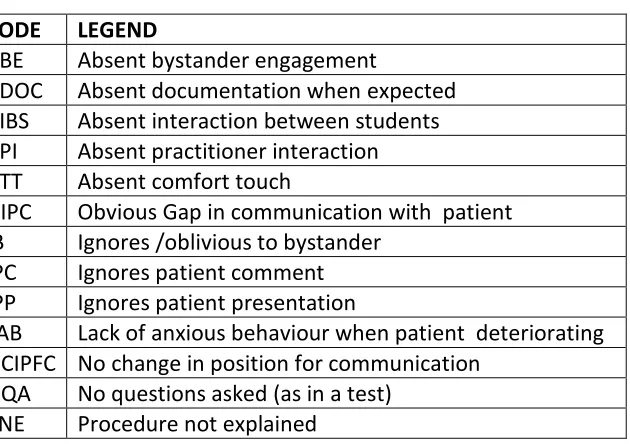
occurring in the video data. I created the incident codes as I observed the interactions
occurring. As more data were analysed more codes emerged and added to the list of
coded incidents. The time that the coded incident occurred in each HFS was recorded to
allow for validation on review.
In a traditional grounded theory data analysis, as the researcher compiled initial coding, a
central theme would emerge and be identified. In a process known as axial coding
(Strauss & Corbin, 1990) the analysis would be furthered by systematically determining
the relationships of the numerous themes identified in the data to central phenomenon or
axis. (Charmaz, 2014; Tryssenaar, 2004). The benefit of axial coding is that it creates a
frame around which the researcher can shape his or her analysis, however as several
authors note, the structure associated with axial coding can limit the researcher’s ability
to envision the broader scope and diverse meanings existent in data (Charmaz, 2014;
Kendall, 1999).
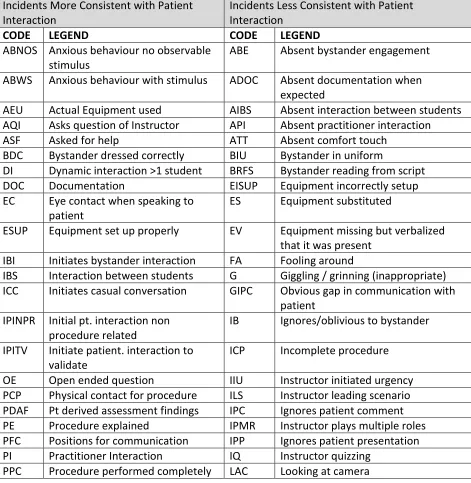
In contrast, focused coding allows the researcher to bring their experienced perspectives
to the table to determine what the initial codes say, define their meaning, make
comparisons with and between them to examine large amounts of data (Charmaz, 2014).
In consideration of the diversity of data collected and recognizing that I personally prefer