The University of Southern Mississippi The University of Southern Mississippi
The Aquila Digital Community
The Aquila Digital Community
Doctoral Projects
Fall 2019
Implementation of a Self-Care and Wellness Educational Program
Implementation of a Self-Care and Wellness Educational Program
Addressing Job Stress Among Child Protective Service Workers
Addressing Job Stress Among Child Protective Service Workers
Natonya Murray
Follow this and additional works at: https://aquila.usm.edu/dnp_capstone
Part of the Family Practice Nursing Commons, Occupational and Environmental Health Nursing Commons, Psychiatric and Mental Health Nursing Commons, and the Public Health and Community Nursing Commons
Recommended Citation Recommended Citation
Murray, Natonya, "Implementation of a Self-Care and Wellness Educational Program Addressing Job Stress Among Child Protective Service Workers" (2019). Doctoral Projects. 116.
https://aquila.usm.edu/dnp_capstone/116
This Doctoral Project is brought to you for free and open access by The Aquila Digital Community. It has been accepted for inclusion in Doctoral Projects by an authorized administrator of The Aquila Digital Community. For
IMPLEMENTATION OF A SELF-CARE AND WELLNESS EDUCATIONAL PROGRAM ADDRESSING JOB STRESS AMONG CHILD
PROTECTIVE SERVICE WORKERS
by Natonya Murray
A Doctoral Project
Submitted to the Graduate School, the College of Nursing and Health Professions
and the School of Leadership and Advanced Nursing Practice at The University of Southern Mississippi
in Partial Fulfillment of the Requirements for the Degree of Doctor of Nursing Practice
Approved by:
Dr. Karen Rich, Committee Chair Dr. Patsy Anderson ____________________ ____________________ ____________________ Dr. Karen Rich Committee Chair Dr. Lachel Story Director of School Dr. Karen S. Coats
Dean of the Graduate School
COPYRIGHT BY
Natonya Murray
2019
ABSTRACT
Job stress attributed to secondary exposure to trauma and the high work demands put child protective service workers at high risk of developing physical and psychological health problems. The purpose of the project was to develop and implement a self-care and wellness educational program addressing job stress among child protective service workers (CPS) guided by Substance Abuse and Mental Health Science Administration’s (SAMSHA, n.d.b) educational toolkit, Promoting Staff Wellness and Preventing
Vicarious Trauma and other Work Force Concerns, the Centers for Disease Control and Prevention’s (CDC, 2019c) section on Adverse Childhood Experiences, and the National Council for Community Behavioral Health’s (NCCBH, 2012) educational toolkit, Is Your Organization Trauma-Informed? The sample consisted of 29 participants. The project occurred at a local child protective service facility in an urban area. Participants included the Regional Director, area social worker supervisors, the Area Intake Supervisor, CPS workers, and social worker aides. In this project, the CDC’s (2016) Workplace health promotion workplace health model was used to facilitate planning the health promotion program. A review of the evidence was conducted to determine types of job stress specific to child protective service workers and best practices to prevent
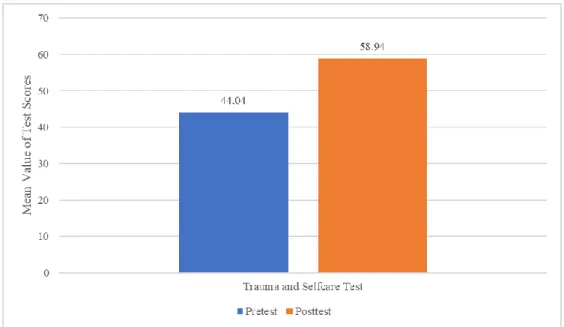
negative effects of job stress. A pre-test was administered to 23 participants to determine their baseline knowledge. Handouts were provided. The educational materials were delivered. A post-test was administered to 17 participants at the end of the educational training. After the post-test was completed, a survey was administered to 18 participants. Descriptive statistics were used to analyze the results. Results revealed a 15% increase in the participants’ knowledge level, intentions to engage in all self-care activities with the
highest intentions focused on emotional self-care, and 60% found materials regarding self-care most helpful. The educational program, which was developed using evidence-based guidelines, improved the knowledge level and awareness of self-care and wellness among CPS workers.
ACKNOWLEDGMENTS
First and foremost, I would like to thank God and my family for providing me with the strength and encouragement throughout this journey. I would like to thank the staff and faculty for encouraging me and providing me the knowledge and guidance that will enable me to move forward in my nursing career. Thank you to Drs. Karen Rich, Patsy Anderson, Lachel Story, as well as Ms. Jeanne Stewart for all of your efforts to assist me with my DNP project. Special thanks to Dr. Laurie Bagwell and Ms. Sonia Adams for keeping me grounded throughout this journey.
TABLE OF CONTENTS
ABSTRACT ... ii
ACKNOWLEDGMENTS ... ii
LIST OF TABLES ... vi
LIST OF ILLUSTRATIONS ... vii
LIST OF ABBREVIATIONS ... viii
CHAPTER I – INTRODUCTION ... 1
Background and Needs Assessment ... 3
Background ... 3 Needs Assessment ... 7 Problem ... 9 Purpose ... 10 Significance... 10 Theoretical Framework ... 13 Synthesis of Evidence ... 15 Compassion Fatigue (CF) ... 17 Burnout ... 18
Secondary Traumatic Stress (STS) ... 19
Vicarious Traumatization (VT)... 20
ACES in Relationship to Child Service Workers ... 22
Responses of Trauma Exposure in Relationship to Social Workers... 22
Management of Trauma Responses among Trauma Workers ... 24
Job Turnover in Relation to CPS workers ... 25
Self-Care in Relation to Social Workers ... 25
Trauma-Informed Care (TIC) ... 26
Synthesis of Evidence Summary ... 27
Doctor of Nursing Practice Essentials ... 28
Summary ... 29 CHAPTER II – METHODOLOGY... 30 Context ... 30 Setting ... 30 Intervention ... 30 Design ... 32
Self-care and Wellness Training ... 32
Post-Training Survey ... 33
Population ... 34
Instrumentation ... 34
Ethical Considerations ... 36
Summary ... 37
CHAPTER III - RESULTS ... 39
Summary ... 43
CHAPTER IV – DISCUSSION... 45
Limitations ... 47
Organizational Impact ... 48
Recommendations and Implications for DNP Practice ... 48
Conclusion ... 49
APPENDIX A – Doctor of Nursing Practice Essentials ... 50
APPENDIX B — Pre-Test/Post-Test ... 51
APPENDIX C — Survey ... 54
APPENDIX D — Organization Approval Letter ... 56
APPENDIX E – IRB Approval Letter ... 57
LIST OF TABLES
LIST OF ILLUSTRATIONS
Figure 1. Comparison of Mean Values of Pre-test and Pos-test ... 40 Figure 2. Intention of Engagement in Self-Care Strategies ... 42
LIST OF ABBREVIATIONS
ACYF Administration of Youth and Families
ACES Adverse Childhood Experiences
AACN American Association of Colleges of Nursing
AIS American Institute of Stress
BRFSS Behavioral Risk Factor Surveillance System
CDC Centers for Disease Control and Prevention
CMS Centers for Medicare and Medicaid Services
CFSR Child and Family Services Reviews
CF Compassion Fatigue
CINAHL Cumulative Index to Nursing and Allied Health Literature
COPD Chronic Obstructive Pulmonary Disease
CPS Child Protective Service
EAP Employee Assistance Program
EBSCOhost Elton B. Stephens Company host
EE Emotional Exhaustion
IOM Institute of Medicine
IPCE Interprofessional Continuing Education
MSW Master of Social Work
MDCPS Mississippi Department of Child Protection Services
NCCBH National Council for Community Behavioral Health
NCTSN National Child Traumatic Stress Network
NSCH National Survey of Children’s Health
PTSD Post-Traumatic Stress Disorder
SAMHSA Substance Abuse and Mental Health Services Administration
STS Secondary Traumatic Stress
SVU Special Victim's Unit
TE Traumatic Exposure
TIA Trauma-Informed Approach
TIC Trauma-Informed Care
USDHHS U.S. Department of Health and Human Services
VT Vicarious Traumatization
CHAPTER I – INTRODUCTION
Job stress, as defined by the Centers for Disease Control and Prevention (CDC) refers to the “harmful physical and emotional responses that occur when the requirements of the job do not match the capabilities, resources, or needs of the worker” (CDC, 2018, para. 9). Child and family social workers are among the most stressful jobs in the United States (Koenig, 2019). By default, these workers function as trauma respondents because they are called to assist with child survivors of child maltreatment, traumatizing
experiences, and violence (Bride, 2007). Child Protective Service (CPS) workers are important to the population they serve because child maltreatment is a nationwide dilemma.
According to the Substance Abuse and Mental Health Services Administration (SAMHSA) (2017), the national average of “child abuse and neglect victims in 2015 was 683,000 (9.2 victims per 1,000 children) and over two-thirds of children reported at least one traumatic event by the age of 16” (para. 3). To help child victims of abuse recover and heal from trauma, the Administration of Youth and Families (ACYF), the Centers for Medicare and Medicaid Services (CMS), and SAMHSA have recommended efforts to provide trauma-focused services to children and adolescents under 18 years of age
(SAMHSA, 2014). In response to the recommendation for trauma-focused services, child welfare agencies are considering or already transitioning to using the trauma-informed care (TIC)/trauma informed approach (TIA) model. Trauma-informed care is the
“adoption of principles and practices that promote a culture of safety, empowerment, and healing” (SAMHSA, n.d.c, para. 10). In relation to the context of care, the terms
Trauma-Informed Care or Trauma-Trauma-Informed Approach are used interchangeably (SAMHSA, 2014).
While the transition to TIC is a positive solution for the population that child welfare agencies serve, child protective service workers continue to be adversely
impacted by the consistent indirect or secondary exposure to their clients’ trauma such as adverse childhood experiences (ACES) and child maltreatment. Secondary exposure or indirect exposure occurs by witnessing or hearing the details of the traumatic event from the individual who experienced the trauma (Sheen, Slade, & Spilby, 2013, p. 3). Yet, Griffiths, Royse, and Walker (2018) have suggested that little research has addressed the correlation between job stress, health consequences, and personal habits that negatively affect health among CPS workers. The well-being of child protective service workers is important to the safety and health of the population it serves. CPS workers work the frontlines in the most essential departments of the CPS agency, which include the adoption, foster care, investigation, and family service and support departments (Petersen, Joseph, & Feit, 2014).
Research has suggested that self-care is an optimal solution for CPS workers against job stress. Due to reports of limited participation in self-care among CPS workers and reports of not receiving self-care education by social workers and social worker students, the evidence suggests that CPS workers lack self-care knowledge (Bloomquist, Wood, Trainor, & Kim, 2015; Miller, Donohue-Dioh, Niu, Grise-Owens, & Poklembova, 2019). Studies have suggested that CPS agencies should provide more self-care education to their workers (Bloomquist et al., 2015; Miller et al., 2019).
Self-care refers to the efforts that are taken by individuals and organizations that facilitate wellness and stress reduction (Bloomquist et al., 2015). Due to the growing concerns regarding the impact of job stress on workers and upcoming transition to the trauma-informed care model, nurses are in pivotal positions to collaborate with CPS agencies to find solutions to address self-care and wellness needs of CPS workers. Nursing schools are required to provide nurses with the educational background to deliver services according to the Institute of Medicine’s (IOM, 2003) core competencies concepts (“patient-centered care, interdisciplinary team, evidence-based practice, quality improvement approaches, and informatics”) (para.3). Through collaboration with nurses, CPS agencies can develop evidence-based educational programs to educate their workers to prevent the risk of developing negative physiological and psychological responses from indirect exposure. Child welfare agencies who use the trauma-informed care model must recognize and respond to the impact of the job stress on CPS workers who are associated with secondary exposure and the high demands of the profession.
Background and Needs Assessment
Background
Job stress threatens the health of workers and organizations (CDC, 2018). In 2010, 70% of U.S. employees report their workplace was a significant stressor (American Psychological Association [APA], 2010). The U.S. spends an estimate of “more than $300 billion on absenteeism; turnover diminished productivity; and medical, legal, and insurance costs that result from job stress;” and workers’ compensation (American Institute of Stress [AIS], 2011, para. 10). While many Americans struggle with job stress, some fields tend to be more stressful than others. The “occupational stress of helping
professionals serving traumatized populations is a significant work force issue for human service” workers (Middleton, 2015, para. 3).
Trauma occurs when a person’s ability to cope is overwhelmed by stress presented as intense fear, helplessness, or horror due to events or circumstances (The National Council for Community Behavioral Health [NCCBH], 2013). National Council on Behavioral Health (NCBH, 2013) reported that “70% of adults in the U.S. have experienced some type of traumatic event at least once in their lives” (para. 2). As a result, trauma has a direct correlation between trauma and physical health conditions “such as diabetes, chronic obstructive pulmonary disease (COPD), heart disease, cancer,” and high blood pressure (NCBH, 2013, para. 1). According to Benjet et al. (2016),
traumatic exposure occurs when the individual encounters a traumatic event (TE) (e.g., serious injury, sexual violence, death threat). In a study of the general population across 24 countries (N = 125,718), Benjet et al. (2016) reported that over 70% of the
respondents sampled reported exposure to at least one trauma exposure in their lifetime, and 30.5% reported exposure to four or more TE.
Trauma can affect a person at any point in their lifespan and present in the form of psychological or physical conditions (SAMHSA, n.d.a). According to Stevens (2013), the National Survey of Children’s Health (NSCH) revealed that approximately half of the nation’s child population is exposed to some form of trauma directly and/or indirectly. ACES re traumatic or potentially traumatic experiences that happen to children under 18 years old (CDC, 2019c). In 2013, 47.9% of the nation’s child population (newborn to 17 years old) had been exposed to at least one ACES (Stevens, 2013). Child abuse and neglect are the most common types of ACES. In 2008, the U.S. spent an estimate of $124
billion on services for ACES (CDC, 2019a). In response to child abuse, social workers are likely to provide services to trauma victims due to the nature of their job roles and populations that they serve; especially, CPS workers (Bride, 2007).
The impact of the response to child maltreatment causes CPS to workers to suffer from job stress physically and mentally. Many studies have revealed that child welfare workers experience negative symptoms of mental, physical, and emotional conditions that ultimately affect their ability to provide optimal, effective services to families and eventually contribute to job turnover costing organizations a substantial amount of time and money (Collins & Parry, 2000, p. ; Jones, 2001; Oser, Perkins, Pullen, & Harp, 2013). CPS workers encounter indirect exposure to trauma because they provide services that require them to work closely with child trauma victims and confront the issues associated with their clients’ trauma to ensure their safety.
Indirect trauma exposure is a common factor in responses to trauma (Sheen et al., 2013, p. 3). For example, approximately “50% of child welfare workers are at high risk” of developing secondary traumatic stress and vicarious trauma (National Child Traumatic Stress Network [NCTSN], 2018b, para. 1). In several studies, CPS workers have reported symptoms associated with burnout, CF, STS, and VT (Bride 2007; Graham & Shier, 2013; Smith & Clark, 2011). Consequently, secondary exposure may influence the CPS worker’s ability to be positively effective and provide quality services to children and families (Esaki & Larkin, 2013).
Efforts in the transition to a trauma-informed workplace must include strategies to meet the specific needs of CPS workers to facilitate compassion satisfaction and
with individuals who have been afflicted by trauma (Salloum, Kondrat, Johnco, & Olson, 2015, p. 55). Resilience building is a useful strategy for CPS workers because it has a positive impact on handling difficult situations emotionally and rationally, building rapport with others, and improving their perspective on the services that they provide to trauma survivors (SAMHSA, n.d.c). Research suggests that engaging in self-care and wellness counteracts the effects of job stress, which can result in improved compassion satisfaction and resilience (Bloomquist et al., 2015; Coleman Martensen, Scott, & Indelicato, 2016).
Several authors have recognized Pearlman and Saakvitne’s (1996) domains for care to “include physical, psychological, emotional, spiritual, and professional self-care” (Bloomquist et al., 2015, p. 294; Miller et al., 2019; Oser et al., 2013). In addition, Phoenix (2014) identified a sixth self-care domain, personal self-care, in her book, Victim Advocate’s Guide to Wellness: Six Dimensions of Vicarious Trauma-Free Life. Personal self-care includes activities that promote personal growth and self-awareness (e.g., developing short- and long-term goals) (Phoenix, 2014). Incorporating the concept of wellness helps ensure optimal health outcomes and improves quality of life. According to SAMHSA (2016), wellness is broadly summarized as “the presence of optimal physical and behavioral health; purpose in life; active involvement in satisfying work and play; joyful relationships; and happiness" (p. 3). Healthy People 2020 aims to enhance the quality of human health and wellbeing (U.S. Department of Health and Human Services [USDHHS], 2019a). Health promotion and wellness are often used interchangeably (Pender, Murdaugh, & Parsons, 2011). Purposeful engagement in behaviors that facilitate wellness and stress reduction are required for self-care (Bloomquist et al., 2015).
Needs Assessment
“CPS is a division within the state, tribal, and local social services that is central to every community’s child protection efforts” and is monitored federally by the Child and Family Services Reviews (CFSRs) (DePanfilis, 2018, p. 10). In Mississippi, the Mississippi Department of Child Protection Services (MDCPS) is an independent agency that has 14 field operations regions covering all 82 counties in Mississippi. The MDCPS oversees CPS agencies located throughout the state (MDCSP, 2018).
The Harrison County CPS agency is in the MDCPS’s Region 7 and operates out of its South Operation Division inside the Harrison County Department of Human Services in Gulfport, Mississippi. The Harrison County CPS agency serves communities in Harrison County. Harrison county is located alongside the southeastern border of Mississippi in the Gulf of Mexico. Harrison County is considered one of 17 metropolitan counties, the second most populous, and the largest county in Mississippi (U.S. Census Bureau, 2012). The U.S. Census Bureau (2018) estimates that Harrison County holds a population of approximately 206,650 people with approximately 24.1% (49,802) of them under the age of 18.
Meetings with the facilitator, the Area Intake Social Worker Supervisor, assigned by the Regional Director were held. CPS workers are required to address all cases of reported abuse regardless of the time of day (Pauline Meyers, personal communication, December 7, 2018). They work long hours; take on multiple roles (e.g., caregiver, care coordinator, youth court representatives, temporary placement in personal home); and oftentimes, endure blame and resentment from families (Pauline Meyers, personal communication, December 7, 2018). Secondary trauma exposures within the Harrison
County CPS agency include exposure or involvement of any forms of child maltreatment or ACES, terminal illness and/or death of children in CPS’s custody, traumatic deaths (e.g., homicides), rapes, and human trafficking due to the proximity and increased accessibility of multiple interstates and highways that cross states lines (Pauline Meyers, personal communicator May 21, 2019). In addition to indirect trauma exposure, CPS workers initiate trauma when child removal is required as well as endure trauma when exposed (Pauline Meyers, personal communication, December 7, 2018). CPS agency personnel are discussing the transition to a trauma-informed care model to provide trauma-focused services to their clients (Pauline Meyers, personal communication, May 21, 2019).
As previously discussed, CPS workers are at significant risk of experiencing trauma exposure due to the type of populations they serve. To lessen the effects of job stress, the MDCPS agency provides stress management training for the CPS workers yearly (MDCPS, 2018). The MDCPS’s stress management training consists of (a) time management skills; (b) burnout and secondary stress prevention; and (c) discussion about fears, stressors, and accomplishment (MDCPS, 2018). The agency used in this project was transitioning to the trauma-informed care model. To increase CPS workers’ knowledge and awareness of trauma-informed self-care, an evidence-based education intervention was developed and implemented to target increasing CPS workers’
awareness of common trauma responses, wellness, and care. Trauma-informed self-care and wellness are beneficial to CPS workers because it incorporates knowledge about self-awareness of emotional responses to secondary trauma exposure and how to respond by pursuing interventions that will manage the impact of the trauma exposure (Salloum et
al., 2015). The training was needed because the Harrison County CPS agency was transitioning to the trauma-informed care model and CPS workers and integral staff lacked knowledge regarding self-care and wellness in a trauma-informed work
environment. Stakeholders are made up of the Regional Director, Area Social Worker Manager, social worker supervisors, the special victim's unit (SVU), CPS workers, and support staff.
Problem
In response to the magnitude of child trauma, child welfare agencies are moving towards providing trauma-focused services with the use of the trauma-informed care model. In a trauma-informed work environment, CPS workers are required to provide effective services that will facilitate healing and recovery for their trauma survivors. Presently, CPS workers are negatively impacted by consistent secondary trauma exposure from children who have suffered trauma and/or child maltreatment. Several studies have indicated reports of psychological and physiological effects that were attributed to
secondary exposure and high work demands among CPS workers. To alleviate the effects of job stress, research indicates that self-care is an empirical choice. However, self-care also includes the realization of the psychological effects of secondary exposure and intervening with activities that promote positive coping in a trauma-informed environment. In this DNP project, CPS workers were provided with an educational program to improve their knowledge about job stress and to offer interventions to prevent and alleviate this type of stress. The results of pre-test, post-test, and surveys answered the PICO question: Can evidenced-based guidelines be effectively used to educate child
protective service (CPS) workers and positively affect the secondary trauma experienced by these workers?
Purpose
The purpose of this project was to develop and implement a self-care and wellness educational program addressing job stress among child protective service workers guided by SAMHSA’s (n.d.b) educational toolkit, Promoting Staff Wellness and Preventing Vicarious Trauma and other Work Force Concerns, the CDC’s (2019c) section on Adult Childhood Experiences, and the NCCBH’s (2012) educational toolkit, Is Your Organization Trauma-Informed? The aim of the educational program was to
provide CPS workers with evidenced-based research on job stress that is significant to their occupation. The desire was to provide the CPS agency with an educational resource about self-care and wellness.
Significance
“Trauma-informed care is a new concept to mental health and human service organizations” (SAMHSA, 2014a, para. 8). The perspective of this concept is to focus on the traumatized client as a trauma survivor instead of a trauma victim. Trauma-informed care asks the question “What happened to you?” instead of “What is wrong with you?” (SAMHSA, 2014a, para. 8). Professionals who provide services to trauma victims will be expected to understand the impact of trauma and the process for recovery; recognize trauma symptoms among those involved; revise practices, policies, and procedures to reflect the effects of trauma; and prevent further traumatization (SAMHSA, 2014). A trauma-informed child and family service system identifies and addresses the effects of
trauma and existing stress on all parties involved (children, caregivers, and workers) (NCTSN, 2018a).
The NCTSN (2018b) promotes the significance of self-care practices in CPS workers with recommendations on resilience building, addressing STS, as well as personal and professional strategies that are essential to working in a trauma-informed environment. These recommendations emphasize the importance of the CPS workers’ ability to understand their emotional responses and prepared to implement positive coping mechanisms to counteract the effects of secondary exposure. To address the impact of trauma and other stressors, nurses are equipped with the educational
background to work as interdisciplinary team members in nontraditional work settings to develop interventions that are specific to the healthcare needs associated with workers in their organization.
According to the IOM’s (2003) core competencies, “all health professionals should be educated to deliver patient-centered care as members of an interdisciplinary team, emphasizing evidence-based practice, quality improvement approaches, and informatics” (para. 2). An interdisciplinary team consists of a group of individuals from different professions and occupations working together to attain the same goal(s) (IOM, 2003). Professions in an interdisciplinary team may consist of healthcare and non-healthcare professionals. In this DNP project, a nurse collaborated with CPS workers.
Nurses collaborating with CPS workers can facilitate interprofessional education to develop a health educational intervention for CPS workers. Interprofessional education occurs when two or more professionals work together and learn from each to create solutions that will optimize the outcomes of healthcare (World Health Organization
[WHO], 2010). The use of health education as a primary intervention to provide interprofessional education facilitates effective collaboration with other disciplines as well as promoting wellness within organizations, which positively impacts health outcomes.
Health education is educating individuals and the community to improve their health by empowering them with the knowledge to make informed decisions regarding healthier choices (WHO, 2019a). Self-care has been shown to be an effective stress-relieving strategy. However, research reveals that CPS workers report limited
engagement in self-care strategies, and a need exists for organizations to provide health education regarding self-care education and training to CPS workers (Miller et al., 2019; Miller et al., 2019). Conveying the rationale of why education about self-care is
important when developing and delivering health education to CPS workers. In a trauma-informed environment, CPS workers who are knowledgeable and aware of the dangers of the job stress caused by indirect trauma exposure will be empowered to seek out and participate with interventions that will enhance their resilience (NCTSN, 2018b). In a trauma-informed environment, CPS workers are required to
• Be aware of their own emotional response to trauma exposure; • Plan/engage in strategies that foster positive coping;
• Seek supervision and attend training on secondary trauma; • Work in a team and balance caseloads; and
• Have work-life balance (Salloum et al., 2015, p. 54).
To fulfill the goal of promoting self-care and wellness, CPS workers must be informed of the recent evidence of health-promoting strategies targeting the specific stress that they
endure on the job. In health promotion, “health education is most commonly often” in the nursing profession (Kemppainen, Tossavainen, & Turunen, 2012, p. 494).
Theoretical Framework
The theoretical framework for this DNP project was the CDC’s (2016) workplace health promotion workplace health model. Nurses use theoretical frameworks as guides when organizing health promotion programs. According to Raingruber (2014), theories help to expand on the purpose of a mechanism for intervention and how to evaluate it. Proper planning, implementation, and evaluation of a health promotion program are needed to foster a healthy workplace. In a healthy workplace, the staff will prioritize and incorporate health and health promotion in their work routine (WHO, 2019c).
Due to the time committed to the workplace, the CDC (2016) has recommended a systematic approach to the development of workplace health programs to protect the health of workers in the U.S. Initially, specific identification of the population and its needs are essential in a workplace assessment to determine the direction of the health promotion program and goals of the organization (CDC, 2016). The planning phase identifies the leadership support and the overseer of the program, those involved in the development of the educational intervention and goals, and plans for implementation (CDC, 2016). During the implementation phase, strategies and interventions are
presented and put into effect. Finally, the assessment of the goals, overall sustainability, and the impact of the health promotion activity on the organization occurs during the evaluation phase (CDC, 2016).
Creating health promotion programs in the workplace involves “a coordinated, systematic and comprehensive approach” (CDC, 2016, para. 11). According to the
CDC’s (2016) World health promotion world health model, a systematic process of creating a health promotion program includes assessment of the workplace, planning, implementation, and evaluation. The outcome of implementing the steps of the world health promotion world health model is a coordinated comprehensive health promotion program that addresses policies, benefits, and the environment that meet the safety and health needs of the employees (CDC, 2016). A well-coordinated health promotion program is created to help all members of an organization.
Health promotion programs targeting job stress help to fulfill one of Healthy People 2020’s objectives to improve the availability of workplace wellness programs aimed at alleviating and/or preventing employee stress (USDHHS, 2019). The WHO (2019b) defined health promotion as “the process of enabling people to increase control over, and to improve, their health. It moves beyond a focus on individual behavior toward a wide range of social and environmental interventions” (para 1). According to the CDC (2016), health promotion should be implemented using a comprehensive approach that involves addressing health risks and conditions and interventions that are recognized and influenced by the staff and individuals who work in leadership positions within an organization.
Health promotion and illness prevention are vital aspects of health care delivery in traditional and non-traditional settings. Prevention interventions (primary, secondary, and tertiary) provide individuals and communities with knowledge, influence attitudes, and equip them with tools needed to make informed decisions and incorporate healthy behaviors (SAMHSA, 2019). Several studies demonstrated positive results from implementing workplace health promotion programs, such as increased engagement,
compassion satisfaction, workplace retention, and coping (Armato & Jenike, 2018; Asuero et al., 2014; Bressi & Vaden, 2016; Dattilio, 2015). Research has indicated that there is a three to five-dollar cost savings to the employer for every dollar an organization invests in quality health promotion efforts (leadership, programs, and facilities) (Linnan, 2010). On average, studies are showing a 3:1 dollar saving when companies invest in health promotion programs (Johns Hopkins Bloomberg School of Public Health, 2015). The advantages of a successful and sustainable health promotion program include cost savings, improved health risk, and changes within the organization. Health education can be a successful intervention for health promotion to educate CPS workers; however, CPS workers occasionally require a higher level of prevention to address their health needs.
When primary levels of intervention are not useful for CPS workers, secondary and tertiary levels of prevention can be more beneficial to improving their health. Several studies have indicated that CPS workers have reported symptoms of acute and chronic physiological and psychological conditions (Bride, 2007; Collins & Parry, 2000; Griffiths et al., 2018; Jones, 2001; Oser et al., 2013; Graham & Shier, 2013). Secondary
prevention promotes actions that are aimed at preventing life-threatening and/or chronic illnesses. For example, CPS workers can benefit from screenings for high cholesterol and diabetes, participation in diet and exercise programs, and mental health counseling. Tertiary prevention in the form of mental health counseling can help CPS workers manage chronic stress to improve quality of life.
Synthesis of Evidence
To gain more insight, the literature was reviewed to determine specific types of stress responses that are endured by CPS workers and best practices to address those
specific responses to promote self-care and wellness. A review of scholarly databases and search engines included CINAHL, Google Scholar, EBSCOhost, Medline, Research Gate, and references from retrieved peer-reviewed articles. Searches were conducted to discover evidence-based knowledge related to concepts such as:
1. the relationship between CT, VT, STS, and burnout;
2. the prevalence of associations between trauma, ACES, and social workers or child welfare or CPS workers;
3. associations of symptoms of stress responses reported among social workers; and
4. implications for effective interventions regarding stress responses incurred by social workers.
Searches included a combination of key terms related to the topic included stress, stress management, wellness, self-care strategies, child protective service workers, social workers, trauma, trauma exposure, burnout, compassion fatigue, secondary traumatic stress, and vicarious trauma. No limitation was placed on publication years.
The search revealed much literature regarding burnout, CF, STS, and VT on professions (e.g., nurses, emergency responders, police officers, and veterans); however, little was focused solely on CPS workers. For this purpose, the use of literature regarding the social worker was adequate. The literature did reveal there is overlap between the previously mentions stress responses, positive associations to personal history of ACES among social workers, and endorsement of symptoms of trauma responses among social workers. The literature revealed that those who provide trauma services respond to many interventions; however, the literature does not provide a suggestion for an absolute
intervention or combination of interventions as many interventions will require further testing. A review of the evidence established the guidance needed to plan and develop the educational intervention to appropriately address the needs of the CPS workers.
Although there has been much controversy surrounding the correlation of
concepts, VT, CF, STS, and burnout are often referenced synonymously. Several research studies have indicated overlapping characteristics among these concepts as they are responses resulting from indirect trauma. Yet, the debate has existed among many of the researchers’ efforts to define each concept.
Compassion Fatigue (CF)
Figley’s (1995) definition of CF is used by many authors (Boscarino, Figley, & Adams, 2004; Devilly, Wright, & Varker, 2009). As suggested by most authors, CF is defined as “a state of exhaustion and dysfunction – biologically, psychologically, and socially – as a result of prolonged exposure to compassion stress” (Figley, 1995, p. 253). CF is “identical to secondary traumatic stress disorder (STSD) and is the equivalent of posttraumatic stress disorder (PTSD)” (Figley, 1995, p. xv). Figley (1995) defined CF as the stress and level of empathic engagement the worker provides in service to the victim or client. According to Figley (1995), the relationship between stress and empathy contributes to CF.
Researchers in this area may differ in their focus or what term they use to describe the phenomenon, but according to Simpson and Starkey (2006), Figley (2005) suggested that one common theme emerges; “work that is focused on the relief of clients’ emotional suffering typically results in the absorption of information about human suffering” (para. 4). Figley (1995) adds that CF is “the reduced capacity or interest in being empathetic or
‘bearing the suffering of clients’ and is the ‘natural consequent behaviors and emotions resulting from knowing about a traumatizing event experienced by a person” (p. 2). Adams, Boscarino, and Figley (2006) defined compassion fatigue as a reduction in empathetic capacity or client interest resulting from exposure to traumatizing experiences demonstrated as behavioral and emotional reactions. With such correlations, CF with VT and STS are incorporated in the description of indirect trauma (Choi, 2011; Cieslak et al., 2014).
Burnout
Though there have been many contrasting efforts regarding the definition of job burnout throughout the literature, the exhaustion component emerges as a key feature. Maslach, Shaufeli, and Leiter (2001) defined burnout as a job stress response consisting of the three components of exhaustion, cynicism, and inefficiency. Maslach et al. (2001) later concluded that job burnout may be reduced to one component, exhaustion.
Kristensen, Borritz, Villadsen, and Christensen (2005) defined burnout as physical and psychosocial fatigue and exhaustion. Some researchers have simplified burnout to the generalized concept of exhaustion; however, other researchers have provided explicit definitions of burnout.
Shirom (2009) proposed “burnout as physical, emotional energy, and cognitive exhaustion resulting” in a reduction of the ability to cope (p. 1). Demerouti, Mostert, and Bakker (2010) defined burnout as a psychological syndrome that results in stressful, high demand working environments that have limited resources. Other research
conceptualized burnout as a difference of six work-life issues between the worker and the job consisting of work overload and lack control, fairness, reward, community, and value
conflict (Eiter & Laschinger, 2006; Sabo, 2011). A mutual relationship exists between burnout and compassion fatigue. In a meta-analysis, Cieslack et al. (2013) revealed that aspects of burnout were integrated into the notion of compassion fatigue element of energy depletion.
Secondary Traumatic Stress (STS)
The term, STS, was used to replace CF as Figley (1995) felt that there was a stigma that came along with the term. STS was previously described as stress or a consequence that resulted from the act or urge to help victims (Figley, 1995). However, the criteria for a traumatic event included witnessing a traumatic event when guidelines change for the diagnosis of PTSD in the mid-1990s (Devilly et al., 2009). Since the changes occurred for the criteria that defined a traumatic event, research indicates that STS results from secondary exposure (Bercier, 2013; Bride, 2007; Cieslak et al., 2014; Devilly et al., 2009).
Authors suggest that STS is used as a broad term to examine effects of secondary exposure as secondary Post Traumatic Stress Disorder (PTSD) (Bride, 2007; Cieslak et al., 2014) due to some similarities. Both PTSD and STS feature symptoms of intrusion, arousal, and avoidance; however, STS occurs after indirect exposure to trauma. Authors continue to use the terms STS, CF, and VT interchangeably. While some argue that the onset of STS distinguishes it from the other concepts, others introduce them in the same context. Many researchers refer to STS, CF and VT synonymously (Boscarino et al., 2010; Devilly et al., 2009; Figley, 1995).
Vicarious Traumatization (VT)
Researchers have contrasting views regarding the symptoms and definition of vicarious traumatization. Symptoms of VT are characterized by an abnormal disturbance of the worldview of oneself and others that are categorized into five areas of cognitive disturbances (safety, trust, esteem, intimacy, and control) (Pearlman & Saakvitne, 1995). However, other researchers have suggested that symptoms of VT include nightmares, feelings of unsafety, avoidance, agitation, and desensitization (Bober & Regehr, 2006). Many researchers (Bercier, 2013; Devilly et al., 2009: Sheen et al., 2013) refer to Pearlman and Saakvitne’s (1995) definition of vicarious traumatization as “the
cumulative transformation in the inner experience of the therapist that comes about as a result of empathic engagement with the client’s traumatic material” (p. 31). According to Bercier (2013), Pearlman and Mac (1996) referred to VT as a change in the worldview after secondary exposure to a client’s trauma.
Secondary exposure is a common factor among VT and STS. According to Bercier (2013), McCann and Pearlman (1990) previously suggested that VT occurs after prolonged secondary exposure, but Bober and Regehr (2006) suggested that symptoms of VT present themselves immediately after the exposure. In a systematic review, Bercier (2013), indicated the notable association among VT, STS, and burnout with findings consistent with other research that demonstrate similarities among the concepts (Devilly et al., 2009; Finklestein, Stein, Greene, Bronstein, & Solomon, 2015). Much of the overlap refers to cognitive disturbances and avoidance as seen in STS and burnout.
Adverse Childhood Experiences (ACES)
According to the CDC (2019c), research and awareness began on ACES in the mid-1990s. ACES are characterized as traumatic experiences that are associated with the development of health conditions, hazardous behaviors, and premature death (Maike, Osborne, Fox, & Scarano, 2017). The CDC identified the 10 ACES that have been organized into three general categories as follow:
• Neglect (physical and emotional), • Abuse (physical, emotional, sexual), and
• Family/household challenges (mental illness, incarcerated relative, mother treated violently, substance abuse, and divorce) (CDC, 2019c, para. 8). The ACES study was an epidemiology study of childhood trauma experiences that was performed on 17,337 volunteers (CDC, 2019c). The landmark study revealed the lifelong health and wellness impacts that ACES have on children, such as on their
physical, cognitive, and neurological development. Results of this study revealed approximately “two-thirds of the participants reported at least one ACE” (CDC, 2019c, para. 10).
In response to the initial ACES study, the BRFSS was developed to monitor and collect current ACES data in the U.S. The BRFSS is as a survey that is conducted annually using a digital dialed telephone that collects information about health risks and health conditions from random non-institutionalized U.S. adults (CDC, 2019b). The CDC provides free resources to assess ACES with this program. Most recently, the CDC (2019b) reported that 42 states have incorporated inquiries of ACES for at least one year on their survey.
ACES in Relationship to Child Service Workers
Some CPS workers have a history of trauma that may impact their ability to provide effective services to their traumatized clients (SAMHSA, n.d.c). Esaki and Larkin (2013) have suggested that ACES may impact a child welfare professional’s susceptibility to work stress; thus, negatively affecting assistance that is provided to their clients. In a study performed by Esaki and Larkin (2013) of 94 participants who provided services to child trauma victims, 70% reported approximately one encounter, 54%
reported exposure to two or more encounters, and 16% reported exposure to 4 or more ACES.
Research has suggested that there is an association between ACES and CPS workers as their own experiences with ACES guided their career choice and provided them with a better understanding of the suffering of others (NCTSN, 2016). Studies reveal that child welfare professionals who had a personal experience of abuse in their childhood were more susceptible to responding negatively to secondary traumatic stress (Dill, 2007; Nelson-Gardell & Harris, 2003). While CPS workers may feel fulfilled by their work, studies indicate that CPS workers report working in stressful work
environments. (Kim & Kao, 2014; Lizano & Mor Borak, 2012).
Responses of Trauma Exposure in Relationship to Social Workers
Symptoms of common traumatic stress responses (VT, STS, CF, and burnout) and other stress responses are triggered by indirect or secondary exposure to a client’s trauma, which negatively impacts the mental and physical status of social workers. Various studies have shown that social workers endorse distressing effects related to CF, STS,
VT, and burnout. In a quantitative study of the prevalence of symptoms associated with STS (N= 282), 45% (n= 127) reported symptoms of intrusion (involuntary disturbing thoughts of client’s trauma), 25% (n = 71) reported symptoms of avoidance (evading reminders of client’s trauma), and 25% (n = 71) reported symptoms of arousal (sleeping disturbances and easily startled) (Bride, 2007). While burnout is mainly associated with exhaustion, the three original components of burnout were examined in a study of social workers (N =1001) where 44.3% reported emotional exhaustion (EE), 19% reported depersonalization, and 24% reported a low sense of personal accomplishment (Smith and Clark, 2011). Other studies have indicated other responses to stress that affects social workers.
Research implies that the job stress of social workers and CPS workers influence job satisfaction and other physiological and mental conditions. A Canadian study of social worker satisfaction with work (N =145), the impact of adverse physical effects of stress had a very significant effect on negative views towards the job encouraged
intentions to quiet (Graham & Shier, 2013). In a qualitative study of reported
consequences of the effects from stress responses of a sample of child protective service workers (N=511), over half (n=323) reported difficulties to maintain healthy diets and substance use; 44% (n=225) of responses mentioned poor eating habits, 31.3% of responses (n=160) mentioned physical health (e.g., fatigue, weight gain, high blood pressure, and headaches), 41.8% (n=214) mentioned mental health issues (e.g., anxiety, depression, isolation/withdrawal, obsession/worry, etc.), and 13% (n=68) mentioning work-life imbalance (Griffiths et al., 2018). In a systematic review and meta-analysis to examine the effects of interventions targeting common stress responses such as CF, STS,
and VT performed by Bercier (2013), many interventions were discussed. While the populations of workers were generalized, the interventions targeted those professions that work closely with trauma and/or provided trauma services.
Management of Trauma Responses among Trauma Workers
Research has indicated interventions such as self-care, leadership supervision, peer support, education, and resilience training have a positive impact on managing trauma responses when working with trauma survivors. A comparison study between therapist who treated sexual abuse survivors and therapists who treated sex offenders indicated that therapists who treated the sex offenders were more likely to use self-care interventions, peer support, and therapy (Way, Van Deusen, Martin, Applegate, & Jandle, 2004). According to a study performed by Bell, Kulkarni, and Dalton (2003), the
amounts of hours of supervision and the frequency of supervisor encounters correlated to reduced effects of STS. Hodgkinson and Stewart’s (2006) study of train crash survivor counselors indicated that their main coping strategy was sharing their experience with their colleagues. Bell et al. (2003) suggested that trauma education decreases the risk of developing VT. Among other interventions, Bercier (2013) suggested that resilience training had been recognized as a new concept of trauma.
Promoting Staff Wellness and Preventing Vicarious Trauma and other Work Force Concern (SAMHSA, n.d.b) is an evidence-based training tool developed by SAMHSA. As implied in the literature, best practices for common traumatic stress responses are presented in this tool such as education on traumatic responses, self-care and organizational interventions, and resilience training. The education tool was designed for healthcare providers and staff but is an optimal guide for the design and development
of a self-care and wellness educational intervention for CPS workers. The educational tool can easily be modified to fit CPS workers' education needs because it addresses similar issues that CPS workers are affected by job stress from trauma exposure and the high demand for their work.
Job Turnover in Relation to CPS workers
With approximately “600,000 social workers in the United States, the number is expected to grow by 19% by the year 2022” (Bloomquist et al., 2015, p. 1). Among the many roles of social workers, high rates of job turnover among CPS workers have been reported. A healthy annual turnover rated is considered to 10-12% (Casey Family Programs, 2017). Turnover rates for child welfare workers have reported being 20-40% for the past 15 years (Casey Family Programs, 2017).
Increased caseloads and high work demand initiate unfavorable effects of job stress among CPS workers (Casey Family Program, 2017). In a meta-analysis, Kim and Kao (2014) discovered that caseworkers reported that many variables attributed to a moderate to high effect on their intentions to leave their jobs (e.g., coping, organizational support, well-being and safety concerns, and stress). In response to job turnover, CPS agencies incur costs associated with the expenses for new hires and training, overtime, and expenses for the exiting worker (Casey Family Program, 2017).
Self-Care in Relation to Social Workers
Self-care has been recognized as a vital aspect of the implementation of best practices among social workers (National Association of Social Workers [NASW], 2009). Research has substantiated that job stress has a negative impact on social workers.
Several studies have demonstrated the benefits of practicing self-care among socials workers (Bloomquist et al., 2015; Salloum et al. 2015).
In a study of self-care among social workers (N = 786) throughout 42 states, results revealed that social workers value self-care; however, graduate level social worker programs and organizations do not educate them on productive methods to employ self-care (Bloomquist et al., 2015). Another study among social workers (N = 104) that examined the role of self-care on compassion satisfaction, burnout, and secondary trauma demonstrated that high levels of trauma-informed self-care lower levels of burnout and increase levels of compassion satisfaction (Salloum et al., 2015). Failure to participate in self-care have a negative impact on job retention, quality and cost of services, and physical and psychological wellbeing (Goetzel et al., 2007; Zapka, Lemon, Manger, & Hale, 2009).
Trauma-Informed Care (TIC)
Hopper, Bassuk, and Olivet (2010) defined TIC as a strengths-based framework based on the concept of responding to the impact of trauma. The response to trauma incorporates physiological and psychological safety for the workers and clients. Trauma-informed services empower trauma survivors and help them regain self-control.
According to Hopper et al. (2010), principles of TIC are as follow:
• Trauma Awareness: Service providers, policy, and practice will have or reflect the understanding of the prevalence and impact of trauma among their clients and work force.
• Safety: Physical and emotional safety for service recipients and staff. • Choice and Empowerment: Choice and empowerment facilitate healing and
avoid re-traumatization.
• Strengths-Based: Focus on resilience building to help service providers and clients. (p. 132)
Synthesis of Evidence Summary
The review of the evidence supported the DNP project to develop and implement a self-care and wellness educational program to help CPS workers manage job stress. Research indicates that there are overlapping similarities among the CF, STS, VT, and burnout (Bercier, 2013; Cieslak et al., 2014; Devilly et al., 2009; Finklestein et al., 2015). Due to consistent secondary exposure, CPS workers are at high risk to develop CF, STS, VT, and burnout. In addition, CPS workers have reported personal experiences to ACES (Esaki & Larkin, 2013). Personal experiences with ACES increase CPS workers’
susceptibility to being impacted by STS (Dill, 2007; Nelson-Gardell & Harris, 2003). Several studies have indicated reports of physiological and psychological effects of job stress among CPS workers (Bride, 2007; Griffiths et al., 2018; Kim & Kao, 2014; Graham & Shier, 2013; Smith & Clark, 2011). In an agency that is transitioning to the Trauma-Informed Care model, workers must be knowledgeable of the risks of job stress and recognize and respond to symptoms associated with exposure to secondary stress (NCTSN, 2016).
In response to job stress among CPS workers, self-care has been found to be an optimal intervention to counteract the effects of secondary exposure among CPS workers (Miller, Dioh et al., 2019; Miller, Lianekhammy et al., 2019; Oser et al., 2013). However, studies indicate that there is limited participated with self-care among CPS workers (Miller, Dioh et al., 2019; Miller, Lianekhammy et al., 2019; Oser et al., 2013). Research indicates that there is a need to educate CPS workers on self-care (Miller, Dioh et al., 2019; Miller, Lianekhammy et al., 2019; Oser et al., 2013).
Doctor of Nursing Practice Essentials
The American Association of Colleges of Nursing (AACN, 2006) developed the Doctor of Nursing Practice (DNP) Essentials that include eight core competencies for all DNP-educated nurses. These competencies serve as a guide for standards that are
required to prepare and equip DNP graduates with the skills to meet the challenges of healthcare in the 21st century (Zaccagnini & White, 2017). The DNP Essentials are listed as follow:
Essential I: Scientific Underpinnings for Practice
Essential II: Organizational and Systems Leadership for Quality Improvement and Systems Thinking
Essential III: Clinical Scholarship and Analytical Methods for Evidence-Based Practice
Essential IV: Information Systems—Technology and Patient Care Technology for the Improvement and Transformation of Health Care
Essential V: Healthcare Policy for Advocacy in Health Care
Essential VI: Interprofessional Collaboration for Improving Patient and Population Health Outcomes
Essential VII: Clinical Prevention and Population Health for Improving the Nation’s Health
Essential VIII: Advanced Nursing Practice (AACN, 2006, pp. 8-16)
DNP Essentials I, II, III, IV, VI, and VII were addressed in this project. Essential I was met by using evidence-based guidelines to develop, implement, and evaluate an educational training program. To meet Essential II, an educational intervention to address
a knowledge deficit was developed by the DNP student to improve self-care and wellness within the organization. The results of the evidence-based research were disseminated with a poster presentation by the DNP student to address Essential III. Further
explanation of the DNP essentials addressed in this project are shown in Appendix A. Summary
CPS workers are on the frontlines in the fight against childhood trauma. They are required to maintain full functionality in their roles while experiencing prolonged, consistent secondary exposure to client trauma. Trauma exposure, whether direct or indirect, takes a toll on the mental and physical well-being of CPS workers. Child welfare agencies are transitioning to the TIC model. The TIC model requires workers to focus on the trauma that occurred to trauma survivors to help them heal and recover. Workers in a trauma-informed environment must be able to recognize and respond to the negative effects of secondary exposure. Therefore, CPS workers will benefit from receiving trauma-focused wellness and self-care educational intervention.
CHAPTER II – METHODOLOGY Context
The purpose of this DNP project was to develop and implement a self-care and wellness educational program addressing job stress among child protective service workers guided by SAMHSA’s (n.d.b) educational tool, Promoting Staff Wellness and Preventing Vicarious Trauma and other Work Force Concerns, the CDC’s (2019c)
section on Adverse Childhood Experiences, and the NCCBH’s (2012) educational toolkit,
Is Your Organization Trauma-Informed? This project was intended to improve wellness and self-care knowledge among CPS workers who consistently experience secondary trauma in their work. CPS workers are not provided with regularly scheduled training regarding wellness and self-care because MDCPS is only required to provide them with one yearly half-day training session about stress management and prevention.
Setting
Implementation of this DNP project took place in the conference room at the Harrison County Department of Human Services CPS facility. The conference room was equipped with seats, tables, a projector, and a microphone to deliver educational training to the attendees. The participants were assembled to attend the one day, one-and-a-half-hour educational workshop.
Intervention
For the DNP project, an educational program was developed to educate CPS workers about self-care and wellness in a trauma-informed work setting. The training was developed and designed based on evidence from SAMHSA’s (n.d.b) toolkit, Provider and Staff: Self-Care Promoting Staff Wellness and Preventing Vicarious Trauma and
other Work Force Concerns, the CDC’s (2019c) section on Adverse Childhood Experiences, and the NCCBH’s (2012) educational toolkit, Is Your Organization Trauma-Informed?
The desired outcomes of this project were to:
1. Improve the knowledge and awareness of Adolescent Childhood Experiences (ACES), Trauma-Informed Care (TIC), and common responses to trauma exposure endured by CPS workers.
2. Provide staff with readily available wellness and self-care educational resources.
3. Increase knowledge of and promote the use of wellness and self-care strategies.
4. Evaluate the attitudes of CPS workers and integral staff towards the efficacy of the material presented.
Planning educational training was based on a health promotion model and was performed in a sequential manner.
After engaging with the facilitator at the CPS agency, a determination was made that a knowledge deficit existed among the CPS workers about self-care and wellness in a trauma-informed work environment. Written consent was obtained from the Regional Director allowing this DNP student to work with the staff at the organization. This DNP student collaborated with the facilitator to investigate specific educational needs for the population and identified learning outcomes for the participants. The collaboration prompted and guided an exhaustive review of evidence-based content related to an analysis of the educational needs of the population as previously determined. After
presenting the facilitator with the evidence-based content regarding educational needs for input and further needs, a final determination was made regarding the educational
intervention.
An educational program was designed and implemented for the CPS workers and integral staff to address knowledge deficits regarding aspects of secondary trauma exposure and to promote self-care and wellness. The educational training materials were delivered to the CPS workers and integral staff. Materials presented in the educational program addressed the knowledge deficits regarding aspects of secondary trauma
exposure and to promote self-care and wellness. The intent of the project was to increase the self-awareness of the need for self-care and wellness among CPS workers.
Design
Self-care and Wellness Training. The educational program was designed and implemented for the CPS workers who provided direct services to clients at the CPS agency. Topics in the educational training included trauma and trauma exposure, trauma-informed care, adverse childhood experiences (ACES), common emotional responses to trauma, wellness and self-care, and building resilience within the organization. The CPS workers were administered a pre-test and post-test that consisted of 15 questions about the educational material presented in the training. The curriculum was developed from evidence-based guidelines. The content for common emotional responses, wellness and self-care, and building resilience was adapted from SAMSHA’s toolkit, Provider and Staff: Self-Care Promoting Staff Wellness and Preventing Vicarious Trauma and other Work Force Concerns. Educational materials for ACES was adapted from the CDC’s section on Adverse Childhood Experiences. The educational component for
trauma-informed care was adapted from the National Council for Community Behavioral Health’s toolkit, Is Your Organization Trauma-Informed?
Post-Training Survey. The post-training survey was developed and implemented to evaluate the CPS workers’ perceptions about the usefulness of the educational program and intentions to engage in activities provided in the educational material. The post-training survey was designed using a Likert type scale and open-ended questions. Likert type scale responses for this survey ranged from extremely helpful to not at all helpful to evaluate the usefulness and from always to never to evaluate intentions to engage. Open-ended questions were used to obtain responses from the CPS workers.
This DNP student met with the facilitator to ensure all equipment and materials were available for the educational workshop. Participants were previously assembled for an immediately prior staff meeting and were provided with a brief introduction of the purpose of the educational training. Instructions were given to the participants for completing tests and surveys. The pre-test was administered by this DNP student and collected and secured prior to administering educational training during the first 10 minutes. Participants were provided with educational resources or handouts. The handouts were as follow:
• About the CDC -Kaiser ACE Study (CDC, 2019c).
• Behavioral Risk Factor Surveillance System ACE Data (CDC, 2019b).
• How to Manage Trauma (National Council for Behavioral Healthcare, 2013) . • Trauma-Informed Approach Trauma-Specific Intervention (Colorado Action
in Advocacy, 2017).
• Self-Care Wheel (Phoenix, 2015).
• Self-Assessment Tool: Self Care (Utah Center of Evidence Base Treatment, n.d.).
The educational material was presented in the form of a PowerPoint presentation using a projector provided by the organization. On a few occasions, the materials in the PowerPoint were discussed using hand-outs related to the topics that were being
discussed. The educational training was delivered over one hour and 10 minutes.
Participants were provided with the opportunity to ask and answer questions throughout the delivery of the training. A post-test was administered after the educational training. The time allotted for the post-test was 10 minutes. A survey was then completed by the participants within the last 5 minutes.
Population
The Area Intake Supervisor was the facilitator. The Area Intake Supervisor identified appropriate staff to attend the workshop, ensured staff participation, and coordinated the time and location to deliver the educational intervention. A total of 29 participants attended the education workshop. Of the total attendants, 4 identified as a “frontline worker,” 5 identified as a “social worker,” 3 identified as a “caseworker,” and 6 identified as “MDCPS” on the survey at the end of the workshop. The population and stakeholders who attended the workshop consisted of the Regional Director, area social worker supervisors, Area Intake Supervisor, CPS workers, and social worker aides. Inclusion criteria were staff identified, employed, or affiliated with the CPS agency who encounter and provide CPS services to children and families. Exclusion criteria were CPS staff members who do not directly provide CPS services to children and families.
Instrumentation
Three measures were evaluated for this educational training. The three measures were (a) the knowledge level of the participants using the pre-test and post-test results,
(b) the participants’ intention to use materials provided using the post-test survey results, and (c) the participants’ perceptions about whether the materials provided were useful using the post-test survey results. Pre-test and post-test scores were used to compare the program attendees’ knowledge level before and after the educational workshop (see Appendix B). The curriculum’s pre-test and post-test questions were adapted from
evidence-based resources provided by organizations such as SAMHSA, the CDC, and the NCCBH such as:
• Impact of ACES and Adoption of Trauma-Informed Approaches in Healthcare Settings (SAMHSA, n.d.c),
• Promoting Staff Wellness and Preventing Vicarious Trauma and other Work Force Concerns (SAMHSA, n.d.b),
• Is Your Organization Trauma-Informed? (NCCBH, 2012), and
• Adverse Childhood Experiences: looking at how ACE affects our lives and society (CDC, 2013).
The results of the pre-test and pro-test were analyzed and compared to determine if there was an increase in knowledge after the delivery of the educational training. The pre-test and post-test results were analyzed and are discussed in further detail in the results section. A Likert Scale type survey was used to assess whether the attendees will use the material provided and if they believed the information was useful (see Appendix C). The responses the items were presented as follows: (1) never, (2) rarely, (3)
sometimes, (4) often, and (5) always or (1) not at all helpful, (2) not so helpful, (3) somewhat helpful, (4) very helpful, and (5) extremely helpful. The survey results were analyzed and are discussed in further detail in the results section.
Ethical Considerations
Approval for this DNP project was obtained, and a facilitator was assigned by the Regional Director of the CPS agency after discussing and acknowledging the need for stress management education within the organization with this DNP student (see Appendix D). After the educational program was developed, the project was reviewed and approved by The University of Southern Mississippi’s Institutional Review Board (IRB Protocol 19-329) (Appendix E). Tests and the survey were completed anonymously to protect the identity of the attendees; no personal data was collected from the
participants. The training was conducted in an area exclusive to those affiliated with the CPS agency. Prior to the delivery of the educational material, the pre-tests were
administered to attendees then collected and stored in a locked container by this DNP student. Post-tests and surveys were administered after the educational materials were presented and then collected at the time of completion. The post-tests and surveys were collected by this DNP student and stored in a locked container. After the data was reviewed and analyzed, materials were shredded and disposed of discretely.
Data Analysis
Data from the pre-tests, post-tests, and surveys were evaluated and analyzed by this DNP student. Descriptive statistics were used to analyze the improvement in the attendees’ knowledge of concepts and to compare mean scores of pre-tests and post-tests. Descriptive statistics were used to describe the results of the survey regarding whether the attendees had intentions to use the material presented and if attendees believed the materials were useful. The results from the data assisted with answering the PICOT