Understanding Reasons behind Mobile Service Platform
Switching Behavior: An Inductive Analysis from
Consumer Perspective
Information Systems Science Master's thesis
Jussi Nykänen 2013
Department of Information and Service Economy Aalto University
School of Business Powered by TCPDF (www.tcpdf.org)
i
AALTO UNIVERSITY SCHOOL OF BUSINESS ABSTRACT
Department of Information and Service Economy 25.05.2013
Master’s Thesis Jussi Nykänen
ABSTRACT
Objectives of the StudyWhy do people switch their mobile phones? What factors make them to stick with their current phones? This thesis’ objective is to find out the influences behind consumer mobile phone switching behavior. Academic literature has examined mobile phone switching surprisingly little since the focus has been on mobile phone related adoption research. This thesis aims to fill that gap of lacking mobile phone switching behavior research.
Academic background and methodology
An inductive approach is applied on a qualitative data set that was collected from 249 university students from three different continents to determine the consumer expressed reasons to switch and not to switch mobile phones. The results are organized based on consumer responses and examined in the light of PPM framework as well as mirrored to the established adoption literature such as the technology acceptance model and diffusion of innovations framework.
Findings and conclusions
The findings suggest that mobile phones of any sort are increasingly switched to smartphones. The main reasons pushing people to switch mobile phones were identified as rational reasons such as dissatisfaction with reliability and advanced functionalities of the device being switched from along with external forced influences. The main reasons pulling towards attractive alternatives were identified as personal desires, advanced functionalities and subjectively perceived factors again along with external social influences. Additionally, brand influence and price value perceptions were pinpointed as pulling clearly towards smartphone adoption. The main elements preventing individuals from wanting to switch their mobile phones were determined as attachment to familiar advanced functionalities and subjectively perceived factors. In a general level, the pull effect is the strongest force leading to switching and the principal causes for this pull effect stem from associations to functional elements of the mobile phones.
Keywords
Consumer Behavior, Feature Phone, Inductive Research, Migration, Mobile Phone, Mobile Service Platform, Mooring Effect, Multiple-sided Platform, Network Effect, PPM Framework, Push Effect, Pull Effect, Qualitative Research, Smartphone, Survey Research, Switching Behavior, Switching Cost
ii
AALTO-YLIOPISTON KAUPPAKORKEAKOULU TIIVISTELMÄ
Tieto- ja palvelutalouden laitos 25.05.2013
Pro Gradu-tutkielma Jussi Nykänen
TIIVISTELMÄ
Tutkimuksen tavoitteetMikä saa ihmiset vaihtamaan kännyköitään ja mikä saa heidät kiintymään puhelimiinsa? Tämä tutkielma pyrkii löytämään kuluttajien kännyköiden vaihtamiskäyttäytymistä määrittävät tekijät. Akateeminen tutkimuskenttä on tarjonnut yllättävän vähän vastauksia tähän aiheeseen, joten tämän tutkielman tavoitteena on täyttää tuo aukko tutkimuskentässä.
Kirjallisuuskatsaus ja metodologia
Tutkielma soveltaa induktiivista tutkimusmenetelmää selvittääkseen mitkä omin sanoin ilmaistut tekijät saavat ihmiset vaihtamaan kännyköitään. Kvalitatiivinen tutkimusaineisto on kerätty 249 yliopisto-opiskelijalta kolmelta eri mantereelta. Tulokset pohjautuvat vastaajilta kerättyyn aineistoon, joka arvioidaan PPM -viitekehysmallin pohjalta peilaten tuloksia samalla myös vakiintuneisiin teknologian käyttöönoton malleihin kuten teknologian hyväksymismalliin (Technology Acceptance Model) ja innovaatioiden leviämismalliin (Diffusion of Innovations).
Tulokset ja päätelmät
Tuloksien mukaan kännyköiden vaihtaminen suuntautuu yhä enenevissä määrin älypuhelimien käyttöönottoon. Rationaaliset syyt kuten vaihdettavaan laitteeseen liittyvä tyytymättömyys luotettavuuteen ja kehittyneemmän tason ominaisuuksiin todettiin keskeisimmiksi tekijöiksi, jotka ajavat kohti kännykän vaihtoa pakottavien ulkoisten vaikuttimien ohella. Houkuttelevia vaihtoehtoja kohti vetäviksi vaikuttimiksi tuloksissa todennettiin sosiaalisten ulkoisten vaikuttimien ohella henkilökohtaiset halut, kehittyneen tason ominaisuudet sekä subjektiivisesti havainnoidut tekijät. Näiden lisäksi brändien vaikutus ja hinta-laatusuhde osoitettiin selvästi olevan yhteydessä vetävänä voimana älypuhelimien käyttöönoton kanssa. Keskeisimmiksi vaihtamishalukkuutta alentaviksi tekijöiksi määritettiin tutut kehittyneemmän tason ominaisuudet sekä subjektiivisesti havainnoidut tekijät. Yleisellä tasolla vetävä vaikutus on voimakkain vaihtamiseen vaikuttava tekijä, jonka synty voidaan liittää pääasiassa kännykän toiminnallisiin ominaisuuksiin.
Avainsanat
Induktiivinen tutkimus, Ankkuroiva vaikutus (Mooring Effect), Kuluttajakäyttäytyminen, Kyselytutkimus, Kännykkä, Laadullinen tutkimus, Matkapuhelin, Migraatio, Mobiili palvelualusta (Mobile Service Platform), Monitahoinen alusta (Multi-Sided Platform), PPM -viitekehys, Työntävä vaikutus (Push Effect), Verkostovaikutus, Vetävä vaikutus (Pull Effect), Vaihtamiskustannus, Vaihtamiskäyttäytyminen, Älypuhelin
iii
ACKNOWLEDGEMENTS
I would like to express my gratitude to professor Virpi Tuunainen for her multiple supporting roles in the process of this thesis. Her influence led me initially to take up this interesting thesis project and since then she has provided me wonderful supervisory guidance to keep this work on track. Additionally, I would like to acknowledge her effort for collecting the partial Finnish survey data set at the Aalto University. I would like to thank also professor Tuure Tuunanen for his contribution to the supervisory guidance for this thesis as well as acknowledge his effort for collecting the complementary survey data for the Finnish data set at the University of Oulu. I would also like to send my thanks to professor Fiona Fui-Hoon Nah for her contribution for collecting the American survey data set at the University of Nebraska-Lincoln. Moreover, I would like to thank Mrs. Puneet Kaur and acknowledge her effort for collecting the Indian data set at the Punjabi University. Furthermore, I would also like to acknowledge collectively the joint effort of all three professors for compiling and designing the multiple versions of the underlying survey questionnaire. On top of that, I would like to express my gratitude towards my family for their moral support and of course, I want to thank my dear love, Maarit, for her sweet and relentless support in every aspect of life during this journey.
iv
TABLE OF CONTENTS
ABSTRACT ... i TIIVISTELMÄ ... ii ACKNOWLEDGEMENTS ... iii TABLE OF CONTENTS ... ivLIST OF FIGURES ... vii
LIST OF TABLES ... viii
1. INTRODUCTION ... 1
1.1. Research Background, Motivation and Approach ... 2
1.2. Research Questions ... 4
2. THEORETICAL BACKGROUND... 6
2.1. Mobile Phones as Mobile Service Platforms ... 6
2.2. Diffusion of Innovations ... 8
2.3. Technology Acceptance Model and Motivational Theory ... 11
2.3.1. Evolution of Technology Acceptance Model ... 11
2.3.2. Motivational Perspective to Technology Acceptance Model ... 12
2.3.3. Evolution to Unified Theory of Acceptance, Use and Technology ... 13
2.3.4. Evolving Technology Adoption Models and Mobile Phone Switching ... 15
2.4. Push-Pull-Mooring Framework and Switching Costs ... 16
2.5. Related Mobile Phone Switching and Adoption Research ... 18
v
3.1. Data Gathering Methods and Survey Questionnaire Content ... 22
3.2. Data Harmonization and Definitions ... 23
3.2.1. Incomplete Data and Approach to Data Harmonization ... 23
3.2.2. Mobile Phone Type Definition and Identification ... 25
3.3. Sample Set Demographic Profile ... 26
4. DATA ANALYSIS METHODOLOGY ... 31
4.1. Theoretical Grounding of Research Methods ... 31
4.2. Coding Methodology ... 33
4.2.1. Coding Process and Coding Framework ... 33
4.2.2. Codes and Code Categorization ... 38
4.3. Analysis Methodology ... 43
5. FINDINGS AND DISCUSSION ... 46
5.1. Mobile Phone Brand and Type Distribution ... 46
5.2. Perceptions Related to Mobile Phones... 49
5.2.1. General Level Examination ... 50
5.2.2. Detailed Examination in Relation to Brands and Mobile Phone Types ... 56
5.3. Explicitly Expressed Reasons for Switching ... 59
5.3.1. General Level Examination ... 60
5.3.2. Detailed Examination in Relation to Brands and Mobile Phone Types ... 63
5.4. Discussion on Elements Affecting Switching Behavior ... 66
5.4.1. Push Effect and Involuntary Switching ... 67
5.4.2. Pull Effect and the Influence of Functional, Emotional and Epistemic Values ... 68
vi
6. CONCLUSIONS ... 75
6.1. Summary of Findings and Contributions ... 75
6.1.1. Findings to Supportive Research Questions ... 75
6.1.2. Findings to Main Research Question ... 76
6.1.3. General Level Academic Contributions ... 77
6.2. Limitations ... 77
6.3. Suggestions for Future Research... 79
REFERENCES ... 80
APPENDIX A: Excerpt from Questionnaire ... 87
APPENDIX B: Code Description Table ... 89
APPENDIX C: Code Accumulation Table ... 96
vii
LIST OF FIGURES
Figure 1 Diffusion of Innovation Adopter Categories ... 9
Figure 2 Research Wheel ... 32
Figure 3 The Coding Framework ... 35
Figure 4 Code Class Positioning in the Coding Framework... 36
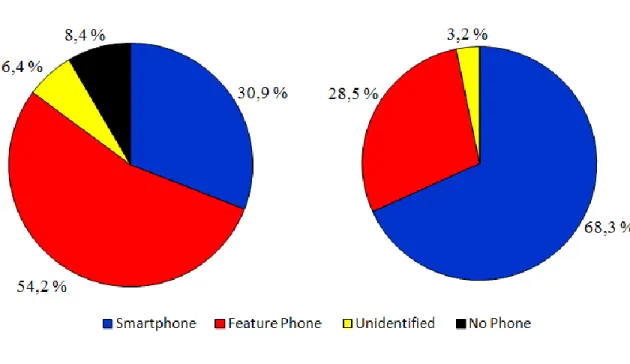
Figure 5 Change of Mobile Phone Brand Distribution ... 47
Figure 6 Change of Mobile Phone Type Distribution ... 48
Figure 7 Positive and Negative Associations in Previous Phone Context ... 51
Figure 8 Positive and Negative Associations in Current Phone Context ... 51
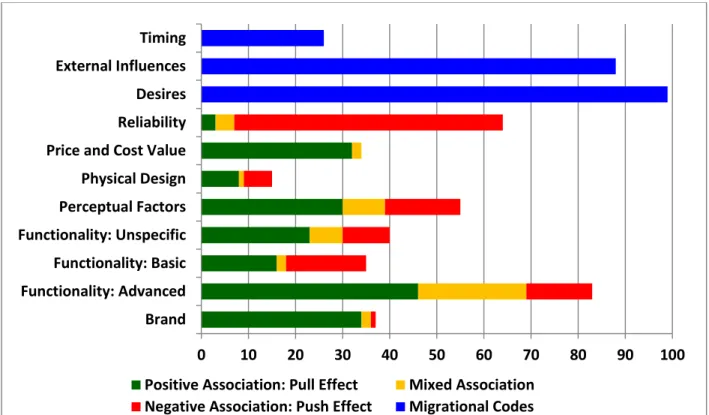
Figure 9 Aggregation of Explicitly Expressed Switch Reasons ... 60
Figure 10 Excerpt from Indian Version of the Survey Questionnaire (Part 1/2) ... 87
viii
LIST OF TABLES
Table 1 Ordinal Demographical Variables ... 28
Table 2 Nominal Demographical Variables ... 28
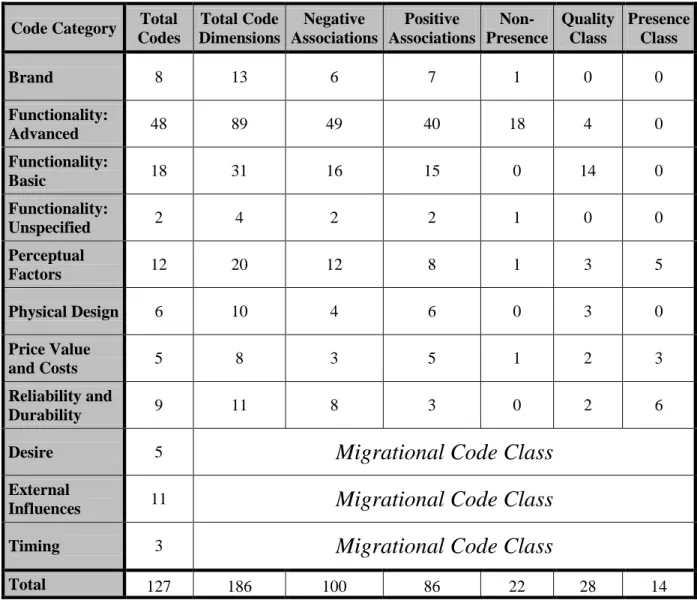
Table 3 Aggregation of Code Dimension and Code Class Occurrences ... 40
Table 4 Itemization of Codes and Code Descriptions ... 89
Table 5 Code Accumulation per Contexts, Dimensions and Associations ... 96
Table 6 Cross Tabulation of Negative Associations and Mobile Phone Brands ... 104
Table 7 Cross Tabulation of Positive Associations and Mobile Phone Brands ... 105
Table 8 Cross Tabulation of Negative Associations and Mobile Phone Types ... 106
Table 9 Cross Tabulation of Positive Associations and Mobile Phone Types ... 106
Table 10 Cross Tabulation of Negative Switch Reasons and Mobile Phone Brand Switches ... 107
Table 11 Cross Tabulation of Positive Switch Reasons and Mobile Phone Brand Switches ... 107
Table 12 Cross Tabulation of Negative Switch Reasons and Mobile Phone Type Switches ... 109
Table 13 Cross Tabulation of Positive Switch Reasons and Mobile Phone Type Switches ... 110
1
1. INTRODUCTION
What makes people switch their mobile phone from one to another? What are the factors that keep people locked-in to their current mobile device? Despite of the prominence of mobile phone industry, surprisingly few have pondered these questions in the academi. Hence, the objective of this thesis is to drill into that void and determine the main reasons that lead people to switch their mobile phones and what factors that prevent them from switching to another phone.
The approach will be inductive drawing the conclusions from empirical data first and then reflecting these results to existing academic theories and models. The examination will be based on a qualitative data set that was collected from college students of three different geographical areas: Finland, USA and India. Moreover, the focus of the examination is on the physical hardware level of mobile phone switching instead of the software level or mobile phone subscription network level. The results suggest that variable functionality-related factors are the most prominent cause to affect mobile phone switching behavior. However, there is also evidence that desires, external influences, reliability issues and factors derived from personal perceptions have an effect on switching behavior.
This introduction chapter is organized so that first the premise for this thesis is introduced. Second, a brief summary of what makes this topic interesting and what will be the approach to the subject is given. Therefore, the research niche is also established in the second subsection. Third, research questions for this thesis are presented to clarify the objectives of this research.
After the introduction, the thesis is structured as follows; the second chapter provides a summary of academic literature in relation to mobile phone switching. The third chapter elaborates the underlying data set as well as how it has been collected and what will be the approach to it. The fourth chapter explains the methods how the underlying raw qualitative data set is restructured and how the restructured data is analyzed. The fifth chapter presents the findings and provides a discussion to the respect of research questions. The sixth chapter ultimately draws the summarized conclusions from the findings as well as provides a summation of the research limitations and suggestions for future research. Furthermore, the appendices after the chapters
2
will provide additional and more in-depth information regarding the thesis data contents and analyses.
1.1. Research Background, Motivation and Approach
This Master’s thesis has been completed in association with a SWITCH project in Aalto University School of Business. The SWITCH Project is a research initiative with an aim to analyze and understand how people make their decisions regarding switching their mobile service platforms from one to another. As it is a quite fresh initiative, the SWITCH project has produced so far two research papers presented at research conferences (Tuunainen et al., 2012a; 2012b). This Master’s thesis aims to contribute to that same vein by bringing in a new perspective to the issue. However, it should be noted that source material in this thesis is largely the same data set that has been utilized in the aforementioned antecedent studies.
The reason, which makes the subject of the SWITCH project and this thesis interesting, is that mobile cellular phones have become a central force in a communication media as well as also considerable player in general product markets. Mobile phones are currently reaching to the majority of world population with a penetration of 85.7 percent share and total amount of mobile phones achieving figure of almost 6 billion units in 2011 (International Telecommunication Union, 2012). Furthermore, the adoption has been extremely swift since mobile devices have become the fastest adopted consumer product of all time surpassing the combined annual sales of automobiles and personal computers (Clarke & Madison, 2001; Mahatanankoon et al., 2004). This fast adoption is fed even further by the rapid technological development of the product itself (Charlesworthy, 2009) which is evident from increasing adoption of smartphones all over the world (Our Mobile Planet, 2013; Statista, 2013).
Because mobile phones as a product are experiencing changes, the modern mobile phones cannot be considered anymore as mere telephones per se. Mobile phones in the form of smartphones have evolved into much more multifaceted than just telephones (Tuunainen et al., 2012b). Nowadays they incorporate variable aspects of personal computers and bundling it together with portability as well as movement and position recognition technologies. Hence, they have become
3
also a platform for wide range of new services and innovations (Ballon & Hawkins, 2008) leading to a change of a paradigm so that a term mobile phone can be considered synonymous with a term mobile service platform in many occasions.
Despite of the prevalence of mobile phone industry, there have yet been rather little academic articles published relating to mobile phone switching behavior. To be exact, there has been virtually no actual mobile phone or mobile service platform switching research but rather a closely related adoption research. Moreover, the academic adoption literature related mobile phones has been primarily anchored to the multiple version of technology acceptance model (see for example Davis, 1989; Venkatesh & Davis, 2000; Venkatesh et al., 2003; Venkatesh & Bala, 2008; Venkatesh et al., 2012) and its precursor behavioral theories (see for example Ajzen & Fishbein, 1980; Ajzen 1991; Triandis, 1977). The Technology Acceptance Model – henceforth referred as TAM – has attained such a status that it has been subsequently described as a dominant paradigm in the field of study (van der Heijden, 2004) even though it has not been designed specifically to the mobile phone context. Therefore, it can be argued that the true understanding of switching reasons may have been hindered by both the rapidity of change within the product itself by converging multiple previously independent technologies together as well as the anchoring to the aforementioned predefined model.
This anchoring to the dominant paradigm of the TAM constitutes also that the research relating to consumer mobile phone switching behavior has been primarily deductive. Hence, apart from the antecedent studies of the SWITCH project (Tuunainen et al., 2012a; 2012b), there has been virtually no purely inductive research based on consumer responses to understand the true reasons behind consumer mobile phone switching behavior. Therefore, the analysis conducted in this thesis utilizes a qualitative sample set with aim to extract the actual consumer expressed reasons for mobile phone switching behavior using inductive research approach. Simultaneously, the consumer switching behavior is examined in a broader context by including also consumer-expressed perceptions – both positive and negative – on their most recent mobile phones. Additionally, also the rapid technological change and emergence of smartphones are brought into the analysis by examining the changes in mobile phone manufacturer brand and mobile phone type distributions caused by mobile phone switching.
4
The examination is conducted at two parallel levels: a general and a detailed level. At the general level, the responses to the switching reasons and the perceptions on mobile phones are examined in the mass to understand generally what are the main factors affecting mobile phone switching. At the detailed level, the responses are in relation to various mobile phone manufacturer brands and mobile phone types – smartphones and feature phones – to distinguish if there are any exceptions to the general level results. However, it should be also noted that the examination is limited only to the most previously owned mobile phone and the currently used mobile phone for each respondent and thus only two mobile phone generations are examined for each. Furthermore, one should bear in mind that the examination is principally based on switching of a physical hardware level of mobile service platforms rather thanfor example a software platform layer.
1.2. Research Questions
The main research question in this thesis is structured with the help of three separate supportive questions of which each examine different aspects. The first supportive research question reflects the shifting mobile phone capability landscape by drilling into the change of smartphone and feature phone distribution accompanied with the changes within mobile phone manufacturer brand distribution. The second supportive question examines the expressed approach to the two examined mobile phone generations of a respondent in terms of positive and negative associations relating to them. The third supportive research question examines the real issue of interest: the reasons to switch mobile phones. Additionally, the second and third supportive questions take into account the levels of examination so that both generalizations in these issues can be made by controlling the possible exceptions at the more detailed level. The three supportive research questions are structured in the next page as follows:
5
How has the overall distribution structure of different mobile phone brands and mobile phone types changed from previous mobile phone generation to current mobile phone generation?
What are the positive and negative associations related to the previous and current mobile phone generations in general and in terms of mobile phone brands and mobile phone types?
What are the main explicitly expressed reasons to make the switch from the previous phone to the current mobile phone generation in general and in terms of mobile phone brands and mobile phone types?
The supportive research questions builds towards broad understanding of the thesis’ main research question, which focuses to understand forces affecting the switching decision. The forces can be identified as follows; firstly, there are initially dissatisfaction factors that cause an individual to make a decision to switch and seek alternatives to the current situation. Secondly, attractive alternatives can provoke an altering of the current state even without initial dissatisfaction and thereby a switch will occur if an alternative value proposition is accepted. Thirdly, there might be barriers or obstacles that prevent an individual to exit from the current situation or there might be issues in alternatives that will diminish the value proposition of possible alternatives beyond acceptable. Therefore, the main research question of this master’s thesis is structured as follows:
What are the main generalizable causes affecting mobile phone switching decisions and processes of an individual through invoking dissatisfaction at the initial stage before making a decision to switch mobile phones, encouraging a switching decision with compelling options to alter the current situation and creating obstacles that may thwart the switching process all together?
6
2. THEORETICAL BACKGROUND
This chapter explains the theoretical rooting of the mobile phone switching behavior based on academic literature. The theoretical background of this thesis is not just restricted to the variable theoretical models relating to mobile phone switching behavior. A summary of empirical studies and their results applying those theoretical models into practice is also provided in the context of mobile phone switching behavior.
This chapter is composed as follows; first, a theoretical grounding is provided for mobile phone position as a platform mediated network product. Second, the contents from a diffusion of innovations model are summarized. Third, an outlook to the history, criticism, development and contents of the influential Technology Acceptance Model (TAM; Davis, 1989) is provided along with perspectives on the motivational theory implications and conceptual fit of the model to the mobile phone switching behavior context. Fourth, a migration theory in the form of push-pull-mooring framework is presented accompanied with the conceptual connection to the mobile phone switching. Last, a summary of applied empirical mobile phone switching and adoption literature is provided including the precursor studies of the SWITCH project.
2.1. Mobile Phones as Mobile Service Platforms
To understand the mobile phone switching behavior properly, it is important to understand the underlying context related to mobile service platforms. Nowadays mobile phones can be roughly divided into two vague categories: feature phones and smartphones. Smartphones can be defined generally as mobile phones with built-in capabilities likened to a personal computer including features such as the Internet access, large display and multitude of application services built around them, while feature phones are described as phones of which features do not reach to the level of sophistication of smartphones features (Oxford Dictionaries, 2013; PC Magazine, 2013).
The more sophisticated mobile phones can be also perceived as convergence products (Shin, 2007) because the aforementioned smartphone and feature phone definitions comply with the convergence product definition – a bundle of several products incorporating both costs and
7
benefits into a single integrated product (Bayus et al., 2000). Additionally, these definitions coincide also with platform definition – a collection of integrated functions, which lay the foundation to variable services that are subjected to value changes over time (Taudes et al., 2000). Therefore, when describing mobile phones in general, the term mobile service platform is also justified. Furthermore, also other scholars have established mobile phones as continuously developing service platforms; mobile phones or especially smartphones have evolved into platforms for innovations such as variable m-commerce services (Ballon & Hawkings, 2008; Chang & Chen, 2005).
This platform thinking opens the door to perceive mobile phones as platform mediated networks or multi-sided platforms because multiple different entities aim to draw consumer cash flows from the multifaceted mobile service platform. Thus, these different market entities or stakeholders are also possibly affecting to the switching behavior. These network effects are not uncommon either because this type of platform market is generally quite typical for the IT industry (Hagiu & Wright, 2011).
In this case, a mobile phone can be perceived as the service platform while the groups participating in the market or network stakeholders consist of the end-users – mainly the consumers – as well as variable service provider groups including platform manufacturers, external content providers such as application developers and network service operators. These different players can be divided into subgroups with variable objectives. For example, platform manufacturers are not nowadays providers of both hardware and software platforms since external operating system software producers – such as Google with Android mobile operating system or Microsoft with Windows Mobile – have entered into the market. These companies are not necessarily tied to any mobile phone hardware manufacturers creating a new layer for end-user loyalty and switching costs. Furthermore, other external software developers may not be working for just for themselves as they might be commissioned by another organizations to build applications or even application series such as for example in mobile banking services.
As a multi-sided network, the network stakeholders may be subjected to network effects or network externalities. Traditionally network effects are divided into direct and indirect network
8
effects. The direct or same-side network effect occurs when the increase of in amount of participants in the same network stakeholder side increase value of all the participants on that particular side. Conversely, the indirect or cross-side network effect takes in place when value of a network increases due to increased opportunities to interact with the other network stakeholders groups. (Farrell & Klemperer, 2007). On the one hand, an example of a same-side network effect in the mobile phone switching context could be a situation in which an individual is persuaded by peers to adopt a smartphone so that he or she can use a specific type of software application to interact with his or her peers. On the other hand, an example of a cross-side network effect affecting switching decision could be a situation in which an individual is persuaded to switch a mobile phone because another mobile phone platform offers more comprehensive service and application ecosystem.
It should be noted that the mobile service platform and thus the network effects could be perceived to operate also on multiple platform layers. For example, mobile service platforms can be usually separated into three platform layers: a software based layer, a hardware based layer and a data network based layer. Even though different network stakeholders operate these platform layers, they can be perceived as interlinked because layers has been built upon each other. In this layered structure, the underlying layer is the data network layer provided by network service providers, while the hardware layer – provided by mobile phone manufacturers – is built upon this data network layer. The hardware layer serves then as a platform for the software platform layer on top of which the actual services are built upon. However, it should be noted that, the examination is primarily based on the hardware layer of the platforms. Moreover, the layered platform structure was identified during the working process of this thesis and thus these platform layers may not be distinguished very visibly from each other in the examination framework.
2.2. Diffusion of Innovations
As Ballon & Hawkings (2008) noted, mobile phones have evolved into platforms for innovation. Hence, these innovations integrated into mobile phones may act as triggering force for consumers to switch their mobile phones for models that incorporate – or accommodate better –
9
desired new features. Everett Rogers proposed a theory already in early 1960’s regarding how innovations and new technologies spread among different cultures and consumer groups. This diffusion of innovations theory (Rogers, 2003) may be utilized also in examination of mobile phone switching behavior because the main elements for mobile service platform adoption coincide with the elements identified in the diffusion of innovation model (Shankar & Balasubramanian, 2009).
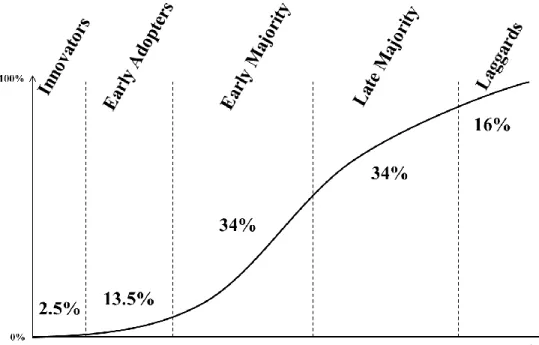
Figure 1 Diffusion of Innovation Adopter Categories Adapted from Rogers (2003)
The diffusion of innovations model is illustrated in Figure 1 where a cumulative S-curve portrays the spread of innovations among population over time. In the curve, the population is divided into five categories: innovators, early adopters, early majority, late majority and laggards. The innovators – or lead-users as von Hippel (1986) labeled them – are a small group of first movers that lead the transition towards new technology well in advance of the population majority. The second category, early adopters, is already larger group and they tend to adopt the technology before it has become established. The middle categories, the majorities, encompass the bulk of population and they transition the new technology from novelty towards a standard. The last category, the laggards, consists of rest of the population that is less than eager to comply with the
10
transformation of technological standards and may even postpone their adoption to the latest possible moment before abandoning the old technology. (Rogers, 2003).
The adoption decision process is described in five phases. First, there is just mere knowledge of the innovation existence without any particular interest to adopt it. Second, the general knowledge within an individual transforms into interest to seek more information regarding the innovation. Third, the individual begins pondering the positive and negative aspects of the innovation adoption and makes the initial decision whether to accept or reject the innovation. Fourth, the individual enters the trial phase wherein he or she seeks more in-depth and hands-on experiences regarding the innovation to ascertain his or her initial stance. Last, phase is the confirmation in which the individual makes the final decision over the continuation of the innovation usage. This stage may have also an interpersonal aspect wherein the individual also seeks an acceptance of people related to the innovation adoption. (ibid.).
Multiple factors though moderate the adoption decision process. At a highest level, the decision is dependent naturally upon who actually makes the decision and whether it is made by an individual’s own decision without any external influences. Furthermore, the adoption decision is moderated by a nature of the innovation, a time dependency of the decision, communication channels through which the information regarding the innovation is communicated and a surrounding social system. (ibid.)
Building upon these moderating factors, three types of innovation adoption decisions were identified. First, the decision may be optional so that the individual wishes to differentiate him- or herself from the surrounding social system. Second, the adoption decision can be done collectively so that the decision is agreed upon together with the individuals within the social system. Third, the individuals may not make the decision by themselves but rather the decision to adopt a new technology can be dictated by an authority figure or authorities with an influence over individuals within a social system. (ibid.).
At lower level, the adoption decision is moderated by factors influencing the nature of innovation element. Such a factor is for example a relative improvement in which the capabilities of the new technology are compared to the capabilities of the previous generation. Furthermore,
11
factors such as how well the innovation conform to the requirements of the individual’s needs and how easy it is to use have also influence over the nature of innovation. Additionally, the adopting decision is also affected by the extent of how easily the innovation is possible to test and be experienced prior to the adoption decision. Moreover, also the visibility of the innovation to others may have an effect to the adoption decision because the visibility evokes more reactions and these reactions can be amplified even further through communication within a social system. (ibid.).
2.3. Technology Acceptance Model and Motivational Theory
2.3.1. Evolution of Technology Acceptance ModelThe TAM has been defining the technology adoption literature over the years. It has been described as the dominant paradigm in this field of study (van der Heijden, 2004), but it has been also required to go through multiple revisions too (see for example, Venkatesh & Davis, 2000; Venkatesh et al., 2003; Venkatesh & Bala, 2008; Venkatesh et al., 2012). The TAM was originally coined by Fred Davis (1989) drawing the foundation for it from the theory of reasoned action (Ajzen & Fishbein, 1980). The initial version of the theory proposed two factors to moderate technology acceptance: perceived usefulness and perceived ease of use. The perceived usefulness was defined as a level at which an individual believes he or she can take advantage of technology’s capabilities in job performance context. Furthermore, the perceived ease of use is defined as a level at which an individual believes that utilizing the particular technology will be free of great efforts.
Although perceived usefulness and perceived ease of use has been proven by subsequent research as important elements of technology adoption (Benbasat & Barki, 2007; Tuunainen et al., 2012b), the context related inconsistency of relationships among main elements found across various studies has questioned the generalizability technology acceptance model (Sun & Zhang, 2006). Furthermore, the model has been described as “parsimonious in nature” (Yang et al., 2012, p. 530) leading originally to an omission of multiple applicable aspects. Such aspects or elements have been identified as for example a behavioral and a subjective norm (Pedersen, 2003) as well
12
as variables that encompass ubiquitousness of mobile technology in mobile service platform context (Kim et al., 2007; Legris et al., 2003).
Due to the popularity of the TAM and arising criticism towards the model, multiple refinement efforts have been conducted to the model over the years in response. Viswanath Venkatesh has principally led these further development efforts. This has led to consideration of social influences of technology acceptance and a proposing of extension elements to the model such as a subjective norm, experience and voluntariness that moderate the adoption process (Venkatesh & Davis, 2000). The subjective norm is defined as a perception of an individual of how he or she is expected to act in any given situation. Moreover, the experience is viewed as prior familiarity with the examined system while voluntariness is the perceived extent freedom in decision-making.
Additionally, four constructs were identified to have an effect to the perceived usefulness element: image, job relevance, output quality and result demonstrability (Venkatesh & Davis, 2000). Moreover, the model was extended later with determinants affecting perceived ease of use. These elements were computer self-efficacy, perception of external control, computer anxiety, computer playfulness, perceived enjoyment and objective usability (Venkatesh & Bala, 2008). As one can see these constructs are more or less anchored to work-related systems maybe apart from image, defined as an extent of enhancing an individual’s status in a social system by using the technology (Venkatesh & Davis, 2000) and perceived enjoyment, defined as extent of which a user finds the actual usage of a particular system enjoyable (Venkatesh & Bala, 2008).
2.3.2. Motivational Perspective to Technology Acceptance Model
It should be noted that the roots of the TAM have been in production-oriented information systems. This is natural since the TAM is originally a derivative of theory of reasoned action (Ajzen & Fishbein, 1980) that has been subsequently described as rationale emphasizing and affection discarding theory (Brave & Nass, 2002). Thus, due to its premise, the TAM has been principally applicable only to work related research settings (Kleijnen et al., 2007; Moon & Kim, 2001). Therefore, it can be deduced that the primary motivational assumption in these models is
13
that the users are motivated through an extrinsic motivation. The extrinsic motivation can be described as a motivation for activity to produce a separable outcome (Ryan & Deci, 2000).
Mobile phones on the other hand can be perceived as more pleasure oriented, hedonic information systems rather than work-oriented systems. For example, if mobile phones can be considered as luxury goods, according to Truong and McColl (2011) the principal motivation to use these luxury goods is an intrinsic motivation. The intrinsic motivation can be defined as a counterpart for extrinsic motivation aimed for activity that is self-fulfilling and inherently satisfying without a separable output (Ryan & Deci, 2000).
Hur et al. (2012) identified emotional and epistemic values along with functional values to affect acquisition intentions relating to convergence products. The emotional and epistemic values can be defined as the value gained from a capacity to provide originality, invoke interest or satisfy a craving for knowledge and a capacity to invoke feelings or affection, respectively (Sheth et al., 1991). These values can be related to intrinsic motivations, as they are associated with internal satisfaction. Conversely, functional values can be associated with utilitarian, extrinsic motivations. As mentioned in the first chapter, mobile phones can be perceived as convergence products (Shin, 2007). Thus, by extension, it may be suggested that these motivations associated with convergence product acquisition can be related to mobile phones too.
A further evidence of intrinsic motivations related to mobile phones has been found also; young user groups have been identified to utilize mobile phones also as artifacts of self-expression by giving them an additional purpose of a fashion statement (Katz & Sugiyama, 2006). Moreover, also Tuunainen et al. (2012a) found evidence of linking mobile phones to users’ social identity. Additionally, the increasingly common usage of the Internet even in mobile phone context has been linked strongly to intrinsic, hedonic motivations (Bruner & Kumar, 2005; Wakefield & Whitten, 2006).
2.3.3. Evolution to Unified Theory of Acceptance, Use and Technology
The perspective differences regarding the use motivation of technologies has hindered the universal applicability of the TAM. Consequently, it has been pointed out that a different type of
14
evaluation tactics should be utilized to hedonic information systems as opposed to production oriented, utilitarian information systems (van der Heijden, 2004). The aforementioned criticism regarding the underlying motivational and use context assumptions has led to reforming of the TAM again to incorporate more universal perspective towards technology acceptance. Thus, the TAM has evolved into Unified Theory of Acceptance and Use of Technology (Venkatesh et al., 2003) – henceforth referred as UTAUT – which has been developed further along the supplementary development of the TAM.
The new model introduced performance expectancy, effort expectancy, social influence and facilitating conditions as determinants for adoption and use of technology. The performance expectancy – a broader construct of perceived usefulness – is the extent of which an individual thinks he or she can enhance his or her performance related to the underlying technology, while the effort expectancy is in broader terms the degree of ease of use. Moreover, the social influence refers to the extent of which an individual believes others to have expectations regarding the technology usage. Furthermore, the facilitating conditions are defined as the extent of how much organization and technical infrastructure supports the use according to the individual’s perception. Additionally, these constructs were identified to be affected by demographical elements of age and gender along with the previously recognized experience and voluntariness. (Venkatesh et al., 2003).
Recently the UTAUT has been taken into a consumer context with an inclusion of new variables. The additional elements consist of hedonic motivation, price value and habit that are defined as an enjoyment stemming from the usage, a subjective trade-off between gained benefits and monetary loss as well as behavioral tendencies to which individuals automatically revert, respectively. Furthermore, the newer version of the UTAUT omitted element of voluntariness from the consumer context. (Venkatesh et al., 2012). However, it should be noted that the omission of voluntariness could be interpreted as an assumption that individuals are free to make the decision on their own in every consumer technology adoption situation. Conversely, this may not be the case all of the time in the switching context as will be shown on the course of this thesis.
15
2.3.4. Evolving Technology Adoption Models and Mobile Phone Switching
The iterative evolution of the TAM as well as the widespread utilization of it among researchers has been described as problematic. The multiple versions have left the researcher community without a consensus about which of the TAM’s versions should be considered as the final version (Benbasat & Barki, 2007). This has led to a wide variety of the TAM frameworks being utilized in technology adoption literature. To add the confusion, the parsimonious nature of the TAM has caused a surge of context related extension elements to be included across various studies. Yet still, the models have been applied often without any critical evaluation of the original construct relationships (Straubt & Burton-Jones, 2007).
In the light of the criticism, the fit of the TAM and the UTAUT to the mobile phone switching behavior can be questioned. Although the models comprehensively provide a good foundation and a lot of applicable components for the examination of mobile phone switching behavior from consumer perspective, they may not be the best possible fit for the concept as a whole. The underlying premise of the TAM and the UTAUT is principally that something completely new is taken into use. Conversely, nowadays in the case of mobile phones, nearly no one is unfamiliar with the basic functionalities of a mobile phone since it is an antecedent of a far older invention: a telephone. Furthermore, in the sample set examined in this thesis less than 10 percent of the sample population had not owned a mobile phone themselves prior to the most recent mobile phone adoption. Therefore, it can be argued that the mobile phone switching is usually a mixture of an adoption some new features as well as migration to use some familiar features on a different platform.
The research utilizing the TAM and the UTAUT frameworks in mobile phone context has been focusing primarily on specific features such as the mobile internet or variable mobile services (see for example Kleijnen, 2004; Shin, 2007; Wang & Li, 2012). Moreover, the TAM research in the mobile phone context is brought to more comprehensive terms only when discussing new market changing, convergence technologies such as the smartphones (see for example Chun et al., 2012; Kang et al., 2011; Park & Chen, 2007). Hence, the mobile phone adoption is not examined as a whole but only through a subset. Therefore, it can be argued that the experience
16
component and the trade-off comparison between old and new inherent to the migration may have been underrepresented in the TAM and UTAUT if the theories are brought into the broader context of mobile phone switching behavior. Since the novelty aspect seem to be characteristically present with the TAM based studies, the influence of use experience is somewhat hindered or possibly skewed in the models as they do not take into account the what was the origin state prior to adoption or switching and thus provide only a narrow perspective on the experience component.
2.4. Push-Pull-Mooring Framework
and Switching Costs
As mentioned, mere adoption frameworks such as the TAM and the UTAUT may not be sufficient when we are examining switching behavior. This is due to that switching is not thematically just about adoption but rather about migration, which involves the previous generation of technology and familiar elements associated to it more comprehensively. The TAM on the other hand inherently assumes a component of novelty in the model, which may not be involved in every imaginable mobile phone switching decision. For example, a switch from a particular mobile phone model to that same model seems to be an alien concept in the TAM and the UTAUT contexts. Therefore, the TAM categorically overlooks the complexity of use experience influences of previous technology generations in the consumer context. Conversely, an extended version of a traditional migration theory called Push-Pull-Mooring framework (Lee, 1966; Moon, 1995) – henceforth referred as PPM framework – provides more comprehensive outlook to mobile phone switching. It takes into account also the experience and conditions of the state prior to switching as well as acknowledges the possibility of switches that incorporate only a switch of a physical device without any changes at the functional or content level. Thus, the PPM framework will be utilized as an outline for evaluation in the mobile phone switching behavior examination.
In general, the term migration signifies a movement of a people for a measurable term of time (Boyle & Halfacree, 1998). The migration theories have thus a long tradition dating back to the 19th century since they are conceived to model spatial movement of people (Bansal et al., 2005). The PPM framework of migration models consists of three key effects or forces that moderate
17
the migration decision: push effect, pull effect and mooring effect. The push effect has been defined as negative factors relating to the place of origin that encourage an individual to leave while the pull effect is comprised of positive attracting factors of a potential new destination (Lewis, 1982). Furthermore, the moorings effect can be defined as personal or social aspects that can hinder a migration decision or ease a decision not to migrate (Bansal et al., 2005; Moon, 1995). These definitions can be easily conveyed to mobile phone switching context by assuming the place of origin to be the previously used mobile phone and the potential destination to be the target of the switch: a newly adopted mobile phone.
Although the PPM framework originates from completely different context to mobile phone switching behavior, the framework has been successfully – though sparingly – applied to information technology and consumer service switching contexts. However, no prior application of PPM framework to a comprehensive examination of mobile phone switching could be found. Hence, the framework has been only applied to contexts such as for example: a general consumer service switching (Bansal et al., 2005), a general information technology service switching (Lui, 2005) and mobile shopping service switching contexts (Lai et al., 2012). Additionally, multiple studies have applied the framework for switching of variable internet-related services (Cheng et al., 2009; Chiu et al, 2011; Hou et al, 2009, 2011; Hsieh et al., 2012; Ye, 2009; Zhang et al., 2008).
As the model is applicable to also mobile phone switching, the components of PPM framework runs parallel also with elements of relational theories presented earlier. For example, the relative improvement component in the diffusion of innovations (Rogers, 2003) is effectively evaluation of trade-off between pull effect factors and balance between push and mooring effect factors. Furthermore, the mooring effect is closely related to a network effects associated concept of switching costs. Classic switching costs are inherent to a situation in which a consumer find it costly to switch vendors and thus continues repeatedly to buy from the same vendor (Farrell & Klemperer, 2007). High enough switching costs are manifested in a concept of a lock-in (ibid.), a situation in which the mooring effect becomes so powerful that it prohibits migration from a platform to another completely. The lock-in can be non-mandated as in the case where consumer believes that there is no better alternatives and thus continues as a customer of a particular
18
vendor. The mandated lock-in effect on the other hand is present for example in the case of SIM-card lock-in; a mobile service platform is designed in such a way that it will only work with the SIM-card of a particular network provider.
As the PPM framework has been originally conceived for a migration of people, a concept of multi-homing has not been previously incorporated into the framework. Effectively this would mean that in migration context a migrant would decide to end up in a multiple destinations simultaneously or even migrate from multiple origins. However, in the mobile service platform context this is possible when multiple platform providers offer different type of value to the consumer. If the value proposition are high enough for a consumer to adopt them and a converging product including all of these value propositions integrated in a single platform is lacking from the market, then in this type of situations the consumer may opt using multiple platforms simultaneously. This situation of multiple platforms in use is called multi-homing (Farrell & Klemperer, 2007). This is though a rather rare case due to increasing homing costs – such as adoption, operation and the opportunity costs of time related to additional mobile service platform – hinder the multi-homing adoption (Eisenmann et al., 2006).
2.5. Related Mobile Phone Switching and Adoption Research
The anterior research regarding mobile phone related switching and adoption has been leaning towards adoption and primarily connected to the rather dominant TAM as indicated in the previous chapters. Though to be more precise, the literature has been examining principally the adoption of mobile phone related features and services rather than examining adoption of mobile phones as a whole product. Moreover, when the focus is not just on the features or services, the examination is often restricted to a particular mobile service platform category such as smartphones.
For example, mobile phone switching related adoption research has been looking into mobile internet. Teo and Pok (2003) utilized the theory of planned behavior (Ajzen, 1991) and an adapted TAM (Davis, 1989) to conclude that attitudinal and normative factors moderate early stage mobile internet adoption. Similar results has been found also with a modified TAM
19
framework in the terms of attitudinal factors (Shin, 2007). Furthermore, in mobile internet adoption context, context dependency (Yang et al., 2012) and social pressure (Shin, 2007) have been found to affect technology adoption also.
Pedersen (2003) utilized a similar adapted TAM as Teo and Pok (2003) to mobile internet services concluding also with similar results that attitudinal factors moderate the adoption. On the other hand, Karaiskos et al. (2012) found with model adapted from the TAM antecedents theory of reasoned action (Ajzen & Fishbein, 1980) and theory of planned behavior (Ajzen,, 1991) as well as from theory of human behavior (Triandis, 1977) that hedonic enjoyment and utilitarian perceived usefulness along social factors affect mobile data services adoption. However, the hedonic factors have been found also being strikingly less effective measure of adoption compared to the other two measures in the same context (Kim & Han, 2009). Conversely, the social influence along with system quality has been also identified as a significant adoption component when an adapted TAM model is utilized in a mobile commerce context (Kleijnen et al., 2004) as well as in a mobile internet services context (Lu et al., 2005). Additionally, the traditional TAM constructs, the perceived usefulness and the perceived ease of use from utilitarian perspective has been confirmed as mobile service adoption denominators (Lu et al., 2005; Phan & Daim, 2011; Wang & Lin, 2012). Moreover, also brand equity has been singled out as a moderator affecting mobile service adoption (Wang & Li, 2012).
The adoption research examining the hardware layer of mobile service platforms rather than just virtual software platforms or services has determined that perceived ease of use is the most distinctive moderating factor for mobile phone adoption (Kwon & Chidambaram, 2000). Based on the result of Kwon & Chidambaram (ibid.) van Biljon & Kotze (2007) proposed their own, heavily the TAM and the UTAUT influenced model for the mobile phone adoption. The model singled out social influence as moderator for perceived usefulness and perceived ease of use. Furthermore, all the model components are identified to be affected by facilitating conditions. Moreover, all of the model components are also determined to be influence by mediating factors such as demographic factors, socio-economic factors and personal factors.
20
While many of the aforementioned researches studied mobile phone related adoption behavior principally in an individual level, Roberts & Pick (2004) examined a corporation-led mobile phone adoption. From corporation perspective, the most important adoption determinants were identified in technological level as security, reliability, digital standards and internet connectivity while customer service was identified as most important non-technological mobile phone adoption factor.
More recently the literature on consumer level mobile service platform adoption has been examining more technically advanced mobile service platforms such as smartphones and their antecedents: personal digital assistants. In the personal digital assistant context, utilitarian perceived usefulness was found to be a determinant for adoption (Bruner & Kumar, 2005). However, the hedonic enjoyment was indicated to be even stronger determinant than the utilitarian aspect in the mobile internet device adoption (ibid.). In smartphone context though the hedonic and utilitarian aspects are deemed as equally important while social influences and positive self-image are reported as influencing factors too (Chun et al., 2012). Other adapted TAM studies relating to the smartphone adoption suggested that there might not be a direct link between perceived ease of use and smartphone adoption but rather an indirect one. Furthermore, these studies also concluded that attitudinal factors, functional factors and perceived usefulness affect the adoption directly (Kang et al., 2011; Park & Chen, 2007). Moreover, a support were found also for monetary influences such as perceived costs savings and company’s willingness to fund along with moderating factors such as experience and job relevance (Kim, 2008).
The antecedent studies related to the SWITCH project have been examining the whole switching process by incorporating perspective of multiple mobile phone generations in their examination instead of just a single generation, as is usually the case in the TAM related adoption studies. The first one (Tuunainen et al., 2012a) concludes that the expressed reasons to switch mobile phones were rational. The rational reasons were described to be related to mobile phone price, technical problems with the previous generation of phones or desires relating to potential next generation phones. However, a role of social influences was also identified as a source for switching reasons. The social influences are described as strong and peer-related in association with application migration while more tacit social influences are associated with the hardware
21
level switching. Additionally, the role of brands was recognized in regards of switching behavior along with network effects. In the case of network effects, the cross-side network effects relating to especially application availability were determined as strong.
The second SWITCH study (Tuunainen et al., 2012b) examined the differences of mobile phone switching influencing factors between lead and lag markets. The lead and lag markets refer to matured market with high distribution of smartphones and young market with low distribution of smartphones, respectively. The study concluded that the effect of social influences diminishes in the lead markets while the role of functional factors increases regarding the consumer expressed mobile phone switching.
22
3. EMPIRICAL DATA
This chapter establishes the approach used and explains the underlying data set that is utilized for this thesis by describing the data content as well as data collection and definition methods. Furthermore, a description is provided on the data handling and interpretation methods along with the definitions for the key concepts such as mobile phone types. Moreover, an outlook is given on the general sample profile to certify the usability of the data set.
The three subsections of this chapter are organized in the following manner; first, the data gathering method, a survey questionnaire, is presented in terms of content, coverage and restrictions. Second, an approaches to data harmonization and possible missing pieces of the data are described as well as the differentiation between smartphones and feature phones is defined. Third, a profile of the sample that was used in the more detailed analyses is provided in terms of demographical and mobile phone related variables.
3.1. Data Gathering Methods and Survey Questionnaire Content
The data set was collected in form of a questionnaire survey from 249 college students. Four different universities were targeted as a setting to collect the data. These universities were Aalto University School of Business in Finland, University of Oulu also in Finland, University of Nebraska-Lincoln in the United States and Punjabi University in India. In Aalto University and University of Nebraska-Lincoln, the surveys were conducted to students participating on a particular course and the participants were able to receive extra study credits for completing the questionnaire, while in University of Oulu and Punjabi University the participants were offered a chance to voluntarily participate in the survey. In the case of the Punjabi University, a little less than one quarter of the sample were extended with randomly targeted sampling in the university campus due to voluntary turnover remaining too low compared to samples from other locations.
The questionnaire consisted of multiple types of questions – open-ended and in likert scale for example – regarding respondents’ approach on usage of mobile phones and switching between them, mobile platform services as well as mobile network operators. Additionally, these surveys
23
had a little bit of variation across the different countries regarding the questions asked because of questionnaire design evolution. However, the variation of the surveys does not affect the examination of this thesis since the primary focus of the examination is restricted only to five open-ended questions that were structured in the same fashion across all the survey questionnaire versions. The questions upon focus are:
What did you like about your previous mobile phone? What did you dislike about your previous mobile phone? What do you like about your current mobile phone? What do you dislike about your current mobile phone?
Explain in your own words, what were the reasons for the switch?
Additionally, information regarding the referred mobile phones in the question above were collected in terms of mobile phone manufacturer brand and model along with questions regarding demographic and mobile phone switching related factors. The answers to these questions were involved in the examination to provide comprehensive outlook on the sample characteristics. These characteristics included age, gender, working situation, the time of last mobile phone switch measured in months, total number of feature phones owned, total number of smartphones owned, phone bill payer and primary use purpose of the phone along with the brand and type of the previous and current phones. An excerpt of the relevant questionnaire content is provided in the Appendix A.
3.2. Data Harmonization and Definitions
3.2.1. Incomplete Data and Approach to Data Harmonization
The qualitative answers in open-ended questions were standardized to more quantifiable form using qualitative data coding. The coding process and its underlying framework will be presented more elaborately in the subsequent methodology chapter. In addition to the open-ended answers, also some ordinal and categorical data points required standardization due to variability of answering techniques and interpretation of the question contents. For example, a number of respondents left part of the questions unanswered, while several respondents – particularly in the
24
American sample subset – referred to a brand of their mobile service operator instead of the intended mobile phone manufacturer brand. This section will discuss about the approach and practice of how the data of varying quality will be interpreted.
In a questions regarding respondents’ number of mobile phones used, quite a few of the respondents left either the number of smartphones owned and number of feature phones owned question unanswered. In these occasions if only the other field was left blank, the interpretation was that the respondents have not owned a phone of that particular category and the response was not deemed as undeterminable. On the other hand, in the case in which a respondent had left both of the answering fields blank, the answer in this case is deemed as undeterminable and excluded from the demographic profile examination.
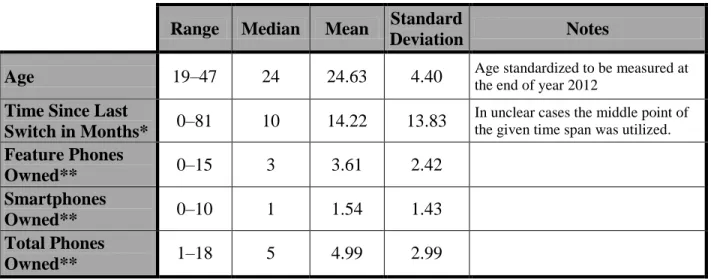
Similarly in the question regarding the time passed since the last mobile phone switch, few respondents left the question completely unanswered. As in the case of number of mobile phones owned, these were excluded from the sample. Additionally, 11 respondents were unable to provide an answer in an asked time span of one month and approximating the most recent switch time in a span of one year. These 11 responses were included in the examination so that their last switch time was approximated at the middle point of the year’s time span.
In the American subset, it was evident that the strong role of mobile service operators in the mobile phone market was affecting the brand identification of the respondents. This was manifested through question regarding mobile phone brands as instead of referring the mobile phone manufacturer brands, some of the respondents referred only to the mobile service operator brands. However, as the mobile phone manufacturers were the interest of this question, the actual manufacturers were attempted to track and determine based on given mobile phone model name. The identification of mobile phone manufacturer brand was successful in most of the cases. However, few remained unsolved and these responses were accounted as undeterminable in the data.
25
3.2.2. Mobile Phone Type Definition and Identification
An important mobile phone type definition determines how to divide the phones between smartphones and feature phones. It is important because the definition gives a clear and generalizable indication of technical standards and service capabilities of the mobile service platform. This technical differentiation can also easily illustrate the technological transition inherently experienced in mobile phone markets as was pointed out in the previous chapters.
Making a distinction between smartphones and feature phones has been quite difficult for a long time since no comprehensive consensus has not been reached regarding the exact definition. Rather the presented definitions often remain fuzzy or vague about the complete list of functions, features and qualities that differentiate smartphones from feature phones. For comparison, Kang et al. (2011) in their research with quite similar objectives as this thesis cite Park & Chen’s (2007) very vague and already maybe a bit archaic definition; a smartphones is a combination of various functionalities of a generic mobile phone and a generic personal digital assistant including the mobile internet. However, the technological change in half of a decade has been immense. The broad range of evermore-sophisticated functionalities has become available in mobile platforms labeled as smartphones while wide range of the features previously considered as smartphone functionalities has been commoditized in all types of mobile phones – even the ones usually labeled as feature phones. This has made the differentiation evermore fuzzy and the continuing technological race will persist to do so even in the future (Charlesworthy, 2009).
Since the definitions still remain rather broad and vague in the field, the industry definition by Gartner Inc. (2012a) was chosen as a baseline for this thesis due to its practical value. The Gartner definition is not too dissimilar to the aforementioned definitions of Oxford Dictionaries (2013) and PC Magazine (2013) either. In the definition, Gartner establishes the differences between smartphone and feature phones at an operating system level and regards mobile platforms running on closed, proprietary and non-branded operating systems as feature phones. In practical terms, only the phones with identifiable and branded smartphone operating systems – such as Android, iOS, Symbian, Maemo or Meego – are labeled as smartphones in this data set.