EFFECT OF SWIM TRAINING ON PHYSICAL CHARACTERISTICS AND PAIN IN COMPETITIVE ADOLESCENT SWIMMERS
Elizabeth E. Hibberd
A dissertation defense submitted to the faculty of the University of North Carolina at Chapel Hill in partial fulfillment of the requirements for the degree of Doctor of Philosophy in the Curriculum of Interdisciplinary Human Movement Science (School
of Medicine).
Chapel Hill 2014
©2014
ABSTRACT
ELIZABETH E. HIBBERD: Effect of Swim Training on Physical Characteristics and Pain in Competitive Adolescent Swimmers
(Under the direction of Joseph B. Myers)
The purpose of this research study was to determine the effect of swim training on physical characteristics, such as range of motion, posture, pectoralis minor length, and subacromial space distance, and pain and functional scales in competitive adolescent swimmers. Our secondary objective was to determine the effect of training load on changes in these physical characteristics and pain scores. Our approach was to recruit 45 competitive adolescent swimmer and 31
non-overhead athletes. Participants had a physical exam completed by the research team to measure the physical characteristics of interest at 3 time points during the season (preseason, 6-weeks into the season, and 12-weeks into the season). There were no clinically significant differences in swimmers and non-overhead athletes on posture, normalized pectoralis minor length, normalized subacromial space distance, and ROM variables. Swimmers presented with significantly more posterior shoulder tightness than non-overhead athletes. These findings indicate that factors other than swimming participation, such as school and technology use, play an important role in the adaptation of physical characteristics. Due to the training load, swimmers
season when compared to non-overhead athletes. These adaptations may increase the risk of shoulder pain and injury in competitive swimmers. Over the course of the training season, a high percentage of swimmers reported pain with moderate
disability and significant relationships were observed between total yardage performed and PENN and SPADI scores, which indicate training volume is a contributor to the development of shoulder pain and disability. The significant
changes in the physical characteristics that are seen in competitive swimmers during the training season compared with changes in non-overhead athletes and the
relationships between total yardage and pain scores indicate that the training season clearly has a substantial influence on physical characteristics that may lead to
ACKNOWLEDGEMENTS
When I arrived at UNC 10 years ago, I never imagined I would one day be graduating from a doctoral program. Along the way, I have been fortunate enough to meet amazing mentors, classmates, and friends who have shaped my future. I am proud that I get to share this accomplishment with those that have supported me.
To Dr. Myers: Thank you being a mentor and friend over the past 6 years. Thank you for the countless opportunities that you have provided me during my time at UNC. Because of you, I have become a better researcher, educator, mentor, and friend. You challenged me to be better, never let me settle, and always looked out for me. Most importantly, thank you for believing in me. I hope to make you proud.
To my committee- Drs. Myers, Berkoff, Kucera, Laudner, and Yu: Thank you for your generous contributions to my project. Your willingness to make time for me and provide advice has improved the quality of my project, as well as shown me the type of mentor that I hope I can one day be. Thank you for your time, energy, and
signatures!
To Saki: Thank you for teaching me how to research, write, and laugh. I could not have asked for a better mentor and friend.
To Dr. Hedgpeth: Thank you for being my voice of reason and for always telling me the truth, offering advice, and giving me the confidence that I could do more than I thought I could.
To my officemates/fellow HMSC students: Thank you for listening, motivating, and laughing with me. I feel fortunate to have been surrounded by such bright and driven people during my time in the program. I can’t wait to witness all of the successes that will be coming your way. I will make sure to give you my new address so all future Christmas cards make their way to Alabama.
To all of my friends, especially Kathryn, Barnett, Emily, Laura, Mary Ellen, Veronica, and Sobo: Thank you for living everyday of this program with me- for celebrating my successes and never letting me dwell on my failures. I am fortunate to have amazing friends who know me and love me anyways. Your support has not gone unnoticed and I am forever grateful for each one of you.
To my family- both related and acquired: Thank you for being a part of every major event in my life, but more importantly supporting me day in and day out. Whether by calls, cards, messages or visits, I always felt loved and motivated to make you proud.
To my Mom and Dad: You told me I could be anything and supported me along the way with unwavering love. You taught me the value of education and hard work, but more importantly compassion, integrity, and kindness. Thank you for always
believing in me and instilling in me the confidence to follow my dreams.
I also need to thank all research assistants, athletes, coaches, and athletic trainers that helped with my dissertation. Their commitment to the success of this project was extraordinary. I also need to acknowledge the National Athletic Trainers’ Association Research and Education Foundation who provided funding for this project.
TABLE OF CONTENTS
LIST OF FIGURES ... xiii!
LIST OF TABLES ... xiv!
LIST OF APPENDICES ... xv!
CHAPTER I ... 1!
1.1 Swimming Participation ... 1!
1.2 Swimming Related Injury Epidemiology and Etiology ... 1!
1.3 Statement of Purpose ... 5!
1.4 Operational Definitions ... 5!
1.5 Specific Aims ... 6!
Specific Aim 1 ... 6!
Specific Aim 2 ... 6!
1.6 Independent Variables ... 7!
Specific Aim 1 ... 7!
Specific Aim 2 ... 7!
1. 7 Dependent Variables ... 7!
Specific Aim 1 ... 7!
1.8 Limitations ... 8!
1.9 Delimitations ... 8!
1.10 Assumptions ... 8!
CHAPTER II ... 9!
2.1 An Overview ... 9!
2.2 Swimming Related Injury Epidemiology ... 10!
2.3 Etiology of Swimmer’s Shoulder ... 11!
Subacromial Impingement ... 11!
Rotator Cuff Tendinosis ... 13!
Biceps Tendinosis ... 14!
2.4 Risk Factors for Shoulder Injuries in Competitive Swimmers ... 16!
Non-Modifiable Intrinsic Risk Factors ... 19!
Participation Factors... 19!
Acromion Morphology ... 20!
Modifiable Intrinsic Risk Factors ... 21!
Strength Imbalances ... 21!
Shoulder Laxity ... 24!
Scapular Dyskinesia ... 25!
Subacromial Space Distance ... 33!
Posture ... 34!
Supraspinatus Tendon Thickness ... 37!
Extrinsic Risk Factors ... 38!
Training Volume ... 38!
Stroke Biomechanics ... 39!
Equipment Use ... 43!
Rest and Recovery ... 43!
Summary ... 44!
CHAPTER III ... 46!
3.1 Overview ... 46!
3.2 Population and Recruitment ... 47!
Swimming Group ... 47!
Control Group ... 47!
3.3 Research Design ... 48!
3.4 Procedures ... 49!
Demographics ... 49!
Subjective Measures of Pain and Functioning ... 50!
Forward Head and Shoulder Posture ... 55!
Pectoralis Minor Length ... 55!
Measurement of Subacromial Space Distance ... 57!
Participation Tracking ... 58!
3.5 Data Reduction ... 59!
Subjective Measures of Pain and Functioning ... 59!
Physical Characteristics ... 60!
3.6 Statistical Analysis ... 61!
CHAPTER IV ... 64!
4.1 Specific Aim 1 ... 64!
Specific Aim 1 Results ... 64!
Specific Aim 1 Summary ... 76!
4.2 Specific Aim 2 ... 77!
Specific Aim 2 Results ... 77!
Specific Aim 2 Summary ... 79!
4.3 Future Research ... 82!
4.4 Limitations ... 83!
4.5 Conclusions ... 84!
Manuscript 1 ... 86!
Manuscript 3 ... 143!
APPENDICES ... 166!
LIST OF FIGURES
Figure 1: Theoretical Model of the Development of Shoulder Pain and Injury ... 4!
Figure 2: Theoretical Risk Factors For the Development of Swimmers Shoulder ... 18!
Figure 3: Average Yards Per Week in Collegiate Swimmers ... 39!
Figure 4: Range of Motion Assessment ... 54!
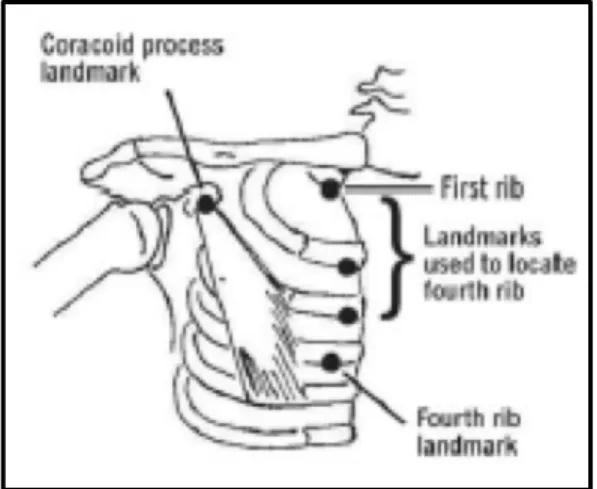
Figure 5: Pectoralis Minor Length ... 56!
Figure 6: Subacromial Space Width ... 58!
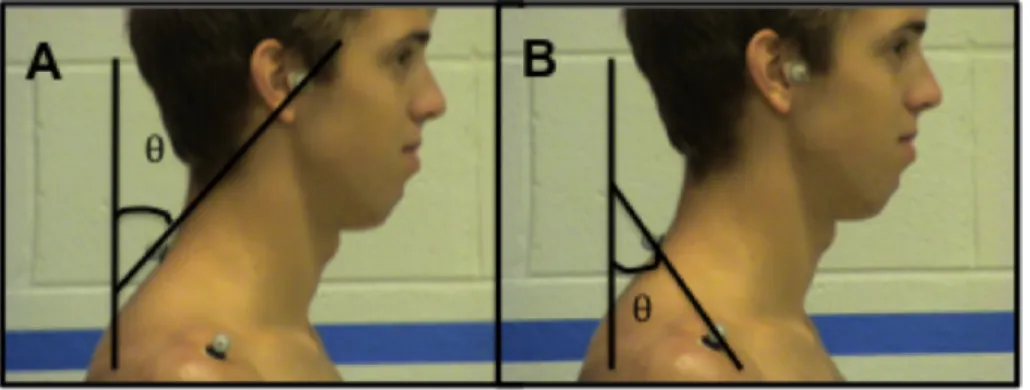
Figure 7: Forward Head and Shoulder Angles ... 60!
Figure 8: Forward Shoulder Posture Changes ... 70!
Figure 9: Forward Head Posture Changes ... 71!
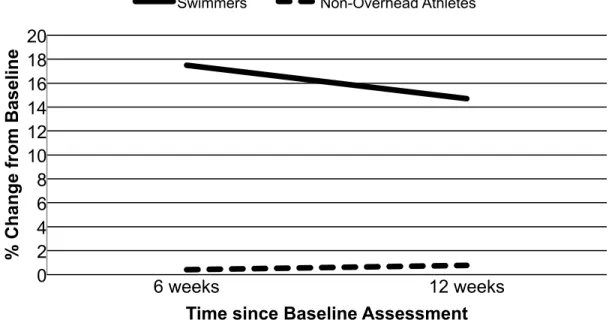
Figure 10: Subacromial Space Distance Changes ... 72!
LIST OF TABLES
Table 1: Summary of Stroke Errors ... 42!
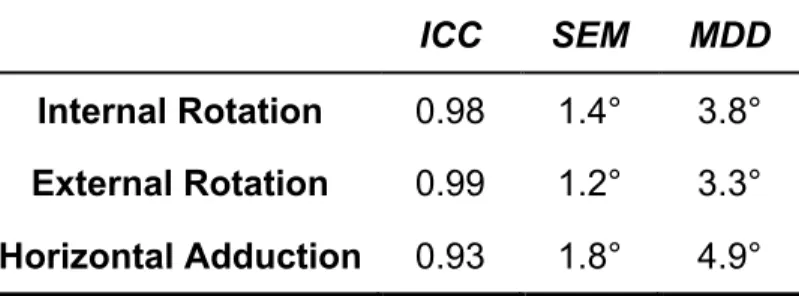
Table 2: ROM reliability, precision, and minimum detectable difference ... 54!
Table 3: Posture reliability, precision, and minimum detectable difference ... 55!
Table 4: Pectoralis Minor Length reliability, precision, and minimum detectable difference ... 56
Table 5: Subacromial Space Distance reliability, precision, and minimum detectable difference ... 58!
Table 6: Participant Demographics ... 65!
Table 7: Posture Variable Group Means (Mean ± SD) ... 65!
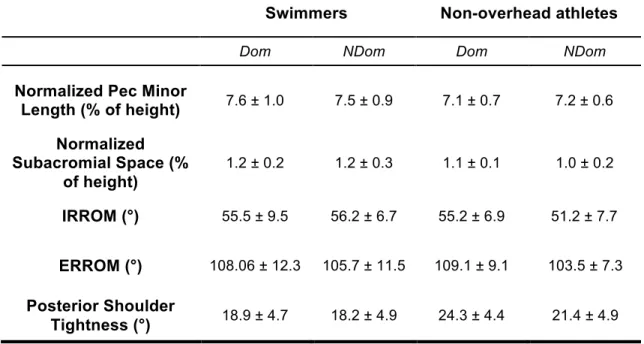
Table 8: Physical Characteristic Group Means (Mean ± SD) ... 66!
Table 9: Demographics for participants who were tracked for 12 weeks ... 68!
Table 10: Mean Change Scores of Physical Characteristic Variables ... 69!
Table 11: Percent of Swimmers Reporting ... 75!
Table 12: Limb-by-Time Interaction and Main Effects on Changes in Pain Scores ... 75!
Table 13: Summary of Pain Scores ... 76!
Table 14: Mean Participation Values During the Training Season ... 78!
LIST OF APPENDICES
Appendix 1A: Swimmers Demographics and Evaluation form for Pretest ... 166!
Appendix 1B: Swimmers Demographics and Evaluation form for 6 and 12 week evaluations ... 174!
Appendix 1C: Controls Demographics and Evaluation form for Pretest ... 179!
Appendix 1D: Controls Demographics and Evaluation form for 6 and 12 week evaluations ... 185!
Appendix 2: Physical Maturity Assessment ... 190!
Appendix 3: Modified Oxford Shoulder Score ... 193!
Appendix 4: Shoulder Pain and Disability Index ... 195!
Appendix 5: PENN Shoulder Score ... 196!
CHAPTER I INTRODUCTION 1.1 Swimming Participation
Swimming is a popular sport in the United States with a growing number of athletes that participate annually. It has been estimated that over 120 million
individuals swim recreationally, with an additional 5 million individuals competing on high school teams, 301,000 members of USA Swimming competing on club teams, 60,000 US Masters Swimming members, and 22,000 NCAA swimmers who swim in competitive leagues.1-4 Within the group of competitive club swimmers, 43.5% of the members are between the ages of 13-18 and are competing on elite teams, with tremendous demands on training.3 Club swimmers between the ages of 13-18 have previously been reported to complete approximately seven practices per week with average practice yardage of 6,000-7,000 yards per practice for approximately 11 months out of the year.5
1.2 Swimming Related Injury Epidemiology and Etiology
Due to these high levels of training, it is hypothesized that physical
swimmers during their careers.10-12 In competitive youth swimmers, 85% of
swimmers believe that mild shoulder pain is normal and should be tolerated in order to complete the necessary yardage, with 72% of the swimmers reporting use of pain medication (either prescribed or over-the-counter) in order to participate.5 The prevalence of shoulder injuries and the beliefs regarding shoulder pain in youth swimmers highlight the need for an effective assessment tool and intervention program to be validated for youth swimmers.
While the exact cause of “swimmer’s shoulder” and the associated pain is unknown, several theories have been hypothesized including decreased
subacromial space distance, altered scapular kinematics, altered muscle recruitment pattern, posterior shoulder tightness, humeral head displacement and altered
physical characteristics.13-24 Identifying adaptations of physical characteristics and risk factors of “swimmer’s shoulder” is imperative in order to understand how participation affects the potential risk factors and to accomplish our ultimate goal of preventing shoulder injuries in competitive swimmers.
As previously established, competitive club swimming is a year round sport with very limited time for rest and recovery.5,8 The competitive swimming season is broken into a cardiovascular/endurance phase that occurs in the training season and a taper period that occurs in the competition season.25 During the training season, competitive swimmers perform a large volume of yardage with high intensity practices in order to gain strength and power.26 As the competition season
performance in competitions.27,28 Typically, swimmers train and taper for two major meets during the year, taking a few weeks off between their competition and the time when they start their training again.
Clinically, athletic trainers treat a high percentage of athletes reporting for treatment of shoulder pain during the training season. Due to the high training load, it is hypothesized that physical characteristics of swimmers change due to
participation factors and predispose the athlete to shoulder pain and injury.8 Swimmers have previously been described as having increased external rotation, while demonstrating less internal rotation range of motion when compared to normalized data in controls.6 Altered range of motion in swimmers may predispose swimmers to injuries by altering scapular kinematics and causing abnormal stress on the surrounding musculature.6,11 Swimmers have also been found to have increased shoulder internal rotation and adduction strength, due to adaptation from the
demands of the sport.6,11,29. As a result, imbalances are created in the internal rotation/external rotation ratio and the abduction/adduction ratio which has been found to lead to pain.30 Swimmers typically demonstrate altered posture with forward head, rounded shoulders, and increased thoracic kyphosis, which can affect
Theoretically (Figure 1), large amounts of swim training would result in increased stress on the shoulder and manifests as adaptations in physical
characteristics that may predispose the athlete to injury (Line A). These identified intrinsic and extrinsic factors may predispose the athlete to the development of swimmer’s shoulder (Line B) causing shoulder pain and dysfunction (Line C) and ultimately resulting in time loss due to injury (Line D). These alterations are
hypothesized to develop due to the training load, but research is needed to
determine the effect of swim training on these physical characteristics that may be causative of impingement and the development of swimmer’s shoulder. Identifying how these physical characteristics change due to swim training, allowed for the development of better injury prevention programs that address the specific physical characteristics that are changing due to training. Further, measuring over the course of the training season allowed us to determine the appropriate time to intervene. Moreover, focusing on a youth swimming population will help to identify the effects of participation and alterations in physical characteristics that occur early in an athlete’s career and potentially prevent shoulder pain from affecting the entire career of the athlete.
Figure 1: Theoretical Model of the Development of Shoulder Pain and Injury
Training Season Shoulder stress resulting in adaptations of physical characteristics Development of swimmer’s shoulder Shoulder pain and dysfunction
Time loss due to injury
1.3 Statement of Purpose
Although previous literature has suggested that shoulder physical
characteristics change with high loads of swimming, a prospective evaluation of these characteristics is necessary to determine if they truly are affected by swimming participation. Therefore, the purpose of this project is to prospectively identify the effect of the training season on physical characteristics and shoulder pain and the relationship between participation factors and each of the physical characteristic variables in competitive youth swimmers. Evaluating these changes in the physical characteristics in competitive swimmers and their relationship to
participation variables will advance the understanding of the effects of swim training on physical characteristics and provide support for future studies focusing on injury prevention programs and practice recommendations. In addition, evaluating how the physical characteristics change during the training season and their relationship with shoulder pain/functional scales and cumulative yardage, a screening tool can be developed to identify at risk individuals as well as provide information regarding the development of intervention programs and practice guidelines for competitive swimmers.
1.4 Operational Definitions
• Shoulder Physical Characteristics: Selected measurable shoulder physical characteristics that are used to develop a profile of a swimmer. These
• Competitive Club Swimmers: Swimmers between the ages of 13-18 that are competing on club teams at the top training level for their specific club
• Training Season: The first 12 weeks of the swimming periodization training cycle in which the focus is on the development of cardiovascular endurance.
1.5 Specific Aims Specific Aim 1
To determine the effect of the training season on physical characteristics
(glenohumeral range of motion, posture, pectoralis minor length, subacromial space distance, and pain/functional scales) in competitive club swimmers.
Hypothesis 1: The shoulder physical characteristics of youth swimmers will adapt over the course of the training season to a shoulder profile that
predisposes that athlete to injury. Specifically, following the training season, the swimmer will present with at least one of the following alterations in
physical characteristics: decreased glenohumeral range of motion (internal rotation, external rotation, horizontal adduction), increased forward head and forward shoulder posture, decreased pectoralis minor length, decreased subacromial space distance, increased pain scores and decreased functional scores.
Specific Aim 2
Hypothesis 2: There were a direct positive relationship between (a) 6-week training volume and changes in physical characteristics and (b) total yardage and changes in physical characteristics in youth
competitive swimmers following the training season.
1.6 Independent Variables Specific Aim 1
• Time (pre, 6-weeks, 12-weeks) • Group (swimming/control)
Specific Aim 2
• Participation Factors (Cumulative yards, average yards/practice)
1. 7 Dependent Variables Specific Aim 1
• Range of Motion (Internal Rotation, External Rotation, Horizontal Adduction) • Posture (Forward Head and Forward Shoulder Angle)
• Normalized Pectoralis Minor Length
• Subacromial Space distance • Pain/Functional Scales
Specific Aim 2
• Range of Motion (Internal Rotation, External Rotation, Horizontal Adduction) Change Score
• Posture (Forward Head and Forward Shoulder Angle) Change Score
• Subacromial Space distance Change Score
• Pain/Functional Scales Change Score
1.8 Limitations
• Recording of daily training were reported by coaches and swimmers and not measured directly by the research team.
• The effort that each participant puts into the training cannot be assessed.
• Activities outside of team training cannot be controlled.
• An individual may inadvertently correct their “normal” posture during measurements if they know they are being tested for posture.
• The 2D US measurements of subacromial space cannot capture the effects on subacromial space during normal 3D shoulder movement.
1.9 Delimitations
• Only youth club swimmers from North Carolina were included. • Only members of the top training level of each team were included.
1.10 Assumptions
• Participants assumed natural, normal upright posture when measurements are taken
• Youth swimmers used in this research study are representative of other youth swimmers
CHAPTER II
REVIEW OF LITERATURE 2.1 An Overview
Swimming is a popular sport in the United States with a growing number of athletes that participate annually. It has been estimated that over 120 million
individuals swim recreationally, with an additional 5 million individuals competing on high school teams, 301,000 members of USA Swimming competing on club teams, 60,000 US Masters Swimming members, and 22,000 NCAA swimmers who swim in competitive leagues.1-4 Within this group of competitive club swimmers, 43.5% of the members are between the ages of 13-18 and are competing on elite teams, with tremendous training demands.3 These club swimmers are exposed to tremendous training loads, performing between 42,000-49,000 yards per week (over
approximately 7 practices) in addition to dry-land training and weight training.5
2.2 Swimming Related Injury Epidemiology
Repetitive microtrauma due to high volume swim training may lead to shoulder pain and injury in competitive swimmers. Shoulder injury rates in competitive swimmers have been previously reported as 0.2 to 0.3 injuries per 1,000km,46 indicating the influence of volume of training on shoulder injury rates. Interfering shoulder pain has been reported in 45-91% of swimmers during their careers.8,10-12 Shoulder pain in swimming is a major cause of missed practice and slower swim times41 and may develop as a result of the fact that 90% of propulsive force in swimming comes from the upper extremity because the athlete must pull the body over the arm through the water.12
diagnosed with a specific injury.48 Further, it has been suggested that alterations in muscle firing patterns and inhibition of scapular stabilizing muscles due to shoulder pain may be a cause of scapular dyskinesia, which has been suggested as a risk factor for injury.49,50 In swimming, previous literature has identified that individuals who reported pain had alterations in neck, scapular stabilizing and shoulder
musculature that may contribute to decreased performance and increase the risk for the development of swimmer’s shoulder.51,52
2.3 Etiology of Swimmer’s Shoulder
The high volume of swim training is hypothesized to contribute to alterations in the physical characteristics as the shoulder adapts to the demands that are placed on it and predispose them to the development of “swimmer’s shoulder,” which is the general term for overuse injury in swimming athletes.6-8 Swimmer’s shoulder was originally defined as anterior shoulder pain during and after swimming that was caused by subacromial impingement of the rotator cuff tendons in the
coracoacromial arch.12,53 As more research was conducted in the area of shoulder injuries in swimmers, this definition has been modified and swimmer’s shoulder is now a general term for a shoulder overuse injury and pain in swimmers, which encompasses subacromial impingement, rotator tendinosis, and biceps
tendinosis.6,7,54 Each of these injuries is discussed in greater detail below. Subacromial Impingement
Subacromial impingement is also commonly called external impingement and is a mechanical compression of the rotator cuff tendons, biceps tendon, or
decreased strength and functioning.55 The coracoacromial arch is made of the anterior acromion, coracoacromial ligament and the humeral head. In shoulder impingement syndrome, the contents within the subacromial space, the area beneath the coracoacromial arch, become compressed.17,56 The contents of the subacromial space include: the supraspinatus, long head of the biceps and the subacromial bursa. The other rotator cuff muscles, the infraspinatus, teres minor and subscapularis, are also susceptible to being impinged between the humeral head and the undersurface of the acromion as they become confluent with the
glenohumeral capsule.57,58 Compression of any of these structures may lead to pain and dysfunction, especially in an overhead athlete.17,56,58-60
Subacromial impingement can be classified as primary or secondary
impingement.55,56,60 Primary external impingement is the irritation of the rotator cuff due to mechanical narrowing of the subacromial space due to subacromial spurring or an altered shape of the acromion.55,61 These bony deformities affect the amount of space available in the subacromial space and increase the incidence of
impingement.62,63
Secondary subacromial impingement is when the subacromial structures become compressed as a result of functional narrowing of the subacromial space.64 As shoulder movement occurs, the size of the subacromial space changes. During movement, the humeral head narrows the subacromial space leading to increased compression of the structures within the subacromial space.14,17,60 Functional
stabilizing musculature,18,19,67-69 abnormal posture,31 and posterior shoulder tightness.20,70
These are some of the hypothesized causes of subacromial impingement. Due to specific physical characteristics of swimmers and a combination of these theories, subacromial impingement is the most common injury diagnosed in swimmers.71 This multifactorial diagnosis is a major contributor to shoulder pain. Rotator Cuff Tendinosis
impingement, overuse has been proposed to be a risk factor for the development of rotator cuff tendinosis.77 Due to impingement that occurs during the repetitive
overhead motions of swimming, microscopic failure of the fibrils within the tendons occurs and can lead to tendon injury and degeneration.78 In rats, tendon injuries have been shown to develop due to alterations in the supraspinatus tendon from overuse.77,79 Swimmers are particularly vulnerable to the development of rotator cuff tendinosis due to their training demands, paired with alterations in physical
characteristics that cause subacromial impingement.
Individuals with rotator cuff tendinosis often experience a deep, achy pain that becomes worse as the arm is elevated. Rotator cuff tendinosis is typically treated non-operatively to start, with rest, pain management using NSAIDs, strengthening and ROM exercises, and activity modification.80 Surgery for rotator cuff tendinosis is usually done after 6-18 months of failed conservative treatment for individuals with partial or complete rotator cuff tears.56,81
Biceps Tendinosis
The long head of the biceps is particularly vulnerable to injury from
function as a humeral head depressor86-88, anterior stabilizer89-93, posterior stabilizer94, or to have no active role at the glenohumeral joint.95
Regardless of the function of the long head of the biceps brachii at the
glenohumeral joint, it is vulnerable to injury due to its location within the subacromial space through the rotator interval. Biceps tendinosis is an overuse injury that occurs in overhead athletes due to the repetitive nature of the sport and can be classified as inflammatory/degenerative condition. Degeneration of the biceps tendon has been proposed to be due to mechanical irritation of the biceps tendon against the
coracoacromial arch as it runs through the rotator interval.96 Previous research has determined that shoulder flexion and adduction causes anterior and superior
migration of the humeral head, which causes a decrease in subacromial space and thus increases the risk of mechanical compression of the structures with in the subacromial space, including the long head of the biceps.70 Flexion and adduction are movements that are associated with entry and pull through phase of the
swimming stroke, which are also phases where previous research has identified impingement occurring.97 Due to the biomechanics of the swimming stroke and volume of repetition, these athletes may be at increased risk for the development of biceps tendinosis. In addition to stroke characteristics, individuals with a tight
posterior capsule70 or muscles weakness98 may have even greater humeral head superior migration, furthering their risk of developing biceps tendinosis. Overhead athletes are particularly vulnerable to the development of biceps tendinosis
Individuals with biceps tendinosis will have localized tenderness, crepitus, swelling and potential tissue damage of the biceps tendon, which will cause pain with overhead activities.100 Effective treatment is based on first determining the primary cause of the injury. As previously discussed, there can be a variety of causes of biceps tendinosis and determining the specific cause is imperative to guide treatment. Conservative rehabilitation of rest, NSAIDs and strengthening is typically successful.100 If conservative treatment is not successful, surgery may be necessary for the young athlete to return to their desired level of functioning.95,101
2.4 Risk Factors for Shoulder Injuries in Competitive Swimmers
!Figure 2: Theoretical Risk Factors For the Development of Swimmer’s Shoulder
Intrinsic Risk Factors
Previous Injury Bony Anatomy Strength Imbalances Tendon Thickness Altered ROM Forward Head/Forward Shoulder Posture Scapular Dyskinesia Shoulder Laxity
Subacromial Space Width
Predisposed Athlete N on -Mo di fia bl e Mo di fia bl e Susceptible Athlete Extrinsic Risk Factors
• Competition Level • Training Volume
• Technique/Biomechanics • Equipment Use
• Rest/Recovery
No Injury
Injury Adaptation to Modifiable Risk Factors
Non-Modifiable Intrinsic Risk Factors
There are several non-modifiable intrinsic risk factors for the development of swimmer’s shoulder. These include: competition level, previous injury, and acromion shape.
Participation Factors
There are several participation factors that increase the risk of a swimmer developing shoulder pain and injury. Previous research has identified that the earlier a swimmer begins participation in the sport, the greater the risk of development of swimmer’s shoulder.103,104 Because of the training demands and time expectations of youth swimmers, swimming is traditionally a sport of early specialization, where athletes focus solely on swimming.105 In a 10-15 year swimming career, competitive swimmers will only have 1-2 months of unscheduled practice time per year, resulting in significant exposure to the stresses of the swimming stroke which may cause adaptations of physical characteristics that increase the risk of injury.11,40 In addition to age of specialization, the level of competition is also one of the greatest risk factors for the development of injury.8,46,104 As competition level increases, so do the number of practice sessions and yards per session. The increasing volume of
Acromion Morphology
In addition to participation factors, acromion morphology is an anatomical factor that is non-modifiable and contributes to the development of shoulder injury. There are three types of acromion shape that have been identified in the literature. A type 1 acromion is flat and has a low incidence of impingement, type 2 is curved and has a greater incidence of impingement and type 3 is hooked and has the highest incidence of impingement.62,63,106 These bony deformities, particularly the type 3 (hooked) acromion, decrease the amount of space available and can increase the amount of compression on the tissues of the subacromial space.62,63 Throughout glenohumeral range of motion, individuals with a hooked acromion experience greater contact of the acromion with the tendons of the rotator cuff.107 Due to increased contact of the rotator cuff tendons with the acromion, rotator cuff
pathology is likely to develop.62 Hooked acromions are more prevalent in patients with impingement than in healthy individuals108 and in individuals with rotator cuff tearing, with tearing of the rotator cuff present in up to 89% of individuals with a type 3 acromion.73,108,109
In addition to acromion type as a contributor to primary external impingement, many clinicians have identified the presence of inferiorly protruding osteophytes from the anterior aspect of the acromion and inferior aspect of the AC joint, which may compromise the integrity of the rotator cuff tendons as they pass below these
structures.75 Further, the traction spurs that develop at the anterior bony prominence are indicative of an enthesopathic reaction caused by the humerus repeatedly
within the substance of the coracoacromial ligament that provoke adaptive changes at the enthesis, leading to spur formation. Tendon degeneration occurs as the rotator cuff becomes frayed or irritated. Radiological examination is necessary to confirm the diagnosis of primary external impingement. Treatment of primary external impingement is typically surgical before the weaknesses and decreased range of motion of the rotator cuff can be addressed.
Modifiable Intrinsic Risk Factors Strength Imbalances
The upper extremity, primarily the shoulder, is responsible for forward propulsion during swimming.10 Significant shoulder strength is necessary to propel the body through the water. A direct relationship has been found between shoulder strength and swimming speed.111 Shoulder adduction and elbow extension is the primary movement required to produce the force necessary to move the body during swimming. These movements are produced mostly by the pectoralis major,
it measures the external rotators eccentric ability to decelerate the humerus to center the humeral head while the internal rotators are forcefully contracting
concentrically, a movement that is common in swimming and all overhead sports. A significant increase in the functional ER:IR ratio on the symptomatic side compared to the asymptomatic side, as well as between painful and non-painful groups has been observed in Danish National Swimmers.6 This finding indicates that concentric internal rotation strength may be decreased in swimmers who are experiencing shoulder pain. Therefore, rehabilitation and prevention programs need to incorporate exercises that focus on internal rotation strengthening as well as external rotation strengthening, in order to address the needs of the athlete.
Competitive swimmers have organized practice for 10-12 months out of the year with 7-12 practices a week, which can greatly affect the athletes’ muscular strength throughout the course of a season.11 Ramsi et al113 studied the shoulder rotator strength of high school swimmers over the course of a competitive season. Twenty-seven high school varsity swimmers internal and external strength was measured preseason, midseason, and postseason to detect changes. Internal and external rotation strength significantly increased throughout the season, although internal rotation strength gains were significantly more than the external rotation strength gains, decreasing the functional ER:IR ratio, which has been found to lead to pain in swimmers, and indicates that swimmers may be further predisposed to injury later in the season as the strength gains occur disproportionately.6,113
rotator cuff muscles are weak or fail to stabilize the humeral head in the glenoid, impingement may be seen during overhead movement. The action of the deltoid muscle will not be counterbalanced and the humeral head may translate superiorly into the coracoacromial arch, compressing the structures in the subacromial space. Myers et al114 found that participants with subacromial impingement have increased middle deltoid activity at the initiation of shoulder elevation. This occurs at a position where the tendency for superior migration of the humeral head into the subacromial space is high.115 In addition, the authors found decreased co-activation ratios
between the subscapularis-infraspinatus, supraspinatus-infraspinatus, and subscapularis-supraspinatus at the initiation of elevation in the subacromial impingement patients due to decreased overall mean activation of the dynamic stabilizers. Together, these findings suggest that the tendency for increased humeral head superior migration is attributable to increased deltoid activation and a
compromised ability to oppose this migration due to decreased co-activation. The encroachment of the subacromial structures and resulting pain that occurs during the painful arc associated with subacromial impingement may be attributed to these muscle activation alterations that are occurring. In addition to superior migration of the humeral head, muscular imbalances alter the stability of the shoulder, by
changing the vectors of pull. The altered vector of pulls results in shoulder instability because of decreased compressive forces on the humerus, which helps to center the humeral head.116 Shoulder instability can lead to pain, impingement and decreased functioning in overhead athletes.24,116,117
cuff muscles, which may place more stress on the posterior capsule to maintain joint stability through the swimming stroke.118 It is believed that with time, this increased distractive stress will cause repetitive microtrauma to the posterior capsule and a fibroblastic healing response resulting in hypertrophy and contracture. This tight and hypertrophied posterior capsule causes a shift in the arthrokinematics of the
glenohumeral joint. Tightness of the posterior capsule, which is known to limit glenohumeral internal rotation, creates an obligate anterior and superior humeral translation during flexion.20,70 As athletes with posterior shoulder tightness move into the flexion with external rotation (as seen in the recovery phase of the swimming stroke), there is increased superior-posterior translation of the humeral head.119-121 These abnormal translations can decrease the acromiohumeral distance and compress the structures within the subacromial space.
Shoulder Laxity
The anterior capsule undergoes significant tensile stress during the swimming motion, particularly in the finish and recovery phases of the swimming stroke.7,122 This stress can lead to gradual stretching of the capsular collagen and over time leads to increased anterior capsular laxity. This repetitive strain on the anterior capsule causes anterior capsular laxity over time.123 It has been demonstrated in cadavers that excessive external rotation results in elongation of the anterior band of the inferior glenohumeral ligament complex, resulting in a significant increase in anterior and inferior capsular translation.124 This indicates that swimmers may
and recovery phases and causing the posterior rotator cuff musculature to be impinged on the posterosuperior glenoid rim.
Many studies have aimed to find the effect of shoulder instability on muscle activation patterns. Illyés and Kiss125 found that subjects with multidirectional
instability had decreased time of activation of all three portions of the deltoid muscle and pectoralis major during an elevation task compared to controls. In order to compensate for the shorter activation of these muscles, the supraspinatus,
infraspinatus, biceps brachii, and triceps brachii have longer activation times. The authors of this study suggest that the shorter activation times of the deltoid and pectoralis major and longer activation times of the other muscles in individuals with multidirectional instability occurs in order to centralize the humeral head in the glenoid fossa. While the humeral head may be centered, these altered patterns of activation significantly affect the scapular kinematics in individuals with
multidirectional instability and yield a greater humeral head displacement compared with controls during an elevation task.125
Scapular Dyskinesia
Altered patterns of scapular kinematics have also been shown to be
prevent impingement and is the primary scapular motion.67 Posterior tipping of the scapula is a secondary scapular motion and moves the anterior acromion posteriorly in order to prevent impingement of the rotator cuff tendons.67 External rotation
moves the acromion posteriorly to decrease contact with the rotator cuff tendons.67 Normal movements of the scapula have been found to be altered in
individuals who present with shoulder pain. Several studies have shown alterations in scapular kinematics with the presence of impingement syndrome.18,19,67,68 In a study by Ludewig and Cook,19 subjects with impingement syndrome were found to have decreased upward rotation, decreased posterior tilt and an increase in internal rotation between symptomatic and asymptomatic individuals. Myers et al128 found that throwing athletes presented with increased upward rotation, internal rotation, and retraction of the scapular during humeral elevation tasks when compared with non-throwing athletes. The authors hypothesized that these alterations were due to chronic adaptation from the throwing motion. Although these alterations have been found to be associated with subacromial impingement, Oyama et al129 found that alterations in 3-D kinematics in baseball players were present even in the
asymptomatic athlete, indicating that these adaptations occur from repetitive
tightness of the pectoralis minor and major, or tight posterior shoulder lead to further
scapular protraction, anterior tilting, and downward rotation, which causes the
scapula to tilt downward and places the acromion in a more horizontal position.126,130 This, in effect, lowers the roof of the coracoacromial arch and provides mechanical
compression to the tissues in the subacromial space.13
Scapular positioning can also be affected by decreased glenohumeral internal
rotation range of motion. It has been shown that individuals with glenohumeral
internal rotation deficit (GIRD) of greater than 15° on the dominant side compared to
the non-dominant have significantly less scapular upward rotation,69 decreasing the amount of space between the lateral acromion and subacromial structures. The
observed decrease in upward rotation during active shoulder abduction is likely the
result of inhibition of the dynamic scapular rotators. The serratus anterior and lower
trapezius are especially sensitive to shoulder kinematic perturbations and may be
prone to inhibition.131 Burkhart et al.126 believe inhibition of the serratus anterior and lower trapezius is chiefly the result of an increased amount of GIRD. In time, the
static and dynamic restraints of the scapula may be affected with a loss of scapular
control. One manifestation for the loss of scapular control is decreased upward
rotation.
Specific to swimming, alterations in scapular kinematics are seen in
individuals with stiff latissimus dorsi,132 training sessions with individuals with impingement,118 and across training seasons.133 In asymptomatic swimmers,
latissimus dorsi stiffness was correlated with increased scapular upward rotation and
dorsi causes scapular dyskinesia due to changes in the pull of the latissimus dorsi on the inferior border of the scapula.132 These alterations in scapular kinematics may increase the risk of shoulder injury, as well as decreased performance due to limited internal rotation scapula of the scapula during the swimming stroke.134-136 Su et al118 compared scapular kinematics pre and post practice in a group of swimmers with impingement and in an injury-free group. Scapular kinematics remained
unchanged in the injury-free group following a training session; however, swimmers with impingement reported with significantly decreased scapular upward rotation, particularly at 45°, 90°, and 135° of humeral elevation. These findings indicate the individuals who continue to practice with impingement may be further contributing to their pain due to altered scapular kinematics. In addition to alterations in one training session, research has identified changes in scapular kinematics that occur over the course of the 6-week training season.133 Interestingly, this study found that
swimmers’ scapulae became more internally rotated, protracted and elevated at the post-intervention screening compared to pre-intervention regardless of group
assignment. The changes in scapular kinematics may be attributed to increased tightness of the posterior shoulder and pectoralis major and minor muscles that developed in response to increasing training intensity. Individuals with posterior shoulder tightness and/or tight pectoralis muscles have been found to have
Altered Range of Motion (ROM)
Glenohumeral rotational range of motion is often measured clinically to
evaluate adaptations in internal and/or external rotation range of motion. In unilateral overhead athletes, particularly baseball, range of motion characteristics are
compared side-to-side to evaluate adaptations that occur on the throwing limb. Due to the demands of the overhead throwing motion, a typical baseball player presents with greater humeral external rotation (external rotation gain) and less internal rotation on the dominant limb (glenohumeral internal rotation deficit (GIRD)).48,137-141 compared to their non-dominant limb. A typical adult-age baseball player presents with 10-17° of GIRD on the dominant limb.137,141-143 Loss of humeral internal rotation ROM beyond this range has previously been identified as a risk factor for shoulder and elbow injury, such as internal impingement,23 superior labral lesions,144 and ulnar collateral ligament injury.145
it is known that compared to controls, swimmers have decreased internal rotation
range of motion compared to controls.8,148 In addition, it has previously been shown that youth and high school swimmers have significantly greater internal rotation
range of motion than college/masters swimmers, highlighting adaptations that may
be occurring due to swim training throughout the life span.149 In baseball, deficits in range of motion and the development of GIRD have previously been attributed to
subtle microtrauma to the static and dynamic restraints of the glenohumeral joint
from the repetitive throwing, contracture of the posteroinferior joint capsule, and
osseous adaptation of the humerus.137,141,142,150-152 Because the stresses placed on the shoulder during swimming are similar to the overhand throwing motion, deficits in
internal rotation range of motion compared to controls may develop because of the
physical adaptations that occur. Hypertrophic changes from the high distraction
forces placed on the shoulder during swimming may be the cause of thickening of
the posterior glenohumeral capsule, which has been correlated with lesser humeral
rotation ROM.142
Stiffness of the posterior shoulder musculature may also play a significant
role in restricting internal rotation ROM. Hung et al152 demonstrated that stiffness of the teres minor, infraspinatus, and posterior deltoid correlated with a loss of internal
rotation in patients diagnosed with stiff shoulder. Literature evaluating the effects of
stretching in overhead athletes suggests that muscle stiffness contributes to humeral
rotation ROM. Both Laudner et al153 and Oyama et al154 demonstrated that internal rotation can be increased immediately after posterior shoulder stretching, suggesting
glenohumeral capsule, the hypothesis is that stiffness develops in the posterior shoulder musculature in order to counteract the distraction forces that occur during the swimming motion.
In addition to the soft tissue contributors discussed above, the amount of humeral rotation ROM is also a function of the amount of humeral retrotorsion present in the upper extremity.137,141,150,151,155 Humeral retrotorsion represents the amount that the distal humerus is twisted relative to the proximal humerus. The contribution of humeral retrotorsion to humeral rotation ROM may be especially large in overhead athletes, given the torsional moments that are placed on the humerus during the act of throwing.156 The dominant limbs of throwing athletes repeatedly show more humeral retrotorsion, shifting the glenohumeral rotation arc toward the external rotation direction, thus decreasing internal rotation range of
motion.137,141,150,157,158 This decreased internal rotation results in the deceiving appearance of having posterior shoulder hypomobility, prompting clinicians to
prescribe a stretching program, when in fact the soft tissue tightness may not be the only factor causing decreased internal rotation range of motion. Humeral retrotorsion in swimmers has not been shown to develop to the same extent that is commonly seen in baseball;159 however, because swimmers place a similar stress on the shoulder to the overhead throwing motion, theoretically, swimmers may be prone to the development of humeral retrotorsion.160
serious shoulder injury in competitive swimmers.46 Swimmers in the high external rotation range of motion group (greater than 100°) were 8.1 times more likely to develop interfering shoulder pain and 35.4 times more likely to sustain a serious shoulder injury than those in the reference group (93-99° external rotation range of motion). The excessive external rotation range of motion can lead to gradual stretching of the capsular collagen over time which leads to increased anterior capsular laxity.123 It has been demonstrated in cadavers that excessive external rotation results in elongation of the anterior band of the inferior glenohumeral
ligament complex, resulting in a significant increase in anterior and inferior capsular translation.124 This indicates that swimmers may develop laxity from repetitive external rotation that may manifest as anterior instability or microinstability, allowing the humeral head to translate anteriorly during the recovery phase and causing the posterior rotator cuff musculature to be impinged on the posterosuperior glenoid rim.
humeral head, thus promoting internal impingement.161 In addition, previous
research has linked limited external rotation range of motion with the development of
subacromial impingement.58 Subacromial Space Distance
A decrease in the subacromial space distance increases the mechanical
compression on the contents of the subacromial space and is an intrinsic risk factor
for the development of impingement. With added mechanical compression on the
contents of the subacromial space (supraspinatus tendon, long head of the biceps
tendon and subacromial bursa), the risk for the development of impingement is
increased. Use of diagnostic ultrasound for the measurement of subacromial space
distance has previously been shown to be a reliable tool between radiologists34,36 and non-radiologist clinicians.36 In addition, ultrasonographic assessment of subacromial space distance has been found to be a valid assessment when
compared with the traditional radiographic measure 35 and has been suggested to be an acceptable replacement for X-rays in clinics. A decrease in subacromial space,
identified using diagnostic ultrasound, has been found on the affected shoulder of
individuals with impingement syndrome when compared to healthy controls.38 One explanation of the decrease in subacromial space in individuals with impingement
syndrome is a loss of scapular control manifesting as altered scapular kinematic
patterns. This theory is supported by a study that found that tennis players with
scapular dyskinesia have been found to have significantly smaller subacromial
space distance than individuals who do not have scapular dyskinesia.37 This study indicates that individuals with a decreased subacromial space distance may benefit
better control the scapula and optimize the subacromial space distance.
Furthermore, previous literature has found a strong, direct correlation between increases in the subacromial space distance and functional outcomes as measured by the Western Ontario Rotator Cuff Index in impingement patients, indicating that improvements to this characteristic both decrease the chance of injury, but also the functioning of the athlete.34
Posture
Anecdotally, swimmers are notorious for having poor posture.6,10 Swimmers are characterized as having forward head, rounded shoulders and increased
on a constant stretch that eventually causes them to lengthen and weaken which contributes to forward shoulder posture.164
Because of the soft tissue contribution to forward shoulder posture, stretching and strengthening intervention programs have been studied to evaluate their
effectiveness in improving postural abnormalities.32,162 In a study by Kluemper et al162 a 6-week stretching and strengthening program was implemented on
competitive swimmers for correction of forward shoulder posture. The treatment group performed scapular retraction, shoulder external rotation, and shoulder flexion using resistive tubing, as well as stretching the pectoralis minor while laying over a foam roller and the pectoralis major with the individuals hand linked behind their head with the a partner applying overpressure. After the 6 weeks, a significant improvement in posture was found in the treatment group, with these individuals having decreased forward shoulder posture. The positive results from this study show that compliance with a stretching and strengthening program can improve posture. A study by Wang et al32 implemented a strengthening and stretching program on asymptomatic participants with forward shoulder posture and evaluated its effect on three-dimensional scapular kinematics and strength. Participants
performed scapular retraction, shoulder shrugging, shoulder abduction, shoulder external rotation and corner stretching using resistive tubing three times per week. After the intervention, a significant increase in isometric strength for external rotation, internal rotation and horizontal abduction occurred. However, no significant
elevated to 90°. The scapula was found to be less upwardly rotated, superiorly translated and more internally rotated, indicating the increased contribution from the glenohumeral joint to the elevation movement. After the exercise program, the scapular stabilizing muscles were better able to stabilize the scapula on the thorax and help to prevent impingement.
Faulty postural alignment and poor posture over time can lead to abnormal stress on tissues that may contribute to shoulder pain.163 Poor posture may be implicated in shoulder pain indirectly through muscle imbalances. These muscle imbalances may alter biomechanics, contribute to secondary impingement,
contribute to joint instability and contribute to fatigue. In a study by Kebaetse et al31 individuals in a slouched posture had significantly less upward rotation and posterior tipping, as well as increased internal rotation of the scapula between 90° and
maximum shoulder abduction occurred when compared to an upright posture. This study also found a 16.2% decrease in the glenohumeral muscle strength and ability to generate muscle force in the slouched posture.31 The alterations in scapular kinematics and decreased muscle strength associated with a slouched, forward shoulder posture have been theorized to decrease the subacromial space distance, thus increasing the risk of impingement.13,37,165,166 Forward shoulder posture may decrease the width of the subacromial space in some increasing mechanical compression on the rotator cuff, long head of the biceps, and subacromial
The authors of this study suggest that postural deviations might be from stresses
placed on the shoulder during development or osseous asymmetries, instead of
postural deviations. The research on the role of posture in “swimmer’s shoulder” has
been inconclusive and further research needs to be conducted to better understand
this factor.32,33,162,169,170
Supraspinatus Tendon Thickness
A recent study by Sein et al8 has suggested swim-volume-induced
supraspinatus tendinopathy with associated supraspinatus tendon thickening to be
an intrinsic risk factor for the development of swimmer’s shoulder. This study found
that all individuals with supraspinatus tendinopathy also had significantly greater
supraspinatus tendon thickness values that were associated with the number of
hours swam and amount of yardage completed per week, indicating that the volume
of training is a significant contributor to the changes within the supraspinatus tendon
and potentially the development of shoulder pain. A thickened supraspinatus tendon
would in effect narrow the subacromial space and may promote impingement.
Supraspinatus tendon thickening has been found in elite injured and uninjured
collegiate baseball players when compared to healthy controls.39 This retrospective study design did not find significant differences between injured and uninjured
baseball players, but a prospective study design is needed to determine if the
amount of change is related to injury. Tendon thickening has prospectively been
found to occur in animal models evaluating the effect of overuse protocols.77,79,171,172 In the supraspinatus tendon of rats exposed to an overuse running protocol, there
was an increased cross sectional area of the supraspinatus tendon with a decreased
the supraspinatus tendon thickening in rats, and potentially in swimmers, occurs as a result of the repetitive microtrauma that occurs due to overuse.
Extrinsic Risk Factors Training Volume
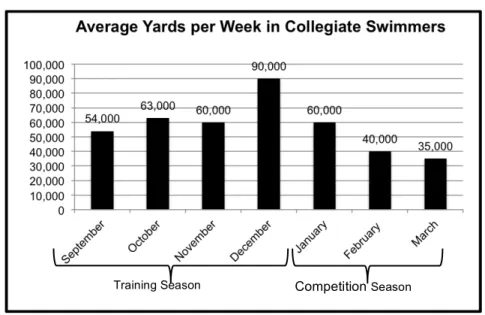
Figure 3: Average Yards Per Week in Collegiate Swimmers
Stroke Biomechanics
Because of the large volume of yardage that is completed during the
endurance/cardiovascular phases of training, up to 80% of all practice time is spent
performing freestyle, regardless of stroke specialty.11 While there are four strokes in the sport of swimming (butterfly, backstroke, breast stroke, and freestyle), freestyle
is performed most often by competitive swimmers during training, so abnormal
mechanics during this stroke would theoretically have the greatest impact on
injury/pain development.8,11 Further, previous research has observed that there is not a correlation between stroke specialty and rate of shoulder pain in collegiate
swimmers.174
The traditional freestyle stroke is broken into 3 distinct phases: hand entry,
pull through, and recovery.7,122 The hand entry phase occurs as the swimmer places his/her in the water to prepare for the major power phase- pull-through. During pull
causes the shoulder to elevate beyond the maximum active angle.122 This forced elevation causes compression in the subacromial space and creates shoulder impingement for approximately 10% of the stroke time.97 The arm should move in a straight back motion pushing against the water to propel the body forward. During the entire pull phase, the elbow should always be kept high, by flexing the arm, slightly abducting and internally rotating the shoulder.122 The high elbow position places the muscles of the shoulder at mechanical advantage, allowing for the maximal force production.175. Although this advantage is helpful in swimmers, it narrows the subacromial space leading to an impinged position throughout the pull phase.122 Following the propulsion phase is the recovery phase, which is the time from hand exit to the reentry of the hand into the water. While the elbow is held high in the air with abduction and external rotation of the shoulder, the arm should be relaxed to allow the musculature recovery time. This phase is the most common phase for impingement to occur, affecting those who complete the recovery phase with a large internal rotation angle the most.97
about 25% of their freestyle stroke time.97 This illustrates that even swimmers employing an unflawed freestyle stroke will experience a moderate amount of shoulder impingement. However, swimming with a freestyle stroke that includes biomechanical errors is thought to increase the time spent in the impingement position and leads to undesirable shoulder problems. Theoretical stroke
biomechanical errors that may be related to shoulder pain have been identified. These errors include improper hand entry angle, hand entry position, pull-through pattern, elbow position during pull-through, elbow position during recovery, body roll angle, and head carrying angle.4,40,51,97,135,178-180 The correct and incorrect
biomechanics, as well as the relationship of the incorrect biomechanics to injury is presented in Table 1.173 A stroke biomechanics assessment is important for all competitive swimmers to help identify contributors to existing and potential pain. While swimming with improper stroke mechanics has been established as a
theoretical risk factor for shoulder pain and injury, a clear correlation between faulty freestyle stroke technique and shoulder pain has yet to be identified through
Table 1: Summary of Stroke Errors Stroke Phase Correct Freestyle Biomechanics Incorrect Freestyle Biomechanics
Relevance of Incorrect Biomechanics to
Shoulder Pain
Hand Entry
Hand enters water forward and lateral to the head, medial to the shoulder.135
Hand enters further away from or crosses the midline of the long axis of the body.4,51,181
Increases impingement to the anterior shoulder.4 Mimics Neer impingement testing position181
Little finger or fingers
first hand entry.4 Thumb first hand entry.4
Stresses the biceps attachment to the anterior labrum.4
Pull-Through
Elbow kept higher than hand and points laterally throughout pull.180
Dropped elbow during pull-through.97
Increases external rotation, placing muscles of propulsion at mechanical disadvantage.40
Swimmer should use a straight back pull-through.180
S-shaped pull through or excessive
horizontal adduction past body midline during pulling.4
Increases time spent in the impingement position.4 Mimics Hawkins Kennedy
impingement testing position of horizontal adduction, flexion, and internal rotation.
Recovery
Elbow kept higher than the wrist throughout the recovery phase4,97
Dropped elbow during recovery phase181
Leads to an improper entry position with the elbow entering the water before the hand. The water will cause an upward force on the dropped humerus, leading to its superior translation and subacromial impingement.181
Body roll of ~45° along the longitudinal axis of the body4,180
Body roll that is greater or less than 45° 4
Excessive roll can lead to crossover entry position, during the pull phase, or during both phases. A lack of roll during recovery can increase mechanical stress on the shoulder and lead to improper hand entry position.4
All Phases
Head in neutral position. Imagine line through center of head and extending through spine.4
Head carriage is in eyes forward position.4
Eyes forward head position increase impingement by impending normal
Equipment Use
During training, hand paddles are often utilized as an adjunct to traditional training, in order to increase propulsive efficiency. Hand paddles are rectangular pieces of plastic that are attached to the hands by rubber tubing and are used to improve the catch of the water and the power of the pull through stroke. While many coaches believe these are beneficial adjuncts to practice, many studies have
identified hand paddle use to be linked to the development of shoulder pain.40,182 Hand paddles that are larger than the size of the hand normally or do not have holes to allow for drainage of water may increase the stress on the shoulder as it places a greater strain on the musculature during the pull through phase. In addition,
kickboards are often used as recovery or to focus on lower extremity power, however, holding the kickboard overhead places the shoulder in an impingement position, and may increase the stress on shoulder musculature. Kickboard usage has also been linked to shoulder pain.182 While some of the evidence on the use of equipment in training is inconclusive, it is important to understand the theoretical risk that exists with the use of training equipment.
Rest and Recovery
muscle functioning following a fatigue protocol, including increased scapular upward rotation and external rotation, as well as clavicular retraction.184 Associated with these changes in scapular kinematics, were decreases in EMG activity in the upper trapezius, serratus anterior, anterior and posterior deltoids, and infraspinatus
following fatigue, with the greatest decreases in the infraspinatus and deltoids.184 With fatigue, there is an alteration in scapular kinematics and muscle activation that may increase the risk of shoulder pain. Swimmers need to be given time to recover, as rest allows muscles to return to a state of readiness after the onset of fatigue by replenishing proper chemical levels for muscle contraction, such as calcium ions and energy stores, and for minor injuries to heal.185 Unlike baseball pitching, there are no participation guidelines or indicators of rest following these extreme loads of training.
On a more global scale, increased training load in males has been shown to results in decreases in total testosterone and free testosterone, as well as increased circulating creatine kinase.186 These hormonal changes were also linked to a
decrease in performance and mood, thus the authors suggested these hormonal alterations as markers that could be used to evaluate for overtraining syndrome. Overtraining syndrome is a neuroendocrine disorder that occurs with high volume training with inadequate periods of recovery that presents with decreases in performance, training quality, training load, fatigue, frequent illnesses, and altered mood.187,188
Summary
hypothesized to be overuse of the shoulder during training, as competitive swimmers train 11,000-15,000 yards per day, 6-7 times per week.8,12,162 Due to these high levels of training, swimmers develop altered physical characteristics that predispose them to “swimmer’s shoulder,” which is the general term for overuse injury in
swimming athletes.6,7 Clinically, athletic trainers see a high percentage of athletes reporting for treatment of shoulder pain during the training season, which is a period at the beginning of the season where swimmers perform large yardage volume and high intensity practices in order to gain strength and power.26 Due to this training load, it is hypothesized that physical characteristics of swimmers change due to participation factors and predispose the athlete to shoulder injury. Research is