Seungjin Lee
A dissertation submitted to the faculty of the University of North Carolina at Chapel Hill in partial fulfillment of the requirements for the degree of Doctor of Philosophy in Psychology.
Chapel Hill 2011
Approved by:
ABSTRACT
SEUNGJIN LEE: Children’s Memories of a Stressful Dental Procedure: Effects of Stress and Individual Differences on Remembering
(Under the direction of Peter A. Ornstein, PhD)
Two studies were carried out to examine linkages between stress and a range of individual difference factors on children’s memory for a potentially stressful event.
For Study 1, 63 children, ranging in age from 4 to 10 years, who had visited a private dental clinic and undergone a minor operative procedure were evaluated. The children’s stress levels during the dental procedures were assessed by the dentist and the researchers. The children’s memory was assessed immediately after the dental procedure. Overall, higher stress levels were associated with lower levels of memory. However, several individual characteristics specific to each child—previous negative dental experiences, advanced parental preparation, and stress coping strategies— were associated with variations in recall performance.
other anxiety variables and children’s delayed recall whereas stress reactivity as measured physiologically had little relation with children’s remembering. As in Study 1, individual difference factors such as previous negative dental experiences, advanced parental preparation, and stress coping strategies were associated with variations in recall performance.
Based on the absence of relation between the biological measures of stress and children’s memory and the presence of considerable variation in individual difference variables on remembering of a stressful event, the relation between stress and children’s memory of a stressful event might be mediated in part by what children do to manage the stress they experience, rather than the level of stress per se.
ACKNOWLEDGEMENTS
Numerous individuals have offered significant guidance and support as I have developed this dissertation. This project was generously supported in part by the F. Stuart Chapin Research Fund of the University of North Carolina at Chapel Hill.
First, I am genuinely and especially indebted to Dr. Peter A. Ornstein, my advisor and committee chairman, for his invaluable support throughout my graduate career at the University of North Carolina. He has been an inspirational mentor on many levels. I have deeply benefited from his scientific proficiency and inspiration. His expertise in and
enthusiasm for the study of developmental psychology research has been incredibly inspiring while his engaging personality set the tone for creating and maintaining a comfortable and meaningful work environment in the laboratory—one that will not easily be matched. It is rare to see such an accomplished academician successfully balance both fundamental and applied fields of research while remaining amiable and humble to students as well as peers. I recognize that I am extremely fortunate to have been able to work with and learn from Dr. Ornstein.
In addition, my special thanks and gratitude also go to Dr. Carol Cheatham for the loan of the BIOPAC equipments during the summer and Dr. Abigail Panter who contributed a great deal to my education in statistical methodology and has always been available for constructive advice. Thanks so much for bringing a warm, genuine, human touch to the Department of Psychology.
I have also been lucky to work with an extremely collegial and helpful group of people. I welcome this opportunity to share my warmest thanks to all of the members of the
children’s memory lab and the former postdoctoral researchers; Drs. Jennifer Coffman, Holger Elischberger, Heather Price, Amy Hedrick, Priscilla San Souci, Jennie Grammer, and Hillary Langley, Allison Mugno, Deborah Zimmerman, Kathryn Howlett, Benjamin
Brumley, Gon Kim for the numerous inspired research discussions that ultimately led me to design my dissertation project and the behavioral data coding. The friendship and sense of camaraderie my colleagues have created in our laboratory have been truly delightful.
I gratefully acknowledge the cooperation of Dr. Yeongmi Ku (the pediatric dentist), the children, parents, and staffs of Maria Junior Dental Clinic, Seoul, South Korea, who
volunteered their time to participate in and contribute to this project. Without their genuine interest and significant participation, this study would not have been possible.
Moreover, looking to South Korea, I am indebted to Dr. Keumjoo Kwak for sparking my interest in the study of memory development and for providing me with my first
opportunities to conduct research in this exciting field. I have learned so much from her, and I greatly value our continuing collaboration.
Much of the credit for this work goes to my parents and my sister, whose love,
we currently live far apart, their support has always provided energy and comfort—especially during the rough patches along the way.
TABLE OF CONTENTS
LIST OF TABLES... xii
LIST OF FIGURES ... xv
ABBREVIATIONS ... xvi
Chapter I. INTRODUCTION... 1
Identification of the Problem ... 1
Significance of Study ... 3
Purpose of the Study ... 5
Research Questions and Hypotheses... 6
Study Aim 1: Age differences on children’s remembering of stressful events .. 7
Study Aim 2: Relation between the level of stress and children’s remembering 8 Study Aim 3: Individual differences in the relation between the level of stress and children’s remembering ... 11
Organization of Study ... 13
II. REVIEW OF LITERATURE ... 14
Theories of Children’s Memories of Stressful Event ... 14
Delayed Interviews and Children’s Memory... 25
Effects of Developmental Level on Children’s Recall ... 28
Effects of Cognitive Abilities. ... 33
Effects of receptive language abilities ... 34
Effects of working memory capacity ... 35
Effects of Social-Emotional Differences... 40
Effects of temperament ... 40
Effects of stress-coping strategies... 44
III. Study 1 METHODS ... 54
Participants ... 54
Target Event and Immediate Interview ... 55
Measurements... 58
Coding ... 67
RESULTS ... 68
Age Differences on Recall... 71
Effects of Stress on Recall... 75
Individual Difference on Recall ... 78
Hierarchical Multiple Regression Findings... 85
DISCUSSION... 91
IV. Study 2 PURPOSE... 95
METHODS ... 97
Participants ... 97
Target Event, Immediate Interview, and Delayed Interview... 98
Coding ... 104
RESULTS ... 109
Age Differences on Recall... 113
Effects of Stress on Recall... 122
Individual Difference on Recall ... 144
Hierarchical Multiple Regression Findings... 153
Exploratory Factor Analysis... 163
V. DISCUSSION... 168
Conclusions ... 168
Study Aim 1: Age differences on children’s remembering of stressful events168 Study Aim 2: Relation between the level of stress and children’s remembering... 171
Study Aim 3: Individual differences in the relation between the level of stress and children’s remembering ... 175
Limitations and Strengths of the Present Study ... 183
Limitations... 183
Strengths. ... 185
Implications for Future Research ... 188
Children’s remembering and effects of stress. ... 188
Legal investigations... 189
Pediatric dentistry. ... 190
APPENDICES... 193
Appendix A. Dentist’s written consent ... 193
Appendix B. Parents’ written consent... 195
Appendix D. Dentist Ratings of Child ... 198
Appendix E. Background Questionnaire... 199
Appendix F. Child Behavioral Questionnaire (Temperament) ... 201
Appendix G. Parent and Child report of Child’s Anxiety and Pain... 205
Appendix H. Behavior Profile Rating Scale ... 206
Appendix I. Memory Assessment ... 207
Appendix J. Stress Coping Strategy Questionnaire ... 215
Appendix K. State-Trait Questionnaire... 216
Appendix L. Working Memory Task... 217
Appendix M. Interviewer Ratings... 218
Appendix N. Language Ability Task ... 221
Appendix O. Examiner’s Checklist ... 222
LIST OF TABLES
Table.. ... Page
3.1 Features that Could or Could Not Occur During the Children’s Dental Treatments... 56
3.2 Study Variables and Instruments Used to Measure Them... 58
3.3 Parties Responsible for Instrument Responses. ... 58
3.4 The Observational Scale of Behavioral Stress Responses... 60
3.5 Criteria for the Frankl Behavior Rating Scale. ... 61
3.6 Criteria for the Children’s Behavior Questionnaire Subscale... 65
3.7 Participants’ Previous Dental Treatment Experiences by Younger/Older Age Groups ... 70
3.8 Children’s Memory Performance by Total and Free Recall... 72
3.9 Descriptive Statistics for Recall Data and Level of Questioning by Younger/Older Age Groups... 72
3.10 Descriptive Statistics for Children’s Errors by Younger/Older Age Groups ... 74
3.11 Means, Ranges, and Standard Deviations for the Predictor Variables used in the Analyses of Anxiety... 75
3.12 Correlations Among Indicators of Anxiety... 76
3.13 Correlations Between Recall Types and Anxiety Variables... 77
3.14 Correlations of Recall Data and Behavioral Responses to Stress with Children’s Dental History and Preparation... 79
3.15 Correlations of Combined Coping Styles and Specific Recall Types ... 81
3.17 Correlations Among Coping Styles and Selected Individual Difference Factors... 83
3.18 Hierarchical Multiple Regressions of the Predictor Variables on Total Recall... 86
3.19 Hierarchical Multiple Regressions of the Predictor Variables on Free Recall. ... 87
3.20 Hierarchical Multiple Regressions of the Predictor Variables on False Alarm... 89
4.1 Instruments Used to Measure Study 2 Variables... 101
4.2 Study 2 Measures and Individuals Who Completed Them ... 101
4.3 Descriptive Statistics for Memory Performance, Interview Type, and Level of Questioning by Younger/Older Age Groups ... 114
4.4 Descriptive Statistics for Children’s Errors by Younger/Older Age Groups ... 116
4.5 Participants’ Previous Dental Treatment Experiences by Younger/Older Age Groups . 119 4.6 Correlations Between Children’s Previous Dental History and Memory Performance . 121 4.7 Means, Ranges, and Standard Deviations for the Anxiety Predictor Variables ... 123
4.8 Means and Standard Deviations of Heart Periods (ms) and Vagal Tones (ln ms2) Per Procedure Interval... 124
4.9 Means and Standard Deviations of Mean Arterial Pressures (mmHg) and Pulse Rates (min) ... 124
4.10 Mean and Standard Deviations for Anxiety Variables by Age Groups... 126
4.11 Anxiety Variables’ Correlations ... 131
4.12 Correlations for Children’s Memory Performance and a Range of Anxiety Variables 136 4.13. Means and Standard Deviations of Behavioral Responses to Stress per Procedure Period ... 139
4.15 Correlation Coefficients for Biological Stress Reactivity and Select Behavioral
Rating Profile Scale Items ... 141
4.16 Correlation Coefficients Among Behavioral Profile Rating Scale Items and Children’s Recall ... 143
4.17 Means and Standard Deviations for Children’s Dental History and Parental Preparation By Age Groups ... 145
4.18 Correlations for Select Anxiety Variables, Previous Negative Dental History, and Parent Preparation... 147
4.19 Correlations Among Variables Indicating Memory Performance, Children’s Dental History, and Parent Preparation ... 147
4.20 Correlations Coefficients for Coping Styles and Individual Differences ... 149
4.21 Correlations Coefficients for Combined Coping Styles and Children’s Memory Performance ... 150
4.22 Correlations Between Children’s Memory Performance, Working Memory Capacity, and Receptive Language Ability... 152
4.23 Hierarchical Multiple Regressions of the Predictor Variables on Total Recall by Interview ... 156
4.24 Hierarchical Multiple Regressions of the Predictor Variables on Free Recall at Both Interviews... 159
4.25 Hierarchical Multiple Regressions of the Predictor Variables for Children’s False Alarm Responses at Both Interview ... 162
4.26 Factor Loading Matrix for the Coping Behaviors... 164
4.27 Factor Loading Matrix for Anxiety Variables ... 165
LIST OF FIGURES
Figure ... Page
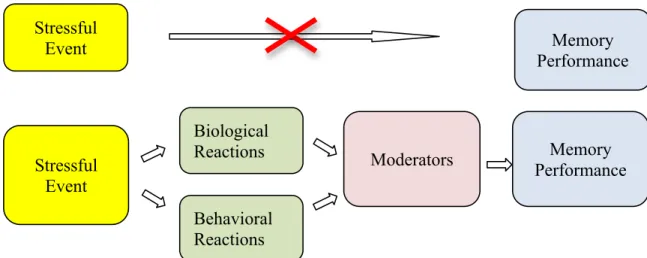
1.1 Schematic representation adapted from Bauer (2009), Effects of individual reactions and moderators on remembering stressful events... 2
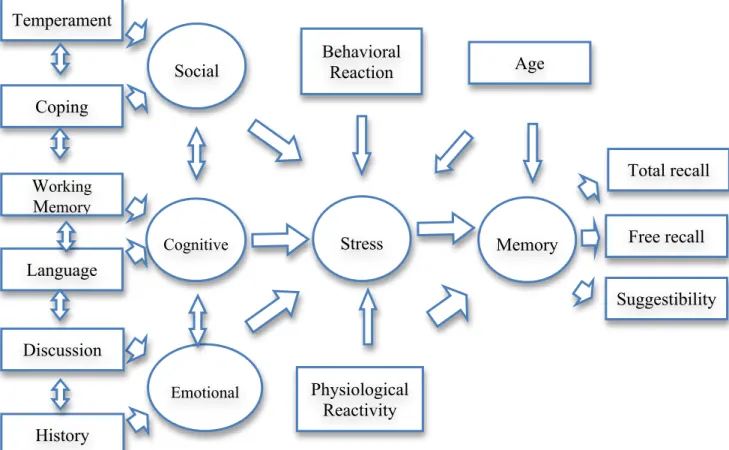
1.2 Proposed conceptual model indicating hypothesized relation between stress and
memory. ... 6
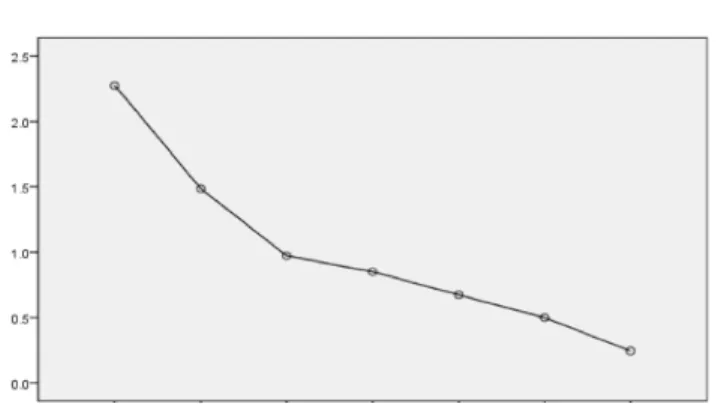
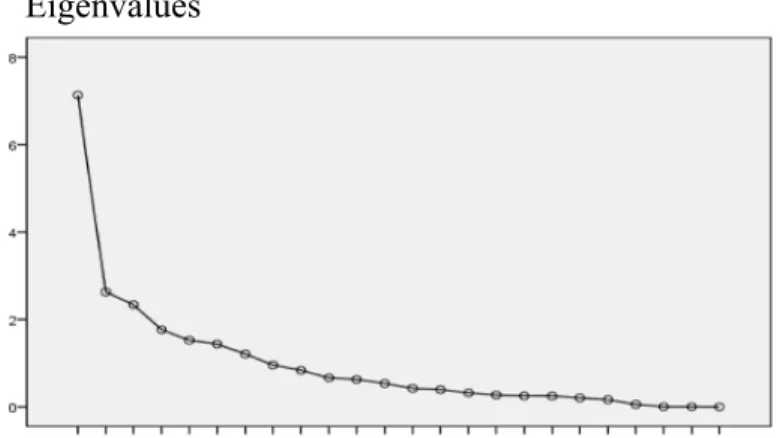
4.2 Scree plot of eigenvalues for the coping strategy variables... 163
ABBREVIATIONS SPSS Statistical Package for the Social Sciences VCUG Voiding cystourethrogram fluouroscopy BPRS Behavior Profile Rating Score
HP Heart period (ΔHP: Changes in HP) VT Vagal tone (ΔVT: Changes in VT) RSA Respiratory Sinus Arrhythmia SBP Systolic Blood Pressure DBP Diastolic Blood Pressure
MAP Mean Arterial Pressure (ΔMAP: Changes in MAP) BP Blood pressure (ΔBP: Changes in BP)
PR Pulse rate (ΔPR: Changes in PR) Frankl Frankl Behavior Rating Scale CBQ Child’s Behavioral Questionnaire
PPVT- III Peabody Picture Vocabulary Test, Third edition
WM Working Memory
STAIC Spielberger State-Trait Anxiety Inventory for Children VAS Visual Analogue Scale
CR Correct Rejection
FA False Alarm
IBI Interbeat interval ECG Electrocardiogram
INTRODUCTION
Identification of the Problem
Children’s memory researchers have long struggled with the question of why children remember some events better than others and certain features of events better than others. One of the major candidate determinants of whether an event will be remembered accurately or with significant errors is the intensity of stress that the child experiences as the event unfolds.
memory for the details of those events. Researchers have used to-be-remembered events that range from mildly arousing laboratory incidents (Quas, Bauer, & Boyce, 2004; Quas, Alkon, Goldstein, & Boyce, 2006) to highly distressing personal experiences (Merritt et al., 1994). To some extent, it is reasonable to assume that observed differences in the effects of stress on memory may be a function of the nature of the event itself. Furthermore, a range of individual characteristics exist that have the potential to moderate the ways in which stressful events are encoded and remembered (see Figure 1.1). It seems quite likely that a multifaceted and dynamic mechanism involving all of those factors contributes to memories of stressful experiences.
Figure 1.1 Schematic representation adapted from Bauer (2009), Effects of individual
reactions and moderators on remembering stressful events.
To unravel such a complex interplay that relies on internal responses to external cues, investigatory efforts should focus on the identification and characterization of potential moderators—that is, individual differences in behavioral and biological stress reactivity, the presence of previous negative experience, the extent of advance parental preparation,
stress-Memory Performance Stressful
Event
Moderators Memory
Performance Biological
Reactions Stressful
Event
coping strategies, temperament, language ability, and working memory capacity—which influence the impact of stress on remembering. To this end, the studies developed for this research were designed to examine and measure these individual difference variables to determine the impact of stress on memory in the context of a naturally occurring stressful experience, namely, a dental operative procedure.
Significance of Study
Children may undergo a variety of stressful experiences as a result of illness or
hospitalization and dental, medical, and surgical procedures. It is also the case, unfortunately, that many children throughout the world are witnesses to social crimes or domestic violence in their homes (Kenning, Merchant, & Tomkins, 1991). Additionally, countless children are victims of physical or sexual maltreatment or both (Volpe, 1996).
In the past two decades, researchers have devoted significant effort to understanding the memory functions involved in children’s processing of stressful events. Studies in this field were expected to yield answers about how stress negatively or positively affects
individual children’s remembering of information gathered under stressful conditions and the reliability of their recall over time. The relation between stress and immediate and long-term recall was also studied in applied areas, with the hope that such knowledge would help tailor treatment regimens for children’s individual differences such as temperament or history with event in clinical contexts and to definitively determine the reliability of a child’s testimony by which guilt or innocence of a defendant may be based in a legal trial.
may have personally experienced or witnessed. There are many recorded cases in which the courts have admitted children’s testimony into evidence (Cunningham & Hurley, 2007). Unfortunately, in events that involve the sexual or physical abuse of a child, the child and alleged perpetrator are often the only witnesses. Thus, it is important to consider how children process and recall memories of stressful events, and to develop concrete strategies to elicit credible and reliable testimony from children at different ages.
Understanding memory for stressful events has additional implications for clinical psychology. Memories of stressful events have been shown influence children’s psychological adjustment and their impact on children’s ability to function in everyday contexts (Howe, Goodman, & Cichetti, 2008).
Ultimately, research on children’s memories of stressful events will contribute to the wider body of information on the reliability of children’s eyewitness testimony and provide insight into what details children recall about stressful events and how stress affects that recall. Thus, the relations between stress at memory encoding and the subsequent
Purpose of the Study
Scientific memory research has focused considerable attention on determining the exact nature of the relation between children’s behavioral and biological reactions to stressful events and the accuracy of their subsequent memory of those events. Despite extensive research efforts thus far, much remains to be learned, especially because each new research finding has supported the notion that children’s reactions to potential stress-provoking events are affected by a variety of individual difference variables (e.g., Burgwyn-Bailes, Baker-Ward, Gordon, & Ornstein, 2001; Peterson & Bell, 1996).
The principal goals of the current study were to explore the impact of stress on memory by using a naturally occurring stressful event, an operative dental procedure, as a model situation and taking into consideration the ways in which individual characteristics may moderate that impact. Study 1, in particular, was designed to focus on children’s behavioral responses to a stressful event and to examine the impact of several social-emotional,
individual difference factors on remembering: children’s temperament, stress-coping
strategies, personal dental histories, and parental preparation of the children for the event. To expand on the findings from Study 1, Study 2 was designed to investigate children’s
Research Questions and Hypotheses
The principal objective of this study was to test a conceptual model for predicting children’s memory for a stressful event. This model (see Figure 1.2) was established based on several targeted hypotheses.
Figure 1.2 Proposed conceptual model indicating hypothesized relation between stress and
memory.
First, I hypothesized that children’s age would be associated with their overall recall of a stressful event and that their memory would be decreased at delayed assessment periods, whereas errors on suggestible questions would decrease with age and increase over the delay.
Temperament
Coping
Social
Working Memory
Language
Cognitive
History
Emotional
Stress Memory
Total recall
Free recall
Suggestibility Age
Physiological Reactivity Behavioral
Reaction
Second, higher stress levels would be associated with poorer memory performance and more errors when responding to suggestible questions. Additionally, children who experienced a relatively higher level of stress – as assessed behaviorally and biologically during the event – would be expected to exhibit greater memory decreases than children who experienced lower levels of stress. Third, individual differences among children in terms of a range of factors (e.g., temperament, presence of previous negative experiences, extent of parents’ preparation of the child for the event, language ability, working memory capacity, and stress-coping strategies) would be predictive of their memory performance and would impact the relation between stress and memory of the dental procedure under consideration.
The specific research questions and hypotheses follow.
Study Aim 1: Age differences on children’s remembering of stressful events.
In general, and consistent with prior reports, older children are more knowledgeable than younger children about what is important to recount, are better able to search memory, can use strategies to help remember information, and are more detailed in their narrations about past events (Bjorklund & Douglas, 1997; Fivush & Hamond, 1990; Ornstein & Haden, 2002), all of which enhance their memory for a range of events. Thus, older children were expected to show superior total recall and provide more information than younger children in response to general probes. For questions suggesting features that did not occur during the event (i.e., absent features), older children would accurately reject them more than younger children, who would provide a blanket “yes” response to the questions more often.
increasing age, children tend to report less pain in response to dental procedures (Jay, Ozolins, Elliot, & Caldwell, 1983), exhibit lower levels of suggestibility (Ceci & Bruck, 1993), report less anxiety (Katz, Kellerman, & Siegel, 1980), have superior receptive language ability (Burgwyn-Bailes et al., 2001), and have increased working memory capacity (Case, 1995). Of particular interest in the current study was also whether, independent of children’s ages, the various individual difference factors examined would be related to memory accuracy and suggestibility.
Overall, children’s memory was expected to decrease after a week’s delay, although it is relatively short duration of the delay. Children were expected to respond “I don’t know” more often during the delayed interview, which took place a week after the event. As such, they were expected to lose vivid recollections of specific features of the event.
Study Aim 2: Relation between the level of stress and children’s remembering.
reflect anxiety and/or pain in children. However, the number of participants was relatively small (N = 24), and the age range was restricted (3- to 7-year-olds), and thus without further study, the conclusions must be viewed as tentative.
The current study was designed to examine the effects of the level of stress measured by a range of anxiety indices on children’s memory of a potentially traumatic, personally experienced event. Given that a visit to the dentist is an authentic, naturally stressful experience due to its ability to evoke anxiety and fear, stress was expected to be negatively associated with children’s memory performance. In other words, children who were
biologically and behaviorally more stressed during the dental procedure were expected to exhibit poorer memory of the event. We presumed that stress would cause a narrowing of attention at encoding and consequently lead to lower level of memory. Moreover, specifically in terms of vagal tone reactivity, consistent with the results of Quas et al. (2006),
parasympathetic withdrawal may be indicative of general inhibition tendencies or shyness more generally and hence an overall reduced willingness on the part of children to engage in the session, complete the tasks, and/or answer interview questions. This inhibition certainly could lead to lower performance overall on the memory test. In addition, both children’s behavioral and physiological responses to stress were expected to decrease with age. The older children would have a better ability to regulate their stress level behaviorally and physiologically and to adapt positive coping strategies to help facilitate stress level reduction.
associations emerging in older age groups but not others (Vandermaas, Hess, & Baker-Ward, 1993). For instance, younger children would lack the ability to engage in sophisticated coping strategies without assistance from someone else. For them, arousal would constitute a normal developmental reaction to even mildly stressful experiences. However, older children would increasingly engage in primary coping strategies to reduce their arousal (Fields & Prinz, 1997). Accordingly, among older children, pronounced stress responses would be indicative of problematic coping (e.g., the use of avoidance-based strategies) or poor emotion regulation capabilities, both of which have implications for their abilities to attend to and remember stressful information.
Study Aim 3: Individual differences in the relation between the levels of stress and children’s remembering.
Various individual difference factors were predicted to affect children’s memories of the stressful event. First, considering social-emotional individual differences, children’s stress-coping strategies were expected to impact their encoding of information. For instance, children who used a more approach-oriented coping style (e.g., mood elevation, social support, and information seeking), as assessed by the child’s self-reports, would likely experience lower levels of stress during the dental procedure, compared to children who used more avoidance-based coping styles (e.g., activated escape, avoidant actions, resignation, emotional expression; Compas, Campbell, Robinson, & Rodriguez, 2009). It is possible that the approach-oriented coping style might lead children to become more aware of their surroundings and, therefore, elicit a superior memory of what happened.
Children’s temperament was considered another predictor of children’s remembering. Children who have an easy temperament (defined in terms of a combination of regularity, positive approach responses to new stimuli, quick adaptability to change, mildly or
moderately intense mood that is preponderantly positive; see, e.g., Chess & Thomas, 1991) would accept a stressful event more easily, which would lead them to more approach-oriented coping styles, thereby enabling them to obtain more information during the event, which ultimately would facilitate accurate remembering (Fivush & Sales, 2006).
language ability were expected to exhibit better memory during both the immediate and delayed interviews (Diamond, Prevor, Challender, & Druin, 1997; McGuigan & Salmon, 2004). More interestingly, a greater WM capacity might facilitate effective approach-based coping styles so that children would actively minimize the level of stress experienced during the dental procedure, thereby enhancing their memory of the event.
Finally, the presence of children’s previous negative dental experiences and the extent of the parents’ advance preparation of the children for the event under investigation may affect children’s remembering. For example, children who had experienced previous unpleasant dental experiences would be more likely to exhibit inferior memory as they may have expected more pain or distress from subsequent procedures, leading to increased stress during the event itself. In addition, children who engaged in more discussions or
conversations with their parents in advance of the event may have been less stressed during the dental procedure, which could then contribute to enhanced memory.
Organization of Study
REVIEW OF LITERATURE
Theories on Children’s Memories of Stressful Events
Defining and Assessing Stressful Events
Definitions of stress. It is important to note that the terminology used in this field is not standardized as yet. For example, the term negative emotion is used in the literature as a general descriptor of various experiences involving stress, anxiety, and fear. Thus, in the current study, the term stress was used to indicate negative-emotion-arousing events.
The relation between stress and memory in children is controversial, with findings differing significantly across studies. The meta-analytic review referenced above indicated that such discrepant results might be related to the nature of the stressful events examined by each group of researchers. In their 2004 review, Deffenbacher et al. distinguished between events that were expected to elicit an arousal mode of attention control (i.e., an orienting response or high level of focused attention) from those that were associated with an
activation mode of attention control (i.e., a defensive response, such as the biological
response; thus, the related findings of stress on memory are not directly comparable. For example, a low-stress study in which children were exposed to an unexpected fire alarm was found that elevated blood pressure and pulse rates were associated with the event, but none of the children cried or showed hysterical distress (Peters, 1997) and children’s absolute levels of “distress” were minimal (Quas et al., 2004, 2006). In contrast, in a retrospective series of stress studies on children who suffered an unexpected and very painful injury, the high-stress event was invariably associated with sudden outbursts, and the children were typically described by their parents as having been “extremely upset or hysterical” (Peterson, 1999; Peterson & Whalen, 2001).
Based on their idea that high- and low-stress events have distinctly different effects on children, Deffenbacher et al. (2004) was proposed a theoretical model of how stress can affect children’s or adults’ memory. They suggested that as stress increases, memories of the details that participants focus on are stored so as to be readily recalled. However, excessively high stress levels lead to a sharp drop in memory performance as the mind seeks to relieve itself of negative emotion. However, as pointed out by the authors, in comparison with the robust literature on the relation between stress and memory in adults, much less is known about children. Surprisingly, in the few reviewed studies on children, there was no relation between stress and memory, for either recall accuracy or face identification. This underscores the need for more research.
Naturally stressful events. Children’s recall of stressful events has been
children have repeatedly demonstrated extensive memories of the events. If memory of stressful events is qualitatively different from memory of neutral experiences for children (Christianson, 1992; Yuille & Tollestrup, 1992), findings from studies involving distinct or salient (i.e., those that are unique and stand out from one’s general experience and
knowledge) events are unlikely to be generalizable. On the other hand, if the differences are quantitative or nonexistent, the overall body of results may be considered as a whole to gain insights into children’s memory of stressful events. Many scholars have called for the further scientific investigation of this important question (Pezdek & Taylor, 2002).
Initially, insights into stress’s impact on children’s memory were gained through investigations of children’s remembering of medical experiences. Clinical and medical situations were recognized as naturally occurring, and even beneficial, events that share many elements consistent with forensic allegations of abuse (e.g., personal touch, feelings of betrayal, physical discomfort). Therefore, routine physical examinations (Baker-Ward, Gordon, Ornstein, Larus, & Clubb, 1993), inoculations (Goodman, Hirshman, Hepps, & Rudy, 1991), visits to the emergency room (Peterson & Bell, 1996), visits to the dentist (Vandermass et al., 1993), and experiences with invasive, painful, and frightening medical procedures (Merritt et al., 1994; Chen, Zeltzer, Craske, & Katz, 2000) have been employed to study children’s recall of stressful events.
enhances its strength in memory, but when it diminishes with time, the ability to accurately recall specific details of the event does also.
Merritt et al. (1994) also studied 3- to 7-year-olds’ memories to determine their ability to recall features of a painful, invasive medical procedure, the VCUG, which involves genital touch. The authors discovered that children’s recall of this highly stressful event was quite impressive, especially considering that the children had little, if any, prior knowledge about what the procedure would involve. They also found that children’s overt distress behaviors during the VCUG were negatively related to the total amount of information recalled 6 weeks after the procedure took place. Another study of children’s memories of a VCUG, however, did not find similar associations. Quas et al. (1999) observed both positive and negative associations with children’s evident distress at different times during the procedure and their later memory.
Children’s memories of dental visits, including both cleaning and operative visits, were studied by Vandermaas et al. (1993) who observed that older children had generally better memory of the visits. Regardless of whether the visit involved only a teeth cleaning or a full operative procedure, the older children gave more accurate information during free recall inquiries (responses to very general probing questions) and to specific questioning. The study was also found interesting effects of anxiety on memory, as evidenced by measures of a behavior profile rating scale on memory. Higher anxiety in older children appeared to have a negative impact on recall; in younger children, it yielded higher recall scores, indicating that the relation between stress and memory may be age dependent.
correlated with memory; in general, their findings indicated an obvious detrimental effect of stress on recall memory.
The findings remain mixed as to whether stress helps or hurts children’s memory when employing these natural paradigms as to-be-remembered stressful events in research. The distinct methodological differences across studies may be responsible for the
inconsistent findings gathered to date. The two main differences are the type of to-be-remembered event under investigation and the manner in which stress was assessed.
The events under study have varied considerably across studies, leading to unavoidable differences in a range of factors that may influence children’s subsequent memory. For instance, to-be-remembered events have varied in levels of inherently associated complexity, duration, and controllability, and in the amount of stress that they elicit. Some studies examined children’s memory of naturally occurring, highly distressing experiences to which the children were exposed independent of the research (e.g., injuries, medical procedures; Goodman et al., 1997; Merritt et al., 1994; Peterson, 1996). Although investigating children’s memory for such events has provided unique insights into how high levels of stress are related to memory, it is difficult to generalize their findings across studies because the events vary. Another important variable has been the time frame associated with the stress duration (e.g., an inoculation versus an entire dental check-up). Finally, the events had variable stressors (e.g., parent’s or doctor’s behavior) that are difficult to control and can affect children’s reactions and memory (e.g., Edelstein, Alexander, Shaver, Schaaf, Quas, & Goodman, 2004).
Lench, 2007). The overall paradigm was often based upon studies of adults’ memory of emotional event, in which memory was tested for emotionally evocative pictures or videos to which adults were previously exposed (Canli, Zhao, Brewer, Gabrieli, & Cahill, 2000; Kern, Libkuman, Otani, & Holmes, 2005). The experimental control available in laboratory events is a clear, evident advantage over naturally occurring stressors, although the level of stress induced in laboratory studies is typically much lower than in real world situations. In fact, it is unproven whether laboratory-based, to-be-remembered events can reliably induce
consistent stress responses in children, and studies have been carried out with this noted as a presumption, and potential weakness, of the study. Thus, to achieve meaningful and accurate insights into the relations between stress and memory in children, both types of research paradigms must be integrated; the to-be-remembered events under investigation must be salient, personally significant, and reliably induce arousal in children, yet occur under controlled conditions so that clear inferences about the effects of stress on memory can be drawn.
Challenges in assessing stress levels. Researchers have relied on a variety of methods to assess children’s stress levels during a to-be-remembered event. The most common approach has been indirect and relied on subjective ratings assigned by an observer of the child or a parent. For instance, in investigations of children’s reactions to and memory for medical procedures, research assistants or medical staff rated children’s distress during the events (e.g., Goodman, Quas, Batterman-Faunce, Riddlesberger, & Kuhn, 1997). In other investigations, parents were asked to retrospectively report how distressed their child
behavior. Moreover, parents’ responses to the stressor may influence their perception of the child’s stress reaction.
To gain more direct insight into children’s distress, some researchers asked children to self-rate their emotional reactions to particular events (Chen et al, 2000; Vandermaas et al., 1993; Merritt et al, 1994). However, children’s responses may be limited in the extent to which they reflect their true experiences and may be impacted by the willingness of a child to report his or her true feelings regarding the event. Children, especially those who are young, may also not fully understand the questions posed to them by the researchers. Chen and colleagues (2000) reported having to exclude 15 of 55 children (4 to 7 years old) from a study of children’s memory of LPs because the children did not appear to understand the self-report distress questions. Thus, even self-reporting measures have limitations.
distress during a particular event, and even more difficult to interpret the meaning of differences in the associations between stress and memory.
Measuring stress through physiology. To overcome the measurement challenges discussed, a small but growing body of research has included assessments of children’s physiological responses in their investigations. Arguably, young children cannot volitionally control their physiological arousal to the same extent that they might control overt expression or self-report of emotion. There are several theoretically important reasons why physiological stress responses may have unique effects on children’s memory. And, with some naturally occurring stressors and with laboratory-induced mild stressors, it has been possible to obtain comprehensive data concerning children’s physiological stress responses as an event is unfolding. Thus, studies that incorporate physiological measures of stress have the potential to provide new insights into how children remember stressful events, which is not possible when only observers’ or children’s reports are considered.
Background of physiological stress responses. When studying physiological
stress responses as potential predictors of children’s memory, it is important to distinguish between the sympathetic and parasympathetic branches of the autonomic nervous system, both of which are activated to various degrees in response to and following exposure to stress, threat, or challenge. Sympathetic activation is most commonly associated with the fight-or-flight response that results when a person is faced with a stressor external to the self (Cannon, 1914). During sympathetic arousal, pupils dilate, heart rate and blood flow to muscles
response). Theoretically, attention should be focused on information related to the stressor so that the situation can be evaluated and an action can be taken (Christianson, 1992).
Accordingly, sympathetic arousal during a to-be-remembered event should facilitate
encoding and later memory of the event, at least for event information directly related to the stress’s cause.
The parasympathetic system regulates internal and external demands on the body by either increasing parasympathetic activation, often called parasympathetic tone, or decreasing parasympathetic activation, often called parasympathetic withdrawal (e.g., Berntson,
Cacioppo, & Quigley, 1991; Porges, 1995; Salomon, Matthews, & Allen, 2000). When no external demands (i.e., stressors) are present, activation of the parasympathetic system helps promote growth in the body by maintaining a steady and decelerated heart rate. When an external demand presents itself, the parasympathetic system retains some internal regulation processes but also withdraws its regulatory influence on the cardiac cycle, increasing
vigilance and arousal and allowing the individual to respond to demanding tasks (Calkins & Dedmon, 2000). Several studies indicate that parasympathetic withdrawal compared to baseline is associated with increased vigilance during sustained attention tasks (Porges, 1992; Ruff & Rothbart, 1996; Porges, Doussard-Roosevelt, Portales, & Suess, 1994; Weber, Van der Molen, & Molenaar, 1994). Insofar as sustained attention tasks are similar to stressful events, parasympathetic withdrawal may enhance memory because of this positive association.
Specifically, children who exhibited consistently high levels of parasympathetic withdrawal in laboratory contexts were at increased risk for internalizing behavioral problems and for extreme social and behavioral inhibition (Boyce, Quas, Alkon, Smider, Essex, & Kupfer, 2001; Reznick, Kagan, Snidman, Gersten, Baak, & Rodenberg, 1986). Thus, parasympathetic withdrawal might lead to reduced attention to stressful environmental stimuli as a means of emotional self-regulation, but this reduced attention would also result subsequently in poor memory.
Despite the reasons to expect that the activation of the sympathetic system and withdrawal of the parasympathetic system have different implications for memory, few studies have systematically examined these possibilities in children (Quas et al., 2006). Several studies have, however, examined relations between children’s physiological arousal and memory.
Physiological arousal and children’s memory. Peters (1991) investigated
children’s memory of events that took place when either a fire alarm or a radio sounded. Children in the fire-alarm, or stressed, group had significantly higher pulse rates than children in the radio, or nonstressed, group and later provided fewer correct and more
high heart rates during a series of laboratory tasks reported the least amount of information about the alarm. Quas et al. (2004) found that children with greater cortisol reactivity during a series of laboratory tasks reported the least amount of information about the alarm.
Particularly, autonomic biological reactivity was associated with increased accuracy among children questioned in a supportive manner but decreased accuracy among children
questioned in a nonsupportive manner. Quas et al. (2006) found an interaction between age and level of parasympathetic withdrawal on children’s memory: older children with
consistently high levels of parasympathetic withdrawal during a set of laboratory tasks displayed poorer memory than those with lower levels of parasympathetic withdrawal, but among younger children, parasympathetic withdrawal was unrelated to memory.
Other factors affecting stress and children’s recall. Despite these studies suggesting some associations between physiological arousal and memory, numerous
questions remain as to what other individual characteristics of children such as temperament, quality of previous experience, parent’s preparation, intelligence, and verbal ability have an effect on memory and how they may differentially influence children’s behavioral and/or physiological coping reactions. These factors have implications both for what children perceive as distressing and how children subsequently respond to distressing situations.
The findings in the literature on how stress impacts children’s ability to remember are largely inconsistent. Thus, researchers should consider identifying sources of individual characteristics that have the potential to moderate the ways in which stressful events are encoded and remembered, rather than solely attempting to discover linear associations between stress at encoding and memory. Such an approach is expected to provide
imperative to investigate the specific physiological and behavioral systems driving children’s responses to stressful events when attempting to understand the role that stress plays in their event memory.
Delayed Interviews and Children’s Memory
Understanding the impact of delay between a child’s stressful experience and an interview about the event is important for the psychological field and the judicial system. Delays in the literature have varied from 1 week (Poole & White, 1993), 6 months (Steward & Steward, 1996), to 1 year (Goodman et al., 1994). In legal settings, research into what type of information children retain after a delay can help define children’s abilities to provide accurate testimony (Ornstein et al., 2006). The existing research indicates that age significantly affects rates of forgetting (Brainerd, Kingma, & Howe, 1985), with older children exhibiting less forgetting (e.g., Baker-Ward et al., 1993). Furthermore, more distinctive events are retained in children’s memory for longer periods (Howe, 2000).
specific questions are consistent with the meaning of the gist retrieved, children may
erroneously conclude that the event in question actually occurred. “Did the dentist use a tooth pillow to keep your mouth open during your dental treatment?” may be consistent with the general gist memory that the dentist used something to keep the mouth open during the procedure, leading the children to agree, though the dentist did not use this particular device.
Delayed recall in naturally stressful environments. Findings have been mixed regarding the effect of delay on recall for medical procedures. For example, reports for medical procedures or visits have been found to be quite accurate a year after the event, at least in remembering the gist of the experience (Goodman et al., 1997; Howe, Courage, & Peterson, 1995). The accuracy of 3- to 7-year-olds’ memories was impressive when they were questioned about a VCUG (Merritt et al., 1994), as they correctly identified 83% of the event features after 6 weeks and falsely acknowledged only 7% of the nonexperienced events. Moreover, accuracy rates remained stable over the 6-week period, suggesting that the event’s distinctiveness may have had a facilitative impact on memory.
accurately they recalled the body touch, but only at the 6-month follow-up. These findings suggested that, after a 6-month delay, children’s memories of being touched by medical personnel decreased significantly, although children who experienced higher levels of pain were more likely to recall body touch more accurately and completely.
Other studies have demonstrated similar problems in delayed recall when children were interviewed regarding stressful medical events. Goodman et al. (1991) reinterviewed 3- to 7-year-old children 1 year after they received an inoculation at a health clinic. In that study, the accuracy of children’s free recall appeared to have declined over the year while the
amount of inaccurate information remained stable. Again, children were especially inaccurate when responding to specific questions.
Repeated medical events appear to influence children’s recollections of the events. Several researchers have determined that, when children experience subsequent medical procedures, a reconstructive memory or blending of memories from the original event can result (Hudson, 1990; Howe et al., 1995; Ornstein, Baker-Ward, Gordon, & Merritt, 1997). Although such blending is not believed to inhibit children’s recall of the original experience, an interviewer unaware of the original experience would not be able to disentangle the blended report to obtain an accurate picture of the target event—an issue of significant concern in courtrooms today (Howe, 2000).
accuracy and suggestibility for stressful events, the effect of delay on their recall should be considered.
Effects of Developmental Level on Children’s Recall
The stage of children’s development has a broad influence on and is central to understanding how children remember stressful events. With age, children’s expressions of distress may change, as may their strategies to cope with stressors. Thus, the magnitude and duration of their stress responses and their ability to provide coherent and detailed narratives expand substantially. Each of these cognitive and behavioral advances has implications for how children remember and recount prior stressful experiences. As such, it is not possible to interpret children’s stress responses, memory performance, or the links between them without taking into account developmental considerations.
Effects of age on coping strategies. Older children rely on effective and adaptive coping strategies such as information seeking or mood elevation to help regulate their
emotional responses to potential stressors (Compas & Boyer, 2001; Compas et al., 2001), and they rely less on reactions to others around them. It has been sufficiently established that the ability to cope effectively with stress continues to develop throughout adolescence and early adulthood (Compas, Malcarne, & Fondacaro, 1988). As children age, they use a greater range of coping strategies (e.g., resignation, distraction, cognitive restructuring, withdrawal,
on cognitive strategies, especially in controllable situations, than do younger children (Brown, Kane, & Echols, 1986).
Age differences in how children cope with such challenges may affect the intensity of children’s stress responses and the amount of time required to recover following these
responses. Furthermore, when younger and older children are comparably distressed, given the older children’s greater range of coping capabilities, they tend to remember different features of an event than their younger counterparts. Older children may focus on the consequences of an event in an effort to find meaning in the event or to identify potential topics of positive self-talk about the event. In contrast, younger children may focus on the location and availability of a caregiver to assist in coping (Wallin, Quas, & Yim, 2009). Such age-related differences in the focus of attention would be expected to affect details
considered central to the memory-forming event and possibly the subsequent memory itself (Quas, Hong, Alkon, & Boyce, 2000). Finally, given young children’s limited repertoire of coping strategies and cognitive resources (Case, 1991), they may need to direct their efforts toward self-regulation, resulting in fewer resources available to attend to the ongoing stressful event.
The age-associated effect on physiological stress. Children’s physiological stress responses also undergo developmental change. Younger children’s general predisposition to respond physiologically to stress (e.g., via parasympathetic withdrawal) may not be stable. Hence, their responses may not be consistently predictive of behavior and emotion regulation until the mid- to late-preschool years (Porges, Doussard-Roosevelt, Portales, & Suess, 1994). This theory is consistent with the observations that the same events do not necessarily trigger similar physiological reactions across age groups. With young children, in particular,
Alkon et al. (2003) examined age-related changes in 3- to 8-year-olds’ parasympathetic responses during a baseline activity and in response to a series of laboratory-controlled challenges (see also Boyce et al., 2001). With age, children exhibited greater overall
parasympathetic tone and lower overall sympathetic withdrawal, across both the baseline and experimental tasks.
A few studies have directly examined whether age interacts with children’s physiological stress responses to affect their memory. Bugental and colleagues (1992) monitored 5- to 10-year-olds’ heart rate during a period in which the children observed a video of a child visiting a doctor. The children in the youngest group (5- and 6-year-olds) had increased heart rates when the child in the video displayed visually negative responses but the older children didn’t. Interestingly, the increased heart rate in this group was associated with increased memory errors. In the study by Quas et al. (2006), 4- to 8-year-olds’ memory for a fire-alarm incident was evaluated shortly after it occurred. Parasympathetic withdrawal during the laboratory challenges and experienced a fire-alarm predicted poorer memory for the alarm incident among older children but not among younger children. Given the different events (witnessed video versus personal experience) and age ranges (5- to 10-year-olds versus 4- to 8-year olds) across the two studies, it is not possible to determine why such discordant results were obtained. However, the findings of both studies implicated the potential importance of developmental changes in initial responses, coping, and recovery in investigations of the relations between physiological arousal and memory in childhood.
memory but not on that of younger children. However, Baker-Ward, Ornstein, Quinonez, Milano, Langley, Lee, and Morris (2009) did not find that age interacted with children’s behavioral stress responses to influence memory performance. However, the number of participants was relatively small (N = 28), and the age range was relatively wide (4- to 12-year-olds), and thus without further study, the conclusions must be viewed as tentative. Given that the results are inconsistent in regards to the impact of behavioral responses on children’s memory, the relations between behavioral stress responses and memory in childhood needs to be carefully studied with taking into consideration of developmental changes in initial responses, coping, recovery, and memory of a stressful event.
Collectively, this body of research suggests that the effects of arousal on memory may vary with age because of age-related changes in the use and effectiveness of coping strategies, the magnitude or duration of children’s physiological stress response, or children’s behavioral responses. Overall, relations between children’s individual differences in factors such as coping strategies, physiological and behavioral stress responses, and memory are not static across development. It is imperative, in future studies, that children across a wide age range be included to determine to the extents to which developmental stage effects
differently on children’s physiological/behavioral stress responses, memory performance, or the links between them.
Individual Differences on Children’s Memory of Stressful Events
Some researchers contended that age differences alone are unlikely to be completely responsible for the variability of such a complex process as memory, nor can they explain the variability observed in similarly aged children’s recall of alike events (Goodman, Quas, Batterman-Faunce, Riddlesberger, & Kuhn, 1997; Quas, Qin, Schaaf, & Goodman, 1997).
Individual difference variables among children’s memories have been categorized generally as (a) demographic factors, such as socioeconomic status (McFarlane, Powell, & Dudgeon, 2002) or gender (Danielsdottir, Sigurgeirsdottir, Einarsdottir, & Haraldsson, 1993); (b) social-emotional factors, such as social engagement (Roebers & Schneider, 2001), self-concept and self-efficacy (Chae & Ceci, 2005), stress arousal (Eisen, Goodman, Qin, & Davis, 2002), parent–child communication pattern (Goodman et al. 1994,1997), parenting style (Crossman, 2001), child temperament (Burgwyn-Bailes et al. 2001), and the overall mental health of the child and the parents (Clarke-Stewart, Malloy, & Allhusen, 2004); and (c) cognitive factors, such as intelligence (Henry & Gudjonsson, 2003, 2004), language (Clarke-Stewart et al., 2004), theory of mind (Welch-Ross, 1999; Templeton &Wilcox, 2000), executive functioning (Roberts & Powell, 2005), creativity (Brown, 1999) and
source-monitoring ability (Ackil & Zaragoza, 1995; Poole & Lindsay, 1995). These variables could explain why children, even those in the same age group, have performed so differently when remembering certain events. Moreover, a detailed understanding of such variables could benefit efforts to identify children who are particularly susceptible to providing erroneous reports following misleading suggestions. Such pursuits may help identify children for whom special interviewing precautions should be taken to maximize accurate testimony in a legal setting.
children’s memory and suggestibility, the precise individual difference factors that moderate the ways in which children’s memory of stressful events is formed remain unknown.
However, a number of individual characteristics have been identified as potentially important sources of variability in children’s recollections of stressful events.
Effects of Cognitive Abilities. In the past, measurements of cognitive ability—be they general intelligence, working memory capacity, or developmental levels—have been included as central components in children’s memory evaluations (Baddeley & Hitch 1974; Baddeley, 2003). Although researchers have since broadened their scope to incorporate a more integrated model of emotional memory (Imhoff & Baker-Ward, 1999; Peterson & Warren, 2009), individual differences in cognitive ability remain, undoubtedly, important. Cognitive measures related to memory include executive functions that are integral to general memory such as working memory and inhibitory skills that rely heavily on the frontal lobe (Diamond, Prevor, Challender, & Druin, 1997). For instance, Schaaf, Alexander, and Goodman (2008) found that children’s inhibitory control explained their memory inaccuracies for emotional experiences, as determined in conjunction with other
According to a review by Reyna et al. (2002), previous studies have found that children who have an inferior understanding of dual representations (Welch-Ross, Diecidue, & Miller, 1997) and poorer source-monitoring skills (Schacht & Marche, 2001) exhibit higher levels of suggestibility. As such, cognitive measures seem to be certainly related to memory performance. Among various cognitive individual differences, receptive language ability, working memory capacity, and the quality of previous experience indicators were reviewed in detail as following.
Effects of receptive language abilities. Language competence has been proposed
as one of the predictors of a child’s capacity to recall events. This hypothesis was based on the fact that language skills are important for the verbal encoding of event details, which in turn may support memory extent and recall. Indeed, higher verbal skill levels have been associated with enhanced levels of children’s recall, in particular for the details of nonstressful events (Boland et al., 2003; Simock & Hayne, 2002). Likewise, a study by Burgwyn-Bailes et al. (2001) that assessed 3- to 7-year-olds’ recall of details surrounding facial surgery to correct lacerations found that children’s receptive vocabulary (as measured by the Peabody Picture Vocabulary Test [PPVT]) was sufficiently predictive of younger children’s recall; the relation was not observed in older children. Peterson and Warren (2009) extended this PPVT-based study to investigate the variation in language competence in a cohort of 95 children between the ages of 2 and 6 who experienced hospital treatment of an injury. This larger group study was found, however, no relations between receptive language skills and the accuracy or information content of the children’s recount of the injury event or subsequent hospital treatment.
independently predictive of 5-year-old children’s susceptibility to suggestion, as determined by a 9-month recall study of a nonstressful event. Similar investigations by Roebers and Schneider (2005) concluded that 4-year-olds with relatively high language skills were more vulnerable to misleading information than their lower skilled peers, possibly because the advanced children were better able to recall the misleading information as a result of their enhanced verbal encoding abilities. Moreover, by using an interview protocol with simpler syntax and other developmentally appropriate linguistic features, Imhoff and Baker-Ward (1999) elicited increased recall and reduced suggestibility among preschoolers, highlighting the importance of proper investigative approaches when working with young children.
McGuigan and Salmon (2004) observed with 3-year-old significant positive
correlations between both expressive and receptive language and total recall of a staged event. Among 5-year-olds, though, the relation held only for expressive language. Similarly,
Burgwyn-Bailes et al. (2001) demonstrated that increases in receptive language skills were correlated with concomitant increases in recall of the younger children only. These collective findings suggest that language is not an effective predictor of recall ability in older children.
While a positive association between language skills of younger children and recall appears to exist, our understanding of the contribution of this variable to memory in children is far from complete. More studies are required to explore thoroughly age-related differences in the association between language ability and children’s memory performance regarding stressful experiences.
Effects of working memory capacity. Working memory can refer to biological
humans, WM facilitates the momentary maintenance and manipulability of task-relevant information and manifests as reasoning, learning, and comprehension.
Strong correlations have been found between WM capacity and the misinformation effect. Jaschinski and Wentura (2002) evaluated individuals with large WM capacity and found they were less prone to integrate misleading, postevent information into their memory. Various explanations exist as to why WM capacity can, in part, be associated with recall accuracy, especially in children.
Developmental patterns in WM and suggestibility appear to be inversely related. One of the most consistent findings in suggestibility research is that susceptibility to suggestive influence decreases with age. In particular, preschool children have been shown to be more suggestible than their older counterparts (Ceci & Bruck, 1993), and WM capability has been shown to increase with age (Case, 1995). The developmental patterns of WM and
suggestibility indicate that an increase in WM capacity likely produces decreased suggestibility.
The developmental pattern of WM has been found to be highly related to information processing speed (Case, Kurland, & Goldberg, 1982). This speed of processing is believed by some, at least partially, to account for WM development with age (Hitch & Towse, 1995). The relation between the WM and the ability to process information quickly may stem from suggestibility. Case (1985) purported that any functional increases in the efficiency of mental operations would facilitate increased information storage in the WM; therefore, a greater volume of information would be available for manipulation, consequently enabling the enhancement of increasingly sophisticated cognitive tasks (Hitch & Towse, 1995).
inference—a complex cognitive skill—might benefit from efficient information processing, although this has yet to be specifically examined in experimental analysis. Processing speed is known to play a significant role in WM capabilities; thus, WM may serve as a reliable indicator of an individual’s quality of information processing capacity. Poor information memory competency may reflect poor information processing capacity, which can
compromise an individual’s ability to distinguish between true and false information, thereby making susceptibility to suggestive influence more likely. However, focused investigations are needed to clarify the potential association, if any, that exists between individual
differences in children’s WM capacity and their memory performance.
Effects of perceived quality of previous experiences. The quality of personal
experiences that precede any stressful event experienced by an individual may impact recall memory of that new event. It has been shown that children who experience significant stress during an event are better able to recall the experience, both their stress level and event details, than children who experienced less stress (Goodman et al., 1991). Yet, children with higher rates of negative previous experiences have also exhibited decreased recall and higher levels of suggestibility (Chen, Zeltzer, Craske, & Katz, 1999). Children who have had negative experiences may come to expect more pain and stress from subsequent procedures, and thus experience substantial anxiety prior to and during the procedure, opening them up to suggestibility.
may experience less anxiety prior to the visit and less stress during subsequent visits and would be expected to exhibit increased accuracy and decreased suggestibility. Indeed, a study by Quas et al. (1997) found evidence that increased knowledge about medical visits was positively related to children’s memory accuracy. Chen et al. (2000) examined the
association between children’s (aged 3 to 18 years) expectations of pain during an LP and subsequent memory of the event details. When the authors controlled for age in this cohort, they found that children who expected to experience more pain actually recalled fewer event details, yet children’s self-reports of actual pain during the procedure were not related to the event memory (see also Vandermass et al., 1993). Similarly, adults have tended to recall how much pain they expected rather than how much pain they actually reported experiencing (Kent, 1985).
The number of previous experiences a child has may also influence the strength of the resulting trace of the stressful event in the memory. The longer an individual is exposed to relevant details of an event, the stronger the memory trace is expected to be (Crowder, 1979). Repetitions of an event promote memory strength. Researchers have examined children’s memory capacity for event details of both novel (Peterson & Rideout, 1998) and repeated (Chen et al., 1999) stressful procedures. Laboratory-based studies have compared children’s memories and suggestibility in a single event as opposed to a repeated event. Mache (1999) presented preschoolers with a slide presentation depicting a particular event. Half of the children were exposed to the event once and immediately responded to a 20-item questionnaire about specific event details. The other half received repeated cycles of
strength was concluded to influence misinformation reporting (Marche & Howe, 1995; Pezdek & Roe, 1994).
Likewise, children who experience the same procedure multiple times may also exhibit superior recall as compared to those with fewer experiences—although, they may also make more errors in their recall of the details. It has been theorized that children, like adults, may form general representations, so-called scripts or gist-based memories,
corresponding to these procedures. In this manner, children may erroneously report details about the way in which the procedure usually occurs since they are relying on a preformed idea rather than the actual event. Such scripts may influence subsequent pain and illness behavior (Ornstein et al., 1999).
Despite such speculations, research still appears equivocal. According to a study by Goodman et al. (1997) with children who repeatedly received with VCUGs, the number of prior experiences was unrelated to children’s memory accuracy for the event. Quas et al. (1999) concurred, providing evidence that the amount of prior knowledge provided via parental preparation about the VCUG procedure did not affect children’s memory. Yet Goodman et al. (1997) found that children’s prior knowledge scores positively related to memory accuracy. Such inconsistencies may stem, in part, from the extent to which the to-be-remembered event is consistent with prior experience or knowledge. For example,
children’s understandings of typically occurring events during a doctor visit were found to be predictive of the specific events they remembered from an actual visit (Ornstein et al., 1997). In addition, when researchers investigated suggestibility in relation to procedures that did not match children’s prior understanding, they found that children’s susceptibility to false