SUPPORTING DECISION MAKING FOR THE PREVENTION OF CHILD MALTREATMENT IN NORTH CAROLINA
Gracelyn Howell Cruden
A dissertation submitted to the faculty at the University of North Carolina at Chapel Hill in partial fulfillment of the requirements for the degree of Doctor of Philosophy in the Department
of Health Policy and Management in the Gillings School of Global Public Health.
Chapel Hill 2019
Approved By:
Kristen Hassmiller Lich C. Hendricks Brown Leah Frerichs
Gracelyn Howell Cruden ALL RIGHTS RESERVED
ABSTRACT
Gracelyn Howell Cruden: SUPPORTING DECISION MAKING FOR THE PREVENTION OF CHILD MALTREATMENT IN NORTH CAROLINA
(Under the direction of Kristen Hassmiller Lich)
Child maltreatment is a distressingly prevalent problem in the United States, with over 674,000 children estimated to be witness to domestic violence or otherwise affected by abuse or neglect in federal fiscal year 2017. While evidence-based programs exist to prevent child maltreatment, only a small proportion of families receive such services. Tools are needed to support decision makers when they are assessing their local context and selecting discrete evidence-based programs to reduce child maltreatment.
This research addresses three aims in order to support such decision making in North Carolina (NC): 1) To understand how county-level indicators of child and family well-being co-vary using data from the U.S. Census and RWJF County Health Rankings; 2) To collaboratively develop a systems informed hypothesis of child maltreatment risk and protective factors using a Group Model Building (GMB) approach with NC stakeholders, and structure an early
quantitative system dynamics simulation model to compare the potential effects of three evidence-based child maltreatment prevention programs, and 3) To develop and pilot test a multi-criteria decision analysis (MCDA) tool to assess whether interventions are differentially ranked with a manual ranking compared to ranks calculated with the tool.
reports. In Aim 2, stakeholders emphasized the role of parental trauma and access to peer supports, and the simulation model offered preliminary insights into the importance of system shocks such as newborns. In Aim 3, over half of decision makers (55%) ranked the three interventions differently with their manual ranking compared to rankings calculated with the MCDA tool.
This work is dedicated to the children and families of North Carolina who are incredibly resilient, and to the inspiring, empathetic individuals, who work tirelessly to support them-
ACKNOWLEDGEMENTS
This dissertation would not have been possible without the love and support of the most amazing and unique community. First, I am deeply grateful to my academic advisor and chair, Kristen Hassmiller Lich, who was willing to take me on as a student after only a brief phone conversation, and then let me take on this unique, multi-component dissertation. I can think of few others who would have let me run with things the way that you did. Without the hours of brainstorming, numerous starts and re-directions, expertise, and even emotional support that you offered along the way, I would not have learned and grown the way I had hoped. I am better for your faith in me and the ways that you pushed me. I owe much of my research career to
I am also deeply grateful for the expertise and support that Ruchir Karmali and Jill
Kuhlberg offered. Dr. Kuhlberg was willing to help brainstorm at literally a moment’s notice and was incredibly impactful on the direction of the simulation model and my modeling processes moving forward. Dr. Karmali gave extremely thoughtful feedback on drafts and guidance on moving through this process- I would not have made it without your friendship. Likewise, the friendship and expertise of my cohort is something that I was pleasantly surprised by throughout this experience- I did not realize I would get to be surrounded by such thoughtful, absolutely inspiring individuals throughout my time at UNC, but I am thankful for you all. I thank Olivia Dong for her friendship and the learning environment that she shared and fostered with me. Morris Weinberger has been a wonderful mentor and supporter, going above and beyond to support my aspirations. TOGA- you helped show me how to laugh during work, support one another as women in science, and answered the phone as I panicked. Cathy Zimmern at UNC’s Odum institute was a kind and extremely helpful methodological expert to whom I am also grateful.
Thank you to NC TraCS (UL1TR001111) for the generous financial support. I am quite grateful to the Doris Duke Fellowship for Child Well-Being at Chapin Hall, and John Landsverk for pushing me to apply for the fellowship. John, your mentorship is unforgettable and has been such an honor. The fellowship made this dissertation and my burgeoning work possible through the research community that it provided and the generous financial support. Further, the
One of the most unexpected and pleasant aspects of this dissertation was being
introduced to the network of individuals across the state of North Carolina who work tirelessly to improve the lives of North Carolina’s children and families. I was taken aback by how quickly and enthusiastically you were all willing to help me, support me, and even participate in this study. It is clearly a small world of individuals who work in this field, and you believe so deeply in what you do and devote so much. I hope that one day I can contribute to the work that you pursue and have made you feel that your time and investment in me thus far was worthwhile. The individuals who took the time and care to participate in the Group Model Building work and MCDA pilot work were particularly crucial to this dissertation and I am forever grateful.
TABLE OF CONTENTS
LIST OF TABLES ... xv
LIST OF FIGURES ... xvi
LIST OF ABBREVIATIONS ... xvii
: INTRODUCTION ... 1
OVERVIEW ... 1
Child Maltreatment Burden ... 1
Rationale ... 4
SPECIFIC AIMS ... 7
SIGNIFICANCE ... 8
REFERENCES ... 12
: LITERATURE REVIEW ... 18
BURDEN OF CHILD MALTREATMENT ... 18
RISK AND PROTECTIVE FACTORS ... 19
Micro/Individual-Level (Child) ... 20
Micro-Level (Family/Parent) ... 22
Exo-Level (Community) ... 23
Macro-Level (Social and Political) ... 25
MULTI-LEVEL CONTEXTUAL EFFECTS ON DECISION-MAKING FOR
EBP SELECTION ... 29
Context: Physical and Cultural Environment ... 29
Context: Prevalence of low-response and high attrition subgroups for EBPs of interest ... 32
Context: Financial, Human, and Organizational Resources ... 33
POTENTIAL OF SYSTEMS SCIENCE ... 36
Previous Systems Science Based Studies in Child Maltreatment ... 37
Previous System Dynamics Models for Health Care Intervention Decision Making ... 39
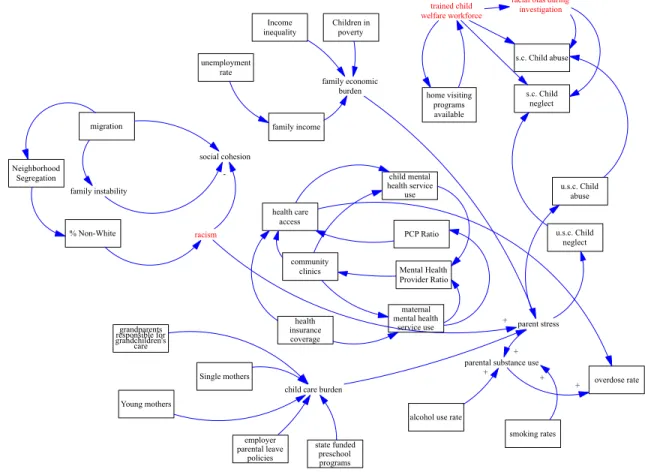
Current Mental Model ... 42
Group Model Building ... 43
REFERENCES ... 49
: SPECIFYING LATENT COUNTY RISK PROFILES FOR CHILD MALTREATMENT RISK IN NORTH CAROLINA ... 60
INTRODUCTION ... 60
County-Level Decision Making ... 60
Previous Work: County and Neighborhood Risk and Protective Factors ... 61
Research Questions and Hypotheses ... 64
Theoretical Framework for Current Analyses ... 65
Contributions of the Current Study ... 65
METHODS ... 66
Data: Item-Response Indicators ... 66
Data: Distal Child Maltreatment Outcomes ... 67
Analytic Procedures ... 69
Sensitivity Analyses ... 71
RESULTS ... 72
Descriptive Characteristics ... 72
Latent Profile Membership Probabilities ... 73
Latent Profile Composition ... 73
Latent Profile Association with Predicted Child Maltreatment Outcomes ... 74
Services and Race/Ethnicity Disparities ... 75
DISCUSSION ... 75
Limitations ... 76
REFERENCES ... 93
: COLLABORATIVE THEORY BUILDING FOR COMMUNITY PLANNING TO PREVENT CHILD MALTREATMENT ... 100
BACKGROUND ... 100
Research Question and Approach ... 101
METHODS ... 102
Session 1: Preparation ... 104
Session 1: Activities ... 104
Session 2: Preparation ... 105
Session 2: Activities ... 105
Session 3: Preparation ... 106
Session 3: Activities ... 107
CONCLUSION ... 109
REFERENCES ... 127
: DEVELOPING A MULTI-CRITERIA ANALYSIS TOOL TO SUPPORT THE SELECTION OF EVIDENCE-BASED CHILD MALTREATMENT PREVENTION PROGRAMS FOR COMMUNITY IMPLEMENTATION ... 133
INTRODUCTION ... 133
Decision Support Tools ... 133
Community Health Decision Making Context ... 134
The Necessity of Defining Complexity: Systems Science Approaches ... 136
Current Study ... 137
METHODS ... 138
Part I: Multi-Criteria Decision Analysis (MCDA) tool development ... 138
Part II: Decision Maker Pilot ... 142
MCDA Analyses ... 145
RESULTS ... 145
Evidence-Based Intervention Ranking ... 145
Proposed Weight Changes ... 146
Proposed Additional Criteria ... 147
MCDA Tool Usability ... 147
MCDA Tool Acceptability ... 148
Limitations ... 149
DISCUSSION ... 150
: CONCLUSION ... 166
SUMMARY ... 166
MAIN FINDINGS ... 167
LIMITATIONS ... 169
IMPLICATIONS ... 171
Research: Immediate Next Steps ... 171
Research: Future ... 171
Policy ... 172
INSIGHTS ... 173
CONCLUSION ... 175
REFERENCES ... 177
APPENDIX 3.1 MODEL FIT STATISTICS AND ITEM-RESPONSE PROBABILITIES FOR FULL LATENT PROFILE MODEL WITHOUT COVARIATE ... 178
APPENDIX 3.2: ALTERNATIVE MODEL MEMBERSHIP PROBABILITIES AND FIT: ITEMS LOG-TRANSFORMED (LATENT PROFILE) ... 179
APPENDIX 3.3: ALTERNATIVE MODEL MEMBERSHIP PROBABILITIES AND FIT: ITEMS TRANSFORMED TO TEN QUINTILES (LATENT CLASS) ... 180
APPENDIX 3.4: LATENT PROFILE MODEL WITH RESTRICTED SAMPLE (N=820): MODEL-BASED (BAKK VERMUNT 3-STEP) METHOD ... 181
APPENDIX 3.5: ALTERNATIVE PSEUDOCLASS RESULTS FOR CHILD MALTREATMENT OUTCOMES IN SELECTED MODEL ... 182
APPENDIX 4.1: PRINCIPLES FOR GMB ENGAGEMENT ... 183
APPENDIX 5.1: INTERVENTION CHARACTERISTICS FOR
LIST OF TABLES
Table 2.1: Risk and Protective Factors by Socio-Ecological Level ... 44
Table 2.2: Targeted Outcomes by Exemplar Evidence Based Programs ... 45
Table 3.1: Latent Profile Indicators and Descriptive Statistics ... 80
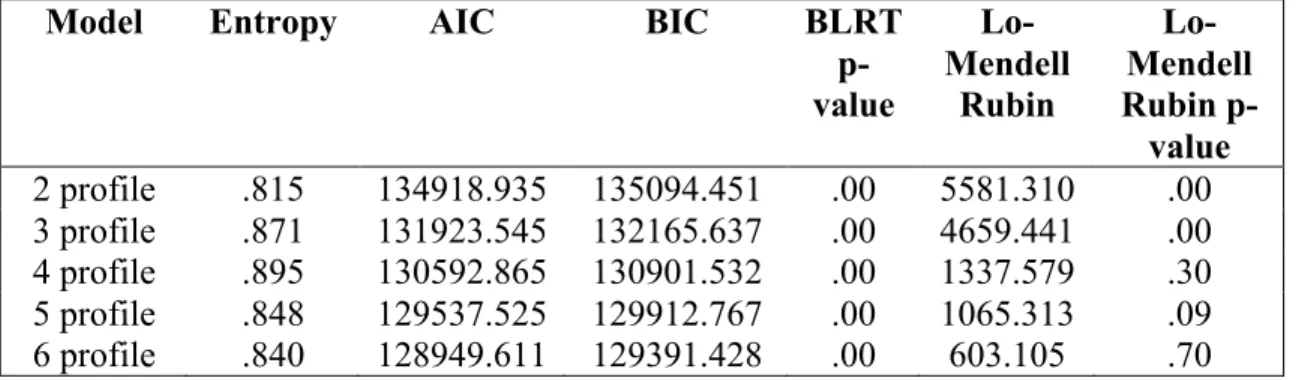
Table 3.2: LPA Model Fit Statistics ... 82
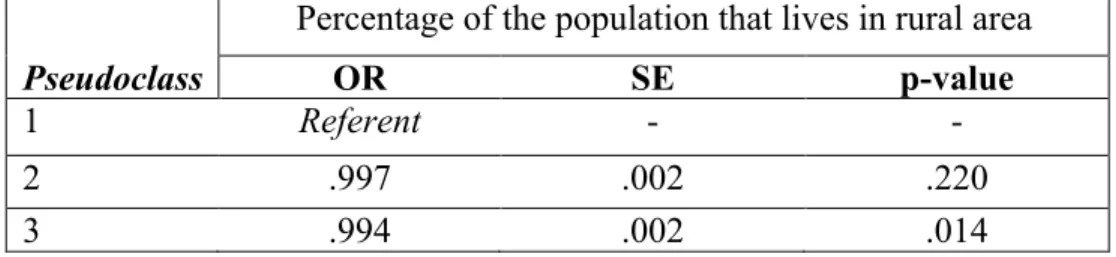
Table 3.3: Odds of Profile Membership by Rurality ... 83
Table 3.4: Item-Response Probabilities for North Carolina Counties (Mean (se)) ... 84
Table 3.5: Predicted Child Maltreatment Rates by Pseudoclass ... 85
Table 4.1: Group Model Building Process Overview ... 112
Table 4.2: Key Project Definitions ... 117
Table 5.1: Multi-Criteria Decision Analysis Tool Development Process ... 154
Table 5.2: MCDA Tool Criteria Overview ... 155
LIST OF FIGURES
Figure 1.1: Driving Hypothesis ... 10
Figure 1.2: Systems Dynamics in the Knowledge Translation Cycle (Hassmiller Lich et al. 2016) ... 11
Figure 2.1: Ecological Model of Child Maltreatment ... 46
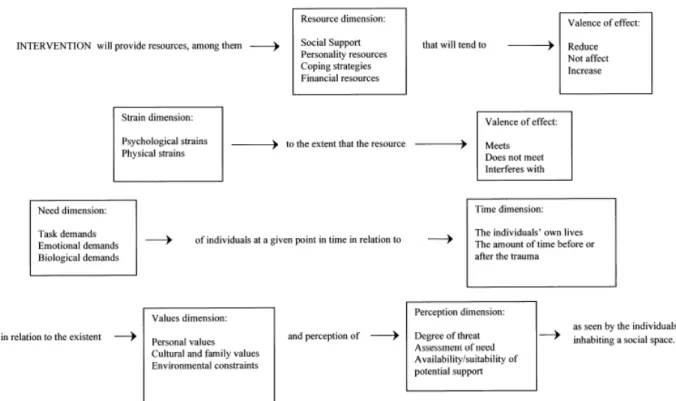
Figure 2.2: Model of Ecological Congruence (Hobfall, Walter, and Horsey 2008) ... 47
Figure 2.3: Preliminary Mental Model of Complex System Affecting Child Maltreatment and Behavioral Health Risk ... 48
Figure 3.1: Theoretical Framework of Child Maltreatment Risk for Latent Profile Analysis ... 86
Figure 3.2: Latent Profile Analysis Analytic Model ... 87
Figure 3.3: Total Child Maltreatment Report Rates by North Carolina County ... 88
Figure 3.4: Substantiated Neglect Rates Expressed as Quartiles in North Carolina ... 89
Figure 3.5: Latent Profile Representation in North Carolina ... 90
Figure 3.6: Item-response Means by Pseudoclass ... 91
Figure 3.7: Mean Child Maltreatment Report Rates by Pseudoclass ... 92
Figure 4.1: Initial Causal Loop Diagram: Example from Participant 1 ... 118
Figure 4.2: Second Causal Loop Diagram: Example from Participant 1 ... 119
Figure 4.3: Overall Causal Loop Diagram ... 120
Figure 4.4: Stakeholder Defined Child Maltreatment Prevention Framework ... 121
Figure 4.5: Initial Stock and Flow Simulation Structure Presented in Session 3 ... 122
Figure 4.6: Initial Synthesized Causal Loop Diagram Underlying Simulation Model ... 123
Figure 4.7: Iterated Causal Loop Diagram Underlying Simulation Model ... 124
Figure 4.8: Session and Product Development Flow ... 125
Figure 5.1: Multi Criteria Decision Analysis Tool Initial Criteria by RE-AIM domains ... 157 Figure 5.2: Decision Maker MCDA Pilot Process ... 158 Figure 5.3: Weighted Sum for Criteria by Evidence Based Prevention
LIST OF ABBREVIATIONS
ACS American Community Survey
AIC Akaike’s Information Criteria BIC Bayesian Information Criteria BLRT Bootstrapped Likelihood Ratio
BLUEPRINTS Blueprints for Healthy Youth Development
CEBC California Evidence-Based Clearinghouse for Child Welfare
CHR County Health Rankings
CLD Causal Loop Diagram
CDC Center for Disease Control and Prevention CPS Child Protective Services
CTC Communities That Care
CVD Cardiovascular Disease
DM Decision Makers
EBP Evidence-Based Prevention Program FIML Full Information Maximum Likelihood
GMB Group Model Building
IRB Institutional Review Board
IY Incredible Years
LCA Latent Class Analysis
LMR Lo-Mendell Rubin Test
MCDA Multi-Criteria Decision Analysis
NC North Carolina
NFP Nurse Family Partnership
NNT Number Needed to Treat
PCIT Parent Child Interaction Therapy PTSD Post-Traumatic Stress Disorder QALY Quality-Adjusted Life Year RPFs Risk and Protective Factors RWJF Robert Wood Johnson Foundation
SC SafeCare
TF-CBT Trauma-Focused Cognitive Behavioral Therapy
US United States
VA Veteran’s Affairs
WIC Women, Infant, and Children
: INTRODUCTION
Overview
Nearly 17,000 families in NC were recommended for services after substantiated reports of child maltreatment in 2016 and over 55,000 reported claims of child maltreatment.1 Child maltreatment is known to have lifelong consequences, including developmental delays, increased risk of suicidal ideation, and chronic depression and anxiety. Most evidence-based programs to address child maltreatment in North Carolina are selected and implemented at the county level, making the county-level a natural unit of analysis. However, effectiveness trials of programs that aim to prevent maltreatment have rarely been conducted at the county level and rarely report factors at the local level that may affect outcomes and implementation. While guidelines and checklists exist, rigorous, evidence-based decision-making tools are needed to help decision makers choose the programs that are most likely to have significant population level health impact given a county’s context.
Child Maltreatment Burden
behavior and increased criminal activity, and have four to twelve times the risk for alcoholism, drug abuse, depression, and suicide attempts compared to those who were not abused as children. 8–14 Maltreated children are more likely to mistreat their own children, creating a reinforcing loop of adverse behavior and multi-generational behavioral health concerns.15,16
Preventive interventions help avoid adverse childhood experiences such as maltreatment and reduce the risk of developing behavioral health disorders due to maltreatment. To ensure the highest likelihood of impact, communities must choose evidence-based prevention programs (EBPs). Impact, however, can vary based on a population’s risk and protective factors (RPFs), such as age,17–19 racial and ethnic background,20,21 economic status, history of abuse or behavioral health disorders,22,23 or access to another preventive EBP. These interconnected factors and their determinants comprise the “local context.”24,2525,26 However, the field lacks best practices for quantifying this contextual heterogeneity and matching EBPs to local contexts to maximize impact. Reviews of available interventions to prevent child
maltreatment and associated behavioral health disorders have concluded that the complexity of the underlying risk factors require us to think carefully and systemically when selecting policies and EBPs to prevent adverse outcomes.23,27 Adding further complexity, the environments in which EBPs are tested for efficacy are often meaningfully different from those in which they will be implemented with respect to available resources and community-level factors such as parental employment opportunities.9,10,28 Decision makers need innovative methodologies to estimate potential EBP impact within service delivery systems with limited resources that may appear to be or in practice be qualitatively different from the context in which the EBPs were originally tested. This decision making is particularly difficult when decision makers must choose between
Key abbreviations: EBP- Evidence-based Prevention Programs
RPFs- Risk and Protective Factors
subpopulations, such as children or adolescents, and mechanistic targets such as parenting practices or health care provider training. Current evidence-based community prevention process efforts often lack support in helping communities simulate and directly compare the potential impact of alternatives given their local context, or use decision support tools unique to the given process.29 More generalized tools are needed for communities that cannot access such structured models. Additionally, preventive interventions often have positive effects in both the short and long term, as preventive interventions aim to change behaviors across generations and behavior that take time to change. When arguing for the potential of one intervention compared to another, it is particularly helpful when decision makers can conceptualize the full potential impact of interventions across time and related limitations.30
Further, implementation research has found that the highly heterogeneous and complex local context plays an important role in shaping implementation effectiveness.31–3531–35Local context, such as population demographics, socioeconomic inequality, historical injustice, and environmental structures, can not only exacerbate physical, emotional, and behavioral diseases and affect the prevalence of adverse events such as maltreatment, but can also influence treatment availability and compliance.30,36,37
Without methodological support for aligning EBPs to local context, decision makers are less likely to choose the EBPs with the greatest potential impact given local context.38–42 Thus, my goal is to assist decision makers during the exploration and preparation phases of
implementation24 when EBPs are selected based on local context, a goal that is directly
and for North Carolina decision makers. The simulation model will be designed to increase decision makers’ knowledge of the local context shaping children’s behavioral health outcomes and the potential effectiveness of EBPs in reducing child maltreatment. While local capacity is also an important part of implementation planning and evidence-based program selection, it is outside of the scope of this dissertation. Local capacity includes factors such as organizational climate, budget, and workforce capacity. Further, local context and capacity may influence important implementation outcomes such as fidelity, which in turn can mediate the effectiveness of interventions, though implementation outcomes are also outside of the current proposal’s scope.
Rationale
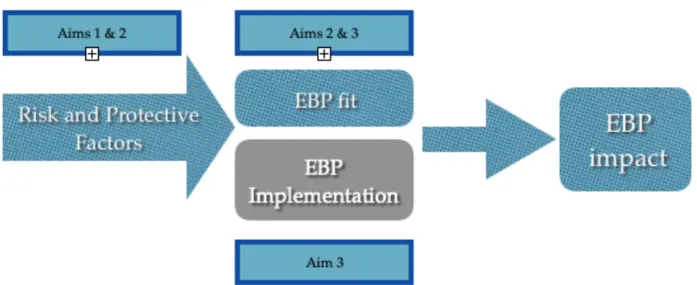
The driving hypothesis of this dissertation is as follows: Local context shapes underlying risk and protective factors targeted by EBPs and thus EBP outcomes. Thus, EBP selection and implementation efforts could be more efficient and effective with the aid of a decision support model to compare the potential EBP impact over time given local context and the complexity surrounding child maltreatment risk. Figure 1.1 depicts this driving hypothesis, showing that EBP implementation efforts can also be affected by local context at the organizational and community level, but will not be the focus of this proposal.
Complexity is manifest in terms of non-linear relationships, multi-level interactions, lag time between cause and effect, and feedback loops, all of which interact to generate non-intuitive, “emergent” behaviors.45,48–50 Feedback loops are dynamic linkages between factors that, when changed, reverberate to either reinforce or undermine change over time, and are a powerful determinant of longitudinal outcomes and a key component of system dynamics models.51,52 Explanations of a complex public health problem such as child maltreatment are not only incomplete but incorrect without appropriate acknowledgement of the various structures and processes that give rise to them.Systems science models offer an opportunity to explicitly model dynamic hypotheses of intervention effects that can be tested and iteratively re-tested without having to invest in full-scale implementation to observe intervention effects, which is costly and time-consuming.45,53–55
Systems thinking and methodology are ideally suited to take into account the complex systems affecting child well-being and behavioral health while selecting interventions to prevent adverse outcomes.54,56–59 Intervention effectiveness trials with only brief follow-up outcomes are often unable to observe positive delayed effects that may be observed in adolescence or even early adulthood due to the complex nature of child development.14,60 For example, the effects of child maltreatment may present as externalizing behavior during childhood, but shift to suicidal ideation or substance abuse during adolescence. System dynamics models allow us to anticipate and quantify these delayed effects by connecting evidence without waiting on costly longitudinal trials.54,56,57
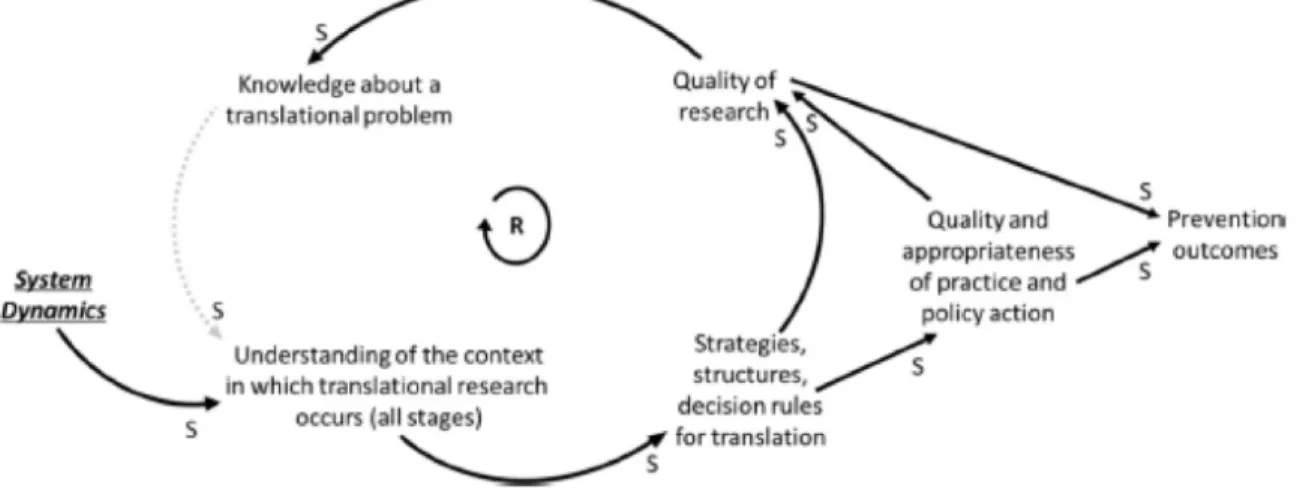
protective factors that affect the probability of maltreatment, as well as the services that deliver programs at the county level. The majority of current risk and evaluation models cannot account for co-varying effects of factors across time and are unable to adequately account for system complexity.50,54,62,63 For example, parental stress is affected by external factors dictated by local context such as employment opportunities. A negative (reinforcing) feedback loop occurs when parents become more stressed, increasing the incidence of maltreatment, which in turn increases child behavioral health disorders that then further increases parent stress, in turn reinforcing maltreatment risk. This “vicious cycle” escalates over time.60,64,65 Figure 1.2 depicts how system dynamics can help improve learning about complex problems so as to inform future research and improve population health outcomes.
The overall objective of this dissertation is to develop support tools for decision makers as they determine which factors should be targeted to prevent child maltreatment and which
evidence-based interventions may impact those factors and be aligned with community resources and needs. Further, this proposal aims to increase decision makers’ ability to understand local context and choose the interventions that will have the greatest impact in their communities given that context, with context defined as population characteristics and service system
organization. I posit that systems science approaches can support a) increased understanding of the complex system shaping child maltreatment risk and b) planning efforts for child
maltreatment prevention that will yield more nuanced and desirable results than approaches that rely on singular interventions or prevention plans that are not informed by systems science.
specific based interventions. I hypothesize that when decision makers select evidence-based programs for implementation in their communities using systems engaged approaches such as Group Model Building or use tools that account for complexity during the intervention selection and implementation planning processes, those decision makers will observe greater population health impact and more efficient resource allocation in their communities.
Additionally, I hypothesize that the Group Model Building process can improve the accuracy of GMB team members’ mental models about the systems and factor shaping child maltreatment and behavioral health.
Specific Aims
To support these objectives, this dissertation is designed to answer three aims. Aim 1 will empirically derive latent county subgroups, or risk profiles, using latent profile analyses, linking observed factors from publicly available surveillance data that cluster around counties based on county-level risk of child maltreatment reports. Aim 1 is innovative in its use of a national level dataset with publicly available data that is not specific to families involved with or at risk for involvement with child protection services to understand how aggregate risk factors relate to one another and to predicted child maltreatment rates. In collaboration with child welfare and mental health services experts who are influential in selecting and delivering family-based programs for implementation in North Carolina,
This simulation model is meant to serve as a learning model that can help decision makers understand the types of leverage points targeted by evidence-based interventions as well as the types of leverage points that may not traditionally be targeted by traditional child maltreatment prevention interventions.
Aim 3 will explore the validity of a multi-criteria decision analysis (MCDA) tool that will be developed with the GMB stakeholders with a pilot sample of decision makers to characterize the criteria that decision makers consider when comparing and selecting EBPs for implementation and support evidence-informed decision making. We will also test how EBP ranks with the tool compare to rankings without the tool and after decision makers participate in a brief intervention to improve their understanding of child maltreatment risk complexity. Finally, we will explore the range of factors that decision makers consider when selecting interventions and challenges for implementing EBPs through semi-structured interviews.
Briefly, the expected outcomes of this project are threefold. First, I expect to empirically define latent county subgroups of risk that can be used for understanding how surveillance data at the county level can be monitored for assessing child maltreatment rate risk. Second, I will build a simulation learning model that can be improved and expanded upon in future studies. Third, I will gain preliminary insight into the utility of a multi-criteria decision analysis tool and what they consider when selecting interventions for implementation.
Significance
REFERENCES
1. Duncan DF, Kum HC, Flair KA, et al. Management Assistance for Child Welfare, Work First, and Food & Nutrition Services in North Carolina (v3.2). http://ssw.unc.edu/ma/. Published 2016. Accessed March 3, 2017.
2. Hughes M, Earls MF, Odom CH, et al. Preventing child maltreatment in North Carolina: New directions for supporting families and children. North Carolina Medical Journal. 2005;66(5):343-355.
3. MacLeod J, Nelson G. Programs for the promotion of family wellness and the prevention of child maltreatment: A meta-analytic review. Child Abuse & Neglect. 2000;24(9):1127-1149.
4. Hollingsworth K, Callaway L, Duhig M, Matheson S, Scott J. The association between maltreatment in childhood and pre-pregnancy obesity in women attending an antenatal clinic in Australia. PloS One. 2012;7(12):e51868.
5. Mazzucchelli TG, Sanders MR. Preventing behavioural and emotional problems in children who have a developmental disability: A public health approach. Research in Developmental Disabilities. 2011;32(6):2148-2156.
6. Daro D. Child Abuse Prevention: A Job Half Done. Chicago; 2010.
7. Macmillan HL, Wathen CN, Barlow J, Fergusson DM, Leventhal JM, Taussig HN. Interventions to prevent child maltreatment and associated impairment. Lancet. 2009;373(9659):250-266.
8. Font SA, Maguire-Jack K. Pathways from childhood abuse and other adversities to adult health risks: The role of adult socioeconomic conditions. Child abuse & neglect.
2016;51:390-399.
9. Freisthler B, Maguire-Jack K. Understanding the Interplay Between Neighborhood Structural Factors, Social Processes, and Alcohol Outlets on Child Physical Abuse. Child Maltreatment. 2015;20(4):268-277. doi:10.1177/1077559515598000
10. Kim B, Maguire-Jack K. Community interaction and child maltreatment. Child abuse & neglect. 2015;41:146-157.
12. Willis DJ, Holden EW, Rosenberg MS. Prevention of Child Maltreatment: Developmental and Ecological Perspectives. (Willis DJ, Holden EW, Rosenberg MS, eds.). Oxford, England: John Wiley & Sons; 1992.
13. Duggan AK, Berlin LJ, Cassidy J, Burrell L, Tandon SD. Examining maternal depression and attachment insecurity as moderators of the impacts of home visiting for at-risk
mothers and infants. Journal of Consulting and Clinical Psychology. 2009;77(4):788-799. 14. Felitti VJ, Anda RF, Nordenberg D, et al. Relationship of childhood abuse and household
dysfunction to many of the leading causes of death in adults. The Adverse Childhood Experiences (ACE) Study.[see comment]. American Journal of Preventive Medicine. 1998;14(4):245-258.
15. Lynch M, Cicchetti D. An ecological-transactional analysis of children and contexts: The longitudinal interplay among child maltreatment, community violence, and children’s symptomatology. Development and psychopathology. 1998;10(2):235-257.
16. Pears KC, Capaldi DM. Intergenerational transmission of abuse: A two-generational prospective study of an at-risk sample. Child abuse & neglect. 2001;25(11):1439-1461. 17. Brown EC, Hawkins JD, Arthur MW, Briney JS, Fagan AA. Prevention service system
transformation using Communities That Care. Journal of Community Psychology. 2011;39(2):183-201. doi:10.1002/jcop.20426
18. Hawkins JD, Kosterman R, Catalano RF, Hill KG, Abbott RD. Promoting positive adult functioning through social development intervention in childhood: long-term effects from the Seattle Social Development Project. Archives of Pediatrics & Adolescent Medicine. 2005;159(1):25-31.
19. Perrino T, Howe G, Sperling A, et al. Advancing Science Through Collaborative Data Sharing and Synthesis. Perspectives on Psychological Science. 2013;8(4):433-444. 20. Rossello J, Bernal G, Rivera-Medina C. Individual and group CBT and IPT for Puerto
Rican adolescents with depressive symptoms. Cultural Diversity and Ethnic Minority Psychology. 2008;14(3):234-245. doi:http://dx.doi.org/10.1037/1099-9809.14.3.234
21. Ortega AN, Gergen PJ, Paltiel AD, Bauchner H, Belanger KD, Leaderer BP. Impact of site of care, race, and Hispanic ethnicity on medication use for childhood asthma. Pediatrics. 2002;109(1):E1.
23. Sandler I, Wolchik S a, Cruden G, et al. Overview of meta-analyses of the prevention of mental health, substance use, and conduct problems. Annual Review of Clinical
Psychology. 2014;10:243-273. http://www.ncbi.nlm.nih.gov/pubmed/24471372.
24. Aarons GA, Glisson C, Green PD, Hoagwood K, Kelleher KJ, Landsverk JA. The organizational social context of mental health services and clinician attitudes toward evidence-based practice: a United States national study. Implementation Science. 2012;7. 25. Jonkman HB, Haggerty KP, Steketee M, Fagan A, Hanson K, Hawkins Jd P.
Communities That Care, Core Elements and Context: Research of Implementation in Two Countries. Social Development Issues. 2009;30(3):42-57.
26. Aarons GA, Green AE, Palinkas LA, et al. Dynamic adaptation process to implement an evidence-based child maltreatment intervention. Implementation Science. 2012;7(1):32. 27. Galea S, Hall C, Kaplan G a. Social epidemiology and complex system dynamic
modelling as applied to health behaviour and drug use research. Int J Drug Policy. 2010;20(3):209-216. doi:10.1016/j.drugpo.2008.08.005.Social
28. Olds D, Donelan-McCall N, O’Brien R, et al. Improving the nurse-family partnership in community practice. Pediatrics. 2013;132 Suppl:S110-7.
29. Hawkins JD, Catalano Jr RF. Communities That Care: Action for Drug Abuse Prevention. Jossey-Bass; 1992.
30. Edwards L. Personal Communicaiton. 2016.
31. Brown CH, Wang W, Sandler I. Examining how context changes intervention impact: The use of effect sizes in multilevel meta-analysis. Child Development Perspectives.
2008;2(3):198-205.
32. Brown E, Hawkins J, Arthur M, Abbott R, Van Horn M. Multilevel Analysis of a Measure of Community Prevention Collaboration. American Journal of Community Psychology. 2008;41(1):115-126. doi:10.1007/s10464-007-9154-8
33. Sampson RJ, Raudenbush SW, Earls F. Neighborhoods and violent crime: a multilevel study of collective efficacy. Science. 1997;277(5328):918-924.
35. Weeks MR, Li J, Liao S, et al. Multilevel dynamic systems affecting introduction of HIV/STI prevention innovations among Chinese women in sex work establishments. Health Education and Behavior. 2013;40(1 Suppl):111s-22s.
36. Aarons GA, Sommerfeld DH, Walrath-Greene CM. Evidence-based practice implementation: the impact of public versus private sector organization type on organizational support, provider attitudes, and adoption of evidence-based practice. Implementation Science. 2009;4:83.
37. Jones L, Wells K. Strategies for academic and clinician engagement in community-participatory partnered research. JAMA. 2007;297(4):407-410.
38. Aarons GA, Palinkas LA. Implementation of evidence-based practice in child welfare: Service provider perspectives. Administration and Policy in Mental Health and Mental Health Services Research. 2007;34(4):411-419. doi:10.1007/s10488-007-0121-3
39. Fagan A, Hanson K, Hawkins J, Arthur M. Bridging Science to Practice: Achieving Prevention Program Implementation Fidelity in the Community Youth Development Study. American Journal of Community Psychology. 2008;41(3):235-249.
40. Guerrero EG, Aarons GA, Palinkas LA. Organizational capacity for service integration in community-based addiction health services. American journal of public health.
2014;104(4):e40-7. doi:10.2105/AJPH.2013.301842
41. Hawkins JD, Catalano RF, Arthur MW. Promoting science-based prevention in
communities. Integrating Substance Abuse Treatment and Prevention in the Community. 2002;27(6):951-976. doi:10.1016/S0306-4603(02)00298-8
42. Proctor E. Implementation science and child maltreatment: Methodological advances. Child Maltreatment. 2012;17(1):107-112. doi:10.1177/1077559512437034
43. National Institute of Mental Health, National Institutes of Health. Strategic Research Priorities Overview. https://www.nimh.nih.gov/about/strategic-planning-reports/strategic-research-priorities/index.shtml. Published 2016. Accessed March 30, 2017.
44. Vaughan RD, Galea S. Complexity in Public Health Research: A Public Health of Consequence, September 2017. American Journal of Public Health. 2017;107(9):1367-1368. doi:10.2105/AJPH.2017.303937
46. Hassmiller Lich K, Frerichs L, Fishbein D, et al. Translating research into prevention of high-risk behaviors in the presence of complex systems: definitions and systems
frameworks. Translational behavioral medicine. 2016;6(1):17-31.
47. Naimi AI. Commentary: integrating complex systems thinking into epidemiologic research. Epidemiology. 2016;27(6):843-847.
48. Amaral LAN, Ottino JM. Complex networks. The European Physical Journal B - Condensed Matter and Complex Systems. 2004;38(2):147-162. doi:10.1140/epjb/e2004-00110-5
49. Sugihara G, May R, Ye H, et al. Detecting causality in complex ecosystems. Science. 2012;338(6106):496-500. doi:10.1126/science.1227079
50. Meadows DH. Thinking in Systems: A Primer. (Wright D, ed.). Chelsea Green Publishing; 2008.
51. Burke R, Herron R, Barnes BA. Common Sense Parenting: Using Your Head As Well As Your Heart To Raise School-AgedChildren: 3rd Edition. Boys Town Press; 2006.
52. Zimmerman L, Lounsbury DW, Rosen CS, Kimerling R, Trafton JA, Lindley SE. Participatory System Dynamics Modeling: Increasing Stakeholder Engagement and Precision to Improve Implementation Planning in Systems. Administration and Policy in Mental Health and Mental Health Services Research. 2016;43(6):834-849.
53. Brown CH, Mohr DC, Gallo CG, et al. A Computational Future for Preventing HIV in Minority Communities: How Advanced Technology Can Improve Implementation of Effective Programs HHS Public Access. J Acquir Immune Defic Syndr J Acquir Immune Defic Syndr June. 2013;1(1):72-84. doi:10.1097/QAI.0b013e31829372bd
54. Mabry PL, Milstein B, Abraido-Lanza AF, Livingood WC, Allegrante JP. Opening a window on systems science research in health promotion and public health. Health Education & Behavior. 2013;40(1 Suppl):5S-8S. doi:10.1177/1090198113503343
55. Sterman JD. Business Dynamics: Systems Thinking and Modeling for a Complex World.; 2000.
56. Maglio PP, Mabry PL. Agent-based models and systems science approaches to public health. American Journal of Preventive Medicine. 2011;40(3):392-394.
58. Wulczyn F. A statistical and methodological framework for analyzing the foster care experiences of children. The Social Service Review. 1996:318-329.
59. Wulczyn FH, Andersen DF, Richardson GP, Wuestman EA. A System Dynamics Simulation of Caseload and Fiscal Implications of the Foster Care Baby Boom in New York City. Albany: New York State Department of Social Services. 1990.
60. Bethell CD, Newacheck P, Hawes E, Halfon N. Adverse Childhood Experiences: Assessing The Impact On Health And School Engagement And The Mitigating Role Of Resilience. Health Affairs. 2014;33(12):2106-2115. doi:10.1377/hlthaff.2014.0914 61. Wulczyn F, Daro D, Fluke J, Feldman S, Glodek C, Lifanda K. Adapting a systems
approach to child protection: Key concepts and considerations. United Nations Children’s Fund (UNICEF), New York. 2010.
62. Mabry PL, Olster DH, Morgan GD, Abrams DB. Interdisciplinarity and systems science to improve population health: a view from the NIH Office of Behavioral and Social Sciences Research.[erratum]. American Journal of Preventive Medicine. 2008;35(6):611. 63. Urban JB, Osgood ND, Mabry PL. Developmental Systems Science: Exploring the
Application of Systems Science Methods to Developmental Science Questions. Research in Human Development. 2011;8(1):1-25. doi:10.1080/15427609.2011.549686
64. Ford JD, Gagnon K, Connor DF, Pearson G. History of interpersonal violence, abuse, and nonvictimization trauma and severity of psychiatric symptoms among children in
outpatient psychiatric treatment. Journal of Interpersonal Violence. 2011;26(16):3316-3337.
65. Dube SR, Anda RF, Felitti VJ, Chapman DP, Williamson DF, Giles WH. Childhood abuse, household dysfunction, and the risk of attempted suicide throughout the life span: Findings from the Adverse Childhood Experiences Study. JAMA. 2001;286(24):3089-3096.
66. Goldhaber-Fiebert J, Bailey S, Hurlburt M, et al. Evaluating Child Welfare Policies with Decision-Analytic Simulation Models. Administration and Policy in Mental Health and Mental Health Services Research. 2012;39(6):466-477. doi:10.1007/s10488-011-0370-z
: LITERATURE REVIEW
Burden of Child Maltreatment
While considerable reductions in child maltreatment rates have been seen in the past twenty years, they remain high compared to the first National Incidence Survey of maltreatment in 1980.1 Child maltreatment includes physical, emotional, and sexual abuse, as well as neglect and exposure to domestic violence.2–4 In 2015, over 3.5 million children were referred to child welfare agencies, with over 2 million (58%) of referrals substantiated as cases of abuse or neglect.5 An estimated 9.2 per every 1000 children in the United States are estimated to suffer from one of the five types of child maltreatment annually, with 2.3 of these being repeat victims.5 In other words, over 683,000 children were known to be victims of maltreatment, though national surveys suggest that this figure may underestimate the burden of maltreatment by up to ten to twenty times for abuse and neglect, respectively.6–9
account for and understand the burden of maltreatment on children, one must consider not only the prevalence, but also the frequency, severity, type, and chronicity that characterizes the abuse.4
Risk and Protective Factors
Bronfenbrenner’s 1979 framework remains the most popular framework we utilize to discuss the risk and protective factors that shape child development and may associated with maltreatment. He was one of the first to emphasize that we need not only to pay attention to a variety of factors, but how multiple factors form an ecology that may vary in magnitude in influence on a child’s well-being throughout child development. Bronfenbrenner goes on to say that the factors and settings, such as school, home, and child care, are often interconnected and influenced by multiple levels, including policy. Child development not only happens within, but is influenced by these multilevel, interconnected factors.
Thus, a complete understanding of the environments that support healthy child
development requires a multi-level, systemic understanding. Due to the interconnectedness and complexity of child development and maltreatment, the prevalence of a risk factor does not mean that maltreatment will occur. Further, some risk factors have been found to be significantly associated with some types of maltreatment and not others, or the significance of a single factor may disappear once other factors are controlled for.7 Thus, it is crucial to understand the
important nuances of risk.
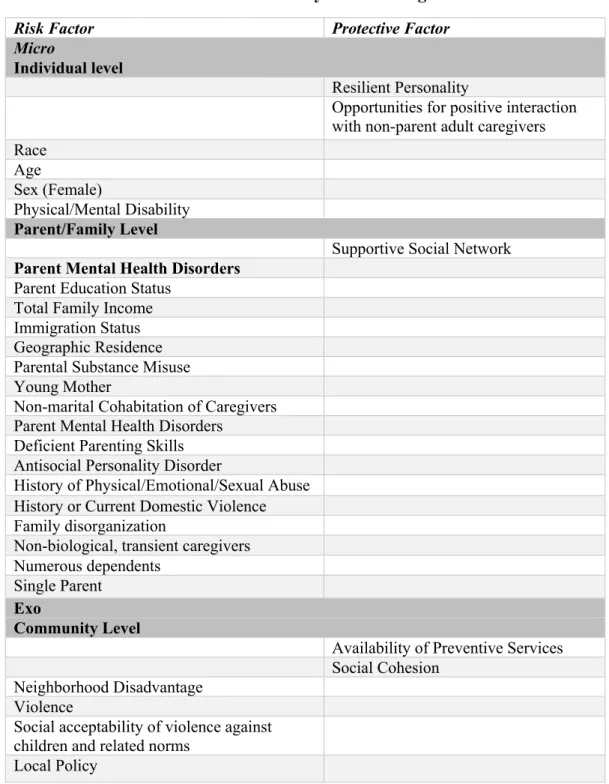
included RPFs are depicted in Figure 2.1 with respect to their associated ecological levels, and a more complete list can be seen in Table 2.1. Key government and non-profit reports, such as those distributed by the Center for Disease Control and Prevention and the National Academy of Medicine, as well as three recent meta-analyses from the peer-reviewed literature informed the current detailed framework of child maltreatment.7,8,10–12 A brief description of the relevant factors, accompanied by a critique of the literature informing our understanding of the influence of each RPF follows below. The reader is referred to the report New Directions in Child Abuse Research for a more thorough discussion of the literature supporting each RPF.8 Unfortunately, due to a lack of sufficient longitudinal studies, the ways in which these risk factors interact in a complex manner and influence the risk for maltreatment is still relatively unknown.8
Micro/Individual-Level (Child)
The primary risk factors at the individual level include physical or mental health
disorders, young age, race/ethnicity, and lack of opportunities to have positive interactions with adults. Children with physical, emotional, or mental health challenges are estimated to have 1.7 times the risk of maltreatment compared to their able-bodied peers, likely due to increased caregiver burden, parental stress, and stigma.8
Hussey, Chang, and Kotch found that race/ethnicity, defined across six categories, was significantly associated with each of four types of maltreatment (supervision neglect, physical neglect, physical assault, contact sexual abuse), but the significance remained only for Native American and racial/Other Race children for supervision neglect and for
Multi-racial/Other Race children for physical neglect and assault after adjustment for other
children of color in the child welfare system.13 However, there is concern that children of color are differentially assessed and more likely to be taken away for the maltreatment at the same level of severity as White children due to racism and institutional racism.13–15Drake, Lee, and Jonson-Lee found that differential reporting rates for Whites and Blacks is non-significant once they controlled for poverty, though they only explored substantiated claims in the state of Missouri.16 Institutional and systemic racism likely contribute not only to the incidence of child maltreatment due to the systematic denial of mental health and social support services for
families of color, but also due to differential rates of substantiation of maltreatment claims due to racism and associated biases within child welfare agencies.14,17
Thus, an exploration of the causes of child maltreatment and how to prevent it are incomplete without acknowledging additional complex issues such as racism. Based on critical race theory, a public health critical race praxis framework encourages public health researchers to not only acknowledge race, but to 1) explore how racism currently operates, such as how social hierarchies operate and are related to racial profiles 2) understand how racialization shapes the outcome or problem of interest and vice versa, 3) explicitly define racism and how it will be measured in a project, and 4) include anti-racist actions as part of the project’s endeavors.18 For the purposes of the current project, intentional effort will be made to include individuals with various race and ethnic backgrounds in the Group Model Building (GMB) team, and GMB model structuring sessions will include discussions on the influence of race and racism.
child’s levels of resilience as well as opportunities for contact with positive adults other than the primary caregiver(s) such as youth organization leaders, teachers, and health care providers. The factors that make some children more resilient that others are still not well-understood, but it is clear that this is a malleable trait that can be improved with individual therapy.19–21 Opportunities for positive interaction with adults can allow children to feel nurtured, and that they are
worthwhile, thus increasing their desire to be a part of the community, and practically can increase the likelihood that maltreatment events are discovered.22–25
Micro-Level (Family/Parent)
equitable should not only consider the parents’ skills and well-being, but the environments in which they operate and which shape their ability to be successful parents.27–29
Further, some studies have found that the risk factors for some types of abuse look qualitatively different compared to those for neglect, with little to no overlap.8,26 For example, Chaffin, Kelleher, & Hollenberg found that maternal age was a significant predictor of neglect but not of physical abuse, that household size was significantly related to the risk of physical abuse and of neglect, and that the effect of depression on risk of physical abuse diminished to non-significant once substance abuse and social variables such as socio-economic status and marital status were controlled for.26 Neglect is more often framed within the context of exo-level and macro level factors such as community violence and poverty as opposed to being framed in association with family level factors such as caregiver relationship structure or parenting skills.30 Exo-Level (Community)
Cross-sectional and longitudinal studies of community influences on child maltreatment have largely focused on the neighborhood level, examining risk factors such as community violence and collective efficacy or iterations of collective efficacy such as social cohesion.31–35 Community violence is theorized to affect the likelihood of child maltreatment due by
the concept of collective efficacy to include its impact on children by exploring how social capital is constructed, maintained, and felt at the neighborhood level through processes such as intergenerational closure, reciprocated exchange, and informal social control and mutual support of children.36 In short, communities that have social capital in the form of individuals who have strong social networks and felt capacity to actively affect child outcomes have better child outcomes. Earlier work on the effect of neighborhoods on health in the 1980s focused on concentrated disadvantage, including concentrated poverty and associated effects on racism and social exclusion.36 Edwards and Bromfield explored the effect of an iteration of collective efficacy, neighborhood belonging, on conduct disorders of a nationally representative sample of four to five-year-old Australian children.39 They found that conduct disorders, which may stress parents and increase the likelihood of maltreatment, was significantly related to neighborhood socioeconomic status, neighborhood belonging, and neighborhood safety after controlling for family demographics.
Children can be faced with both school and neighborhood level violence in addition to family level violence. While family level violence is considered a type of maltreatment, school and neighborhood violence are moderating factors on maltreatment risk. Youngblade et al found that neighborhood violence was significantly associated with child externalizing disorders, while school violence was associated not only with externalizing disorders but with internalizing disorders and academic performance, as well.25 Child reports of violence have been associated with child well-being and maltreatment rates as well.8,40–42
but still important study by Spearly and Lauderdale found that Texas counties with more families with a median income below $15,000, single mothers, and working mothers had higher rates of county maltreatment, suggesting that community level factors can be indicative of maltreatment risk.43 Similar to other studies, they found that the community level factors related to
maltreatment risk varied by race and ethnicity.43 Using the American Community Survey 5-year estimates, which will also be used in the current proposal, Eckenrode et al found that counties with greater income inequality and percentage of children in poverty were more likely to have child maltreatment rates.44 A notable exception to the cross-sectional literature on county level risk indicators is a longitudinal analysis of economic indicators in Pennsylvania counties by Frioux et al. They found that county-level unemployment levels and foreclosure rates in the preceding year were positively, significantly associated with maltreatment claims and substantiated cases.45
Macro-Level (Social and Political)
One of the most influential risk factors at the macro level is the stigma against the use of violence on children and perception of what constitutes as maltreatment. While it has largely been socially unacceptable to commit sexual abuse, physical or emotional abuse can be
efforts.8 However, as the prevalence of neglect remains mostly stable, more work needs to be done to educate parents about the associated harms of neglect.
State and federal policies can also influence the likelihood of maltreatment and its detection. For example, due to efforts promoted by groups such as the North Carolina Child Fatality Task Force, there have been increases in universal, selective, and indicated prevention programs in North Carolina since 2005.46
Due to the relatively small geographic size of the focus of this proposal, these macro-level factors will not be explicitly built into the simulation model unless the EBPs modeled directly target them. It will be assumed that the level of stigma or policy influence is constant across counties and populations unless otherwise noted.
Decision Making Challenges in Child Maltreatment Prevention Policy and Public Health Efforts Decision makers at the county level, including public health department officials, non-profit organizations, and legislators, face particularly important decisions that affect the potential for preventing child maltreatment in North Carolina (NC), as NC is one of nine states in which counties are responsible for managing the child welfare system and delivering maltreatment prevention programs.47 The primary exception is regional health alliances in which multiple county health departments work together, particularly in rural, small population, low-resourced areas. Thus, most evidence-based programs (EBPs) for preventing child maltreatment that are currently implemented in North Carolina, such as Nurse Family Partnership and Triple P, are implemented at the county level.48,49 Some counties are beginning to collaborate with Managed Care Organizations in order to pool resources and reach more patients across North Carolina.
implementing home visiting programs at the regional or state level.50 Some states implemented recommendations or supportive policies and financial incentives to influence upstream risk factors such as parental education and financial distress by aiming to reduce high school dropout, offering housing vouchers, and increasing child support payments.50 Community based funding for child maltreatment programs often comes from Medicaid, Social Service block grants, or block grants such as the Community Based Grants for the Prevention of Child Abuse and Neglect through the 1974 Child Abuse Prevention and Treatment Act.50
The North Carolina Institute of Medicine convened a task force to assess child maltreatment in North Carolina and develop priorities for action in 2005. Progress on the 37 recommended actions was discussed in an updated report in 2007. The priorities were strongly centered on prevention, including developing a public-private leadership group for child maltreatment prevention, changing social norms, increasing the use of evidence-based and promising practice, and increasing funding for prevention.51 To increase the use of EBPs, the task force noted the importance of being aware of the prevention research, identifying strategies to disseminate information, and identifying was to support EBP implementation. Crucially, an evidence-based working group helped funders realize that they shared common goals and strategies for achieving these goals. Funders included Family Resource Centers, the Duke Endowment, Kate B. Reynolds Charitable Trust, and the NC Division of Public Health. These funders helped launch the NC Nurse Family Partnership Initiative starting in 2008, and continue to expand the program throughout the state. Additional funding sources being explored include the Division of Social Services and Children’s Trust Fund.51
to account for long term consequences, and do not anticipate some effects due to interconnected factors and indirect effects such as feedback loops.52,53 For example, Braverman and Blumenthal-Barby found that in a simulated scenario, providers altered their treatment decisions based on previous courses of action.54 Likewise, it is a well-known phenomenon that the severity of sentencing in the courtroom can be influenced by the preceding cases. Cognitive biases, such as hindsight bias and affirmation bias, can also affect what information decision makers retain, such as the outcomes of a given decision.55 In particular, people tend to recall details that are in line with preconceived beliefs and outcomes more accurately and in greater volume than information to the contrary, and stop exploring solutions when a satisfactory (not necessarily perfect) solution is found due to limited abilities to process input, a phenomenon known as bounded rationality.55
Given that child maltreatment is a complex problem, decision makers must select EBPs in the face of this complexity and consider multiple influences on child maltreatment, as well as their decision-making process. The decision-making ecology framework, for example, has been applied to child welfare agency processes to explore how decision makers consider the
only the directly causes of the outcome of interest, but those that are indirect, as they may be of near equivalence in impact and provide additional points for intervention and prevention.
When selecting an evidence-based intervention for implementation, decision makers are left to consult the literature or registries such as the California Evidence-Based Clearinghouse for Child Welfare or Blueprints for Healthy Youth Development. Unfortunately, literature reviews can be daunting in the absence of protected time and practiced skills for evaluating the literature, and evidence-based registries rarely include information on the environmental context that decision makers desire.56 In the absence of this environmental information, decision makers rely on experience55,57 or their intuition.58–60 Intuition can be misleading and lead to poor decision making, however, as it is often applied inconsistently, is dependent on the decision maker’s ability to understand cues and feedback in the environment, can be influenced by anchors in the environment or decision making process, and feedback to the contrary of intuition is often explained away or ignored.53,60 Sosnowy et al found that decision makers in local health departments were more likely to use evidence-based decision making processes when information about local context and programs that fit local needs were available.61 Multi-level contextual effects on decision-making for EBP selection
Context: Physical and Cultural Environment
from, as most programs have been tested in well-resourced, demographically and geographically different urban areas. Communities want to know that the program will address their needs and goals while also utilizing their unique strengths and available resources. Scaling out an
intervention to a new delivery setting, location, or population requires an understanding of the context in which an EBP was originally tested, and the key components that may vary in the new environment, the latter of which requires data that may or may not be available.62 Simulation models can help researchers and decision makers quantitatively estimate the influence of environmental factors, as well as particular EBP components without costly randomized controlled trials.
and the population being served. Kadushin et al are quite clear about the consequences of ignoring such environmental factors, stating that “an approach that ignores social class division and ethnic mistrust is unlikely to be successful.”68 Unfortunately, it is uncommon for an analysis of the organizational leadership’s racial and socioeconomic background to accompany that of the community at large, a potentially grave misstep in community intervention planning.
Beyond community coalition functioning and decision making, researchers have also drawn attention to the relative effectiveness of interventions given the implementation context. Hobfoll, Walter, and Horsey point out that the theory of ecological congruency (see Figure 2.2) calls for an assessment and consideration of the ecological context such as community values, history, and resources prior to decide how, when, and how often to intervene in response to community trauma.69 For example, if a community does not perceive a particular event or behavior to be traumatic, there may be less acceptance of an intervention to prevent or treat the supposedly traumatic event or behavior. Thus, interventions need to meet communities where they are. This is not to say that communities who do not believe that physical harm is a type of child maltreatment will be unreceptive to child maltreatment preventive interventions, for example, but that any intervention must also include education on the consequences of physical harm. Relatedly, Kadushin et al found that the economic class and racial/ethnic composition of a community affected who was hired to deliver interventions and that the worker demographic did not always match the population being served, a factor that has been shown to be important with respect to program effectiveness.70,71
databases by technical assistance groups and prevention programs or systems such as
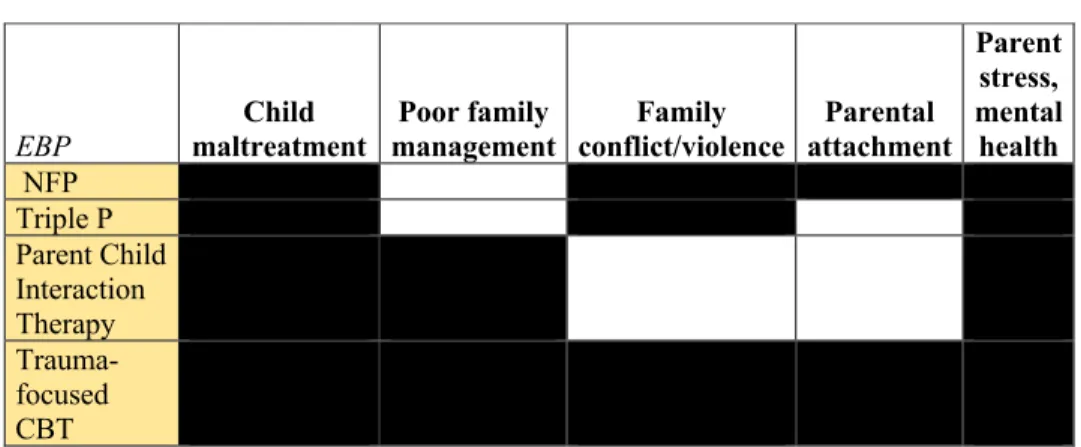
Communities that Care,72 thus this dearth of information on contextual relevance is a crucial gap in the type of information available to and desired by decision makers.61 Bronfenbrenner reminds us that “Most families are doing the best they can under difficult circumstances; what we need to do is change the circumstances, not the families.”27 Bearing this statement’s intent at heart, one purpose of this proposal is to understand which environmental factors at the county level are most influential on family and thus child well-being in terms of child maltreatment risk. Understanding which factors are most influential may help narrow the list of interventions that may be aligned with community needs by including programs that explicitly target those factors. Alternatively, understanding how factors relate to one another may help show that EBPs that target the same risk and protective factors may be nearly equivalent in effect, and thus decision makers can choose the EBP based on characteristics other than targeted factors such as resources required or qualitative preference. Table 2.2 provides a simple overview of how targeted RPFs may overlap between interventions.
showed women were less likely to seek supportive services when they lived in a high-risk community.74 Lanier et al found that parents who had lower income and levels of functioning were more likely to drop out of parent-child interaction therapy in a community setting using a quasi-experimental design.75 Such findings do not mean that these programs could not be effective in communities with high smoking prevalence among low-income mothers or high levels of community violence, but that additional resources would have to be accounted for during decision making and budgeting so as to increase retention. Thus, we must aim to understand who we are attempting to assist when considering the intervention responses and timing of implementation in order to improve population health.76
Trials for Triple P have largely found that the program is effective across countries and multiple delivery settings, with most of the variation in effect attributed to variation in
intervention delivery and dosage.77,78 However, few trials have acknowledged or directly assessed the influence of implementation locations other than country. Indeed, even the
population trial of Triple P only acknowledge that counties were matched on characteristics such as population size, poverty rate, and child abuse rate, prior to stratified randomization, but did not analyze variation by county.79 The population trial did note that parents with higher levels of housing instability, financial stress, and overall stress reported that it was harder to attend the program and maintain attendance.79 Thus, such factors should be considered for Triple P and likely any program that requires regular, in-person, frequent attendance. Thus, understanding context for decision making requires an understanding of not only what is present, but who. Context: Financial, Human, and Organizational Resources
such as workforce for delivering an intervention, the health care and child welfare system infrastructures, community coalitions for implementation, funding available for program implementation, and less tangible factors such as leadership knowledge about and commitment to implementation. Maguire-Jack found that the level of funding spent on preventive services at the county level was significantly associated with lower odds of child maltreatment at the individual level.32 Several evaluations of EBP implementation, such as Communities that Care (CTC) and Project STEP, have found that community coalition functioning is related to the successful implementation at the community level, suggesting that attention should be given to fostering relationships between groups responsible for selecting and implementing community wide interventions.80–82 Relatedly, Kegler, Rigler, and Honeycutt found in a qualitative analyses of the functioning of eight community implementation sites that community decision making can also be influenced by not only current coalition functioning and collaboration but historical collaborative experiences and decision making, as well as macro community factors such as community level politics, history, and norms.66 Finally, it is logical that decision makers should care about such practicalities as funding availability for implementation and sustainment as well, thus future iterations of simulation models to support implementation planning, such as the one proposed here, should include cost-effectiveness analyses and budget restrictions.61
highly qualified clinicians, as well as discrete settings such as community agencies in which to implement them. Further, clinicians must undergo at least 40 hours of training for PCIT, indicating that sufficient funds and policies must be in place to allow for such training.83 With respect to population characteristics, TF-CBT is indicated for children up to age 18, and PCIT is indicated for children up to age 11, leading counties with a wider age range of children in need of services to possibly consider programs such as TF-CBT more heavily.
To close the discussion of the influence of context, it is worth noting that context is important if decision makers think it matters even if evidentiary support is deficient. That is, despite evidence that some programs can be successfully scaled out to new populations or
Potential of Systems Science
System dynamics and systems thinking have long been applied in other disciplines, but the application of systems science to public health issues is relatively more recent.84–92 The first applications of system dynamics to child maltreatment issues were in the 1980s, and there has been a recent increase in calls to apply systems science methods and thinking to public health issues.93–97 These calls have proposed that systems science methods and thinking have the potential to provide a more comprehensive, multi-faceted approach to public health problem solving and move beyond the typical linear thinking and relatively short-sighted solutions produced by prevailing methods. Systems science methods and thinking are uniquely situated among available frameworks for addressing local context and addressing complex, wicked problems such as child maltreatment.8,98,99
Wicked problems are those that require multi-sectoral, multi-pronged solutions due to their complexity.100 Child welfare is said to be a wicked problem because governments shift between blaming individual parents to the systems and environments in which parents operate, have difficulty selecting which measures to use to indicate success, and even shift between which child well-being outcomes to focus upon.8 Systems science methods and thinking
acknowledges the complexity and “wickedness” of many problems that society faces due to the complex linkages between factors that determine behavior, and, crucially, how the system itself produces emergent behaviors that are often difficult to predict precisely due to the complexity of interaction that create collective and emergent behaviors that are more than the sum of the collective parts of the system.52,85,94
methods such as system dynamics that can handle the complexity of population health and epidemiology, as well as the implementation efforts to address adverse population health outcomes.88,101,102 Traditional statistical models often do not fully account for time lags, or delays, in intervention effects, feedback loops, and, crucially, how factors interrelate to produce health outcomes.52,86,94,103 Instead, many statistical causal inference models simply control for or remove the influence of multiple factors to theoretically isolate the direct or indirect effect of a risk factor, such as race, when in reality race is a complex phenomenon whose impact on health is shaped by a myriad of other factors such as income, immigration status, social cohesion, community norms and history, and racism, to name a few, and a policy that aims to target only one of these will fall short of anticipated effects due to failure to account for all of the necessary and sufficient conditions that produce it. Notably, however, the decision about whether to use systems thinking and/or models does not have to exist in direction opposition to statistical uncertainty analyses such as Monte Carlo analyses and causal inference models.103 Limitations exist with every model, and appropriate assumptions must be made about population
exchangeability or external validity, data reliability, model external and internal validity, and model uncertainty.
Previous Systems Science Based Studies in Child Maltreatment