NON-TARGET ANALYSIS OF BIOREMEDIATED SOIL
Zhenyu Tian
A dissertation submitted to the faculty at the University of North Carolina at Chapel Hill in partial fulfillment of the requirements for the degree of Doctor of Philosophy in the Department
of Environmental Sciences and Engineering in the Gillings School of Global Public Health.
Chapel Hill 2018
Approved by:
Michael D. Aitken
Wanda M. Bodnar
Avram Gold
Kun Lu
ii © 2018 Zhenyu Tian
iii
ABSTRACT
Zhenyu Tian: Non-target Analysis of Bioremediated Soil (Under the direction of Michael D. Aitken)
Polycyclic aromatic hydrocarbons (PAHs) are ubiquitous pollutants of environmental
concern. Bioremediation, relying on stimulation of natural microbial degradation processes, is a
well-established technology to clean up PAH-contaminated soils. However, bioremediation does
not necessarily lead to a reduction in soil toxicity. PAH-contaminated sites are affected by
extremely complex mixtures, like coal tar or creosote, and biotransformation products or
co-occurring compounds can also contribute to the overall toxicological effects of contaminated soil
before and after bioremediation. Therefore, the objective of this dissertation was to use
non-target analysis workflows to identify the genotoxic transformation products, important
co-occurring pollutants, and the unrecognized biotransformation pathways that could contribute to
explain the toxicological effects observed beyond parent PAHs.
To identify the source(s) of increased genotoxicity in bioremediated soil, we pursued a
non-target analytical approach combining effect-directed analysis (EDA) and metabolite
profiling to compare extracts of PAH-contaminated soil before and after bioremediation. A
compound with the composition C15H8O2 and four methylated homologues were shown to
accumulate as a result of bioreactor treatment, and the C15H8O2 compound was determined to be
genotoxic. Its structure was established as a heretofore unidentified α,β-unsaturated lactone,
2H-naphtho[2,1,8-def ]chromen-2-one (NCO), which was confirmed by synthesis. It also
iv
formed from pyrene by two pyrene-degrading bacterial cultures known to be geographically
widespread, underscoring its potential environmental significance.
Azaarenes are nitrogen heterocyclic polyaromatic compounds that co-occur with PAHs
but have been poorly studied in environmental systems. High resolution mass spectrometry
(HRMS) and mass-defect filtering were applied to four PAH-contaminated samples to analyze
the their diversity, abundance, and biodegradation behavior. The diversity, relatively high
concentrations, and persistence of high-molecular-weight azaarenes were highlighted, and
isomer-selective biodegradation was observed.
To help elucidate PAH biodegradation pathways and endpoints in contaminated soil,
HRMS and stable isotope-assisted metabolomics (SIAM) workflows were tested and applied to a
PAH-contaminated soil. Uniformly 13C-labeled fluoranthene, pyrene, or benzo[a]anthracene
were spiked into the soil and incubated in microcosms. With SIAM, known and unknown
metabolites such as ring-cleavage products and conjugates were detected, and the transformation
v
ACKNOWLEDGEMENTS
To my advisor, Prof. Michael D. Aitken: thank you for all the guidance, support, and
patience. You taught me what is to be a good scientist and a man of integrity.
To my closest collaborator, Dr. Joaquim Vila: thank you for your help and accompany. I
miss the coffee breaks and discussions that nourished our research.
To my committee members, Prof. Avram Gold: thank you for teaching me chemistry as
well as the healthy life style; Prof. Jason D. Surratt: thank you for those challenging questions
and great suggestions for career development; Prof. Wanda Bodnar and Prof. Kun Lu: thank you
both for your help on the knowledge and skills of mass spectrometry.
To my wife, Han Xiao: thank you for your love and sacrifice. You offered me the support
in my most helpless moments.
To my parents: thank you for the understanding and support, and I am sorry that I am not
a good son in respect to the traditional values.
To all the collaborators and lab mates that have helped me in my research: Dr. Jun
Nakamura, Dr. Zhenfa Zhang, Leonard Collins, Dr. Vyom Sharma, Dr. Xu Tian, Dr. David
Singleton, Dr. Miao Yu, Dr. Alden Adrion, Dr. Eric Staunton, Elizabeth Corteselli, and Elisabeth
Rehak. To my friends in the ESE department: Tianqu Cui, Jingbo Wang, Ryan Kingsbury, and
Emanuele Sozzi. Thank you all for your help!
P.S.: If I missed out anyone in the list of acknowledgements, I sincerely apologize and I
vi
TABLE OF CONTENTS
LIST OF TABLES ... xi
LIST OF FIGURES ... xii
CHAPTER 1 INTRODUCTION ... 1
1.1 Specific aims and rationale ... 2
1.2 Dissertation organization ... 4
CHAPTER 2 BACKGROUND ... 5
2.1 PAHs and related compounds in contaminated sites ... 5
2.2 Toxicity and genotoxicity of polycyclic aromatic compounds ... 8
2.2.1 Toxicities of parent PAHs ... 8
2.2.2 Toxicities of oxy-PAHs ... 9
2.2.3 Toxicities of azaarenes ... 11
2.3 Biotransformation of PAHs and co-occurring compounds ... 12
2.3.1 Bacterial transformation of PAHs ... 13
2.3.2 Incomplete metabolism of PAHs ... 16
2.3.3 PAH metabolites and increased genotoxicity in contaminated soil ... 17
vii
2.4.1 Workflow for non-target analysis ... 17
2.4.2 Effect-directed analysis ... 21
2.4.3 Metabolite profiling ... 22
2.4.4 Stable isotope-assisted metabolomics ... 23
CHAPTER 3 NON-TARGET ANALYIS REVEALS A BACTERIAL METABOLITE OF PYRENE IMPLICATED IN THE GENOTOXICITY OF CONTAMINATED SOIL AFTER BIOREMEDIATION ... 26
3.1 Introduction ... 26
3.2 Materials and methods ... 28
3.2.1 Chemicals ... 28
3.2.2 Soil and bioreactor treatment ... 28
3.2.3 Extraction and Fractionation ... 29
3.2.4 Bioassay ... 29
3.2.5 Instrumental analysis ... 30
3.2.6 Purification of NCO and structure identification ... 30
3.2.7 Other biotransformation experiments ... 31
3.2.8 Data analysis ... 31
3.3 Results and discussion ... 32
3.3.1 Fractionation of soil extracts and selection of genotoxic fraction ... 32
3.3.2 Metabolite profiling ... 34
3.3.3 Isolation and structural characterization of C15H8O2 ... 37
viii
3.3.5 Environmental relevance ... 44
CHAPTER 4 DIVERSITY AND ABUNDANCE OF HIGH-MOLECULAR-WEIGHT AZAARENES IN PAH-CONTAMINATED ENVIRONMENTAL SAMPLES ... 46
4.1 Introduction ... 46
4.2 Materials and methods ... 48
4.2.1 Chemicals ... 48
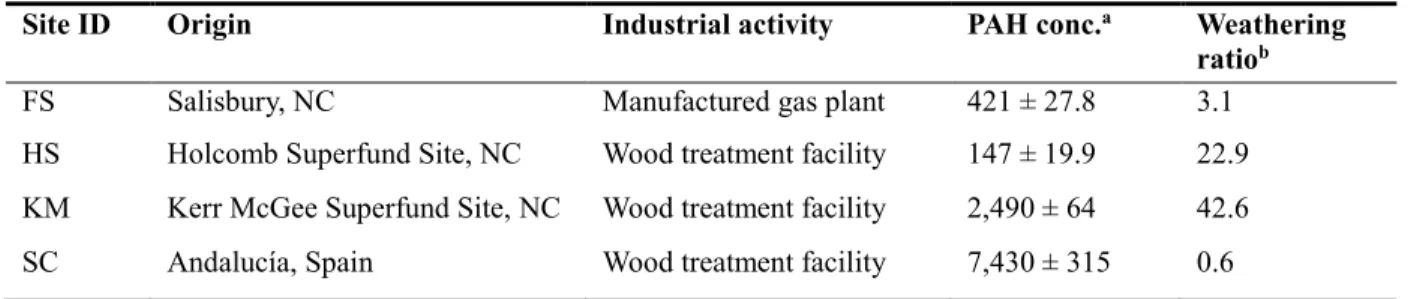
4.2.2 Contaminated sites, sample collection, and solvent extraction... 48
4.2.3 Instrumental analysis ... 49
4.2.4 Nontarget analysis workflow and mass defect filtering ... 49
4.3 Results and discussion ... 51
4.3.1 PAH quantification and distribution profiles. ... 51
4.3.2 Diversity of azaarenes. ... 51
4.3.3 Abundances of azaarenes. ... 56
4.3.4 Environmental significance ... 59
CHAPTER 5 ISOMER-SELECTIVE BIODEGRADATION OF HIGH-MOLECULAR-WEIGHT AZAARENES IN CONTAMINATED ENVIRONMENTAL SAMPLES ... 60
5.1 Introduction ... 60
5.2 Materials and methods ... 61
5.2.1 Chemicals ... 61
5.2.2 Contaminated samples ... 61
ix
5.2.4 Instrumental analysis ... 63
5.2.5 Statistical analysis ... 63
5.3 Results and discussion ... 64
5.3.1 Biodegradability of native azaarenes ... 65
5.3.2 Isomer-selective biodegradation ... 69
5.3.3 Effect of exogenous nitrogen addition on azaarene biodegradation ... 73
5.3.4 Biodegradability of azaarenes relative to their PAH analogues ... 73
5.3.5 Transformation products from azaarenes ... 74
5.3.6 Environmental significance ... 76
CHAPTER 6 TRACING BIOTRANSFORMATION OF PAHS IN CONTAMINATED SOIL USING STABLE ISOTOPE-ASSISTED METABOLOMICS ... 77
6.1 Introduction ... 77
6.2 Materials and methods ... 79
6.2.1 Chemicals. ... 79
6.2.2 Contaminated soil and spiking. ... 79
6.2.3 Microcosm incubations. ... 79
6.2.4 Instrumental analysis. ... 80
6.2.5 Data analysis. ... 80
6.3 Results and discussions ... 81
6.3.1 Assessing performance of the method. ... 81
x
6.3.3 Proposed compound specific degradation pathways in soil ... 86
6.3.4 Time-course evolution of the identified metabolites. ... 88
6.3.5 Environmental implications and further applications. ... 88
CHAPTER 7 CONCLUSIONS AND RECOMMENDATIONS ... 90
7.1 Conclusions ... 90
7.2 Recommendations for future work ... 92
APPENDIX A: SUPPORTING INFORMATION FOR CHAPTER 3 ... 94
APPENDIX B: SUPPORTING INFORMATION FOR CHAPTER 4 ... 111
APPENDIX C: SUPPORTING INFORMATION FOR CHAPTER 5 ... 118
APPENDIX D: SUPPORTING INFORMATION FOR CHAPTER 6 ... 126
xi
LIST OF TABLES
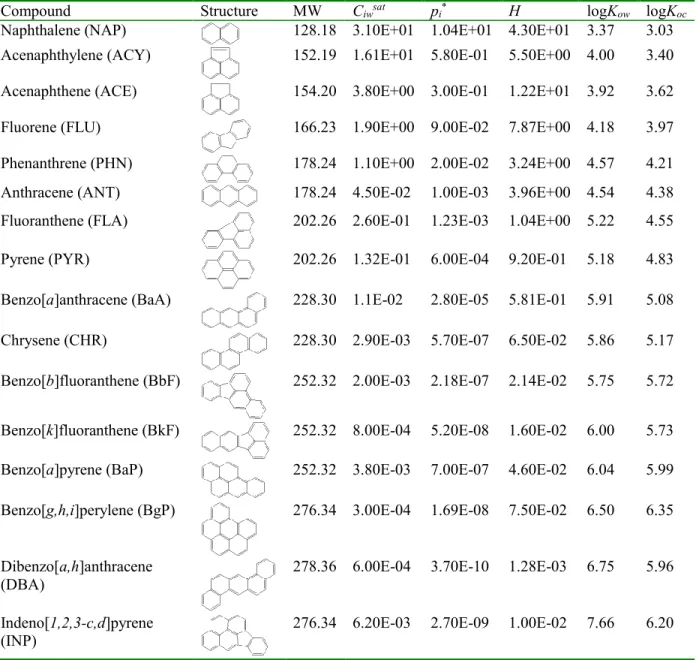
Table 2.1. Chemical structures and selected properties of the 16 USEPA
Priority Pollutant PAHs. ... 7
Table 4.1. Description of the PAH-contaminated samples used in this
study ... 51
Table 4.2 Detailed information on azaarene congeners detected in the
samples ... 54
Table 6.1. Detected metabolites from the four-ring PAHs ... 82
Table A.1. Concentrations (μg·g-1 dry soil) of 14 EPA-regulated PAHs in
the soil used to feed the bioreactor and in bioreactor-treated soil. ... 109
Table A.2. Final list of upregulated ions from metabolite profiling with
intensity ≥ 5,000, fold-change (treated soil:feed soil) ≥ 2, and p ≤ 0.01. ... 110
Table A.3. Features from metabolite profiling in APPI+ mode that were “upregulated” in subfraction B2 from extracts of bioreactor-treated soil
compared to the same subfraction from feed soil. ... 110
Table B.1. Initial PAH concentrations (µg/g dry soil) in the four samples ... 114
Table B.2. HPLC-MS/MS analytical parameters for quantification. ... 115
Table B.3. Concentrations of non-alkylated azaarene congeners (mean ±
standard deviation; n=3). ... 116
Table C.1. Concentrations of non-alkylated azaarene congeners (µg/g dry soil) before (T0) and after (T42) 6 weeks of microcosm incubation after 6
weeks... 124
Table D.1. Concentrations of monitored PAHs (μg/g dry soil) in
contaminated soil samples (mean ± standard deviation; n=3). ... 128
Table D.2. Parameter values used for data analysis with XCMS and
xii
LIST OF FIGURES
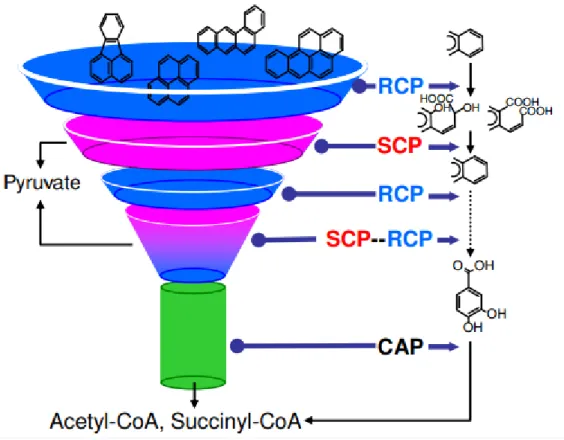
Figure 2.1. Funnel effect in PAH metabolic networks (Kweon et al., 2011). RCP: ring cleavage process; SCP: side chain process; CAP: central
aromatic process... 14
Figure 2.2. Different configurations of benz[a]anthracene binding in an
RHD (PhnI) (Jakoncic et al., 2007) ... 16
Figure 2.3. Non-target screening workflow for environmental samples
(Hollender et al., 2017) ... 18
Figure 2.4. Levels of confidence for the identification of unknowns
(Schymanski et al., 2014a). ... 21
Figure 3.1. Results of DT40 DNA-damage response bioassays on solvent extracts and fractionated extracts from PAH-contaminated soil used to feed a lab-scale bioreactor (“feed soil”, FS) and bioreactor-treated soil
(TS).. ... 34
Figure 3.2. Non-target analysis of extract subfractions B2.. ... 36
Figure 3.3. DT40 bioassay results on 2H-naphtho[2,1,8-def
]chromen-2-one (NCO, inset) purified from extracts of bioreactor-treated soil. ... 39
Figure 3.4. Proposed pathway for the formation of NCO from pyrene by
PAH-degrading bacteria... 42
Figure 4.1 Kendrick mass defect (KMD) plots of azaarene congeners
obtained from the four contaminated sites. ... 52
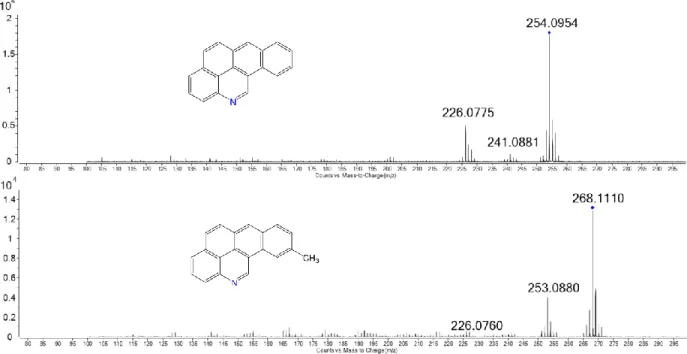
Figure 4.2. MS/MS fragmentation patterns of two tentatively identified
compounds C19H11N (F8, above) and C20H13N (below)... 53
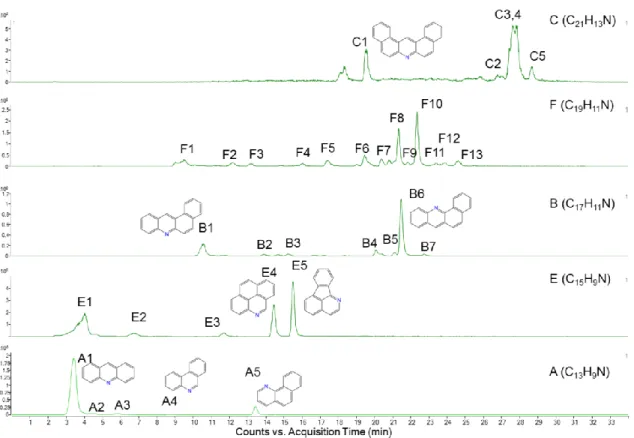
Figure 4.3. Extracted ion chromatograms (EICs) of the SC sample,
corresponding to the five major congener groups... 55
Figure 5.1 Concentrations of the five major azaarene congener groups
over time during aerobic microcosm incubations in each of the samples. ... 66
Figure 5.2 KMD plots over the time series from aerobic microcosm
incubations of the SC sample under biostimulated conditions. ... 68
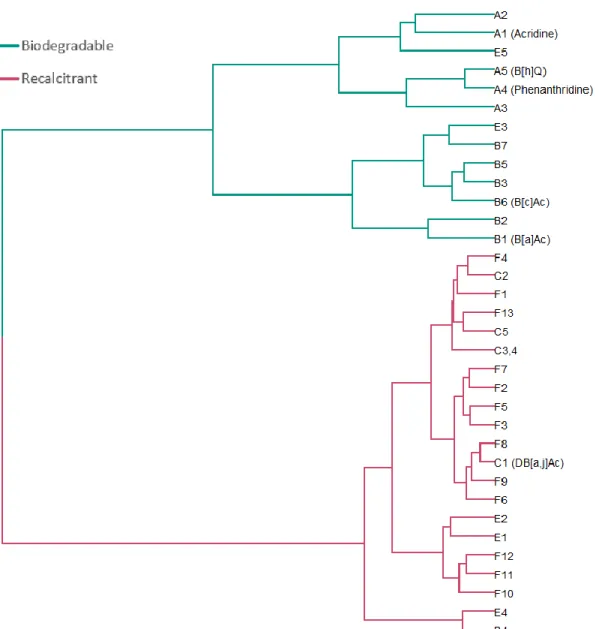
Figure 5.3. Hierarchical cluster analysis of the quantifiable azaarene
congeners according to their biodegradation behavior. ... 71
Figure 5.4. Overlayed extracted ion chromatograms (EICs) for m/z
204.0800 from KM (top) and SC (middle) samples at day 0 and after 42 days of microcosm incubation, and for m/z 230.0800 from the SC sample
xiii
Figure 5.5. EICs of azaarene derivatives in the SC sample. ... 75
Figure 6.1. Mass spectra, extracted ion chromatograms (EIC), and
proposed structures of two representative metabolites. ... 84
Figure 6.2. Proposed degradation pathway for benzo[a]anthracene based
on detected metabolites and published literature. ... 87
Figure A.1. Flow chart of non-target analysis approach (top) and the
scheme for effect-directed analysis of fractions (bottom). ... 100
Figure A.2. (A) LD50 and (B) relative LD50 (mutant LD50/parental LD50)
values for whole extracts and recombined extracts of feed soil (FS) and
bioreactor-treated soil (TS) after the first level of fractionation (n=3). ... 101
Figure A.3. Relative LD50 values (LD50 of mutant cell line/LD50 of
parental DT40 cell line) of soil extract fractions. ... 101
Figure A.4. Extracted ion chromatograms (a, c, e), MS/MS spectra (b, d,
f), and structures of three compounds corresponding to the molecular
formula C15H8O2 synthesized in this study. ... 102
Figure A.5. Proton NMR spectra (400 MHz, chloroform-d) and
numbering of NCO; top: purified metabolite; bottom: synthetic standard. ... 103
Figure A.6. Heteronuclear multiple bond coherence (HMBC) NMR
spectrum for NCO, 500 MHz, chloroform-d. ... 104
Figure A.7. HPLC chromatograms (a,b) and QToF mass spectra (c,d) of NCO purified from bioreactor-treated soil extracts (a,c; blue lines) and
synthetic NCO (b,d; red lines). ... 107
Figure A.8. Concentrations of NCO measured after microcosm
incubations of bioreactor-treated soil spiked with additional pyrene. ... 108
Figure B.1. Mass spectra of azaarene isomers analyzed by qTOF in
product ion scan mode. ... 113
Figure C.1. Concentration trend lines of quantifiable azaarene congeners
throughout the incubation. ... 118
Figure C.2. Residual concentrations in each of the five azaarene congener groups quantified at the beginning of the incubation and after 42 days of
incubation. ... 122
Figure C.3. Evolution of the relative concentration (N-PAH/PAH ratio) of the major azaarene congener groups (PANHs) relative to their homocyclic counterparts (PAHs) during the microcosm incubations for each of the
xiv
Figure D.1. Time course in unspiked samples of the concentrations of the three PAHs targeted for isotope-assisted metabolomics (left y-axis) and
intensities of the detected metabolites (right y-axis). ... 130
Figure D.2. Mass spectra and extracted ion chromatograms (EIC) of three
major metabolites from fluoranthene. ... 131
Figure D.3. Mass spectra and EIC of three major metabolites from B[a]A. ... 133
Figure D.4. Mass spectra and EIC of four major metabolites from pyrene. ... 135
Figure D.5. Mass spectra of the sulfate conjugate of dihydroxypyrene,
under (a) normal (200 V) and (b) low (100 V) source fragmentor voltage. ... 137
Figure D.6. MS/MS spectra of pyrene metabolites (a) m/z 369.9945 and (b) m/z 386.9854, fluoranthene metabolite (c) C16H10O3 and(d) C11H10O6,
and BaA metabolite (e) C12H8O6. ... 138
Figure D.7. Proposed degradation pathways for fluoranthene based on
1
CHAPTER 1 INTRODUCTION
Polycyclic aromatic hydrocarbons (PAHs) are ubiquitous pollutants of environmental
concern, due to their known or suspected toxic, genotoxic, and carcinogenic properties. PAHs
have been found in over 700 Superfund sites in the U.S., and they are also the predominant
pollutant class at an estimated 45,000 former manufactured gas plant (MGP) sites (US EPA,
2015a). Bioremediation is an established technology to clean up PAH-contaminated soils and
sediments by microbial degradation, and it has been proved to remove the US EPA regulated
PAHs efficiently (Gillespie and Philp, 2013). According to a recent review, bioremediation is the
most frequently (42%) used technology for PAH-contaminated soils (Kuppusamy et al., 2017).
For the Superfund sites in the US, bioremediation is also among the most commonly adopted
remedial solutions (US EPA, 2015b).
Removal of PAHs during bioremediation does not necessarily lead to a reduced toxicity.
A myriad of studies have suggested that bioremediation or biodegradation on PAH-contaminated
soil could increase the genotoxicity (Belkin et al., 1994; Hu et al., 2012; Hughes et al., 1998;
Lemieux et al., 2009). The source(s) of increased genotoxicity were not elucidated in previous
studies, although polar compounds formed during treatment were implicated (Chibwe et al.,
2015a). Some microbial metabolites of PAHs, such as oxygenated PAHs (oxy-PAHs), have been
suspected because of their known mutagenicity (Lemieux et al., 2008; Zielinska-Park et al.,
2004). However, commonly detected oxy-PAHs have been observed to decrease during
bioremediation when increases in genotoxicity have been observed, excluding them from the
suspected sources (Hu et al., 2014). Therefore, conventional targeted methods for pollutant
2
In searching for the genotoxic by-products from bioremediation, I observed the high
complexity of chemical composition in contaminated soil by non-target analysis using high
resolution mass spectrometry (HRMS). Meanwhile, toxicological studies suggested that
regularly monitored pollutants, such as the 16 EPA priority PAHs, only explain small
proportions of the observed toxicity in contaminated soil before and after bioremediation
(Brinkmann et al., 2014; Lemieux et al., 2015). Therefore, the unregulated and unknown
compounds may have significant impact on the health risk of contaminated soil. To better
understand the risk of contaminated sites and further improve bioremediation, it is crucial to
characterize those unknown compounds.
Non-target analysis (NTA), also known as non-target screening (NTS), is an emerging
concept that enables the identification of unknown compounds (Krauss et al., 2010). With the
use of HRMS and advanced software or databases, NTA has the power to detect and prioritize
the unknown pollutants and transformation products (TPs) from complex mixtures such as
sediment and wastewater (Hollender et al., 2017; Schymanski et al., 2014b). The research
described herein sought to develop and optimize non-target analysis workflows suitable for
contaminated soils in the scenario of bioremediation, and then use these workflows to identify
unregulated pollutants, unknown TPs, and unrecognized biodegradation pathways for pollutant
transformation.
1.1 Specific aims and rationale
Aim 1: Identification of the unknown genotoxic compound(s) formed in bioremediation. As indicated above, bioremediation is an accepted technology for cleanup of soil
contaminated with polycyclic aromatic hydrocarbons (PAHs), but it can increase the
3
1998; Lemieux et al., 2009). Although polar biotransformation products have been implicated as
causative genotoxic agents, no specific product has been identified (Chibwe et al., 2015a). To
identify the unknown genotoxic compounds, in collaboration with Dr. Wanda Bodnar and Mr.
Leonard Collins a non-target analytical approach was developed, combining effect-directed
analysis (EDA) and metabolite profiling, and was applied to the extracts of PAH contaminated
soil from a former manufactured-gas plant site before and after treatment in a laboratory-scale
aerobic bioreactor. The DT40 DNA-damage response assay was used for driving the EDA, and
HRMS was the major tool for metabolite profiling. The transformation products of interest were
prioritized, with their toxicities tested and formation pathways proposed.
Aim 2: Identify and quantify the major azaarenes in samples obtained from PAH-contaminated sites, and observe their susceptibility to biodegradation in microcosm incubations.
In searching for the unknown genotoxic metabolites, a series of abundant features were observed
in the whole extracts as well as the semi-polar fractions of contaminated soil. The exact masses
and fragmentation patterns from HRMS analysis suggested their identities as N-heterocyclic
polyaromatic compounds, also known as azaarenes. Some of these compounds are known to be
toxic or carcinogenic (Bleeker et al., 1999; Machala et al., 2001; Wiegman et al., 2002), but there
is a lack of knowledge of their fate and environmental behavior (Anyanwu and Semple, 2015a).
To fill these gaps of knowledge, non-target analysis was applied on soil samples from four
contaminated sites, and the diversity and abundance azaarenes were characterized. In
collaboration with Dr. Joaquim Vila, microcosm experiments were set up to observe the
biotransformation of azaarenes.
Aim 3: Trace the biotransformation of PAHs in contaminated soil by stable isotope-assisted metabolomics.
The identification of hitherto unknown metabolites under Aim 1 suggested that current
4
might be limited. Interactions among soil microbial communities or between components of
complex PAH mixtures can result in the formation of unexpected metabolites (Hennessee and Li,
2016; Stringfellow and Aitken, 1995; Zhong et al., 2006). Therefore, to better understand the
bioremediation process, it is important to trace the biotransformation of PAHs in real
environmental samples such as contaminated soil. We (Dr. Vila and I) assumed that a non-target
method called stable isotope-assisted metabolomics (SIAM) would be applicable. We tested the
applicability of SIAM on bioremediation of a creosote-contaminated soil, and modified the
method to fit the scenario. Using U-13C labeled PAHs and automated SIAM workflows, this
method allowed us to detect new metabolites originating from specific PAHs, without knowing
their identities. Based on these metabolites, biodegradation pathways were proposed.
1.2 Dissertation organization
This dissertation is organized into seven chapters. Chapter 1 provides an introduction and briefly
explains the aims of the dissertation. Chapter 2 is a literature review which provides the
background knowledge to understand the current work. Chapters 3-6, describe the detailed
methods, results and discussions for Aims 1 (Chapter 3), 2 (Chapters 4 and 5), and 3 (Chapter 6).
Chapter 3 and Chapter 4 have been published in the journal Environmental Science and
Technology (ES&T)(Tian et al., 2017a, Tian et al., 2017b). Chapter 5 was originally submitted as part of the manuscript presented in Chapter 4, but at the editor’s request was broken out as a
separate manuscript; it has not yet been submitted for publication. Chapter 6 has been accepted
5
CHAPTER 2 BACKGROUND
2.1 PAHs and related compounds in contaminated sites
PAHs are composed of two or more fused aromatic rings, featured by the delocalized
conjugated π system. The lower Gibbs free energies of formation make PAHs
thermodynamically stable, and the high activation energies for substitution reactions make them
less reactive. Their high lipophilicity, low water solubility, and high octanol/water partition
coefficients facilitate their accumulation in geosorbents (Johnsen et al., 2005; Wilcke, 2000) and
the tissues of organisms (Meador et al., 1995; Nakata et al., 2003). With these properties and
their toxicities, PAHs are classified as persistent, bioaccumulative, and toxic (PBT) chemicals
(Schaum et al., 2003). The PAHs of environmental concern range from two rings (naphthalene,
C10H8) to seven rings (coronene, C24H12). For the convenience of monitoring and comparison, 16
representatives of PAHs were prioritized by US EPA according to their prevalence and toxicity
(Keith, 2015). Detailed properties of these 16 priority PAHs are listed in Table 2.1.
PAHs can be generated from both natural and anthropogenic sources. It is known that
forest fires and some biological conversions produce PAHs, and fossil fuels contain considerable
amounts of PAHs (Nikolaou et al., 1984). However, the environmental prevalence of PAHs is
more closely related to human activities, such as incomplete combustion and the use of fossil
fuels (Johnsen et al., 2005). As these processes continue to occur, PAHs will be continuously
generated and discharged to the environment. The primary sources of PAHs that contaminate soil
and sediment are coal tar, creosote, petroleum, and industrial effluents (Neilson, 1995). Since
the nineteenth century, combustible gas manufactured from coal or coke served as a fuel source
6
persistently contaminated these manufactured-gas plant (MGP) sites. An estimated 45,000
former MGP sites in the US were contaminated with PAHs, and they have been identified as the
predominant pollutants at hundreds of contaminated sites on the Environmental Protection Agency’s National Priority List (US EPA, 2015a). In addition, creosote distilled from coal tar
was widely used as a wood preservative, and could remain at wood-preserving sites as
contaminants (Bleeker et al., 1999).
The contamination sources such as coal tar and creosote are complex mixtures containing
thousands of compounds (Koolen et al., 2015; Mueller et al., 1989), and the transformation of
these contaminants in the environment may generate other by-products. As a result, many known
and unknown compounds, such as oxygenated derivatives of PAHs and N, S, O- heterocyclics,
usually co-occur with PAHs in contaminated sites (Lemieux et al., 2009, 2015; Lundstedt et al.,
2003; Meyer et al., 1999). With the development of advanced analytical technologies, more
recent studies began to focus on N, S, O- heterocyclic aromatic compounds (Anyanwu and
Semple, 2015a; Bandowe et al., 2014b; Lundstedt et al., 2014; Manzano et al., 2017). Based on
these studies and observations, it has been suggested that a more comprehensive list of
polycyclic aromatic compounds (PACs) may serve as an alternative to the 16 EPA priority PAHs
7
Table 2.1. Chemical structures and selected properties of the 16 USEPA Priority Pollutant PAHsa, b
Compound Structure MW Ciwsat pi* H logKow logKoc
Naphthalene (NAP) 128.18 3.10E+01 1.04E+01 4.30E+01 3.37 3.03
Acenaphthylene (ACY) 152.19 1.61E+01 5.80E-01 5.50E+00 4.00 3.40
Acenaphthene (ACE) 154.20 3.80E+00 3.00E-01 1.22E+01 3.92 3.62
Fluorene (FLU) 166.23 1.90E+00 9.00E-02 7.87E+00 4.18 3.97
Phenanthrene (PHN) 178.24 1.10E+00 2.00E-02 3.24E+00 4.57 4.21
Anthracene (ANT) 178.24 4.50E-02 1.00E-03 3.96E+00 4.54 4.38
Fluoranthene (FLA) 202.26 2.60E-01 1.23E-03 1.04E+00 5.22 4.55
Pyrene (PYR) 202.26 1.32E-01 6.00E-04 9.20E-01 5.18 4.83
Benzo[a]anthracene (BaA) 228.30 1.1E-02 2.80E-05 5.81E-01 5.91 5.08
Chrysene (CHR) 228.30 2.90E-03 5.70E-07 6.50E-02 5.86 5.17
Benzo[b]fluoranthene (BbF) 252.32 2.00E-03 2.18E-07 2.14E-02 5.75 5.72
Benzo[k]fluoranthene (BkF) 252.32 8.00E-04 5.20E-08 1.60E-02 6.00 5.73
Benzo[a]pyrene (BaP) 252.32 3.80E-03 7.00E-07 4.60E-02 6.04 5.99
Benzo[g,h,i]perylene (BgP) 276.34 3.00E-04 1.69E-08 7.50E-02 6.50 6.35
Dibenzo[a,h]anthracene
(DBA) 278.36 6.00E-04 3.70E-10 1.28E-03 6.75 5.96
Indeno[1,2,3-c,d]pyrene
(INP) 276.34 6.20E-03 2.70E-09 1.00E-02 7.66 6.20
a abbreviations: MW = molecular weight (g/mol); C
iwsat = aqueous solubility (mg/L); pi* = vapor pressure (Pa); H =
Henry’s Law Constant (Pa·m3/mol·K); K
ow = octonol/water partitioning coefficient; Koc = organic carbon partitioning
8
2.2 Toxicity and genotoxicity of polycyclic aromatic compounds 2.2.1 Toxicities of parent PAHs
Since the British surgeon Percivall Pott reported the unusually high incidence of scrotal
cancer among the London chimney sweeps in 1775, people began to relate PAHs with cancer
and other adverse health effects (Baird et al., 2005). The acute toxicities of PAHs were expressed
by narcosis as the mode of toxic action, without specific receptor binding or enzymatic activation
(Sverdrup et al., 2002). As lipophilic compounds, PAHs could accumulate in the membrane lipid
bilayer and damage the normal structural and functional properties of cell membranes (Sikkema
et al., 1995). However, the acute toxicities are only observed at high concentrations, and the
environmental exposures of PAHs seldom reach such doses due to limited water solubility and
bioavailability (Johnsen et al., 2005). Therefore, more studies have focused on the genotoxicity
and carcinogenicity of PAHs.
The mutagenicity and genotoxicity of PAHs are caused by their in vivo metabolites activated by enzymes. These metabolites could cause direct DNA damage by covalent binding to
form stable adducts and indirect DNA damage by inducing oxidative stress in redox cycles
(Bolton et al., 2000). Three major pathways have been concluded for the metabolic activation of
PAHs: 1) bay region dihydrodiol epoxide pathway by cytochrome P450 enzymes (CYPs), 2)
radical cation pathway by one-electron oxidation, and 3) the ortho-quinone pathway via
dihydrodiol dehydrogenase (Xue and Warshawsky, 2005). Since the three pathways lead to
different reactive intermediates, they cause DNA damage by different mechanisms.
The bay region dihydrodiol epoxide pathway is well known because some of the diol
epoxides (e.g. benzo[a]pyren-7,8-dihydrodiol-9,10-epoxide, BPDE) have been shown to be potent carcinogens and to be responsible for DNA adduct formation (Meehan et al., 1977;
9
series of reactions catalyzed by CYPs and hydrolases. These diol epoxides are electrophiles that
could form a covalent bond with the nucleophilic parts of DNA bases, especially
deoxyguanosine (dGuo) and deoxyadenosine (dAdo) (Szeliga and Dipple, 1998). Stable and
bulky adducts are generated in such processes, leading to errors in later DNA replication process.
The removal of a single electron in PAH molecules will lead to the formation of highly
reactive radical cations (Penning et al., 1999). As electrophiles, the radical cations could form
adducts with dGuo and dAdo in a way similar to diol epoxides. The difference in their DNA
damage effects is that adducts from radical cations are unstable (Xue and Warshawsky, 2005).
While some of these unstable adducts stabilize, others become apurinic sites via a spontaneous
depurination process (Bolton et al., 2000).
PAH o-quinones are generated when dihydrodial dehydrogenases compete with CYPs to oxidize the activated PAH dihydrodiols (Jiang et al., 2005). The detailed mechanism for the
genotoxicity of o-quinones is further discussed in the following chapter, as quinones are common oxygenated PAHs (oxy-PAHs) that are found in the environment (Bandowe et al., 2014b;
Wischmann and Steinhart, 1997).
2.2.2 Toxicities of oxy-PAHs
Oxy-PAHs are oxygenated products of PAHs that are formed through biodegradation
(Cerniglia, 1992; Lundstedt et al., 2003; Wischmann and Steinhart, 1997), chemical oxidation
(Kochany and Maguire, 1994), and phototransformation (Fox and Olive, 1979). As all these
processes lead to the oxidation of PAHs, there are actually different compound classes that could
be classified as oxy-PAHs, such as quinones, ketones, lactones, and hydroxylated compounds.
Compared to parent PAHs, the toxicological behaviors of oxy-PAHs are less understood. It is
known that many oxy-PAHs are toxic and genotoxic, and sometimes they could be even more
10
Besides cytotoxicity and genotoxicity, some oxy-PAHs also exhibit aryl hydrocarbon receptor
(AhR) activating potency and estrogenic activities (Machala et al., 2001; Wincent et al., 2015).
There are several major mechanisms responsible for the toxicological behaviors of oxy-PAHs:
adduct formation (Briggs et al., 2003; Lampi et al., 2006), redox production of reactive oxygen
species (ROS) (Flowers-Geary et al., 1996; Jarabak et al., 1998), specific receptor binding
(Machala et al., 2001), and mitochondrial disruption (Xia et al., 2004; Zhu et al., 1995).
Cytotoxicity of oxy-PAHs is induced by ROS production and mitochondrial disruption.
Some PAH quinones and ketones are known to be redox-active, which means they could enter
the redox cycle, causing a variety of toxic effects in cells (Jarabak et al., 1998). In the presence
of transition metals, redox cycling via the reduction by NADPH to a semiquinone or
hydroquinone could initiate a cascade producing superoxide anion and hydrogen peroxide.
Important cellular structures like membrane proteins and lipids could be altered by these ROS,
resulting in detrimental functional changes (Schweigert et al., 2001). Besides the damage from
ROS, PAH quinones could depolarize mitochondrial membrane potential, leading to ATP
depletion and cytotoxicity (Henry and Wallace, 1996). It has been shown that these
mitochondrial disruption effects were not altered in the presence of superoxide dismutase,
suggesting that they were not related to oxidative stress (Zhu et al., 1995).
Genotoxicity of oxy-PAHs is caused by adduct formation and oxidative damage. Some
PAH quinones and lactones are known to form stable covalent adducts with DNA bases (Bolton
et al., 2000; McCoull et al., 1999). The mechanism for such covalent bonding is that PAH o -quinones and unsaturated lactones are Michael addition acceptors, and have the potential to
attack the electron-rich parts of DNA bases (Xue et al., 2002). As mentioned previously,
redox-active oxy-PAHs could generate ROS such as hydrogen peroxide and hydroxyl radicals. These
reactive intermediates are very potent DNA oxidants that could damage DNA by base
11
damage is oxidized dGuo, such as 8-oxo-dG. It has been suggested that PAH o-quinones could produce a significant amount of 8-oxo-dG in salmon DNA (Park et al., 2004). If not repaired,
they could mismatch with dA in replication, resulting in G→T transversions (Penning et al.,
1999). Because of the high potential of introducing oxidative mutations in tumor suppressor p53,
PAH o-quinones may play an important role in lung cancer (Yu et al., 2002).
2.2.3 Toxicities of azaarenes
Azaarenes, also known as polycyclic aromatic nitrogen heterocycles (PANH), are the
heterocyclic analogs of polycyclic aromatic hydrocarbons (PAHs) in which one or more nitrogen
atoms are incorporated into the aromatic structure. While sharing some common properties with
PAHs, the presence of nitrogen brings special characteristics to azaarenes, such as stronger
polarity and higher structural diversity. Many azaarenes are toxic; for example, some of the
high-molecular-weight (HMW) compounds (containing 4 or more rings) are mutagenic and
carcinogenic to animals (E. A. J. Bleeker et al., 2002; Wiegman et al., 2001) and are major
contributors of AhR-mediated activities (Machala et al., 2001).
From the perspective of cytotoxicity, azaarenes have been suspected to be more toxic
than their homocyclic counterparts, due to their higher water solubility and thus higher
bioavailability (Pearlman et al., 1984). Compared to high-molecular-weight azaarenes, the
toxicological behaviors of two- and three-ring congeners have been more extensively studied.
The effective concentrations for toxic effects of quinoline and acridine in different testing
species are similar, suggesting the mechanism behind their toxicities might be non-specific (E.
A. J. Bleeker et al., 2002). Also, lab experiments have shown that these toxicities could be
enhanced under radiation by UV light (Wiegman et al., 2002). High-molecular-weight azaarenes
tend to be more toxic (Machala et al., 2001), but molecular size is not the only parameter that
12
the nitrogen atom(s), their toxicities may differ by several orders of magnitude (Bleeker et al.,
1999; Kraak et al., 1997).
Many azaarene congeners have been shown to be mutagenic and genotoxic.
Low-molecular-weight congeners like quinoline, phenanthridine, and benzo[h]quinoline are directly genotoxic, which could damage DNA without metabolic activation (Seixas et al., 1982). The
direct genotoxicity might be related to the substituted nitrogen atom (Bleeker et al., 1999). These
smaller sized congeners, however, are not carcinogenic. Several high-molecular-weight
azaarenes, like benzo[c]acridine and 10-aza-benzo[a]pyrene, have been shown to be carcinogens (Chang et al., 1984; Yamada et al., 2004). These high-molecular-weight congeners share similar
metabolic pathways and indirect carcinogenicity with PAHs, suggesting that the influence of the
nitrogen atom decreases in larger molecules (Castagnoli et al., 1997). Like PAHs, the azaarenes
could be transformed into highly electrophilic intermediates such as diol epoxides and o -quinones, and these reactive intermediates could form adducts with DNA by binding strongly
with the bases (Tullis and Banerjee, 1984). The stable oxidized derivatives of azaarenes, like
acridone and phenanthridinone, have also been studied for their toxicities. Results from the
Mutatox bioassay suggested that although these derivatives presented weaker cytotoxicity, their
genotoxicity was stronger than that of the parent compounds (Bleeker et al., 1999).
2.3 Biotransformation of PAHs and co-occurring compounds
It has been known for a long time that microorganisms can degrade and metabolize PAHs
and related aromatic compounds, and some species can even mineralize and grow on PAHs
(Cerniglia, 1992; Gibson et al., 1975). Bacteria, fungi, and algae have all shown their abilities as
PAH degraders, and both aerobic and anaerobic conditions are possible for the biodegradation of
PAHs (Mihelcic and Luthy, 1988; Young and Cerniglia, 1995). Since the research of our group
13
scope of this review is limited to the bacterial degradation of PAHs that occurs under aerobic
conditions.
2.3.1 Bacterial transformation of PAHs
Biotransformation of PAHs could serve three functions: assimilative biodegradation,
intracellular detoxification, and co-metabolism (Johnsen et al., 2005). When the function is
assimilative biodegradation, microbes mineralize a PAH (or part of it), and use the PAH as a
source of carbon and energy for growth. Since PAHs are degraded more completely in this way,
it is the ideal situation for biodegradation. However, intracellular detoxification and
co-metabolism are less understood, as non-specific metabolic pathways and the interactions between
multiple compounds may result in unexpected products (Kazunga et al., 2001; van Herwijnen et
al., 2003).
The mechanisms of biotransformation of PAHs have been extensively studied and
reviewed (Cerniglia, 1992; Kanaly and Harayama, 2000; Vila et al., 2015). In general, the
aerobic bacterial degradation of PAHs is initiated by ring activation, followed by ring fission and
processing of the side-chains on the opened ring, leading to successive intermediates with fewer
rings and eventual channeling of small molecules to the tricarboxylic acid cycle. While the
pathways for ring fission and later steps are relatively fixed, ring activation varies among
different microbes and different PAHs. In addition, ring activation enzymes typically can act on
multiple PAHs, so that many PAHs can be transformed to common intermediates in a single
organism. Such diverse initiation and unified later processes result in a funnel-shaped scheme
(Figure 2.1) for PAH metabolism (Kweon et al., 2011). The bacteria usually activate PAHs to
14
respectively). The resulting intermediates are further oxidized and cleaved again, until they are
small enough to be further transformed into the tricarboxylic acid (TCA) cycle via the
β-ketoadipate pathway (Cerniglia, 1992; Kim et al., 2003).
Figure 2.1. Funnel effect in PAH metabolic networks (Kweon et al., 2011). RCP: ring cleavage process; SCP: side chain process; CAP: central aromatic process.
Compared to low-molecular-weight (LMW) PAHs, high-molecular-weight (HMW)
PAHs are more persistent in the environment and more difficult to be biodegraded (Cerniglia,
1992). One reason for this is that HMW PAHs are more hydrophobic and less bioavailable,
therefore less accessible to the degraders (Johnsen et al., 2005). In addition, the
biotransformation pathways required for HMW PAHs are more complex than those for LMW
PAHs (Kanaly and Harayama, 2000). Because more aromatic rings need to be broken, the cycle
of oxidation and cleavage must be repeated multiple times before smaller intermediates are
four-15
ring PAHs (Heitkamp and Cerniglia, 1989), no bacteria have been shown to grow on B[a]P (a 5-ring compound and one of the most carcinogenic PAHs) as a sole carbon and energy source.
Studies have suggested that indigenous microbiota can mineralize B[a]P by co-metabolism, if suitable substrates and conditions are provided (Chen and Aitken, 1999; Kanaly and Bartha,
1999).
The biotransformation pathways for PAHs have been suggested as a combination of
multiple metabolic networks (Kweon et al., 2011), which could be extremely complex.
Ring-hydroxylating dioxygenases (RHD, also called terminal dioxygenase) are the key factor
determining if a PAH can be metabolized by a bacterium, because they can oxidize the double
bond by introducing two oxygen atoms, forming cis-dihydrodiols (Jouanneau et al., 2016; Wammer and Peters, 2006). To activate the aromatic rings of PAHs, an RHD must fit the PAH
molecule into its binding cavity, and the bond to be acted on must be in contact with the catalytic
center in the cavity. Depending on the PAH, it might fit into a binding cavity in different
orientations (Figure 2.2). Since HMW PAHs have larger sizes and diverse shapes, their
degraders need to have RHDs with larger binding cavities (Jouanneau et al., 2016).
PAH-degrading bacteria usually possess multiple RHDs and can metabolize a myriad of PAHs, so the
size and the shape of binding pockets of the enzymes would decide the regioselectivity of the
reactions (Jakoncic et al., 2007; Wammer and Peters, 2006). Such diverse initiation of
biodegradation leads to complex metabolic networks including numerous pathways, before being narrowed down to the “funnel” in the metabolic network. Furthermore, the interactions between
compounds (e.g. co-metabolism) and species (e.g. competition and cooperation) make the big
16
Figure 2.2. Different configurations of benz[a]anthracene binding in an RHD (PhnI) (Jakoncic et al., 2007)
2.3.2 Incomplete metabolism of PAHs
As discussed above, the biotransformation of HMW PAHs follows complicated
metabolic pathways. Some of the pathways would lead to the complete metabolism of PAHs,
which means the PAHs could be mineralized into CO2 and H2O. This is the ideal situation for
bioremediation because the aim is to reduce the environmental and health risk of a contaminated
environment. Some other pathways, however, would lead to the formation of dead-end
metabolites instead of the mineralization of PAHs (Andersson et al., 2003; Kazunga and Aitken,
2000; Luan et al., 2007). Two mechanisms might contribute to the incomplete metabolism of
PAHs. First, some of the metabolites can originate from co-metabolism with other compounds
(Bouchez et al., 1995; van Herwijnen et al., 2003). Since the bacterial enzyme(s) may
accidentally metabolize some compounds that do not belong to its own metabolic network, the
intermediates might not be accommodated in enzymes further along the pathway (Zhong et al.,
2007). Second, some intermediates might be too stable or too toxic for further metabolism.
Typical metabolites from incomplete metabolism, like PAH-quinones and lactones, usually show
toxicities and inhibitory effects to the microbial community (Bouchez et al., 1999; Kazunga and
Aitken, 2000). Although microbial consortia are known to be more efficient at degrading
17
accumulated after biodegradation or bioremediation (Lundstedt et al., 2003; Meyer and Steinhart,
2001). One significant problem with this phenomenon is the potential for increased toxicity and
genotoxicity in bioremediated soil.
2.3.3 PAH metabolites and increased genotoxicity in contaminated soil
For the biodegradation and bioremediation of PAH-contaminated soil, the main objective
is reducing the health and environmental risk. Ideally, soil samples after treatment should be
tested for toxicities by bioassays, and compared with their untreated counterparts (Gillespie et
al., 2007; Mueller et al., 1991). A number of studies have pointed out that although PAHs were
efficiently removed in the bioremediation processes, the genotoxicity could remain or even
increase in remediated soil samples (Belkin et al., 1994; Hu et al., 2012; Hughes et al., 1998;
Lemieux et al., 2009). The source(s) of increased genotoxicity resulting from bioremediation
have not been identified in previous studies (Brooks et al., 1998; Lemieux et al., 2009), although
polar compounds formed during treatment have been implicated (Chibwe et al., 2015a). As
discussed in the previous section, dead-end products from the incomplete metabolism of PAHs
or related compounds are likely to be responsible for the increased toxicity. However, known
transformation products from PAHs, such as some commonly observed oxy-PAHs, have been
excluded because their concentration decreased after the bioremediation (Chibwe et al., 2015a;
Hu et al., 2014). Therefore, to elucidate the source(s) of increased genotoxicity, non-target
analysis must be adopted.
2.4. Introduction to non-target analysis 2.4.1 Workflow for non-target analysis
Since complexity is one of the inherent attributes for environmental samples,
conventional target analysis of pollutants might be biased by ignoring the potentially high-risk
18
to scan everything in the samples of interest, then prioritize and identify the compounds most
responsible for adverse effects. Such a strategy is referred to as suspect screening and non-target
screening for contaminants (Krauss et al., 2010). Thanks to the developments in soft ionization
techniques, high resolution mass spectrometry, and internet-based software and databases,
identification of unknown pollutants has become possible in recent years (Hollender et al., 2017).
Because a large number of compounds are usually detected in non-selective sampling and
analysis, the identification of unknowns could be time- and resource-consuming (Schymanski et
al., 2015). Therefore, screening steps like data preprocessing and prioritization, and identification
of potential targets are crucial in the workflow, typically between the analysis and the
identification. Shown below in Figure 2.3 is an updated workflow for non-target screening of
environmental samples.
Figure 2.3. Non-target screening workflow for environmental samples (Hollender et al., 2017)
A major principle for the sampling and analysis is to keep the processes non-selective,
because the purpose of non-target analysis is to include all possible causes for the adverse effect
of interest. For sampling and extraction, the comprehensiveness could be improved by
simplifying the extraction steps (Du et al., 2017), or using multifunctional methods such as
19
need to be taken into consideration when sample processing is simplified. In the stage of
instrumental analysis, it is also important to keep in mind the potential selectivity, as the
diversity of compound classes might not be covered by a single technique (Gallampois et al.,
2015; Grosse and Letzel, 2007). Combinations of different technologies have been applied to
reduce the possible selectivity, such as using both electrospray ionization (ESI) and atmospheric
pressure chemical ionization (APCI) in LC-HRMS analysis (Xiao et al., 2016), or analyzing
samples by both LC-HRMS and GC-HRMS (Moschet et al., 2017). Other than MS detectors,
recent studies on polar contaminants also suggested some new technologies to broaden the range
of compounds in LC separation, such as hydrophilic interaction liquid chromatography (HILIC)
and mixed-mode liquid chromatography (MMLC) (Bieber et al., 2017; Montes et al., 2017). All
these combinations could facilitate more comprehensive sampling, extraction, and analysis on
the mixtures, increasing the possibility to identify the responsible toxicants.
Prioritization of non-target pollutants is a challenging task for current workflows. To
reduce the number of features from thousands to tens, experiment-driven approaches or
data-driven approaches are usually adopted (Hollender et al., 2017). Data-data-driven approaches include
the prioritization based on isotope patterns of hetero atoms (Ballesteros-Gómez et al., 2017;
Myers et al., 2014), homologous series (Barzen-Hanson et al., 2017), specific functional groups
(Zonja et al., 2015), or difference of intensities among samples (Singh et al., 2015). These are
typically faster approaches, but might not be able to narrow down the scope to the specific goals.
Experiment-driven approaches, such as effect-directed analysis (Brack et al., 2016),
reaction-based screening (Schollée et al., 2015), or isotope labeling experiments (Kolkman et al., 2015),
usually consume more time and resources, but they could produce more relevant features.
Another challenge in the development of non-target analysis is the identification and
structure elucidation of unknown compounds. Hybrid HRMS instruments like qTOF and
20
pattern, but such information is not enough for unambiguous assignment of molecular structures.
Conventionally, exact structural elucidation requires authentic standards or data from nuclear
magnetic resonance (NMR) spectroscopy. However, because of the relatively low concentrations of pollutants and the possibility of “true unknowns”, standards and NMR analysis might not be
applicable for all the prioritized compounds (Schymanski et al., 2014a). To deal with the
challenge in structural elucidation, various computer-assisted tools have been established,
including database search, structure generation, and in silico fragmentation (Schymanski et al., 2009). Widely used chemical databases such as PubChem, ChemSpider, and SciFinder contain a
large number of compounds that could serve as candidates for a selected list, and specialized
databases like Metlin, mzCloud, MassBank, and EPA CompTox Chemistry Dashboard have
more specialized information for HRMS data. In silico fragmentation could also help with the identification for the “known unknowns” (Ruttkies et al., 2016), while structure generation and
pathway prediction could shed light on the structure of “true unknowns” (Huntscha et al., 2014).
In many cases, the structures of unknowns could not be confirmed because of the number
of possible isomers and the lack of authentic standards (Krauss et al., 2010; Schymanski et al.,
2009). A widely accepted and cited paper (Schymanski et al., 2014a) has summarized the levels
of confidence for the identification of unknowns (Figure 2.4). Level 1 is suggested as compounds
confirmed with a reference standard, while the lower levels of confidence apply to tentatively
21
Figure 2.4. Levels of confidence for the identification of unknowns (Schymanski et al., 2014a).
2.4.2 Effect-directed analysis
Effect-directed analysis (EDA) is a well-developed method for identifying the
contaminants responsible for observed toxicity in environmental mixtures. EDA can be classified
as a subset of non-target analysis, belonging to the experiment-driven prioritization (Hollender et
al., 2017). In EDA, a bioassay and chromatographic fractionation are coupled to identify
biologically active compounds. The complexity of environmental samples is reduced by
fractionation through low- to medium-resolution chromatography, and the resulting fractions are
subject to the bioassay of interest to identify those fractions with the highest activity for
additional separation by high resolution techniques (Brack et al., 2016; Burgess et al., 2013). In
recent years, advanced bioassays allow environmental scientists to trace the origin of different
toxicological behaviors, and the development of technology in analytical chemistry, especially
HRMS and high performance liquid chromatography (HPLC), enables more comprehensive
screening and accurate identification of bioactive compounds. EDA has been successfully
applied to various environmental media such as sediment (Brack, 2003; Weiss et al., 2009; Xiao
22
atmospheric particles (Durant et al., 1998), and a variety of known and previously unknown
compounds have been identified as toxicants.
2.4.3 Metabolite profiling
Although EDA can reduce the complexity of environmental samples and prioritize the
toxic fractions, it could still be hard to prioritize a compound or compound class in the fractions.
Combining EDA with additional statistical analysis or modeling may help identify unknown
toxicants (Schollée et al., 2015; Weiss et al., 2011). Metabolite profiling is a data-driven
prioritization strategy that is suitable for non-target analysis on processes or paired samples
(Singh et al., 2015).
In systems biology, metabolomics represents the study of the complete small molecule
profile of an organism. Metabolite profiles of the perturbed and unperturbed system are
statistically compared and features that are significantly different are identified in an effort to
understand the mechanism producing the change (Fiehn, 2002). MS and NMR are the two major
analytical approaches for metabolomics. NMR-based metabolomics could provide more detailed
information on the structure of metabolites, and has better reproducibility (Markley et al., 2017).
However, MS-based metabolomics is predominantly popular in recent years, attributed to its
high sensitivity and high throughput (Dettmer et al., 2007). In MS-based metabolomics, both
GC-MS and LC-MS have been widely used, and each of them has special advantages. On one
hand, GC-MS is more frequently used in the field of plant metabolomics, and it has better
chromatographic resolution and more-comprehensive databases (Jonsson et al., 2005). LC-MS,
on the other hand, is more amenable to soft ionization methods (electrospray ionization (ESI),
atmospheric pressure chemical ionization (APCI), and atmospheric pressure photoionization
(APPI)) that produce molecular ions, and is free of the potential interference from derivatization
23
In environmental sciences, there are many similar cases where non-target analysis could
be applied on pairs of samples, like the mixtures before and after a certain process, or biological
samples with and without exposure. A couple of studies have already adopted the concept of
metabolite profiling, and achieved inspiring results. Rotander et al. (2015) used metabolite
profiling to compare fire fighters and a control group, and found exposure to fluorinated
surfactants in firefighters (Rotander et al., 2015). Singh et al. (2015) applied metabolite profiling
on the advanced oxidation process, and identified transformation products of iopromide and
iopamidol (Singh et al., 2015). Metabolite profiling has also been applied to the
biotransformation of pollutants in different processes, and numerous transformation products
were identified (LeFevre et al., 2015; Men et al., 2016; Schollée et al., 2015).
Metabolite profiling is a data-driven prioritization strategy, while EDA is an
experiment-driven prioritization strategy (Hollender et al., 2010). These two methods can reduce the
complexity of the mixture and prioritize the potential toxicants from different dimensions.
Therefore, coupling EDA to metabolite profiling can efficiently identify biologically active
compounds in complex samples. In fact, such an approach has been used in the field of drug
discovery (Kellogg et al., 2016), but until this dissertation research had not been applied in the
field of environmental sciences.
2.4.4 Stable isotope-assisted metabolomics
Because of the similarity between non-target analysis and metabolomics, many
rationales, methods, and workflows can be learned from the well-developed field of
metabolomics. As noted above, PAH metabolites from bioremediation may be toxic or genotoxic
(Lemieux et al., 2015; Tian et al., 2017a), and some could be dead-end products that prevent
further biodegradation (Kazunga et al., 2001; Schmidt et al., 2010), so it is important to get
24
transformation products of PAHs have been identified, there is a gap between these known
transformation products and numerous unknowns. Most of the known metabolites are identified
in experiments where pure microbial strains transform pure compounds, and such conditions
may be very different from real environmental samples. In real contaminated samples, the PAHs
usually exist in complex mixtures, and they are biodegraded or biotransformed by microbial
consortia that consist of various species (Boonchan et al., 2000; Luo et al., 2014; Zhong et al.,
2011). The cometabolism of some PAHs in the mixture could enhance or inhibit the formation of
some metabolites (Bouchez et al., 1995; Zhong et al., 2010), or produce metabolites that would
not be present in a single-compound incubation (Hennessee and Li, 2016). Also, the cooperation
among microbial strains could increase the diversity of metabolites from PAHs (Zhong et al.,
2011). With such complex interactions, it is difficult to identify PAH metabolites in real
environmental samples, and even harder to link them to their parent compounds.
Similar challenges exist in the field of metabolomics. HRMS-based metabolomics allows
the detection of hundreds or thousands of metabolites in a single run, but it is hard to trace
metabolites back to their parent compounds without knowing the metabolic pathways. To solve
this issue, methods of stable isotope-assisted metabolomics (SIAM) have been established by
different groups (Giavalisco et al., 2008; Guo and Li, 2009; Hegeman et al., 2007), and various
automatic workflows have been developed to facilitate these methods (Bueschl et al., 2014;
Huang et al., 2014; Leeming et al., 2015; Zhou et al., 2014). The basic idea is that when stable
isotope-labeled substrates are metabolized by organisms, their metabolites would also be
isotopically labeled, and those could be distinguished in groups with unlabeled metabolites by
HPLC-HRMS. These groups confirm the relationship between metabolites and their parent
compounds, and provide information on their molecular structure (Neumann et al., 2014).
Algorithms enable such pair or group selection by picking up features with 1) the same retention
25
al., 2014). The advances of stable isotope-assisted metabolomics in drug development and plant
research have been reviewed recently (Fan et al., 2012; Freund and Hegeman, 2017).
The application of SIAM to biodegradation in contaminated soil would provide new
insights on the biotransformation of pollutants. Some studies have suggested the use of 13
C-labeled PAHs to see their distribution and transformation (Morasch et al., 2011; Richnow et al.,
1998, 2000), but due to the availability of only partially labeled compounds commercially and/or
the resolution of mass spectrometry, previous attempts at metabolite identification were
restricted. In recent studies, isotope labeling combined with HRMS has been applied to track the
abiotic transformation products of pollutants (Kolkman et al., 2015; Sun et al., 2016). However,
because traditional data analysis and partially labeled pollutants were applied, the screening
ranges of products was limited. To my knowledge, SIAM has never been applied in the field of
26
CHAPTER 3 NON-TARGET ANALYIS REVEALS A BACTERIAL METABOLITE OF PYRENE IMPLICATED IN THE GENOTOXICITY OF CONTAMINATED SOIL
AFTER BIOREMEDIATION1
3.1 Introduction
Polycyclic aromatic hydrocarbons (PAHs) are a ubiquitous class of soil contaminants
found in high concentrations at industrial sites associated with the former production of
manufactured gas, wood preservation, and petroleum processing (Neilson, 1995). They are
constituents of highly complex mixtures in the primary contamination sources such as coal tar or
creosote (Andersson and Achten, 2015; Neilson, 1995), although only 16 PAHs are regulated by
the U.S. Environmental Protection Agency (EPA) and many international agencies (Andersson
and Achten, 2015). Bioremediation is an accepted technology for PAH-contaminated soil (US
EPA, 2015b), but like other remediation methods its efficacy is evaluated only on the basis of
removal of the regulated compounds rather than on broader measures of risk. For example,
bioremediation of PAH-contaminated soil can have little effect on (Gillespie et al., 2007;
Mueller et al., 1991), or actually increase (Belkin et al., 1994; Chibwe et al., 2015a; Hu et al.,
2012; Hughes et al., 1998; Lemieux et al., 2009) the soil’s genotoxicity, despite extensive
removal of the EPA-regulated PAHs.
The source(s) of increased genotoxicity resulting from bioremediation have not been
identified in previous studies (Brooks et al., 1998; Chibwe et al., 2015a; Lemieux et al., 2009),
1 Zhenyu Tian , Avram Gold, Jun Nakamura, Zhenfa Zhang, Joaquim Vila, David R. Singleton, Leonard B. Collins, and Michael D. Aitken
Published in Environmental Science & Technology 2017, 51 (12): 7091–7100
27
although polar compounds formed during treatment have been implicated (Chibwe et al., 2015a).
Prior efforts have focused on possible microbial metabolites, such as oxygenated PAHs
(oxy-PAHs), that can cause DNA damage (Zielinska-Park et al., 2004) or exhibit mutagenicity
(Lundstedt et al., 2007). However, some commonly observed oxy-PAHs and known bacterial
transformation products are not mutagenic (Lundstedt et al., 2007; Park et al., 2008) and have
been observed to decrease during bioremediation when increases in genotoxicity have been
observed (Chibwe et al., 2015a; Hu et al., 2014).
In this study, we used a non-target approach to investigate extracts of contaminated soil
from a former manufactured-gas plant (MGP) site whose genotoxicity has been shown to
increase following treatment in a lab-scale, aerobic bioreactor (Chibwe et al., 2015a; Hu et al.,
2012). The approach involved a two-tiered separation of soil extracts (pre- and post- treatment)
in an effect-directed analysis (EDA) (Brack, 2003; Vughs et al., 2016; Yue et al., 2015) based on
the DT40 DNA damage-response assay. A semi-polar fraction of the post-treatment extract
exhibiting the greatest cytotoxicity was compared to the corresponding fraction of the
pre-treatment extract using metabolite profiling, a method originating in metabolomics (Fernie et al.,
2004) and more recently used in environmental analysis (LeFevre et al., 2015; Men et al., 2016;
Schollée et al., 2015; Singh et al., 2015; Strynar et al., 2015), which combines high-resolution
analytical techniques with rigorous statistical analysis. Coupling EDA to metabolite profiling can
efficiently identify biologically active compounds in complex samples, as has been shown in the
field of drug discovery (Kellogg et al., 2016), but it has had limited application in environmental
28
3.2 Materials and methods 3.2.1 Chemicals
PAH standards (EPA 610 PAH mixture), silica gel (high purity, 70-230 mesh), pyrene,
methyl methanesulfonate (MMS), dimethylsulfoxide (DMSO), and phosphate buffer solution
(PBS) were obtained from Sigma-Aldrich (St. Louis, MO, U.S.A.). Anhydrous sodium sulfate
and HPLC-grade solvents, including n-hexane, dichloromethane (DCM), acetone, ethyl acetate
(EA), and methanol, were purchased from Fisher Scientific (Pittsburgh, PA, U.S.A.).
5H-naphtho[8,1,2-cde]chromen-5-one (4-oxapyrene-5-one) and 4H
-cyclopenta[def]phenanthrene-8,9-dione were synthesized according to previously published methods (Gillis and Porter, 1989; Trost and Kinson, 1975). The authentic standard of 2H -naphtho[2,1,8-def]chromen-2-one (NCO) was synthesized de novo and characterized by high-resolution mass spectrometry (HRMS), 1H nuclear magnetic resonance (NMR) spectroscopy, and
2-dimensional NMR methods as described in Appendix A. Details of the synthetic scheme and
characterization of intermediates will be published in a forthcoming manuscript.
3.2.2 Soil and bioreactor treatment
PAH-contaminated soil treated in the bioreactor was collected from a former
manufactured gas plant site in Salisbury, North Carolina, USA. Detailed information on
collection, processing and characterization of the soil can be found in a previous publication (Hu
et al., 2012). The concentrations of target PAHs (14 of the 16 EPA-regulated PAHs, excluding
acenaphthylene and indeno-[1,2,3-cd]pyrene) were quantified by HPLC with fluorescence detection (Richardson et al., 2011) and are shown in Table A1.
The bioremediation process was achieved in a laboratory-scale (2 L), semi-continuous,
aerated bioreactor containing a slurry of soil in an aqueous buffer (15% w/w). Every week, 20%
29
suspended in fresh buffer (pH 7.5) containing 5 mM phosphate and 2.5 mM ammonium nitrate (“bioreactor buffer”). Bioreactor-treated soil was recovered from the slurry by centrifugation at
3900 rpm for 20 min.
3.2.3 Extraction and Fractionation
Soil samples were extracted according to the method described in SI. Extracts from both
feed and bioreactor-treated soils were fractionated using the two-level EDA method described in
Figure A1. In the first level of fractionation, extracts were separated into broad compound
classes by column chromatography using silica gel, according to the method of Bandowe et al
(Bandowe et al., 2010). The second level of fractionation was achieved with solid-phase
extraction (SPE) cartridges containing cyanopropyl-bonded silica (SiliCycle, QC, Canada).
Details on the fractionation are provided Appendix A.
3.2.4 Bioassay
To avoid toxicity effects related to the extraction or elution solvents, extracts were dried
and re-dissolved in DMSO prior to the bioassay. Aliquots of fractions and subfractions were
evaporated in pre-weighed vials, and dry masses of residues were determined on an analytical
balance. Mass balances of residues in the fractions were calculated according to the dry masses
and the proportions relative to the mass of residue in the whole extract. The residues were then
dissolved in DMSO under sterile conditions and stored at -80 °C until analysis.
Toxicity and genotoxicity of the soil extracts and fractions were evaluated using a
96-well plate-based DT40 chicken lymphocyte DNA-damage response assay (Hu et al., 2012; Ji et
al., 2009). The DT40 isogenic cell line, and its mutants knocked out in specific DNA repair
pathways, were exposed to residues dissolved in DMSO and serially diluted with PBS. The
![Figure 3.3. DT40 bioassay results on 2H-naphtho[2,1,8-def]chromen-2-one (NCO, inset) purified from extracts of bioreactor-treated soil](https://thumb-us.123doks.com/thumbv2/123dok_us/8328775.2208892/53.918.119.541.352.654/figure-bioassay-results-naphtho-chromen-purified-extracts-bioreactor.webp)