R E S E A R C H
Open Access
Knowledge and use of antibiotics in six
ethnic groups: the HELIUS study
Emelie C. Schuts
1†, Eline van Dulm
2*†, Anders Boyd
2,3, Marieke B. Snijder
4,5, Suzanne E. Geerlings
1,
Maria Prins
1,2and Jan M. Prins
1Abstract
Background:The increase of antimicrobial resistance, mainly due to increased antibiotic use, is worrying.
Preliminary evidence suggests that antibiotic use differs across ethnic groups in the Netherlands, with higher use in people of non-Dutch origin. We aimed to determine whether appropriate knowledge and use of antibiotics differ by ethnicity and whether knowledge on antibiotics is associated with antibiotic use.
Methods:We performed a cross-sectional study analyzing baseline data (2011–2015) from a population-based cohort (HELIUS study), which were linked to data from a health insurance register. We included 21,617 HELIUS participants of South-Asian Surinamese, African-Surinamese, Turkish, Moroccan, Ghanaian, and Dutch origin. Fifteen thousand seven participants had available prescription data from the Achmea Health Data-base (AHD) in the year prior to their HELIUS study visit. Participants were asked five questions on antibiotic treatment during influenza-like illness, pneumonia, fever, sore throat and bronchitis, from which higher versus lower antibiotic knowledge level was determined. Number of antibiotic prescriptions in the year prior to the HELIUS study visit was used to determine antibiotic use.
Results:The percentage of individuals with a higher level of antibiotic knowledge was lower among all ethnic minority groups (range 57 to 70%) compared to Dutch (80%). After correcting for baseline characteristics, including medical conditions, first-generation African Surinamese and Turkish migrants received a significantly lower number of antibiotic prescriptions compared to individuals of Dutch origin. Only second-generation Ghanaian participants received more prescriptions compared to Dutch participants (aIRR 2.09, 95%CI 1.06 to 4.12). Higher level of antibiotic knowledge was not significantly associated with the number of prescriptions (IRR 0.92, 95%CI 0.85 to 1.00). Conclusions:Levels of antibiotic knowledge varied between ethnic groups, but a lower level of antibiotic knowledge did not correspond with a higher number of antibiotic prescriptions.
Keywords:Antibiotics, Antibiotic knowledge, Antibiotic use, Ethnic groups
Background
The emergence of antimicrobial resistance, along with the steady decline in antibiotic development, has been identified as a major health threat for the coming decade by the World Health Organization (WHO). Increase in antibiotic use is the main reason for this development [1] and as such, antibiotics should only be prescribed when there is a clear indication for use.
A recent meta-analysis showed a higher prevalence of antimicrobial resistance among migrants in Europe [2]. There is preliminary evidence in the Netherlands that the use of antibiotics also differs across ethnic groups, with a higher use of antibiotics among people of non-Dutch origin [3]. The reason for this difference, however, is unclear. It could be explained by increased incidence of bacterial infections, but, to the best of our knowledge, there is no evidence to support this hypothesis. Alterna-tively, knowledge about antibiotic use might vary across ethnic groups. As expectations and knowledge of the patient could potentially drive a physician’s decision to prescribe antibiotics, receiving prescriptions could also
© The Author(s). 2019Open AccessThis article is distributed under the terms of the Creative Commons Attribution 4.0 International License (http://creativecommons.org/licenses/by/4.0/), which permits unrestricted use, distribution, and reproduction in any medium, provided you give appropriate credit to the original author(s) and the source, provide a link to the Creative Commons license, and indicate if changes were made. The Creative Commons Public Domain Dedication waiver (http://creativecommons.org/publicdomain/zero/1.0/) applies to the data made available in this article, unless otherwise stated.
* Correspondence:[email protected]
†Emelie C. Schuts and Eline van Dulm contributed equally to this work.
2Department of Infectious Diseases, Public Health Service Amsterdam,
differ between ethnic groups [4–6]. There are also cultural-specific approaches to dealing with authority, being the physician in this setting, which have explained differences in antibiotic use between countries [7].
The HELIUS (Healthy life in an Urban Setting) study is a large-scale, population-based cohort study among different ethnic groups, which was established with the aim to investigate mechanisms underlying the impact of ethnicity on communicable and non-communicable dis-eases [8, 9]. In 2018, approximately 13% of the popula-tion of the Netherlands was of non-Western origin [10]. The largest non-Western population groups were individuals of Turkish (2.4%), Moroccan (2.3%) and Surinamese (2.0%) descent [10]. In Amsterdam, approxi-mately 36% of the population in 2018 was of non-Western descent [11]. The ethnic groups included in the HELIUS study are the largest ethnic minority groups of Amsterdam [9]. Amongst other data, data on antibiotic knowledge were collected. We were able to link these data at the individual level to data from a health insur-ance register on recent antibiotic use.
This study then provides a unique opportunity to de-termine whether knowledge about and use of antibiotics vary between ethnic groups, and if so, whether differ-ences in antibiotic use can be attributed to differdiffer-ences in knowledge about antibiotics. We hypothesized that antibiotic use differs among ethnic groups as a result of differences in knowledge.
Methods
Study population and design
The HEalthy LIfe in an Urban Setting (HELIUS) study is a multiethnic cohort study conducted in Amsterdam, which focuses on cardiovascular disease (e.g. diabetes), mental health (e.g. depressive disorders), and infectious diseases [8, 9]. In brief, baseline data collection took place in 2011–2015 and included people aged 18 to 70 years of Dutch, Surinamese, Ghanaian, Moroccan, and Turkish origin. A random sample of participants, strati-fied by ethnic origin, was taken from the municipality register of Amsterdam. Participants filled in an extensive self-administered questionnaire (variables included in the questionnaire are described elsewhere) [9] and underwent a physical examination during which biological samples were obtained [9]. No information was provided regarding appropriate antibiotic use. Between 2011 and 2015, 24,789 persons were included. Data collection procedures have been previously described in detail [9]. Both questionnaire data and physical examination data were available for 22, 165 participants. The HELIUS study was conducted in accordance with the Declaration of Helsinki and was ap-proved by the AMC Ethical Review Board. All participants provided written informed consent.
Ethnicity was defined according to the country of birth of the participant as well as that of their parents [12]. Specifically, a participant is considered to be of non-Dutch ethnic origin if they fulfill either of the following criteria (i): they were born abroad and had at least one parent born abroad (first generation) or (ii) they were born in Netherlands but both their parents were born abroad (second generation). Dutch participants were born in the Netherlands and had both parents who were born in the Netherlands. After HELIUS data collection, the Surinamese group were further classi-fied according to self-reported ethnic origin (obtained by questionnaire), into ‘African Surinamese’, ‘ South-Asian Surinamese’, ‘Javanese Surinamese’ and ‘other/ unknown Surinamese’.
Data linkage
Permission to link participants’individual data to outside health registries was asked in the written informed con-sent form [8]. Of the 22,165 HELIUS participants, 19, 895 agreed. HELIUS data of these individuals were linked to reimbursement data from the Achmea insur-ance company (Achmea Health Database, AHD) from 2010 until 2015. The AHD, obtained from the largest health insurance company in Amsterdam, contains all healthcare expenditures of every insured participant, including medications. A trusted third party linked data on reimbursed antibiotic prescriptions using an encrypted social security number and returned data without any identifying information. Procedures were in accordance with the General Data Protection Regulation [13].
Inclusion and exclusion criteria for present study
Of the 22,165 participants, we excluded those of Javan-ese SurinamJavan-ese or other/unknown SurinamJavan-ese origin and those with another/unknown ethnic origin because of small participant numbers. For analyses on antibiotic use, we included those who gave permission for data linkage and could be linked to the AHD. To reduce bias for individuals with short-term insurance, we excluded those who were insured with Achmea for less than 365 days in the year preceding their HELIUS study visit.
Outcome variables
resulting in a score ranging from 0 to 5. A two-parameter logistic regression model was fitted to the five binary items based on the assumptions of item response theory (see Additional file 1). From this model,“higher” and “lower” levels of antibiotic knowledge were defined by a knowledge score of≥4 and < 4, respectively.
Antibiotic use was obtained from linked AHD data and was based on the total number of reimbursed antibi-otics (classified by ATC code J01; anti-infectives for sys-temic use) dispensed by community pharmacies from 2010 until 2015. We evaluated antibiotic use (yes/no) in the year prior to the HELIUS study visit, as well as the number of antibiotic prescriptions over the past year and during the entire insured period.
Other variables
Independent variables were obtained from the HELIUS study questionnaire (migration generation; sex; age; level of education; marital status; self-reported medical condi-tions; smoking; alcohol consumption; difficulty with the Dutch language and perceived health) and physical examination (body mass index (BMI, kg/m2)). Variables on antibiotic-related behavior were: not having finished antibiotic treatment; having saved antibiotics for later; and ever having asked the general practitioner (GP) for antibiotics. Definitions and grouping of variables are extensively described elsewhere [8].
Statistical analyses
Sociodemographics, health status, antibiotic knowledge level and questions on antibiotic use were presented by ethnicity. To assess selection bias resulting from AHD data linkage, the same variables were compared between participants who were successfully versus unsuccessfully linked. Comparisons between ethnic groups were made using a Pearson’s χ2or Fisher exact test for categorical data and Kruskal-Wallis rank test for continuous variables.
Analysis on level of antibiotic knowledge included all HELIUS participants with available data. Odds ratios (OR) comparing levels of antibiotic knowledge across determinants and their 95% confidence intervals (CI) were estimated using logistic regression. All variables with an associated p-value < 0.2 in univariable analyses were included in a full multivariable model and variables with a p-value above this level were removed in backwards-stepwise fashion. Given that the research aim was to determine differences between ethnicity, ethnic groups were forced in all models. This multivariable ap-proach was chosen to not only assess other variables as-sociated with antibiotic knowledge, but also to understand the extent of confounding bias when asses-sing the relationship between ethnicity and outcome variables.
Analysis on antibiotic use in the year prior to HELIUS study visit included all HELIUS participants who were linked to the AHD and were insured for at least 365 days with Achmea in the year prior to their HELIUS study visit. Determinants for having received≥1 antibiotic pre-scription were assessed using logistic regression. The same multivariable approach as above was used for this outcome. We also compared antibiotic use during the entire period insured at Achmea versus the year prior to HELIUS study visit to assess differences when consider-ing longer time periods.
Determinants for the total number of antibiotic pre-scriptions were then evaluated. As this outcome con-tained a high proportion of zero values and was over-dispersed, we used a zero-inflated negative binomial re-gression model. This model contains two parts: one ac-counting for zero values in the count distribution (zero-inflated) and another accounting for the over-dispersed count distribution (negative binomial). Covariates for the zero-inflated part were determined a priori from the risk-factor analysis on≥1 antibiotic prescription. Covari-ates for the negative binomial part were selected from covariates with a p-value < 0.2 in univariable analyses and variables above this p-value were removed in backwards-stepwise fashion. Incidence risk ratios (IRR) comparing the number of antibiotics prescribed over the past year across levels of determinants were estimated from this model.
Multicollinearity was verified using variance inflation factors, while any variable with an inflation factor of≥4 was considered multicollinear and excluded from the model. To understand whether the association between ethnicity and outcome was modified by demographic variables, interaction between ethnicity and other demo-graphic variables was also assessed in all multivariable models.
The three variables involving antibiotic-related behav-ior were not initially considered in the final multivariable models. To assess whether ethnic differences in anti-biotic use could be explained by patterns of antianti-biotic- antibiotic-related behavior, additional multivariable models includ-ing these variables were constructed for the endpoints (i) having received ≥1 antibiotic prescription and (ii) total number of antibiotic prescriptions.
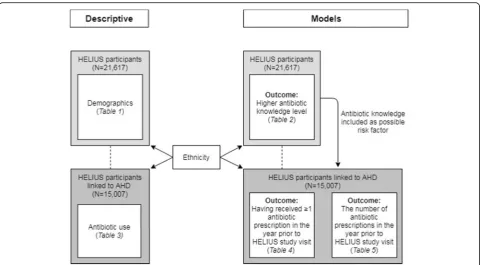
Figure 1 provides an overview of all descriptive ana-lysis and modeling used in the study. Significance was determined using a p-value < 0.05. All analyses were conducted with Stata 13.1 (StataCorp., College Station, Texas, USA).
Results Participants
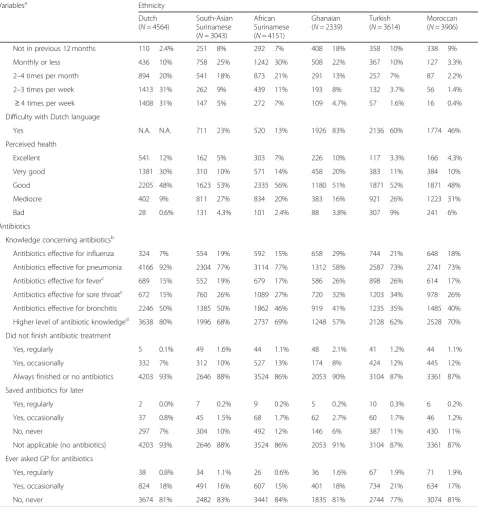
Their baseline characteristics, stratified by ethnicity, are shown in Table 1. Median age of participants was 46 years (IQR 34 to 55) and 58% were women. The propor-tion of several medical condipropor-tions predisposing individ-uals to antibiotic treatment differed by ethnicity. Of these conditions, South-Asian Surinamese participants had the highest prevalence of self-reported diabetes mel-litus (17%) and cerebrovascular accident (CVA) (6%) over the last 12 months. Turkish individuals had more prevalent artery stenosis (10%), severe or chronic fatigue (45%) and respiratory diseases (15%), whereas Ghanaians more frequently reported high blood pressure (33%). Excellent perceived health was reported in 12% of Dutch participants in contrast to 3.3% of Turkish participants.
Ethnic differences in antibiotic knowledge
In several ethnic groups, there were substantial propor-tions of individuals reporting the need to be treated with antibiotics for illnesses without indication, as shown in Table 1. The number of people reporting to have been treated with antibiotics and not having regularly com-pleted their antibiotic treatment was low across all eth-nic groups, ranging from 0.1% in Dutch participants to 2.1% in Ghanaian participants. Few individuals regularly saved their antibiotics for later use, ranging from < 0.1% in Dutch participants to 0.3% in Turkish participants. The percentage of participants having regularly asked
their GP for antibiotics ranged from 0.6% in African Surinamese participants to 1.9% in Turkish and Moroc-can participants.
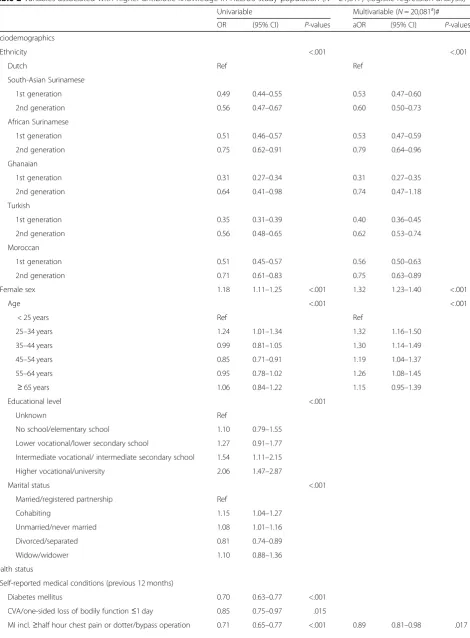
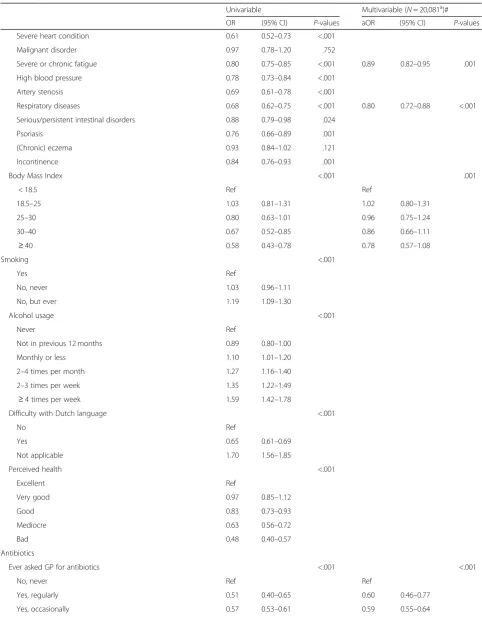
As shown in Table 2, there was a significantly lower odds of individuals with higher level of antibiotic know-ledge among all non-Dutch ethnic groups compared to Dutch individuals (overallp< 0.001) (Table2). Across all non-Dutch groups, second-generation participants had a higher level of antibiotic knowledge than first-generation participants; however, results remained significantly lower compared to the Dutch group.
In multivariable analysis, all ethnic minority groups had lower odds for higher level of antibiotic knowledge compared to Dutch (overall p< 0.001), although the ef-fect for second-generation Ghanaian participants was not statistically significant. The odds for higher level of antibiotic knowledge were higher in all age groups > 25 years of age (except for those ≥65) when compared to
≤25 years of age. Furthermore, women had a significantly higher odds of having a higher level of antibiotic know-ledge compared to males. Lower odds for a higher level of antibiotic knowledge were found for the following medical conditions: myocardial Infarction (MI), severe or chronic fatigue, respiratory diseases and having a BMI
Table 1Characteristics of the HELIUS study population (N= 21,617) by ethnicity
Variablesa Ethnicity
Dutch (N= 4564)
South-Asian Surinamese (N= 3043)
African Surinamese (N= 4151)
Ghanaian (N= 2339)
Turkish (N= 3614)
Moroccan (N= 3906)
Sociodemographics
Female sex 2475 54% 1672 55% 2535 61% 1434 61% 1980 55% 2392 61%
Age in years, median (IQR) 47 (34–58) 48 (35–56) 50 (40–57) 47 (38–53) 42 (31–50) 40 (30–50) Migration generation
1st generation N.A. N.A. 2328 77% 3468 84% 2231 95% 2544 70% 2680 69%
2nd generation N.A. N.A. 715 23% 683 16% 108 4.6% 1080 30% 1226 31%
Educational level
Unknown 25 0.6% 16 0.5% 36 0.9% 42 1.8% 38 1.1% 38 1.0%
No school/elementary school 150 3.3% 437 14% 231 6% 660 28% 1135 31% 1205 31%
Lower vocational/lower secondary school
646 14% 1010 33% 1477 36% 917 39% 889 25% 694 18%
Intermediate vocational/ intermediate secondary school
994 22% 885 29% 1464 35% 578 25% 1020 28% 1294 33%
Higher vocational/university 2749 60% 695 23% 943 23% 142 6% 532 15% 675 17%
Marital status
Married/registered partnership 1724 38% 1043 34% 766 19% 420 18% 2208 61% 2285 59%
Cohabiting 914 20% 311 10% 441 11% 427 19% 132 3.7% 110 2.8%
Unmarried/never married 1474 32% 1001 33% 2231 54% 779 34% 761 21% 1010 26%
Divorced/separated 356 8% 580 19% 617 15% 656 28% 407 11% 414 11%
Widow/widower 87 1.9% 92 3.0% 65 1.6% 23 1.0% 90 2.5% 69 1.8%
Health status
Self-reported medical conditions (previous 12 months)
Diabetes mellitus 102 2.2% 521 17% 419 10% 185 8% 336 9% 389 10%
CVA/one-sided loss of bodily function≤1 day
160 3.5% 212 7% 261 6% 95 4.1% 196 5% 195 5%
MI incl.≥half hour chest pain or dotter/bypass operation
233 5% 491 16% 440 11% 225 10% 591 16% 476 12%
Severe heart condition 67 1.5% 120 4.0% 105 2.5% 75 3.2% 153 4.3% 58 1.5%
Malignant disorder 103 2.3% 70 2.3% 85 2.1% 33 1.4% 73 2.0% 46 1.2%
Severe or chronic fatigue 633 14% 1032 34% 956 23% 186 8% 1602 45% 1465 38%
High blood pressure 534 12% 720 24% 1230 30% 770 33% 610 17% 546 14%
Artery stenosis 85 1.9% 193 6% 181 4.4% 115 5% 348 10% 200 5%
Respiratory diseases 345 8% 433 14% 354 9% 117 5% 556 15% 446 11%
Serious/persistent intestinal disorders 249 5% 248 8% 308 7% 70 3.0% 433 12% 391 10%
Psoriasis 136 3.0% 168 6% 128 3.1% 71 3.1% 154 4.3% 121 3.1%
(Chronic) eczema 420 9% 406 13% 370 9% 71 3.1% 471 13% 423 11%
Incontinence 309 7% 326 11% 342 8% 108 4.7% 464 13% 300 8%
Body Mass Index (kg/m2), median (IQR) 24.1 (21.9– 26.7)
25.7 (23.2– 28.8)
27.0 (23.9– 30.8)
27.9 (25.0– 31.2)
27.9 (24.6– 31.7)
27.0 (23.9– 30.7)
Smoking
Yes 1129 25% 861 28% 1309 32% 104 4.5% 1240 35% 525 13%
No, never 1689 37% 1758 58% 2016 49% 2027 87% 1700 47% 2874 74%
No, but ever 1737 38% 413 14% 805 19% 191 8% 648 18% 492 13%
Alcohol consumption
Table 1Characteristics of the HELIUS study population (N= 21,617) by ethnicity(Continued)
Variablesa Ethnicity
Dutch (N= 4564)
South-Asian Surinamese (N= 3043)
African Surinamese (N= 4151)
Ghanaian (N= 2339)
Turkish (N= 3614)
Moroccan (N= 3906)
Not in previous 12 months 110 2.4% 251 8% 292 7% 408 18% 358 10% 338 9%
Monthly or less 436 10% 758 25% 1242 30% 508 22% 367 10% 127 3.3%
2–4 times per month 894 20% 541 18% 873 21% 291 13% 257 7% 87 2.2%
2–3 times per week 1413 31% 262 9% 439 11% 193 8% 132 3.7% 56 1.4%
≥4 times per week 1408 31% 147 5% 272 7% 109 4.7% 57 1.6% 16 0.4%
Difficulty with Dutch language
Yes N.A. N.A. 711 23% 520 13% 1926 83% 2136 60% 1774 46%
Perceived health
Excellent 541 12% 162 5% 303 7% 226 10% 117 3.3% 166 4.3%
Very good 1381 30% 310 10% 571 14% 458 20% 383 11% 384 10%
Good 2205 48% 1623 53% 2335 56% 1180 51% 1871 52% 1871 48%
Mediocre 402 9% 811 27% 834 20% 383 16% 921 26% 1223 31%
Bad 28 0.6% 131 4.3% 101 2.4% 88 3.8% 307 9% 241 6%
Antibiotics
Knowledge concerning antibioticsb
Antibiotics effective for influenza 324 7% 554 19% 592 15% 658 29% 744 21% 648 18%
Antibiotics effective for pneumonia 4166 92% 2304 77% 3114 77% 1312 58% 2587 73% 2741 73%
Antibiotics effective for feverc 689 15% 552 19% 679 17% 586 26% 898 26% 614 17% Antibiotics effective for sore throatc 672 15% 760 26% 1089 27% 720 32% 1203 34% 978 26%
Antibiotics effective for bronchitis 2246 50% 1385 50% 1862 46% 919 41% 1235 35% 1485 40%
Higher level of antibiotic knowledged 3638 80% 1996 68% 2737 69% 1248 57% 2128 62% 2528 70%
Did not finish antibiotic treatment
Yes, regularly 5 0.1% 49 1.6% 44 1.1% 48 2.1% 41 1.2% 44 1.1%
Yes, occasionally 332 7% 312 10% 527 13% 174 8% 424 12% 445 12%
Always finished or no antibiotics 4203 93% 2646 88% 3524 86% 2053 90% 3104 87% 3361 87%
Saved antibiotics for later
Yes, regularly 2 0.0% 7 0.2% 9 0.2% 5 0.2% 10 0.3% 6 0.2%
Yes, occasionally 37 0.8% 45 1.5% 68 1.7% 62 2.7% 60 1.7% 46 1.2%
No, never 297 7% 304 10% 492 12% 146 6% 387 11% 430 11%
Not applicable (no antibiotics) 4203 93% 2646 88% 3524 86% 2053 91% 3104 87% 3361 87%
Ever asked GP for antibiotics
Yes, regularly 38 0.8% 34 1.1% 26 0.6% 36 1.6% 67 1.9% 71 1.9%
Yes, occasionally 824 18% 491 16% 607 15% 401 18% 734 21% 634 17%
No, never 3674 81% 2482 83% 3441 84% 1835 81% 2744 77% 3074 81%
Missing data,n: marital status 128; diabetes 78; stroke 55; myocardial infarction 33; heart condition 83; malignant disorders 137; fatigue 145; high blood pressure 101; artery stenosis 140; respiratory diseases 115; bowel diseases 115; psoriasis 98; eczema 117; incontinence 126; BMI 23; smoking 107; alcohol 127; perceived health 61; AB effective for influenza 614; AB effective for pneumonia 477; AB effective for fever 685; AB effective for sore throat 625; AB effective for bronchitis 663; asked GP for AB 414; did not finish treatment 292; saved AB 325
Abbreviations:IQRInter Quartile Range,CVACerebro Vascular Accident,MIMyocardial infarction,N.A.Not Applicable,GPGeneral Practitioner
N.A.Not applicable (categories not applicable due to Dutch ethnicity)
a
All variables are reported as n (%), unless otherwise indicated
b
Answered“yes”to the statements below
c
The Dutch General Practitioners guidelines (and those of other European countries) advise against the use of antibiotics for fever in general or sore throat, as they usually constitute viral infections, with only a few exceptions in both cases. Therefore, antibiotics are in general not appropriate for these conditions
dBased on a summed score with cutoff determined by an Item Response Theory model (≥4 out of 5 antibiotic knowledge questions correctly
Table 2Variables associated with higher antibiotic knowledge in HELIUS study population (N= 21,617) (logistic regression analysis)
Univariable Multivariable (N= 20,081a)# OR (95% CI) P-values aOR (95% CI) P-values
Sociodemographics
Ethnicity <.001 <.001
Dutch Ref Ref
South-Asian Surinamese
1st generation 0.49 0.44–0.55 0.53 0.47–0.60
2nd generation 0.56 0.47–0.67 0.60 0.50–0.73
African Surinamese
1st generation 0.51 0.46–0.57 0.53 0.47–0.59
2nd generation 0.75 0.62–0.91 0.79 0.64–0.96
Ghanaian
1st generation 0.31 0.27–0.34 0.31 0.27–0.35
2nd generation 0.64 0.41–0.98 0.74 0.47–1.18
Turkish
1st generation 0.35 0.31–0.39 0.40 0.36–0.45
2nd generation 0.56 0.48–0.65 0.62 0.53–0.74
Moroccan
1st generation 0.51 0.45–0.57 0.56 0.50–0.63
2nd generation 0.71 0.61–0.83 0.75 0.63–0.89
Female sex 1.18 1.11–1.25 <.001 1.32 1.23–1.40 <.001
Age <.001 <.001
< 25 years Ref Ref
25–34 years 1.24 1.01–1.34 1.32 1.16–1.50
35–44 years 0.99 0.81–1.05 1.30 1.14–1.49
45–54 years 0.85 0.71–0.91 1.19 1.04–1.37
55–64 years 0.95 0.78–1.02 1.26 1.08–1.45
≥65 years 1.06 0.84–1.22 1.15 0.95–1.39
Educational level <.001
Unknown Ref
No school/elementary school 1.10 0.79–1.55 Lower vocational/lower secondary school 1.27 0.91–1.77 Intermediate vocational/ intermediate secondary school 1.54 1.11–2.15 Higher vocational/university 2.06 1.47–2.87
Marital status <.001
Married/registered partnership Ref
Cohabiting 1.15 1.04–1.27
Unmarried/never married 1.08 1.01–1.16
Divorced/separated 0.81 0.74–0.89
Widow/widower 1.10 0.88–1.36
Health status
Self-reported medical conditions (previous 12 months)
Diabetes mellitus 0.70 0.63–0.77 <.001
CVA/one-sided loss of bodily function≤1 day 0.85 0.75–0.97 .015
Table 2Variables associated with higher antibiotic knowledge in HELIUS study population (N= 21,617) (logistic regression analysis)
(Continued)
Univariable Multivariable (N= 20,081a)#
OR (95% CI) P-values aOR (95% CI) P-values
Severe heart condition 0.61 0.52–0.73 <.001
Malignant disorder 0.97 0.78–1.20 .752
Severe or chronic fatigue 0.80 0.75–0.85 <.001 0.89 0.82–0.95 .001
High blood pressure 0.78 0.73–0.84 <.001
Artery stenosis 0.69 0.61–0.78 <.001
Respiratory diseases 0.68 0.62–0.75 <.001 0.80 0.72–0.88 <.001
Serious/persistent intestinal disorders 0.88 0.79–0.98 .024
Psoriasis 0.76 0.66–0.89 .001
(Chronic) eczema 0.93 0.84–1.02 .121
Incontinence 0.84 0.76–0.93 .001
Body Mass Index <.001 .001
< 18.5 Ref Ref
18.5–25 1.03 0.81–1.31 1.02 0.80–1.31
25–30 0.80 0.63–1.01 0.96 0.75–1.24
30–40 0.67 0.52–0.85 0.86 0.66–1.11
≥40 0.58 0.43–0.78 0.78 0.57–1.08
Smoking <.001
Yes Ref
No, never 1.03 0.96–1.11
No, but ever 1.19 1.09–1.30
Alcohol usage <.001
Never Ref
Not in previous 12 months 0.89 0.80–1.00
Monthly or less 1.10 1.01–1.20
2–4 times per month 1.27 1.16–1.40
2–3 times per week 1.35 1.22–1.49
≥4 times per week 1.59 1.42–1.78
Difficulty with Dutch language <.001
No Ref
Yes 0.65 0.61–0.69
Not applicable 1.70 1.56–1.85
Perceived health <.001
Excellent Ref
Very good 0.97 0.85–1.12
Good 0.83 0.73–0.93
Mediocre 0.63 0.56–0.72
Bad 0.48 0.40–0.57
Antibiotics
Ever asked GP for antibiotics <.001 <.001
No, never Ref Ref
Yes, regularly 0.51 0.40–0.65 0.60 0.46–0.77
Ethnic difference in antibiotic use
Of the 19,895 HELIUS participants consenting to link their data to other health registries, 15,461 were linked to the AHD (77.7%). Of these 15,461 participants, 15,007 (97%) were insured for ≥365 days in the year prior to their HELIUS study visit. Additional file 2: Table S1 shows the characteristics of the study participants linked versus not linked to the AHD. Participants present in the AHD register had a lower level of education, higher prevalence of medical conditions, and less often had higher levels of antibiotic knowledge.
Table 3 describes antibiotic use according to ethnicity for participants registered in the AHD. In total, 31,530 antibiotic prescriptions were recorded over the study period. The proportion of participants receiving≥1 anti-biotic prescription in the year prior to their HELIUS study visit was highest among first-generation Turkish participants (25%) and was comparably high among second-generation Ghanaian and first-generation Moroccan participants (both 25%). The proportion of participants receiving ≥1 antibiotic prescription in the year prior to the HELIUS study visit was lowest in Dutch and second generation South-Asian Surinamese partici-pants (both 16%).
When considering the entire period during which par-ticipants were insured at Achmea prior to the HELIUS study visit (median 6.0 years, IQR 5.0 to 6.0), the propor-tion of participants receiving ≥1 antibiotic prescription was highest among first generation Turkish participants (69%) and lowest in second-generation Ghanaian partici-pants (49%). The mean number of prescriptions during the entire insured period was comparable to the mean number of prescriptions in the year prior to HELIUS study visit for all ethnic groups (Table2).
Determinants of antibiotic use and number of prescriptions
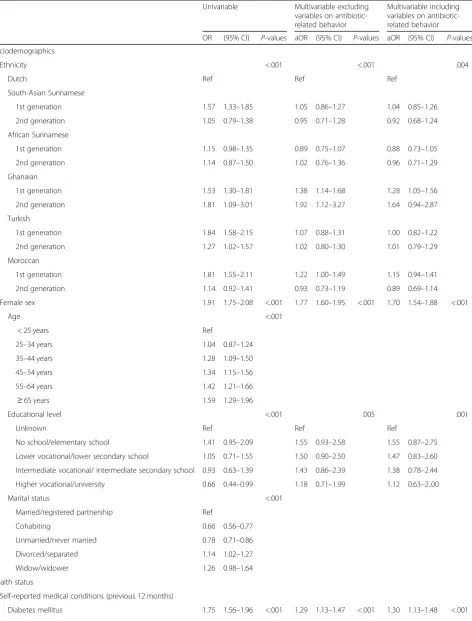
Table 4shows the results from the analysis on the asso-ciation between ethnicity and having received ≥1 anti-biotic prescription in the year prior to the HELIUS study visit. Differences across ethnic groups were observed overall for any antibiotic prescription in both univariable
(p< 0.001) and multivariable analysis (p< 0.001). In mul-tivariable analysis, compared to Dutch individuals, first and second generation Ghanaian individuals and first-generation Moroccan individuals had significantly higher odds of receiving≥1 antibiotic prescription. Adding vari-ables on antibiotic-related behavior and level of anti-biotic use knowledge to the multivariable model did not change these associations.
Table 5shows the results from the analysis on the as-sociation between ethnicity and total number of anti-biotic prescriptions received in the year prior to the HELIUS study visit. Differences across ethnic groups were observed overall for the number of antibiotic pre-scriptions in both univariable and multivariable analysis (both p= 0.004). First-generation African Surinamese and Turkish migrants had a significantly lower number of antibiotic prescriptions compared to individuals of Dutch origin. Only second-generation Ghanaian pants has more prescriptions compared to Dutch partici-pants. Furthermore, female sex, diabetes mellitus, MI, malignant disorder, respiratory disease, eczema and worse perceived health were significantly associated with a higher number of antibiotic prescriptions.
Having a higher level of antibiotic knowledge was not significantly associated with the number of prescriptions when included in multivariable analysis (p= 0.446). No significant interactions between ethnicity and sex or education were observed. Finally, adjusting the associ-ation between ethnicity and antibiotic use for antibiotic-related behaviors did not change these associations.
Discussion
Our study shows that knowledge on the need to use an-tibiotics for treatment is lower among all ethnic minority groups compared to Dutch, with second generation eth-nic minorities showing higher levels of knowledge com-pared to first generation migrants. We also observed ethnic differences in the use of antibiotics, with a higher proportion having received at least one prescription, but a lower mean number of antibiotic prescriptions among some ethnic minority groups compared to Dutch. The only ethnic group with a significantly higher number of
Table 2Variables associated with higher antibiotic knowledge in HELIUS study population (N= 21,617) (logistic regression analysis)
(Continued)
Univariable Multivariable (N= 20,081a)#
OR (95% CI) P-values aOR (95% CI) P-values
Did not finish treatment <.001 <.001
Always finished or no antibiotics Ref Ref
Yes, regularly 0.51 0.39–0.67 0.71 0.54–0.94
Yes, occasionally 0.73 0.66–0.80 0.80 0.73–0.88
Abbreviations:OROdds Ratio,aORadjusted Odds Ratio,CIConfidence Interval,CVACerebro Vascular Accident,MIMyocardial infarction,GPGeneral Practitioner
a
Table 4Variables associated with having received≥1 antibiotic prescription in the year prior to HELIUS visit in participants linked to AHD (N= 15,007) (logistic regression analysis)
Univariable Multivariable excluding variables on antibiotic-related behavior
Multivariable including variables on antibiotic-related behavior
OR (95% CI) P-values aOR (95% CI) P-values aOR (95% CI) P-values
Sociodemographics
Ethnicity <.001 <.001 .004
Dutch Ref Ref Ref
South-Asian Surinamese
1st generation 1.57 1.33–1.85 1.05 0.86–1.27 1.04 0.85–1.26
2nd generation 1.05 0.79–1.38 0.95 0.71–1.28 0.92 0.68–1.24
African Surinamese
1st generation 1.15 0.98–1.35 0.89 0.75–1.07 0.88 0.73–1.05
2nd generation 1.14 0.87–1.50 1.02 0.76–1.36 0.96 0.71–1.29
Ghanaian
1st generation 1.53 1.30–1.81 1.38 1.14–1.68 1.28 1.05–1.56
2nd generation 1.81 1.09–3.01 1.92 1.12–3.27 1.64 0.94–2.87
Turkish
1st generation 1.84 1.58–2.15 1.07 0.88–1.31 1.00 0.82–1.22
2nd generation 1.27 1.02–1.57 1.02 0.80–1.30 1.01 0.79–1.29
Moroccan
1st generation 1.81 1.55–2.11 1.22 1.00–1.49 1.15 0.94–1.41
2nd generation 1.14 0.92–1.41 0.93 0.73–1.19 0.89 0.69–1.14
Female sex 1.91 1.75–2.08 <.001 1.77 1.60–1.95 <.001 1.70 1.54–1.88 <.001
Age <.001
< 25 years Ref
25–34 years 1.04 0.87–1.24
35–44 years 1.28 1.09–1.50
45–54 years 1.34 1.15–1.56
55–64 years 1.42 1.21–1.66
≥65 years 1.59 1.29–1.96
Educational level <.001 .005 .001
Unknown Ref Ref Ref
No school/elementary school 1.41 0.95–2.09 1.55 0.93–2.58 1.55 0.87–2.75 Lower vocational/lower secondary school 1.05 0.71–1.55 1.50 0.90–2.50 1.47 0.83–2.60 Intermediate vocational/ intermediate secondary school 0.93 0.63–1.39 1.43 0.86–2.39 1.38 0.78–2.44 Higher vocational/university 0.66 0.44–0.99 1.18 0.71–1.99 1.12 0.63–2..00
Marital status <.001
Married/registered partnership Ref
Cohabiting 0.66 0.56–0.77
Unmarried/never married 0.78 0.71–0.86
Divorced/separated 1.14 1.02–1.27
Widow/widower 1.26 0.98–1.64
Health status
Self-reported medical conditions (previous 12 months)
Table 4Variables associated with having received≥1 antibiotic prescription in the year prior to HELIUS visit in participants linked to AHD (N= 15,007) (logistic regression analysis)(Continued)
Univariable Multivariable excluding variables on antibiotic-related behavior
Multivariable including variables on antibiotic-related behavior
OR (95% CI) P-values aOR (95% CI) P-values aOR (95% CI) P-values
CVA/one-sided loss of bodily function≤1 day 1.38 1.18–1.62 <.001
MI incl.≥half hour chest pain or dotter/bypass operation 1.78 1.60–1.98 <.001 1.28 1.13–1.45 <.001 1.24 1.09–1.40 .001
Severe heart condition 1.45 1.18–1.79 .001
Malignant disorder 1.93 1.52–2.47 <.001 1.33 1.02–1.74 .037
Severe or chronic fatigue 1.86 1.71–2.02 <.001 1.20 1.08–1.33 .001 1.16 1.04–1.29 .008 High blood pressure 1.36 1.25–1.49 <.001
Artery stenosis 1.46 1.25–1.70 <.001 0.80 0.67–0.96 .014 0.77 0.64–0.92 .004 Respiratory diseases 2.19 1.96–2.44 <.001 1.66 1.47–1.87 <.001 1.59 1.41–1.81 <.001 Serious/persistent intestinal disorders 1.87 1.64–2.12 <.001 1.24 1.07–1.43 .004 1.22 1.05–1.41 .009
Psoriasis 1.28 1.05–1.56 .015
(Chronic) eczema 1.30 1.15–1.47 <.001
Incontinence 2.08 1.85–2.35 <.001 1.32 1.15–1.52 <.001 1.32 1.15–1.52 <.001
Body Mass Index <.001
< 18.5 Ref
18.5–25 1.03 0.72–1.46
25–30 1.24 0.87–1.76
30–40 1.64 1.15–2.33
≥40 1.97 1.31–2.97
Smoking .184 <.001 .003
Yes Ref Ref Ref
No, never 0.99 0.90–1.09 0.78 0.69–0.87 0.82 0.72–0.92
No, but ever 0.90 0.80–1.02 0.91 0.79–1.04 0.93 0.81–1.07
Alcohol usage <.001 .017 .012
Never Ref Ref Ref
Not in previous 12 months 0.88 0.77–1.02 0.96 0.82–1.12 0.95 0.81–1.12
Monthly or less 0.68 0.61–0.77 0.83 0.72–0.95 0.82 0.71–0.94
2–4 times per month 0.73 0.64–0.83 0.93 0.79–1.09 0.92 0.78–1.08 2–3 times per week 0.64 0.55–0.75 0.92 0.76–1.10 0.89 0.74–1.08
≥4 times per week 0.48 0.39–0.58 0.70 0.55–0.88 0.68 0.54–0.86
Difficulty with Dutch language <.001
No Ref
Yes 1.32 1.21–1.43
Not applicable 0.80 0.71–0.91
Perceived health <.001 <.001 .002
Excellent Ref Ref Ref
Very good 1.09 0.86–1.37 1.05 0.83–1.34 1.03 0.80–1.31
Good 1.55 1.27–1.90 1.22 0.99–1.51 1.20 0.97–1.49
Mediocre 2.47 2.01–3.04 1.37 1.09–1.72 1.32 1.05–1.67
Bad 3.85 3.02–4.91 1.69 1.28–2.23 1.59 1.20–2.11
Antibiotic-related behavior
antibiotic prescriptions was second generation Ghanaian participants. Furthermore, we showed that a lower level of antibiotic knowledge was not associated with receiving antibiotics or average number of antibiotic prescriptions, and that ethnic differences in antibiotic use therefore cannot be explained by level of know-ledge on antibiotics.
A previous study in Dutch primary care centres dem-onstrated higher use of antibiotics among first-generation migrants from Turkey, Morocco, Surinam or the Antilles compared to Dutch, after adjustment for age, sex, education, presence of chronic diseases, and smoking [3]. We found that the odds of having≥1 anti-biotic prescription was higher in some ethnic groups in unadjusted analysis, but after adjusting for several vari-ables including medical conditions, the odds were sig-nificantly higher among Ghanaian and first-generation Moroccan participants only. In contrast, in our analyses on the number of antibiotic prescriptions as an outcome, only second-generation Ghanaian migrants were at higher risk of receiving a higher number of prescriptions compared to Dutch participants. For all other ethnic groups, no evidence of a higher risk for more frequent prescriptions was found, while even a lower number was present for first-generation African Suriname and Turk-ish participants. To the best of our knowledge, no other studies have evaluated the variation in level of antibiotic knowledge and antibiotic use between ethnic groups and thus our findings need to be confirmed. Notably, our findings on antibiotic prescriptions and ethnicity are in line with a large retrospective cohort study performed in pediatric emergency departments in the United States [15]. This study also looked at the association between ethnicity and antibiotic prescribing, showing that other
ethnic groups received less antibiotics for viral infections than non-Hispanic white children.
Lower odds for higher level of antibiotic use know-ledge were also seen among individuals who regularly or occasionally requested antibiotics from their GP or who regularly or occasionally did not finish treatment. These findings suggest that improving antibiotic knowledge might decrease the number of requests for antibiotics in primary care and improve appropriate use.
Our study has several strengths. First, the HELIUS study consists of a large number of participants from major ethnic groups living in the same city, with repre-sentation from all socioeconomic levels. Second, all out-comes and determinants were measured using the same methodology across all ethnic groups and HELIUS used translated questionnaires and had ethnically-matched in-terviewers and research assistants to provide assistance during data collection. These procedures enhance the comparability between ethnic groups. Another major strength of the current study is that HELIUS data could be linked to data from a health insurance register cover-ing the majority (77.7%) of the study population.
Our study has also limitations. First, although HELIUS participants were recruited via an ethnicity-stratified random selection of the municipal registry of Amsterdam, the response rate for HELIUS study was 28% and there may be selection bias [8]. However, ana-lysis from a previous HELIUS study have shown that participants are not exceedingly different from non-respondents regarding sociodemographic variables [8]. Second, we did not take into account the use of antibi-otics purchased over the counter in the home country of participants [6, 16–18], and we might therefore have underestimated antibiotic use in non-Dutch ethnic
Table 4Variables associated with having received≥1 antibiotic prescription in the year prior to HELIUS visit in participants linked to
AHD (N= 15,007) (logistic regression analysis)(Continued)
Univariable Multivariable excluding variables on antibiotic-related behavior
Multivariable including variables on antibiotic-related behavior
OR (95% CI) P-values aOR (95% CI) P-values aOR (95% CI) P-values
No Ref
Yes 0.77 0.71–0.84
Ever asked GP for antibiotics <.001 <.001
No, never Ref Ref
Yes, regularly 4.72 3.59–6.21 3.07 2.28–4.14
Yes, occasionally 2.42 2.20–2.66 2.11 1.91–2.34
Did not finish treatment <.001 <.001
Always finished or no antibiotics Ref Ref
Yes, regularly 2.70 2.02–3.62 1.80 1.29–2.50
Yes, occasionally 1.62 1.45–1.83 1.32 1.16–1.50
Table 5Variables associated with number of antibiotic prescriptions in participants linked to ADH (N= 15,007) (zero-inflated negative binomial regression analysis)
Univariablea Multivariable excluding
variables on antibiotic-related behavior
Multivariable including variables on antibiotic-related behavior
IRR (95% CI) P-values IRR (95% CI) P-values IRR (95% CI) P-values
Sociodemographics
Ethnicity .004 .004 .001
Dutch Ref Ref Ref
South-Asian Surinamese
1st generation 1.06 0.85–1.31 0.86 0.68–1.10 1.02 0.82–1.28
2nd generation 0.82 0.55–1.21 0.94 0.61–1.44 0.94 0.64–1.36
African Surinamese
1st generation 0.79 0.64–0.99 0.73 0.58–0.93 0.81 0.65–1.00
2nd generation 0.83 0.57–1.22 0.90 0.59–1.36 0.93 0.65–1.33
Ghanaian
1st generation 0.75 0.60–0.94 0.77 0.60–1.00 0.81 0.65–1.02
2nd generation 1.66 0.89–3.11 2.09 1.06–4.12 2.70 1.47–4.94
Turkish
1st generation 0.85 0.69–1.04 0.74 0.59–0.92 0.79 0.64–0.97
2nd generation 1.14 0.87–1.51 1.14 0.84–1.53 1.10 0.84–1.44
Moroccan
1st generation 0.99 0.81–1.21 0.89 0.70–1.11 0.89 0.72–1.10
2nd generation 0.84 0.63–1.13 0.92 0.67–1.27 1.02 0.76–1.37
Female sex 1.36 1.20–1.54 <.001 1.35 1.18–1.54 <.001 1.29 1.15–1.46 <.001
Age .023
< 25 years Ref
25–34 years 1.09 0.91–1.30
35–44 years 1.16 0.98–1.38
45–54 years 1.09 0.92–1.29
55–64 years 1.14 0.95–1.36
≥65 years 1.44 1.16–1.80
Educational level .096
Unknown Ref
No school/elementary school 1.74 0.86–3.52 Lower vocational/lower secondary school 1.74 0.86–3.52 Intermediate vocational/ intermediate secondary school 1.57 0.77–3.17 Higher vocational/university 1.45 0.71–2.96
Marital status .212
Married/registered partnership Ref
Cohabiting 0.85 0.72–1.00
Unmarried/never married 0.99 0.89–1.10
Divorced/separated 1.01 0.90–1.13
Widow/widower 1.14 0.90–1.45
Health status
Self-reported medical conditions (previous 12 months)
Table 5Variables associated with number of antibiotic prescriptions in participants linked to ADH (N= 15,007) (zero-inflated negative binomial regression analysis)(Continued)
Univariablea Multivariable excluding
variables on antibiotic-related behavior
Multivariable including variables on antibiotic-related behavior
IRR (95% CI) P-values IRR (95% CI) P-values IRR (95% CI) P-values
CVA/one-sided loss of bodily function≤1 day 1.10 0.95–1.29 .208
MI incl.≥half hour chest pain or dotter/bypass operation 1.35 1.19–1.54 <.001 1.22 1.06–1.41 .005
Severe heart condition 1.26 1.04–1.52 .019
Malignant disorder 1.91 1.47–2.48 <.001 1.60 1.21–2.12 .001 1.60 1.28–2.00 Severe or chronic fatigue 1.29 1.15–1.44 <.001
High blood pressure 1.14 1.04–1.25 .006
Artery stenosis 1.30 1.08–1.57 .005
Respiratory diseases 1.50 1.32–1.71 <.001 1.34 1.16–1.54 <.001 1.29 1.13–1.47 <.001 Serious/persistent intestinal disorders 1.24 1.07–1.44 .004
Psoriasis 1.08 0.90–1.31 .406
(Chronic) eczema 1.21 1.07–1.37 .002 1.14 1.00–1.29 .042
Incontinence 1.31 1.13–1.50 <.001
Body Mass Index .736
< 18.5 Ref
18.5–25 0.98 0.70–1.37
25–30 0.98 0.70–1.37
30–40 1.04 0.74–1.46
≥40 1.06 0.71–1.57
Smoking .099
Yes Ref
No, never 1.13 1.00–1.29
No, but ever 1.02 0.87–1.21
Alcohol usage .075
Never Ref
Not in previous 12 months 0.93 0.77–1.13
Monthly or less 0.94 0.80–1.11
2–4 times per month 1.01 0.85–1.20
2–3 times per week 0.73 0.58–0.91
≥4 times per week 0.81 0.61–1.08
Difficulty with Dutch language .320
No Ref
Yes 0.94 0.86–1.04
Not applicable 1.05 0.88–1.25
Perceived health <.001 .001 <.001
Excellent Ref Ref Ref
Very good 0.98 0.68–1.42 1.03 0.71–1.49 0.99 0.70–1.39
Good 1.29 0.94–1.77 1.19 0.85–1.65 1.17 0.86–1.59
Mediocre 1.73 1.25–2.39 1.40 1.00–1.97 1.44 1.05–1.97
Bad 2.30 1.62–3.26 1.71 1.17–2.49 1.72 1.22–2.43
Antibiotic-related behavior
groups. As a recent HELIUS study found that Dutch people of Turkish or Moroccan origin were more likely to use healthcare in the Netherlands as well as their country of origin [19], underestimation of antibiotic use in non-Dutch ethnic groups seems unlikely. Third, since several characteristics, such as education level and med-ical conditions, of HELIUS participants insured at Ach-mea differed from those insured elsewhere, selection bias could have been introduced in analysis on antibiotic use. This difference could be due to the fact that the City of Amsterdam provided health insurance discounts with Achmea for low-income individuals. These differ-ences were corrected for during multivariable analyses to the most possible extent. Fourth, the variable ‘ever asked GP for antibiotics’does not discriminate between appropriate or inappropriate requests for antibiotics and misclassification might have occurred. However, this variable gives some information on participants’ atti-tudes towards antibiotic use. Furthermore, due to pri-vacy restrictions, we were unable to include indication for antibiotic therapy and duration of antibiotic use as additional indices for antibiotic use (apart from the number of antibiotics prescribed). Moreover, since this was a cross-sectional study, we were unable to model antibiotic knowledge with future antibiotic prescriptions. Further research should examine the association of anti-biotic knowledge with future antianti-biotic prescriptions. Fi-nally, we are unable to determine if individuals were more demanding towards their GP or if their GPs were more lenient in prescribing antibiotics during illness [4, 5]. Neither completing antibiotic therapy, assessed by pill count, nor duration of antibiotic use could be taken into account as these data were not available.
Conclusions
To our knowledge, this study is the first to examine eth-nic disparities in level of antibiotic knowledge and use in a large population-based sample among adults with dif-ferent ethnic backgrounds. Health policy makers and healthcare professionals are increasingly developing in-terventions to improve the quality of antibiotic use, which is needed to help contain antimicrobial resistance. Targeted campaigns can be considered, for instance, during the annual European Antibiotic Awareness Day, since this event addresses improvement in the quality of antibiotic use to the general public [20]. Still, this study shows that a lower level of antibiotic knowledge is not necessarily linked to higher antibiotic usage, indicating that interventions aimed at improving knowledge alone might be insufficient to reduce antibiotic use. Neverthe-less, the underlying reasons for these findings need further evaluation.
Supplementary information
Supplementary informationaccompanies this paper athttps://doi.org/10. 1186/s13756-019-0636-x.
Additional file 1.Supplementary Methods.
Additional file 2:Table S1.Characteristics of participants not linked versus linked to the Achmea Health Database.
Abbreviations
AHD:Achmea Health Database; aIRR: adjusted Incidence Risk Ratio;
aOR: adjusted Odds Ratio; BMI: Body Mass Index; CVA: Cerebrovascular Accident; GP: General Practitioner; HELIUS: Healthy life in an Urban Setting; IQR: Interquartile Range; IRR: Incidence Risk Ratio; MI: Myocardial Infarction; OR: Odds Ratio; WHO: World Health Organization
Acknowledgements
The authors would like to acknowledge the HELIUS participants for their contribution; the HELIUS team for data collection and management.
Table 5Variables associated with number of antibiotic prescriptions in participants linked to ADH (N= 15,007) (zero-inflated
negative binomial regression analysis)(Continued)
Univariablea Multivariable excluding
variables on antibiotic-related behavior
Multivariable including variables on antibiotic-related behavior
IRR (95% CI) P-values IRR (95% CI) P-values IRR (95% CI) P-values
No Ref
Yes 0.92 0.85–1.00
Ever asked GP for antibiotics <.001 <.001
No, never Ref Ref
Yes, regularly 2.96 2.34–3.73 1.87 1.45–2.41
Yes, occasionally 1.75 1.59–1.92 1.15 1.06–1.30
Did not finish treatment <.001
Always finished or no antibiotics Ref
Yes, regularly 1.50 1.12–2.00
Yes, occasionally 1.32 1.18–1.48
Abbreviations:IRRIncidence Risk Ratio,CIConfidence Interval,CVACerebro Vascular Accident,MIMyocardial infarction,GPGeneral Practitioner
a
Authors’contributions
ES, MS, SG, MP and JP were involved in the conception and design of the study. ES, EvD and MS were involved in the acquisition of data. EvD and AB analyzed the data. ES and EvD wrote the manuscript. ES, EvD, AB, MS, SG, MP and JP were major contributors in revising the manuscript. All authors read and approved the final manuscript.
Funding
The HELIUS study is conducted by the Academic Medical Center Amsterdam and the Public Health Service of Amsterdam. Both organizations provided core support for HELIUS. The HELIUS study is also funded by the Dutch Heart Foundation (2010 T084), the Netherlands Organization for Health Research and Development (ZonMw) (200500003), the European Union (FP-7) (278901), and the European Fund for the Integration of non-EU immigrants (EIF) (2013EIF013). The authors were independent from funders and had full access to all data. The decision to submit for publication was uninfluenced by the funders. The authors of this study take full responsibility for the integ-rity of the data and the accuracy of the data analysis.
Availability of data and materials
The datasets used in the current study are available from the corresponding author on request, contingent on approval from the HELIUS scientific committee.
Ethics approval and consent to participate
The HELIUS study is conducted in accordance with the Declaration of Helsinki and has been approved by the AMC Ethical Review Board. All participants provided written informed consent.
Consent for publication Not applicable.
Competing interests
The authors declare that they have no competing interests.
Author details
1
Department of Internal Medicine, Division of Infectious Diseases, Amsterdam UMC, University of Amsterdam, Meibergdreef 9, 1105, AZ, Amsterdam, The Netherlands.2Department of Infectious Diseases, Public Health Service
Amsterdam, Nieuwe Achtergracht 100, 1018, WT, Amsterdam, The Netherlands.3INSERM, Sorbonne Université, Institut Pierre Louis
d’Épidémiologie et de Santé Publique, Paris, France.4Department of Public
Health, Amsterdam UMC, University of Amsterdam, Amsterdam Public Health Research Institute, Amsterdam, The Netherlands.5Department of Clinical
Epidemiology, Biostatistics and Bioinformatics, Amsterdam UMC, University of Amsterdam, Amsterdam Public Health Research Institute, Amsterdam, The Netherlands.
Received: 31 July 2019 Accepted: 24 October 2019
References
1. WHO. Antimicrobial resistance: global report on surveillance 2014; 2014.
p. 257.
2. Nellums LB, Thompson H, Holmes A, Castro-Sanchez E, Otter JA, Norredam
M, et al. Antimicrobial resistance among migrants in Europe: a systematic
review and meta-analysis. Lancet Infect Dis. 2018;18(7):796–811.
3. Hogenhuis CC, Grigoryan L, Numans MM, Verheij TJ. Differences in antibiotic
treatment and utilization of diagnostic tests in Dutch primary care between
natives and non-western immigrants. Eur J Gen Pract. 2010;16(3):143–7.
4. Grigoryan L, Burgerhof JG, Degener JE, Deschepper R, Lundborg CS,
Monnet DL, et al. Determinants of self-medication with antibiotics in Europe: the impact of beliefs, country wealth and the healthcare system. J
Antimicrob Chemother. 2008;61(5):1172–9.
5. Grigoryan L, Burgerhof JG, Degener JE, Deschepper R, Lundborg CS,
Monnet DL, et al. Attitudes, beliefs and knowledge concerning antibiotic use and self-medication: a comparative European study.
Pharmacoepidemiol Drug Saf. 2007;16(11):1234–43.
6. Norris P, Ng LF, Kershaw V, Hanna F, Wong A, Talekar M, et al. Knowledge
and reported use of antibiotics amongst immigrant ethnic groups in New
Zealand. J Immigr Minor Health. 2010;12(1):107–12.
7. Deschepper R, Grigoryan L, Lundborg CS, Hofstede G, Cohen J, Kelen GV,
et al. Are cultural dimensions relevant for explaining cross-national differences in antibiotic use in Europe? BMC Health Serv Res. 2008;8:123.
8. Snijder MB, Galenkamp H, Prins M, Derks EM, Peters RJG, Zwinderman AH,
et al. Cohort profile: the Healthy life in an urban setting (HELIUS) study in Amsterdam, The Netherlands. BMJ Open. 2017;7(12):e017873.
9. Stronks K, Snijder MB, Peters RJ, Prins M, Schene AH, Zwinderman AH.
Unravelling the impact of ethnicity on health in Europe: the HELIUS study. BMC Public Health. 2013;13:402.
10. StatLine. Population key figures 2019.https://opendata.cbs.nl/statline/#/CBS/
nl/dataset/37296ned/table?ts=156888214600.
11. StatLine. Population data; age, migration background, gender and region.
2019.https://opendata.cbs.nl/statline/#/CBS/nl/dataset/37713/table?ts=156
8882255075.
12. Stronks K, Kulu-Glasgow I, Agyemang C. The utility of 'country of birth' for
the classification of ethnic groups in health research: the Dutch experience.
Ethn Health. 2009;14(3):255–69.
13. Data Protection Authority. Ministry of Health, Welfare and Sport.https://
autoriteitpersoonsgegevens.nl/en.
14. Special Eurobarometer 338: Antimicrobial Resistance (2010).http://ec.
europa.eu/public_opinion/archives/eb_special_339_320_en.htm#338.
15. Goyal MK, Johnson TJ, Chamberlain JM, Casper TC, Simmons T, Alessandrini
EA, et al. Racial and Ethnic Differences in Antibiotic Use for Viral Illness in Emergency Departments. Pediatrics. 2017;140(2):e20170203 (4).
16. Lindenmeyer A, Redwood S, Griffith L, Ahmed S, Phillimore J. Recent
migrants’perspectives on antibiotic use and prescribing in primary care: a
qualitative study. Br J Gen Pract. 2016;66(652):e802–e9.
17. Hu J, Wang Z. Non-prescribed antibiotic use and general practitioner service
utilisation among Chinese migrants in Australia. Aust J Prim Health. 2016;
22(5):434–9.
18. Hu J, Wang Z. In-home antibiotic storage among Australian Chinese
migrants. Int J Infect Dis. 2014;26:103–6.
19. Sekercan A, Snijder MB, Peters RJG, Stronks K. Is healthcare consumption in
the country of origin among Moroccan and Turkish migrants of older age (55+) associated with less use of care in the Netherlands? Tijdschr Gerontol
Geriatr. 2018;49(6):253–62.
20. European Centre for Disease Prevention and Control. Antimicrobial
consumption. In: ECDC, editor. Annual epidemiological report for 2016.
Stockholm: ECDC; 2018.https://ecdc.europa.eu/en/publications-data/
antimicrobial-consumption-annual-epidemiological-report-2016.
Publisher’s Note