www.wjpr.net Vol 7, Issue 04, 2018. 209
STUDY OF BACTERIOCIN AND EPS PRODUCTION AND
OPTIMIZATION USING NEW ISOLATES OF
LACTOBACILLUS
SPP.
Dr. Madhavi D. Rane*1, Ruchi Kaushal2, Shahin Pathan3 and Samreen Sayyad4
1,2,3,4
Department of Microbiology, Abeda Inamdar Senior. College, Pune, India.
ABSTRACT
A total of six isolates of Lactobacillus isolated from different samples.
These isolates were identified by phenotypic and biochemical methods.
Lactic acid bacteria play an important role in food fermentation and
preservation either as natural micro flora or as starter culture in the
dairy industry. Lactic acid bacteria displays numerous antimicrobial
activities some strains of lactic acid bacteria have importance in
general health, providing a beneficial micro flora in the intestinal tract
and are able to synthesize Exopolysaccharides (EPS).
Exopolysaccharides produced by lactic acid bacteria have gained few
years because of their contribution and texture of food products. The
EPS was produced in simplified synthetic medium and extracted with two volumes of ethanol
after 24 h of fermentation. The quantity of EPS produced by isolate was 1.27g. The dialyzed
EPS was used in Nuclear Magnetic Resonance (NMR). This is mainly due to the production
of organic acids but also of other compounds, such as bacteriocins. Bacteriocins are natural
peptides varieties of bacteria for the purpose of killing other bacteria. In present study
bacteriocin producing Lactobacillus species were isolated from different samples and
bacteriocin was produced from Lactobacillus by fermentation. After isolation of bacteriocin it
was tested for antimicrobial activity against five food spoilage causing and human pathogenic
bacteria. In antimicrobial assay bacteriocin has showed as a strong antimicrobial agent
against all five bacteria by forming zone of inhibition of 15mm, 12mm, 13mm, 19mm and
15mm respectively. This study revealed the possibility of using bacteriocin as bio
preservative to control food spoilage causing bacteriaLactic acid bacteria products obtained
with their aid are characterized by hygienic safety, storage stability and attractive sensory
properties.
Volume 7, Issue 04, 209-221. Conference Article ISSN 2277–7105
Article Received on 03 Jan. 2018,
Revised on 24 Jan. 2018, Accepted on 13 Feb. 2018
DOI: 10.20959/wjpr20184-10775
*Corresponding Author Dr. Madhavi D. Rane Department of
Microbiology, Abeda
Inamdar Senior. College,
www.wjpr.net Vol 7, Issue 04, 2018. 210
KEYWORDS:Bacteriocins, EPS, lactobacillus and lactic acid bacteria.
INTRODUCTION
Lactic acid bacteria are a group of Gram-positive bacteria united by a constellation of
morphological, metabolic, physiological characteristics (Coeuret et al., 2003). They produce
lactic acid either through homofermentative or heterofermentative pathway and are wide
spread in nature and also found in human digestive system. Lactobacilli are considered
especially as beneficial bacteria because they have their ability to break down proteins,
carbohydrates and fats in food and help in absorption of necessary elements and nutrients
such as minerals, aminoacids and vitamins required for the survival of humans and other
animals. Lactic acid bacteria exert a strong antagonistic activity against many
food-contaminating microorganisms as a result of the production of organic acids, hydrogen
peroxide, diacetyl, inhibitory enzymes and bacteriocins (Piard and Desmazeaud, 1991).
The bacteriocins produced by LAB have been classified into four groups according to their
biochemical characteristics. Because bacteriocins and their producers have potential
applications as natural food preservatives, a number of bacteriocins have been identified and
investigated (Chen & Hoover 2003). Generally, bacteriocins are peptides or proteins and
different bacteriocins have different antimicrobial spectra. Bacteriocins are antimicrobial
proteinaceous compounds that are inhibitory toward sensitive strains and are produced by
both gram positive and gram negative bacteria (Tagg, J.R 1976). Bacteriocins are produced
by bacteria and possess antibiotic properties, but bacteriocins are normally not termed
antibiotics in order to avoid confusion and concern with therapeutic antibiotics that can
potentially illicit allergic reactions in humans (Cleveland, J 2001).They are ribosomally
synthesized polypeptide possessing bacteriocidal activity that are rapidly digested by
proteases in the human digestive tract and relatively hydrophobic and heat stable (]
Klaenhammer, T.R., 1998). The Bacteriocins (as colicins) were originally defined as
bacteriocidal proteins characterized by lethal biosynthesis, a very narrow range of activity
and adsorption to specific cell envelop receptors (Joerger, R.D 2000).
Exopolysaccharides (EPSs) produced by lactic acid bacteria (LAB) possess the possibility of
replacing stabilizers and thickeners currently produced commercially by nonfood-grade
bacteria. Over the past number of years, various studies have concentrated upon
www.wjpr.net Vol 7, Issue 04, 2018. 211
strategies can be developed for the mprovement of EPS yield and the design of tailor-made
polysaccharides.
Metabolic engineering strategies that target increasing metabolic flux to EPS should include
EPS formation pathways (de Vos 1996). It has been suggested that a potential controlling
factor in EPS biosynthesis is the availability of sugar nucleotides which are necessary for the
construction of the polymers (Boelset al.2001).
This study revealed the possibility of using bacteriocin as bio preservative to control food
spoilage causing bacteria Lactic acid bacteria products obtained with their aid are
characterized by hygienic safety, storage stability and attractive sensory properties.
MATERIAL AND METHODS
Determination antibacterial activity
Collection of Samples
Sample like Fish, Curd, Lassi, Idli, Yakut, and Molasses were collected from different
sources. Samples were taken to the laboratory for microbiological analysis.
Isolation and identification of bacteriocin producing bacteria
The bacteriocin producers from fish, curd, lassi, idli, yakult, and molasses were isolated by
pour plate method technique using MRS(De Man, Rogosa and Sharpe agar) agar. After
incubation for 24–48 h at 37 °C typical colonies were isolated and purified. The isolates were
differentiated on the basis of their morphological, cultural and physiological characteristics
such as oxidase test, utilization of citrate as a sole carbon source and catalase test and
accordingly were tentatively, to the genus level. (Sharpe, 1979; Kandler and Weiss, 1986).
Agar Spot Assay Test
Lactic acid bacterial isolates were cultured in 5ml of MRS broth at 30° C for 16 hrs. Aliquots
(2μl) of the culture were spotted onto agar plates containing 10ml of MRS medium. After 18
hrs at 30°C, the plates were overlaid with 5ml of the appropriate soft agar (1% agar)
inoculated with the cell suspension of the indicator strain Lactobacillus acidophilus at a final
concentration of 10 5 CFU/ml (Kilic et al., 1996). The plates were incubated at 37°C for
24-72 hrs, depending on the growth of the indicator strain and the appearance of inhibitory zones
www.wjpr.net Vol 7, Issue 04, 2018. 212 Agar-Well Diffusion Assay
The strains that were selected as potential bacteriocin producers were grown in MRS broth at
37ºC for 48 hrs. Cells were separated by centrifugation at 5000 rpm for 10 min at room
temperature. Around 6mm diameter wells were made on preinoculated agar media and each
well was inoculated with 100 μl of culture supernatant of bacteriocin producing Lactobacillus
strains after neutralization with NaOH (Toba et al., 1991). Inhibitory activity was performed
against certain Gram positive and Gram negative organisms: Escherichia coli, Klebsiella
pneumonia, Pseudomonas aeruginosa, Salmonella typhi, Staphylococcus aureus.. Inhibition
zones around the wells were measured and recorded.
Production of crude bacteriocin samples
Lactobacillus species was propagated in 1000 ml MRS broth and incubated at 24 hours at 37
ºC (anaerobically). For extraction of bacteriocin, a cell-free solution was obtained by
centrifuging (10,000 rpm) for 20 min at 4 ºC then culture supernatant was adjusted to pH 7.0
by means of 1M NaOH to the antimicrobial effect, followed by filtration of the supernatant
through a 0.2l pore-size filter. The supernatant was dialysed for 24 h at 4 ºC and the cells
were separated out supernatant was used as a crude bacteriocin.
Partial purification of bacteriocin
Ammonium Sulphate Precipitation: The crude bacteriocin samples were treated with solid
ammonium sulphate75% saturation. The mixtures were stirred for 30mins in ice bucket and
later centrifuged at 10,000 rpm for 20minutes (5ºC). The precipitates were re-suspended in 20
ml of 0.05 M potassium phosphate buffer (pH 7.0). Dialysis was followed in dialysis tubing
and kept in stirrer for overnight incubation. Then 10ml the same buffer in dialysis tubing is
kept for 18 h. Assay of the bacteriocin activity was carried out and was determined in both
the precipitate and supernatant to know which one actually contain the bacteriocin.
Screening of isolates for antimicrobial activity
The inhibitory activity was screened by agar well diffusion assay. Overnight culture was
inoculated in MRS broth and incubated at 24 hours at 37 ºC. Cells were removed by
centrifugation at 10,000 rpm for 30 min at 4 ºC. The supernatant fluid was adjusted to pH-7
with 1N NaOH.Then test organisms were spread on Muller Hilton agar plate. Then the wells
(5 mm) were cut into the agar plate by using a cork and 100 l culture supernatant was placed
www.wjpr.net Vol 7, Issue 04, 2018. 213
24 h (anareobically) the antimicrobial activity was determined by measuring the diameter of
the inhibition zone around the wells. The bacterial isolate showing the widest zone of
inhibition against the target microorganism.
Characterization of bacteriocin
Bacteriocin was checked for its temperature tolerance, pH stability and sensitivity to
chloroform.
a) Sensitivity to heat
Culture supernatant was heated for 10 min at 40 ºC, 50 ºC, 60 ºC, 70 ºC, 80 ºC, 90 ºC, 100 ºC
and agar well diffusion assay was performed to detect residual activity.
b) Sensitivity to different pH values
The pH of the culture supernatant was adjusted to 3, 4.5, 7.5 and 9.0 and then kept at room
temperature for 4 h. Residual activity was determined by agar well diffusion method.
c) Sensitivity to chloroform
Chloroform was added to the supernatant at a final concentration of 0.5 mg/ml mix it well.
The mixture was poured onto the culture plate well. The culture plates were examined after
18-24 h of incubation. The presence of inhibition zone around well both with and without
chloroform were determined to be the effect of bacteriocin.
Optimization of culture condition to improve bacteriocin production
a) Optimization of medium composition
The influence of medium components on bacteriocin was evaluated by supplementing the
media with glucose (1%), Tryptone (1%), NaCl (1%), Yeast extract (1%). The inoculated
cultures were incubated for 24 hrs and the activity was assayed using agar well diffusion
method.
b) Optimization of growth conditions
The effect of incubation period was studied by inoculating the producer organism into
individual MRS medium and incubating at 37 ºC for period of 24, 30, 48 and 60 hours.
www.wjpr.net Vol 7, Issue 04, 2018. 214 Determination of preservative effect of bacteriocin
The food products, viz. juice (water melon), pulp (grapes) were sterilized and inoculated with
Bacillus subtilis, inoculated samples were recorded and bacteriocin supernatant at a
concentration of 0.05 to 0.5 % was added. After 24 and 72 h, the plate count was recorded
and compared with the control (without bacteriocin.)The partially purified bacteriocin from
isolate was also tested for preservative effect against B. subtilis and clearly the preservative
effect in juice, pulp increased with the increase in the concentration of bacteriocin. Maximum
reduction of B.subtilis population was observed in juice as compare in pulp However, in
control (without bacteriocin), no reduction was observed in the count of B.subtilis. The
results revealed that microbial count decreased in pulp and was increased in juice and
preservative effect of bacteriocin was seen in juice, it is a desirable characteristic of a bio
preservative.
Production of EPS
Lactobacillus was grown in MRS broth for 24 h at 37ºC Disodium hydrogen phosphate was
added by filtration through 0.2 μm membrane filter. Medium was inoculated and incubated
for 24 h of fermentation under microaerophilic condition.
Isolation and estimation of Exopolysaccharides
The culture centrifuge for production media at 4 ºC at 8000 rpm for 30 minutes, collect the
supernatant and mix it with equal volume of ice-cold chilled ethanol. Incubate at 4 ºC for 24
hrs.Centrifuge the above refrigerator solution at 4 ºC at 2500 rpm for 20 minutes.Resuspend
the pellet in distilled water along with equal volume of ice-cold chilled ethanol, again
centrifuge the solution at 4 ºC at 2500 rpm for 20 minutes. Dry the final pellet obtained at
60ºC and weighs it.
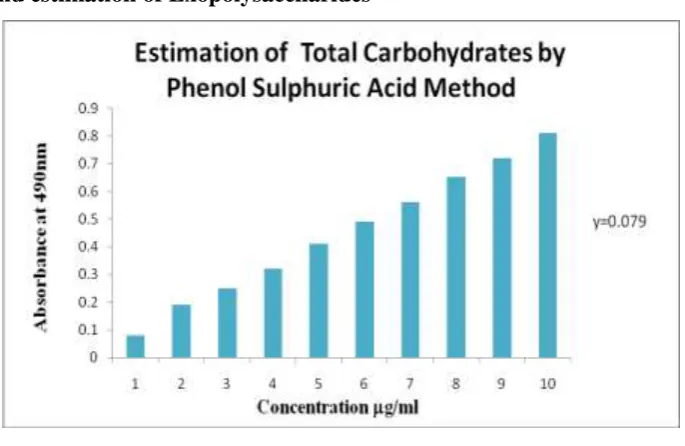
Determination of total carbohydrate content of EPS by phenol sulphuric acid method
To the dried pellet add 1 ml of 5% phenol and 5ml 69% concentration H2SO4,
Keep this mixture in ice water bath for 20 minutes. Take OD at 490nm.
Purification of EPS
EPS extracted from synthetic media may contain impurities (protein), which may interfere
with EPS characterization. Hence, partial purification of EPS was done by dialysis. EPS was
www.wjpr.net Vol 7, Issue 04, 2018. 215
frozen at -20ºC in deep freezer.Frozen EPS was covered with parafilm and EPS for 1-2 days.
Freeze dried EPS was used for further characterization.
Characterization of EPS
Morphology of freeze-dried EPS was determined by NMR analysis. Lyophilized powder of
EPS was visualized under Nuclear Magnetic Resonance.
RESULT AND DISCUSSION
Isolation and identification of Lactobacillus spp.6 samples were isolated. The isolates were
purified and characterized by morphological and biochemical tests according to these, include
Gram positive, rod-shaped, non-motile.
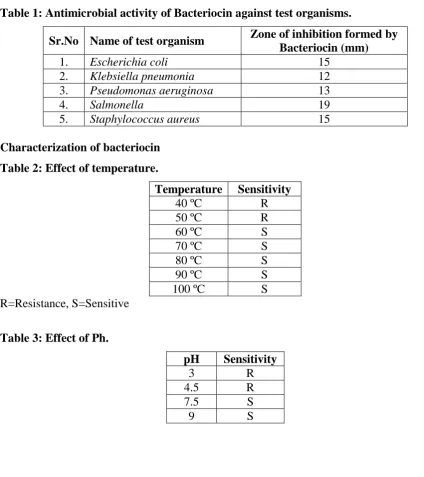
Table 1: Antimicrobial activity of Bacteriocin against test organisms.
Sr.No Name of test organism Zone of inhibition formed by
Bacteriocin (mm)
1. Escherichia coli 15 2. Klebsiella pneumonia 12 3. Pseudomonas aeruginosa 13 4. Salmonella 19 5. Staphylococcus aureus 15
[image:7.595.72.497.301.778.2]Characterization of bacteriocin
Table 2: Effect of temperature.
Temperature Sensitivity
40 ºC R
50 ºC R
60 ºC S
70 ºC S
80 ºC S
90 ºC S
100 ºC S
R=Resistance, S=Sensitive
Table 3: Effect of Ph.
pH Sensitivity
3 R
4.5 R
7.5 S
www.wjpr.net Vol 7, Issue 04, 2018. 216 Table 4: Effect of chloroform.
Reagent Sensitivity
Chloroform Sensitive
Isolation and estimation of Exopolysaccharides
Calculation,
Absorbance of known sample =0.356
Y=m
0.356= (0.079)
=0.356/0.079=4.50
4.50g/ml
Result The concentration of carbohydrate in known sample is 4.50g/ml.
Characterization of EPS by NMR Analysis
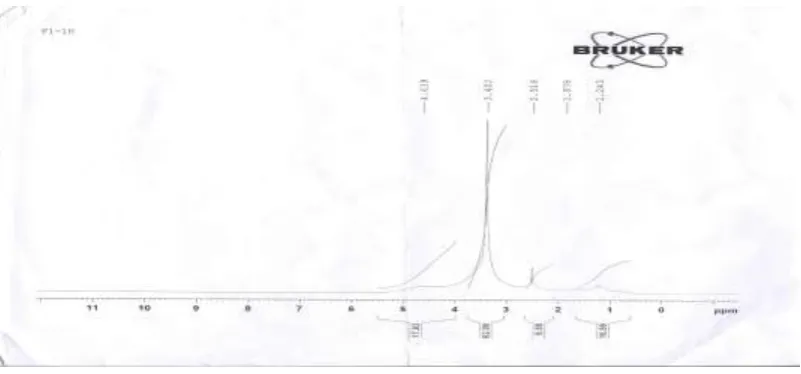
EPS obtained from Lactobacillus in synthetic media was analysed by 1H NMR as shown in
www.wjpr.net Vol 7, Issue 04, 2018. 217 Figure 1: Analysis on 1H NMR of Fish-gut sample in DMSO.
All measurements were performed on a Bruker Advance III NMR spectrometer (Bruker,
Karlsruhe,Germany) operating at 400.13 MHz for 1H observation, equipied with z axis
gradient coil and automatic tuning-matching (ATM). Experiments were run in automation
mode after loading samples on a Bruker Automatic Sample Changer, interfaced with the
software Icon NMR (Bruker, Karlsruhe, Germany).
NMR peaks indicated the major functional groups and different types of protons in EPS.
NMR peaks produced from Lactobacillus is given in figure. 1, the NMR peak at 1.243 ppm
indicates the presence of hydroxyl group (OH) and methylene (CH2) and CH stretching was
observed at 4.639 cm.Thus the NMR peaks reveals that EPS is complex polysaccharide
containing different functional groups. Textural properties of EPS are contributed by its
structure beside its quantity. In conclusion it can be said that studies on microbial
exopolysaccharide are gaining importance especially from Lactic acid bacteria; thus EPS
found to be a novel heteroplysaccharide.
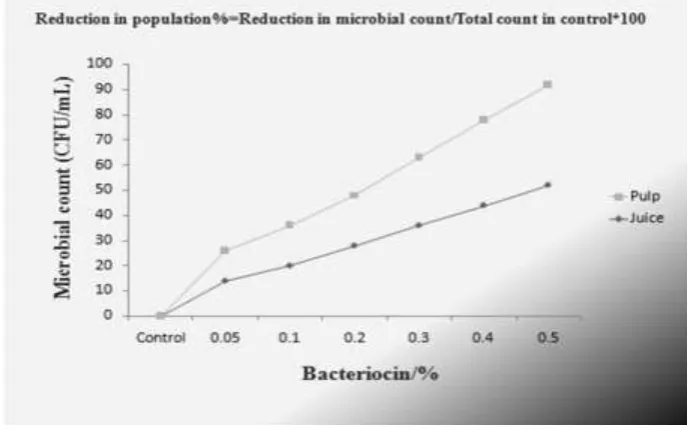
Determination of preservative effect of bacteriocin
The food products, viz. juice (water melon), pulp (grapes) were sterilized and inoculated with
Bacillus subtilis, inoculated samples were recorded and bacteriocin supernatant at a
www.wjpr.net Vol 7, Issue 04, 2018. 218 Table 7: Preservative effect of partially purified bacteriocin From Lactobacillus, isolate
in juice and pulp against Bacillus subtilis.
Maximum reduction of B.subtilis population was observed in juice as compare in pulp
However, in control (without bacteriocin), no reduction was observed in the count of
B.subtilis. The results revealed that microbial count decreased in pulp and was increased in
juice and preservative effect of bacteriocin was seen in juice, it is a desirable characteristic of
a bio preservative.
DISCUSSION AND CONCLUSION
Six isolates that had the characteristics of lactic acid bacteria were obtained. The isolates
were initially differentiated on the basis of their cultural and morphological studies after
which they were subjected to various physiological and biochemical tests.Detection of
antimicrobial activity, the result of present study shows the highest inhibitory activity
observed was against E.coli, Klebsiella pneumonia, Pseudomonas aeruginosa,
Staphylococcus aureus, Salmonella, shows clear zone of inhibition[Table 3].( Ha, Duk-Mo*,
www.wjpr.net Vol 7, Issue 04, 2018. 219
Our results suggested that bacteriocin producing Lactobacillius naturally occurred and
survive in fish gut. This also supported by Adenike and Olalekan (2009).who reported the
isolation of 44 strains of Lactobacillus from the gut contains of African catfish(Clarias
gariepinus).
The results revealed that microbial count decreased in pulp and was increased in juice and
preservative effect of bacteriocin was seen in juice, it is a desirable characteristic of a bio
preservative. Maximum reduction of B.subtilis population was observed in juice as compare
in pulp However, in control (without bacteriocin), no reduction was observed in the count of
B.subtilis[Table 7]. V. K. Joshi et al (2006). Exopolysaccharides(V.K.Joshi et al (2006))study
on production, purification, stability and efficacy of bacteriocin. In our study the total no. of
EPS produce is strongly influence and shows the activity of carbohydrates.
REFERENCES
1. Alvarez-Olmoz and Oberherman, 2001M. Alvarez-Olmoz, R.A. OberhermanProbiotic Agents
and Infections Diseases: Modern Perspective on a Traditional TherapyClinical Infectious
Diseases, 2001; 32: 1567-1876.
2. Ammor et al., 2006aS. Ammor, G. Tauveron, E. Dufour, I. ChevallierAntibacterial activity of
lactic acid bacteria against spoilage and pathogenic bacteria isolated from the same meat
small-scale facility. 1. Screening and characterization of the antibacterial compoundsFood
Control, 2006; 17: 454-461.
3. Boels, I.C., van Kranenburg, R., Hugenholtz, J., Kleerebezem, M. and de Vos, W.M. Sugar
catabolism and its impact on the biosynthesis and engineering of exopolysaccharide
production in lactic acid bacteria. International Dairy Journal, 2001; 11: 723–732.
4. Brown et al., 2005 D.F.J. Brown, D.I. Edwards, P.M. Hawkey, D. Morrison, G.L. Ridgway,
K.J. Towner, et al.Guidelines for the laboratory diagnosis and susceptibility testing of
methicilin-resistant Staphylococcus aureus (MRSA) Journal of Antimicrobial Chemotherapy,
2005; 56: 1000-1018.
5. Chen H., Hoover D.G. Bacteriocins and their food applications. Comprehensive Reviews in
Food Science and Food Safety, 2003; 2: 82–100.
6. Cleveland, J., Montville, T.J., Nes, I.F., Chkindas, M.L., Bacteriocins: Safe natural
antimicrobials for food preservations. Int J. Food Microbiol, 2001; 11: 1-20.
7. Coeuret,V., Dubernet, S. & Bernardeau., M. Isolation, characterization and identification of
lactobacilli focusing mainly on cheeses and other dairy products. Lait, 2003;83:
www.wjpr.net Vol 7, Issue 04, 2018. 220
8. Dubois, M., Gilles, K.A., Hamilton, J.K., Rebers, P.A. and Smith, F. Colorimetric method for
determination of sugars and related substances. Analytical Chemistry, 1956; 28: 350–356.
9. Garrity GM. Bergey's manual of systematic bacteriology. V 2. New York, 1984.
10.Gaur Y, Narayan K, Chauhan S, Ali A. Bacteriocinogeny: concept, nomenclature, prevalence
and application. Indian J Microbiol, 2004; 44(1): 1-30.
11.Gino N, Ezio R, Margherita S, Mauriljo DF. Antimicrobial activity of a newly identified
bacteriocin of Bacillus cereus. Appl Microbiol American Soc, 1993; 4313.
12.Guerra NP, Pastrana L. Modelling the influence of pH on the kinetics of both nisin and
pediocin production and characterization of their functional properties. Proces Biochem,
2002; 37: 1005-1015.
13.Haller D, Colbus H, Gänzle MG, Scherenbacher P, Bode C, Hammes WP. Metabolic and
functional properties of lactic acid bacteria in the gastro-intestinal ecosystem: a comparative
in vitro study between bacteria of intestinal and fermented food origin. System Appl
Microbiol, 2001; 24: 218-226.
14.Harrigan WF. Laboratory methods. In: Food Microbiology. California. Academic press,
1998.
15.Hansen, 1994 J.N. Hansen Nisin as a model food preservative Critical Review Food Science
Nutrition, 1994; 34: 69-93
16.Joshi1 VK, Sharmal S, Neerja SR. Production, purification, stability and efficacy of
bacteriocin from isolates of natural lactic acid fermentation of vegetables. Food Technol
Biotechnol, 2006; 44(3): 435-439.
17.Khalil R, Elbahloul Y, Djadouni F, Omar S. Isolation and partial characterization of
bacteriocin produced by a newly isolated Bacillus megaterium 19 strains. Botany Department
Scien. Alexandria. Egypt, 2009; 8(3): 242-250.
18.Korenblum E, von der Weid I, Santos ALS, Rosado lAS, Sebastian GV, Coutinho CM, et al.
Production of antimicrobial substances by Bacillus subtilis LFE-1, B. firmus H2O-1 and B.
licheniformis T6-5 isolated from an oil reservoir. Braz J Appl Microbiol, 2005; 98: 667-675.
19.Klaenhammer, T.R. Bacteriocins of lactic acid bacteria, Biochemic, 1998; 70: 337-49.
20.Joerger, R.D., Hoover, D.G., Barefood, S.F., Harmon, K.M., Grinstead, D.A, Nettlescutte,
C.G., Bacteriocins, In : Lederberg editor, Encyclopedia of Microbiology, volL 1, 2nd edition,
San Diego, Academic Press, Inc, 2000; 383-97.
21.Lade HS, Chitanand MP, Gyananath G, Kadam TA. Studies of some properties of
bacteriocins produced by Lactobacillus species isolated from agro-based waste. Int J
www.wjpr.net Vol 7, Issue 04, 2018. 221
22.Leal-Sánchez MV, Jiménez-Diaz R, Maldonado-Barragán A, Garrido-Fernandez A,
Ruiz-Baeba JL. Optimization of bacteriocin production by batch fermentation of Lactobacillus
plantarum LPCO10. Appl Environ Microbiol, 2002; 68: 4465-4471.
23.Leroy F, De Vuyst L. A combined model to predict the functionality of the
bacteriocin-producing Lactobacillus saké strain CTC494. Appl Environ Microbiol, 2003; 69:
1093-1099.
24.Lewus CB. Characterization of bacteriocins produced by lactic acid bacteria isolated from
meat. Appl Environ Microbiol, 1991; 153.
25.Liao CC, Yousif AE, Chism GW. Pediococcus acidilactici PO2 bacteriocin production in
whey permeate and inhibition of Listeria monocytogenes in foods. J Food Sc, 1993; 58:
430-434.
26.Line JE, Svetoch EA, Eruslanov BV, Perelygin VV, Mitsevich EV, Mitsevich IP. Isolation
and purification of enterocin E-760 with broad antimicrobial activity against gram-positive
and gram-negative bacteria. Antimicrob Agents chemother, 2008; 52: 1094-1100.
27.Martin-Visscher LA, Van Belkum MJ, Garneau- Tsodikova S, Whittal RM, Zheng J,
McMullen LM, et al. Isolation and charachterization of Carnocyclin A, a noval circular
bacteriocin produced by Carnobacterium Maltaromaticum UAL307. Appl Environ
Microbiol, 2008; 74: 4756-4763.
28.Motta AS, Brandelli A. Influence of growth conditions on bacteriocin production by Bacillus
linens. Appl Mirobiol Biotechnol, 2003; 62: 163-167.
29.Özlem E, Feryal E. Isolation and characterization of Lactobacillus bulgaricus and
Lactobacillus casei from various foods. Food Engineer, 2006; 30: 39-44.
30.Piard, J.C. & Desmazeaud, M. Inhibiting factors produced by lactic cid bacteria: 1. Oxygen
metabolites and catabolism en-products. Lait, 1991; 71: 525-541.
31.Sharpe, M.E. (1979). Identification of the lactic acid bacteria. In: Skinner, F.A. Skinner and
Lovelock, D.W. (Eds.), Identification methods for microbiologists. Soc. Appl. Bacteriol.
Technical Series no. 14, Academic Press, London, (p. 246-255).
32.Tagg, J.R., Dajani, A.S., Wannamaker, L.W. Bacteriocins of gram positive bacteria; Bacteriol