
warwick.ac.uk/lib-publications
Original citation:
Dubey, Satya, Thakur, Vijay K., Krishnaswamy, Suryanarayanan, Abhyankar, Hrushikesh A.,
Marchante, Veronica and Brighton, James L.. (2017) Progress in environmental-friendly
polymer nanocomposite material from PLA : synthesis, processing and applications. Vacuum.
Permanent WRAP URL:
http://wrap.warwick.ac.uk/91577
Copyright and reuse:
The Warwick Research Archive Portal (WRAP) makes this work by researchers of the
University of Warwick available open access under the following conditions. Copyright ©
and all moral rights to the version of the paper presented here belong to the individual
author(s) and/or other copyright owners. To the extent reasonable and practicable the
material made available in WRAP has been checked for eligibility before being made
available.
Copies of full items can be used for personal research or study, educational, or not-for-profit
purposes without prior permission or charge. Provided that the authors, title and full
bibliographic details are credited, a hyperlink and/or URL is given for the original metadata
page and the content is not changed in any way.
Publisher’s statement:
© 2017, Elsevier. Licensed under the Creative Commons
Attribution-NonCommercial-NoDerivatives 4.0 International
http://creativecommons.org/licenses/by-nc-nd/4.0/
A note on versions:
The version presented here may differ from the published version or, version of record, if
you wish to cite this item you are advised to consult the publisher’s version. Please see the
‘permanent WRAP URL’ above for details on accessing the published version and note that
access may require a subscription.
Accepted Manuscript
Progress in environmental-friendly polymer nanocomposite material from PLA: Synthesis, processing and applications
Satya P. Dubey, Vijay K. Thakur, Suryanarayanan Krishnaswamy, Hrushikesh A. Abhyankar, Veronica Marchante, James L. Brighton
PII: S0042-207X(17)30554-7 DOI: 10.1016/j.vacuum.2017.07.009
Reference: VAC 7496 To appear in: Vacuum
Received Date: 9 May 2017 Revised Date: 6 July 2017 Accepted Date: 9 July 2017
Please cite this article as: Dubey SP, Thakur VK, Krishnaswamy S, Abhyankar HA, Marchante V, Brighton JL, Progress in environmental-friendly polymer nanocomposite material from PLA: Synthesis, processing and applications, Vacuum (2017), doi: 10.1016/j.vacuum.2017.07.009.
M
AN
US
CR
IP
T
AC
CE
PT
ED
"Graphical Abstract"
Progress in
Environmental-friendly
polymer
nanocomposite
material from PLA: Synthesis, processing and applications
Satya P Dubey
1, Vijay K Thakur
2, Suryanarayanan Krishnaswamy
3, Hrushikesh A
Abhyankar
4, Veronica Marchante
5, James L Brighton
6Fig. 1. PLA processing lifecycle
A
1,3,4,5,6
Advanced Vehicle Engineering Centre, School of Aerospace, Transport and Manufacturing (SATM), Cranfield University, UK
2
Enhanced Composites & Structures Center, School of Aerospace, Transport and Manufacturing (SATM), Cranfield University, UK
A
M
AN
US
CR
IP
T
AC
CE
PT
ED
1
Progress in
Environmental-friendly
polymer
nanocomposite
material from PLA: Synthesis, processing and applications
Satya P Dubey
1, Vijay K Thakur
2, Suryanarayanan Krishnaswamy
3, Hrushikesh A
Abhyankar
4, Veronica Marchante
5, James L Brighton
6Abstract
The disposal of large amounts of waste from daily use polymers is among one of the foremost concerns in the current era. Effective utilization of bio-renewable materials procured from natural sources has been proposed as a potential solution to this problem. Among such different polymers, Poly lactic acid (PLA) which is a bio-degradable polymer, resembles quite promotable features, which can be polymerized from sustainable sources as chips sugarcane, starch and corn. Ring-opening polymerization (ROP) of Lactide (LA) monomer considering catalysts such as Al, Sn or Zn is one of the efficient methods for the PLA synthesis. However, the PLA polymerized through this type of catalysts may contain trace elements of the catalyst. Due to their carcinogenic nature, the traces of such catalysts should be (ideally) removed from the synthesis process. The use of alternative energy (AE- UV, Microwave) sources could be a potential route.
Alternative development of non-metal catalysts is best alternatives for the processing of PLA through ROP. PLA layer based composite materials are gaining huge interest due to their multiple application (food, medical etc.) as eco-friendly material. In this article, we review on the implementation of AE sources for PLA processing and to populate the current state-of-the-art associated with the PLA research, especially application in nanocomposite materials field.
Keywords: Poly-lactic acid (PLA), Bio-degradable materials, ring opening polymerization (ROP), Nano-composite, Alternative energy (AE),
1,3,4,5,6
Advanced Vehicle Engineering Centre, School of Aerospace, Transport and Manufacturing (SATM), Cranfield University, UK
2
M
AN
US
CR
IP
T
AC
CE
PT
ED
2
1
Introduction
Introduction
Introduction
Introduction
As a result of environmental awareness, the disposal of a huge quantity of polymer waste is seen as one of the prime concern in the present era. Therefore, the use of bio-renewable polymers procured from sustainable resources emerges as a promising solution to this rapidly rising waste problem. However, replacing traditional polymers derived from petroleum products with a bio-degradable polymer is not sufficient to overcome all the disadvantages of using petroleum based polymers. Large scale industrial production of biopolymers can introduce impurities into the finished product that can be toxic to the end user and harmful to the environment. For example, use of metal catalysts for obtaining desired biopolymers may lead to industrial scale output, but it also creates some serious health issues like carcinogenic effect [1-15]. Hence, research exercise needed to be directed to eliminate the application of such catalysts during the reaction process.
Among several conventional biopolymers, PLA is one of most widely used and promising environmental friendly alternatives because the monomer of PLA- lactide (LA) is extracted from natural sources. For the synthesis of Poly (lactic acid) PLA, Ring-opening polymerization (ROP) is the most commonly used method. The state of the art techniques developed by Dubois et al., Witzke et al. and Yu et al. for the ROP of LA is based on the metallic and bimetallic catalysts (Sn, Zn, and Al) in suitable solvents [9-11]. However, as the metallic and bimetallic catalysts were established to be carcinogenic, there is an urgent need to explore suitable alternatives.
The conventional metallic catalysts typically used in the production of PLA are aluminium isopropoxide Al(OPr)3, zinc lactate (C6H10O6Zn), stannous octoate (Sn(Oct)2) etc. The use of
metal-free catalysts or some other non-metal source in place of the metallic catalysts makes the production process ‘inefficient’ as a result of the low activation capacity of non-metallic catalysts. The outputs obtained from such process at 30-40 kg/hr quite is well below to the industrial scale requirements for production. Basaran et al., Kamber et al. and Wang et al. etc. reported the use of organic/metal-free catalysts in the production of biopolymers [5-7]. Several other researchers also reported the usefulness of non-conventional catalysts such as enzyme base or carbene based [16-35]. In this work development, especially in the field of different alternatives to catalysts, implementation of AE source and several applications of PLA based nanocomposite material are highlighted.
2
ROP of Monomers through Metal/
ROP of Monomers through Metal/metal
ROP of Monomers through Metal/
ROP of Monomers through Metal/
metal
metal----free
metal
free
free
free Catalyst
Catalyst
Catalyst
Catalyst
The basis of the ROP process starts with opening the cyclic ring of monomers like amides (lactams), esters (lactones) and a cyclic ether. Then the opened ring acts as an active centre where other monomers join to create a longer polymer chain via ionic propagation consisting of initiation/ propagation as well as termination reactions [12]. In last two decades, several different classes of catalysts were implemented to synthesis PLA however, metal-based catalysts are the most common [7-11]. Apart from metal, organic and enzyme-based catalysts were also tried but with regards to the efficiency and reaction time, metal based catalysts show a more promising effect than non-metal based catalysts. Among many, Sn(Oct)2 was a highly approved catalyst by United State food and
M
AN
US
CR
IP
T
AC
CE
PT
ED
3
2.1
ROP of Lactide and poly-condensation of Lactic acid for PLA synthesis
[image:6.595.84.518.119.649.2]Based on the production rate and molecular weight, the two most efficient and common methods to produce PLA are ring opening polymerization and poly-condensation of lactic acid (Figure 1 & Figure 2), re-printed with permission from Dubey et al. 2016 (IRJPAC). In the literature, these two methods are mainly reported and investigated by several research groups. Among them, ROP of Lactide proposed as one of the most preferred and efficient ways to produce PLA [5-11]. In figure 2 the details of the transformation of lactic acid to Lactide and then to PLA is highlighted well in pictorial format. The direct poly-condensation of lactic acid to PLA found as a less efficient method as well involves several unnecessary side reactions.
[image:6.595.120.463.383.586.2]Fig. 1. Lactide and lactic acid monomer to form PLA polymer (diagram reproduced courtesy of IRJPAC-2016)
Fig. 2. Mechanism of PLA formation2 (diagram reproduced courtesy of acs/ Bio-Macromolecule. 2007)
2.1.1 ROP Mechanism of Lactide
The mechanism of how initiator attack on the monomer are addressed by several researchers [14, 15], [18-26]. The reaction involves the nucleophilic attack of monomer (Figure 3), re-printed with permission from Dubey et al. 2016 (IRJPAC).
2
M
AN
US
CR
IP
T
AC
CE
PT
ED
4
Fig. 3 Mechanism of ROP of lactide (diagram reproduced courtesy of IRJPAC-2016)
“For the active species recognition, Kricheldorf et al. proposed that tin halogenides were actually converted into tin alkoxide and behave as real active species” [32]. Carothers has used the poly-condensation approach to synthesise a polymer of low to intermediate molecular weight and is still currently being used [16], [17]. Poly-condensation involves the use of solvent under temperature/ high vacuum to remove the water of condensation. Although it is most economic route; unfortunately in a solvent-free system, it is difficult to achieve high production rates (30-40 kg/hr). The utilization of alternative coupling agents/ esterification-promoting agents is generally needed to obtain a higher molecular weight, which increases the cost as well as complexity [30-33].
Another most preferable and best path to synthesise PLA is the use the utilization of ROP using appropriate metal catalysts in a proper solvent [32]. Favoured temperatures range from the PLA production is in the range of 180-200oC [19] Catalysts like Sn(Oct)2, Al(iOP)3 and C6H10O6 Zn have
been investigated to improve the ROP reaction output [32]. Among many, stannous octoate (Sn(Oct)2), was strongly supported by the U.S. Food and Drug Administration (UFDA), due to its
ability to highly polymerise LA [34].
2.2
Chronological Scientific research development in PLA synthesis field
PLA, as a biocompatible and biodegradable class of polymer, has garnered a lot of attention in past several decades and resulted to suffice the industrial scale production at different manufacturing units [35], Corbion (Netherlands) [36], etc. In fact, metal catalysts have been used to obtain PLA for decades. Dubois et al., in 1991, introduced the reaction mechanism of synthesis of PLA using aluminium isopropoxide as a catalyst in a toluene solvent [37] through the Batch process. Witzke et al. also proposed reversible kinetics of L-LA by stannous octoate as a catalyst, which; incidentally leading to an adverse effect (toxicity, irritation) on human health [2, 38]. Jennifer et al. proposed that Sn(Oct)2 that is frequently used during the PLA synthesis causes some health concerns [39]. Several
reaction stages involved in the polymerization of LA lead to the formation of side products and impurities. The application of Sn (Oct)2 or different metal-based catalyst has been reported to be
hazardous and very toxic to the environment [8].
M
AN
US
CR
IP
T
AC
CE
PT
ED
5
microwave, LASER, and ultrasound as an alternative to conventional sources are being currently investigated, in the twin-screw extruder experiments.
3
ROP
ROP via
ROP
ROP
via
via Alternative Energies (Microwave, Ultrasound & Laser)
via
Alternative Energies (Microwave, Ultrasound & Laser)
Alternative Energies (Microwave, Ultrasound & Laser)
Alternative Energies (Microwave, Ultrasound & Laser)
Incorporation
Incorporation
Incorporation
Incorporation
Implementation of microwave heat to the chemical reactions has gained intense attention during
the past few decades. Due to features, like high efficiency, uniform heating and shorter reaction
time; several chemical reactions, organic as well as inorganic, shows a noticeable increase in
reaction process compared to the conventional methods of heat-irradiation like furnace chamber,
LASER heating etc. due to microwave irradiation. [28], [42-51]
Microwave assisted ROP technology for LA is emerging as a new green viable technique to synthesise PLA due to its homogeneous heating along with high efficiency [43-51], [69]. Liu et al. have initially reported on the microwave-irradiated polymerization of D,L- LA [45, 46] ).
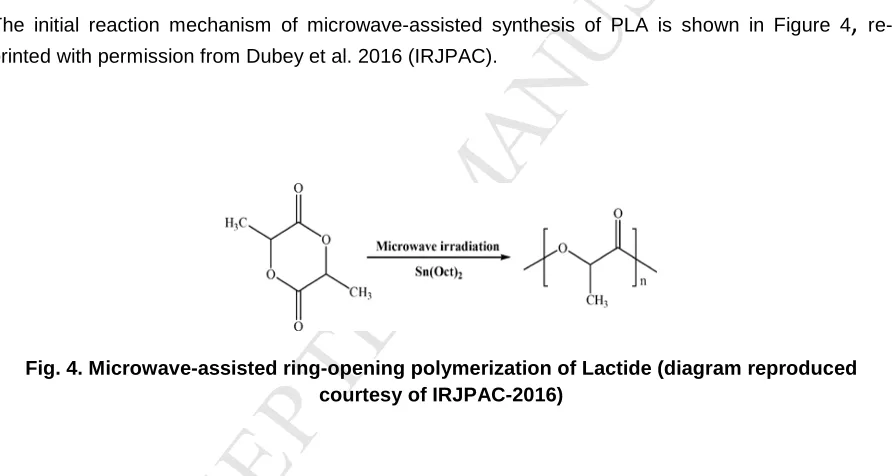
[image:8.595.77.525.317.555.2]The initial reaction mechanism of microwave-assisted synthesis of PLA is shown in Figure 4
,
re-printed with permission from Dubey et al. 2016 (IRJPAC).Fig. 4. Microwave-assisted ring-opening polymerization of Lactide (diagram reproduced courtesy of IRJPAC-2016)
For details in reaction procedure, a sample mixture of D,L-LA was prepared and mixed with Sn(Oct)2
after that the reaction mixture was treated with three vacuum-argon cycles to remove the solvent. Subsequently, the reaction mixture was irradiated with power levels of 2.45 GHz through the microwave. The mixture was irradiated with a microwave, then cooled down in dichloromethane solvent and methanol was used during precipitation. A pulse of microwave energy has been implemented as irradiation source for the mixture for short times. Through studies, Liu et al. concluded that the rate of polymerization phase along with the chain propagation of PDLLA increased considerably with an increment in the microwave power [67-68].
M
AN
US
CR
IP
T
AC
CE
PT
ED
6
[image:9.595.76.527.157.361.2]of microwave source in terms of thermal energy was well described. The application of a microwave source in the reaction process was found to demonstrate a progressive impact on the overall reaction. The details of the microwave block setup mounted on extruder are described in Figure 5. Re-printed with permission from Dubey et al. 2016 (RSC-Advances).
Fig. 5. Microwave incorporation block into the Twin-screw Extruder (diagram reproduced by our own work)
3.1
Ultrasound/Ultrasonic facilitated ROP of Lactide
M
AN
US
CR
IP
T
AC
CE
PT
ED
7
[image:10.595.140.455.374.641.2]Fig. 6. Ultrasound incorporation block to the Twin-screw Extruder (Image courtesy our own work-InnoREX.eu)
3.2
ROP of LA using continuous extrusion reaction
The use of purified LA is very significant for reactive extrusion polymerization. A mixture of D or L-LA, the catalytic system along with stabiliser is supplied continuously through material feeding unit- nitrogen purged [5]. The specific design of the screw configuration significantly effects the mixing of PLA while mixing with other components; the degree of mixing has a significant impact on the polymerization reaction (Figure 7). Re-printed with permission from Dubey et al. 2016 (IRJPAC).
Fig. 7. Twin screw extruder (diagram reproduced courtesy of IRJPAC-2016)
M
AN
US
CR
IP
T
AC
CE
PT
ED
[image:11.595.93.501.71.303.2]8
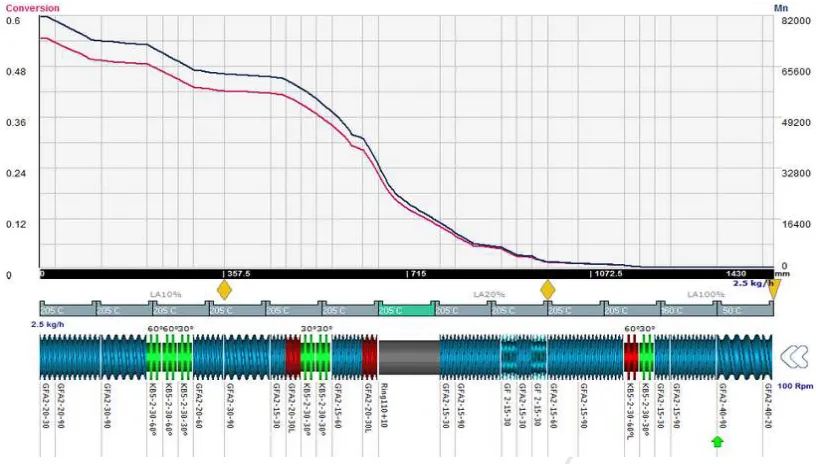
Fig. 8. (Purple line) vs T & X (red line) vs T obtained with Ludovic® for T (50-220) °C,
AE=250 W, 600 rpm ((diagram reproduced courtesy of Polymers-2016)
4
Polylactide (PLA)
Polylactide (PLA)----based nanocomposites
Polylactide (PLA)
Polylactide (PLA)
based nanocomposites
based nanocomposites
based nanocomposites
Polymers synthesised from biorenewable materials are being considered as potential alternatives to synthetic polymers because of their enormous advantages [57]. Since the pioneering work reported by Toyota Central Research Laboratories in the early 1990s [72], various researches have been engaged on the topic of polymeric nanocomposites. Furthermore, the current technical developments have allowed the design and development of the new concept of functional nanocomposites. In fact, the usage of nanomaterials as reinforcement in polymers allow the production of multifunctional polymer composites combined with outstanding properties” [72-75], Basaran et al. reported an experimental technique detailing the synthesis and characterization of polylactide via the metal-free process [5]. Consideration of Montmorilloniate-K10 (OMt-K10) as organic filler and acid catalyst for polymerization of LA opens a suitable source of catalyst application to overcome impurities caused by metallic catalysts [5]. The work proposed the use of OMt-K10 filler both as the catalyst and inorganic filler to prepare the biopolymer nano-composite of PLA. OMt-K10 has a catalytic proton, which can act as an acid catalyst for the polymerization process of LA.
As mentioned earlier by several research groups, an increase in temperature during the polymerization process also initiates several side reactions which decrease the molecular weight of the resulting polymer [4, 33, 39,]. Basaran et al. also verified the effect of temperature and found that beyond 180°C, the reaction behaviour started changing and beyond a certain temperature range (180-200°C), the molecular weight started decreasing. Higher temperature like 185–190°C boosts unzipping as well as chain scission reactions which lead to the decrease in the molecular weight and thermal degradation [41, 42].
4.1
4.1
4.1
4.1
New opportunities in PLA
New opportunities in PLA----based nanocomposites
New opportunities in PLA
New opportunities in PLA
based nanocomposites
based nanocomposites
based nanocomposites
M
AN
US
CR
IP
T
AC
CE
PT
ED
9
nanosensors aimed at ensuring food safety, are some of the advanced and novel nano-food applications”.[57-61], [75]. Nanotechnology is also being used as an elementary constituent of food packaging [58]. The prime aim of this approach is to improve packaging performance against moisture, volatile barriers, gas, and ultraviolet radiations in addition to the increment in the mechanical properties.
“The association of NF and PLA can result in the enhancement in mechanical characteristics of material combination but may not fulfil all the demands for some speciality applications. Recently, it’s been reported that combining NF with another or more NF [57]”, micro fillers [58] or polymers and/or using multifunctional NF could overcome the above-mentioned issue in the case of PLA-based materials. The material combination montmorillonite-layered silicate with PLA have the capability to incorporate excellent good barrier properties in the resulting nanocomposites that can be an ideal packaging material. The addition of montmorillonite-mk10 would enhance the modulus of PLA. However, the addition of the montmorillonite clay into PLA may result in the decrease in the toughness of the resulting PLA nanocomposites. Several other approaches also tried to enhance the balance of good mechanical strength for PLA nanocomposites experimentally. The addition of suitable amount the poly ethylene glycol could be a good plasticiser in PLA/clay systems [60], [73, 75, 76].
5
Industrial Concern and Contribution
Industrial Concern and Contribution for
Industrial Concern and Contribution
Industrial Concern and Contribution
for
for
for PLA Production
PLA Production
PLA Production
PLA Production
The market for common household consumable polymers including HIPP, PVC and PET along with biodegradable polymers has been approximately around 200,000 tons in 2005, of which 50% was PLA. The demand for industrial production of biodegradable polymers instead of conventional petrochemical polymers increases many folds due to the environmental (landfilled) issues related to the petrochemical-based polymers [2, 28]. Additionally, the incorporation of PLA based nanocomposites emerges as a huge area of interest and demand in medical applications. From common plastic bags to fruit packages, from automobile parts to medical surgery tools, PLA covers a vast range of applications [61]. According to Sven Jacobsen et al. America was found to produce 35 million tons of plastic waste in 1998, while on the other hand, the corresponding figure for Europe and Asia was found to 34 million tons and 25 million tons respectively [2, 26].
Since 2009, the total amount of plastic waste due to post-consumer plastics, which is plastic that can be "
recycled
" to reuse the material out of which they are made thereby reducing the amount of waste going intolandfills
has been increasing in Europe, however since 2011, it has remained the same, at about 25.2 million tonnes (2012). 77% of total waste was generated by the following seven European countries: UK, Germany, Italy, France, Poland, Spain and the Netherlands while the rest originated from the remaining 22 countries [62]. Commercial use of PLA has come into prominence in the last two decades as a result of its biocompatible and biodegradable nature as well as extensive applications in the medical and clinical products [1, 7]. Lactic acids/Lactide-based polymers/plastics considered as a component used in the food-related application across the USA and covers 85% of the consumer product packaging [63]. The large production volume requires an economically viable manufacturing process. For large scale, the metal-free and degradable commercial production, the continuous polymerization of PLA seem to be an essential and efficient way of production [28].M
AN
US
CR
IP
T
AC
CE
PT
ED
[image:13.595.110.491.92.473.2]10
Fig. 9. Industrial PLA lifecycle [77] (diagram reproduced courtesy to NatureWorks)
6
Kinetics
Kinetics and
Kinetics
Kinetics
and
and
and Theoretical Modelling of ROP Mechanism
Theoretical Modelling of ROP Mechanism
Theoretical Modelling of ROP Mechanism
Theoretical Modelling of ROP Mechanism
In the last decade or so, several different reaction mechanisms were reported to detail the ring opening polymerization process in the literature of PLA synthesis (from monomer lactide). To explain the interdependence of different reaction parameters (e.g. catalyst amount, monomer concentration, temperature, solvent, rate constants etc.), reaction mechanisms were proposed by several groups though several mathematical equations [9, 11, 25, 40, 69, 70, 71,]. In general, different mathematical kinetic models have been proposed but their number, in comparison to experimental/empirical data, is significantly less. To validate the experimental based results theoretically, different groups considered different mathematical techniques:
• Mehta et al.’s work deal with the polymerization of lactide through the tin-based catalyst and the demonstration of reaction mechanism modelling. [8, 40]
• Jacobsen et al., Puaux et al. and Banu et al. considered, least square method for developing a
M
AN
US
CR
IP
T
AC
CE
PT
ED
11
• Yu. et al. Introduces the experimental as well as theoretical modelling work using Sn(Oct)2 as
a catalyst. The moment method was adopted to calculate estimators of the parameters [11, 64].
• Dubey et al. have solved the rate kinetic equations involved in ROP process of PLA in the presence of the metal catalyst and AE source using MATLAB [69].
• Dubey et al. introduce the reaction mechanism for PLA formation by using the metal catalyst
with AE source in the continuous reactive extrusion process, [70, 71,].
From initial studies, ROP process was proposed as a three-step reaction mechanism including initiation, propagation and termination. This reaction mechanism was well adopted by several research groups to begin their primary research activities. In 2007, Mehta et al. [40] proposed a detailed theoretical kinetic model of ROP of LA based on Dubois et al.’s [9] experimental work and results that were based on the use of aluminium isopropoxide as a catalyst. They formulated the reaction kinetics of ROP of PLA using different first order ordinary differential equations. The ROP of LA consists of three basic stages (eq. 1-3) classified as initiation, propagation, and termination [8]:
(Initiation)
(Propagation)
(Termination)
In these equations: I, M and Pj stands for theinitiator, monomer, and a polymer chain having length j
while K0, Kp and Kt denote the initiation/ propagation/ termination rate constants.
In 2009 and 2011, Yu et al. proposed a model which is more accurate and scientific in terms of a number of reaction stages involved during the polymerization process. Through several experimental trials, they came up with a new reaction mechanism which is based on five stage reactions. Apart from initiation, propagation and termination, “Ester interchange” reactions, also called trans-esterification and non-radical random chain scission was additionally considered to the previously proposed reaction mechanism of Mehta et al. [64]. The proposed reaction scheme was described in more detail by Dubey et al. [70]
A detailed model of L-LA polymerization at different temperatures involving the use of Sn (Oct) 2 and
M
AN
US
CR
IP
T
AC
CE
PT
ED
12
7
Conclusion
Conclusion
Conclusion
Conclusion
Synthesis of PLA from LA monomers through ROP process using the metal catalyst is the standard industrial process as it leads to throughputs of up to 20kg/hr. Although PLA can affect eco-credentials issues, it can be toxic. The health and environmental hazards may emanate from traces of the metal catalyst that are left behind in the polymer after the polymerisation of PLA. In order to produce non-toxic PLA, the metal catalyst should be replaced with a metal-free catalyst or by using an AE source to diminish the role of a metal catalyst which appears in the final product. Several studies have explored this possibility; application of an AE source alongside a metal catalyst shows a positive impact on reaction output. On the other hand, a non-metal catalyst alone produced low conversion rates and PLA with low molecular weight. Additionally, the maximum throughput was about 2-3 kg/hr, much lower than the industrially sustainable/commercially approximate viable rate of 20kg/hr.
For the production of safer and cleaner PLA polymer and upscale the process from the lab to an industrial scale, further research including large-scale computational simulations will be required. Studies that highlights the combinations of experimental and theoretical investigation of PLA formation by implementing alternative energy and non-metal catalysts in the reaction is considered as an effective mechanism to follow.
The merger of nanomaterials and 100% bio-originated materials opens new avenues for green
polymers with minimal environmental and health concerns.Detailing the basic chemistry of PLA blend
nano-composites using computational chemistry simulation tools will also strengthen the basis of
layered processing of PLA-polymer composites.
With the help of nanotechnology and
environmentally safer processing routes, many of the weakness of PLA nanocomposites (compared to petrochemical-based polymers) will be negated. The authors believe that, in the near future, many petrochemical-based conventional polymers could be substituted with PLA for applications, particularly, in the nano-filler based cosmetics, the pharmaceutical industry and direct food contact packaging materials.
8
Acknowledgement
Acknowledgement
Acknowledgement
Acknowledgement
M
AN
US
CR
IP
T
AC
CE
PT
ED
13
9
Reference
Reference
Reference
Reference
[1]
W. Amass, A. Amass, and B. Tighe, “A review of biodegradable polymers: uses,
current developments in the synthesis and characterization of biodegradable polyesters,
blends of biodegradable polymers and recent advances in biodegradation studies,” Polym.
Int., 1998, vol. 47, no. 2, (pp. 89–144.)”.
[2]
S. Jacobsen, H.-G. Fritz, P. Degée, P. Dubois, and R. Jérôme, “Continuous reactive
extrusion polymerisation of L-LA
―
an engineering view,” Macromol. Symp., 2000, vol.
153, no. 1, (pp. 261–273.)”,.
[3]
K. Arshak, V. Velusamy, O. Korostynska, K. Oliwa-Stasiak, and C. Adley,
“Conducting Polymers and Their Applications to Biosensors: Emphasizing on Foodborne
Pathogen Detection,” IEEE Sens. J., Dec 2009, vol. 9, no. 12, (pp. 1942–1951.)”,.
[4]
D. Cohn, H. Younes, and G. Uretzky, “Biodegradable polymeric materials based on
polyether glycols, processes for the preparation thereof and surgical articles made therefrom,”
May-.1989,4826945, 02-
[5]
İ
. Ba
ş
aran and A. Oral, “Synthesis and Characterization of Poly( L-Lactic acid)/Clay
Nanocomposite via Metal-Free Process,” Polym.-Plast. Technol. Eng., 2013, vol. 52, no. 12,
(pp. 1271–1276.)”,
[6]
N. E. Kamber, W. Jeong, R. M. Waymouth, R. C. Pratt, B. G. G. Lohmeijer, and J. L.
Hedrick, “Organocatalytic ring-opening polymerization,” Chem. Rev., 2007, vol. 107, no. 12,
(pp. 5813–5840)”,.
[7]
Y. Wang, L. Zhang, X. Guo, R. Zhang, and J. Li, “Characteristics and mechanism of
L-lactide polymerization using N-heterocyclic carbene organocatalyst,” J. Polym. Res., 2013,
vol. 20, no. 3,.
[8]
R. Mehta, V. Kumar, H. Bhunia, and S. N. Upadhyay, “Synthesis of Poly(Lactic
Acid): A Review,” J. Macromol. Sci. Part C Polym. Rev., 2005, vol. 45, no. 4, (pp. 325–
349)”,
[9]
P. Dubois, C. Jacobs, R. Jerome, and P. Teyssie, “Macromolecular engineering of
polylactones and polylactides. 4. Mechanism and kinetics of lactide homopolymerization by
aluminum isopropoxide,” Macromolecules, Apr..1991, vol. 24, no. 9, (pp. 2266–2270)”,
[10]
D. R. Witzke, R. Narayan, and J. J. Kolstad, “Reversible Kinetics and
Thermodynamics of the Homopolymerization of l-Lactide with 2-Ethylhexanoic Acid Tin(II)
Salt,” Macromolecules, Nov.1997, vol. 30, no. 23, (pp. 7075–7085)”,
[11] Y. Yu, G. Storti, and M. Morbidelli, “Kinetics of Ring-Opening Polymerization of
l,l-Lactide,” Ind. Eng. Chem. Res., Jul.2011, vol. 50, no. 13, (pp. 7927–7940)”,
[12]
G. G. Odian, Principles of polymerization, 4th ed. Hoboken, N.J: Wiley-Interscience,
2004.
[13]
W. H. Carothers and F. J. V. Natta, “Studies on polymerization and ring formation.
III. Glycol esters of carbonic acid,” J. Am. Chem. Soc., Jan 1930, vol. 52, no. 1, (pp. 314–
326)”,..
[14]
H. Keul, R. Bächer, and H. Höcker, “Anionic ring-opening polymerization of 2,
2-dimethyltrimethylene carbonate,” Makromol. Chem., Nov.1986, vol. 187, no. 11, (pp. 2579–
2589)”,
[15]
S. Sarel and L. A. Pohoryles, “The Stereochemistry and Mechanism of Reversible
Polymerization of 2,2-Disubstituted 1,3-Propanediol Carbonates,” J. Am. Chem. Soc., Sep
1958, vol. 80, no. 17, (pp. 4596–4599)”,..
[16]
W. H. Carothers, G. L. Dorough, and F. J. van Natta, “Studies of polymerization and
ring formation. X. The reversible polymerization of six-membered cyclic esters,” J. Am.
Chem. Soc., Feb 1932, vol. 54, no. 2, (pp. 761–772)”,..
M
AN
US
CR
IP
T
AC
CE
PT
ED
14
Equilibrium Polymerization of Six-Membered Cyclic Carbonates,” Macromolecules, Jul
1998, vol. 31, no. 14, (pp. 4432–4438)”,..
[18] T. Ariga, T. Takata, and T. Endo, “Cationic Ring-Opening Polymerization of Cyclic
Carbonates with Alkyl Halides To Yield Polycarbonate without the Ether Unit by
Suppression of Elimination of Carbon Dioxide1,” Macromolecules, Feb..1997, vol. 30, no. 4,
(pp. 737–744)”,
[19]
H. R. Kricheldorf, M. Berl, and N. Scharnagl, “Poly(lactones). 9. Polymerization
mechanism of metal alkoxide initiated polymerizations of lactide and various lactones,”
Macromolecules, Feb 1988, vol. 21, no. 2, (pp. 286–293)”,..
[20]
A.-C. Albertsson and M. Sjoling, “Homopolymerization of 1,3-dioxan-2-one to high
molecular weight poly(trimethylene carbonate),” J. Macromol. Sci. Chem., 1992, vol. A29,
no. 1, (pp. 43–54)”,.
[21]
H. R. Kricheldorf, J. Jenssen, and I. Kreiser-Saunders, “Polymers of carbonic acid, 6.
Polymerization of trimethylene carbonate (1,3-dioxan-2-one) with complexation catalysts,”
Makromol. Chem., Oct.1991, vol. 192, no. 10, (pp. 2391–2399)”,
[22]
T. F. Al-Azemi and K. S. Bisht, “Synthesis of novel bis- and tris-(cyclic carbonate)s
and their use in preparation of polymer networks,” Polymer, 2002, vol. 43, no. 8, (pp. 2161–
2167)”,.
[23]
P. J. Flory, “Molecular Size Distribution in Ethylene Oxide Polymers,” J. Am. Chem.
Soc., Jun 1940, vol. 62, no. 6, (pp. 1561–1565)”,..
[24]
L. V. Vinogradova, V. N. Zgonnik, A. A. Il’ina, D. Docheva, and C. Tsvetanov,
“Anionic polymerization in oxiranes. Polymerization of methyl methacrylate and
2-vinylpyridine in ethylene oxide,” Macromolecules, Dec 1992, vol. 25, no. 25, (pp. 6733–
6738)”,
[25]
A.-L. Brocas, C. Mantzaridis, D. Tunc, and S. Carlotti, “Polyether synthesis: From
activated or metal-free anionic ring-opening polymerization of epoxides to functionalization,”
Prog. Polym. Sci., Jun.2013, vol. 38, no. 6, (pp. 845–873)”,
[26]
J. Fahlén, R. Martinsson, and B. Midelf, “All-around performance - New
polycarbonate macrodiols extend the property range of PUD coatings,” Eur. Coat. J., 2007,
no. 6, (pp. 28–32)”,
[27]
S. Kobayashi, “Enzymatic Ring-Opening Polymerization of Lactones by Lipase
Catalyst: Mechanistic Aspects,” Macromol. Symp., Jul..2006, vol. 240, no. 1, (pp. 178–185)”,
[28]
Dubey SP, Abhyankar HA, Marchante V, Brighton JL, Blackburn K, “Chronological
Review of The Catalytic Progress Of Polylactic Acid Formation Through Ring Opening
Polymerization.” (IRJPAC)”. 2016 May; 12(3): 1-20.
[29] R. A. Gross and B. Kalra, “Biodegradable Polymers for the Environment,” Science,
Aug. 2002.vol. 297, no. 5582, (pp. 803–807)”,
[30]
D. Knani, A. L. Gutman, and D. H. Kohn, “Enzymatic polyesterification in organic
media. Enzyme-catalyzed synthesis of linear polyesters. I. Condensation polymerization of
linear hydroxyesters. II. Ring-opening polymerization of
ϵ
-caprolactone,” J. Polym. Sci. Part
Polym. Chem., Apr 1993, vol. 31, no. 5, (pp. 1221–1232)”,
[31]
V. S. Parmar, K. S. Bisht, A. Singh, and A. Jha, “Chiral discrimination by hydrolytic
enzymes in the synthesis of optically pure materials,” J. Chem. Sci., Dec. 1996., vol. 108, no.
6, (pp. 575–583)”,
[32]
H. R. Kricheldorf and M. Sumbél, “Polylactones—18. Polymerization of l,l-lactide
with Sn(II) and Sn(IV) halogenides,” Eur. Polym. J., 1989,vol. 25, no. 6, (pp. 585–591)”,.
[33]
V. Singh and M. Tiwari, “Structure-Processing-Property Relationship of
Poly(Glycolic Acid) for Drug Delivery Systems 1: Synthesis and Catalysis,” Int. J. Polym.
Sci., Dec. 2010, vol. 2010,
M
AN
US
CR
IP
T
AC
CE
PT
ED
15
Polymerization Kinetics,” Macromol. Symp., 2007, vol. 259, no. 1, (pp. 318–326)”,.
[35]
“NatureWorks
LLC
Home
Page.”
[Online].
Available:
http://www.natureworksllc.com/.
[36]
“Purac home.” [Online]. Available: http://www.purac.com/.
[37]
I. Banu, J.-P. Puaux, G. Bozga, and I. Nagy, “Modeling of L-lactide Polymerization
by Reactive Extrusion,” Macromol. Symp., 2010, vol. 289, no. 1, (pp. 108–118)”,.
[38]
S. Gu, M. Yang, T. Yu, T. Ren, and J. Ren, “Synthesis and characterization of
biodegradable lactic acid-based polymers by chain extension,” Polym. Int., Aug.2008, vol.
57, no. 8, (pp. 982–986)”, [39]
J. L. Robert and K. B. Aubrecht, “Ring-Opening
Polymerization of Lactide To Form a Biodegradable Polymer,” J. Chem. Educ., Feb 2008,
vol. 85, no. 2, p. 258,
[40]
R. Mehta, V. Kumar, and S. N. Upadhyay, “Mathematical Modeling of the Poly(lactic
acid) Ring–Opening Polymerization Kinetics,” Polym.-Plast. Technol. Eng., 2007, vol. 46,
no. 3, (pp. 257–264)”,.
[41]
O. Coulembier, B. G. G. Lohmeijer, A. P. Dove, R. C. Pratt, L. Mespouille, D. A.
Culkin, S. J. Benight, P. Dubois, R. M. Waymouth, and J. L. Hedrick, “Alcohol Adducts of
N-Heterocyclic Carbenes:
Latent Catalysts for the Thermally-Controlled Living
Polymerization of Cyclic Esters,” Macromolecules, Aug.2006, vol. 39, no. 17, (pp. 5617–
5628)”,
[42]
L. Gold, “Statistics of Polymer Molecular Size Distribution for an Invariant Number
of Propagating Chains,” J. Chem. Phys., Aug. 2004, vol. 28, no. 1, (pp. 91–99)”,
[43]
Z. Cheng, X. Zhu, N. Zhou, J. Zhu, and Z. Zhang, “Atom transfer radical
polymerization of styrene under pulsed microwave irradiation,” Radiat. Phys. Chem., Apr.
2005.vol. 72, no. 6, (pp. 695–701)”,
[44]
J. Li, X. Zhu, J. Zhu, and Z. Cheng, “Microwave-assisted nitroxide-mediated radical
polymerization of styrene,” Radiat. Phys. Chem., Feb. 2006. vol. 75, no. 2, (pp. 253–258)”,
[45]
L. J. Liu, C. Zhang, L. Q. Liao, X. L. Wang, and R. X. Zhuo, “Microwave-assisted
Polymerization of D, L-Lactide with Stannous Octanoate as Catalyst,” Chin. Chem. Lett.,
2001,vol. 12, no. 8, (pp. 663–664)”,.
[46]
F. Wiesbrock, R. Hoogenboom, and U. S. Schubert, “Microwave-Assisted Polymer
Synthesis: State-of-the-Art and Future Perspectives,” Macromol. Rapid Commun. Oct. 2004.,
, vol. 25, no. 20, (pp. 1739–1764)”,
[47]
“MicroCures,
Inc.”
[Online].
Available:
http://www.microcures.com/.
[46]
“InnoREX.” [Online]. Available: http://www.innorex.eu/about.php.
[48] P. Albert, H. Warth, R. Mülhaupt, and R. Janda, “Comparison of thermal and
microwave-activated polymerization of
ε
-caprolactone with titanium tetrabutylate as
catalyst,” Macromol. Chem. Phys., May 1996.vol. 197, no. 5, (pp. 1633–1641)”,
[49]
L. Q. Liao, L. J. Liu, C. Zhang, F. He, and R. X. Zhuo, “Heating characteristics and
polymerization of
ε
-caprolactone under microwave irradiation,” J. Appl. Polym. Sci., Dec.
2003, vol. 90, no. 10, (pp. 2657–2664)”,.
[50]
B. Koroskenyi and S. P. McCarthy, “Microwave-Assisted Solvent-Free or
Aqueous-Based Synthesis of Biodegradable Polymers,” J. Polym. Environ., Jul. 2002.vol. 10, no. 3,
(pp. 93–104)”,
[51]
X. Fang, C. D. Simone, E. Vaccaro, S. J. Huang, and D. A. Scola, “Ring-opening
polymerization of
ϵ
-caprolactam and
ϵ
-caprolactone via microwave irradiation,” J. Polym.
Sci. Part Polym. Chem., Jul. 2002,vol. 40, no. 14, (pp. 2264–2275)”,.
[52]
R. M. Paulus, C. R. Becer, R. Hoogenboom, and U. S. Schubert, “Acetyl Halide
Initiator Screening for the Cationic Ring-Opening Polymerization of 2-Ethyl-2-Oxazoline,”
Macromol. Chem. Phys., Apr. 2008,vol. 209, no. 8, (pp. 794–800)”,.
M
AN
US
CR
IP
T
AC
CE
PT
ED
16
Instrum. Methods Phys. Res. Sect. B Beam Interact. Mater. At., May 1999.vol. 151, no. 1–4,
(pp. 8–21)”,
[54]
T. K. Dash and V. B. Konkimalla, “Polymeric modification and its implication in
drug delivery: poly-
ε
-caprolactone (PCL) as a model polymer,” Mol. Pharm., Sep. 2012, vol.
9, no. 9, (pp. 2365–2379)”,.
[55]
J. Deng, L. Wang, L. Liu, and W. Yang, “Developments and new applications of
UV-induced surface graft polymerizations,” Prog. Polym. Sci., Feb. 2009.,vol. 34, no. 2, (pp.
156–193)”,
[56]
G. Oster and O. Shibata, “Graft copolymer of polyacrylamide and natural rubber
produced by means of ultraviolet light,” J. Polym. Sci., Nov. 1957., vol. 26, no. 113, (pp.
233–234),
[57]
Raquez J-M, Habibi Y, Murariu M, Dubois P. Polylactide (PLA)-based
nanocomposites. Prog Polym Sci. 2013 Oct; 38(10–11):1504–42.
[58]
Neelgund GM, Oki A. Pd nanoparticles deposited on poly(lactic acid) grafted carbon
nanotubes: synthesis, characterization and application in heck C C coupling reaction. Applied
Catalysis A: General 2011;399:154–60.
[59] Nunez K, Rosales C, Perera R, Villarreal N, Pastor JM. Nanocomposites of PLA/PP
blends based on sepiolite. Polymer Bulletin 2011;67:1991–2016.
[60] Murariu M, Bonnaud L, Yoann P, Fontaine G, Bourbigot S, Dubois P. New trends in
polylactide (PLA)-based materials: “Green” PLA-calcium sulfate (nano) composites tailored
with flame retardant properties. Polymer Degradation and Stability 2010; 95:374–81.
[61]
Jamshidian M, Tehrany EA, Imran M, Jacquot M, Desobry S. Poly-Lactic Acid:
Production, Applications, Nanocomposites, and Release Studies. Compr Rev Food Sci Food
Saf. 2010 Sep 1; 9(5):552–71.
[62]
“PlasticsEurope
-
Plastics
–
the
Facts
2013.”
[Online].
Available:
http://www.plasticseurope.org/Document/plastics-the-facts-2013.aspx?FolID=2.
[63] R. Datta, S.-P. Tsai, P. Bonsignore, S.-H. Moon, and J. R. Frank, “Technological and
economic potential of poly(lactic acid) and lactic acid derivatives,” FEMS Microbiol. Rev.,
1999, vol. 16, no. 2–3, (pp. 221–231)”, Feb. 1995.
[64]
Y. Yu, G. Storti, and M. Morbidelli, “Ring-Opening Polymerization of l,l-Lactide:
Kinetic and Modeling Study,” Macromolecules, Nov. 2009., vol. 42, no. 21, pp. 8187–8197,
[65]
Ludovic.’
http://www.scconsultants.com/en/ludovic-twin-screw-simulation-software.html
[66] http://pubs.rsc.org/en/Content/ArticleLanding/2007/GC/b608891k#!divAbstract
[67]
S.
Sinnwell, H. Ritter, Aust. J. Chem. 2007, 60, 729.
http://dx.doi.org/10.1071/CH07219[68] “Synthesis and Recycle of Poly(L-lactic acid) using Microwave Irradiation”. Koichi
Hirao, Hitomi Ohara, Polymer Reviews, 2011, Volume 51, Issue 1,
[69] Satya. P. Dubey
“mathematical-modeling-for-continuous-reactive-extrusion-of-poly-
lactic-acid-formation-by-ring-opening-polymerization-considering-metal-organic-catalyst-and-alternative-energies” International Journal of Chemical, Molecular, Nuclear, Materials
and Metallurgical Engineering Vol: 9 No:2,
[70] S. Dubey, H. Abhyankar, V. Marchante, J. Brighton, K. Blackburn, C. Temple, B.
Bergmann, G. Trinh, and C. David, “Modelling and Validation of Synthesis of Poly Lactic
Acid Using an Alternative Energy Source through a Continuous Reactive Extrusion Process,”
Polymers, vol. 8, no. 4, p. 164, Apr. 2016.
M
AN
US
CR
IP
T
AC
CE
PT
ED
17
[72]- Okada A, Fukushima Y, Kawasumi M, Inagaki S, Usuki A, Sugiyama S, Toshio K,
Osami K. Composite material and process for manufacturing same. US 4739007; 1988.
[73] Ogata, N.; Jimenez G.; Kawai H.; Ogihara T. Structure and thermal/mechanical
properties of poly (L-lactide)-clay blend. J. Polym. Sci. Part B: Polym. Phys. 1997, 35,
389-396.
[74] Lee, S.; Kang, I.; Doh, G.; Yoon, H.; Park, B.; Wu, Q. Thermal and Mechanical
Properties of Wood Flour/Talc-filled Polylactic Acid Composites: Effect of Filler Content
and Coupling Treatment. J. Thermoplast. Compos. Mater. 2008, 21, 209- 223
[75] Qu, P.; Gao, Y.; Wu, G.; Zhang, L. Nanocomposites of poly (lactic acid) reinforced with
cellulose nanofibrils. BioResources 2010, 5, 1811- 1823
[76] Avasthi DK, Mishra YK, Kabiraj D, Lalla NP, Pivin JC. Synthesis of metal–polymer
nanocomposite for optical applications. Nanotechnology 2007, 18.
M
AN
US
CR
IP
T
AC
CE
PT
ED
*Highlights (to be peer reviewed)
• PLA is one of the most promising bio-compostable and bio-degradable thermoplastic made from
renewable sources.
• This research work is an effort to emphasise the novelty, innovation, safety, effectivity and usefulness
of catalytic synthesis, first of its kind to propose the safer and cleaner method to produce PLA. This article we review on implementation of AE sources for PLA processing and to establish the current state-of-the-art in the field of PLA application in nanocomposite materials field.
• To the best of the author’s knowledge, there is a dearth of literature in the area of ROP of lactide by
using an eco-friendly catalyst to produce safer and non-toxic PLA. This research work led to the opening of future possibility to produce PLA through more viable and safer method as well its application as nanocomposite material application.



![Fig. 9. Industrial PLA lifecycle [77] (diagram reproduced courtesy to NatureWorks)ACCEPTED](https://thumb-us.123doks.com/thumbv2/123dok_us/9434690.450614/13.595.110.491.92.473/fig-industrial-lifecycle-diagram-reproduced-courtesy-natureworks-accepted.webp)
