How can we do things differently in
Aboriginal health? The same challenges
seen through new eyes
Carmen Parter
A,Cand Kim Browne
BACentre for Aboriginal Health, NSW Ministry of Health
B
Bureau of Health Information
C
Corresponding author. Email: [email protected]
There are currently about 156 000 Aboriginal and Torres Strait Islander people living in New South Wales (NSW), representing 2.3% of the total NSW population, and equat-ing to 29% of the total Australian Aboriginal population.1 In this special issue of theNSW Public Health Bulletin, in accordance with NSW Health policy, Aboriginal and Torres Strait Islander people are referred to as Aboriginal in recognition of the fact that Aboriginal people are the original inhabitants of NSW.
It is well known that Aboriginal people continue to experi-ence poorer health than the general population. When the new state government took office in March 2011, they gave a commitment to continue to work on closing the gap in Aboriginal health inequity. This commitment specifically mentioned that the NSW Government would:
1. develop a 10-year Aboriginal Health Plan for NSW 2. hold an Aboriginal Health and Wellbeing forum in their
first year of office
3. hold, each year, an annual progress meeting with Aboriginal community-based organisations and NSW Health representatives
4. produce an annual progress report that measures the performance of the health system against the Closing the Gap agenda.2
It is now a year since that commitment was provided. So where are we up to, what successes have we seen, and where do we go from here? This special issue of the Bulletin
provides an opportunity to take stock, and offers a number of perspectives on working in Aboriginal health and doing it better in the future. We discuss the intentions behind the Aboriginal Health Plan that is currently in development and note the themes emerging from the consultation and how closely these mirror the themes in each of the papers presented in this issue.
A time for major reform
Recent reviews on Aboriginal disadvantage and Aboriginal programs in NSW have concluded that there is a need for fresh approaches. The NSW Auditor General, when review-ing the former Two Ways Together – NSW Aboriginal Affairs Plan,3noted that: ‘while there were some gains there remain significant challenges requiring redress.’4The NSW Ombudsman, in the recently released report, Addressing Aboriginal Disadvantage: the need to do things differently5 indicated that
ysimply directing additional funds to more Aboriginal programs and services is not the solution. Rather, it is time for major reform in this state in relation to the overall approach to overall Aboriginal affairs.
As a health system and service providers we must share the same sentiment for the need to reform and overhaul the way we do our business to ensure that it is culturally responsive and provides a high quality service to Aboriginal people, including people working in the sector.
Partnership is key
An underpinning principle to the way we work in Aboriginal health in NSW is the importance of working together with Aboriginal people, communities and organisations.
Vol. 23(3–4) March–April 2012
ISSN 1034 7674
NSW PUBLIC HEALTH
BULLETIN
CONTENTS – See back page w w w . p u b l i s h . c s i r o . a u / j o u r n a l s / p h b
In particular, that includes the way the public health system works with the Aboriginal Community Controlled Health Services. The article by Sandra Bailey and Jenny Hunt describes the history of that partnership, and the role of partnerships with Aboriginal people in all aspects of our work. It is fundamental that we involve Aboriginal com-munities in the design of services, programs and policies through to the implementation, monitoring, reporting and evaluation of these initiatives, and that these collaborations are real partnerships that are mutually respectful. Many of the other articles in this special issue also identify the importance of partnerships to the success of the agenda to close the gap in health disadvantage for Aboriginal people.
Effective, inclusive and meaningful planning As part of the government’s commitment, we’re now more than half way through developing a new 10-year Aborigi-nal Health Plan for NSW. The paper by Parter, Gassner, Atkinson and McKendrick describes the consultation pro-cess being used, and highlights the importance of the strong involvement of Aboriginal people and communities throughout the planning process. It also emphasises the need to think differently to shift commonly held values, beliefs and biases and to challenge the status quo.6
Monitoring, evaluation and research
As well as planning to do good things, it is important to have processes to monitor progress, assess effectiveness and produce evidence of what works in the Aboriginal health context. This monitoring process should occur at every level of the system, for state, through regional and local services to individual programs and projects. All of the articles in this issue refer to the evidence that has informed their work, and many describe their approaches to evaluating work. The article by Stewart et al. takes a view from the Ministry of Health and details the develop-ment of a strategic approach to enhancing capacity for research and evaluation in NSW. The article by Maher et al. provides a program-specific example, assessing the data on rates of cataract surgery to identify barriers to access to eye health services for Aboriginal people in western NSW.
Putting it all together – developing specific programs that work
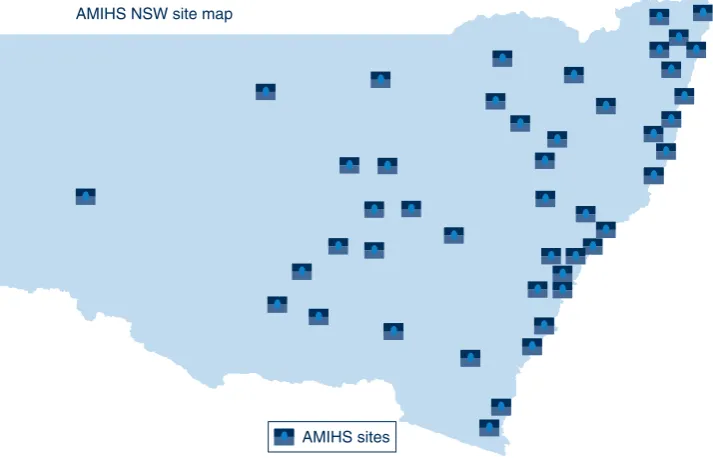
Of course, in seeking new solutions, we need to be careful not to abandon excellent work that is already underway. Other articles in this issue showcase some of the efforts occurring in NSW where people have already successfully embraced the need to do things differently. An example is the Aboriginal Maternal and Infant Health Service (AMIHS), now over a decade old. Evaluation of the AMIHS provided evidence of success and identified opportunities for further improvements, leading to recent
expansions of and enhancements to the AMIHS. The article by Murphy and Best describes the history, the approach and the outcomes achieved by the AMIHS.
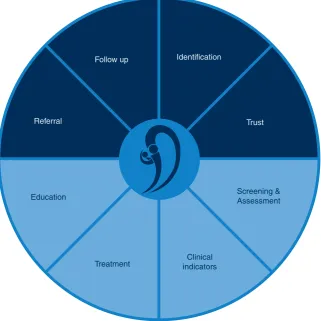
Another statewide program that has developed a specific model of care for Aboriginal people is described in the paper by Gordon and Richards. The Chronic Care for Aboriginal People program, like the AMIHS, shows the importance of partnerships, planning and evaluation, and the need for effective linking of services within and beyond the public health system, to support a smooth journey for Aboriginal people who must access many different provi-ders over the course of their chronic illnesses.
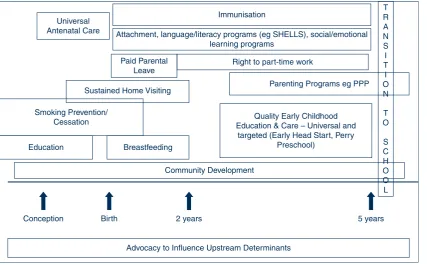
At a more localised level, the paper by Alperstein and Dyer describes the development of a collaborative approach to child wellbeing in one region. Once again, the approach is based on meaningful partnerships (including intersectoral collaboration), uses careful planning, sets up regular mon-itoring and requires a long-term view.
And finally, the collection of snapshots of statewide pro-grams offers a taste of the breadth of work required in order to close the gap in health inequity for Aboriginal people. It is only through multiple strategies that we can address the complexity of issues involved in Aboriginal health.
Respecting culture and tackling racism
When approaching the development of the Aboriginal Health Plan, we asked ourselves why the unacceptable health gap between Aboriginal and non-Aboriginal people still existed and what should be done differently to make a change. Despite small gains, these questions remain fun-damental in a health system and in health service provision that is not meeting the specific cultural and health needs of Aboriginal people and communities. The article from the Hunter New England Health Aboriginal and Torres Strait Islander Strategic Leadership Committee tells the story of a mainstream organisation that has set itself the task of improving its ability to meet the cultural needs of Aboriginal people at a whole of organisation level. Such organisational change requires a long-term commitment, a multitude of strategies and strong leadership. Once again, partnership is a key component for success.
Where to from here?
processes, procedures and practices. We can learn from the past, and spread the good ideas. We hope to see this changed approach reflected in our 10-year Aboriginal Health Plan when it is finalised later this year.
We hope that you enjoy this issue.
References
1. NSW Health. Health Statistics New South Wales [internet]. Available at: http://www.healthstats.nsw.gov.au/Indicator/atsi_ pop_agesex_atsi (Cited 22 May 2012).
2. NSW Liberals & Nationals. Plan to provide timely, quality health care. 2011. Available at: http://amansw.com.au/media/ File/Plan_to_Provide_Timely_Quality_Health_Care_FINAL. pdf?forceDownload (Cited 22 May 2012).
3. Government NSW. Two ways together. Partnerships: a new way of doing business with Aboriginal people. New South Wales Aboriginal Affairs Plan 2003–2012. Available at: http://www. daa.nsw.gov.au/data/files/FinalPOLICY.pdf (Cited 2 May 2012).
4. Auditor General NSW. New South Wales Auditor-General’s Report. Performance Audit. Two Ways Together – NSW Aborig-inal Affairs Plan. Sydney: Audit Office of New South Wales; 2011.
5. Ombudsman NSW. Addressing Aboriginal disadvantage: the need to do things differently. A Special Report to Parliament under s31 of the Ombudsman Act 1974. October 2011. Sydney: Crown Copyright: 2011.
6. Hassan Z. Connecting to source: the U-Process. 2006. The Systems Thinkers. September 2006. Available at: http://reos partners.com/sites/default/files/ZH%20-%20Connecting% 20to%20Source.pdf (Cited 26 November 2011).
Successful partnerships are the key
to improving Aboriginal health
Sandra Bailey
Aand Jennifer Hunt
A,B AAboriginal Health and Medical Research Council of NSW
B
Corresponding author. Email: [email protected]
Abstract: Partnership is a process that must be
recognised as a fundamental part of any strategy for improving health outcomes for Aboriginal people. Addressing the inequities in health out-comes between Aboriginal people and other Australians will require a sustained, coordinated and well-informed approach that works to a set of goals and targets developed with input from the Aboriginal community. Partnerships provide the most effective mechanism for obtaining this essen-tial input from Aboriginal communities and their representative organisations, enabling Aboriginal people to have an influence at all stages of the health-care process. Within the health sector, effective partnerships harness the efforts of gov-ernments and the expertise of Aboriginal Commu-nity Controlled Health Services, which offer the most effective means of delivering comprehensive primary health care to Aboriginal people.
Partnership is a process that must be recognised as funda-mental to any strategy for improving health outcomes for Aboriginal people, both in New South Wales (NSW) and Australia as a whole. In 2011, the NSW Government re-affirmed its commitment to Aboriginal health by pledging to work with Aboriginal organisations, communities and advocates to devise a 10-year Aboriginal Health Plan for the State.1In many ways NSW is at the beginning of a new era, in which a great deal of attention and energy is being directed across all sectors to close health gaps for Aborigi-nal people.
Addressing the inequities in health outcomes between Aboriginal people and other Australians, however, will require a sustained, coordinated and well-informed approach, one which is underpinned by long-term collaborations that
work to a set of goals and targets developed in partnership with the Aboriginal community. Partnerships provide the most effective mechanism for obtaining this essential input from Aboriginal communities and their representative orga-nisations, enabling Aboriginal people to have an influence at all stages of the health-care process.
Within the health sector, productive partnerships can effect positive change by harnessing the efforts of governments and health providers, along with the experience and exper-tise of Aboriginal Community Controlled Health Services (ACCHSs). ACCHSs are not only the most effective means of delivering comprehensive primary health care to Aborig-inal people2but are also a critical component of the overall health system.3,4Such partnerships are designed to bring the experience and expertise of the Aboriginal community to bear at every level of the health-care system, including the identification of key issues, the development of policy solutions and the structuring and delivery of services.
However, a practical approach to partnership also means recognising that all parties in a partnership are not the same, that there are different roles and responsibilities – and different accountabilities. With consultations and submis-sions for the development of the 10-year Aboriginal Health Plan for NSW currently underway, the Aboriginal Health and Medical Research Council of NSW (AH&MRC) believes it worthwhile to highlight in this article some of the key attributes of successful partnerships, both in general and specifically with the ACCHS sector.
Advocating a partnership approach
A partnership approach has long been advocated by government and ACCHSs as essential to addressing Aboriginal health inequity. In 1989, Australia developed its first National Aboriginal Health Strategy, which was the result of extensive consultations with Aboriginal commu-nities and governments around the country.5 Before the development of this national strategy, the Commonwealth Government had no strategic approach to tackle the chal-lenges surrounding Aboriginal health.
between Commonwealth and state governments, and between the Aboriginal community and government at all levels.
Following the recommendations set out in the National Aboriginal Health Strategy, in 1995 the AH&MRC and the NSW Government led the country by establishing the first NSW Aboriginal Health Partnership Agreement.6Guided by the principle of self-determination, the Agreement emphasises a partnership approach and the importance of intersectoral collaboration. The Agreement also recom-mends that the partnership model be replicated at all levels of the health-care process, down to regional and local levels. Launched with bipartisan support, theNSW Aborig-inal Health Partnership Agreementendures today and its founding principles remain unchanged.
In addition to the establishment of theNSW Aboriginal Health Partnership Agreement, in 2010 the NSW Govern-ment signedThe Statement of Intent to Achieve Equality in Health Status and Life Expectancy Between Aboriginal and Torres Strait Islander Peoples and Non-Indigenous Australians.7 As with the NSW Aboriginal Health Part-nership Agreement, the Statement of Intent also achieved bipartisan support in committing the NSW Government to work in new, more productive partnerships with Aborigi-nal people and their representative organisations.
Partnerships and self-determination
There are sound reasons why such initiatives recommend partnerships with Aboriginal communities and their repre-sentative organisations: the benefits of adopting a partner-ship approach are well documented, both in Australia8–10 and internationally.11,12
Within a local context, a partnership approach that incor-porates proper recognition of the right of self-determination for Aboriginal people offers a solid foundation for improv-ing collaborative efforts in the area of Aboriginal health.
The United Nations Declaration on the Rights of Indige-nous Peopleslays out the principles of self-determination. Adopted in 2007, the Declaration upholds the rights of Indigenous peoples and calls on states to consult and cooperate in good faith with the peoples concerned through their own representative institutions in order to obtain their ‘free, prior and informed consent before adopting and implementing legislative or administrative measures that may affect them.’13The Declaration defines the concept of self-determination for Indigenous peoples, in Articles 3, 4 and 5:13
Article 3
Indigenous peoples have the right to self-determination. By virtue of that right they freely determine their
political status and freely pursue their economic, social and cultural development.
Article 4
Indigenous peoples, in exercising their right to determination, have the right to autonomy or self-government in matters relating to their internal and local affairs, as well as ways and means for financing their autonomous functions.
Article 5
Indigenous peoples have the right to maintain and strengthen their distinct political, legal, economic, social and cultural institutions, while retaining their right to participate fully, if they so choose, in the political, economic, social and cultural life of the State.
Partnerships with Aboriginal organisations are far more likely to be successful if the principle of self-determination for Aboriginal people and their community organisations is honoured.14–16Indeed, self-determination is the principle upon which the ACCHS sector was founded, extending traditions that are thousands of years old, wherein Aborigi-nal people have long maintained the health and wellbeing of their own communities. The first ACCHS were estab-lished in Australia 40 years ago on the basis that Aboriginal people needed to take health matters into their own hands as mainstream services continued to fail to help their communities.17,18
There is substantial evidence to support the proposition that health benefits follow self-determination, which can yield positive reinforcement, cultural empowerment, improved self-esteem and better overall health outcomes.19–22
Key principles of successful partnerships
The term partnership is very common these days, but it can mean very different things to different people. The princi-ples of effective partnerships in the area of Aboriginal health have been recently articulated by the National Aboriginal Community Controlled Health Organisation (NACCHO), together with the Australian Human Rights Commission (previously the Human Rights and Equal Opportunity Com-mission), Oxfam and other organisations involved in the National Close the Gap campaign:
Genuine partnership exists when two or more parties join together to work toward a common goal; it is a process of shared decision making, of negotiated out-comes, and of mutual respect. It is an ongoing process, and one that requires sustained effort to maintain over time. At its heart, working in partnership means that both parties have genuine influence – not only in identifying issues and developing solutions, but also in determining the form of partnership.23
In short, partnership is more than consultation and more than acting in an advisory capacity. A successful partnership requires considerable time and effort to develop, and should occur at all stages, from initiation to development to implementation and evaluation.
Key characteristics of successful partnerships include23: • Respect, trust and mutual understanding between all
partners
• An acceptance that different parties will have differ-ent roles and responsibilities
• Provision of adequate resources to all partners • Realistic and specific objectives, usually ones that
each partner organisation would not be able to meet by working alone
• A process of review and evaluation, which is both qualitative and quantitative, and which assesses the partnership process as well as its outcomes.
Successful partnerships can also be defined by what they are not. Healthy, productive partnerships do not involve23:
• Approaches that rely only on advisory boards and closed-door decision making
• One party independently deciding on a course of action and presenting it to the other for ratification • Partners making public statements or developing
new initiatives independently and without having first discussed the issue with the other partner.
In addition to these characteristics, partnerships in the area of Aboriginal health will be meaningful only if they are transparent and involve the relevant bodies that represent Aboriginal people.
Partnerships are critical to achieve health equity for Aborig-inal people, but in order for them to be productive close attention must be paid to any power imbalances that exist. Aboriginal organisations, for example, are frequently in the position of being in partnership arrangements with organi-sations that fund them, which inherently influences the function and dynamics of the partnership.24This issue needs to be acknowledged and addressed from the outset if a partnership is to be equal.
Common goals
ACCHSs and mainstream health-care providers undoubt-edly share the goal of improving Aboriginal health. The AH&MRC advocates meeting this common goal by adopt-ing a rights-based approach to Aboriginal health initia-tives, one in which human rights provide a framework for addressing the consequences of the health inequality experienced by Aboriginal people. Partnerships that are informed by a rights-based approach employ human rights standards to guide policy making and to influence the design, delivery and monitoring and evaluation of health
programs and services.25These standards include recog-nising not only the underlying causes of health inequity, but also how these causes are interconnected to other issues.25
Achieving health equity for NSW will require govern-ments, the ACCHS sector and other health services to work together towards the goal of a NSW health system that is competent to provide good access and good care for Aboriginal people on the basis of strong partnerships with Aboriginal health organisations. Reaching this goal will require a partnership process that:
• embodies the principles of self-determination
• incorporates a human rights approach to redressing Aboriginal disadvantage and to provide sufficient gov-ernment accountability
• describes clearly the services required to improve the health of Aboriginal peoples in NSW
• sets out the roles and responsibilities of staff, manage-ment, organisations and stakeholders at every level of the system.
Conclusion
To achieve sustainable progress in addressing health inequities, Aboriginal people must be recognised as dis-tinct and equal partners not only in words but in action. By agreeing on a shared vision and by working strategically in partnership at every level, NSW can and will develop and expand the scope, versatility and capacity of health ser-vices to improve the health of Aboriginal people.
References
1. NSW Health. Towards an Aboriginal Health Plan for NSW. Some challenges seen through new eyes. Consultation 2011. Available at http://www.health.nsw.gov.au/publichealth/ aboriginal/plan/index.asp (Cited 16 January 2012).
2. Peiris DP, Patel AA, Cass A, Howard MP, Tchan ML, Brady JP et al. Cardiovascular disease risk management for Aboriginal and Torres Strait Islander peoples in primary health care
settings: findings from the Kanyini Audit.Med J Aust2009;
191: 304–9.
3. Larkins SL, Geia LK, Panaretto KS. Consultations in general practice and at an Aboriginal Community Controlled Health Service: do they differ? Rural Remote Health 2006; 6(3): 560. Available at: http://www.rrh.org.au/articles/subviewnew.asp? articleid=560 (Cited 21 March 2012)
4. Lutschini M. Engaging with holism in Australian Aboriginal health policy – a review. Australia and New Zealand Health Policy, 2, 2005. Available at: http://archive.biomedcentral.com/ 1743-8462/content/2/1/15 (Cited 21 March 2012)
5. National Aboriginal Health Strategy Working Party. A National Aboriginal Health Strategy 1989. Canberra: Australian Gov-ernment Department of Health and Ageing; 1989. Available at: http://www.health.gov.au/internet/main/publishing.nsf/ Content/health-oatsih-pubs-NAHS1998 (Cited16 January 2012).
Agreement. Sydney: AH&MRC, 2001. Available at: http:// www.ahmrc.org.au/index.php?option=com_content&view= article&id=33:our-partners&catid=4:about-ahmrc&Itemid=13 (Cited 15 March 2012).
7. NSW Government. The statement of intent to achieve equality in health status and life expectancy between Aboriginal and Torres Strait Islander peoples and non-Indigenous Australians. Sydney: NSW Government; 2010. Available at: http://www.health.nsw. gov.au/resources/publichealth/aboriginal/pdf/signed_nsw_ statement_of_i.pdf (Cited 16 January 2012).
8. Murray R, Bell K, Elston J, Ring I, Frommer M, Todd A. Guidelines for the development, implementation and evaluation of National Public Health Strategies in relation to Aboriginal and Torres Strait Islander peoples: Approaches and Recom-mendations. Report for the National Public Health Partnership, February 2002. Available at: http://www.nphp.gov.au/publica tions/strategies/atsi_guidelines.pdf (Cited 16 January 2012).
9. Taylor KP, Thompson SC. Closing the (service) gap: exploring collaboration and partnership models between Aboriginal and
mainstream organisations.Aust Health Rev2011; 35: 297–308.
doi:10.1071/AH10936
10. Waples-Crowe P, Pyett P. The making of a great relationship: a review of a healthy partnership between mainstream and Indigenous organisations. Melbourne: Victorian Aboriginal Community Controlled Health Organisation; 2005. Available at: http://www.vaccho.org.au/vcwp/wp-content/uploads/2011/03/ GreatrelationshipDocument.pdf (Cited 16 January 2012).
11. World Health Organization. The power of partnership. Global partnership to stop TB. Geneva: World Health Organization; 2003.
12. Hardy B. Hudson B, Waddington E. What makes a good partnership? A partnership assessment tool. Leeds: Nuffield Institute for Health; 2000. p. 9.
13. United Nations General Assembly. United Nations Declaration on the Rights of Indigenous Peoples. A/RES/61/295. 13 Sep-tember 2007. Available at: http://un.org/esa/socdev/unpfii/en/ declaration.html (Cited 16 January 2012).
14. Altman JC. Beyond closing the gap: valuing diversity in Indig-enous Australia. Canberra: Centre for Aboriginal Economic Policy Research, ANU; 2009.
15. Franks A, Smith-Lloyd D, Newell S, Dietrich UC. Aboriginal health promotion self-determination project: background paper. Prepared for Health Promotion Unit, Northern Rivers Area Health Service, Lismore NSW; 2001.
16. Lee AJ, Bonson AP, Yarmirr D, O’Dea K, Mathews JD. Sustainability of a successful health and nutrition program in a
remote Aboriginal community.Med J Aust1995; 162: 632–5.
17. Hetzel BS. Historical perspectives on indigenous health in Australia. Asia Pacific J Clin Nutr 2000; 9(3): 157–63. Available at: http://211.76.170.15/server/APJCN/Volume9/vol9.3/Hetzel. pdf (Cited 21 March 2012)
18. Australian Indigenous HealthInfoNet. Summary of develop-ments in Indigenous health promotion 2005. Available at http://www.healthinfonet.ecu.edu.au/health-systems/ health-promotion/reviews/our-review (Cited 15 March 2012)
19. Auerbach JA, Krimgold BK, Lefkowitz B. Improving health: it doesn’t take a revolution. Washington: National Policy Associ-ation; 2000.
20. Cox E. Building social capital.Health Prom Matters1997; 4: 1–4.
21. Newell S. Rekindling the Spirit: potential benefits for the North Coast Area Health Service. Report prepared for Rekindling the Spirit, Lismore NSW; 2008.
22. Garvey D. A review of the social and emotional wellbeing of Indigenous Australian peoples – considerations, challenges and opportunities. 2008. Available at: http://www.healthinfonet.ecu. edu.au/sewb_review (Cited 16 January 2012).
23. Chapman N. Close the Gap Steering Committee for Indigenous Health Equality. Partnership Position Paper, June 2010.
Avail-able at: http://www.hreoc.gov.au/pdf/social_justice/health/
partnership_position_paper.pdf (Cited 16 January 2012).
24. Dwyer J, O’Donnell K, Lavoie J, Marlina U, Sullivan P. The overburden report: contracting for indigenous health services. 2009. Cooperative Research Centre for Aboriginal Health, Darwin. Available at: http://www.crcah.org.au/publications/downloads/ overburden%20report_FINAL.pdf (Cited 21 March 2012)
25. Aboriginal and Torres Strait Islander Social Justice Commis-sioner. Social Justice Report 2005. Report No 3/2005. Available at: http://www.hreoc.gov.au/social_justice/sj_report/sjreport05/ pdf/SocialJustice2005.pdf (Cited 16 January 2012).
Developing an Aboriginal Health Plan
for NSW: the consultation process
Carmen Parter
A, Leigh Gassner
B,
Stephen Atkinson
Band Claire McKendrick
A,C ACentre for Aboriginal Health, NSW Ministry of Health
B
Reos Partners, Melbourne
C
Corresponding author. Email: [email protected]
Abstract: In partnership with the Aboriginal
Health and Medical Research Council of NSW (AH&MRC), the NSW Ministry of Health is developing a 10-year Aboriginal Health Plan for NSW. Recent reports have highlighted the need for significant systemic and structural change, cou-pled with genuine engagement with Aboriginal people. A whole health-system approach has been adopted and is examining all the interdependent and influencing elements that impede or facilitate effective health outcomes for Aboriginal people. The collaboration will develop a new strategic framework that will provide clear direction concerning how we address Aboriginal health in NSW. We have done this by seeking genuine engagement and partnership with Aboriginal people, organisations and communities. A phased approach has been used to develop the Plan. This paper describes the first phase of a two-phased approach. A discussion paper was released on National Close the Gap Day, 22 March 2012.
Business and human endeavours are systemsywe tend to focus on snapshots of isolated parts of the system, and wonder why our deepest problems never get solved. Peter Senge1
The New South Wales (NSW) Government made election commitments to closing the gap in Aboriginal health outcomes. Central to this commitment is the development of a 10-year Aboriginal Health Plan. The last NSW Aboriginal health policy and strategy,Ensuring Progress in Aboriginal Health: A Policy for the NSW Health System,
andNSW Aboriginal Health Strategic Plan: Better Health Good Health Care, were published in 1999.2 There is currently no strategic framework to guide action to improve health outcomes of Aboriginal people in NSW and to address the unacceptable discrepancy in life expec-tancy between Aboriginal and non-Aboriginal people.
The need for systemic change to improve health outcomes of Aboriginal people is reflected in a number of recent reports such as the NSW Ombudsman’s Addressing Aboriginal disadvantage: the need to do things differently3 and the Australian Government’s Strategic Review of Indigenous Expenditure.4Historic responses have been unsuccessful in closing the gap in health outcomes for Aboriginal people. Rather than duplicating current action the NSW Ministry of Health is considering how to both work together differently and find new ways to address the causes of disadvantage. This paper describes the first phase of the development of a 10-year Aboriginal Health Plan for NSW.
Designing the consultation process
The development of the Plan acknowledged the need to ensure genuine engagement and empowerment of Aborig-inal people throughout the process. Stuart Rees, Director of the Sydney Peace Foundation and former member of the NSW Reconciliation Committee, states that this engage-ment should go beyond the ‘rhetoric of empowerengage-ment, which may merely disguise maintenance of a disempow-ering status quo’ and ‘seek out the people whose views are seldom heard.’5This approach recognises that consultation processes have not always considered the needs of Aborig-inal people adequately,6–8 and reflects the significant issues raised in the NSW Ombudsman’s report which noted that ‘government needs to adopt a very different way of doing business with Aboriginal communities’.3
In designing the consultation and engagement process, the NSW Ministry of Health partnered with the Aboriginal
Health and Medical Research Council of NSW
The consultation process (Phase 1)
The consultation process was conducted in three stages: • interviews with stakeholders
• regional workshops and a forum • written consultation.
Each stage explored the question: How can we together transform the way we work and collaborate to significantly improve health outcomes of Aboriginal people across NSW over the next 10 years?
The interviews with stakeholders
Individual stakeholder interviews were conducted between 13 and 21 October 2011 by Reos Partners. Thirty people were interviewed from the public health system and Aboriginal community controlled health sector. The public health sector participants included a vertical cross-section of the health system from Local Health District Chief Executives and Chairs of Boards, Senior Executive in the Ministry, to program coordinators and front-line workers. Aboriginal community controlled health sector partici-pants included the AH&MRC’s 12 community-elected Regional Board Directors.
Approximately half the interviews were with the Aboriginal community controlled health sector, and approximately 70% of those interviewed were Aboriginal people. This representation ensured that Aboriginal people were the dominant voice at the centre of the consultation process, providing input at its earliest stages. This process supported genuine consultation with the Aboriginal community and helped shift the power dynamic from a power-over9to a collaborative partnership approach. This shift in emphasis was recognised during the interview process, as participants acknowledged:
When you look at how things have been done in the past and how things have been forced on people, you realise you must have consultation. Be up-front and honest with people in telling them what’s happening.
Interviews like this and the forums that are going to take place after this and getting Aboriginal people through-out the state having their voice heard and being involved in the whole process – is what we need.
The following themes emerged from the interviews: • connection (relationships, consultation, linking up, trust) • respect (acknowledgement, equality, safety, attitudes
and understanding) • time
• funding
• workforce (supply, pathways, education, capability) • leadership
• measurement and reporting • accountability
• delivery models (holistic health or medical problem, access and cultural safety, prevention and cure, health system delivery)
• outcomes.
The regional workshops
The interviews and emerging themes informed eight region-al consultation workshops held in Dubbo, Wagga Wagga, Tamworth, Broken Hill, Nowra, Coffs Harbour and Sydney between 3 and 15 November 2011. Over 200 health profes-sionals and community members attended the workshops convened by the Ministry of Health and the AH&MRC, with attendees equally distributed between representatives of the Aboriginal community controlled health sector and the public health system. To ensure Aboriginal views and perspectives were in the majority, over half the attendees at each workshop were Aboriginal people. This aspect of the consultation workshops was noted by participants:
I think we all talk about real partnership, we’ve had a practical demonstration of what real partnership starts to be in this room. But you do have to put some rigour in real partnerships.
Workshop design
The approach used in the workshops had been developed over twenty years by Adam Kahane10and the team at Reos Partners and others including Otto Scharmer and Peter Senge.1 Participants were involved in three different components of the workshop:
1. exploring what’s currently happening in the health system
2. stepping back from the detail to reflect on the current situation and what is needed
3. identifying new ways of working to create a changed system. Participants focused on addressing opportu-nities for change, and identified initiatives for positive results in the future.
Ways of talking and listening
The workshops were introduced with participants stating where they were from to provide a context for their life beyond work, and to emphasise an Aboriginal way of relating to people through their connection to land and country. Workshop leaders challenged participants to con-sider new ways of talking and listening that could lead to genuine inquiry and to understanding different perspectives. One participant commented that this method allowed those in the workshop to start to ‘see the same challenges through new eyes’.
Participants reflected:
engage more to be a better advocate and supporting Aboriginal people. Aboriginal health is so often left off the agenda. Taking more responsibility for that. Col-laboration and engagement – genuinely respectful and partnering.
We need to keep listening to what Aboriginal people are telling us, especially the Elders who have been around a while.
A small shift can produce a large change
In order to transform the health system to improve health outcomes of Aboriginal people, the workshop participants considered the current situation by examining the inter-connections and relationships between the different parts of a system. This model presents a way to see what is happening based not only on observable events, but also on what has happened over time (patterns); it also iden-tifies underlying structures (structures) and ways of thinking (mental models) that influence the system.
Workshop outcomes
Participants agreed that a simple linear cause and effect relationship did not relate to the complex problem of Aboriginal health inequalities and that it would be more useful to consider multiple causes and multiple effects. Participants were encouraged to consider aspects of change required to shift the system and improve health outcomes of Aboriginal people. These ideas were grouped to provide directions for action.
From the workshop discussions to identify ideas and approaches that would make positive systemic change to Aboriginal health outcomes in NSW over the next 10 years, core themes emerged. These themes will provide the basis for the elements to be included in the 10-year Aboriginal Health Plan:
• Unified vision and definition of Aboriginal health • Unified and integrated planning and funding framework • Critical measures of transformation
• Outcome reviews/needs and gaps audits (state and local) • Joined-up local strategy and action planning
• Workforce – attract, develop, sustain
• Making it happen – joined-up local action and service delivery
At the conclusion of the workshops, participants said:
This was more a spirit building exercise for me, I was hoping to look for something to empower me to move forward. It was more about seeing the experience of my community coming from different areas, I see the beauty of our culture coming from different areas, and even from non-Aboriginal people, the partnership. I saw that today, it rejuvenated the spirits. I want to leave the tiredness, the battles, and realised I don’t fight alone.
We need to maintain the shared vision we’ve experience today to work closely together. To continue to find ways to include the community in solution building.
I’d like to think that we see ourselves as part of a wider team, working together for the same purpose, if pro-blems or issues, we need to discuss and I would like to see an integrated plan as we go forward. There seems to be silos, and never the twain shall meet. They need to be broken down.
NSW Aboriginal Health and Wellbeing Forum The Minister for Healthy Lifestyles, the Honourable Kevin Humphries MP, and the AH&MRC co-hosted a health and wellbeing forum for senior health leaders in November 2011. The forum expanded the findings of the regional workshops and sought broad agreement regard-ing the themes for the future. The forum also elicited a number of underpinning principles to guide the deve-lopment of the Plan. These principles are outlined in Consultation Paper 2.
Written consultation
Along with the workshops, a written consultation process was undertaken. Comments were sought around broad themes. A consultation website was launched which describes the consultation process, reports and data, and provides background information and mechanisms to pro-vide feedback and submissions (see http://www.health. nsw.gov.au/publichealth/aboriginal/plan/index.asp).
Next steps
Consultation paper 2 was released in March 2012, and detailed the findings from the interviews, workshops and health and wellbeing forum.11 A discussion paper was released on National Close the Gap Day, 22 March 2012. This paper reflects the earlier consultations and proposes a vision, definition, goal and underpinning principles for how we work and identifies strategic directions to improve Aboriginal health outcomes. A further report synthesising the written submissions will complete phase 1 of the consultation process to develop the new 10-year Aboriginal Health Plan for NSW.
The feedback from the second phase of consultation informs the draft Aboriginal Health Plan. Details of phase 2 of the consultation process can be found online at:
http://www.health.nsw.gov.au/publichealth/aboriginal/plan/ index.asp.
References
1. Senge PM. The Fifth Discipline: the art and practice of the learning organization. London: Random House Books; 2006.
2. NSW Health in partnership with the NSW Aboriginal Health and Medical Research Council. Ensuring Progress in Aboriginal Health: A Policy for the NSW Health System. September 1999. State Health Publication No: (AH) 980148. Available at: http:// www.health.nsw.gov.au/pubs/1999/pdf/ahealthdoc.pdf (Cited 21 January 2012).
3. NSW Ombudsman. Addressing Aboriginal disadvantage: the need to do things differently. A Special Report to Parliament
under s 31 of theOmbudsman Act 1974. October 2011. Sydney;
Crown Copyright: 2011.
4. Australian Government. Strategic review of Indigenous expen-diture. Report to the Australian Government. February 2010. Canberra: Commonwealth of Australia; 2009.
5. Rees S. Passion for Peace. Sydney: UNSW Press; 2003.
6. Vivian A. The NTER Redesign Consultation Process: Not Very Special [internet]. Aust Indig Law Rev 2010; 14(1): 46–70. Available at: http://search.informit.com.au/documentSummary; dn=587107272988644;res=IELIND (Cited 3 April 2012).
7. Mortimer S. A flawed consultation process preventing ‘unprec-edented opportunity’ [internet]. Indig Law Bull 2010; 7: 21–5. Available at: http://search.informit.com.au.ezproxy1.library. usyd.edu.au/documentSummary;dn=810721560592641;res= IELIND (Cited 3 April 2012).
8. Davis M. Indigenous Rights and the National Human Rights Consultation [internet]. Indigenous Law Bull 2010; 7: 24–7. Available at: http://search.informit.com.au.ezproxy1.library. usyd.edu.au/documentSummary;dn=339959542219879;res= IELIND (Cited 3 April 2012).
9. Burrowes RJ. The strategy of nonviolent defense: a Gandhian approach. New York: Suny Press; 1996, p. 84.
10. Kahane A. Solving tough problems: an open way of talking, listening and creating new realities. San Francisco: Berbett-Koehler Publishers Inc.; 2004, p. 31.
11. Health NSW. Towards an Aboriginal Health Plan for NSW. Discussion paper. March 2012. Available at: http://www.health. nsw.gov.au/pubs/2012/pdf/aboriginal_hlth_pln_discu.pdf (Cited 8 May 2012).
Working towards a 10-Year Aboriginal Health
Plan: the Centre for Aboriginal Health initiatives
Geraldine Wilson
A,Cand Jessica Stewart
B ACentre for Aboriginal Health, NSW Ministry of Health
B
Centre for Epidemiology and Evidence, NSW Ministry of Health
C
Corresponding author. Email: [email protected]
The Centre for Aboriginal Health within the NSW Ministry of Health is responsible for policy development and strategic planning aimed at improving the health of Aboriginal people in NSW. The work of the Centre is guided by both national and NSW policies. In 2007, the Council of Australian Governments (COAG) agreed to a partnership between all levels of government with the aim of addressing Aboriginal and Torres Strait Islander health disadvantage through the National Indigenous Reform Agreement(NIRA).1The Agreement includes objectives, outcomes, outputs, performance indicators and perfor-mance benchmarks agreed to by COAG, and links to other national agreements such as the $1.58 billion National Partnership Agreement on Closing the Gap in Indigenous
Health Outcomes.2 The NSW Government committed
$180.38 million over 4 years towards this agreement, to be implemented through the Centre for Aboriginal Health, including coordinating the delivery of a range of initiatives involving Local Health Districts, Aboriginal Community Controlled Health Services and the Aboriginal Health and Medical Research Council NSW (AH&MRC).
In 2011 the NSW Government releasedNSW 2021,3a state plan in which priority health issues and targets for achiev-ing improvements to Aboriginal health are identified. Also in 2011, the NSW Government committed to the development of a 10-year Aboriginal health plan for NSW which the Centre for Aboriginal Health, in partnership with the AH&MRC, is developing through statewide consultations.
To meet these policy commitments, the Centre for Aborig-inal Health works in partnership with other NSW Ministry of Health branches to ensure statewide policies and programs meet the needs of Aboriginal people, including the Aboriginal Maternal and Infant Health Service, and the Chronic Care for Aboriginal People program (both of which are highlighted in this special edition) as well as programs that target tobacco, injury, workforce, housing and oral health. The Centre also develops specific Aborig-inal health policies and programs needed to address gaps in
the system that may not be the clear responsibility of other branches.
The following six short reports describe programs that address health promotion, family health, ear health, chron-ic disease, and improving data quality in both NSW hospitals and Aboriginal Community Controlled Health Services. These examples highlight different strategies used for engaging with the health system, including: • Strategic policy development: TheNSW Health
Aborig-inal Family Health Strategy4andAboriginal and Torres Strait Islander Origin – Recording of information of patients and clients(Policy Directive 2005–547)5 • Specific program funding for priority areas: Health
promotion program in Local Health Districts, the Chronic Care Service Enhancement Program in Aborig-inal Community Controlled Health Services, and popu-lation health Ear Health program
• Research funding to develop evidence: Improving iden-tification of Aboriginal patients and the cultural compe-tency of the health workforce in NSW hospitals.
Identifying the suitability and effectiveness of these dif-ferent strategies for achieving health gains in difdif-ferent areas will be important for the implementation of the 10-year Aboriginal health plan. Strategic policy and effec-tive monitoring and accountability systems will be of increasing importance as responsibility for achieving Aboriginal health gains is further devolved to Local Health Districts. The coordination of statewide programs that specifically target equity issues across the health system for meeting the needs of Aboriginal people will also remain critical for developing evidence of best practice. The implementation of the same program in more than one Local Health District, Aboriginal Community Controlled Health Service or community provides opportunities for rigorous evaluation to determine the effectiveness of the program in improving health service delivery and health outcomes. The evidence produced can then be used to inform programs across NSW.
References
1. Council of Australian Governments. National Indigenous Reform Agreement. Canberra: COAG; 2008. Available at: http://www.facs.gov.au/sa/indigenous/progserv/ctg/Pages/ NIRA.aspx (Cited 7 February 2012).
2. Council of Australian Governments. National Partnership Agreement on Closing the Gap in Indigenous Health Out-comes. 1 July 2009. Available at: http://www.coag.gov.au/ intergov_agreements/federal_financial_relations/docs/ national_partnership/NP_closing_the_Gap_indigenous_ health_outcomes.pdf (Cited 7 February 2012).
3. NSW Department of Premier and Cabinet. NSW 2021. A plan to make NSW number one. Sydney: NSW Government; 2011.
4. Health NSW. Aboriginal Family Health Strategy 2011–2016. Responding to family violence in Aboriginal communities. Sydney: Centre for Aboriginal Health; 2011. Available at: http:// www.health.nsw.gov.au/pubs/2011/aboriginal_family_health_. html (Cited 5 December 2011).
5. NSW Health. Aboriginal and Torres Strait Islander Origin – Recording of information of patients and clients (PD 2005–547). Available at: http://www.health.nsw.gov.au/policies/pd/2005/ pdf/PD2005–547.pd (Cited 27 March 2012).
NSW Aboriginal Health Promotion Program:
lessons learned and ways forward
Ian Raymond
A, Catriona McDonnell
Aand Geraldine Wilson
AA
Centre for Aboriginal Health, NSW Ministry of Health
Chronic disease is one of the most significant health issues in Aboriginal communities throughout Australia. Chronic conditions such as cardiovascular disease, diabetes, chronic respiratory disease, and cancer are responsible for 70% of the health gap (ill health and mortality) between Aboriginal and non-Aboriginal people in terms of disabil-ity adjusted life years.1,2
The Aboriginal Health Promotion Program was developed in 1986. The aim of the Program is to prevent the onset of chronic disease and injury in the Aboriginal population in NSW. The program has primarily administered grants to Aboriginal Community Controlled Health Services and Local Health Districts to support Aboriginal health pro-motion projects addressing key local and state priorities.
An example of a project funded under the program was the Shake-a-leg Program, a schools-based health promotion program targeting primary and secondary schools in the Hunter New England region. The program aimed to reduce preventable health conditions in Aboriginal children through better understanding of disease processes and prevention in the home environment. An evaluation found a noticeable change in the health behaviours of the children and increased knowledge of parents about the program.
Reviews undertaken in 2007 and 2010 recommended refocusing the Aboriginal Health Promotion Program to align with the key priorities of theNational Partnership Agreement on Closing the Gap in Indigenous Health Outcomes and the National Partnership Agreement on Preventive Health. The reviews identified that a range of
promising and innovative projects were being implemen-ted under the Program but that a number of issues were affecting its overall performance and success. These issues included a lack of program logic and insufficient evalua-tion of health promoevalua-tion intervenevalua-tions which could identify the impact of the projects on health gains, health outcomes and workforce capacity.
Operational Guidelines and Funding Guidelines were developed to support the implementation of the Program. These guidelines outlined specific program standards and funding requirements of the Program, and provided practi-cal guidance on the application of these standards in the planning, design, delivery and evaluation of health promo-tion projects.
The Centre for Aboriginal Health conducted a series of Aboriginal health promotion capacity building work-shops across NSW in 2010 which focused on program logic modelling, health promotion practice and building evidence through rigorous evaluation. The majority of those consulted during these workshops considered the current program’s funding allocations were too small and often used to fund one-off, ad hoc programs which contributed little to substantial and sustainable health improvements.
promotion workforce including the capacity to provide interventions at the local level?
References
1. Vos T, Barker B, Stanley L, Lopez AD. The burden of disease and injury in Aboriginal and Torres Strait Islander peoples.
Brisbane: School of Population Health, The University of Queensland, 2007.
2. Zhao Y, Dempsey K. Causes of inequality in life expectancy between Indigenous and non-Indigenous people in the Northern
Territory 1981–2000: a decomposition analysis.Med J Aust
2006; 184: 490–4.
The Chronic Care Service Enhancement Program
Maurice Terare
A, Catriona McDonnell
Aand Geraldine Wilson
AA
Centre for Aboriginal Health, NSW Ministry of Health
The disparity in life measured in health outcomes and life expectancy between Aboriginal and non-Aboriginal people has been well documented. Aboriginal people living in NSW have a significantly higher incidence of chronic disease than the non-Aboriginal population. Chronic conditions such as cardiovascular disease, diabe-tes, chronic respiratory disease, and cancer are responsible for 70% of the health gap (ill health and mortality) between Aboriginal and non-Aboriginal people in terms of disabil-ity adjusted life years.1
In response to this, the NSW Ministry of Health is funding the Living Well: the NSW Aboriginal Health Chronic Care Initiative for the development, implementation and evaluation of a range of evidence-based and culturally responsive secondary prevention and chronic disease management initiatives for Aboriginal people in NSW. The target group for the Living Well Initiative is Aboriginal people aged 15 years and over diagnosed with, or at risk of developing, the chronic conditions of diabetes, cardiovascular disease, chronic respiratory disease, renal disease, musculoskeletal and connective tissue disorders and malignant cancer.
The Chronic Care Service Enhancement Program is the most significant investment of the projects funded under the Living Well Initiative. The Program aims to improve access to secondary prevention health services, as well as improving the coordination and management of care for Aboriginal people with, or at risk of, chronic diseases. The Program will enhance chronic care services being delivered under the Chronic Care for Aboriginal People Program by the Aboriginal Community Controlled Health Services (ACCHS) and Local Health Districts throughout NSW.
Nine ACCHS are receiving funding under the Program to implement strategies that will increase the accessibility of services, provide early intervention for clients at risk of
chronic disease, and improve the care coordination and management of Aboriginal people with chronic diseases. The Centre for Aboriginal Health has a close working partnership with each service and the Aboriginal Health and Medical Research Council of NSW to ensure the Program is responsive to the needs of each service and local communities.
The ACCHS are implementing a range of specific strategies to improve the reach, screening and management of chronic disease in Aboriginal communities. To increase the number of Aboriginal people accessing the service for the first time or re-engaging with the service, the health services are holding open days and information sessions for local communities, providing outreach services and transport, and improving referrals with other services providers. To increase the number of clients who are screened for chronic diseases in line with evidence-based guidelines, services are providing staff training, increasing opportunistic screening, and improving reminder and recall systems. To improve the management of chronic disease in accordance with best practice guidelines, services are undertaking strategies such as organising regular multidisciplinary team case manage-ment meetings, improved care planning and referrals, delivery of self-management strategies and brief interven-tions to support patients.
Using the program funding, the health services have recruited a range of health professionals to implement these strategies, including Nurse Practitioners, Enrolled Nurses and Aboriginal Health Workers. Services are also able to use funding to source additional services, such as allied health and specialist services, and transport.
The second component of the Program focuses on the Local Health Districts, enhancing funding to the Chronic Care for Aboriginal People Program. A dedicated chronic care clinical position is being established in each Local Health District to provide clinical follow-up to Aboriginal patients with chronic disease within 48 hours of being discharged from hospitals across NSW.
Newcastle to measure the effectiveness and accept-ability of interventions being delivered in improving health systems as well as improving measurable health outcomes.
Reference
1. Vos T, Barker B, Stanley L, Lopez AD. The burden of disease and injury in Aboriginal and Torres Strait Islander peoples. Brisbane: School of Population Health, The University of Queensland, 2007.
Responding to family violence in Aboriginal
communities:
The NSW Aboriginal Family
Health Strategy
Helen Gardiner
Aand Geraldine Wilson
A ACentre for Aboriginal Health, NSW Ministry of Health
Family violence has a devastating impact on the health and wellbeing of Aboriginal communities.1In 2008, there were six times more Aboriginal than non-Aboriginal women reported to be victims of domestic violence (NSW Health data request on number of Indigenous victims of domestic violence related assault recorded by the NSW Police, NSW Recorded Crime Statistics from July 2006 to June 2009, from NSW Bureau of Crime Statistics and Research). The number of child protection reports made to the NSW Department of Community Services for Aboriginal children and young people has increased by more than three fold in the past 8 years.2
The Aboriginal Family Health Strategy,3first released in 1998 presented an innovative approach to working to address family violence within a cultural context. The Strategy was originally limited to the individual and family support activities of Aboriginal Family Health Workers, including initial crisis support, advocacy and referral. Reviews of the Strategy identified a number of challenges including: the complexity of family violence; workforce shortages; community expectations; lack of consistent and coordinated service delivery; and the risk of duplicated effort due to the numerous interagency and whole of Government strategies targeting some locations.
A revisedAboriginal Family Health Strategy, released on National Sorry Day 2011, is being integrated into the NSW Health system as a model of care (Figure 1).4The focus is family and culture with four elements: effective service delivery, strong community capacity, culturally competent work force and strategic leadership. It is built on a healing approach and is informed by research and evidence. The application of this model into mainstream services pro-vides practical ways to enhance efforts within a culturally competent framework.
Progress
Effective service delivery:Currently 25 Aboriginal Family Health Workers are employed in prioritised areas of need, predominantly in Aboriginal Community Controlled Health Services (ACCHS) in regional NSW, and one position in the Justice Health system.
Strong community capacity:Locating Aboriginal Family Health Workers in ACCHS is in keeping with the philoso-phy of the strategy that ‘solutions to family violence in Aboriginal communities will be community devised, man-aged and implemented’. These workers are now focusing more on early intervention and education which, when combined with a healing process, aims to build strong and resilient communities.
Culturally competent workforce: The Education Centre Against Violence supports the work of the Strategy to enhance the capacity of the Aboriginal workforce, and
Strategic leadership
Culturally competent workforce Strong community capacity Effective
service delivery
Family and culture
Research H
ea
ling
H e al in
g
Hea ling
H
ea
lin
g
Evidence
Figure 1. Aboriginal Family Health model of care Source: Aboriginal Family Health Strategy
addresses recruitment and retention issues. The Certi-ficate IV in Aboriginal Family Health and the NSW Advanced Diploma of Aboriginal Specialist Trauma Counselling ensure Aboriginal workers are equipped to address the complex needs of Aboriginal families. The Centre also provides training to develop the cultural competency of the non-Aboriginal workforce.
Strategic leadership:A trial of Aboriginal Family Health Coordinators, located in four Local Health Districts, is being undertaken. These coordinators will undertake a strategic role to facilitate better access for Aboriginal families to services responding to issues of family vio-lence, including child protection.
Monitoring and evaluation:Information from the Aborig-inal Family Health Worker Data Collection and prelimi-nary evaluation of the Aboriginal Family Health Coordinator trial highlight the diverse needs of communi-ties and the difficulty of evaluating a program based on a holistic approach that emphasises healing. Formal evalua-tion of the Aboriginal Family Health Strategy is planned to commence in 2012. In the long term, the success of this Strategy will be assessed from a family and
community-based perspective, in accordance with the principles of Aboriginal health.
References
1. Government NSW. Discussion Paper on NSW Domestic and Family Violence Strategic Framework. NSW Department of Premier and Cabinet, Office for Women’s Policy; 2009. Available at: http://www.dpc.nsw.gov.au/__data/assets/ pdf_file/0005/75533/Discussion_Paper_on_NSW_Domestic_ and_Family_Violence_Strategic_Framework.pdf (Cited 5 December 2011).
2. NSW Department of Community Services. Child Protection Quarterly Report July 2006-December 2007. Table 1.5 p 7. Available at: http://www.community.nsw.gov.au/docswr/_ assets/main/documents/quarterlyjul06_dec07.pdf (Cited 5 December 2011).
3. Health NSW. NSW Aboriginal Family Health Strategy. Sydney: NSW Department of Health; 2002.
4. Health NSW. Aboriginal Family Health Strategy 2011–2016. Responding to family violence in Aboriginal communities. Sydney: Centre for Aboriginal Health; 2011. Available at: http://www.health.nsw.gov.au/pubs/2011/aboriginal_family_ health_.html (Cited 5 December 2011).
Healthy Ears, Happy Kids: a new approach to
Aboriginal child ear health in NSW
Paul Huntley
A, Brian Woods
Band Sian Rudge
C ACentre for Aboriginal Health, NSW Ministry of Health
BMental Health and Drug and Alcohol Office, NSW Ministry
of Health
C
Sax Institute
Otitis media is one of the most prevalent childhood con-ditions in developing countries and contributes to excess childhood mortality.1For children in developed countries, otitis media usually resolves spontaneously and without antibiotic treatment. In developing countries or in commu-nities subject to socio-economic disadvantage, including many Australian Aboriginal communities, acute instances of the condition often do not resolve and may recur repeatedly.2Children with conductive hearing loss associ-ated with otitis media may experience serious interruption to speech and language development and disrupted learn-ing in school. For other children this can further exacerbate other educational and social disadvantages.1
To address ear health issues for Aboriginal children in NSW under theNational Partnership Agreement for Clos-ing the Gap in Indigenous Health Outcomes initiative, NSW Health has developed and released theNSW Aborig-inal Ear Health Program Guidelines 2011–2015.
The NSW Otitis Media Screening Program for 0–6 year old Aboriginal children was the NSW Health approach to ear health in Aboriginal children from 2004 to 2008. This program was a population-based (near universal) screen-ing initiative to identify and treat young Aboriginal chil-dren with otitis media. The Centre for Aboriginal Health commissioned an evaluation of the effectiveness and appropriateness of this program in 2008. The evaluation involved extensive consultation across the sector through case studies and interviews with frontline health workers and policy makers from Aboriginal Community Con-trolled Health Services, the Department of Education and Training, the former Department of Health, the Office for Aboriginal and Torres Strait Islander Health, and the former Area Health Services.
and Maternal Infant Health Strategy, the Aboriginal Oral Health Program, Statewide Eyesight Pre-schooler Screen-ing, Statewide Infant Screening Hearing (SWISH) and Building Stronger Foundations for Aboriginal Children. The findings and recommendations of the evaluation are in keeping with a recent evidence review which stated thaty the treatment of children detected through repeated screening has been shown to provide no long-term devel-opmental or academic benefit.4
To implement the recommendations of the evaluation, NSW Health established the NSW Otitis Media Expert Advisory Committee, comprised of a multidisciplinary team of health and education professionals with relevant ear health expertise. In 2011 the Advisory Committee and the Centre for Aboriginal Health released the NSW Aboriginal Ear Health Program Guidelines 2011–2015.5 The aim of these guidelines is to reduce the number of young Aboriginal children aged under 5 years being affected by otitis media, by delivering a strong preventive
approach through better education for parents, carers, extended families, health and education professionals.
The key actions of the program aim to reduce prevalence of otitis media by:
• addressing environmental health risk factors • reducing maternal ante-natal smoking • increasing maternal post-natal breastfeeding; • improving safe and healthy housing conditions
• linking with existing child health surveillance programs; • improving awareness and education among the
Aborigi-nal community and human services professioAborigi-nals.
Ear health promotion resources have also been developed to support the new approach using the campaign branding Healthy Ears Happy Kids (Figure 1). With its new broad public health approach and strong emphasis on prevention, the program is committed to improving the ear health of young Aboriginal children across the state.
References
1. Couzos S, Metcalf S, Murray R. Systematic review of existing evidence and primary care guidelines on the management of otitis media in Aboriginal and Torres Strait Islander populations. Canberra: Commonwealth Department of Health and Family Services. Office for Aboriginal and Torres Strait Islander Health Services; 2001. Available at: http://www.health.gov.au/oatsih/ pubs/omp.htm (Cited 6 March 2012).
2. Gibney KB, Morris PS, Carapetis JR, Skull SA, Smith-Vaughan HC, Stubbs E et al. The clinical course of otitis media in high-risk
Australian Aboriginal children: a longitudinal study.BMC
Pediatr2005; 5: 16. doi:10.1186/1471-2431-5-16
3. ARTD Pty Ltd. Evaluation of the Aboriginal Otitis Media Screening Program Final Report to the NSW Department of Health. 2008. Available at: http://www.health.nsw.gov.au/pubs/ 2008/otitis_report.html (Cited 6 March 2012).
4. Morris P, Hopkins S. Rapid Evidence Summary – Does ear health screening improve outcomes in young children? 2009. Available at: http://www.healthinfonet.ecu.edu.au/other-health-conditions/ ear/reviews/other-reviews (Cited 6 March 2012).
5. NSW Ministry of Health. NSW Aboriginal Ear Health Program Guidelines 2011–2015. 2011. Available at: http://www.health. nsw.gov.au/policies/gl/2011/GL2011_013.html (Cited 6 March 2012).
Reporting of Aboriginal people in health data
collections in NSW
Louise Maher
A, Caroline Turnour
Aand Jessica Stewart
BA
Centre for Aboriginal Health, NSW Ministry of Health
B
Centre for Epidemiology and Evidence, NSW Ministry of Health
The accurate reporting of Aboriginal people in administra-tive data sets is essential to effecadministra-tively monitor progress
towards closing the gap in Aboriginal health outcomes. Improving the reporting of Aboriginal people in NSW Health’s data collection systems is a key priority under the National Partnership Agreement on Closing the Gap in Indigenous Health Outcomes.1
The National best practice guidelines for collecting Indigenous status in health data sets documents the
Figure 1 The Healthy Ears Happy Kids logo
recommended national approach for collecting and record-ing accurate information on the Aboriginal status of clients.2Self-report in response to a standard question is described as the most accurate means of ascertaining whether a person is Aboriginal or not. The question is: Are you (is the person) of Aboriginal or Torres Strait Islander origin?
In NSW, there is under-reporting of Aboriginal people across a range of health data collections and systems. In the NSW Admitted Patient Data Collection it is estimated that the level of correct reporting is 90.7%.3 The under-reporting of Aboriginal people in NSW Health’s data collection systems may be attributed to a range of factors, including a lack of staff awareness and training, staff reluctance to ask the question, client reluctance to answer the question, staff perceptions about whether people want to identify as Aboriginal, lack of privacy when answering the question, limited data validation and follow-up of missing informa-tion, and inadequate data management systems.4Aboriginal people’s willingness to disclose their Aboriginal status and administrative staff preparedness to ask the question also depends on the existence of a culturally safe environment.
The Australian Council on Healthcare Standard Evaluation and Quality Improvement Program (EQuIP 5) requires all hospitals to demonstrate action on standards aimed at improving Aboriginal identification. This requirement provides an opportunity to support system-wide improve-ment in Aboriginal health and hospital data. A national pilot project in five hospitals has demonstrated that using a continuous quality improvement framework to improve the culture of hospitals for Aboriginal people can result in improving identification of Aboriginal people in health data sets.5
NSW Health currently has a number of activities underway to improve the accuracy of reporting of Aboriginal people in administrative datasets:
• The Centre for Aboriginal Health is reviewing the policy on identification of Aboriginal people to ensure it is consistent with the National Best Practice Guide-lines and supports the EQuIP5 accreditation framework, and will support Local Health Districts in the imple-mentation and monitoring of the revised policy.6NSW Health is also working collaboratively with the Austra-lian Institute of Health and Welfare to conduct the 2011 Admitted Patient Indigenous Status Survey in NSW. • The Centre for Epidemiology and Evidence is
investi-gating the feasibility of using record linkage to estimate
the under-reporting of Aboriginal people on routinely collected NSW Health datasets. The project uses linked records from a number of data collections, and has developed algorithms to enhance Aboriginal identifica-tion within each data collecidentifica-tion.
• The NSW Hospital Identification Project, currently being developed by the Centre for Aboriginal Health, aims to demonstrate the effectiveness of a continuous quality improvement framework in improving the cul-tural competency of eight hospitals. The project aims to address the under-reporting of Aboriginal people by adopting a system-wide approach that goes beyond staff training and improvements in administrative systems to include initiatives that promote the cultural competency of each hospital.
Improved identification will lead to more accurate report-ing of disease and risk factors among Aboriginal people and stronger evaluation on health system performance in closing the gap, which in turn will support the delivery of more effective, sustainable and culturally appropriate health services for Aboriginal people in NSW.
References
1. Council of Australian Governments. National Partnership Agreement on Closing the Gap in Indigenous Health Outcomes. Canberra: COAG; 2009.
2. Australian Institute of Health and Welfare. National best prac-tice guidelines for collecting Indigenous status in health data sets. Cat. No. AIHW 29. Canberra: AIHW; 2010.
3. Bentley JP, Taylor LK, Brandt PG. Reporting of Aboriginal and Torres Strait Islander peoples on the NSW Admitted Patient Data Collection: the 2010 Data Quality Survey. NSW Public Health Bull 2012; 23(1): 17–20.
4. Lovett R. ACT public hospital staff attitudes concerning Indigenous origin information and estimating Indigenous under-identification in ACT public hospital admission data. Chapter 4. Master of Applied Epidemiology (Indigenous Health) thesis. National Centre for Epidemiology and Public Health, Australian National University; 2006.
5. Willis J, Wilson G, Renhard R, Chong A, Clarke A. Improving the culture of hospitals project: final report. Melbourne: Australian Institute of Primary Care; 2010. Available at: http://www.lowitja.org.au/files/crcah_docs/ ICHP_Final_Report_August_2010.pdf (Cited 6 March 2012).