Original Research Article
Quality of assessment of women at the time of admission for childbirth
in secondary and tertiary public sector referral institutes
in southern India
Mukta Tyagi*, Samiksha Singh
INTRODUCTION
About 830 women die every day due to preventable pregnancy and child birth related complications.1 Maximum of these deaths occur during intrapartum or immediate post-partum period and could be easily prevented by reducing third delay.2,3 The third delay of "Three delays" model of pregnancy-related mortality
happens when there is a delay in provision of adequate care when a facility is reached.3 This delay could be due to inability to assess high-risk and complications, and act timely.
High-risk pregnancy is defined as one which is complicated by factor or factors that adversely affect the maternal or perinatal outcomes or both.4 However, even a
ABSTRACT
Background: About 830 pregnant women die every day due to preventable causes which often get missed in initial
assessment. We assessed the quality of assessment for high-risk conditions or complications at the time of admission for childbirth in two referral hospitals from a southern state of India.
Methods: We conducted a cross-sectional study among pregnant women admitted for childbirth in two hospitals (a
district hospital and a medical college). We extracted information about high-risk assessment through history, examination and lab investigations and monitoring from case sheets and, prevalence of high-risk from registers. We interviewed the doctors and nurses, to understand the process of high-risk assessment for pregnant women at time of admission and monitoring thereafter.
Results: Both the hospitals were lacking standard protocol for assessment and documentation in case-sheets was poor. Common investigations and basic examination was done for about two-thirds of cases but past and current history of common illness was elicited by only one-third of cases. Participants were insufficiently monitored during labour. 55% of the women had atleast one high-risk condition. Commonest high-risk was previous caesarean and complication noted was foetal distress. Most patients came in without referral records, and there was no mechanism for referral communication, or continuum of care across levels of care.
Conclusions: A large proportion of pregnant women had any high-risk but a considerable proportion may be missed,
or identified late. The documentation regarding assessment was poor. There is scope of improvement in high-risk assessment and monitoring of pregnant women admitted for childbirth.
Keywords: Maternal complications, Maternal high-risk, High-risk assessment, Quality, Childbirth, Pregnancy
Indian Institute of Public Health-Hyderabad, Public Health Foundation of India, Kavuri Hills, Madhapur, Hyderabad, India
Received: 05 January 2018
Revised: 05 February 2018
Accepted: 06 February 2018
*Correspondence: Mukta Tyagi,
E-mail: [email protected]
Copyright: © the author(s), publisher and licensee Medip Academy. This is an open-access article distributed under
the terms of the Creative Commons Attribution Non-Commercial License, which permits unrestricted non-commercial use, distribution, and reproduction in any medium, provided the original work is properly cited.
low risk pregnancy may develop complications during labour. Timely identification of high-risk during labour has long been considered as an opportunity to reduce preventable deaths in mothers and new-borns.5 Globally, several efforts have been made in improving quality of care, one is use of WHO Safe Childbirth Checklist (SCC).6 The initial most component of it being assessing women in labour for any high-risk condition or complication, and identifying those who need referral.7
India has second highest number of maternal deaths in the world and reported a maternal mortality ratio of 167 per 100,000 livebirths, early neonatal mortality rate of 19 per 1000 livebirths and could not achieve MDG-4 and 5 by 2015.8-11 Poor quality of intrapartum and immediate post-partum care, compounded by delayed referrals, and third delay at referral centre contribute to most maternal deaths.12-14
In 2012, Health Ministry of India launched ‘Dakshata’ quality improvement program with an adaptation of WHO SCC supported by extensive mentoring in high delivery load facilities such as District Hospitals (DHs), Community Health Centers (CHCs)/ Block Primary Health Centers (PHCs).15 A similar coaching based WHO
SCC program at CHCs and PHCs, however, reported no improvement in maternal and peri-natal mortality. One of the limitations observed was inappropriate screening for high-risk at time of initial assessment, delay in referral decision and referral care at the referral facility.16 Thus we planned to in-depth study the process used to identify high-risk or complication cases at the time of admission and during labour in referring (secondary level) and referral (tertiary level) facilities from one of the southern states of India-Telangana. We tried to establish evidence, if any, for continuation of care across levels of care.
METHODS
Study design and study area
We conducted cross-sectional study in the labour rooms of a secondary hospital and a tertiary hospital from state of Telangana, India.
State of Telangana is in the south of India, has 58% female literacy rate and 61% rural population.17 Table 1 shows the key indicators of the study state. Dakshata programme was not initiated in the state by the time of this study.
Table 1: Key indicators of study area.
Telangana state
Hyderabad district
Medak district
Rural population (Census 2011),% 61 0 76
Maternal mortality ratio (SRS 2011-13) per 100,000 livebirths 92a - -
Female literacy (Census 2011),% 57.9 79.3 51.4
Home delivery (DLHS-4),% 5.4 1.4 3.5
Institution delivery (DLHS-4),% 94.1 98.1 95.9
Government 31.7 18.1 29.9
Private 62.4 80.0 66.0
Deliveries by Caesarean section (DLHS-4),%
Government 10.0 6.9 10.6
Private 42.3 44.4 44.3
Women had any delivery complication (DLHS-4),% 23.8 15.7 7.0
Still birth per 1000 live births (DLHS-4) 0.6 1.6 0.2
a
Available before bifurcation of Andhra Pradesh in two States- Andhra Pradesh and Telangana; Data source: Census 2011, Sample Registration System (SRS) 2011-13, District Level Household Survey (DLHS)-4.
Study population
All the females admitted in labour room and health workers providing care in labour rooms of the secondary and tertiary hospitals.
Sampling
We purposively chose two facilities that are referral centres and provide care for normal as well as complicated pregnancies. We chose District Hospital (DH) located in Medak district (76% rural population) bordering Hyderabad. This secondary hospital had a load of 150-200 deliveries per month and received referrals from primary health care settings within the district. It
referred complicated cases mostly to the selected tertiary hospital from Hyderabad—a teaching and a highly specialized facility that receives referrals from most of the surrounding rural districts. It has a case load of 450-600 deliveries per month.
Within each hospital we planned to include 60 delivery cases for detailed information from case sheets and 200 for information extracted from registers.
Data collection
6 continuous working days in both mornings and evenings shift.
Within the selected hospitals we collected information from case sheets, registers and interviews with health care providers in labour rooms. We reviewed all the case sheets of the women who were admitted in the labour room at the time of our visit. We clarified any doubts and captured complete information by asking the treating physicians. If the number of admissions in labour room was less than 10 during the day of observation, we also included case sheets for the women who delivered before our visit or were in the observation area. We followed all the cases till next day to extract all relevant information from the respective case sheets. We studied total of 126 case sheets from the two hospitals. We extracted data of last 400 admissions (200 each) from the labour room registers.
In each hospital, we interviewed medical superintendent, head of obstetrics department, one or two obstetrician/medical officer, one staff nurse and one auxiliary nurse midwife (ANM) providing care during our visit period. Staff nurse and ANM were randomly selected from those available at time of our visit.
We used a pre-tested structured tool to extract detailed information from case sheets; that includes age and residence (rural/urban) of women, past and present illness, past obstetric history, details of investigations and examinations conducted, identified high-risk condition or complication, treatment given and mode of delivery. From registers, we extracted information about any high-risk or complication, mode of delivery, and pregnancy outcomes.
We used a pre-tested semi-structured interview schedule to interview the health care providers in the labour room. Interviews were intended to extract information on work experience, SCC training, use of partograph during labour, the issues faced and support required in efficiently identifying high-risk conditions in pregnant women. Interviews with senior staff were conducted in English and in Telugu for staff nurses and ANMs as they were comfortable with regional language (Telugu). Interviews in Telugu were transcribed and translated in English. Data was collected by two extensively trained researchers. They were also trained to categorize women as high- or low-risk based on the assessment details provided in the case sheets.
High-risk classification
1. Based on current and past history: List of common conditions to be assessed was obtained from manual for training of skilled birth attendants as mentioned in Table 2.19 Presence of any of these conditions was considered high-risk.
2. Based on lab investigations: We considered high-risk condition as present if the woman had haemoglobin
less than 8 gm/dl, blood group Rh –ve, random blood sugar more than 180 mg/dl, positive result for urine albumin, reactive HIV, reactive HBsAg, VDRL positive and abnormality in ultrasonography.
3. Based on examination: High-risk condition was considered to be present if woman had pallor, poedal oedema, weight less than 40 kgs, temperature >38 degree celsius, blood pressure systolic >140 mmHg, diastolic >90 mmHg, abnormality in pulse rate and chest auscultation.
Data analysis
Main outcomes of interest were proportion of women having different high-risk conditions/ complication and, understanding of the process followed and issues faced by hospital teams in conducting the assessment of delivery cases effectively. The data was recorded in MS excel and analysed using STATA 14.0. We computed means and proportions for each of the hospitals. We transcribed all the interviews and coded interview notes and transcripts. Emerging themes and theoretical constructs were then grouped for analysis.
RESULTS
Participant’s profile
We extracted total 126 case sheets of pregnant women, 66 from district hospital and 60 from medical college. All women from district hospital came from rural residence, whereas all women from medical college belonged to urban area. Almost all pregnant women were between 22-29 years and 2% were more than 35 years. None of the study participants at tertiary hospital was referred from the secondary hospital in the study.
We interviewed ten health personnel from labour room. Work experience of health personnel ranged from 1.5 years to 25 years. Two had less than five years of experience, three had 5-10 years and remaining had more than 10 years of experience. None of the interviewed staff was trained in use of SCC.
High-risk identification in case sheets and registers
Illness in current pregnancy
In district hospital, not more than 3% case-sheets had any record of history of present illness. In Medical college, out of the 14 listed conditions on which history of patient should be essentially asked, 10 conditions were recorded for 92-100% of the cases (Table 2).
Illness in previous pregnancy
cases whereas record on prior neonatal death was available in 14% cases. Conditions such as history of high blood pressure or diabetes, Rh-ve blood group, and assisted delivery in previous pregnancy were recorded
only in 2% of extracted case sheets. In medical college, for more than 96% of cases, case sheet had information on all essential conditions related to previous pregnancies (Table 2).
Table 2: Risk assessment- any illness in current pregnancy and previous pregnancy.
District Hospital Medical College
Present Absent Not
documented Present Absent
Not
documented
Illness- current pregnancy N=66,% N=60,%
Vaginal bleeding 0 2 98 0 95 5
Convulsion/ loss of consciousness 0 2 98 0 3 97
Severe abdominal pain 0 3 97 0 95 5
Severe headache/blurred vision 0 2 98 0 8 92
Swelling in feet, face or hands 0 2 98 0 92 8
Moderate/ severe anaemia 0 3 97 2 97 2
Difficult breathing 0 2 98 0 3 97
Persistent cough for ≥2 weeks 0 2 98 0 3 97
Fever 0 2 98 0 98 2
Any other medical illnessa 2 1 97 3 95 2
Abnormal foetal heart rateb 0 2 98 0 100 0
Decreased foetal movements 2 2 97 0 100 0
Multiple foetus 0 2 98 0 98 2
Transverse, breech lie of foetus 0 2 98 5 93 2
Illness- previous pregnancy N=41,% N=44,%
High blood pressure/ diabetes 0 2 98 0 96 4
Assisted delivery 0 2 98 0 100 0
Caesarean section 51 37 12 56 44 0
Rh negative blood group 0 2 98 4 96 0
Neonatal death 2 12 85 6 92 2
Stillbirth 0 12 88 4 96 0
a
This includes heart disease/diabetes/Thyroid disease/Hypertension (Systolic BP >160 or Diastolic <90) or other major illness; b
<120/>160 beats per minute.
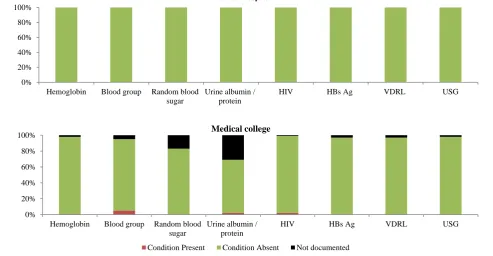
Figure 1: Risk assessment- laboratory investigations. 0%
20% 40% 60% 80% 100%
Hemoglobin Blood group Random blood
sugar
Urine albumin / protein
HIV HBs Ag VDRL USG
0% 20% 40% 60% 80% 100%
Hemoglobin Blood group Random blood
sugar
Urine albumin / protein
HIV HBs Ag VDRL USG
Medical college
Condition Present Condition Absent Not documented
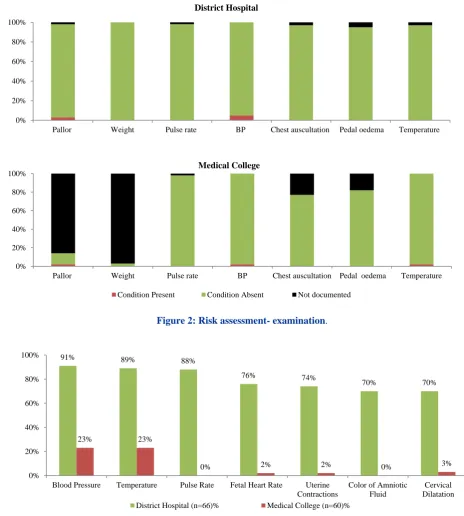
Figure 2: Risk assessment- examination.
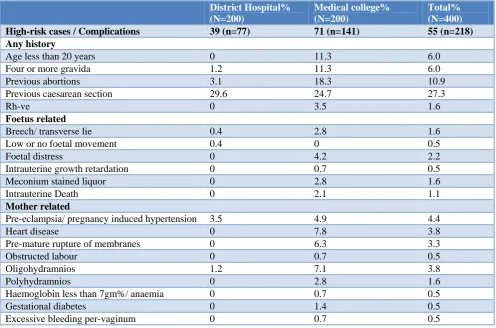
Figure 3: Risk assessment- regular monitoring during labour. a
Monitoring of labour was considered regular if assessed for atleast three time points during labour.
Lab investigations
Case sheets extracted from district hospital had information on all seven WHO listed standard investigations whereas in medical college there was no record of urine albumin test in one third and random blood sugar in one fourth of the cases.
Only a very few proportion had any abnormal test result, most common being RH-ve in medical college (Figure 1).
Clinical examinations
In district hospital, all the listed examinations were recorded in more than 95% of the cases. In medical college, the case sheets had information on blood pressure and temperature for all the cases, while details of poedal oedema and chest auscultation for more than 75% of the cases. Weight and pallor of the women were less commonly recorded.
0% 20% 40% 60% 80% 100%
Pallor Weight Pulse rate BP Chest auscultation Pedal oedema Temperature
District Hospital
0% 20% 40% 60% 80% 100%
Pallor Weight Pulse rate BP Chest auscultation Pedal oedema Temperature
Medical College
Condition Present Condition Absent Not documented
91% 89% 88%
76% 74%
70% 70%
23% 23%
0% 2% 2% 0% 3%
0% 20% 40% 60% 80% 100%
Blood Pressure Temperature Pulse Rate Fetal Heart Rate Uterine
Contractions
Color of Amniotic Fluid
Cervical Dilatation
Less than 4% had high blood pressure or pallor on examination in district hospital (Figure 2).
Regular monitoring of progress of labour
Partograph was not found attached with any reviewed case sheet in both the hospitals, however, there was mention of results of vitals in case-sheet. For the purpose of this study, we considered monitoring of labour as regular if all the important components were checked for atleast at three time points before delivery. District hospital recorded vitals such as blood pressure, pulse rate and temperature of mother at regular intervals for more than 88% of the cases. Other indicators such as foetal heart rate, uterine contractions and colour of amniotic fluid were not recorded for at least a quarter of the cases. In medical college, every woman underwent at least one abdominal and vaginal examination, however, regular monitoring was not done for any of the case (Figure 3).
High-risk condition recorded in case sheets and that assessed by researcher
The most common high-risk conditions documented as diagnosis in the case sheets was previous caesarean section (54%), followed by blood pressure systolic >140
or diastolic >90 (6%), and age less than 20 years (3%). Only on nine (15%) of 60 occasions in the medical college the researcher differed in her interpretation from the diagnosis stated on the case sheet. Researcher concluded that these nine cases had some high-risk condition while the health personnel did not recognise that in the overall diagnosis.
Magnitude of high-risk condition based on data from labour room register
Out of the total 400 cases, 218 (55%) delivered cases had one or more high-risk conditions. The most common reason of categorizing women as high-risk were caesarean section in previous delivery (27%) and previous abortions (11%). The less commonly found conditions included age less than 20 years (6%), woman pregnant for the fourth or more time (6%), Preeclampsia/ Pregnancy Induced Hypertension (4%), heart disease (4%) and oligohydramnios (4%) (Table 3).
In comparison to District hospital (39%), there was higher percentage of high-risk women in medical college (71%). In medical college, other reported cases were pre-mature rupture of membranes (6%), foetal distress (4%) and women having Rh-ve blood group (3%).
Table 3: Presence of high risk conditions (extraction from registers).
District Hospital% (N=200)
Medical college% (N=200)
Total% (N=400)
High-risk cases / Complications 39 (n=77) 71 (n=141) 55 (n=218)
Any history
Age less than 20 years 0 11.3 6.0
Four or more gravida 1.2 11.3 6.0
Previous abortions 3.1 18.3 10.9
Previous caesarean section 29.6 24.7 27.3
Rh-ve 0 3.5 1.6
Foetus related
Breech/ transverse lie 0.4 2.8 1.6
Low or no foetal movement 0.4 0 0.5
Foetal distress 0 4.2 2.2
Intrauterine growth retardation 0 0.7 0.5
Meconium stained liquor 0 2.8 1.6
Intrauterine Death 0 2.1 1.1
Mother related
Pre-eclampsia/ pregnancy induced hypertension 3.5 4.9 4.4
Heart disease 0 7.8 3.8
Pre-mature rupture of membranes 0 6.3 3.3
Obstructed labour 0 0.7 0.5
Oligohydramnios 1.2 7.1 3.8
Polyhydramnios 0 2.8 1.6
Haemoglobin less than 7gm%/ anaemia 0 0.7 0.5
Gestational diabetes 0 1.4 0.5
Process of high-risk assessment
Protocol and process
Labour room teams of both hospitals shared that they don’t have any specified protocol to identify high-risk condition at the time of admission of pregnant women in labour. The initial screening is done based on the understanding and experience of the obstetricians posted in the facility. In both hospitals, the first assessment is generally done by staff nurses and then by medical officer or obstetrician. One staff nurse from district hospital shared that they focus more on identification of hypertension and eclampsia.
Use of partograph
Labour room team of district hospital was trained in use of partograph and staff was convinced that partographs were good medium to identify the risk timely. On asking about the use of partograph, varied kinds of responses were provided. While the senior members of the team stated that they regularly filled partograph, the staff nurses said that partographs were used in about 50% of the cases.
“Partographs are really useful as we can check meconium and if required can shift to OT immediately”- respondent from district hospital.
“Partographs help to check dilatation and monitor the progress of labour. In normal labour, we always prepare partograph but many come with full dilatation where there is no scope for plotting it” ”- respondent from medical college.
Respondents from medical college found partograph filling to be time consuming especially when there was a shortage of staff. One of the interviewed senior members informed that the use of partograph is stalled by lack of charts. She was also of the opinion that partographs had more use in primary and secondary hospitals where timely identification of risk was important to differentiate the cases that can be managed in-house and the ones that required referral.
“Tertiary care hospital doesn’t need to use partograph because large number of cases is already identified high-risk cases, many women arrive with full dilatation especially when they reach the facility after referral.., facility is equipped and capable of managing all cases. Even if any condition arises at last moment, patient can be easily shifted to operation theatre and managed, moreover, with such high load it is difficult to plot partographs for all women.”- respondent from medical college.
Challenges and facilitators
Both the hospital teams shared that the biggest hurdle in diagnosing the women effectively at the time of
admission is lack of staff. Nurse to patient ratio was stated to be 1:6 in the labour room and 1:70 in postnatal ward at district hospital. A respondent from district hospital shared that a large number of women arrived in hospital with full dilatation and in such cases there was no scope to conduct detailed assessment. Another staff nurse shared that labour room is too small to conduct large number of deliveries and at the same time repeated examination becomes difficult. Respondents form medical college stated that they received late referrals. Many of their clients came directly who did not have records for prior examination or investigations. These cases added to burden and delay in initiating proper treatment.
“We have around 200 deliveries per month but only one obstetrician is posted in this hospital.”-respondent from district hospital.
“We at our hospital have been able to manage high-risk cases such as severe anemia, pregnancy induced hypertension, asthma, twins, Rh-ve with anemia, breech lie, transverse lie, and many more. We generally refer patients having placenta praevia and bleeding per vaginum. We could do all this, owing to support from District collector and superintendent.” – respondent from district hospital
“We have all equipments and it helps us. We need cardio-topography machine. Every year staff should be given trainings on maternal care.”- respondent from district hospital
“A sub-District hospital is located within half hour travel from here but even then all cases come to our hospital for delivery. This increases caseload in this facility and moreover these cases are not timely referred to us and do not have any report or investigations with them.”- respondent from medical college.
Respondents from both hospitals shared that regular trainings, support from leadership and ensuring the availability of required logistics can facilitate the quality of care.
DISCUSSION
years and four or more gravida were other common risk factors.
We observed that although the prevalence of high-risk was high, the assessment was not up to the mark; few complications are missed due to incomplete assessment, or monitoring, or delayed recognition. Most case sheets did not have data documented on illness in current pregnancy and history of past pregnancy. Investigations and examinations done had better documentation. In the given state of documentation it was difficult to gauze if the assessment was not done or it was done but only positives were documented. Authors of a study to measure effectiveness of SCC conducted in Rajasthan, India found that 2-3% women were properly assessed and appropriately referred at time of admission.21 The partograph usage in study area ranged from 8-13%. Post-intervention, the percentage of appropriate assessment improved to 88% and partograph usage to 52%. In a prospective pilot study conducted in sub-District hospital in Karnataka, appropriate assessment and referral was 94% and partograph usage 4% before intervention.22 In both studies, partograph usage was found to be poor. The medical college under study was found to be better in conducting assessments at time of admission and during labour; had better recording mechanisms, could be due to availability of post-graduate students who are mandated to properly maintain the case-sheets.
Many studies have focused on the importance of high-risk assessment at the time of labor.5,23,24 An update on research issues in the assessment of birth settings emphasized the dynamic nature of risk situations mentioning that the risk associated with childbirth can change at any point and most of the time this cannot be predicted earlier.23 The situation becomes even more critical when the women arrives with full dilatation or progressed labour as there is very less scope for history taking and examinations, as was also stated by our participants. Referral information if improperly available or communicated; makes it difficult for higher facility to assess patient’s history and treatment in emergency states. If the events are properly identified and triaged, the nature of risk of both maternal and neonatal events gets lowered.24
There is a requirement to use standard protocols for high-risk assessment and documentation in the hospitals; to sensitize and provide repeated on-job training to staff and emphasise on importance of complete assessment and continual monitoring even if the case is a low-risk case. Simultaneously the peripheral facilities also need to be strengthened to enhance early identification of high-risk, timely referral and proper communication about the case.
Under ‘Dakshata’ program, government has suggested using case-sheets with SCC attached to it. Though the programme has opened scope to enhance the skills of health care providers to identify high-risk and document the case details effectively, just providing the standard case sheets will not ensure better assessment and
documentation.15 In our opinion, the use of SCC in its current state is good for secondary and primary healthcare but needs modification for tertiary care. For them, assessment guides should include more high-risk conditions as they are expected to receive women with multiple risk factors and even rare conditions.
There are a few limitations to our study. The facilities under study were located in Hyderabad and the neighbouring district having comparatively better accessibility to equipments and supplies than the farthest rural or tribal area. Thus the results may not be generalizable to interior rural and tribal settings. Due to poor quality of documentation, we could not more accurately assess the practice. Due to small number of case sheets observed we could not link the practice to outcomes such as still birth rate, caesarean rate, maternal and early neonatal mortality. Few complicated cases directly admitted to high-risk ward, for caesarean section or referred out from the admission area/ out-patient department were not included.
CONCLUSION
Both hospitals being referral facilities have high percentage of high-risk women coming in. The quality of documentation varies for different components of high-risk assessment. There were no standard protocols for assessment of pregnant women at the time of admission. While investigations and examination details are well observed, details of illness in current pregnancy and history of illness in past pregnancy needs lot of improvement. There is scope of improvement in assessment for high-risk conditions and continual monitoring throughout child-birth. Referring facilities need to be more stringent in referral communication so as to reduce delay in assessment.
ACKNOWLEDGEMENTS
We gratefully acknowledge the support from facility superintendents for permissions to conduct this study and Dr T V Sekher, Professor, Dept. of Population Policies and Programmes, International Institute for Population Sciences (IIPS), Mumbai, India for his guidance throughout the work.
Funding: No funding sources Conflict of interest: None declared
Ethical approval: The study was approved by the Indian Institute of Public Health-Hyderabad granted favourable approval for this study (IIPHH/TRCIEC/064/2015)
REFERENCES
2. Ronsmans GWC. Maternal mortality: who, when, where, and why. Lancet Maternal Survival Series 2006;368 (9542):1189-200.
3. Calvello EJ, Skog AP, Tenner AG, Wallis LA. Applying the lessons of maternal mortality reduction to global emergency health. Bulletin of the World Health Organization. 2015;93:417-23. 4. Dutta D. Text book of obstetrics. New central book
agency (P) Ltd, Calcutta, India.; 2006.
5. Krishnan V, Idris MZ, Srivastava VK, Bhushan V, Chandra MR. Scoring of high risk mothers and related outcome. Indian J of community medicine 1998;13(4):176-9.
6. World Health Organization. Standards of care to improve maternal and newborn quality of care in facilities, 2017. Available at: http://www.who.int/
maternal_child_adolescent/topics/quality-of-care/quality-of-care-brief-standards.pdf. Accessed on 26 April 2017.
7. World Health Organization. WHO Safe Childbirth Checklist Implementation Guide, 2015. Available at http://apps.who.int/iris/bitstream/10665/199177/1/9 789241549455_eng.pdf. Accessed on 5 January 2018.
8. World Health Organization. Trends in maternal mortality: 1990 to 2015, Estimates by WHO, UNICEF, UNFPA, The World Bank and the United Nations Population Division, 2015. Available at http://www.who.int/reproductivehealth/publications/ monitoring/maternal-mortality-2015/en/. Accessed on 5 January 2018.
9. Registrar General of India. SRS: Maternal Mortality Ratio Bulletin 2011-13. New Delhi, India: GOI. 2014. Available at http://www.censusindia.gov.in/ vital_statistics/mmr_bulletin_2011-13.pdf.
Accessed on 5 January 2018.
10. Registrar General of India. SRS: Chapter 4: Estimates for Mortality Indicators 2015. New Delhi: GOI. 2015. Available at http://www.censusindia. gov.in/vital_statistics/SRS_Report_2015/8.Chap%2 04-Mortality%20Indicators-2015.pdf. Accessed on 5 January 2018.
11. Central Statistics Office. Millennium Development Goals India Country Report. New Delhi:Minsitry of Statistics and Programme Implementation.2015. Available at http://mospi.nic.in/sites/default/files/ publication_reports/mdg_2july15_1.pdf. Accessed on 5 January 2018.
12. Chaturvedi S, Randive B, Diwan V, De Costa A. Quality of obstetric referral services in India’s JSY cash transfer programme for institutional births: A study from Madhya Pradesh province. PLOS One 2014.
13. Singh S, Murthy GVS, Thippaiah A, Upadhyaya S, Krishna M, Shukla R, et al. Community based maternal death review: Lessons learned from ten districts in Andhra Pradesh, India. Maternal Child Health J. 2015;19(7):1447-54.
14. Singh S, Doyle P, Campbell OM, Mathew M, Murthy GVS. Referrals between public sector health
institutions for women with obstetric high-risk, complications, or emergencies in India –A systematic review. Plos One 2016;11(8):e0159793. 15. Ministry of Health & Family welfare. Dakshata, the
operational Guidelines for Empowering Providers for Improved MNH Care during Institutional Deliveries. New Delhi: GOI. 2015. Available at http://nhm.gov.in/images/pdf/programmes/maternal-health/guidelines/Dakshata-Operational_
Guidelines.pdf. Accessed on 5 January 2018. 16. Semrau KEA, Hirschhorn LR, Marx Delaney M,
Singh VP, Saurastri R, Sharma N, et al. Outcomes of a Coaching-Based WHO Safe Childbirth Checklist Program in India. N Engl J Med. 2017;377:2313-24.
17. Directorate of Economics and Statistics. Statistical Year Book 2015. Hyderabad: Government of Telangana. Available at: http://www.telangana. gov.in/PDFDocuments/Statistical%20Year%20Boo k%202015.pdf. Accessed on 5 January 2018. 18. International institute for population sciences. State
Factsheet Telangana, District Level Household and Facility Survey-4. Mumbai: GOI. Available at http://rchiips.org/pdf/dlhs4/report/TE.pdf. Accessed on 5 January 2018.
19. Ministry of Health & Family Welfare India. Guidelines for antenatal care and skilled attendance at birth by ANMs/LHVs/SNs 2010. New Delhi: Ministry of Health and Family Welfare, Government of India.
20. Santhanalakshmi C, Gnanasekaran V, Chakravarthy AR. Retrospective Analysis of Cesarean Section in a Tertiary Care Hospital. Int J Sci Res. 2015;4(9):2319-7064.
21. Kumar S, Yadav V, Balasubramaniam S, Jain Y, Joshi CS, Saran K, et al. Effectiveness of the WHO SCC on improving adherence to essential practices during childbirth, in resource constrained settings. BMC Pregnancy and Childbirth 2016;16:345. 22. Spector JM, Agrawal P, Kodkany B, Lipsitz S,
Lashoher A. Improving Quality of Care for Maternal and Newborn Health: Prospective Pilot Study of the WHO Safe Childbirth Checklist Program. PLoS ONE. 2012;7(5):e35151.
23. National Research Council. An Update on Research Issues in the Assessment of Birth Settings: Assessment of Risk, Board on Children, Youth, and Families 2013. Washington. (DC), US: National Academies Press; 2013.
24. National Institute for Health and Care Excellence. Version 2, Clinical Guideline, Intrapartum Care, Care of Healthy women and their babies during childbirth. UK: National Collaborating Centre for Women's and Children's Health. Available at https://www.nice.org.uk/guidance/cg190. Accessed on 5 January 2018.
Cite this article as: Tyagi M, Singh S. Quality of