Concentration and localization of co-expressed ELAV/Hu proteins control
specificity of mRNA processing
EMANUELA ZAHARIEVA1†*, IRMGARD U. HAUSSMANN1, 2*, ULRIKE BRÄUER1 AND MATTHIAS SOLLER1, 3
1School of Biosciences, College of Life and Environmental Sciences, University of Birmingham, Edgbaston, Birmingham, B15 2TT, United Kingdom
2Department of Applied Science and Health, Faculty of Health and Life Sciences, Coventry University, Coventry, CV1 5FB, United Kingdom
Running Title: ELAV/Hu RNA binding proteins can share targets
Key Words: ELAV/Hu family proteins, alternative splicing/polyadenylation, neuron-specific RNA binding protein, ELAV-regulated genes, sex determination and dosage compensation
*equal contributing authors
3 Corresponding author
Matthias Soller School of Bioscience
College of Life and Environmental Sciences University of Birmingham
Edgbaston
Birmingham B15 2TT Tel #: 0121 414 59 05 FAX #: 0121 414 59 25 [email protected]
Abstract
Neuronally co-expressed ELAV/Hu proteins comprise a family of highly related RNA binding proteins, which bind to very similar cognate sequences. How this redundancy is linked to in vivo function and how gene specific regulation is achieved, has not been clear. Analysis of mutants in Drosophila ELAV/Hu family proteins ELAV, FNE and RBP9, and genetic interactions among
Introduction
RNA binding proteins (RBPs) are key regulators of gene expression. Through regulation of alternative splicing and polyadenylation, they expand the proteome and control spatio-temporal expression by affecting mRNA transport, turn-over, localization and translatability (16, 25). In the brain, alternative mRNA processing is particularly abundant and substantially contributes to the complexity of this organ (12, 56). Many RBPs comprise highly related gene families, but they seem to discriminate only marginally between short cognate binding sequences (46). Although redundancy can be evolutionary stable over extended periods of time (24), it is not clear if highly related RBPs act redundantly in vivo regulating mostly the same genes in the same biological process, or if they have diverged such that they regulate genes involved in different biological processes. Detailed analysis of the functions of highly related RBPs in animal models is required to decipher the underlying mechanisms how highly related RBPs achieve target specificity.
starts with the birth of neurons, while RBP9 is first detected in late larval neurons (27, 52, 73). RBP9 is also expressed in gonads. The closest relative of ELAV family proteins in flies is Sex-lethal (Sxl), the master regulator of sexual differentiation and dosage compensation (54).
Due to its nuclear localization, the founding member of the ELAV/Hu family of RBPs, Drosophila ELAV, has initially been associated with gene-specific regulation of alternative
splicing and polyadenylation, but can also regulate mRNA stability (30, 32, 37, 48, 55, 60, 64). Human Hu RBPs have on the contrary mostly been associated with regulating stability of mRNAs, their localization and translatability, but were recently also shown to regulate alternative pre-mRNA processing (2, 5, 23, 35, 38, 68, 75, 76). Although ELAV/Hu family RBPs bind to short, uridine-rich motives, which are ubiquitously found in introns and untranslated regions, they seem to have a complement of dedicated target genes (23, 35, 38, 68) and their activities are not restricted to a specific process in the life of an mRNA (59). Since ELAV/Hu RBPs can shuttle between the nucleus and cytoplasm (15), they likely also exert gene-specific functions depending on cellular localization.
Materials and Methods
Fly genetics and recombinant DNA technology
tctatccggagaacaaaaattaatttcagaagaagacTTACCGGCTACGGCC). The genomic region of the fne gene was obtained by PCR amplification of a modified pUC containing an attB site for integration and a GFP marker for identification of transgenic flies using primers pUC P fne F
(cccgaaagtgaaagtgaagcgattttgcgacgcctcccgaagctacacccgaaaatcaacttccaacGACAGAATTCGAG TTCAAGAAGAAGGCG) and pUC P 3xP3 fne R
(ccttggaataccaaatgtcaactttggttcaaggccaccagcagtcggtggaagacttccaccaagacgtcCCGGCGGCC GCGTCTAGATAACTTCG), and then retrieval from the Bac clone RP98-39D14 by recombineering according to the manufactorers protocol (Genebridges). A 2x hemaglutinin (HA) tag was then inserted using NcoI and BamHI sites into the N-term of FNE generating the
following sequence
elav promoter (19) and modified to start with the ATG after exon 2 of elav. An HA tag was inserted in frame after amino acid nine of elav flanked by a EcoRI and SgrAI sites (attccaTACCCCTACGACGTGCCCGACTACGCCgcc), followed by the ORF starting with the first aa after the ATG, an AscI site generated by transformation of the sequence after the stop codon, 1176 nts of the elav 3’UTR including the NheI site and an attB site. For the
elavNLSHARBP9 construct, an NLS sequence
(ggcGTGAGCCGCAAGCGCCCCCGCCCCGGCcca) was inserted after amino acid eight of elav before the HA tag using EcoRI and SgrAI sites (72). The eFVGU construct was generated
by swapping the ewg ORF and UTR as in eFeG (19) with the elav ORF and UTR as described above using the NheI and EcoRI sites in eFeG.
EMSAs, RT-PCR, protein and Western analysis, antibody stainings and histology
and visualized with Alexa488- and/or Alexa647-coupled secondary antibodies (Molecular probes, 1:250), or by diaminobezidine staining (1 mg/ml) in the presence of 0.01 % H2O2 using horseradish peroxidase coupled secondary antibodies (Sigma, 1:10,000). DAPI was used at 1
µg/ml. Paraffin sections were done as described (57).
For quantification of antibody stainings in wing imaginal discs, the full width of at least four discs per genotype were scanned and fluorescence intensity quantification was done on the average Z-series projection of the stack in ImageJ, as previously described by (65).
For imaging of larval and adult brains confocal Z stacks were taken using the 40x objective lens on a Leica SP5/SP2 at multiple positions to ensure the complete capture of the imaged brain with sufficient spatial overlap in between each position. The number of Z stacks and acquisition settings were kept constant for each brain that was being imaged. The average intensity overlay from the stacks was stitched together using the FIJI 2D stitching plugin using ImageJ (43).
Behavioral analysis, longevity and statistics
Negative geotaxis assay was performed as described (11). Briefly, 20 adult flies per genotype
were anesthetized with CO2, placed in a bottom closed 25 ml plastic pipette and left to recover
for 30 minutes. Flies were tapped to the bottom of the column and left to climb up for 45 sec.
The number of flies that climbed above the 25 ml mark (ntop) and the ones remaining below the 2
ml (nbottom) were recorded. Recovery time between repeats was 1 minute. A performance index
(PI) was calculated as follows: PI = 0.5 x (ntotal + ntop – nbottom)/ ntotal. Statistical analysis was done
Results
Highly related and co-expressed Drosophila ELAV family RNA binding proteins exert distinct biological functions, but converge in the regulation of synaptic growth
Drosophila ELAV family RBPs are neuronally co-expressed and are highly homologous in their RNA binding domains ranging in similarity from 90-93% in RRM1, 76-90% in RRM2 and 90-98% in RRM3 (Supplemental Table S1). Compared to human Hu RBPs they share 84-91%, 76-82% and 84-90% similarity in RRMs 1-3, respectively. Although expression patterns of ELAV, FNE and RBP9 had been determined individually, there is only limited information about their overlapping expression (27, 52). Since we were unable to obtain highly specific antibodies for FNE and RBP9, we generated epitope-tagged genomic constructs to assess their co-expression. Analysis of the expression from these constructs in transgenic flies and comparison with the expression pattern of ELAV revealed that FNE and ELAV, as well as RBP9 and ELAV are co-expressed in all neurons in the adult brain (Supplemental Fig S1). ELAV is mostly nuclear, FNE about equally distributed between nucleus and cytoplasm, and RBP9 is mostly cytoplasmic (Supplemental Fig S1). To determine the extent of highly homologous ELAV family RBPs in acting redundantly in Drosophila, we analyzed mutants of elav (elave5 null and elavts1 temperature-sensitive alleles, (73)), fne (null allele, Supplemental Fig S2) and Rbp9 (Rbp9P2690 null allele, (28), and combinations thereof for developmental and behavioral phenotypes assigned to one of the ELAV family gene in mutants of the other two (Figs 1A-AD) (8, 19, 26, 55, 66, 74).
The elave5 null mutant is embryonic lethal, while fne∆ and Rbp9P2690 null mutants, or fne∆;
during embryogenesis at the permissive temperature renders them weakly adult viable (23 %). Double mutants of elave5/elavts1 with either fne∆ or Rbp9P2690 results in larval/pupal lethality and
triple mutants are embryonic lethal. Mutants of elave5 exert defects in axonal wiring during
embryonic nervous system development resulting in irregular positioning of neuromeres and thinning of commissures and connectives, but this phenotype does not worsen in elave5 fne∆
double null or elave5 fne∆; Rbp9P2690 triple null mutant combination (Figs 1A-D) arguing for a
unique function of elav in this process.
Next, we analyzed elav family mutants and combinations for defects in synaptic growth at third instar neuromuscular junctions (NMJs, Figs 1E-L). Here, a strong reduction in the number of synaptic connections is observed in elave5
/elavts1 mutants, which does not significantly
decrease in the absence of fne and Rbp9 (Figs 1I, 1J and 1L). Mutants of fne∆and Rbp9P2690 have
a slightly reduced and slightly increased numbers of synaptic boutons, respectively, but strikingly, fne∆; Rbp9P2690 double mutants show a dramatic reduction of synaptic connections
suggesting that they act in the same pathway (Figs 1K and 1L). The lack of genetic interactions of elav with fne and Rbp9 further suggests that they regulate synaptic growth independently.
For the development of adult mushroom bodies, fne is required for restricting axonal extension of the beta lobe (74), but this phenotype was not observed in elave5 or Rbp9P2690, and
did not get worse in fne∆;Rbp9P2690 double mutants (Figs 1M-Q) indicating a unique function of
fne in this process.
During pupal development, elav is required for rotation of the medula, and in adult flies for maintenance of photoreceptor and central brain neurons (Figs 1R-AB, (8). These phenotypes were not observed in fne∆, Rbp9P2690 and fne∆; Rbp9P2690, except for occasional vacuolizations
elave5
/elavts1 mutants had a much more dramatically reduced lifespan than fne∆,Rbp9P2690 and
fne∆;Rbp9P2690 mutants (Fig 1AC), but the lack of a genetic interaction between fne and Rbp9
suggests non-overlapping functions. Similarly, adult locomotion as assayed with a negative geotaxis assay was impaired in an age-dependent manner in Rbp9P2690, but not in fne∆ (Fig 1AD)
eluding overlapping functions. In contrast, elave5
/elavts1 mutants showed much more reduced
locomotion and were also ataxic (Fig 1AD).
Taken together, individual ELAV family genes have mostly distinct roles during neuronal development, maintenance and function shown by the absence of genetic interactions, but convergence in the regulation of synaptic plasticity.
Alternative splicing of known ELAV targets is unaffected in fne∆;Rbp9P2690 null mutants
splice the nrg GFP reporter UNGA in larval photoreceptor neurons, and in larval and adult brains (Fig 2E-I), which was also observed in photoreceptor neurons and larval brains of individual mutants of fne or Rbp9 (Supplemental Fig S3).
Recombinant FNE, RBP9 and HuR bind to ELAV target RNA with similar affinities
Next, we determined the RNA binding specificity of ELAV family members in vitro using the well-characterized ELAV binding sequence in the ewg gene (pA-I), which comprises 135 bp (17, 60, 61). For these binding experiments, we generated recombinant proteins in E. coli for ELAV, FNE and RBP9, but also for human HuR, because it is functionally closest to ELAV family proteins in Drosophila (Fig 3A, Supplemental Fig S4 and Supplemental Table 1). Surprisingly, all proteins bound ewg pA-I RNA in a narrow affinity range and also co-operatively formed multimeric complexes similar to ELAV in electrophoretic mobility shift assays (EMSA, Figs 3B and C). Multimeric complexes of rFNE and rHuR assembled on pA-I RNA run faster in accordance with their size (Figs 3A and B), which has previously been observed with the N-terminally truncated form of ELAV, RBD60 (73). Binding constants for rELAV, rFNE, rRBP9 and rHuR were 22 nM, 47 nM, 23 nM and 49 nM, respectively (Fig 3C).
FNE, RBP9 and Hu proteins can regulate alternative splicing of ELAV target genes
neuronal splicing of ewg, nrg and arm using RT-PCR or the UNGA reporter, respectively (Figs 4B and 4C-G). The more distantly related poly-U RBP Halfpipe (Hfp) or the SR protein B52 did not induce alternative splicing of the nrg reporter UNGA (Figs 4H and I). Consistent with a role in alternative splicing regulation, ELAV and HuR predominantly localize to the nucleus. FNE showed no distinct localization, while RBP9 was predominantly present in the cytoplasm (Figs 4J-M). Expression of HuB and HuC from UAS transgenes with dppGAL4 promoted neuron-specific splicing of UNGA (Supplemental Figure S4), but HuD was not detectable and did not induce GFP expression, although expression with elavGAL4c155 resulted in lethality. Since expression of HuB and HuC was also undetectable or resulted in lethality with some neuronal GAL4 drivers, we focused on HuR.
Ectopic expression of all ELAV/Hu family RBPs in non-neuronal wing discs induced neuron-specific alternative splicing of the known ELAV targets and they behaved indiscriminately likely due to expression levels saturating for UNGA regulation (Fig 4T, 25ºC). To reduce concentrations of ELAV/Hu RBPs a temperature-sensitive inhibitor of GAL4 expressed under a UAS promoter, UASGAL80ts, was used. This genetic configuration resulted in reduced expression of ELAV and concomitant neuronal alternative splicing of the UNGA reporter at 25ºC (Figs 4N-T). At this temperature, FNE and RBP were not able to induce the UNGA reporter, while induction by HuR was comparable to ELAV (Figs 4O, S and T) indeed
revealing different thresholds in vivo.
FNE, RBP9 and Hu proteins can partially substitute ELAV in eye development
with organismal viability. For this experiment, we used an elav flip-out rescue construct, eFVGU, where the ELAV ORF is flanked with FRT sites followed by GAL4 leading to artificially increased expression. When elav is removed with eyflp in the eye-primordium, GAL4 will be expressed, which can then drive UAS transgenes (Fig 5A). In the absence of ELAV only a tiny eye developed (Figs 5B-D). In contrast, the presence of ELAV, FNE, RBP9 or HuR, but not ELAV’s closest relative Sex-lethal (Sxl), rescued eye development substantially (Figs 5E-P). Pan-neural expression of ELAV with the GAL4 UAS system, however, was unable to rescue viability of elav null mutants.
Strong rescue was also obtained with elavHAHuR, while elavHARBP9 and elavHAFNE rescued less good. Although only the elavHAHuR transgene showed a marginal rescue of the elave5 null allele (5 % with two copies, n=100), all four transgenes rescued synaptic growth defects when elave5/elavts1 animals were raised at the permissive temperature during embryonic development (Fig 6D). Since RBP9 rescued less than HuR, cellular localization could be the reason for this. RBP9 localized predominantly to the cytoplasm, while HuR was predominantly nuclear and FNE was equally present in the nucleus and cytoplasm (Figs 6E-P). When RBP9 was targeted to the nucleus by including an NLS in the transgene (Fig 6Q), the elavNLSHARBP9 transgene rescued elavts1 comparably to elavHAELAV (Fig 6C), but did not rescue the elave5 null allele (n=498). Accordingly, nuclear localization is increased in all neurons. In a subset of neurons, however, NLSRBP9 was predominantly nuclear, while ELAV became cytoplasmic (Figs 6Q-S).
ELAV related Sxl can regulate alternative splicing of ELAV target genes and ELAV can interfere with sexual differentiation
(ELAV, FNE, RBP9 and HuR) were expressed in the pattern of doublesex (dsx), the main effector for sexual differentiation (47). Expression of ELAV/Hu family RBPs with dsxGAL4 yielded pharate adults, which showed no genital differentiation in both sexes and impaired development of male sex combs, but male pigmentation was not affected and flies looked otherwise normal when dissected from the pupal case (Figs 7D-I). Males expressing Hfp or B52 in the dsx pattern did not show impaired development of sex-specific features.
Maternal RBP9 provides a failsafe for Sxl mediated dosage compensation
When over-expressing ELAV, FNE and RBP9 from UAS transgenes with neuronal elavGAL4C155
, we noticed pupal lethality of males (Fig 7J). Similarly, over-expression of Sxl also resulted in male lethality. FNE and RBP9 over-expression was more effective in killing males suggesting that cytoplasmic localization is required for this effect. Accordingly, routing RBP9 to the nucleus by including a nuclear localization signal (NLSRBP) relieved sex-specific toxicity suggesting interference with Sxl’s role in dosage compensation (Fig 7J, (54). Similarly, males were effectively killed when a cytoplasmically localized ELAV derivative was expressed (ELAVOH
Discussion
Neuronally co-expressed ELAV/Hu family RBPs are like many other RBPs highly conserved and show little discrimination in binding short U-rich motifs in vitro (46). Similar results were obtained for Drosophila ELAV proteins (ELAV, FNE and RBP9) as well as for human HuR when using the extended ELAV binding site in the ewg gene. In this ELAV target RNA, a number of short U-rich motifs are interspersed along the 135 nt binding site, but they do not have a fixed position eluding RNA secondary structure to contribute to target selectivity (17, 60, 61). Likewise, when artificially expressed in non-neuronal larval wing disc cells or during eye development, ELAV/Hu proteins can regulate neuron-specific splicing of ELAV target genes and substitute for ELAV in eye development. The capacity to induce neuron-specific splicing events resides in a very narrow concentration range whereby ELAV has only a slightly lower threshold. Accordingly, exchanging the ELAV ORF with other ELAV/Hu RBPs in the elav gene can substantially substitute for ELAV function in transgenic Drosophila, but also requires nuclear localization.
Concentration and localization of ELAV/Hu family proteins direct specificity of mRNA processing
RNA regulatory proteins (14, 44, 69). Also, quantitative variations of SR proteins and antagonistic hnRNP proteins have been shown to affect selection of alternative splice sites (7, 9). Importance in the control of expression of ELAV family proteins is further indicated by the complexity of their genes in Drosophila. They are about 10-15 times bigger than the average Drosophila gene, have several promoters and most prominently, have unusually long 3’UTRs
(21, 50). Complex transcriptional control and extended UTRs are also found in Hu genes suggesting that elaborate regulation of expression of ELAV/Hu genes is a key features to exert their functions (6).
unexpected, but could be explained by shuttling between the nucleus and the cytoplasm, which has been described for human Hu proteins (Fan and Steitz, 1998).
Distinct roles of Drosophila ELAV proteins in neuronal development and function, but convergence in synaptic plasticity
Mutants in the genes coding for ELAV family RBPs in Drosophila exert mostly distinct phenotypes in nervous system development, maintenance and function, but all of them show synaptic growth defects. Except for fne and Rbp9 in synaptic growth regulation, no genetic interactions were detected leading to more severe developmental phenotypes. Double mutants for fne; Rbp9 have less synaptic boutons than individual mutants, which is exactly what we would
expect if they have overlapping functions. Since fne and Rbp9 did not genetically interact with elav, they seem to act independently of elav in synaptic growth regulation. Further, the overlapping roles of fne and Rbp9 seem specific to the regulation of synaptic growth, since locomotion and life span phenotypes, which assess neuronal function more broadly, were similar in single and double mutants.
ELAV/Hu protein regulated mRNA processing plays a major role in synaptic plasticity Although ELAV in Drosophila is expressed as soon as neurons are born, it is mostly not required for neuronal development with the exception of a minor role in axonal wiring. The severe locomotion defects, including ataxia, of elav mutants suggest that ELAV is required in neurons for proper function or refining neuronal connections. Indeed, the major target of ELAV, erect wing (ewg), regulates the number of synaptic connections made (18, 19). Essential roles in neuronal function have been found in HuC mutant mice. Here, synthesis of the neurotransmitter glutamate is affected, resulting in reduced neuronal excitability and impaired motor function (23). In contrast, HuD mutant mice have transient developmental defects in the cerebellum, reduced locomotion activity and learning defects (1). Most intriguingly, however, HuC; HuD double mutants have a much more severe neurological phenotype and die soon after birth suggesting overlapping functions (23). This is further supported by shared sets of target genes of HuC and HuD affecting glutamate synthesis and genes coding for synaptic proteins. Similar observations have also been made for highly related NOVA1 and 2 in mice, which share an extended set of target genes involved in synaptic functions (67).
A model for regulating gene expression by highly related RNA binding proteins
The limited number of genes in higher eukaryotes requires elaborate regulatory networks to generate molecular, cellular and functional complexity. A key feature of such regulatory networks is the integration of multiple signals to generate a gene expression output as e.g. shown for the regulation of synaptic growth in Drosophila (18, 19). It is conceivable, that highly related RBPs can regulate the same genes via overlapping or identical binding sites. Differential control in regulating the concentrations, activity to bind RNA and cellular localization then serves to integrate cellular status via distinct signaling pathways (Fig 8). An alternative route to bind target genes has been suggested through recruitment at the promoter and deposition by elongating RNA PolII (29). Our data from using heterologous promoters for expressing of ewg and nrg reporters, however, argue against this possibility for these genes, but might affect are minority of large genes (17, 40, 65).
Acknowledgments
References
1. Akamatsu, W., H. Fujihara, T. Mitsuhashi, M. Yano, S. Shibata, Y. Hayakawa, H. J. Okano, S. Sakakibara, H. Takano, T. Takano, T. Takahashi, T. Noda, and H.
Okano. 2005. The RNA-binding protein HuD regulates neuronal cell identity and
maturation. Proc Natl Acad Sci U S A 102:4625-30.
2. Antic, D., N. Lu, and J. D. Keene. 1999. ELAV tumor antigen, hel-N1, increases translation of neurofilament M mRNA and induces formation of neurites in human teratocarcinoma cells [In Process Citation]. Genes Dev 13:449-61.
3. Bopp, D., G. Saccone, and M. Beye. 2014. Sex determination in insects: variations on a common theme. Sex Dev 8:20-8.
4. Brauer, U., E. Zaharieva, and M. Soller. 2014. Regulation of ELAV/Hu RNA-binding proteins by phosphorylation. Biochem Soc Trans 42:1147-51.
5. Brennan, C. M., and J. A. Steitz 2001. HuR and mRNA stability. Cell Mol Life Sci 58:266-77.
6. Bronicki, L. M., and B. J. Jasmin. 2013. Emerging complexity of the HuD/ELAVl4 gene; implications for neuronal development, function, and dysfunction. RNA 19:1019-37.
7. Caceres, J. F., S. Stamm, D. M. Helfman, and A. R. Krainer. 1994. Regulation of alternative splicing in vivo by overexpression of antagonistic splicing factors. Science 265:1706-9.
9. Chen, M., C. J. David, and J. L. Manley. 2012. Concentration-dependent control of pyruvate kinase M mutually exclusive splicing by hnRNP proteins. Nat Struct Mol Biol 19:346-54.
10. Cooper, T. A., L. Wan, and G. Dreyfuss. 2009. RNA and disease. Cell 136:777-93. 11. Coulom, H., and S. Birman. 2004. Chronic exposure to rotenone models sporadic
Parkinson's disease in Drosophila melanogaster. J Neurosci 24:10993-8.
12. Darnell, R. B. 2013. RNA protein interaction in neurons. Annu Rev Neurosci 36:243-70. 13. David, C. J., and J. L. Manley. 2010. Alternative pre-mRNA splicing regulation in
cancer: pathways and programs unhinged. Genes Dev 24:2343-64.
14. Ehrmann, I., C. Dalgliesh, Y. Liu, M. Danilenko, M. Crosier, L. Overman, H. M. Arthur, S. Lindsay, G. J. Clowry, J. P. Venables, P. Fort, and D. J. Elliott. 2013. The
tissue-specific RNA binding protein T-STAR controls regional splicing patterns of neurexin pre-mRNAs in the brain. PLoS Genet 9:e1003474.
15. Fan, X. C., and J. A. Steitz. 1998. Overexpression of HuR, a nuclear-cytoplasmic shuttling protein, increases the in vivo stability of ARE-containing mRNAs. Embo J 17:3448-60.
16. Glisovic, T., J. L. Bachorik, J. Yong, and G. Dreyfuss. 2008. RNA-binding proteins and post-transcriptional gene regulation. FEBS Lett 582:1977-86.
18. Haussmann, I. U., and M. Soller. 2010. Differential activity of EWG transcription factor isoforms identifies a subset of differentially regulated genes important for synaptic growth regulation. Dev Biol 348:224-30.
19. Haussmann, I. U., K. White, and M. Soller. 2008. Erect wing regulates synaptic growth in Drosophila by integration of multiple signaling pathways. Genome Biol 9:R73.
20. Hilgers, V., S. B. Lemke, and M. Levine. 2012. ELAV mediates 3' UTR extension in the Drosophila nervous system. Genes Dev 26:2259-64.
21. Hilgers, V., M. W. Perry, D. Hendrix, A. Stark, M. Levine, and B. Haley. 2011. Neural-specific elongation of 3' UTRs during Drosophila development. Proc Natl Acad Sci U S A 108:15864-9.
22. Hinman, M. N., and H. Lou. 2008. Diverse molecular functions of Hu proteins. Cell Mol Life Sci 65:3168-81.
23. Ince-Dunn, G., H. J. Okano, K. B. Jensen, W. Y. Park, R. Zhong, J. Ule, A. Mele, J. J. Fak, C. Yang, C. Zhang, J. Yoo, M. Herre, H. Okano, J. L. Noebels, and R. B.
Darnell. 2012. Neuronal Elav-like (Hu) proteins regulate RNA splicing and abundance to
control glutamate levels and neuronal excitability. Neuron 75:1067-80.
24. Kafri, R., M. Springer, and Y. Pilpel. 2009. Genetic redundancy: new tricks for old genes. Cell 136:389-92.
25. Keene, J. D. 2007. RNA regulons: coordination of post-transcriptional events. Nat Rev Genet 8:533-43.
27. Kim, Y. J., and B. S. Baker. 1993. The Drosophila gene rbp9 encodes a protein that is a member of a conserved group of putative RNA binding proteins that are nervous system-specific in both flies and humans. J Neurosci 13:1045-56.
28. Kim-Ha, J., J. Kim, and Y. J. Kim. 1999. Requirement of RBP9, a Drosophila Hu homolog, for regulation of cystocyte differentiation and oocyte determination during oogenesis. Mol Cell Biol 19:2505-14.
29. Kornblihtt, A. R. 2005. Promoter usage and alternative splicing. Curr Opin Cell Biol 17:262-8.
30. Koushika, S. P., M. J. Lisbin, and K. White. 1996. ELAV, a Drosophila neuron-specific protein, mediates the generation of an alternatively spliced neural protein isoform. Curr Biol 6:1634-41.
31. Koushika, S. P., M. Soller, S. M. DeSimone, D. M. Daub, and K. White. 1999. Differential and inefficient splicing of a broadly expressed Drosophila erect wing transcript results in tissue-specific enrichment of the vital EWG protein isoform. Mol Cell Biol 19:3998-4007.
32. Koushika, S. P., M. Soller, and K. White. 2000. The neuron-enriched splicing pattern of Drosophila erect wing is dependent on the presence of ELAV protein. Mol Cell Biol 20:1836-45.
34. Labourier, E., H. M. Bourbon, I. E. Gallouzi, M. Fostier, E. Allemand, and J. Tazi. 1999. Antagonism between RSF1 and SR proteins for both splice-site recognition in vitro and Drosophila development. Genes Dev 13:740-53.
35. Lebedeva, S., M. Jens, K. Theil, B. Schwanhausser, M. Selbach, M. Landthaler, and N. Rajewsky. 2012. Transcriptome-wide analysis of regulatory interactions of the
RNA-binding protein HuR. Mol Cell 43:340-52.
36. Lisbin, M. J., M. Gordon, Y. M. Yannoni, and K. White. 2000. Function of RRM domains of Drosophila melanogaster ELAV: RNP1 mutations and RRM domain replacements with ELAV family proteins and SXL. Genetics 155:1789-98.
37. Lisbin, M. J., J. Qiu, and K. White. 2001. The neuron-specific RNA-binding protein ELAV regulates neuroglian alternative splicing in neurons and binds directly to its pre-mRNA. Genes Dev 15:2546-61.
38. Mukherjee, N., D. L. Corcoran, J. D. Nusbaum, D. W. Reid, S. Georgiev, M. Hafner, M. Ascano, Jr., T. Tuschl, U. Ohler, and J. D. Keene. 2012. Integrative regulatory
mapping indicates that the RNA-binding protein HuR couples pre-mRNA processing and mRNA stability. Mol Cell 43:327-39.
39. Okano, H. J., and R. B. Darnell. 1997. A hierarchy of Hu RNA binding proteins in developing and adult neurons. J Neurosci 17:3024-37.
40. Oktaba, K., W. Zhang, T. S. Lotz, D. J. Jun, S. B. Lemke, S. P. Ng, E. Esposito, M. Levine, and V. Hilgers. 2015. ELAV links paused Pol II to alternative polyadenylation
in the Drosophila nervous system. Mol Cell 57:341-8.
Marcinko, W. Y. Miyazaki, S. Robertson, K. J. Shaw, M. Tabios, V. Vysotskaia, L.
Zhao, R. S. Andrade, K. A. Edgar, E. Howie, K. Killpack, B. Milash, A. Norton, D.
Thao, K. Whittaker, M. A. Winner, L. Friedman, J. Margolis, M. A. Singer, C.
Kopczynski, D. Curtis, T. C. Kaufman, G. D. Plowman, G. Duyk, and H. L.
Francis-Lang. 2004. Systematic generation of high-resolution deletion coverage of the
Drosophila melanogaster genome. Nat Genet 36:288-92.
42. Pascale, A., P. A. Gusev, M. Amadio, T. Dottorini, S. Govoni, D. L. Alkon, and A. Quattrone. 2004. Increase of the RNA-binding protein HuD and posttranscriptional
up-regulation of the GAP-43 gene during spatial memory. Proc Natl Acad Sci U S A 101:1217-22.
43. Preibisch, S., S. Saalfeld, and P. Tomancak. 2009. Globally optimal stitching of tiled 3D microscopic image acquisitions. Bioinformatics 25:1463-5.
44. Qi, J., S. Su, M. E. McGuffin, and W. Mattox. 2006. Concentration dependent selection of targets by an SR splicing regulator results in tissue-specific RNA processing. Nucleic Acids Res 34:6256-63.
45. Quinn, L. M., R. A. Dickins, M. Coombe, G. R. Hime, D. D. Bowtell, and H. Richardson. 2004. Drosophila Hfp negatively regulates dmyc and stg to inhibit cell
proliferation. Development 131:1411-23.
46. Ray, D., H. Kazan, K. B. Cook, M. T. Weirauch, H. S. Najafabadi, X. Li, S. Gueroussov, M. Albu, H. Zheng, A. Yang, H. Na, M. Irimia, L. H. Matzat, R. K.
Dale, S. A. Smith, C. A. Yarosh, S. M. Kelly, B. Nabet, D. Mecenas, W. Li, R. S.
Laishram, M. Qiao, H. D. Lipshitz, F. Piano, A. H. Corbett, R. P. Carstens, B. J.
Blencowe, Q. D. Morris, and T. R. Hughes. 2013. A compendium of RNA-binding
motifs for decoding gene regulation. Nature 499:172-7.
47. Rideout, E. J., A. J. Dornan, M. C. Neville, S. Eadie, and S. F. Goodwin. 2010. Control of sexual differentiation and behavior by the doublesex gene in Drosophila melanogaster. Nat Neurosci 13:458-66.
48. Rogulja-Ortmann, A., J. Picao-Osorio, C. Villava, P. Patraquim, E. Lafuente, J. Aspden, S. Thomsen, G. M. Technau, and C. R. Alonso. 2014. The RNA-binding
protein ELAV regulates Hox RNA processing, expression and function within the Drosophila nervous system. Development 141:2046-56.
49. Salz, H. K. 2011. Sex determination in insects: a binary decision based on alternative splicing. Curr Opin Genet Dev 21:395-400.
50. Samson, M. L. 1998. Evidence for 3' untranslated region-dependent autoregulation of the Drosophila gene encoding the neuronal nuclear RNA-binding protein ELAV. Genetics 150:723-33.
51. Samson, M. L. 2008. Rapid functional diversification in the structurally conserved ELAV family of neuronal RNA binding proteins. BMC Genomics 9:392.
52. Samson, M. L., and F. Chalvet. 2003. found in neurons, a third member of the Drosophila elav gene family, encodes a neuronal protein and interacts with elav. Mech Dev 120:373-83.
53. Samuels, M. E., D. Bopp, R. A. Colvin, R. F. Roscigno, M. A. Garcia-Blanco, and P. Schedl. 1994. RNA binding by Sxl proteins in vitro and in vivo. Mol Cell Biol
54. Schutt, C., and R. Nothiger. 2000. Structure, function and evolution of sex-determining systems in Dipteran insects. Development 127:667-77.
55. Simionato, E., N. Barrios, L. Duloquin, E. Boissonneau, P. Lecorre, and F. Agnes. 2007. The Drosophila RNA-binding protein ELAV is required for commissural axon midline crossing via control of commissureless mRNA expression in neurons. Dev Biol 301:166-77.
56. Soller, M. 2006. Pre-messenger RNA processing and its regulation: a genomic perspective. Cell Mol Life Sci 63:796-819.
57. Soller, M., I. U. Haussmann, M. Hollmann, Y. Choffat, K. White, E. Kubli, and M. A. Schafer. 2006. Sex-peptide-regulated female sexual behavior requires a subset of
ascending ventral nerve cord neurons. Curr Biol 16:1771-82.
58. Soller, M., M. Li, and I. U. Haussmann. 2008. Regulation of the ELAV target ewg: insights from an evolutionary perspective. Biochem Soc Trans 36:502-4.
59. Soller, M., and K. White. 2004. Elav. Curr Biol 14:R53.
60. Soller, M., and K. White. 2003. ELAV inhibits 3'-end processing to promote neural splicing of ewg pre-mRNA. Genes Dev 17:2526-38.
61. Soller, M., and K. White. 2005. ELAV multimerizes on conserved AU4-6 motifs important for ewg splicing regulation. Mol Cell Biol 25:7580-91.
62. Stowers, R. S., and T. L. Schwarz. 1999. A genetic method for generating Drosophila eyes composed exclusively of mitotic clones of a single genotype. Genetics 152:1631-9. 63. Thibault, S. T., M. A. Singer, W. Y. Miyazaki, B. Milash, N. A. Dompe, C. M. Singh,
R. Buchholz, M. Demsky, R. Fawcett, H. L. Francis-Lang, L. Ryner, L. M. Cheung,
Jakkula, D. Joo, K. Killpack, A. Laufer, J. Mazzotta, R. D. Smith, L. M. Stevens, C.
Stuber, L. R. Tan, R. Ventura, A. Woo, I. Zakrajsek, L. Zhao, F. Chen, C.
Swimmer, C. Kopczynski, G. Duyk, M. L. Winberg, and J. Margolis. 2004. A
complementary transposon tool kit for Drosophila melanogaster using P and piggyBac. Nat Genet 36:283-7.
64. Toba, G., J. Qui, S. P. Koushika, and K. White. 2002. Ectopic expression of Drosophila ELAV and human HuD in Drosophila wing disc cells reveals functional distinctions and similarities. J Cell Sci 115:2413-21.
65. Toba, G., and K. White. 2008. The third RNA recognition motif of Drosophila ELAV protein has a role in multimerization. Nucleic Acids Res 36:1390-9.
66. Toba, G., D. Yamamoto, and K. White. 2010. Life-span phenotypes of elav and Rbp9 in Drosophila suggest functional cooperation of the two ELAV-family protein genes. Arch Insect Biochem Physiol 74:261-5.
67. Ule, J., G. Stefani, A. Mele, M. Ruggiu, X. Wang, B. Taneri, T. Gaasterland, B. J. Blencowe, and R. B. Darnell. 2006. An RNA map predicting Nova-dependent splicing
regulation. Nature 444:580-6.
68. Uren, P. J., S. C. Burns, J. Ruan, K. K. Singh, A. D. Smith, and L. O. Penalva. 2012. Genomic analyses of the RNA-binding protein Hu antigen R (HuR) identify a complex network of target genes and novel characteristics of its binding sites. J Biol Chem 286:37063-6.
69. Venables, J. P., C. F. Bourgeois, C. Dalgliesh, L. Kister, J. Stevenin, and D. J. Elliott. 2005. Up-regulation of the ubiquitous alternative splicing factor Tra2beta causes
70. Wang, H., J. Molfenter, H. Zhu, and H. Lou. 2010. Promotion of exon 6 inclusion in HuD pre-mRNA by Hu protein family members. Nucleic Acids Res 38:3760-70.
71. Wang, J., and L. R. Bell. 1994. The Sex-lethal amino terminus mediates cooperative interactions in RNA binding and is essential for splicing regulation. Genes Dev 8:2072-85.
72. Yannoni, Y. M., and K. White. 1999. Domain necessary for Drosophila ELAV nuclear localization: function requires nuclear ELAV. J Cell Sci 112:4501-12.
73. Yao, K.-M., M.-L. Samson, R. Reeves, and K. White. 1993. Gene elav of Drosophila melanogaster: a prototype for neuronal-specific RNA binding protein gene family that is conserved in flies and humans. J. Neurobiol. 24:723-739.
74. Zanini, D., J. M. Jallon, L. Rabinow, and M. L. Samson. 2012. Deletion of the Drosophila neuronal gene found in neurons disrupts brain anatomy and male courtship. Genes Brain Behav 11:819-27.
75. Zhu, H., M. N. Hinman, R. A. Hasman, P. Mehta, and H. Lou. 2008. Regulation of neuron-specific alternative splicing of neurofibromatosis type 1 pre-mRNA. Mol Cell Biol 28:1240-51.
Figure legends
Figure 1. Mutants of Drosophila ELAV family RBPs display distinct phenotypes, but converge in the regulation of synaptic growth.
(A-D) Axonal projections in control (A), elav (B, elave5/Y), elav fne (C, elave5 fne∆/Y) and elav fne Rbp9 (D, elave5 fne∆/Y;
Rbp9P2690) embryos stained with Mab BP102. Arrowheads in B-D
indicated projection defects and/or irregular positioning of neuromeres. The scale bar in A is 25
µm.
(E-L) Neuromuscular junctions at muscle 13 of control (E), elav (F, elave5/elavts1), fne (G, fne∆/Df(1)ED7165), Rbp9 (H, Rbp9P2690/Df(2L)ED206), elav fne (I, elave5 fne∆// elavts1 fne∆),
elav; RBP9 (J, elave5/elavts1; Rbp9P2690/Df(2L)ED206) and fne; Rbp9 (K, fne∆/Df(1)ED7165;
Rbp9P2690/Df(2L)ED206) third instar larvae stained with anti-HRP and quantification of type 1b
boutons (L, n=15-30). The scale bar in E is 25 µm. elave5/elavts1 mutants were raised at the permissive temperature during embryogenesis. Statistically significant differences compared to the control are indicated by stars (** p<0.01 and *** p<0.001).
(M-Q) Mushroom bodies of control (M), elav (N, elave5/elavts1, raised at the permissive temperature during embryogenesis), fne (O, fne∆/Df(1)ED7165), Rbp9 (P,
Rbp9P2690/Df(2L)ED206) and fne; Rbp9 (Q, fne∆/Df(1)ED7165;
Rbp9P2690/Df(2L)ED206) adult
flies stained with anti-Fas2. Arrowheads in O and Q indicated fused beta lobes. The scale bar in M is 25 µm.
Rbp9P2690/Df(2L)ED206) adult flies from paraffin sections visualized by auto-fluorescence. The
scale bar in R is 5 µm.
(W-AB) Horizontal paraffin sections of adult heads from control (W), fne (X, fne∆/Df(1)ED7165), Rbp9 (Y,
Rbp9P2690/Df(2L)ED206) and fne; Rbp9 (Z, fne∆/Df(1)ED7165;
Rbp9P2690/Df(2L)ED206) 40 d old adult flies and from elav (elave5/elavts1, raised at the permissive
temperature during embryogenesis) 1 d (AA) and 7 d (AB) old adult flies visualized by auto-fluorescence. Arrowheads in Z, AA and AB indicated vacuolization, and the star in AA and AB indicates the non-rotated medulla. The scale bar in W is 50 µm.
(AC) Longevity of control, elav (elave5/elavts1, raised at the permissive temperature during embryogenesis), fne (fne∆/Df(1)ED7165), Rbp9 (Rbp9P2690/Df(2L)ED206) and fne; Rbp9
(fne∆/Df(1)ED7165;
Rbp9P2690/Df(2L)ED206) is shown as mean from 3 replicates (20 flies each)
with the standard error.
(AD) Negative geotaxis of 1 d, 10 d and 20 d old elav (elave5/elavts1, raised at the permissive temperature during embryogenesis), fne (fne∆/Df(1)ED7165), Rbp9 (Rbp9P2690/Df(2L)ED206) and
fne; Rbp9 (fne∆/Df(1)ED7165; Rbp9P2690/Df(2L)ED206) adult flies are shown as mean from 3
experiments with the standard error normalized to the performance of control flies (set to 100%). Statistically significant differences of comparisons to control flies are indicated by stars above the column or within genotype with brackets (*** p<0.001).
Figure 2. Loss of FNE and RBP9 does not affect alternative splicing of ELAV target genes erect wing, neuroglian and armadillo.
(B) Schematic of the ELAV responsive nrg GFP reporter UNGA.
(C-E). Alternative splicing of nrg from the UNGA reporter visualized by ant-GFP staining is not affected in photoreceptor neurons of fne; Rbp9 mutants, but dramatically reduced in elavedr mutants. The scale bar is 50 µm.
(F-I) Alternative splicing of nrg from the UNGA reporter is not affected in neurons of the 3rd instar larval or adult brain in fne; Rbp9 mutants visualized with anti-GFP staining (top row) and compared to anti-ELAV staining (middle and bottom row). Note the complete overlap between ELAV expression and GFP from the spliced UNGA reporter in fne; Rbp9 mutants (bottom row F-I). The scale bars are 100 µm.
Figure 3. Binding of recombinant ELAV/Hu family RBPs to RNA of the ELAV target ewg. (A) SDS-polyacrylamide gel showing Commassie blue stained recombinant ELAV family RBPs used for binding assays. For each of the recombinant proteins, 0.5 µg, 1 µg and 2 µg were loaded. Marker proteins were bovine serum albumin (66 kDa), ovalbumin (45 kDa) and carbonic anhydrase (30 kDa). A bacterial protein co-purifying with rFNA is indicated by a star in lanes 7-9.
(B) EMSA gel with RNA from the ELAV binding site in ewg (pA2-I). Uniformly 32P-labeled RNAs (100 pM) were incubated with recombinant proteins (2 nM, 8 nM, 32 nM, 125 nM, 500 nM) and separated on 4% native polyacrylamide gels.
Figure 4. Elevated levels of FNE, RBP9 and HuR can regulate alternative splicing of ELAV targets.
(A) Expression of HA-tagged ELAV, FNE, RBP9 and HuR from UAS containing transgenes in adults with nsybGAL4 by Western blot detection with anti-ELAV antibodies.
(B) Neuronal alternative splicing of ELAV targets ewg intron 6 from exon H to J, nrg and arm induced by expression of HA-tagged ELAV, FNE, RBP9 and HuR from UAS containing transgenes in wing discs with dppGAL4 assessed by RT-PCR. c: canonical, n: neuronal
(C-I) Neuronal alternative splicing of the nrg GFP reporter UNGA upon expression of HA-tagged ELAV, FNE, RBP9 and HuR from UAS containing transgenes in wing discs with dppGAL4. The upper row in D-G shows staining with anti-GFP, the middle row staining with
anti-HA and the lower row merged pictures. Due to temporally regulated expression of dppGAL4 and because expression of ELAV proteins preceeds GFP expression, signals of ELAV proteins and GFP do not entirely overlap. Note that the distantly related polyU binding protein Hfp (H) and the SR protein B52 (I) do not induce UNGA splicing. The scale bar in I is 150 µm.
(T) Quantification of UNGA-splicing shown as means with the standard error from five wing discs.
Figure 5. Rescue of eye development by ELAV/Hu family RBPs in elav mutant eyes
(A) Schematic of the eFVGU elav rescue construct. FRT mediated recombination results in loss of elav and GAL4 expression under the elav promoter.
(B-D) Eye and eye discs of elave5 eFVGU; eyflp males. Neurons in C and D are stained with anti-ELAV and MAb 24B10, respectively.
(E-J) Eyes of wild type and elave5 eFVGU; eyflp males expressing ELAV/Hu family RBPs or Sxl from UAS transgenes.
(K) Quantification of the eye size (in µm2) shown in B and E-J. Statistically significant rescue compared to the absence of a UAS transgene is indicated by stars (*** p<0.001).
Figure 6. FNE, RBP9 and HuR can replace neuronal ELAV function under the control of the elav gene.
(A) Schematic of the elav rescue construct elavHAELAV.
(B) Expression of HA-tagged ELAV, FNE, RBP9 and HuR under the control of the elav gene in adult flies by Western blot detection with anti-HA antibodies. In lane two, HAELAV has a larger size due to the presence of the HA-tag.
(C) Rescue of adult viability of strong hypomorph elavts1 by expression of HA-tagged ELAV, FNE, RBP9, HuR and NLSRBP9 under the control of the elav gene. n=200-400.
embryonic development is shown as mean with the standard error of type 1b boutons at muscle 13 (n=15-28).
(E-S) Cellular localization of HA-tagged ELAV, FNE, RBP9, HuR and NLSRBP9 under the control of the elav gene in larval ventral nerve cord midline neurons. The left column shows staining with anti-HA, the middle column nuclei stained with DAPI or anti-ELAV and the right column merged pictures. Arrow heads in Q and R point towards neurons, where NLSHARBP9 is predominantly nuclear, while ELAV becomes cytoplasmic. The scale bar in P is 10 µm.
Figure 7. Sxl induced alternative splicing of ELAV target nrg and interference ELAV family RBPs with sexual differentiation and dosage compensation.
(A-C) Neuronal alternative splicing of the nrg GFP reporter UNGA in control wing discs and upon expression of UASHAELAV or UASSxl with dppGAL4 stained with anti-GFP antibodies. The scale bar in C is 150 µm.
(D-I) Expression of ELAV with dsxGAL4 inhibits sexual differentiation of male genitals (side and back view in D, E and in F, G) and sex combs (H and I). Scale bars in E and G are 100 µm, and in I 50 µm.
(J) Viability of males from neuronal over-expression of UAS transgenes with elavGAL4C155 shown as percentage relative to females from the same cross. Total number of flies is shown in brackets.
Figure 4
Zaharieva et al.
anti-HA merge UNGA-GFP B52 Hfp control HAELAV
UNGA-GFP HAFNE HARBP9 HAHuR
C
H
I
D
E
F
G
18º C 25º C 29º C
HAELAV merge UNGA-GFP 25º C HAFNE HARBP9 HAHuR 0 0.2 0.4 0.6 0.8 UASHARBP9 UASHAHuR UASHAFNE UASHAELAV 25º C
UNGA-GFP/HA signal ratio
25º C
Gal80ts
29º C
Gal80ts
HAELAV HAFNE HARBP9 HAHuR
anti-HA merge DAPI
A
46 30 anti-HA anti-tub1 2 3 4 5
UASHAELAVUASHAFNEUASHARBP9UASHAHuR
control
nsybGAL4
ewg intron 6
1 2 3 4 5
UASHAELAVUASHAFNEUASHARBP9UASHAHuR
control
dppGAL4
ewg introns 4,5
neuronal nrg
canonical nrg
arm
B
n c exons HJ exons HIJJ
K
L
M
Figure 6
Zaharieva et al.
A
elav promoter ELAV elav 3’UTR elavHAELAV HASgrAI AscI
0 50 100
elavHAELAVelavHAFNEelavHARBP9elavHAHuR
rescue of viability (in %)
B
anti-HA DAPI anti-HA anti-ELAV elavHAELAV elavHAFNE elavHARBP9 elavHAHuR merge mergeD
E
C
F
G
H
I
J
K
L
M
N
O
P
58 46 30 anti-HA anti-tub
1 2 3 4 5 elavHAELAVelavHAFNEelavHARBP9elavHAHuR
control anti-ELAV 0 5 10 15 control
elave5/elavts1
elavHAELAVelavHAFNEelav HARBP9
elav HAHuR ***
bouton number (1b)
elavNLSHARBP9
EcoRI
elav NLSHARBP9
Q
R
S
6
Concentration and localization of co-expressed ELAV/Hu proteins control
specificity of mRNA processing
EMANUELA ZAHARIEVA, IRMGARD U. HAUSSMANN, ULRIKE BRÄUER AND
MATTHIAS SOLLER
Supplemental table and figure legends
Table S1. Sequence identity (similarity) in RRM1-3 among Drosophila ELAV RBPs and
compared to human Hu RBPs and Sex lethal (Sxl).
Figure S1. ELAV, FNE and RBP9 are co-expressed in neurons.
(A and B) Expression of FNE in adult brains of trangenes harboring an HA-epitope-tagged
genomic construct stained with anti-HA antibodies (top row) in the absence of endogenous FNE
and ELAV stained with anti-ELAV antibodies (middle row). Note that expression of FNE
completely overlaps with ELAV (bottom row), but that FNE localizes to both nucleus and
cytoplasm, while ELAV is mostly nuclear. Scale bars are 100 µm in A and 30 µm in B.
(C and D) Expression of RBP9 in adult brains of trangenes harboring an myc-epitope-tagged
genomic construct stained with anti-myc antibodies (top row) in the absence of endogenous
RBP9 and ELAV stained with anti-ELAV antibodies (middle row). Note that expression of
RBP9 completely overlaps with ELAV (bottom row), but that RBP9 localizes to the cytoplasm,
while ELAV is mostly nuclear. Scale bars are 100 µm in A and 30 µm in B.
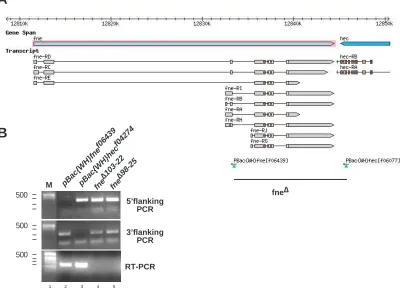
(A) Genomic organization of the fne locus. A deletion of the fne coding region was obtained by
flipase mediated recombination of the FRT sites contained within PBac transposons.
(B) Genomic PCR amplifying the 5’ (top) and 3’(middle) flanking region and RT-PCR (bottom)
of parental transposons and two identical deletion lines.
Figure S3. Loss of FNE or RBP9 does not affect alternative splicing of nrg from the UNGA
reporter.
(A-D). Alternative splicing of nrg from the UNGA reporter is not affected in photoreceptor
neurons of fne or Rbp9 mutants stained with anti-GFP antibodies, but dramatically reduced in
elavedr mutants. The scale bar is 50 µm.
(E-G) Alternative splicing of nrg from the UNGA reporter is not affected in neurons of the 3rd
instar larval brain in fne or Rbp9 mutants visualized by GFP expression. The scale bars are 100
µm.
Figure S4. Expression and regulation of the UNGA reporter by Hu RBPs.
(A-O) HA-tagged ELAV and Hu proteins were expressed from UAS constructs in wing discs
using dppGAL4 in the presence of the nrg alternative splicing reporter UNGA and stained with
anti-GFP antibodies and anti-HA antibodies. Note that HuD could not be detected although its
expression results in lethality when expressed with elavGAL4C155. The scale bar in O is 150 µm.
(P) Quantification of UNGA splicing showing means with the standard error from 4 wing discs.
Figure S5. Expression of elav, fne and Rbp9 during development and in adults determined by
Supplemental Table S1
RRM1
ELAV FNE RBP9 ELAV - 81(93) 78(89)
FNE - - 80(90)
HuR 77(88) 81(90) 78(86)
HuB 73(90) 81(91) 78(89)
HuC 69(85) 73(86) 73(84)
HuD 75(89) 82(90) 80(87)
Sxl 49(74) 51(73) 49(73)
RRM2
ELAV FNE RBP9 ELAV - 63(76) 66(80)
FNE - - 82(90)
HuR 52(70) 63(77) 64(76)
HuB 61(73) 66(82) 73(82)
HuC 58(72) 67(84) 69(81)
HuD 63(75) 66(82) 73(82)
Sxl 41(64) 41(64) 41(65)
RRM3
ELAV FNE RBP9 ELAV - 75(90) 72(90)
FNE - - 80(98)
HuR 63(84) 71(86) 73(86)
HuB 67(86) 80(90) 78(89)
HuC 67(86) 78(86) 76(86)
anti-HA (FNE)
anti-myc (RBP9)
anti-ELAV
merge
A
G
B C D
anti-ELAV
merge
FNE RBP9
ELAV ELAV
Supplemental
Figure 2
.
fne ∆103-22
fne ∆98-25 pBac{WH}fne
f06439
pBac{WH}hec f04274
M
5’flanking PCR
3’flanking PCR
RT-PCR
500
500 500
fne∆
1 2 3 4 5
A
Supplemental
Figure 4
P
HAELAV
A
B
C
HAHuR
M
N
O
D
E
F
G
H
I
J
K
L
HAHuB
HAHuC
HAHuD
0 0.2 1
UASHAELAVUASHAHuRUASHAHuBUASHAHuC
UNGA-GFP/HA signal ratio
anti-HA merge UNGA-GFP
UASHAHuD
Supplemental
Figure 5
Supplemental
Figure 5
Supplemental
Figure 5
0 10 20 30 40 50 600-2hr 2-4hr 4-6hr 6-8hr 8-10hr
10-12hr 12-14hr 14-16hr 16-18hr 18-20hr 20-22hr 22-24hr
puffstage 1-2 puffstage 3-6 puffstage 7-9 0hr
12hr 24hr
2d postWPP 3d postWPP 4d postWPP 1 day
5 days 30 days L1 L2
L3 12hr old
embryo larva prepupae pupae adult
elav fne Rbp9