ACt\.d&Vv1c..
O,cJ~W-~
l\A::Smd:,
cl
Self-Concept''Locus of ControlaRB CMsal Alitihntilltli;in 'Special' and'Regular' elU53 Child!l.ii
(v.t.Lt:
pn,V1CVlj
5
vhce1
J"v'1
k.q11 •Angeliki Leondari
ABSTRACT
Recently and despite definitional problems, a clearly identifiable group of children has emerged characterized as 'learning disabled' for which programming and hence specialized services are being made available in the Greek state school setting. A more complete description of these children seems necessary in order to find out if and how they differ from other children in personality and whether their academic difficulties have created unique problems for them. The purpose of the present study was, then, to empirically investigate the comparative differences in measures of self-concept (academic and general), locus of control and causal attributions in Special and Regular Class primary school children, in Greece.
424 children enrolled in the third through sixth primary school grades served as subjects. The sample was drawn from state schools located within the three educational districts in the county of Attiki. There were 72 Special Class, and 352 Regular Class children. The Regular Class children were classified as Low Achievers (LA) and Normal Achievers (NA) on the basis of their school grades.
Three self report questionnaires were used; the Perceived Competence Scale for children (PCS), and the Self Description Questionnaire (SDQ) were used to measure academic self-concepts and global self-esteem. The two cognitive competence scales from the PCS and the two subject-specific scales from the SDQ were used to assess children's perceptions of their academic abilities. Global self-esteem was measured by a scale from the PCS. The Intellectual Achievement Responsibility Questionnaire (IAR) was used as a measure of locus of control and causal attributions. Teacher ratings of academic performance in Reading and Maths and a Mathematics Test prepared by the researcher were used as achievement measures.
The primary independent variable was group inclusion and school achievement. In addition sex and age differences were investigated.
self-concepts and global self-esteem. There were also significant differences between Low and Normal achievers on academic self-concepts but not on global self-esteem. Special Class children differed from the other two groups on their locus of control orientation and attributional patterns as well. They attributed both their successes and their failures to external factors, thus fitting the picture of 'learned helplessness'. Low achievers seem to hold the same attributional patterns as Normal Achievers, attributing their successes to their efforts and their failures externally. Suggestions are made that this is likely to be due to societal pressures.
ACKNOWLEDGEMENTS
I would like to thank all these people who have enabled me to complete this thesis. In particular, I want to thank the headteachers and classteachers of the schools in which my research took place, for their cooperation. I extend my thanks to include the children. Their cheerful cooperation made this part of the research a pleasant and very interesting occasion.
I would also like to thank Toni Halil for his statistical assistance.
A number of friends have assisted me in various ways, practically and emotionally, and I am grateful for their help.
TABLE OF CONTENTS
ABSTRACT
ACKNOWLEDGEMENTS
LIST OF TABLES
LIST OF FIGURES
LIST OF APPENDICES
Chapter 1:
2
4
11
15
17
1.1 Introduction 18
1.2 The context of the Study: The Greek Educational System. 26
1.2.1 Overview 26
1.2.2 Recent Legislation and the Subsequent Changes in Education 28
1.2.3 Current Provision 30
1.2.3.1 The Present Structure and Organisation of the Educational System 30
1.2.3.2 Primary Education 32
1.2.4 Special Education in Greece 34
1.2.4.1 The Development of Special Education 34
1.2.4.2 Current Provision 36
1.2.5 The Importance of School Success within the Greek Society 41
1.2.6 Conclusions 43
1.3 The Concept of Learning Difficulties and its Relevance to this Study 46
1.4 Focus of the Study and Statement of the Problem 56
Chapter 2: Review of Literature and Research
2.2 Self-Concept: Brief Historical Perspective and a Review of
Some Key Theories.
2.1
2.2.1
2.2.2
Overview
William James
Symbolic Interactionism
58
58
60
2.2.2.1 2.2.2.2 2.2.3 2.2.3.1 2.2.4 2.2.4.1 2.2.4.2 2.3 2.3.1 2.4 2.4.1 2.4.2 2.4.3 2.4.4 2.4.5 2.5 2.6 2.6.1 2.6.2 2.6.3 2.6.4 2.6.5 2.7 2.7.1 2.7.2 2.7.3 2.7.4 2.8 2.9 Cooley Mead
Freud and Neo-Freudians
Erikson
Phenomenological Approach
Snygg and Combs
Rogers
Current Contributions to the Study of the Self: The Self as a Self-Theory
Epstein's Theory
Some Key Issues in Self-Theories
The Self as Fact versus Fiction
The Self as Knower versus Known
The Self as Structure versus Process
The Self as One versus Many
Consistency versus Inconsistency
Understanding the Construct
Theoretical Models of Self-Concept
The Nomothetic Model
The Taxonomic Model
The Compensatory Model
The Hierarchical Model
Conclusions
The Origin and Development of Self-Concept
The Psychoanalytic Approach
The Biological Approach
Social-Cognitive Approaches
Conclusions
Self-Concept Development During Middle Childhood Years
2.10
I
Self-Concept and Education 962.10.1 Self-Concept Theories in Education 97
2.10.1.1 Bloom's Theory of Learning 97
2.10.1.2 Covington and Beery's Self-Worth Theory 100
2.10.2 Teacher Influences 103
2.10.3 Special Class Placement 106
2.10.4 The Relationship between Self-Concept and Academic Achievement 110
2.10.4.1 Review of Research 111
2.10.4.1.1 Global Self-Esteem and Academic Achievement 112
2.10.4.1.2 Specific Academic Self-Concepts and Academic Achievement 113
2.10.4.1.3 Age Differences 117
2.10.4.1.4 Sex Differences 119
2.10.4.1.5/ Underachievement Studies 122
2.10.4.1.6 Studies with Learning Disabled Children 123
2.10.5 The Causal Predominance Issue 126
2.11 Self-Concept and Locus of Control/Causal Attributions 132
2.11.1 The Construct of Locus of Control 133
2.11.2 Attribution Theory 136
2.11.2.1 Intraindividual Asymmetry of Attribution Patterns. 145
2.11.2.2 The Origin and Development of an Attributional Style. 147
2.11.3 Learned Helplessness 151
2.11.4 Review of Research 159
2.11.4.1 Self-Concept and Locus of Control/Causal Attributions 160
2.11.4.2 Academic Achievement and Locus of Control/Causal Attribution 166
2.11.4.3 Age Differences 173
2.11.4.4 Sex Differences 176
2.11.4.5 Locus of Control and Learning Disabilities 179
~ 2.11.4.6 Attributions of Learning Disabled Children 181
2.13 2.13.1 2.13.2 2.13.3
Hypotheses
Differences betweengroups Relations among variables Age and Sex differences
193 194 197 199
Chapter 3. Methodology
3.1 Overview 201
3.2 Methodological Problems in the Assessment of Self-Referent Constructs. 201 3.2.1 Vague and IncompleteTheoreticalFormulations 201 3.2.2 The Poor Quality of Measurement Instruments 202 3.2.3 The Problem of Phenomenal Variables 202 3.2.4 The Limitations of Self-Report Techniques 203 3.2.4.1 Self-Presentation and Self-Disclosure 204
3.2.4.2 Social Desirability 205
3.2.4.3 Acquiescence 205
3.3 Sample 206
3.4 Testing Procedures 213
3.5 Design 214
3.6 Instruments 215
3.6.1. Self-Concept and Locus of Control Measures 215
3.6.1.1 Overview 215
3.6.1.2 Translation 216
3.6.1.3 Self-concept Measures: 218
3.6.1.3.1 Perceived Competence Scale (PCS) 218 3.6.1.3.2 Self DescriptionQuestionnaire (SDQ) 222 3.6.1.4 The Scale for Locus of Control and Causal Attriibutions (IAR) 226 3.6.1.5 Properties of the Scales Used in this Study: 228
3.6.1.5.1 Reliabilities 229
3.6.1.5.3 Conclusions 231
3.6.1.6 Factor Analysis of PCE and SDQ 231
3.6.1.6.1 Perceived Competence Scale (PCS) 233
3.6.1.6.2 Self Description Questionnaire (SDQ) 236
3.6.2 Achievement Measures. Overview 238
3.6.2.1 Teachers' Ratings 238
3.6.2.2 The AL Math test 239
Chapter 4: Results
4.1 Overview: 242
4.2 Preliminary Analysis 243
4.3 Group Comparisons 249
4.3.1 Between Group Comparisons 249
4.3.1 1 Self-Concept 255
4.3.1.2 Locus of Control/ Causal Attributions 262
4.3.2 Within Group Comparisons 271
4.4 Correlational Analysis 272
4.5 Path Analysis 279
4.5.1 Basic Design of Path Analysis Model 283
4.5.2 Inclusion of Variables 286
4.5.3 Goals of the Model Testing 287
4.5.4 Assessing the Path Model 287
4.5.5 Regular Class Sample 290
4.5.5.1 Overall findings for Model2c 291
4.5.6 Analysis of Sub-groups 294
4.5.6.1 Normally Achieving Group (NA) 294
4.5.6.2 Low Achieving Group (LA) 296
Chapter 5: Discussion
5.1 Overview 301
5.2 Preliminary Findings 301
5.3 Group Comparisons 303
5.3.1 Self-ConceptScales 303
5.3.1.1 Age Differences 313
5.3.1.2 Sex Differences 315
5.3.2 Locus of Control Scales 316
5.3.2.1 Between Group Comparisons 317
5.3.2.2 Within Group Comparisons 324
5.3.2.3 Age Differences 325
5.3.2.4 Sex Differences 327
5.4 Relations among Variables 332
5.4.1 Self-ConceptScales 332
5.4.2 IAR scales 335
5.4.3 Relations between Self-Concept and Locus of Control/Causal Attributions 337
5.4.4 Path Analyses 339
5.4.4.1 Comparisons among Groups 340
5.5 Summary of Findings 343
5.6 Conclusionsand Educational Implications 345
5.7 Limitations of the Study 354
5.8 Future Research 355
APPENDICES
358LIST OF TABLES
Table 1: Number of State and Private Schools within the Four Educational
Districts in Attiki. 32
Table 2: Student Population by Type of Problem and Type of School. 38
Table 3: Distribution of State Schools, Private Schools and Special Units
in the Greater Area of Athens and Pireas. 41
Table 4: Distribution of Sample by Grade Level and Sex. 207
Table 5: Location, Timetable and Size of Schools. 207
Table 6: Distribution of Sample by School, Grade Special/Regular. 208
Table 7a: Distribution of Special Class Sample by School,
Grade and Sex. 209
Table 7b: Distribution of Regular Class Sample by School,
Grade and Sex. 209
Table 8: Distribution of Regular Class Sample by Grade Level
and Sex. 211
Table 9: Distribution of Special Class Sample by Grade Level
and Sex. 211
Table 10: Distribution of LA Group by Grade Level and Sex. 212
Table 11: Distribution ofNA Group by Grade Level and Sex. 212
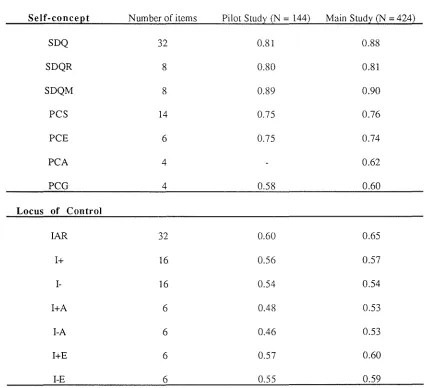
Table 12: Cronbach's Alpha Coefficients for Three Scales (pCS, SDQ, JAR). 229
Table 13: Factor Patterns of PCS for 352 Children in the
Table 14: Factor Patterns of SDQ for 352 Children in the
Third through Sixth grades. 237
Table 15: Validity, Difficulty and Discrimination Indexes
for the Four Maths Tests. 241
Table 16: Age Characteristics in Months of Two Groups by Grade. 243
Table 17: M and SD for the Three Achievement Measures by Group. 244
Table 18: M and SD for the Tree Achievement Measures by Group and Grade. 245
Table 19: Age Characteristics in Months of the Three Groups by Grade. 245
Table 20: Tukey Test for Differences between Means on Father's Occupation. 246
Table 21: M and SD for Verbal Achievement, Maths and the AL Maths Test
for Three groups. 247
Table 22: M and SD on All the Affective Variables in Two Groups. 250
Table 23: Univariate F-Tests with 1,419 dffor Two Groups with Grade, Sex,
and Father's Occupation as Covariates. 251
Table 24: Univariate F-Tests with 1,420 df for Two Groups with
Verbal Achievement and Maths Scores as Covariates. 252
Table 25: M and SD on All the Affective Variables in Three Groups. 253
Table 26: Univariate F-Tests with 2, 418 df for Three Groups with Grade,
Sex, and Father's Occupation as Covariates. 254
Table 27: Univariate F-Tests with 2, 419 df for Three Groups with
Verbal Achievement and Maths Scores as Covariates. 255
Table 28: ANCOVA Summary Data for Self-Concept Scales. 256
Table 30: ANCOV A Summary Data for PCE Self-Concept Scores. 258
Table 31: Tukey HSD Test for PCG scores for Three Groups. 258
Table 32a: M and SD for SDQM Scale for Three Groups. 259
Table 32b: M and SD for SDQM Scale for Three Groups by Grade. 260
Table 33: ANCOV A Summary Data for SDQM. 260
Table 34: ANCOVA Summary Data for IAR Scales. 263
Tables 35a,
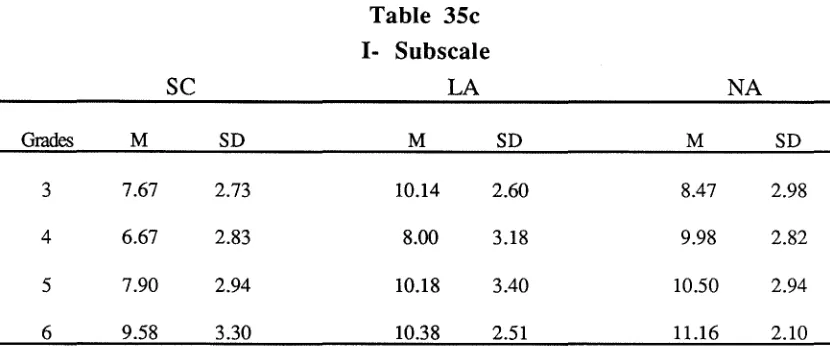
35b and 35c: M and SD for Total IAR and the Two Subscale Scores
by Grade. 263
Table 36: ANCOV A Summary Data for IAR Total Scores. 266
Table 37a: M and SD on I+A Subscale for Three Groups by Grade. 268
Table 37b: M and SD on I+A Subscale for Three Groups by Sex and Grade. 268
Table 38: ANCOV A Summary Data for I+A Scores. 268
Table 39: M and SD on I-A Subscale for Three Groups by Sex. 270
Table 40: ANCOV A Summary Data for I+E Subscale Scores. 271
Table 41: Pearson's Product Moment Correlations between Maths Scores and
the AL Math Test in Regular Class. 273
Table 42a: Pearson's Product Moment Correlations between Two Achievement
Measures and Academic Self-Concept in Total Sample and RC Group. 274
Table 42b: Pearson's Product Moment Correlations between Two Achievement
Table 43a: Pearson's Product Moment Correlations between General Academic
(pCE, PCA), Subject-Specific (SDQR, SDQM) and Global Self-Esteem
in Total Sample and Regular Class. 275
Table 43b: Pearson's Product Moment Correlations between General Academic
(pCE, PCA), Subject-Specific (SDQR, SDQM) and Global Self-Esteem
in NA, LA and SC. 276
Table 44a: Pearson's Product Moment Correlations between JAR Subscales and
Achievement Measures in Total Sample and Regular Class. 277
Table 44b: Pearson's Product Moment Correlations between JAR Subscales and
Achievement Measures in NA, LA and SC Groups. 277
Table 45: Measures of Goodness of Fit of Final Models for Four Groups. 289
Table 46: Total Coefficient of Determination (TCD) and Squared Multiple
Correlations for Each Construct in the Final Models
of the Four Groups. 290
LIST OF FIGURES
Figure 1: The Structure of the Greek Educational System in 1986. 31
Figure 2: Bloom's Model of Learning. 98
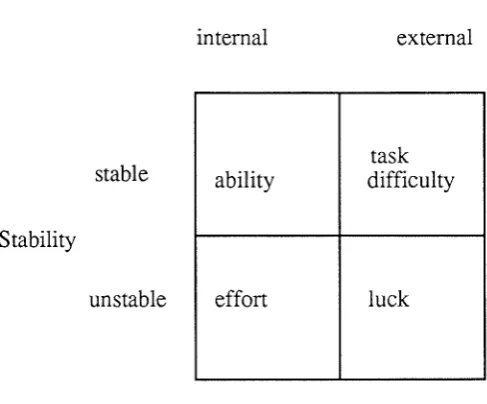
Figure 3: Weiner's Two-Dimensional Classification Scheme for the Perceived
Determinants of Achievement Behaviour. 137
Figure 4: A Diagram Illustrating the Causal Ordering Of Three Variables. 191
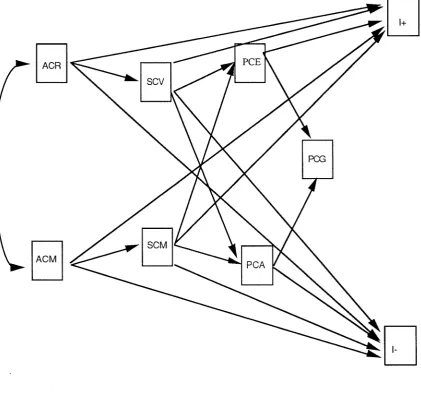
Figure 5: A Theoretical Model Intended to Illustrate the Assumed Relationships
between Academic Achievement, Self-Concept and Control Beliefs. 193
Figure 6a: Verbal and Maths Achievement by Group. 247
Figure 6b: Verbal Achievement in Three Groups by Sex. 248
Figure 6c: Maths Achievement in Three Groups by Sex. 248
Figure 7: Mean Scores of Three Groups by Grade on PCE. 257
Figure Sa: Verbal Self-Concept and Maths Self-Concept in Three Groups. 261
Figure Sb: Verbal Self-Concept and Maths Self-Concept in Three Groups
by Grade. 261
Figure Sc: Maths Self-Concept in Three Groups by Grade. 262
Figure 9a: IAR Total Scores in in Three Groups by Sex. 265
Figure 9b: IAR Total Scores in in Three Groups by Grade. 265
Figure 10: 1+ Scores of Three Groups by Grade. 267
Figure 12: A Path Diagram of a Theoretical Model to Account for the Relationships
between Academic Achievement, Academic Self-Concepts,
Global Self-Esteem and Locus of Control.
Figure 13
(Modell): A Path Diagram of a Saturated Model with All Paths Present.
284
288
Figure 14
(Model Ic): A Path Model Relating Academic Achievement, Academic Self-Concepts,
Global Self-Esteem and Locus of Control in Regular Class Group. 291
Figure 15
(Model 2): A Path Model Relating Academic Achievement, Academic Self-Concepts, Global Self-Esteem and Locus of Control in NA Group.
Figure 16
(Model 3): A Path Model Relating Academic Achievement, Academic Self-Concepts, Global Self-Esteem and Locus of Control in LA Group.
Figure 17
(Model 4): A Path Model Relating Academic Achievement, Academic Self-Concepts, Global Self-Esteem and Locus of Control in SC Group.
295
297
LIST OF APPENDICES
Appendix
1:
List of Abbreviations. 358Appendix 2: Distribution of Pilot Study Sample by Group, Grade and Sex. 359
Appendix
3:
M,SD, Skewness and Kurtosis of all the Variables in the Study. 360Appendix
4:
Perceived Competence Scale for Children (PeS). 361Appendix 5: Revised Items from Perceived Competence Scale for
Children (PCS). 363
Appendix
6:
Self Description Questionnaire (SDQ). 364Appendix
7:
Revised Items from Self Description Questionnaire (SDQ). 367Appendix
8:
Intellectual Achievement Responsibility Questionnaire (JAR). 368Appendix 9: Revised Items from Intellectual Achievement
Responsibility Questionnaire (IAR). 373
Appendices
10 - 13: The AL Maths Test (Translated from Greek). 376
Appendices
14 - 18:
Pearson's Product Moment Correlation Matrices. 392Appendix 19: Perceived Competence Scale for Children (PCS) in Greek. 397
Appendix 20: Self Description Questionnaire (SDQ) in Greek. 398
Appendix 21: Intellectual Achievement Responsibility Questionnaire (JAR)
in Greek. 401
Appendices
1.1 Introduction :
The emphasis put by current theoretical and empirical work in both psychology and education on the active constructive role of the learner in the learning process has resulted in efforts to better understand learning failure and enhance the learner's control in achievement situations. Two lines of inquiry have been developed in this respect. One of them has focused on children's cognitive-monitoring processes and strategic actions that are believed to facilitate effective human performance (Cullen, 1985). The other, which represents the area of interest of this study, has centered on motivational and personality variables that affect children's learning (Stipek and Weisz, 1981). Work in this field includes a) investigations of children's locus of control, self-concept, expectations and attributions for success and failure; and b) studies of the phenomenon of learned helplessness.
Self-related beliefs are considered significant behavioural mediators as they are thought to influence information processing, to regulate affect and to motivate individuals to action. As such they seem critical in organizing past and directing future behaviour. Feelings of competence and efficacy seem to be key factors in the well being and successful functioning of the individual, in the ability to protect one's self from the effects of stress and even in staying healthy and preventing disease (Markus, Cross and Wurf, 1990).
including self-efficacy theory (Bandura, 1977, 1981), self-worth-theory (Covington and Beery, 1976) and attribution theory (Dweck and Reppucci, 1973; Weiner, 1986) consider self-perceptions of ability essential for academic success. In all these theories ability perceptions are assumed to affect behaviour and learning and thus to have practical educational importance.
One of the theorists who stressed the importance of affective variables in learning is Bloom (1976). In his model of school learning, he identified three major input components which influence performance on a specific learning task 'cognitive entry behaviours', 'affective entry behaviours' and 'quality of instruction'. He states that the manipulation of these three components can serve to reduce a large amount of the individual differences which usually lead to variation in achievement.
In dealing with the affective entry characteristics, Bloom (1976) argued that these variables form a crucial component in learning and achievement. The development of these affective characteristics is grounded in feelings of acceptance, competence and worth which are learned in a social environment through the interaction with others. Several others theorists (Cooley, 1902; Coopersmith, 1967; Covington and Beery, 1976) also stressed that children come to value themselves as they are valued by significant others, parents, peers and teachers.
The notion of the importance of significant others in the formulation of a positive self-concept serves to highlight the role of the school environment in this respect. The idea of self-concept as an outcome and a mediator of schooling has long been implicit in the literature. Although by the time children reach school age they already possess a finn picture of themselves and their worth as a person which is based on parental love, interest and acceptance, it is in school that they begin to face a continuous and pervasive evaluation which will playa critical role in "confirming self concept details and self esteem levels" (Gurney, 1988).
considered particularly important for the formation of academic self concept and a global sense of self-worth. For the middle childhood pupil, school is the first occasion where he will measure himself against others. It is during this period that children's self concepts are either firmly established in experiences of success and pride in themselves or shaken by self doubt and feelings of unworthiness. Erikson (1963) considered the developmental tasks and stresses of this period to be centered around acquiring a sense of industry versus a sense of inferiority which is thought to be the result of success or lack of it in learning situations and which forms the basis of a self-concept of ability.
Inschool, the child learns that to be able isto be worthy. Although personal and social educational aims are meant to be equally important as the intellectual-academic ones, in reality the dominant value operating generally in the school system is academic achievement. Academic achievement is also a pervasive cultural value in Western societies and both parents and teachers put heavy emphasis on it. It is not surprising, therefore, that academic values and standards become an important index of self worth for most children. The general tendency to equate ability and human value leads many students to the belief that they are only as good as their accomplishments and failure makes them unworthy of the approval of others. Perceiving ability to be a central ingredient of academic success and equating school success with personal worth may become detrimental for many children. Firstly, because perceptions of intellectual adequacy are easily threatened by failure and schools as institutions are failure prone (Bloom,1977). Secondly, when low attainment is interpreted as low perceived ability, the implication is that one is lacking a fundamental personal trait, a fact which may constitute a serious threat to self esteem.
ability. Because a number of children will necessarily fail to achieve success by this standard, they will be particularly at risk of forming a picture of themselves as incapable and unworthy.
As patterns of successes and failures become histories of success and failure, the child will come to conceptualize himself as a capable or incapable learner, a pattern of thinking that is critical not only to the motivation for learning and subsequent achievement, but also influencing many other spheres of his life. Although being incompetent in one specific area could be unrelated to feelings in another specific area, incompetence in academic areas can be so pervasive as to have a significant impact on the overall evaluation of self. This in turn will determine subsequent success in school and later on in work and life (Burns, 1982; Hamachek, 1987).
Inaddition, special class placement, because of the subtle or not-so-subtle message that it communicates to children, might have a further detrimental effect. It has been suggested by many theorists that self-perceptions could play the role of self-fulfilling prophecies. As a result of chronically self-devaluating situations and special class placement, the child might corne to accept himself as a failure and give up expectations for future success thus entering a vicious circle (Sabatino, 1983). Moreover, teachers and peers will corne to see failure and reduced performance as characteristic of the child and respond to this stereotype. This, might further confirm the child's beliefs about his self-concept and might lead to a further downward drift.
Closely related to self-concept is the child's understanding of the contingencies that govern success and failure, that is, the degree to which he believes he exercises control on what is happening to him, along with his interpretation for the causes of his successes and failures. These beliefs seem to playa decisive role in the chain of interrelationships between self concept and achievement. A history of academic successes accompanied by a positive self-concept carry with them the belief that success is based in great part upon one's own effort and ability whereas failure is not necessarily a reflection of an inner deficit. Such an attitude would enable the individual to handle the developmental tasks successfully, would reinforce a sense of competence and mastery, and motivate him to tackle even more demanding challenges (Bandura, 1977).
feeling which contributes to a state of helplessness (Abramson et aI., 1978; Dweck and Goetz, 1978).
In support of the claims of attribution theory, empirical research shows that successful outcomes ascribed to the self seem to result in greater self-esteem than does success which is externally distributed (Marsh, Relish, and Smith, 1983; Marsh, Smith, and Barnes, 1983). Moreover previous findings in this area clearly indicate that individuals who report a more internal locus of control (relative to those with a more external locus of control) show better performance on a variety of cognitive indices, including grades, achievement tests and intelligence tests. Itfollows, therefore, that the experience of academic failure associated with certain groups would influence their control orientation, and groups differing in academic achievement would differ in locus of control/causal attributions. Indeed empirical studies show that learning-disabled students are found to hold more external locus-of-control orientations (Chapman and Boersma, 1979) and attributions that suggest learned helplessness (Pearl, Bryan and Donahue, 1980).
problematic. It was assumed that the longer the failure situation would persist the more difficult it would become to interrupt the vicious cycle. In order to avoid further humiliation the child may adopt defensive strategies to protect his self-esteem and although some of them might be beneficial and growth fostering, others might be self-defeating.
It was hypothesized, therefore, that a child's actual achievement (as defined by teacher evaluations), his perception of his achievement and his placement in 'regular' or 'special' classes would directly influence academic self-concept and indirectly global self-worth. In addition, school achievement and the child's evaluation of himself was thought to be related to the degree to which the child would feel responsible for his successes and failures and whether he would ascribe them to internal (effort/ability) or external factors. Special class placement as a process emphasizing differences between children and leading to devaluation and loss of status, was considered to have a direct impact on self-concept and locus of control. These self-perceptions and evaluations were then thought to further influence the child's motivation and orientation to learning. It was hypothesized that the wider social context with its emphasis on particular values and the specific learning environment of the classroom would exercise a major influence on both self-concept and children's control beliefs.
It was reasoned that the excessive emphasis put on academic achievement by the Greek society would make it an important index of global self-esteem for the children of this study. It was further assumed that it would be difficult for failing students to discard the importance of academic achievement and compensate for their academic failures by deriving satisfaction from elsewhere. Moreover, it was thought that the organization of the Greek classroom with its authoritarian teacher-centered character and its homogeneous task orientation would foster comparative evaluations among students and encourage an academically based status hierarchy by making the failure of underachieving students more salient.
self-concept and locus of control/causal attributions. It was expected that academic difficulties would playa lesser role for the young than the older children.
Given the importance of the wider and more specific social context within which individuals develop for the formation of both self-concept and control beliefs, an understanding of the general school system in Greece as well as the development of special education was considered necessary. Therefore, in the subsequent sections of this chapter, a brief overview of the Greek educational system will be given, together with an outline of special education in Greece and the nature of the Greek family and school expectations concerning academic achievement will be discussed. This will be followed by a discussion of the concept of 'learning disabilities' and a further elaboration of the focus of the present research.
Chapter 2 reviews the theory and research relevant to the constructs of interest. A brief historical review of those self-theories which were considered as most influential in recent theorizing is given. Assumptions common to most theories about the self are, then, discussed and the problem of defining self-concept is dealt with. Subsequently, two of the most influential theories relating self-concept to education - Bloom's (1976) theory of school learning and Covington and Beery's (1976) self-worth theory - are discussed. The role of teacher influences and the consequences of special class placement are briefly considered. In addition to the discussion pertaining to locus of control and causal attributions, learned helplessness is also considered as particularly relevant to children facing academic failure. The chapter ends with a synthesis of some of the theories reviewed before into a scheme which formed the frame of this study and from which several hypotheses were derived.
Chapter 3 contains a discussion of methodological problems, a description of the scales used in the study and the steps followed for their translation and validation for the Greek sample.
1.2. The
Context of the
Study:
The
Greek
Educational
System:
This section will not provide a full coverage of the Greek educational system. Reference will be made only to the recent legislation reforms and a brief account of the existing structures in general and special education will be given in order to delineate the context of the present study.
1.2.1 Overview:
The wish for a reform in education has always been a constant motivation for many Greeks. From the beginning of the 20th century the educational debate evolved around two topics:
1) The language problem, that is, demotiki (the every day language of the people and the one used in popular civilisation and tradition) versus katharevousa (the supposedly 'pure' Greek language invented by the Hellenic purists which as an artificially constructed language was never spoken or used anywhere except in formal intellectual or aesthetic communication).
2) The orientation of the curriculum, that is, practical vs classicist.
There have been many attempts to reform the Greek educational system which was classicist and conservative, and to adopt 'demotiki' as the language of instruction, in 1913, 1917, 1922, and 1929 (Eliou, 1988). These were mostly promoted by liberal governments but had led to strong conservative opposition. The last attempt to reform the system took place in 1964. However, the country retreated into conservativism again when the military junta seized power in 1967 (Eliou, 1988).
by preparing them with practical skills that could be accommodated within the employment structure of society.
The newly elected government legislated four laws (Law No 186/1975, 309/1976, 682/1978 and 815/1978) aiming to carry out reforms in education. Among the changes were the increase in compulsory education from 6 to 9 years, the abolition of entrance examinations for the gymnasio, and the recognition of tDemo tiki' as the only modern
Greek language (Persianis, 1978). More specifically, Law 309/1976 brought the following educational reforms:
1.Extension of compulsory education from 6 - 9 years. 2. Provision of free education at all levels.
3. Establishment of ,demotiki' as the official language.
4. Division of secondary school into two cycles, a 3-year compulsory gymnasium and a 3-year non-compulsory lyceum.
5. Abolition of entrance examinations for the gymnasium.
6. Revision of primary and secondary curriculum, with more emphasis on physical science and mathematics.
7. Revision of the selection system for higher education.
8. Establishment of KEME (Centre of Educational Research and Teacher in-service training).
The official acceptance of ,Demotiki' as the only modem language and as the medium of instruction at all levels signified the end of the country's 'bilingual' problem, and terminated the fierce educational debate which revolved around it. Law 309/1976 specified that this language wasto be used in writing "all educational textbooks at all
educational levelsIIfrom the academic year 1976 - 1977 (Dimaras, 1978). However, the
1.2.2 Recent Legislation and the subsequent Changes in Education : After the 1981 general election an internal reform took place aiming to change the curricula of general education, the school textbooks and the pedagogic relations. It included the following changes:
a) The establishment of 'demotiki' as the official language of the country. b) The establishment of the one accent system in 1982.
c) The abolishment of general headmasters and supervisors of primary and secondary education by Law 1232/1982, the eradication of inspectors of education and their replacement by the counsellors by Law 1232/1982.
d) The preparation of curricula for primary and secondary education and the publication of new textbooks (Dervisis, 1985, p.94).
Under regulations 583/1982, the new curriculum for the first two grades of primary education became known to the public and initially the textbooks for these two grades were published with the 'Teacher's Guides' which contained analytic instruction diagrams (i.e. detailed objectives and tasks to be followed). Previously the same curricula and textbooks had been used almost unchanged in the primary school since the beginning of the century. Gerou (1981, p.19) states that
"..the curricula for general education keep until today their basic structures and this
means that they are in full contrast with reality. The only changes that took place in this
long period of seventy years are changes of addition and subtraction. They include or
exclude curriculum material".
'dogmatism' (Vouyioukas, 1984a, 1984b; Bousakis 1986). Others, however, were of a different opinion. For example, Noutsos (1986) stated that although the content of the new textbooks was progressive and modernised in relation to the books they had replaced, the changes effected were still within the framework of bourgeois values and models of behaviour. Noutsos also argued that systematic research was needed to assess the extent and the quality of the new books.
In January 1984, the time when the government's proposed legislation (Law 1566) was given to the media, the unions of Primary (DOE) and Secondary (OLME) school teachers stated their agreement with the basic provisions and the philosophy of the proposed legislation. This legislation was voted in September 1985 only by the government party.
Law 1566/1985 aimed to establish democratic planning in education and to reinforce decentralisation and democratisation of education. However, the local governing bodies, (i.e. school committees, school councils, communal councils) and the National Council of Education sustained only advisory jurisdiction while the State Department of Education remained on the top of the education pyramid (Noutsos, 1986). The aim of general education according to Law 1566/1985 is
"to contribute to the complete, harmonious and unbiased development of the pupils'
perception and character, independent of gender and social origin, so that they may
have the opportunity to become complete individuals and to contribute constructively to society" (article 1, 1st paragraph).
The same article states specific objectives for primary and secondary education which are to develop pupils into free, responsible, democratic human beings who will be able to protect the national independence and democracy. Educationalists (Voros, 1985; Noutsos, 1986) point out certain contradictions which appear in the new legislation, especially in the articles related to the objectives of education. Noutsos (1986) argues that "these contradictions seem to be a repetition of the well known Hellenic Orthodox
Christian ideal", which was set down by the constitution of 1952. The Law not only
1), which has also been implied in Law 309/1976, the only apparent new objective in
this Law is the "development of the pupils' thoughts so that they may become aware of
the social values and equality of mental and physical work". Noutsos (1986) argues
that since this equality does not exist in Greek society it is impossible for a pupil to
become aware of something that does not exist.
1.2.3 Current Provision:
Even under the new legislation the Greek educational system remained highly
centralised. The state body directly responsible for education is the Ministry of
Education and Religion. Its responsibilities include proposing and implementing
Government policy at all educational levels, the preparation of curriculum timetables
and textbooks and the management of the education system. One centrally prescribed
subject-based national curriculum is used by all pupils in all schools, state and private.
Documents on curricular aims and objectives are prepared by a consultative committee
(KEME) attached to the Ministry of Education. School books are distributed free by the
Ministry of Education and are compulsory in all schools. The teachers are civil servants
appointed -by priority of application- by the Ministry of Education and Religion.
1.2.3.1 The Present Structure and Organisation of the Educational
System
The structure of the Greek Education under Law 1566/1986 is shown in Figure 1.
Under this Law the six-year primary school maintains its independence and continues
to issue certificates. The upper cycle of secondary education (gymnasio and lyceum) is
comprised of general, vocational, multibranch lyceums and
technico-vocational schools. The entrance examinations from gymnasio to lyceum are abolished.
Primary school graduates also enter the' gymnasio' (lower secondary cycle) without
The compulsory schooling requires pupils to attend school from the age of approximately six to the age of fifteen, which is nine years of compulsory schooling. Nursery education is also provided but it is non-compulsory.
Figure 1
The Structure of the Greek Educational System in 1986.
(adapted from Bousakis, 1986, p. 126).
1.2.3.2 Primary Education:
Throughout the country there are 3158 primary schools, ranging in size from one-teacher (monothesia) and a few pupil rural schools to several hundred pupil schools. Private schools total 400, the remaining 2758 being state schools. Table 1 shows the number of private and state schools within the greater Athens area (and separately for each of the four educational districts), where this study took place. It may be noted that a sizable minority of schools are private.
Table 1
Number of State and Private Schools within the Four Educational Districts in Attiki
Educational Districts State Schools Private Schools Total
Centre 293 24 317
East Attiki 173 48 221
West Attiki 175 11 186
Pireas 275 35 310
Total 916 118 1034
Primary schools cater for children from about 6 to 12 years of age and provide six consecutive years of schooling. The child is admitted to the first grade of the elementary stage at the age of 5 years 6 months by first of October of the year of admission.
During the last three years a new scheme was introduced in some schools, mainly in big cities, the so-called 'experimental' schools. In these schools, children are taught foreign languages, art, music and physical education by extra subject teachers. The timetable of such schools is extended by half an hour a day.
Teaching in the Greek Primary school is class-based. The class teacher teaches most if not all the subjects. Despite the fact that the new curricula claim to change the pedagogic relation between teachers and pupils by making the teacher a 'facilitator' in the leaming process, what is actually happening is that pupils are addressed as a homogeneous whole. They are taught the same material, at the same pace, at once and everyone in the class is expected to complete the same work. There is little individualization whatsoever.
The teacher dominates the interaction in the classroom by determining who shall speak, to whom, when and how. Opportunities for student interactions are very few. The dominant form of instruction is recitation which allows the teacher to manage the classroom in ways that leave little room for dispute or discussion. The explicit concentration on skill acquisition further accentuates the dominant-subordinate relationship of teacher to student. The teacher clearly emerges as someone who initiates, monitors and evaluates, while the student waits, listens and responds.
Greece has a strongly framed national curriculum leading upto national exams at the end of the six years of secondary cycle. Assessment in primary school though is infrequent and informal. Annual promotion is automatic in the primary school, even if students do not reach the level of content mastery. Reports are given once a year, where instead of grades the characterizations 'very good', 'good' and 'almost good' are used for all the taught subjects.
In spite of its pretensions to enable each child to achieve his potential and its claims to
be concerned with the development of each individual as a whole, the Greek Educational system clearly favours intellectual-academic aims, with an overemphasis on subjects such as Language and Maths which are considered 'primary subjects' and a complete neglect of others such as art, or music. M. Tzani (1983) in her book about the causes of school achievement argues that education in Greece
"ignores essential learning and consists of a continuous preparation for the ultimate aim
which is the acquisition of a university degree" (p.27).
She goes on to stress that school achievement has only one meaning: to get good grades. This will guarantee a successful academic career.
" 'I am learning' is equivalent with 'I am memorizing', and 'I understand' means 'I am
able to remember easily'" (p. 25).
1.2.4 Special Education in Greece :
Special education is the educational sector which has experienced greatest change in recent years. In this section the development of the field will be presented first followed by a discussion of current provisions and practices.
1.2.4.1 The Development of Special Education:
The development of educational provision in Greece for children with special educational needs, has followed a pattern similar to that in other Western countries. It began as an individual and charitable enterprise. Before 1970 only some isolated examples of private provision could be found in Athens, while elsewhere very little has been achieved.
this period were characterized by a tendency to institutionalize and isolate disabled people, and were based on the belief that institutions would constitute the best solution for an effective protection and treatment of these people whom the Greek society was rather unready to accept at the time (Stasinos, 1991). Children and adults with various disabilities were almost totally isolated and marginalized and were regarded as
"abnormal", "unable to face the demands of life" and "in need of constant supervision
and guidance" (Stasinos, 1991, p. 99). The family's role in the upbringing of these
children generally seemed to be rather negative. The parents were either indifferent or rejecting, anxious to put children away in an institution so that they could free themselves from the social stigma of having a disabled child.
Attempts to educate mentally handicapped children were first made in 1937 with the establishment of the first special school in Kesariani (Athens), known as the 'Model Special School' of Athens. Until 1972, this was the only state school administered by the Ministry of Education. The school accepted educable, mentally retarded school age children. Those who were blind, deaf, epileptic, profoundly retarded or suffering from contagious diseases were excluded from attending the school. At the same time Law A.N. 438 was legislated, and the establishment of a Special Education Office within the Department of Education, as well as the establishment of a number of special schools in several cities was decided.
maladjusted children (in Marousi, Attiki), and the Psychological Centre of Northern Greece (in Retziki, Salonica).
Also since 1950, a number of scientific societies devoted to handicapped children have been founded in Greece, e.g. the 'Greek society for Child Mental Health and Neuropsychiatry'. In addition, many Child Guidance Clinics were set up during this period to help children with behavioural, personality or mental handicaps and provide guidance for their parents. Such help appeared to be basically diagnostic and consultative in nature.
1.2.4.2 Current Provision:
The formal history of special education in Greece starts in 1969 with a number of administrative and educational measures taken by the state. First the Special Education Office in the Ministry of Education was established. At the same time, initially a six months and later a year long course started in the Didaskaleion Of Primary Education in Athens (Marasleion). Itaimed in providing primary school teachers with training in special education. In addition, 45 state educational units, officially called special schools were established by the Ministry. These schools or units (four with 4 teachers, five with 3, and thirty six with 2 teachers) were opened in cities with Pedagogical Academies (Teacher Training Colleges) as well as in some other large urban centres throughout Greece (Stasinos, 1981).These schools, although officially called special schools, were basically 'special classes', sharing the same building and resources with the normal classes, but using special teachers and a special curriculum.
regular education. The Law was severely criticized as stressing categorization, dividing individuals to 'normal' and 'abnormal' marginalizing and, therefore, devaluing certain groups of children and adolescents with special needs.
After the elections of 1981 the new government initiated two Education Acts (1981, 1985) with a bearing on Special Education. Law 1566/1985 specified the categories of children considered in need of special education, the requirements for effective assessment, the bodies by which assessment will be done, the types of special educational provision, teachers' training and education and the bodies responsible for advice and support in the area of special needs. An integration policy was adopted as a result of a changed policy from a categorization process to a more sensitive recognition of individual needs and the acceptance of a wide range of ability levels. This resulted in a greater concern for children with special needs and a rapid expansion of special schools and particularly special units within ordinary schools started in 1981.
From the academic year 1983 - 1984 the Ministry of Education started applying the idea of integrating children with special needs in regular schools, especially those with learning difficulties. It was argued that most of these children present minor problems which could be faced within regular school. The practice of establishing special schools was, abandoned, therefore, on the basis of the belief that the needs of the children would be better provided for within the special class which would not isolate these children from their peers for long periods of time. This philosophy of the Ministry is reflected in the rapid establishment of special classes the number of which increased considerably over the last five years.
disability and their needs could be catered for within the regular classes (Special Education Information Bulletin, 1988).
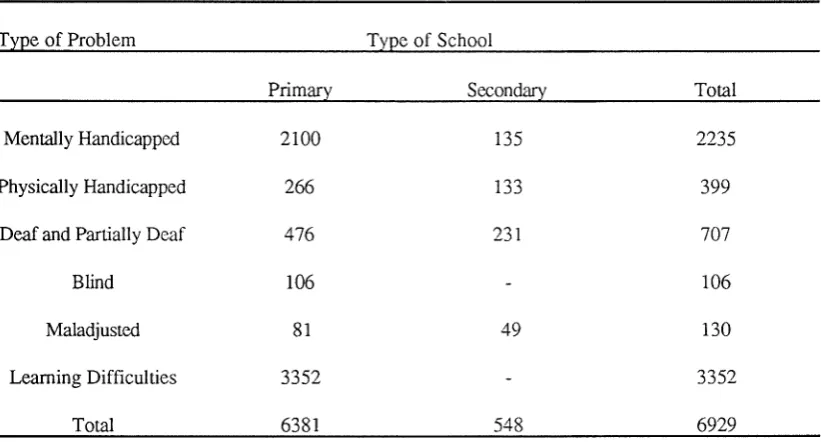
Table 2
Student Population by Type of Problem and Type of School (academic year 1988
-1989)il'l b,.eec;e..
Type of Problem
Primary
Mentally Handicapped 2100
Physically Handicapped 266
Deaf and Partially Deaf 476
Blind 106
Maladjusted 81
Learning Difficulties 3352
Total 6381
Type of School
Secondary 135 133 231 49 548 Total 2235 399 707 106 130 3352 6929
In section 32 of the Education Act of 1985 (1566/30-9-85) it is stated that learning
disabled children constitute one of the ten categories of children with special needs. However, the category of learning disabilities appears ill-defined.
"...these children have specific learning difficulties (dyslexia, language disorders etc.)
or they are difficult to adjust" (Special Education Information Bulletin, 1988, p.1S).
children identified as LD present what Stanovich (1989) calls 'garden variety' achievement problems rather than any cognitive specificity. Also there are definitely those who have not been diagnosed as such and remain without special assistance in their regular classes.
Under the 1985 Act, the identification of children with learning difficulties is considered the task of multi-professional groups, including a medical officer, a psychologist, a social worker and a special needs teacher. Informally the identification of such children is done by the special needs teacher in cooperation with the regular class teacher and the counselor of special education. In most cases the deficit would have been identified by the classroom teacher. After initial identification, the next step would be to have a consultation with the special needs teacher. In some cases where a particular difficulty is noted there would be a multi-professional assessment of the child in a centre. However, the great majority of assessments are made by non-standardized procedures by the special needs teacher. A placement decision cannot be implemented without the parents' consent. If the parents consent, the child starts attending the so-called 'special classes', that is, he receives part-time assistance for 5 - 7 periods a week and only in rare circumstances these periods could be extended to 10 periods per week (Hristakis, 1989).
Teaching in special classes takes place either individually or in small groups depending on the child's needs. The usual cause for inclusion in the special class is deficiency in one or more school subjects. In most cases the problem area is reading. According to the figures given by Hristakis (1989) for the first district of Special Education in Athens, from the 305 pupils attending special classes in the academic year 1986 - 1987, 51.15% had problems in verbal achievement, 40.20% had problems in Mathematics, and 42% had problems in both subjects.
special classes is the ordinary curriculum with some modifications. Pupils follow the same basic work as their classmates but some modifications may be made to the material or alternative, supplementary activities may be added to meet the pupils' needs.
LD programs exist at the primary level only. The reasoning being that if high-risk students are identified and given appropriate instruction early, the deficits would be remedied. The deficits observed in basic skills are those which receive direct attention. There also exists an informal policy to include in special classes mainly children from the first three grades, the assumption being made that these would be the ones who would mostly benefit from the program. The number of children who attend the special class in a particular school does not exceed 20 at anyone time, even if there are more children in the school in need of special education.
Stasinos (1991) points to an impressive increase in the number of special classes and the number of children considered as having learning difficulties during the last decade, but especially in the academic year 1988 - 1989. He reasons that this increase is probably related to recent policies about special education and especially the emphasis put on integration of children with special needs in ordinary schools.
Table 3
Distribution of State Schools, Private Schools and Special Units in the Greater Area of Athens and Pireas.
Location State Schools Private Schools Total Special Units
Centre 293 24 317 24
East Attiki 173 48 221 14
West Attiki 175 11 186 27
Pireas 275 35 310 22
Total 916 118 1034 87
1.2.5 The Importance of School Success within the Greek
Society:
An intense focus on education characterizes the Greek society as a whole which dates back to the 19th century, a tendency attributed to the belief that education constitutes the only vehicle for social mobility and progress (Moustaka, 1964; Tsoukalas, 1977). This emphasis on education has become a ruling national ideology, and its importance is stressed by parents, teachers and the textbooks used at school.
educated'. Children are pushed towards academic excellence, as this constitutes an important source of pride for the entire family, while academic failure is considered a stigma.
In school, children are thrown into antagonistic relations, in a context of overemphasized academic competition. The child does not live, but he is preparing himself for life, his only qualifications being his degrees (Katakis, 1978). Competition for a place in the university and other similar institutions is intensely pressured. Several research studies show that the university degree, for both children and parents, is conceived of as the only way leading to success. In a study conducted by Batha et al. (1982) regarding the influence of cultural variables on school achievement in the first two grades of primary school, it was found that 51% of Athenian mothers from different socioeconomic backgrounds, stated that they hoped their children would attain a university degree. It is obvious that this "distorting and utopian" character that school achievement has for Greek parents may create an unbearable pressure for many children. Moreover, failure is regarded by disillusioned parents as a "terrible betrayal" rather than the result of the objective ability of the child. Considering the above argument, it comes to no surprise that the results of a study by Tsiandis et al. (1981) concerning suicide attempts by children and adolescents in Greece, mention conflict with the family and pressures for academic success as the most frequently cited reasons.
M. Tzani (1983) speaks of a 'psychosis of the good grades' which characterizes Greek parents.
"The teacher faces the 'good student' in a completely different way and the relatives and
friends are proud of him. Family gatherings are transformed into a place of a
competitive display of the marks of the young offsprings of the family. The child's
conduct at school is dependent on his achievement and his appreciation by his parents'
and teachers' is also closely related to his academic success. We do not exaggerate
when we speak of a real psychosis of grades in Greece" (p. 26).
comes up III the children's textbooks. Education, states Nilsen IS presented as synonymous with school achievement and social status.
In the light of all this, it would be expected for Greek children to employ academic achievement as a very important index of self-worth. The risk involved in using such criteria is thought to be even greater in the context of the Greek classroom with its uniformity of instruction and group orientation which leaves little or no space for individual variation in achievement.
1.2.6 Conclusions:
Clearly the existence of learning disabilities is a school related phenomenon and as such would be in close correspondence with the particular educational system. An education system which is characterized by rigidity and an authoritarian structure as is the Greek educational system would serve to intensify children's learning problems. Several features of the Greek educational system in general and the Special Education in particular are thought to have a significant influence on children's way of learning and through this on their self-related beliefs and attitudes.
1.The existence of a national curriculum defined by a central body, as is the case in Greece, aims at ensuring that all children are offered the essential components of education. On the other hand, this rigid specification of the curriculum, makes the possibility of failure for many children more likely, given that many of them may not be able to follow it in the way it is prescribed. It remains to individual teachers to try to develop ways in which the content can be modified to allow for different styles of presentation and response. However, the typical Greek classroom with its lack of facilities and resources is more likely to intensify the inflexibility of the curriculum. In addition, school organisation does not favour ability grouping or individualized teaching which would help pupils with learning difficulties.
rating of their students in their everyday interaction with them is oriented primarily toward a social reference norm, good students almost exclusively would experience success, bad students failure. In addition, the public evaluation inherent in teacher-centered instructional practices such as recitation would further influence children's status in the classroom (Weinstein, 1991). A history of steady outcomes would, in turn, prepare the ground for differential levels of self-concept and definite attributional styles. Moreover, the overemphasis on basic subjects at the expense of an evenly spread attention to different areas of the curriculum probably serves to prevent academically unsuccessful students to alleviate threats to their self-esteem by deriving satisfaction from other areas.
3. The school starting age which is specified rigidly as 5 years 6 months seems to create difficulties in those children who are not mature enough to face school demands. Empirical research has shown that younger children are at risk of facing a greater incidence of behavioural difficulties and lower attainment in reading, writing, mathematics and greater difficulties in adjustment (West and Varlaam, 1990). Although the starting age has been hotly debated among educationalists since its establishment in 1965, no modifications or other provisions have been made so far.
4. The fact that nursery school attendance is non-compulsory seems to have a dual effect. Firstly, there is evidence that pre-school education seems to affect performance and adjustment. Woodhead (1985) in reviewing the long term effects of pre-school education in UK, notes that there is substantial evidence to indicate that such provision can have a positive effect on the cognitive development of the children who attend it.It
5. Overcrowded classrooms prevent teachers from spending more time with children facing learning difficulties. Although the number of children in each class is specified by Law not to exceed 25, in many instances it is 30 - 35 or more. This is particularly the case in disadvantaged areas where problems are worse. The pressure for time and the inevitable inability of the teacher to devote individual attention to those children most in need, is even more pronounced in one or two teacher schools.
6. The automatic promotion of children from one grade to the next irrespective of their progress serves to widen the gap between those with learning difficulties and their normally achieving peers as children grow older.
7. The programs and textbooks are designed with the average pupil in mind. Nevertheless, several educationalists (Hristakis, 1989) have pointed out that some of these books are too difficult even for the average learner. It is obvious that such textbooks would easily impede learning in children facing problems and would make them feel incompetent.
8. The absence of other professionals from regular schools such as speech therapists, educational psychologists etc. deprives children from the help they need and puts much strain on the class teacher who has to face the various problems alone without specialized help.
9. As already pointed out both parents and teachers typically stress academic success in basic subjects. Moreover, the child's school success is thought to have a bearing on the well-being of the whole family. This would place a tremendous pressure on children to succeed and at the same time would minimize the possibility of deriving satisfaction from success in other domains such as drama, sports, music etc.
10. The definition of learning disabilities is very general and can be used to refer to anyone who happens at any time not to be learning as well as his peers. In addition, it tends to emphasize the disabilities, rather than stressing similarities and ensuring integration. The focus on the individual child strengthens the ideology of a deficit
11. As already discussed, special classes typically provide a basic skills training. Therefore, children are restricted in the learning opportunities available to them. Moreover, the academic expectations of the children can be lowered as a result of special class placement, with an associated lack of progress.
12. There is the danger of stigmatization and loss of status which is considered particularly strong in the context of the Greek Educational system for two reasons: As pointed out earlier, the Greek society as a whole has for long been unsympathetic towards people with special needs and tended to devalue and marginalize them; secondly, the emphasis put on academic attainment would carry with it the potential of making those who fail vulnerable to negative labelling.
13. Finally, difficulties are created by the fact that the majority of primary school teachers and the totality of secondary school teachers had no training whatsoever in special education (Hristakis, 1989).
All this points out to the fact that children facing learning difficulties within the Greek Educational system might be more at risk of developing negative self-concepts and maladaptive attributional styles "than children who find themselves faced with less pressure for academic excellence by parents and teachers and are surrounded by a 'multi-task' organization of classroom where achievement levels are less visible and less influential in determining their status.
1.3. The Concept of Learning Disabilities and its Relevance
to this Study:
adoption of the term 'learning disabilities' (however general and unspecified), and the identification of progressively larger number of students as 'learning disabled'.
Over the past twenty five years the field of learning disabilities has witnessed amazing growth. It has become the special education category serving most individuals. Accompanying this growth there has been considerable confusion and disagreement over definition, aetiology and diagnosis (Chapman and Boersma, 1980; Chapman, Boersma and Janzen, 1978; Lerner, 1985; Smith, 1985; Torgesen, 1986).
The present lack of consensus in the field of learning disabilities can be understood by examining the emergence of the concept from a historical perspective. Detailed reviews of the history of the field are beyond the scope of this work and can be found elsewhere (Kavale et al. 1987; Lerner, 1985). Here it will suffice to present a sketchy account of the events that greatly influenced subsequent practice and theory.
The learning disabilities history is considered by many to begin in 1962 in the USA, when Kirk proposed the use of the term 'learning disabilities', leading to its adoption by the newly formed ACLD (Association of Children with Learning Disabilities) in 1963. But the origins of the field certainly predate 1963. Accounts of individuals who displayed specific learning disabilities have been documented since the early 1800s. Weinderhold (1974) divides the history of learning disabilities into three distinct periods:
a) The foundation phase (1800-1930) which was marked by basic scientific investigations of brain function and dysfunction.
neurological signs, history of neurological impairment, and a lack of history of mental retardation. Although the concept of exogenous (brain injured) mentally retarded child evolved into the notion of learning disabilities, Kavale and Forness (1984) found little empirical support for the perceived differences between exogenous (brain injured) and endogenous (familial or cultural) forms of mental retardation. These findings are significant because the present day LD field owes much of its theoretical orientation to the presumed differences found by Strauss and Werner (1943) in their study of exogenous and endogenous mentally retarded children. On the basis of their findings, Strauss and Werner concluded that the effects of brain injury were manifested in a set of behavioural characteristics across a broad range of functioning. From these assumptions and a series of modifications, the concepts surrounding exogenous mental retardation evolved into the present day conceptualization of LD.
In 1968, the term 'learning disabilities' was selected from a long list of terms for
inclusion in the 1969 Elementary and Secondary Act amendments (PL 91-230) in the USA. Under Kirk's leadership, the USOE National Advisory Committee on Handicapped Children (NACHC) presented the following definition:
"Children with special learning disabilities exhibit a disorder in one or more of the basic
psychological processes involved in understanding or using spoken or written
language. These may be manifested in disorders in listening, thinking, talking, reading,
writing, spelling and arithmetic. They include conditions which have been referred to as
perceptual handicaps, brain injury, minimal brain dysfunction, dyslexia, developmental
aphasia etc. They do not include learning problems which are due primarily to visual,
hearing or motor handicaps, to mental retardation, emotional disturbance or to
environmental disadvantage" (Kavale and Forness, 1985, p.49).
This definition has been criticised as vague, too general and ambiguous; as defining 'exceptional children' in general rather than the learning disabled in particular; as depending too heavily on exclusion to define its target population (Mercer, 1983).
In 1977 the United States Office of Education (USOE) proposed a new definition in
eight areas: oral expression, written expression, listening comprehension, reading comprehension, basic reading skills, mathematical calculations, mathematical reasoning and spelling. A final criterion was that no other handicapping condition or disadvantage could explain the observed disparity (Houck, 1984).
Not every organisation has been pleased with the USOE definition, however. The National Joint Committee for Learning Disabilities (NJCLD), comprised of professionals from six groups, issued another definition in 1981, which was basically a theoretical statement specifying the characteristics delineating the LD conditions. In this definition the word children was removed since the disability was thought to be exhibited at any age; the problem was presumed to be due to central nervous system dysfunction; spelling as a separate category was not included; and finally, it was clarified that although the diagnosis of learning disabilities is used when it appears to the primary problem, it may coexist with other handicapping conditions (Houck, 1984). Hammill (1990) examined 28 textbooks on learning disabilities published between 1982 and 1989 and identified nine conceptual elements against which the definitions can be compared. These elements are the following.
a. Underachievement determination.
b. Central nervous system dysfunction aetiology. c. Process involvement.
d. Present through lifespan.
e. Specification of spoken language problems as potential learning disabilities. f. Specification of academic problems as potential learning disabilities.
g. Specification of conceptual problems as potential learning disabilities. h. Specification of other conditions as potential learning disabilities.
He concluded from his analysis that, surprisingly, considerable agreement exists between the various definitions.