MISSED NURSING CARE AND CLINICAL DECISION SUPPORT: CAN ELECTRONIC NURSING WORKLIST REMINDERS HELP REDUCE THIS QUALITY AND PATIENT
SAFETY CONCERN?
Amber Woodard
A dissertation submitted to the faculty at the University of North Carolina at Chapel Hill in partial fulfillment of the requirement for the degree of Doctor of Nursing Practice (Health Care
Systems), in the School of Nursing.
Chapel Hill 2020
Approved by: Cheryl Jones
ABSTRACT
Amber Woodard: Missed Nursing Care and Clinical Decision Support: Can Electronic Nursing Care Reminders Help Reduce this Quality and Patient Safety Concern?
(Under the direction of Cheryl B. Jones)
Missed nursing care results in poor patient and organizational outcomes. Ambulation is one of the most frequently reported types of missed nursing care and has been linked to
increased inpatient falls, additional hospitalization costs, and a longer average length of stay. The need for nurses to prioritize care in the presence of inadequate staffing, task complexity, time pressure, and interruptions may be a contributing factor to missed nursing care, yet there has been inattention to interventions that support nurse decision-making in the presence of these factors. The purpose of this project was to implement an electronic nursing worklist reminder, a type of clinical decision support, to remind nurses to complete patient ambulation and evaluate the impact of the reminder on missed nursing care specific to ambulation and its documentation, patient falls rates, and nurse perception of missed ambulation and clinical decision support.
Elena, Easton, and Quinn, thank you for your love and support on this journey. Your many sacrifices made this possible and I am so grateful.
ACKNOWLEDGEMENTS
I would like to both acknowledge and thank Dr. Cheryl Jones, committee chair, for her thoughtful guidance in shaping this project. I am honored to have been a recipient of her mentorship for many years, and much of the credit for this work belongs to her. I would also like to thank Dr. Saif Khairat for his fresh perspective and valuable recommendations, and Jane Both for many years of personal and professional support in our work together and in the execution of this project. I would also like to extend my gratitude to Dr. Rebecca Kitzmiller for her encouragement, coaching, and listening ear.
TABLE OF CONTENTS
LIST OF TABLES...x
LIST OF FIGURES...xi
CHAPTER 1: INTRODUCTION...1
Problem...1
Purpose...5
Project Aim...5
Chapter Summary...6
CHAPTER 2: REVIEW OF LITERATURE...7
Search Strategy...7
Review of Studies...9
Missed Nursing Care and Patient Outcomes...11
Missed Nursing Care and CDS...20
Discussion...22
Chapter Summary...24
CHAPTER 3: FRAMEWORK...26
Structure-Process-Outcomes Framework for Quality Improvement...26
Structure...27
Process...28
Outcomes...28
Chapter Summary...29
CHAPTER 4: METHODS...31
Evidence Based Model...31
Stakeholders...34
Setting...35
Intervention...37
Measurement and Instrumentation...39
Data Collection...40
Resources and Budget...41
Project Sample...42
Recruitment...42
Ethics and Human Subjects Permissions...42
Anlaysis...43
Chapter Summary...44
CHAPTER 5: RESULTS...45
Sample...45
Description of Patients Receiving Care...45
Staff Providing Care ...46
Aim 1: Reduce Missed Ambulation...48
Aim 2: Evaluate Impact...49
Patient Falls Rates...49
Nurse Perception of Missed Ambulation and CDS...50
Chapter Summary...53
Intervention...54
Discussion of Major Findings...55
Limitations ...56
Reflections...57
Impact and Sustainability...59
Implications...59
Conclusion...61
APPENDIX A: LITERATURE REVIEW MATRIX...62
APPENDIX B: THE UNIVERSITY OF NORTH CAROLINA AT CHAPEL HILL IRB COMMUNICATION...72
APPENDIX C: CLINICAL DECISION SUPPORT AND MISSED AMBULATION SURVEY...73
LIST OF TABLES
Table 1 – Measurement and Instrumentation ...40
Table 2 – Characteristics of Patients Receiving Care ...46
Table 3 – Characteristics of Staff …...48
Table 4 – Number of Times Patients Ambulated per Stay ...49
Table 5 – Missed Ambulation Survey Responses...51
LIST OF FIGURES
Figure 1 – PRISMA Diagram...9
Figure 2 – SPO and Project Design...29
Figure 3 – Project Pathway...33
Figure 4 – High Level Project Milestones...37
CHAPTER 1: INTRODUCTION
Missed nursing care, or standard and required nursing care that is not completed, has emerged as a pervasive problem in hospitals that compromises patient safety and quality (AHRQ, 2019; Piscotty, Kalisch, Gracey-Thomas & Yarandi, 2015). A systematic review of studies addressing missed nursing care reported that between 55-98% of nurses leave at least one task undone every shift (Jones, Hamilton & Murry, 2015). Moreover, missed nursing care is a costly organizational outcome that has been linked to quality of care and patient safety issues such as falls, nosocomial infections, and unplanned readmissions, as well negative nurse outcomes such as turnover and decreased job satisfaction (Jones, et al., 2015; Recio-Saucedo, Dall’Ora Maruotti, Ball, Briggs…Griffiths, 2018). Research suggests that when the nurse work environment is compromised, nursing care is likely to be missed, which increases the risk for negative outcomes to occur (Jones, et al., 2015). These studies highlight the importance of developing strategies to prevent missed nursing care from occurring, especially those that target systems problems that might give rise to negative and unintended patient, nurse, and
organizational outcomes.
Problem
Nurses’ work in hospitals is fundamentally intricate and unpredictable, complicated by the complexity of patient care delivery. Nurses are required to engage in critical thinking and rely on a broad knowledge base to effectively manage the care of diverse patients with
the context of systems structures and processes. Proficiency in making decisions both accurately and quickly is necessary for nurses to execute their work. Unfortunately, factors such as
insufficient organizational resources or poor process design often leave nurses feeling unsupported in carrying out their work and utilizing their skills (Jones, 2016). In fact, these system limitations often force nurses to prioritize care delivery, at times leaving nursing work missed. When this happens, nurses need readily accessible information to identify and prioritize patients’ essential care needs (Johannsen & O’Brien, 2016).
Missed Nursing Care (MNC) is often referred to as nursing care left undone or rationed
nursing care. Defined as “any aspect of required patient care that is omitted (either in part or in whole) or delayed,” MNC is a quality and safety issue comprised of three components: an antecedent (e.g. inadequate nurse staffing), a process (e.g. clinical decision-making regarding the prioritization and delivery of care), and an adverse outcome (e.g. missed ambulation) (Jones, et al., 2015; Kalisch, Landstrom & Hinshaw, 2009). MNC is an error of omission, rather than commission, and despite its impact on quality of care and patient safety, can be difficult to recognize (Kalisch, Tschannen, Lee & Friese, 2011).
In hospitals, a common type of missed nursing care is patient ambulation. Missed nursing care specific to patient ambulation is a known risk factor for functional decline
(Growdon, Shorr, and Inouye, 2017; Kalisch, Tschannen & Lee, 2012), and has been linked to increased inpatient falls, additional hospitalization costs, and a longer average length of stay (Lytle, Short, Richesson and Horvath, 2015; Kalisch, et al., 2012). Patient falls, a
healthcare system with increased readmissions and additional cost (Davenport, Vaidean, Jones, Chandler, Kessler, Mion & Shorr, 2009).
Although ambulation is an effective strategy for preventing functional decline and reducing falls in hospitalized adults, the impact of missed nursing care specific to ambulation may not be apparent until after patients are discharged from the hospital. Hospitalized patients may be at higher risk for falls post-discharge because of limited mobility in the inpatient setting, however, the connection between missed inpatient ambulation and a patient fall outside of the hospital setting may be overlooked (Mahoney, Palta, Johnson, Gray, Park & Sager, 2000). Thus, interventions designed to reduce missed nursing care specific to ambulation and its
consequences could address a problem that has broad and significant clinical and financial implications for both patients and the health care system (Hempel, Newberry, Wang, Booth, Shanman...Ganz, 2013; Papastavrou, Andreou & Efstathiou, 2014).
The impact of factors that influence the process of MNC, and specifically nurses’
prioritization of care, is not well understood, yet it is widely acknowledged that a combination of complex and emergent patient needs, staff, and organizational factors influence nursing care. Nurses themselves may prioritize, and miss, care so “automatically” and routinely that they are not even aware they are doing so. Unfortunately, this type of cognitive “prioritizing” may mean that less obvious outcome-sensitive interventions such as ambulation are left incomplete
(Growdon, et al., 2017). For example, a nurse may be assigned a new patient requiring
prioritization may never be fully understood, shifting attention to the development of
interventions that support nurses in this process, and how they prioritize care, may help prevent costly and avoidable errors of omission such as missed nursing care specific to ambulation.
The electronic health record (EHR) is a tool that can be used to support the delivery of quality, safe care through the design of applications to support evidence-based clinical decision-making (Lopez, Gephart, Raszewski, Sousa, V., Shehorn, L. and Abraham, 2017). This type of support, known as clinical decision support (CDS), can exist as either add-on software packages that are integrated after an EHR has been implemented, or be built into and implemented as part of the EHR to provide clinicians with evidence-based and timely patient or problem-specific care recommendations (Teich, Osheroff, Pifer, Sittig & Jenders, 2005). CDS can exist as alerts, reminders, customized tasks and clinical pathways or protocols to support clinicians in decision-making at the point of care (Lopez, Febretti, Stifter, Johnson, Wilkie & Keenan, 2017). When well-designed, CDS can improve patient safety and quality by recognizing potential errors and suggesting evidence-based interventions that are linked to positive outcomes (Choi, Choi, Bae and Lee, 2011). Unfortunately, CDS often fails because of the lack of consideration of clinical workflow during the design process, leading to poor acceptance and adoption which can increase the risk of harm (Khairat, Marc, Crosby, & Al Sanousi, 2018; Yang, Steinfield, and Zimmerman, 2019). Yet unobtrusive CDS that augments clinicians’ typical workflow may assist in the evidence-based prioritization of patient care (Yang, et al., 2019).
Historically provider-centric, there is growing evidence that the use of nurse-specific CDS can be effective in supporting the delivery of timely nursing care (Anderson & Willson, 2008; Cho, Song, Piao, Jin & Lee, 2015; Choi, et al., 2011; Forberg, Unbeck, Wallin, Petzold, Ygge & Ehrenberg, 2015; Lopez, et al, 2017; Zega, D’Agostino, Bowles, De Marinis,
seamlessly integrate into the nursing workflow, as nurses often use the electronic nursing worklist to organize their work and document care completion. Nurses are accountable for maintaining clear and comprehensive documentation of nursing care provided to patients and nursing documentation serves as a record for legal and regulatory use and supports the role of nurses in contribution to patient and organizational outcomes (American Nurses Association, 2010). Electronic nursing worklist tasks can support nurse decision making and completion of documentation.
The intentional customization of worklist tasks, a type of electronic nursing care reminder that populates the nursing worklist, offers unobtrusive, patient-specific, and evidence-based support for nurses’ work prioritization. Evaluation of the use of electronic nursing
worklist tasks as an intervention to support nurses in the prioritization of care and improvement of clinical outcomes has been minimal. However, a recent systematic review reported that clinical decision support targeted to nurses can positively impact outcomes and potentially improve quality (Lopez, et al., 2017).
Purpose
The purpose of this evidence-based Doctor of Nursing practice (DNP) project was to implement an electronic nursing worklist reminder to remind nurses to complete and document patient ambulation, and to evaluate the impact of the worklist task on patient falls rates, missed ambulation, and nurse perception of missed ambulation and clinical decision support.
Project Aim
Chapter Summary
CHAPTER 2: REVIEW OF THE LITERATURE
This chapter reviews the literature on missed nursing care and its impact on patient outcomes, as well as the use of CDS as an intervention to address the phenomenon of missed nursing care. The search strategy used to identify relevant literature will be discussed and an integrated synthesis of results will be presented.
Search Strategy
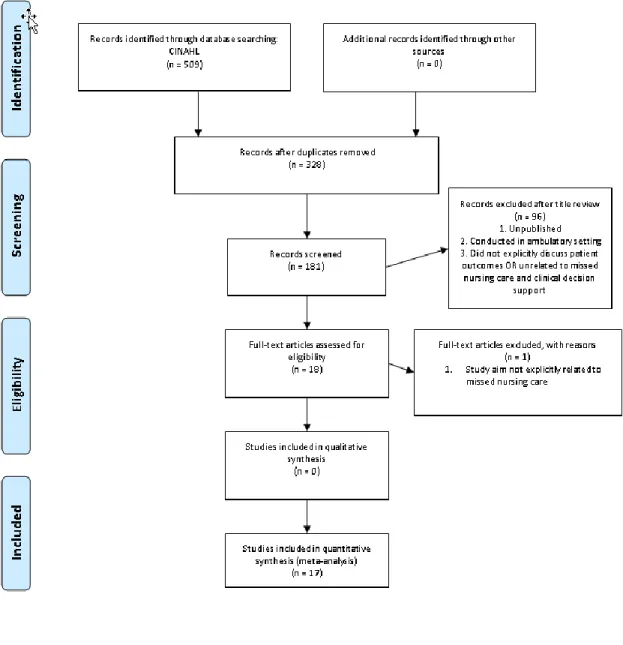
A literature review was conducted on missed nursing care and its impact on patient outcomes, and the use of CDS as an intervention to reduce missed nursing care. The search was conducted using EBSCO host as a platform and searching the following databases: Cumulative Index to Nursing and Allied Health (CINAHL), PubMed, The Joanna Briggs Institute and ProQuest. To focus more specifically on project aims, the following term combinations were included as part of the search strategy: “missed nursing care” AND “ambulation; “missed
nursing care” AND “EMR”; “missed nursing care” AND “EHR”; “missed nursing care” AND
“outcomes”; “missed nursing care” AND “decision support”; “missed nursing care” AND
“electronic health records”; “missed nursing care” AND “electronic medical records”; “missed
nursing care” AND “falls”; “missed nursing care” AND “clinical decision support”; and “missed
nursing care” AND “reminder.” The term “rationed care” was also substituted for “missed
nursing care” and search combinations were repeated.
Figure 1. PRISMA diagram
Review of Studies
Schubert, et al., 2008; Schubert, et al., 2009; and Schubert et al., 2012; Sochalski, 2001; Sochalski, 2004), and one was an observational, retrospective chart review (Tesoro, et al., 2018). The remaining three studies were systematic reviews (Jones, et al., 2015; Papastavrou, Andreou & Efstathiou, 2013; Recio-Saucedo, Dall’Ora, Maruotti, Ball, Briggs, Meredith…Griffiths, 2017). Although some of the studies included in this review are also included in the systematic reviews, they are discussed independently because of the relevance of the findings to this project. Studies were conducted in the following countries: Belgium, Canada, England, Finland, Ireland, Kuwait, the Netherlands, Norway, Spain, Sweden, Switzerland, the United States. Except for two studies included in one systematic review (Recio-Saucedo, et al., 2017), all studies were conducted in hospitals.
Kinney’s Procedures for testing Mediational Hypotheses (Ball, et al., 2018; Baron & Kenny,
2006; Kalisch, et al., 2012; Piscotty, et al., 2015).
During evaluation, two key themes emerged from the literature: 1) missed nursing care and patient outcomes; and 2) missed nursing care and CDS. The first theme, missed nursing care and patient outcomes, included fourteen studies that examined the impact of missed nursing care on patient outcomes, including but not limited to patient falls (Ball, et al., 2018; Carthon, et al., 2015; Jones, et al., 2015; Kalisch, et al., 2012; Lucero, et al., 2010; Papastavrou, et al., 2013; Recio-Saucedo, et al., 2017; Rochefort, et al., 2016; Schubert, et al., 2008; Schubert, et al., 2009; Schubert, et al., 2012; Sochalski, 2001; Sochalski, 2004; Tesoro, et al., 2018). The second theme, missed nursing care and CDS, included three studies designed to evaluate CDS and missed nursing care (Piscotty & Kalisch, 2015; Piscotty, et al., 2015; Piscotty, et al., 2015).
Missed nursing care and patient outcomes
Fourteen studies examined the relationship between missed nursing care and patient outcomes (Ball, et al., 2018; Carthon, et al., 2015; Jones, et al., 2015; Kalisch, et al., 2012; Lucero, et al., 2010; Papastavrou, et al., 2013; Recio-Saucedo, et al., 2017; Rochefort, et al., 2016;
for examining the role of mediating variables in relation to the independent and outcome variables, supported the role of missed nursing care in mediating the relationship between staffing and mortality risk, suggesting that missed nursing care is in whole or part responsible for the relationship between staffing and mortality risk (Ball, et al., 2018). Despite significant
findings, study limitations included the evaluation of missed nursing care as a single construct rather than individual components of nursing care and nurse self-report of missed nursing care, which may be influenced by recall error.
Carthon, et al., (2015) examined the relationship between missed nursing care and
hospital readmissions. Researchers evaluated readmissions data from 160,930 patients diagnosed with heart failure in 419 US hospitals and reported that when 4 out of 10 studied activities were missed (care planning, discharge preparation and surveillance, documentation,
talking/comforting, and teaching/counseling, care coordination, and treatments), the odds for patient readmission increased up to 8% after adjusting for patient and hospital characteristics (Carthon, et al., 2015). After adjusting for quality of the work environment, however, missed treatments were the only component of missed nursing care that resulted in an increased risk for readmissions (Carthon, et al., 2015). Limitations of this study included the lack of clarity
regarding what nursing care was included in the “treatments” category of missed nursing care,
and the use of nurse self-report of missed nursing care and quality of the work environment, which may introduce bias (Rosenman, Tennekoon & Hill, 2011).
A study conducted in 11 hospitals in the United States and including 3432 RNs
(Kalisch, et al., 2012; Kalisch & Xie, 2014). Quality experts reported that five of the 19 types of missed nursing care were related to patient falls and were selected by the authors for analysis. Analysis revealed that patient falls were positively correlated with missed ambulation,
assessment, call light response, and toileting assistance (Kalisch, et al., 2012). Baron & Kinney’s
Procedures for Mediational Analysis method was used to evaluate the relationship between missed nursing care, the mediating variable, and hours per patient day, defined as the number of productive hours worked by nursing staff with responsibility for direct patient care divided by total inpatient days. (Kalisch, et al., 2012). Authors reported that higher staffing levels resulted in fewer falls, yet there was a reduced direct association between nurse staffing and falls when missed nursing care was present. These findings suggest that missed nursing care mediates the relationship between staffing levels and patient falls (Kalisch, et al., 2012). Study limitations included nurse self-report of missed nursing care, and the lack of adjustment for patient factors (e.g., co-morbidities) that might have increased falls risk.
events, and the inclusion of only seven components of nursing care, although other studies have identified at least nineteen components of missed nursing care and there may be other
components that haven’t yet been identified (Kalisch & Xie, 2014). Understudied elements of missed nursing care may contribute to poor outcomes in ways not yet fully understood.
In 2015, Rochefort and colleagues examined the relationship between rationed, or missed, nursing care in the neonatal intensive care unit and both infant/parent readiness for discharge and nurse perceived infant pain control. A 44% response rate yielded 125 RN study participants (Rochefort, et al., 2015). Participants were surveyed via U.S. mail regarding care rationing, readiness for discharge, pain control, and RN characteristics (Rochefort, et al., 2015). Discharge preparation was reported by 28% of nurses as often rationed and infant comfort care was reported as frequently rationed by 40% of nurses (Rochefort, et al., 2015). Furthermore, about 15% of nurses reported that parents and infants were often unprepared for discharge and about 54% believed that patient pain was poorly managed (Rochefort, et al., 2015). Analysis showed an association between missed discharge preparation and nurse perception of readiness for discharge, as well as an association between parent teaching and comfort care and nurse perceived patient pain control (Rochefort, et al., 2015). Although study findings were significant, there was a low response rate (44%), a small sample size of RNs, and all data was provided via nurse self-report.
Schubert, et al. (2008) explored the relationship between rationed nursing care and patient outcomes. This study, Rationing of Nursing Care in Switzerland (RICH), expanded upon the International Hospital Outcomes Study (IHOS) conducted by the Center for Health
(BERNCA), an instrument designed to measure levels of rationed nursing care, and an adapted version of the International Hospital Outcomes Study Questionnaire to survey 1,338 RNs about rationed nursing care and adverse events (Schubert, et al., 2008). Patients (n=779) were asked to rate their perceptions of their current health status from very poor to very good against their perception of the health status of others in their age-bracket (Schubert, et al., 2008).
Analysis indicated that the rationing of nursing care predicted lower patient satisfaction and increased medication administration errors, patient falls, nosocomial infections, critical incidents, and pressure ulcers. Furthermore, a 0.5 unit rise in rationed care was associated with up to an almost tripled increase in the odds that adverse events occurred regularly within the past year (Schubert, et al., 2008). Despite evidence of a relationship between rationed nursing care and patient outcomes, there are limitations. All data related to rationed nursing care and all outcomes except patient satisfaction were based on nurse self-reports. Furthermore, BERNCA measures the rationing of care in the last seven days worked, while frequency of adverse patient events was measured for the past year.
In 2009, researchers expanded upon the previous study and used the same data set to describe the levels of rationing and determine the levels at which rationed nursing care is clinically significant (Schubert, et al., 2009). Levels of rationed nursing care were evaluated on a scale ranging from zero (never) to greater than or equal to 2.5 (more common than sometimes) (Schubert, et al., 2009). Nosocomial infections, pressure ulcers, and patient satisfaction were found to be the most impacted by rationed nursing care, with sensitivity at any BERNCA score of 0.5 or greater (Schubert, et al., 2009). Critical incidents, medication errors, and falls were sensitive at higher levels of rationing (1 or greater) (Schubert, et al., 2009).
al., 2009). Although patient falls were less sensitive to lower levels of rationed nursing care at lower levels, the two variables were highly correlated when nurses’ reports of rationed care
increased from rarely to sometimes. Study results indicate that nosocomial infections, pressure ulcers, and patient satisfaction were influenced by the implicit rationing of nursing care
(Schubert, et al., 2009). As in the parent study, however, findings are limited because rationing and patient outcomes data were gathered by nurse self-reports, and different periods were used to collect rationing and patient adverse event data (Schubert, et al., 2009).
In 2012, researchers again used data from previous work to examine the relationship between rationed nursing care and patient mortality (Schubert, et al., 2012). Using a comparison group of 760,608 patients discharged from 71 comparable Swiss acute care hospitals, researchers evaluated 165,862 discharge abstracts from patients treated at and discharged from hospitals participating in the original RICH nursing study. Patients treated at the hospital in the RICH study group that reported the highest level of rationed care were 51% more likely to die while hospitalized than those in the comparison group. Patients treated in hospitals with low levels of rationing were less likely to die and patients in hospitals with high levels of rationing were more likely to die. In addition to the limitations of the parent study, the potential impact of other factors such as patient risk on mortality rates was not considered.
In 1999, Sochalski (2001) conducted a survey of nurses’ report about patient care quality and associated factors. The survey asked nurses to respond to quality of nursing care concerns, including tasks left undone, adverse patient events, patient workload, emotional exhaustion, and job satisfaction (Sochalski, 2001). The survey was distributed to a random sample of 80,500 registered nurses in the state of Pennsylvania, and over half of the surveys, 42,000, were
reports of adverse events. Nurses who reported lower ratings of quality also reported a higher occurrence of nursing tasks left undone, with medical-surgical nurses reporting the lowest quality scores and the highest number of tasks left undone (Sochalski, 2001). Nurses’ perceptions of increased workloads were correlated with decreased perceptions of quality (Sochalski, 2001). Nurses’ reports of higher levels of unfinished nursing care was significantly associated with poorer ratings of quality. Although study findings suggest a strong relationship between nurse report of quality and both tasks left undone and adverse patient events, study results should be cautiously interpreted because data were collected based on nurses’ self-reporting of data, which is subject to recall bias, and a limited geographical region (Sochalski, 2001).
Using data from a 1999 statewide survey of Pennsylvania nurses, Sochalski (2004) examined the relationship between nurses’ perception of workload and their reports of care quality and the process of care quality indicators. The study sample included 8,670 staff nurses working on inpatient units in adult acute care hospitals in Pennsylvania. Respondents reported, on average, 2.1 tasks left undone, and 40% of respondents reported leaving 3 or more
unfinished tasks during the last shift worked (Sochalski, 2004). The number of reported nursing tasks left undone decreased from more than five tasks left undone to less than one task left undone, as quality ratings increased (Sochalski, 2004). For each additional nursing task left undone, there was a subsequent decrease in quality rating by 0.24 points. Quality ratings were negatively impacted by high workloads, an increase in unfinished care, and patient safety problems (Sochalski, 2004). Limitations of the study included measurement of study variables over different periods of time, the use of self-reported data collection, and the limited
geographic area represented by the study sample.
study, a descriptive, observational retrospective chart review of 837 adult inpatients diagnosed with pneumonia during hospital stay at one of three hospitals in New York state, utilized a two-step screening process to identify patients with International Classification of Diseases, Ninth Revision (ICD-9) codes for pneumonia not present on admission and meeting the criteria for NV-HAP (Tesoro, et al., 2018). Researchers reported that 60.5% of patients with NV-HAP had no documented oral care, a commonly missed element of nursing care and proven NV-HAP prevention measure, within 24 hours of pneumonia diagnosis suggesting that missed oral care might have contributed to the incidence of NV-HAP (Tesoro, et al., 2018). Although the lack of oral care documentation suggests that this care was missed, results are dependent on reliable documentation; thus, it is possible that oral care was performed but not documented.
Three of the studies related to missed nursing care and patient outcomes were systematic reviews (Jones, et al., 2015; Papastavrou, et al., 2013; Recio-Saucedo, et al., 2017). Although some of the studies included in these reviews were presented in this literature review, others were omitted because they did not meet inclusion criteria (i.e., they were not conducted in an inpatient setting, not explicitly designed to evaluate missed nursing care relative to a clinical patient outcome, or they did not measure the mediation effect of missed nursing care on patient outcomes). The systematic reviews are included, however, because the general aim of most studies addressed either missed or rationed nursing care and patient outcomes were explicitly discussed in the presentation of results.
In 2015, Jones, et al., conducted a systematic review of literature to evaluate: 1)
conceptual definitions of missed nursing care, 2) instrumentation approaches, 3) prevalence and patterns of missed nursing care, 4) causes of missed nursing care and outcomes related to missed nursing care, and 5) interventions to mitigate missed nursing care. Fifty-four articles met
most nurses left at least one task undone each shift and 14 existing instruments to assess nurse perception of missed nursing care via self-report (Jones, et al., 2015). Team interaction, resource adequacy, climate of safety, and levels of nurse staffing were identified as contributing factors to missed nursing care (Jones, et al., 2015). Missed nursing care was associated with the occurrence of adverse patient events and decreased quality of care, as well as increase nurse turnover, decreased nurse job satisfaction, and an increase in nurse intent to leave (Jones, et al., 2015). Limitations of this study include nurse self-report of missed nursing care, sample crossover, unclear methods, and a lack of sufficient studies related to process-based interventions to reduce missed nursing care (Jones, et al., 2015).
Papastavrou, et al. (2013) completed a systematic review of 17 studies to
comprehensively evaluate factors related to missed nursing care and its impact on patient outcomes. Four themes were extracted from the literature: 1) elements of care “rationed”; 2)
factors influencing the rationing of nursing care; 3) the rationing of nursing care and patient outcomes; and 4) the rationing of nursing care and nurse outcomes. Communication,
factor in the occurrence of missed nursing care (Wagner, Smits, Sorra & Huang, 2013; Kim, Yoo & Seo, 2018).
Recio-Saucedo, et al. (2017) evaluated 14 studies to examine the relationships between missed nursing care and patient outcomes. Some of the studies included in this review were also included in the review conducted by Papastavrou, et al. (2013), and, thus, findings are similar. This systematic review, however, did not include studies in which missed nursing care was not treated as the outcome measure, nor did it include studies in which nurse outcomes were measured in relation to missed nursing care. All 14 studies included in this systematic review reported an association between missed nursing care and patient outcomes, with four studies reporting decreased patient satisfaction and seven studies reporting an increase in negative patient outcomes in the presence of missed nursing care. Although one study included in the review reported a relationship between missed nursing care and mortality, two did not (Recio-Saucedo, et al., 2017). In the study that reported a relationship between the two variables, there was a much larger patient sample size (n=165,863) than one of the two studies that did not report a significant relationship (n=1464), which increases confidence in the relationship between missed nursing care and mortality. Study limitations are like those of the other systematic review, including methodologic differences between the studies included in the review and the potential for different cultural perspectives on missed nursing care.
Missed nursing care and CDS
(2006) original qualitative study examining missed nursing care, was used to measure missed nursing care in conjunction with a nursing care reminder usage survey to evaluate the frequency of nurse care reminder utilization and nurse perception of the impact of HIT on
communication, workflow, and satisfaction with HIT (Piscotty & Kalisch, 2014). Nurse perception of HIT was measured using the Impact of Health Information Technology (I-HIT) scale (Piscotty & Kalisch, 2014). Findings indicate that a positive perception of HIT and increased utilization of nursing care reminders was associated with a decrease in missed nursing care (Piscotty and Kalisch, 2014). In 2015, Piscotty, et al., reported additional findings from this study regarding the mediation of nurse perception of HIT on electronic reminder utilization and missed nursing care. Findings confirm that nurses with a more positive perception of HIT reported decreased levels of missed nursing care and were more likely to respond to electronic care reminders.
A replication study (Piscotty, et al., 2015) using a sample of 124 nurses working on medical-surgical and ICU units in one Midwestern hospital in the United States, aimed to evaluate relationships between nursing care reminder (NCR) usage and missed nursing care. Using a descriptive, cross-sectional design, researchers examined nurse self-report of NCR usage and missed nursing care and concluded that NCRs are an effective intervention to reduce missed nursing care, with a higher nurse perception of technology aligning with decreased self-report of missed nursing care (Piscotty, et al., 2015). Limitations include a small sample size and self-report as the only method of data collection.
previous experience using HIT, and confidence in system design and content (Raddaha, 2017). Furthermore, there is no examination of either the quality of clinical decision support, evidence-based design of clinical decision support, or nurse adherence to reminder recommendations. Finally, barriers to nursing care reminder utilization were not explored.
Discussion
All fourteen studies related to missed nursing care and patient outcomes confirmed a relationship between missed nursing care and one or more patient outcomes, supporting the negative impact of missed nursing care on both safety and quality (Ball, et al., 2018; Carthon, et al., 2015; Jones, et al., 2015; Kalisch, et al., 2012; Lucero, et al., 2010; Papastavrou, et al., 2013; Recio-Saucedo, et al., 2017; Rochefort, et al., 2016; Schubert, et al., 2008; Schubert, et al., 2009; Schubert, et al., 2012; Sochalski, 2001; Sochalski, 2004; Tesoro, et al., 2018). Eight of the studies identified patient falls as one of the outcomes associated with missed nursing care (Jones, et al.2013, Kalisch, et al., 2012; Lucero, et al., 2010; Papastavrou, et al., 2013; Recio-Saucedo, et al., 2017; Schubert, et al., 2008; Schubert, et al., 2009; Sochalski, 2001) and two studies recognized ambulation as an element of nursing care that is frequently missed (Kalisch, et al., 2012; Papastavrou, et al. 2013). Three studies discussed the relationship between clinical decision support (CDS) and missed nursing care (Piscotty & Kalisch, 2014; Piscotty, et al., 2015; Piscotty, et al., 2015).
2004). Only one quantitative study used the EHR as a method for extracting data related to missed nursing care (Tesoro, et al., 2018).
Although there is the potential for bias associated with self-report of missed nursing care, the use of the absence of nursing documentation as an indicator that care was missed is also not without concern. Systems and other factors, such as individual nursing documentation practices, can interfere with the accuracy and comprehensiveness of nursing documentation, also introducing error into this method of data collection. Additionally, although an absence of documentation related to the delivery of nursing care would suggest care was missed or not completed, there remains the possibility that care was completed, but documentation was not. Despite limitations, however, study results remain consistent throughout the body of literature, suggesting that nurses’ perceptions of missed nursing care are reliable indicators of the impact of missed nursing care on patient outcomes (Althubaiti, 2016).
While the main body of evidence related to the impact of missed nursing care on patient outcomes continues to grow, research specific to CDS and missed nursing care and process-based interventions to reduce missed nursing care is still lagging (Jones, et al., 2015; Lopez, et al., 2017). Multiple systematic reviews support the use of CDS-based strategies to improve patient outcomes in a variety of clinical settings and situations, some explicitly focused on nursing, but few studies have focused specifically on CDS in the context of nursing care delivery and missed nursing care and only one (Lytle, Short, Richesson & Horvath, 2015), to our knowledge, has evaluated the impact of a CDS-based intervention on missed nursing documentation
provide some support for the role of CDS in improving nurse documentation related to the completion of falls assessments, suggesting that targeted CDS may improve compliance with documentation (Lytle, Short, Richesson & Horvath, 2015). Despite fragmented findings related to CDS, we know from work in other areas that CDS can facilitate the translation of evidence into practice and that there is an opportunity to explore its role as a supportive tool in nurse decision-making and care delivery (Lopez, et al., 2017; Nibbelink, Young, Carrington, and Brewer, 2018).
While most of the research on missed nursing care is based on nurse perception and focuses on either the contributing systemic factors that affect missed nursing care, or the negative outcomes of missed nursing care, it is clear that there is a need to identify solutions for reducing missed nursing care. CDS designed to support nurse decision-making within the process of nursing care delivery might bridge the gap between the causes and outcomes of missed nursing care. The results of this literature review, taken with supplementary evidence supporting an association between improved outcomes associated with nurse specific CDS, suggest that CDS demonstrates promise as a tool to reduce the frequency of missed nursing care and improve safety and quality.
Chapter Summary
CHAPTER 3: FRAMEWORK
Theory plays an important role in guiding the practice of nursing and can be used to influence interventions that drive quality improvement (Saleh, 2018; Kleinman & Dougherty, 2013). In this chapter, the theoretical framework used a foundation for this quality improvement project will be discussed.
Structure – Process – Outcomes Framework for Quality Improvement
The structure-process-outcome (SPO) framework for healthcare quality improvement, conceptualized by Avedis Donabedian in the mid-1960s and further defined in 1980, has served as the foundation for numerous healthcare quality improvement (QI) initiatives over the past 50 years (Donabedian, 1980; Donabedian, 2005; Voyce, Gouveia, Medinas, Santos, and Ferreira, 2105). Although originally intended to explain SPO relationships at the physician-patient level, this framework often serves as a guide for the evaluation and improvement of the quality and safety of nursing care (Donabedian, 2005; Gardner, Gardner and O’Connell, 2013). The SPO
Donabedian’s framework suggests that structures, processes, and outcomes are essential
in examining quality of care, separately and in relation to one another (Donabedian, 1980). Donabedian defines these constructs as follows: structure is the settings, systems, and
administrative organizations through which care is delivered; process is the specific components of how care is delivered; and outcomes are the results or restoration of function from the delivery of care (Ayanian & Markel, 2016). SPO is most often used to examine relationships between either structure and process, or process and outcomes, as it is difficult to clearly ascertain the direct impacts of structure on outcomes without considering the role of process. However, the model is designed to support the exploration of all three constructs, including the environment in relation to the quality of care delivered (Ayanian & Markel, 2016; Ruben, Pronovost & Diette, 2001).
Structure
Process
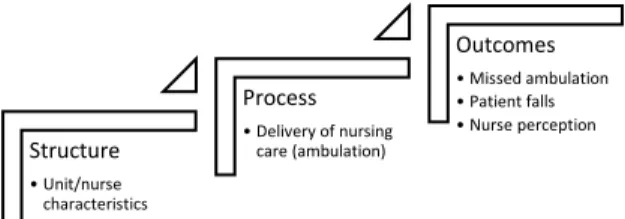
The delivery of nursing care reflects the process component of the framework and serves as a mediator between structure and outcomes. It is within this organizing concept that missed nursing care might occur and it is also the area in which QI interventions, such as CDS, should be targeted. Donabedian believed that focus should be on process-centered care
delivery, rather than the measurement of outcomes, and that the ongoing design and redesign of care processes is essential to QI (Berwick & Fox, 2016). In the context of this project, the intervention is intended to improve the process of nursing care delivery by supporting nurses in the prioritization of patient ambulation.
Outcomes
Outcomes are the consequences of process-based care delivery, or the lack thereof, on patients or populations (Donabedian, 1988). A fall is a negative patient outcome defined as the unplanned lowering of a patient to the floor or an observed or unobserved event in which the patient ends up on the floor (Kalisch, Tschannen & Lee, 2012). Falls are experienced by up to 12% of hospitalized patients and often result in increased cost and length of stay (Lytle, et al., 2015; Kalisch, et al., 2012). When ambulation is completed, however, the negative relationship between structural issues and patient falls may be reduced (Kalisch, et al., 2012). The
implementation of an electronic nursing care reminder to support care delivery at the nurse-patient interface will encourage the completion of nurse-patient ambulation within the process component of the framework, reducing missed nursing care.
Figure 2. SPO and project design
Usefulness and Limitations
Although the use of Donabedian’s SPO framework for QI initiatives in healthcare is
well-known and has been widely adopted, there are limitations. First, the framework does not promote consideration of factors that may impact outcomes outside of structure and process, such as risk related to patient specific characteristics (e.g., co-morbidities, genetic predisposition to disease, socio-economic status and social determinants of health) or environment (e.g. policy, access to care, and the natural environment). Second, it can be difficult to determine if there is any overlap between each of the constructs, which sometimes makes evaluation of contributing factors challenging (Liu, Singer, Sun & Camargo, 2011). Despite the limitations of the
framework, however, Donabedian’s structure-process-outcome triad is believed to be the best framework for implementing and evaluating QI efforts in healthcare because it promotes conceptualization of the underlying structural and process-based mechanisms that contribute to negative outcomes and poor quality (Liu, et al., 2011; Mitchell, Ferketich & Jennings, 2007).
Chapter Summary
This chapter described Donabedian’s structure-process-outcome (SPO) framework for healthcare quality improvement, which served as the framework for this evidence-based QI project. Understanding the interrelatedness of structure, process, and outcomes facilitates thorough examination of the multiple factors that impact healthcare quality and supports
Structure
•Unit/nurse characteristics
Process
•Delivery of nursing care (ambulation)
Outcomes
CHAPTER 4: METHODS
This evidence-based DNP project used pre- and post-implementation measures to examine the effect of implementing an electronic nursing worklist reminder on missed nursing care specific to ambulation, patient falls rates, and nurse perceptions of missed ambulation and clinical decision support. Data on patient ambulation were collected over an eight-week period pre- and post-intervention. Falls data were collected over a thirteen-month period pre-
intervention and a three-month period post-intervention. Data collection methods were
designed to promote project feasibility and facilitate immediate and ongoing improvement, two important factors in quality improvement work (Mormer & Stevens, 2019; Needham, Sinopoli, Dinglas, Berenholtz, Korupolu, Watson…Provonost, 2009). Nurses’ perceptions of frequency of missed ambulation and clinical decision support were evaluated pre- and post-intervention through distribution of surveys to nursing staff. The IOWA Model for Evidence Based Practice to Promote Quality Care guided project implementation and evaluation.
Evidence Based Model
The incorporation of evidence into the design and implementation of quality
improvement initiatives maximizes the effectiveness of an intervention by reducing unwarranted variation and promoting adherence to best practice (Titler, 2008). The IOWA Model for
The IOWA Model was used to ensure this evidence-based project was designed in a way that aligned with evidence and was relevant to organizational needs.
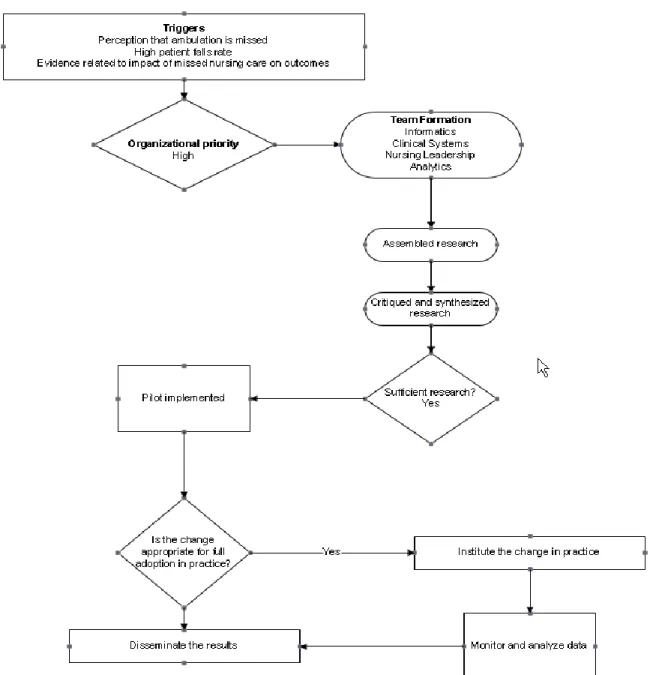
Identification of a knowledge or problem-focused trigger is the driver for initiation of the IOWA model (Brown, 2014). A knowledge-focused trigger is the result of emerging
evidence or new practice guidelines, while a problem-focused trigger might surface from data or identification of a clinical or organizational problem (Brown, 2014). A robust body of evidence related to missed nursing care and increasing evidence related to the use of CDS to support evidence-based care were the knowledge-based triggers for this project, and a high patient falls rate, along with the perception of nursing leadership that ambulation is frequently missed, were the problem-based triggers.
Input was solicited formally and informally from leaders to identify project triggers. The DNP Project Committee provided formal input regarding the project design, outcomes, and relevance of literature. Input was also sought informally from the administrator of adult inpatient services, the director of clinical informatics, and unit nurse manager through
discussions intended to help identify and define the problem, as well as review organizational actions already taken and other interventions being considered to address the problem. Taken together, the knowledge and problem-based triggers strongly supported the need for this evidence-based quality improvement project to address missed nursing care specific to ambulation.
enough evidence to support intervention, and a plan to move forward was approved (Brown, 2014). A team of secondary stakeholders then designed a proposed intervention based on the evidence (Brown, 2014). After the pilot intervention was implemented, both stakeholder teams evaluated the outcomes of the intervention and, as a final decision point, decided to disseminate the practice change on a larger scale throughout the organization (Brown, 2014).
Stakeholders
In addition to the DNP Project Committee, two groups of stakeholders were important to the implementation of this project: primary stakeholders and the project implementation team. Primary stakeholders were identified as the Chief Executive Officer and executive
leadership team, the Quality and Safety Steering Committee, the Director of Clinical Informatics, the Administrator of Adult Inpatient Services, the nurse manager of the unit selected for project implementation, 42 nursing staff on the pilot unit, and the twenty-one members of the
Progressive Mobility Committee. At the time of project implementation, all primary stakeholders were responsible on some level for ensuring the quality and safety of care at the project site, thus the reason for their selection.
The project implementation team consisted of a group of people responsible for the design and implementation of the intervention. Members of this team included the project investigator who coordinated the project, a systems analyst who completed the build in the EHR, an analytics analyst who created a report to extract data from the EHR, an informatics nurse who evaluated project alignment with nursing workflow and disseminated education related to the intervention, and a nurse manager who provided governance and support for the intervention.
Stakeholders were engaged in development of the project idea and throughout the project planning and implementation process. Project meetings were scheduled with primary stakeholders regularly via a virtual meeting application and as needed throughout the
communication. Furthermore, normal business was disrupted for a two-week time period during the project design phase due a natural disaster impacting the project site service area. This disruption resulted in an unplanned, temporary decrease in organizational priority and several missed meetings. Upon completion of data collection and analysis, results were presented to primary stakeholders, and the group shared lessons learned and planned for further
dissemination of the intervention.
Setting
This project was implemented at a not-for-profit health care system in the southeastern United States. The anchor site of this health care system offers acute care, emergency, trauma, and surgical services, and is also home to several other sites, including children’s, rehabilitation, orthopedic, and behavioral health hospitals. The site partners with a critical access hospital to provide services in nearby underserved counties and supports approximately 40,000 annual inpatient admissions with almost 800 licensed beds, with almost 100 additional licensed beds available at the critical access. The health care system employs over 7,000 staff, and almost 1,100 physicians to support both inpatient and ambulatory care.
The organization is accountable to a board of trustees and is led by a President/Chief Executive Officer (CEO) and executive leadership team. Reporting up to the CEO and senior leadership team is the Quality and Safety Steering Committee, responsible for ensuring quality throughout the organization. A sub-committee, the Progressive Mobility Committee, is responsible for increasing mobility throughout the organization. The Progressive Mobility Committee guided and governed this project.
missed ambulation. Several fields within the EHR were available for nurses to document ambulation, but two fields, one to document level of activity and one to document the distance patients ambulate, were recognized by the organization as representative of the completion of routine ambulation. In the absence of this documentation, nurses were not previously required to document reasons for missed ambulation.
Nurses at the project site used a nurse worklist, a useful tool within the EHR that provides an inventory of what nurses need to do for each patient and helps them visualize the nursing tasks that need to be completed and facilitate documentation, to guide patient care (Efionayi, 1977). Prior to the emergence of the EHR, nurses manually maintained personal worklists to support shift-based task completion. However, with the emergence of EHRs, a virtual list is now generated and customized to reflect worklist-based reminders that recommend tasks based on discrete data in each patient’s chart. These reminders are commonly generated by the presence of orders, such as medications, labs or nursing care orders, but custom rules can also be created to drive reminders from other criteria, such as the absence of documentation. Although some routine reminders already appear on the typical nurse worklist, ambulation does not.
of 96% and employs a total of 42 RNs and 25 NAs, with core staffing of 8 RNs and 7 nursing assistants per shift. The typical patient-to-nurse ratio, a measure of nurse workload, is 6:1.
Intervention
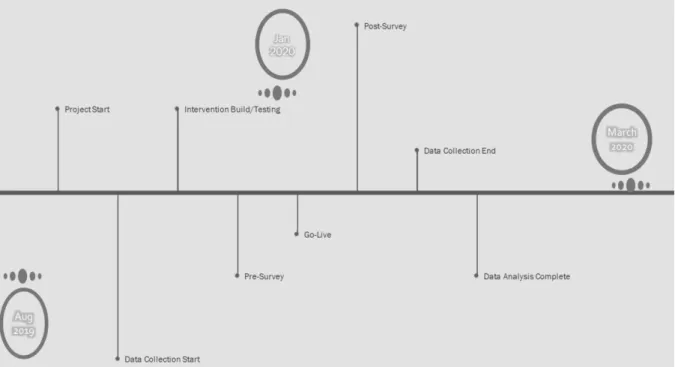
Clinical decision support has been identified as a method for supporting the translation of evidence into practice (Patel, et al., 2008). To support the completion of patient ambulation, the project intervention included the addition of a reminder to the electronic nursing worklist used by nurses on the general medicine unit at the project site. This project was completed over an 8-month time period, beginning in August 2019 and ending March 2020 (Figure 3).
Figure 4. High-Level Project Milestones
team. Testing required participation from the nurse manager, staff, informatics nurse, and application analyst. The nurse manager engaged staff nurses to participate in testing as deemed appropriate. The testing team confirmed that the reminder populated the nurse work list correctly when documentation of ambulation within the preceding 24 hours was not present, and that the nurse was able to complete and document ambulation, or document an exception, from within the nurse work list.
This reminder prompted nurses to complete ambulation if the following criteria were met: 1) patient was admitted to the general medicine unit; 2) patient did not have an active order for bed rest; 3) there was no documentation within the previous 24 hours of the either
“ambulate in hall,” “ambulate in room,” “up ad lib,” “bathroom privileges,”“hospital
privileges,”“stand at bedside,” “stand/pivot,” or “other” in the “activity” flowsheet row and/or there was not a value greater than zero documented in the “distance ambulated” flowsheet row.
The system evaluated the criteria at 0900 each day and, if documentation was incomplete,
generated a reminder at that time. Each nurse was able to satisfy the reminder without navigating to other areas of the chart by documenting the distance ambulated or level of activity directly within the electronic nursing worklist reminder. The nurse was to document a free text reason for missed ambulation if circumstances prevented patient ambulation. The reminder remained active until acted upon.
collection and analysis related to primary and secondary project aims. Upon completion of analysis, the stakeholder groups reviewed the data and discussed recommendations for ongoing process improvement, EHR optimization, and dissemination of the intervention to other clinical areas.
Measurement, Instrumentation
Table 1 outlines the measures assessed in this project. As measures of the effect of the intervention on patient ambulation, the primary outcomes of interest in this project were
completion and documentation of ambulation and the number of times patients were ambulated per stay. To evaluate these outcomes, de-identified data were extracted via a report from the project site EHR. Secondary outcomes of interest included patient falls rates and nurse
perception of CDS and missed ambulation. Other variables analyzed included patient and RN demographic mix. To evaluate patient falls rates, the organizational quality dashboard was reviewed. To evaluate nurse perception and demographic measures, a survey was designed to include questions about age, level of education, years of experience in nursing, and years of experience working in the EHR (Appendix B). RNparticipants were asked about their perception of missed ambulation and CDS on their unit pre-and post-intervention.
Table 1.
Measurement and Instrumentation
Variable Measure Source Analysis
Description of RN
samples Age, level of education, years of nursing
experience, years of EHR
experience
Clinical Decision
Support Survey Descriptive analysis
Description of patients admitted to project unit
Age, Sex, LOS EHR Descriptive analysis
RN perception of CDS Survey Clinical Decision
Support Survey Independent samples t-test RN perception of missed
ambulation Survey Clinical Decision Support Survey Independent samples t-test Missed ambulation Number of
patients without at least one
documented distance of
ambulation per day
EHR Chi-Square test
Number of times patients ambulated per stay
Mean number of times patients ambulated per stay
EHR Independent samples
t-test Patient falls rates Number of falls
per 1,000 patient days
Quality dashboard Independent samples t-test
Data Collection
Data related to missed ambulation were collected by reviewing the report provided by the project site EHR. Using this report, the number of patients with no documentation of ambulation at least once each day during the patient’s entire length of stay (LOS), as defined by
on the report to determine the total number of times patients were ambulated per stay. The mean number of total times patients were ambulated per hospital stay was then computed pre- and post-intervention. The monthly falls rates on the pilot unit were obtained through review of the project site quality dashboard, provided by the nursing leadership Prior to implementation, paper surveys were distributed to all staff on the pilot unit. Surveys were collected by the unit nurse manager and informatics nurse and returned to the project investigator. The same process was followed post-implementation. Survey data were compiled by the project investigator upon receipt of the completed surveys.
Resources and Budget
The members of the project implementation team all held fixed full time equivalent (FTE) positions, which means that they were salaried and not hourly employees, and the work related to this project was within the scope of their roles. Thus, they were all committed to be a part of this intervention as part of their routine work. Although their involvement in this project was not expected to result in reprioritization of their work or other work, the organization assumed responsibility for reprioritization of other projects if needed, so no additional costs were incurred as a result of this project.
Project Sample
The project intervention targeted RNs providing care to patients on the general medicine unit at the project site. Nursing staff participants included per diem, float pool, part-time, and full-time RNs. A minimum sample size of 30 nurses was desired for descriptive and comparative analysis, Perneger, Courvoisier, Hudelson & Gayet-Ageron, 2015). This project focused on improving care provided to patients on a general medical unit; therefore, the EHRs of patients who received care on this unit were examined as part of the study, both before and after project implementation.
Recruitment
The nurse manager of the pilot unit, in partnership with the informatics nurse, assisted with the recruitment of staff for participation in the survey component of this project using shift huddles. Huddles, held at the beginning of each shift and intended to facilitate discussion of safety and quality initiatives, are a standard at the project site and provide a forum for unit-wide communication. The informatics nurse attended shift huddles for one week to support the dissemination of project information and answer staff questions. All RNs working on the general medicine unit at the pilot site were invited to complete the survey and staff were provided time to complete surveys. There were no consequences for non-participation.
Ethics and Human Subjects Permissions
All nurse participants received information about the survey prior to distribution. Completion of the confidential survey served as confirmation of agreement to voluntarily participate. Patient-specific data extracted via report from the EHR excluded all patient
identifiers and nurse confidentiality and anonymity were maintained during data collection and analysis. Patient identifiers were omitted from the EHR data extraction during data collection and were not available to the PI or any member of the project team. Files extracted from the EHR were stored on a password protected flash drive and will be destroyed three years after the close of the project.
Analysis
Data were analyzed using IBM SPSS Statistics 25 software. To evaluate the primary outcome, ambulation, two types of analyses were performed: chi-square and independent
Chapter Summary
CHAPTER 5: RESULTS
The purpose of this project was to implement an electronic nursing worklist reminder, a type of clinical decision support, to remind nurses to complete and document ambulation and evaluate the impact of the worklist reminder on missed ambulation, patient falls rates, and nurse perceptions of clinical decision support and missed ambulation. First, a description of patients admitted to the project site will be presented, followed by a presentation of findings based on project aims. The primary aim of this project was to reduce one type of missed nursing care, patient ambulation. A secondary project aim was to evaluate the impact of an electronic nursing worklist reminder on patient falls rate, and nurse perceptions of missed ambulation and clinical decision support.
Sample
The project sample included RNs providing care to patients on the general medicine unit at the project site. However, because this project focused on improving care provided to
patients on a general medical unit, the EHRs of patients who received care on this unit were examined as part of the study, both before and after project implementation. This project aimed to evaluate nurse perceptions of missed ambulation and clinical decision support; thus, the intervention specifically targeted nurses’ documentation of patient ambulation in each patients’ EHR. NA responses were excluded from analysis.
Description of Patients
admitted to the general medicine unit within the eight weeks prior to the project intervention (n = 359); and 2) patients admitted to the general medicine unit eight weeks following project
intervention (n = 311). In the pre-intervention group, 47% of the EHRs for patients was male (n = 167) and 53% of the EHRs was for female patients (n = 192). In the post-intervention group, 49% of patients was male (n = 152), and 51% of patients was female (n = 159). Descriptive analysis was used to characterize age and length of stay for each sub-sample (Table 2).
Homogeneity between independent groups was confirmed using Levene’s Test for Equality of
Variances and no difference in mean age (t (668) = -.970, p=.332), or length of stay (t (668) = .536, p=.592), was identified between pre- and post- EHR groups.
Table 2
Characteristics of Patients Receiving Care on Project Unit
n Age Length of Stay
Pre-Intervention 359 Mean Median SD
63.02 65 17.63
Mean Median SD
5.46 4 5.88 Post-Intervention 311 Mean
Median SD
64.32 67 17.136
Mean Median SD
5.23 4 4.823
Staff providing care
RNs employed on the unit and two of the possible 25 NAs employed on the unit completed the survey pre-intervention, and twelve RNs and three NAs completed the survey post-intervention. The RN pre-intervention survey return rate was 33% and post-intervention survey return rate was 29%. Independent group characteristics such as age, highest level of education, number of years’ experience as a nurse, and number of years’ experience working in the EHR were analyzed
using descriptive statistics, frequency, and percentages across sub-samples and within pre- and post-groups, as shown in Table 4. The age of staff providing care to patients was originally collected as a range. However, due to the small size of both sub-groups, the midpoint for each age range was computed and used to compare ages between the two sub-samples. The
midpoints for years of experience working as a nurse, and experience using the EHR were also computed and used for sub-sample comparison.
Table 3
Characteristics of survey participants
Pre-Intervention Post-Intervention
n Percent Midpoint n Percent Midpoint Age Level of education Years of experience working as a RN Years of experience working with an EHR 18-24 25-39 40-49 50-59 ≥60 LPN ADN BSN MSN DNP/PhD 4 6 2 2 ─ ─ 5 8 1 ─ 28.6 42.9 14.3 14.3 ─ ─ 35.7 57.1 7.1 ─ 21 32 44.5 54.5 62.5 ─ ─ ─ ─ ─ 1 5 5 1 ─ ─ 9 3 ─ ─ 8.3 41.7 41.7 8.3 ─ ─ 75.0 25.0 ─ ─ 21 32 44.5 54.5 62.5 ─ ─ ─ ─ ─ ≤1 2-5 6-10 11-15 16-20 ≥21 ≤1 2-5 6-10 11-15 16-20 ≥21 3 5 4 ─ 1 1 1 11 1 1 ─ ─ 21.4 35.7 28.6 ─ 7.1 7.1 7.1 78.6 7.1 7.1 ─ ─ 0.5 3.5 8 13 18 30.5 0.5 3.5 8 13 18 30.5 4 ─ 5 2 1 ─ 2 3 4 3 ─ ─ 33.3 ─ 41.7 16.7 8.3 ─ 16.7 25 33.3 25 ─ ─ 0.5 3.5 8 13 18 30.5 0.5 3.5 8 13 18 30.5
Aim 1: Reduce Missed Ambulation
a 27.4% increase from pre-intervention ambulation documentation. A chi-square test revealed that the number of patients for whom EHR documentation indicated ambulation occurred at least once per shift increased significantly post-intervention, χ2 (1, n= 670) = 59.7, p = .000.
The mean number of times nurses documented that patients were ambulated per patients’ total hospital stay was also computed (Table 4). Pre-intervention, the average number of times nurses documented that patients were ambulated per hospital stay was 5.35, with mean LOS of 5.46 days, increasing to 7.07 post-intervention with a mean LOS of 5.23 days. The mean length of stay was not significantly different pre- and post-intervention, t (668) = .536, p=.592). An independent samples t-test was performed to compare pre- and post-intervention means, and analysis confirmed a significant increase in the mean number of times nurses documented that patients were ambulated each stay following project implementation, t (668) = -2.723, p = .007.
Table 4
Number of times patient ambulation was documented per hospital stay
n Mean
Pre-Intervention 607 5.35
Post-Intervention 1173 7.07
Aim 2: Evaluate Impact
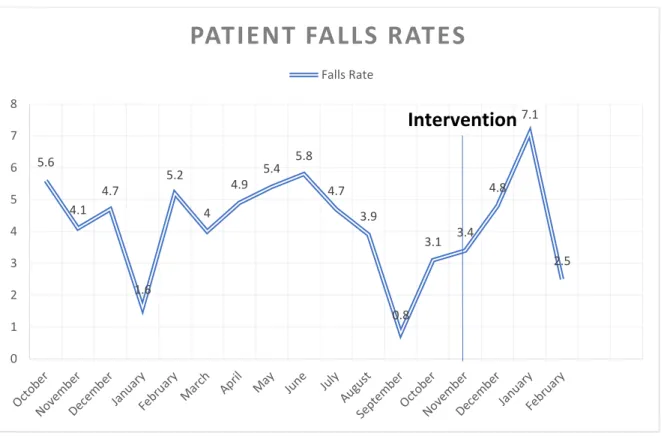
Figure 5. Patient falls rates
Nurse perception of missed ambulation and CDS. Nurse responses to each survey question and corresponding means are reported in Table 5. Two questions were specific to nurses’ perceptions of missed ambulation and three questions were specific to the EHR and CDS. An independent sample t-test was performed to evaluate differences in nurses’ perceptions intervention and analysis revealed only one significant difference in nurse perception post-intervention: nurses perceived that ambulation was missed less frequently on their unit (t (24) = 2.578, p=.0.16). Nurses also reported higher levels of missed patient ambulation for at least one of their patients each day post-implementation, as well as a more positive perception of CDS, although these findings were not significant.
5.6
4.1 4.7
1.6 5.2
4 4.9
5.4 5.8 4.7
3.9
0.8
3.1 3.4 4.8
7.1
2.5
0 1 2 3 4 5 6 7 8
PATIENT FALLS RATES
Falls Rate
Table 5
Missed ambulation survey responses (n=26)
Survey Item Pre-Intervention Post-Intervention
n % Mean n % Mean p
Missed ambulation happens
frequently on my unit. 3.86 2.92
Strongly Disagree - - - -
Disagree - - 5 41%
Neutral 6 42% 4 33%
Agree 4 29% 2 17%
Strongly Agree 4 29% 1 8%
I am unable to ambulate at least 1 of my patients every shift.
3 3.17
Strongly Disagree 4 29% 2 17%
Disagree 1 7% 2 17%
Neutral 2 13% 3 25%
Agree 5 38% 2 17%
Table 6
CDS survey responses (n=26)
Survey Item Pre-Intervention Post-Intervention
n % Mean n % Mean p
I am comfortable using the
EHR 4.5 4.67 ...475
Strongly disagree - - - -
Disagree - - - -
Neutral 1 7% - -
Agree 5 36% 4 33%
Strongly Agree 8 57% 8 67%
Worklist tasks are appropriate and
meaningful to the care I give my patients.
3.93 4.25 .433
Strongly Disagree 1 7% - -
Disagree - - 1 8%
Neutral 3 21% - -
Agree 5 36% 6 50%
Strongly Agree 5 36% 5 42%
CDS helps me decide what care to provide my
patients.
3.71 4.08 .155
Strongly Disagree - - - -
Disagree - - - -
Neutral 5 36% 2 17%
Agree 8 57% 7 58%
Chapter Summary