KAPPA OPIOID RECEPTOR MODULATION OF NEUROTRANSMISSION IN THE AMYGDALA
Nicole A. Crowley
A dissertation submitted to the faculty of the University of North Carolina at Chapel Hill in partial fulfillment of the requirements for the degree of Doctorate of
Philosophy in the Department of Neurobiology in the School of Medicine
Chapel Hill 2015
iii ABSTRACT
Nicole A. Crowley: Kappa opioid receptor modulation of neurotransmission in the amygdala
(Under the direction of Thomas L. Kash)
Kappa opioid receptors (KORs) and their endogenous ligand, dynorphin, have been implicated in a variety of neuropsychiatric disorders including anxiety and alcohol addiction. Here, we demonstrate the function and role of KORs in the bed nucleus of the stria terminalis (BNST), a key brain region involved in these diseases.
In the first series of experiments, we show that KORs in the BNST inhibit glutamate release via a presynaptic, p38- and calcium- dependent mechanism. This synaptic inhibition is specific to basolateral amygdala (BLA) inputs, a previously identified key pathway in rodent models of anxiety-related behaviors. Additionally, we identified a frequency-dependent, light-evoked, local dynorphin-induced
heterosynaptic plasticity of glutamate inputs to the BNST, allowing for optogenetic control of peptidergic transmission. We found differential KOR modulation of the BLA-BNST input based on the postsynaptic neurochemical identity. Collectively, these results demonstrate a local dynorphin- and KOR- dependent mechanism of inhibiting an anxiolytic pathway, providing a discrete therapeutic target for treatment of anxiety disorders.
iv
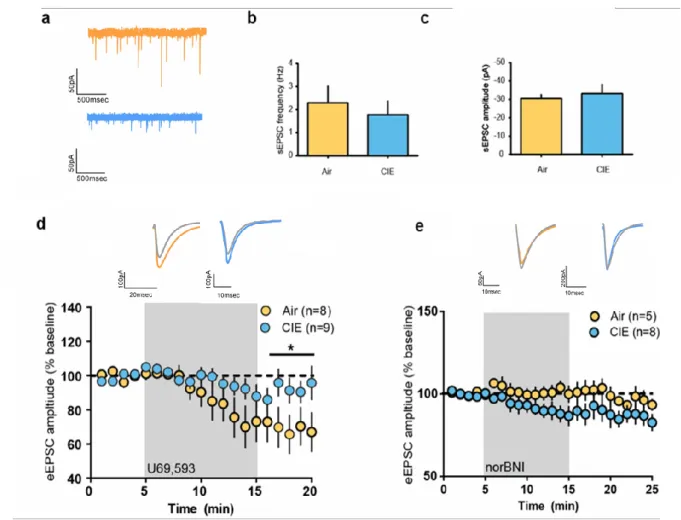
ethanol exposure (CIE), a model of alcohol exposure, KORs differentially modulate glutamate and GABA in the BNST. KOR inhibition of electrically-evoked glutamate inputs is decreased, while KOR inhibition of electrically-evoked GABA inputs is increased, despite overall properties of glutamatergic and GABAergic transmission remaining intact. This change in synaptic physiology is complementary to a KOR- dependent behavioral change: mice exposed to ethanol show decreased social preference as compared to air exposed, an effect which is partially rescued by systemic pre-administration of the KOR antagonist JDTic. Taken together, these experiments demonstrate KOR-dependent alterations of synaptic transmission in the BNST following CIE, making the BNST a potential site of action for KOR targeted therapies related to alcohol and anxiety.
v To my husband, Max,
Supporting a spouse while they are writing a dissertation is incredibly hard – I know, I remember doing it for you. Thank you for all of the work you’ve done to get us here. Thank you for all the editing you’ve done, the snacks and dinners you’ve prepared, the cups of coffee you’ve made, the phone calls and GChats during late nights in the lab, and the unwavering support you have always provided. Thank you for pushing me and believing in me. Thank you for being my husband, and an amazing father to our little boy. Thank you for believing in my dream of a career and a family. And most importantly, thank you for a decade of memories.
“After all this time?” “Always,” said Snape.
vi
ACKNOWLEDGMENTS
vii
UNC and I miss you dearly. Amanda Applegate, than you for your voodoo magic copy editing. To my good friends Kristin Sellers, Elliott Robinson, and Zoe McElligott, thank you for the scientific chats, coffee breaks, and personal laughs.
Most importantly, I thank my family, my in-laws, my husband, and my son. Thank you for believing in me, and for your unwavering support, both emotionally and sometimes financially. Max, I couldn’t have done it without you. Harrison, you only made completing this work harder, but I love you nonetheless.
viii
TABLE OF CONTENTS
LIST OF TABLES ... x
LIST OF ABBREVIATIONS AND SYMBOLS ... xii
CHAPTER 1: INTRODUCTION ... 1
INTRODUCTION: KORs IN THE CENTRAL NERVOUS SYSTEM ... 1
PHARMACOLOGY ... 1
BEHAVIOR ... 3
CIRCUITRY ... 13
INTERACTIONS WITH OTHER SIGNALING MOLECULES ... 24
CONCLUSION: ROLE OF KORs IN STRESS AND ANXIETY, POTENTIAL AS A NOVEL THERAPEUTIC TARGET ... 26
REFERENCES ... 30
CHAPTER 2: KAPPA OPIOID RECEPTORS CONTROL THE GAIN OF AN AMYGDALAR ANXIETY CIRCUIT ... 46
INTRODUCTION ... 46
MATERIALS AND METHODS ... 48
RESULTS ... 53
DISCUSSION ... 58
REFERENCES ... 75
CHAPTER 3: CHANGES IN KAPPA OPIOID RECEPTOR FUNCTION FOLLOWING AN ANIMAL MODEL OF ALCOHOL EXPOSURE ... 79
INTRODUCTION ... 79
ix
RESULTS ... 87
DISCUSSION ... 88
REFERENCES ... 98
CHAPTER 4: GENERAL DISCUSSION ... 102
ALCOHOL USE DISORDERS, ANXIETY, AND KORs ... 102
KORs IN THE BNST ... 104
KORs, THE BNST, AND ALCOHOL ... 111
OVERALL THEMES ... 115
CONCLUSIONS ... 118
x
LIST OF TABLES
xi
LIST OF FIGURES
Figure 1.1 - KORs modulate the interactions between major circuits involved in
stress responses, anxiety, and addiction ... 29
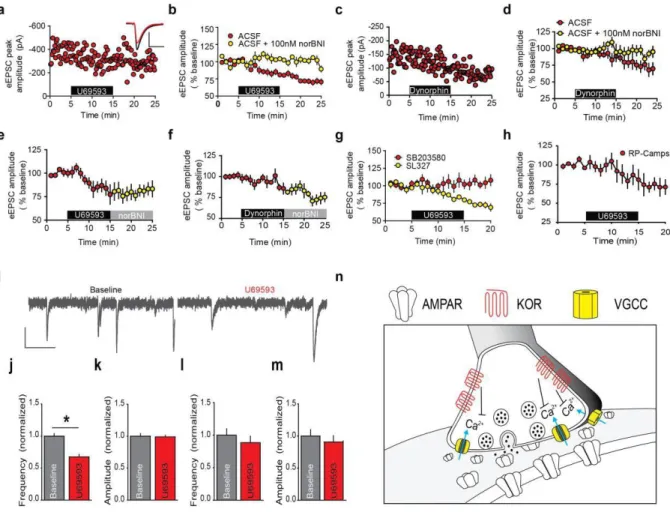
Figure 2.1 - KOR activation inhibits glutamate transmission in the BNST ... 62
Figure 2.2 - KOR-mediated inhibition of eEPSCs is pathway specific ... 66
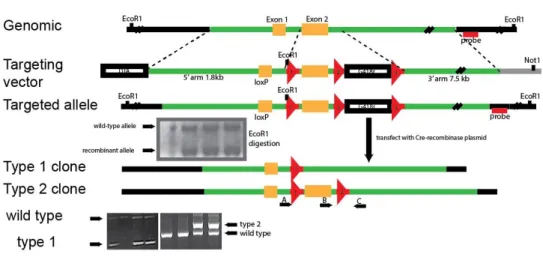
Figure 2.3 - Generation of conditional KOR knockout mice ... 68
Figure 2.4 - Optogenetic activation of BNST dynorphin neurons inhibits EPSCs on DYN- neurons, and KORs preferentially inhibit glutamate release onto DYN+neurons ... 69
Figure 2.5 - DYN+ and DYN- neurons in the BNST show differences in membrane properties and intrinsic excitability ... 72
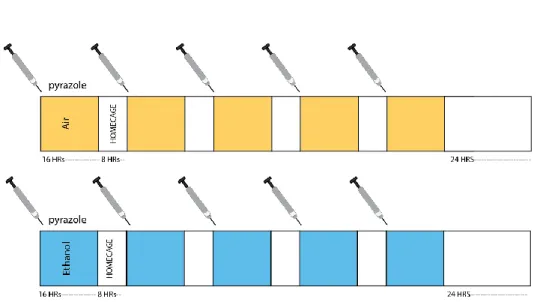
Figure 3.1 - CIE exposure schedule and social approach arena ... 91
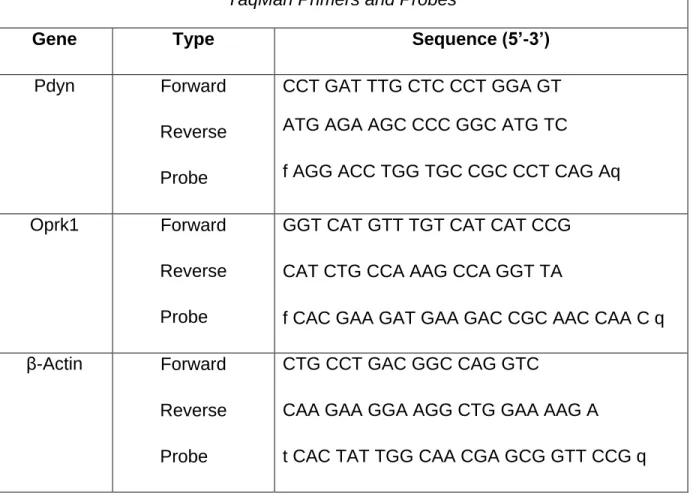
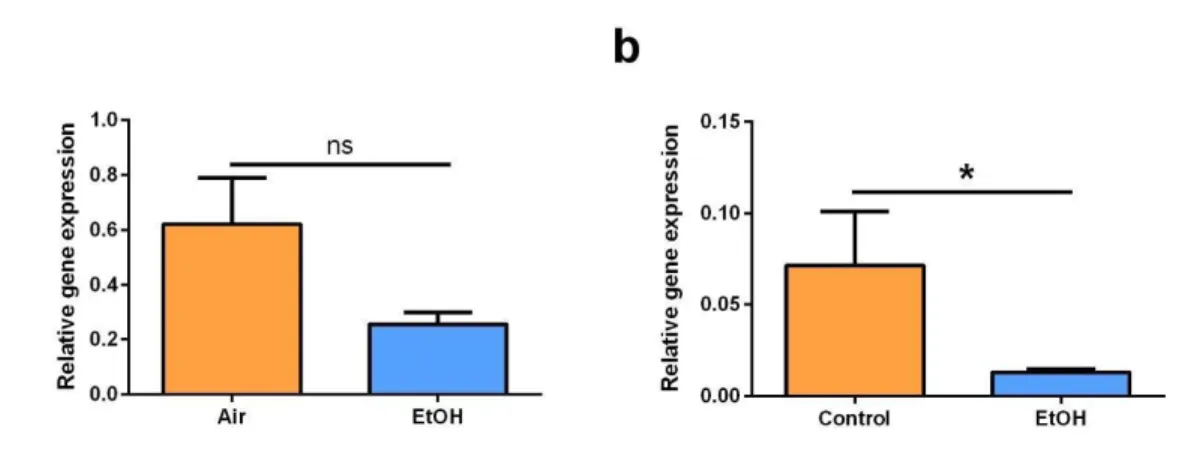
Figure 3.2 – Dynorphin-relative gene expression remains unaltered, while KOR-relative gene expression is reduced following CIE exposure ... 92
Figure 3.3 - Following CIE, ethanol-exposed mice show a decrease effect of KOR activation on glutamate transmission ... 93
Figure 3.4 - Following CIE, ethanol-exposed mice show a greater KOR- induced inhibition of GABA transmission ... 95
Figure 3.5 - CIE causes a decrease in social preference that is partially rescued by pretreatment with a KOR antagonist ... 97
xii
LIST OF ABBREVIATIONS AND SYMBOLS
ADX adrenalectomized
aCSF artificial cerebrospinal fluid AUD alcohol use disorder
BLA basolateral amygdala
BNST bed nucleus of the stria terminalis CEA central amygdala
CIE chronic intermittent ethanol exposure ChR2 channelrhodopsin
CPP conditioned place preference CRF corticotrophin-releasing factor DR dorsal raphe
DYN dynorphin-expressing neuron EPM elevated plus maze
EPSCs excitatory post synaptic currents EPSPs excitatory post-synaptic potentials FST forced swim test
GABA γ-Aminobutyric acid
GIRK g-protein gated inwardly rectifying potassium channels GPCR g-protein coupled receptor
HIPP hippocampus
xiii ICSS intracranial self-stimulation
IPSCs inhibitory post synaptic currents KO knock-out
KOR kappa opioid receptor LH lateral hypothalamus LTD long-term depression LTP long-term potentiation
mEPSC miniature excitatory post synaptic current MOR µ-opioid receptor
mRNA messenger RNA NAC nucleus accumbens NPY neuropeptide Y OFT open field test
PVN paraventricular nucleus of the hypothalamus pDYN prodynorphin
PFC prefrontal cortex
1
CHAPTER 1: INTRODUCTION1
INTRODUCTION: KORs IN THE CENTRAL NERVOUS SYSTEM
Kappa opioid receptors (KORs) and their endogenous ligand, the peptide dynorphin (Chavkin & Goldstein, 1981a, Chavkin & Goldstein, 1981b, Chavkin et al., 1982) are at the forefront of potential therapeutic targets for a range of health issues, including anxiety, depression, and drug addiction (Bruchas et al., 2010). Here, we outline current neurobiological research of KORs, focusing on the discrete circuit elements that are regulated by KOR signaling and their role in behavior.
PHARMACOLOGY
Kappa opioid receptors are seven transmembrane g-protein coupled receptors (GPCRs) coupled to Gαi/o, and they are known to utilize a variety of signaling
cascades (reviewed in detail in Bruchas & Chavkin, 2010). KORs signal through
1 This chapter has been previously published (Crowley NA, Kash TL (2015). Kappa opioid receptor
signaling in the brain: Circuitry and implications for treatment. Progress in Neuro-
2
both Gα and Gβγ subunits, and then activate a host of downstream signaling
molecules. Downstream actions include activating g-protein gated inwardly rectifying potassium channels (GIRKs), reducing calcium currents, and decreasing cyclic AMP. KORs have been shown to activate both MAPK and MEK/ERK signaling cascades (Belcheva et al., 2005, Hahn et al., 2010, Kivell et al., 2014a, Li et al., 2012, McLennan et al., 2008, Potter et al., 2011, Yoshizawa et al., 2011), although some groups do not see significant MEK/ERK activation following KOR activation (Asensio et al., 2006). KORs have also been shown to signaling through p38 (Bruchas et al., 2006, Bruchas et al., 2011, Hahn et al., 2010, Yoshizawa et al., 2011). This interaction between KOR and p38 is thought to be mediated by arrestin signaling; co-expression with the dominant-mutant form of β-arrestin prevents human KOR internalization in CHO cells (Li et al., 1999). The interaction between p38 and arrestin may mediate the dysphoria-like side effects of KOR agonists
(Bruchas et al., 2007), possibly through a reduction in biogenic amine levels (Chefer et al., 2005, Spanagel et al., 1994) such as serotonin, as shown in Bruchas et al. The ability of KORs to signal through different GPCR signaling cascades may prove useful in creating biased agonists at the KOR, allowing for therapeutic treatments for pain or neuropsychiatric illnesses without the adverse side effects, such as
3
demonstrated KOR-mediated inhibition of GABA (Li et al., 2012), but more in-depth assessments of biased KOR signaling in a single brain region have not been
conducted. Potent long-acting inhibitors of KOR include norBNI (Endoh et al., 1992) and JDTic (Bruchas & Chavkin, 2010). More recently, short-acting antagonists have emerged, such as LY2456302 and the tracer 11C-LY2795050 developed by Eli Lilly and Company (Lowe et al., 2014, Zheng et al., 2013). As KORs may utilize different signaling cascades, understanding this divergent pharmacological mechanisms will not only lead to greater understanding of the role KORs play in an assortment of behaviors and conditions, but it will also allow for greater tailoring of pharmacological treatments.
BEHAVIOR
Depression
The forced swim test (FST) is a classic screen for depressive phenotypes, and has been used since the 1970s as a way to screen for novel antidepressive drugs (Porsolt et al., 1977). Porsolt et al. first described the FST as a measurement of behavioral despair, wherein immobility indicates that the animal is no longer
attempting to escape the experimental condition; antidepressants typically reverse this behavior (Castagné et al., 2001) (however, although the FST is effective as a screen for anti-depressants, it was not originally intended as a measurement of an actual depressive phenotype in the rodent). KOR antagonists produce
4
behavior (Reindl et al., 2008). A variety of studies have shown that administration of the KOR antagonist norBNI leads to decreased immobility in the FST (Carr et al., 2009, Mague et al., 2003). NorBNI-induced decreases in immobility and increases in swimming are observed in Wistar Kyoto rats, but not in Sprague Dawleys,
highlighting important strain differences (Carr et al., 2010). This effect was also seen when Carr et al. administered norBNI directly into the piriform cortex. The KOR antagonist DIPPA prevented the adenosine-mediated decrease in immobility time in the FST, illustrating that the effect of KORs on depressive-like behaviors may
involve the moderation of other neurotransmitter systems (Kaster et al., 2007). Therefore, as the KOR system seems to produce a robust phenotype in the FST, this behavioral test may be a useful screen for future KOR antagonist compound development.
In addition to its effects on the FST model of depression, KORs are also
5
results, KOR agonists also increase intracranial self-stimulation (ICSS) thresholds, indicating a potential depressive-like phenotype (Todtenkopf et al., 2004).
Anxiety
6
produces a robust conditioned place preference (Braida et al., 2008)). Similarly, the global anxiogenic effect of KOR agonists may be dose dependent; the conditioned place preference seen by Braida et al., as well as the anxiolytic effect in the EPM seen by Privette & Terrian, were seen at lower doses of KOR agonists that were typically used. This may indicate that KOR agonists do have the potential to be used for therapeutic purposes, but much more research is needed.
Taken together, the literature on KOR interactions with both depression and anxiety provides a mixed and muddled picture at best. Future experiments will need to address the nuances of behavioral effects (e.g., comparing multiple KOR
agonists, detailed dose response curves) in order to thoroughly understand the relationship between the dynoprhin/KOR signaling system and depression and anxiety. In addition, circuit- and site-specific manipulations, discussed below, provide some clarity as to the convoluted effect seen with systemic administration of KOR agonists. This provides key important information as to how KOR modulation can be used to shift anxiety-related behaviors: both low doses of KOR agonists, as well as KOR antagonists, may prove to be effective.
Addiction
7
Koob, 2010) few drugs impacting the KOR system have been taken to human clinical trials. The KOR antagonist JDTic did reach stage 1 clinical trials for the treatment of cocaine dependence, but the research was terminated due to adverse effects (RTI-International, 2012). The antagonist LY2456302 has upcoming phase 1 and phase 2 clinical trials for treatment resistant depression and anxiety disorders and has completed phase 1 clinical trials for alcohol dependence (Massachusetts General Hospital, 2013). The existing animal literature on KORs and addiction, discussed below, should encourage further clinical investigations.
Work on the KOR system and cocaine has shown that activation of KORs can reduce cocaine self-administration (Glick et al., 1995), and the utility of mixed mu/kappa opioid receptor agonists have been shown for the treatment of cocaine dependence (Bidlack, 2014). Administration of both a KOR agonist and cocaine blocks sensitization to the conditioned rewarding properties of cocaine using a conditioned place preference model (Shippenberg et al., 1996). Freeman and colleagues used experimental manipulations in non-human primates to support the hypothesis that this suppression of self-administration and rewarding properties of cocaine may be due to the ability of KOR agonists to punish responding for cocaine (Freeman et al., 2014). In these experiments, monkeys decreased operant
8
2013a). However, Ehrich, Phillips, & Chavkin (2014) found that KOR activation can potentiate cocaine-induced increases in evoked dopamine release, depending on the timing of KOR activation and cocaine administration. This study emphasizes that while KORs may be a promising target for drug addiction, for cocaine in particular and likely for other drugs as well, timing of the intervention may be crucial. If KOR activation can both increase and decrease drug self-administration based on timing, it is unlikely to be useful for treating addiction (to those particular drugs) in the real world.
KORs have also been implicated in morphine abuse, by interacting with morphine's ability to potentiate dopamine release in the nucleus accumbens via its actions at the mu opioid receptor (MOR) in the ventral tegmental area (Vander Weele et al., 2014). Supporting this hypothesis, MOR and KOR agonists have opposing effects on dopamine release, with the former potentiating and the latter attenuating dopamine release (Di Chiara & Imperato, 1988). Administration of the KOR agonist U50,488 is capable of blocking morphine conditioned place preference (Funada et al., 1993). Dynorphin-A levels are altered during the development of morphine dependence, with levels increased in the hippocampus and hypothalamus (Wan et al., 1998). Interestingly, strains of mice with higher pro-dynorphin
9
Research regarding KORs and alcohol addiction has become more prevalent in the last decade, with a greater emphasis being placed on the molecular role of the dynorphin system (Faisal et al., 2014) and its potential therapeutic role in alcoholism (Heilig & Schank, 2014, Nutt, 2014, Walker et al., 2012). Leeman et al. discussed in depth how various animal models can appropriately recapitulate human studies, and importantly, the authors highlight the role rodent alcohol consumption and
10
KORs may play a promising therapeutic role in treating alcohol addiction, but much like the cocaine, depression, and anxiety literature, the timing and nature of
intervention and state of the individual may be crucial.
Alcohol consumption, however, is only one part of the spectrum of alcohol addiction. Reinstatement models (as reviewed in detail in Le & Shaham, 2002) allow for critical assessment of another component of addiction, relapse. Though it can be difficult to model alcohol relapse in a rodent (as noted in Leeman et al., 2010), reinstatement provides relevant information on this topic. In addition to effects on alcohol consumption, KORs appear to play an important role in withdrawal from alcohol and further alcohol seeking. Administration of the KOR agonist U50,488 reinstated alcohol seeking in a norBNI-dependent manner (Funk et al., 2014). In addition, Funk and colleagues found that norBNI pretreatment 2 h before the session blocked yohimbine-induced reinstatement of alcohol seeking, further elucidating the KOR/stress interactions in alcohol seeking behaviors. Schank and colleagues similarly demonstrated that the KOR antagonist JDTic attenuates both alcohol seeking behaviors and withdrawal (Schank et al., 2012). Berger et al. has demonstrated that norBNI dose-dependently decreased post-alcohol ultrasonic vocalizations, an indicator of negative affective state; in addition, norBNI altered cue induced alcohol consumption (Berger et al., 2013). However, Morales and
colleagues found that the KOR antagonist norBNI increased alcohol self- administration in male rats, while decreasing self-administration in females,
finding, administration of norBNI or JDTic increases open arm time in the elevated This relationship between alcohol and KORs may be bi-directional: mice
exposed to alcohol prenatally had altered KOR systems, and displayed an appetitive response to KORs (Nizhnikov et al., 2014). Interestingly, prenatal exposure to
alcohol increases ethanol intake later, and this effect is partially blocked by KOR antagonists (Diaz-Cenzano et al., 2014). And, despite the abundance of this
behavioral evidence, little has been done to investigate the mechanism of interaction between alcohol and KORs, with most of the existing literature focuses in the central amygdala (Gilpin et al., 2014, Kang-Park et al., 2013, Kissler et al., 2014).
Paradoxical effects
The KOR system has been shown to be involved in numerous psychiatric- disease related behaviors, including depression, stress, and addiction. Important studies using modern genetic approaches have highlighted the multiple ways that KORs' effect behavior, and paradoxical effects have emerged when manipulating the dynorphin system. For example, researchers found that when dynorphin was
genetically deleted globally, mice showed enhanced cue-dependent fear conditioning (Bilkei-Gorzo et al., 2012) as well as enhanced social partner
recognition (Bilkei-Gorzo et al., 2014). In addition, these dynorphin knock out (KO) mice showed decrease c-fos immunoreactivity in key limbic brain regions. In another paper, the authors demonstrated that dynorphin KO mice show subtle alterations in anxiety, most notably increased startle amplitude in the startle response test (Bilkei- Gorzo et al., 2008). These results would conclude that dynorphin KO mice show increased fear and anxiety, and increased pro-social behaviors. In contrast to this
12
plus maze (EPM), with no effect on general locomotor behavior in rats (Knoll et al., 2007), thought to be representative of an anxiolytic phenotype (other examples of behavioral studies consistent with Knoll et al. are outlined above). Though this work by Bilkei-Gorzo et al. may at first seem contradictory to the dogmatic perspective of dynoprhin as a stress and anxiety peptide, it importantly highlights the mixed role that dynorphin and KORs may play throughout the brain. While KOR activation in regions such as the hippocampus may have protective effects, activation in regions such as those involved in anxiety-related behaviors (amygdala, prefrontal cortex) may have negative effects, as discussed below. In addition, key differences between the work of the Bilkei-Gorzo et al. and Knoll et al. studies include timepoint of
manipulation of the KOR system; importantly, those where dynorphin is knocked out from birth, allowing compensatory mechanisms to come on board, versus those with site-specific or acute dynorphin manipulations. The work from the Zimmer group may highlight that when KORs are globally excised from birth, other compensatory mechanisms may regulate anxiety and fear related behaviors. Equally important, the work by Bilkei-Gorzo et al., 2008, Bilkei-Gorzo et al., 2012 and Bilkei-Gorzo et al., 2014 was conducted in dynorphin KO mice maintained on a C57Bl/6J background; Knoll et al. and others have used Sprague–Dawley rats, highlighting what may be important species differences in mammalian models of anxiety related behaviors. In addition, an important study by Chefer and Shippenberg provided some clarifications to the perplexing effects sometimes seen with dynorphin KO mice (Chefer &
13
specifically, dynorphin KO mice shown decreased extracellular dopamine in the nucleus accumbens, resulting in a decreased responsiveness to cocaine. Thus, global manipulation of the KOR/dynorphin system may prove to be problematic as a tool to develop treatments for disorders related to the mesolimbic dopamine system, such as anxiety, depression, and addiction, and must be pursued with caution. It may be more fruitful to use pharmacological versus genetic manipulations of the dynorphin KOR system when developing therapeutic lines of research.
CIRCUITRY
Key brain regions have emerged as major players in the actions of KORs — notably, the dorsal raphe (DR) nucleus, the ventral tegmental area (VTA), the
express with the dopamine transporter (Svingos et al., 2001), and KORs located on 15
Dorsal raphe nucleus
The DR contains the majority of the brain's serotonergic neurons (Lowery- Gionta et al., 2014), and is involved in established KOR mediated behaviors, such as dysphoria (Lemos et al., 2012, Maier & Watkins, 2005), and alcohol addiction (Tomkins et al., 1994). Site-specific administration of the KOR agonist U50,488 into the DR decreased extracellular serotonin by approximately 30% (Tao & Auerbach, 2005). Behaviorally, KORs in the DR have been shown to be necessary for stress related behaviors. In recent years, work from Chavkin and colleagues has
express with the dopamine transporter (Svingos et al., 2001), and KORs located on 16
colleagues did notsee changes in GABAergic transmission (evoked and miniature), indicating that KOR regulation of the serotonergic system may be largely through inhibition of excitatory inputs onto serotonin neurons. However, no published work to date has looked at KOR modulation onto other DR neuron subtypes, such as the dopaminergic population; other neurons may also be inhibited by KOR, effectively shutting down DR communication. In addition, Lemos et al. demonstrated that KORs increase post-synaptic G-protein-gated inwardly rectifying potassium
channels (GIRK) currents in the DR; this KOR-activated GIRK is reduced following exposure to a two day forced swim stress procedure while the effects of KORs on glutamate transmission remain unaltered following stress. This work was
complementary to previous published work (Pinnock, 1992) that demonstrated KOR activation inhibited excitatory post-synaptic potentials (EPSPs) in the DR. However, Pinnock did not see any effects on membrane potential with the KOR agonist CI-977. In contrast to the GIRK-mediated effects of U69593 shown by Lemos et al. Pinnock did not have access to cell-type specific recording techniques; in addition, Pinnock's study was conducted in rats while Lemos et al.'s was conducted in mice, possibly explaining the differences in the two publications.
Ventral tegmental area
dopaminergic neurons are necessary for conditioned place aversion (Chefer et al., 2013). Chefer et al. demonstrated that when KORs are selectively deleted from dopamine neurons, mice do not display conditioned place aversion to a systemic KOR agonist, as their control counterparts do. This work is consistent with previously published studies which demonstrated that microinjection of a KOR agonist directly into the VTA produce conditioned place aversion (Bals-Kubik et al., 1993), and is consistent with slice electrophysiology experiments demonstrating that postsynaptic KORs directly inhibit dopamine neurons (Margolis et al., 2003). There are likely KORs located on other neurons within the VTA as well, such as on the GABAergic populations synapsing onto dopamine neurons (Graziane et al., 2013). Graziane et al. demonstrated that an acute stressor blocks GABAergic long-term potentiation (LTP) in the VTA, but this LTP is rescued when a KOR antagonist is administered prior to exposure to the stressor. In addition, slice experiments have demonstrated that KORs inhibit glutamate transmission onto VTA neurons (Margolis et al., 2005) (notably, a previous study did not see KOR inhibition of glutamate transmission in the VTA, (Manzoni & Williams, 1999); however, as noted in the Margolis et al., paper, Manzoni & Williams did see a high degree of variability in their KOR agonists effects, and an inhibition may have emerged if parsed apart by cell type
characteristics. For example, Margolis et al. (2006) demonstrate that KORs selectively inhibit PFC projecting dopamine neurons in the VTA, and to the
amygdala (Margolis et al., 2008), but not those that project to the NAC). Importantly, interactions with other neuropeptides have recently been discovered; dynorphin projections to the VTA also co-express with orexin, and orexin can facilitate reward
possibly through a CREB dependent mechanism (Chartoff et al., 2009). Following in ICSS by blocking KOR-mediated effects (Muschamp et al., 2014). Taken together, work on KORs in the VTA shows a surprisingly consistent and concise effect on dopamine neurons and local circuitry, as well as conditioned place aversion and addiction related behaviors, but much work is left to be done in order to understand how this local circuit interacts with inputs to the VTA. Importantly, KORs also
modulate the major downstream target of the VTA, the NAC, discussed below.
Nucleus accumbens
Dynorphin and KORs are known to be important regulators of NAC circuitry; KOR activation inhibits glutamate transmission in the NAC, and is abolished during cocaine withdrawal (Mu et al., 2011). Using microdialysis, Spanagel et al. (1992) demonstrated that activation of KORs by the KOR agonist U69,593 inhibited
dopamine release (and complementary, the antagonist norBNI enhanced dopamine release). Interestingly, the main dopaminergic projection to the NAC, arising from the VTA, is also inhibited by KOR activation (Margolis et al., 2003). The Berridge lab (Castro & Berridge, 2014) recently published a comprehensive study of opioids in the NAC: activation of KORs (as well as the u- and delta-opioid receptors) in the NAC “hotspot”, the rostrodorsal quadrant of the medial shell, was found to positively regulate “liking” and “wanting” responses. Castro & Berridge similarly discovered a “coldspot” for hedonic responses in the NAC. This work very importantly, and
interestingly, indicates that not just KORs, but the location of KORs, may be integral to their much-researched regulation of stress and anxiety related behaviors.
Stress increased prodynorphin (pDyn) messenger RNA (mRNA) in the NAC,
resident intruder stress, dynorphin mRNA in the NAC dorsal and medial shell is increased, which, in conjunction with other experiments, the authors hypothesize promotes maladaptive behavioral responses following stress (Berube et al., 2013). Similarly, dynorphin mRNA in the NAC was altered following protracted withdrawal from repeated immobilization stress (Lucas et al., 2011). Following a forced swim stress procedure, Bruchas et al. found increased phosphorylation of ERK1/2 in the NAC, which was blocked by the KOR antagonist norBNI and absent in KOR
knockout mice (Bruchas et al., 2008). Stress similarly causes a dynorphin- dependent increase in KOR activation in the NAC, as well as the basolateral amygdala, HIPP, DR, and basolateral amygdala, all discussed in detail in other sections of this review (Land et al., 2008).
Much of the work on KORs in the NAC has been done in the context of drug addiction, particularly cocaine, allowing greater clarity as to how KORs modulate the reward system. Gehrke and colleagues (Gehrke et al., 2008) demonstrated that KORs enhance cocaine-evoked dopamine overflow. Similarly, Ehrich and colleagues (Ehrich, Phillips, & Chavkin, 2014) showed that KOR activation can enhance
cocaine-induced increases in dopamine release. Erich and colleagues explain the time dependence of KOR agonist/cocaine administration: when KORs are activated in close proximity to cocaine administration, a dysphoric effect occurs, as the KOR activation has blocked cocaine's rewarding properties; however, when they are activated at greater time differences (over 20 min apart), the KOR activation leads to a greater enhancement of cocaine's effects, possibly to overcome the dysphoric effect of the KOR activation. Previously, the Chavkin lab (McLaughlin et al., 2006)
reuptake). Interestingly, they also demonstrated that KORs presynaptically inhibit 19
similarly demonstrated that KORs effects on cocaine conditioned place preference (CPP) were time dependent; in addition, forced swim stress induced cocaine CPP was unaltered in KOR(−/−) mice as compared to WT controls, and the effect in WTs was blocked by the KOR antagonist norBNI (also seeMcLaughlin et al., 2003). These findings provide important insight into the time dependents of KOR-mediate stressors and the development of drug addiction; blocking KORs during stress may help prevent the development of further cocaine use.
Modulation of KORs in the NAC has potential therapeutic benefits for other drugs of abuse as well. The Koob lab (Schlosburg et al., 2013) found that
pretreatment with norBNI prevented escalation in heroin intake seen in a long- access paradigm in rats, while also reducing anxiety-like behavior seen with
withdrawal. This decrease in heroin self-administration was also seen when norBNI was administered site-specifically into the NAC shell (however, administration into the NAC core increased heroin self-administration, but not the escalation of intake).
Prefrontal cortex
sardinian alcohol preferring (SP) rats show increased preprodynorphin levels in the 20
glutamate release onto pyramidal neurons. This provides a putative circuit for Bals- Kubik et al.'s (1993) findings that administration of a KOR agonist directly into the PFC causes a conditioned place aversion, possibly through inhibition of
dopaminergic and glutamateric drive onto PFC neurons.
The amygdala and extended amygdala
The basolateral amygdala (BLA) and its downstream nuclei, the central nucleus of the amygdala (CeA) and bed nucleus of the stria terminalis (BNST) are enriched with both KOR and dynorphin, and thus are of increasing interest. The Carlezon group (Knoll et al., 2011) demonstrated that fear conditioning caused an upregulation of KOR mRNA in the BLA (but not CeA), and that site-specific
administration of the KOR antagonist JDTic decreased conditioned fear (effective fear conditioning was associated with a reduction of KOR mRNA in the BLA). Interestingly, administration of JDTic to the BLA (but not CeA) produced an anxiolytic phenotype in the EPM. Bruchas and colleagues (Bruchas et al., 2009) previously published a similar anxiolytic effect of BLA KORs; they found that site specific administration of norBNI blocked a forced swim- or CRF-induced stress phenotype in the EPM. It has also been found that activation of KORs by U50,488 decreased synaptic local field potentials, as well as blocked high-frequency-induced long term potentiation (Huge et al., 2009). However, the mechanism of KORs in the BLA has not been investigated further.
CeA as compared to both alcohol naïve-SP rats and alcohol naïve-nonpreferring rats (Zhou et al., 2013). Work by Koob et al. and Roberto et al. has focused extensively on characterizing KORs here, and their interactions with alcohol. Gilpin et al. (2014) demonstrated that KOR activation by dynorphin decreased GABAergic transmission in the CeA, while the antagonist norBNI enhanced GABAergic transmission,
indicating the presence of a tonic dynorphin tone. In addition, Gilpin et al. showed that KOR activation partially blocked the effects of ethanol at these synapses. This effect was complementary to results published the previous year (Kang-Park et al., 2013) demonstrated that KOR activation decreased GABAergic transmission in the CeA, and also demonstrating tonic activation of KORs, through a presynaptic mechanism. Interestingly, previous studies have shown that KOR activation
decreased GABAergic transmission in naïve rats, consistent with Gilpin et al., while it increased GABAergic transmission in rats exposed to a long-access cocaine paradigm (Kallupi et al., 2013). The authors also found that site-specific
administration of norBNI blocked cocaine-induced locomotor sensitization, as well as decreased withdrawal related behaviors. KORs in the CeA may prove to be an interesting target for the manipulation and treatment of alcohol consumption.
Though dynorphin and KORs are known to be present throughout the BNST (Poulin et al., 2009), very little work has been conducted in this region. Li and
colleagues (Li et al., 2012) demonstrated that activation of KORs produced a robust inhibition of GABA transmission from the CeA, and that this inhibition was
presynaptic and MEK/ERK signaling dependent. Despite this promising avenue of
potential protective effect of KORs in the HIPP. In addition, stress causes both KOR investigation, no systematic work has been conducted to further assess KORs in the BNST, either at the pharmacological or behavioral level.
Hippocampus
KORs play an essential role in HIPP circuitry (Chavkin et al., 1985) Dynorphin has been shown to control glutamate transmission in the hippocampus (Wagner et al., 1993, Weisskopf et al., 1993), as well as increase cell excitability in dentate gyrus granule cells (McDermott & Schrader, 2011). Dynorphin is released from granule cells in the HIPP, and acts as a retrograde transmitter to inhibit excitatory inputs in the HIPP (Drake et al., 1994); for further reading see Chavkin (2000). In addition, dynorphin activates an inwardly rectifying potassium channel as well as voltage gated potassium channels (Wimpey & Chavkin, 1991), including functioning to inhibit M currents, a voltage-dependent potassium current, in CA1 neurons
(Madamba et al., 1999). Administration of the KOR antagonist norBNI directly into the HIPP reversed ethanol-induced changes in glutamate transmission (Kuzmin et al., 2013). Bilkei-Gorzo et al. showed that mice lacking dynorphin show increased partner recognition; in addition, when exposed to object or social recognition paradigms, mice showed increased dynorphin-A immunoreactivity in the
hippocampus, central amygdala, and basolateral amygdala (Bilkei-Gorzo et al., 2014). They have also demonstrated that mice lacking dynorphin show enhanced fear conditioning, known to involve the hippocampus (Bilkei-Gorzo et al., 2012) (however note differences between the effects seen by the Carlezon group with systemic administration of norBNI, discussed above). This work seems to indicate a
23
and p38 activation in a variety of brain regions, including the hippocampus, and this was not seen in KOR −/− mice (Bruchas et al., 2007). Similar experiments have shown that a single immobilization stress results in increased dynorphin-A
immunoreactivity in the hippocampus as well as the nucleus accumbens (Shirayama et al., 2004). Shiryama et al. also demonstrated that infusion of the KOR antagonist norBNI directly into CA3 produced antidepressant effects. Recently, investigators have begun to elucidate the mechanism of KOR induced alterations in the HIPP. Previous work demonstrated that dynorphin was upregulated in the HIPP following inhibition of NMDA receptors, in a pCREB-dependent manner (Rittase et al., 2014), and others have shown that dynorphin inhibition of NMDA receptors appears to be pH dependent (Kanemitsu et al., 2003). Interestingly, KORs and dynorphin in the HIPP have also been heavily investigated for their potential role in epilepsy (Clynen et al., 2014, Dobolyi et al., 2014). Dynorphin levels are elevated in the HIPP
following a kainic acid induced seizure in rats (Rocha & Maidment, 2003).
24
INTERACTIONS WITH OTHER SIGNALING MOLECULES
Corticotrophin-releasing factor
It is difficult to discuss the role of KORs in brain functioning without discussing its interactions with the closely related peptide corticotropin-releasing factor (CRF). The interactions between the KOR and CRF systems have been investigated heavily (Koob, 2013, Land et al., 2008, Tejeda et al., 2010). The KOR and CRF systems have long been thought to interact in order to orchestrate anxiety-like responses. Like dynorphin, CRF is a neuropeptide released in response to stress (Koob, 1999). Dynorphin and CRF are co-expressed in the periventricular nucleus of the
hypothalamus (Roth et al., 1983) as well as the hypothalamic supraoptic nucleus (Meister et al., 1990). Axon terminals in the locus coeruleus coexpress dynorphin and CRF, most likely arising from the dynorphin–CRF co-expressing neurons in the central amygdala (Reyes et al., 2008). In addition to this anatomical overlay between the two peptidergic systems, behavioral experiments have hinted at their interactions as well. For example, the KOR antagonist JDTic attenuates CRF-mediated
performance errors in a five choice serial reaction time task (Van't Veer et al., 2012). Though much of the literature on stress-related effects focuses on the CRF-1R, an emerging importance has been shown for CRF-2R as well (Gysling, 2012),
25
Neugebauer, 2008). In the basolateral amygdala, CRF-1R mediated anxiety-like behaviors are dependent on the KOR system (Bruchas et al., 2009). Importantly, CRF-1R antagonists can block KOR-dependent reinstatement of cocaine seeking (Valdez et al., 2007), and antalarmin, a CRF-1R antagonist, blocked KOR-agonist induced reinstatement of alcohol seeking (Funk et al., 2014), highlighting not only how KOR–CRF systems interact in relation to stress and anxiety, but addiction as well. Other work has highlighted the importance of the CRF-2R. Activation of CRF receptors in the CeA increased dynorphin levels as measured by microdialysis; acute alcohol administration also increased dynorphin levels, but this was blocked by a CRF-2R antagonist (a CRF-1R antagonist had no effect) (Lam & Gianoulakis, 2011). In addition, injection of CRF produces a KOR-dependent place aversion, which was blocked by a CRF-2R antagonist but not a CRF-1R antagonist (Land et al., 2008). Supporting this, CRF-1R −/− mice still show KOR-dependent place aversion (Contarino & Papaleo, 2005), although this study did not assess CRF-2R −/− mice.
Taken together, CRF-1Rs may interact with KORs to mediate anxiety (and anxiety related to drug withdrawal and relapse), while CRF-2Rs may interact with KORs in a more nuanced manner, possibly related to aversion. This potential interaction between CRF and KOR systems provides further information for the development of therapeutic targets for stress and addiction related disorders, as the two peptidergic systems can be targeted simultaneously. Further work is necessary to elucidate the causal nature of the KOR–CRF systems (for example, KOR
26
their relationship (KOR–CRF, CRF–KOR, or bidirectional, and the importance of CRF-1Rs versus CRF-2Rs).
Glucocorticoids
A smaller literature has emerged looking at interactions between
glucocorticoids and KORs. In non-rodent models, KOR agonists have been shown to bind to glucocorticoid receptors (Evans et al., 2000), and KORs are known to
interaction with the hypothalamic pituitary adrenocortical (HPA) axis (Iyengar et al., 1986, Iyengar et al., 1987). Prodynorphin mRNA in the hippocampus was decreased in adrenalectomized (ADX) mice, and the effect was rescued with dexamethasone (Thai et al., 1992); similar results were seen with aldosterone (Watanabe et al., 1995). This initial work points towards the interaction between glucocorticoids and the KOR dynorphin system, although much work is left to be done (particularly, studies should address this relationship outside of the hippocampus, in other regions related to the HPA axis, such as the extended amygdala).
CONCLUSION: ROLE OF KORs IN STRESS AND ANXIETY, POTENTIAL AS A
NOVEL THERAPEUTIC TARGET
27
basal states such as social interaction and learning and memory, their use as therapeutics in the clinic has thus far been limited.
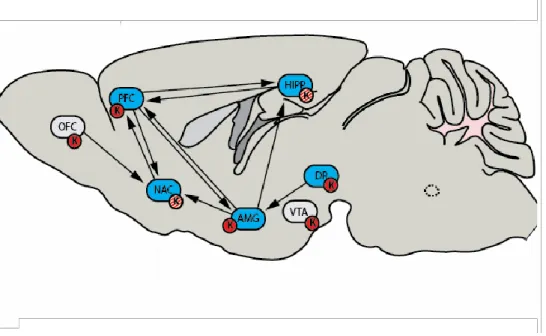
In addition, though classical behavioral pharmacology literature has focused on the aversive or the anxiogenic properties of KOR agonists, the invention of novel and advanced techniques to probe the site-specific and molecular interactions with KORs may soon add much needed nuance to this global statement. Importantly, we hypothesize that it is unlikely that KORs in any single region work in isolation to modulate any given condition, such as anxiety. More likely, is that KORs throughout the brain modulate interactions between key brain regions involved in anxiogenic phenotypes (such as the interactions between the PFC, HIPP, and NAC). This point is further supported by differences seen in experiments using global dynorphin KOs and systemic administration of the KOR antagonist norBNI: the dynorphin KOR system may function in discrete brain regions to regulate the anxiogenic–anxiolytic spectrum of behaviors by keeping behavioral responses in an optimal range; neither global deletion nor global blockade of components of the KOR system will function properly to modulate behavior. As KORs modulate many of the major circuits involved in psychiatric behaviors (Fig. 1.1), they may be functioning to dampen or enhance communication between key circuits involved in anxiety, as opposed to just taking offline a single nucleus. As further work probes these questions, it may
emerge that dynorphins and KORs, in some cases, serve anxiolytic purposes depending on the functional status of the circuit.
28
disorders, including salt consumption (Nascimento et al., 2012), epilepsy and hypertension (though hypertension is not discussed here, see Wright and Ingenito, 2001, Wright & Ingenito, 2003, Wright et al., 2000 for further reading). This brings together the importance of the “whole body” perspective when considering KOR drugs as therapeutic treatment for brain-related diseases. Drugs targeting KORs, both agonists and antagonists, have profound therapeutic potential, and more research is needed to understand this promising neuropeptide system.
As discussed above, targeting the KOR system is one of the most promising treatments for AUDs. This dissertation attempts to further advance our
29
Figure 1.1 - KORs modulate the interactions between major circuits involved in
stress responses, anxiety, and addiction. KORs are found in many key brain
regions known to be involved in a variety of diseases, such as anxiety and addiction. It has been found that KORs do not only mediate aversive or anxiogenic responses (red circles); literature has shown that KORs (red and white circles) can also be reinforcing, such as in the nucleus accumbens. In addition, dynorphin knockout mice show increased fear conditioning. Key: Orbital frontal cortex (OFC); Pre frontal cortex (PFC); Nucleus accumbens (NAC); Amygdala and extended amygdala
30
REFERENCES
Al-Hasani R, McCall JG, Bruchas MR. 2013. Exposure to chronic mild stress
prevents kappa opioid-mediated reinstatement of cocaine and nicotine place preference. Frontiers in pharmacology 4: 96
Asensio VJ, Miralles A, Garcia-Sevilla JA. 2006. Stimulation of mitogen-activated protein kinase kinases (MEK1/2) by mu-, delta- and kappa-opioid receptor agonists in the rat brain: regulation by chronic morphine and opioid
withdrawal. European journal of pharmacology 539: 49-56
Bals-Kubik R, Ableitner A, Herz A, Shippenberg TS. 1993. Neuroanatomical sites mediating the motivational effects of opioids as mapped by the conditioned place preference paradigm in rats. The Journal of pharmacology and experimental therapeutics 264: 489-95
Beardsley PM, Howard JL, Shelton KL, Carroll FI. 2005. Differential effects of the novel kappa opioid receptor antagonist, JDTic, on reinstatement of cocaine- seeking induced by footshock stressors vs cocaine primes and its
antidepressant-like effects in rats. Psychopharmacology 183: 118-26
Belcheva MM, Clark AL, Haas PD, Serna JS, Hahn JW, et al. 2005. Mu and kappa opioid receptors activate ERK/MAPK via different protein kinase C isoforms and secondary messengers in astrocytes. The Journal of biological chemistry 280: 27662-9
Berger AL, Williams AM, McGinnis MM, Walker BM. 2013. Affective cue-induced escalation of alcohol self-administration and increased 22-kHz ultrasonic vocalizations during alcohol withdrawal: role of kappa-opioid receptors. Neuropsychopharmacology : official publication of the American College of Neuropsychopharmacology 38: 647-54
Berube P, Laforest S, Bhatnagar S, Drolet G. 2013. Enkephalin and dynorphin mRNA expression are associated with resilience or vulnerability to chronic social defeat stress. Physiology & behavior 122: 237-45
Bidlack JM. 2014. Mixed kappa/mu partial opioid agonists as potential treatments for cocaine dependence. Advances in pharmacology (San Diego, Calif.) 69: 387- 418
31
Bilkei-Gorzo A, Mauer D, Michel K, Zimmer A. 2014. Dynorphins regulate the strength of social memory. Neuropharmacology 77: 406-13
Bilkei-Gorzo A, Racz I, Michel K, Mauer D, Zimmer A, et al. 2008. Control of hormonal stress reactivity by the endogenous opioid system.
Psychoneuroendocrinology 33: 425-36
Bortolato M, Solbrig MV. 2007. The price of seizure control: dynorphins in interictal and postictal psychosis. Psychiatry research 151: 139-43
Braida D, Capurro V, Zani A, Rubino T, Vigano D, et al. 2009. Potential anxiolytic- and antidepressant-like effects of salvinorin A, the main active ingredient of Salvia divinorum, in rodents. British journal of pharmacology 157: 844-53 Braida D, Limonta V, Capurro V, Fadda P, Rubino T, et al. 2008. Involvement of
kappa-opioid and endocannabinoid system on Salvinorin A-induced reward. Biological psychiatry 63: 286-92
Bruchas M, Chavkin C. 2010a. Kinase cascades and ligand-directed signaling at the kappa opioid receptor. Psychopharmacology 210: 137-47
Bruchas MR, Chavkin C. 2010b. Kinase cascades and ligand-directed signaling at the kappa opioid receptor. Psychopharmacology 210: 137-47
Bruchas MR, Land BB, Aita M, Xu M, Barot SK, et al. 2007. Stress-induced p38 mitogen-activated protein kinase activation mediates kappa-opioid-dependent dysphoria. The Journal of neuroscience : the official journal of the Society for Neuroscience 27: 11614-23
Bruchas MR, Land BB, Chavkin C. 2010. The dynorphin/kappa opioid system as a modulator of stress-induced and pro-addictive behaviors. Brain research 1314: 44-55
Bruchas MR, Land BB, Lemos JC, Chavkin C. 2009. CRF1-R activation of the dynorphin/kappa opioid system in the mouse basolateral amygdala mediates anxiety-like behavior. PloS one 4: e8528
Bruchas MR, Macey TA, Lowe JD, Chavkin C. 2006. Kappa opioid receptor activation of p38 MAPK is GRK3- and arrestin-dependent in neurons and astrocytes. The Journal of biological chemistry 281: 18081-9
32
Bruchas MR, Xu M, Chavkin C. 2008. Repeated swim stress induces kappa opioid- mediated activation of extracellular signal-regulated kinase 1/2. Neuroreport 19: 1417-22
Carr GV, Bangasser DA, Bethea T, Young M, Valentino RJ, Lucki I. 2009.
Antidepressant-Like Effects of [kappa]-Opioid Receptor Antagonists in Wistar Kyoto Rats. Neuropsychopharmacology : official publication of the American College of Neuropsychopharmacology 35: 752-63
Carr GV, Bangasser DA, Bethea T, Young M, Valentino RJ, Lucki I. 2010.
Antidepressant-like effects of kappa-opioid receptor antagonists in Wistar Kyoto rats. Neuropsychopharmacology : official publication of the American College of Neuropsychopharmacology 35: 752-63
Cashman JR, Azar MR. 2014. Potent inhibition of alcohol self-administration in alcohol-preferring rats by a kappa-opioid receptor antagonist. The Journal of pharmacology and experimental therapeutics 350: 171-80
Castagné V, Moser P, Roux S, Porsolt RD. 2001. Rodent Models of Depression: Forced Swim and Tail Suspension Behavioral Despair Tests in Rats and Mice In Current Protocols in Neuroscience: John Wiley & Sons, Inc.
Castro DC, Berridge KC. 2014. Opioid hedonic hotspot in nucleus accumbens shell: mu, delta, and kappa maps for enhancement of sweetness "liking" and
"wanting". The Journal of neuroscience : the official journal of the Society for Neuroscience 34: 4239-50
Chartoff E, Sawyer A, Rachlin A, Potter D, Pliakas A, Carlezon WA. 2012. Blockade of kappa opioid receptors attenuates the development of depressive-like behaviors induced by cocaine withdrawal in rats. Neuropharmacology 62: 167-76
Chartoff EH, Papadopoulou M, MacDonald ML, Parsegian A, Potter D, et al. 2009. Desipramine reduces stress-activated dynorphin expression and CREB phosphorylation in NAc tissue. Molecular pharmacology 75: 704-12 Chavkin C. 2000. Dynorphins are endogenous opioid peptides released from
granule cells to act neurohumorly and inhibit excitatory neurotransmission in the hippocampus. Progress in brain research 125: 363-7
Chavkin C, Goldstein A. 1981a. Demonstration of a specific dynorphin receptor in guinea pig ileum myenteric plexus. Nature 291: 591-3
33
Chavkin C, James IF, Goldstein A. 1982. Dynorphin is a specific endogenous ligand of the kappa opioid receptor. Science (New York, N.Y.) 215: 413-5
Chavkin C, Shoemaker WJ, McGinty JF, Bayon A, Bloom FE. 1985.
Characterization of the prodynorphin and proenkephalin neuropeptide
systems in rat hippocampus. The Journal of neuroscience : the official journal of the Society for Neuroscience 5: 808-16
Chefer VI, Backman CM, Gigante ED, Shippenberg TS. 2013. Kappa opioid
receptors on dopaminergic neurons are necessary for kappa-mediated place aversion. Neuropsychopharmacology : official publication of the American College of Neuropsychopharmacology 38: 2623-31
Chefer VI, Czyzyk T, Bolan EA, Moron J, Pintar JE, Shippenberg TS. 2005. Endogenous kappa-opioid receptor systems regulate mesoaccumbal
dopamine dynamics and vulnerability to cocaine. The Journal of neuroscience : the official journal of the Society for Neuroscience 25: 5029-37
Chefer VI, Shippenberg TS. 2006. Paradoxical effects of prodynorphin gene deletion on basal and cocaine-evoked dopaminergic neurotransmission in the
nucleus accumbens. The European journal of neuroscience 23: 229-38
Clynen E, Swijsen A, Raijmakers M, Hoogland G, Rigo JM. 2014. Neuropeptides as Targets for the Development of Anticonvulsant Drugs. Molecular neurobiology Contarino A, Papaleo F. 2005. The corticotropin-releasing factor receptor-1 pathway
mediates the negative affective states of opiate withdrawal. Proceedings of the National Academy of Sciences of the United States of America 102: 18649-54
Cupic B, Stefulj J, Zapletal E, Matosic A, Bordukalo-Niksic T, et al. 2013. Opioid system genes in alcoholism: a case-control study in Croatian population. Neuropeptides 47: 315-9
D'Addario C, Caputi FF, Rimondini R, Gandolfi O, Del Borrello E, et al. 2013.
Different alcohol exposures induce selective alterations on the expression of dynorphin and nociceptin systems related genes in rat brain. Addiction biology 18: 425-33
Di Chiara G, Imperato A. 1988. Opposite effects of mu and kappa opiate agonists on dopamine release in the nucleus accumbens and in the dorsal caudate of freely moving rats. The Journal of pharmacology and experimental
34
Diaz-Cenzano E, Gaztanaga M, Gabriela Chotro M. 2014. Exposure to ethanol on prenatal days 19-20 increases ethanol intake and palatability in the infant rat: involvement of kappa and mu opioid receptors. Developmental psychobiology 56: 1167-78
Dobolyi A, Kekesi KA, Juhasz G, Szekely AD, Lovas G, Kovacs Z. 2014. Receptors of peptides as therapeutic targets in epilepsy research. Current medicinal chemistry 21: 764-87
Drake CT, Terman GW, Simmons ML, Milner TA, Kunkel DD, et al. 1994. Dynorphin opioids present in dentate granule cells may function as retrograde inhibitory neurotransmitters. The Journal of neuroscience : the official journal of the Society for Neuroscience 14: 3736-50
Ehrich JM, Phillips PE. 2014. Kappa Opioid Receptor Activation Potentiates the Cocaine-Induced Increase in Evoked Dopamine Release Recorded In Vivo in the Mouse Nucleus Accumbens. Neuropsychopharmacology : official
publication of the American College of Neuropsychopharmacology 39: 3036- 48
Endoh T, Matsuura H, Tanaka C, Nagase H. 1992. Nor-binaltorphimine: a potent and selective kappa-opioid receptor antagonist with long-lasting activity in vivo. Archives internationales de pharmacodynamie et de therapie 316: 30-42 Evans SJ, Searcy BT, Moore FL. 2000. A subset of kappa opioid ligands bind to the
membrane glucocorticoid receptor in an amphibian brain. Endocrinology 141: 2294-300
Faisal M, Waseem D, Ismatullah H, Taqi MM. 2014. A molecular prospective
provides new insights into implication of PDYN and OPRK1 genes in alcohol dependence. Computers in biology and medicine 53c: 250-57
Freeman KB, Naylor JE, Prisinzano TE, Woolverton WL. 2014. Assessment of the kappa opioid agonist, salvinorin A, as a punisher of drug self-administration in monkeys. Psychopharmacology (Berl) 231: 2751-8
Fu Y, Neugebauer V. 2008. Differential mechanisms of CRF1 and CRF2 receptor functions in the amygdala in pain-related synaptic facilitation and behavior. The Journal of neuroscience : the official journal of the Society for
Neuroscience 28: 3861-76
Funada M, Suzuki T, Narita M, Misawa M, Nagase H. 1993. Blockade of morphine reward through the activation of kappa-opioid receptors in mice.
35
Funk D, Coen K, Le AD. 2014. The role of kappa opioid receptors in stress-induced reinstatement of alcohol seeking in rats. Brain and behavior 4: 356-67
Gehrke BJ, Chefer VI, Shippenberg TS. 2008. Effects of acute and repeated
administration of salvinorin A on dopamine function in the rat dorsal striatum. Psychopharmacology (Berl) 197: 509-17
Gieryk A, Ziolkowska B, Solecki W, Kubik J, Przewlocki R. 2010. Forebrain PENK and PDYN gene expression levels in three inbred strains of mice and their relationship to genotype-dependent morphine reward sensitivity.
Psychopharmacology (Berl) 208: 291-300
Gilpin NW, Roberto M, Koob GF, Schweitzer P. 2014. Kappa opioid receptor activation decreases inhibitory transmission and antagonizes alcohol effects in rat central amygdala. Neuropharmacology 77: 294-302
Glick SD, Maisonneuve IM, Raucci J, Sydney A. 1995. Kappa opioid inhibition of morphine and cocaine self-administration in rats. Brain research 681: 147-52 Graziane NM, Polter AM, Briand LA, Pierce RC, Kauer JA. 2013. Kappa opioid
receptors regulate stress-induced cocaine seeking and synaptic plasticity. Neuron 77: 942-54
Gysling K. 2012. Relevance of both type-1 and type-2 corticotropin releasing factor receptors in stress-induced relapse to cocaine seeking behaviour.
Biochemical pharmacology 83: 1-5
Hahn JW, Jagwani S, Kim E, Rendell VR, He J, et al. 2010. Mu and kappa opioids modulate mouse embryonic stem cell-derived neural progenitor differentiation via MAP kinases. Journal of neurochemistry 112: 1431-41
Hasebe K, Kawai K, Suzuki T, Kawamura K, Tanaka T, et al. 2004. Possible
pharmacotherapy of the opioid kappa receptor agonist for drug dependence. Annals of the New York Academy of Sciences 1025: 404-13
Heilig M, Schank JR. 2014. Kappa-opioid receptor antagonism: a mechanism for treatment of relief drinking? Biological psychiatry 75: 750-1
Henderson-Redmond A, Czachowski C. 2014. Effects of systemic opioid receptor ligands on ethanol- and sucrose seeking and drinking in alcohol-preferring (P) and Long Evans rats. Psychopharmacology 231: 4309-21
Hjelmstad GO, Fields HL. 2003. Kappa opioid receptor activation in the nucleus accumbens inhibits glutamate and GABA release through different
36
Hospital MG. July 30, 2013. Proof-of-Concept Trial of LY2456302 Augmentation of Antidepressant Therapy in Treatment-Resistant Depression.
Huge V, Rammes G, Beyer A, Zieglgansberger W, Azad SC. 2009. Activation of kappa opioid receptors decreases synaptic transmission and inhibits long- term potentiation in the basolateral amygdala of the mouse. European journal of pain (London, England) 13: 124-9
Iyengar S, Kim HS, Wood PL. 1986. Kappa opiate agonists modulate the hypothalamic-pituitary-adrenocortical axis in the rat. The Journal of pharmacology and experimental therapeutics 238: 429-36
Iyengar S, Kim HS, Wood PL. 1987. μ-, δ-, κ- and ϵ-Opioid receptor modulation of the hypothalamic-pituitary-adrenocortical (HPA) axis: subchronic tolerance studies of endogenous opioid peptides. Brain research 435: 220-26
Kallupi M, Wee S, Edwards S, Whitfield TW, Jr., Oleata CS, et al. 2013. Kappa opioid receptor-mediated dysregulation of gamma-aminobutyric acidergic transmission in the central amygdala in cocaine addiction. Biological psychiatry 74: 520-8
Kanemitsu Y, Hosoi M, Zhu PJ, Weight FF, Peoples RW, et al. 2003. Dynorphin A inhibits NMDA receptors through a pH-dependent mechanism. Molecular and cellular neurosciences 24: 525-37
Kang-Park M, Kieffer BL, Roberts AJ, Siggins GR, Moore SD. 2013. kappa-Opioid receptors in the central amygdala regulate ethanol actions at presynaptic GABAergic sites. The Journal of pharmacology and experimental therapeutics 346: 130-7
Kaster MP, Budni J, Santos AR, Rodrigues AL. 2007. Pharmacological evidence for the involvement of the opioid system in the antidepressant-like effect of adenosine in the mouse forced swimming test. European journal of pharmacology 576: 91-8
Kissler JL, Sirohi S, Reis DJ, Jansen HT, Quock RM, et al. 2014. The one-two punch of alcoholism: role of central amygdala dynorphins/kappa-opioid receptors. Biological psychiatry 75: 774-82
37
Kivell B, Uzelac Z, Sundaramurthy S, Rajamanickam J, Ewald A, et al. 2014b. Salvinorin A regulates dopamine transporter function via a kappa opioid receptor and ERK1/2-dependent mechanism. Neuropharmacology 86: 228-40 Knoll AT, Meloni EG, Thomas JB, Carroll FI, Carlezon WA, Jr. 2007. Anxiolytic-like
effects of kappa-opioid receptor antagonists in models of unlearned and learned fear in rats. The Journal of pharmacology and experimental therapeutics 323: 838-45
Knoll AT, Muschamp JW, Sillivan SE, Ferguson D, Dietz DM, et al. 2011. Kappa opioid receptor signaling in the basolateral amygdala regulates conditioned fear and anxiety in rats. Biological psychiatry 70: 425-33
Koob GF. 1999. Stress, corticotropin-releasing factor, and drug addiction. Annals of the New York Academy of Sciences 897: 27-45
Koob GF. 2013. Addiction is a Reward Deficit and Stress Surfeit Disorder. Frontiers in psychiatry 4: 72
Kovacs KM, Szakall I, O'Brien D, Wang R, Vinod KY, et al. 2005. Decreased oral self-administration of alcohol in kappa-opioid receptor knock-out mice. Alcoholism, clinical and experimental research 29: 730-8
Kuzmin A, Chefer V, Bazov I, Meis J, Ogren SO, et al. 2013. Upregulated dynorphin opioid peptides mediate alcohol-induced learning and memory impairment. Translational psychiatry 3: e310
Lam MP, Gianoulakis C. 2011. Effects of corticotropin-releasing hormone receptor antagonists on the ethanol-induced increase of dynorphin A1-8 release in the rat central amygdala. Alcohol (Fayetteville, N.Y.) 45: 621-30
Land BB, Bruchas MR, Lemos JC, Xu M, Melief EJ, Chavkin C. 2008. The dysphoric component of stress is encoded by activation of the dynorphin kappa-opioid system. The Journal of neuroscience : the official journal of the Society for Neuroscience 28: 407-14
Land BB, Bruchas MR, Schattauer S, Giardino WJ, Aita M, et al. 2009. Activation of the kappa opioid receptor in the dorsal raphe nucleus mediates the aversive effects of stress and reinstates drug seeking. Proceedings of the National Academy of Sciences 106: 19168-73
38
Leeman RF, Heilig M, Cunningham CL, Stephens DN, Duka T, O'Malley SS. 2010. Ethanol consumption: how should we measure it? Achieving consilience between human and animal phenotypes. Addiction biology 15: 109-24
Lemos JC, Roth CA, Messinger DI, Gill HK, Phillips PE, Chavkin C. 2012. Repeated stress dysregulates kappa-opioid receptor signaling in the dorsal raphe through a p38alpha MAPK-dependent mechanism. The Journal of
neuroscience : the official journal of the Society for Neuroscience 32: 12325- 36
Li C, Pleil KE, Stamatakis AM, Busan S, Vong L, et al. 2012. Presynaptic inhibition of gamma-aminobutyric acid release in the bed nucleus of the stria terminalis by kappa opioid receptor signaling. Biological psychiatry 71: 725-32
Li J-G, Luo L-Y, Krupnick JG, Benovic JL, Liu-Chen L-Y. 1999. U50,488H-induced Internalization of the Human κ Opioid Receptor Involves a β-Arrestin- and Dynamin-dependent Mechanism: κ RECEPTOR INTERNALIZATION IS NOT REQUIRED FOR MITOGEN-ACTIVATED PROTEIN KINASE ACTIVATION. Journal of Biological Chemistry 274: 12087-94
Li Z, Zhang H. 2013. Analyzing Interaction of mu-, delta- and kappa-opioid Receptor Gene Variants on Alcohol or Drug Dependence Using a Pattern Discovery- based Method. Journal of addiction research & therapy Suppl 7: 007
Loacker S, Sayyah M, Wittmann W, Herzog H, Schwarzer C. 2007. Endogenous dynorphin in epileptogenesis and epilepsy: anticonvulsant net effect via kappa opioid receptors. Brain : a journal of neurology 130: 1017-28
Lowe SL, Wong CJ, Witcher J, Gonzales CR, Dickinson GL, et al. 2014. Safety, tolerability, and pharmacokinetic evaluation of single- and multiple-ascending doses of a novel kappa opioid receptor antagonist LY2456302 and drug interaction with ethanol in healthy subjects. Journal of clinical pharmacology 54: 968-78
Lowery-Gionta EG, Marcinkiewcz CA, Kash TL. 2014. Functional Alterations in the Dorsal Raphe Nucleus Following Acute and Chronic Ethanol Exposure. Neuropsychopharmacology : official publication of the American College of Neuropsychopharmacology
39
Madamba SG, Schweitzer P, Siggins GR. 1999. Dynorphin selectively augments the M-current in hippocampal CA1 neurons by an opiate receptor mechanism. Journal of neurophysiology 82: 1768-75
Mague SD, Pliakas AM, Todtenkopf MS, Tomasiewicz HC, Zhang Y, et al. 2003. Antidepressant-like effects of kappa-opioid receptor antagonists in the forced swim test in rats. The Journal of pharmacology and experimental therapeutics 305: 323-30
Maier SF, Watkins LR. 2005. Stressor controllability and learned helplessness: the roles of the dorsal raphe nucleus, serotonin, and corticotropin-releasing factor. Neuroscience and biobehavioral reviews 29: 829-41
Manzoni OJ, Williams JT. 1999. Presynaptic regulation of glutamate release in the ventral tegmental area during morphine withdrawal. The Journal of
neuroscience : the official journal of the Society for Neuroscience 19: 6629-36
Marchant NJ, Densmore VS, Osborne PB. 2007. Coexpression of prodynorphin and corticotrophin-releasing hormone in the rat central amygdala: evidence of two distinct endogenous opioid systems in the lateral division. The Journal of comparative neurology 504: 702-15
Margolis EB, Hjelmstad GO, Bonci A, Fields HL. 2003. Kappa-opioid agonists
directly inhibit midbrain dopaminergic neurons. The Journal of neuroscience : the official journal of the Society for Neuroscience 23: 9981-6
Margolis EB, Hjelmstad GO, Bonci A, Fields HL. 2005. Both kappa and mu opioid agonists inhibit glutamatergic input to ventral tegmental area neurons. Journal of neurophysiology 93: 3086-93
Margolis EB, Lock H, Chefer VI, Shippenberg TS, Hjelmstad GO, Fields HL. 2006. Kappa opioids selectively control dopaminergic neurons projecting to the prefrontal cortex. Proceedings of the National Academy of Sciences of the United States of America 103: 2938-42
Margolis EB, Mitchell JM, Ishikawa J, Hjelmstad GO, Fields HL. 2008. Midbrain dopamine neurons: projection target determines action potential duration and dopamine D(2) receptor inhibition. The Journal of neuroscience : the official journal of the Society for Neuroscience 28: 8908-13
McDermott CM, Schrader LA. 2011. Activation of kappa opioid receptors increases intrinsic excitability of dentate gyrus granule cells. The Journal of physiology 589: 3517-32
40
cocaine place preference conditioning. Neuropsychopharmacology : official publication of the American College of Neuropsychopharmacology 31: 787-94
McLaughlin JP, Marton-Popovici M, Chavkin C. 2003. Kappa opioid receptor antagonism and prodynorphin gene disruption block stress-induced
behavioral responses. The Journal of neuroscience : the official journal of the Society for Neuroscience 23: 5674-83
McLennan GP, Kiss A, Miyatake M, Belcheva MM, Chambers KT, et al. 2008. Kappa opioids promote the proliferation of astrocytes via Gbetagamma and beta- arrestin 2-dependent MAPK-mediated pathways. Journal of neurochemistry 107: 1753-65
Meister B, Villar MJ, Ceccatelli S, Hokfelt T. 1990. Localization of chemical messengers in magnocellular neurons of the hypothalamic supraoptic and paraventricular nuclei: an immunohistochemical study using experimental manipulations. Neuroscience 37: 603-33
Morales M, Anderson RI, Spear LP, Varlinskaya EI. 2014. Effects of the kappa opioid receptor antagonist, nor-binaltorphimine, on ethanol intake: impact of age and sex. Developmental psychobiology 56: 700-12
Mu P, Neumann PA, Panksepp J, Schluter OM, Dong Y. 2011. Exposure to cocaine alters dynorphin-mediated regulation of excitatory synaptic transmission in nucleus accumbens neurons. Biological psychiatry 69: 228-35
Muschamp JW, Hollander JA, Thompson JL, Voren G, Hassinger LC, et al. 2014. Hypocretin (orexin) facilitates reward by attenuating the antireward effects of its cotransmitter dynorphin in ventral tegmental area. Proceedings of the National Academy of Sciences of the United States of America 111: E1648- 55
Nascimento AI, Ferreira HS, Saraiva RM, Almeida TS, Fregoneze JB. 2012. Central kappa opioid receptors modulate salt appetite in rats. Physiology & behavior 106: 506-14
Nizhnikov ME, Pautassi RM, Carter JM, Landin JD, Varlinskaya EI, et al. 2014. Brief prenatal ethanol exposure alters behavioral sensitivity to the kappa opioid receptor agonist (U62,066E) and antagonist (Nor-BNI) and reduces kappa opioid receptor expression. Alcoholism, clinical and experimental research 38: 1630-8
41
Pellow S, File SE. 1986. Anxiolytic and anxiogenic drug effects on exploratory activity in an elevated plus-maze: a novel test of anxiety in the rat. Pharmacology, biochemistry, and behavior 24: 525-9
Peters MF, Zacco A, Gordon J, Maciag CM, Litwin LC, et al. 2011. Identification of short-acting kappa-opioid receptor antagonists with anxiolytic-like activity. European journal of pharmacology 661: 27-34
Pfeiffer A, Brantl V, Herz A, Emrich HM. 1986. Psychotomimesis mediated by kappa opiate receptors. Science (New York, N.Y.) 233: 774-6
Pinnock RD. 1992. Activation of kappa-opioid receptors depresses electrically- evoked excitatory postsynaptic potentials on 5-HT-sensitive neurones in the rat dorsal raphe nucleus in vitro. Brain research 583: 237-46
Pirker S, Gasser E, Czech T, Baumgartner C, Schuh E, et al. 2009. Dynamic up- regulation of prodynorphin transcription in temporal lobe epilepsy.
Hippocampus 19: 1051-4
Porsolt RD, Le Pichon M, Jalfre M. 1977. Depression: a new animal model sensitive to antidepressant treatments. Nature 266: 730-32
Potter DN, Damez-Werno D, Carlezon WA, Jr., Cohen BM, Chartoff EH. 2011. Repeated exposure to the kappa-opioid receptor agonist salvinorin A modulates extracellular signal-regulated kinase and reward sensitivity. Biological psychiatry 70: 744-53
Poulin JF, Arbour D, Laforest S, Drolet G. 2009. Neuroanatomical characterization of endogenous opioids in the bed nucleus of the stria terminalis. Progress in neuro-psychopharmacology & biological psychiatry 33: 1356-65
Privette TH, Terrian DM. 1995. Kappa opioid agonists produce anxiolytic-like
behavior on the elevated plus-maze. Psychopharmacology (Berl) 118: 444-50 Racz I, Markert A, Mauer D, Stoffel-Wagner B, Zimmer A. 2013. Long-term ethanol
effects on acute stress responses: modulation by dynorphin. Addiction biology 18: 678-88
Reindl JD, Rowan K, Carey AN, Peng X, Neumeyer JL, McLaughlin JP. 2008. Antidepressant-like effects of the novel kappa opioid antagonist MCL-144B in the forced-swim test. Pharmacology 81: 229-35