AN ANALYSIS OF PRESCHOOL CLASSROOM SUPPORTS ON CHILD LANGUAGE DEVELOPMENT
Sheena Roxanne Berry
A dissertation submitted to the faculty of the University of North Carolina at Chapel Hill in partial fulfillment of the requirements for the degree of Doctor of Philosophy in
School Psychology
Chapel Hill 2015
© 2015
ABSTRACT
SHEENA BERRY: An Analysis of Preschool Classroom Supports on Child Language Development
(Under the direction of Barbara H. Wasik)
Studies investigating classroom structure promoting child opportunities and examining models of
developmental processes within early childhood classrooms indicate that classroom environment
for young children, particularly at-risk children, is a key factor in educational attainment and
social skill development. In recent educational research, structural and process supports have
been identified as critical components of high quality classrooms. The present study utilized
data from the Even Start Classroom Literacy Interventions and Outcomes (CLIO) study (Judkins
et al., 2008). This nationally randomized study on students from low-literacy, low-income
families provided an opportunity for the current study to explore if structural and process supports within preschool classrooms significantly foster language growth for at-risk children, and whether child growth in social competency partially or fully explains this relationship.
Prior to data analysis, exploratory factor analysis (EFA) was conducted on observational data from the CLIO study to identify categories of classroom level supports to serve as the study’s independent variables. The EFA yielded two classifications of structural supports--access to literacy materials and classroom organization--and one type of process
support--teacher-child interactions and opportunities. Hierarchical linear modeling (HLM) (i.e.,
multi-level modeling) and ordinary least squares determined the predictive relationship of the three
associations between independent and dependent variables, a group of covariates were included
in the analyses to control for potential effects that these observable variables may have on the
predictive value of classroom level supports on language development. Mediation testing
through use of HLM examined the extent students’ change in social competency mediated the
impact of classroom structural and process supports on child language growth. Multilevel
structural equation modeling was considered for models that suggested the mediation variable
influencing the independent and dependent variable relationship. Findings indicated that when
accounting for child and classroom level covariates, only classroom organization significantly
predicted change in child oral language in preschool. Child growth in their social competency
did not demonstrate partial direct and indirect effects on the relationship between classroom
organization and child oral language growth. Results from the present study shed light on the
intricate nature of studying early childhood settings, and yield considerations for future empirical
ACKNOWLEDGEMENTS
The journey to earning my doctorate degree in school psychology was guided by my faith and support of family, friends, and UNC-Chapel Hill faculty. My passion to care, understand, and support people led me to special individuals that helped me uncover the endless
opportunities in pursuing my career dreams through the field of school psychology. I am so thankful for where I am today, and what all is destined for me in the future.
I would like to thank my committee members, Dr. Kirsten Kainz, Dr. Steve Knotek, Dr. Rune Simeonsson, and Dr. Noreen Yazejian for their commitment to serve on my dissertation committee. Your support through this experience has been invaluable. I did not foresee the level of impact this project would have on my knowledge of statistical analyses and overall
Special thanks goes to my dear close friends, who always supported and included me despite my often declines to invitations, and especially to Kristen Vuyovich, who is a great cheerleader, encourager, and role model. Last but not least, I would like to give the biggest thanks to my mother, father, and brother, Steven. From the beginning, you have believed in me in all that I do, which has instilled in me much confidence. I cannot imagine celebrating my accomplishments and trudging through life obstacles without your presence. You have always uplifted me, and for that I am blessed. Thank you for your unconditional love.
TABLE OF CONTENTS
LIST OF TABLES ...xi
LIST OF FIGURES ... xii
CHAPTER ONE: LITERATURE REVIEW ...1
Classroom Environment as a Key Component for Educational Achievement ...1
Classroom Structure Promotes Opportunities ...1
Models of Developmental Processes Within Early Childhood Classroom ...2
Components of High Quality Classrooms ...6
Structural and Process Quality in Preschool Classrooms ...6
Structural Supports ...7
Process Supports ...9
Instructional Supports ... 10
Code-focused Instruction ... 11
Shared Book Reading ... 11
Dialogic Book Reading ... 11
Individual and Small Groups ... 12
Relational Supports ... 12
Critical for At-risk Populations ... 17
Preschool Classroom Observation Measures ... 19
Global ... 20
Interaction Focused ... 21
Domain Specific ... 23
Present Study ... 25
Research Questions ... 26
CHAPTER TWO: METHODOLOGY ... 30
Participants ... 30
Measures ... 34
Classroom Supports ... 35
Child Language Outcomes ... 37
Individual Growth and Development Indicator ... 37
The Test of Language Development -Primary ... 38
Social Competency ... 39
Procedures ... 40
Data Analyses ... 42
Exploratory Factor Analysis. ... 42
Hierarchical Linear Modeling and Ordinary Least Squares ... 48
CHAPTER THREE: RESULTS ... 53
Multiple Imputation ... 53
Change in Oral Language ... 55
Change in Syntax and Grammatic Understanding ... 60
Ordinary Least Squares ... 61
CHAPTER FOUR: DISCUSSION ... 63
Overview ... 63
Study Findings ... 63
Predicting Change in Child Language ... 64
Mediation Effects of Change in Social Competency ... 69
Limitations ... 70
Implications and Future Directions ... 75
APPENDIX: OBSERVATION MEASURES OF LANGUAGE AND LITERACY INSTRUCTION (OMLIT) ... 79
LIST OF TABLES
Table 1: Sample Child Demographics. ... 33 Table 2: Child Language Exposure ... 33 Table 3: Child Fall and Change Scores on Language
and Social Competency Measures ... 33 Table 4: Empirical Evidence for OMLIT Items
Use to Create Specific Support Constructs to Use
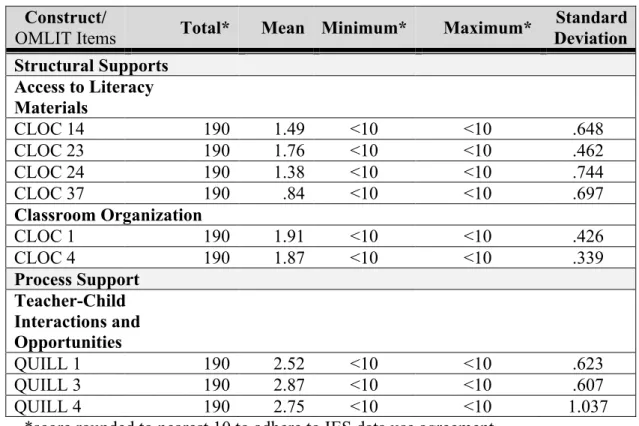
as Predictor Variables ... 44 Table 5: Descriptive Statistics of OMLIT Items
Included in Generated Classroom Constructs ... 46 Table 6: Factor Loadings for Factor 1,
Access to Literacy Materials ... 47 Table 7: Factor Loadings for Factor 2,
Classroom Organization ... 47 Table 8: Factor Loadings for Factor 3,
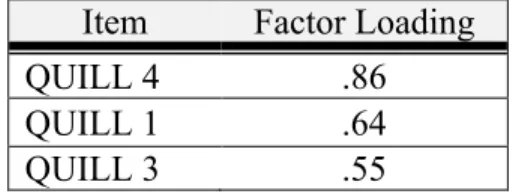
Teacher-Child Interactions and Opportunities ... 47 Table 9: Factor Correlation Matrix for
LIST OF FIGURES
Figure 1: CLASS Conceptual Framework ... 22 Figure 2: Model for Classroom-Level Support
Variables Predicting Child Language Growth
(Research Question 1). ... 49 Figure 3: Model for Testing Social Competency
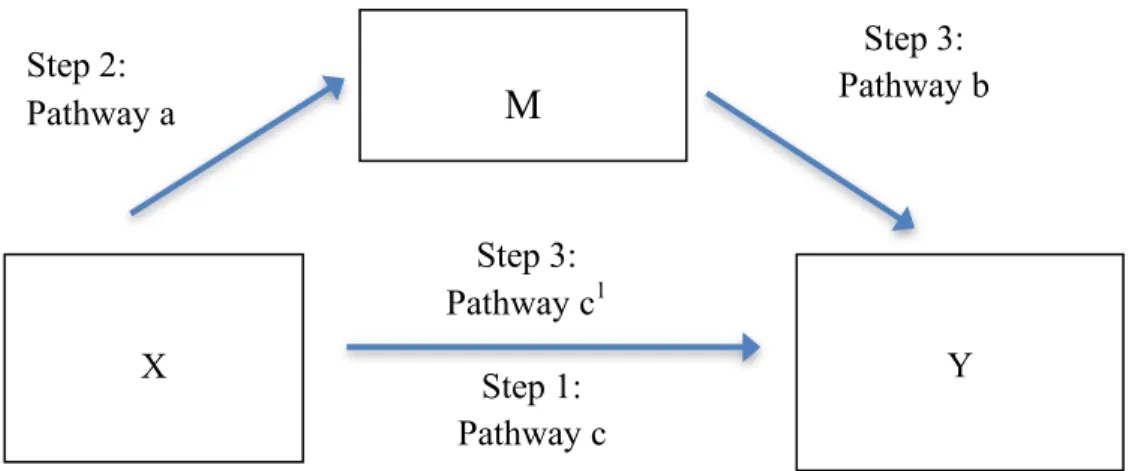
Mediating the Effects of Classroom Supports on
CHAPTER ONE: LITERATURE REVIEW
Classroom Environment as a Key Component for Educational Achievement
For almost two hundred years, theorists have considered the role of the early childhood classroom itself as a significant factor influencing opportunities for children to engage and learn. Philosophies inspired by Friedrich Froebel, John Dewey, Maria Montessori, and Loris Malaguzzi have influenced how early childhood programs around the world can structure their classrooms in order to maximize positive experiences in which students may engage. Theoretical
contributions from influencial developmental psychologists, including Urie Bronfenbrenner, Lev Vygotsky, and John Bowlby, have inspired researchers, program evaluators, and educators how to conceptualize the impact of processes within a child’s environment on a child. More recently, researchers such as Margaret Burchinal, David Dickinson, Christopher Lonigan, Susan Neuman, and Robert Pianta, have studied the characteristics of classrooms to determine how they
influence young children's social, emotional, and academic skills. In the following sections, the writings of these individuals as well as others will be reviewed to provide an overview of the influences of early childhood classrooms on children's development.
education results from two primary processes: psychological (i.e., learning) and sociological (i.e., adjusting to society). He saw teachers’ roles not as imposing knowledge upon children but guiding hands-on learning experiences – a situation that requires the classroom to be conducive to child interactions with teachers, classmates, and academic materials.
Another educational model that impacted the delivery of early child education was the Montessori Method, which became internationally known by 1911. The founder of this
approach, Maria Montessori, shared a similar orientation with Froebel and Dewey, believing that classroom environments should have an open design so that materials and supports are available to students (Montessori, 1964). In the Montessori model, the learning environment is prepared to be orderly, open to exploration, supplied with learning materials, and visually pleasing to encourage positive reactions and interactions by the students (Torrence & Chattin-McNichols, 2013). Other early childhood education philosophies since the later 20th century period have also emphasized the importance of the physical environment as a stage for child exploration and interactions with teachers and peers, thus guiding children’s learning and development (New & Kantor, 2013; Reutzel & Jones, 2013). Schools using Loris Malaguzzi’s Reggio Emilia
Approach are designed to have a large open space, use natural lighting, and non-industrial décor, allowing for children and teachers to easily maneuver and interact within their classroom. As appreciated in the Reggio Emilia model and other ECE models that highlight the importance of the classroom environment, “space” is considered to be children’s “third teacher” (New & Kantor, 2013), with the physical environment functioning to provide opportunities to engage and foster children’s learning.
Models of developmental processes within early childhood classrooms.
Bowlby, have been very influential in conceptualizing the processes occurring within the child (e.g., natural cognitive maturation) and between an individual and the classroom setting. Bronfenbrenner’s bioecological model of development is often referenced to understand the reciprocal interactions that take place between the child and persons as well as objects in their environment (Bronfenbrenner & Ceci, 1994). This model accounts for a person’s genetic predisposition and the proximal processes play an important role in enhancing children’s psychological, behavioral, and social developmental outcomes. Proximal processes include adult-child, child-child, and solitary activities that may target various skills, such as reading, problem solving, play, and acquiring new knowledge. These proximal processes have the opportunity to positively influence and maximize child development if the environmental influences involved in child interactions and activities (e.g., people, objects, and symbols) are consistently available. In their model, Bronfenbrenner and Ceci (1994) also accounted for the “proportion of observed variance attributed to expressed genetic potential for developmental competence” (pp. 582). The quality of environment in which proximal processes occur allows for the child’s genetic potential to be maximized (i.e., result in higher competency) or
minimalized (i.e., result in lower competency). Therefore, quality of environment is a key factor in child developmental outcomes.
individual is developing. As young children engage in social interactions with adults, such as teachers, children acquire literacy and language skills. These early literacy skills are very important cultural-specific skills that, through learning and teaching (including social
interactions), allow children to be more independently integrated in their environment as well as promote higher level mental functioning.
Some skills cannot be attained until certain developmental maturation occurs, but learning through interactions help children develop independent skills and perform tasks with assistance. A child’s zone of proximal development (ZPD) is the range between tasks that a child can do independently and dependently or with guidance; this range should be targeted by
instruction (Vygotsky, 1978; Bodrova & Leong, 2013). An individual’s ZPD changes as the child can attempt or conquer more difficult tasks with adult support or guidance. When the ZPD changes, a task that once required adult support is mastered by the child and now defines the lower limit of his or her ZPD. Teachers play a significant role in enhancing a child’s ZPD because they can model mature skills, through teaching and social interactions, from which children learn and adapt as their own skills. Teachers scaffold children’s learning by providing consistent and rich opportunities for children to practice and acquire their skills, during which teachers may provide direct assistance (i.e., explicit instruction) or minimal help (i.e., model, give prompts) for the child. Scaffolding helps children transition from assisted to independent learning, and is minimalized when a teacher observes a child independently performing a skill goal.
explores their environment and forms other relationships. Bowlby's theoretical approach, which emphasizes the connections between a child’s environment (i.e., interactions) and child mental processes, resulted in attention to the teacher-child interactions (Sameroff, 1995). The concept, literacy behavioral system, has been proposed to explain how child interactions and transactions within their school environment results in literacy acquisition. Just as between a child and his or her mother, a child interacts with teachers and peers at school and internalizes various
competencies (i.e., cognitive, language, visual perception, and emotional) (Sameroff, 1995). As a result of continued interactions and transactions between a child and the classroom
environment (including teachers and peers), competencies such as language skills are strengthened, providing the foundation for literacy acquisition.
Adults, especially teachers, serve as role models for children and their development of early language, literacy and social skills. Adults model the use of oral and nonverbal language and reflect back to children their use of language and literacy, thus fostering language and literacy processes (e.g., attention, working memory, reasoning, self-regulation, and
communication skills) that are pertinent to overall literacy development (Pianta, 2006). Another function of child-adult interactions is to provide instructional (Foorman & Torgesen, 2001), intentional (Pianta, 2006) teaching opportunities to the child. Regardless of the content taught, the child is exposed to the adult’s interpersonal, communicative skills. In the process of exposing a child to academic instruction and social interactions, teachers scaffold social skills (e.g., attending to others, turn-taking when speaking) and academic skills that ultimately promote early literacy growth.
as influential factors in child development, accumulated empirical evidence also acknowledges these factors as key in providing children the desired experiences they need during their
prekindergarten schooling. In the following section, results of recent research that has more clearly defined the components of high quality ECE classrooms is presented.
Components of High Quality Classrooms
The importance of classroom environments has long been a topic of discussion for over 100 years. It was not until the last few decades that the classroom environment has been researched as a potentially significant factor in improving the literacy and language skills of children from families with limited education and economic resources, minority families, immigrant families, and families with low literacy skills (Hart & Risley, 1995; Wasik & Bond, 2001; Campbell, Ramey, Pungello, Sparling, & Miller-Johnson, 2002; Howes, Burchinal, Pianta, Bryant, Early, & Barbarin, 2008). The learning environment can provide an opportunity to compensate for child and family vulnerability factors and promote positive language and literacy skills through a supportive learning environment, instructional activities, and positive teacher-student relationships (Peisner-Feinberg et al., 2001; Wasik & Bond, 2001; Palmero, Hanish, Martin, Fabes, & Reiser, 2007; Burchinal et al., 2008).
Structural and process quality in preschool classrooms. Recent literature has
preschool program adopts typically serves as a guide for how teachers should organize their classrooms. Teacher qualifications may also impact teachers’ competency to design a classroom setting to match their students’ needs.
By having high structural quality, a preschool classroom is better positioned to promote high process quality (Yoshikawa et al., 2013). Process quality is defined by classroom process supports, which capture the quality of teacher-child interactions during explicit teaching activities and other activities, and level of emotional and motivational support provided by the teacher to increase their students’ learning and engagement in classroom activities (Espinosa, 2002; Yoshikawa et al., 2013). It is insufficient, however, to focus on one kind of classroom support, namely structural characteristics without taking into account process characteristics when working to create an overall high quality educational and developmental environment (Whitaker & Pianta, 2012).
Structural supports. Classroom structural supports include features of quality that can be
altered or enhanced by changing the physical characteristics of the classroom (e.g., space, materials) or teacher standards (i.e., teacher requirements, professional development
requirements) that indirectly impact the composition of the classroom environment (Espinosa, 2002; Howes et al., 2008; Yoshikawa et al., 2013). The most commonly examined structural supports will be reviewed here: (a) organization and accessibility to literacy resources, (b) teacher credentials, and (c) professional development.
promote other academic and social-emotional skills. An organized classroom allows for efficient behavioral management and provides children with a routine, structured place where they can be active, learning participants (Pianta & Hamre, 2009).
Children engage with literacy materials if such resources are available, thus increasing the amount of literacy-based activities children independently seek out (Neuman & Roskos, 1997; Wasik & Bond, 2001). Wasik and Bond (2001) found that the number of literacy resources (e.g., books, book related props) throughout activities in preschool intervention programs serving children from low-income communities was positively correlated with increased literacy behaviors during free-time and better vocabulary outcomes compared to children with fewer opportunities to engage in literacy materials.
Previous research has yielded conflicting results regarding teacher education and
qualification as an important predictor of teacher preparation in providing highly structured and interactive classrooms (Early et al., 2007; Mims et al., 2008; Barnett & Frede, 2011).
Nevertheless, more effective early childhood education programs have been found to have more highly qualified, high salary teachers compared to other programs (Barnett, 2003). Although higher education, teacher credentials, and average to high compensation may have strong effects on child outcomes, these teacher level variables are not likely to yield significant child outcomes throughout the preschool years without the presence of other classroom supports, such as
additional structural supports and process supports (i.e., quality teacher-child interactions)
(Yoshikawa et al., 2013).
Some research has demonstrated that professional development for teachers is a way of providing information and strategies for changing the classroom environment in ways that can enhance children's development. For example, teachers who were provided in-service training that included learning literacy-based practices and viewing videos of modeled teacher-child conversations improved the frequency with which they offered small group activities compared to large group activities, provided more literacy resources throughout the room for children to explore, and created more structured lesson plans (Dickinson & Caswell, 2007). A caveat to this study as well as other studies is that there are no clear linkages between professional
development opportunities (e.g., in-service training) and child outcomes. Future research is needed on larger samples of teachers and with children progress monitoring data to determine if teacher professional development is effective for improving the quality of teacher practices and associated child developmental outcomes.
For the structural supports of the classroom to positively influence student outcomes, teachers must also provide high quality relational and instructional interactions to enhance the students’ experiences within the classroom (Guo, Justice, Kaderavek, & McGinty, 2012; Yoshikawa et al., 2013). Teachers play a vital role in ensuring that they provide high quality process supports during their interactions with students, which is indicated in research to promote child development.
informal learning experiences, respectively, which are important in promoting language, literacy, and social-emotional skills.
Instructional supports. Instructional support, or instructional interaction, refers to the teacher-child interactions that occur during explicit teaching and learning opportunities (Yoshikawa et al., 2013). Based on research supporting the evidence of high instructional quality on child outcomes, the National Association for the Education of Young Children
(NAEYC) established new accreditation standards in 2006 to ensure that programs enhance their quality of literacy and learning content (McDonald, 2009). Effective ECE curricula share the common quality that they focus on explicit, specific, sequenced instructional activities that target certain components of language and literacy (Lonigan & Cunningham, 2013). Examples of instructional interactions include phonological awareness training, training on print-related activities, quality and quantity of book reading, and dialogic reading (Dickinson & Smith, 1994; Whitehurst & Lonigan, 1998; National Early Literacy Panel [NELP], 2008). The more
opportunities that teachers provide students to express skills and scaffold new, more complex skills, the more children’s students’ cognitive and language growth is enhanced. Further, students see greater academic achievement if teachers provide activities designed to expand language skills and higher order thinking. Academic gains are also dependent on how
communicative and responsive the teacher is to providing process-oriented feedback in a timely manner (Pianta & Hamre, 2009).
language and literacy skills: (a) code-focused instruction, (b) shared reading, (c) dialogic reading, and (d) explicit instruction in small or individual group settings. While the NELP’s stated mission is to promote early literacy development, the close relation between language and literacy development makes many of their recommendations relevant when focusing on language development.
Code-focused instruction. Code-focused instruction is teacher instruction that aims to strengthen children’s ability to perform phonological awareness tasks (e.g., blend or omit parts of words, and isolate individual sounds in words). According to Lonigan, Schatschneider, and Westberg (2008b), children whose teachers focused on phonological coding developed stronger phonological awareness and conventional literacy skills, particularly if instruction was combined with some other aspect of print instruction, such as letter knowledge and phonics.
Shared book reading. Quantity and quality of book reading is related to vocabulary growth and literacy development, with joint storybook reading between teacher and children improving children’s print knowledge (Whitehurst at al., 1999). Shared reading is a very common instructional practice characterized by the joint effort of two individuals reading text together, typically an adult (e.g., teacher) and a child. It is regarded as an effective strategy in promoting language and literacy skills for young children (Wasik & Bond, 2001), and has the largest impact (effect size=.68) on oral language abilities (especially with receptive vocabulary) of all classroom practices (NELP, 2008).
demonstrated success in stimulating children’s oral language skills and promoting their concept of print and various writing skills (Whitehurst & Lonigan, 1998; Whitehurst at al., 1999).
Individual and small groups. Although research on small group versus large group activities within ECE classrooms is limited (Wasik, 2008), some studies have acknowledged that explicit, teacher directed instruction conducted in small groups or individually is effective in developing early language literacy skills, whereas implicit, whole-class strategies are not (Dickinson, McCabe, & Essex, 2006). Small groups of five students or less allows for easier behavior management, scaffolding, and child participation, both actively (e.g., talking) and passively (e.g., listening) (Wasik, 2008). More research is needed to understand how group size impacts preschool children’s academic and social skill development.
Relational supports. The emotional, relational support provided by ECE teachers help establish warmth in the classroom, respect between teachers-children and peer-peer, teacher and students’ enthusiasm during activities, and teachers’ responsiveness to their students’ emotional and academic functioning. Teacher interactions as a relational support have been identified in studies as a predictor of social competency (Mashburn et al., 2008; Curby et al., 2009), with one meta-analysis determining a strong relationship between teacher interactions and student
achievement (effect size of .72; Hattie, 2009). High quality teacher interactions with their students encourage language stimulation and conversation, co-regulation of attention arousal, interest, and emotional experience, and active reception of phonological information and content (Whitaker & Pianta, 2012). Children in such classrooms where there are positive teacher-child interactions are more likely to share their thoughts, ask questions, and develop positive
Ample data exists to indicate that high-quality teacher-child interactions are associated
with better outcomes in emergent literacy and rich teacher dialogue (i.e., sustained conversation
within context of warm and responsive teacher child interaction), which are also linked to
stronger vocabulary and decoding skills (Dickinson, St. Pierre, & Pettengil, 2004; Connor, Son,
Hindman, & Morrison, 2005). For children to acquire vocabulary, children need multiple
exposure to new words in various and meaningful contexts over time (Bond & Wasik, 2009).
Teachers’ rich conversation that includes, for example, the use of complex syntax (e.g., rate of
noun use) also yields improved preschool-aged children’s comprehension of complex syntax by
the end of the school year (Huttenlocher, Vasilyeva, Cymerman, & Levine, 2002). While ECE
programs that have a parent or home component may be able to implement strategies within the
home environment to increase children’s exposure to vocabulary more consistently and across
settings, it is difficult to frequently assess how often such interactions are present. Thus, ECE
teachers have the responsibility of fostering these interactions and conversations, whether it is
during informal tasks (e.g., simple conversation, extending vocabulary works in other activities)
or more formal tasks (e.g., during shared book reading) to ensure children are engaging in rich
dialogue that will promote language development.
In summary, an abundance of classroom environmental factors contribute to preparing children for academic and behavioral demands of kindergarten, as well as their long-term academic and social successes. To ensure children will make the gains that research has
indicated is possible during preschool year, teachers need to incorporate explicit instruction, high quality interactions (e.g., sensitive interactions, responsive feedback, and verbal engagement) and an organized but user-friendly classroom environment that supplies various literacy-based opportunities and learning experiences (Henry & Pianta, 2011).
Long-term Implications
Preschool is the ideal early childhood opportunity to expose children to learning tools, explicit teaching experiences, and social interactions that incorporate a focus on language and literacy development. Studies suggest that emphasizing language and early literacy significantly support early development, as the developmental sequence of skills important for later academic success originates before children begin kindergarten (Lonigan, Schatschneider, Westberg, 2008a). Thus, establishing and expanding on the skills they acquire during preschool enables other competencies to be developed. Whitehurst and Lonigan (1998) identified oral language, phonological processing, print knowledge, and print motivation as early literacy skills that are associated with later success in conventional reading and writing tasks. By exposing
Windsor, 2005; Storkel & Adlof, 2009). Thus, the purpose of preschool is not to establish rote memory skills in children, but to support and enhance their development of language and literacy, which is known to have implications for future academic and socio-emotional success.
Over the last two decades, preschool has been emphasized as a crucial opportunity for developing skills that children need to be successful in future schooling (Wasik, Bond, & Hindman, 2006). Longitudinal studies have shown that pre-literacy and language-related skills with basic cognitive competencies are some of the strongest predictors of early schooling academic outcomes (LaParo & Pianta, 2000; National Institute of Child Health and Human Development [NICHD] Early Child Care Network, 2004). For example, children’s verbal readiness when starting elementary school is the strongest predictor of their performance on standardized tests, and grades in math and reading subjects between first and fifth grades (Kurdek & Sinclair, 2000). While early language and literacy skills are both acknowledged as having a profound effect on later academic success, longitudinal studies also suggest that
language and communication skills are key to literacy acquisition (Dickinson & Tabors, 2001). While attendance and exposure to prekindergarten schooling can enhance the child development and future outcomes, children at-risk for school failure due to factors such as poverty and low socioeconomic status (SES), as well as being a dual language learner (DLL) start preschool with weaker foundational skills. Therefore, extra effort is needed to provide these children with high quality education and interactions they need in order to obtain their potential and excel academically and socially.
Strengthening dual language learner students.
higher percentage prediction for the preschool age group (Center for Public Education, 2012). Being a dual language learner (DLL) can be of benefit to a student if the student comes from a home that promotes strong language development in the native language. Being exposed to a strong foundational language at home allows for DLLs to more easily acquire a second language, such as English (August & Shanahan 2006; Castro, Ayankoya, & Kasprzak, 2011).
Although data suggests that bilingualism promotes development of stronger language, cognitive, and social skills compared to non-DLL peers (Bialystok, 2008; Kuhl, 2009), there are factors that may diminish the benefits of bilingualism. For example, classrooms that are unable to accommodate students’ home language into the English-speaking classroom can impair
students’ capacity to stay fluent in their home language, or weaker overall in both their home and English language skills (Puig, 2010; Castro, Ayankoya, & Kasprzak 2011). This minimization of language development in one or both languages has obvious implications for a student’s
potential to excel in academics, especially reading, and social interactions. Early DLL learners are also noted as entering and exiting preschool with delayed literacy and language skills compared to their same age, non-DLL peers, particularly with low-income students (Paez, Tabors, & Lopez, 2007).
explanations and fill gaps of knowledge that may be due to language barriers. To help DLLs make gains to perform comparably to English-speaking peers, specific instruction on English comprehension and decoding skills facilitates significant English language growth during preschool, which has implications for academic and social competency success in grade school. Since staffing early childhood programs with teachers that present with ideal credentials, such as bilingualism, is difficult, generalizable research is needed to identify evidence-based strategies that would effectively cater to the developmental needs of DLLs.
Critical for at-risk populations. A key component to acquiring language skills is social interactions between an adult and child (Dickenson & Tabors, 2001), but these interactions are influenced by socioeconomic status (SES). Socioeconomic status has been found to be a
significant predictor of children’s language skills (Fish & Pinkerman, 2003), with children from low SES families having fewer opportunities to learn and practice skills that promote language development, both in home and school, than children from more affluent families (Hart & Risley, 1995; Wasik, Bond, & Hindman, 2006). A study assessing in-home language across three SES groups (i.e., low-, middle-, and high-income) found that children from higher SES families heard significantly more words and more varied words than children in the low SES families (Hart & Risley, 1995), results that were highly correlated with children’s vocabulary. Children in poverty also lack resources in the home (e.g., children’s books) that promote
vocabulary acquisition (Fish & Pinkerman, 2003; Aikens & Barbarin, 2008), an early skill that is important in language development (Munson, Kurtz, & Windsor, 2005; Storkel & Adlof, 2009). Despite longitudinal studies that highlight the importance of high quality early childhood
provide high quality opportunities, disadvantaged children are still very unlikely to receive high quality instruction (NICHD Early Child Care Research Network, 2002). The Harvard Home-School Study of Language and Literacy Development longitudinal study found that preschool classrooms serving disadvantaged populations appear to lack interactions and explicit language and literacy activities (e.g., book reading) within the classroom context that support language acquisition (Dickinson & Tabors, 2001).
Teachers’ instructional and interactive techniques, however, can significantly improve disadvantaged children’s language development. Opportunities to interact and converse with peers and teachers has been shown to increase the amount of discussions children engage in and enhances their receptive language (i.e., vocabulary) as measured on the Peabody Picture
Vocabulary Test-III (Wasik, Bond, & Hindman, 2006). Additionally, there is a positive correlation between teachers providing feedback to children’s language, asking descriptive questions, and using active listening with their students during and after book reading activities with children’s language growth.
matched the standards required by NAEYC. Therefore, classroom observation measures are important tools in program evaluation and monitoring to ensure that children are receiving the appropriate level of education and care that is not only mandatory by policy, but to enhance children’s outcomes.
Preschool Classroom Observation Measures
Children demonstrate greater developmental gains when teachers foster warm, responsive interactions with their students that promote healthy relationships and communication, promote learning (including academic, language, and emotional development), and encourage children to explore their classroom resources (Yoshikawa et al., 2013). Despite our understanding that children benefit from such high process quality, as well as the structural supports that provide a more effective environment for teachers and children to learn and interact, a large portion of ECE programs do not demonstrate a comparable level of classroom quality that is expected to yield desirable child outcomes (NICHD Early Child Care Research Network, 2002; Justice, Mashburn, Hamre, & Pianta, 2008).
preschool programs should be more aware of how their current conditions influence child
outcomes. This relationship between classroom observations and child outcomes as measured by an observation scale is predictable validity. Predictive validity is a type of criterion-related validity where the scores are predictive of future scores or outcomes (Morgan, Gliner, & Harmon, 2006). Understanding which classroom supports predict certain child outcomes can help educators and program evaluators be proactive and prepare classroom environments to promote skills that may be lacking or require more intense support within their pupil population. To more easily conceptualize the focal point of assessment for each of these measures, the measures are presented as either a global, interaction-focused, or domain specific (Neuman & Carta, 2011).
Global. The most common type of classroom observation measure used for evaluating the overall quality of support for children’s language and literacy are global ratings (Neuman & Carta, 2011). Though many global measures exist, the most commonly used metric for overall program quality in ECE settings (e.g., Head Start, preschool, and subsidized child care) is the Early Childhood Environment Rating Scales-Revised (ECERS-R; Harms, Clifford, & Cryer, 1998). Since its original publication in 1980, this tool has been used internationally by
The ECERS-R has been found to be a reliable and valid measure of overall classroom environment quality (Harms, Clifford, & Cryer, 2005; Clifford, Reszka, & Rossback, 2010). Further, factor analysis studies and a content analysis study identified factors measured by the ECERS-R, which assess structural and process quality (La Paro, Thomason, Lower, Kintner-Duffy, & Cassidy, 2012). Based on the data that suggests structural and process supports in ECE classrooms are key for child development and future success, the ECERS-R is considered a very useful tool in measuring research supported classroom factors. Predictive validity studies suggest that higher quality classrooms, as measured by the ECERS-R, are associated with development of expressive language (Mashburn et al., 2008), receptive language, print
awareness, book knowledge (Clifford, Reszka, & Rossbach, 2010), and overall higher cognitive scores (Love et al., 2004). Additionally, children in preschool classrooms measured by the ECERS-R as high quality on the social interactions and language reasoning subscales and on the total score demonstrated greater socio-emotional and relational skills (i.e., independence,
concentration, cooperation, and conformity) (Sammons, Sylva, Melhuish, Siraj-Blatchford, Taggart, & Elliot, 2003). Because of its validity implications on child outcomes, components of the ECERS-R are integrated into professional licensure and credentialing systems (e.g., National Association for Regulatory Administration, [NARA], 2009). This ECE classroom observation measure is a widely used and valued tool, making it a leading model which ECE accountability and improvement systems can incorporate.
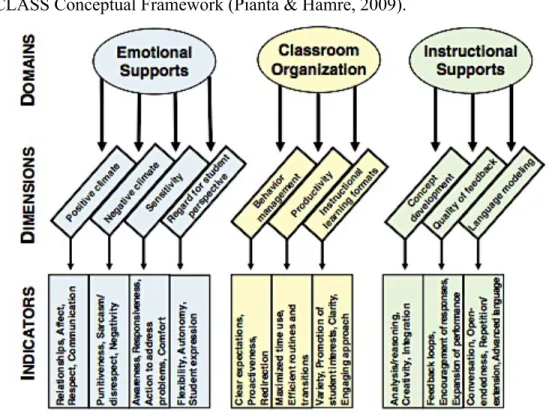
& Pianta, 2012). Instead, educators may prefer to supplement the ECERS-R with an interaction-focused observation measure on classroom quality, which mostly hones in on the instructional and relational interactions occurring within classrooms. One example of such an observation tool is the Classroom Assessment Scoring System Pre-K (CLASS Pre-K; Pianta, LaParo, & Hamre, 2008). This measure is designed to assess classrooms serving children age 3 to 5 and specifically examines the quality of teachers’ instructional interactions, social interactions, organization, and intentionality (i.e., productivity) of the classroom. CLASS Pre-K items are rated by observers on a Likert scale from one to seven across 10 sub-dimensions, which contributes to three overall domains that characterize observed classroom interactions.
Figure 1: CLASS Conceptual Framework (Pianta & Hamre, 2009).
Hamre, 2008). Studies on preschool classrooms on children outcomes have indicated that the instructional support domain on the CLASS Pre-K, which assesses quantity and quality of teachers’ language stimulation and supportive strategies, is significantly associated with children’s receptive language, oral and written language, rhyming, and letter naming skills (Mashburn et al., 2008). Further, studies have indicated that academic gains noted through the kindergarten year were associated with high-quality instructional interactions provided during the preschool year (Burchinal et al., 2008).
Domain specific. As the emphasis on early literacy and language continues to be called for in ECE programs, particularly for low-income populations, there has been an increase in classroom observation measures that specifically evaluate the quality and quantity of
General Classroom Environment, and Language and Literacy (Halle, Vick Whittaker, & Anderson, 2010; Whittaker & Pianta, 2012). Based on the publishing website, the ELLCO Research Edition has been documented as having 90% or better reliability (Brookes Publishing, 2014), and the authors of the ELLCO Pre-K anticipate that the psychometric properties will be stronger than that of the ELLCO Research Edition (Halle, Vick Whittaker, & Anderson, 2010). However, validity and reliability information on the ELLCO Pre-K are not yet available to report.
Another domain-specific observation measure that has received increased attention in the last few years is the Observation Measures of Language and Literacy (OMLIT; Goodson,
Layzer, Smith, & Rimdzius, 2006). Its origin began when it was developed for a national study on Even Start, referred to as the Even Start Classroom Literacy Intervention and Outcomes Study (CLIO; Judkins et al., 2008). The OMLIT consists of six measures or scales, all of which trained observers can use to evaluate classrooms structural and process supports. The first measure, Classroom Description, gathers basic classroom characteristics. The second scale, Snapshot of Classroom Activities (Snapshot), gains time-sample record of child and adult involvement in activities, teacher-child ratio, integration of literacy materials, and types of activities (i.e., early literacy or developmental activities) children are engaging. The Read-Aloud Profile (RAP) is the third measure in the OMLIT and is also a time-sample account of teacher support with child comprehension, print motivation, and phonological awareness during shared book reading. In the fourth measure, the Classroom Literacy Instruction Profile (CLIP), observers rate the
and quantity of classroom based literacy practices. Finally, the sixth scale, the Classroom Literacy Opportunities Checklist (CLOC), is an inventory of literacy resources available in the classroom (Judkins et al., 2008; Halle, Vick Whittaker, & Anderson, 2010; Whittaker & Pianta, 2012). In the CLIO study, the researchers extracted items from the six OMLIT measures to correspond to five classroom constructs (i.e., substantial amount of literacy resources and support for oral language, print knowledge, phonological awareness, and print motivation) that were targeted for improvement in the study. Of these constructs, the OMLIT was found to be related to children’s English phonological awareness and blending skills (Judkins et al., 2008). Present Study
Based on the preschool skills that have been identified in research as indicative of future academic success, this present study will consider specifically how classroom supports (e.g., structural and process) predict child language growth. The rationale for focusing on language development is to understand the classroom supports that facilitate language acquisition which have been seen as underling the development of many other important skills, including early literacy. Given that the classroom environment influences both instructional and relational interactions and use of language during these interactions, it is reasonable to think that frequent and positive classroom interactions will enhance children’s social competency, which may promote children’s continued engagement in social and learning interactions, consequently providing additional opportunities for language practice and development.
This present study will utilize the data from the nationally randomized study of the Even Start Family Literacy program, namely the CLIO study (Judkins et al., 2008). The dataset for this study is extensive, providing an opportunity to investigate if classroom supports (as
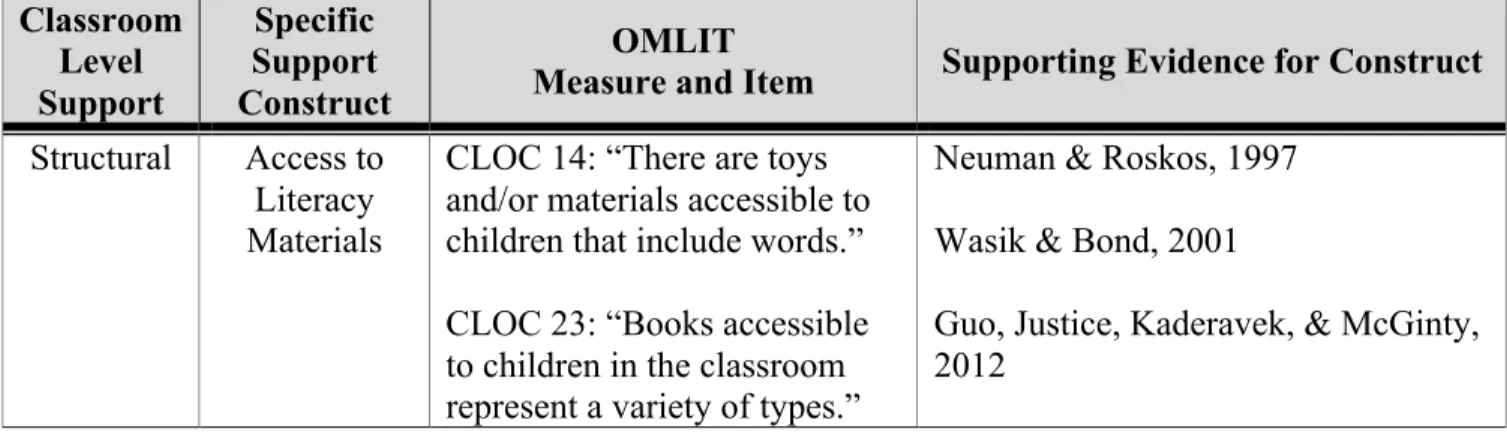
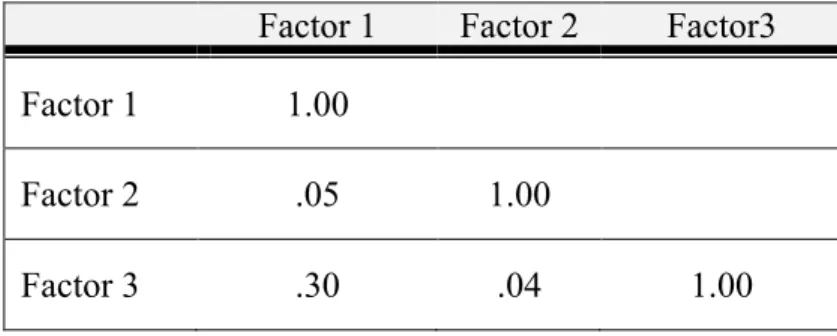
Because of the large number of variables assessed on the OMLIT, it is advantageous to consider specific constructs related to classroom quality using information from the OMLIT. Prior to examining the research questions of this study, specific classroom support constructs (i.e., types of structural and process supports) were formed based on items from the OMLIT with available data. The concept and organization of these constructs is based on theory, and the selection of OMLIT items that will form the theoretically-based constructs will be empirically driven. The three confirmed structural and process supports identified from the exploratory factor analysis (EFA) were access to literacy materials, classroom organization, and teacher-child interactions and opportunities. These are used as the three independent, or predictor, variables in this study. Table 4 (see Methodology section) organizes classroom supports measured in this study that have been linked to positive child language, literacy, cognitive, and/or socioemotional outcomes. Covariates that will be accounted for in all levels of analysis will include child age, sex, race, home language, teacher language, fall oral language score, fall understanding of syntax and grammar score (TOLD P-3 Grammatic Understanding subtest), and fall social competency score (Teacher Rating Form). The findings from this study will be used to address the following research questions:
Research Questions
1. Do classroom supports, specifically access to literacy materials, classroom organization, and teacher-child interactions and opportunities, predict child oral language and understanding syntax and grammar growth? In other words,
Hypothesis 1.1a: It is hypothesized that access to literacy materials will be a significant positive predictor of child oral language growth.
Hypothesis 1.1b: It is hypothesized that access to literacy materials will be a significant positive predictor of child language growth in understanding syntax and grammar.
1.2 Does classroom organization, as measured by the OMLIT, predict child language growth, specifically in oral language and understanding syntax and grammar?
Hypothesis 1.2a: It is hypothesized that classroom organization will be a significant positive predictor of child oral language growth.
Hypothesis 1.2b: It is hypothesized that classroom organization will be a significant positive predictor of child language growth in understanding syntax and grammar.
1.3. Do teacher-child interactions and opportunities, as measured by the OMLIT, predict child language growth, specifically in oral language and understanding syntax and grammar?
Hypothesis 1.3a: It is hypothesized that teacher-child interactions and opportunities will be a significant positive predictor of child oral language growth.
Hypothesis 1.3b: It is hypothesized that teacher-child interactions and
opportunities will be a significant positive predictor of child language growth in understanding syntax and grammar.
opportunities, on child language growth, specifically in oral language and understanding syntax and grammar?
2.1 Does growth in social competency, as measured by the CLIO Teacher Rating Form, mediate the effect of access to literacy materials, as measured by the OMLIT, on child language growth, specifically in oral language and understanding syntax and grammar?
Hypothesis 2.1a: It is hypothesized that growth in social competency will significantly and positively mediate the effects of access to literacy materials on child language growth in oral language.
Hypothesis 2.1b: It is hypothesized that growth in social competency will significantly and positively mediate the effects of access to literacy materials on child language growth in understanding syntax and grammar.
2.2 Does growth in social competency, as measured by the CLIO Teacher Rating Form, mediate the effect of classroom organization, as measured by the OMLIT, on child language growth, specifically in oral language and understanding syntax and grammar?
Hypothesis 2.2a: It is hypothesized that growth in social competency will
significantly and positively mediate the effects of classroom organization on child language growth in oral language.
Hypothesis 2.2b: It is hypothesized that growth in social competency will
significantly and positively mediate the effects of classroom organization on child language growth in understanding syntax and grammar.
OMLIT, on child language growth, specifically in oral language and understanding syntax and grammar?
Hypothesis 2.3a: It is hypothesized that growth in social competency will significantly and positively mediate the effects of teacher-child interactions and opportunities on child language growth in oral language.
CHAPTER TWO: METHODOLOGY Participants
Even Start programs operating in the 48 contiguous states were considered for eligibility to participate in the CLIO study, provided they met certain requirements. These requirements included the following:
“serve preschool children in a center-based instructional setting, enroll a minimum of either five 3- and 4-year olds in one center-based classroom, or eight 3- and 4-year olds in two center-based classrooms, provide at least 12 hours per week of center-based preschool instruction, serve a majority of families who speak either English or Spanish, be able to exert control over the curricula used in preschool classrooms, and be willing to meet the study requirements, including being randomly assigned to one of the five study groups” (Judkins et al., 2008, pp. 12-13).
The present study focuses only on the data collected for the projects, classrooms, and children that participated in the control group during the fall 2004-spring 2005 school year. The purpose of only analyzing data from the control group was to allow the examination of the effects of classroom variables without the potential influences of the intervention procedures. The CLIO study collected child outcome data (i.e., language, literacy, and social competency performance data) at the beginning and end of the school year during the fall 2004-spring 2005 study year. During the 2005-2006 academic year, only spring 2006 data were collected for the control group. Consequently, to address the child language growth in the absence of the planned intervention, only the data from the control group for the 2004-2005 year were used.
The CLIO data set is a secured data set governed by policies of the United States Department of Education and the Institute for Education Sciences (IES). Permission has been granted to have the data stored in a secure data room at the Frank Porter Graham Child
Development Institute. A number of guidelines must be adhered to when reporting data from a secured dataset. Pertinent to this study, when reporting data all unweighted sample size numbers, minimum and maximum values, frequency counts, and degrees of freedom must be rounded to the nearest ten.
is less likely to reject the null hypothesis when the distribution of scores is normal. Under these circumstances the recommendation is to rely more on the shape of distribution of scores from statistical graphs (Tabachnick & Fidell, 2007), Mahalanobis Distance values, and standardized residual values (criterion: greater than -3.29 and less than 3.29) for each variables’ skewness and kurtosis values to gauge whether the data meet the assumption for normality.
Preliminary analysis showed that there was evidence of moderate skewness for some variables; however, given the nature of variables under investigation, one may expect there to be slight negative skewness when examining children growth, as it is likely to see more growth than not over the preschool academic year. Variable transformations were considered, as this is a common method to improve skewness and produce a more normal distribution (Tabachnick & Fidell, 2007). Because the difference scores, or change scores, were computed to represent students’ growth over the year based on fall and spring social competency and language
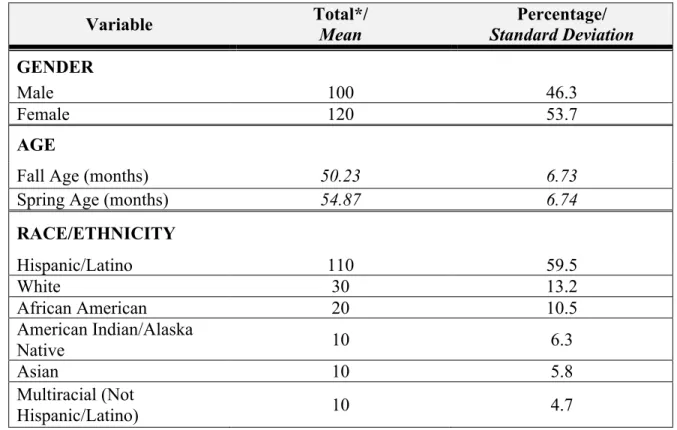
Table 1: Sample Child Demographics.
Variable Total*/ Mean Standard Deviation Percentage/ GENDER
Male 100 46.3
Female 120 53.7
AGE
Fall Age (months) 50.23 6.73
Spring Age (months) 54.87 6.74
RACE/ETHNICITY
Hispanic/Latino 110 59.5
White 30 13.2
African American 20 10.5
American Indian/Alaska
Native 10 6.3
Asian 10 5.8
Multiracial (Not
Hispanic/Latino) 10 4.7
*score rounded to nearest 10 to adhere to IES data use agreement
Table 2: Child Language Exposure
Variable Total* Percentage
HOME LANGUAGE
English Only 70 35.8
Foreign Language (includes
homes that may speak English) 120 64.2
TEACHER LANGUAGE
English Only 70 36.3
English and a Foreign
Language 120 63.7
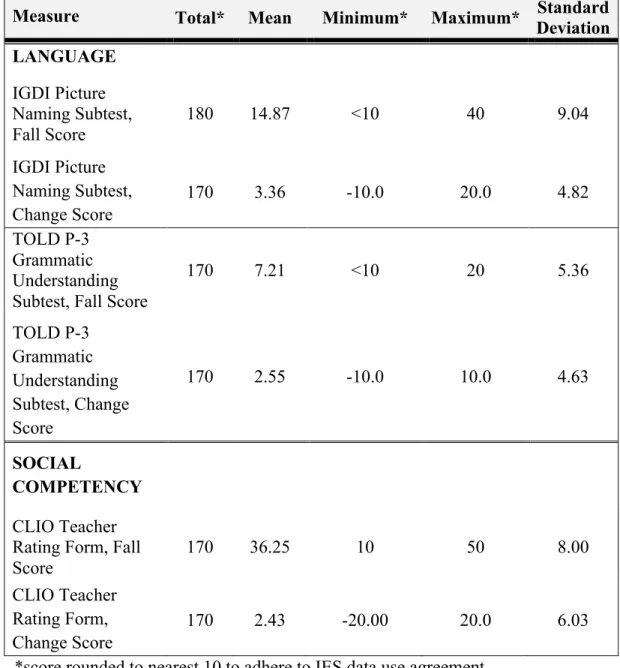
Table 3: Child Fall and Change Scores on Language and Social Competency Measures Measure Total* Mean Minimum* Maximum* Deviation Standard LANGUAGE
IGDI Picture Naming Subtest, Fall Score
180 14.87 <10 40 9.04
IGDI Picture Naming Subtest, Change Score
170 3.36 -10.0 20.0 4.82
TOLD P-3 Grammatic Understanding Subtest, Fall Score
170 7.21 <10 20 5.36
TOLD P-3 Grammatic Understanding Subtest, Change Score
170 2.55 -10.0 10.0 4.63
SOCIAL
COMPETENCY CLIO Teacher Rating Form, Fall Score
170 36.25 10 50 8.00
CLIO Teacher Rating Form, Change Score
170 2.43 -20.00 20.0 6.03
*score rounded to nearest 10 to adhere to IES data use agreement
Measures
The current study utilized the following measures from the CLIO study-- the Observation
Measures of Language and Literacy Instruction (OMLIT; Goodson, Layzer, Smith, & Rimdizius,
Grammatic Understanding subtest (Newcomer & Hammill 1997), and the CLIO Social
Competency Scale (Judkins et al., 2008). The OMLIT is a classroom measure of language and
literacy used in the current study to examine the classroom supports that may predict child
language and social competency development. Items from the six OMLIT subscales were
extracted to create the classroom support variables in the present study that may predict child
outcomes. Classroom support variables only included data collected during classroom
observations in spring 2005.
The three child outcome variables (i.e., the IGDI Picture Naming subtest, TOLD P-3
Grammatic Understanding subtest, and the CLIO Social Competency Scale) were collected
during both fall 2004 and spring 2005. Data from both time points were used in the present
study to determine if 1) the classrooms supports, as determined by the OMLIT, predicted child
language growth and 2) if social competency development mediated classroom supports effects
on child language growth.
Classroom supports. The Observation Measures of Language and Literacy Instruction
(OMLIT; Goodson, Layzer, Smith, & Rimdizius, 2006) was used in the CLIO study to assess the
effects of intervention curricula on instructional practices within classrooms. The OMLIT was
designed to address the need for research-based, reliable, and valid measure of ECE classrooms
supports and instructional practices that support language and early literacy development
(Judkins et al., 2008; Halle, Vick Whittaker, & Anderson, 2010). The rationale for the OMLIT
was derived from a combination of research, theory, and professional opinion (Judkins et al.,
2008). Data were obtained on the OMLIT to examine whether classroom supports were linked to the development of early literacy skills. These six measures are briefly described below. The
The OMLIT consists of six measures: Classroom Description, Snapshot of Classroom Activities (SNAP), Classroom Literacy Instruction Profile (CLIP), Read Aloud Profile (RAP), Quality of Instruction in Language and Literacy (QUILL), and Classroom Literacy Opportunities Checklist (CLOC). Training to use the OMLIT included classroom training, practice observing preschool classrooms, and collecting paper and pencil inter-rater reliabilities. The SNAP, RAP, CLIP, and QUILL measures require eight hours of classroom training each, whereas the
Classroom Description and CLOC measures requires less than a half-day of classroom training each (Halle, Vick Whittaker, & Anderson, 2010). Observers using the OMLIT measures should observe at least three hours, or half of a preschool day, in the classroom to obtain sufficient information to score the measures. Several of the measures were time- or event-sampled; other measures were based on overall observations of the classrooms. For the current study, all OMLIT measures were considered for inclusion. However, based on empirical data and the researcher’s professional opinion it was concluded that only select items from the QUILL and CLOC measures would be included in creating the independent variables for this study (See procedure under Data Analysis-Exploratory Factor Analysis in this chapter). Therefore, further details on the OMLIT classroom observation measures will focus on the QUILL and CLOC measures.
For the CLIO study, inter-rater reliability and inter-rater agreement were required to be at least 75% for the observer to be allowed to collect data for the study. Inter-rater agreement was based on coding agreement across 90 paired observations at the beginning of the CLIO study, and during the subsequent spring semesters. Inter-rater reliability for the QUILL measure excluded reliability on items that focused on ELL students, and determined 67% to 88% inter-rater reliability on the other items regarding the frequency of language and literacy instruction for all students. Finally, inter-rater reliability for nine of 10 sections (reliability data missing for Listening Area) on the CLOC was between 75% and 90%. Validity data have not been collected on the OMLIT measures to this date.
Child language outcomes. The CLIO study administered a battery of tests and several subtests to assess children's language and literacy development in the areas of (a) expressive
language (in English and Spanish), (b) receptive language, (c) phonological awareness, (d) print knowledge, (e) syntax, and grammar. The current study focuses on language growth by
analyzing data on expressive language, and syntax and grammar. Other child outcome measures were excluded from the current study because they did not report raw scores that were needed to successfully test the research questions. Thus, two subtests will be used to measure child
language growth: Individual Growth and Development Indicator (IGDI) Picture Naming subtest, and The Test of Language Development – Primary (TOLD P-3).
Individual Growth and Development Indicator. The Individual Growth and
child is not making as much growth as desired, educators may determine that the child would benefit from intervention support (Missall, Mcconnell, & Cadigan, 2006). The preschool version of the IGDI assesses language and early literacy skills. Only one subtest from the IGDI
instrument was used in the CLIO study, namely the Picture Naming subtest (Early Childhood Research Institute, 2003). This subtest evaluates expressive language skills by administering pictures of common objects to a child and asking the child to name the pictures as quickly as possible in one minute. The total number of items correctly named is the child’s subtest score. The CLIO study administered the English version of this subtest to all participants, and also administered the Spanish version to children from Spanish-speaking families (Judkins et al., 2008). Reliability and validity were available from the IGDI publishers for the English form but not for the Spanish version. Test-retest reliability for the English-IGDI is .67 (McConnell, Priest, Davis, & McEvoy, 2002). Concurrent validity was reported for the Preschool Language Scale-3 (speech and language scale), which ranged from .63 to .79 for children ages 3 to 5 (PLS-3; Zimmerman, Steiner, & Pond, 1992). The Picture Naming subtest is correlated with the
Dynamic Indicators of Basic Early Literacy Skills (DIBELS) measures of letter-naming fluency (r=.32-.37; Kaminski & Good, 1996). The DIBELS measure assesses literacy development in the areas of phonemic awareness, alphabetic principle, accuracy and fluency with connected text, reading comprehension, and vocabulary from kindergarten through grade 8.
The Test of Language Development – Primary. The Test of Language Development
-Primary (TOLD P-3) Grammatic Understanding subtest (Newcomer & Hammill, 1997) assesses young children’s capacity to understand the meaning of English sentences. When administrating the Grammatic Understanding subtest, the assessor reads a sentence to the child, and then
subtest includes 24 items, each scored either 0 or 1; testing is discontinued after six consecutive incorrect responses (Judkins et al., 2008). Internal consistency is reported to be .86 for four year olds, and .82 for five year olds (Newcomer & Hammill, 1997). The TOLD P-3 Grammatic Understanding subtest is correlated with the Bankson Language Test-Second Edition, a measure of preschool children’s pragmatic, sematic, and syntactical language, with correlation ranges between .64 and .79 with the overall language quotient, morphological/syntactic rules, and semantic knowledge for children in grades 1-3 (Bankson, 1990).
Social Competency. The CLIO Social Competency Scale, created specifically for the CLIO study to examine children’s cooperative and problem behavior, was based on information collected on the CLIO Teacher’s Rating Form. The items on the rating form were adapted from the FACES Cooperative Classroom Behavior Scale and the FACES Behavior Problems Scale, scales used in the Head Start Family and Child Experiences Survey (FACES) (U.S. Department of Health and Human Services, 2003). Twelve items focusing on cooperative behavior make up the FACES Cooperative Classroom Behavior Scale, which are rated using a three-point Likert scale (i.e., never, sometimes, very often). The FACES study reported a Cronbach's alpha of .88 (U.S. Department of Health, 2003), and a similar alpha of .89 was reported using the CLIO spring 2004 baseline data (Judkins et al., 2008). The second contributing scale, the FACES Behavior Problems Scale, includes 14 items on difficult behaviors (i.e., aggression,
hyperactivity, withdrawal) and are rated using a three-point Likert scale. The FACES study reported a Cronbach's alpha of .86 (U.S. Department of Health, 2003), and an alpha of .84 was reported using the CLIO spring 2004 baseline data (Judkins et al., 2008).
Cooperative Classroom Behaviors and Behavior Problems scales were combined and tailored to create a form that would emphasize more social competence and less on teacher behavior modification. After conducting a four-parameter logistic item-response theory (IRT) modeling and rejecting two items due to low correlations with the combined scale, 24 items were deemed highly correlated with one another (Cronbach's alpha=.92) and made up the CLIO Social Competency Scale (Judkins et al., 2008).
Procedures
To investigate the research questions proposed in the current study, data were extracted from the Even Start Classroom Literacy Interventions and Outcomes (CLIO) study. The CLIO study was the first national experimentation study of Even Start since its inception in 1989, though previous national non-experimental studies had been conducted. Even Start is an early childhood education (ECE) program comparable to Head Start that incorporates a family literacy model to promote literacy development in low-literacy, low-income children and their families. Prior to the CLIO study, the U.S. Department of Education funded three national evaluations of Even Start (Judkins et al., 2008). The first two studies, which were random assignment studies, indicated that Even Start did not yield the literacy gains anticipated in both the participating preschool students and their parents compared the control group (St. Pierre et al., 1995; St. Pierre et al., 2003). The third study was designed to understand the underlying factors (i.e., related to
Even Start implementation, quality and intensity of instruction and curriculum content, and
family participation) that may have contributed to the lack of evidence regarding literacy
outcomes for participants in Even Start programs from the first two studies (St. Pierre, Ricciuti,
As an effort to enhance the services and child and parent outcomes in Even Start, the
CLIO study implemented evidenced-based, literacy-based curricula in a set of randomly assigned
Even Start projects to determine if the curricula were more effective than the services typically
provided at Even Start (Judkins et al., 2008). The national study was sponsored by the U.S.
Department of Education National Center for Education Evaluation and Regional Assistance (NCEE) and the Institute of Education Sciences (IES) for three years (2003-2006). There were five study groups, which included a control group, two intervention groups with research-based, based ECE curricula only, and two intervention groups with research-based,
literacy-based ECE and parent education curricula.
Prior to randomly assigning the projects to one of five study groups, 24 strata were created based on several variables, including project size, proportion of Spanish speaking children, year the project was up for recompetition, and region. Each strata contained five projects, and the projects were then randomly assigned to a study group. Comparison of the five study groups indicated that randomization yielded well-matched study groups and that there were no statistically significant differences between the study groups (Judkins et al., 2008). Two study groups implemented one of the two research-based curricula with both the childhood
education and parenting education components, two study groups implemented one of the two research-based curricula along with the existing parenting education services at the Even Start projects, and one study group (i.e., control) was not provided CLIO interventions and continued with operation with their existing Even Start services.
at the child, parent, classroom, and project level. The study concluded that curricula with both ECE and parent education components had statistically significant positive impacts on classroom
variables, namely support for print knowledge and adequacy of literacy resources, as well as
child social competency (Judkins et al., 2008). To address the proposed research questions in the
current study, only the classroom and child level data for the control group collected during the
fall 2004-spring 2005 school year will be examined. An application was submitted to and approved by the University of North Carolina at Chapel Hill’s IRB (Study #: 14-3002).
Data Analyses
Due to significant missing data (according to approximately 24% listwise deletion) among the dependent variables as mentioned in the Participants section, missing values analysis and multiple imputation were first addressed. An exploratory factor analysis (EFA) was then used to identify the values of the independent variables for this study. In the CLIO study children were nested within classrooms, which were nested within Even Start projects. Thus, hierarchical linear modeling was utilized to understand the predictive relationship between the independent and dependent variables to address nesting features. Multiple regression analyses were used to determine whether the hypothesized mediating variable, change in social
competency, in fact influence the relationship between independent and dependent variables. To describe the statistical analyses used in this study, the research questions have been restated below with an overview of the analysis methodology. All statistics were completed using SPSS Statistics version 22.0.
Exploratory factor analysis.