START THAT COEXISTENCE: THREE STUDIES OF PARENT RESPONSIVENESS TO CHILDREN WITH OR AT-RISK FOR AUTISM SPECTRUM DISORDER
Jessica L. Kinard
A dissertation submitted to the faculty at the University of North Carolina at Chapel Hill in partial fulfillment of the requirements for the degree of Doctor of Philosophy in the Department of Allied Health Sciences in the School of
Medicine (Speech and Hearing Sciences).
Chapel Hill 2014
ABSTRACT
Jessica L. Kinard: Start that Coexistence: Three Studies of Parent Responsiveness to Children with or At-Risk for Autism Spectrum Disorder
(Under the direction of Linda R. Watson)
This dissertation includes three studies of parent responsiveness to children with or at-risk for autism
spectrum disorder (ASD). The first study examined the usefulness of a rating system compared with a coding system to measure parent responsiveness in an intervention study for toddlers at-risk for ASD. Two issues were examined: (a) correlations between parent responsiveness measured by the coding and rating systems; and (b) the sensitivity of the coding and rating systems to group changes in responsiveness. The coding and rating systems were significantly correlated on domains of responsiveness and affect, but not achievement or directiveness. Parents in the intervention group increased more in responsivity from entry to follow-up than parents in the control group as measured by the coding system, but not the rating system. The purpose of the second and third studies was twofold: (a) to examine the success of a parent responsiveness intervention (Adapted Responsive Teaching) for improving the social-communication of young children with ASD from Spanish-speaking families; and (b) to explore the caregivers’ perspectives about the feasibility and acceptability of this intervention. The second study used a combined multiple baseline across participants and behaviors design. Baseline data were collected on social-communication behaviors for three Hispanic children with ASD (age range in years and months was 2.9 – 4.4). In the intervention, parents were taught responsiveness strategies to improve their child’s social-communication. Treatment effects were demonstrated in: (a) two out of three children and (b) four out of seven targeted behaviors. These results provide moderate evidence for the ART intervention’s effectiveness at improving social-communication in Hispanic children with ASD. In the third study, semi-structured interviews were completed with the children’s parents before and after participating in the intervention. Qualitative analysis was used explore themes in these families’
ACKNOWLEDGEMENTS
TABLE OF CONTENTS
LIST OF TABLES...ix
LIST OF FIGURES ... x
LIST OF ABBREVIATIONS ...xi
CHAPTER 1: INTRODUCTION TO THREE STUDIES OF PARENT RESPONSIVENESS TO CHILDREN WITH OR AT-RISK FOR ASD ... 1
Defining Parent Responsiveness ... 1
Study 1: Measuring Parent Responsiveness in an Early Parent-Mediated ASD Intervention ... 2
Study 2: Parent-Mediated Intervention for Hispanic Families of Toddlers and Preschoolers with ASD ... 3
Study 3: “I Want to Learn More”: Hispanic Parents’ Experiences with Early ASD Interventions ... 3
CHAPTER 2: MEASURING PARENT RESPONSIVENESS IN AN EARLY PARENT- MEDIATED ASD INTERVENTION ... 5
Introduction ... 5
Methods ... 8
Participants ... 8
Setting ... 11
Procedures ... 11
Data Collection Methods and Instruments ... 13
Data Analysis ... 15
Results ... 16
Group Differences on Demographic Characteristics ... 16
Reliability of the PRCS Coding ... 16
Association between PRCS and MBRS Ratings of Parent Responsiveness ... 17
Group Differences: Change in Parent Responsiveness ... 18
Discussion ... 21
Associations between the PRCS and MBRS ... 22
Conclusion and Future Directions ... 31
CHAPTER 3: PARENT-MEDIATED INTERVENTION FOR HISPANIC FAMILIES OF TODDLERS AND PRESCHOOLERS WITH ASD ... 33
Introduction ... 33
Methods ... 35
Participants and Settings ... 35
Procedures ... 36
Data Collection Methods and Instruments ... 41
Data Analysis ... 46
Results ... 46
Initial Assessment ... 46
Reliability of the Social-Communication Coding System (SCCS) ... 46
Reliability of the Parent Responsiveness Coding System (PRCS)... 47
Interventionist Fidelity ... 48
Parent Fidelity ... 48
Visual Analysis: Social-Communication ... 48
Parent Responsiveness ... 60
Social Validity ... 61
Discussion ... 62
Limitations ... 64
Treatment Effects: Samuel and Camilo’s Social-Interaction and Requesting ... 65
Non-Effect: Samuel’s Joint Attention ... 67
Non-Effects: Luis’s Social-Interaction and Requesting ... 67
Conclusion ... 70
CHAPTER 4: “I WANT TO LEARN MORE”: HISPANIC PARENTS’ EXPERIENCES WITH EARLY ASD INTERVENTIONS ... 71
Introduction ... 71
Methods ... 75
Procedures ... 76
Data Analysis ... 82
Results ... 83
Pre-Helping and Respect Stage ... 85
Helping and Reciprocity Stage: Non-ART ... 94
Helping and Reciprocity Stage: ART-Related ... 99
Post-Helping and Responsiveness Stage: ART ... 107
Discussion ... 108
Concerns and Priorities ... 109
Family Strengths and Characteristics ... 113
CHAPTER 5: CONCLUSION TO THREE STUDIES OF PARENT RESPONSIVENESS TO CHILDREN WITH OR AT-RISK FOR ASD ... 117
Adapted Responsive Teaching (ART) Across Cultures ... 117
Affect... 118
Future Research ... 119
Conclusion ... 121
APPENDIX: POST-ART SEMI-STRUCTURED INTERVIEW QUESTIONS (ENGLISH VERSION) ... 122
LIST OF TABLES
Table 1 - Demographic characteristics of parents and children with complete entry data ... 10
Table 2 - Examples of parent responses in the parent responsiveness coding system (PRCS) ... 14
Table 3 - Descriptive statistics for PRCS scores and averaged MBRS factor scores at entry ... 17
Table 4 - Spearman rho correlations between entry PRCS scores and MBRS factors ... 19
Table 5 - Descriptive statistics for change in PRCS and averaged MBRS scores from entry to follow-up ... 20
Table 6 - Participant demographic characteristics ... 37
Table 7 - ART strategies taught to the families ... 42
Table 8 - Initial assessment results ... 47
Table 9 - Percent parent fidelity to implementation ... 49
Table 10 - Parent responsiveness ... 61
Table 11 - Participant demographic characteristics ... 77
Table 12 - Initial assessment results ... 78
LIST OF FIGURES
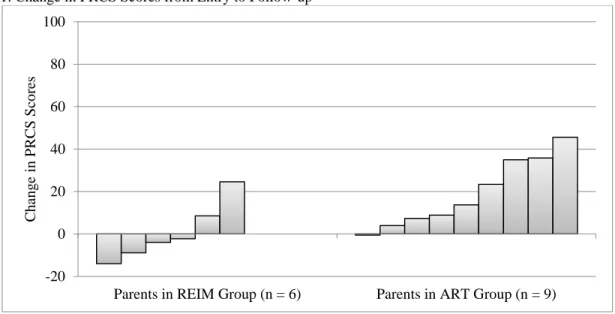
Figure 1 - Change in PRCS Scores from Entry to Follow-up ... 21
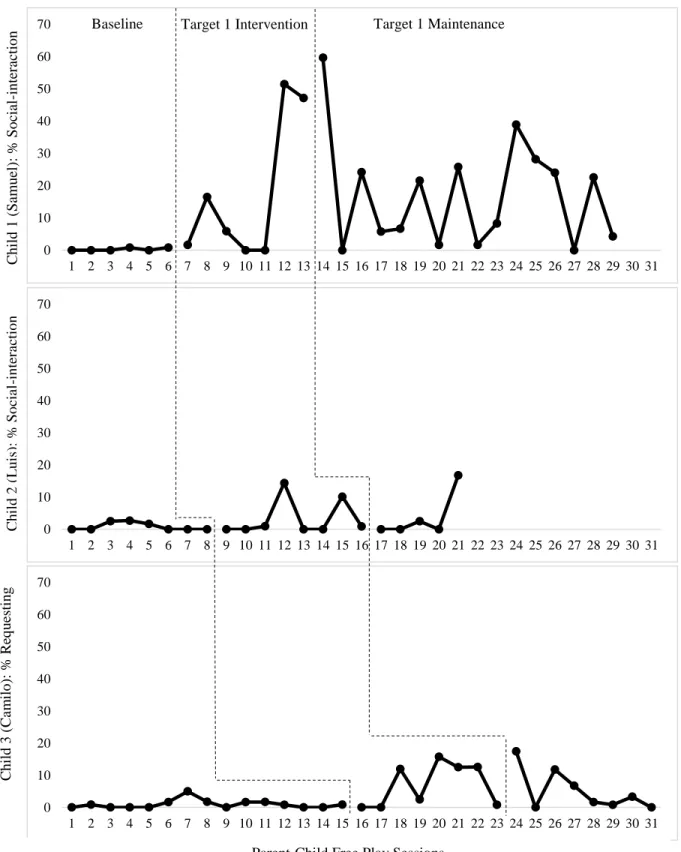
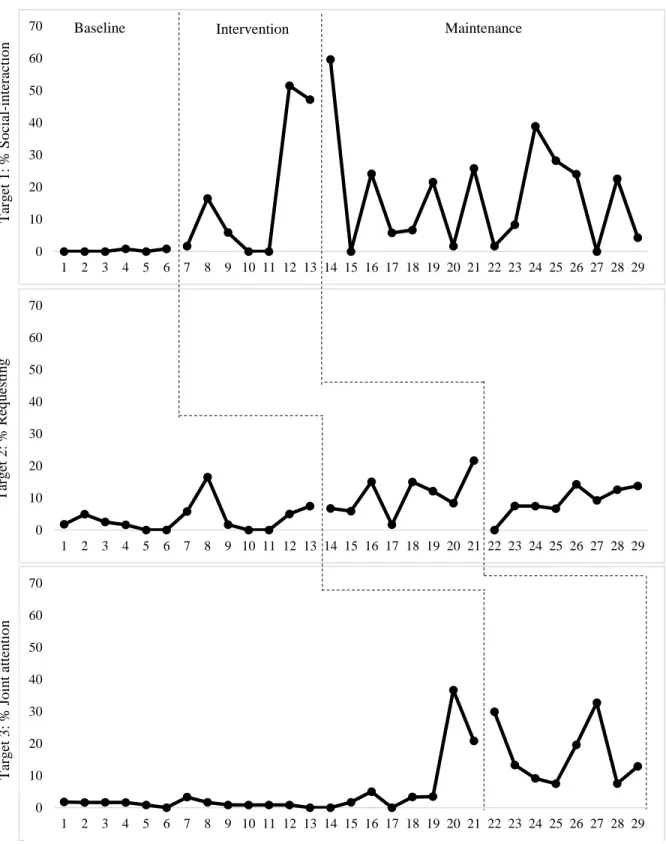
Figure 2 - Multiple Baseline across Participants: Target 1 ... 50
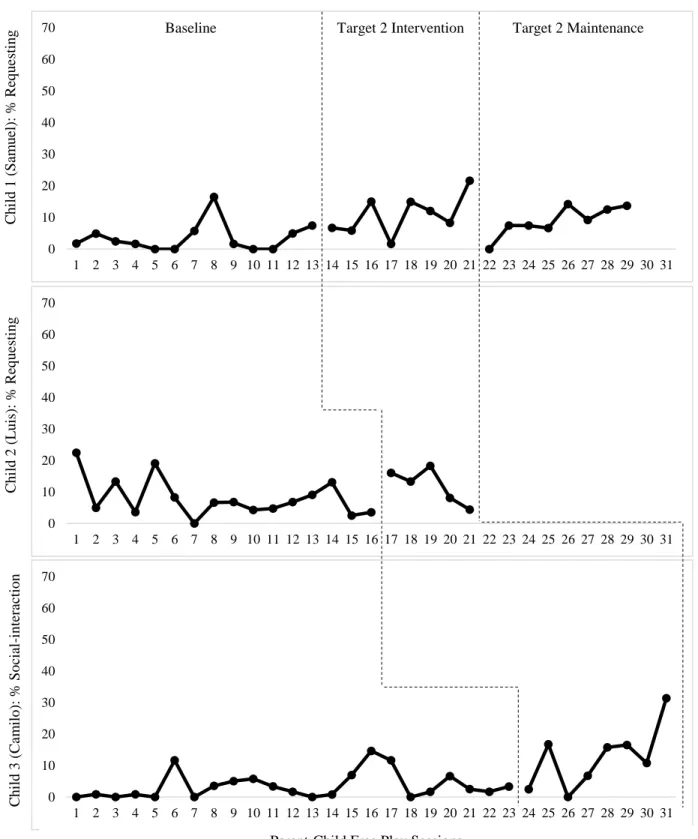
Figure 3 - Multiple Baseline across Participants: Target 2 ... 52
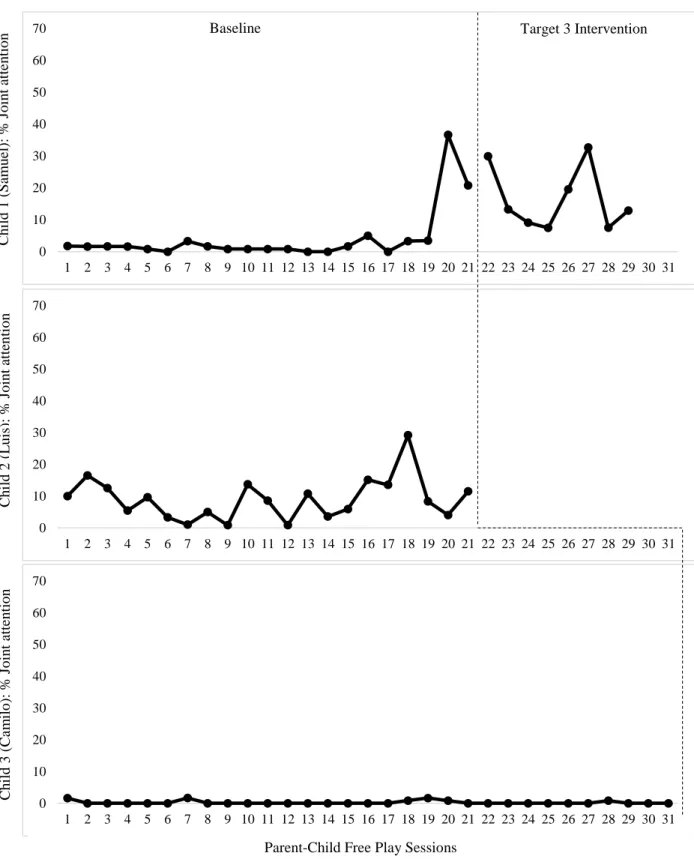
Figure 4 - Multiple Baseline across Participants: Target 3 ... 54
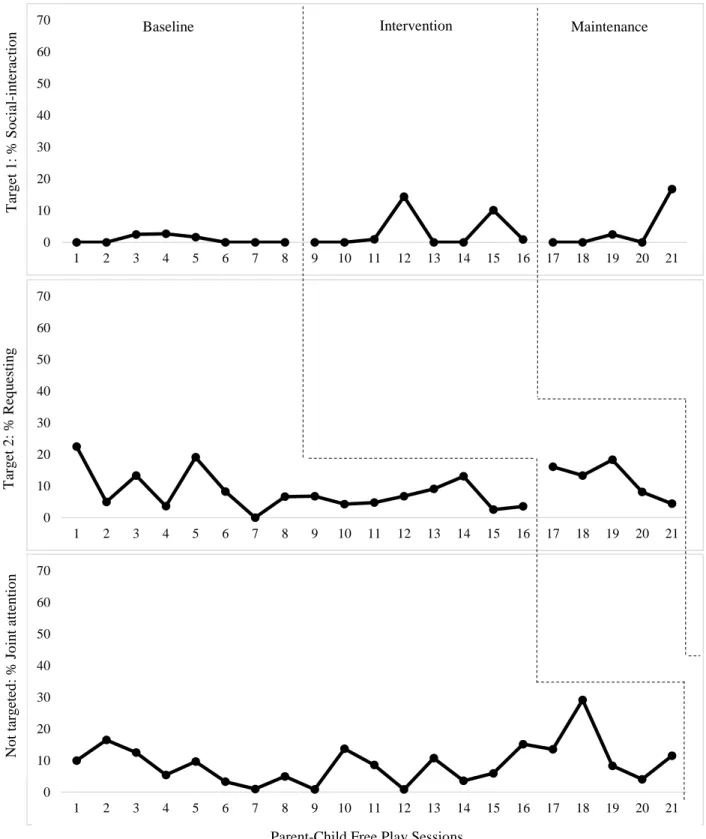
Figure 5 - Multiple Baseline across Behaviors: Child 1 (Samuel)... 56
Figure 6 - Multiple Baseline across Behaviors: Child 2 (Luis) ... 58
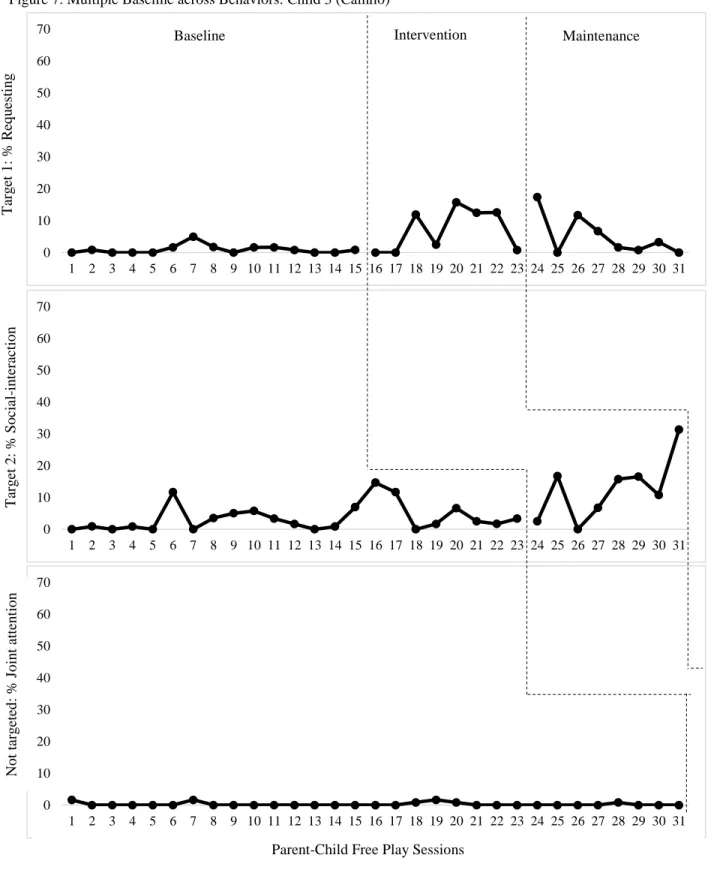
Figure 7 - Multiple Baseline across Behaviors: Child 3 (Camilo) ... 59
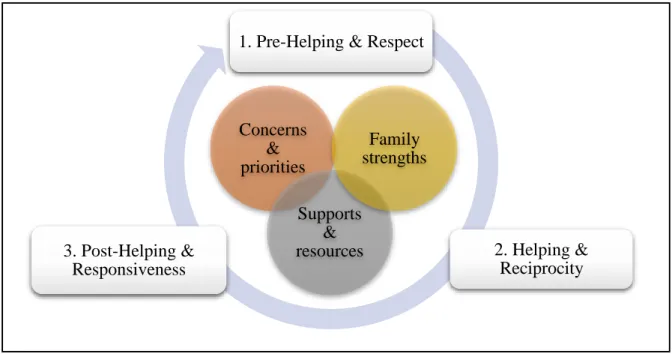
Figure 8 - Conceptual Model for Family-Systems Intervention and Skilled Dialogue ... 73
LIST OF ABBREVIATIONS AC Auditory comprehension
ADOS Autism Diagnostic Observation Schedule
ADOS-T Autism Diagnostic Observation Schedule—Toddler Module AOSI Autism Observation Scale for Infants
ART Adapted Responsive Teaching ASD Autism spectrum disorder
BAS Bidimensional Acculturation Scale for Hispanics CAM Complementary and alternative medicine CDSA Child Developmental Services Agency CLD Culturally and linguistically diverse EC Expressive communication
EDP-I Early Development Project-I FDIT Father-Directed In-Home Training
FRED-R Family Routines Exploration and Description—Revised FYI First Year Inventory
GED General Education Development ICC Intra-correlation coefficient
IDEA Individuals with Disabilities Education Act MBRS Maternal Behavior Rating Scale
PLS-5S Preschool Language Scale-5—Spanish Edition PRCS Parent Responsiveness Coding System REIM Referral to Early Intervention and Monitoring RRB Restricted and repetitive behavior
RT Responsive Teaching
SA Social affect
SD Standard deviation SES Socioeconomic status
TEACCH Treatment and Education of Autistic and related Communication handicapped Children
US United States
CHAPTER 1: INTRODUCTION TO THREE STUDIES OF PARENT RESPONSIVENESS TO CHILDREN WITH OR AT-RISK FOR ASD
The three studies in this dissertation present new findings about parent responsiveness in the field of autism spectrum disorder (ASD). The first study compares two methodologies for measuring parent responsiveness in the context of early intervention for infants at-risk for ASD. The second study is a single-case design, examining the success of a parent-responsiveness intervention for Hispanic toddlers and preschoolers with ASD. In the third study, the Hispanic parents who participated in the single-case design discuss their experiences with the
parent-responsiveness intervention. To use the words of the participants, the motivation behind all three studies is “to start that coexistence”—to help parents of children with ASD “go inside that world” and create strong outcomes, both for
themselves and their child. To provide a context for understanding the studies, this introduction will: (a) define parent responsiveness as it relates to ASD; and (b) highlight how the three studies incorporated parent
responsiveness.
Defining Parent Responsiveness
Parent responsiveness has been identified as a fundamental component of parent-child interactions (Landry, Smith, Swank, Assel, & Vellet, 2001), and is strongly associated with social-communication development in children with ASD (Siller & Sigman, 2002, 2008). This association between social-communication and parent-responsiveness has sparked interest in developing parent-parent-responsiveness interventions for children with ASD, particularly since social-communication deficits are a defining characteristic of the disorder (Karaaslan, Diken, & Mahoney, 2013; Mahoney & Perales, 2005; Venker, McDuffie, Ellis Weismer, & Abbeduto, 2012). If parent responsiveness fosters social-communication development, then this parenting style may be a powerful way to help children with ASD at an early age. The Transactional Model of Development provides a theoretical background for targeting parent responsiveness in early intervention (Sameroff, 2009). According to this theory, the child lives within a system of bidirectional influences, wherein the child influences the family’s outcomes and the family influences the child’s outcomes (Fiese & Sameroff, 1989, p. 297). By addressing parent responsiveness,
Highly responsive parenting styles are important for children who are typically developing, as well as children with developmental disabilities, including ASD (Koegel, Bimbela, & Schreibman, 1996; Mahoney & Perales, 2005; Siller & Sigman, 2002, 2008; S. F. Warren, Brady, Sterling, Fleming, & Marquis, 2010). Parent responsiveness may provide a protective effect for children who are at risk for developmental delays (Laucht, Esser, & Schmidt, 2001; S. F. Warren et al., 2010). Children appear to benefit most when the parent response is: (a) quick, meaningful, and produced in response to the child’s focus of attention or communication attempt (Tamis-LeMonda,
Bornstein, & Baumwell, 2001); (b) maintained at a high level over time (Landry et al., 2001; Tamis-LeMonda et al., 2001); and (c) differentiated into subtypes of behaviors, in order to meet the child’s changing developmental levels (McDuffie & Yoder, 2010; Tamis-LeMonda et al., 2001; Venker et al., 2012). In contrast, redirections (i.e., asking the child to shift attention and behavior) are not considered to be useful for improving communication skills (Siller, Hutman, & Sigman, 2013; Siller & Sigman, 2002, 2008; Venker et al., 2012; Wan et al., 2012). However, some forms of directives are positively associated with children’s later language skills, particularly when they relate to the child’s focus of attention (McDuffie & Yoder, 2010; Tamis-LeMonda et al., 2001; Venker et al., 2012; S. F. Warren
et al., 2010). Because of its powerful role in early development, parent responsiveness is incorporated into all three studies of this dissertation. Each of these studies, and its focus on parent responsiveness, is described briefly below.
Study 1: Measuring Parent Responsiveness in an Early Parent-Mediated ASD Intervention
Researchers are interested in the idea of parent responsiveness and its relationship to ASD outcomes, given the increasing number of ASD intervention studies targeting parent responsiveness (e.g., Carter et al., 2011; Estes et al., 2014; Green et al., 2013; Karaaslan et al., 2013; Siller et al., 2013; Siller, Swanson, Gerber, Hutman, & Sigman, 2014). Before researchers can delve into these interventions, however, they need to have a plan for measuring parent responsiveness. The construct of “responsiveness” is complex. Not only do definitions vary across research projects,
but there are some aspects of the construct that can be objectively measured—observable behaviors like playing with the child’s toy—and subjective qualities, like a parent’s animation and joy during the interaction. In an attempt
determine their relative value for early intervention studies, depending on the type of questions researchers are asking.
Study 2: Parent-Mediated Intervention for Hispanic Families of Toddlers and Preschoolers with ASD The second study examined the impact of a parent-responsiveness intervention on the
social-communication skills of children with ASD, as well as parent responsiveness behaviors, using a multiple baseline across participants and behaviors design. Parent responsiveness was measured using the coding system of parent responsiveness that was evaluated in Study 1. Parent-responsiveness interventions have been studied previously, as noted above, but have been primarily developed and studied in mainstream cultures. Increasing evidence shows disparities in ASD healthcare among Hispanic families of children with ASD who are living in the United States (e.g., Magaña, Parish, Rose, Timberlake, & Swaine, 2012; Parish, Magana, Rose, Timberlake, & Swaine, 2012; Zuckerman et al., 2014). Scholars speculate that a reason for these disparities could be a culture clash—that mainstream interventions may not be as effective in culturally and linguistically diverse families, because of conflicting value systems (e.g., van Kleeck, 1994). To address these concerns, this second study recruited primarily Spanish-speaking families of children with ASD for participation in a parent-responsiveness intervention, and examined the intervention’s success for improving child social-communication skills in this culturally and
linguistically diverse sample.
Study 3: “I Want to Learn More”: Hispanic Parents’ Experiences with Early ASD Interventions
Although findings about intervention effects are important, so are the perspectives of participating families. Simply finding treatment effects does not imply that families value the program. If culturally and linguistically diverse families experience a culture clash with mainstream interventions and/or practitioners, as noted above, then they could potentially learn parent-responsiveness techniques, but abandon them after the program is over,
particularly if the program does not seem relevant to their lives (Barrera & Corso, 2002). Thus, for this third study, the focus changed from intervention effects to intervention experiences. Specifically, the Spanish-speaking parents from Study 2 participated in semi-structured interviews in Study 3, exploring their experiences with the parent-responsiveness intervention, as well as other interventions their child has received. In the interviews, the families discussed the topic of parent responsiveness, although they never used that terminology. Instead, parents talked about how parent involvement is important for developing “coexistence” between themselves and their child with
CHAPTER 2: MEASURING PARENT RESPONSIVENESS IN AN EARLY PARENT-MEDIATED ASD INTERVENTION
Introduction
Currently, evidence indicates that parents of children with autism spectrum disorders (ASD) are as contingently responsive as parents of other children (Siller & Sigman, 2002; Watson, 1998), but that children with ASD may benefit more than children with other developmental disabilities from highly responsive parenting strategies (Siller & Sigman, 2002). In relation to responsivity, children with ASD may prefer solitary activities and have difficulty initiating and responding to joint attention (Davis & Carter, 2008; Paul & Norbury, 2012), potentially reducing the number of opportunities they have to engage in reciprocal interactions with their parents. As a result, parents of children with ASD may have to work harder (i.e., demonstrate even higher levels of responsiveness) than parents of other children to gain and maintain reciprocal interactions. As an added barrier, research indicates that parents of children with ASD, particularly mothers, often experience elevated feelings of stress and depression (Davis & Carter, 2008) which may impact their responsiveness. For example, mothers who are depressed may show less affect and communication, have fewer interactions with their children, and demonstrate overly-controlling or apathetic attitudes toward parenting (Field, 2010). Thus, these factors may play a role in a parent’s responsiveness to his/her child.
There is a perceived need to help caregivers meet these challenges and optimize highly responsive interactions with their children with ASD. Thus, researchers are increasingly focusing on parent-mediated
interventions for young children with or at-risk for ASD, such as Hanen Centre’s More Than Words program (Carter et al., 2011; Patterson & Smith, 2011; Venker et al., 2012), Responsive Teaching (Karaaslan et al., 2013; Mahoney & Perales, 2005), Intervention in BASIS (Green et al., 2013), and other programs that include parental
responsiveness as a key ingredient of the intervention approach.
behaviors, counting the number of target behaviors that occur within a certain timeframe. When using rating systems, researchers observe graded behaviors, rating the “level” of target behaviors on a Likert scale.
To our knowledge, no published studies in ASD literature have used a combination of coding and rating systems to measure parent responsiveness. Most previous studies in the ASD literature have used coding systems to measure parent responsiveness (Carter et al., 2011; Flippin & Watson, 2011; Leezenbaum, Campbell, Butler, & Iverson, 2013; McDuffie & Yoder, 2010; Meek, Robinson, & Jahromi, 2012; Meirsschaut, Warreyn, & Roeyers, 2011; Siller et al., 2013; Siller & Sigman, 2002, 2008; Venker et al., 2012). Others have measured parent
responsiveness with rating scales (Diken & Mahoney, 2013; Green et al., 2013; Karaaslan et al., 2013; Koegel et al., 1996; Larkin, Guerin, Hobson, & Gutstein, 2013; Mahoney & Perales, 2005; Wan et al., 2012). Studies outside the field of ASD have used a combination of coding and rating systems to measure parent responsiveness, such as with typically developing children (Barry, Kochanska, & Philibert, 2008), children from diverse cultures (Bornstein et al., 1992), and high-risk preterm children (Landry et al., 2001). One study examined a rating scale to determine its usability in clinical settings (Larkin et al., 2013), whereas most studies have used rating scales in research contexts (Green et al., 2013; Karaaslan et al., 2013; Koegel et al., 1996; Mahoney & Perales, 2005; Patterson, Elder, Gulsrud, & Kasari, 2013; Wan et al., 2012).
When coding systems were employed in the ASD literature, researchers either coded every instance of a target behavior (e.g., Siller et al., 2013), or coded the behaviors in intervals (i.e., coded the occurrence or
nonoccurrence of a targeted behavior per time interval) (e.g., Meek et al., 2012). For example, one coding system designed by McDuffie and Yoder (2010) and used with minor adaptations in several studies, measured verbal and/or non-verbal parent responses in 5-second intervals (Carter et al., 2011; Flippin & Watson, 2011; McDuffie & Yoder, 2010). Among studies that have used rating systems, researchers have frequently measured levels of parent
responsiveness and directiveness, among other behaviors, on a Likert scale (Green et al., 2013; Karaaslan et al., 2013; Mahoney & Perales, 2005; Wan et al., 2012). The Maternal Behavior Rating Scale (MBRS) is an example of this type of system (Karaaslan et al., 2013; Kim & Mahoney, 2005; Mahoney & Perales, 2005). When using the MBRS, researchers watch parent-child interactions, and then rate the parent’s behaviors on a scale of 1 to 5 for each of four dimensions, including the dimension of responsiveness.
responsiveness in the context of a quasi-experimental intervention study, examining the impact of a parent-mediated intervention for toddlers at-risk for ASD. The study used the MBRS as a way of rating parent responsiveness, and the PRCS as a way to code discrete parent response behaviors.
Collectively, previous studies have not explicitly examined which type of system would be the most advantageous for measuring parent responsiveness—coding systems, rating scales, or a combination of both. Larkin and colleagues (2013) suggest that coding systems may be most applicable to research contexts, where coders are trained to use computer coding software. In contrast, they argue that ratings systems may be most useful in clinical settings, where practitioners can more feasibly measure behaviors by methods that are less time-consuming and do not require expensive software. Based on this idea, Larkin and colleagues adapted a coding system to be used as a rating system and found that in clinical settings, the ratings could discriminate interactions among parent-child dyads with and without ASD (Larkin et al., 2013). However, Larkin and colleagues (2013) did not directly compare their coding system and the adapted rating system, either in the clinical or research context. Furthermore, they did not discriminate interactions between groups based solely on ratings of parent responsiveness; instead, three
components were examined using the coding and rating scale: child joint attention, child engagement, and both child and parent responsiveness, as opposed to only parent responsiveness.
Without further studies, it is unclear whether one measurement system is more sensitive to change in parent behaviors over another system, and particularly if they measure parent behaviors equally or if they even measure the same constructs. In intervention studies targeting parent responsiveness, sensitive measurement of these behaviors is crucial, so that researchers can draw conclusions about the intervention’s effect on parent responsiveness. In
response to these issues, the current study examined two issues: (a) correlations between the MBRS and PRCS; and (b) each measure’s sensitivity to group changes in parent responsiveness.
The use of both measurement systems was applied to a sample of parent-child interactions recorded before and after a specific ASD-focused intervention. The intervention we used is entitled the Adapted Responsive Teaching (ART) intervention (G. T. Baranek et al., 2015). The purpose of ART is to enhance parents’
with increases in parent responsiveness and with positive child outcomes in toddlers and preschool children with ASD, as well as children with other developmental disabilities, both in and outside the U.S. (Karaaslan et al., 2013; Kim & Mahoney, 2005; Mahoney & Perales, 2005).
The present study used data collected in a pilot study in which ART was provided to 1-year-olds at-risk for ASD (G. T. Baranek et al., 2015). For the current study, we first examined correlations between the PRCS and the MBRS. The PRCS has shown to be a reliable measure of parent responsiveness (Carter et al., 2011; Warren, Fey, & Yoder, 2005). The MBRS has also reliably identified changes in parent responsiveness (e.g., Karaaslan et al., 2013; Mahoney & Perales, 2005). Based on the past success of both systems, the working hypothesis was that high concurrent associations would exist between (a) coded parent responsiveness behaviors with the PRCS and (b) ratings of parent responsiveness on the MBRS.
Second, we examined the usefulness of each measurement tool in identifying group differences in parent responsiveness. Both the MBRS (e.g., Mahoney & Perales, 2005) and prior versions of the PRCS (e.g., Carter et al., 2011) have successfully detected differences in parent responsiveness between intervention and comparison groups. Based on these results, as well as the past success of the RT intervention in improving parent responsiveness (e.g., Karaaslan et al., 2013), our hypothesiswas that parents would exhibit a greater change in their responsive behaviors after the ART intervention than parents in the comparison group, as measured by both the MBRS and the PRCS.
Methods Participants
This study was approved by the Institutional Review Board at the University of North Carolina at Chapel Hill. The child participants in this study were enrolled in the Early Development Project-I (EDP-I), a study of the efficacy of ART for improving outcomes for 1-year-olds at-risk for ASD. The toddlers in the study were identified as at-risk using the First Year Inventory (FYI) (Baranek, Watson, Crais, & Reznick, 2003; Turner-Brown, Baranek, Reznick, Watson, & Crais, 2013).
The children were 12 months old at the initial screening, 13 – 17 months old at the entry (pre-intervention) assessment, and then spent 6 – 8 months in the intervention phase. After the intervention phase, the children were 22 – 26 months old at the post-intervention assessment and 30 – 35 months old at the diagnostic follow-up assessment.
March 2009, with about 12,000 FYI packets sent overall. Recruitment occurred in five counties in central NC, and included both rural and urban communities. Recruitment was restricted to English-speaking families. In total, families completed and returned 2,261 FYIs during the grant period, an 18.8% response rate. Among the families willing to be contacted (91%, n = 2,064), parents were invited to participate in the entry evaluation based on meeting one of the following criterion: (a) their infant’s risk score was at or above the 95th percentile on the FYI; (b) their
infant scored at or above the 90th percentile on the FYI and parents reported concerns in the areas of core ASD
symptoms; or (c) the parent reported a family history of ASD. The following children were excluded from further participation in the study, even if they met the above criteria: children with Down syndrome, cerebral palsy, significant prematurity, and/or significant vision or hearing difficulties, as reported by the parents. In addition, participants only included families who spoke mainly English at home.
Following the entry assessment, families were invited to participate in the intervention phase of the study if their child met at least one the following criterion, based on the entry evaluation: (a) he/she met ASD cutoffs based on the Autism Observation Scale for Infants (AOSI; Bryson, Zwaigenbaum, McDermott, Rombough, & Brian, 2008) (AOSI; Bryson, Zwaigenbaum, McDermott, Rombough, & Brian, 2008) or the Autism Diagnostic
Observation Schedule—Toddler Module (ADOS-T; Luyster et al., 2009), (b) he/she demonstrated delays in social-communication development, and/or (c) he/she demonstrated symptoms in sensory-regulatory skills consistent with ASD. Among the 18 families who met eligibility criteria for inclusion in EDP-I, 11 families were randomly assigned to the ART intervention group and 5 were randomly assigned to a Referral to Early Intervention and Monitoring (REIM) group, using a 2:1 randomization ratio. Two additional families were eligible based on the entry assessment, but declined randomization. These families were referred to community early intervention services and agreed to return for follow-up assessments. They, along with families randomized to the REIM group, were included in a comparison group (n=7) for the current analyses.
Sixteen of the 17 families with complete entry data provided demographic information about themselves, which is summarized as follows (see Table 1). One family in the REIM group declined to provide demographic information, and so is not included in the following descriptions. Across both groups, all of the children’s parents were married, except for one couple in the ART intervention group who was unmarried, but living together. The families in the ART intervention group had a mean annual household income of $70,001 to 80,000 (maximum = $150,001 to 200,000; minimum = $20,001 to 25,000). In the REIM group, the families had a mean annual household income of $80,001 to 90,000 (maximum = $150,001 to 200,000; minimum = $45,001 to 50,000). Across both groups, all fathers were currently working or in school, except for one father in the REIM group. In the ART group, 6 of the 10 mothers were currently working or in school; in the REIM group, 3 of the 6 mothers who provided information were working or in school. One family in each group was bilingual, and the other families spoke only English at home.
Table 1
Demographic Characteristics of Parents and Children with Complete Entry Data Children in the ART group
(n = 10)
Children in the REIM group (n = 7)
Mother
Age at entry (years)
Mean of 31.7 (range of 25 – 38) Mean of 32.7 (range of 29 – 38)
Education 1 = vocational or trade degree after high school
1 = courses toward college degree 5 = college degree
3 = master’s degree
1 = courses toward college degree 2 = college degree
2 = master’s degree 1 = professional degree 1 = missing data Father
Age at entry (years)
Mean of 32.9 (range of 26 – 37) Mean of 34 (range of 31 – 36) Education 1 = 9 – 11th grade
1 = associates or 2 year degree 1 = courses toward college degree 4 = college degree
2 = master’s degree 1 = professional degree
2 = associates or 2 year degree 3 = college degree
1 = professional degree 1 = missing data
Children
Gender 9 boys; 1 girl 7 boys; 0 girls
Age at entry (months)
Mean of 14.9 (range of 13 – 17) Mean of 15.6 (range of 13 – 17) Age at follow-up
(months)
Mean of 32.3 (range of 30 – 33) Mean of 32.4 (range of 31 – 35)
Race 9 White; 1 Asian/White 5 White; 1 Black or African-American; 1 missing data
Setting
The caregivers and toddlers were assessed in a family-friendly research assessment room containing child-sized furniture and décor. During the intervention phase, the ART intervention occurred in families’ homes.
Procedures
Entry assessment. Children who screened at-risk for ASD on the FYI at 12 months of age were invited for an intake assessment between 13 and 17 months of age. All families were referred to community services through the NC Child Developmental Service Agencies (CDSA), which determine eligibility in NC for Part C services under the Individuals with Disabilities Education Act (IDEA).
The full assessment protocol was extensive; here we describe only those measures used in the present analyses. For the entry assessment, assessors collected a sample of parent-child free-play. The assessors instructed the primary caregiver to play with his/her child as s/he normally would at home, and then left the parent and child to play together alone with a standard set of toys for 5-minutes. The interaction was video-recorded; the video was later rated and coded for parent responsiveness behaviors using the MBRS and the PRCS, respectively. Two fathers completed the parent-child free-play (each later randomized, one into the ART group and one into the REIM group), and 15 mothers completed the parent-child free play (9 later randomized into the ART group, 4 later randomized into the REIM group, and 2 who declined randomization but returned for follow-up and were included in the REIM group).
ART intervention group. The treatment group received 6 – 8 months of ART (average was 28 face-to-face sessions) provided in the home by trained interventionists, who were individuals with clinical training and experience (e.g., occupational therapists, speech-language pathologists, and early interventionists). Sessions lasted for about 1-hour, occurred two times per week at the beginning of the program, and were reduced to one time per week for the second half of the program with supplemental email/phone contacts (average was 5.8 contacts).
The interventionists taught parents about five dimensions of responsiveness: reciprocity, contingency, control, affect, and match. Reciprocity involves back-and-forth interactions. To be contingent, a parent responds quickly and meaningfully to a child’s behavior. Control indicates that the parent allows the child opportunities to
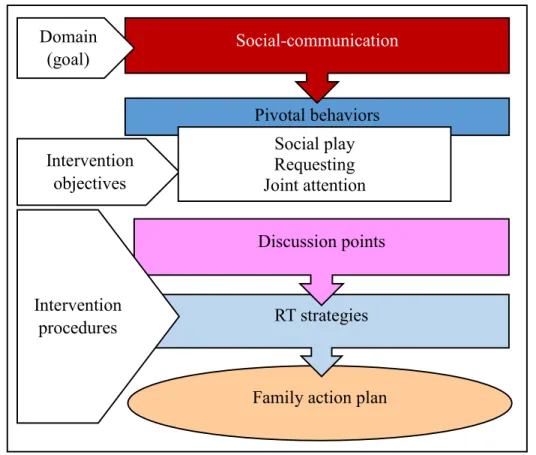
social-communication and sensory-regulatory behaviors in their child. Social-communication behaviors targeted in ART include: social play, joint activity, joint attention, vocalization, intentionality, and conversation. Sensory-regulatory behaviors targeted in ART include: self-regulation, attention and arousal, exploration, engagement, adaptability and coping, and cooperation.
ART was individualized for each family according to their needs. Child goals were determined based on the child’s assessment results, as well as conversations with the family about which social-communication and
sensory-regulatory areas would be most important to address. The intervention context included daily routines the family identified. Each session targeted 1 or 2 parent responsiveness strategies, which were used to address the child’s goals (e.g., using the strategy “take one turn and wait” to target the social-communication goal of “social play”). The interventionist first explained the strategy to the parent and then modeled using the strategy with the
child. Next, the parent practiced using the strategy with the child, while the interventionist provided feedback and coaching. At the end of each session, the interventionist and parents developed “family action plans,” designed to
help parents plan how they would use what they had learned from ART throughout the week. Handouts about each strategy were given to families to keep in a notebook. In following sessions, the interventionist reviewed previously learned strategies with the parent to determine how well the strategy was working, answered any questions, and further explained the concepts.
Once the ART program finished, the families received a report about the strategies they learned, the social-communication and sensory-regulatory behaviors they targeted in their child, progress that was observed in these areas, and recommendations for the future. The child and family were then seen for post-intervention and follow-up diagnostic assessments.
Follow-up assessment. The follow-up assessments occurred approximately 6 months after the end of the intervention phase (30 – 35 months of age). For the purposes of the current analyses and to compare with the previous entry assessment, the parent and child engaged in a 5-minute parent-child free play session that was videotaped (measured with both the MBRS and PRCS). The two families who declined randomization returned for the follow-up assessment and thus were included in the REIM group used in this study.
Data Collection Methods and Instruments Screening measure (at 12 months of age):
The First Year Inventory (FYI; Baranek et al., 2003; Reznick, Baranek, Reavis, Watson, & Crais, 2007;
Turner-Brown et al., 2013) is a 63-item parent-report screening tool designed to identify infants-at-risk for ASD at 12 months of age. It includes questions focused on both social communication and sensory regulatory behaviors.
Measures of parental responsiveness (entry & follow-up assessments):
Parent Responsiveness Coding System (PRCS): Free play quantitative coding was completed using the
same 5 minute parent-child free-play videos that were rated with the MBRS. Two coders, distinct from the MBRS raters, coded parent responsiveness with the PRCS using the Observer XT software program. The PRCS was adapted for this project from the “Partial Interval Time Sampling of Adaptive Strategies for the Useful Speech Project” (Yoder et al., 2010). In previous studies using this coding system, inter-rater reliability ranged from ICCs of
0.46 to 0.84 (Carter et al., 2011), ICCs of 0.93 to 1.00 (Flippin & Watson, 2011), and g coefficients above .80 (McDuffie & Yoder, 2010). Carter and colleagues (2011) explained that the low ICC of 0.46 could have been an artifact of between subject variability, rather than an accurate measure of inter-rater reliability, since ICC
measurements also reflect between subject variability, which was low at their study’s first time point compared to the other time points.
In this system, coders watch parent-child interaction videos in 5-second intervals. First, coders determine whether the interval is “codable” (i.e., the parent and child behaviors are easily observable) or “uncodable” (i.e., the
parent-child intervals are difficult to observe, such as if one person goes off-screen). If an interval is “codable,” the coders then determine if the child demonstrates interest in a referent (i.e., an object or person to which the child pays attention) by either looking at the referent and/or touching the referent. This is termed a “child lead,” and can be either “child-initiated” (i.e., the child spontaneously shows interest in a referent) or “child-adopted” (i.e., the parent
referent). Next, coders determine if the caregiver responds to the child’s lead. Caregivers can respond by (a) playing with the child’s referent, and/or (b) talking about the child’s referent, regardless of whether they are simply
commenting about the referent (i.e., “follow-in comment”) or are directing the child to do something with the
referent (i.e., “follow-in directive”). Comments or directives are not counted as follow-in utterances when: (a) the utterance is unrelated to the child’s referent; (b) the utterance is vague and is not specifically related to the child’s referent (e.g., “uh-huh,” “yeah”); (c) the utterance is part of a routine script, like reciting the alphabet; or (d) the utterance is meant to prevent or manage the child’s behavior.
When caregivers play with the child’s referent, coders determine whether the play is (a) helping the child with his/her play, (b) exactly imitating the child’s play or imitating and expanding on the child’s play, or (c) demonstrating a completely new action to the child, either with the child’s referent (e.g., the bus) or with an object
that is related to the child’s referent (e.g., dolls on the bus). All of these are considered responsive play actions by parents. Play actions that are unrelated to the child’s referent are not counted as parent responses. See Table 2 for
examples of these codes. To calculate a parent responsiveness score, the total number of “codeable” intervals is divided by the total number of intervals with parent responses and then multiplied by 100.
Table 2
Examples of Parent Responses in the Parent Responsiveness Coding System (PRCS)
Parent response Example
Follow-in utterance
Directive Child holds the baby doll. Parent says, “Feed the baby.” Non-directive Child plays the xylophone. Parent says, “What pretty music!” Physical
play act
Aids child’s action Child tries to put a shape into the shape sorter. Parent guides child’s hand to the correct shape.
Exact imitation of child’s action Child hits the xylophone. Parent hits the xylophone. Imitation and expansion of
child’s action Child presses buttons on a toy phone. Parent presses buttons on a toy phone and then puts the phone to his/her ear. Demonstration of new action on
child’s referent Child pushes the toy airplane along the ground. Parent makes the toy airplane fly in the sky. Demonstration of new action on
a different but related object
Child holds the baby doll. Parent feeds the baby doll with a baby bottle.
“No response” counted
Utterance and/or action that is unrelated to the child’s referent
Child plays the xylophone. Parent says, “Wow, look at this jack-in-the-box!” and starts spinning the jack-in-the-box handle.
No action or utterance made Child puts dolls in a toy bus. Parent watches silently. Vague utterances that are not
specific to the child’s referent Child stacks blocks. Parent says, “Uh-huh.”
Utterance part of a script Child looks at a book. Parent reads the text from the book verbatim.
Parent is managing the child’s behavior
Maternal Behavior Rating Scale (MBRS; Mahoney, 1999; Mahoney et al., 1986): This measure is a
12-item rating (each 12-item rated on a 5-pt. Likert scale) assessing four factors (or dimensions) of interactive style: Responsive/Child Oriented, Affect/Animation, Achievement Oriented, and Directive. The Responsive factor has 3 items to rate the following parent qualities: sensitivity (i.e., parent’s awareness of child’s actions and interests), responsivity (i.e., parent’s responses to child’s actions and interests), and effectiveness (the degree to which the
parent successfully encourages the child to engage in back and forth play). The Affect factor has 5 items to rate the following areas: acceptance (i.e., how accepting the parent seems to be of the child’s behavior), enjoyment (i.e., how much the parent seems to be enjoying interacting with the child), expressiveness (i.e., the parent’s level of body
language and animation), inventiveness (i.e., how creatively the parent uses toys to engage the child), and warmth (i.e., how loving the parent acts toward the child). The Achievement factor includes the following 2 items:
achievement (i.e., how much the parent seems to want the child to achieve certain skills) and verbal praise (i.e., how frequently the parent verbally praises the child for certain behaviors). The Directive factor includes the following 2 items: directiveness (i.e., how frequently the adult directs the child’s behavior versus following the child’s lead) and
pace (i.e., the rate of the parent’s actions, whether fast or slow). It should be noted that high Directiveness factor scores indicate high levels of directiveness, which are not encouraged in the ART intervention; therefore, we would expect lower levels of directiveness after participating in the ART intervention, but higher levels of responsiveness and affect. In previous studies using the MBRS, inter-rater reliability ranged from 74 – 100% exact agreement (Karaaslan et al., 2013), 75 – 100% exact agreement (Kim & Mahoney, 2005), and 60% exact agreement – 99% agreement within one scale point (Mahoney & Perales, 2005).
For this study, the primary caregiver was instructed to play with his/her child as s/he normally would at home, using a standardized set of toys. These free play sessions were video-recorded for 5-minutes. Two raters separately watched and rated the videos, and then created consensus scores together for each MBRS item. The item scores were then added together for each factor, creating four factor scores: Responsive, Affect, Achievement, and Directive.
Data Analysis
nature of this study and the limited sample size, we did not want to obscure potential signals by being overly conservative.
Question 1 was evaluated by conducting Spearman’s rho correlational analyses on entry data to determine
the strength and direction of the relationship between two measures of parental responsiveness: the MBRS and the PRCS. The critical value of rho informed Question 1.
Question 2 was evaluated by conducting Wilcoxon rank sum tests, comparing observed differences between parents in the ART and comparison groups on the amount of change from entry to follow-up intervention responsiveness scores, as measured by the MBRS and the PRCS. The critical value of W informed Question 2.
Results
All statistical analyses were completed with R version 3.0.2 (The R Foundation for Statistical Computing, 2013). The results are discussed below.
Group Differences on Demographic Characteristics
No statistically significant group differences were found in child demographic characteristics, based on Wilcoxon rank sum calculations of the following variables: gender (W = 33, p = 0.52), race (W = 37.5, p = 0.19); age at the entry assessment (W = 25, p = 0.34); and age at the follow-up assessment (W = 38, p = 0.80). No statistically significant group differences were found in parent demographic characteristics, based on Wilcoxon rank sum calculations of the following variables: mothers’ age (W = 25, p = 0.86) and fathers’ age (W = 21.5, p = 0.55); mothers’ education level (W = 22.5, p = 0.42) and fathers’ education level (W = 32.5, p = 0.82); mothers’
employment (W = 22, p = 0.38) and fathers’ employment (W = 27.5, p = 0.71); marital status (W = 33, p = 0.52); and language(s) spoken at home (W = 25.5, p = 0.84). All families were non-Hispanic in ethnicity.
Reliability of the PRCS Coding
exactly imitates child’s action, imitates and expands child’s action, aids child’s action, demonstrates new action on child’s referent; or demonstrates new action on a different but related object; and (c) parent modifiers for follow-in
utterances: directive or non-directive. The ICC for coding of all behavior modifiers was 0.93. The ICC for coding of child modifiers was 0.93, and the ICC for coding of parent modifiers was 0.83. In the category of follow-in
utterances, the ICC for “directive” utterances was 0.95.
Association between PRCS and MBRS Ratings of Parent Responsiveness
Descriptive statistics were calculated for each of the distributions used in this analysis: parent
responsiveness scores using the PRCS, and scores for each factor on the MBRS: Responsive, Affect, Achievement, and Directive (see Table 3). All available data from the entry assessments were used in this analysis. Spearman’s rho was used to calculate correlations between the PRCS and MBRS. These correlations were calculated in order to determine if responsiveness as measured by both the PRCS and the MBRS Responsive factor demonstrated a similar pattern of association with the MBRS Affect, Achievement, and Directive factors. The results of this correlation analysis are presented in Table 4.
Table 3
Descriptive Statistics for PRCS Scores and Averaged MBRS Factor Scores at Entry PRCS
(n = 17)
MBRS (n = 17) Total
Scorea
Follow-in utterances
Physical play responses
Responsive Affect Achievement Directive
Mean 54.78 37.99 32.52 3.12 3.19 2.71 3.06
Maximum 76.67 63.79 67.80 4.33 4 4 4
Minimum 30.61 15.00 11.76 2 2.2 1.5 2
Range 46.05 48.79 56.03 2.33 1.8 2.5 2
SD 14.03 14.39 16.87 0.66 0.56 0.71 0.53
Note. PRCS = Parent Responsiveness Coding System. MBRS = Maternal Behavior Rating Scale. SD = standard deviation.
aPRCS Total Score consists of both follow-in utterances and physical play responses, including intervals
when the responses occur separately (i.e., just a follow-in utterance or just a physical play response) and when the responses occur at the same time (i.e., both a follow-utterance and physical play response occurring simultaneously).
Next, we examined correlations between the two main subcategories of the PRCS and the MBRS factors: follow-in utterances and physical play responses. All available data from the entry assessments were used in this analysis. Descriptive statistics for the PRCS categories of follow-in utterances and physical play responses were examined (see Table 3). Correlations were examined with Spearman’s rho;results are presented in Table 4.
directives are as follows: mean = 19.65; range = 32 (minimum of 6 and maximum of 38); and standard deviation = 8.75. Correlations were examined with Spearman’s rho, and results indicated no significant correlations between the PRCS “Follow in utterance: Directive” category and the MBRS Directive factor (rho = 0.01, p = 0.97).
Group Differences: Change in Parent Responsiveness
To answer question 2, we examined whether change in parent responsiveness differed between the intervention group and the comparison group, as measured by PRCS and the MBRS. Group differences were examined from entry to follow-up intervention assessments. Fifteen families had complete data from entry to post-intervention (9 families randomized into the ART group and 6 in the comparison group). The results are presented below.
Entry to follow up: PRCS. First, we examined group differences from entry to follow-up using the PRCS. In each group, descriptive statistics were calculated for changes in PRCS scores (see Table 5). A Wilcoxon rank sum test was conducted to evaluate group differences in amount of change in PRCS scores from entry to follow-up. The result indicated a significant difference between groups (W = 45, p = 0.04), with the ART intervention group achieving greater gains in use of parent responsiveness over the comparison group. For a visual depiction of the distribution of changes in each group, see Figure 1.
Next, we examined group differences in the two main subtypes of parent responsiveness in the PRCS: (a) amount of change in in utterances; and (b) amount of change in physical play responses from entry to follow-up. Descriptive statistics were run on changes in follow-in utterances and physical play responses for each group (see Table 5).
19
Table 4
Spearman Rho Correlations between Entry PRCS Scores and MBRS Factors
PRCS (n = 17) MBRS
(n = 17) Total Scorea Follow-in utterances Physical play responses
Responsive Affect Achievement Directive PRCS
(n = 17)
Total Scorea ---- rho = 0.57
p = 0.02*
rho = 0.65 p = 0.005**
rho = 0.62 p < 0.01**
rho = 0.46 p = 0.06
rho = 0.24 p = 0.35
rho = -0.12 p = 0.65
Follow-in utterances ---- rho = -0.18
p = 0.50
rho = 0.58 p < 0.02*
rho = 0.70 p = 0.002**
rho = 0.32 p = 0.20
rho = 0.07 p = 0.79 Physical play
responses
---- rho = 0.38 p = 0.21
rho = 0.10 p = 0.70
rho = -0.05 p = 0.85
rho = -0.31 p = 0.23 MBRS:
4 Factors (n = 17)
Responsive ---- rho = 0.78
p < 0.001***
rho = 0.14 p = 0.58
rho = -0.30 p = 0.25
Affect ---- rho = 0.28
p = 0.27
rho = 0.03 p = 0.90
Achievement ---- rho = 0.68
p = 0.003**
Directive
----*p < 0.05, **p < 0.01, ***p < 0.001
Note. MBRS = Maternal Behavior Rating Scale. PRCS = Parent Responsiveness Coding System.
aPRCS Total Score consists of both in utterances and physical play responses, including intervals when the responses occur separately (i.e., just a
20
Table 5
Descriptive Statistics for Change in PRCS and Averaged MBRS Scores from Entry to Follow-Up
PRCS Change Scores MBRS
Total Scorea Follow-in
Utterance
Physical Play Responsive Affect Achievement Directive
ART (n = 9)
REIM (n = 6)
ART (n = 9)
REIM (n = 6)
ART (n = 9)
REIM (n = 6)
ART (n = 9)
REIM (n = 6)
ART (n = 9)
REIM (n = 6)
ART (n = 9)
REIM (n = 6)
ART (n = 9)
REIM (n = 6)
Mean 19.24 0.68 25.49 9.44 4.74 -5.05 0.85 0.06 0.49 0 0 0.23 0.39 0.08
Maximum 45.56 24.61 45 22.16 41.35 20.89 1.67 1.33 1.8 0.8 1.5 0.5 1.5 1
Minimum -0.58 -13.95 4.46 0.82 -20.26 -30.22 -0.33 -1 -0.6 -0.8 -2.5 -0.5 -0.5 -1
Range 46.14 38.56 40.54 21.34 61.61 51.11 2 2.33 2.4 1.6 4 1 2 2
SD 16.36 13.93 13.18 8.27 19.50 21.59 0.78 0.83 0.78 0.63 1.22 0.42 0.60 0.66
Note. PRCS = Parent Responsiveness Coding System. ART = Adapted Responsive Teaching group. REIM = Referral to Early Intervention and Monitoring group. SD = standard deviation.
aPRCS Total Score consists of both in utterances and physical play responses, including intervals when the responses occur separately (i.e., just a
Figure 1. Change in PRCS Scores from Entry to Follow-up
Figure 1. Change in parent responsiveness scores on the Parent Responsiveness Coding System (PRCS) from the entry to follow-up assessments. Each bar represents an individual parent change score. REIM = Referral to Early Intervention and Monitoring. ART = Adapted Responsive Teaching.
Entry to follow-up: MBRS factors. Descriptive statistical changes in averaged MBRS factor scores from entry to follow-up are provided in Table 5. A Wilcoxon rank sum test was completed for each factor, resulting in no significant differences between groups in terms of changes in any MBRS factor scores from entry to follow-up (Responsiveness: W = 41, p = 0.11; Affect: W = 36.5, p = 0.29; Achievement: W = 22, p = 0.58; Directive: W = 33.5, p = 0.46).
Discussion
Parent responsiveness may be an important component of early communication interventions, particularly for children with ASD, as suggested by emerging research in this area (Carter et al., 2011; Karaaslan et al., 2013; Mahoney & Perales, 2005; Venker et al., 2012). However, previous literature gives little guidance on how to measure parent responsiveness when conducting intervention research, such as with behavioral coding systems and/or rating systems. It is important that researchers recognize the impact of using one system versus another, particularly during intervention studies, so that they can choose appropriate measures for examining differences in parent responsiveness between groups.
To address these issues, we examined a rating scale and a behavioral coding system in the context of a quasi-experimental intervention study. For the rating scale, we implemented the Maternal Behavior Rating Scale (MBRS; Mahoney, 1999; Mahoney et al., 1986). For behavioral coding, we used the Parent Responsiveness Coding
-20 0 20 40 60 80 100
Parents in REIM Group (n = 6) Parents in ART Group (n = 9)
C
h
an
g
e
in
P
R
C
S
Sco
System (PRCS), an interval coding scheme (Yoder et al., 2010). Both the MBRS and the PRCS were used to measure parent responsiveness, investigating the Adapted Responsive Teaching (ART) intervention. We examined the following issues: (a) associations between the MBRS and the PRCS system; and (b) each measure’s sensitivity to group differences in parent responsiveness.
Associations between the PRCS and MBRS
The first finding was that, at entry, overall scores on the PRCS were significantly and positively correlated with the MBRS Responsive factor. In other words, the more parents were coded as having a high percentage of responsive behaviors on the coding system (i.e., a combination of follow-in utterances and physical play responses), the more parents were rated as responsive on the MBRS. It was expected that the MBRS Responsive factor and PRCS would be correlated, as each system is intended to measure how responsive a parent is to his/her child. This relationship indicates that the PRCS and MBRS Responsive factor measure similar behaviors in parents and, thus, have good concurrent validity.
On the other hand, overall scores on the PRCS and the MBRS Affect factor were not significantly
correlated, although there was a trend in the direction predicted. Given the small sample size, it may be important to re-examine this question in the future. Indeed, when the overall PRCS scores were examined as subcategories of follow-in utterances and physical play responses, follow-in utterances were significantly and positively correlated with both the MBRS Responsive and Affect factors. This finding indicates that parents who used more follow-in utterances, according to the PRCS, were more likely to be rated as highly responsive and as having high affect on the MBRS. Furthermore, the MBRS Responsive and Affect factors were also significantly and positively correlated with one another, but not with the other MBRS factors. Collectively, these findings suggest that parents who are rated and coded as highly responsive, at least in terms of follow-in utterances, may be more likely to receive ratings of high affect, and vice versa. This result is interesting, given that the PRCS does not directly measure affect.
In contrast, the PRCS subcategory of physical play responses was not significantly correlated with either the MBRS Responsive or Affect factor; however, there was a small positive correlation with both of these MBRS factors, particularly the MBRS Responsive factor. This finding is contrary to what was expected, given that the MBRS counts parents’ play actions in both the Responsive factor (e.g., keeping child engaged in a turn-taking play
opposed to physical play actions, even though both verbalizations and play actions are included in the MBRS definitions. For example, the MBRS Affect factor includes an item called “acceptance,” which is determined by how much the parent seems to approve of the child’s behavior, using words or physical behaviors. This quality may be
more noticeable if the parent states his/her acceptance of the child’s behavior (e.g., “I like what you’re doing”) versus physically showing acceptance (e.g., going along with the child’s activity). At this point, however, these
explanations are only speculation; it would be worthwhile to examine these correlations in a larger sample, to determine more specifically how the PRCS and MBRS Responsive and Affect factors relate.
In terms of the MBRS Achievement factor at entry, no significant correlations were found with the PRCS, either with overall scores (i.e., a combination of follow-in utterances and physical play responses) or with
subcategories of parent responses (i.e., follow-in utterances or physical play responses). It is not surprising that the PRCS was not significantly related to the MBRS Achievement factor, since the PRCS does not directly measure how much parents encourage their children to achieve certain skills. The MBRS Responsive and Affect factors also lacked significant correlations with the MBRS Achievement factor. Despite this non-significance, the MBRS Achievement factor did have small positive correlations with overall PRCS scores and the PRCS subcategory of follow-in utterances, as well as with MBRS Responsive and Affect factors. These findings suggest that
responsiveness and achievement orientation are not mutually exclusive behaviors; a parent who is responsive to his/her child’s interest could also be encouraging their child to achieve skills. A stronger relationship was found
between MBRS Achievement and Directive factors, which were significantly and positively correlated. It may be that parents who are highly directive are more noticeably trying to get their child to “perform” or achieve certain skills, as opposed to parents who follow their child’s lead more often than directing them.
In terms of directiveness, overall PRCS scores at entry were not significantly related to entry scores on the MBRS Directive factor. Interestingly, there was a small negative correlation between the PRCS and the MBRS Directive factor. The MBRS Responsive factor was also negatively correlated with the MBRS Directive factor, although non-significantly. The direction of these correlations was expected, because it seems logical that parents who respond to their child’s focus of attention are less likely to redirect their child to other activities. The fact that
The PRCS does measure an aspect of parent directiveness, but one that differs conceptually from the overall MBRS Directive factor. In the PRCS, coders determine whether parents talk about the child’s focus of
attention and, if so, whether these utterances are directive (i.e., telling the child what to do) or non-directive (i.e., commenting without telling the child what to do). Both types of utterances are counted as “responsive,” as long as the parent talks about the child’s current interest, as indicated by what the child is looking at or touching. In contrast, on the MBRS Directive factor, raters do not determine how much the parent is following the child’s lead, per se— simply how much the parent is directing the child’s behaviors, regardless of whether these directions are related to the child’s focus of attention. The MBRS Directive factor also includes a category for “pace,” which rates how
active the parent is during the parent-child interaction. When we compared these domains, the PRCS subcategory of follow-in utterances was not significantly correlated with MBRS Directive; there appeared to be no correlational trend in either the positive or negative direction. Overall, it seems reasonable that the PRCS and MBRS Directive factors were not strongly correlated, since they only overlap on one construct (follow-in directives) and differ on several other constructs (physical play responses, follow-in comments, and pace).
To investigate these findings further, we examined correlations between the PRCS follow-in directives category and the MBRS Directive factor. No significant relationship was found, indicating that even when the PRCS was only used to measure follow-in directives, it did not capture the same information as the MBRS Directive factor. This finding likely reflects that the PRCS only measures directive utterances related to the child’s interest, whereas the MBRS Directive factor rates a parent’s “overall” directiveness, including follow-in directives,
redirections, directive physical behaviors, and a rapid pace. It seems that the number of directives a parent provides that are responsive to the child’s interests does not predict how directive he/she will be overall in interactions with
the child.
both the child’s interest and actions (Siller et al., 2013; Siller & Sigman, 2002, 2008). Therefore, in contrast to the PRCS in the current study, Siller and colleagues’ system excludes follow-in directives.
From a different perspective, researchers have argued that directive utterances can be considered responsive, as long as they are related to the child’s current focus of attention. McDuffie and Yoder (2010) documented that, for children with ASD, parents’ non-directive and directive follow-in utterances were equally predictive of children’s later spoken vocabulary. Based on these findings, the researchers proposed that talking about children’s focus of attention has an important influence on the language development of children with ASD,
regardless of whether the parent is telling the child what to do or simply commenting on the child’s interest (McDuffie & Yoder, 2010). In the case of our current findings, coding follow-in directives appears to capture a different construct than rating an “overall” directive manner, since the PRCS follow-in directives and MBRS
Directive factors were unrelated.
Sensitivity to Group Differences in Parent Responsiveness
Second, we examined differences between the ART intervention group and the REIM group, in terms of how much parent responsiveness changed over time. Before discussing these findings, it should be noted that measures of “parent responsiveness” are inherently dyadic variables, according to the Transactional Model of
Development (Fiese & Sameroff, 1989; Sameroff, 2009). In both the MBRS and the PRCS, “parent responsiveness” is measured while taking into account the child’s attentional lead. As children demonstrate interest in objects (e.g.,
by looking at and touching the objects), parents have opportunities to respond to these interest areas. Therefore, as we discuss parents’ change in responsiveness over time, it should be kept in mind that parental behaviors may also reflect changes in the children’s behaviors.
According to overall PRCS scores (i.e., a combination of both follow-in utterances and physical play responses), parents in the ART intervention group made significantly greater increases in parent responsiveness from entry to follow-up than parents in the REIM group. This result provides encouraging support for the ART intervention, suggesting that parents who participated in ART made greater changes in responsiveness than the REIM group, changes which were maintained even six months after the program had ended.
differences between groups were found when the PRCS subcategory of “physical play responses” was examined by
itself, although the trend was in the direction of showing greater increases in the ART group. In other words, parents in both groups responded to their children using similar amounts of play actions (e.g., helping the child with a toy on which the child’s attention was focused). This finding is in contrast to what we expected, since the ART intervention
does encourage parents to engage in more responsive play with their children.
Changes in MBRS scores were also examined from entry to follow-up, but no significant differences were found between groups on any of the factors, including Responsive, Affect, Achievement, or Directive factors. These findings are noteworthy for several reasons. First, the MBRS Responsive factor and PRCS are significantly and strongly correlated, so it seems logical that each measure would produce similar findings. Although findings were in the same direction, the results suggest that the PRCS was more sensitive to group differences in responsiveness in this study than the MBRS Responsive factor, despite the strong correlation between the two measures.
Second, we expected parents in the ART intervention group would increase affect, since that is a quality taught as a responsive strategy in the intervention; however, no group differences were found for changes on the MBRS Affect factor. The PRCS system does not directly measure affect, even though the PRCS follow-in utterance scores have a strong, significant positive correlation with the MBRS Affect factor; thus, it is difficult to determine whether the MBRS Affect factor is more or less sensitive to group changes than the PRCS, or whether parents in the ART group simply did not make greater changes in affect than parents in the REIM group. It is possible that certain subgroups of parents responded differently to the intervention; however, a larger sample would be needed to examine this possibility. In any case, the non-significant results suggest that researchers should be careful about indirectly measuring parent affect through parent responsiveness, based on the idea that the constructs are
significantly correlated. Instead, it may be prudent to use a specific measure of affect, rather than relying only on a measure of responsiveness, particularly if affect is an important component of the intervention.
First, the children in our study started participating at an average age of 14.7 months, which is younger than the children in previous investigations, who started participating at an average age of 26.4 months in one study (Mahoney & Perales, 2005), and were age 3 – 6 years (Karaaslan et al., 2013) and 3 – 8 years (Kim & Mahoney, 2005) in two other studies. Parents may respond differently to younger versus older children (Meirsschaut et al., 2011), which could influence how behaviors are rated on the MBRS and the extent to which they change with intervention. According to Tamis-LeMonda and colleagues (2001), children are ready to learn certain skills at certain ages, and they may benefit from types of responsiveness that “match” their current skill level. In Mahoney and colleagues’ research (Karaaslan et al., 2013; Kim & Mahoney, 2005; Mahoney & Perales, 2005), it is possible
that the parents were using types of responsiveness that matched the children’s older ages and were detected by the MBRS, but were not applicable to the younger age group in our study. Furthermore, in terms of affect, it is well documented that infant-directed speech conveys higher levels of positive affect than adult-directed speech, or even child-directed speech (Saint-Georges et al., 2013). According to a systematic review, infant-directed speech as a distinct register tends to reach its height at about 6 months of age, and diminishes as children approach two years of age (Saint-Georges et al., 2013). Thus, it is possible that the parents in our study started out with relatively high levels of affect, since their children were still 1-year-olds, and so had less “room to grow” over the course of the study, when compared to the parents in Mahoney and colleagues’ program of research, whose children were all
older than two years of age (Karaaslan et al., 2013; Kim & Mahoney, 2005; Mahoney & Perales, 2005).
Parental education levels may also have influenced the results. The parents in our study had high levels of education in both the ART and comparison group; most of the parents had post-high-school degrees (e.g., associates, college, master’s, and professional degrees) and only one parent had not completed high school. In contrast, the parents in Mahoney and colleagues’ program of research appear to have had lower levels of education, overall. For example, in Karaaslan and colleagues’ study (2013), parents in both treatment and control groups had an average of