i
CHANGES IN PHYSICAL ACTIVITY IN COMMUNITY-DWELLING OLDER ADULTS ASSOCIATED WITH THE MATTER OF BALANCE VOLUNTEER LAY LEADER MODEL
PROGRAM
Walter Edward Palmer
A dissertation submitted to the faculty of the University of North Carolina at Chapel Hill in partial fulfillment of the requirements for the degree of Doctor of Philosophy in the Department
of Allied Health Sciences in the School of Medicine.
Chapel Hill 2013
Approved by:
Vicki S. Mercer
Susan J. Blalock
Carol A. Giuliani
Richard L. Goldberg
ii
©2013
iii ABSTRACT
Walter Edward Palmer: Changes in physical activity in community-dwelling older adults associated with the Matter of Balance Volunteer Lay Leader Model program.
(Under the direction of Vicki S. Mercer)
Physical inactivity among older adults is a major public health problem associated with
higher health costs and a variety of negative health outcomes. The Matter of Balance / Volunteer
Lay Leader Model (MOB/VLL) program is specifically designed to “reduce the fear of falling
and increase activity levels among older adults”. The purpose of this study was to assess
changes in physical activity (PA) and fear of falling (FOF) among MOB/VLL participants. A
MOB cohort (n = 56) completed a survey before and after participating in a MOB/VLL class.
The survey included demographic, health, and falls information, along with the Rapid
Assessment of Physical Activity scale (RAPA), the Activities-specific Balance Confidence scale
(ABC), Fear of Falling Avoidance Behavior Questionnaire (FFABQ), Self-Efficacy for Increased
Physical Activity scale (SEIPA), and the Outcome Expectations for Increased Physical Activity
scale (OEIPA). A Community cohort (n = 23) was recruited from a local senior center to
complete the same survey on two occasions, four weeks apart (no intervention). These subjects
also wore step counters for seven days at baseline and again four weeks later.
In the MOB cohort, paired samples t-tests assessed changes in ABC, RAPA1, and the
MOB-PA scores from baseline to follow-up. Pearson’s r correlations were calculated between
MOB-PA and RAPA1 scores at baseline and follow-up for both cohorts. A linear regression
iv
race, sessions attended, ABC, RAPA1, MOB-PA, SEIPA, OEIPA, and FFABQ entered
simultaneously.
No evidence was found for an intervention effect of MOB/VLL class participation on PA
levels or FOF. No evidence for the construct validity of the MOB-PA, as measured against the
RAPA1, was found in the MOB cohort. In the MOB cohort, only baseline RAPA1 score was
predictive of post-intervention change in RAPA1 score. These findings, coupled with the levels
and distributions of the RAPA1 and ABC scores, suggest that the program may not be effective
in increasing PA, or older adults who might benefit most from the MOB/VLL program are not
v
To Mary, whose unwavering love and support has made this dissertation, and all of my accomplishments, possible.
vi
ACKNOWLEDGEMENTS
Drs. Vicki S. Mercer, Susan J. Blalock, Carol A. Giuliani, Richard L. Goldberg, and
William B. Ware, the UNC-CH faculty who served as committee members for this dissertation.
Each of these individuals has played an important role in my development. I extend special
thanks to my advisor and mentor, Dr. Vicki S. Mercer, who has guided my educational course in
the HMSC program, provided me with professional opportunities to enhance my experience and
abilities, and helped me to transition from a beginning non-tradition student to a researcher.
Mss. Peggy Haynes and Patti League, of MaineHealth's Partnership for Healthy Aging,
for their enthusiastic support of this research study. Also, the MOB providers and hosting
organizations across the state of North Carolina for their interest and assistance with facilitating
my access to potential subjects.
Ms. Leslie Richmond, of Be Active North Carolina, and Ms. Ingrid H. Morris, of NC
Prevention Partners, for granting me access to the Matter of Balance program records.
Dr. Barbara Resnick of the University of Maryland at Baltimore, for giving me
permission and input regarding the adaptive use of her OEE and SEE instruments for this
research study.
Dr. Merrill Landers, of the University of Nevada, Las Vegas for granting me permission
to use the FFABQ in this research study.
Dr. Tari Topolski, of the University of Washington, for granting me permission to use the
vii
Dr. Miriam Morey of Duke VA, & Dr. Michael Lewek of UNC-CH PT Department for
the loan of step counters used in the study. Also, Dr. Michael Orendurff of OrthoCare Solutions
for sharing his knowledge and expertise regarding research using step counters among older
adults.
Ms. Teresa Etscovitz who, while an UNC-CH IRB Biomedical Coordinator, who
patiently guided me thorough the daunting processes of IRB submission and revision.
Ms. Susan M. Happel of Wilmington, NC for her logistical assistance with my research
preparations and unflagging confidence in my educational success.
Mr. Paul Kerr and Ms. Haeran Miller, of the NC TraCS Institute, for the help and support
they provided over the course of the NC TraCS grant (2KR341105) that partially funded this
research study.
In acknowledgement of the grant in the language requested by the grantor: The project
described was supported by the National Center for Research Resources and the National Center
for Advancing Translational Sciences, National Institutes of Health, through Grant Award
Number 1ULTR002222-01. The content is solely the responsibility of the authors and does not
necessarily represent the official views of the NIH.
Finally, and most important, all of the older adults who volunteered to participate in this
viii
TABLE OF CONTENTS
LIST OF TABLES ………..……… xi
LIST OF FIGURES ………..……….………. xiii
LIST OF ABBREVIATIONS ………..………..………. xiv
CHAPTER 1: INTRODUCTION ………...……… 1
Background ……...……….…….…….……….…..……… 1
Rationale and Significance ………..………….…..….……… 3
Overall Goal ………….…………...……… 3
Model-based Measures ……… 4
Dissertation Manuscripts ……….……..………..……… 7
CHAPTER 2: MANUSCRIPTS ………...………..…. 11
Manuscript 1: The effects of the MOB/VLL program on self-reported physical activity and fear of falling in community-dwelling older adults….……… 12
Introduction ………..……….………..……… 13
Methods ………..………...………..……… 16
Results ………..………...…….…….………..……… 22
Discussion ………..………..….…………..……… 24
Recognition of Support ...……….…………..……….…… 31
Bibliography ………..………..….…………..……… 32
Tables ……….………..….…………..……… 36
ix
Manuscript 2: Concurrent validity of the MOB/VLL program activity measure
(MOB-PA) in community-dwelling older adults………..……….. 43
Introduction ………..………….………..……… 45
Methods ……….…………..………..………..……… 49
Results ……….………..…………...………….………..……… 53
Discussion ………..……….……….….…………..……… 56
Recognition of Support …….…………..……….…………..………….… 60
Bibliography ………..……….……….….…………..……… 61
Tables ………..……….….…………..……… 65
Figures ……….……….….…………..……… 71
Manuscript 3: Development of a regression model to predict physical activity change among community-dwelling older adults following participation in the MOB/VLL program ……….………...……… 74
Introduction ………..…….………..……… 76
Methods ……….……..………..………..……… 78
Results ……….…...………….………..……..…..… 83
Discussion ……….……….….………..………..……… 85
Recognition of Support ..……….…………..………..…… 88
Bibliography ………….……….….…………..………..………… 89
Tables ……….…..……….….…………..………...… 92
Figures ……….…...……….……….….…………..……… 99
CHAPTER 3: SYNTHESIS ……….……….. 104
Major Findings ………..………..……… 104
x
Limitations ……….……...………….………..……… 106
Conclusions .……….….…………..……… 107
APPENDIX A: LITERATURE REVIEW ……….. 111
APPENDIX B: BASELINE SURVEY BOOKLET ……….….. 128
APPENDIX C: MATTER OF BALANCE PHYSICAL ACTIVITY MEASURE ………… 138
APPENDIX D: STEP COUNTER AND MULTI-DAY DIARY ………... 139
xi
LIST OF TABLES
Manuscript 1: Table 1: Sample Characteristics ………...…….…..……. 36
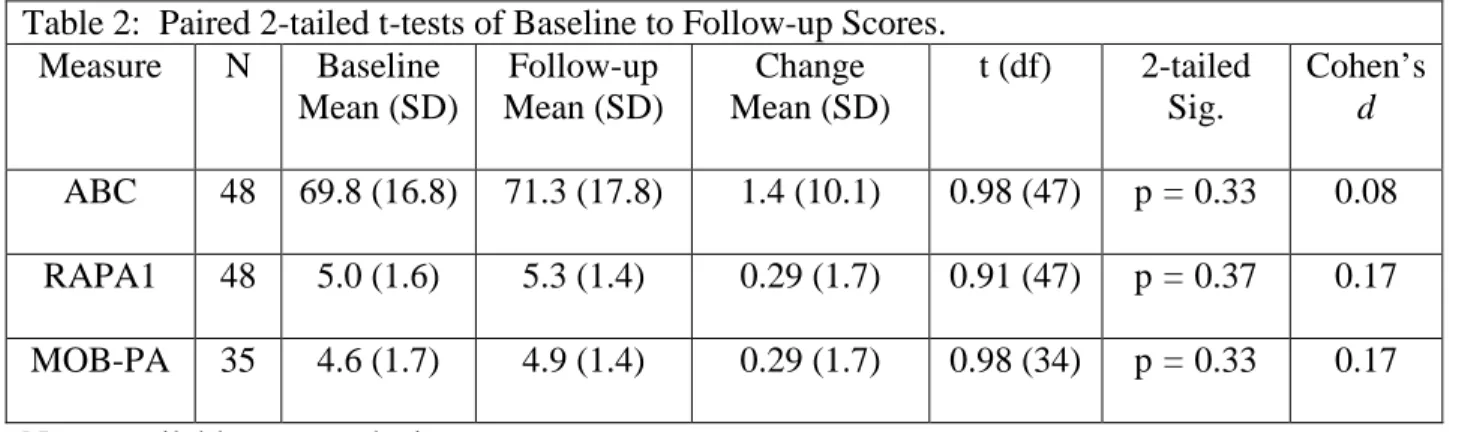
Manuscript 1: Table 2: Paired 2-tailed t-tests of Baseline to Follow-up Scores ….….…..… 37
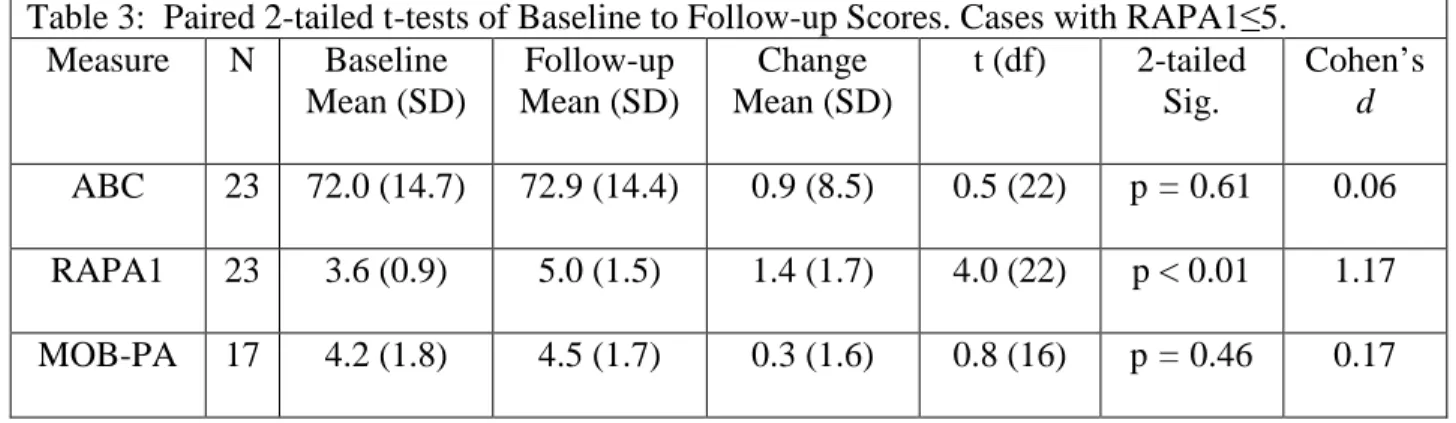
Manuscript 1: Table 3: Paired 2-tailed t-tests of Baseline to Follow-up Scores.
Cases with RAPA1≤5 ………..…….….…...… 38
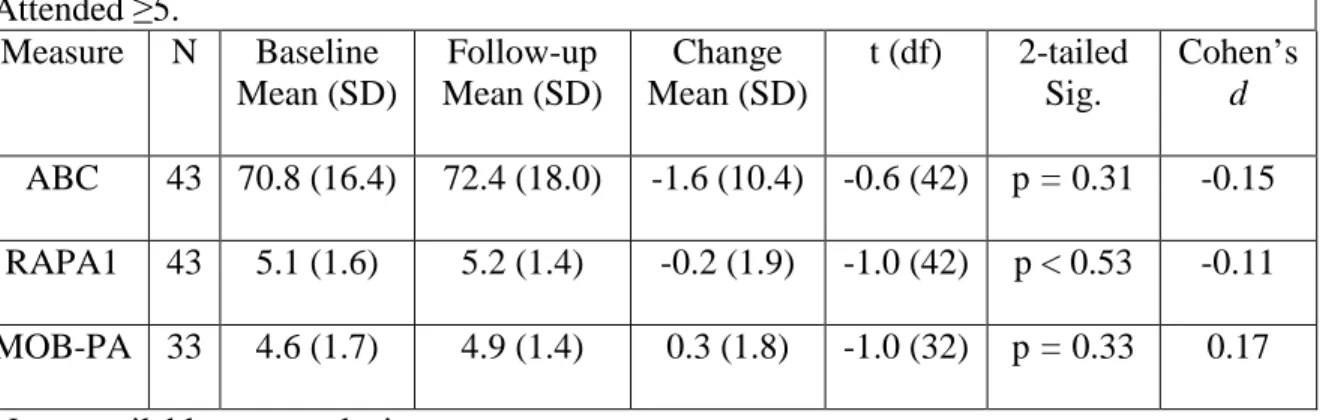
Manuscript 1: Table 4: Paired Samples T-Tests of Baseline to Follow-up Scores.
Cases with Days Attended ≥5 ……….……….. 39
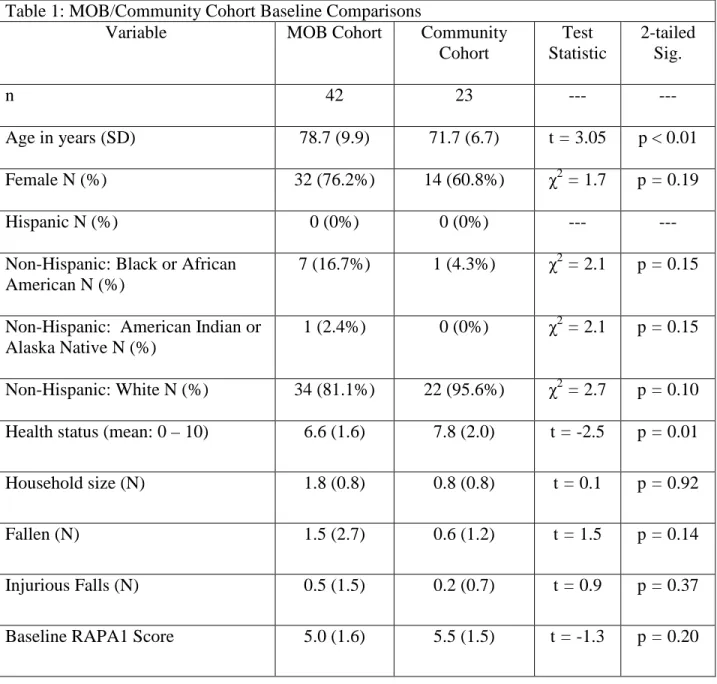
Manuscript 2: Table 1: MOB/Community Cohort Baseline Comparisons ………..……..…. 65
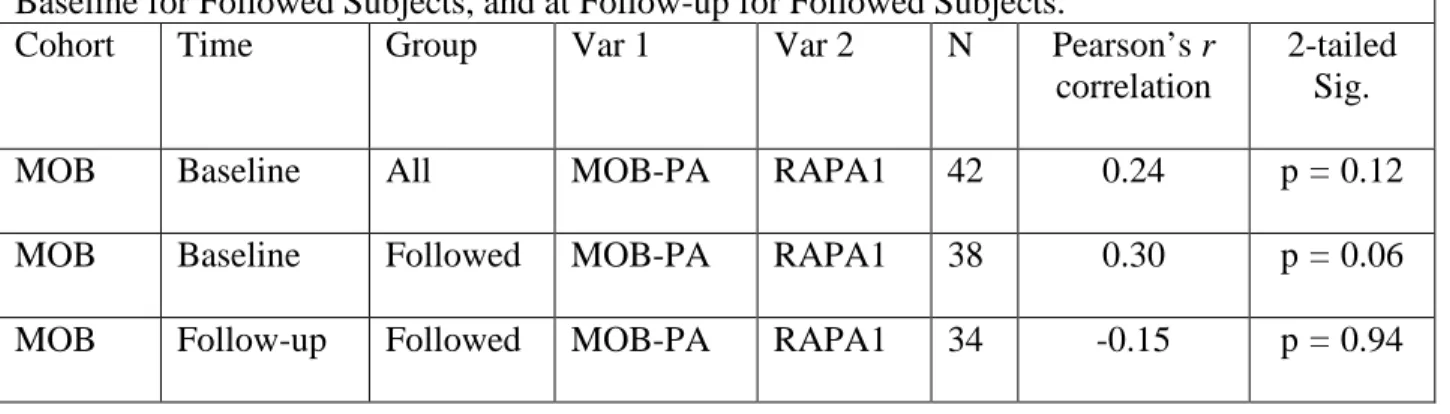
Manuscript 2: Table 2: MOB Cohort - Concurrent Validity Correlations At Baseline for All Subjects, At Baseline for Followed Subjects, and at Follow-up
for Followed Subjects ……….. .
66
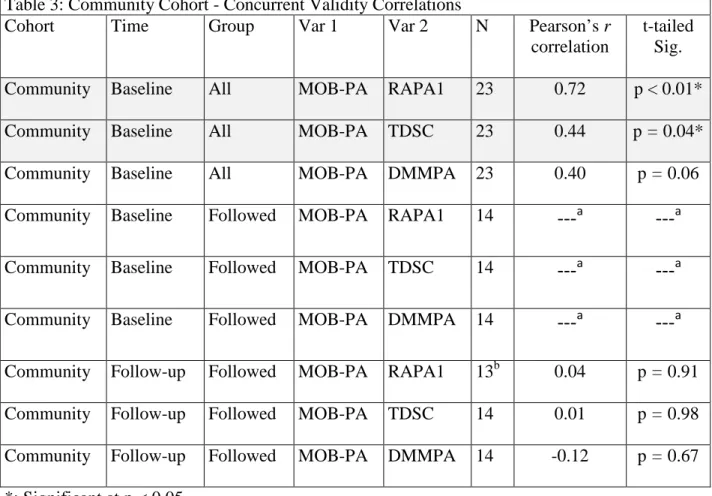
Manuscript 2: Table 3: Community Cohort - Concurrent Validity Correlations ….………… 67
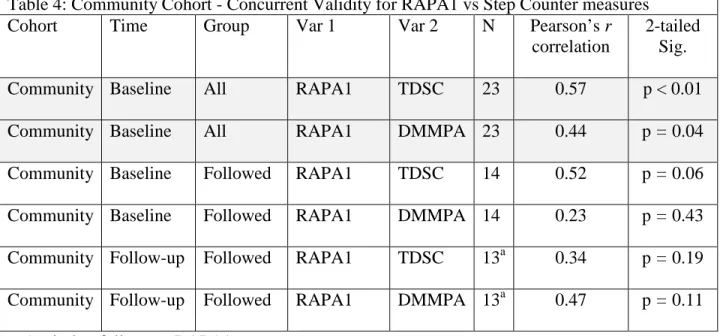
Manuscript 2: Table 4: Community Cohort - Concurrent Validity for RAPA1 vs.
Step Counter measures ………..……….…..…… 68
Manuscript 2: Table 5: Community Cohort - Baseline to Follow-up Activity
Measure Correlations ……….……….…..…….. 69
Manuscript 2: Table 6: Combined MOB and Community Cohorts –
Concurrent Validity Correlations ..……….……….………. 70
Manuscript 3: Table 1: Descriptive Statistics ……….………. 92
Manuscript 3: Table 2: Pearson’s product moments and point-biserial
correlations between Predictor and Dependent Variables ……….…..…… 93
Manuscript 3: Table 3: Linear regression model for RAPA1Diff ………..……...….. 94
Manuscript 3: Table 4: Post-hoc Analysis of subjects completing 5 or more classes. Pearson’s product moments and point-biserial correlations
with RAPA1Diff ………..…… 95
Manuscript 3: Table 5: Post-hoc Analysis of subjects with low baseline activity scores.
Pearson’s product moments and point-biserial correlations with RAPA1Diff …….…..…… 96
Manuscript 3: Table 6: Post-hoc Analysis of subjects with increased fear of falling (ABC < = 67) Pearson’s product moments and point-biserial correlations
xii
Manuscript 3: Table 7: Comparison of key characteristics and demographics of
MOB & MOB/VLL studies ……….……… 98
Table 1: Comparison of key characteristics and demographics of
xiii
LIST OF FIGURES
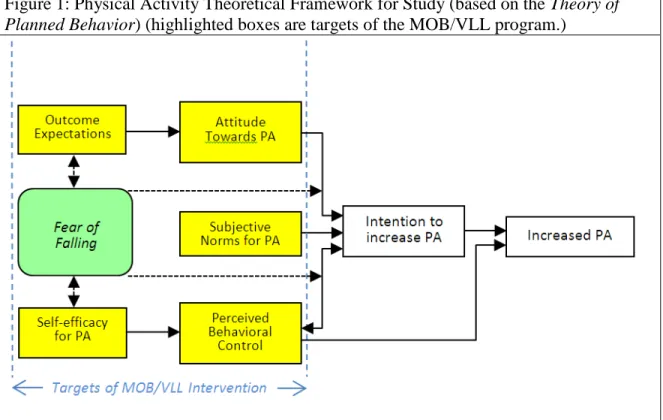
Figure 1: Physical Activity Theoretical Framework for Study ……….. 10
Manuscript 1: Figure 1: Consort Chart ……….……….. 40
Manuscript 1: Figure 2: Histograms of ABC, RAPA1, and MOB-PA
Baseline Variables ……….…. 42
Manuscript 2: Figure 1: Study Timeline - Cohort Measure Collection Sequences …….….. 71
Manuscript 2: Figure 2: Consort Chart – MOB Cohort ………….……….……… 72
Manuscript 2: Figure 3: Consort Chart – Community Cohort ………... 73
Manuscript 3: Figure 1: Physical Activity (PA) Theoretical Framework for Study …….…. 99
Manuscript 3: Figure 2: Consort Chart ……….……….. 100
Manuscript 3: Figure 3: Dependent x Predictor Scatterplot with Regression Plot …..…….. 101
Manuscript 3: Figure 4: Normal Probability-Probability Plot of Regression
Standardized Residual ………. 102
xiv
LIST OF ABBREVIATIONS
ABC Activities-Specific Balance Confidence Scale
ACSM The American College of Sports Medicine
AMOB A Matter of Balance (more commonly MOB)
BRFSS The Behavioral Risk Factor Surveillance System Survey
CDC Centers for Disease Control and Prevention
CHAMPS-PAQ Community Healthy Activities Model Program For Seniors - Physical Activity Questionnaire
DHHS U.S. Department of Health and Human Services
DLW Doubly labeled water method
DMMPA Daily minutes of moderate physical activity
FES Falls Efficacy Scale
FES-I Falls Efficacy Scale International
FFABQ Fear of Falling Avoidance Behavior Questionnaire
FMS Falls Management Scale
ICC Intraclass Correlation
Icon-FES Iconographic Falls Efficacy Scale
MDC Minimal Detectable Change
MOB A Matter of Balance
MOB/VLL A Matter of Balance Volunteer Lay-Leader Model Program
MOB-PA MOB/VLL physical activity measure
OEE Outcome Expectations for Exercise Scale
xv
PA Physical Activity
PACE Physician-Based Assessment and Counseling on Exercise
PASE Physical Activity Scale for the Elderly
RAPA Rapid Assessment of Physical Activity
RAPA1 Rapid Assessment of Physical Activity (Part 1 - Aerobic)
RAPA1Diff (RAPA1at Follow-up) – (RAPA1 at Baseline)
SAFE Survey of Activities and Fear of Falling in the Elderly
SD Standard Deviation
SEE Self-Efficacy for Exercise Scale
SEIPA Self-Efficacy for Increased Physical Activity Scale
SF-36 Medical Outcomes Study Short Form 36 Survey
TDSC Total daily step counts
TUG Timed Up and Go test
1
CHAPTER 1: INTRODUCTION
Background
Physical inactivity among older adults is a major public health problem(1) that is
associated with higher health costs(2) and a variety of negative health outcomes, including
obesity,(3) sarcopenia,(4, 5) osteopenia,(6, 7) osteoporosis,(6, 7) falls,(8) depression,(9)
loneliness,(10) social isolation,(11) fear of falling,(12-15) frailty,(16) cognitive decline,(17, 18)
and mortality.(19, 20) Although terms such as sedentary, physically inactive, and insufficient
physical activity regularly appear in the literature, they are not uniformly defined; yet they all
take as their referent the concept of physically active, which the Centers for Disease Control and
Prevention (CDC) defines as “engaging in moderate-intensity activities in a usual week for
greater than or equal to 30 minutes per day, greater than or equal to 5 days per week; or
vigorous-intensity activities in a usual week for greater than or equal to 20 minutes per day,
greater than or equal to 3 days per week or both”.(21) The CDC defines physical inactivity as
“less than 10 minutes total per week of moderate or vigorous-intensity lifestyle activities.”, and
defines insufficient physical activity as “doing more than 10 minutes total per week of moderate
or vigorous-intensity lifestyle activities but less than the recommended level of activity”.(21)
Lifestyle activities include household activities (e.g. moving around in your home and doing
housework), transportation activities (e.g. walking to the store or a friend’s home) and
leisure-time activities. Leisure-leisure-time activities may include intentional exercise or may consist of more
informal activities such as playing tennis, hiking, dancing, etc. Work-related physical activity
2
CDC as “a subcategory of physical activity that is planned, structured, repetitive, and purposive
in the sense that the improvement or maintenance of one or more components of physical fitness
is the objective.”(22)
Just as inadequate levels of physical activity are associated with multiple morbidities,
researchers have reported that increased physical activity by older adults can prevent, delay, or
ameliorate specific health conditions and/or their symptoms, including functional status
decline,(23) arthritis,(24-26) depression,(27) diabetes,(28) frailty,(29) cognitive dysfunction,(18,
30, 31) and hypertension.(32)
Despite this knowledge, and despite the efforts of many governmental and private health
organizations to promote increased physical activity among older adults through the issuing of
policies, recommendations, and guidelines,(33-37, 37) the prevalence of physical inactivity
among older adults in the US remains high.(38-40) A recent study analyzing data from the 1998–
2008 National Health Interview Survey found that over 50% of adults aged 65 and older were
physically inactive, and another 19% did not meet minimum physical activity recommendations.
Less than 19% were classified as highly active.(40) Among the factors reported to be associated
with reduced physical activity among older adults are fear of falling and fear of the consequences
of falling.(12-15, 41-46) These fears also rank among the barriers to exercise among older
adults.(44, 47)
Howland et al (1993) found that nearly half of community-dwelling older adults
experienced some fear of falling, and Tinetti & Speechly (55) found that many older adults with
fear of falling responded to this fear by limiting their activity. This limiting of activity is
3
physical capacity, thereby increasing, not decreasing, the risk of falls and fall-related
injuries.(15, 48)
Rationale and Significance
The A Matter of Balance (MOB) program is an evidence-based cognitive-behavioral
intervention program designed to “reduce the fear of falling and increase activity levels among
older adults”.(49) A volunteer lay-leader adaptation of this program (MOB/VLL) was developed
in partnership by Southern Maine’s Agency on Aging, Maine’s Partnership for Healthy Aging,
Maine Medical Center Division of Geriatrics and the University of Southern Maine, School of
Social Work. The MOB/VLL program is currently being implemented in over 35 states in the
US, and over 20,000 older adults have been through an MOB/VLL program provided by
MOB/VLL Coaches, each under the oversight of one of the over 850 Master Trainers throughout
the country.(49) The number of Master Trainers and Coaches, along with the number of
MOB/VLL graduates, continues to grow.(49)
The evidence for the effect on activity of the original MOB program, as well as the
MOB/VLL program, is based on self-reported activity measures and activity intention measures,
neither of which are validated activity measures.(50-52) To date, no evaluation of program
effectiveness has examined the original MOB program or the MOB/VLL program using
validated measures of activity.
Overall Goal
The overall goal for this dissertation research was to evaluate the effectiveness of the
4
participants. This dissertation focused on physical activity, rather than social or other types of
activity, as an outcome variable.
The dissertation research involved primary data collection prior to and after an 8-week
MOB/VLL class. The theoretical framework for this study (Figure 1) is based on the Theory of
Planned Behavior.(53) The MOB/VLL program is a cognitive-based intervention derived from
research by Lachman and colleagues.(54) The program is designed to modify multiple factors of
the model theorized to influence physical activity level, including fear of falling, outcome
expectations, self-efficacy for physical activity, and perceived behavioral control. However,
other theorized antecedents to increased physical activity, including attitude toward physical
activity, subjective norms for physical activity, perceived behavioral control of increased
physical activity, and the intention to increase physical activity, were not measured in this study.
Model-based Measures
Activity Physical Assessment
The MOB/VLL First and Last Session Surveys incorporate a truncated and modified
version of Physician-Based Assessment and Counseling on Exercise (PACE), originally based on
a Stages of Change model for adopting a new health behavior, adapted to measure physical
activity.(51) This measure is referred to as the MOB/VLL physical activity measure (MOB-PA)
throughout this dissertation document. The MOB-PA consists of 6 statements of exercise level,
only one of which is to be selected (Instructions: “Mark only one circle to tell us how much you
are walking or exercising now.”). An example item: “I do not exercise or walk regularly, but I
5
of ongoing evaluation of the MOB/VLL program. No validation of the MOB-PA has been
reported in the literature.
The Rapid Assessment of Physical Activity (RAPA)(55) is a self-administered validated
questionnaire that quantifies both the level (i.e. minutes) and intensity (light, moderate, and
vigorous) of physical activity. The section of the RAPA that assesses aerobic activity, the
RAPA1, was used for this dissertation as the validated outcome measure of physical activity due
to its brevity and low-burden characteristics (in comparison to its validation measure, the
CHAMPS-PAQ) and the evidence for its moderate reliability and validity in the older adult
population. The RAPA1 consists of 7 statement selections in response to the question, “How
physically active are you?” An example item: “I do moderate physical activities every week, but
less than 30 minutes a day or 5 days a week. Yes No (circle one)”. Scores range from 1 to 7.
When more than one item is circled, the highest number is used.
Outcome Expectation for Increased Physical Activity Assessment
The Outcome Expectations for Increased Physical Activity (OEIPA) scale was modified
for this study from the Outcome Expectations for Exercise (OEE) scale, developed and validated
by Resnick and colleagues.(56, 57) The OEIPA is a nine item, 5-point Likert scale tool to
measure outcome expectations for exercise in older adults. The OEIPA (see Appendix B) retains
the same items and scale as the OEE, but modifies the wording to refer to expectations for
increased physical activity rather than for exercise (e.g. “Increasing my physical activity would
make me feel more mentally alert.”) Examples of ways to increase physical activity are given to
6
Exercise Self-efficacy for Increased Physical Activity Assessment
The Self-Efficacy for Increased Physical Activity (SEIPA) scale was modified for this
study from the Self-Efficacy for Exercise (SEE) scale developed and validated by Resnick and
colleagues.(58) The SEIPA is a nine item, 11-point Likert scale tool to measure self-efficacy for
exercise in older adults in the presence of specific barriers to exercise. The SEIPA (see Appendix
B) retains the same items and scale as the SEE but modifies the wording to refer to self-efficacy
for increased physical activity rather than for exercise (e.g. “How confident are you right now
that you could increase your regular weekly physical activity if the weather was uncomfortable
(or unpleasant)?”) As with the OEIPA, examples of ways to increase physical activity are given
to help illustrate the general meaning of the term physical activity.
Fear of Falling Assessment
The Activities-Specific Balance Confidence (ABC) scale is a 16-item tool developed by
Powell and Meyers(59) to assess fear of falling in community-dwelling older adults. Powell and
Meyers developed the ABC as a more situation-specific successor to Tinetti’s Falls Efficacy
Scale (FES) with a higher end range. Both scales were based on Bandura’s theory of
self-efficacy, in which fear naturally derives from lack of self-efficacy in a specific domain.(60)
Bandura acknowledged that fear may derive directly from experience, but theorized that
experience provides the most compelling assessment of self-efficacy. Therefore both the FES
and ABC seek to arrive at an overall "fear of falling" measure by an aggregate measure of
self-efficacy across multiple specific activities or, as Powell and Meyers(59) expressed it, “by
operationalizing ‘fear of falling’ as a continuum of self-confidence.“ On the ABC, respondents
7
their balance while performing the activity described for each item. Higher scores indicate
greater balance confidence or less fear of falling. The ABC was selected for this study because of
its reliability and validity among community-dwelling older adults, its validity for postal
administration, and its wide use in both clinical and research settings, making the findings of this
study directly comparable to other studies. The ABC was used in this study both as an outcome
measure in assessing the effectiveness of the MOB/VLL intervention and as a predictor model
variable impacting both attitudes toward physical activity and perceived behavioral control.
Activity Restriction Due to Fear of Falling Assessment
The Fear of Falling Avoidance Behavior Questionnaire (FFABQ) is a self-administered
14-item tool recently developed by Landers and colleagues (61) to quantify activity avoidance
behavior due to fear of falling. The FFABQ uses a 5-point Likert scale, with higher scores
reflecting greater avoidance behavior or activity restriction. The FFABQ has a test-retest
reliability of 0.812 and a correlation of -0.678 with the ABC, indicating that the constructs of
balance confidence and activity restriction due to fear of falling are related but not the same.
Because the MOB/VLL is targeted at community-dwelling older adults who limit their physical
activity due to fear of falling, this population would be expected to score high on the FFABQ.
Therefore the FFABQ was administered and examined as a possible predictor of physical
activity change at follow-up.
Dissertation Manuscripts
This dissertation research is comprised of three studies, described below, and is presented
8
Manuscript 1: The effects of the MOB/VLL program on self-reported physical activity and fear
of falling in community-dwelling older adults.
Aim 1: To determine changes from pre-intervention to post-intervention in a) physical activity,
as measured by both a standardized, self-report measure of physical activity (RAPA1) and the
MOB/VLL program activity measure (MOB-PA), and b) fear of falling, as measured by a
standardized self-reported balance confidence measure (ABC).
Hypothesis 1a: Physical activity, as measured by the RAPA1, will change from pre to post
intervention.
Hypothesis 1b: Physical activity, as measured by the MOB-PA, will change from pre to post
intervention.
Hypothesis 1c: Fear of falling, as measured by the ABC, will change from pre to post
intervention.
Manuscript 2: Concurrent validity of the MOB/VLL program activity measure (MOB-PA) in
community-dwelling older adults. [Two cohorts were recruited: The MOB cohort was recruited
from the rolls of upcoming MOB/VLL classes throughout the state of North Carolina. The
Community cohort was recruited from a senior center in Chapel Hill, NC.]
Aim 2.1 To determine relationships between MOB-PA scores and RAPA1 scores at baseline and
follow-up in both the MOB and Community cohorts.
Hypothesis 2.1: The MOB-PA will demonstrate concurrent validity (i.e. r > = 0.5)(62) with the
9
Aim 2.2 To establish preliminary evidence of the relationship between MOB-PA scores and total
daily step counts (TDSC), as measured using an accelerometer-based step counter at baseline and
post-intervention follow-up in the Community cohort.
Hypothesis 2.2: The MOB-PA will demonstrate concurrent validity (i.e. r > = 0.5)(62) with
TDSC at both time points in the Community cohort.
Aim 2.3 To establish preliminary evidence of the relationship between MOB-PA scores and
daily minutes of moderate or greater intensity physical activity (DMMPA) as measured using an
accelerometer-based step counter at baseline and post-intervention follow-up.
Hypothesis 2.3: The MOB-PA will demonstrate concurrent validity (i.e. r > = 0.5)(62) with
DMMPA at both time points in the Community cohort.
Manuscript 3: Development of a regression model to predict physical activity change among
community-dwelling older adults following participation in the MOB/VLL program.
Aim 3: To determine the individual MOB/VLL participant (e.g. demographics, self-efficacy,
etc.) characteristics that are correlated with a change from baseline in a self-report measure of
physical activity (RAPA1) post intervention, and to use these variables, along with baseline
RAPA1, to develop a parsimonious linear regression model predicting post-intervention physical
10
11
CHAPTER 2: MANUSCRIPTS
Manuscript 1: The effects of the MOB/VLL program on self-reported physical activity and fear
of falling in community-dwelling older adults.
OVERVIEW
Physical inactivity in all age segments of the US population is a growing public health
concern, and both hastens and exacerbates many common co-morbidities of later life. Increased
physical activity in older adults has been shown to delay or ameliorate many of these same
co-morbidities. Fear of falling is one of the barriers to increased physical activity, affecting a
significant number of older adults, with estimates ranging from 26%(21) to 74%(22). The Matter
of Balance program (MOB) was developed by Tennstedt and colleagues to reduce fear of falling
and increase activity (functional, physical, and social) in older adults, and was later adapted by
Healy and colleagues(1) for delivery by lay volunteers as the Matter of Balance Volunteer Lay
Leader (MOB/VLL) model program. The current study evaluated the effectiveness of the
MOB/VLL program, in changing physical activity using the MOB/VLL program’s activity
measure (MOB-PA) and the Rapid Assessment of Physical Activity (RAPA1), and in changing
fear of falling as measured by the Activities-specific Balance Confidence (ABC) scale. Subjects
(n = 61) were recruited from the rolls of upcoming MOB/VLL classes.
Results: Paired two-tailed t-test statistics and confidence intervals were computed in an
12
alpha set at 0.05. There were no significant effects of the MOB/VLL intervention on RAPA1,
13 INTRODUCTION
Background
Humans appear to be built to be active.(2) Engaging in an adequate level of physical
activity is one of the most important personal actions that can be taken to improve and maintain
health. The definition of “adequate” is not rigid, but rather can vary based on age and
co-morbidities. There is general consensus that healthy older adults should get a minimum of 150
minutes of moderate-intensity aerobic physical activity throughout each week in bouts of at least
10 minutes each.(3-5) For healthy older adults, physical activity below this level is generally
considered inadequate, although when co-morbidities exist, the need for intensity and/or duration
adjustments is acknowledged. Maximum benefits appear to accrue from lifelong physical activity
engagement, yet evidence suggests that significant benefits can be obtained from even moderate
levels of activity begun and maintained in old age.(4) Physical inactivity in all age segments of
the US population is a growing public health concern. Physical inactivity both hastens and
exacerbates many common co-morbidities of later life. Increased physical activity in older adults
has been shown to delay or ameliorate many of these same co-morbidities.
Many programs targeted at community dwelling older adults are designed to increase
physical activity using multiple strategies, including education,(6, 7) social marketing,(8)
telephone support programs,(9) group exercise classes,(6) pedometers,(10-15) walking
programs,(16, 17) Tai Chi,(18) and individually tailored exercises.(19, 20) Many of these
programs provide evidence of improved multiple health outcomes for older adults. However,
many older adults, even when referred by a health care provider to a no-cost exercise program,
14
Fear of falling is included among the many barriers to increased physical activity
identified in the literature. This fear affects a significant number of older adults, with estimates
ranging from 26%(22) to 74%(23), depending on the population and measurement instrument.
Approximately one third of older adults develop a fear of falling after experiencing a fall,(23)
while others may develop a fear of falling due to their self-perceived physical limitations.(24, 25)
For some older adults this fear manifests as a true phobia,(26) and for many it serves to curtail
their habitual physical activity and limit their social engagement.(27)
The Matter of Balance program (MOB) was developed by Tennstedt and colleagues to
reduce fear of falling and increase activity (functional, physical, and social) in older adults.(28)
In assessing the effectiveness of the MOB, the researchers employed a 7-item intended activity
measure rather than a direct measure of activity. The MOB, originally developed for delivery by
a physical therapist (PT), was later adapted by Healy and colleagues(1) for delivery by lay
volunteers as the Matter of Balance Volunteer Lay Leader (MOB/VLL) model program in order
to reduce barriers to wide-spread community implementation (primarily the high cost and limited
number of available PTs to provide the program.) In their translation study, they used a modified
version of the Physician-Based Assessment and Counseling on Exercise (PACE), originally
developed as a readiness for exercise measure.
Rationale and Significance
Annually, thousands of community-dwelling older adults take and complete MOB/VLL
classes, yet no validated instruments have been developed or used to assess the effectiveness of
the MOB/VLL program in increasing physical activity among those who successfully complete
15
the MOB/VLL program in Texas, reported significant improvement (from 3.2 to 3.5 days/week
of at least 30 minutes of moderate-intensity physical activity, p < .001, Cohen-d = 0.27) in
physical activity using a variant of the Behavioral Risk Factor Surveillance System (BRFSS)
survey items to assess physical activity, but did not report details of the measure for assessment
of its validity. They did report significant improvement in falls efficacy, as measured by a
modified Falls Efficacy Scale (FES).(28) Ullmann et alt(30), in their study of the implementation
and dissemination of the MOB/VLL program in South Carolina(30), did not report on physical
activity outcomes, but did report significant improvement in perception of ability to manage fall
risk and falls if they occur (FES) and mobility performance (TUG). Neither of these studies
reported physical activity using the PA, although both reported having access to the
MOB-PA data. This study is important because, by focusing on validated measures of both fear of
falling and physical activity, it provides evidence for the effectiveness of the MOB/VLL program
in achieving its intended outcomes of increased activity and reduced fear of falling.
Objectives
The purpose of this study was to evaluate the effectiveness of the MOB/VLL program, as
implemented in North Carolina, in increasing physical activity, as measured by both a
standardized, self-report measure of physical activity (RAPA1) and the MOB/VLL program
activity measure (MOB-PA), and decreasing fear of falling, as measured by a standardized
self-reported balance confidence measure (ABC), among class participants. The outcomes of
increased functional and social activity, also targeted by the MOB/VLL program, were not
16
Aim: To determine changes from pre-intervention to post-intervention in a) physical
activity, as measured by both a standardized, self-report measure of physical activity (RAPA1)
and the MOB/VLL program activity measure (MOB-PA), and b) fear of falling, as measured by
a standardized self-reported balance confidence measure (ABC).
Hypothesis a: Physical activity, as measured by the RAPA1, will change from pre to post
intervention.
Hypothesis b: Physical activity, as measured by the MOB-PA, will change from pre to
post intervention.
Hypothesis c: Fear of falling, as measured by the ABC, will change from pre to post
intervention.
METHODS
Study Participants
This was a non-randomized pre-post intervention study. Participants were
community-dwelling older adults ages 60 years or older. Participants were recruited from the registration
rolls of MOB/VLL classes scheduled to take place in North Carolina over an 18 month
recruitment phase. In order for the sample to be as representative as possible of all MOB/VLL
participants, participants were excluded only if they were unable to read or write English well
enough to read and complete the study survey. The intervention, the MOB/VLL class, was
provided by organizations in the community independent of the researcher.
The study was approved by the University of North Carolina at Chapel Hill Institutional
Review Board, and all potential participants were provided with a description of the study prior
17 Recruitment
MOB/VLL Master Trainers and other individuals involved in hosting and organizing
MOB/VLL classes assisted the research team with recruitment by mailing study recruitment
packets to participants enrolled in upcoming MOB/VLL classes. Each recruitment packet
included a letter of introduction, an information sheet about the study, multiple data collection
instruments bound in a single survey booklet, a gift card selection sheet, and a pre-addressed
postage-paid envelope in which to return the survey booklet. Up to $15 in gift card incentives
was provided for each subject; $5 for return of the baseline survey and $10 for return of the
follow-up survey.
Procedure
Approximately two weeks prior to the beginning of a scheduled MOB/VLL class,
individuals enrolled in the class were recruited via mail to participate in the study. These
potential subjects received the recruitment packet previously described. Those who consented to
be in the study completed the data collection booklet and returned it, along with the card
selection form, in the postage-paid envelope.
After the last scheduled session of the MOB/VLL class, subjects received by mail a
second packet with a booklet containing the post-intervention data collection instruments and a
gift card selection form, both to be completed and returned in the postage-paid envelope also
18 Data Sources
Data were obtained from two main sources: 1) each subject’s pre and post intervention
data (collected by mail) and 2) the MOB/VLL program records (collected onsite as part of
MOB/VLL class sessions). Program records included attendance records and First and Last
Session Surveys administered and collected by the MOB/VLL Coaches as part of the program’s
established self-evaluation procedures.
Assessment Instruments
Subjects completed the mailed study data collection instruments at a place and time of
their own choosing. The data collected directly from subjects included demographics, health and
falls history, the Rapid Assessment of Physical Activity (RAPA), and the Activity Specific
Balance Confidence Assessment (ABC). Total time to complete all assessments was estimated to
be 15 minutes.
Activity Assessment
The MOB/VLL First and Last Session Surveys incorporate a truncated and modified
version of the Physician-Based Assessment and Counseling on Exercise (PACE) to measure
exercise level.(1) Although the PACE in its original form was developed based on a Stages of
Change model for adopting a new health behavior, no validation has been reported in the
literature for this modified version’s use as a physical activity measure. This measure is referred
to as the MOB/VLL physical activity measure (MOB-PA) throughout this manuscript. The
MOB-PA consists of 6 statements of exercise level, only one of which is to be selected
19
An example item: “I do not exercise or walk regularly, but I have been thinking of starting.”
Scores range from 1 to 6. The MOB-PA is collected as a means of ongoing evaluation of the
MOB/VLL program. No validation of the MOB-PA has been reported in the literature.
The Rapid Assessment of Physical Activity (RAPA)(31) is a self-administered validated
questionnaire that quantifies both the level (i.e. minutes) and intensity (light, moderate, and
vigorous) of physical activity. The RAPA consists of two sections: the RAPA1, an assessment of
aerobic activity, and the RAPA2, an assessment of activity designed to improve strength &
flexibility. These two sections are scored separately. Although the complete RAPA was
administered, only the RAPA1 was used to assess physical activity. The RAPA2 was designed to
assist clinicians in assessing risk factors for falls and was not intended or validated for use in
tracking changes.(32) The RAPA1 was used for this study as the validated outcome measure of
physical activity due to its brevity and low-burden characteristics (in comparison to its validation
measure, the CHAMPS-PAQ) and the evidence for its moderate reliability and validity in the
older adult population. The RAPA1 consists of 7 statement selections in response to the question,
“How physically active are you?” An example item: “I do moderate physical activities every
week, but less than 30 minutes a day or 5 days a week. Yes No (circle one)”. Scores range from
1 to 7. When more than one item is circled, the highest number is used.
Fear of Falling Assessment
The ABC scale is a 16-item tool developed by Powell and Meyers(33) to assess fear of
falling in community-dwelling older adults, based in part on Bandura’s assertion that low
self-efficacy is a direct cause of fear.(34) Each item on the ABC is rated using an 11-point Likert
self-20
administered via the mail to community-dwelling white women and found good internal
consistency (Cronbach alpha: 0.95), concurrent validity (r = -0.61, p < .001) when measured
against the Survey of Activities and Fear of Falling in the Elderly (SAFE), and construct validity
when compared to the SAFE and Medical Outcomes Study Short Form 36 Survey (SF-36)
subscales and clinical measures including the Berg Balance Scale (r = .57, p < .001), gait speed
(r = .51, p < .001), and the Timed Up and Go Test (TUG) (r = .39, p < .001).
Sample Size
The developers of the MOB, Tennstedt and colleagues,(28) did not directly measure
activity as an outcome, but instead employed a 7-item intended activity measure. The effect size
for intended activity was small (0.20) at six weeks post intervention. In reporting on the
MOB/VLL implementation, Healy and colleagues(1) did not report effect size or the data
required to calculate effect size for physical activity. In a Cochrane review(36) of interventions
for promoting physical activity in adults, the 19 included studies with continuous data for
self-reported physical activity had effect sizes ranging from .15 to .41. As this study measured
physical activity only one week post intervention, when the effect is theorized to be at its
maximum, this study was designed to detect a moderate (r=0.5) effect size (37).
Survey response rates from older adults vary considerably in the literature. Older adults
respond at higher rates than do young adults,(38-40) women at higher rates than men,(40) and
those who receive monetary incentives respond at higher rates than those who do not receive
incentives.(38) Response rates from postal surveys have been as high as 69% (41) and 61%,(42)
for some surveys and as low as 33% for a national postal survey of respiratory health in
21
among individuals enrolled in an upcoming MOB/VLL course, a conservative 30% response rate
was estimated.
Reports of attrition rates also vary considerably. Healy and colleagues(1) found that, of
the original subjects agreeing to be in the study, 70% remained in the study at the 6 week
follow-up. This study used a more conservative 35% attrition rate estimate. Because multiple subjects
were likely to be recruited from the same MOB/VLL class and thus potentially share racial,
ethnic, and socio-economic characteristics, in addition to receiving the intervention in the same
MOB/VLL course, a sample size calculation adjustment was made to correct for group effect.
Smeeth & Ng(43) calculated intraclass correlations (ICC) (how similar patients were to each
other) across primary care clinics for a variety of clinical measures for adults aged 75 years or
older in the UK. Although no measures of regular physical activity were presented, ICCs for
seven items indicating physical capacity (dressing self, washing all over, cooking a hot meal,
using stairs, doing light house work, walking 50 yards down the road, and doing shopping)
ranged from 0.006 to 0.020, with an average ICC of 0.015. Based on the likelihood of recruiting
a similar age and geographically clustered sample, a conservative estimate of 0.025 for the ICC
was used for the physical activity outcome variable.
The statistical significance level was set at 0.05 a priori. In order to detect a moderate
effect size (0.5)(37) with power at 80% and the estimated design effect (ICC = 0.025)(44), a
follow-up sample size of 37 was calculated.(45) Factoring in the above estimates of response rate
(30%) and attrition rate (35%), an estimated 190 surveys needed to be mailed to MOB/VLL class
22 Statistical Analysis
All statistical analyses were conducted using SPSS v16.0 for Windows. Baseline
characteristics were computed (mean, range, and distribution) for all subjects, subjects followed,
and those lost to follow-up. Baseline demographic, self-rated health, and falls variables were
compared using Pearson’s chi-square for categorical variables and 2-tailed t-tests for continuous
variables to detect differences between the follow-up and lost to follow-up subjects. Paired t-test
statistics and confidence intervals were computed for the MOB-PA, RAPA1, and ABC scores at
an alpha level of 0.05.
RESULTS
A total of 9 MOB/VLL class provider organizations agreed to assist with subject
recruitment from among those enrolled in their upcoming MOB/VLL class. (Figure 1) A total of
108 recruitment solicitation packets were delivered to the MOB/VLL class provider
organizations for addressing and delivery to potential subjects. Of these packets, 15 were known
to have not been addressed to potential subjects by the provider organizers (fewer enrollees than
packets sent, unknown mailing addresses, and unidentified reasons), resulting in a maximum of
93 recruitment solicitation mailings. A total of 61 Baseline surveys (response rate = 65.6%) were
returned. One survey was completed containing combined information for two people, and was
thus excluded. Four surveys were completed after the date of the first class session attended by
the subjects and were therefore excluded from analysis. Therefore, valid Baseline surveys were
obtained for a total of 56 subjects (valid response rate = 60.2%). All 56 of the baseline surveys
23
Missing MOB/VLL first session survey data (MOB-PA), due to lost or incomplete records,
resulted in a total of 42 subjects with complete baseline data for all three outcome measures.
All 56 subjects who returned a baseline survey were mailed a follow-up survey. Forty
eight (85.7%) of these subjects returned a valid Follow-up survey (attrition rate = 14.3%). All of
these subjects had valid RAPA1 and ABC scores. Thirty five of the subjects had valid MOB-PA
scores. There were 34 subjects with compete baseline and follow-up RAPA1, ABC, and
MOB-PA scores. Figures 2a, 2b, and 2c show respectively the distributions of ABC, RAMOB-PA1, and
MOB-PA scores at baseline.
The baseline descriptive statistics are shown in Table 1. There were no differences
between the followed group (N = 56) and the lost to follow-up (8) group for age, height, BMI,
RAPA1, or ABC scores. All 8 subjects lost to follow-up were white and female, compared to
85.4% white and 77.1% female in the followed group. The lost to follow-up group was higher
functioning, with higher (p < 0.001) MOB-PA scores, lower (p < 0.01) number of injurious falls
in previous year, and lower (p = 0.01) number of medically treated falls in previous year than the
followed group.
Effect of the intervention on outcome variables
Paired 2-tailed t-test statistics and confidence intervals were computed in an available
case analysis for the baseline and follow-up MOB-PA, RAPA1, and ABC scores at an alpha
level of 0.05 (Table 2). There were no significant effects of the MOB/VLL intervention on
RAPA1 (p = 0.37, Cohen’s d = 0.17), MOB-PA (p = 0.33, Cohen’s d = 0.17), or ABC (p =
0.33, Cohen’s d = 0.08) scores from baseline to follow-up. The results of a post-hoc analysis in
24
Table 3. The results of a post-hoc analysis in which subjects attending less than 5 sessions were
removed from analysis are presented in Table 4.
DISCUSSION:
Our recruitment response rate (65.6%) was higher than we anticipated, and may have
been due to our recruiting older adults (who volunteer at higher rates than younger
adults(38-40)), targeting of a specific intervention population, and incentive provision. Our attrition rate of
14.3% was considerably lower than that (25%) reported by Healy and colleagues(1) for their
six-week follow-up questionnaires. As a group, our baseline sample consisted of a higher percentage
of women compared to all adults ages 60 years and older in North Carolina(46) (80.4% vs.
55.8%) but a similar percentages for Whites (83.9% vs. 80.3%) and African Americans (14.3%
vs. 16.9%) . The percentage of women in this study was similar to that reported by Healy
(86%)(1), Ullmann (86%)(30), and Ory (89.9%)(29). The average age (77.8 years) of the
subjects in this study was similar to that reported by Healy (78.7)(1), Ullmann (75.4)(30), and
Ory (77.0)(29). Healy and colleagues(1, 29) reported that MOB-PA scores (referred to in their
findings as PACE scores) statistically significantly increased from 4.80 at baseline to 5.45
six-weeks post intervention. Ullmann and colleagues did not report on physical activity, but did
report that age-adjusted Timed-Up-and-Go scores statistically significantly decreased (improved)
from 13.0 seconds at baseline to 11.7 seconds post-intervention. Ory and colleagues(29) reported
statistically significant ‘modest effects’ in number of days physically active as a result of
MOB/VLL participation (baseline = 3.2 days, Follow-up = 3.5 days).
Based on Tennstedt and colleagues’ original MOB study and the subsequent MOB/VLL
25
the MOB-PA, would change from pre to post intervention. We further hypothesized that fear of
falling would change from pre to post intervention. These hypotheses were not supported. These
findings cannot be directly compared to findings from previous studies (1, 28-30)of the MOB
and the MOB/VLL programs, as different methods and measures were used to assess program
outcomes. In Tennstedt and colleagues(28), the closest measure comparable to the ABC, the
study’s modified falls efficacy scale, had significant but small effect (Cohen’s d = 0.20) at
6-weeks post-intervention, but only among subjects who completed at least 5 of the 8 sessions. The
closest measure to the RAPA1 or MOB-PA, the mobility control score used in the study, had
significant but small effect (Cohen’s d = 0.13) 6-weeks post-intervention for all subjects. The
similarity of the effect sizes on these generally related measures suggest we may have found
significant small effects with a larger sample size.
There are several possible reasons for our findings. First, this study was small, powered
to detect a moderate or larger effect size. Calculations of Cohen’s d values for all three outcome
variables reveal very small effect sizes. Steffen & Seney calculated minimal detectable change
(MDC) values of 18 to 38 from multiple studies reported in the literature, and calculated an
MDC of 13 for the ABC among patients with Parkinson’s disease, rendering the small change of
1.4 clinically insignificant. It is possible the instruments used in this study may have been
inadequate to detect moderate individual changes. In particular, the RAPA1, with a 7 point
range, may not have enough sensitivity over the range of scores of the target population. Ten
(20.8%) of the baseline RAPA1 scores had a value of 7 (ceiling effect), effectively reducing the
sample size to 41, the number who could possibly have shown improvement in RAPA1 scores
following the intervention. Similarly, the MOB-PA has only a six point range, and 18 (47.4%) of
26
size to 20. However, while there was no significant increase in MOB-PA score in the study
sample, (Baseline score = 4.6, Follow-up score = 4.9, change = 0.29, p = .33), Healy and
colleagues(1) found a significant increase in MOB-PA scores two weeks post-intervention,
(Baseline score = 4.8, 2 weeks post intervention score = 5.4, change = 0.6, p < .001). While the
lack of significance for 50% smaller MOB-PA score change in this study is not surprising given
the small sample size, the 0.47 lower baseline score (despite the ceiling effect for RAPA1 and
MOB-PA scores) in this study indicated a larger potential for increased scores, which did not
occur. An alternative possibility is that the MOB/VLL program’s recruitment and enrollment
processes (which are independent of study enrollment) resulted in enrollees with relatively
higher levels of physical activity (Mean baseline RAPA1 score = 5.0, where 5 = ”I do vigorous
physical activities every week, but less than 20 minutes a day or 3 days a week.”) and lower fear
of falling, as indicated by higher ABC scores (Mean baseline ABC score = 69.8, which is just
beyond the cut point (67) indicative of an increased risk of falling(47). Both activity scores
(MOB-PA and RAPA1) display distinctly bimodal distributions. These findings suggest that a
significant percentage of the class enrollees may not reflect the intended population for which the
MOB/VLL intervention was designed, and thus may not benefit from participation.
Another possibility is that our outcomes were affected by our collection of subject data
independent of the MOB/VLL classroom environment (time, setting, instructors), in contrast to
the methods described by Healy(1), Ory(29), and Ullmann(30), by which measures were derived
from the program fidelity measures administered in the First Session Survey and Last Session
Survey(1, 29), or additional measures were administered as part of the first and last MOB/VLL
27
Another possibility is that, while the intervention interval in this study for all but two
MOB/VLL classes (20 subjects) was eight weeks (1 session/week), in the Texas MOB/VLL
implementation and dissemination study reported by Ory (29) the MOB/VLL intervention was
more intense, with 2 sessions/week over four weeks. It may be that the intervention is more
effective at this higher intensity level. Alternatively, it is possible that the MOB/VLL
intervention is not effective in this sample. The bi-modal distribution of RAPA1 scores could
support the theory that high-activity level subjects (N = 25) inappropriate for the intervention,
obscured a true effect with the remaining low activity population. In the post-hoc analysis of
lower RAPA1 scoring subjects, the non-significance of scores changes for the ABC and the
MOB-PA persisted, while a large (Cohen’s d = 1.17) significant score change (p < .001) was
detected for the RAPA1 variable. Although this supports a conjecture of inappropriate
enrollment, caution must be exercised in interpreting these results (the mean of the lower half of
a normally distributed variable X may be lower than the mean of an uncorrelated variable Y
which has the same range and distribution of X, a mathematically deterministic outcome).
Further complicating the interpretation of this analysis, the mean baseline ABC score in this low
activity sub-population was actually higher (72.0) than that of the full sample (69.8), which
indicates the more highly active subjects removed in this analysis had greater fear of falling, not
lesser. Although an intention to treat analysis was conducted, the MOB/VLL model has
determined the number of sessions attended at 5 for the enrollee to have “completed” the
MOB/VLL class. In the post-hoc analysis of subjects who attended 5 or more sessions, 43 of the
48 follow-up subjects met the “completed” definition. In this group, there were no significant
effects of the MOB/VLL intervention on RAPA1, MOB-PA, or ABC scores from baseline to
28 Strengths
The strengths of this study were: 1) use of validated measures of physical activity and
fear of falling; 2) recruitment of subjects already enrolled in an upcoming MOB/VLL class, thus
reducing recruitment bias to participate in the MOB/VLL program. This method of subject
recruitment allowed for the assessment of the MOB/VLL as implemented, making the findings
more generalizable to the MOB/VLL program both statewide and nationwide.
Limitations
The present study had several limitations. First, the sample was small and only powered
to find a moderate effect. A larger sample would have provided more power to examine
sub-populations in which clinically significant changes may occur. A second limitation was the lack
of a control group in this study. In a cohort of older adults assumed to be limiting their activity
due to fear of falling, it is possible that the intervention may have been protective of function,
serving to maintain activity levels which might otherwise have declined. Myers et al 1998(48)
reported stability in ABC scores (baseline = 65.5, SD = 27.1) of higher functioning
community-dwelling older adults over one year, although decline in ABC scores was observed in a
retirement community cohort over an 11-week period. Given the similarity of our sample to the
higher functioning community-dwelling older adults in the Myers study and the short interval
between baseline and follow-up, control group decline during the study interval seems unlikely.
A third limitation was the low resolution of the RAPA1 measure, making it relatively insensitive
to small changes in physical activity levels. Given the low item number (7) and wide activity
range covered by the RAPA1, a change in score of 1 arguably represents a clinically significant
29
uncover reports of MDC for the RAPA. Although the RAPA was selected for its relatively low
subject burden, an activity measure such as the Community Healthy Activities Model Program
for Seniors (CHAMPS) questionnaire(49), validated to detect change over time, may be a better
measure to detect smaller changes in this population. However, given the absence of clinically
significant changes in the ABC also, the use of a more subject-burdensome self-reported physical
activity measure like the CHAMPS would need to be justified, and more objective measures of
physical activity (e.g. step counters) should be considered. A fourth limitation was the relatively
small number (8) of MOB/VLL classes from which subjects were recruited and from which
complete records were obtained. The characteristics of the enrollees in MOB/VLL classes in
which class organizers were unwilling or unable to provide recruitment assistance may have
been significantly different from that of our sample group. A fifth limitation of this study was its
dependence on volunteers from among the MOB/VLL class enrollees. Although the subject
recruitment response rate was good (63.5%), over a third of the enrollees did not participate.
Individuals who volunteered to be in this study may have varied significantly from the
non-subjects in the class. A study in which all enrollees participate, as has been previously reported
on in Texas(29) and South Carolina(30) would eliminate potential subject volunteer bias.
Conclusions
This study found no evidence to support an increase in physical activity and/or a
reduction in fear of falling following participation in the MOB/VLL program.
Further research is needed to determine the magnitude of the intervention effect in this
population, in sub-groups of this population, and if improved MOB/VLL program recruitment
30
effect. A larger sample size from the North Carolina population of MOB/VLL enrollees, with
participation of all class enrollees, coupled with objective measures of physical activity, would
also allow us to determine both the short term and the longer term effects (including falls
31 RECOGNITION OF SUPPORT
The project described was supported by the National Center for Research Resources and
the National Center for Advancing Translational Sciences, National Institutes of Health, through
Grant Award Number 1ULTR002222-01. The content is solely the responsibility of the authors
32 BIBLIOGRAPHY
1. Healy TC, Peng C, Haynes MS, McMahon EM, Botler JL, Gross L. The feasibility and effectiveness of translating a matter of balance into a volunteer lay leader model. Journal of applied gerontology. 2008;27(1):34-51.
2. Szostak J, Laurant P. The forgotten face of regular physical exercise: A 'natural' anti-atherogenic activity. Clin Sci (Lond). 2011 Aug 1;121(3):91-106.
3. United States. Dept. of Health and Human Services. 2008 physical activity guidelines for americans : Be active, healthy, and happy! [Washington, D.C.]: U.S. Dept. of Health and Human Services : For sale by the Supt. of Docs., U.S. G.P.O.; 2008.
4. American College of Sports Medicine, Chodzko-Zajko WJ, Proctor DN, Fiatarone Singh MA, Minson CT, Nigg CR, et al. American college of sports medicine position stand. exercise and physical activity for older adults. Med Sci Sports Exerc. 2009 Jul;41(7):1510-30.
5. World Health Organization. Global recommendations on physical activity for health. Geneva, Switzerland: World Health Organization; 2010.
6. Teri L, McCurry SM, Logsdon RG, Gibbons LE, Buchner DM, Larson EB. A randomized controlled clinical trial of the seattle protocol for activity in older adults. J Am Geriatr Soc. 2011 Jul;59(7):1188-96.
7. Martinson BC, Sherwood NE, Crain AL, Hayes MG, King AC, Pronk NP, et al. Maintaining physical activity among older adults: 24-month outcomes of the keep active minnesota
randomized controlled trial. Prev Med. 2010 Jul;51(1):37-44.
8. Emery J, Crump C, Hawkins M. Formative evaluation of AARP's active for life campaign to improve walking and bicycling environments in two cities. Health Promot Pract. 2007
Oct;8(4):403-14.
9. Evers A, Klusmann V, Ziegelmann JP, Schwarzer R, Heuser I. Long-term adherence to a physical activity intervention: The role of telephone-assisted vs. self-administered coping plans and strategy use. Psychol Health. 2011 Jun 27.
10. Baker G, Gray SR, Wright A, Fitzsimons C, Nimmo M, Lowry R, et al. The effect of a pedometer-based community walking intervention "walking for wellbeing in the west" on
physical activity levels and health outcomes: A 12-week randomized controlled trial. Int J Behav Nutr Phys Act. 2010 May 27;7(1):51.
33
12. Copelton DA. Output that counts: Pedometers, sociability and the contested terrain of older adult fitness walking. Sociol Health Illn. 2009 Dec 9.
13. Kolt GS, Schofield GM, Kerse N, Garrett N, Schluter PJ, Ashton T, et al. The healthy steps study: A randomized controlled trial of a pedometer-based green prescription for older adults. trial protocol. BMC Public Health. 2009 Nov 1;9:404.
14. McKay J, Wright A, Lowry R, Steele K, Ryde G, Mutrie N. Walking on prescription: The utility of a pedometer pack for increasing physical activity in primary care. Patient Educ Couns. 2009 Jul;76(1):71-6.
15. Baker G, Gray SR, Wright A, Fitzsimons C, Nimmo M, Lowry R, et al. The effect of a pedometer-based community walking intervention "walking for wellbeing in the west" on
physical activity levels and health outcomes: A 12-week randomized controlled trial. Int J Behav Nutr Phys Act. 2008 Sep 5;5:44.
16. Macmillan F, Fitzsimons C, Black K, Granat MH, Grant MP, Grealy M, et al. West end walkers 65+: A randomised controlled trial of a primary care-based walking intervention for older adults: Study rationale and design. BMC Public Health. 2011 Feb 19;11:120.
17. Diehr P, Hirsch C. Health benefits of increased walking for sedentary, generally healthy older adults: Using longitudinal data to approximate an intervention trial. J Gerontol A Biol Sci Med Sci. 2010 Sep;65(9):982-9.
18. Chyu MC, James CR, Sawyer SF, Brismee JM, Xu KT, Poklikuha G, et al. Effects of tai chi exercise on posturography, gait, physical function and quality of life in postmenopausal women with osteopaenia: A randomized clinical study. Clin Rehabil. 2010 Aug 11.
19. Liu-Ambrose T, Donaldson MG, Ahamed Y, Graf P, Cook WL, Close J, et al. Otago home-based strength and balance retraining improves executive functioning in older fallers: A
randomized controlled trial. J Am Geriatr Soc. 2008 Oct;56(10):1821-30.
20. van Stralen MM, de Vries H, Mudde AN, Bolman C, Lechner L. The long-term efficacy of two computer-tailored physical activity interventions for older adults: Main effects and
mediators. Health Psychol. 2011 May 30.
21. James DV, Johnston LH, Crone D, Sidford AH, Gidlow C, Morris C, et al. Factors associated with physical activity referral uptake and participation. J Sports Sci. 2008 Jan 15;26(2):217-24.
22. Howland J, Peterson EW, Levin WC, Fried L, Pordon D, Bak S. Fear of falling among the community-dwelling elderly. J Aging Health. 1993 May;5(2):229-43.
23. Vellas BJ, Wayne SJ, Romero LJ, Baumgartner RN, Garry PJ. Fear of falling and restriction of mobility in elderly fallers. Age Ageing. 1997 May;26(3):189-93.