
THE NATURE AND NURTURE OF CANONICAL BABBLING IN NEURODEVELOPMENTAL DISORDERS
Katie M. Belardi
A dissertation submitted to the faculty at the University of North Carolina at Chapel Hill in partial fulfillment of the requirements for the degree of Doctor of Philosophy in Speech and Hearing Sciences in the Department of Allied Health Sciences in the School of Medicine
Chapel Hill 2015
Approved by:
Linda R. Watson
D. Kimbrough Oller
Heather Hazlett
Elizabeth Crais
iii
ABSTRACT
Katie M. Belardi: The Nature and Nurture of Canonical Babbling in Neurodevelopmental Disorders
(Under the direction of Linda R. Watson)
An infant’s language develops significantly during the first year of life. Language
development is facilitated by an interaction between genetics and environment. Measures of
vocalization development, such as canonical babbling and volubility, and the language
environment (i.e., how parents respond) are important to study because they are affected by the
interaction between biology and environment and may differentiate disordered populations from
typical development. This dissertation includes two empirical studies. The purpose of study 1 is
to determine whether there are differences in the canonical babbling and volubility (i.e., total
syllables) between infants with fragile X syndrome and infants who are typically developing.
Study 2 aims to determine whether parents of infants with fragile X syndrome, autism spectrum
disorder and typical development respond to infant vocalizations with the same frequency and
linguistic complexity. The information from these studies has the potential to inform our
understanding of the early differences in language development in neurodevelopmental
iv
v
ACKNOWLEDGEMENTS
I am grateful for the families who participated in the research studies and the funding
sources that supported this research (Funding from the National Institute for Child Health and
Human Development (R01-HD42168), a Grant from Cure Autism Now Foundation
(Sensory-Motor and Social-Communicative Symptoms of Autism in Infancy); NIDCD DC011027 and
National Institute of Child Health and Human Development (P30-HD003110), the National
Institute of Mental Health R01-MH090194, F31-MH095318), and the office of Special
Education Programs, U.S. Department of Education (H324C990042)). Without either, this
dissertation would not have been possible.
To my mentors, who encouraged me to pursue a PhD and supported me along the way.
To my family, for their boundless love and support during my time away from home.
Tad, your hugs, words of encouragement, and patience were cherished during this
vi
TABLE OF CONTENTS
LIST OF TABLES ... viii
LIST OF FIGURES ... ix
CHAPTER 1: INTRODUCTION ... 1
Theme and Purpose ... 1
Rationale ... 3
REFERENCES ... 5
CHAPTER 2: RETROSPECTIVE VIDEO ANALYSIS OF CANONICAL BABBLING AND VOLUBILITY IN INFANTS WITH FRAGILE X SYNDROME AT 9 – 12 MONTHS OF AGE ... 7
Canonical Babbling Status ... 9
Volubility ... 11
Methods... 13
Participants ... 14
Procedures ... 17
Results ... 21
Research Question 1 ... 21
Research Question 2 ... 21
Research Question 3 ... 21
vii
Research Question 5 ... 23
Discussion ... 24
Limitations ... 27
Future directions ... 28
REFERENCES ... 36
CHAPTER 3: ADULT RESPONSES TO CANONICAL BABBLES IN INFANTS WITH FRAGILE X SYNDROME AND AUTISM SPECTRUM DISORDER ... 42
Parent-Child Interactions ... 43
Parent Responses to Canonical Babbles ... 44
Methods... 47
Participants ... 47
Procedures for editing videotapes ... 51
Data Analysis Strategy ... 54
Results ... 55
Discussion ... 58
Limitations ... 59
REFERENCES ... 72
Study summaries ... 77
Patterns across studies... 78
Future directions ... 79
viii
LIST OF TABLES Tables Study 1
Table 1. Participant demographics ...30
Table 2. Percentage of each activity type ...31
Table 3. Content variables for videos ...32
Table 4. Exact Logistic Regression ...33
Tables Study 2 Table 1. Participant demographics ...63
Table 2. Content variables for videos ...64
Table 3. Video content post-hoc comparisons ...65
Table 4. Percentage of each activity type ...66
Table 5. Parent responses ...67
Table 6 Characteristics of language transcripts ...68
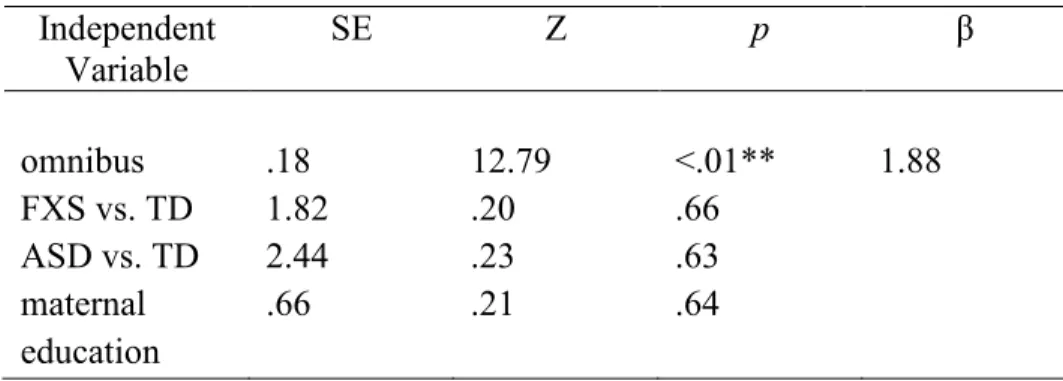
Table 7. Omnibus conditional logistic regression analysis of parent response to canonical versus non-canonical babbles ...69
Table 8. [Number of different respondents] Frequency (Percentage) of types of response to non-canonical babbles by group ...70
ix
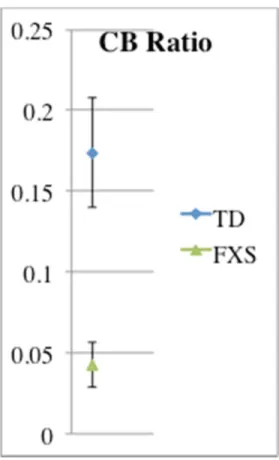
LIST OF FIGURES Figure 1. Group canonical babbling ratios by participant
across 10-minute sample. Error bars represent standard error. ...34
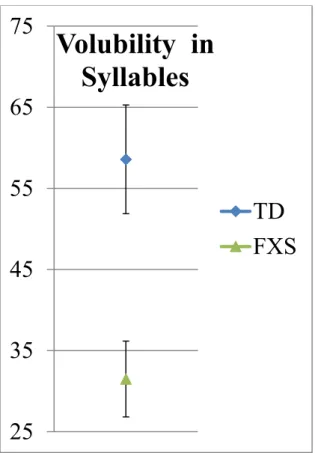
Figure 2. Group volubility across 10-minute samples.
1
CHAPTER 1: INTRODUCTION
Language is a skill necessary for daily functioning. Thus, individuals with language
impairment are at high risk for compromised functioning due to their deficits. The ultimate goal
of this research is to identify areas and timing of intervention in order to improve individual’s
language skills and functioning.
Language development is impacted by three factors: (1) nature: the biological capacity
for learning and using language, (2) nurture: the environment’s role in facilitating growth in
language skills, and (3) the interaction between nature and nurture (Lenneberg, Chomsky, &
Mark, 1967; Landry, Smith, & Swank, 2002). This dissertation will examine a biologically
driven and environmentally shaped aspect of language, canonical babbling, and the influence of
canonical babbling on parent’s responses in populations with language impairments.
Infants advance through stages of babbling in the first year of life. By 8 - 10 months the
majority of infants enter the canonical babbling stage. Canonical babbling is significant for
several reasons. First, canonical babbles mark the time when infant’s babbles have the properties
of adult-like speech. Second, these babbles are strongly predictive of later language skills (Oller,
1998). Finally, canonical babbles influence the language environment.
Theme and Purpose
This dissertation consists of two empirical studies. The studies are connected by their
focus on infant vocalizations, especially canonical babbling. The first study focuses on the
nature of canonical babbling in infants with fragile X syndrome (FXS), with the assumption that
2
neurodevelopmental disorder associated with language impairment (Abbeduto and Hagerman,
1997). There are multiple studies describing the speech and language deficits in school-age
children and adolescents with FXS, but to the author’s knowledge, only one other study on the
communication skills in infancy (Marschik et al., 2014). There is evidence suggesting canonical
babbling is delayed in neurodevelopmental disorders such as autism spectrum disorder (ASD)
and individuals at-risk for ASD (Patten, Belardi, Baranek, Watson, Labban & Oller, 2014; Paul,
Fuerst, Ramsay, Chawarska & Klin, 2011). Study 1 aims to contribute to the literature by
providing information on the emergence of canonical babbling in infants with another
neurodevelopmental disorder, FXS, and examining whether measures of babbling are strong
predictors of whether infants will later be diagnosed with FXS or will exhibit typical
development.
The second study focuses on parent responses to canonical babbling. According to the
transactional model of development (Sameroff and Chandler, 1975), parent and infant behaviors
mutually impact each other. Parental language is one aspect of the environment that facilitates
language development (Girolametto, 1988; Wilcox, 1992). There is information suggesting
canonical babbles elicit more advanced language input from parents compared to non-canonical
babbles (Papoušek, 1994). For example, prior to the canonical babbling stage, parents often
respond to infants’ sounds with praise or encouragement to continue vocalizing. During the
canonical babbling stage parents respond with more referential language (e.g., “A ball--you want
your blue ball”). This type of advanced language input is thought to guide word learning. Study
2 addresses questions of whether the frequency and type of responses of adults with infants with
ASD and FXS are different compared to parents of infants with typical development.
3
canonical babbles provides important information about the differences in the environment
during this formative time for language development. Together, these studies will address
meaningful gaps in the literature about the role of biology and the environment in language
development and could inform clinical practice and future research.
Rationale
These studies will use the developmental phenomena of canonical babbling to extend our
understanding of neurodevelopmental disorders in two novel directions. The first study aims to
examine the utility of canonical babbling and volubility as behavioral biomarkers for
distinguishing infants with FXS from those with typical development. The importance of this
aim is that, in the absence of universal genetic screening of newborns for FXS, easily recognized
behavioral markers of communication delays associated with this syndrome could facilitate
earlier identification of infants with FXS than occurs in current practice. Currently, diagnosis of
FXS is not typically made until the age of three years or later (Bailey, Raspa, Bishop, & Holiday,
2009). An easily recognized behavioral marker that appears in infancy could dramatically lower
this relatively late age of diagnosis. Canonical babbling and volubility are measures whose
utility is promising for accurately identifying typical from atypical babbling patterns. The goal is
to find a measure parents can use to identify delayed babbling so they can report concerns to
their pediatrician. Canonical babbling and volubility require counting syllables, which parents
could use. The primary purpose of earlier identification is earlier intervention. The brain is
malleable in the first few years of life, and early behavioral intervention, such as speech and
language therapy, has the potential to alter the extent of the communication delays later in life
4
The second study aims to examine whether parents of infants with varied
neurodevelopmental disorders respond with differentially complex linguistic forms to the
emergence of canonical babbling in their infants. Addressing this aim will enhance our
understanding of transactional processes in interactions between parents and their infants that
may exacerbate or ameliorate the communication delays associated with these disorders. The
transactional model of communication recognizes the facilitating role interactions have on
incrementally supporting a child’s communication development (Greenberg & Crnic, 1988).
The emergence of canonical babbles signifies an infant’s readiness to learn to use language.
Infants with neurodevelopmental disorders may not have as many opportunities for these
transactions due to late onset and reduced frequency of babbles. This particular study controls
for the number of babbles in order to compare and describe the types of responses parents use to
respond to canonical babbling in infants with FXS and infants later diagnosed with ASD
compared to infants with typical development.
Studying differences in a foundational skill of language development could inform our
understanding of the timing and extent to which language-learning processes derail in
neurodevelopmental disorders. This information is important for considering the timing and type
of early intervention that may be most effective, with the aim to improve later language skills.
5
REFERENCES
Abbeduto, L., & Hagerman, R. J. (1997). Language and communication in fragile X
syndrome. Mental Retardation and Developmental Disabilities Research Reviews, 3(4), 313-322.
Bailey, D. B., Raspa, M., Bishop, E., & Holiday, D. (2009). No change in the age of diagnosis for fragile X syndrome: Findings from a national parent survey. Pediatrics, 124(2), 527-533.
Dawson, G., Rogers, S., Munson, J., Smith, M., Winter, J., Greenson, J., ... & Varley, J. (2010). Randomized, controlled trial of an intervention for toddlers with autism: the Early Start Denver Model. Pediatrics, 125(1), e17-e23.
Girolametto, L. E. (1988). Improving the social conversational skills of developmentally delayed children: An intervention study. Journal of Speech and Hearing Disorders, 53, 156–167.
Greenberg, M. T., & Crnic, K. A. (1988). Longitudinal predictors of developmental status and social interaction in premature and full-term infants at age two. Child Development, 554-570.
Koopmans-van Beinum, F. J., & van der Stelt, J. M. (1986). Early stages in the development of speech movements. Precursors of Early Speech, 37-50.
Landry, S. H., Smith, K. E., & Swank, P. R. (2002). Environmental effects on language development in normal and high-risk child populations. In Seminars in pediatric neurology (Vol. 9, No. 3, pp. 192-200). WB Saunders.
Lenneberg, E. H., Chomsky, N., & Marx, O. (1967). Biological foundations of language (Vol. 68). New York: Wiley.
Marschik, P. B., Bartl-Pokorny, K. D., Sigafoos, J., Urlesberger, L., Pokorny, F., Didden, R., ... & Kaufmann, W. E. (2014). Development of socio-communicative skills in 9-to 12-month-old individuals with fragile X syndrome. Research in Developmental
Disabilities, 35(3), 597-602.
Papoušek, M. (1994). Vom ersten Schrei zum ersten Wort: Anfänge der Sprachentwickelung in der vorsprachlichen Kommunikation. Bern: Verlag Hans Huber.
6
Paul, R., Fuerst, Y., Ramsay, G., Chawarska, K., & Klin, A. (2011). Out of the mouths of babes: Vocal production in infant siblings of children with ASD. Journal of Child Psychology and Psychiatry, 52(5), 588–598.
7
CHAPTER 2: RETROSPECTIVE VIDEO ANALYSIS OF CANONICAL BABBLING AND VOLUBILITY IN INFANTS WITH FRAGILE X SYNDROME AT 9 – 12 MONTHS
OF AGE
The first few years of life are a time of remarkable brain growth and behavior
development (National Center for Infants, Toddlers, and Families, 2012). Throughout the first
twelve months, infants begin exploring and using sounds of their native language. These sounds
are the foundation for language production development. Research on the early language
foundation differences in neurodevelopmental disabilities is underway, but many aspects of early
language learning remain unexamined. Early vocalization differences, such as volubility
(frequency of vocalizations) and the use of canonical babbles (i.e. a consonant-vowel syllables
with a rapid transition between the sounds that cannot be perceived), have the potential to
differentiate atypical language development from typical development. Moreover, the
differences may serve as behavioral biomarkers in the first year of life. Reliable and valid
behavioral biomarkers are important for early identification and earlier intervention.
Fragile X syndrome (FXS) is a neurodevelopmental disorder resulting from a genetic
mutation on the X chromosome, specifically the fragile X mental retardation 1 (FMR1) gene
(Einfeld, Tonge, & Turner, 1999). FMR1 is responsible for producing a protein, the fragile X
mental retardation protein (FMRP), which plays a significant role in brain development
(Greenough, Klintsova, Irwin, Galvez, Bates & Weiler, 2001). FMRP is either reduced or absent
in individuals with FXS, and this deficiency is thought to result in a specific profile of deficits
across cognitive, motor, physical and language domains. Language skills are severely affected
8
the focus of language research is to determine if the severity or quality of impairments in
language is different than what would be expected based on individuals’ cognitive levels of
functioning. Individuals with FXS have deficits in all aspects of language, including
comprehension, expression and pragmatics (Finestack & Abbeduto, 2010; Brady, Skinner,
Roberts, & Hennon, 2006; Roberts, Mankowski, Sideris, Goldman, Hatton, Mirrett, et al., 2008)
and the deficits persist throughout the lifespan.
There is a substantial body of literature documenting the language deficits in school-aged
children and adolescents with FXS (Maes, Fryns, Ghesquiere, Borghgraef, 2000), but a dearth of
information concerning deficits in infancy. The limited research about early development is not
due to absence of signs and symptoms. In fact, parents report noticing first symptoms of FXS
around 12 months for males and 16 months for females (Bailey, Raspa, Bishop, & Holiday,
2009). One study with seven 9 – 12 month old infants with FXS (Marschik et al., 2014) suggests
this population may exhibit limited forms of social-communication behaviors for their age based
on the Inventory of Potential Communicative Acts (IPCA; Sigafoos, Arthur-Kelly, & Butterfield,
2006). Despite infants with FXS showing symptoms early, confirmation of a developmental
delay is not typically provided until about 20 months for males and 26 months for females
(Bailey, Raspa, Bishop, & Holiday, 2009). More alarming is about 16 months pass between a
physician confirming a developmental delay and a child receiving a diagnosis of FXS (Bailey,
Raspa, Bishop, & Holiday, 2009). One method of earlier diagnosis, universal genetic newborn
screening, remains controversial for several reasons. The reasons include issues of the
cost-to-benefit ratio of universal newborn screening for FXS, particularly a lack of evidence for
treatments that can be initiated in the newborn period to improve outcomes for this population
9
reducing the amount of services a child needs over time and informing family planning (e.g.,
determining whether having more children is financially or emotionally feasible; Ouyang, Gross,
Raspa, & Bailey, 2010; Ouyang, Grosse, Riley, Bolen, Bishop, Raspa, & Bailey, 2013).
Therefore, some argue that earlier diagnoses of FXS have concomitant benefits for children (i.e.,
early intervention) and their families (e.g., reduced financial and emotional burden; Center for
Diseases Control and Prevention, 2015).
One cost-effective method for earlier diagnoses and intervention could be a valid and
reliable behavioral biomarker that parents and healthcare providers can use to determine whether
a child is developing similarly to their typically developing (TD) peers. The purpose of this
study is to test the utility of two measures of early language development as behavioral
biomarkers for distinguishing infants with FXS from infants with TD. To the authors’
knowledge, this is the first study comparing the language behaviors of infants with FXS to TD
peers in the first year of life. There is substantial evidence documenting the effectiveness of
early intervention services in improving children’s language deficits in neurodevelopmental
disorders like autism spectrum disorder (ASD; Dawson et al., 2010). A validated behavioral
biomarker that promotes earlier identification of infants with FXS would provide opportunities to
evaluate whether early intervention has similar benefits for this population as for young children
with ASD. This study is the first step toward understanding the differences in the language
trajectory of children with FXS compared to their TD peers. Below I review the literature on
babbling development and two robust measures of babbling.
Canonical Babbling Status
Early developmental stages unique to humans lay the foundation for language
10
2006). During the first few stages, infants explore moving their articulators and using their
resonance, respiratory and phonatory systems. Around five to ten months, all of the systems are
coordinated. The synchronization of speech systems is evident in the well-formed syllables an
infant produces. The syllables are called canonical babbles. More specifically, canonical
babbles are fully articulated sound sequences with full resonance and rapid transitions between
articulator movements (Oller, 2000). These syllables are often reduplicated (e.g., /dada/) and
they resemble adult-like speech. Universally, infants produce canonical babbles before
producing words. Then, between eight to ten months, infants typically reach the canonical
babbling stage, as marked by the production of a ratio of .15 canonical babbles per total syllables
(Eilers and Oller, 1994). This stage is robust in that no delay in onset of canonical babbling is
seen in infants at-risk for communication deficits due to premature birth or low socioeconomic
status (SES; Eilers et al., 1993; Oller, Eilers, Basinger, Steffens, & Urbano, 1995). Infants with
Down syndrome show slight delays in canonical babbling onset of about two months at the
group level (Lynch et al., 1995). Infants who are tracheostomized at birth also produce
age-appropriate canonical syllables shortly after decannulation (Bleile, Start, & McGowan, 1993;
Locke & Pearson, 1990). The evidence strongly suggests canonical babbling is part of the
natural course for learning language. Populations with substantial delays in canonical babbling
onset include infants with profound hearing impairment (Eilers & Oller, 1994), Williams
syndrome (Masataka, 2001), later diagnosed with ASD (Patten et al., 2014) and at genetic risk
for ASD (Paul, Fuerst, Ramsay, Chawarska, & Klin, 2011). The robustness of this
developmental milestone demonstrates its importance to language learning. Moreover, infants
without previously identified disorders whose canonical babbling onset is after ten months are
11
1999; Stark, Ansel, & Bond, 1988; Stoel-Gammon, 1989). Clinically, this milestone has the
potential to serve as a reference point for identifying and possibly differentiating
neurodevelopmental disorders. Two types of evidence support the potential utility of this marker
for early identification: (a) parents are reliably able to identify when their child reaches the
canonical babbling stage (Lewedag, 1995; Oller, Eilers, Neal, & Schwartz, 1999), and (b)
canonical babbling status at 9-12 months emerged as a strong predictor of diagnostic group in a
study of infants with ASD versus typically developing infants (Patten et al., 2014).
Volubility
The quantity of infant vocalizations is also a significant measure of vocal development.
This quantity can be indexed by volubility, defined as the rate of vocalizations regardless of
whether a vocalization represents a canonical or non-canonical babble (Nathani, Oller, & Neal,
2007). Oller and colleagues suggest lower volubility may be due to environmental factors, given
that children from low SES households vocalize less frequently than middle or high SES peers
(Eilers et al., 1993; Oller et al., 1995). Although infants later diagnosed with ASD have
demonstrated low volubility (Patten et al., 2014; Warlaumont et al., 2014; Warren et al., 2010),
infants with severe or profound hearing loss and infants with cleft palate have not shown
differences in volubility compared to peers with typical development (Oller, Eilers, Basinger,
Steffens, & Urbano, 1995). To date, no study sought to investigate volubility in infants with
Down syndrome, but in one study (Steffens, Oller, Lynch, & Urbano, 1992), the means for total
vocalizations for infants with Down syndrome at 12 months look similar numerically to those of
infants with typical development (TD = 1.41 per minute; Down syndrome = 1.25 per minute),
suggesting small to no differences. Findings suggest volubility in infants with hearing loss and
12
infants from low SES homes may be attributed to a smaller amount of adult-directed
communication to infants (Hart & Risley, 1995; Snow, 1995). Patten et al. (2014) found infants
with ASD had lower volubility than TD infants at 9 - 12 months, and proposed the idea that
lower volubility may be due to less social motivation among infants with ASD. Lower volubility
among infants with ASD may result in these infants eliciting fewer adult responses and thus not
setting the stage for infant-caregiver reciprocal vocalizations as well as their TD peers.
The existing research provides a strong rationale for using canonical babbling and
volubility as behavioral biomarkers. There is accumulating evidence supporting their use in
differentiating between infants with TD and those who are later diagnosed with ASD.
Particularly relevant to the search for behavioral biomarkers, the combination of canonical
babbling status and volubility accurately predicted diagnostic group (ASD versus typically
developing) for 75% of infants—82% for those with ASD and 64% for TD peers (Patten et al.,
2014). Therefore, it is a reasonable next step to explore their utility as behavioral biomarkers in
another neurodevelopmental disorder, FXS. Another important factor to consider when
examining vocal development is motor development, because coordination between vocal and
manual system development is postulated (Iverson & Thelen, 1999) and in TD populations there
is a positive relationship between canonical babble onset and increased production of upper limb
movements (e.g., waving and swinging; Cobo-Lewis, Oller, Lynch, & Levine, 1996). One novel
component of the current study is the examination of the relationship between onset of walking,
vocal measures, and FMRP level. Since there is speculation about the motor system playing a
role in canonical babbling development (Iverson, 2010; Masataka, 2001; Cobo-Lewis, Oller,
Lynch, & Levine, 1996), it was important to complete an initial investigation of the relationship
13
Specifically, this study aimed to address five research questions:
1. Are there differences in the likelihood infants with FXS and infants with TD will meet or
exceed the .15 criterion for the canonical babbling stage by 9-12 months?
Hypothesis: Fewer infants with FXS will meet the criterion for canonical babbling stage
by 9-12 months, indicating a delay in the development of canonical babbling.
2. Are there differences in the canonical babbling ratio between infants with FXS and those with
TD?
Hypothesis: Infants with FXS will have a lower mean canonical babbling ratio compared
to infants with TD.
3. Are there differences in volubility among infants with FXS and TD at 9-12 months?
Hypothesis: Infants with FXS will have lower volubility compared to infants with TD.
4. Does volubility and canonical babbling status predict group membership?
Hypothesis: These two variables together will significantly predict group membership.
5. Is there a relationship between onset of walking and (a) volubility and (b) total canonical
babbling?
Hypothesis: There will be an inverse relationship between onset of walking and (a)
volubility and (b) canonical babbles.
Methods
It is challenging to study early communication behaviors in infants with
neurodevelopmental disorders like FXS because diagnoses are not typically made until three or
four years of age (Bailey, Raspa, Bishop, & Holiday, 2009). Retrospective interviews or surveys
with parents are not ideal methods for studying early communication development, as there is
likely bias and lack of detail in recall. Prospective designs similar to Paul et al. (2011) offer
14
depend on parent recall of their children’s early behaviors, but are expensive and challenging to
implement for studying infants with FXS due to the small numbers of children with FXS who are
identified in infancy. An alternative method to study infant behaviors is retrospective video
analysis. Retrospective video analysis is a method where researchers collect home videos of
infants recorded during infancy from families when their children are older; this method offers
the opportunity to study infant videos of children later diagnosed with a neurodevelopmental
disability, or later confirmed to have typical development. Thus, retrospective video analysis is a
cost-effective way to study the early behavioral manifestation of developmental phenomenon
and describe patterns of behaviors prior to diagnosis in the FXS population. The current study
used retrospective video analysis to compare canonical babbling and volubility of 9- to 12-
month-old infants with FXS to age-matched infants later confirmed to be developing typically.
Participants
There were a total of 24 participants in this study. Ten participants had a diagnosis of
FXS confirmed by medical records and 14 met criteria for the TD group. Given the sample sizes
and assuming a Type 1 error rate of 5%, we had 80% power to detect an effect size of 1.06,
which by Cohen’s d standards (Cohen, 1988) is large. Previous research (Patten et. al., 2014)
with 37 9 - 12 month old infants with ASD and TD demonstrated effect sizes ranging from 1.09 -
2.07. Thus, it is reasonable to assume the current sample is sufficient to detect effect sizes in a
range comparable to those found for infants with ASD. There was one female in the FXS group
and three in the TD group. Parents of nine infants with FXS and 13 with TD identified them as
Caucasian. The other FXS and TD participants were identified as Asian. Participants included
children enrolled in previous studies at the University of North Carolina-Chapel Hill (UNC) and
15
research efforts spanning a 15-year time period. Recruitment criteria for children with TD in the
previous studies included: (1) child age at recruitment between two and seven years, (2)
available home video footage of the child between birth and two years that the parents were
willing to share; and (3) enough footage for at least one five-minute codeable segment of the
child at 9 - 12 and/or 15 - 18 months of age. Children in the TD group were excluded if they
demonstrated one or more of the following: significant hearing, vision, or motor impairments;
symptoms of ASD as measured by the Childhood Autism Rating Scales (CARS; Schopler,
Reichler, & Renner, 1988); and/or positive test for FXS or other genetic syndrome per parent
report. The group of children with TD also had no history of developmental or learning
difficulties per parent report and received scores in the average range for overall developmental
maturity on the Vineland Adaptive Behavior Scales, Interview Edition, Survey Form (VABS;
Sparrow, Balla, & Cicchetti, 1984). The sample chosen for the current study was based on the
availability of two five-minute edited videos at 9 – 12 months; using this selection criterion, 14
infants were chosen at random from all eligible infants with TD in the larger sample.
This study was specifically designed to examine babbling in infants with FXS who did
not later meet criteria for ASD. Nine of the 10 participants with FXS were drawn from extant
data collected in a longitudinal study of children with FXS (Bailey, Hatton, & Skinner, 1998),
which required participants with FXS to be older than 12 months at the time of recruitment. The
children with FXS needed to have a full-mutation confirmed by DNA analysis and not meet the
cut-off score for ASD as measured by the CARS (Schopler, Reichler, & Renner, 1988).
Available records for potential participants with FXS were screened for reports indicative of
ASD (e.g., CARS scores >30 or ASD clinical diagnosis), and four potential infants with FXS
16
Additional participants with FXS were recruited for this study via flyers posted on social media
and distributed to Fragile X community groups, a mailing from the North Carolina Fragile X
Registry, and by word of mouth. Recruitment criteria for new participants included being at
least three years of age, full-mutation, below threshold for ASD as measured by CARS scores
less than 30 or parent report that no ASD diagnosis had been received by age three years, and
available video footage of the child at 9 – 12 months. This recruitment effort yielded one more
participant meeting inclusion criteria. Parents were asked to share other demographic
information such as the child’s intelligent quotient (IQ) and adaptive behavior skills if available.
FMRP levels were available from medical reports of 8/10 participants with FXS. Table 1
provides descriptive information on the study participants.
Assessment Measures.
Participants in the TD group were assessed at initial recruitment for descriptive purposes
(Baranek, 1999; Poon, Watson, Baranek, & Poe, 2012; Watson, Crais, Baranek, Dykstra &
Wilson, 2013). Measures included the VABS for developmental/adaptive ability. The VABS
scores for nine participants in the FXS group were available from the longitudinal study (Bailey,
Hatton, and Skinner, 1998). The parents of the newly enrolled child did not provide VABS
scores. Because the children’s chronological ages varied at the start of the study, the VABS
composite standard score was used as an index of developmental/adaptive status at the time of
recruitment to describe and compare the groups. A one-way ANOVA was used to test for
differences between the two groups on the VABS. As expected, the group with TD had
significantly higher scores than the group with FXS (F (1, 20) = 85.50, p < .01).
Since level of intellectual impairment is also of interest for descriptive and comparison
17
psychological reports/assessments. All children with FXS in the earlier longitudinal study were
assessed with the Battelle Developmental Inventory (BDI; Newborg, Stock, Wnek, Guidubaldi,
& Svinicki, 1984). For the newly recruited child with FXS, parents were asked to share any
developmental assessment reports, but none were available. The assessments for the TD group
varied. Consistent with previously published infant video data (Baranek, 1999), the overall level
of intellectual disability for both groups was coded as 0 = Average/Above Average Intelligence
(standard scores above 85); 1 = Borderline (70-84); 2 = mild (55-69); 3 = moderate (40-54); 4 =
Severe/profound (39-30). A chi-square confirmed the expected statistically significant
differences on level of cognitive scores between the two groups (χ² (2, n = 24) = 12, p <.01))
with the FXS group having lower scores.
As part of the larger studies, parents provided the age their child walked (in months)
during an initial phone call. The newly recruited family completed a demographic form with this
information. Parents were asked to retrieve this information multiple years after the milestone,
but since it is a major developmental milestone, it is reasonable to assume parents accurately
remembered.
Procedures
Procedures included those for videotape editing and behavioral coding. This study was
approved by the UNC Institutional Review Board.
Videotape editing. The procedures for videotape editing were established by a previous
retrospective video analysis study (Baranek, 1999) and applied to newly recruited participants to
maintain consistency. Families provided home videos of their child between birth and two years.
The videotapes included a variety of events such as family vacations, mealtimes, special events
18
events, as expected in family video footage (see Table 2 for percentage of activity type). All
videotapes were copied, transcoded into digital formats and then original videotapes were
returned to families. The newly recruited participant shared digital footage using a
password-protected flash drive. Only footage for which parents could confidently identify the child’s age
was used.
In the Baranek (1999) study, the investigators chose the 9 - 12 month age range for two
reasons. First, it is the earliest age range at which most parents had enough footage for at least
one five-minute codeable segment. Second, it represents a time period when a variety of
important early social and communication behaviors typically emerge. The age range is
appropriate for the current study because it represents a time period when infants with TD should
be in the canonical babbling stage. Research assistants, blind to study purpose and research
questions, edited the videos. Instructions for editing tapes included (a) to focus on the footage
during which the child was consistently visible, and (b) to compile two five-minute video
segments for each child. The assistants were further instructed to quasi-randomly select a
cross-section of scenes and to include scenes from each one-month age interval for which video
footage was available. To ensure videos were similar in contexts, research assistants coded each
scene included in the edited video segments for the following variables: (a) age of infant; (b)
number of people present; (c) level of physical restriction on child’s freedom to move; (d)
amount of social intrusion another person was using to engage the child in interaction; and (e)
number of events (Baranek, 1999). Level of intrusion and level of restriction were rated on a
three-point scale (i.e., low-, medium-, high-intensity). These parameters were compared
between groups with chi-square tests (See Table 3 for means and standard deviations), which
19
= 47.98, p = .24, or mean restriction per second, χ² (45, n = 24) = 52, p = .22. One-way
ANOVAs were used to measure the difference in mean age per second, FXS = 11.18 (1.22)
months, TD = 10.63 (.53) months, F(1, 50) = 4.68, p = .04; mean people per second, FXS =
3.204 (1.30), TD = 3.28 (1.24), F(1, 50) = .47, p = .50; and mean total events FXS = 4 (.82), TD
= 5 (1.02), F(1, 50) = 12.23, p = .01. Thus, the FXS group was slightly older and had fewer total
events than the TD group.
Coding Procedures. Each video segment was coded for infant-produced canonical
babbles and non-canonical syllables by the first author of this study. In the coding scheme,
syllables are defined as rhythmic speech-like vocalizations (excluding raspberries, effort sounds,
ingressive sounds, sneezes, hiccups, crying and laughing) within one vocal breath group (Lynch,
Oller, Steffens, & Buder, 1995). A canonical babble is defined as having consonant-like sound
and a vowel, and a rapid transition between them. The transition timing is too rapid to be tracked
by ear (Buder, Warlaumont, & Oller, 2013). Examples of canonical syllables are /ga/ and
/mama/. No vocalizations were coded when an infant had an object or food in their oral cavity or
on their lips. The reason for excluding these vocalizations is because an object can affect the
articulator placement, which could result in a vocalization not representative of the child’s true
vocalizations. A naturalistic listening approach was used to code the syllables. This procedure
was used in previous studies (Patten et al, 2014; Ramsdell, Oller, Buder, Ethington, & Chorna,
2012). Naturalistic listening has proven to a reliable technique for identifying canonical versus
noncanonical syllables when compared to phonetic transcription with repeated reviews of audio
recordings (Ramsdell, Oller, Buder, Ethington, & Chorna, 2012). The key of the naturalistic
technique is listening as a caregiver would hear their child, listening to each utterance once.
20
Therefore, this technique was utilized in the current study due to its clinical utility (i.e., parents
could accurately evaluate whether or not their child is in the canonical babbling stage and share
that information with their pediatrician when concerns arise).
The videotapes were randomly ordered and coded by a certified speech-language
pathologist, the first author on this study, blind to participants’ group status. The first author was
experienced with this particular coding scheme. An undergraduate research assistant with a
focus in communication sciences and disorders and pediatrics was trained in coding
vocalizations using home videos separate from the project videos. The research assistant and
first author achieved reliability on three training videos by agreeing on whether or not the infant
was in the canonical babbling stage, and agreeing at least 80% of the time on the occurrence of
any syllables and canonical babble syllables. Then, the research assistant coded a random
sample of 20% of the study videos. The agreement of the reliability coder with the primary
coder was checked after each reliability video was coded. The reliability for coded videos was
computed as (a) the percentage of video segments for which the coders agreed that the infant was
or was not in the canonical babbling stage (with the goal being an agreement of 90% or higher),
and (b) the intraclass correlation coefficients (ICCs) for the frequency of all syllables and
frequency of canonical babble syllables (with the goal of ICCs of .80 or higher). The percentage
of video segments for which the coders agreed the child was in the canonical babbling stage was
87.5% (7/8). ICCs were .94 and .89 for frequency of all syllables and frequency of canonical
babbles, respectively.
Data analysis strategy. Given the small sample sizes, unequal variances for canonical
babbling ratio (t (19.50) = 3.19, p > .00) and volubility (t (20.61) = 3.12, p > .00) and
21
warranted. Groups were compared on maternal education (U = .42), race (U = .63), and sex (U
= .67) using Mann-Whitney analyses, with nonsignificant differences on these variables. Data
were analyzed using SPSS 21 and SAS 9.4.
Results Research Question 1
Are there differences in the likelihood infants with FXS and infants with TD will meet or exceed
the .15 criterion for the canonical babbling stage by 9 - 12 months?
For our participants, 8 of 14 infants with TD met the criterion for being in the canonical
babbling stage at 9-12 months, whereas 0 of 10 infants with FXS did so. According to an exact
Pearson chi-square test, there was a significant between group difference, χ² (1, n = 24) = 8.57, p
< .01, with infants with FXS less likely to be in the canonical babbling stage at 9 – 12 months
than infants with TD.
Research Question 2
Are there differences in the canonical babbling ratio between infants with FXS and TD?
The median canonical babbling ratio for FXS was .03 (range = 0 - .13) and .16 for TD
(range = 0 - .27). A Wilcoxon signed-ranks test was used to test for a between group canonical
babbling ratio difference. The test was statistically significant (Z = -2.27, p = .02) with infants
with FXS producing a smaller canonical babbling ratio. See Figure 1 for between-group
canonical babbling ratios by participant.
Research Question 3
Are there differences in volubility (total vocalizations) among infants with FXS and TD at 9-12
months?
The median volubility totals across the 10-minute samples were 31.5 for infants with
22
test showed that infants with FXS produced fewer total vocalizations than infants with TD (Z =
-2.49, p = .01). See Figure 2 for participant volubility totals.
Research Question 4
Does volubility and canonical babbling status (i.e., whether a child met the .15 criterion) predict
group membership?
Because the overall sample for this project was small, unbalanced, and contained a cell
with no observations, an exact logistic regression (Hirji, Mehta, & Patel, 1987; Mehta and Patel,
1995) was performed to determine whether the variables (canonical babbling ratio of .15 or
higher and total volubility) could predict group membership. In the instances of small and
unbalanced samples, where the asymptotic properties of maximum likelihood-based estimators
and inferential methods are likely to fail, exact logistic regression can still provide valid
parameter estimates and statistical tests (Stokes, Davis, and Koch, 1995). The canonical
babbling data had a quasi-separation of data points since canonical babbling status perfectly
predicts membership in the FXS group, but not the TD group (see Table 4). Results from
the exact logistic regression tests suggest that (1) as total volubility increases the predicted
likelihood of FXS decreases by a factor of -.09 logits per unit increase in total volubility
(conditional score test = 6.24; exact 2-sided p ≤ .048); and (2) As an infant goes from not being
in the canonical babbling stage to being in the stage, the predicted likelihood of being in the
FXS group decreases by a factor of -2.1 logits (conditional score test = 4.60; exact 2-sided p ≤
.027). When examining each predictor variable in the model independently, total volubility
accurately predicted (was concordant with) the group assignment of 80% of the infants, whereas
canonical babbling accurately predicted the group assignment of 57%. Although it seems
23
babbling status. It is important to note that concordance is an index of the degree to which
predicted values matched observed values, adjusted for the number of ties. For this sample, the
number of ties reduced the percent concordant, which is a measure of the association between
observed responses and predicted responses.
Research Question 5
Is there a relationship between onset of walking and (a) volubility and (b) total canonical babbles
at 9 – 12 months?
Spearman correlations, appropriate for small sizes, were run within groups. There were
weak correlations for both groups for volubility, TD: rs = -.17, n = 8, p = .69; FXS: rs = .17, n =
10, p = .63). There was a strong inverse relationship for canonical babbles in the TD group (rs =
-.78, n = 8, p = .02) but no meaningful level of association for FXS (rs = .03, n = 10, p = .94).
Although only one of the results is statistically significant, results indicate a moderately strong
inverse relationship for the TD sample only, such that TD infants who walk at a younger age
have higher canonical babbling ratios.
Based on previous indications that severity of FXS phenotype correlates with FMRP
expression (Jacquemont, Berry-Kravis, Hagerman, vonRaison, Gasparini, Apostol, Ufer, Des
Portes, & Gomez-Mancilla, 2014; Tassone, 1999; Loesch, Huggins, & Hagerman, 2004), we
examined correlations between FMRP level and babbling measures and onset of walking. The
correlations were negative and moderate for canonical babbling (rs = -.26, n = 8, p = .54),
volubility (rs = -.33, n = 8, p = .42), but strong for onset of walking (rs = -.83, n = 8, p = .01),
with two participants missing FMRP levels. FMRP and age walking have a statistically
significant inverse relationship whereby earlier onset of walking corresponds to higher FMRP
24 Discussion
During the first year of life, typically developing infants make a transition from marginal
syllables (i.e., syllable shapes where the transition between sounds can be perceived by ear
because it is slow) to well-timed canonical babbles (i.e., /mama/; Oller, 1980). Delays in the
groundwork for language development are a reasonable sign that early intervention is warranted.
In order for children with FXS to receive earlier intervention, however, they must be identified
earlier than three to four years of age, as occurs currently. This study examined the potential of
early infant vocalizations, including volubility and canonical babbling, to serve as behavioral
biomarkers that could alert parents and physicians to the need for a neurodevelopmental
assessment. The usefulness of canonical babbling as a behavioral biomarker is of particular
interest because previous research has demonstrated that parents readily recognize when their
infant makes this transition (Oller, Eilers, & Basinger, 2001), and thus most parents could
reliably report to the child’s primary care provider whether the infant is using canonical syllables
regularly. Results from this study support the utility of canonical babbling status (reached .15
criterion of canonical babbles per total syllables) and total volubility at 9 – 12 months as
predictors for diagnostic category. This pattern is similar to the Patten et al. (2014) study that
reported canonical babbling status and volubility at 9 - 12 months were relatively strong
predictors of group membership for infants with ASD vs. TD, more so than these same measures
at 15 – 18 months.
In the current study, infants with FXS were significantly less likely to be in the canonical
babbling stage at 9 - 12 months compared to their TD peers; further, the magnitude of the
differences at 9 - 12 months, and the fact that none of the 10 infants with FXS met criterion (i.e.,
15% canonical babbles) for being in the canonical babbling stage, suggest this could be an
25
range. However, it is important to point out that six of the infants with TD did not meet the
criterion for the canonical babbling stage at 9 – 12 months, an unexpected result given that the
literature indicates typically developing infants reach this stage by nine months (Eilers and Oller,
1990). This finding may be due to some of the videos having more footage of when the child
was younger than ten months or the fact that these video samples were relatively brief (10
minutes total) and did not require that a minimum number of vocalizations be included in the
samples (Molemans, 2001). Even in lab samples of as long as 20 minutes, TD infants often fail
to meet the .15 ratio criterion in the samples even though they are known to be in the canonical
babbling stage. This is a case in which parents may be able to provide more reliable information
on an infant’s typical vocalizations than can be gained through relatively brief observations, such
as in these 10 minute video samples or what a physician would be able to observe in person
during an office visit. There is also natural variability in these early language production skills.
Nevertheless, it is striking that the majority of TD infants met the .15 criterion for being in the
canonical babbling stage in these 10-minute home video samples, whereas none of the infants
with FXS did, demonstrating a delay in canonical babbling similar to infants later diagnosed with
ASD (Patten et al., 2014).
In our study, we also found infants with FXS had lower volubility compared to TD
infants, similar to that for infants with ASD (Patten et al. 2014). These findings may be the
result of impaired social skills, reduced parent input, or depressed transactional communication
processes operating between infant and adult (i.e., decreased infant syllables yield fewer adult
responses, in turn yielding fewer learning opportunities for the infant). Both disorders are
associated with pragmatic and language deficits, but with potentially different underlying reasons
26
ASD; Hagerman, 2002; Chevallier, Kohls, Troiani, Brodkin & Schultz, 2012). To what extent
either of these issues is present in infancy remains unknown. However, the social issues may
affect the amount an infant babbles. Since the frequency of infant vocalizations is strongly
associated with frequency of parent responses (Gilkerson & Richards, 2009; Goldstein et al.,
2003; Gros-Louis et al., 2006), the infant may not receive as much language input. The
diminished input may in turn decrease infant babble production. Thus, social impairments
inherent in the infant and/or social transactions between infant and caregiver may negatively
impact babbling.
A potential explanation for reduced vocalizations was explored further by looking at the
relationship with another motor milestone, that is, age of walking. The trends are not the same
between groups. In the TD group, there was a moderately strong negative relationship between
babbling and age of walking, indicating early walkers produce more canonical babbles,
consistent with previous findings for infants with TD. This finding may be important because it
suggests more evidence for Iverson and Thelen’s (1999) theory that motor milestones are
coordinated. The story was not the same for the FXS group, where no meaningful degree of
association was found. Thus, other factors above and beyond motor skills, such as cognition or
sociability, may play a role in early language development in infants with neurodevelopmental
disorders. One caveat of the correlations is the variability in the data and the small sample sizes,
which increases the risk of sampling errors. The moderate correlations of canonical babbling
and volubility with FMRP level may suggest that reduced FMRP, perhaps through its role in
synaptic development and functioning (Weiler & Greenough, 1999), suppresses early language
27
effect for the FXS group; that is, the limited variability in canonical babbling ratios in this group
produces low correlations with any other measure.
Limitations
Home videos offer multiple advantages including a sample of children who have a
confirmed diagnosis of FXS, ability to observe children before they were diagnosed, and data
from the naturalistic environment where infants vocalize more freely (Lewedag, Oller, & Lynch,
1994). However, home videos have drawbacks including potentially poor video/audio quality,
limited availability of footage in a given age range, and lack of experimental control. In this
particular study, the videos may not be fully representative of the child’s language development
since we only examined 10 minutes of vocal behavior. Thus, we were likely seeing greater
variability in the canonical babbling ratios compared to studies with longer sampling periods
(Molemans, 2011). There were between-group differences in mean infant age and mean total
events with the children with FXS being slightly older and with fewer total events. However, it
is unlikely these differences biased our findings related to canonical babbles or volubility, given
the lack of differences on the other contextual variables (e.g., people present, amount of
restriction) that characterize the nature of the events. Another limitation of this study is the small
sample sizes. Although we could have included infants with comorbid FXS and ASD to increase
sample size (and be more representative of the total population of infants with FXS), the
association between ASD, low volubility, and delayed transition to the canonical babbling stage
has previously been demonstrated (Patten et al., 2014). Thus, our primary interest was in
examining the vocal patterns in a sample of infants with FXS without ASD in order to
understand the utility of canonical babbling and volubility for identifying infants with FXS who
28 Future directions
In order to test the utility of canonical babbling and volubility as behavioral biomarkers, a
logical next step is to conduct a larger sample retrospective video analysis or longitudinal study
incorporating the guidance from Molemans (2011). Molemans emphasizes the need to observe
for longer blocks of time and use repeated measurements to reliably study the onset of canonical
babbling. Longer samples and repeated samples will provide more information regarding
individual variability in babbling trajectories in typical development and neurodevelopmental
disorders. The challenges will be developing new ways to identify these children early and
acquire data at these ages.
Given the information on canonical babbling and volubility in ASD and FXS, it would be
interesting to investigate infants with comorbid FXS and ASD to determine whether the
comorbidity of these disorders has an additive effect on a child’s vocalization development over
having only FXS or only ASD. FXS is the most common genetic cause of ASD (Hagerman and
Hagerman, 2002) and the communication deficits associated with the disorders are similar,
although among older children with FXS, those with comorbid ASD have more severe
communication deficits than those with FXS alone, especially in pragmatic language functioning
(Estigarribia, Martin, Roberts, Spencer, Gucwa & Sideris, 2011; Martin, Losh, Estigarribia,
Sideris & Roberts, 2013). Additionally, using a group of infants with Down syndrome as a
comparison group would provide more information regarding whether the findings are a profile
associated with intellectual disability in general. This is especially important given the moderate
correlation between FMRP level and canonical babbling. To further control for this issue, future
studies should match on mental age or a mental age proxy to ensure cognitive impairments are
29
and the start of walking in the group with TD, but not in the FXS group. However, it is
important to note the very low canonical babbling ratios in the FXS group may restrict any
possible correlation. Examining babbling in the context of other important motor milestones,
such as postural stability, may also provide insight into the relationship between motor and
language systems (Iverson, 2010). Finally, it is a logical next step to examine the environment’s
role in canonical babbling. Results from one previous study support the idea that parents of
children with TD intuitively begin advancing their language input when their child starts using
canonical babbles (Papoušek, 1999). Whether the same is true for parents of children with
neurodevelopmental disabilities remains unknown. Available literature on maternal responsivity
with older children with FXS and ASD suggests frequency and contingency of maternal
responses influences a child’s language level (Warren, Brady, Sterling, Fleming, & Marquis,
2010; Sterling, Warren, Brady, & Fleming, 2013), supporting the idea of studying responses to
canonical babbles in children with neurodevelopmental disorders. Further, testing methods for
eliciting more canonical babbles, similar to treatment with a sample of children with intellectual
disability (Woynaroski, Yoder, Fey, & Warren, 2014), could further inform early intervention
30 Table 1. Participant demographics
1 Missing 2; 0=Average/Above Average Intelligence (standard scores above 85); 1=Borderline (70–84); 2 = Mild ID (55–69); 3=Moderate ID (40–54); 4=Severe/Profound ID (<39).
2 Maternal Education: 1 = 6th grade or lower; 2 = 7th to 9th grade; 3 = partial high school; 4 = high school graduate/GED; 5 = associate of arts/associate of science or technical training or partial college training; 6 = bachelor of arts/science; 7 = master of arts/science or doctorate or other professional degree completed
3 Missing 1 FXS and 4 TD 4 Missing 2
Characteristic FXS
Mean (SD)
TD
Mean (SD)
Chronological age (months)
11.18 (1.22) 10.63 (.53)
Intelligence Quotient1 52.40 (3.87) 101.38 (7.25) Maternal Education2 5.44 (1.13) 5.83 (.72) Vineland Adaptive Behavior Scales
Composite Standard Score
61.44 (10.11) 102.77 (13.85)
Childhood Autism Rating Scale3 24.16 (3.12) 16.2 (1.21) Onset of Walking (months) 15.75 (2.84) 11.89 (1.57)
31 Table 2. Percentage of each activity type
Type FXS; n = 10 TD; n = 14
Mealtime 10 12
Active play 62 54
Special event 17 8
Bathtime 5 12
Passive activity 4 6
32 Table 3. Content variables for videos
Type FXS; Mean (SD) TD; Mean (SD)
Table 4. Exact Logistic Regression
Statistic Logit Standard
Error
95% Confidence Intervals Two-sided
p-value
Canonical babbling status5
6.24 -2.12 - -Infinity -.33 .05
Total volubility 4.59 -.09 .05 -.19 -.01 .03
5 Reference group is FXS
4
34
35
Figure 2. Group volubility across 10-minute samples. Error bars represent standard errors.
25
35
45
55
65
75
Volubility in
Syllables
36
REFERENCES
Abbeduto, L., & Hagerman, R. J. (1997). Language and communication in fragile X
syndrome. Mental Retardation and Developmental Disabilities Research Reviews, 3(4), 313-322.
Bailey Jr, D. B., Hatton, D. D., & Skinner, M. (1998). Early developmental trajectories of males with fragile X syndrome. American Journal on Mental Retardation, 103(1), 29-39.
Bailey, D. B., Raspa, M., Bishop, E., & Holiday, D. (2009). No change in the age of diagnosis for fragile X syndrome: Findings from a national parent survey. Pediatrics, 124(2), 527-533.
Baranek, G. T. (1999). Autism during infancy: A retrospective video analysis of sensory-motor and social behaviors at 9–12 months of age. Journal of Autism and Developmental disorders, 29(3), 213-224.
Bleile, K. M., Mcgowan, J. S., & Bernthal, J. E. (1997). Professional judgments about the relationship between speech and intelligence in African American preschoolers. Journal of Communication Disorders, 30(5), 367-383.
Brady, N., Skinner, D., Roberts, J., & Hennon, E. (2006). Communication in young children with fragile X syndrome: A qualitative study of mothers' perspectives. American Journal of Speech-Language Pathology, 15(4), 353-364.
Buder, E. H., Warlaumont, A. S., & Oller, D. K. (2013). An acoustic phonetic catalog of
prespeech vocalizations from a developmental perspective. Comprehensive perspectives on child speech development and disorders: Pathways from linguistic theory to clinical practice. Hauppauge, NY: NOVA. Editors: Beate Peter and Andrea A. N. MacLeod. Chevallier, C., Kohls, G., Troiani, V., Brodkin, E. S., & Schultz, R. T. (2012). The social
motivation theory of autism. Trends in Cognitive Sciences, 16(4), 231-239.
Cobo-Lewis, A.B., Oller, D.K., Lynch, M.P., & Levine, S.L. (1996). Relations of motor and vocal milestones in typically developing infants and infants with Down syndrome. American Journal of Mental Retardation, 100, 456–467.
Cohen, J. (1960). A coefficient of agreement for nominal scales. Educational and Psychological Measurement, 20, 37-46.
Cohen, J. (1988). Statistical power analysis for the behavioral sciences (2nd ed.). Hillsdale, NJ: Lawrence Earlbaum Associates.
37
Eilers, R. E., & Oller, D. K. (1994). Infant vocalizations and the early diagnosis of severe hearing impairment. Journal of Pediatrics, 124, 199-203.
Eilers, R. E., Oller, D. K., Levine, S., Basinger, D., Lynch, M. P., & Urbano, R. (1993). The role of prematurity and socioeconomic status in the onset of canonical babbling in
infants. Infant Behavior and Development, 16, 297-315.
Einfeld, S., Tonge, B., & Turner, G. (1999). Longitudinal course of behavioral and emotional problems in fragile X syndrome. American Journal of Medical Genetics, 87(5), 436-439.
Finestack, L. H., & Abbeduto, L. (2010). Expressive language profiles of verbally expressive adolescents and young adults with Down syndrome or fragile X syndrome. Journal of Speech, Language, and Hearing Research, 53(5), 1334-1348.
Girolametto, L. E. (1988). Improving the social conversational skills of developmentally delayed children: An intervention study. Journal of Speech and Hearing Disorders, 53, 156–167.
Greenough, W.T., Klintsova A.Y., Irwin, S.A., Galvez, R., Bates K.E.,Weiler, I.J. (2001). Synaptic regulation of protein synthesis and the fragile X protein. Proceedings of National Academy Science USA, 98 (13), 7101- 7106.
Hagerman R, Hagerman P, editors. (2002). Fragile X syndrome: Diagnosis, treatment, and research. 3. Baltimore, MD: Johns Hopkins University Press.
Hanson, D. M., Jackson, A. W., Hagerman, R. J., Opitz, J. M., & Reynolds, J. F. (1986). Speech disturbances (cluttering) in mildly impaired males with the Martin Bell/fragile X syndrome. American Journal of Medical Genetics, 23(1 2), 195-206.
Hart, B., & Risley, T. R. (1995). Meaningful differences in the everyday experience of young American children. Paul H Brookes Publishing.
Hirji, K. F., Mehta, C. R., & Patel, N. R. (1987). Computing distributions for exact logistic regression. Journal of the American Statistical Association, 82(400), 1110-1117.
Iverson, J. M. (2010). Developing language in a developing body: The relationship between motor development and language development. Journal of child language, 37(02), 229-261.
Jacquemont, S., Berry-Kravis, E., Hagerman, R., Von Raison, F., Gasparini, F., Apostol, G., ... & Gomez-Mancilla, B. (2014). The challenges of clinical trials in fragile X syndrome. Psychopharmacology, 231(6), 1237-1250.
38
Koopmans-van Beinum, F. J., & van der Stelt, J. M. (1986). Early stages in the development of speech movements. Precursors of early speech, 37-50.
Lewedag, V. L., Oller, D. K., & Lynch, M. P. (1994). Infants' vocalization patterns across home and laboratory environments. First Language, 14(42-43), 49-65.
Lewedag, V. L. (1995). Patterns of onset of canonical babbling among typically developing infants. (Doctoral dissertation), University of Miami, Coral Gables, FL.
Locke, J. L. (2006). Parental selection of vocal behavior. Human Nature, 17(2), 155-168.
Locke, J. L., & Pearson, D. M. (1990). Linguistic significance of babbling: evidence from a tracheostomized infant. Journal of Child Language, 17(01), 1-16.
Loesch, D. Z., Huggins, R. M., & Hagerman, R. J. (2004). Phenotypic variation and FMRP levels in fragile X. Mental Retardation and Developmental Disabilities Research Reviews, 10(1), 31-41.
Lynch, M. P., Oller, D. K., Steffens, M. L., & Buder, E. H. (1995). Phrasing in prelinguistic vocalizations. Developmental Psychobiology, 28(1), 3-25.
Lynch, M. P., Oller, D. K., Steffens, M. L., Levine, S. L., Basinger, D. L., & Umbel, V. M. (1995). Development of speech-like vocalizations in infants with Down
syndrome. American Journal of Mental Retardation, 100, 1, 68-86.
Maes, B., Fryns, J. P., Ghesquière, P., & Borghgraef, M. (2000). Phenotypic checklist to screen for fragile X syndrome in people with mental retardation. Mental retardation, 38(3), 207-215.
Marschik, P. B., Bartl-Pokorny, K. D., Sigafoos, J., Urlesberger, L., Pokorny, F., Didden, R., ... & Kaufmann, W. E. (2014). Development of socio-communicative skills in 9-to 12-month-old individuals with fragile X syndrome. Research in Developmental
Disabilities, 35(3), 597-602.
Masataka, N. (2001). Why early linguistic milestones are delayed in children with Williams syndrome: late onset of hand banging as a possible rate–limiting constraint on the emergence of canonical babbling. Developmental Science,4(2), 158-164.
Mehta, C. R., & Patel, N. R. (1995). Exact logistic regression: theory and examples. Statistics in medicine, 14(19), 2143-2160.

![Table 8. [Number of different respondents] Frequency (Percentage) of types of response to non- non-canonical babbles by group](https://thumb-us.123doks.com/thumbv2/123dok_us/8298079.2197594/79.918.136.646.228.438/number-different-respondents-frequency-percentage-response-canonical-babbles.webp)
![Table 9. [Number of different respondents] Frequency (Percentage) of types of response to canonical babbles by group](https://thumb-us.123doks.com/thumbv2/123dok_us/8298079.2197594/80.918.137.687.311.523/number-different-respondents-frequency-percentage-response-canonical-babbles.webp)
