Gene expression profiling of the astrocyte transcriptome in
multiple sclerosis normal appearing white matter reveals a
neuroprotective role
WALLER, Rachel, WOODROOFE, Nicola
<http://orcid.org/0000-0002-8818-331X>, WHARTON, Stephen B., INCE, Paul G., FRANCESE, Simona
<http://orcid.org/0000-0002-1381-1262>, HEATH, Paul R., CUDZICH-MADRY,
A, THOMAS, Ruth, ROUNDING, Natalie, SHARRACK, Basil and SIMPSON,
Julie E.
Available from Sheffield Hallam University Research Archive (SHURA) at:
http://shura.shu.ac.uk/13853/
This document is the author deposited version. You are advised to consult the
publisher's version if you wish to cite from it.
Published version
WALLER, Rachel, WOODROOFE, Nicola, WHARTON, Stephen B., INCE, Paul G.,
FRANCESE, Simona, HEATH, Paul R., CUDZICH-MADRY, A, THOMAS, Ruth,
ROUNDING, Natalie, SHARRACK, Basil and SIMPSON, Julie E. (2016). Gene
expression profiling of the astrocyte transcriptome in multiple sclerosis normal
appearing white matter reveals a neuroprotective role. Journal of Neuroimmunology,
299, 139-146.
Copyright and re-use policy
See
http://shura.shu.ac.uk/information.html
1 Gene expression profiling of the astrocyte transcriptome in multiple sclerosis normal appearing white matter reveals a neuroprotective role
Authors:
Rachel Waller a, M. Nicola Woodroofe b, Stephen B. Wharton a, Paul G. Ince a, Simona Francese b, Paul R. Heath a, Alex Cudzich-Madryb, Ruth H. Thomasb, Natalie Rounding a, Basil Sharrack a,c *, Julie E. Simpson a*
Affiliations:
a
Sheffield Institute for Translational Neuroscience, University of Sheffield, UK
b Biomolecular Sciences Research Centre, Sheffield Hallam University, UK c
Department of Neurology, Royal Hallamshire Hospital, Sheffield, UK
* Joint senior authors
Corresponding author: Dr Julie Simpson
Sheffield Institute for Translational Neuroscience 385A Glossop Road
Sheffield, UK S10 2HQ
Tel: +44 (0) 114 222 2242 Fax: +44 (0) 114 222 2290
2 Abstract
Multiple sclerosis (MS) is a chronic, inflammatory, demyelinating disease of the central nervous system (CNS). White matter lesions in MS are surrounded by areas of non-demyelinated normal appearing white matter (NAWM) with complex pathology, including blood brain barrier dysfunction, axonal damage and glial activation. Astrocytes, the most abundant cell type within the CNS, may respond and/or contribute to lesion pathogenesis. We aimed to characterise the transcriptomic profile of astrocytes in NAWM to determine whether specific glial changes exist in the NAWM which contribute to lesion development or prevent disease progression.
Astrocytes were isolated from control and NAWM by laser capture microdissection (LCM), using glial fibrillary acidic protein (GFAP) as a marker, and the astrocyte
transcriptome determined using microarray analysis. 452 genes were significantly differentially expressed (208 uregulated and 244 down-regulated, FC≥1.5 and
p-value≤0.05). Within the NAWM, astrocytes were associated with significant upregulation of genes involved in the control of iron homeostasis (including metallothionein-1 and -2, ferritin light chain and transferrin), oxidative stress responses, the immune response and
neurotrophic support. These findings suggest a neuroprotective role of astrocytes in the NAWM in MS.
Keywords:
multiple sclerosis, normal appearing white matter, astrocyte, neuroprotection, microarray
Highlights:
GFAP is the optimal marker to label astrocytes for laser capture microdissection Astrocytes in the NAWM express transcripts associated with iron homeostasis
3 1. Introduction
Multiple sclerosis (MS) is a complex disease neuropathologically characterised by demyelinated lesions distributed throughout the brain and spinal cord, inflammation, axonal/neuronal damage, gliosis, oxidative stress, excitotoxicity and blood brain barrier (BBB) dysfunction (Stables et al., 2010). Subtle pathological changes exist in the normal appearing white matter (NAWM) that are not detected by standard magnetic resonance imaging (MRI) and are only identifiable upon immunohistochemical evaluation, including mild inflammation, microglial activation, astrogliosis, axonal swelling, cellular infiltration and reduced myelin density (Moll et al., 2011, Allen et al., 2001, Allen and McKeown, 1979, Kutzelnigg et al., 2005, Lund et al., 2013). The cause of these changes in the white matter in MS are unknown but may be a result of underlying molecular pathology, or they may
represent lesions that are beyond the sensitivity of current imaging techniques (Mistry et al., 2011). In order to better understand the pathogenesis of the disease and the mechanisms underlying lesion development, the processes that occur within the surrounding NAWM need to be identified.
Astrocytes play a key role in maintaining the extracellular environment and
supporting neurons (Sobel & Moore 2008). While it has been suggested that astrocytes play a neuroprotective role in MS by inhibiting demyelination (Miljkovic et al., 2011), releasing anti-inflammatory cytokines (Bsibsi et al., 2006) and secreting proteins involved in myelin repair and neurotrophins to support regeneration of neurons (Marz et al., 1999, Moore et al., 2011a, Moore et al., 2011b, Mason et al., 2001, Miljkovic et al., 2011), it has also been proposed that astrocytes are detrimental in disease pathogenesis by releasing pro-inflammatory cytokines, contributing to BBB dysfunction (Argaw et al., 2006, Argaw et al., 2012) and preventing oligodendrocyte precursor cell (OPC) maturation into remyelinating oligodendrocytes (Messersmith et al., 2000, Sarchielli et al., 2008).
4 Laser capture microdissection (LCM) allows the isolation of particular regions or cells of interest from post-mortem material and can be used in conjunction with microarray
analysis to identify differentially expressed genes in an enriched cell population. To date, only two studies have combined LCM with microarray analysis in MS research, including analysis of the gene expression profile of blood vessels (Cunnea et al., 2010) and LCM-ed areas of MS lesions and NAWM (Mycko et al., 2012).
Transcriptomic profiling of astrocytes in the NAWM in MS may identify disease relevant gene expression changes and elucidate pathological processes that can be manipulated through therapeutic intervention at an earlier stage in the disease, preventing lesion development and ultimately disease progression. Therefore, the current study used immuno-guided LCM to isolate astrocytes from NAWM and control WM, followed by gene expression profiling. Our findings identify the major astrocyte-associated gene differences between NAWM and control WM and highlights novel candidate genes. This contributes to our understanding of the potential role of astrocytes in restricting MS lesion development.
2. Materials and Methods
2.1 Human central nervous system (CNS) tissue
CNS tissue was obtained from the UK Multiple Sclerosis Tissue Bank Wales
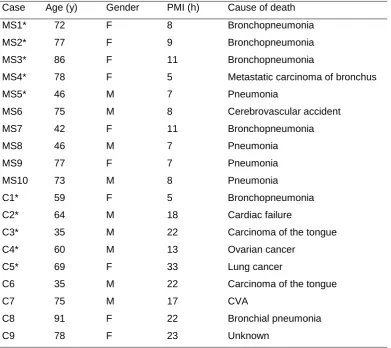
Research Ethics Committee (Ref. No. 08/MRE09/31). Snap frozen NAWM and control WM samples used in the microarray study were selected based on their neuropathological assessment and, where possible, the cases were matched for age and gender (Table 1). The ribosomal integrity number (RIN) of each frozen tissue block was assessed prior to LCM using a previously reported method (Bahn et al., 2001, Waller et al., 2012). Only samples with a pre-LCM RIN >3.0 and brain pH >6.5 were taken forward for immuno-LCM. The quantity of RNA from each sample was analysed using a NanoDrop 1000 spectrophotometer (Thermoscientific, UK) and the quality of RNA assessed on a 2100 bioanalyzer (Agilent, Palo Alto, CA, USA).
2.2 Immunohistochemistry
5 al., 2015) to investigate astrocyte association with FTL. Images were acquired using a BX61 Olympus microscope and CellR image software.
2.3 Immuno-laser capture microdissection (LCM) of astrocytes and RNA extraction
Astrocytes were isolated using a rapid immuno-LCM method, as previously described in detail (Waller et al., 2012). Approximately 1,000 glial fibrillary acidic protein (GFAP+) astrocytes were isolated from each case using the PixCell II laser capture microdissection system (Arcturus Engineering, Mountain View, CA, USA). Total RNA was extracted using the PicoPure RNA isolation kit, according to the manufacturer’s instructions (Arcturus BioScience, UK). The quantity and quality of the extracted RNA was determined using a Nanodrop 1000 spectrophotometer (Thermoscientific, UK) and a 2100 Bioanalyzer, respectively (Agilent, USA). Only those samples identified as having a RIN >2.0 post-LCM were taken forward for microarray analysis.
2.4 RNA amplification and microarray hybridization
The target labelled mRNA was prepared following the GeneChip 3’ IVT Express amplification protocol (Affymetrix, UK). In brief, total RNA was reverse transcribed to synthesise the first-strand cDNA by annealing RNA with a T7 oligo(dT) primer. The single stranded cDNA was converted into double-stranded cDNA by a reaction with a DNA
polymerase and RNase H. An overnight in vitro transcription (IVT), incorporating an IVT labelling master mix, allowed the synthesis of multiple copies of biotin-labelled antisense RNA from the double stranded cDNA template. Following clean-up and purification the quality of the labelled RNA was checked on the Agilent 2100 Bioanalyzer.
Approximately 6.5µg amplified labelled RNA was fragmented and hybridised to
Affymetrix Human Genome U133 Plus 2.0 Arraychips for 16 hours at 45°C in a rotating
oven at 60rpm. Using the Fluidics Station 400, and Gene Chip Operating System, the hybridisation cocktail was removed and a series of washing steps followed to remove any unbound RNA, before each microarray was stained. Each microarray chip was scanned using the GeneChip 3000 scanner to determine the fluorescence intensity of hybridised transcripts.
2.5 Microarray analysis
6 Significantly, differentially expressed genes were classified according to their biological function using the Database for Annotation Visualisation and Integrated Discovery (DAVID) (Huang da et al., 2009a, Huang da et al., 2009b) and Kyto Encyclopedia of Genes and Genomes (KEGG) pathway analysis was carried out to identify specific pathways.
2.6 Validation of microarray data: quantitative real-time polymerase chain reaction (qPCR)
RNA was extracted from LCM-ed astrocytes from 9 additional frozen cases (4 control WM and 5 NAWM), which had not been used for the microarray studies. qPCR was
performed using IDT PrimeTime qPCR assays (Integrated DNA Technologies, UK)
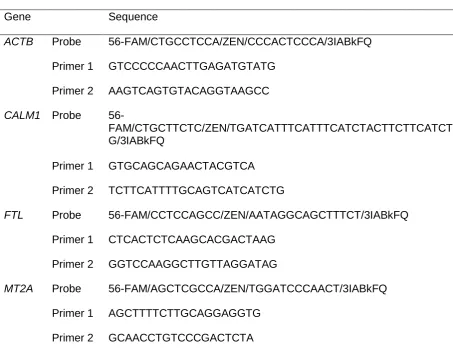
containing 50 ng cDNA, 500nM primers, 250nM probe, and Brilliant qPCR mix (Agilent, UK) in a total volume of 10l, for details of primer sequences see Table 3. Following
denaturation at 95oC for 3 min the products were amplified (40 cycles at 95oC for 10s and 60oC for 30s) using a CFX384 TouchTM RT PCR detection system (Bio-Rad, UK). -actin was amplified on each plate to normalise expression levels of target genes between different samples using the Ct calculation (ABI) and to assess assay reproducibility (Livak and Schmittgen, 2001).
3. Results
3.1 GFAP is currently the best marker of astrocytes for immuno-LCM
To determine the optimal marker of astrocytes to use for isolation using immuno-LCM, a panel of currently described astrocyte markers was employed. GFAP
7 resembling oligodendrocytes (Figure 1f). Based on astrocyte specificity, clear labelling of individual cells and ability to identify the maximum number of astrocytes, GFAP was selected as the best astrocyte marker for the further studies.
3.2 Confirmation of astrocyte enrichment
In order to confirm that the extracted RNA from each sample represented an
enriched astrocyte population, specific transcript expressions were investigated. High levels of GFAP transcripts were found (astrocyte: probe set id 203540_at, mean signal intensity 5995.0; range, 1263.7-20549.3), but low levels of CD34 (endothelial cell: probe set id 209543_s_at, mean signal intensity 50.6; range, 14.7-98.4), CD68 (microglia: probe set id 203507_at, mean signal intensity 23.7; range, 4.1-64.1), and OLIG-2 oligodendrocyte: probe set id 213825_at, mean signal intensity 290.3; range, 133.5-520.7) confirming the extracted RNA from GFAP+ LCM-ed cells represented an enriched astrocyte population. Moderately high levels of a neuronal transcripts were detected (NFL: probe set id 221805_at, mean signal intensity 3328.6; range, 368.9-5264.2), which may reflect the close proximity of astrocytes to axons.
3.3 NAWM associated changes in the astrocyte transcriptome
The transcription profiles of laser-captured astrocytes from NAWM and control WM were generated using Human Genome U133 Plus 2.0 Arrays, which comprise 1.3x10⁶ unique oligonucleotide sequences, including >47,000 transcripts and variants of 33,000 genes. Between 7.5% and 38.2% of the probe set sequences were present across all samples (mean [range]): NAWM (32.1% [22.5-36.4%]); control WM (26.6% [7.5-38.2%]).
Gene expression analyses are sensitive to the presence of sample outliers, therefore rigorous quality control procedures were used to ensure the highest possible level of quality for both datasets. Sample outliers were identified by visual inspection after clustering the samples using hierarchical clustering and 3 cases (MS5, C3 and C5) were removed from subsequent analysis (Figure 2). The robust multi-array average (RMA) was re-analysed after these cases were removed and principle component analysis was performed on the significant, differentially expressed genes of 4 NAWM and 3 control WM cases (the expression dataset is freely available at Gene Expression Omnibus, accession number GSE83670). Transcript clusters showed no association with age, gender, post-mortem delay or pH.
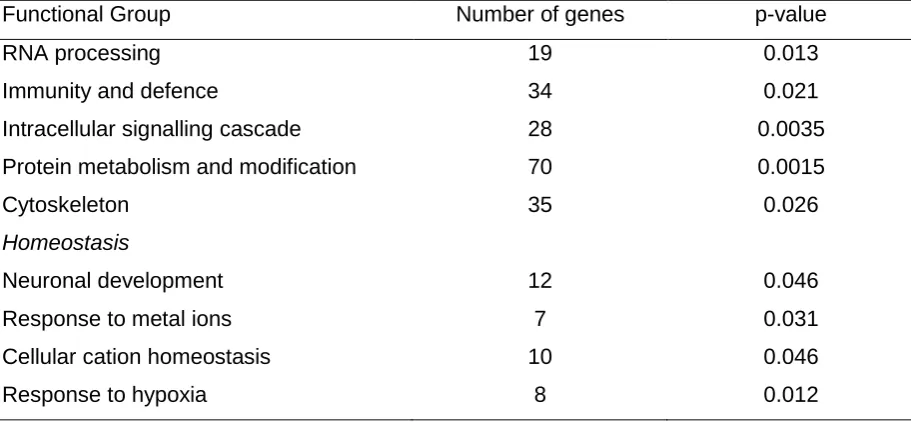
8 dysregulated genes were associated with the immune response, homeostasis, response to metal ion binding, response to hypoxia, cell signalling, cytoskeleton, RNA processing/protein metabolism, the cellular response to stress, the synapse, ubiquitin-mediated proteolysis, transport and transcription (Table 4).
3.3.1 Increased expression of transcripts associated with the regulation of iron homeostasis and the response to oxidative stress
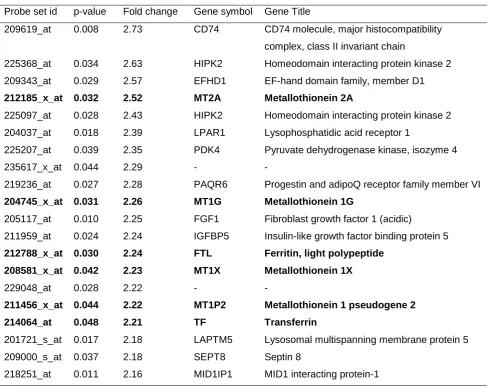
Assessing the top 20 differentially upregulated genes (Table 5), identified 6 genes related to the regulation of iron homeostasis and the response to oxidative stress:
metallothionein 1X [MT1X]probe set 208581_x_at, FC=2.23, p=0.042, metallothionein 1G [MT1G]probe set 204745_x_at, FC=2.26, p=0.031, metallothionein 2A [MT2A] probe set 212185_x_at, FC=2.52, p=0.032, metallothionein 1 pseudogene 2 [MT1p2] probe set 211456_x_at, FC=2.22, p=0.044, ferritin light chain [FTL] probe set 212788_x_at, FC=2.24, p=0.030, and transferrin [TF] probe set 214064_at, FC=2.21, p=0.048.
3.3.2 NAWM-associated increase in immune response-related transcripts
Functional grouping identified enrichment of genes associated with the immune response, with the majority of genes (15/19, Supplementary Table 1) upregulated in NAWM compared to control WM. These included CD74 (CD74 probe set209619_at, FC=2.73, p=0.008), complement component 1 (C1QC probe set 225353_s_at, FC=1.77, p=0.016), complement component 3 (C3 probe set 217767_at, FC=1.94, p=0.035), interleukin-17C (IL17C probe set 224079_at, FC=1.54, p=0.039), interleukin-4 receptor (IL4R probe set 203233_at, FC=1.54, p=0.013), major histocompatibility complex class II (HLA-DPA1 probe set 211990_at, FC=2.01, p=0.003) (HLA-DPB1 probe set 201137_s_at, FC=1.85, p=0.006), prostaglandin-endoperoxide synthase 2 (PTGS2 probe set 204748_at FC=-1.56, p=0.021 and transforming growth factor beta 3 (TGF-B3 probe set209747_at, FC=1.55, p=0.024 ).
3.3.3 NAWM-associated dysregulation of signalling transcripts
Analysis of the astrocyte transcriptome in NAWM in MS also identified dysregulation of genes associated with multiple signalling pathways, including mitogen-activated protein kinase (MAPK) signalling [mitogen-activated protein kinase kinase kinase kinase 4 (MAP4K4
9 signalling pathways [small ubiquitin-related modifier 1 (SUMO1 probe set 203871_at, FC=-1.63, p=0.001); ubiquitin specific peptidase 43 (USP43 probe set 237439_at, FC=-1.71, p=0.012)].
3.4 Validation of key gene expression changes
Astrocyte expression of the protein encoded by the candidate genes identified in the microarray study was confirmed by IHC. A regular pattern of ferritin light chain
immunoreactivity was detected in all NAWM and control WM cases with staining associated with cells morphologically resembling microglia and astrocytes. Dual labelling confirmed a proportion of these ferritin light chain immunopositive cells were GFAP+ astrocytes (Figure 3a). Calmodulin immunoreactivity was associated with the astrocyte cell bodies and
immediate processes (Figure 3b). Dense metallothionein immunoreactivity was a common feature across all MS NAWM and control cases investigated, and was associated with the cell body and extending processes of cells with a typical astrocyte stellate morphology (Figure 3c). The altered expression of candidate genes was validated by qPCR on LCM-isolated astrocytes from additional cases. The NAWM was associated with significantly higher expression of FTL (p=0.008), and non-significant decreased expression of CALM1. (Figure 3d).
4. Discussion
10 NAWM. To our knowledge, the current study is the first to perform microarray analysis on laser captured astrocytes from the NAWM, identifying increased expression of genes associated with the regulation of iron homeostasis, the response to oxidative stress, the immune response and neurotrophic support, suggesting a neuroprotective role of these cells in the NAWM in MS.
We have previously demonstrated that immuno-LCM of autopsy tissue enables the isolation and enrichment of specific cell populations for further downstream analysis (Waller et al., 2012). An increasing number of studies in a range of neurological diseases have used this approach to identify disease-relevant, cell-specific gene expression changes (Boone et al., 2013, Chu et al., 2009, Kumar et al., 2013, Pietersen et al., 2009, Simpson et al., 2011, Baker et al., 2015, Simpson et al., 2015). To date, only two studies have employed LCM in the investigation of human MS cases: one identifying gene expression changes in total extracts from NAWM, peri-lesional and lesional regions compared to control WM (Mycko et al., 2012) and the other identifying transcriptomic changes in the vascular compartment in MS (Cunnea et al., 2010); with neither study specifically assessing changes in the astrocyte transcriptome.
Iron is vital in the synthesis of myelin and neurotransmitters, and plays an important role in oxygen transport, DNA synthesis and repair, and mitochondrial energy production (Crichton et al., 2011, Todorich et al., 2009, Levenson and Tassabehji, 2004). Within the brain the majority of iron is present in the inactive ferric form (Fe3+), with the remainder present in the active ferrous form (Fe2+). Levels of iron within the CNS are strictly regulated as both deficient and excess concentrations impact cell viability (Li and Reichmann, 2016). Dysregulation of genes involved in the transport and storage of iron, including transferrin (TF) and ferritin (FT) respectively, leads to an increase in Fe3+ resulting in oxidative damage (Connor and Menzies, 1995). Increased iron deposition is associated with oligodendrocyte cytotoxicity and myelin loss in MS, with elevated levels detected at the peri-lesional margin (Bagnato et al., 2011, Hametner et al., 2013). Furthermore, excess iron can amplify microglial activation stimulating an increase in the secretion of pro-inflammatory cytokines, and can directly damage mitochondria resulting in increased oxidative stress (Williams et al., 2012, Haider et al., 2011).
Unlike oligodendrocytes and microglia, astrocytes are resilient to the cytotoxic effects of excess iron (Gaasch et al., 2007) which may, in part, be attributable to their increased expression of MT that scavenge transition metal ions and free radicals. Increased
11 decrease expression of pro-inflammatory cytokines in EAE(Penkowa and Hidalgo, 2001, Penkowa and Hidalgo, 2003), providing direct evidence that increasing astrocytic expression of MT is a valid potential therapeutic target. The significant increased expression of iron regulatory genes identified in the current study, including MT1, MT2, FTL and TF, suggest a neuroprotective response whereby astrocytes adapt to protect the NAWM from widespread iron-induced oxidative damage.
The present study also revealed the significant upregulation of genes associated with the immune response, supporting previous gene expression studies performed on NAWM in MS (Lindberg et al., 2004). Interestingly there was no significant upregulation in expression of the pro-inflammatory cytokines interferon-γ or tumour necrosis factor-α, which are
classically associated with the pathogenesis of MS (Kierdorf et al., 2010), but levels of TGF-β3, an astrocyte derived regulator of neuronal survival (Krieglstein et al., 2002), were significantly increased in the NAWM, suggesting a neuroprotective role for astrocytes in the NAWM. Furthermore, the current study identified significant downregulation of PTGS2, which encodes cyclooxygenase-2 (COX2), an enzyme which has been shown to stimulate the production of prostanoids that contribute to chronic inflammation (Minghetti, 2004), providing further support that astrocytes in the NAWM are neuroprotective.
Our analysis also revealed differential expression of genes associated with receptor mediated signalling pathways in NAWM, including MAPK and calcium signalling, confirming previous reports (Graumann et al., 2003, Zeis et al., 2008). The current study identified significant upregulation of MAPKAPK2 and MAPK4, both of which are linked to ischaemic preconditioning and oxidative stress in MS (Graumann et al., 2003). Dysfunction of calcium signalling, calcium pumps and exchangers are linked to axonal injury and neuronal
dysfunction in MS, where the abnormal influx, extrusion, buffering and sequestration results in a calcium imbalance which may initiate detrimental mechanisms (Kurnellas et al., 2007). Dysregulation of intracellular signalling pathways is also a feature of acute lesions (Whitney et al., 1999), active lesion margins (Mycko et al., 2012) and cortical pathology in MS (Dutta et al., 2007).
In this study we trialled a comprehensive panel of astrocyte markers and determined that immunolabelling for GFAP is currently the best approach to confidently visualise
12 submitted for analysis we examined genes that differed by a minimum of 1.5-fold, which may have led to the loss of valuable information and excluded genes whose more moderate changes in expression have a significant impact on translation.
5. Conclusions
In summary, the current study defines the complex gene expression profile of astrocytes in the NAWM in MS and suggests a neuroprotective role against iron-induced oxidative damage, additional functional studies would be required to fully validate this finding. Dysregulation of CNS iron levels has been linked to several neurodegenerative diseases, including Alzheimer’s disease and Parkinson’s disease, where current iron
chelating therapeutics have been designed to block the redox-activity of iron and prevent its contribution to disease progression (Farina et al., 2013). Treatments to counteract the neurotoxic effects of iron and oxidative stress, and/or to promote astrocytic expression of MT may also potentially benefit MS patients.
Acknowledgements
13 Table 1. Age, gender, PMI, and cause of death of cases.
Case Age (y) Gender PMI (h) Cause of death
MS1* 72 F 8 Bronchopneumonia
MS2* 77 F 9 Bronchopneumonia
MS3* 86 F 11 Bronchopneumonia
MS4* 78 F 5 Metastatic carcinoma of bronchus
MS5* 46 M 7 Pneumonia
MS6 75 M 8 Cerebrovascular accident
MS7 42 F 11 Bronchopneumonia
MS8 46 M 7 Pneumonia
MS9 77 F 7 Pneumonia
MS10 73 M 8 Pneumonia
C1* 59 F 5 Bronchopneumonia
C2* 64 M 18 Cardiac failure
C3* 35 M 22 Carcinoma of the tongue
C4* 60 M 13 Ovarian cancer
C5* 69 F 33 Lung cancer
C6 35 M 22 Carcinoma of the tongue
C7 75 M 17 CVA
C8 91 F 22 Bronchial pneumonia
C9 78 F 23 Unknown
All MS cases were classified as SPMS
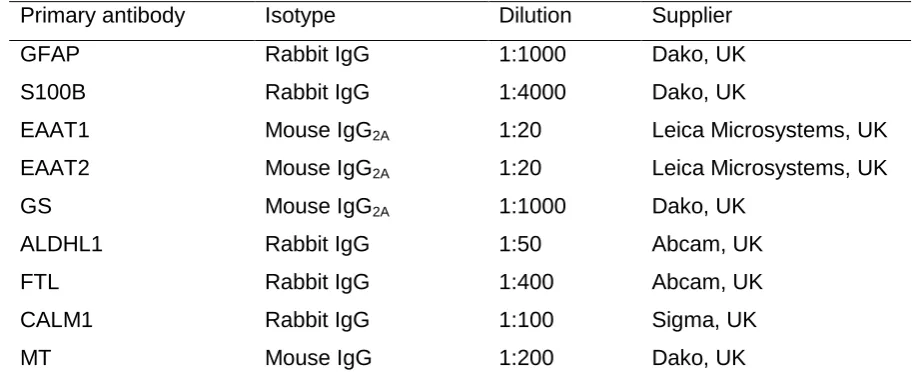
14 Table 2. Antibody source and specificity.
Primary antibody Isotype Dilution Supplier
GFAP Rabbit IgG 1:1000 Dako, UK
S100B Rabbit IgG 1:4000 Dako, UK
EAAT1 Mouse IgG2A 1:20 Leica Microsystems, UK
EAAT2 Mouse IgG2A 1:20 Leica Microsystems, UK
GS Mouse IgG2A 1:1000 Dako, UK
ALDHL1 Rabbit IgG 1:50 Abcam, UK
FTL Rabbit IgG 1:400 Abcam, UK
CALM1 Rabbit IgG 1:100 Sigma, UK
MT Mouse IgG 1:200 Dako, UK
15 Table 3. Genes selected to validate microarray data.
Gene Sequence
ACTB Probe 56-FAM/CTGCCTCCA/ZEN/CCCACTCCCA/3IABkFQ Primer 1 GTCCCCCAACTTGAGATGTATG
Primer 2 AAGTCAGTGTACAGGTAAGCC
CALM1 Probe
56-FAM/CTGCTTCTC/ZEN/TGATCATTTCATTTCATCTACTTCTTCATCT G/3IABkFQ
Primer 1 GTGCAGCAGAACTACGTCA Primer 2 TCTTCATTTTGCAGTCATCATCTG
FTL Probe 56-FAM/CCTCCAGCC/ZEN/AATAGGCAGCTTTCT/3IABkFQ Primer 1 CTCACTCTCAAGCACGACTAAG
Primer 2 GGTCCAAGGCTTGTTAGGATAG
MT2A Probe 56-FAM/AGCTCGCCA/ZEN/TGGATCCCAACT/3IABkFQ Primer 1 AGCTTTTCTTGCAGGAGGTG
16 Table 4. DAVID analysis of microarray data. Functional grouping of significant,
differentially expressed genes in MS NAWM astrocytes versus control WM astrocytes.
Functional Group Number of genes p-value
RNA processing 19 0.013
Immunity and defence 34 0.021
Intracellular signalling cascade 28 0.0035 Protein metabolism and modification 70 0.0015
Cytoskeleton 35 0.026
Homeostasis
Neuronal development 12 0.046
Response to metal ions 7 0.031
Cellular cation homeostasis 10 0.046
17 Table 5. Top 20 differentially up-regulated genes. Six genes from the top 20
up-regulated genes were related to the homeostasis of iron and oxidative stress (highlighted in bold).
Probe set id p-value Fold change Gene symbol Gene Title
209619_at 0.008 2.73 CD74 CD74 molecule, major histocompatibility
complex, class II invariant chain
225368_at 0.034 2.63 HIPK2 Homeodomain interacting protein kinase 2
209343_at 0.029 2.57 EFHD1 EF-hand domain family, member D1
212185_x_at 0.032 2.52 MT2A Metallothionein 2A
225097_at 0.028 2.43 HIPK2 Homeodomain interacting protein kinase 2
204037_at 0.018 2.39 LPAR1 Lysophosphatidic acid receptor 1
225207_at 0.039 2.35 PDK4 Pyruvate dehydrogenase kinase, isozyme 4
235617_x_at 0.044 2.29 - -
219236_at 0.027 2.28 PAQR6 Progestin and adipoQ receptor family member VI
204745_x_at 0.031 2.26 MT1G Metallothionein 1G
205117_at 0.010 2.25 FGF1 Fibroblast growth factor 1 (acidic)
211959_at 0.024 2.24 IGFBP5 Insulin-like growth factor binding protein 5
212788_x_at 0.030 2.24 FTL Ferritin, light polypeptide
208581_x_at 0.042 2.23 MT1X Metallothionein 1X
229048_at 0.028 2.22 - -
211456_x_at 0.044 2.22 MT1P2 Metallothionein 1 pseudogene 2
214064_at 0.048 2.21 TF Transferrin
201721_s_at 0.017 2.18 LAPTM5 Lysosomal multispanning membrane protein 5
209000_s_at 0.037 2.18 SEPT8 Septin 8
21 References
ALLEN, I. V. & MCKEOWN, S. R. 1979. A histological, histochemical and biochemical study of the macroscopically normal white matter in multiple sclerosis. J Neurol Sci, 41, 81-91. ALLEN, I. V., MCQUAID, S., MIRAKHUR, M. & NEVIN, G. 2001. Pathological abnormalities in the
normal-appearing white matter in multiple sclerosis. Neurol Sci, 22, 141-4.
ARGAW, A. T., ASP, L., ZHANG, J., NAVRAZHINA, K., PHAM, T., MARIANI, J. N., MAHASE, S., DUTTA, D. J., SETO, J., KRAMER, E. G., FERRARA, N., SOFRONIEW, M. V. & JOHN, G. R. 2012. Astrocyte-derived VEGF-A drives blood-brain barrier disruption in CNS inflammatory disease. J Clin Invest, 122, 2454-68.
ARGAW, A. T., ZHANG, Y., SNYDER, B. J., ZHAO, M. L., KOPP, N., LEE, S. C., RAINE, C. S., BROSNAN, C. F. & JOHN, G. R. 2006. IL-1beta regulates blood-brain barrier permeability via reactivation of the hypoxia-angiogenesis program. J Immunol, 177, 5574-84.
BAGNATO, F., HAMETNER, S., YAO, B., VAN GELDEREN, P., MERKLE, H., CANTOR, F. K., LASSMANN, H. & DUYN, J. H. 2011. Tracking iron in multiple sclerosis: a combined imaging and
histopathological study at 7 Tesla. Brain, 134, 3602-15.
BAHN, S., AUGOOD, S. J., RYAN, M., STANDAERT, D. G., STARKEY, M. & EMSON, P. C. 2001. Gene expression profiling in the post-mortem human brain--no cause for dismay. J Chem Neuroanat, 22, 79-94.
BAKER, D. J., BLACKBURN, D. J., KEATINGE, M., SOKHI, D., VISKAITIS, P., HEATH, P. R., FERRAIUOLO, L., KIRBY, J. & SHAW, P. J. 2015. Lysosomal and phagocytic activity is increased in astrocytes during disease progression in the SOD1 (G93A) mouse model of amyotrophic lateral
sclerosis. Front Cell Neurosci, 9, 410.
BOONE, D. R., SELL, S. L. & HELLMICH, H. L. 2013. Laser capture microdissection of enriched
populations of neurons or single neurons for gene expression analysis after traumatic brain injury. J Vis Exp.
BRADL, M. & LASSMANN, H. 2012. Microarray analysis on archival multiple sclerosis tissue: pathogenic authenticity outweighs technical obstacles. Neuropathology, 32, 463-6. BROSNAN, C. F. & RAINE, C. S. 2013. The astrocyte in multiple sclerosis revisited. Glia, 61, 453-65. BSIBSI, M., PERSOON-DEEN, C., VERWER, R. W., MEEUWSEN, S., RAVID, R. & VAN NOORT, J. M. 2006.
Toll-like receptor 3 on adult human astrocytes triggers production of neuroprotective mediators. Glia, 53, 688-95.
CHU, T. T., LIU, Y. & KEMETHER, E. 2009. Thalamic transcriptome screening in three psychiatric states. J Hum Genet, 54, 665-75.
CONNOR, J. R. & MENZIES, S. L. 1995. Cellular management of iron in the brain. J Neurol Sci, 134 Suppl, 33-44.
CRICHTON, R. R., DEXTER, D. T. & WARD, R. J. 2011. Brain iron metabolism and its perturbation in neurological diseases. J Neural Transm (Vienna), 118, 301-14.
CUNNEA, P., MCMAHON, J., O'CONNELL, E., MASHAYEKHI, K., FITZGERALD, U. & MCQUAID, S. 2010. Gene expression analysis of the microvascular compartment in multiple sclerosis using laser microdissected blood vessels. Acta Neuropathol, 119, 601-15.
DUTTA, R. 2013. Gene expression changes underlying cortical pathology: clues to understanding neurological disability in multiple sclerosis. Mult Scler, 19, 1249-54.
DUTTA, R., MCDONOUGH, J., CHANG, A., SWAMY, L., SIU, A., KIDD, G. J., RUDICK, R., MIRNICS, K. & TRAPP, B. D. 2007. Activation of the ciliary neurotrophic factor (CNTF) signalling pathway in cortical neurons of multiple sclerosis patients. Brain, 130, 2566-76.
DUTTA, R. & TRAPP, B. D. 2012. Gene expression profiling in multiple sclerosis brain. Neurobiol Dis, 45, 108-14.
22 FARINA, M., AVILA, D. S., DA ROCHA, J. B. & ASCHNER, M. 2013. Metals, oxidative stress and
neurodegeneration: a focus on iron, manganese and mercury. Neurochem Int, 62, 575-94. FLUTEAU, A., INCE, P. G., MINETT, T., MATTHEWS, F. E., BRAYNE, C., GARWOOD, C. J., RATCLIFFE, L.
E., MORGAN, S., HEATH, P. R., SHAW, P. J., WHARTON, S. B., SIMPSON, J. E. & GROUP, M. R. C. C. F. A. N. S. 2015. The nuclear retention of transcription factor FOXO3a correlates with a DNA damage response and increased glutamine synthetase expression by astrocytes suggesting a neuroprotective role in the ageing brain. Neurosci Lett, 609, 11-7.
GAASCH, J. A., LOCKMAN, P. R., GELDENHUYS, W. J., ALLEN, D. D. & VAN DER SCHYF, C. J. 2007. Brain iron toxicity: differential responses of astrocytes, neurons, and endothelial cells. Neurochem Res, 32, 1196-208.
GRAUMANN, U., REYNOLDS, R., STECK, A. J. & SCHAEREN-WIEMERS, N. 2003. Molecular changes in normal appearing white matter in multiple sclerosis are characteristic of neuroprotective mechanisms against hypoxic insult. Brain Pathol, 13, 554-73.
GUERAU-DE-ARELLANO, M., LIU, Y., MEISEN, W. H., PITT, D., RACKE, M. K. & LOVETT-RACKE, A. E. 2015. Analysis of miRNA in Normal Appearing White Matter to Identify Altered CNS Pathways in Multiple Sclerosis. J Autoimmune Disord, 1.
HAIDER, L., FISCHER, M. T., FRISCHER, J. M., BAUER, J., HOFTBERGER, R., BOTOND, G., ESTERBAUER, H., BINDER, C. J., WITZTUM, J. L. & LASSMANN, H. 2011. Oxidative damage in multiple sclerosis lesions. Brain, 134, 1914-24.
HAMETNER, S., WIMMER, I., HAIDER, L., PFEIFENBRING, S., BRUCK, W. & LASSMANN, H. 2013. Iron and neurodegeneration in the multiple sclerosis brain. Ann Neurol, 74, 848-61.
HUANG DA, W., SHERMAN, B. T. & LEMPICKI, R. A. 2009a. Bioinformatics enrichment tools: paths toward the comprehensive functional analysis of large gene lists. Nucleic Acids Res, 37, 1-13. HUANG DA, W., SHERMAN, B. T. & LEMPICKI, R. A. 2009b. Systematic and integrative analysis of
large gene lists using DAVID bioinformatics resources. Nat Protoc, 4, 44-57.
KIERDORF, K., WANG, Y. & NEUMANN, H. 2010. Immune-mediated CNS damage. Results Probl Cell Differ, 51, 173-96.
KRIEGLSTEIN, K., STRELAU, J., SCHOBER, A., SULLIVAN, A. & UNSICKER, K. 2002. TGF-beta and the regulation of neuron survival and death. J Physiol Paris, 96, 25-30.
KUMAR, A., GIBBS, J. R., BEILINA, A., DILLMAN, A., KUMARAN, R., TRABZUNI, D., RYTEN, M., WALKER, R., SMITH, C., TRAYNOR, B. J., HARDY, J., SINGLETON, A. B. & COOKSON, M. R. 2013. Age-associated changes in gene expression in human brain and isolated neurons. Neurobiol Aging, 34, 1199-209.
KURNELLAS, M. P., DONAHUE, K. C. & ELKABES, S. 2007. Mechanisms of neuronal damage in multiple sclerosis and its animal models: role of calcium pumps and exchangers. Biochem Soc Trans, 35, 923-6.
KUTZELNIGG, A., LUCCHINETTI, C. F., STADELMANN, C., BRUCK, W., RAUSCHKA, H., BERGMANN, M., SCHMIDBAUER, M., PARISI, J. E. & LASSMANN, H. 2005. Cortical demyelination and diffuse white matter injury in multiple sclerosis. Brain, 128, 2705-12.
LEVENSON, C. W. & TASSABEHJI, N. M. 2004. Iron and ageing: an introduction to iron regulatory mechanisms. Ageing Res Rev, 3, 251-63.
LI, K. & REICHMANN, H. 2016. Role of iron in neurodegenerative diseases. J Neural Transm (Vienna). LINDBERG, R. L., DE GROOT, C. J., CERTA, U., RAVID, R., HOFFMANN, F., KAPPOS, L. & LEPPERT, D.
2004. Multiple sclerosis as a generalized CNS disease--comparative microarray analysis of normal appearing white matter and lesions in secondary progressive MS. J Neuroimmunol, 152, 154-67.
LIVAK, K. J. & SCHMITTGEN, T. D. 2001. Analysis of relative gene expression data using real-time quantitative PCR and the 2(-Delta Delta C(T)) Method. Methods, 25, 402-8.
23 MARZ, P., HEESE, K., DIMITRIADES-SCHMUTZ, B., ROSE-JOHN, S. & OTTEN, U. 1999. Role of
interleukin-6 and soluble IL-6 receptor in region-specific induction of astrocytic differentiation and neurotrophin expression. Glia, 26, 191-200.
MASON, J. L., SUZUKI, K., CHAPLIN, D. D. & MATSUSHIMA, G. K. 2001. Interleukin-1beta promotes repair of the CNS. J Neurosci, 21, 7046-52.
MESSERSMITH, D. J., MURTIE, J. C., LE, T. Q., FROST, E. E. & ARMSTRONG, R. C. 2000. Fibroblast growth factor 2 (FGF2) and FGF receptor expression in an experimental demyelinating disease with extensive remyelination. J Neurosci Res, 62, 241-56.
MILJKOVIC, D., TIMOTIJEVIC, G. & MOSTARICA STOJKOVIC, M. 2011. Astrocytes in the tempest of multiple sclerosis. FEBS Lett, 585, 3781-8.
MINGHETTI, L. 2004. Cyclooxygenase-2 (COX-2) in inflammatory and degenerative brain diseases. J Neuropathol Exp Neurol, 63, 901-10.
MISTRY, N., TALLANTYRE, E. C., DIXON, J. E., GALAZIS, N., JASPAN, T., MORGAN, P. S., MORRIS, P. & EVANGELOU, N. 2011. Focal multiple sclerosis lesions abound in 'normal appearing white matter'. Mult Scler, 17, 1313-23.
MOLL, N. M., RIETSCH, A. M., THOMAS, S., RANSOHOFF, A. J., LEE, J. C., FOX, R., CHANG, A., RANSOHOFF, R. M. & FISHER, E. 2011. Multiple sclerosis normal-appearing white matter: pathology-imaging correlations. Ann Neurol, 70, 764-73.
MOORE, C. S., ABDULLAH, S. L., BROWN, A., ARULPRAGASAM, A. & CROCKER, S. J. 2011a. How factors secreted from astrocytes impact myelin repair. J Neurosci Res, 89, 13-21.
MOORE, C. S., MILNER, R., NISHIYAMA, A., FRAUSTO, R. F., SERWANSKI, D. R., PAGARIGAN, R. R., WHITTON, J. L., MILLER, R. H. & CROCKER, S. J. 2011b. Astrocytic tissue inhibitor of
metalloproteinase-1 (TIMP-1) promotes oligodendrocyte differentiation and enhances CNS myelination. J Neurosci, 31, 6247-54.
MYCKO, M. P., BROSNAN, C. F., RAINE, C. S., FENDLER, W. & SELMAJ, K. W. 2012. Transcriptional profiling of microdissected areas of active multiple sclerosis lesions reveals activation of heat shock protein genes. J Neurosci Res, 90, 1941-8.
NAIR, A., FREDERICK, T. J. & MILLER, S. D. 2008. Astrocytes in multiple sclerosis: a product of their environment. Cell Mol Life Sci, 65, 2702-20.
PEKNY, M., PEKNA, M., MESSING, A., STEINHAUSER, C., LEE, J. M., PARPURA, V., HOL, E. M.,
SOFRONIEW, M. V. & VERKHRATSKY, A. 2015. Astrocytes: a central element in neurological diseases. Acta Neuropathol.
PENKOWA, M., ESPEJO, C., ORTEGA-AZNAR, A., HIDALGO, J., MONTALBAN, X. & MARTINEZ CACERES, E. M. 2003. Metallothionein expression in the central nervous system of multiple sclerosis patients. Cell Mol Life Sci, 60, 1258-66.
PENKOWA, M. & HIDALGO, J. 2000. Metallothionein I+II expression and their role in experimental autoimmune encephalomyelitis. Glia, 32, 247-63.
PENKOWA, M. & HIDALGO, J. 2001. Metallothionein treatment reduces proinflammatory cytokines IL-6 and TNF-alpha and apoptotic cell death during experimental autoimmune
encephalomyelitis (EAE). Exp Neurol, 170, 1-14.
PENKOWA, M. & HIDALGO, J. 2003. Treatment with metallothionein prevents demyelination and axonal damage and increases oligodendrocyte precursors and tissue repair during experimental autoimmune encephalomyelitis. J Neurosci Res, 72, 574-86.
PIETERSEN, C. Y., LIM, M. P. & WOO, T. U. 2009. Obtaining high quality RNA from single cell populations in human postmortem brain tissue. J Vis Exp.
SARCHIELLI, P., DI FILIPPO, M., ERCOLANI, M. V., CHIASSERINI, D., MATTIONI, A., BONUCCI, M., TENAGLIA, S., EUSEBI, P. & CALABRESI, P. 2008. Fibroblast growth factor-2 levels are elevated in the cerebrospinal fluid of multiple sclerosis patients. Neurosci Lett, 435, 223-8. SIMPSON, J. E., INCE, P. G., MINETT, T., MATTHEWS, F. E., HEATH, P. R., SHAW, P. J., GOODALL, E.,
response-24 associated dysregulation of signalling pathways and cholesterol metabolism at the earliest stages of Alzheimer-type pathology. Neuropathol Appl Neurobiol.
SIMPSON, J. E., INCE, P. G., SHAW, P. J., HEATH, P. R., RAMAN, R., GARWOOD, C. J., GELSTHORPE, C., BAXTER, L., FORSTER, G., MATTHEWS, F. E., BRAYNE, C., WHARTON, S. B., FUNCTION, M. R. C. C. & AGEING NEUROPATHOLOGY STUDY, G. 2011. Microarray analysis of the astrocyte transcriptome in the aging brain: relationship to Alzheimer's pathology and APOE genotype. Neurobiol Aging, 32, 1795-807.
SOFRONIEW, M. V. & VINTERS, H. V. 2010. Astrocytes: biology and pathology. Acta Neuropathol, 119, 7-35.
STABLES, M. J., NEWSON, J., AYOUB, S. S., BROWN, J., HYAMS, C. J. & GILROY, D. W. 2010. Priming innate immune responses to infection by cyclooxygenase inhibition kills
antibiotic-susceptible and -resistant bacteria. Blood, 116, 2950-9.
TODORICH, B., PASQUINI, J. M., GARCIA, C. I., PAEZ, P. M. & CONNOR, J. R. 2009. Oligodendrocytes and myelination: the role of iron. Glia, 57, 467-78.
WALLER, R., WOODROOFE, M. N., FRANCESE, S., HEATH, P. R., WHARTON, S. B., INCE, P. G., SHARRACK, B. & SIMPSON, J. E. 2012. Isolation of enriched glial populations from post-mortem human CNS material by immuno-laser capture microdissection. J Neurosci Methods, 208, 108-13.
WHITNEY, L. W., BECKER, K. G., TRESSER, N. J., CABALLERO-RAMOS, C. I., MUNSON, P. J., PRABHU, V. V., TRENT, J. M., MCFARLAND, H. F. & BIDDISON, W. E. 1999. Analysis of gene expression in mutiple sclerosis lesions using cDNA microarrays. Ann Neurol, 46, 425-8.
WILLIAMS, A., PIATON, G. & LUBETZKI, C. 2007. Astrocytes--friends or foes in multiple sclerosis? Glia, 55, 1300-12.
WILLIAMS, R., BUCHHEIT, C. L., BERMAN, N. E. & LEVINE, S. M. 2012. Pathogenic implications of iron accumulation in multiple sclerosis. J Neurochem, 120, 7-25.
ZEIS, T., GRAUMANN, U., REYNOLDS, R. & SCHAEREN-WIEMERS, N. 2008. Normal-appearing white matter in multiple sclerosis is in a subtle balance between inflammation and