ANGLIA RUSKIN UNIVERSITY
FACULTY OF SCIENCE AND TECHNOLOGY
TRUST AND RELATED CHALLENGES INFLUENCING CLOUD COMPUTING ADOPTION BY UK SMES
BY
VIVIAN CHINWENDU OYEMIKE
A Thesis Submitted to the Department of Computing and Technology in Partial Fulfilment of the Requirements for the Award of a Doctor of Philosophy (PhD) Degree in
Computing and Technology
II
ABSTRACT
Cloud computing technology offers flexible, pay-per-use and convenient access to a pool of services and virtualised computer resources using internet connection. Despite these benefits, the adoption of cloud computing by Small and Medium Enterprises (SMEs) is still slow due to (perceived) security and privacy issues. Recent studies concluded that such issues could result in issues of trust for both adopters and potential adopters of cloud computing. While security and privacy issues are actively being researched in the area of cloud computing, there is little published research regarding the aspect of trust between the clients (SMEs) and their Cloud Service Providers (CSPs). The main focus of this study was to investigate the role of trust and other factors involved in the adoption and usage of cloud computing by SMEs.By combining the variables introduced by Diffusion of Innovation Theory (Rogers, 2003), Technology Organisation Environment Framework (Tornatzky and Fleishchner, 1990) and the Integrative Model of Organisational Trust (Mayer, et al., 1995), a conceptual model was produced. This model was tested empirically through an online survey of 269 participants consisting UK SMEs. Using the statistical software ‘SPSS’, the description of each variable was presented. The reliability of multi scale items was assessed using Cronbach’s alpha. Factor analysis was carried out to reduce the dimensions of items used for further analysis (regression). Then an ordinal regression analysis was done to examine the relationship between variables. It was found that an increase in the challenges of cloud computing decreases its chances of adoption. Also, an increase in the knowledge level of cloud computing was found to increase the chances of adopting cloud computing. On the other hand, trust in service provider was found to have a negative effect on the perceived usefulness of cloud computing. This is because majority of the respondents revealed that cloud computing is very useful but indicated total disagreement of trust in their CSPs. This is not an attractive finding for the CSPs. Therefore, the recommendations provided will enable to CSPs to increase trust in order to encourage the continuous use of cloud computing by adopters and also encourage the uptake of cloud computing by potential adopters.
Keywords: Cloud Computing, Cloud Computing and the SME, Trust and Cloud Computing, Cloud Service Providers and the SME.
III
ACKNOWLEDGEMENTS
Undertaking this research and writing up of the thesis have been the most significant academic challenges I had ever faced. Without the supports, patience, guidance of the following people, this study would not have been completed. It is to them that I owe my deepest gratitude.
God Almighty for his guidance and protection throughout this challenging period. My supervisory team (Antony Carter, Dr Ian Van der Linde and Prof Teemu Kautonen)
whom despite their many academic and professional commitments, made out time to guide the process of the research. Their wisdom, knowledge and commitments of the highest standards inspired and motivated me.
My husband (Oti Edema) for all his financial and moral supports throughout the period of my research. Without you, this achievement wouldn’t have been made.
My children (Weyinmi and McOti Edema) who gave me the strength while carrying out the research.
My parent, brothers and sisters, who so lovingly provided moral and financially support for me in all my endeavours.
IV
DEDICATIONS
I dedicate this thesis to God almighty for his inspiration, guidance and love throughout this research. I also dedicate this work to my husband, children, parents, brothers and sisters for their encouragements and supports. I remain grateful to them because without their love and supports, I could not have achieved this research.
V
DECLARATION
I, the undersigned, hereby declare that this dissertation titled “Investigating Trust Issues between Cloud Service Providers and their Clients” is my own, and that all the resources or sources I have used or quoted have been indicated or acknowledged by means of completed references.
© Copyright by Vivian Chinwendu Oyemike 2016 All Rights Reserved
VI
TABLE OF CONTENTS
ABSTRACT ... II ACKNOWLEDGEMENTS ... III DEDICATIONS ... IV DECLARATION ... V TABLE OF CONTENTS ... VI LIST OF FIGURES ... X LIST OF TABLES ... XI GLOSSARY OF TERMS ... XIICHAPTER 1 ... 1
INTRODUCTION ... 1
1.1 CONTEXT AND RATIONALE OF THE RESEARCH ... 1
1.2 RESEARCH OBJECTIVES ... 5
1.3 RESEACH CONTRIBUTIONS ... 6
1.3.1 ORIGINALITY ... 6
1.3.2 PRACTICAL CONTRIBUTIONS ... 7
1.4 THE THESIS STRUCTURE ... 7
1.5 CHAPTER SUMMARY ... 8
CHAPTER 2 ... 9
LITERATURE REVIEW ... 9
2.1 CLOUD COMPUTING CONCEPT ... 9
2.2 DEFINITION OF CLOUD COMPUTING... 10
2.2.1 CLOUD DEPLOYMENT MODELS ... 11
2.2.2 CHARACTERISTICS OF CLOUD COMPUTING ... 11
2.2.3 CLOUD SERVICE MODELS ... 12
2.3 BENEFITS OF CLOUD COMPUTING SERVICES TO SMALL AND MEDIUM ENTERPRISES. ... 14
2.4 GENERAL CHALLENGES OF CLOUD COMPUTING ... 15
2.4.1 HIDDEN COST CONCERNS ... 15
2.4.2 SECURITY ISSUES ... 16
2.4.3 SERVICE AVAILABILITY AND RELIABILITY ISSUES ... 17
2.4.5 CUSTOMER LOCK-IN ... 18
2.4.6 CONTRACTUAL ISSUE ... 19
2.4.7 DOS ATTACK ... 19
2.4.8 DATA ABUSE BY MALICIOUS INSIDER ... 19
VII
2.6 PREVIOUS STUDIES ON THE ADOPTION OF CLOUD COMPUTING BY SMES.
... 26
CHAPTER 3 ... 33
THE CONCEPT OF TRUST AND ITS OPERATIONALISATIONS IN THIS RESEARCH ... 33
3.1 INTRODUCTION ... 33
3.2 TRUST IN ONLINE TRANSACTIONS ... 35
3.3 TRUST IN TECHNOLOGY ACCEPTANCE ... 37
3.4 RESEARCH HIGHLIGHTING TRUST ISSUES ... 37
3.5 TRUST AS AN INDEPENDENT ELEMENT FROM SECURITY AND PRIVACY (CLOUD COMPUTING PERSPECTIVE) ... 44
3.6 A REVIEW OF TRUST RELATED MODELS ... 46
3.6.1 THE INTEGRATIVE MODEL OF ORGANISATIONAL TRUST (IMOT) ... 48
3.7 OPERATIONALISATION OF TRUST IN THIS RESEARCH. ... 52
3.7.1 ABILITY-BASED TRUST ELEMENT ... 53
3.7.2 INTEGRITY-BASED TRUST ELEMENT ... 53
3.7.3 BENEVOLENCE-BASED TRUST ... 54
3.8 PREVIOUS RESEARCH ON THE INTEGRATIVE MODEL OF ORGANISATIONAL TRUST. ... 54
3.9 CHAPTER SUMMARY ... 56
CHAPTER 4 ... 57
REVIEW OF THEORIES RELATING TO TECHNOLOGY ACCEPTANCE AND ADOPTION ... 57
4.1 INTRODUCTION ... 57
4.2 DETAILED REVIEW OF THE DOI AND TOE FRAMEWORKS ... 59
4.2.1 THE DOI ... 59
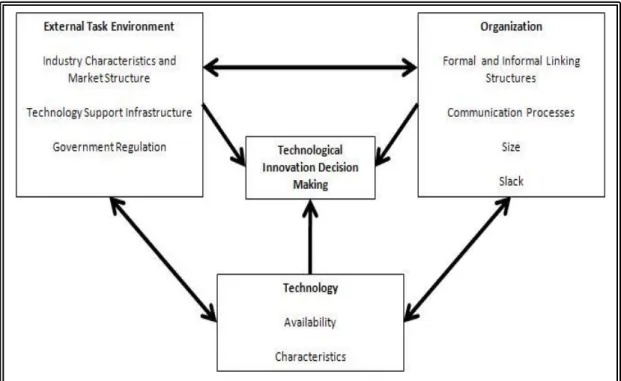
4.3 TECHNOLOGY ORGANISATION ENVIRONMENT FRAMEWORK (TOE) ... 67
4.3.1 KEY ELEMENTS TOE FRAMEWORK ... 68
4.3.2 PREVIOUS RESEARCH ON TOE FRAMEWORK ... 70
4.3.3 PREVIOUS RESEARCH THAT INTEGRATED THE DOI AND TOE FRAMEWORKS. ... 76
4.4 CHAPTER SUMMARY ... 80
CHAPTER 5 ... 82
THE CONCEPTUAL MODEL ... 82
5.1 INTRODUCTION ... 82
5.2 TECHNOLOGICAL FEATURES ... 85
5.3 ORGANISATIONAL FEATURES ... 86
VIII
5.5 INDIVIDUAL FEATURES ... 88
5.6 CHOICE OF A CSP ... 88
5.6.1 SOURCES OF TRUST ... 89
5.6.2 CLIENTS’ PROPENSITY TO TRUST THE CSP. ... 90
5.7 EVALUATION OF LINKS BETWEEN VARIABLES IN THE CONCEPTUAL MODEL ... 90
5.8 HYPOTHESIS DEVELOPMENT ... 91
5.9 CHAPTER SUMMARY ... 93
CHAPTER 6 ... 95
RESEARCH DESIGN, METHODOLOGY AND DATA COLLECTION ... 95
6.1 RESEARCH DESIGN ... 95
6.1.1 RESEARCH DESIGN STAGES... 99
6.2 ETHICAL CONSIDERATION ... 100
6.3 DATA AND MEASURES ... 100
6.3.1 DESIGN OF THE QUESTIONNAIRE ... 100
6.3.2 PILOT STUDY... 103
6.3.3 THE FINAL SURVEY ... 103
6.3.4 THE SURVEY PARTICIPANTS ... 105
6.3.5 CONTROLLING AND EXAMINING POTENTIAL BIASES ... 108
6.3.6 DEFINITION AND MEASUREMENT OF ALL VARIABLES IN THE CONCEPTUAL MODEL... 112
6.3.7 DESCRIPTION AND MEASURES OF VARIABLES USED IN THE ANALYSIS ... 120
6.3.8 THE MEASUREMENT MODEL USED IN THE RESEARCH ... 126
6.4 MISSING VALUES ... 130 6.5 CHAPTER SUMMARY ... 133 CHAPTER 7 ... 135 RESULTS ... 135 7.1 PART ONE ... 135 7.1.1 DESCRIPTIVE STATISTICS ... 135
7.1.2 RELIABILITY TEST OF ALL VARIABLES RELATING TO CHALLENGES OF CLOUD COMPUTING (CC) (QUESTIONS 9.1 TO 9.11). ... 143
7.1.3 UNIVARIATE ANALYSIS, FURTHER RECODING AND DIMENSIONALITY REDUCTION. ... 145
7.1.4 FACTOR ANALYSIS FOR QUESTIONS MEASURING CHALLENGES OF CLOUD COMPUTING ADOPTION (Q.9.1 – 9.11). ... 146
7.1.5 CONFIRMATORY FACTOR ANALYSIS ... 150
IX
7.1.7 CONCLUSION OF PART ONE ... 165
7.2 PART TW0 ... 165
7.2.1 DESCRIPTIVE STATISTICS ... 165
7.2.2 RELIABILITY TEST OF ALL VARIABLES MEASURING TRUST OF CSP (QUESTION 20.1 TO 20.13). ... 171
7.2.3 FURTHER RECODING AND DIMENSIONALITY REDUCTION. ... 173
7.2.4 FACTOR ANALYSIS ... 173
7.2.5 REGRESSION MODEL ... 175
7.3 CHAPTER SUMMARY ... 180
CHAPTER 8 ... 182
DISCUSSION ... 182
8.1 A REFLECTION ON RESEARCH OBJACTIVES AND HYPOTHESES ... 183
8.2 SIGNIFICANT CONTRIBUTIONS... 185
8.2.1 THEORETICAL CONTRIBUTIONS ... 185
8.2.2 PRACTICAL CONTRIBUTIONS ... 187
CHAPTER 9 ... 190
CONCLUSION ... 190
LIMITATIONS AND FUTURE STUDIES ... 190
9.1 RESEARCH OVERVIEW ... 191
9.2 A REFLECTION ON THE RESEARCH OBJECTIVES, HYPOTHESES AND RESULTS... 192
9.3 LIMITATIONS AND FUTURE STUDIES ... 194
REFERENCES ... 197
APPENDICES ... 223
APPENDIX I: PARTICIPANT INFORMATION SHEET ... 223
APPENDIX II: PILOT QUESTIONNAIRE ... 226
APPENDIX III: THE FINAL QUESTIONNAIRE. ... 244
X
LIST OF FIGURES
Figure 1: NIST Cloud Computing Definition Framework (Mell and Grance, 2009; 2011) ... 21
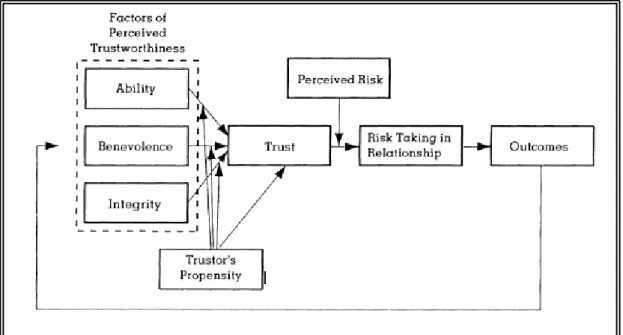
Figure 2: An Integrative Model of Organisational Trust (Mayer, Davis and Schoorman, 1995). ... 59
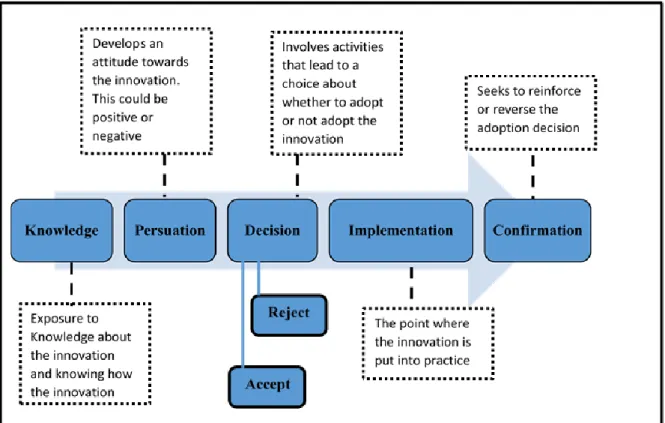
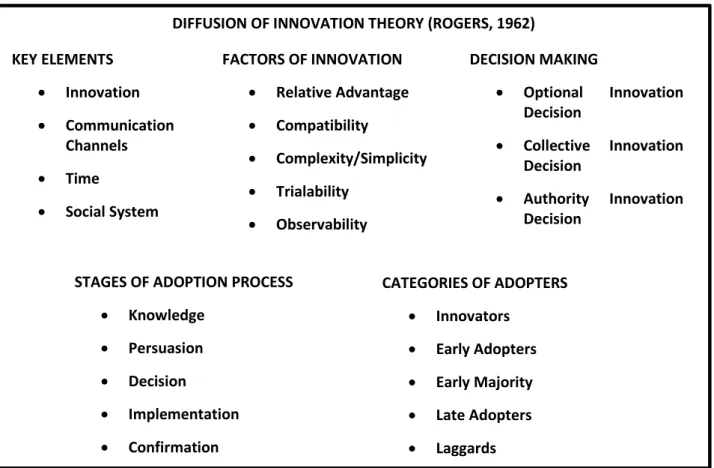
Figure 3: The Innovation Adoption Process (Rogers, 2003). ... 69
Figure 4: Characteristics of Diffusion of Innovation ... 70
Figure 5: Technology Organisation Environment Framework (Tornatzky and Fleishchner, 1990). .... 78
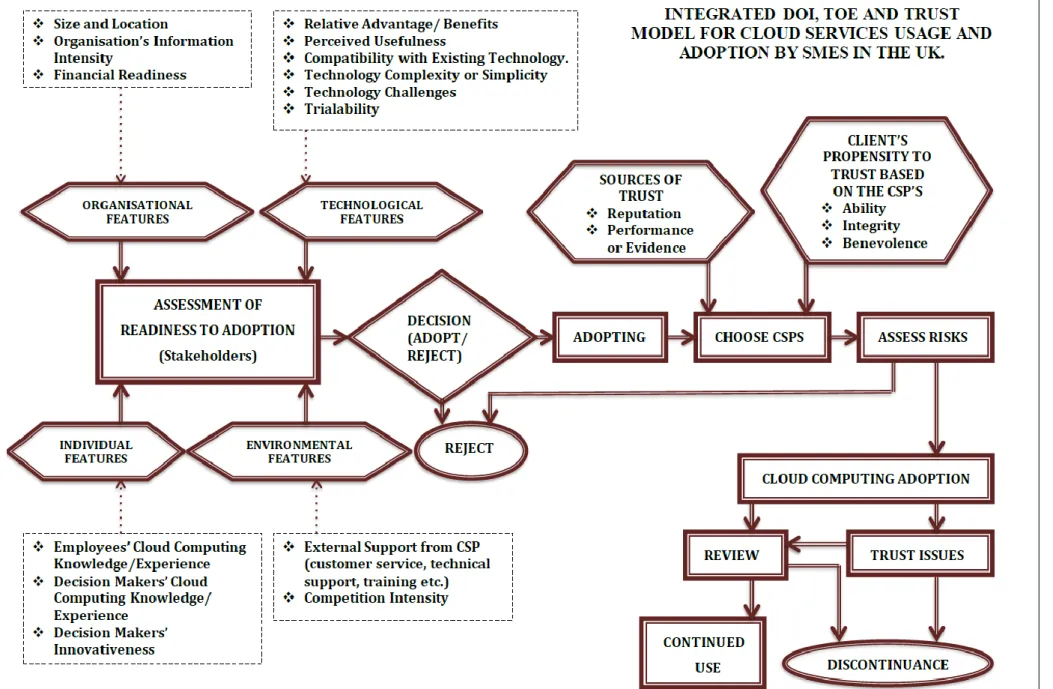
Figure 6: The Conceptual Model ... 93
Figure 7: Research Design Stages ... 108
Figure 8: Estimated Cell Probability for Response Category 1 ... 159
Figure 9: Estimated Cell Probability for Response Category 2 ... 160
Figure 10: Estimated Cell Probability for Response Category 3 ... 161
Figure 11: Estimated Cell Probability for Response Category 4 ... 161
Figure 12: The Probabilities for Each Category of Perceived Usefulness of Cloud Computing as Func-tions of the Trust factor. ... 178
XI
LIST OF TABLES
Table 1: Summary of Previous Studies on Key Challenges to Cloud Computing Usage and Adoption,
their Findings and Suggestions. ... 26
Table 2: A Summary of Previous Studies on the Diffusion of Innovation Theory. ... 66
Table 3: A Summary of previous studies that used the TOE framework. ... 75
Table 4: Summary of Previous Studies that Integrated the DOI with TOE framework. ... 80
Table 5: Survey Sample Characteristics ... 108
Table 6: Techniques for Estimating Non-Response Bias (Rogelberg and Stanton, 2007). ... 109
Table 7: Comparison of Early and Late Respondents. ... 111
Table 8: Original Definitions and Measures of Construct and Subsequent Adaptations. ... 120
Table 9: Description of Variables used for Data Analysis ... 126
Table 10: A Framework for Assessing Reflective and Formative Models: Theoretical and Empirical Considerations (Coltman, et. al, 2008) ... 130
Table 11: Percentage of Variables Imputations ... 133
Table 12: Descriptive Statistics of Variables Used in Part One of Data Analysis. ... 140
Table 13: Reliability Statistics of All Variables Relating to the Challenges of Cloud Computing (Question 9.1 to 9.11) ... 143
Table 14: Item-Total Statistics of All Variables Relating to Challenges of Cloud Computing (Question 9.1 to 9.11) ... 144
Table 15: KMO and Barlett’s Test of Sphericity ... 148
Table 16: Rule of Thumb for KMO test (Kaiser and Rice, 1974; Hair et.al, 1995). ... 149
Table 17: Component Loadings of Variables Relating to Challenges of Cloud Computing. ... 150
Table 18: Collinearity Test Example ... 153
Table 19: Ordinal Regression Statistics for Part One Analysis ... 154
Table 20: Ordinal Regression: The Estimated Model of Part One Analysis. ... 156
Table 21: Mean Probability of Categories of Adoption Status and Knowledge Level of Cloud Computing... 161
Table 22: Descriptive Statistics of Variables Used in Part Two of the Data Analysis. ... 170
Table 23: Reliability Statistics of all Trust Items (20.1 – 20.13 ... 172
Table 24: Item-total Statistics for the Reliability Test of Q20.1 – 20.13. ... 173
Table 25: Component Loadings of All Items Relating to Trust of Cloud Service Providers. ... 175
Table 26: Collinearity Test Example ... 176
Table 27: Ordinal Regression Statistics for Part Two Analysis ... 177
Table 28: Ordinal Regression Results (Part Two). ... 178
Table 29: Individual Probabilities of Perceived Usefulness of Cloud Computing and the Reliability of Cloud Computing Provider. ... 179
XII
GLOSSARY OF TERMS
CSP……….……. Cloud Service Provider. SME………...…. Small and Medium Enterprise. IT………. Information Technology. SLA………. Service Level Agreement
OECD………...Organisation for Economic Co-operation and Development IASA………..…. International Organisation of Software Architects
IMOT………...Integrative Model of Organisational Trust DOI………. Diffusion of Innovation
TOE………. Technology Organisation Environment
CHAPTER 1
INTRODUCTION
This This chapter presents research context and rationale for the research, research objectives, research questions, contributions to knowledge, the structure of the thesis and a brief summary of the chapter.
1.1 CONTEXT AND RATIONALE OF THE RESEARCH
SME is a well- known abbreviation which is generally used to refer to Small and Medium Enterprises (Gustafson and Orrgren, 2012). According to the EU-Commission guide to SMEs, SMEs represent a big part of the global economy and in Europe, they represent 99% of all enterprises. For this reason, there are many job provisions within the SMEs. Micro, small and medium enterprises are categorised as a group of enterprises that employ less than 250 persons which have an annual turnover not exceeding EUR 50 million, and an annual balance sheet total not exceeding EUR 43 million (EU- Commission, 2005).
In the United Kingdom, out of about 3.7 million registered businesses, 99.8% have fewer than 250 employees (Lukas, 2005). As recognised by international standards, United Kingdom has a large business population and SMEs play a very crucial role in developing its economy (Collis, 2010). SMEs are recognised as the backbone of the British economy, accounting for more than half of the UK’s turnover (Lukas, 2005). SMEs account for 56% of the UK non-governmental jobs and 52% of their turnover (Beaver, 2002). A critical review of bigger companies shows that they all started as SMEs. For example, Microsoft started with a couple of people in a small garage in North-America; Hewlett-Packard started in a little wood shack and Vodafone was once a little spin-off from Racal Electronics Group (in 1982). Volkswagen at a certain point was a small car maker in Germany while Google was started by a couple of young kids with the thoughts of having a good idea (Lukas, 2005).
Today, the competition in the business world has caused many firms to adopt state-of-the-art information technologies (Sultan, 2010). For SMEs to survive, there is a need to develop strategies that will make them become more innovative, effective, profitable and competitive. One of these strategies is the use of appropriate Information and Communication Technologies (Tan, et al., 2009). Although, due to the prevalent nature of computing in the business settings, the management and maintenance of the whole information technology (IT) infrastructure (including software and distributed data) is becoming increasingly complex. As a result, computing has become more expensive than ever before to an organisation (Roehrig, 2009).
2
Considering the size and structure of the SMEs, they tend to be cost-conscious and as such tend to keep their cost under control. When compared to larger organisations, the cost of bearing risk and adopting innovations for SMEs is less (Tehrani and Shirazi, 2014). SMEs adopt a new technology to gain competitive advantage, but adopting a new technology involves high cost and risk (Amini, 2014).
Many authors have investigated the process of improving operational efficiencies within the SMEs (see Ofili, 2015; Amini, 2014; Sahandi, Alkhalil and Opara-Martins, 2014; Tan, et al., 2009; Tehrani, 2013 etc.). These authors reported that through the use of Information and Communication Technology (ICT), SMEs can gain a competitive advantage over their larger counterparts. Due to the size and structure of SMEs, there is usually fast communication between the employees and their managers, and they usually have the ability to implement and execute decisions rapidly (Tehrani, 2013). However, in most cases these companies face a lot of challenges, and most of these challenges result in their lack of access to enough resources (Amini, 2014).
As explained in the work of Sahandi, Alkhalil and Opara-Martins (2013), cost control is one of the biggest challenges of SMEs towards resource access and it very unlikely for them to spend so much money in deploying Information Technology. Compared to larger organisations, adopting a technology is not very easy for SMEs. Adopting a technology by SMEs gives good competitiveness and facilitates expansion to new markets with new opportunities rising (Gustafson and Orrgren, 2012). Although different organisations adopt technologies based on different circumstances, especially in the mobile dominated world of today.
Over the previous years, several researchers had studied cloud computing (CC) as an advancement in the field of information technology (see Doherty, Carcary and Conway, 2015; Abubakar, Bass and Allison, 2014; Yeboah-Boateng and Essendoh, 2014, Lin and Chen, 2012; Pearson and Bernameur, 2010.).
In this research, cloud computing is defined as an on-demand, pay-per-use, convenient access to a pool of scalable services and virtualised computer resources distributed globally and independently through an internet connection. This definition was based on the cloud computing definition given by the National Institute of Standards and Technology (NIST) (see section 2.2). In the context of this research, cloud computing services refers to business-based models e.g server, storage and applications, which are delivered to an organisation through an
3
internet connection. These are shrouded into Software-as-a-Service (SaaS), Infrastructure-as-a-Service (IaaS) and Platform-as-Infrastructure-as-a-Service (Dihal, et al., 2013).
The emergence of cloud computing represents a fundamental change in the way IT services are invented, deployed, scaled, updated, maintained and paid for (Sahandi, Alkhalil and Opara-Martins, 2014). Cloud computing promises to deliver all functionalities of the traditional IT services, then enable new ones by reducing the computing costs which discourage many organisations from deploying many cutting-edge IT services (Staten, et al., 2009). Cloud computing offers pay-per-use services such as database management and mining, storing and sharing of information over web services to both business and non-business sectors (Sultan, 2010). With this pay-per-use model, companies do not need to pay an upfront amount of buying, installing and licensing the system but only pay for the services they use and still have the most sophisticated computing services they require (Tehrani, 2014). Through the use of cloud computing services, companies can have access to computing resources anywhere at any time (on-demand) using of the Internet.
When compared to traditional computing services, cloud computing services facilitate a scalable on-demand computing power, rapid deployment and reduced support infrastructure while facilitating lower cost of ownership (Aymerich et al., 2008). Its operational responsibility (hardware maintenance and software upgrade) is given to the Cloud Service Providers (CSPs). For the purpose of this research, a CSP refers to a vendor or company responsible for providing cloud services to cloud service users. The vendor hosts and provides all necessary IT infrastructure needed for cloud service offerings. This provider can also host another hosting provider (Dargha, 2009).
In cloud computing, cloud users do not need to install computer resources in-house. They only use the services provided by the CSPs (via internet connection) then pay for it. The cloud service user refers to an individual or enterprise using the cloud services provided by the CSP. The pay-per-use model of cloud computing is another significant difference between cloud computing and traditional computing. In this research, clients/users of cloud computing are small and medium enterprises (SMEs).
Cloud computing is considered an innovation because it offers a new method of computing by integrating the already existing technologies (Ofili, 2015). Cloud computing offers flexibility, scalability, cost reduction and many other benefits to organisations especially the smaller ones (Tehrani, 2013). Flexibility has been repeatedly shown to be a key component of effective
4
business management (Swafford, et al., 2006). In addition to flexibility, cloud computing technology is not limited by specific configurations, particular service providers or specialised uses. Rather, it is a type of innovation that may be employed in many different fashions and forms by various members of different organisations. This makes it even more useful in the business context (Tan, et al., 2009). The benefits of cloud computing enable businesses to grow larger, become more productive, innovative, gain competitive advantage, access sophisticated technologies while focusing on their core business activities, without spending significant amount of money (Tehrani and Shirazi, 2014).
In the 2014 report of Cloud Industry Forum regarding the adoption trend of cloud computing by UK businesses, it was shown that there has been a steady increase in adoption since their 2010 survey. This report mentioned a 48% usage increase in 2010, which increased to 53% in 2011, 61% in 2012, 69% in 2013 and 78% in 2014. This report suggests that broken down by size, larger organisations are more likely to adopt cloud computing than their smaller counterparts (SMEs). It was also stated that 96% of larger organisations (having more than 200 employees) are using at least one cloud service compared to 76% of those below this threshold. In November 2014, another survey was conducted by Eurostat on the use of cloud computing services by enterprises. The survey consisted of 151,000 enterprises from the EU-28 countries, and it was reported that only 19% are SMEs that use cloud services compared to 35% of those who are large organisations (Giannakouris and Smihily, 2014). This report mentioned that security issues and insufficient knowledge of cloud computing influenced the percentage of cloud computing usage by enterprises. The enterprises used in this survey ranked security as the top barrier to cloud adoption, with 57% from larger organisation and 38% from SMEs. It was also stated that one in 3 SMEs already using cloud computing reported that insufficient knowledge or expertise may limit the uptake of cloud computing by potential adopters.
Inferences from recent literature suggest that adoption and usefulness of cloud computing was still an issue to SMEs even up to 2015 (please see Ofili, 2015, Doherty, Carcary and Conway, 2015; Sahandi, Alkhalil and Opara-Martins, 2014; Tehrani and Shirazi, 2014 and Carcary, Doherty and Conway, 2014). These studies explained that despite the benefits of cloud computing to SMEs, adoption and continued use of cloud computing have been influenced by issues related to security, privacy, data location, malicious insider, availability of data, service level agreement and other legal concerns. In their studies (Huang and Nicol, 2013; King and Raja 2012 and Kok, 2010), these issues were addressed mainly as security and privacy issues. Although, Giannakouris and Smihily (2014) explained that the risk of security breach and
5
privacy issues may be a matter of the service provider’s reliability and accountability which may lead to a lack of trust in the service provider.
Following the recent Intel Security survey of cloud adoption trends and attitudes by IT professionals, a report was released advocating the need for technology vendors to help businesses, consumers and government to understand the implication of cloud adoption. With 77% of participants noting that their organisation trust cloud computing over a year ago, only 13% completely trust their cloud service provider to secure their sensitive data (IntelNewsroom, 2016). These findings highlight that improved trust on service providers is very important in encouraging continued adoption of cloud computing. Many studies in this area have observed the issues of security, privacy and trust when cloud computing resources are given to and managed by a third party (see Dihal, et al., 2013; Pearson and Bernameur, 2010)
To understand the adoption of cloud computing by SMEs, the question of trust in cloud service providers becomes imperative. Trust is a significant factor in every business relationship. In cloud computing, trusting the service provider will play an important role in enabling SMEs to realise the benefits that cloud computing has to offer. Different perspectives of trust issues and challenges have been widely discussed in the area of cloud computing (e.g Aberer, et al., 2012; Khan and Malluhi, 2010 and Pearson and Benameur, 2010) but none of these studies discussed trust as an issue affecting the relationship between the CSPs and their clients, which in turn affects adoption and usage of cloud computing.
Based on this body of knowledge, a gap was identified to investigate the issue of trust between cloud service providers and their clients (SMEs), factors that influence the adoption of cloud service and the role of trust in the adoption of cloud services. The following are the research objectives.
1.2 RESEARCH OBJECTIVES
1. To identify factors which encourage or inhibit the adoption of cloud computing by SMEs.
2. To investigate whether any of the factors mentioned above has any influence on the adoption or perceived usefulness of cloud computing.
3. To research into the role of trust in cloud computing adoption.
4. To develop and validate a conceptual model which can be used to study SME’s adop-tion of cloud computing services.
6
5. To discuss how the model can be practically used (by SMEs, Cloud Service Providers and the research community) to study the stages of cloud adoption and how it can be applied to other new technologies or innovations.
1.3 RESEACH CONTRIBUTIONS 1.3.1 ORIGINALITY
This research suggests that although cloud services possess the ability of offering many benefits, but there are many challenges which influence cloud computing adoption and usefulness by SMEs. These challenges relate more to issues with cloud service providers. For example, lack of privacy of data, malicious insider with the CSP’s organisation, loss of control of service, lack of confidentiality of data, service level agreement issue etc. As argued by many researchers (see Aberer, et al., 2012; Ko, et al., 2011 and Pearson and Benameur, 2010), these issues could lead to a loss of trust in cloud service providers.
This study identified a gap in literature which relates to the role of trust in cloud computing adoption by UK SMEs. Although previous studies proffered various factors that encourage or inhibit the adoption and usage of cloud computing, this study positions trust as a significant factor for cloud service usage and adoption by SMEs in UK. In this research, trust was operationalised using the factors of perceived trustworthiness introduced by Mayer, Davis and Schoorman (1995). These factors were presented in three dimensions (ability, integrity and benevolence), which are regarded as the key attributes of the service provider that inform their clients’ trust in them. Trust being in the vanguards of research in many fields, relating it to cloud computing and especially between the service providers and their clients, is a significant research contribution. Secondly, the extent that this study offers a new point of view in cloud computing adoption, by redirecting attention to the well-researched factors that influenced cloud adoption to trust, is another significant contribution.
Following criticism of similarities, repetitiveness and limitations of current ICT adoption research (see Williams, et al., 2009), this study developed a theoretical model that holistically explains the process of adopting cloud computing by SMEs in the UK. The model integrated trust and other technological, organisational, environmental and individual factors to better explain the adoption process of cloud computing adoption, and its subsequent usage by UK SMEs. This model consists of several variables that explain the stages of making a decision towards cloud adoption. Majority of the variables introduced in this model were adapted from three prominent theories and frameworks in the field of trust and technology/innovation
7
acceptance. Two of these theories are the Diffusion of Innovation (DOI) Theory (Rogers, 1995; 2003) and Technology Organisation Environment (TOE) Framework (Tornatzky and Fleischer, 1990). Both the DOI and TOE have been well studied in the area of innovation and technology adoption. The third model is the Integrative Model of Organisational Trust (IMOT) (Mayer, Davis and Schoorman, 1995; 2007). The IMOT has also been well studied by many researchers of trust in organisational settings (see chapter 4 for full details of these models). Variables introduced in these models were adapted and considered suitable to this research context. The model was empirically validated using an online survey (see chapter 6 and 7 for further details).
1.3.2 PRACTICAL CONTRIBUTIONS
The practical contributions relate to the effective use of the model by both SMEs and CSPs, to better understand the stages of adopting cloud computing. Also, the model will be of great value to ICT suppliers, managers and consultants in terms of developing suitable strategies for ICT adoption. Since the model also considers the involvement of stakeholders in the decision-making process, it would be of great use to policy and decision makers. By considering all the factors specified in the research model, they would be able to make proper decisions and policies. For the research community, the model will help in studying the key factors involved in the adoption of cloud computing which can be applied to other technological innovations. Any experience gathered from the use of this model to understand cloud computing adoption, can be transferred when trying to understand the adoption of other innovations. The results of this research have contributed significantly to the field of this study. Based on the contributions above, there is no doubt that the research is appropriate and timely.
1.4 THE THESIS STRUCTURE
The rest of this thesis are organised as follows: Chapter 2 presents a discussion on related literature and identified benefits and challenges of cloud computing. Chapter 3 discusses the concept of trust and its operationalization in this research. Chapter 4 presents a discussion on the different theories that relate to technology acceptance, those selected for the study and their justifications. Chapter 5 gives a full detail of the conceptual model developed for the study, its variables and hypotheses developed for the study. Chapter 6 consists of the research design and methodology. It explains the data collection procedures with detailed justification of the choice of methods. Chapter 7 focuses on all the procedures used for analysing the data and the statistical findings. Chapters 8 presents the discussion of findings from the study, a reflection
8
on research objectives and hypothesis as well as the implications for the study. Chapter 9 discusses the study conclusions, limitations and future studies.
1.5 CHAPTER SUMMARY
This chapter explained the research context in details as well as the justification for choosing to do the study. The research objectives were given to define the scope of the research. Also, the research questions were clearly stated out. The structure of the thesis was also given. This briefly explained what has been given in the rest chapters of the thesis. The following chapter will discuss the review of literature relating to the research.
9
CHAPTER 2
LITERATURE REVIEW
This chapter examines the general concept of cloud computing and issues relating to its adoption by SMEs. It begins with the concept of cloud computing, definition of cloud computing, cloud deployment models, characteristics of cloud computing followed by cloud service models. Then the benefits and challenges of cloud computing, as well as a summary table of previous studies on challenges of cloud adoption were discussed. The last part of this section consists of a review of previous studies relating to the adoption of cloud computing by SMEs. This chapter was written to explore cloud computing in a broader context in order to provide answers to the research.
2.1 CLOUD COMPUTING CONCEPT
According to Fowler and Worthen (2009), the cloud was being used in the late 1990s to represent everything that relates to the internet. The word “cloud computing” was first used during the Search Engine Strategies Conference in San Jose in 2006, when Google’s former CEO Eric Schmidt tried to describe the history of computer architecture and internet (Limet, Smari and Spalazzi, 2015).
According to Marston, et al. (2011), Amazon became the first company to offer cloud services (virtualised data storage space and server access) to its customers hence officially accredited with the phrase “Pioneers of Cloud Computing”. It all started in 2006 when they updated their datacenters to handle peak periods in order to subsequently improve internal efficiency (Westervelt, 2009). They realised that a lot of resources were unused after their newly implemented network architecture, then decided to open those resources for organisations and businesses to hire on demand. They initiated this idea by providing cloud services to their external customers and launched the Amazon Web Service (AWS) on a utility computing basis. Westervelt revealed that ever since then, Amazon has been making some heavy investments in this area of computing. Following the above development made by Amazon, other big IT-related companies (e.g Google and Microsoft) now offer similar services (Fowler and Worthen, 2009). The concept of cloud computing is not new, it is a combination of existing technologies such as virtualisation, centralised, distributed and utility computing (Zang, et al., 2010). This combination of several existing technologies into a network platform, makes cloud computing a novel concept (Weiss, 2007).
10 2.2 DEFINITION OF CLOUD COMPUTING
Even though a lot of people assume that a good number of professionals in business technology and IT industries are familiar with cloud computing concept, there is still confusion in the actual definition of cloud computing (Mullan, 2010). Please see the appendix section for a summary of the different definitions of cloud computing stated by the Global IT Architect Association (IASA) Sweden in 2008 (Vaquero, et. al., 2008).
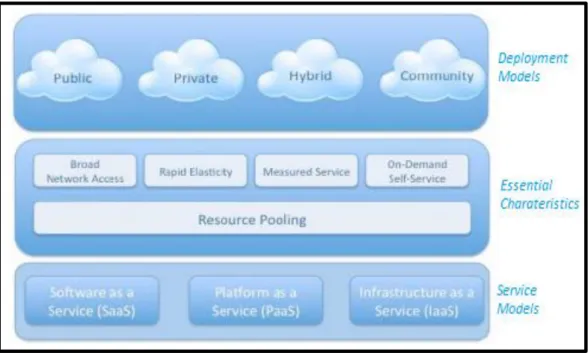
Since the emergence of cloud computing in 2006, it has become one of the essential technologies considered by many business organisations (Gartner, 2006). In simple terms, cloud computing is the outsourcing of IT resources (Babcock, 2010). Irrespective of the different definitions of cloud computing, the proposed NIST definition is the most widely accepted and recognised definition of cloud computing (Vaquero, et. al., 2008). Specifically, cloud computing was defined by NIST as ‘a model for enabling ubiquitous, convenient, on-demand network access to a shared pool of configurable computing resources (e.g. networks, servers, storage, applications and services) that can be rapidly provisioned and released with minimal management effort or service providers’ interaction’ (Marston, et al., 2011). Figure 1 below illustrates the NIST definition of cloud computing. It consists of four cloud deployment models, five essential characteristics and three cloud service models.
Figure 1: NIST Cloud Computing Definition Framework (Mell and Grance, 2009; 2011)
11 2.2.1 CLOUD DEPLOYMENT MODELS
As stated in Mell and Grance (2009; 2011) and Kok (2010), cloud computing deployment models include:
Private Cloud: This type of cloud model is used by a single organisation. This organisation may decide to host the infrastructure on or off its premise. Private clouds are regarded as being trusted compared to other cloud service models. Pri-vate clouds can be owned and managed by an organisation, a third party or both. In other words, private clouds are used by private companies, public sector or-ganisations and government bodies for usage within closed user groups. Such clouds are not accessible to the public.
Public Cloud: Public cloud provides massive scale cloud services to members of the general public. The infrastructures are resident on the CSP’s premises. It may be free or offered through a pay-per-use model. The cloud resource is available through the internet. Clients of these service model can select and assign the se-curity and service level they require (Dustin, et al., 2010; Amini, 2014).
Community Cloud: According to Dustin, et al. (2010), the community cloud model is specifically used by users within a community who have related con-cerns and expectations (e.g. Policies, goals or security requirements). The munity cloud is usually perceived to be trusted by organisations within that com-munity. It can be owned and managed by one or multiple organisations in that community, a third party or a combination of both. The infrastructure can be hosted on or off the premises of the organisations.
Hybrid Cloud: This consists of two or more clouds with each maintaining its own special features which are bound by standardized or proprietary technology (Brunette and Mogull, 2009). They are put together to provide the functions and benefits of a combined deployment model.
2.2.2 CHARACTERISTICS OF CLOUD COMPUTING
In the NIST report titled “definition of cloud computing (draft)”, the following are vital characteristics of cloud computing also listed in the NIST cloud computing definition framework (figure 1 above) (Mell and Grance, 2011).
12
On-demand Self-service: This explains the unilateral provisioning of computing capabilities (e.g. server time, applications, storage etc.) to users without service providers’ effort or interaction.
Resource Pooling: This involves the use of CSP’s computing resources to serve several end users through the use of a multitenant system, having different virtual and physical resources dynamically assigned and reassigned to meet the demands of each end user.
Rapid Elasticity and Scalability: Enables several functionalities to be rapidly, automatically and elastically provisioned (released) in some inward and outward proportions according to customers’ demands. To consumers, the resource provi-sioning capabilities often appear unrestricted and can be used however and when-ever they want.
Broad Network Access: Cloud services are available through the internet and accessed by means of standardised mechanisms using heterogeneous thick or thin client (e.g. laptops, tablets, workstations etc.).
Measured Service: In cloud computing, there is an automatic control and opti-misation of resource usage. This is possible because of its provisioning of meter-ing capabilities at some level of abstraction, dependmeter-ing on the type of service (e.g. active user accounts and bandwidths, storage, processing etc.). Resource usage can be monitored, controlled and reported to provide transparency for both the service provider and users of the utilised service.
2.2.3 CLOUD SERVICE MODELS
Cloud service models are used to describe the different services that can be obtained in the cloud. The criteria for these services depend on customers’ requirements (Lin and Chen, 2012). The three major cloud service models are explained below.
Software as a Service (SaaS): This service provides cloud users with a wide range of access to applications from several networked devices. The applications are rented out to users over a subscripted time (pay-per-use). The applications and the cloud infrastructure in which they operate on are owned and managed by CSPs (Mell and Grance, 2011). Mell and Grance further revealed that SaaS refers to the renting of both applications and infrastructure totally managed by service providers through a web client (e.g web-based email, Google Docs, MobileMe and Zoho).
13
The entire infrastructure is located in datacenters. SaaS allows a company to pay a monthly fee to purchase the services (Levinson, 2010). Some examples of SaaS are Google Apps and Microsoft Office 365 (Rimal, et al., 2009).
Platform as a Service (PaaS): This service is related to SaaS. It provides users with the ability to rent infrastructure so as to get a platform to build their own applications. These applications are built with programming tools and in a format supplied by the provider. The provider manages and controls the cloud infrastructure, while the client is allowed to control the application-hosting environment configuration settings and their deployed applications (Krutz, 2010). As stated in Cloud Security Alliance Report (2010), the main difference between SaaS and PaaS is that SaaS allows the users to customise a software to fit their business purposes while PaaS gives room for maintaining the application in a customised way (Bardin et.al, 2009). Krutz (2010) also explained that PaaS provides a good option for organisations whose applications need a better platform to work with if there are unsupported resources within the organisation. The organisation can hire the necessary infrastructure needed to support the applications fully. Examples of PaaS are Force.com, Microsoft Azure, AWS Elastic Beanstalk and Google App Engine (Rimal, et al., 2009).
Infrastructure as a Service (IaaS): The IaaS builds upon PaaS and SaaS. It offers users the ability to outsource basic computing resources (networking components, storage etc.) that are to be used in their operations. Users have control over the deployed operating system, applications and storage while the CSPs are responsible for the management and control of the cloud infrastructure (Krutz, 2010). IaaS users pay for the provider’s hardware each time they use it. Examples of IaaS include Rackspace Mosso, Windows Azure, Amazon EC2, Google Compute Engine, Terremark cloud offering and Sun’s cloud services (Rimal, et al., 2009).
Since the emergence of cloud computing in 2006, it has become a top technology priority for many business organisations in the world (Carcary, Doherty and Conway, 2014). According to the report of some leading industries (e.g. Forrester), cloud computing is estimated to hit the market figure of $241 billion by 2020 (Trend Micro, 2011). A lot of researchers have investigated the drivers and barriers to its adoption by business organisations (Alshamaila and Papagiannidis, 2013; Aljabre, 2012, Johnson, 2011; Low, Chen and Wu, 2011; Armbrust, et
14
al., 2010, Iyer and Henderson, 2010 etc.). Research into related literature reveals some benefits and challenges of cloud computing adoption, which are discussed below.
2.3 BENEFITS OF CLOUD COMPUTING SERVICES TO SMALL AND MEDIUM ENTERPRISES.
As mentioned in the work of Alsanea (2015), SMEs are faced with resource poverty when compared to larger organisations. In other words, they have restricted access to both technical and in-house legal knowledge which prevent them from enjoying the benefits of latest technology and operation services. SMEs operate in a time-constrained environment which provides the avenue for employees to work overtime in order to achieve their desired goals (Tehrani and Shirazi, 2014). Cloud computing emerged to provide many cutting-down cost benefits to SMEs.
From a customer’s view point, cloud computing delivery model offers a decrease in capital expenditure, quickens return on investment, enhances IT dexterity and a more vigorous infrastructure which leads to better business posterity (Amini, 2014). From the present digital business aspect, cloud services present favourable opportunities for SMEs to cooperate within themselves thereby creating a new competitive advantage (Petrakou, et al., 2011).
According to Staten, et al. (2009), cloud computing promises to deliver all functionalities of the traditional IT services and enable new ones, by drastically reducing associated computing costs which discourage many organisations from enjoying the benefits of many cutting-edge IT services. It provides many firms with easier access to hardware resources and more storage devices (Marston, et al., 2011).
Cloud computing offers services such as information sharing and storing, database mining and management over the web to businesses who adopt it on a pay per-per-use format (Sultan, 2010). This is particularly true for SMEs. Cloud computing is potentially beneficial to SMEs by helping them enhance their operational efficiency, become more productive and focus more on their core business aspects (Sahandi, Alkhalil and Opara-Martins, 2013).
When a company’s IT sector is outsourced to a service provider, the company will have a reduced cost of hiring IT staff and also be relieved of the associated technical complexities involved in IT services. As a matter of fact, the amount of time, efforts and resources involved in the IT departments are managed by the CSP thus enabling the company to focus more on their core business functions, rather than having to worry about upgrades or their information system maintenance (Ashford, 2008). This also holds true for SMEs that do not belong to the
15
IT sector. As a matter of fact, cloud computing services can be accessed through the internet which makes it easily accessible and quick to use (Clark, 2009).
Cloud computing offers agility. In this regard, Tamburri and Lago (2011) explained that when using the cloud computing option, there is no need to purchase and manually setup hardware. Also, cloud users can easily scale up or down based on their needs. Cloud Computing is flexible to use. Since there is high level of adaptability, people can decide whenever they want to use cloud services (Amini, 2014).
2.4 GENERAL CHALLENGES OF CLOUD COMPUTING
Kok (2010) reveals that despite the potential opportunities and benefits of cloud computing, there are still issues preventing organisations from adopting the service therefore reducing the adoption rate of the technology. It is only possible to overcome the barriers faced by organisations in adopting cloud services if the barriers are identified and resolved.
According to Brodkin (2009), organisations (both government and private) are sceptical in the adoption of cloud technology for the fear of immaturity of the technology and providers not being able to provide proper security of customers’ sensitive data.
As mentioned by Condon (2013), Vanson Bourne on behalf of Cloud Industry Forum carried out a survey using 450 managers from both public and private companies. In this survey, they investigated the reasons why companies hesitate to adopt cloud services. In this study, 64% of the respondents mentioned data security issue, 62% mentioned privacy issue, 50% mentioned dependence on internet access, and 38% indicated doubts over supplier reliability, while 35% indicated contract lock-in. This research also showed that data location appears to be another barrier to cloud adoption by the surveyed companies. Companies with less than 20 employees showed more concerns than larger companies, which always have greater resources to help them manage the risks.
Among the many different barriers to cloud adoption faced by business organisations, hidden costs, privacy, security, vendor / risk management and trusting the CSPs appear to be the most prominent ones. These have been discussed in details below.
2.4.1 HIDDEN COST CONCERNS
Hidden cost concerns are usually associated with the costs that relate to internet services subscription, networking requirements, computers hardware-related costs, software-related costs, etc. (Hutchings, Smith and James, 2013).
16
According to Venkatraman, (2013), some hidden deployment and management costs are some reasons why SMEs continue to stay away from adopting cloud services. The cost of deployment doesn’t just lead to this hesitation but the hidden charges that come up while the service is already running. These charges are associated with the major expenses involved in deploying cloud computing. Going beyond the initial set-up, elements like security, networking, application, storage, back-up services, redundancy and operating system licenses are included in these charges. They are also associated with complicated backups, extensive recovery and unauthorised use of the service by employee (Venkatraman, 2013).
2.4.2 SECURITY ISSUES
AlZain, Soh and Pardede (2012) reported that security is one aspect of computing that holds immense importance. Security concern have been another reason slowing down the adoption of cloud computing by SMEs. These security challenges include data ownership, preservation of confidentiality and privacy, and most of all reliability (Pearson and Benameur, 2010). Apart from these, there are issues of accountability, auditability, confidentiality and trust in service providers (Zhang, Cheng, and Boutaba, 2010). Issues of cloud security also extend to data transmission, data storage and third party data access (Subashini and Kavitha, 2011). Hacking or identity theft appears to be another security threat for SMEs towards cloud adoption (Chorafas, 2011).
As a result of storing big business data in the cloud which are managed and controlled by CSPs who have unlimited access to it, there are questions of data security and third party access (AlZain, Soh & Pardede, 2012). SMEs can’t just be sure whether or not CSPs can be trusted to manage their data through the cloud computing system.
Some researchers revealed that cloud computing is slowly gaining popularity within the SMEs but the fact that their mission-critical assets and data are entrusted to a CSP results in security concerns (Lynn, 2013). Lynn also mentioned that SMEs worry about their data integrity, confidentiality, privacy and accessibility.
In the course of investigating the threats to cloud adoption by businesses, Aleem and Sprott (2012) interviewed about 200 professionals from the ICT sector all over the world. Out of the concerns mentioned, security issues appeared to be 93.4%. Security issues appeared to be more of a concern than data loss and leakage (73.5%), account, service and traffic hijacking (60.8%), governance (62.3%) and lack of control over service availability (55.7%). This research
17
showed that 17% of the participants’ organisations were already using cloud services while 8% out of those 17% mentioned that they have had experiences of security breach in the cloud. Another research by Trend Micro (2011) reported that out of over 1,200 companies surveyed worldwide, 43% indicated that in the past one year they had experienced security issues with their service provider.
According to Pacella (2011), on several occasions incidents that took place within the CSP’s organisations were ignored and never reported by the CSP. A majority of these attacks tend to be undetected (Blumenthal, 2011). Pacella also revealed that in cases where they are detected and made public, the CSPs either deny or argue that such data was never held in their cloud system. This is because they do not want to lose potential clients so they withhold any detail leading to such information.
2.4.3 SERVICE AVAILABILITY AND RELIABILITY ISSUES
Even though CSPs are regularly introducing innovations in order to enhance their uptimes, service disruption is another problem they battle with (Blumenthal, 2011). Blumenthal explained that lack of availability of service is strong enough to dissuade a good number of SMEs from adopting cloud service. Lack of reliability of service can be attributed to improper authentication mechanism. Cloud computing system provides the possibility of unauthorised access by obtaining users’ logging details without proper authorization (Dlodlo, 2011). There are different technical and non-technical means of doing it.
An example of these issues was reported in Dlodlo’s example of password guess using keylogging malware, achieved through weak password recovery techniques (e.g. a security question) that can be cracked or acquired when an account is not signed out. Lack of proper authentication checks cannot always be attributed to the intention of indulging in malicious activities. Dlodlo mentioned that there have been occasions where mistakes of the providers come into play. For example, in June 2011, Dropbox left its site open for four hours for some inadvertent reason (Wright, 2011). This provided a possibility for anyone to log-in into several Dropbox users’ account using random passwords.
2.4.4 AUTHENTICITY AND OWNERSHIP ISSUES
SMEs have a great concern regarding the modification of their important data in a cloud system (Behl and Behl, 2012). Authenticity and ownership issues are related to the issues of data integrity and confidentiality, where clients worry that those with malicious intents will have access to their data. Cohen (2012) gave an example of a situation where customers’ data were
18
compromised as a result of issues relating to rights and privileges associated with data ownership. Cohen explained that these issues can happen sometimes because of the type of rights or privileges given to certain users in a commonly shared database setup. For this reason, SMEs are faced with questions likes “what will happen if we stop subscribing to the cloud service?”, “will we still have access to our data?”, and “what is our right if our data is compromised or stolen from the CSP’s storage device?”. Cohen mentioned that not many providers have been able to answer these questions, which is perhaps one reason why SMEs stay away from adopting cloud computing.
In terms of storing sensitive and proprietary data in an external environment (e.g. the cloud computing system), obvious risks are involved and these have resulted in some form of scepticism for SMEs towards cloud computing adoption (Behl and Behl, 2012).
Grobauer, Walloschek and Stoecker (2011) stated that in the cloud computing environment, users are sometimes faced with the issue of insufficient or faulty authentication checks, which gives room for URL guessing attacks whereby direct webpage access is gained through page links. No matter how these security breaches are performed, they tend to have very negative impact on the customer whose important data have been accessed.
2.4.5 CUSTOMER LOCK-IN
Customer lock-inappears to be another barrier to cloud adoption by SMEs (Gens, 2008). This reflects in Gen’s example of customers not being able to switch between CSPs because there is no standardised or pre-fixed format of data storage provided by the CSP. In a typical cloud computing scenario, the CSPs create the formats of storing customers’ data in the cloud and this varies between CSPs (Gens, 2008). This could lead to a loss of customer’s data or have a substantial damage to it if care is not taken. Gens explained that customer lock-in situation is particularly channelled towards benefiting the CSP and not the customer. According to Sultan (2011), the provision of cloud computing service is more of a monopoly-based. The issue of customer lock-in could cause major problems to the customer (in this regard SMEs) if their data is damaged or lost. This is because these services are available through proprietary software with insufficient standards. In essence, portability has continued to be a problem for SMEs towards the adoption of cloud computing. Similar to individuals, SMEs like to enjoy service migration where they have the freedom to move in and out of a system without the stress of dealing with such issues.
19 2.4.6 CONTRACTUAL ISSUE
Contractual issue is another significant factor preventing SMEs from adoption cloud computing services in their business (Linthicum, 2013). Linthicum mentioned that cloud computing service contracts are designed on the basis of “take-it or leave-it” where the CSPs are protected against any and every possible risks.In other words, any resultant risks or liability are placed on the customer. Compared to big organisations, SMEs may not be able to afford seeking legal services to defend such one-sided contract in case of any problem instead they stay away from adopting the service. The worst part is that negotiation cannot be made with anyone because these services are typically provided online as part of a customer’s sign-up process which they must agree to in order to continue the sign-up process (Linthicum, 2013). 2.4.7 DOS ATTACK
DoS attacks have the potential of leaving service users’ accounts inaccessible. In a typical setting, DoS attacks are carried out by using botnet-triggered traffic to flood a website for legitimate users not to have access to it anymore (Wright, 2011). Wright mentioned that DoS attacks can be targeted at particular users by changing the users’ account passwords or by entering wrong passwords continuously, which locks out the account and makes it difficult for the legitimate user to have access.
In April 2011, there was a report by the Hong Kong Government that Sony’s payment gateway was hacked by attacks launched on their cloud computing servers (Hong Kong Government News, 2011). In this report, it was said that legitimate users were denied of their login rights and personal data of about 77 million customers were compromised, leaving about 11 million credit cards details open. This problem is similar to the issue of stolen personal information or in the case of materials prepared for exploitation (Cloud Security Alliance, 2010). According to Allen (2010), tracking down the offenders is usually hard in case of such incidence.
Allen (2010) mentioned an instance of DoS attack where terrorism funding was achieved with money laundered through the accounting system held in the cloud. Allen further explained that in the case of such event, legitimate users are faced with a negative consequence of not being able to access their data if the servers are seized by law enforcement agencies.
2.4.8 DATA ABUSE BY MALICIOUS INSIDER
Typically, abuse of data by malicious insider is triggered by employees, contractors or third-party suppliers within the service provider’s organisation (Blumenthal, 2011). These individuals can misuse the privileges and rights given to them by their employer (CSP). They
20
can disrupt the clients and have access to their data as well. People may become employed by a targeted CSP, targeted by organised crime syndicates, then start abusing their access following some kind of job dissatisfaction or temptation from potential opportunities or perceived gains (Blumenthal, 2011).
In their research (Aleem and Sprot, 2012), It was reported that 52.9% of ICT professionals who responded to their survey mentioned insider threats and attacks as a major issue with cloud computing adoption. In the event of such incident, clients’ data are greatly affected.
Despite the extent of security and protection given to cloud computing, sometimes right and privileges given to employees can be of detriment to the company and its clients. For example, a former employee or contractor in a rival company can gain access to an organisation (where there is a poorly designed cloud computing system) by impersonating current employees (Blumenthal, 2011).
There are many reasons hindering the adoption of a new technology (Igbaria and Livari, 1995). In cloud computing, some of those reasons could be the complexity and resistance to the technology, understanding the technology, usage difficulty or even trusting the ability of the CSP (Adedoyin, 2013). Majority if not all of the issues discussed above are related to trust. Trust is a very important aspect of building and maintaining business relationships. In order to adopt cloud computing, SMEs need to have some level of trust in their service provider. Having trust in the service provider may help increase the adoption and usefulness of cloud computing services by SMEs. This will in turn enable them enjoy the benefits of the technology.
2.5 PREVIOUS STUDIES ON CHALLENGES OF CLOUD ADOPTION. Below is a table summarising previous studies relating to the challenges of cloud computing adoption, their key findings and suggested solutions.
Author Research Area/Topic
Insight/Methods Key Issues Identified Findings/Suggestions Pearson and Benameur (2010) Privacy, Security and Trust Issues arising from Cloud Computing. These authors assessed how privacy, security and trust issues occur in cloud computing and discussed ways of addressing them. They focused on customers’
The key issues identified were grouped as follows: Privacy: Lack of user control, data proliferation and trans-border data flow and
This paper suggested that customers need to make sure that Service Level Agreements (SLAs) offered by CSPs capture 1. Data handling mechanisms (data protection and privacy law compliance,
21
perspective with respect to data security, privacy and trust from public cloud computing.
unauthorised secondary usage. 1. Security: Backup and
lack of data availabil-ity, lack of data ac-cess, control over data life cycle, lack of standardisation, lack of multitenancy management and lack of proper audit-ing.
2. Trust: Lack of cus-tomers’ trust or weak trust relationship be-tween the providers and their clients. 3.
confidentiality, data location, and data retention and destruction policy). 1. 2. Data security
mitiga-tion (e.g. encrypmitiga-tion), 2. Proper accountability 3. Standardised solution
e.g provision of trust assurance and audit frameworks for CSPs. CSPs need to
safeguard the security and privacy of their customers’ data to increase trust as well as the adoption of cloud systems by customers. Zhao, et al. (2010) Trusted Data Sharing over Untrusted Storage Providers
Their aim was to construct a system that imposes access control policies of data owners and prevents the CSPs from unauthorised access and illegal authorisation of access to customers’ data. Data integrity, confidentiality, security and unauthorised data access. They proposed a progressive encryption scheme. They reported that this scheme allows data to be encrypted multiple times using different keys to produce a cyphertext that can be decrypted with a single decryption key. After performing what they called a
comprehensive security analysis, the scheme showed that it can achieve trusted sharing of data over untrusted cloud servers. The scheme allows the encryption key to be changed without decrypting the data first. In other words, it allows data owners to store their encrypted data in the
22
cloud and share with other users. Khan and Malluhi (2010) Establishing Trust in the Cloud. Khan and Malluhi discussed how emerging technologies could help address the challenges in the cloud.
Data access control, security, privacy and data ownership. These authors recommended the following: 1. Preventing failures than post-failure compensations.
1. 2. The use of emerging technologies, which re-quire identity theft management, data pri-vacy via encryption, and using data integrity or security techniques (e.g. digital signature) to manage access con-trol. Uusitalo, et al. (2010) The views of Security and User Experts in Cloud Services. Uusitalo, et al. interviewed 33 people who demonstrated experience in the field of cloud computing. Out of these 33, 22 were from industrial companies while the rest were from research and governmental organisations. Issues of security, privacy, transparency, reliability and availability of resources were identified. Their findings
revealed that issues of privacy and security (21%), transparency and reliability (30%), user experience (15%), availability of
resources (9%) and language barrier are trust affectors. KPMG (2010) From Hype to Future. KPMG’s 2010 Cloud Computing Survey. (Main Concerns regarding the use of Cloud Computing). This survey consisted of 125 decision makers and business managers in Netherlands. Security issues, privacy, compliance and legal issues were discussed.
The findings revealed that 78% of the
participants considered security as a main concern, Legal issues (51%), Privacy issues (50%) and compliance issues (50%) were also identified. The
participants were worried about lack of transparency in
23
relation to service providers and 68% of them suggested that the aspect of data security should be improved.
Khorshed, et al. (2011)
Trust Issues that Create Threats for Cyber Attacks. Khorshed, et al. surveyed the factors slowing down the adoption of cloud computing and reviewed the threats remediation challenges undertaken.
The following were the key issued discussed.
Abuse and nefarious use of cloud
computing, malicious insider, data loss and leakage, unknown risk profile and account, service and traffic hijacking.
These authors proposed what they called a proactive attack detection model using a machine learning language to 1. Detect any attack from the start to end. 1. 2. Notify the customer
of any attack by look-ing at the patterns of the attack in case the provider tries to hide the information from the customer.
After a series of performances on popular learning techniques on their attack model, they revealed that their model proved efficient for its intended
purpose. Sultan
(2011)
Reaching for the Cloud: How SMEs can manage This article highlighted some advantages and challenges of cloud computing adoption by SMEs.
Data control, vendor lock-in,
performance, reliability and privacy issues were discussed. This article concentrated mainly on the advantages of using cloud computing. It
suggested that as the technology matures, the challenges would be mitigated. Cloud Industry Forum (2011) Issues of Trust Affecting the Adoption of Cloud Computing by UK Businesses. This involved a survey using 450 end user organisations in the UK. Security, privacy, long term contract lock-in,
confidentiality and vendor reliability issues were found as
Their findings showed that the following issues are threats to cloud service adoption: Security (64%), Privacy (62%), confidence in vendor
24 trust barriers to cloud adoption. reliability (38%), Contract lock-in (35%), Cost of change/migration (32%) and Contractual liability for service if SLA is missed (31%). Ko, et al.
(2011)
A framework for Accountability and Trust in the Cloud. These authors investigated detective controls relating to cloud accountability and auditability, discussed key challenges using detective controls then developed a framework called “TrustCloud” to address accountability issues.
This study identified security, privacy, accountability and auditability as elements of trust.
Their conceptual model aimed at giving the cloud user a view of the CSP’s
accountability
although, there was no empirical result of the model. King and Raja (2012) Promoting Distributed Accounting in the Cloud.
King and Raja proposed an information accountability framework to keep track of actual usage of customers’ data in the cloud. They used programmable capabilities of Java JAR files to enclose logging mechanisms then provided auditing mechanisms to strengthen user control. Issues of accountability, auditability, data control and unauthorised access were key issues discussed.
They explained that with their framework, any access to
customer’s data will trigger automated logging and authentication to the JARs. KPMG (2013)
The Cloud Takes Shape. Global Cloud Survey: the implementation challenge. A survey on cloud implementation challenge using more than 650 senior executives
This report discussed that challenges relating to privacy and security
continues to appear
On a scale of 1 to 5 with 5 being the highest, risk of intellectual property ranked 4.21, data loss and privacy risks