Residential Characteristics. (Under the direction of Dr. Celen Pasalar).
The purpose of this study is to explore the attributes of residential environment that are
associated with place identity and the study also adds a new dimension to place identity
construct by examining personality characteristics. The place identity is part of a broader,
multi-dimensional construct, “sense of place” that also incorporates various aspects of place
attachment that tie together individuals and meaningful places. Although place identity has
been explored for decades, little is still known about the relationship between the built
environment attributes and place identity in the changing context of communities. The
existing literature reveals that people feel they belong to a particular place and have a special
connection based on quality and particular characteristics of that place (Altman, Rapoport, &
Wohlwill, 1980; Fischer, 1976; Jack L Nasar, 1988; Harold M. Proshansky, 1976; Rapoport,
1977; Tuan, 1977). However, in an era of fast-paced population growth, changing
demographics and an evolving innovation-based economy, a new residential model with
distinct characteristics are emerging. The residential environments are desired to be more
walkable neighborhoods, where housing, jobs and other amenities are combined. Previous
place identity research has mostly focused on the social and phenomenological perspectives
of place identity (E. C. Relph, 2008; Seamon, 2012; Tuan, 1976). However, it lacks the focus
on environmental preferences and perceptions of the physical features of residential
environment and the generation of the sense of place identity. Those indicators have led the
The study examines place identity through indicators, such as environmental preferences
(preferences of amenities and proximity), perception of the residential attributes and visual
preference of residential street images by using a correlational research strategy. A
well-tested socio-metric scale was adapted to further include questions that measure place identity
by using questions on measurable physical characteristics and environment-related
personalities. An online survey instrument was deployed and completed by 754 study
participants, which represented faculty/ staff and students from a higher education campus.
The results of the study indicate that there is positive correlation between perception of
residential characteristics – consisting of building style, street appeal, cleanness, safety,
building type and greenery – and place identity. Moreover, the results suggest that creating
residential environments also requires including built environment attributes such as
mixed-use, density, buildings’ closeness to street, population density, and social capital– for people
who are urbanist. Planning and design decisions for the residential environment necessitate
incorporating of these physical attributes to enhance place identity and improve quality of
© Copyright 2016 by Ozlem Demir
by Ozlem Demir
A Dissertation submitted to the Graduate Faculty of North Carolina State University
in partial fulfillment of the requirements for the degree of
Doctor of Philosophy
Design
Raleigh, North Carolina
2016
APPROVED BY:
_______________________________ _______________________________
Celen Pasalar Henry Sanoff Committee Chair
_______________________________ _______________________________
DEDICATION
BIOGRAPHY
Ozlem Demir was born in Tunceli, Turkey, in 1983. She completed a Bachelor degree in
Landscape Architecture from Aegean University in Izmir, Turkey, in 2007. Her bachelor
thesis entitled “An Overview of Monitoring Land Use/Land Cover Dynamics-MOLAND”,
was her first thesis experience. After graduating, she worked as a landscape architect at an
outdoor furniture design company in Ankara, Turkey. Ozlem earned a full scholarship from
the Republic of Turkish Ministry of National Education, which funded both her master’s and
Ph.D. degrees in the United States.
She completed her Master’s degree in Urban Design from the College of Architecture and
Design at Lawrence Technological University in Southfield, Michigan. Her master’s thesis
entitled “A Sustainable Urbanism Methodology for Post-Industrial Districts in North
American Cities” focused on the use of digital tools for analysis and design. She received an
award called the King Medal for excellence in environmental research in 2012 with her
master’s thesis.
During her higher education, Ozlem attended various worldwide and well-known annual
conferences such as EDRA, ARCC, ALR, and EAAE to present papers and posters. She is
also an academician at Amasya University in Turkey. Ozlem’s special interests include
exposing the use of material for modeling for urban areas. Also, she aims to continue
working on physical characteristics of the built environment, residential environment, urban
ACKNOWLEDGMENTS
It is a genuine pleasure to express my deep sense of thanks and gratitude to my committee
chair Doctor Celen Pasalar, who has the attitude and the substance of a genius; she
continually and convincingly conveys a spirit of adventure in regard to research and
scholarship, and excitement in her guidance. I would like to express the deepest appreciation
to my committee members, Emeritus Professor Henry Sanoff, Doctor Roger Mitchell, and
Doctor Robin Abrams, whose scholarly advice and technical approach have helped me
greatly accomplish this task. Especially, I would like to thank Professor Henry Sanoff for his
time and continuous advice throughout my dissertation experience. I truly appreciate Doctor
Mitchell’s help and guidance for the methodology and statistics portions of the dissertation.
Without their guidance and persistent help this dissertation would not have been possible.
It is also my privilege to thank my beautiful family, for their constant love and
encouragement. Their endless support throughout my research period has been priceless.
Also, I am extremely thankful to my good friends – whom I have met during my PhD
journey and who have inspired me by their intelligence – Dr. Aliaa, Dr. Muntazar, Dr. Jong,
Dr. Sonika, Ph.D. candidate Teresa, Dr. Robby, Dr. George, Amy, Ezgi, Dr. Luis, Mohsen,
Reza, Simin, Nasim, Noosh and many others for their friendship and for providing me
necessary technical suggestions during my research pursuit; and my best friends Hanim,
Sara, Canan, Ali, Maria, Emre Kuvvet, Emre Alp, Stephanie, Tulay, Kemal, Rashad, Namik,
In addition, I would also like to thank the Turkish Republic Ministry of National Education
for their financial support granted through the doctoral education.
TABLE OF CONTENTS
CHAPTER 1: INTRODUCTION ... 1
1.1 PLACE IDENTITY ... 2
1.2 PURPOSE OF THE STUDY ... 3
1.3 SIGNIFICANCE OF THE STUDY ... 7
CHAPTER 2: LITERATURE REVIEW ... 9
2.1 THEORIES OF PLACE ... 9
2.1.1 Expounding Place and People Relationship ... 9
2.1.2 Sense of Place ... 11
2.1.3 Place Attachment Based on Environmental Psychologist Perspective ... 14
2.1.4 Place Attachment Based on the Phenomenologist Perspective ... 16
2.1.5 Place identity ... 17
2.1.5.1 Place Identity Based on Various Perspectives ... 18
2.1.5.2 Place Identity versus Sense of Community ... 22
2.2 RESIDENTIAL ENVIRONMENT ... 23
2.2.1 Residential Environment: Learned from Brower ... 23
2.2.2 Characteristics of Built Environment Related to Residential Environment: Design, Diversity, Density, Walkability, and Proximity ... 26
2.2.2.1 Design ... 31
2.2.2.2 Diversity ... 32
2.2.2.4 Walkability ... 34
2.2.2.5 Proximity ... 37
2.2.3 Quality of Life Model versus Model of Evaluative Response to the Environment ... 38
2.3 PERSONAL FACTOR: PERSONALITY ... 41
2.3.1 Environmental Disposition Tool ... 42
2.3.1.1 Personality Type 1: Pastoralism ... 42
2.3.1.2 Personality Type 2: Urbanism ... 43
2.3.1.3 Personality Type 3: Environmental Adaptation ... 43
2.3.1.4 Personality Type 4: Stimulus-Seeking ... 44
2.3.1.5 Personality Type 5: Environmental Trust ... 44
2.3.1.6 Personality Type 6: Antiquarianism ... 45
2.3.1.7 Personality Type 7: Need for Privacy ... 45
2.3.1.8 Personality Type 8: Mechanical Orientation ... 45
2.3.1.9 Personality Type 9: Communality ... 46
2.4 GENERAL CHARACTERISTICS OF MILLENNIAL GENERATION (MG) ... 46
2.5 SUMMARY OF LITERATURE REVIEW ... 48
CHAPTER 3: CONCEPTUAL FRAMEWORK AND RESEARCH QUESTIONS ... 50
3.1 THEORETICAL PERSPECTIVE OF THE RESEARCH ... 50
3.2 MODEL DEVELOPMENT AND CONCEPTUAL FRAMEWORK ... 53
3.3 PRIMARY VARIABLES OF THE RESEARCH ... 54
3.5 DEFINITION OF KEY TERMS ... 62
3.5.1 Place Identity ... 62
3.5.2 Residential Environment ... 62
3.5.3 Visual Preference ... 63
3.5.4 Urbanism ... 63
3.5.5 Historicism ... 64
3.5.6 Millennial Generation ... 64
CHAPTER 4: METHODOLOGY ... 65
4.1 RESEARCH STRATEGY OVERVIEW ... 65
4.2 STUDY DESIGN: CORRELATIONAL RESEARCH STRATEGY ... 66
4.3 STUDY VARIABLES ... 67
4.3.1 Dependent Variable: Place identity ... 67
4.3.2 Explanatory/ Independent Variables ... 69
4.3.2.1 Perceptions of Residential Attributes ... 69
4.3.2.2 Preferences of Proximity Factors ... 70
4.3.3 Moderator Variables: Environment-Related Personality and Millennial Generation ... 71
4.4 DATA COLLECTION METHODS ... 73
4.4.1 Sorting ... 73
4.4.2 Survey Tool: Online Questionnaire ... 73
4.5 ANALYSIS METHODS ... 77
4.5.1 Image Evaluation of Residential Streetscape ... 77
4.5.2 Statistical Analysis ... 78
4.6 QUALITY STANDARDS: STRENGTHS AND LIMITATIONS ... 80
4.6.1 Validity ... 80
4.6.2 Reliability ... 82
CHAPTER 5: FINDINGS ... 84
5.1 DESCRIPTIVE STATISTICS ... 84
5.1.1 Descriptive Statistics: Samples of the Study ... 84
5.1.2 Descriptive Statistics: Variables of the Study ... 91
5.2 URBAN STREETSCAPE IMAGE EVALUATION ... 96
5.3 DEVELOPING A SCALE FOR MEASURING THE PERCEPTIONS OF RESIDENTIAL ATTRIBUTES BASED ON PREFERABLE RESIDENTIAL ENVIRONMENT ... 100
5.4 DEVELOPING SCALE FOR MEASURING ENVIRONMENTAL PREFERENCES (PROXIMITY FACTORS) BASED ON PREFERRED URBAN RESIDENTIAL ENVIRONMENT ... 106
5.5 ADAPTING ENVIRONMENT-RELATED DISPOSITIONS’ SCALE BY EMPLOYING SCALE DEVELOPMENT PROCESS ... 110
5.7 BIVARIATE CORRELATION: PREFERENCES AND PERCEPTIONS OF
RESIDENTIAL ATTRIBUTES AND PLACE IDENTITY ... 124 5.8 STATISTICAL REGRESSION: RESIDENTIAL ATTRIBUTES AND PLACE IDENTITY ... 129
5.8.1 The Association between Perception of Residential Functions and Place identity . 136
5.8.1.1 Research question 1.1: Interaction of Perception of Residential Functions and Urbanism ... 138
5.8.1.2 Research question 1.2: Interaction of Perception of Residential Functions and Historicism ... 141
5.8.1.3 Research question 1.3: Interaction of Perception of Residential Functions and Millennial Generation ... 143
5.8.2 The Association between Perception of Residential Characteristics and Place
identity ... 145
5.8.2.1 Research Question 2.1: Interaction of Perception of Residential Characteristics and Urbanism ... 147
5.8.2.2 Research Question 2.2: Interaction of Perception of Residential Characteristics and Historicism ... 150
5.8.2.3 Research Question 2.3: Interaction of Perception of Residential Characteristics and Millennial Generation ... 152
5.8.3.1 Research Question 3.1: Interaction of Preference of Amenities and Millennial
Generation ... 156
5.8.4 The Association between Preference of Proximity and Place identity ... 158
5.8.4.1 Research Question 4.1: Interaction of Preference of Proximity and Millennial Generation ... 159
5.9 SUMMARY OF FINDINGS ... 161
CHAPTER 6: DISCUSSION ... 163
6.1 DISCUSSION OF THE FINDINGS ... 166
6.1.1 Discussion of Research Question 1: Moderation Effect of Urbanism, Historicism, and Millennial Generation on the Relationship between Perception of Residential Functions and Place Identity ... 168
6.1.2 Discussion of Research Question 2: Moderation Effect of Urbanism, Historicism, and Millennial Generation on the Relationship between Perceptions of Residential Characteristics and Place Identity ... 173
6.1.3 Discussion of Research Question 3: Moderation Effect of Millennial Generation on the Relationship between Preference of Amenities and Place Identity ... 177
6.1.4 Discussion of Research Question 4: Moderation Effect of Millennial Generation on the Relationship between Preference of Proximity and Place Identity ... 178
6.2 STRENGTHS OF THE STUDY ... 179
6.3 LIMITATIONS OF THE STUDY ... 180
CHAPTER 7: CONCLUSION ... 183
REFERENCES ... 187
APPENDICES ... 207
Appendix A ... 208
INFORMED CONSENT FORM FOR ONLINE SURVEY ... 208
Appendix B ... 210
INFORMED CONSENT FOR THE USE OF EMAIL ... 210
Appendix C ... 212
ONLINE SURVEY ... 212
Appendix D ... 218
LIST OF TABLES
Table 1 Strengths and weaknesses of the construct of place identity ... 21
Table 2 Original well-tested sense of place items (Jorgensen & Stedman, 2001) ... 68
Table 3 Adopted and rephrased place identity and place attachment items for the study ... 69
Table 4 Residential attributes questions ... 70
Table 5 Generation * Gender crosstabulation ... 86
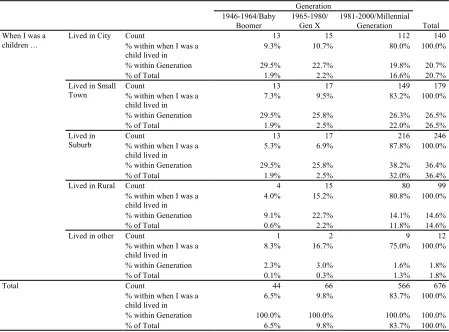
Table 6 Generation * Where participants lived when they were children cross-tabulation (n= 676) ... 88
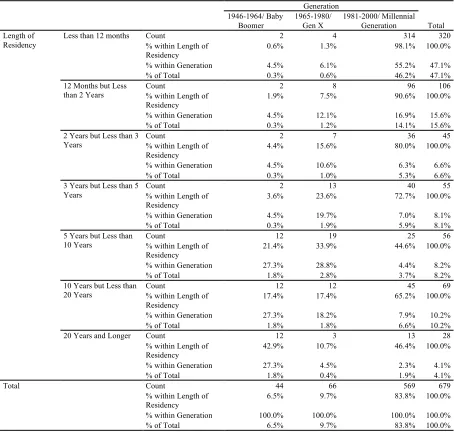
Table 7 Generation * Participants’ length of residency at the current residence crosstabulation ... 89
Table 8 Descriptive statistics of perceptions of residential functions and characteristics ... 91
Table 9 Subjects’ perceptions of residential attributes ... 93
Table 10 Descriptive statistics: Environmental Preferences (Preferences of Amenities and Proximity) ... 94
Table 11 Image evaluation content matrix ... 98
Table 12 Descriptive statistic for preferences of residential attributes (n= 739) ... 101
Table 13 Explained total variance for residential attributes ... 102
Table 14 Summary of exploratory factor analysis results for perceptions of residential attributes (Rotated component matrix) ... 103
Table 16 Cronbach’s alpha scores if item is deleted for perception of residential functions
... 104
Table 17 Cronbach’s alpha value of perception of residential characteristic ... 104
Table 18 Cronbach’s alpha scores if item is deleted for perception of residential characteristics ... 105
Table 19 Descriptive statistics of all preference of proximity items ... 107
Table 20 Summary of exploratory factor analysis results for preference of proximity (rotated component matrix) ... 108
Table 21 Cronbach’s alpha value of preference of amenities ... 109
Table 22 Cronbach’s alpha scores if item is deleted for preference of amenities ... 109
Table 23 Cronbach’s alpha value of preference of proximity ... 109
Table 24 Cronbach’s alpha scores if item is deleted for preference of proximity ... 109
Table 25 Descriptive statistics of 52 environment-related dispositions’ items ... 112
Table 26 Factor loadings for environment-related personality (component matrix) ... 114
Table 27 Cronbach’s alpha value of urbanism subscale ... 115
Table 28 Cronbach’s alpha scores if item is deleted for urbanism – first round ... 115
Table 29 Cronbach’s alpha value of urbanism subscale with final items ... 115
Table 30 Cronbach’s alpha scores if item is deleted for urbanism – final round ... 116
Table 31 Cronbach’s alpha value of historicism subscale (n = 672) ... 116
Table 33 Cronbach’s alpha score of historicism subscale – round 2 (n = 672 & Cronbach’s
alpha = 0.837) ... 117
Table 34 Cronbach’s alpha scores if item is deleted for historicism (n = 672 & Cronbach’s alpha = 0.837) ... 117
Table 35 Cronbach’s alpha score of historicism subscale – round 3 (n = 673, the number of item is 11 & Cronbach’s alpha = 0.843) ... 117
Table 36 Cronbach’s alpha scores if item is deleted for historicism – round 3 (n = 673, the number of item is 11 & Cronbach’s alpha = 0.843) ... 118
Table 37 Cronbach’s alpha score of historicism subscale –final round (n = 674, the number of item is 9 & Cronbach’s alpha = 0.854) ... 118
Table 38 Cronbach’s alpha scores if item is deleted for historicism – final round (n =674, the number of item is 9 & Cronbach’s alpha = 0.854) ... 119
Table 39 Descriptive statistics for the urbanism and historicism subscales ... 120
Table 40 Total variance explained for each item based one factor extraction ... 122
Table 41 Correlation matrix for eight place identity items ... 122
Table 42 Case processing summary for place identity construct ... 123
Table 43 Items statistics for place identity construct (n = 738) ... 123
Table 44 Frequencies of final place identity construct ... 124
Table 45 Descriptive statistics for the bivariate correlation of eight variables ... 125
Table 47 Master table of how interaction terms were generated regarding research questions ... 131
Table 48 Regression coefficients including all independent, moderator variables to predict place identity ... 132
Table 49 Descriptive statistics of interaction terms/ products for multiple regression
equations ... 133
Table 50 Variables and statistical analysis for research questions one ... 136
Table 51 Model Summary for predicting urban place identiy ... 139
Table 52 ANOVAwith predictors of Perception of Residential funstions, Urbanism and Perception of Residential Functions*Urbanism Product ... 139
Table 53 Regression coefficients: assessing interaction effect of Perception of Residential functions*Urbanism Product ... 140
Table 54 Model Summary for predicting urban place identiy ... 142
Table 55 ANOVA with predictors of Perception of Residential Functions, Historicism and Perception of Residential Functions*Historicism Product ... 142
Table 56 Regression coefficients: Assessing interection effects of Perception of Residential Functions*Historicism Product ... 143
Table 57 Model Summary for predicting urban place identiy ... 144
Table 58 ANOVA with predictors of Percepetion of Residential Functions, Millennial
Table 59 Regression coefficients: Assessing interaction effect of Perception of Residential Functions*MG Product ... 145
Table 60 Variables and statistical analysis for research questions two ... 146
Table 61 Model Summary for predicting place identity ... 148
Table 62 ANOVA with predictors of Perceptions of Residential Characteristics, Urbanism and Perception of Residential Characteristic * Urbanism Product ... 148
Table 63 Regression coefficients: Assessing interaction effect of Perception of Residential Characteristics * Urbanism Product ... 149
Table 64 Model Summary for predicting urban place identiy ... 151
Table 65 ANOVA with predictors of Perception of Residential Characteristics, Historicism and Perception of Residential Characteristics*Historicism Product ... 151
Table 66 Regression Coefficients: Assessing interaction effect of perception of residential characteristics*Historicism Product ... 152
Table 67 Model Summary for predicting place identiy ... 153
Table 68 ANOVA with predictors of Perception of Residential Characteristics, Millennial Generation and Perception of Residential Characteristics * MG Product ... 153
Table 69 Regression Coefficients: Assessing interaction effect of Perception of Residential Characteristics * MG Product ... 154
Table 70 Variables and statistical analysis for research questions three ... 155
Table 72 ANOVA with predictors of Preference of amenities Millennial Generation Product,
Millennial Generation, Preference of Amenities ... 157
Table 73 Regression coefficients: Assessing interaction effect of Prefence of Amenities * MG ... 157
Table 74 Variables and statistical analysis for research questions four ... 158
Table 75 Model Summary for predicting urban place identiy ... 160
Table 76 ANOVA with Preference of Proximity Millennial Generation Product, Preference of Proximity, Millennial Generation ... 160
Table 77 Regression coefficients: Assessing interaction effect of Prefence of Proximity * MG ... 160
Table 78 Subjects’ attitude of the agreement level on place identity items ... 168
Table 79 Urbanism items’ descriptions – negative meaning statements emphasized ... 170
LIST OF FIGURES
Figure 1 According to Bosselmann (2008), measurable city components that improve quality of life. ... 13
Figure 2 The tripartite model of place attachment (Scannell & Gifford, 2010b) ... 16
Figure 3 Individuals’ activities are classified into three categories by (Gehl & Koch, 2006). The frequencies of these activities change depending on quality of the physical
environment. ... 36
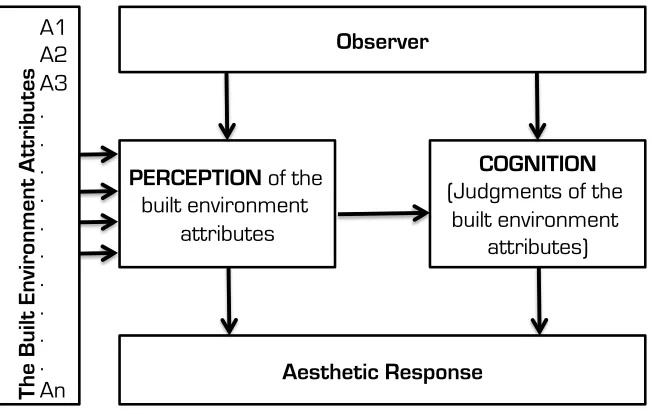
Figure 4 Model is adapted from “model of evaluative response to the environment” (Jack L. Nasar, 1998). ... 41
Figure 5 The percentage of Millennials based on data from 2009 (Pew Research Center, 2010) ... 46
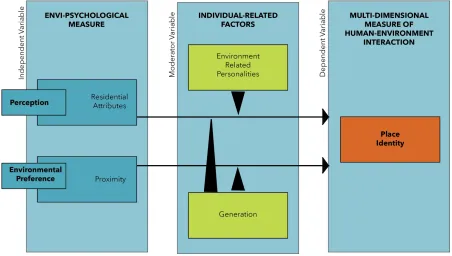
Figure 6 Conceptual Framework of the study ... 53
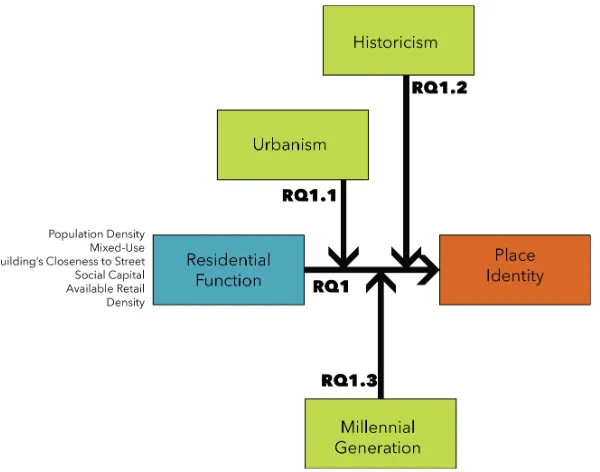
Figure 7 Diagram of first research question and sub-questions ... 56
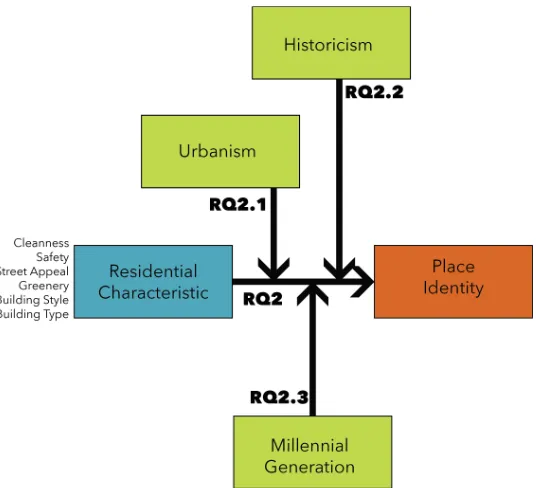
Figure 8 Diagram of the second research question and sub-questions ... 59
Figure 9 Diagram of the third research question and sub-questions ... 60
Figure 10 Diagram of the fourth research question and sub-questions ... 62
Figure 11 Example of constructed distance scale for school item ... 71
Figure 12 How the reversal codes appear on the Qualtrics online survey system ... 72
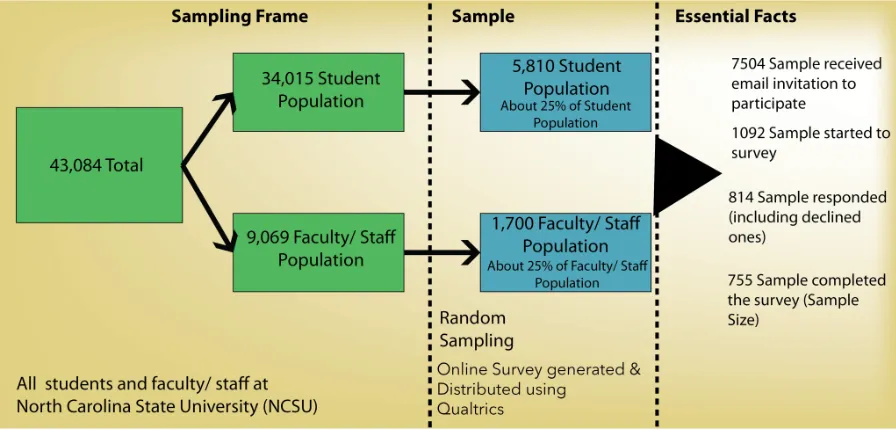
Figure 13 Overall sampling strategy of the study ... 77
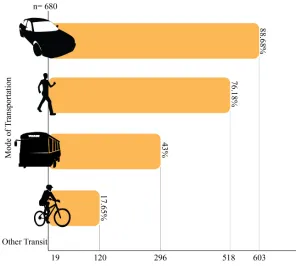
Figure 15 Frequency and percentage of all participants’ regular use of mode of
transportation ... 90
Figure 16 Mean and standard deviation of preference of closeness for eleven destinations (n=699) ... 96
Figure 17 Participants’ level of place identity regarding the most preferred image ... 99
Figure 18 Scree Plot for perception of residential attributes ... 102
Figure 19 A summary of the development of the scale for perception of residential attributes ... 106
Figure 20 Scree Plot for preferences of proximity factors ... 107
Figure 21 Summary of development for the scale for environmental preferences ... 110
Figure 22 Scree plot for environment-related personality scale ... 111
Figure 23 Summary of scale development procedure for environmental related personality ... 120
Figure 24 Scree Plot of place identity factor analysis ... 121
Figure 25 Normal distribution of place identity (n= 737) ... 126
Figure 26 Combined boxplot and scatterplot of perception of residential functions ... 137
Figure 27 Simple slope equations of the regression of place identity on perception of
residential functions at the three levels of Urbanism (-1 Standard Deviation, +1 Standard
Deviation) ... 141
Figure 29 Simple slope equations of the regression of place identity on perception of
residential characteristics at the three levels of Urbanism ... 150
Figure 30 Combined boxplot and scatterplot of preference of amenities ... 156
Figure 31 Combined boxplot and scatterplot of preference of proximity ... 159
Figure 32 Interaction effect of Perception of Residential Functions and Urbanism ... 171
Figure 33 The relationship between perception of residential characteristics and place
identity ... 174
Figure 34 Moderation effect of Urbanism on the relationship between Perception of
Residential Characteristics and Place Identity ... 175
CHAPTER 1: INTRODUCTION
A growing body of literature on place identity investigates the relationships between
individuals’ identities and the places they inhabit and use (Casakin & Bernardo, 2012;
Feldman, 1990; Hernández, Carmen Hidalgo, Salazar-Laplace, & Hess, 2007; Jaśkiewicz,
2015; D. H. Kaplan & Recoquillon, 2014; Lewicka, 2008; McCabe & Stokoe, 2004; Ujang,
2012; Ujang & Zakariya, 2015; White, Virden, & van Riper, 2008). Brower (1996) notes that
each individual has different picture of a good place to live. As researchers explore the
meaning and significance that places hold for their inhabitants, and how that meaning is
constructed, they began to examine place identity throughout transformation of recent
changes in both physical and social aspects of the residential environments. Place identity is
influenced not only by the physical attributes of the built environment, but also by personal
characteristics of individuals themselves, such as personality, age/generation, and gender.
Contribution of all of these factors have significant effect on motivating people to seek, to
stay in, protect, and improve their meaningful places (Elabd, 2012; Manzo, 2006). Amidst
today’s rapid transformation of residential environments, the theoretical literature has
explored how the environment influences individuals’ place identity (Hull, Lam, & Vigo,
1994; Lynne Catherine Manzo & Devine-Wright, 2013; Noormohammadi, 2012; Harold M.
Proshansky, Fabian, & Kaminoff, 1983a; Twigger-Ross & Uzzell, 1996), yet little empirical
research has been done to understand the specific associations between the built environment
attributes and place identity, as well as how these associations may be changing in the
environmental preferences. Millennials currently represent the largest age group in the
United States and there is not enough understanding whether certain place-making decisions
fit their needs. Planners, designers, or sociologists need to better understand people’s sense of
place, their connections to places, and how these connections are fostered.
In this respect, this study addresses the gap in the literature by investigating the associations
between place identity and a number of different domains, including attributes of the
residential environment and characteristics of the individuals themselves (e.g.,
environment-related personality and age group). Specifically, this study focuses on three factors that can
predict individuals’ place identity: perceptions of residential environments; the visual
preferences regarding the residential streetscape; and the environmental preferences such as
proximity. These associations are studied by looking across individuals’ environment-related
personality characteristics and the age group. The study contributes to the existing
knowledge on place identity by providing architects, urban planners, urban designers,
landscape architects, decision-makers and developers with empirical data on potential
predictors of place identity. Furthermore, changes in the built environment and new
worldwide trends are provided to emphasize why place identity is important.
1.1 PLACE IDENTITY
The construct of place identity has been defined by various phenomenologists (Tuan, 1974a),
self-theorists (James, 1950; Erikson, 1956), and environmental psychologists (Harold M.
considered as an individualistic construct based on person-place relationships that is relevant
to a person’s own feelings and memories of a place (Elabd, 2012). It is believed that place
identity forms the individual’s personal identity in relation to a physical setting through
ideas, beliefs, preferences, values, goals, feelings, behavioral tendencies, and skills (Elabd,
2012).
The changes with the qualities that shape a place, as well as the socio-demographic
characteristics influence the sense of place over time. According to Relph (1976), physical
features or appearance, observable activities and functions, and meanings associated with
place are part of the multi-dimensional and interrelated components of place identity, which
is also related to sense of place. Hence, understanding the environmental preferences and
perceptions of the physical features of residential environment and their contribution to the
place identity would be invaluable for the future development of residential environments
and influential for the aim of this study.
1.2 PURPOSE OF THE STUDY
A person’s place identity is an important factor in his or her interaction with both physical
and social environment (Balch, 2011; Bernardo & Palma-Oliveira, 2016; Bosselmann, 2008;
Casakin & Bernardo, 2012; Dixon & Durrheim, 2004; Gospodini, 2004; Lewicka, 2008;
Oktay, 2006; Ujang, 2012). However, there is no clear understanding of indicators of place
identity that are most significant to individuals. Little is still known about the relationship
communities, in particular residential environments. The study examines place identity
through indicators, such as environment-related personalities, environmental preferences
(preferences of amenities and proximity), perception of the residential attributes and visual
preference of residential street images.
Previous research has been limited using narrow tools that are targeting specific residential
environment and focusing on specific age (e.g., elderly, senior, adult or youth), but not on
different generations. In this regard, first of all, previous empirical studies related to place
identity and place attachment have used existing tools that only allow researchers to focus on
specific settings or neighborhoods (e.g., conducting case-studies). These tools cannot
precisely predict which characteristics of residential environments can be improved to
enhance place identity.Hence, the first aim of this study is to create new instrument that
incorporate design, diversity, density, and proximity-related items with existing place
identity (consisting of place attachment) indicators. Second, previous studies have shown that
there are distinctive perspectives on, perceptions of, and preferences in environmental assets
among different generations. This study involves effects of millennial generation and
environment-related personalities (urbanism and historicism). In the past, there were different
circumstances of social and physical environments that affected place identity and place
attachment.
In the United Sates, 1960s was the era of manifesting compressive city-making decisions for
between urban residential areas and suburbs (slums). Scott (1971) stated “The dissatisfaction
with the response of most state governments to the manifold problems of cities manifested
itself in another way which foretold momentous changes in many state legislatures and in the
nature and scope of state programs.” Initially two different perspectives of planners aroused
in this era (Scott, 1971): first one was that major accumulation of data and more intensive
analysis of economic trends would provide hints to the direction of the flow- and of laboring
to increase apparently unavoidable; and second, in order to make planning more effective
politically, scientific techniques of sampling public opinion and investigating the chaos of
urban areas were wanted to use as tools. Especially in this era, different group of planners
had different reactions to a rapidly changing social structure, an expanding economy, and a
technology that was racing ahead of the ability of people to adjust to new circumstances
(Scott, 1971). Within departments of planning and development duty, the Housing Act 1961
got planning and operations together by making available a larger arrangement of tools for
guiding urban development (Scott, 1971). Although there were different city authorities
involved in the process of urban renewal by concerning rebuilding and rehabilitating older
areas, decision for urban renewal and development requires many other fields’ involvement
in the city. Negative consequences of displaced families (law-forced to be relocated)
appeared after little while of implying urban renewal projects. Scott (1971) summarizes that
almost every aspect of American life – business and industry, government and politics, the
arts, and the growth and development of cities – were influenced by the city planning
adjustment after relocation, residential environments need to be planned and designed
regarding maintaining quality of life. Because, after relocation, depression, stress and grief
were observed consequences appeared in society. People mostly prefer to stay in area where
they feel home and belong.
Psychologist Fried (1966) notes that the forced dislocation from an urban slum was a greatly
painful experience. Regarding this issue, he interviewed with several couples that relocated
from the West End of Boston. First couple – wife and husband – was born and grew in the
same place until they were forced to relocate from the West End to another place. Female
participant stated that “It’s a wonderful place, the people are friendly” for West End; and, she
mentioned that she loved everything about this place and was satisfied with her dwelling,
which she described as comfortable, clean and warm (Fried, 1966). After moving to different
location, both wife and husband’s live had changed substantially. Despite they were quite
satisfied with current physical environment; still, they were not happy with the move; simply,
their concerns were for losing connection with people who were living in their previous
residential area (Fried, 1966). Based on his study, it seems relocation can disturb individuals’
connection to their recent residential environment because of feeling of isolation from friends
and relatives in their previous location. Recently, people are mostly communicating through
social media. In other words, with emerging technology, people are more connected through
virtual world – where they are mostly spending their time and communicating with others –
than physically getting together. For this reason, moving one place to other (relocation) may
people’s experience in urban renewal era. Nowadays, younger generation may not have
strong bonding and attachment to their current location due to changes in social and physical
conditions; or along with these changes, description of place attachment and place identity
may be affected.
1.3 SIGNIFICANCE OF THE STUDY
Despite place identity has been defined explicitly, it is limited with the social and
phenomenological aspects in neighborhoods and has not overlooked the importance of
specific physical features and the integration between physical, social-demographic aspects
of residential environments. Correspondingly, major strength of this study attempts to
identify the key physical and social variables correlating and associating with place identity
in residential environments in a broader sense. Previous empirical studies related to place
identity and place attachment are outdated and they typically utilized the case-study approach
that focused on specific settings or neighborhoods, which provided limitations in terms of
generalization of the findings.
Another strength of this study is to develop a new tool that aims to measure place identity
utilizing the previous scales of a well-tested socio-metric scale. It further includes questions
that measure place identity via measurable physical characteristics and environment-related
personalities. This tool showed a high internal consistency. Next chapter highlights important
environments, place identity, personality (environmental-related personality, in particular),
CHAPTER 2: LITERATURE REVIEW
Previous chapter presented the basis of this study and the following literature review
introduces major components of the study utilizing the relevant research from multiple
disciplines. This study calls for a broader understanding of place and people relationships.
Thus, the literature review attempts to synthesize theoretical conceptions and empirical
studies that have looked into the built environment at different scales.
In this respect, the literature review section is organized into four major sections: (1) theories
of place – this section discusses various components of place identity, what place is, and how
people-place relationships are formed; (2) residential environment - this section describes the
residential environment and what constitutes to a “good” residential environment and
residential satisfaction; (3) personality - this section reviews environmental-related
personality characteristics and finally, (4) the general characteristics of millennial generation
– this section provides further information on the overall characteristics of millennials.
2.1 THEORIES OF PLACE
2.1.1 Expounding Place and People Relationship
There are many definitions that attempt to describe the notion of place. Morgan (2010)
defines place as “the subjective experience of embodied human existence in the material
world”. Place can be simply identified as a setting where a person works and lives. A place
comprehensible to the individual. For instance, a place could be a room, house, street,
neighborhood or a city. Place can also be considered as a setting where people can perform
appropriate activities and have thoughts and feelings toward that particular environment.
Moreover, Pretty, Chipuer, and Bramston (2003) stated that different dimensions of place
include the physical size, tangible versus symbolic qualities, and the known and experienced
qualities versus the unknown or not experienced qualities. It has complex structure where
social, physical and functional dimensions can be held independently, as well as collectively.
Sutton and Kemp (2011) note that place is not a static, vacant milieu in which social
relationships are enacted. Instead it influences the quality of human presence. Tuan (1977)
argues that places have an important role in influencing people’s behaviors, perspectives,
actions, development, and well-being.
There are three essential components of place: physical elements, settings, and meanings
(Noormohammadi, 2012). Sutton and Kemp (2011) definition encompasses all three features:
“Place makes social structures endure; patterns activities; embodies cultural norms, identities,
and sustains people’s sense of self”. A similar way of the relationship among activities,
physical attributes, and conceptions create a place by giving it a distinctive quality (Canter,
1977). For instance, it is essential to revisit the meaning and attractiveness of existing
buildings as for new users, while all building form carries cues reflecting the inner life,
actions, and social conceptions of the occupants (Sanoff, 1991). Canter (1977) also notes that
anticipated will be housed in, a given locus”; (b) “what the physical parameters of that setting
are”; and (c) “the descriptions, or conception, which people hold of that behaviour in that
physical environment.” In terms of physical attributes, Canter (1977) also states that there are
not many examples to draw on when looking into the relationships between physical forms
and psychological or behavioral processes. Indeed, which physical attributes to study is a
difficult decision for any place researcher. Another layer of complexity is created by the fact
that different social groups can identify or value their physical environments differently. In
this study, in order to advance the knowledge on the relationship between individuals and
their physical environments, numerous concepts are highlighted: place identity, place
attachment and sense of community.
2.1.2 Sense of Place
The sense of place is multi-dimensional. According to Jorgensen and Stedman (2001), “sense
of place” is a broader construct that includes three dimensions – place dependence, place
identity, and place attachment. Sense of place has been explored extensively in relation to the
question of how physical forms may affect people’s perception of a place. Eyles and
Williams (2008) state that sense of place is extremely diverse, and it is also continuous,
meaning changeable over time. They explained,
People may feel that they belong to some places more than the others. According to Relph
(1976) and Stokowski (2002), as cited in Soini, Vaarala, and Pouta (2012), “sense of place
usually refers to the experience of a place, which is gained through the use of, attentiveness
to and emotions toward the place”. The meaning of places can be interpreted in various ways
based on the field of study. For example, planners and designers believe that places receive
their meanings, hence their sense of place, through the physical form. Planners and designers
aim to create the sense of place through their designs (Milligan, 1998). They believe that the
physical form is the determinant and shaper of people’s experiences. Therefore, good places
possess place-making qualities through their physical environment. Bosselmann (2008) also
mentions two important components of a place, vitality and livability, both of which are
measurable in relative to quality of life in a given city. Vitality is associated with a mixture of
activities, density, and public life, while livability is associated with personal safety,
well-managed traffic, comfort of walking, centrality of location, and the presence of nature in the
city. According to Bosselman (2008), a sense of belonging contains a sense of place and
Figure 1 According to Bosselmann (2008), measurable city components that improve quality of life.
Most recent studies show that sense of place includes five important components (Eyles &
Williams, 2008; Jorgensen & Stedman, 2001; Soini et al., 2012). In order of frequency, they
are place attachment, place identity, place dependence, place satisfaction, and adaptability.
The latter component, adaptability has not been closely associated with sense of place,
although Soini et al. (2012) have argued that adaptability is an important component of sense
of place. Adaptability is a process of the forming a relationship with the place (Manzo, 2003;
Soini et al., 2012). In a place, adaptability may require providing various factors based on
economic, environmental, social, and governmental entities of the place.
Overall, there is a substantial interaction between people and their physical environment.
Both positive and negative changes in the physical environment can contribute to
2.1.3 Place Attachment Based on Environmental Psychologist Perspective
Place identity and attachment are two of the qualities of a place that environmental
psychologists focus on (Elabd, 2012). Scannell and Gifford (2010a) note that extensive place
attachment research provides distinctive definition of place attachment. For example, Altman
and Low (1992) define place attachment as the bonding of people to places. Seamon (2013)
describes place attachment as the emotional bonds between individuals and a specific place
or environment (cited in Manzo and Devine-Wright, 2013). Another definition of place
attachment is “a set of feelings about a geographic location that emotionally binds a person to
that place as a function of its role as a setting for experience” (Rubinstein & Parmelee, 1992).
According to Rubinstein and Parmelee (1992), an effective bond with a particular place can
be constructed through life experiences with an emotional quality.
Rubinstein and Parmelee (1992) further emphasize the relationship among place attachment,
place satisfaction, and pro-environmental behavior. They define the dimensions of place
attachment as place affect, place identity, place dependence, and people-place bonding.
Ramkisoon et al. (2013) investigate these four dimensions of place attachment within the
context of “nature-based settings,” specifically looking at the associations between visitors’
place attachment, place satisfaction, and pro-environmental behavior.
Altman and Low (1992) state that early environment-behavior studies were mostly
influenced by psychological approaches, with an emphasis on a person’s cognitive
features of the setting). According to Altman and Low (1992), the notions of emotional and
cultural attachments to the physical environment were not settled within the scope of these
early research efforts focusing on the associations between people and environment.
Nevertheless, they note that social psychologists, sociologists, and others have started to
consider personal spacing, territoriality, family and group use of spaces, crowding,
environmental meaning, and other topics in their studies (Altman & Low, 1992). Researchers
and practitioners also began to pay attention to the concept of place attachment within the
context of rational and social environments (Altman & Low, 1992). Altman and Low (1992)
offer the following summary of patterns that are combined as concepts of place attachment:
attachments (affect, cognition, and practice); various places in terms of scale, specificity, and
tangibility; diverse actors (individuals, groups, and cultures); diverse communal connection
(individuals, groups, and cultures); and temporal aspects (linear, cyclical).
Further, Scannell and Gifford (2010a) determine three major dimensions of place attachment:
person, place characteristics, and physiological process (Figure 2). As shown in the diagram,
“person” represents an actor (Altman & Low, 1992) who isattached to one particular and
meaningful place (to what extent). Depending on the individual’s environment, experience,
social structure (including membership in cultural or religious groups), realizations,
milestones, and individual viewpoints, the degree of attachment to place can vary. On the
other hand, the “psychological process” as a second dimension covers how affect, cognition,
and behavior are demonstrated in the attachment (Scannell & Gifford, 2010a). Finally, place
where an individual feels attached. Place have two sub-dimensions: first one is social, which
contains social arena or social symbol; second one is physical, which contains natural or
built.
Figure 2 The tripartite model of place attachment (Scannell & Gifford, 2010b)
2.1.4 Place Attachment Based on the Phenomenologist Perspective
Place attachment has been held in different perspectives. Relph (1976) defines the world as
the place consisting of rich and intense, yet separate, places where people live, act, and adapt.
People do not have complete knowledge about the constitution of places and the ways others
experience them. According to Relph (1976), lack of formal knowledge of a place is
problematic; he argues that if places are a central aspect of individuals’ presence in the world
and if places are sources of safety and identity for people, then it is vital to preserve the
means of experiencing, making, and sustaining important places. Relph (1976) focuses on
as a phenomenon of the geography of the lived world; he regards individuals’ experiences,
perceptions, and cognition as fundamental to being able to explore place attachment, place
identity, and place dependence. Brown and Perkins (1992) state that place attachment expose
the root of the behavior, cognition, and emotion that people experience in their
socio-physical environments.
2.1.5 Place identity
There are various perspectives that address the construct of place identity. Environmental
psychologists Scannell and Gifford (2010b) define place identity as the basis of an
individual’s self-identity, comprising largely perceptible, conscious cognitions about the
physical environment in which the individual lives. In this context, place contains more
meaning than just being a geographical location. It comprises cultural, historical, social,
physical, natural, and individual factors. According to Harold M. Proshansky et al. (1983),
The valences of place–identity cognitions must surely depend on the overall quality of the physical setting and its more specific properties including light, heat, available space, air and noise pollution and whatever else serves the basic biological and culturally determined environmental needs and expectancies of the person. Included in these properties, of course, are all the objects, facilities, and equipment necessary for human activity and social interaction.
Manzo, cited in (Eyles & Williams, 2008), defines place identity as an element of sense of
place that is related to rootedness, belonging, meaningfulness, place satisfaction, emotional
2.1.5.1 Place Identity Based on Various Perspectives
Place identity has been explained through the lens of different theories: the
phenomenological approach (Tuan, 1974a), which mostly relies on people’s experience and
consciousness; the architectural approach (Kahn, cited in Casakin and Bernardo, 2012),
which is dependent on people’s experience and human qualities; self-theories (James, 1950;
Erikson, 1956), which hold that place represents self-identity; and environmental
psychology (Proshansky, 1976), which looks at the interactions between individuals and
place (natural environments, social settings, built environments, learning environments, and
informational environments). Philosophers and psychologists have systemized their views
around human psychology by focusing on perception and cognition. Perception and cognition
have always been central to philosophers and psychologists systematization of their views
about human psychology (Proshansky, 1970).
Sarbin (1983) criticizes Proshansky et al. for “fail[ing] to make the use of an organizing
principle that would help account for conduct that is influenced by a person’s place identity
at any given time”. On the other hand, the need for organizing principles, such as guiding
fictions, macrostructures, heuristics, and implicit personality theory are established through
the rich contributions of contemporary psychology (Sarbin, 1983). According to a recent set
of phenomenological studies (Casey 1997, 2009; Malpas 1999, 2006; Mugerauer 2008;
Stefanovic 2000, cited in Seamon, 2012), the existential construction of the phenomenon of
and Uzzell (1996) define place identifications as individuals’ identification that come from
the place where they live—for instance, calling oneself a Londoner. In this case, they
emphasize social identity theory (e.g. social categories and membership). On the other hand,
according to Proshansky et al. (1983, 1987), cited in Twigger-Ross and Uzzell (1996), the
construct of place identity declares the association between place and identity: “place identity
is another aspect of identity comparable to social identity that describes the person’s
socialization with the physical world”. A place with its physical, social, and other
characteristics has a specific identity or meaning for people due to how they perceive those
characteristics as a whole or individually.
Moreover, in Jorgensen and Stedman study (2001), some common survey questions were
used to explore place identity within a natural environment context eliciting answers such as
the following: “Everything about my lake property is a reflection of me”; “My lake property
says very little about who I am”; “I feel that I can really be myself at my lake property”; and
“My lake property reflects the type of person I am.” Based on the context of the study,
‘length of residence’ may eventually be significant predictor of place identity. In other
words, ‘length of residence’ is not certainly important for predicting place identity for all
situations. Although the ‘length of residence’ in a place has been hypothesized as a possible
predictor of place variables—many place theorists like Tuan (1977) and Relph (1976)
support this statement (Jorgensen & Stedman, 2001)—it may not work for this study because
in this study the concept relies on inexperienced or unfamiliar environments. However,
possibility of having a strong relationship with the place and its physical attributes. By
contrast, Stedman (2002) conducted an empirical research, cited in Jorgensen and Stedman
(2006), in which the length of residence had no effect on attachment.
Additionally, in a single-case study on place identity conducted in an urban context, the
residents of Charleston, South Carolina, identified some features as icons of special meaning
(Hull et al., 1994). The results of the interview, which was done after hurricane Hugo in
1989, shows that these icons of special meaning to residents included urban forests (30%),
churches (27%), homes (19%), public buildings (6%), places associated with historic events
(6%), and retail structures (5%) (Hull et al., 1994). As these results show, personal, cultural
and social characteristics also influence people’s decisions as to the meaningfulness of
environmental features. However, because it was a single case study, the outcomes may not
be generalizable (Stedman, 2002).
In a different perspective, Balch (2011) emphasizes that both physical and cultural
characteristics need to be considered together by measuring a city’s “sense of place” and
“distinctiveness”. Eyles and Williams (2008) conclude that sense of place differs across
individuals, shaped by a number of factors including time, place characteristics, and
demographic variables (such as cultural background, personal history, and residential status).
In a different residential context, one study conducted in Bilbao examined the ways in which
specific aspects of morphology—built heritage and the innovative design of space—
a creator of place identity, innovative design can work well, as well as the ways in which
built heritage has been accomplishing highly in post-modern, multi-ethnic, and multi-cultural
urban societies (Gospodini, 2004). Other evidence indicates that, in contemporary European
cultures, built heritage tends to become weaker when innovative design of an area appears as
an efficient new means of creating place identity (Gospodini, 2004). Strategies that especially
contribute to effective new means of place identity include enhancement or design of
different built environment, “synchronizing spatially all the different
social/cultural/economic groups,” and making new social unities among populations
connected to their common and/or individual economic future (Gospodini, 2004).
Table 1 Strengths and weaknesses of the construct of place identity
Strengths Weaknesses
Evaluate person-environment interaction Has not been examined through particular physical attributes like sense of community (Kim & Kaplan, 2004)
Place Identity also refers to self-identity There is limited valid and reliable instrument (survey questionnaire) to measure place identity, only
Individual identity is explored through experience of built environments and local communities, natural and recreational environments, favorite places
However, the instrument is not designed to address individual’s preference of physical characteristics of place to measure place identity Place identity is examined at the different scales (local,
community, regional)
Qualitative and quantitative approaches are used for testing empirically and deliberating conceptually Various disciplines, such as geography,
2.1.5.2 Place Identity versus Sense of Community
The distinction between place identity and sense of community is that sense of place focuses
on the environmental cognition of residents, whereas sense of community focuses on
neighborhood social life (Talen, 1999). Brower (1996) defines community as a group of
people who live in one place, interact with one another, and are involved in community
works and activities. According to McMillan (1996), a sense of community is a sense of an
authority structure that may be “trusted,” a “spirit of belonging together,” common values
that originate from being together, and a spirit that originated from communal experiences
that are conserved as “art.” From this perspective, McMillan (1996) divides the
characteristics of a sense of community into seven categories: spirit, emotional safety,
boundaries, sense of belonging (e.g., faith that I will belong, acceptance, and paying dues or
cognitive dissonance), trust, trade, and art. Yet, a better understanding is needed of what it
takes for achieving “sense of community”, specifically whether casual neighboring is
sufficient or whether deep social bonding, membership, influence, integration, and
attachment to place are required. Fried (1966) concludes that local areas as spatial and social
arrangements are important and central for working-class people. The emphasis was on the
working-class people, so different communities may have different environmental response.
As Talen (1999) addresses how people’s lifestyles are affected by a combination of street and
building design, she investigates the potential relationship between new urbanist forms and
of community may be promoted via resident interaction, such as through the creation of a
venue for chance encounters, but this approach does not necessarily promote other concepts
such as place attachment and sense of place.” According to Talen (1999), sense of place
“may be that environmental cognition (for example, mental mapping or environmental
awareness), a related notion, rather than a sense of place is promoted by new urbanist form,
but the issue has not been explored.”
2.2 RESIDENTIAL ENVIRONMENT
2.2.1 Residential Environment: Learned from Brower
People, no doubt, seek a desirable place for them and their family to live, and there are
various arguments about a good place. Urban planning Professor Brower (1996) states that
each person has different image of a good place to live. She defines how a residential
environment should be and also combines different dimensions of the cities to establish a
framework for ideal (good) residential environments. Three definitions of neighborhood are
emphasized (Brower, 1996):
1. Home setting – it refers to a combination of a resident’s home area and outstretched
unit. It includes home and its immediate surroundings, which may contain some
facilities inside and outside the area.
2. Neighborhood setting – it covers a resident’s neighborhood area and the outstretched
setting, there might be a number of internal and external facilities connected to the
setting. These connecting facilities are either shared with outsiders or used only by
residents.
3. Compound neighborhood – it covers a cluster of neighborhood settings, which are
connected thru shared facilities. Brower (1996) states that “the shared facilities serve
as points of connection between residents of the constituent neighborhood settings.”
Forms of the connections can appear differently.
The information above provides different definitions for various forms of residential
environment. In this study, specific characteristics of residential environment are identified
as prospective predictors of place identity. However, it is also important to establish an
understanding of the meaning and concept of neighborhood, which commonly used as
residential environment (Brower, 1996). This section tries to elaborate the framework that
emphasizes fundamentals of residential environments. Brower (1996) describes a good
neighborhood as a place where people can interact with one and another and act as part of
society. Further, Brower (1996) suggests to look into such qualities as ambiance,
engagement, and choicefulness that support residents’ preferred life-style. Although these
three dimensions, which explain past requirements of a good neighborhood, may not fully
applicable for today, the past teaches us to design the residential environment to be more
Brower (1996) explains ambiance as combination of nature, mix, and intensity of land uses
and the form of physical environment. She considers engagement as the interaction among
residents and the presence of facilities and features that foster or inhibit these interactions.
She describes choicefulness as provided opportunities for residents in order to select the
alternative locations, life styles and settings. In particular, Brower’s neighborhood
satisfactory study (1996) reveals that people in a particular neighborhood considers the
general physical condition of housing and outdoor spaces, the age of buildings, the absence
of disorder, deterioration, obsolesce, as well as cleanness, tidiness, neatness, and well
maintenance as part of the ambiance dimension of neighborhoods. She highlights the desired
qualities associated with the ambiance of a place as clean and well-maintained, quite and
relaxing, entirely residential, walkable, containing a definite center and convenient public
transportation as well as center of activities in support of neighboring. Some of these
qualities are also used in the proposed survey instrument of this study. Brower further defines
the qualities associated with engagement in a place as the provision of safe and secure
environment containing restaurants, stores and cultural facilities, meeting the needs of
newcomers, supporting the social networks, good neighboring and social activities (life), and
containing goods and services close to home. Lastly, Brower (1996) defines the
qualitiesassociated with choicefulness as a place that has a reputation as a desirable place to
live, contains people who have similar life-styles, are protected from the larger problems of
norms may become more important than others due to mobility and changes in the physical
and social structures of neighborhoods.
Brower (1996, p. 15) notes that “a neighborhood typology – or family of types – is a display
of alternative living environments. And because people’s feelings for a place extend to other
places that have the same general characteristics – so that people who enjoy living in a
particular setting will, if they move, look for the same type of place in their new setting […]”
According to Brower (1996), developing such typology can be beneficial for planners.
Classifying residential environments based on their unique values and characteristics may
positively influence people’s transaction from one place to another. Thus, specific
characteristics of residential environment are elaborated in following section.
2.2.2 Characteristics of Built Environment Related to Residential Environment: Design, Diversity, Density, Walkability, and Proximity
This section contains further explanations of residential environment’s attributes based upon
previous discussion. In general, the ways in which an urban built environment’s physical
features can be organized in space vary widely. The form of a given built environment or
urban settlement depends on the city’s topology and morphology, as well as the inhabitants’
political and cultural characteristics. The landscape of buildings, streets, signs, and physical
characteristics in the built environment makes a place easily identifiable and can carry
substantial meaning to insiders and outsiders (D. H. Kaplan & Recoquillon, 2014). Tonkiss
“physical framework of the urban world” forms the “social, institutional and cultural
processes in the city” as:
Urban form is not confined to ‘large, inert, permanent physical objects,’ as Lynch would have it—if it was, urban design, planning and management might be much easier tasks—but equally is composed by patterns of difference, connection and disconnection, mobilities and interactions that make urban diversity an urban social fact and contested urban value.
For instance, New York City has a grid type of connective network that promotes public
transportation usage, while the growing cities do not have one of design, diversity and
density yet. This affects people’s perception of transportation mode choice and their
decisions. On the other hand, street patterns are crucial because they impact the connectivity
and accessibility of services. The locations that are closest to direct routes are most
preferable. Especially in growing cities, the light-rail transportation systems can encourage
residential environment to be closer to stations. However, this may not be as important as
place identity in terms of the location’s appeal.
Without categorizing a neighborhood in any specific type of development, residential
environments are expected to provide connected streets, accessible transit stations and nodes,
smaller block sizes, controlled density, and diverse land use features in order to promote
individual interactions with the environment. However, conventional neighborhoods such as
suburban areas, do not promote this type of interaction. For example, the cul-de-sac street
encourages a car-dependent lifestyle and does not allow people to engage with their