REFLECTIONS ON
FREQUENCY EFFECTS
IN LANGUAGE PROCESSING
Nick C. Ellis
University of Wales, Bangor
This response addresses the following points raised in the commen-taries: (a) complementary learning mechanisms, the distinction be-tween explicit and implicit memory, and the neuroscience of “noticing”; (b) what must and what need not be noticed for learning; (c) when frequency fails to drive learning, which addresses factors such as failing to notice cues, perseveration, transfer from L1, developmental readiness, thinking too hard, pedagogical input, and practicing; (d) attention and form-focused instruction; (e) conscious and uncon-scious knowledge of frequency; (f) sequences of acquisition—from formula, through low-scope pattern, to construction; (g) the Funda-mental Difference hypothesis; (h) the blind faith of categorical gram-mar; (i) Labovian variationist perspectives; (j) parsimony and theory testing; (k) universals and predispositions; and (l) wanna -contrac-tions. It concludes by emphasizing that language acquisition is a process of dynamic emergence and that learners’ language is a product of their history of usage in communicative interaction.
What you seize is what you get. There is more to the interpretation of a jour-nal paper than meets the eye, too. The diversity in these commentaries re-minds me of Doris Lessing’s (1973) reactions to the range of letters from readers of herGolden Notebook:
Thanks to Neil Cheshire, Bill Croft, Albert Dudley, Kim Ellis, Ginny Gathercole, Dick Hudson, Carl James, Kathryn Kohnert, Julian Pine, Dennis Preston, Karen Roehr, Joyce Tang Boyland, Marilyn Vih-man, and John Williams for their various helpful contributions. Thanks also to Albert ValdVih-man, Bruce Anderson, andSSLAfor creating the opportunity, and to the commentators for engaging so produc-tively in this exchange.
Address correspondence to: Nick C. Ellis, School of Psychology, University of Wales, Bangor, Gwynedd LL57 2DG, UK; e-mail: [email protected].
These incidents bring up again questions of what people see when they read a book, and why one person sees one pattern and nothing at all of another pattern, and how odd it is to have, as author, such a clear picture of a book, that is seen so very differently by its readers. (p. xxi)
Distinct experiences, distinct associations, distinct schemata, personal con-struct systems, distinct reminders: I am grateful to the commentators for their reflections, refractions, and foci that take forward the issue of frequency in
language acquisition and representation, and I thankSSLAfor the opportunity
for this exchange. The range of the commentaries suggests that it is profitable to have frequency back on the agenda. I will address those arguments that I can before I run out of space.
POINT 1: COMPLEMENTARY LEARNING MECHANISMS— EXPLICIT AND IMPLICIT MEMORY AND THE
NEUROSCIENCE OF “NOTICING”
My article concentrated on frequency effects in implicit learning, although for balance it reminded readers of the involvement of other conscious systems of cognition—explicit learning and memory for the initial registration of new information, and declarative memory systems, which allow the learning of pedagogical rules and explicit instruction:
To the extent that language processing is based on frequency and probabi-listic knowledge, language learning is implicit learning. This does NOT deny the importance ofnoticing(Schmidt, 1993) in the initial registration of a pattern-recognition unit. NOR does it deny a role for explicit instruc-tion. (p. 145)
section concerns the neuroscience of “noticing.” This might seem overly psy-chological for some readers, using concepts perhaps remote from conven-tional SLA discourse. If this proves so and youfeel like youare losing the plot, then skip this section and move on to more traditional issues. Please return here later, though: We are now at a stage at which there are important con-nections between SLA theory and the neuroscience of learning and memory.
Humans have two separable but complementary memory systems (Squire & Kandel, 1999). Understanding these has been a major psychological re-search effort over the last two decades: PsychINFO shows six articles on “im-plicit and ex“im-plicit memory” between the years 1887 and 1966, 32 articles between 1967 and 1983, and, as I write, 1,077 articles since 1984. Explicit memory refers to situations in which recall involves a conscious process of remembering a prior episodic experience; it is tapped by tasks like recall and recognition dur-ing which the individual is consciously aware of the knowledge held. Examples
include your answers to What did you have for breakfast?, What’s your dog
called?, Tell me the story of It’s a Wonderful Life, andWho are you? Tell me
yourstory. Implicit memory refers to situations in which there is facilitation of the processing of a stimulus as a function of a prior encounter with an identi-cal or related stimulus but in which the subject at no point has to consciously recall the prior event; it is tapped by tasks like perceptual priming or in proce-dural skills—youdon’t have to remember when youlast juggled to have im-proved as a result of the practice. Implicit and explicit memory are clearly dissociable: Bilateral damage to the hippocampus and related limbic struc-tures results in profound anterograde amnesia, a failure to consolidate new explicit memories, along with a temporally graded retrograde amnesia. Both verbal and nonverbal memory are affected: Amnesic patients cannot recognize people met (perhaps many times) since their brain lesions, they cannot learn new names or concepts or arbitrary paired-associates, and they cannot re-member any episode more than a few minutes after it has happened. Never-theless, amnesic patients show normal implicit memory abilities: They learn new perceptual and motor skills, they show normal priming effects, and they evidence normal classical conditioning.
Thus, the hippocampus and related structures serve explicit memory,
de-clarative learning (e.g., of verbal rules like “ibeforeeexcept afterc”), one-trial
learning of randomly paired associates likelocomotive-dishtowel, that the Welsh
repre-senting the visual appearance, meaning, and sound of the word. This in turn may give rise to an overt response, such as reading the word aloud. Any such event, any experience, produces a distributed pattern of activity in many parts of the cognitive system, and the information processing that we do oc-curs through the propagation of this activation through networks of neurons whose connection strengths have been tuned by prior experience. The neo-cortex underpins both the perception and the implicit memory of past experi-ences: We perceive the world through our memories of the world. Implicit memory is the result of small changes that occur in the synapses among the neurons that participate in this processing of the event. These small changes tend to facilitate the processing of the item if it is presented again at a later time, though the changes that are made on any given processing episode or event in the neocortex (as in the connectionist simulations of this implicit learning) are very subtle and, as such, are insufficient to serve as the basis for forming adequate associative links between arbitrarily paired items that have never occurred together before, new concepts, or new episodic records.
The hippocampal system subserves rapid explicit memory, one-off learn-ing, the establishment of new conjunctions of arbitrarily different elements
(Squire, 1992), the learning of separate discrete episodes—whatyou had for
breakfastthis morning—or the rote learning of the particular wording of
Dar-win’s first usage ofprofound ignorancein his introduction to theThe Origin of
Species(1928):
No one ought to feel surprise at much remaining as yet unexplained in re-gard to the origin of species and varieties, if he makes due allowance for our profound ignorance in regard to the mutual relations of all the beings which live around us. (p. 20)
For something as important as this, we do not want an average, an abstrac-tion, or a gist: There is benefit in being able to keep some records straight, complete, and distinct.
The neocortical systems, in contrast, subserve implicit memory (Schacter, 1987), the gradual gathering of information about the mutual relations of all the beings involved in neuronal patterns of activation, the tuning of associa-tive systems to reflect repeated patterns of activity and to generalize from them, semantic memory rather than episodic memory, the general satisfaction
of breakfast, the prototypical meaning ofprofound, and the profundity of the
notions of natural selection and emergence. To operate efficiently in the world we need to be able to identify general patterns by abstracting from instances; we need to classify and categorize.
Does the anterograde amnesiac’s inability to consolidate new explicit mem-ories have any consequences for their implicit learning? Well, no, and yes: Am-nesiacs show normal levels of priming for stimuli whose pairing was already established before lesion—that is, for unitized preexisting memory
related paired associates (e.g.,table-chair), a short while later they will have no conscious memory of having seen them, and they will evidence their
defin-ing impairment of explicit memory if youask them “What word went with
ta-ble?” Yet if youtap their knowledge with an implicit task, say by using a
free-association question such as “What is the first word that comes to mind when
I say table?”, they show normal levels of priming in that they are more likely
to say chairthan if they had not had that recent, yet unremembered,
experi-ence. They similarly show normal priming effects for other unitized preexist-ing memory representations when tested with lexical decision or perceptual identification tasks (see Schacter, 1987, for review)—thus, deficient explicit memory but preserved implicit memory. However, severe amnesiacs do not show priming effects for novel arbitrary associations. After being shown
arbi-trary paired-associates likebell-cradleas an example of information that does
not have any preexisting representation as a unit in memory, again they forget the exposure and cannot later bring the associated response explicitly to mind, but, additionally, severe amnesiacs fail to show implicit memory for these new associations. (The balance of results is clearly in this direction, but see Dunn, 1998, pp. 104–105 for review of somewhat mixed effects; Schacter, 1987, p. 509; Squire, 1992, pp. 212–214.) To exhibit priming of new associa-tions between two semantically unrelated words, subjects may need to access a link between the two words that was formed explicitly at the time of study. Deficient explicit memory for novel associations produces deficient implicit memory in consequence.
Such results are consistent with the idea that implicit learning is special-ized for incremental cumulative change—the tuning of strengths of preexist-ing representations. New associations are best learned explicitly. If they are acquired implicitly, it is only after many, many repetitions:
Amnesic patients with hippocampal damage should eventually be able to acquire new associations through repetition, as in the development of a habit. However their rate of learning would be grossly abnormal in compar-ison with normal subjects, and the acquired knowledge would be abnormal in other respects as well . . . for example, the knowledge should be rela-tively inflexible, that is accessible only when exactly the same cues are pre-sented that were used during training. (Squire, 1992, p. 214)
discuss-ing Wes’s unconscious naturalistic acquisition of ESL in the five years since coming to America, Schmidt (1984) wrote:
If language is seen as a medium of communication, as a tool for initiating, maintaining and regulating relationships, and carrying on the business of life, then W has been a successful language learner. . . . If language acquisi-tion is taken to mean (as it usually is) the acquisiacquisi-tion of grammatical struc-tures, then the acquisition approach may be working, but very slowly. . . . Using 90% correct in obligatory contexts as the criterion for acquisition, none of the grammatical morphemes counted has changed from unac-quired to acunac-quired status over a five year period. (p. 5)
I will return to these issues of noticing and what can and cannot be learned without it in the following two sections.
The neurophysiological processes of consolidation of memories take place over an extended period of days. If an animal or human has an experience on a given day, and then the hippocampus is removed bilaterally immediately thereafter, there is a nearly total loss of memory for that experience. However, if the hippocampus is left intact for a period of time after the initial experience and then is removed, the subjects will show gradual increases in the degree of retention—this is Ribot’s law (1882); hippocampal damage leads to a tem-porally graded retrograde amnesia. It is by bringing together the role of the hippocampus in—and the gradual time course of—consolidation, the dif-ferences between one-off episodic learning and gradual implicit learning as discussed by the present commentators, and the observations of unnatural catastrophic interference in connectionist networks, that McClelland (1998, 2000, 2001; McClelland, McNaughton, & O’Reilly, 1995) developed a cognitive neuroscience theory of the complementary interactions of hippocampal and neocortical learning systems. This suggests that memories are first registered via synaptic changes in the hippocampus involving a sparse pattern of activity in which the individual neurons represent specific combinations or conjunc-tions of elements of the event that gave rise to the pattern of activation. These changes support reinstatement of recent memories in the rich and highly dis-tributed networks of activation in the neocortex, the neocortical synapses change a little on each reinstatement, and remote memory is based on accu-mulated changes. Models that learn via changes to connections help explain this organization. These models discover the structure in ensembles of items if learning of each item is gradual and interleaved with learning about other items. This suggests that the neocortex learns slowly to discover the structure in ensembles of experiences. The hippocampal system permits rapid learning of new items without disrupting this structure, and reinstatement of new memories interleaves them with others to integrate them into structured neo-cortical memory systems.
the law that the more closely anything is examined the more complex it is seen to be. Nevertheless, these issues lie at the heart of both cognitive science and language acquisition. We stand a better chance of understanding them through our concerted efforts, and what links that already exist seem promis-ing. For the moment, my best gloss is as follows: Noticing is important in the initial registration of memory traces. In terms of the usual naturalistic se-quence of language acquisition proposed in my article, this first registered form is the formula. We need the hippocampal explicit memories for that. It is neocortical implicit learning, however, that allows the figuring, the generaliza-tion from variants on the theme, and the ultimate convergence on rulelike be-havior, fluency, and nativelike performance.
POINT 2: WHAT MUST AND WHAT NEED NOT BE NOTICED FOR LEARNING?
Larsen-Freeman, R. Ellis, Bley-Vroman, Hulstijn, Gass and Mackey, heck, just about everyone stresses the importance of attention in learning. Research into the dissociations between implicit and explicit systems now spans experimental investigations of implicit and explicit learning of artificial grammars, complex control tasks and serial patterns (serial reaction time), as well as dissociations of implicit and explicit learning and memory systems in neuropsychological loss and in brain imaging studies. The contributions in N. Ellis (1994a) demon-strated how SLA and psychological research can profitably collaborate in the identification of what must and what need not be noticed for learning to take place. I will try here to briefly summarize some key findings since that date and to outline remaining controversies.
My target article sampled the body of psycholinguistic work showing im-plicit memory for preexisting representations. The crux of the matter clearly rests on what is a “unitized preexisting memory representation” and what is not. It seems clear that the activation of existing mental structures (represent-ing letters, letter clusters, sounds, sound sequences, words, word sequences, grammatical constructions, etc.), whatever the depth of processing or the learner’s degree of awareness as long as the form is attended to for process-ing, will result in facilitated activation of that representation in subsequent perceptual or motor processing.
However, in normal individuals it looks like noticing is necessary for new semantic associations to be established after just one or a few learning oppor-tunities. Bowers and Schacter (1990) examined the degree to which people could perform implicit memory tests without noticing that the test items were previously encountered in the study phase of the experiment. Experiment 1 assessed priming of known single words using a stem completion task: In the
study phase they saw a list of words (e.g.,reason); at test they were asked to
complete the stem (e.g.,rea ) to make an English word. Implicit memory was
indicated if participants previously exposed to the prime were relatively more
reader,reality, etc.) than other participants who were not previously exposed. In this experiment, participants who reported awareness and those who re-ported unawareness that the test items were previously encoded in the study task showed equivalent priming. Experiments 2 and 3 assessed associative
priming with the stem completion task (e.g., study window-reason, officer
-printer; test window-rea and officer-rea ). Implicit memory was shown if
participants were more likely to complete with the wordreasonin the original
context than in the reordered one. In this case, only subjects who were aware that the test items had been previously encountered showed associative prim-ing effects. This clearly parallels the findprim-ings discussed previously, in which amnesiacs showed normal implicit memory for single words but did not show implicit memory for novel, arbitrary associations.
In Ellis (1994b) I summarized the existing research concerning lexical and sublexical levels of processing under the title “The Implicit Ins and Outs of Explicit Cognitive Mediation”: Youcannot learn the meaning of words without noticing the reference, but the surface forms of vocabulary are generally ac-quired implicitly. I still believe this to be a valid generalization, although there are exceptions even in L1. Failures of implicit learning of spelling irregularities make good examples: When I was a doctoral student, despite my research topic of developmental dyslexia and my many previous encounters with the word, it still took an overt correction from my supervisor to force a shift away
from my idiosyncratic spelling developemental. It is the exceptions to more
general patterns that require the noticing engendered by the direct negative evidence of correction, spell-checkers, or pedagogical rules.
Equally, there can be implicit learning of associations that are not unitized and preexisting and that have not been noticed. The work on implicit gram-mar learning shows this to be the case (for reviews, see Berry & Dienes, 1993; Cleeremans, Destrebecqz, & Boyer, 1998; Reber, 1993; Seger, 1994; Stadler & Frensch, 1997). Two separate unitized and preexisting representations that oc-cur repeatedly in the same sequence, again and again, can accrete into one chunk even if their conjunction is not noticed. Hebb (1961) demonstrated that, when people were asked to report back random nine-digit sequences in a short-term memory task, if, unbeknownst to the participants, every third list of digits was repeated, memory for the repeated list improved over trials faster than memory for nonrepeated lists. The Hebb effect is the central mech-anism of exemplar-based, implicit chunking accounts of linguistic form (Ellis, in press; Gobet et al., 2001; Perruchet & Pacteau, 1990; Redington & Chater, 1996; Servan-Schreiber & Anderson, 1990). Amnesiacs show as accurate and fast acquisition as normal controls in implicit learning of artificial grammars (Knowlton & Squire, 1996; Reber & Squire, 1998) and serial reaction time tasks alike (Dunn, 1998; Nissen, Willingham, & Hartman, 1989). The key determi-nants of implicit learnability here seem to involve adjacency and many repeti-tions.
these statistical facts are secondary and derivative of the really important stuff of meaning and that they have “little direct explanatory force.” As my target article demonstrated again and again, however, knowledge of such sta-tistical structure does indeed influence language processing. If there is need for yet one more example, this time specifically for collocations whose fquencies cannot have been explicitly tallied but whose strengthening has re-sulted from repetition in processing, consider the demonstrations of Schooler (1993; Schooler & Anderson, 1997; Anderson & Schooler, 2000) performed un-der the auspices of Anun-derson’s (1991a, 1991b) Rational Analysis of Cognition model that I will discuss under point 5. The probability of a word occurring
in, say, speech to children (from the CHILDES database), theNew York Times,
or the e-mail a person receives is predicted by its past probability of occur-rence: There is a power (log-log linear) function relating probability of a word
occurring in the headline in the New York Timeson daynto how long it has
been since the word previously occurred. Human memory is sensitive to this; thus, the probability of recalling an item, like the speed of its processing or recognition, is predicted by time since past occurrence and past occurrence frequency. There is a power function relating probability of recall (or recall latency) and retention interval, and these factors are similarly a joint power function of retention interval and frequency. So far, so rational—memory per-formance is tuned to the world. This is the power law of practice I describe in my target article. On top of this, however, there are effects of immediate
context. In his analysis of the New York Times and the CHILDES databases,
Schooler (1993) showed that a particular word was more likely to occur when other words that had occurred with it in the past were present. For instance, a headline one day mentioned Qaddafi and Libya, and sure enough a headline the next day that mentioned Qaddafi also mentioned Libya, in the same way
that Bley-Vroman observed that profound and ignorance go together in the
writings of Darwin as an example of collocations and the idiom principle. Schooler collected likelihood ratio measures of association between various words to assess the effect of this local context factor on memory and
process-ing. As already described, in both the child language and theNew York Times
databases, a word was more likely to occur if it had occurred previously, but additionally, a word was more likely to occur in a headline if a string associate of it occurred, and these effects are additive in the way predicted by Bayesian probability. These context effects affect human processing time, too: Schooler showed that word fragment completion was faster for the second word of a
strong context collocation (as in profound-ig ) than when the word was
shown alone (ign ). The bottom line is that we process collocates faster, and
we are more inclined therefore to identify them as a unit. These processing effects are crucial in the interpretation of meaning: It is thus that an idiomatic meaning can overtake a literal interpretation, and that familiar constructions can be perceived as wholes.
Tulving’s retrieval theory was originally called “encoding specificity”: A criti-cal factor in getting context effects is whether the subject encodes the mem-ory with the context at study (Tulving & Thomson, 1973; see also Eich & Metcalfe, 1989). There is so much context that we cannot process everything, and thus statistical co-occurrence is not enough to ensure an association. A conjunction may not need to be noticed, but it does at least need to be pro-cessed.
Associations that are more complex than adjacency or immediate succes-sion in artificial grammar learning experiments do require more conscious ex-plicit learning and hypothesis testing to acquire. The experiments of Ellis, Lee, and Reber (1999) provided evidence that this is the case for some long-distance discontinuous dependencies in language acquisition. Cohen, Ivry, and Keele (1990) and Curran and Keele (1993) showed that unique sequences can be ac-quired implicitly in artificial grammar learning experiments, whereas ambigu-ous sequences require more attentional forms of learning. Likewise, Gomez (1997) demonstrated that learning can occur without awareness in cases of lesser complexity, such as learning first-order dependencies in artificial lan-guages. However, more complex learning is linked to explicit learning, such as that involved in second-order dependencies or in transfer to stimuli with the same underlying syntax but new surface features.
Once learned, the tuning is implicit. But for the initial registration, some things youdo have to notice for learning, and some things youdo not. Re-search on this basic question is ongoing and far from settled. What deter-mines whether things get “unitized” at encoding remains a basic question of cognitive science as well as a crucial one for a theory of implicit learning of language. We should continue to investigate the outcomes of language acquisi-tion from meaning-focused and form-focused instrucacquisi-tion. We should continue laboratory and field experiments of what aspects of language can be learned implicitly and what cannot. We should continue to monitor the work identify-ing what amnesiacs can and cannot learn and what people can learn implicitly and what they cannot. We have some initial answers, but we need a more complete classification. We must interrelate these findings. A failure of notic-ing must clearly be one cause of cases in which, despite high frequency in the input, second language learners fail to acquire a particular pattern or feature. I consider these in the next section.
POINT 3: WHEN FREQUENCY FAILS TO DRIVE LEARNING
Several of the commentators describe instances of failed language acquisition in the face of frequent evidence. Gass and Mackey discuss developmental
se-quences in SLA in which, for example, third-person singular -sis not acquired
develop-mental readiness, where, once the learner has a framework into which the new form fits, it becomes salient; otherwise it remains noise. Gass and Mackey also discuss cases of transfer in which acquisition paths are determined by the presence or absence of L2-like structures in his or her L1. Hulstijn consid-ers postpubescent L2 learnconsid-ers who speak their L2 with nonnative pronuncia-tion even when the period of exposure to L2 has been longer than the period of exposure to L1. In what follows, seven major factors that modulate the ef-fect of frequency are discussed.
Failing to Notice Cues
Whereas some grammatical meaning-form relationships are both salient and essential to understanding the meaning of an utterance (e.g., Spanish
interrog-ativesque´“what” andquie´n“who”), others, such as grammatical particles and
many inflections like the third-person singular -sin English, are not. Inflections
marking grammatical meanings such as tense are often redundant because they are usually accompanied by temporal adverbs that indicate the temporal reference. The high salience of these temporal adverbs leads L2 learners to attend to them and to ignore the grammatical-tense verb morphemes.
This is a prime motivation for explicit instruction. Thus, for example, pro-cessing instruction (VanPatten, 1996) aims to alter learners’ default process-ing strategies by changprocess-ing the ways in which they attend to input data, thereby maximizing the amount of intake of data in L2 acquisition. Terrell (1991) is another illustrative case. He characterized explicit grammar instruction as “the use of instructional strategies to draw the students’ attention to, or focus on, form and/or structure” (p. 53). His binding-access framework postulated that learners’ primary motivation is to understand language and therefore that the acquisition of grammatical form comes as a result of establishing a con-nection between meaning and form. As in cognitive linguistic theory, Terrell considered learners to be acquiring individual meaning-form relationships rather than grammatical rules. He recommended instruction as a way of in-creasing the salience of inflections and other commonly ignored features by first pointing them out and explaining their structure, then providing ful input that contained many instances of the same grammatical meaning-form relationship.
Perseveration
to adapt the perception and production of speech appears to diminish in adulthood?
The reason may have something to do with the rate of neuronal learning slowing with age. It is much more difficult to induce long-term potentiation (LTP, widely believed to be the synaptic substrate of learning) at single syn-apses in older animals than in younger ones (Kirkwood, Lee, & Bear, 1995). There are rational (see point 5) reasons for this: Cognition has evolved to en-able us to learn about the world enough to be en-able to predict reasonably well what is likely to happen next. When each experience represents but a single, stochastic sample from a population, it is necessary to aggregate over many samples to obtain a decent estimate of the population statistic. The optimal procedure for estimating population statistics online is to make relatively large adjustments in response to initial observations and then to gradually re-duce the size of the adjustments as sample size increases (McClelland et al., 1995, p. 447; H. White, 1989).
However, as Hulstijn suggests, a strong alternative explanation is that of entrenchment or neural commitment: The L2 learner’s neocortex has already been tuned to the L1, incremental learning has slowly committed it to a partic-ular configuration, and it has reached a point at which the network can no longer revert to its original plasticity (Elman et al., 1996, p. 389). This is the essence of Perceptual Magnet theory (Kuhl & Iverson, 1995), in which the pho-netic prototypes of one’s native language act like magnets or, in neural net-work terms, attractors (Cooper, 1999; van Geert, 1993, 1994), distorting the perception of items in their vicinity to make them seem more similar to the prototype. This and frequency form the major two limbs of Flege’s (in press) triarchic theory of L2 speech performance, in which the three factors are neu-rological maturation, the interactions between phonic elements in the L1 and L2 phonetic subsystems, and age-related variations in input.
distinct-ness rather than the old L1 similarity. It was as if the network had, by the use of exaggerated input, been made to notice a distinction that had previously lacked salience and thus had been ignored.
McClelland (2001; Thomas & McClelland, 2001) referred to remediation studies that make use of exaggerated stimuli and adaptive training in this way. There are the interventions of Merzenich et al. (1996) and Tallal et al. (1996) with language learning impaired (LLI) children who have difficulty discriminat-ing between similar phonemes, like /b/ and /d/. Merzenich et al. and Tallal et al. showed that LLI children can successfully learn these discriminations if trained using computer-enhanced speech, wherein the relevant differences between the phonemes are exaggerated. For the case of second language pho-nology, there are the studies training Japanese L1 speakers on /r/⬃/l/ discrimi-nation. With frequent practice alone, improvement is slow: Bradlow, Pisoni, Akahane-Yamada, and Tohkura (1997) showed that 45 hours of training, dur-ing which Japanese learners were presented with a naturally spoken word
(such as rake or eagle), and then given a two-alternative forced choice
be-tween the item and a minimal contrast foil (rakevs.lake;eaglevs.eager) with
feedback, generated about a 20% improvement. However, learning can be in-duced more rapidly than this with the use of exaggerated stimuli that the
learners could discriminate from the outset. Contrasts such as rock versus
lock were computer synthesized into continua, and the contrast was made
more exaggerated by extending their outer limits. Participants started with these discernible poles and then, as eight stimuli in succession were correctly identified, the discrimination was made more difficult. The use of exaggerated stimuli and adaptive training led to rapid learning, whereas the use of difficult stimuli with no adaptive modification produced little or no benefit (McCand-liss, Conway, Fiez, Protopapas, & McClelland, 1998; McClelland).
In terms of noticing, the provision of exaggerated input makes the learner notice and become aware of a contrast that previously went unheard. In terms of complementary memory systems, the hippocampus plays an important role in allowing the contents of recent episodic memories to override whatever preexisting associations are present in neocortical connections and to seed dis-tinct representations that, over time, the Hebbian mechanisms of synaptic mod-ification will strengthen to reinforce a tendency to treat the stimuli as distinct. Learners need to be made to notice in order to make processing avoid attract-ors that were optimized for L1 but which now serve as magnets to local minima.
Transfer from L1
The learning of sentence processing cues in a second language is a gradual process. It begins with L2 cue weight settings that are close to L1, and only gradually over time do these settings change in the direction of the native speaker’s settings for L2. MacWhinney (2001) relates how his early investiga-tions of L2 processing examined the comprehension of English sentences by academic colleagues:
One subject was a native speaker of German who had lived in the United States for thirty years, was married to an American, and had published sev-eral important textbooks in experimental psychology written in English. Remarkably, we found that this subject processed simple English sen-tences using the cue strength hierarchy of German. This is to say that he used agreement and animacy cues whenever possible, largely ignoring word order when it competed with agreement and animacy. This first evi-dence for the preservation of a syntactic “accent” in comprehension has now been supported in over a dozen studies across a wide variety of sec-ond language learning. (p. 80)
A clear example is the study by McDonald (1987), which compared the cue use of English-Dutch and Dutch-English bilinguals with varying amounts of L2 exposure to that of native speaker controls. For all constructions tested (da-tive constructions, simple noun-verb-noun sentences, and rela(da-tive clauses), it was found that with increasing exposure, cue usage in the L2 gradually shifted from that appropriate to L1 to that appropriate to the L2. MacWhinney (2001) reported on the connectionist model of Johnson and MacWhinney, which suc-cessfully simulated these results using an Elman recurrent network.
Developmental Readiness and Sequences of Acquisition
lan-guage processing resource to be able to use the structure. I discuss the role of chunking in these processes in Ellis (1996, 2001, in press). As Gass and Mackey and R. Ellis remind us, Pienemann’s (1985) Teachability Hypothesis is a good example of a theory that denies any possibility that instruction can alter the natural route of development of developmental features: “Instruction can only promote language acquisition if the interlanguage is close to the point when the structure to be taught is acquired in the natural setting” (p. 37). His processability theory (Pienemann, 1998) makes formal predictions regard-ing the structures that can be processed at a given level of L2 learnregard-ing based on psychological mechanisms that underlie interlanguage and proposes a hier-archy of SLA processing procedures in the framework of lexical-functional grammar. Other examples of well-developed theories of this type that are based on different assumptions of grammar or psychological processing mechanism include Carroll’s (1999, 2001) Autonomous Induction theory, which combines a model of induction with an interpretation of Universal Grammar, and O’Grady’s (1997, 1998, 1999, in press) General Nativist theory of syntactic representa-tions, which addresses issues of learnability and development as a conse-quence of an innate endowment for language that does not include an inborn grammar per se but instead consists of more general processing mechanisms and principles such as the general computational features (a) a propensity to operate on pairs of elements and (b) a propensity to combine functors with their arguments at the first opportunity (a storage-reducing “efficiency” strat-egy). Green (1998) sketched a similarly motivated account of L1 acquisition in terms of the induction of head-driven phrase structure grammar.
These are important developments. For me, their promise lies in their mini-malism and commitment to an emergentist explanation. They remain strong as long as (a) they render to the input that which properly can be explained by the input, (b) they maintain an ecological view of grammar as a collaboration of constructions and eschew notions of transformation, movement, and the like, and (c) they permit a continuing interplay between top-down and bottom-up processes and between memorized structures and more open constructions:
Language, as a complex, hierarchical, behavioral structure with a lengthy course of development . . . is rich in sequential dependencies: syllables and formulaic phrases before phonemes and features . . . , holophrases before words, words before simple sentences, simple sentences before lexical cat-egories, lexical categories before complex sentences, and so on. (Studdert-Kennedy, 1991, p. 10)
Each of the language subsystems develops hierarchically by repeated cycles of differentiation and integration.
Thinking Too Hard
Schmidt and Frota (1986) gathered instances in which an L2 learner’s de-veloping conscious understanding of the forms and functions of Brazilian Por-tuguese (recorded in a diary) matched the learner’s performance in recorded interview data. These data included cases in which incorrect use could be traced to specific misanalyses of what was heard in input.
Peters and Menn (1993) described the false starts in Menn’s son Daniel’s native English acquisition. Between the ages of 2;0 and 2;9, Daniel slowly dis-covered the morphological status of English word-final sibilants. He used these sibilants way before he properly understood their function, and the early result was that he used a highly idiosyncratic phonologically
condi-tioned rule that added [s⬃z] to the end of nonreduplicated two-syllable
words ending in /r/ or having medial consonants and ending in /i/, and vari-ably to other two-syllable words and monosyllables of a particular shape. These sibilants were added regardless of whether they were plural, posses-sive, or in the context to take a following auxiliary or copula, and they seemed to have come from his noticing in the input language several words of rather
similar shape whose suffixed forms were frequent (e.g., berries,pears,Peter’s,
and Barbara’s]. Peters and Menn described how this rule slowly crumbled from age 2;3 onward, to be replaced by context-sensitive pluralization and possessive rules that went through several stages of reanalysis and refine-ment before full productivity.
Comparison of the effects of implicit and explicit learning of artificial lan-guages (Ellis, 1994a) shows that, when the material to be learned is fairly ran-domly structured with a large number of variables, and where the important relationships are not obvious, explicit learning can be ineffective and an im-plicit mode of learning is better. Reber (1976) investigated the effect of in-structional set on learning of an artificial language. One group of subjects was given implicit instructions (memorize the examples for a memory test); the other was encouraged to undertake an explicit search for underlying rules. Al-though both groups could discriminate grammatical strings from ungrammati-cal strings, subjects in the explicit group were poorer at memorizing exemplars from the language, they learned less about the underlying structure, and they had a tendency to invent rules that were not accurate representations of the structure. Thus, the complex structure of this artificial grammar was too rich to be explicitly analyzed by the learners, and the instruction to explicitly search for rules disrupted performance as they searched in vain, elaborated irrelevant rule systems, and chased hares, thus interfering with implicit learn-ing processes.
Pedagogical Input
of thinking about language. These, combined with a lack of sufficient authentic language practice, lead to the unnatural abilities scorned by Krashen (1985) and to learners’ experiences of frustration “when all their technical knowledge of grammar seemed to leave them in the lurch on arriving at the Gare Du Nord” (Sharwood Smith, 1994).
Practicing
Tarone highlights the importance of learners’ communicative intention, Larsen-Freeman that of speaker choice: “There are probabilistic tendencies in language, not absolutes” (Larsen-Freeman, p. 281). As I will show in the discus-sion under point 5, Anderson believes that human cognition is rational in that it optimally predicts the likelihood of events on the basis of Bayesian proba-bility. The last two decades of his work have yielded an impressive cannonade of demonstrations of our sensitivity to environmental frequency. Neverthe-less, he concluded a recent review chapter as follows:
The effect of study strategy on memory also points to an Achilles’ heel of the adaptive analysis. The adaptive analysis works best if one can conceive of memory as responding passively to external statistics in the environ-ment. However, by different rehearsal patterns the subject can actively create his own unobserved environments with its own statistics. In the cur-rent terms, subjects can “trick” their memories into treating something as highly probable by giving it the statistics associated with a highly probable memory. This indicates that there are layers of adaptive consideration that go beyond just looking at environmental statistics. (Anderson & Schooler, 2000, p. 569)
POINT 4: ATTENTION AND FORM-FOCUSED INSTRUCTION
A (perhaps overly) strong characterization of noninterface views is thus that explicit instruction or focus on form should have no effect on acquisition. As I discussed in my target article, however, this is clearly not the case. Norris and Ortega’s (2000) comprehensive meta-analysis of the last 20 years’ empiri-cal work demonstrated that focused L2 instruction results in large target-oriented gains, that explicit types of instruction are more effective than implicit types, and that the effectiveness of L2 instruction is durable. However, many of the studies included in Norris and Ortega’s prize-winning review involved outcome measures such as metalinguistic judgments or constrained con-structed responses that may have allowed time and opportunity for the influ-ence of explicit deliberation in learners’ performance. How, by observing performance, can we get as clear as possible a sighting of competence? R. Ellis approaches this by looking only at those studies involving fluent implicit pro-duction. Norris and Ortega had initiated this contrast by comparing the stud-ies that involved more explicit constrained constructed response measures (of which the average effect size was 1.20) with eight studies (13 treatments) that involved freely constructed production (of which the average effect size was a more modest but still notable 0.55). Even here, then, there was some interface, with a medium-sized effect of form-focused instruction (FFI) on ac-quisition. R. Ellis adds another three or four more recent studies to this list and reviews the effects of instruction here, concluding:
FFI can contribute to the acquisition of implicit knowledge. . . . FFI involving extensive instruction directed at “simple” structures was more likely to succeed. However, limited instruction directed at complex structures also proved effective, provided that the target structures are readily available in noninstructional input. (p. 223)
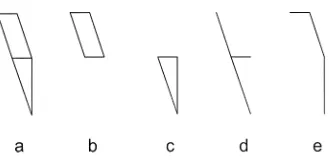
Figure 1. Figure segmentation (based on Pevtzow & Goldstone, 1994).
Boyland (1998) nicely illustrated the relevant learning processes with an analogy from the visual domain (see Figure 1). People who are shown a figure such as (1a) will usually be quicker in finding the embedded parallelogram (as in [1b]) and triangle (as in [1c]) than in finding the forked stick (as in [1d]) and turtle shell (as in [1e]). However, if they have been subjected to a prior categorization task involving a wide range of composite figures, but where a criterial feature is shaped as in (1d), then the figure is more easily segmented into (1d) plus (1e), rather than the usual parallelogram plus triangle. This demonstration, from Pevtzow and Goldstone (1994), showed how people learn to decompose complex objects based on their experience with component parts: Categorization training influences how an object is decomposed into parts. Once youare trained to see the object in that way, that is the way you see it (or at least first see it), and those are the features whose strengths are incremented on each subsequent processing episode. Goldstone (1998; Kers-ten, Goldstone, & Schaffert, 1998; Goldstone & Steyvers, 2001) presented a de-tailed analysis of the ways in which attentional persistence directs attention to attributes previously found to be predictive, elaborated a theory of con-ceptual and percon-ceptual learning based on these mechanisms, and provided a connectionist model of the processes whereby category learning establishes detectors for stimulus parts that are diagnostic. These detectors, once estab-lished, bias the interpretation of subsequent objects to be segmented (Goldstone, 2000). The same effect occurs in all perceptual processing. As illustrated in my target article, it spans all levels of language, from the parsing of words in
continuous speech to the parsing ofconstruct ion sin disco urse, sorry,
construc-tions in discourse.
modula-tory transmitters associated with arousal, attention, and emotion (Dudai, 1989, chap. 14; LeDoux, 2000; Mishkin & Appenzeller, 1990) to know that these factors must modulate the weight changes involved in implicit learning.
POINT 5: CONSCIOUS AND UNCONSCIOUS KNOWLEDGE OF FREQUENCY
My review of frequency effects began with evidence of human explicit knowl-edge of letter frequency (Hasher & Zacks, 1984) before concentrating on the wide range of psycholinguistic demonstrations of implicit knowledge as indexed by the ways in which the speed and accuracy of our language processing re-flect the frequencies of patterns in our history of language usage. Harrington and Dennis question the idea of the language learner as an intuitive statisti-cian by referring to the classic demonstrations of Tversky and Kahneman (1974) that, for example, if people are asked to estimate the proportion of
En-glish words that begin with the letter k versus words with a k in the third
position, they answer that there are more words beginning with the letter k
despite the actual fact that three times as many words have k in the third
position. What is the reason for this? Well, we do not have direct, conscious access to the knowledge of letter positional frequencies that, as is clearly demonstrated in the psycholinguistic demonstrations of consistency, cohort, and neighborhood effects in reading, spelling, and word recognition, are in-deed represented implicitly in our language processing systems—input sys-tems that have developed through learning to the degree of automaticity that they are “informationally encapsulated” modules (Fodor, 1983). Instead, we must generate exemplars from memory and make the relative frequency judg-ment on the basis of the sample of words that consciously come to mind. We must rely on explicit memory as the source for our estimates here. Explicit recall, though, is determined by accessibility—how well the retrieval cues ac-cord with memory organization and correlate with the contexts active during initial encoding (Tulving & Thomson, 1973). Words are more strongly associ-ated to their first letter than to their third letter, and so, at retrieval with the
focus of attention onk, activation will spread more from that letter to words
beginning with it. This process will make words beginning with kmore
avail-able than other words, and thus these words will be overrepresented in the sample that subjects take from memory to estimate the true proportion in the
population. The same overestimation does not occur with words havingkin
the third position because words are not directly associated to the letters that occur in the third position (Anderson, 2000, chap. 10).
dis-plays implicit knowledge of probabilities and the Bayesian principles of their combination, even in situations in which we might make errors when asked to make explicit judgments (e.g., the implicit reasoning demonstrations of Gluck & Bower, 1988; Chater & Oaksford, 1999; Oaksford & Chater, 1998, 2001; the range of psycholinguistic demonstrations marshaled in my review). Indeed, the generality of these effects has led Anderson (1991a, 1991b, 1993; Ander-son & Schooler, 2000) to develop Rational Analysis and the ACT-R theory, which characterizes human categorization, memory, problem solving, causal inference, and perception as adaptive: These processes are rational in that they optimally estimate the likelihood of occurrence of different outcomes us-ing Bayesian principles. The human associative learnus-ing system is rational in the sense that it accurately represents event relationships (Shanks, 1995). Per-haps not “life, the universe, and everything” as Eubank and Gregg accuse (p. 237), but the representation and exploitation of frequency information do un-derpin much of human cognition, and language has no exemption.
Biber and Reppen provide ample evidence of our failures to make accurate explicit estimates of the frequency of linguistic structures. I am reminded of Biber’s demonstration, in his plenary address at the AAAL 2001 meeting in St. Louis, of the failures of our conscious intuitions about the relative frequencies of grammatical forms. Six hundred or more applied linguists were asked what the most frequent form of verb aspect in conversation is—progressive, sim-ple, or perfect. A virtual votometer was discussed, but AAAL’s resources ran instead to a simple show of hands. The vast majority of the audience opted for the progressive. Biber assures me that he has done this demonstration at least 20 times, with local and national conference audiences in the United States, as well as professional teacher audiences in the United Kingdom, France, Poland, and elsewhere. The results are consistent, with approximately 90% of teachers and language professionals believing that the progressive is by far the more frequent form in conversation. These beliefs fly in the face of the facts: Progressive and perfect aspect have about the same frequency in conversation, but simple aspect verbs are almost 20 times more common than either progressives or perfects (see Figure 3 in Biber and Reppen’s commen-tary, p. 204).
Why do we get this wrong? An account similar to the k explanation
re-sults of their workings, which is why introspection can be such a dubious data source for language science (Labov, 1996b) and why “one should not touch what one is likely to say with a ten-foot pole” (Preston, 1996, p. 24).
A final example, from Sinclair (1991), illustrates these memory-retrieval ef-fects with lexical semantics:
The commonest meaning of the commonest words are not the meanings supplied by introspection; for example, the meaning ofbackas “the poste-rior part of the human body, extending from the neck to the pelvis” (Collins English Dictionary(CED) 2nd edition 1986 sense 1) is not a very common meaning. Not until sense 47, the second adverbial sense, do we come to “in, to or towards the original starting point, place or condition”, which is closer to the commonest use in our evidence [the Cobuild corpus]. (p. 112)
The core meaning of a word that comes to mind from introspection is the most frequent independent sense, a recall driven by ready imageability of ref-erence; it is not the delexical sense that is typical of the most frequent words. The meanings of frequent words are difficult to identify and explain, and with very frequent words we are reduced to describe uses rather than meanings because the distinctive contribution made by that word to that meaning has become much reduced.
These failings of explicit knowledge of linguistic frequency data are impor-tant. Armchair intuitions are foundations of sand for the analysis of language representation and processing. Theories of language acquisition need to be based on empirical foundations (Labov, 1994; Sampson, 2001); just so, as Biber and Reppen persuasively demonstrate, should materials for language in-struction and assessment.
POINT 6: SEQUENCES OF ACQUISITION—FROM FORMULA, THROUGH LOW-SCOPE PATTERN, TO CONSTRUCTION
I welcome the way that Bardovi-Harlig has examined the proposed develop-mental sequence—from formula, through low-scope pattern, to construction— with regard to new data concerning the acquisition of futurity in a longitudinal corpus of (predominantly) written samples from 16 ESL learners enrolled in a university Intensive English Program. Her study is exemplary in its design and, by investigating the degree to which this sequence, which was gleaned from naturalistic child L1 acquisition, generalizes to instructed L2 university-level learners, it is a properly challenging test of the limits.
adds (c) a pragmatic component relating to situational dependence. Adoption of a defining requirement—that a formula must not have been separately evinced previously as its individual constituents—ideally requires a compre-hensive longitudinal record of learner productions in order to track emer-gence. We can never achieve this, although for L1 Tomasello (2000b; Diessel & Tomasello, 1999), and Lieven and colleagues at the Max Planck Institute in Leipzig are getting admirably close by the collection, transcription, and analy-sis of “dense corpora”—massive amounts of data recording the input that some children receive and the output that they produce, with the goal of doc-umenting in detail children’s transition from item-specific to more abstract lin-guistic constructions. If only we could do the same for a few case studies of L2. As Rutherford and Thomas (2001) explained, it is vital that the enormous effort dedicated to the development of the tools and methods of the CHILDES project (MacWhinney, 2000), which has allowed such strides forward in child language acquisition research, be built on by researchers of SLA. The accu-racy of anything less than a comprehensive record rests on sampling error. Nevertheless, Bardovi-Harlig provides a rich specimen of approximately 100 written texts over the year of observation for each of her 16 learners. The parallel logs completed by the instructors allow additional analysis of the ef-fects of pedagogical input to the learners.
What does she find? With regard to the first productive uses ofgoing to, for
5 of the 16 learners, the use of I amgoing to writestands out as a formulaic
usage after this was introduced in a class-assigned model letter. Their produc-tions over the months of observation suggest that this formula breaks into
smaller parts, from the fullI amgoing to write about, down to a likely still
unan-alyzed unit going toin which not only the verb but also person and number
vary. This seems to be an example of learner production moving along the formulaic-creative dimension. Additionally, though, there are cases of formu-laic use appearing at the same time or even after wider use. The analysis could
only be done with the going toconstruction because willemerged early and
spread so rapidly that its emergence could not be tracked properly in this corpus, which is why we could do with corpora as intensive as Tomasello’s. Bardovi-Harlig reaches the measured conclusion that the proposed develop-mental sequence is a useful starting point but not fully descriptive of L2 devel-opment for her instructed adult language learners for whom formulaic language plays a limited but noteworthy role “because formulaic expressions do not dominate initial stages, nor are they excluded from subsequent stages” (p. 190).
The use of formulaic language at subsequent stages of development is not a surprise. I guess I should have been clearer in what my proposed develop-mental sequence was a sequence of! It was intended as the sequence that
cul-minates with a construction thatcan be used creatively. Nevertheless, there
off the shelves of memory. Frequency of occurrence leads to entrenchment and the independent representation of even “regular” constructional patterns. Erman and Warren’s (2000) analysis suggested that about half of fluent native text is constructed according to the idiom principle. De Cock (1998) examined corpora of language-learner productions using automatic recurrent sequence extractions that showed second language learners using formulas at least as much as native speakers and at times at significantly higher rates. There is much promise in such computer-based learner corpus studies (Granger, 1998), provided that sufficient trouble is taken in the necessarily intensive gathering of longitudinal learner data.
What of the fact that formulaic language does not dominate initial sequences here? That is certainly more of a challenge to the generality of the proposed principle to the writing of classroom-instructed university ESL students. What other factors might underlie this? As Bardovi-Harlig quotes from my target ar-ticle, “classroom environments . . . can distort the patterns of exposure, func-tion, medium, and social interaction” (Ellis, p. 170) and these distortions will distort from the naturalistic sequence. Textbook-driven learning combined with a deductive emphasis will disrupt the sequence, at the extreme produc-ing learners who compute by a mix of pedagogical rule, direct translation, and online declension. She continues, “Instruction is just one source of input in a mixed environment, and it, like input from other sources, is subject to influ-ence of saliinflu-ence, complexity, timing with respect to learner developmental level, and communicative need” (Bardovi-Harlig, p. 197). I agree that all of these factors can cause deviations from the naturalistic child sequence, and under point 3, I gathered a number of other potential influences. All of these factors might well be expected to play a role with adult classroom-instructed university ESL students; the closer we move to naturalistic child acquisition, the more the default sequence is expected to hold.
I have found one other analysis of the role of formulas in the SLA of adults on intensive classroom courses. Bolander (1989) analyzed the role of chunks in the acquisition of inversion in Swedish by Polish, Finnish, and Spanish im-migrants enrolled in a 4-month intensive course in Swedish. In Swedish, the inversion of subject and verb after a sentence-initial nonsubject is an obliga-tory rule. Bolander identified the majority of the inversion cases in her data
as being of a chunklike nature with a stereotyped reading, such as det kan
man sa¨ga “that can one say” anddet tycker jag“so think I”. Inversion in this
sort of clause is also frequent when the object is omitted, as inkan man sa¨ga
“can one say” andtycker jag“think I”, and this pattern was also well integrated
in the interlanguage of most of these learners. Bolander showed that the high accuracy on these stereotyped initial-object clauses generalized to produce a higher rate of correctness on clauses with nonstereotyped initial objects than was usual for other types of inversion clauses in her data, and she took this as evidence that creative language was developing out of familiar formulas.
Minnesota, who kindly contacted me identifying an important “missing link” in that my target article failed to properly integrate research on child SLA. I admit this inadvertence. Kohnert emphasizes that, besides being interesting in their own right, studies of child SLA and bilingual language acquisition give us greater scope for investigating the parallels between L1 and L2 acquisition in naturalistic contexts untainted by instruction, and they are important win-dows on issues of transfer and the relations between conceptual and language development.
The good sense of Kohnert’s urgings becomes clear if we follow her advice and look to studies of child SLA that bear on the role of formulas in the acqui-sition sequence. McLaughlin (1995, p. 7) summarized, “One of the hallmarks of child second language development is the use of formulas.” Hakuta (1976), analyzing an impressive corpus of 2 hours every 2 weeks for 60 weeks of child Uguisu’s SLA, identified a large number of so-called prefabricated patterns that were used “without knowledge of their underlying structure, but with the knowledge as to which particular situations call for what patterns” (p. 331). These chunks slowly become analyzed into their component structures, and, as the prefabricated pattern becomes gradually replaced by a more analyzed form, so there is greater variability in the learner’s interlanguage (p. 329). Wong-Fillmore (1976) presented another extensive longitudinal study that fo-cused on formulaic language in child SLA using data from five Mexican chil-dren, each recorded interacting with the observer and an English-speaking friend. She emphasized the vital social role that formulas serve in opening communication channels with speakers of the L2 and thus in securing L2 in-put. She also emphasized the crucial cognitive role of formulas as an entry to grammar, a databank to be used for later analysis and reorganization. The most effective language learner, Nora, also had the greatest number of formu-las, acquiring and overusing a few formulaic expressions of a new structural type during one period and then amassing a variety of similar forms during the next, with previously unanalyzed chunks becoming the foundations for creative construction: “Perhaps having a few formulaic expressions of a par-ticular type permitted her to notice, interpret, and pick up like expressions” (p. 508). Wong-Fillmore maintained that a sufficient set of exemplars is needed before a learner is in a position to perform the analysis, which is the prerequi-site to acquisition. In the first 2 months of the 8 months of observation, the different children’s utterances ranged from 53% to 100% formulaic, in the last 2 months from 37% to 81%. Vihman (1982) came to similar conclusions from the analysis of her young daughter Virve, native in Estonian, as she acquired ESL from 21 months of age.
role of formulas in adult instructed ESL. We need more such studies to iden-tify the degree to which this sequence is tempered by the learning environ-ment, the learner’s age, and their existing conceptual and linguistic abilities.
POINT 7: THE FUNDAMENTAL DIFFERENCE HYPOTHESIS
Even within the generative tradition, not all researchers who hold that child language acquisition is guided by UG believe the same to be true for adults. The no-access hypothesis, as typified by Clahsen (1988) and Bley-Vroman (1990), claims that “child first language and adult second language acquisition are guided by distinct cognitive principles” (Clahsen, p. 47). The basic claim is that L2 acquisition is governed by cognitive faculties that are separate and distinct from the domain-specific language faculty. Clahsen suggested that processes similar to Slobin’s (1973) Operating Principles can account for L2 learning (see also Andersen, 1989, 1993, for further application of such operat-ing principles, as well as Andersen, 1993, and Shirai, 2000, for analyses of ac-quisition of linguistic patterns of tense and aspect as prototypes reflecting input frequency). Bley-Vroman suggested that L2 learning strategies derive from Piaget’s Formal Operating Principles, including the capacity for distribu-tional analysis, analogy, and hypothesis formation and testing (p. 54). These linguists, at least, are open to more psychological explanations of SLA.
I thank Bley-Vroman for the input of his study with Yoshinaga (2000), which they claim demonstrated that high-proficiency nonnative speakers of English whose first language is Japanese show acceptability judgments of English
mul-tiplewh-questions that (a) were not like those of native speakers, (b) were not
a result of transfer from L1, but (c) were a consequence of the learners’ fre-quency of experience of exemplars of that type. Mind you, if this proposed cause of frequency does indeed hold for the L2 learners, one wonders why it might not for the natives as well, given that their data (Bley-Vroman &
Yoshi-naga, Table 3) showed performance of the L1 and L2 groups to correlate atr
=0.92,rho=1.0 across the six sentence types. On these figures, at least, if it
is good enough for one, it ought to be good enough for the other, and however provocative, I doubt that the cluster solutions for the two language groups are significantly different. They explain their findings as follows:
learners to come to distinctions in acceptability (pattern strength, actu-ally) which would reflect, though dimly, the distinctions made by native speakers. (p. 22)
They give an example of noticing and the importance of exemplars in one
Jap-anese student’s comment that he had heardLet’s see who was standing where
in the movieTwelve Angry Men, and that his judgments were based on whether
he had heard a similar pattern before (Bley-Vroman & Yoshinaga, p. 23). The similarities with the account I have been presenting here are quite clear. The process of second language learning is the acquisition of construc-tions, of specific structural patterns (see also Bley-Vroman, 1990, 1996, 1997). Noticing is important for initial registration (I agreed with this under points 1 and 3, with the exceptions made under point 2). The system is assumed to posses a strengthening mechanism that is sensitive to frequency of encounter (the frequency argument made in my target article). We do differ in the specif-ics at this point: For Bley-Vroman, strengthening only takes place with each noticed encounter; for me, strengthening is contingent on mere use—the lan-guage has to be processed for meaning, and strengthening occurs provided that construction is used, whether it is noticed or not. The role of exemplars in his model is clear. Grammaticality judgments are made on the basis of pat-tern strength.
Of course, we disagree as to the extent to which these processes are relevant to L1 acquisition—paradoxically perhaps, what is a fundamental difference for Bley-Vroman entails that, for me, L1 and L2 acquisition are fundamentally the same. Nevertheless, Bley-Vroman and Yoshinaga (2000) closed their paper by stating:
The possibility that learners are basing their judgments in part on the pat-terns which they notice in the input requires both a more elaborated the-ory of patterns, and more extensive empirical studies of frequency and other factors which may affect noticing. Corpus investigation is obviously indicated. (p. 24)
For L2 and L1, my sentiments exactly!
POINT 8: THE BLIND FAITH OF CATEGORICAL GRAMMAR
Eubank and Gregg attest that “in fact grammatical categories are categorical (Newmeyer, 1998), and they enter into systematic, lawlike relations” (p. 244). “Lawlike” rather than lawful or rule governed may be an unintended conces-sion, but in other respects this doctrinaire assertion denies both the empirical evidence and much of current linguistic opinion. Consider, for example, Hud-dleston (1984), a textbook with no particular theoretical axe to grind, which nevertheless emphasizes the internal structure of categories:
have a core of what we may regard as central or prototypical nouns sharing a considerable number of distinctive properties, with other words classified as nouns by virtue of sharing a significant number of these properties and/or of being significantly more like a prototypical noun than like a prototypical adjective, verb or whatever. For example,umbrage. . . . (p. 54)
Huddleston (1984) continued: “We shall see that there are numerous places in the grammar where it is necessary to recognize categories with a clear pro-totypical core but a somewhat fuzzily delimited periphery” (p. 72). If we allow the data to influence our ideas and so perform a distributional analysis of “nouns,” then we find that different “nouns” vary as to their morphosyntactic behavior and that some “nouns” display more behavior characteristic of “nouns” than others, which is why it would be hard to find any descriptive linguist (Quirk, Greenbaum, Crystal, and more recently Aarts, Biber, and oth-ers) who disagreed with this view.
“Knowledge of language is knowledge” (Goldberg, 1995, p. 5), hence “guistic categories should be of the same type as other categories in our lin-guistic system” (Lakoff, 1987, p. 58). Taylor (1998) considered the example of the English category of adjective. The systematic lawlike relations that apply to all the items that we should like to include in such a category, and that exclude everything else, must presumably include that adjectives can be used
predicatively (i.e., in association with the copula, as inthis house is large) and
attributively (i.e., before the noun, thereby restricting its referential
possibili-ties, as inlarge house). Many words that we would intuitively want to call
ad-jectives, though, can only be used attributively (e.g., former colleagues vs.
*colleagues who are former; a corporate decision vs. *a decision that is
corpo-rate); others can only be used predicatively (e.g., the child is asleepvs. *the
asleep child). Similar analyses could be done in relation to almost any word
class—for example, adverbs, auxiliary verbs (among which dare, need, and
possessivehaveare marginal [R. Hudson, personal communication, July, 2001]),
and verbs (with the continuum from so-called true intransitives, through mid-dles and reflexives, to ditransitives at the other end [Kemmer, 1993]). As Tay-lor (p. 197) concluded: “Prototype effects arise not only with respect to the referential possibilities of lexical items, but also with respect to the very
cate-gories of linguistic structure itself.”Zoop.