chapter 1
Core Principles for
Evolutionary
Medicine
Randolph M. Nesse
Abstract
New interest in evolution and medicine arose late in the twentieth century from the recognition that there are several possible kinds of evolutionary explanation for aspects of the body that leave it vulnerable to disease, in addition to the inevitability of mutations. Investigations of related hypotheses have led to rapid growth of evolu-tionary medicine, and its expansion to integrate demographic, phylogenetic, and population genetic methods. Evolutionary approaches to understanding disease are part of a major transition in biology, from viewing the body as a designed machine to a fully biological view of the body’s organic complexity as fundamentally different from that of designed machines.
Keywords
evolutionary medicine, Darwinian medicine, proximate, natural selection, vulnerability, organic complexity, mechanism, phylogeny, population genetics
1.1 Introduction
Fast-growing new interest in the intersection between evolutionary biology and medicine has been spurred by three ideas that developed in the late twentieth century. The first is the recognition that all traits need an evolutionary explanation in addition to an explanation of mechanisms. This idea was promoted by Ernst Mayr (Mayr 1982), but was given its fullest expression in what are now widely recognised as Tinbergen’s Four Questions (Tinbergen 1963;
Seeking explanations for suboptimal traits is by no means new. It was a major focus for William Paley’s 1802 book, Natural Theology: or, Evidences of the Existence and Attributes of the Deity; Collected from the Appearances of Nature (Paley 1802). Paley explained the body’s suboptimal ‘contrivances’ as puzzles posed by a deity to impress and occupy scientists. The book inspired Charles Darwin, whose discovery of natural selection eventually provided a scientific explanation for why bodies are the way they are (Darwin 1859; Ayala 2007); Darwin understandably focused, however, on traits well-suited to their functions. After natural selection was integrated with genetics in the mid-twentieth-century ‘modern syn-thesis’, suboptimal traits were routinely attributed to mutations and genetic drift. ‘Natural selection just can’t do any better’ was the most common explanation, and talk about other possible reasons for vulnerability to disease was often dismissed as speculation.
The new development, arising late in the twentieth century, was the recognition that natural selection can help explain apparent maladaptations as well as adaptations. Several possible kinds of explanation for traits that leave bodies vulnerable to disease are recog-nised, in addition to the limits of natural selection. They include mismatch between the environment in which a trait evolved and the current environment to which organisms are exposed, coevolution with other organisms, trade-offs, and reproductive success at the cost of health as well as from the limits of natural selection, and defences with major costs (Crespi 2000; Nesse 2005a).
Asisthecaseforbodies,the�eldofevolutionarymedicinehasvulnerabilitiesthatare closely associatedwith its strengths.�e earlyfocusontheadaptive signi�canceoftraits that seem maladaptive created great interest; resolving the paradox of the persistence of appar- ently harmful traitsis inherently fascinating. �is fascinationled to enthusiastic attempts to �n d evolutionary explanations for things that were not shaped by natural selection; mis- guided attempts to provide evolutionary explanations for diseases themselves remain all too common. �e �e ld as a whole has dealt with this problem relatively well;however,exposure to dramatic speculations aroused general scepticism among some scientists who focusexclusivelyonproximatemechanisms,especiallythose unfamiliarwithmethodsfortestingevolutionaryhypotheses.�echallengeof�n dingthe best ways to frame and test evolution- ary hypotheses about disease continues (Nesse ����a), along with thechallenge of encour- aginginterestinsuchquestionswithoutalso encouragingwildspeculation.
Justasthebodyhassuboptimaltraitsbecauseofcanaliseddevelopmentalpathwayslaid downearlyinthecourseofevolution,suchastheeye’sblindspot,the�e ldofevolutionary
medicine issomewhatconstrainedbyitsoriginsinwaysthatmakeit suboptimal.Ithas
emphasised only one of Darwin’s two discoveries—natural selection as the process that accountsforwhytraitsarethewaytheyare.Darwinalsoshowedtheunityofalllifefroma
recognitionthatnaturalselectiondoesnotmainlyshapetraitstobene�tgroupsand
spe-cies, but rather it increases the frequency of alleles that are transmitted to future
generations more rapidly than other alleles, by whatever method (Williams ����;
Dawkins ����). �e thirddevelopment,relatedto thesecond, was therecognition that
alleles thatharm anindi- vidual’s health and reproductive success can nonetheless be
selectedfor iftheygivesu�-cientadvantagestokin(Hamilton����;Crespietal.����).
�e intersection of these three ideas suggested that aspects of bodies thatleave them
vulnerable to disease have evolution- ary explanations in addition to the widely
common phylogenetic origin. This second discovery has been neglected, and phylogenetic, and population genetic methods more generally, remain to be fully integrated.
1.2 Core Principles for Evolutionary
Medicine
1.2.1 What Core Principles Are
Describing core principles of evolutionary medicine must begin by defining core principles in general, as well as the field of evolutionary medicine. Education researchers have encour-aged the formulation of core principles for fields as a way to focus on the big ideas that endure and organise thinking. Niemi and Phelan (2008) define core concepts as being ‘organized around central concepts or principles, or “big ideas”. The nature of these con-cepts differs from domain to domain, but in general they are abstract principles that can be used to organize broad areas of knowledge and make inferences in the domain, as well as determining strategies for solving a wide range of problems.’
Evolutionary medicine is the field that uses principles of evolutionary biology to better understand, prevent, and treat disease, and that uses studies of disease to advance basic evolutionary biology. It includes all work at the intersection of the basic science of evolu-tionary biology with the professions of medicine and public health. The phrase ‘evoluevolu-tionary medicine’ gives the mistaken impression that it is a special kind of medical practice. This is an unfortunate result of the early history of the field, and cannot be readily corrected. ‘Darwinian medicine’ is a more accurate synonym, with the same disadvantage; it is infre-quently used now because ‘Darwinian’ has negative connotations for so many members of the general public. ‘Evolution and medicine’ is a useful phrase to describe the overlap between the fields that define evolutionary medicine, but this leaves out public health, nursing, psychotherapy, and veterinary medicine. ‘Evolution and the health professions’ is accurate— but unlikely to catch on. ‘Evolutionary medicine’ is the keyword that will likely endure, despite its limitations.
Several textbooks and many review papers describe principles of evolutionary medicine (Nesse and Williams 1994; Stearns 1999; Trevathan et al. 2007; Nesse and Stearns 2008; Stearns and Koella 2008; Gluckman et al. 2009a; Nesse et al. 2010; Stearns 2012; Perlman 2013; Stearns and Medzhitov 2016). The challenge of synthesising them into a single list is formidable. To meet this challenge, a recent study used the Delphi method to organise the recommendations of thirty-seven evolutionary medicine experts into fourteen core prin-ciples for the field (Grunspan et al. 2018). This study posed the question: What are the core principles for evolutionary medicine? After four waves of voting and revisions, fourteen principles were endorsed by at least 80% of the respondents. The survey respondents also suggested, but did not reach agreement on, fourteen additional possible core principles, some of which were overlapping, superordinate, or subcategories.
fit within several other categories. This chapter provides and reviews an expanded list of core principles, showing, where possible, how they are related to each other, to evolutionary biology, and to evolutionary medicine. It considers principles of evolutionary biology that are especially useful in evolutionary medicine, rather than principles that are specific to evolutionary medicine. The result is the list of core principles in Box 1.1. Most come straight from evolutionary biology, but many take on a new slant when used to understand pathology instead of normal function. A few are more specialised principles that are particularly closely associated with the evolutionary medicine, some of which have emerged from efforts to achieve a better understanding of disease. Boundaries between categories of core principles are fuzzy, so, instead of attempting to classify each one explicitly, this chapter will instead make note of relevant issues where appropriate.
Box 1.1 Core Principles Useful for Evolutionary Medicine
** Indicates one of the final core principles from the Delphi study
* Indicates principles suggested by Delphi study respondents that did not reach 80% agreement
1. **All traits need both proximate and evolutionary explanations
2. A full explanation for any trait requires answers to all four of Tinbergen’s Questions 3. Traits that leave bodies vulnerable to disease have several possible kinds of
evolution-ary explanations
3.1. **Constraints on what natural selection can shape help to explain disease vulner-abilities
3.3.1. Selection minimises mutations but cannot completely prevent them 3.3.2. Path dependence is responsible for many suboptimal traits
3.2. **Mismatch between bodies and changing environments accounts for much disease.
3.3. Coevolution with pathogens explains several kinds of host vulnerability 3.3.1. **Coevolution explains patterns of virulence
3.3.2. Antibiotic resistance is a product of natural selection 3.3.3. *Microbiomes are useful and disruptions cause disease 3.3.4. **Coevolution causes arms races that shape dangerous defences
3.4. **Trade-offs characterise all aspects of bodies and they explain many traits that leave bodies vulnerable to disease
3.5. **Natural selection maximises allele transmission at the expense of health 3.5.1. **Sexual selection increases reproduction at the expense of health 3.5.2. Alleles that bias transmisssion may account for some diseases
3.6. **Defences provide protection in the face of threats and damage, but at consid-erable costs
3.6.1. Defences are aversive for good reasons
3.6.2. Negative emotions are useful defensive responses
1.3 Specific Core Principles
Box 1.1 lists 20 core principles and additional subprinciples relevant to evolution, health, and disease. Each receives a brief description below, along with thoughts about its relevance and common misunderstandings.
1.3.1 All Traits Need Both Proximate and Evolutionary
Explanations
This principle is increasingly recognised, but still widely misunderstood. Proximate explanations describe traits and how they work. Evolutionary explanations explain how traits came to be the way they are. A brief conversation about the distinction is rarely
4. **Selection shapes mechanisms that mediate plasticity in various time frames
4.1. *Developmental Origins of Health and Disease (DOHaD) is an important cause of disease vulnerability
4.2. **Selection has shaped fast and slow life histories with implications for health 5. **Natural selection works mainly at the level of the gene
5.1. Group selection is a viable explanation only under constrained circumstances 5.2. A multigenerational perspective is important
6. *Kin selection can explain some traits that reduce individual reproductive success 6.1. Natural selection continues to act after menopause
6.2. Weaning conflicts are inevitable
6.3. Conflicts between maternal and paternal genomes can cause disease 7. Control of cell replication is crucial for metazoan life
8. *Intragenomic conflicts can influence health
9. *Somatic selection changes cell genotypes during the lifetime of an individual 10. Natural selection shapes life history traits
11. Genes with deleterious effects can be selected for if they offer compensating benefits 12. Cliff-edged fitness landscapes can account for the persistence of some genetic diseases 13. *Attention to ethics is important
14. Races are not biological categories
15. Genetic differences between human subgroups influence health 16. It is a mistake to assume that what is is what ought to be 17. Natural selection is not over for humans
18. **Genetic methods for tracing relationships and phylogenies have many applications in evolutionary medicine
18.1. Tracing human ancestry is medically relevant
18.2. Phylogenetic methods can trace the origins and spread of pathogens
sufficient to get the idea clear for many scientists. Comprehension by students, in my experience, requires discussion of many examples over several hours.
The distinction was described by Ernst Mayr, in several articles (Mayr 1961, 1974) and his magisterial book The Growth of Biological Thought (Mayr 1982), which portrayed biology as two intersecting enterprises, one describing mechanisms, the other the evolution of those mechanisms. He called these explanations ‘proximate’ and ‘ultimate’, but associations of the word ‘ultimate’ with philosophical and religious traditions have led most authors to instead simply call them ‘evolutionary explanations’. On occasion, they have been referred to as dif-ferent ‘levels of explanation’ (Reeve and Sherman 1993), but this risks confusion with the more usual use of levels to refer to levels of organisation nested within each other. Some have questioned the utility of the distinction, noting that many evolutionary processes involve reciprocal causation in which proximate mechanisms themselves influence future selection forces, sexual selected traits and preferences for those traits being an example (Laland et al. 2011); however, few would argue that either a proximate explanation of mech-anisms or an evolutionary explanation of a sequence of traits is sufficient alone. Both are necessary.
Many clinicians and scientists in the health sciences remain unaware of the need for both proximate and evolutionary explanations. Those that are aware of the distinction some-times view them as alternatives, although they are synergistic complementary explanations. A further challenge is posed because methods for testing evolutionary hypotheses differ substantially from those used to test hypotheses about proximate mechanisms (Nesse 2011a). In short, the transition from relying exclusively on proximate explanations in medicine, to routine recognition of the need to also pose and test evolutionary hypotheses, is still in progress. Evolutionary medicine is helping to advance this transition.
1.3.2 A Full Explanation for Any Trait Requires Answers
to All Four of Tinbergen’s Questions
1.3.3 Traits that Leave Bodies Vulnerable to Disease Have
Several Possible Kinds of Evolutionary Explanation
Mutations, genetic drift, and the general limits of natural selection were long the accepted general explanations for aspects of the body that seem suboptimal. This reflected a tacitly creationist view of organisms, as if they were designed and perfectible, as if there were one normal blueprint that creates optimal organisms. A more fully evolutionary view recog-nises that alleles shape somas that maximise genetic transmission, and that variation is intrinsic to the genome and phenotypes.
Much of what is new in evolutionary medicine emerges from considering five other kinds of explanation for why genetically ‘normal’ individuals are nonetheless vulnerable to diseases (Williams and Nesse 1991; Nesse and Williams 1994; Nesse 2005a; Gluckman et al. 2009a; Stearns and Medzhitov 2016). The most commonly cited ones are mismatch with environments, coevolution with pathogens, trade-offs that limit perfection, reproduct-ive success at the expense of health, and defences that seem like diseases. This list of possible kinds of explanation for disease vulnerability has proved serviceable, but it is by no means
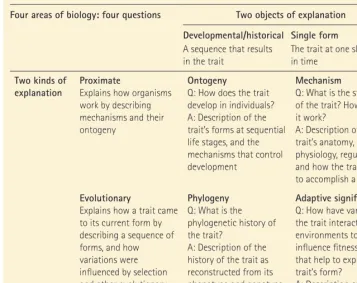
Table 1.1 Tinbergen’s Four Questions Organised
Four areas of biology: four questions Two objects of explanation
Developmental/historical Single form A sequence that results
in the trait
The trait at one slice in time
Two kinds of
explanation ProximateExplains how organisms work by describing mechanisms and their ontogeny
Ontogeny
Q: How does the trait develop in individuals? A: Description of the trait’s forms at sequential life stages, and the mechanisms that control development
Mechanism
Q: What is the structure of the trait? How does it work?
A: Description of the trait’s anatomy, physiology, regulation, and how the trait works to accomplish a function Evolutionary
Explains how a trait came to its current form by describing a sequence of forms, and how variations were influenced by selection and other evolutionary factors
Phylogeny Q: What is the phylogenetic history of the trait?
A: Description of the history of the trait as reconstructed from its phenotype and genotype precursors
Adaptive significance Q: How have variations in the trait interacted with environments to influence fitness in ways that help to explain the trait’s form?
A: Description of how variations in the trait have influenced fitness
[image:7.533.55.413.88.371.2]the only alternative. Some, especially those studying the Developmental Origins of Health and Disease (DOHaD) (Kuzawa et al. 2008; Godfrey et al. 2010; Bateson and Gluckman 2011; Hanson 2015), have suggested adding development as a separate category. This can be use-ful; however, some diseases with developmental origins are mainly due to constraints, some mainly from trade-offs, and many from mismatch with environments, so more specific cat-egories can draw closer attention to causal factors.
The list can be collapsed or expanded into fewer or more categories. Mismatch and coev-olution both result in disease vulnerability because natural selection is too slow to adapt a species to a fast-changing environment. Constraints arise for several reasons: the limita-tions imposed by the laws of physics, the impossibility of maintaining a completely accurate code, and path dependence, the impossibility of starting fresh with a fundamentally new design. Trade-offs limit the optimality of all traits. Defensive responses are not a reason for vulnerability to disease; however, they are costly, they often cause problems, and responses such as pain and fever can seem like diseases, especially since they give rise to many normal false alarms that lead to requests for medical treatments. The last and conceptually most important principle is that selection does not shape organisms for health, longevity, or hap-piness, but only for maximum transmission of genes.
More than one such explanation often is relevant. For instance, vulnerability to athero-sclerosis is explained by mismatch with modern environments, the benefits of inflamma-tory cells in the lining of arteries, and coevolution with pathogens (Nesse and Weder 2007). A tendency to emphasise one kind of explanation at the expense of others, or to treat two different kinds of explanation as alternatives, results in much confusion.
Most of these categories apply equally to machines and bodies. Errors in blueprints or the DNA code cannot be completely prevented, and trade-offs are inevitable for all traits and machines or bodies. Several factors are, however, distinctive to bodies. In particular, while engineers can start from scratch to redesign a component of a machine, natural selection is limited to tinkering, resulting in extreme jury-rigged designs such as the path of the recur-rent laryngeal nerve, from the brainstem down into the thorax, then ascending again behind the oesophagus.
The other major difference is that machines and their parts are designed to serve specific functions, while bodies are shaped to maximise the transmission of their genes, even at a cost to health and longevity, and their parts have overlapping functions. This makes bodies profoundly different from machines. Smaller but still important differences include the nature of redundancy. Machines have backup systems that kick in when the primary system is not working. Bodies have some similar redundant systems, but they are better protected by the tight integration of multiple systems so that the failure of a single component often has little effect on function.
1.3.3.1
Constraints on What Natural Selection Can Shape Help
to Explain Disease Vulnerabilities
more general constraints apply to any body or machine. Space and time are limited. Energy is conserved. Entropy is, in the long run, unyielding.
1.3.3.1.1 Selection Minimises Mutations but Cannot Eliminate them
Mutations cannot be completely prevented or repaired, and it takes time to purge mutations, so disease is inevitable. Usually, however, genetic variations are proposed as an explanation for why some individuals get sick, not for why all members of a species have a trait, such as a windpipe that intersects with the food passageway, that leaves them all vulnerable to a disease. A prevalent general model assumes there is some optimum for each trait that provides robustness and efficient function, and that mutations constantly spread the distri-bution, while stabilising selection narrows it. While correct and relevant, this principle is of limited utility for explaining why all individuals in a species share traits that make them vulnerable to disease.
Natural selection reduces mutation rates for higher organisms to the minimum possible, given the costs of maintaining genomic integrity, and physical constraints. This principle requires mention because the idea persists that natural selection maintains a higher muta-tion rate to benefit the evolumuta-tion of species. This mistake arises from the misconcepmuta-tion that selection shapes traits that benefit the species at the expense of an individual’s alleles. An allele that increases mutation rates will be selected against because offspring with the allele will tend to have defects, and the higher mutation rate will further degrade the code with every subsequent generation. Selection shapes mechanisms that reduce mutation rates to the level where their costs equal the costs of DNA replication and repair mechanisms, or to the level where fidelity is limited by physical constraints, such as inevitable damage from chemical factors and environmental radiation (Sung et al. 2016). Possible exceptions to the general principle are found in facultative mechanisms in bacteria that increase mutation rates in response to certain kinds of severe stress (Rosenberg et al. 2012). In such cases, alleles that increase the mutation rate temporarily can give an advantage because the num-ber of descendants is huge, and success depends on a winner-takes-all-lottery in which the chances of winning increase if the tickets have different numbers.
1.3.3.1.2 Path Dependence Is Responsible for Many Suboptimal Traits
Bodies are more constrained by path dependence than machines. Natural selection can make only small changes because large ones are likely to be fatal or physically impossible. Even in automobiles, however, major changes, such as relocating the gasoline tank, have large costs, so engineers do not undertake them lightly. For bodies, such radical redesign is rarely possible. Natural selection works by tinkering. This results in suboptimal traits such as the opening of the windpipe into a space shared by the food passage, and the long wind-ing paths of the vas deferens and the recurrent laryngeal nerve. Such traits inspired William Paley to extraordinary flights of creative argument to try to reconcile such suboptimal traits with divine design (Paley 1802).
1.3.3.2
Mismatch between Bodies and Changing Environments
Accounts for Much Disease
The exact burden of disease caused by mismatch is not certain, but is definitely large. Rates of cardiovascular disease and breast cancer are at least an order of magnitude higher now than they were for our foraging ancestors (Kaplan et al. 2017). Obesity and diabetes are epidemic (Flegal et al. 2012). Allergies have increased exponentially in the past 50 years for reasons that are in urgent need of more study (Armelagos and Barnes 1999; Brüne and Hochberg 2013). Disorders related to gluten sensitivity suggest that we are still adapting to agriculture and a grain-based diet (Lindeberg 2009; Brüne and Hochberg 2013). Drug abuse was uncommon until pure drugs and novel means of administration became readily avail-able (Nesse and Berridge 1997). Eating disorders have increased dramatically in recent dec-ades (Rosenvinge and Pettersen 2015). Disorders related to preoccupation with electronic devices are growing fast. Preferences to limit reproduction by using birth control are herit-able (Mealey and Segal 1993), but slow to change. Given enough time, selection could pre-sumably adapt bodies and minds to cope better, but environments change too fast. (For further discussion, see Chapter 6 about Nutrition, Energy Expenditure, Physical Activity, and Body Composition.)
Mismatch results from migration as well as from changing environments. This explains phenomena such as vulnerability to rickets in people with dark skin living in the north (Jablonski 2004), and vulnerability to skin cancer in people with light skin living closer to the equator (Greaves 2014). Selection shapes differences in HLA alleles and other genes depending on the exposure of a population to pathogens (Karlsson et al. 2014). The loss of the protein that malaria parasites use to enter blood cells is common in some human sub-populations that have evolved in conjunction with malaria (Miller et al. 1975; Lentsch 2002), and a strong selection coefficient of 0.043 has led to near fixation of this loss in some areas since its origins about 40,000 years before present (Karlsson et al. 2014; McManus et al. 2017). Migration between malarial and non-malarial environments can make such genotypes adaptive or maladaptive.
1.3.3.3
Coevolution with Pathogens Explains Several Kinds
of Host Vulnerability
Recognition of the special dynamics that arise from host–pathogen coevolution was one of the early major advances in evolutionary medicine (May and Anderson 1983; Ewald 1994;
�isprinciplesometimescausesmisunderstandingforthosewhoassumeitimpliesthat peoplewerehealthierinancestralenvironments.�eydidnotsu�erfrommoderndiseases, buttheynonethelesssu�eredahugeburdenofdisease.Overall,healthisvastlybetterfor peoplelivinginmodernsettings;however,itisalsotruethatmostchronicdiseasetoday resultsfromexposuretoaspectsofmodernsocietiesthatwereabsentforourancestors. Evidenceis nowcomingintocon�rmthatatheroscleroticdiseaseisfarlesscommonin horticultur- alists (Kaplan et al. ����). Longevity is also dramatically greater now; however, this is not mainly because of slower ageing or dramatically lower mortality ratesinadulthood—thebigdi�erenceislowermortalityratesforchildren.Inthepast,the averagelifespanmayhave been��yearsbecauseofhighinfantmortality,butmanywho survivedtoage��livedonfordecadesmore(HillandHurtado����).
Ebert and Hamilton 1996). In its simplest form, coevolution results in vulnerability because a pathogen may have tens of thousands of generations during a single host lifetime. From this perspective, it is amazing that large multicellular organisms with long lifespans exist. They are possible only because of sophisticated immune defences, some of which also use somatic selection among immune cells to adapt antigen-recognising cells to the challenges of fast-changing pathogens.
1.3.3.3.1 Coevolution Explains Patterns of Virulence
As recently as a few decades ago, the generalisation ‘pathogens don’t want to kill their hosts’ was widely accepted. Recognition that natural selection acts to benefit species only to the extent that this benefits individuals has transformed microbiology, with increasingly sophisticated evolutionary models of how natural selection shapes virulence (Read 1994; Ewald 1995; Frank 1996; Schmid-Hempel and Frank 2007). It was recognised early that modes of transmission have major effects. Pathogens that can only be transmitted in person get advantages by ensuring their hosts are up and about and not killed off soon. Pathogens that can be transmitted by needles, clinician’s hands, mosquitos, or impure water tend to gain advantages from fast mass replication with less regard for the host’s longevity (Frank 1992; Levin and Bull 1994; Read 1994; Ewald 1995; Levin 1996).
Studies of cooperation among microbes offers good examples of how clinically relevant investigations can advance by the application of basic evolutionary biology (Velicer 2003; West, Griffin and Gardner 2007; Schmid-Hempel 2011; Foster and Bell 2012). Biofilms con-tinue to provide both a clinically difficult problem and major challenges for evolutionary explanation of how traits that harm the reproductive success of an individual cell can persist by their benefits to nearby cells (Queller 1994; Hansen et al. 2007; Oliveria et al. 2015). The basic principle remains the same: alleles can increase in frequency only if bearers with the allele have more surviving kin, on average, than others (West et al. 2007). This is an area where group selection and kin selection models have both proved useful (Queller 1994; Redfield 2002; Kreft 2004; Dugatkin et al. 2005; Crespi et al. 2014).
1.3.3.3.2 Antibiotic Resistance Is a Product of Natural Selection
Antibiotic resistance is often described as the most practical application of evolution to medicine. Lack of appreciation for the power of natural selection led, in the middle of the twentieth century, to the tragically overly optimistic prediction that antibiotics would lead to elimination of infectious disease (Neu 1992; Salmond and Welch 2008). Pathogens turned out to be capable of evolving resistance to every possible molecule aimed at them. This is less surprising when it is recognised that antibiotics themselves are mostly products of bac-teria and fungi shaped over billions of years to compete effectively with other organisms (D’Costa et al. 2006). Antibiotic resistance is not exactly coevolution, but it is similar, because every time an organism develops resistance, researchers attempt to find a new agent to get around that resistance, and the organisms soon adapt.
(Uranga et al. 2016). The BMJ recently published an article entitled ‘The antibiotic course has had its day’ (Llewelyn et al. 2017). It argued that taking the full course of antibiotics was unnecessary in many cases and did not prevent resistance; however, it did not mention evolution, natural selection, or the work of evolutionary biologists who study antibiotic resistance.
1.3.3.3.3 Microbiomes Are Useful and Disruptions Cause Disease
Just a few years ago, most doctors tended to think that bacteria were bad and best avoided or killed. In the 1980s, I was called to consult on many patients with intractable diarrhoea who were said to have a psychogenic condition because they had received multiple courses of antibiotics and their stool was clear of identifiable pathogens. In retrospect, many of these patients had infections with Clostridium difficile or some other overgrowth organism, freed from the constraints imposed by a normal microbiome. Now they would be treated effectively with a microbiome transplant (Agrawal et al. 2016). The magnitude of the error is hard to comprehend.
Research on the ‘old friends’ hypothesis revealed that we are dependent on many microbes, and disrupting them causes disease (Rook et al. 2017). The role of antibiotics in disrupting microbiomes is becoming clear (Blaser 2014). Recent methods use global sequencing to measure microbiomes reveals the myriads of microbes interacting in our microbiomes, some of which influence diseases, especially obesity (Turnbaugh et al. 2006). They also reveal changes induced in just a few days by diet changes (David et al. 2014), and how seasonal dietary changes influence the microbiome of Hadza (Smits et al. 2017).
The opposite schema is that we are a holobiont consisting of many well-coordinated cooperating organisms (Bordenstein and Theis 2015). Some would even say that it is a mis-take to think about individuals without their microbiomes. Certainly, coexistence with microbes is our natural state, and disruptions are responsible for much disease, perhaps even most of the current epidemic of autoimmune disease. However, those microbes inevitably evolve to whatever phenotypes best preserve and spread them. Much cooperation results, but also much competition. (For further discussion, see Chapter 13 about Digestive System.)
1.3.3.3.4 Coevolution Causes Arms Races that Shape Dangerous Defences
Selection that shapes a new host defence initiates new selection pressure on the pathogen for ways to get around the defence, which initiates new selection for an improved defence; the result is both host and the pathogen ‘running as fast as they can’ to keep up with changes in the other, like the Red Queen in Alice in Wonderland (Ridley 1994; Morran et al. 2011). This is a likely explanation for the maintenance of sex, and its very substantial costs (Ridley 1994; Auld et al. 2016; Metzger et al. 2016; Neiman et al. 2017). The implications for human disease are substantial.
inconsistent outcomes (Salomon et al. 2007). An evolutionary perspective suggests that it should be possible to predict which patients will benefit from down-regulating the inflam-matory response, and which ones will be harmed.
1.3.3.4
Trade-offs Characterise All Aspects of Bodies
Trade-offs are central to life history theory, especially the benefits and costs of early reproduction versus a longer lifespan, and the relative benefits and costs to males versus females of soma maintenance versus competitive ability (Stearns 1989; Hill 1993; Brüne 2014a). Understanding the regulation of defences requires understanding their costs and benefits versus the alternative of less or no response. The central role of trade-offs in every aspect of life is the single most important principle of evolutionary medicine. It encourages clinicians and researchers to think not about if a trait is perfect or flawed, but instead about how natural selection shapes trade-offs to maximise inclusive fitness with much resulting vulnerability to disease.
1.3.3.5
Natural Selection Maximises Allele Transmission
at the Expense of Health
1.3.3.5.1 Sexual Selection Increases Reproduction at the Expense of Health
Sex differences in lifespan illustrate the costs of ability to compete for mates. In species where ability to compete for mates gives males major payoffs, selection shapes males for high investment in competitive ability despite the costs of risk-taking and limited ability to repair tissue damage (Trivers 1972; Liker and Székely 2005). Females are subject to the same trade-offs in general; however, they benefit relatively more from investments in tissue repair. This results in mortality rates for human males at sexual maturity in developed countries about three times higher than those for females (Kruger and Nesse 2006). While some of the excess is due to risk-taking and behaviour, males also have increased risks for infection, cancer, and metabolic disease (Kruger and Nesse 2004).
Sexual selection explains other medically relevant sex differences. For instance, the two-fold increased risk of anxiety disorders for women versus men is fairly consistent worldwide
No trait canbe perfect, becausechanges thatimproveone trait will compromiseother
traitsorother adaptiveaspects ofthesametrait. Forinstance,higher levelsofstomach acid will provideincreased protection against infectionat thecost of increasedriskof
ulcers.Immune surveillance for a wider range of antigens provides better protection
against infection but moreriskofautoimmune responses(Bergstrom andAntia����).
Easierinitiationofapop-tosisfor potentially malignant cellswill protect againstcancer, at the cost of decreased capacityfortissuerepair(Abegglenetal.����).Maintaininga highbodyweighto�erspro-tectionduringperiodsoffoodshortage,atthecostofslower locomotionandneedingmorecaloriestosustainthebody.
(Ruscio et al. 2017). This has prompted many to ask why women have too much anxiety. An evolutionarily informed view instead considers the possibility that anxiety regulation mechanisms for women are set to thresholds close to the optimum to benefit individual women, while higher anxiety thresholds for men increase competitive ability at the expense of increased rates of harm (Stein and Nesse 2015). Sex differences in the effects of an allele on fitness are illustrated by haemochromatosis: the resulting liver damage is less severe for women because of regular blood loss with menstruation (Moirand 1997).
1.3.3.5.2 Alleles that Bias Transmission May Account for Some Diseases
Alleles can advance their own replication at the expense of the individual. Such phenomena are usually well controlled by mechanisms shaped by natural selection that advance the interests of the ‘parliament of genes’, as described further in Section 1.3.8.
1.3.3.6
Defences Provide Protection in the Face of Threats
and Damage, but at Considerable Costs
Many problems people bring to medical attention are not direct products of disease, they are protective defences shaped by natural selection in conjunction with mechanisms that monitor for situations in which they can be useful (Nesse and Williams 1994). Defences are especially obvious in the face of infection (Ewald 1980). Expulsion of pathogens by means of rhinorrhoea, cough, vomiting, and diarrhoea offers powerful protection. Inflammation provides graded specific responses to specific infectious challenges. As noted already, coev-olution with pathogens explains why defences are maintained despite their extreme costs and risks.
Selection has shaped systems to defend against many other risks (Harvell 1990). Some defences are fixed. Skin pigmentation, for instance, protects against cutaneous damage and skin cancer, with the trade-off of increasing vulnerability to vitamin D deficiency and rickets (Jablonski and Chaplin 2010; Greaves 2014; Jablonski and Chaplin 2017) (see Chapter 8). Other defences are responses expressed when they are needed. Reflexive withdrawal from heat and tissue damage is useful. Blinking protects against foreign matter in the eye, sneez-ing against foreign matter in nasal passages, and itchsneez-ing against skin parasites. Shiversneez-ing protects against hypothermia, sweating against hyperthermia. These systems are usually called ‘facultative responses’ because they are associated with systems that monitor for situ-ations in which the response is needed. Or, more exactly, when the benefits are greater than the costs, explaining why false alarms are normal and common in such systems.
1.3.3.6.1 Defences Are Aversive for Good Reasons
Activation of most defensive responses is associated with subjective pain or other aversive experiences that make them seem like disorders themselves. The aversiveness motivates escape and avoidance. Recognising that aversive defences are useful is a major contribution of an evolutionary approach in clinical medicine. This can guide clinical decision-making about when it is, and is not, appropriate to use medications to block such responses.
1.3.3.6.2 Negative Emotions Are Useful Defensive Responses
escape, anger to defend against attack. A more explicitly evolutionary approach recognises that emotions have multiple functions, and that different emotions are distinguished from each other, not by their functions, but by the situations in which they are useful (Plutchik 1980; Wierzbicka 1986; Nesse 1990; Nesse and Ellsworth 2009). This approach transcends unresolvable debates about how many basic emotions there are by recognising that emotional responses evolve from prior responses, so we should expect them to be over-lapping, not separate. It also helps to explain why emotional states are almost all associated with subjective experiences of pleasure or pain. No response would be shaped for situations that did not involve opportunities or threats.
The burden of disease posed by anxiety and depressive disorders is huge (Kessler et al. 2009). Approaches to those disorders have mostly looked only at events and mechanisms that account for differences in vulnerability. Evolutionary medicine instead encourages analysis of how the expression of emotions is regulated, and the reasons why negative emotions so often seem to be expressed excessively, or in situations where they are not essential (Nesse 2011b). This knowledge is useful for clinical evaluations looking for the origins of such emotions, and making clinical decisions about when it is safe to use medications to block them.
1.3.3.6.3 The Smoke Detector Principle Explains Unnecessary Expression of Defence Responses
Many defences are relatively inexpensive compared with the enormous costs of not expressing a defence when it is needed. For instance, vomiting might cost only a few hundred calories; however, failure to vomit can be fatal when a toxin or a pathogen is in the gut. This is observed regularly and tragically in the deaths of college students who fail to vomit after drinking an entire bottle of liquor, and patients who take an overdose of pills that include agents that inhibit vomiting.
The ‘smoke detector principle’ is especially relevant to emotional disorders. For instance, the cost of a panic attack may be only 100 calories, while the absence of a panic response in the face of a predator may be death, about 100,000 calories. Applying a standard signal detection analysis to the situation allows calculation of how intense the signal should be before it is optimal to flee. The ratio of the costs is 1000:1. So, if a noise is loud enough to indicate that the likelihood of the presence of a lion is greater than 1 in 1000, then flight is optimal, even though it will turn out to be unnecessary 999 times out of 1000. False alarms are normal and expected in such systems.
1.3.4 Selection Shapes Mechanisms that Mediate
Plasticity in Various Time Frames
Defences are only a few of many plastic responses shaped by natural selection (West-Eberhard 2003). The misconception that an evolutionary approach emphasises fixed responses or ‘genetic determinism’ remains prevalent. This is surprising, because one of the main differences between machines and bodies is that bodies have myriad systems that monitor internal and external states and adjust physiology and behaviour to cope with varying circumstances. These range from the instantaneous blink response in a fraction of a second, cardiovascular responses in seconds, metabolic adjustments over minutes, skin tanning over days, life history characteristics over years, and even adjusting levels of fat storage and stress responses across generations.
1.3.4.1
Developmental Origins of Health and Disease (DOHaD)
Is an Important Cause of Disease Vulnerability
David Barker and colleagues discovered that low birth weight predicts later obesity and vulnerability to atherosclerosis and other inflammatory diseases (Barker et al. 1993). They described the idea as the ‘thrifty phenotype hypothesis’ (Hales and Barker 2001), making a connection to the ‘thrifty genotype’ hypothesis proposed by James Neel (1962). Peter Gluckman and colleagues extended this line of thinking with the proposal that the thrifty phenotype might represent a ‘predictive adaptive response’ that adjusts metabolism for a lifetime based on cues about future environments that mothers transmit to their fetuses (Gluckman et al. 2005). This idea has developed into Developmental Origins of Health and Disease (DOHaD), a vibrant area of research that is particularly important as economic transitions in developing countries create ever-growing epidemics of obesity and inflam-matory diseases (Hanson 2015). Specific epigenetic mechanisms mediate the effects (Gluckman et al. 2009b), and some epigenetic marks can be transmitted across generations, explaining non-genomic familial transmission of obesity (Gluckman et al. 2007). Whether or not the phenomenon is an adaptation or an epiphenomenon remains controversial (Wells 2012). In one particularly interesting test, baboons that were subject to caloric deprivation in utero turned out to be inferior at surviving a subsequent famine when they were adults (Tung et al. 2016). (For further discussion, see Chapter 4 about Growth and Development.)
1.3.4.2
Selection Has Shaped Fast and Slow Life Histories
with Implications for Health
life history mode have reduced defences against infectious diseases and ageing, and more of a tendency to take risks and reproduce early. This has been proposed as an overarching framework for understanding mental disorders (Del Giudice 2014) and other disorders more generally. It is supported by evidence that specific epigenetic mechanisms initiated by cortisol exposure can transmit stress sensitivity from mother to fetus and between generations (Meaney 2010).
The role of epigenetic effects is a fast-developing area with important medical applications (Feinberg 2007; Esteller 2008; Keverne 2014). Exposure to stress in utero can increase stress reactivity not only in the offspring, but also in the grand-offspring (Skinner 2014). Similarly, prenatal exposure to famine influences body size and risks of diabetes and schizophrenia (Lumey et al. 2011). Early exposure to licking and grooming changes methylation of a cortisol receptor in the rat hippocampus (Weaver et al. 2004), but can be reversed by administration of methionine (Weaver et al. 2005). The effect has been confirmed for humans exposed to abuse in childhood (McGowan et al. 2009), with its multiple documented pathogenic effects mediated by neural mechanisms (Nemeroff 2016). (For further discussion, see Chapter 17 about Brain, Spinal Cord, and Sensory Systems.)
Learning is invoked remarkably often as an alternative to evolutionary explanations, but it is just one more plasticity mechanism that adapts individuals to their specific environ-ments. The tendency to frame debates as nature versus nurture has been decried for dec-ades, but it persists (Weatherall 1995; Ridley 2003). The situation is complicated by tendencies to emphasise possible political implications of the role of genetic or environ-mental variations that account for differences between individuals and groups (Gould 1981). This adds to innate cognitive biases to suggest that these debates will persist despite all efforts to emphasise that genes interacting with environments shape all traits.
Like learning, human capacities for culture were shaped by natural selection in a process that resembles domestication (Nesse 2010; Wilkins et al. 2014; Henrich 2015). Imitation, sensitivity to mores, moral emotions, conformity, and other psychological characteristics are well suited to living in a complex social group with stable cultures. Natural selection shapes minds that make culture possible, and cultures create selection forces with many effects (Richerson and Boyd 2005). For instance, the ability to digest lactose as an adult gives big benefits to individuals in dairying cultures that, in turn, make dairying more beneficial (Tishkoff et al. 2006). The spread of lactose-tolerance alleles reflects migration as well as mutation and selection; the fast growth of herding populations may have spurred migrations (Itan et al. 2009).
1.3.5 Natural Selection Works Mainly at the Level of the Gene
Recognition that selection does not mainly shape traits to benefit groups or species was a milestone, not only for understanding behaviour, but also for understanding the body and disease. George C. Williams brought it to wide attention in 1966 with the publication of
Adaptation and Natural Selection. The insight synergised beautifully with William
and elaborations continue without let-up (West et al. 2007; Queller and Strassmann 2009; Leigh 2010; Nowak et al. 2017). It is useless to try to resolve the debate here, but essential to describe the relevant core principles that have been so essential to the development of evo-lutionary medicine, and the misunderstandings that result from confusion about these principles.
1.3.5.1
Group Selection Is a Viable Explanation
Only under Constrained Circumstances
An allele that reduces an individual’s reproductive success relative to others in a group can nonetheless persist, or even become more common, if it provides sufficient benefits to the group. If other members of the group share alleles in common by descent, the process is well described by kin selection. There is general agreement that kin selection and group selection models can be different ways of viewing the same process (Lehmann et al. 2007; Frank 2012), but much disagreement remains about whether one framework is routinely superior (West et al. 2008; Wilson 2008). Even the utility of kin selection has been challenged recently (Nowak et al. 2017). Despite all the controversy, the core principle remains important: alleles whose bearers have fewer offspring than average tend to become less frequent in a popula-tion over time unless the alleles provide benefits to kin, or if their costs to individuals are small relative to effects that substantially influence the growth rates of groups with a constrained set of characteristics; these latter conditions are uncommon.
The exemplar for group selection was evidence reported by Wynne-Edwards that groups of animals experiencing inadequate food supplies tend to reduce reproduction in ways likely to ensure the continuation of the group (Wynne-Edwards 1962). This work inspired the critique by Williams (1966), who pointed out that individuals who reduced their repro-duction for the good of the group would pass on fewer alleles to the next generation, so the trait would be selected against. This has led to enduring debates about the circumstances in which benefits to a group would be sufficient to account for the persistence or increase in frequency of alleles that were associated with tendencies to such ‘altruism’ (Wilson and Sober 1994; Foster et al. 2006; West et al. 2007; Leigh 2010; Nowak et al. 2017).
Some of the controversy results from using the term ‘group selection’ for phenomena quite different from the original concept (West et al. 2007). In particular, the effect of selective association of individuals with certain traits has been called group selection, with much resulting confusion. Any process that results in association of altruists with other altruists give mutual benefits that generate selection forces. The mechanism can be as simple as vis-cosity that results in offspring staying in proximity, or as complex as humans making choices about whom they want to partner with in joint enterprises. As Stuart West and col-leagues said succinctly about calling such models group selection, ‘An alternative is to state as simply as possible what they are—models of non-random assortment of altruistic genes’ (West et al. 2007, p. 11).
1.3.5.2
A Multigenerational Perspective Is Important
reproduce asexually will grow twice as fast as other groups that retain sexual reproduction; however, the resulting lack of genetic diversity increases the risk of infection (Moritz et al. 1991). Whether this is best described as group selection or clade selection is a point of discussion (Williams 1996).
Extraordinary sex ratios provide deeper insight, based on Hamilton’s recognition that fitness is maximised by putting equal effort into producing males and females (Hamilton 1967) and extensive subsequent work on specific cases (Trivers and Willard 1973). Controversy continues about whether such cases are best viewed as products of group selection, kin selection, social selection, or multilevel selection, or if all frameworks can contribute (Kramer and Meunier 2016).
Attempts to document cases of group selection among unrelated individuals in the wild continue. For instance, a case in social spiders appeared promising (Pruitt and Goodnight 2014), but soon received serious criticism (Grinsted et al. 2015). These contro-versies are fascinating and relevant to medicine, but they should not distract from the core principle that explanations based on group selection are problematic, and should be invoked only with caution and full considerations of alternative explanations.
1.3.6 Kin Selection Can Explain Some Traits that Reduce
Individual Reproductive Success
As noted already, the mystery of altruistic behaviour in honeybees led to William Hamilton’s recognition that kin have genes identical by descent, so an allele that reduces the fitness of an individual could nonetheless be selected for if it sufficiently increases the fitness of kin (Hamilton 1964a, b). This discovery revolutionised the study of animal behaviour (Alcock 2001), and spurred hundreds of studies showing that organisms, including humans,
Arti�cialbreedingprovidesconvincingdemonstrationsofgroupselection.Forinstance, aggressivepeckingamongmultiplechickensinatypicalsmallcagereduceseggproduction. Breedingchickensfromthecageswiththeleastpecking andthemosteggsselects,within a few generations, for further reduced pecking and increased egg production (OrtmanandCraig����).�is�neexampleofgroupselectiondemonstrateshowbreeding cancontravenethestateofnatureforchickens,inwhichselectionshapesbehavioursthat maximiseindividualreproductivesuccess.
help kin more than others (West et al. 2002; Lehmann and Keller 2006). It has many important implications for medicine, as outlined in an important review of ‘Hamiltonian medicine’ (Crespi et al. 2014).
1.3.6.1
Natural Selection Continues to Act after Menopause
Many medical researchers and clinicians think that selection cannot influence anything after menopause. This misunderstanding reflects two mistakes: failure to recognise that menopause itself is a trait that needs explanation, and failure to recognise the role of kin selection.
Menopause is not a universal trait for mammals. It is observed in only a few species, mostly ones where social relationships strongly influence fitness (Peccei 2001). Attempts to explain menopause began with the suggestion by Williams (1957) that continuing to repro-duce beyond a certain age could risk the success of existing offspring, so maximising fitness might be accomplished by stopping individual reproduction and instead investing in exist-ing offsprexist-ing and other kin. The idea has been described as ‘the grandmother hypothesis’ to reflect the benefits grandmothers provide to grandchildren (Hawkes et al. 1998). Studies showing increased survival for children with grandparents support the idea (Hawkes 2003), but it remains uncertain if the benefits are large enough to compensate for the loss of direct reproductive success (Hill and Hurtado 1991; Rogers 1993; Austad 1994; Shanley and Kirkwood 2001; Kachel et al. 2011). An alternative explanation views menopause as an epi-phenomenon, perhaps resulting from rapidly expanding lifespans for humans compared with other primates, perhaps from competition between oocytes, only some of which will ever be released (Reiber 2010). (For further discussion, see Chapters 15 and 16.)
1.3.6.2
Weaning Conflicts Are Inevitable
A mother is related to her offspring by r = 0.5, but related to herself by r = 1.0. A new-born infant is completely dependent on her care, so maximising her reproductive success requires fulfilling all the infant’s needs in its first months. There comes a point, however, when she would gain greater genetic representation in future generations by stopping nursing and becoming pregnant again. At that point, however, the baby’s fitness is still maximised by continuing to nurse; the resulting weaning conflicts are universal for mammals. At a slightly older age, the genetic interests of the toddler are best served by giving up on trying to get milk from the mother, freeing her to have younger siblings who will have alleles in common with the toddler. This simple principle is but one aspects of the more general theory pro-posed by Robert Trivers to explain parent offspring conflicts (Trivers 1974). Other conflicts between paternal and maternal genomes that increase vulnerability to diseases and are covered below.
1.3.6.3
Conflicts between Maternal and Paternal Genomes
Can Cause Disease
that patterns of genomic imprinting match the predictions (Haig 1993). Eggs have epigenetic marks that reduce the expression of the insulin-like growth factor 2 gene (IGF2), somewhat reducing fetal growth, to the benefit of the maternal genome. Sperm have imprinted marks that reduce the expression of IGF2r, a gene with effects antagonistic to IGF2. If imprinting works normally, the effects balance each other, but if one is missing, an offspring will be larger or smaller than average (Haig 2004).
The role of these competing systems in human diseases is illustrated by Prader–Willi syndrome, caused by failure of expression of genes on chromosome 15q11–q13 that are nor-mally expressed only when paternally derived. As predicted, infants with Prader–Willi syn-drome have behavioural phenotypes characterised by weak early suckling and other behaviours that would benefit maternal genomes relative to paternal genomes (Haig and Wharton 2003). Williams syndrome has a related interpretation (Crespi and Procyshyn 2017). Beckwith–Wiedemann syndrome and Silver–Russell syndrome also appear to result from sexually antagonistic imprinting errors (Eggermann et al. 2008). The clinical implications of such systems for imprinting are especially important for in vitro fertilisation (IVF) methods that bypass developmental steps that deposit imprinting marks. IVF-produced babies are 14 times more likely than others to have Beckwith–Wiedemann syndrome (Halliday et al. 2004). Possible effects of drugs that influence DNA methylation, such as high-dose folic acid administered during pregnancy, deserve close attention (Smith et al. 2008). (For further discussion, see Chapter 16 about Sexuality, Reproduction, and Birth.)
Bernard Crespi and colleagues have developed related ideas into a hypothesis about schizophrenia and autism (Crespi et al. 2007; Crespi and Badcock 2008; Crespi 2010). They view autism as associated with a hypermale brain (Baron-Cohen 2002) resulting from of excessive influence from the paternal genome, and schizophrenia as resulting from exces-sive influence of the maternal genome (Dinsdale et al. 2016). This seems to be consistent with patterns of methylation on genes that influence the disorders. It also predicts that birth weight will be a bit higher for children who go on to develop autism, compared with schizophrenia; this prediction was confirmed in a study using a database of 700,000 Danish subjects (Byars et al. 2014). This by no means confirms that theory definitively, but the line of investigation illustrates how and evolutionary perspective can open new avenues of investigation.
1.3.7 Control of Cell Replication Is Crucial for Metazoan Life
cannot create new individuals, and therefore can advance their own genetic interests only by contributing to the welfare of the individual. This required sequestering a special line of cells, the germline, devoted only to reproduction under carefully controlled circumstances.
1.3.8 Intragenomic Conflicts Can Influence Health
Conflicts at the genome level (Austin et al. 2009) have been a major focus of evolutionary medicine investigations. If reproduction were initiated from a group of non-identical cells, the age-old conflict would rise again, at a large risk to the individual. Cells with alleles that made them more likely to become a future germline would be selected for, even if that harmed the individual. The solution is meiosis. The process of slimming the genome down to a single strand of DNA ensures that all cells in the next soma are genetically identical (Hurst and Nurse 1991). Identical cells can advance their genetic interests only by doing what is good for the individual’s inclusive fitness.
Even this is not protection enough, however. An allele can become more common in future generations by disrupting the development of adjacent cells that do not contain the same allele. Such systems based on meiotic drive usually require both a toxin and an anti-dote at separate sites (Sandler and Novitski 1957; Lyttle 1993). It has been suggested that crossing over during meiosis separates such pairs of alleles, protecting the system from intragenomic conflict (Haig and Grafen 1991; Hurst 1998), but at the risk of creating genetic errors.
The inheritance of multiple copies of mitochondrial genomes poses a special case. Inheritance of mitochondria is only from the mother, and only a few copies are transmitted in the oocyte. They multiply in the individual to 30 billion in number by mid-gestation (Haig 2016). In the process, mitochondria with alleles that speed replication become more common, even if they contribute less to the welfare of the individual. Across generations, those with alleles that result in preferential access to the germline become more common. A variety of mechanisms evolved to control such inefficiency. The bottleneck at conception increases the variation among oocytes so that the more cooperative mitochondria can be selected. The fusion of mitochondria at cell replication shares soluble products in a way that ‘levels the playing field’ and allows a future fission to select for mitochondria that benefit the individual (Haig 2016). Studies of how competing selection forces shape mitochondria, and how mitochondrial traits that benefit mitochondrial genomes can increase disease vulner-ability, offer an important opportunity for evolutionary medicine (Wallace 2005; Ma and O’Farrell 2016).
1.3.9 Somatic Selection Changes Cell Genotypes during
the Lifetime of an Individual
antibiotic resistance. It is also encouraging bringing in ecological methods to investigate the tissues that surround a malignancy and how variations in microenvironments speed or slow tumour growth (DeGregori 2017). Together, these new perspectives are suggesting ways to make chemotherapy more effective, often by reducing doses in ‘adaptive chemo-therapy’ (Gillies et al. 2012; Enriquez-Navas et al. 2016). (For further discussion, see Chapter 9 about Haematopoetic System.)
Somatic selection also occurs in normal adaptive immunity when lymphocytes that rec-ognise an epitope divide faster, become more prevalent, and develop memory, ready for any subsequent episode of possible reinfection. Trade-offs in such systems balance the benefits of having cell populations that recognise many antigens versus the risks of autoimmune disease (Schmid-Hempel 2011).
1.3.10 Natural Selection Shapes Life History Traits
Traits such as number of offspring, size of offspring, timing of reproduction, age of maturity, and rates of aging are shaped by selection to maximise inclusive fitness (Stearns 1989; Chisholm 1993; Hill and Kaplan 1999). All involve trade-offs. Having larger offspring necessarily means having fewer. Starting reproduction earlier necessarily means offspring will be smaller and of lower quality. A short interbirth interval sacrifices maternal health and ability to invest in existing offspring. Differing patterns of investment in male or female offspring can be analysed using life history theory (Hinde 2009). Selection shapes these and other life history traits in ways that maximise average inclusive fitness (Kaplan et al. 2000).
Life history theory (LHT) was developed to account for differences between species, but has been adapted to consider variations in life history traits among individuals. Some such differences, such as the duration of gestation, or the age at onset of reproduction, are herit-able traits acted on by selection to shape the average and distribution of such traits for the species. As with all other traits, life history traits can be poorly suited to modern conditions. For instance, mechanisms that initiate menarche interact with modern environments to initiate cycling four or more years earlier than for our ancestors, creating millions of very young mothers whose bodies and brains have not developed as fast as their reproductive capacities (Allsworth et al. 2005). For further details, see Chapter 4.
More recently, interest has focused on variations in life history traits induced by environ-mental influences. In particular, early exposure to stress induces a ‘fast life history strategy’ characterised by risk-taking and decreased investment in tissue maintenance and health (Kaplan et al. 2000; Dobson and Oli 2007; Austad and Finch 2016; Shalev and Belsky 2016; Wells et al. 2017). Such mechanisms have been proposed to help account for increased health risks in people subject to adversity or discrimination (Promislow and Harvey 1990; Bielby et al. 2007; Dobson and Oli 2007). They have also been said to provide an organising principle for understanding mental disorders (Del Giudice and Ellis 2016).
1.3.11 Genes with Deleterious Effects Can Be Selected
for If They Offer Compensating Benefits
Antagonistic pleiotropy refers to single genes with some effects that are beneficial in one situation or time in the life and other effects that are harmful in others. It has been espe-cially relevant for understanding the evolution of senescence (Williams 1957; Hamilton 1966; Kirkwood and Austad 2000), where multiple studies now document the trade-offs between early reproduction and faster ageing (Kirkwood and Rose 1991). Strong effects of senes-cence on fitness in wild populations provide evidence that accumulation of mutations is an insufficient explanation (Nesse 1988; Nussey et al. 2013).
Trade-offs at other times can also be relevant. For instance, alleles that increase the likeli-hood of fertilisation or uterine implantation will be strongly selected for, even if they impose substantial fitness costs later. Sexually antagonistic selection can be viewed as a special kind of antagonistic pleiotropy (Rice 1992). For instance, alleles that increase iron absorption tend to cause haemochromatosis in men, but few problems in women, who lose some blood with monthly menstrual cycling (Adams et al. 1997). (For further discussion, see Chapter 5 about Senescence and Ageing.)
Balancing selection is often incorrectly invoked to explain the persistence of rare alleles that combine to cause disease, such as the scores of alleles with tiny effects that increase vulnerability to autism, epilepsy, and schizophrenia. In general, there is little evidence that such alleles are maintained at some intermediate frequency by selective advantages that
Balancingselection,asdescribedbyDobzhansky(����)describestheprocessthat main-tains alternative alleles at a locus because of frequency- or situation-dependent selection. �emaintenanceofthesicklecellhaemoglobinalleleinbalancewiththeregular haemoglo-binalleleistheclassicexample(Allison����;Livingstone����).Homozygousindividuals with regular haemoglobin are vulnerable to malaria; those homozygous for sickle cell haemoglobin get severe sickle cell disease with vastly decreased reproductive success. Heterozygoteindividualsaresomewhatprotectedagainstdeathfrommalariabutdonothave severesymptomsofsicklecelldisease,so,inareaswheremalariaisprevalent,heterozygote individualshave greater�tness andthe sickle cell allele increases in frequency until it becomes so common that homozygotes become common. In environments free from malaria,sicklecellallelesareselectedagainst.Sicklecelldiseaseissometimesheldupasan exemplarforevolutionarymedicine.However,onanevolutionarytimescale,thesicklecell alleleisrelativelynew,andexamplesofdiseasesexplainedbybalancingselectionarefew and most are related to red blood cell variations that protect against malaria. �e likely explanationisthatthecostsofheterozygoteadvantageimposestrongselectionfor alterna-tivesolutions.(Forfurtherdiscussion,seeChapter�aboutHaematopoeticSystem.)
depend on their frequency or on effects in different situations, although this remains possible. Mutation–selection balance is often a more plausible explanation (Keller and Miller 2006), along with complications arising from epistasis or antagonistic pleiotropy.
1.3.13 Attention to Ethics Is Important
A short history of evolutionary approaches in medicine shows how misunderstandings of race and genetics lead to a ‘medical Darwinism’ that was associated with serious mistakes, and, more peripherally, with the moral catastrophe of eugenics and the Holocaust (Zampieri 2009). Modern evolutionary medicine is a fundamentally different enterprise, one that uses evolutionary principles to improve the health of individuals; it has so far avoided major ethical compromises. Continued wariness is indicated, however, especially as growing genomic data reveals additional details of differences between human subgroups, and as techniques for editing genomes come into wide use. New genetic technologies
�
.
�
.
��
Cli
�
-Edged
Fitness
Landscapes
May
Account
for
the
Persistence
of
Some
Genetic
Diseases
Sequencingthehumangenomebroughthopethatwewouldsoon�n dtheallelesthatcause highlyheritabledisorderssuchasautism,schizophrenia,andepilepsy.Genome-wide asso-ciationstudieshavefound,however,thatnocommonallelesaccountformorethanatiny fractionofvulnerabilitytomostofthesediseases(Wooetal.����).Onepossibleexplanation ariseswhen�tnessforavalueofatraitincreasesrapidlyclosetoa�tnesscli�,beyondwhich catastrophicfailureislikely.Forinstance,selectinghorsesforspeedshapesalongthinleg
bonethat is vulnerable to breakage. �e bone morphology that maximises speed (and breeding potential) for the average individual results in catastrophic failure for a few individuals.�isisadramaticexampleofselectionmaximising�tnessofallelesatacostto thehealthofindividuals.Itmayhelptoexplainthepersistenceofallelesthatincrease vul-nerabilitytoschizophrenia(Nesse����),andithasbeenappliedtothetrade-o�between fetalheadsizeandthepelvicopening(Mitteroeckeretal.����).(Forfurtherdiscussion,see Chapter��aboutSexuality,Reproduction,andBirth.)
Ifcli�-edged�tnessfunctionsarecommon,theymayhelptoexplainthepersistenceof
otherhighlyheritabledisordersforwhichnocommonalleles withmajor e�ects canbe
found.�ebene�tsofpushingatraitclosetoacli�edgecombinewiththecostsof cata-strophicfailureforafewindividualstocreatestabilisingselectionthatshouldnarrowthe rangeofvariationaroundthepointofmaximum�tness.Ifthisstabilisationinvolvesthe e�ectsofmanyalleleswithsmalle�ects,theresultwouldhelptoaccountforwhathasbeen called‘missing heritability’.Notethatthismodelisconsistentwiththeabsenceofmajor advantagesforindividualswhoserelativeshavethedisease,andthattheresponsiblealleles mightnotbeabnormal.Notealsothattheallelesarenotnecessarilymutations,norarethey necessarilyabnormal;together,multiplealleles shapeatraitto astablepheno- typethat
maximisesaverage �tness but makescatastrophic disease orinjury inevitable for some
1.3.14 Races Are Not Biological Categories
Tendencies run deep to view people from different geographical origins as members of dif-ferent circumscribed groups with definable distinctive characteristics. Anthropological studies in the early twentieth century describing the characteristics of races as essentialised biologically separate groups amplified these tendencies (Smedley and Smedley 2005). The use of words designating different races further encourages the persistence of incorrectly thinking about human subgroups as subspecies. New investigations documenting genetic differences between human subpopulations risk reawakening these mistaken kinds of categorisation, along with the animus that flourishes when subgroups view each other as fundamentally different (Graves 2001). The reality for humans is that genetic differences between subgroups are relatively small as compared with subgroups of other primates, and skin colour is by no means a reliable trait to identify individuals from different geographical origins. Furthermore, recent data show that the genes that code for skin pigmentation vari-ations are mostly far older than the emigration of humans from Africa, and selection on this stand