ScholarWorks @ Georgia State University
ScholarWorks @ Georgia State University
Psychology Dissertations Department of Psychology
Spring 5-11-2012
Creating an Opportunity for Self-Empowerment of Immigrant
Creating an Opportunity for Self-Empowerment of Immigrant
Latina Survivors of Domestic Violence: A Leadership Intervention
Latina Survivors of Domestic Violence: A Leadership Intervention
Josephine V. Serrata
Georgia State University
Follow this and additional works at: https://scholarworks.gsu.edu/psych_diss
Recommended Citation Recommended Citation
Serrata, Josephine V., "Creating an Opportunity for Self-Empowerment of Immigrant Latina Survivors of Domestic Violence: A Leadership Intervention." Dissertation, Georgia State University, 2012.
https://scholarworks.gsu.edu/psych_diss/103
This Dissertation is brought to you for free and open access by the Department of Psychology at ScholarWorks @ Georgia State University. It has been accepted for inclusion in Psychology Dissertations by an authorized
CREATING AN OPPORTUNITY FOR SELF-EMPOWERMENT OF IMMIGRANT
LATINA SURVIVORS OF DOMESTIC VIOLENCE: A LEADERSHIP INTERVENTION
by
JOSEPHINE V. SERRATA
Under the direction of Dr. Gabriel Kuperminc
ABSTRACT
Latina survivors of intimate partner violence (IPV) experience IPV at similar rates
as other ethnic groups. However, the intersection of multiple cultural factors, including
acculturation, can greatly influence a woman’s experience of IPV. For example,
research suggests that Latinas experience unique forms of control and unique barriers
to service in addition to positive coping. Nevertheless, a scarcity of culturally relevant
interventions plagues the IPV field. Moreover, evaluations of such programs are
remarkably scarce in the research literature. The current study evaluates an innovative
peer leadership intervention, the Líderes program, which is grounded in a
self-empowerment framework. The Líderes program is a peer education leadership initiative
similar peer leadership models addressing public and occupational health concerns,
education outcomes, and nursing leadership can be found in the literature, this is the
first documented attempt to include survivors of IPV as participants in such a program.
The study used a mixed methods design. The quantitative component included a
multiple baseline research design including nine participants. The survey measured
variables related to leadership development and a facilitator rating was utilized to
measure behavioral change. The qualitative component included analysis of journals
written by the participants documenting their experience of the program.
Results revealed that the Líderes curriculum was effective in influencing the
self-empowerment of participants across the intrapersonal, interactional, and behavioral
domains of leadership. The qualitative results supported this finding and provided
evidence for the important role of a supportive environment for this change to occur.
The Líderes training program is the first training program for Latina community
leaders who are also survivors of IPV. This study highlights the advantages of a
peer-intervention training program as a way to develop existing strengths among Latina
survivors of IPV.
CREATING AN OPPORTUNITY FOR SELF-EMPOWERMENT OF IMMIGRANT
LATINA SURVIVORS OF DOMESTIC VIOLENCE: A LEADERSHIP INTERVENTION
by
JOSEPHINE V. SERRATA
A Dissertation Submitted in Partial Fulfillment of the Requirements for the Degree of
Doctor of Philosophy
in the College of Arts and Sciences
Georgia State University
Copyright by Josephine V. Serrata
CREATING AN OPPORTUNITY FOR SELF-EMPOWERMENT OF IMMIGRANT
LATINA SURVIVORS OF DOMESTIC VIOLENCE: A LEADERSHIP INTERVENTION
by
JOSEPHINE V. SERRATA
Committee Chair: Gabriel Kuperminc
Committee: Julia Perilla
Aki Masuda
Kelly Lewis
Electronic Version Approved:
Office of Graduate Studies
College of Arts and Sciences
Georgia State University
Acknowledgements
First, I would like to thank my husband and best friend, Robert, for his unyielding
support through this entire process from your willingness to go on this educational
journey with me to your commitment to helping me in any way I needed, including
providing childcare for the Líderes. Words cannot express my gratitude and love. I
would also like to extend my gratitude to my entire family, the Ramos’, Serratas,
Gonzales’, Summers’, and Oliveras’, for providing collective support and always
reminding me of why I do this work.
Next, I would like to thank my mentor, teacher, and friend, Julia, for trusting me
with this project and providing me the support and confidence to stick with a research
project that aligns with my values. You have truly made me a better researcher and
psychologist. To my VRA lab mates, Alvina, Carrie, Joanna, Lillie & Rebecca it has
been such a blessing to work with an amazing group of women. A special thank you to
Lillie for your willingness to take a huge part of this project as your own. I wouldn’t have
been able to do this project without you and I am forever grateful. To my committee,
Gabe, Aki, and Kelly – thank you for your support during this project and helping to
strengthen my theoretical and methodological approach.
Finally, to all of the staff at Caminar Latino & the Líderes , thank you for your
willingness to give this program an opportunity to flourish. You have been amazing role
models for me and I can only hope that this project will give something back to each of
you. A very special thank you to my co-facilitator and friend, Griselda who keeps this
program going. This truly would not have been possible without you. You are a key part
Table of Contents
Acknowledgements ... iv
List of Figures ... viii
1. Introduction ... 1
2. Literature Review ... 2
2.1 IPV: History & Theoretical Underpinnings ... 2
2.1a The Proposed Project’s Framework of IPV ... 4
2.1b IPV & Latinas ... 6
2.2 Current IPV Interventions ... 8
2.2a Social Service IPV Interventions ... 9
2.2b IPV Legal Interventions ... 10
2.2c IPV Health Care Interventions ... 11
2.2d Comprehensive & Collaborative (Community Change) IPV Interventions ... 12
2.2e IPV Empowerment Interventions ... 12
2.2f Community IPV Interventions for Latinas ... 14
2.2g Two Exemplary Community Change IPV Interventions ... 15
2.3 An Innovative IPV Intervention: Leadership Training ... 18
2.3a Literature on Leadership as an Intervention ... 19
2.4 Self-Empowerment Theory as a Framework for Understanding a Leadership Intervention ... 26
3. The Current Study & Hypotheses ... 33
4. Methods ... 36
4.2 Participants ... 38
4.2a Participant Attrition... 39
4.3 Procedures ... 39
4.4 Intervention Adaptation ... 42
4.5 Training/Intervention ... 45
5. Measures ... 45
5.1 Adaptation of Measures ... 45
5.2 Instrument Translation ... 46
5.3 Study Measures ... 46
5.3a Self-Empowerment ... 46
5.3b Interactional Component ... 47
5.3c Intrapersonal Component ... 48
5.3d Behavioral Component ... 50
5.3e Culture of Participation ... 51
5.3f Demographic Data ... 52
5.3g Qualitative Data ... 52
6. Results ... 53
6.1 Quantitative Data ... 53
6.2 Interactional Component of Self-Empowerment ... 53
6.2a Knowledge of Leadership ... 54
6.2b Knowledge of IPV & IPV Resources ... 56
6.2c Knowledge of Leadership Competencies ... 58
6.3a Sense of Leadership Competency ... 60
6.3b Leadership Self Efficacy ... 62
6.4 Participant Sense of Community for the Organization ... 63
6.4a Sense of Community & Empowering Organizational Characteristics ... 63
6.5 Leadership Emergence ... 65
6.6 Qualitative Data Analysis ... 66
6.7 Qualitative Findings ... 68
6.7a Textural & Structural Descriptions ... 68
6.7b Meaning Units (Themes) ... 70
7. Discussion ... 73
7.1 Limitations ... 78
7.2 Implications for Practice ... 81
7.4 Future Directions ... 82
7.5 Conclusion ... 83
References ... 85
Appendices ... 92
Appendix A ... 92
Appendix B ... 94
Appendix C ... 96
Appendix D ... 97
Appendix E ... 98
List of Figures
Figure 1. Zimmerman’s Empowerment Model 28
Figure 2. Self-Empowerment Model 30
Figure 3. Knowledge of Leadership Graph 56
Figure 4. Knowledge of IPV Graph 57
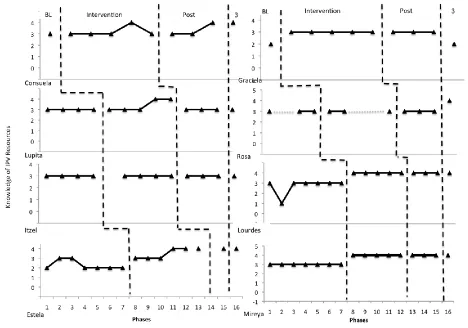
Figure 5. Knowledge of IPV Resources Graph 58
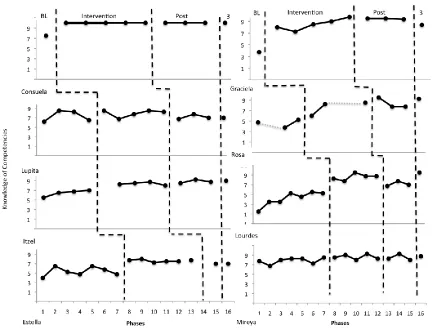
Figure 6. Knowledge of Leadership Competencies 60
Figure 7. Sense of Leadership Competencies 62
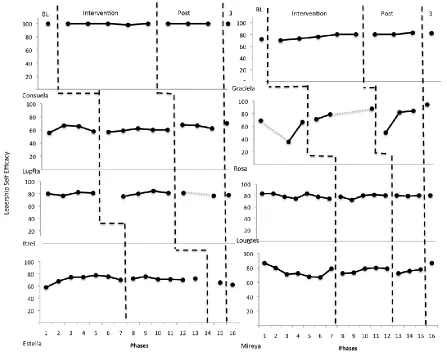
Figure 8. Leadership Self Efficacy 63
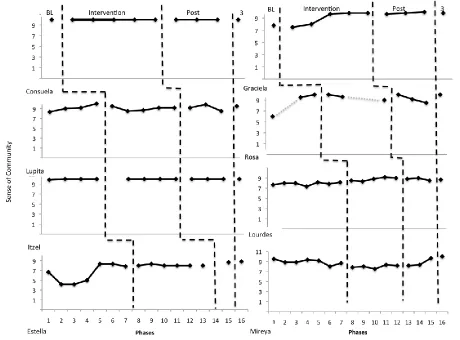
Figure 9. Sense of Community 64
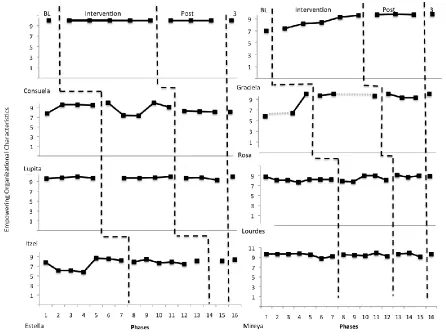
Figure 10. Empowering Organizational Characteristics 65
1. Introduction
The purpose of this study was to investigate the process and outcomes of
adapting and implementing an existing participatory-based leadership intervention that
was developed specifically for Latinas. A self-empowerment framework was used to
understand the experiences of immigrant Latina survivors of intimate partner violence
who participated in the program. Intimate partner violence (IPV) or domestic violence
(DV) is a significant social issue that plagues individuals across socio-economic status,
race, ethnicity, gender expression, sexual orientation, immigration status, class, or
education level. There are numerous definitions of IPV/DV utilized across the violence
intervention and prevention research fields; however, this paper uses the term intimate
partner violence or IPV as similarly defined by the Centers for Disease Control and
Prevention (CDC). The CDC suggests that IPV refers to emotional/psychological,
physical, and sexual abuse experienced by any member of a family including children,
adults, and elders (Saltzman, Fanslow, McMahon, & Shelley, 1999). The World Health
Organization (WHO) reports that IPV occurs worldwide. In fact, 10-69% of women who
participated in 48 studies across the globe indicated experiencing physical violence at
some point in their lives (WHO, 2002). Clearly, no woman is immune to the possibility of
experiencing IPV; however, research indicates that women and children in marginalized
communities are at greater risk and have fewer resources to deal with the effects of IPV
(WHO, 2002). This finding highlights the significant need for IPV interventions that
consider oppressive social conditions in marginalized communities.
There is a scarcity of culturally adapted IPV prevention and intervention
and especially true for immigrant Latino communities. Additionally, current intervention
programs have been criticized for attempting to address population level issues with
programs based on individual level theories that do not consider ecological systems
(Hawe, Shiell, & Riley, 2009; Moane, 2003). This study investigated the outcomes of
implementing an intervention that is both culturally grounded and respectful of the
social, economic, and political context in which immigrant Latinos live in Atlanta. The
program that was adapted for this study is a leadership intervention developed by Casa
de Esperanza, a national Latino IPV organization that actively seeks to “put the work
back into the hands of the community.” Uniquely, this program is a leadership
intervention program that draws on the extensive body of leadership intervention
research, which suggests that leadership development has a positive change in the
individual leaders in addition to the people they are leading (Hiller, DeChurch, Murase,
& Doty, 2011; Reichard, 2011). Based on Zimmerman’s empowerment model (1988,
1992, &1995), this study used a self-empowerment framework in order to understand
the processes and outcomes of the leadership intervention. The framework considers
individuals in relation to ecological systems and highlights individual strengths. The term
self-empowerment will be used throughout this paper to capture that empowerment
comes from within the individual and cannot be “given” by others or organizations.
2. Literature Review
2.1 IPV: History & Theoretical Underpinnings
The 1950s, 60s, and 70s are said to have been a time of significant social
change in the United States. It was during this time that the civil rights, anti-war, black
that sparked the IPV movement (Schechter, 1982). During this time, building on the
support networks established by the feminist movements, advocates created hotlines,
crisis centers, shelters, and community agencies to give voice and support to women
who had experienced IPV silently for so long. As the movement became more popular
and shelters were established across the country, the issue of IPV began to get
attention from government funding agencies. During this time, funders who gave priority
to individual services would not fund community level interventions or interventions
targeted at systems change. The focus on individual funding significantly affected the
direction of the IPV movement, limiting advocate’s focus on providing individual services
(Schechter, 1982). Although, the movement has attempted to move beyond solely
providing individual services, it continues to be critiqued for being limited in its scope of
services and conceptualization of IPV (Grauwiler & Mills, 2004; McPhail, Busch,
Kulkarni, & Rice, 2007).
As researchers became interested in the issue of IPV, their research focused on
individual level causes and antecedents of IPV. In the beginning, psychodynamic
theories dominated research. Professionals saw mental illness, learned helplessness,
and masochism as the reasons why women stayed in IPV situations. They attributed
men’s use of violence to intolerance of intimacy and alcoholism (Rounseville, 1978).
Since that time, broader level theories like family systems theory (Kurz, 1989; Straus,
Gelles, & Steinmetz, 1980) and the feminist IPV model (Dobash & Dobash, 1979), have
been developed to include societal level explanations for IPV. The feminist IPV model
continues to dominate the IPV field in research and practice despite sound criticisms
disparities deeply rooted in a patriarchal social system lead to IPV; men are seen as
primary perpetrators and women as primary victims (Dobash & Dobash, 1979). This
narrow approach ignores the reality of IPV in lesbian relationships, women’s use of
violence in heterosexual relationships and especially ignores the realities of women of
color who may be impacted by numerous other forms of oppression beyond gender
(Lippy, Serrata Vasquez, & Perilla, 2008).
Realizing the limitations of the IPV field’s current model, many researchers,
theorists and practitioners have developed theories and approaches with a broader lens
(Carlson, 1984; Dutton, 1996; Heise, 1998; Perilla, 1999; Perilla, Bakeman, & Norris,
1994). For instance, the ecological approach proposed by Perilla et al. (1994) provides
researchers a framework to organize variables from various systems in the
environment. It uses a nested model (individual, family, community, and larger society
structures) in which each element is embedded in the next system. Thus, the ecological
perspective sees IPV embedded within a larger context beyond an individual, couple or
family. It can be understood as a “social illness” that reflects oppression in larger
society, which is expressed and maintained within the family system (Perilla, 1999;
Perilla, et al., 1994). This approach explores intervening in IPV at broader level systems
for Latino immigrant families. Also, this approach provides a lens through which to
understand, in more depth, the mechanisms that help or hinder providers in offering
effective, culturally appropriate services.
2.1a The Proposed Project’s Framework of IPV
This study used an intersectional framework (Crenshaw, 1994) and a social
Lavizzo, & Ibanez, 2007). Similar to the ecological approach, Crenshaw (1994) notes
that individuals exist in social contexts. However, Crenshaw understands the impact of
social contexts on individuals in terms of the intersection of systems of power (e.g.,
race, class, gender, and sexual orientation, etc.) and oppression (e.g., prejudice, class
inequality, hetererosexist bias, etc). Through this intersection, an individual will
experience and respond to IPV in different ways depending on how much power they
have and how much oppression they experience. Additionally, social dimensions are
seen as key explanatory factors of the violence and not seen as stressors. For example,
a poor minority couple may experience IPV in the couple due to or at the same time as
they are experiencing discrimination based on class and race, which often takes the
form of violence in the public sphere (Bogard, 2008).
Perilla et al. (2007) also recognize IPV as a human rights issue. As such, IPV
becomes a social phenomenon, not only a private matter, that violates the human rights
of every individual regardless of race, class, sex, sexual orientation, and disability status
(Perilla, 1999). Thus, a social justice framework that values human rights and principles
of equality, as well as recognizes the dignity of all humans is paramount in IPV work.
The use of intersectionality and social justice frameworks allows the current study to
move beyond mainstream approaches and challenge systems of oppression that violate
the human rights of marginalized individuals (in this case, immigrant Latina survivors of
IPV) by creating an opportunity for participants to build on individual and collective
strengths. The current study investigated the effectiveness of a participatory-based
leadership intervention that sought to facilitate positive leadership change in immigrant
2.1b IPV & Latinas
Accurate prevalence rates for IPV are difficult to obtain due to issues such as
measurement, variable methods, differing definitions of IPV, etc. In addition, some
studies investigate previous year experiences while others investigate lifetime
experiences, which both produce very different rates. Despite these challenges, some
researchers have attempted to capture the rates of IPV in Latino communities and the
results show remarkable variation. For example, Kaufman (2005) found lifetime IPV
prevalence rates for Hispanic/Latinas ranging from 13.4% to 25.7%. In another study,
McFarlane et al. (2005) over sampled Hispanic women in a study that included 7,443
women aged 18-44 years. The authors found that 5.3% of Hispanic women in their
study had experienced IPV in the previous year (McFarlane, Groff, Watson, & Watson,
2005). To date, only one national survey exists that intentionally oversampled
Hispanic/Latina women in order to understand within group differences. In a secondary
data analysis study, Aldarondo et al. (2002) found significant differences among Puerto
Rican (20.4%), Mexican American (17.9%), Mexican (10.5%), and Cuban American
(2.5%) couples’ reports of male-to-female IPV, (Aldarondo, Kaufman Kantor, & Jasinski,
2002) highlighting significant within-group differences. It is important to emphasize that
research has consistently found that IPV rates are not significantly different across
races (Tjaden & Thoennes, 2000).
As Perilla (1999) notes, it is believed that IPV has both universal and
culture-specific elements that may play important roles in its antecedents, dynamics, and
effects. In addition, the intersection between IPV and factors such as acculturation and
Hass (2000) found that married immigrant Latina women were more likely (59.5%) to
experience physical and sexual violence than unmarried immigrant Latina women
(49.8%). Additionally, Glass et al. (2009) found that Latinas experienced sexual abuse
as a control mechanism more often than non-Latinas (Glass, et al., 2009). Another
culture-specific element unique to immigrant Latinas is that of immigration status as a
tool for violence. Immigration status is a common and powerful control mechanism
used by partners of immigrant women to force them to stay in the relationship (Dutton,
Orloff, & Hass, 2000). Unfortunately, this coercion tool and other behaviors that are
culturally bound are not captured by existing IPV surveys and instruments and thus
remain hidden from researchers and practitioners (Dasgupta, 2008).
Researchers have produced a significant body of literature studying the influence
of experiencing or witnessing IPV on Latina’s physical and mental health. This research
has shown that Latina women with abuse histories may experience increased risk of
depressive & post-traumatic stress disorder, physical injury, HIV infection, and
increased substance use (Hazen, Connelly, Soriano, & Landsverk, 2008; Rodriguez, et
al., 2008). In a recent study investigating the health of Latinas who experience IPV,
Bonomi, Anderson, Cannon, Slesnick & Rodriguez (2009) found that Latinas who had
experienced IPV in their lifetime reported significantly more negative physical symptoms
and depression than non-abused Latinas. A similar finding occurs when comparing
Latinas to non-Latinas (Bonomi, Anderson, Cannon, Slesnick, & Rodriguez, 2009).
These studies highlight the acute and chronic consequences with which Latina IPV
2.2 Current IPV Interventions
There continues to be a dearth of intervention programs for Latino families and
related research, despite the large numbers of Latinas who experience IPV and what is
known about the consequences of IPV on mental and physical health,. Additionally,
current programs have been criticized for not being grounded in the culture or theory
related to the targeted group. This study directly addressed this issue by evaluating the
Líderes program that was designed for Latinas by Latinas. A review of current
intervention programs helps to understand the knowledge gaps in intervention research.
In the book, Violence & Families: Assessing Prevention and Treatment
Programs, Chalk & King (1998) emphasize the lack of research that provides a clear
understanding of the effectiveness of IPV programs. They suggest that much of the
current research on IPV interventions merely describe the programs, but does not
explain implementation or evaluation outcomes. In addition, the authors suggest that
current research lacks a link between theory and outcomes necessary for
understanding the aim of the intervention and results of the evaluations. They also call
on researchers and organizations to implement a stronger evaluation component to
current IPV interventions. They suggest that additional research needs to continue
being conducted in order to gain a clearer understanding of the IPV interventions that
work, with whom they work, and why they work (Chalk & King, 1998).
Despite the dearth of literature regarding implementing and evaluating IPV
interventions as well as the critique of current programs, current research on
interventions does provide a general understanding of existing programs and their
interventions that have developed within the field of IPV and that receive funding and
attention from researchers, policy makers, government agencies, community members,
and advocates, etc. These include social service interventions (e.g., advocacy for
victims and families, family support programs, education programs, and shelters for
battered women), legal interventions (e.g., efforts to build expertise in legal institutions
and procedural and jurisprudential reforms), health care interventions (e.g., assessing
for IPV at health clinics & educating health professionals about IPV), & comprehensive
and collaborative interventions (e.g., service integration, comprehensive services, and
community-change interventions).
2.2a Social Service IPV Interventions
Social service interventions for IPV include interventions such as shelters, peer
support groups, advocacy, and prevention programs. The dominant intervention for IPV,
however, continues to be shelters. Unfortunately, shelters have not proven to be the
ultimate solution for all survivors, especially women of color (Murdaugh, Hunt, Sowell, &
Santana, 2004). Evaluations of shelters suggest that outcomes can be measured based
on the women’s stage of leaving their partner (Brown, Trangsrud, & Linnemeyer, 2009),
a concept that may not be an option or choice for ALL women (Perilla, Serrata Vasquez,
Weinberg, & Lippy, 2012). Unfortunately, due to the prevalence of shelters as the
primary intervention of IPV (there are approximately 1,200 shelters in the United
States), the perception is that shelters are the ultimate solution for all women (Lyon,
Lane, & Menard, 2008). As noted by researchers, the mainstream IPV movement has
rushed forward and applied interventions without considering cultural variables
families, Perilla (1999) reported how the Latina participants of the program noted that
the mainstream model of expecting them to leave their partners and supporting them in
doing so was not working for them. This is also evidenced by a study finding that
Latinas did not mention the need for shelters when asked about their needs as survivors
of IPV (Murdaugh, et al., 2004). This is not to say that Latinas do not need shelters or
do not use them; however, this points to the importance of considering cultural
differences in service needs. Broadly applying mainstream social service interventions
such as the use of shelters without first confirming their utility in diverse sub populations
may be ineffective and has the potential to cause harm.
2.2b IPV Legal Interventions
Another prominent area of intervention for IPV is that of legal interventions.
These interventions usually focus on procedural changes in law enforcement, such as
protective orders and arrest policies and practices. The focus of legal interventions is
limited by the scope of the legal system, which attempts to look at both sides of the
issue and balance the protection of the survivors and perpetrators (Chalk & King, 1998).
This is not the case for participant centered interventions. The coupling of law
enforcement with the IPV movement has had both positive and negative consequences
for the field and, more importantly, for survivors. Court mandates and the establishment
of IPV departments within police stations was the result of rigorous advocacy beginning
in the 70s (Dutton, 1996). Currently, it is often the case that IPV services are only used
by survivors following court mandates. One cannot deny that this movement had a great
impact on making “the private public”; however, for many communities the coupling of
minority survivors of IPV may avoid calling the police for fear of discrimination or
mistreatment from law enforcement towards themselves and/or their partners
(Dasgupta, 2008). Additionally, this fear may be heightened among immigrant survivors
due to the current anti-immigrant culture evidenced by increasing collaboration between
local police forces and immigration enforcement. One must consider that this
mainstream model may prevent entire communities that are at the margins of society
from reporting violence and accessing resources.
2.2c IPV Health Care Interventions
Due to the increase in knowledge regarding the health consequences of IPV, a
newer area of IPV interventions has developed: health care interventions. Medical
professionals have many interactions with family members and probably have one of
the best possibilities to screen and share information with families about IPV. In
addition, health care professionals are more likely to see survivors immediately after
incidents of abuse due to acute injuries or see them due to the physical effects of
chronic stress and fear (Chalk & King, 1998). Unfortunately, many individuals who have
experienced IPV do not identify themselves as survivors. Thus, interventions have
focused on increasing the awareness of IPV for health professionals and increasing
institutional responses to IPV (Chalk & King, 1998). Given the very large service
industry of mental and physical health, interventions focused on this area have proven
to be positive for the IPV field and a step in the direction of primary prevention.
However, further research is needed in order to determine the effectiveness of this
2.2d Comprehensive & Collaborative (Community Change) IPV Interventions
An emerging area in the field of IPV interventions that Chalk & King (1998) label
comprehensive and collaborative interventions are those aimed at shifting the power
between service providers and community members by more actively involving
community members in the intervention. In reviewing these interventions, Chalk & King
(1998) concluded that the emphasis on comprehensive and collaborative approaches
by researchers and community leaders in the past decade has resulted in innovative
approaches to service delivery. However, they clearly state that “research is largely
descriptive” and lacks the evaluative component to determine effectiveness (Chalk &
King, 1998, pg. 261). In fact, none of the research in this area met the criteria to be
included in their book chapter. Nevertheless, Chalk & King (1998) reported current
themes in the IPV community intervention field: interventions that strengthen current
services being offered in communities; programs that focus on the entire person or
family in context and considers their needs and strengths; and interventions that focus
on the community or society itself as the subject of intervention. Published research on
these interventions (reviewed below) can provide a basis for understanding and
conducting comprehensive and collaborative work in diverse communities, otherwise
broadly known as community change interventions.
2.2e IPV Empowerment Interventions
An area of IPV interventions that can fall into the category of community change
interventions are programs focused on self empowerment of individuals, organizations
drawing from influential scholars such as Paulo Freire, which captures the essence of
empowerment:
“Empowering processes are those where people create or are given
opportunities to control their own destiny and influence the decisions that affect
their lives. They are a series of experiences in which individuals learn to see a
closer correspondence between their goals and a sense of how to achieve them,
gain greater access to and control over resources, and where people,
organizations, and communities gain mastery over their lives.” (M. A.
Zimmerman, 1995)
As noted by Zimmerman’s definition, the essence of empowerment is gaining
control of the resources needed to obtain goals. Moreover, Zimmerman (1995) and
other influential scholars, such as Paulo Freire and Ignacio Martin-Baró recognized the
experience of oppressed individuals and the notion that it is not a lack of individual will
but a lack of power and access to resources that makes it difficult to reach certain goals.
This philosophy proposes a change in the hierarchical IPV mainstream view that
advocacy through providing of services can only be done by staff members of
organizations (Kasturirangan, 2008). Thus, many IPV organizations have attempted to
implement empowerment components in their programming by actively including
participants. However, in reviewing “empowerment programs” for IPV, Kasturirangan
(2008) noted that many organizations continue to falsely use the concept of
empowerment. For example, IPV organizations may attempt to “empower” IPV survivors
by encouraging them to seek services to move towards independence from their partner
may not stem from the values or culture of the survivor, thus negating the action as
being truly empowering. Kasturirangan (2008) noted that despite the use of the term
“empowerment”, organizations continue to apply the same set of beliefs stemming from
the dominant culture to ALL women and continue to provide traditional mainstream
services.
2.2f Community IPV Interventions for Latinas
According to Perilla (1999), community psychology affords psychologists a set of
values that includes social justice, citizen participation, and collaboration that can guide
the IPV intervention field to make lasting change with oppressed and marginalized
communities. This may require psychologists to take sides with the oppressed by
getting involved in the community, getting to know community members, gaining a
better understanding of their lives and working to facilitate the acquisition of power
(Perilla, 1999). Practitioners and researchers grounded in similar values have utilized
various community change interventions to intervene in IPV.
Within the Latino community, community interventions for IPV have included
community based participatory research (Bloom, et al., 2009; Maciak, Guzman,
Santiago, Villalobos, & Israel, 1999) and collaborations between community agencies,
government, clergy, criminal justice, and academia (Maciak, et al., 1999). Both of these
approaches utilize an ecological model for identifying intervention strategies and include
Latina community members in formulating goals and interventions. In the Maciak et al
(1999) study, the collaboration team established a 5-year activity plan with program
objectives and obtained seed funding for start up and assessment activities. In the
program for identifying IPV (Bloom, et al., 2009). Unfortunately, both of these studies
stopped short in realizing Latinas’ strengths and potential in implementing interventions.
It appears as if in both studies, Latinas were included in the research process and
utilized to collect data, however, the researchers were the primary leaders and
developers of the initial projects. Unfortunately, in both studies the ultimate power
continued to lie in the hands of the individuals who traditionally have power in these
types of collaborations: academics.
2.2g Two Exemplary Community Change IPV Interventions
As mentioned above, another area of community change interventions includes
interventions that have a significant self-empowerment component. For immigrant
Latina survivors of IPV, access to resources is significantly limited due to systems of
oppression, language barriers, as well as sociopolitical forces. As such, immigrant
Latinas require and deserve innovative programs that will incorporate
self-empowerment components and collaboration in supporting the women to obtain their
goals and gain control in their lives. Two exemplary models of IPV community
interventions that have self-empowerment embedded within their framework and
approach are Caminar Latino in Atlanta, GA and Casa de Esperanza in Minneapolis/St
Paul, MN.
Caminar Latino is a non-profit organization that has worked for over twenty years
in the Latino community in Atlanta with families impacted by IPV (See Perilla, Lavizzo,
et al., 2007 for a complete history of Caminar Latino). The mission of Caminar Latino is
to build on the strengths of the Latino community to develop healthy families with the
organization’s participants and expanded their services to reflect their realities. At
Caminar Latino, which initially started as a women’s support group, participants asked
staff members to find a way to challenge mainstream interventions and offer a support
group for their partners, rather than expect that they would leave them (Perilla, et al.,
2012). Caminar Latino responded and established a batterer intervention. In addition,
Caminar Latino also responded to the request to provide services to the women’s
children. Currently, Caminar Latino provides services to the entire family in order to offer
a comprehensive, culturally appropriate intervention. Caminar Latino offers two
women’s support groups (one is a crisis intervention group and the other focuses on
building critical consciousness among the women), a batterer intervention, a youth
program consisting of four groups for children ages 0-18, a young adult group, parenting
classes, and advocacy for women and child participants. Although not the focus of the
intervention, Caminar Latino also provides some individual therapy services for women
who are active participants in the program and who have requested or have been
identified as needing individual support in meeting their goals.
Similar to Caminar Latino, Casa de Esperanza responded to participants’
requests in the late 90s and completely shifted their mission and approach to services.
Beginning in the late 1970s, Casa de Esperanza began with a small group of Latina
activists who provided information to Latino communities about IPV and advocated for
Latinas. In 1982, it opened its shelter and was incorporated as a nonprofit organization.
Casa de Esperanza underwent a marked shift in 1989, when the organization began to
turn its focus to community change and began to offer community workshops for
communities to end IPV. Casa de Esperanza strongly believes that the eradication of
IPV in Latino communities can only be achieved at the hands of Latino community
members themselves. Thus Casa de Esperanza seeks opportunities to “put the work in
the hands of the community” (Esperanza, 2010). They have grown to be recognized as
the Department of Health and Human Services’ (DHHS) designate National Latin@ IPV
Institute for their ability to mobilize communities and create innovative approaches.
Their work falls into three categories: (1) direct support to Latino families (i.e., 24 hour
shelter, 24 hour bilingual crisis line, advocacy and support), (2) community engagement
(i.e., peer education programs for women and youth, information centers and resource
centers located in Latino neighborhoods), and (3) the National Latino Network for
Healthy Families and Communities (i.e., public policy and research initiatives).
The benefits that both organizations offer their communities are invaluable.
Evaluations of initiatives implemented by these organizations note that both
organizations see a reduction in physical violence shortly after participants begin the
program (Esperanza, 2010; Perilla, et al., 2007). Additionally, Casa de Esperanza has
noted an increased awareness of IPV and trauma in participants of their peer education
initiatives (Esperanza, 2010).
In addition to valuing participants’ voices, a unique aspect of both organizations
is that they are aware of the importance of and incorporate the process of
concientización into their programming. Concientización or critical consciousness is a
concept developed by Paulo Freire (1971) and translated for the field of Psychology by
Ignacio Martín-Baró (1994). Concientización refers to the process through which
critical understanding of where they stand in society in terms of power and oppression
(Perilla, 1999). It also includes an understanding of the potential to create change for
themselves and within their communities despite being born into systems of oppression.
For immigrant Latina survivors of intimate partner violence, concientización means
understanding the histories and social conditions both of their country of origin and of
the new country and realizing the dynamics within both cultures that sustain oppression,
poverty, and violence. It also includes understanding that their plight is not individual but
belongs to society as well as an awareness of their rights as women and mothers to
create change at multiple ecological levels for themselves and their children (Perilla,
1999). The process and outcome of concientización is key to any
self-empowerment-focused intervention and is seen as the first step in creating community change for
Caminar Latino and Casa de Esperanza. (Freire, 1978; Martin-Baro, 1994)
2.3 An Innovative IPV Intervention: Leadership Training
Casa de Esperanza has utilized numerous community interventions to reach
different pockets of the Latino community about IPV including a youth peer education
program, culturally affirming direct support to families, and building support networks
among neighbors and Latino professionals. One approach, a community leadership
initiative called the Líderes program uses a community health education model of
utilizing community members to promote awareness about IPV. In the community health
education model, peers (community health workers) are trained and utilized to promote
health in culturally appropriate ways. Research indicates that this model has been
effective in promoting positive change in attitudes and behaviors around the targeted
participants (Swider, 2002). In fact, one study utilizing qualitative methods, noted
positively themed consequences for both the peers (community health workers) and the
women who attended the presentations (P. J. Kelly, Lesser, Peralez-Dieckmann, &
Castilla, 2007).
One of the key components of the community health education model is training.
Community health workers are trained in various skills (depending on the need of the
community) from delivering healthcare (e.g., vaccinations and first aid) to doing
presentations about topics of relevance to the community. Similarly, the Líderes
program is a peer model that aims to tap into the abilities of community individuals to
share critical information and resources, as well as build community and promote
healthy relationships with other community members (Esperanza, 2010). However,
somewhat different from the community health education model, which focuses on
knowledge gains of information, the Líderes program focuses on leadership
development skills (an innovative topic in community intervention research). These
mechanisms of change for the Líderes are best understood through the leadership
development literature.
2.3a Literature on Leadership as an Intervention
Traditionally, leadership research is conducted in the fields of business or
organizational development; however, researchers and program developers in other
disciplines have also shown an increasing interest in the notion of leadership as an
intervention. A literature review reveals that studies regarding leadership interventions
are found across many disciplines including school health (Story, Lytle, Birnbaum, &
(Cook & Leathard, 2004), and occupational health (Kelloway & Barling, 2010). This
finding highlights the importance of including literature from across disciplines in order
to gain a better understanding of leadership interventions.
Historically, leadership research has been restricted to understanding the
complexities of individual leadership including its heritability, correlations to personality
characteristics, leadership styles, etc. However, relatively little research has studied
leadership as an intervention (Avolio, Reichard, Hannah, Walumbwa, & Chan, 2009)
despite that some researchers have highlighted leadership interventions as critical
strategies for organizations (Reichard, 2011). Avolio et al. (2009), researchers in the
business field, have become particularly interested in addressing this research gap and
have recently published many studies in the area of leadership intervention or
leadership impact research. In a recent meta-analysis Avolio et al. (2009) examined 200
experimental and quasi-experimental studies on leadership interventions across various
subfields including psychology, business, and anthropology. Of note, they found an
increasing trend of the number of studies in the area of leadership intervention
beginning in the 1990s and concluded that the trend appears to be consistently
increasing for the future (Avolio, et al., 2009). The current study appears to contribute to
the increasing interest in leadership intervention.
A particularly interesting aspect of Avolio et al’s (2009) meta-analysis is the
categorization of different types of leadership interventions. Avolio and his team
included research that involved any manipulations of leadership, including research that
used actors to portray leadership, research that assigned particular leadership styles to
leadership training or development as any attempt of the original investigators to
manipulate “individual's knowledge, skills, ability, motivation, and/or perceived
self-concept to enable them to exercise positive influence in the domain of leadership”
(Avolio, et al., 2009, p. 769). They found that the most common form of leadership
intervention across the 200 studies was the training or development of leaders (Avolio,
et al., 2009). In fact, they found that leadership interventions (most commonly leader
training/development) produced a 66% probability of achieving a positive outcome as
measured by cognitive, affective, behavioral or organizational performance.
Other research has also found similar results regarding leadership development
and training. For example, in an earlier meta-analysis, Collins & Holton (2004) found
positive knowledge outcomes for leadership development with effect sizes ranging from
.96 – 1.37. Additionally, in a study investigating transformational leadership as an
intervention among military leaders, Dvir et al. (2002) found effectiveness for the
leadership intervention in positively affecting followers’ development and performance.
Other researchers have found positive effects of leadership training on financial
outcomes of organizations, followers’ perceptions of leaders, and followers’
organizational commitment (Barling, Weber, & Kelloway, 1996). In a qualitative study on
leadership development of adolescent girls, Hoyt, Murphy, Halverson, and Watson
(2003) found that a six-week leadership intervention influenced how participants
conceptualized leadership, changed the manner in which they viewed action and
incorporated leadership into their self-identity. This article is pivotal in broadening the
Within the area of leadership development and training is a subset of
interventions that involve training peer leaders. In a meta-analysis, when investigating
the conditions for which leadership interventions are effective, Avolio et al (2009) noted
an interesting finding in regard to level of leadership. Avolio and his colleagues found
that leadership interventions had greater effects on followers’ behavioral outcomes
when the intervention was targeted at a “lower level” leader or a leader who works with
the followers more closely than when it was targeted by a higher level leader. In other
words, the leaders that were “closer” to the followers showed more positive outcomes.
This finding is very much aligned with findings in the peer leadership field, which utilizes
leaders who are on the “same level” of the organizational or societal hierarchy to
provide leadership to a group of peers (Bentley, 2000; Birnbaum, Lytle, Story, & Frenn,
2003; Latkin, 1998; Shah, et al., 2001; Swider, 2002).
Peer leadership is greatly utilized within the area of public health. In fact, peer
leaders have been used for many years to disseminate information about a variety of
issues including cancer prevention (Larkey, Gonzalez, Mar, & Glantz, 2009),
hypertension (Balcazar, Byrd, Ortiz, Tondapu, & Chavez, 2009), HIV education (Latkin,
1998; Martin, et al., 2005), diabetes education (Bazzano, et al., 2009; Heisler, et al.,
2009), physical health, mental health(Bentley, 2000), and access to primary care
physician (Horowitz, Brenner, Lachapelle, Amara, & Arniella, 2009; Ingram, Sabo,
Rothers, Wennerstrom, & de Zapien, 2008). Research indicates that the use of peers
for public health is an effective model in promoting healthy change within communities.
The effectiveness of peer leadership has caught the attention of researchers in
psychiatry, and nursing. Studies in these areas are beginning to provide evidence for
ecological validity for the use of peer leadership beyond public health. For example, in a
study utilizing peer leaders in a school based nutrition intervention, evidence showed
that at one year follow up, students in the peer leader group consumed healthier
portions of fruits and vegetables than at baseline and more than other intervention
groups and the control group (Birnbaum, et al., 2003). In another study, investigating
the effectiveness of utilizing peer leaders for HIV prevention among injecting drug users,
Latkin (1998) found that members of the peer leaders social network were significantly
more likely to report higher levels of needle hygiene compared with controls.
Interestingly, in a study utilizing peer leaders & professional leaders to disseminate a
strength-training program for older adults, no differences in the ability of peer and
professional leaders to disseminate the program were found. In other words, peer
leaders were just as effective as professionals (Layne, et al., 2008). These studies
provide strong evidence for the use of peer leadership programs; however, they stop
short of informing research on the impact of such programs on the leaders themselves
or reasons for their effectiveness.(Collins & Holton, 2004)
Researching the impact of leadership interventions on the development of the
leaders themselves is an important link to better understanding leadership interventions
across disciplines. Birnbaum et al. (2003) note that peer leader models are widely used;
however, a systematic examination of the changes experienced by peer leaders is
lacking. Hence, Birnbaum et al. (2003) documented the impact that a school based
nutrition intervention had on the dietary improvements of the peer leaders and found
significantly more than controls. In addition, peer leaders reported positive perceptions
of peer leadership with more than three fourths saying that they would like to be a
leader again.
In a qualitative study on the benefits of peer leadership among junior
baccalaureate nursing students, Bos (1998) found that nursing students described
positive experiences following peer leadership experiences, including enhancement of
critical thinking skills, enhancement of technical skills, awareness of peers as resources
and development of management skills. Latkin’s (1998) study on the use of peer
leaders for HIV prevention among injecting drug users found that peer leaders
themselves reported a significant increase in condom use and in cleaning used needles
with bleach. (Bos, 1998)
In a study on building neighborhood leaders, a mixed method design was used to
investigate the influence of a leadership intervention on peer leaders. The results
indicated that on a set of questionnaires the participants improved in perceived
leadership skills and experience. In addition, the interviews post intervention indicated
that participants utilized the training to continue working in their neighborhood, growing
personally, and starting a group or organization. Many of the participants felt that the
training increased their self-confidence for becoming leaders in their communities
(Ayon, 2009).
In a peer leadership training specific to Intimate Partner Violence, Kelly et al.
(2007) found that that the peer leaders experienced behavioral change through the
development of skills, and experienced cognitive change through their appreciation of
through their sense of themselves as community benefactors and processing of
personal impact of violence (P. J. Kelly, et al., 2007). Additionally, a study that
developed an evaluation tool, documented the increase in presentation skills in peer
leaders after a training intervention (Swider, Martin, Lynas, & Rothschild, 2010).
The literature review suggests positive outcomes for the leaders who were
trained and the individuals for whom the information is being disseminated; supporting
the use of leadership interventions as an effective tool for creating change among
individuals. Specifically, the peer leadership intervention literature provides evidence for
the peer model as a tool for creating opportunities for self-empowerment of individuals
and entire communities. This is especially attractive in the area of IPV interventions
where day after day, advocates who work with survivors are consistently aware of the
tremendous internal strengths of women who often overcome the most dreadful
situations. In fact, Perilla, Roche, and Collier (2007) noted that “knowing their
participants by name” helped them to bear firsthand witness to the remarkable strengths
of the women and children affected by intimate partner violence with whom they
worked. Utilizing a peer leadership intervention may be an effective way to capitalize on
the strengths of survivors of intimate partner violence and create social change that
shows promise to impact the individual and community alike. This study provided a
unique opportunity to study, from the onset of the leadership program, the influence that
a peer leadership intervention can have on a group of women who are significantly
under serviced and under studied: immigrant Latinas. This, of course, broadens the
2.4 Self-Empowerment Theory as a Framework for Understanding a Leadership
Intervention
As mentioned above, the critical components of community change interventions
include a social justice perspective, community participation, an ecological framework,
and critical consciousness. Psychological empowerment theory provides a framework
for understanding how a leadership intervention including these mechanisms can create
positive change for immigrant Latina IPV survivors. It also gives researchers a basis
from which to learn more about the empowerment process and empowering settings, as
well as a guide for evaluating interventions designed to enhance opportunities for
empowerment (Zimmerman, 1995). However, Zimmerman (1995) was explicit in noting
that this framework is flexible and urged against applying broad definitions of
empowerment across contexts. He noted that empowerment will need to be
operationalized differently across settings and populations. Thus this framework
provides the flexibility to adapt the language to accurately represent the context of the
Líderes program for immigrant Latina IPV survivors.
According to Rappaport (1987), empowerment is a process that facilitates the
acquisition of mastery and control over a bothersome issue by people, organizations or
communities. Empowerment processes are complex, include multiple dimensions, and
can take place at multiple levels. Zimmerman (1988, 1992, 1995) has conceptualized
empowerment at the individual level as psychological empowerment (PE). PE includes
the context of an individual by highlighting the interactions of the individual with
sociopolitical environmental forces (M. A. Zimmerman, 1995; M. A. Zimmerman, Israel,
study focused on the individual level and used the term self-empowerment to reflect
what Zimmerman calls PE. As mentioned above the term self-empowerment more
accurately captures that empowerment comes from within the individual and cannot be
“given” by others or organizations.(Rappaport, 1987)
Importantly, in his discussion regarding the study of PE, Zimmerman (1992)
clearly states that the specific operationalization of PE will depend on the population
and context being studied. Nevertheless, he offers explanations of the three
components of PE based on previous research: the intrapersonal, interactional, and
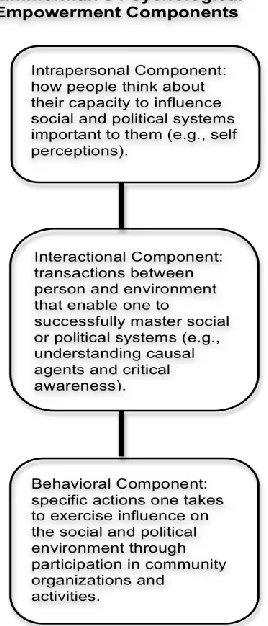
behavioral components (Zimmerman, 1992, 1995; see Figure 1). The intrapersonal
component includes how people think about their capacity to influence social and
political systems important to them (M. A. Zimmerman, et al., 1992). It may include
one’s self-perception of perceived control, self-efficacy, motivation to exert control, and
perceived competence and beliefs about one’s own capacity. It may also include one’s
beliefs about people in general. Secondly, the interactional component involves
transactions between person and environments that enable one to successfully master
social or political systems. This component may include variables such as knowledge of
resources, critical awareness of one’s environment, and the development of the skills
necessary to actively engage in one’s environment (M. A. Zimmerman, et al., 1992).
Zimmerman (1992, 1995) suggests that the interactional component is the intermediate
component because it connects self-perceptions (intrapersonal) with what one does to
exert influence (behavioral). The behavioral component includes specific actions one
include one’s participation in community organizations, participation in community
[image:39.612.89.223.141.454.2]related activities, and coping behaviors (M. A. Zimmerman, et al., 1992).
Figure 1. Zimmerman’s Empowerment Model
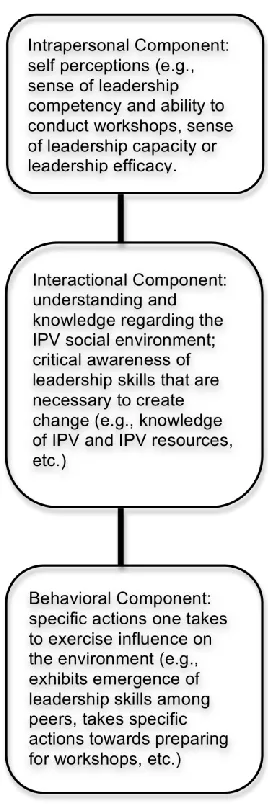
Utilizing Zimmerman’s model, this study also conceptualized self-empowerment
as including three domains: intrapersonal, interactional, and behavioral (see Figure 2).
For this study, the intrapersonal domain includes the participants’ perception of
themselves. This includes their own leadership competence and perception of their
ability to conduct workshops in their communities. It also includes the participant’s
beliefs about their own capacity to be leaders. The interactional component includes
their understanding and knowledge about systems and people outside of themselves in
interactional component includes the knowledge gains of participating in the program
including knowledge of resources for IPV, the dynamics of IPV in the Latino community,
knowledge about leadership styles and the skills involved in being an effective
community leadership in addition to knowledge of the current immigration laws that are
very relevant to their lives and are significantly impacting their communities.
The third component is the behavioral component, which refers to specific
actions or behaviors. This component has been extensively researched in relation to
community and political action (Speer, 2000; Speer & Peterson, 2000; M. A.
Zimmerman, 1995; M. A. Zimmerman, et al., 1992; Marc A Zimmerman & Rappaport,
1988). This component includes change in behavior related to the leadership program.
A significant element of the training is providing the tools that the Líderes feel that they
need to conduct the talleres (workshops). Past research has indicated that this includes
facilitation skills as well as presentation skills (Swider, et al., 2010). Thus, the
participants can be evaluated on their competencies in delivering a workshop as well as
the behavior of organizing a workshop (e.g., finding a location, advertising for the
workshop, preparing for the workshop, and conducting the workshop). In addition,
another construct that may capture the behavior change of the leader includes
leadership emergence, which documents the leader’s behaviors within a group (e.g., the
Figure 2. Self Empowerment Framework for Current Study
The proposed framework above was developed for this study following
Zimmerman’s (1992 & 1995) recommendation that one would need to modify his
general framework based on the population, context, and intervention. There are many
aspects of the proposed study that are unique, including the intervention, the
organization (Caminar Latino), and the participants (immigrant Latina survivors of IPV).
intervention, organization, and participants must be considered. For instance, the
framework matches the purposes of the intervention, which was to create an opportunity
for the participants to discover their own natural leadership abilities. In this case, it
would not be appropriate to blindly apply the PE framework as it currently stands, which
would involve measuring one’s perceived control of socio-political forces, understanding
socio-political forces, and participating in behaviors that challenge the socio-political
environment. Measuring socio-political issues would completely miss what the
intervention attempted to achieve. Additionally, the traditional PE framework does not
match the realities of the participants in this study. For immigrant Latinas who
experience significant social barriers, it may not be appropriate to ask them about their
voting behavior (as you would if researching a socio-political intervention for
mainstream individuals) or their ideas about challenging internalized oppression (as you
may with African American individuals) since they may not be familiar with this
phenomenon as they are confronting very different issues (e.g., language barriers and
negotiating two cultures). Thus, the framework was developed to appropriately reflect
the specific purposes of the Líderes program and considers the realities of the
participants.
In utilizing empowerment theory as a framework, one must distinguish between
empowering processes and empowered outcomes (M. A. Zimmerman, 1995).
Empowering processes are processes that facilitate opportunities for individuals to gain
control and influence the decisions that affect their lives. However, empowered
outcomes refer to the specific measurements utilized to study the effects of
challenge of empowered outcomes is that the researchers must attempt to develop
relevant measures that assess the outcomes intended by the intervention.
Nevertheless, due to the critical nature of understanding both process and outcomes,
the study utilized both quantitative and qualitative strategies to capture both
components throughout the adaptation and implementation process.
An important component that allows community organizations to create
opportunities for self-empowerment is a culture of collaboration (participation), which
can be operationalized as a sense of respect among organization participants and a
sense of community within the organization (Hughey, Peterson, Lowe, & Oprescu,
2008; Hur, 2006; Schulz, Israel, Zimmerman, & Checkoway, 1995; Zachary, 2000).
Extensive research has been conducted on sense of community; however, little
research has studied the self-empowerment-sense of community link (Hughey, et al.,
2008). Hughey and his peers found empirical evidence that sense of community may
relate to empowerment and power (Hughey, Speer, & Peterson, 1999; Peterson, et al.,
2008; Speer, Jackson, & Peterson, 2001). In fact, Hughey et al. (2008) found that sense
of community related to the empowering organizational process and provided a
conceptual model for how both empowering organizational processes and sense of
community relates to psychological empowerment. Moreover, similar to Hughey et al.
(2008), Zimmerman (1995) proposed the following components that are key in an
organization’s developing opportunities for self-empowerment, including (1) involving
community members in the development, implementation, and evaluation of
interventions; (2) developing an identity related to the organization whereby
community members to develop skills so that they do not have to be dependent on
professionals. The study attempted to implement the three components suggested by
Zimmerman (1995) in the process of the Líderes program. In doing so the study hoped
to create a culture of collaboration, which has been found to be key in the
self-empowerment process and is studied as an important component of this project.
In summary, the proposed study used a self-empowerment framework to
understand the processes and outcomes of the Líderes program within three
components: intrapersonal, interactional, and behavioral. The framework considers
individuals in relation to ecological systems and highlights individual strengths. In
addition, a participatory model was used to create a culture of collaboration in which
participants participated actively with academic researchers in the adaptation and
implementation process.
3. The Current Study & Hypotheses
The current study was conducted at Caminar Latino, a comprehensive IPV
organization, which provides services for the entire family affected by IPV. Although
there is a scarcity of culturally adapted violence prevention and intervention programs
for Latino communities in general and even fewer for immigrant Latino communities,
Caminar Latino has managed to provide culturally centered services for 20 years to the
immigrant Latino community in Atlanta, GA. This project fills a significant gap in the
literature regarding the effectiveness of a leadership intervention in facilitating
self-empowerment for immigrant Latina IPV survivors. Researchers in this area have
addition, this study answers a significant challenge to the IPV field by documenting the
effectiveness of such an intervention (Chalk & King, 1998).
Throughout the community intervention literature, empowerment is consistently
valued as a means for obtaining positive psychological outcomes for significant social
issues with oppressed individuals and communities. However, solid research that
evaluates the effectiveness of interventions that are “empowerment focused” is
significantly lacking. In fact, within the IPV community intervention field, such
interventions have been critiqued for not fully facilitating opportunities of
self-empowerment for participants (Kasturirangan, 2008). Many authors have stated the
importance of accurately conceptualizing empowerment for IPV survivors, incorporating
empowerment processes in interventions, and accurately evaluating outcomes (Chalk &
King, 1998; Kasturirangan, 2008). Emerging research is beginning to include leadership
development as a means for influencing self-empowerment. It appears that leadership
interventions hold promise for filling the gaps in self-empowerment intervention research
previously mentioned. A literature review indicated that peer leadership models are
significantly effective in influencing positive outcomes among the participants and
leaders alike(O'Brien, Squires, Bixby, & Larson, 2009). This study evaluates the
implementation and evaluation of a peer leadership intervention to study its influence on
self-empowerment of immigrant Latinas. This study thus contributes to the knowledge
base about immigrant Latinas, a population significantly under represented in IPV
research.
The aim of this study was to build upon the IPV community intervention literature