
Mrs. Harsha Kathpalia Assistant Professor,
Vivekanand Education Society’s College of Pharmacy, Chembur (E), Mumbai 400074,
Maharashtra, India.
Email:[email protected]
Address for correspondence
Access this article online www.japer.in
Recent trends in Hard Gelatin capsule delivery System
INTRODUCTION
The word ‘Capsule’ is derived from the Latin word ‘Capsula’ which mean small box or container. The gelatin capsule was invented early in the 19th century as a result of the need to mask the obnoxious taste of many medicinal substances such as oleoresin of copaiba, which is extremely nauseating when taken by mouth. The first patent was granted on 25th March 1834 for soft gelatin capsule to Mr. François Achille Barnabe Mothes, a French pharmacy student. Further development was done in soft gelatin capsule fill formulation and soft shell manufacturing. Hard gelatin capsule was invented by Jules Cesar Lehuby, a Parisian pharmacist who was granted patent on 20th October 1846. Earlier, the soft gelatin capsule was known as one piece capsule and hard gelatin as hard two piece capsule. [1] A capsule is a shell or container prepared from gelatin containing one or more medicinal and/or inert substances. Capsules are intended to be swallowed whole by the patient. In instances where patients (especially children) are unable to swallow capsules, the contents of the capsule can be removed and added (e.g., sprinkled) on
soft food immediately before ingestion. In this case, capsules are used as a vehicle to deliver premeasured medicinal powder. Capsule dosage forms occupy more than 10% of the total dosage forms on the market. [2] Capsules account for about 20% of all prescriptions dispensed.[3]
Advantages of capsule over tablets [4]
Fewer developmental problems in capsules, hence allow quicker submission of a new drug for clinical trials.
It is easier to vary the dose.
Less adjuncts are necessary than for tablets Capsule manufacturing requires fewer steps than
tablet manufacturing.
Easy to swallow hence improves patient compliance
Simple separation of two incompatible products (combination)
More possibilities for product identification (printing)
Drug with high dose and low compressibility can be incorporated in capsules
Types of capsule
1. Soft gelatin capsule (SGC) 2. Hard gelatin capsule (HGC)
1. Soft gelatin capsule (SGC)
Soft capsules are for solids, liquids and semi-solids. They may be spherical, ovoid or cylindrical with hemispherical ends. In addition to the ingredients of
Modifications in conventional capsule delivery system are needed to overcome the disadvantages associated with them and to provide products of higher selectivity for medical treatment. This review includes newer trends related to capsule shell, capsule fill material, capsule sealing technique, and different capsule systems to achieve modified drug release, encapsulation of various kind of materials and for modified application like mapping of the drug for clinical evaluation.
Keywords: Vegetarian capsules, capsule fill material, capsule sealing technique,
modified capsule systems, drug mapping capsule systems
ABSTRACT Harsha Kathpalia*, Komal
Sharma, Gaurav Doshi
hard capsules, they contain plasticizer (e.g. sorbitol, propylene glycol, glycerin), which provides the flexibility. They are usually filled with liquids or suspensions. Dry solids are possible, including compressed tablets (“Geltabs”). [5-6]
2. Hard gelatin capsule (HGC)
They consist of a cylindrical body and cap, both with hemispherical end and are usually made from gelatin and water with added preservative. Although quite hard, they soften readily and dissolve after swallowing with water. The problems associated with SGC are overcome by HGC.[5-6]
Table 1 shows comparison of advantages and disadvantages of HGC and SGC
Modifications in hard gelatin capsule systems Need [9]
Overcome the disadvantages associated with conventional capsules
Achieve modified drug release
Encapsulation of various kinds of material Modified applications
Recent trends related to 1. Capsule shell
A. Vegetarian capsule shell
a. Hydroxy propyl methyl cellulose (HPMC) b. Pullulan
c. Starch
d. Polyvinyl alcohol (PVA) B. Capsule shell from animal origin
a. Gelatin/PEG
b. Capsule from fish gelatin c. Human gelatin
2. Capsule fill materials A. Pellets
B. Liquid C. Semisolids D. Capsule
3. Capsule sealing technique A. Banding technology
B. Liquid encapsulated Microspray sealing technology (LEMST)
4. Capsule systems
A. Port Capsule
B. Hydrophilic sandwich (HS) Capsule C. Innercap Technology
5. Mapping the drug for clinical evaluation A. Enterion capsules
B. Control of drug release from capsule using high frequency energy transmission system
C. Magnetically controlled capsule D. IntelliCap system
1. Capsule shell
Modifications in capsule shell help in improving physical strength and also enhance compatibility of fill material with capsule shell. It aids in maintaining stability of fill material by limiting photo, oxidative and microbial degradation. It helps in regulating moisture levels thereby preventing excessive stickiness or brittleness of shell.[9]
A. Vegetarian capsule shells
There has been a great interest of the capsule industry in gelatin substitutes to be used for those people who are vegetarians, diabetics and patients with restricted diets. For this the capsules need to be organic, vegan, herbal, all natural, non-allergenic, soy or gluten free. [10]
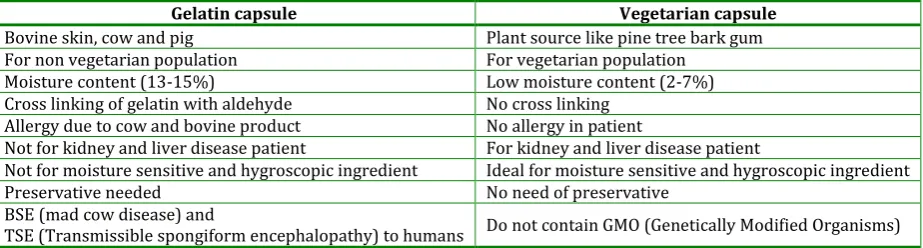
Table 2 shows comparison between gelatin capsule and vegetarian capsule. [5,11-12]
a. Hydroxy propyl methyl cellulose (HPMC) capsules
HPMC has been approved by the Europe as an encapsulation material for organic products since December 2007 (ECn780/2006)
Features of HPMC capsule [11-13] Chemically and thermally stable
Moisture content 4-6% less than gelatin capsule (13-16%)
Less brittle even in low humidity (≤1% moisture content)
Fast dissolution (No change in dissolution profile under stress conditions) and soluble in water at room temperature.
Lower water vapor permeability than gelatin capsule (Gelatin>PEG-Gelatin>HPMC)
Table 3 shows manufacturers of HPMC capsule shell Disadvantage of HPMC capsules
High manufacturing cost. HPMC shells are less resistant to indentation and have lower tensile strength than gelatin shells, which results in processing problem.
Nair et al. examined the process ability of HPMC capsules versus HGC on the capsule automatic filling machine. A significant number of defects were observed with size #00 HPMC capsule, including dimpled bodies, spilt caps, improperly closed caps and large number of capsules that did not open for filling. [14]
b. Pullulan capsules
It is listed as a new authorized Food Additive “E 1204 Pullulan” via Environment European Commission (EEC) Directive 2006/52/EC.
Features of Pullulan capsule [15, 16]
Water soluble polysaccharide which is derived by bacterial fermentation from corn starch They are odorless, tasteless, and completely
biodegradable
Dried capsules are comparatively weak in physical strength.
Relatively low water content (10-15%), than gelatin, low toxicity
High stability of various properties over storage such as mechanical and dissolution properties. Because pullulan offers the best oxygen barrier
of all the plant-based products, these capsules can help mask pungent odors from ingredients and enhance the protection of sensitive ingredients.
Table 4 shows manufacturers of pullulan capsule [15] Disadvantage of pullulan capsule shell
Pullulan is more sensitive than other materials (e.g. gelatin or HPMC) to low moisture conditions. This sensitivity causes increase in shell brittleness at low water content. Unsatisfactory brittleness means
higher manufacturing losses, a poorer quality and higher costs. [17]
c. Starch capsule shell [18, 19] Made from potato starch
Manufactured by the injection molding technique developed by Capsugel (Capill®)
Suitable for enteric coating
Different size capsules are manufactured (number 0, 1, 2, 3, 4) by changing the mold. Officially recognized in USP 23 and NF 1 Enteric starch capsules [20]
During coating with aqueous spray formulations the gelatin shell softens and becomes sticky due to solubilization.
The gelatin shell becomes brittle due to water evaporation and drying the brittleness causes the capsules to lose their mechanical stability and they break under slight pressure, especially when coating begins.
Insufficient adhesion of the film with splintering and peeling of the coat (orange peel effect) leads to increased cracking on handling of the capsule. Due to non-transparent film on capsule desired
glossy and attractive appearance is lost.
Coating of starch capsules appear to be less problematic because of the smooth seal, coupled with their higher bulk density, which provide for a more uniform coating bed. Starch capsules in conjunction with a variety of coatings, such as a pH-sensitive material, a redox sensitive material can be used for delivery in the small intestine. These capsules can be coated with a material broken down by specific enzymes or bacteria present in the colon, for site-specific delivery to the colon.The coating employed is based on a mixture of Eudragit L and S, chosen to provide a coating that starts dissolving when the capsule enters the small intestine after leaving the stomach.The thickness of the coating can be designed so that the capsule disintegrates within a predetermined region in the intestine, such as the terminal ileum, the ascending-, the transverse-, or even the descending colon. [9]
An enteric-coated starch capsule system TARGIT® technology is used for targeting specific sites within the colonic region. The TARGIT delivery system therefore works by both a pH and time-dependent mechanism, which is considered to be safer than systems depending only on a pH change in the environment. [21]
d. Polyvinyl alcohol (PVA) Capsule Features of PVA capsule [10, 21-22]
Water soluble
Less hygroscopic than gelatin
Oxygen permeability through PVA copolymer is significantly less than through gelatin and HPMC capsule
B. Capsule shell from animal origin other than conventional capsule
a. Gelatin/PEG capsules Features of Gelatin/PEG [3, 9]
Less brittle
Good for hygroscopic and moisture-sensitive ingredients like tocopherol niconitate, nifedipine and captopril as combination of gelatin and PEG reduces brittleness of standard gelatin capsule when exposed to low moisture.
Odorless, tasteless, three-year shelf life Available in sizes from 000 to 4
The addition of PEG improves the mechanical strength of the capsule.
At moisture contents between 8% - 12%, gelatin/PEG capsules have equivalent mechanical strength to standard gelatin capsules with moisture between 13% - 16%.
b. Capsule from fish gelatin
Features of capsule shell from fish gelatin
[Ocean Caps] [23, 24]
Made from high quality, farmed fish gelatin, a renewable resource.
Excellent machinability. Transparent capsule.
Great versatility: the dosage form is adapted to many liquid, pasty and powdered formulations.
Some products like Algae extract, Magnesium peptidea, and Betacoten are available in fish gelatin capsule.
c. Human gelatin
Long term availability of ‘human’ gelatin, produced from recombinant human collagen, may provide a suitable low-cost gelatin for shell manufacture. FibroGen, Inc. (San Francisco) has developed transgenic plant expression technology that can produce gelatin precursor collagen. FibroGen and Prodigene have announced collaborative work on high quality, high volume and low cost production of such recombinant human gelatin in maize. [25]
2. Capsule fill materials
Previously active ingredients were formulated into capsule in the form of powder or granules for immediate or modified release. Apart from the above, pellets, minitablets, liquids, semisolids, etc can be filled into capsules because of innovation in filling machines.
A. Pellets
Multiple-units are single dosage forms that disintegrate into several parts after ingestion. Hard gelatin capsules are particularly suitable for their development and manufacture. Multiple-units might consist of a single pellet, or homogeneous granules, or a combination of several pellets and granules with various substances and different release characteristics. In this way, incompatibilities and interaction between the different drug substances in combination products can be prevented. [26] Table 5 shows some examples of capsule which are filled with pellets. [27-30]
B. Liquids
Liquid-fill hard gelatin capsule technology was established in the early 1980s as an alternative to soft gelatin capsules and offered a number of specific advantages such as lower moisture and gas transmission, use of high melting point excipients, plasticizer - and preservative-free, lower moisture content, ease of coating and choice of capsule composition (gelatin and hydroxyl propyl
methylcellulose, HPMC). In many instances a liquid-filled hard capsule may be a more appropriate formulation for numerous reasons including [31-32]
Better bioavailability for Active Pharmaceutical Ingredient (API)
Protects hygroscopic and oxidation sensitive compounds including proteins and peptides Removes issues caused by API variability
(Particle size, shape, crystal habit, density, polymorphic form or moisture) and ideal for cytotoxic APIs
Eliminates compatibility issues between shell and API
Provides a scalable formulation Rheological consideration
Newtonian liquids like liquid active or solution of solid active in liquid excipients are filled in hard gelatin capsule. Newtonian liquid with viscosity in the range 0.1-25Pa can be filled with accuracy and precision, so the coefficient of variation (CV) of fill at value <1% is often achieved. Table 6 shows product formulated as liquid filled capsules. [32]
C. Semisolids Need [9]
Enhancement of bioavailability Low melting point
Critical stability Sustained release
Semisolids are non- Newtonian fluids. To fill these fluids in hard gelatin capsule, rheological consideration is important. When the drug is not soluble in aqueous solvent or solvent is incompatible with the shell then the active is formulated as dispersion. It has to be filled in a semisolid form. Non Newtonian fluids are
1. Thixotropic gel
2. Thermosoftened system
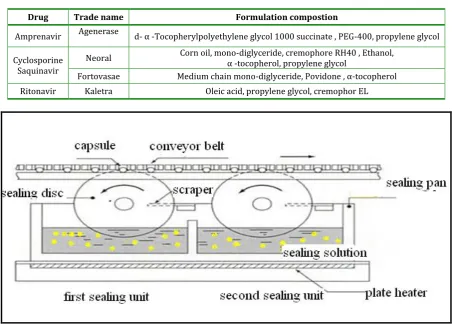
Table 7 shows formulation of semi solid in capsule [33]
1. Thixotropic gel
It undergoes shear thinning during filling followed by gel restructuring with an increase in its apparent
viscosity in the filled capsule. The viscosity can be reduced by increasing the temperature of filling process so that the formulation is molten at the filling temperature. Filling process temperature is usually limited up to maximum 70°C in order to avoid thermal damage to the capsule shell. It needs liquid excipients like triglyceride and gel forming agent like silicone dioxide. [31]
2. Thermosoftened system
Thermosoftened formulations solidify in the hard gelatin capsule to form a non-porous crystalline plug or solid dispersion. These are prepared at elevated temperature in order to produce a formulation that is sufficiently mobile for satisfactory filling. Typical formulation is based on solid excipients e.g. PEG or Poloxomer that melt below 70°C and in which the active melts, dissolves or disperses .The formulation is mobile liquid at the filling temperature and will be either solution or dispersion of active substance. [31] D. Capsule
Duo Cap Technology is a single, oral-dosage unit that comprises a capsule-in-capsule and offers broad therapeutic applications. The inner and outer capsules may contain the same active drug providing multiple release profiles from the dosage unit, for example, an immediate- release formulation from the outer capsule and a controlled-release formulation from the inner capsule. In addition to modifying the release profiles it is also possible to target the inner and outer capsule to different areas of the gastro intestinal tract (small intestine or colon), with the appropriate coating. Alternatively, the capsules may contain different actives for use with combination therapies or actives that are incompatible in a single capsule. The inner capsule may contain liquid, semi-solid, powder or pellet formulations and the outer capsule contains liquid or semi-solid formulations.[33]
Types of fills in Duo Cap 1. Liquid/Semi-solid 2. Liquid/Liquid 3. Liquid/ Beads
Micro-FloraGuard™ is presented in a unique DuoCap - capsule in a capsule providing plant oils in the outer capsule and probiotic bacteria with garlic in the inner capsule, ingredients which would not normally be able to be taken together. It helps to promote the health of the gastrointestinal system. The design enhances product stability by protecting the probiotic inner capsule in an HPMC capsule. This creates an effective barrier to moisture, which helps the probiotic remain inactive until it is consumed. [34]
3. Capsule sealing techniques Need [5]
Tamper resistance/tamper evidence
Prevents inadvertent separation on handling/shipping
Makes liquid/semi-solid filling of hard gelatin capsules possible
Sealed capsules are excellent barriers to oxygen. A. Banding technology
Processing [35]
The capsules are first rectified and then passed once or twice over a wheel that revolves in a temperature controlled gelatin bath.
A quantity of gelatin is picked up by the edges of wheel and applied to the junction of the cap and body.
The banded capsule are transferred to
continuous loop conveyor belt in the drying unit The bands are dried using filtered air at ambient
room condition.
Fig.1 shows the banding technology
Examples of products that use banding technology for sealing capsule are Benadryl®, Metamucil® and Zegarid.
B. Liquid Encapsulated Microspray Sealing Technology (LEMST)
This capsule sealing process uses the principle of lowering of the melting point of gelatin by the application of moisture to the area between the capsule body and cap. The first machine developed to seal capsules, involved dipping the capsules into a bath of liquid and drying in a fluidized bed chamber.
During this process the capsules were subjected to considerable stress. In contrast to this, in the redesigned process every capsule is individually sprayed with a micro amount of sealing fluid at the body and cap junction. Drying takes place by gently tumbling of capsules in a rotating drum. Control of the filled and sealed capsules is carried out as follows:
Inspection on trays after 24 hours.
Inspection after depression test at - 0.8 bar for 20 minutes.
Inspection after 18 hours at 45°C after cooling to room temperature.
By incorporation of a dye tracer into the sealing fluid and observation of the liquid in the overlapping space it could be verified that the sealing liquid does not pass beyond the interlocking rings of capsule. The machine is freestanding and in practice is connected to the output of a capsule filling machine by means of a conveyor.[31]
S. Robin et.al studied that all capsules filled with various products and sealed with LEMST are robust over time when stored in room conditions: 50%RH ± 15% and 22°C± 2°C. Furthermore, it was confirmed that transparent capsules are even more robust than opaque capsule. [37]
4. Modified capsule systems A. Port system
Port technologies offer significant flexibility in obtaining unique and desirable release profile to maximize pharmacological and therapeutic effect.The dosage form consists of a hard gelatin capsule coated with the semi permeable, rate controlling polymer. Inside coated capsule is the osmotic energy source, which normally contains the therapeutic agents to be delivered in the body. The capsule is sealed with the water insoluble lipid separators plug and immediate release dosage can be incorporated above the plug to complete the dosing options. Examples of port technologies are delayed release pseudoephedrine and multiple program release of phenyl propanolamine. [37-39]
B. Hydrophilic sandwich (HS) capsules
These are simple and time delayed probe capsules. Based on a capsule within a capsule, in which inter capsular space is filled with a layer of hydrophilic polymer (HPMC). This effectively creates Hydrophilic sandwich between two gelatin capsules. When the outer capsule dissolves the sandwich of HPMC forms a gel barrier layer that provides a time delay before fluid can enter the inner capsule and cause drug release. [40] The time delay is controlled by
Molecular weight of polymer
Inclusion of a soluble filler e.g. Lactose
Soutar et.al employed a gastro resistant version of the larger HS capsule in cohort of 13 volunteers to deliver 500mg Paracetamol to the ileocecal junction / proximal colon. Absorbed drug was monitored using salivary analysis and a mean Tmax value of 79 hour (s.d. ±0.96) was observed. [41]
C. Inner cap technology
One of the recent trends in encapsulation is controlled-release and multi-release products, which entails putting multiple components in one convenient package.
A combination of release profiles can be incorporated in the system.
Can deliver incompatible and compatible drugs using different physical phases.
The combination dosage form consists of a primary HPMC capsule containing an emulsion, pH coated tablet, crystalline active material filled in HPMC capsule and a bead filled gelatin capsule.
Lipo-6X is the most advanced fat burner using Innercap phase technology. This unique multi-phase technology combines rapid liquid capsule delivery with controlled-release inside capsule technology. [42]
AquaCap developed “time-release beadlets suspended in a liquid active ingredient that allow for a multi-phase or delayed release formula,” which can be used to enhance the delivery of nutrients. Melatonin is an example. “In the initial phase, melatonin in the liquid phase quickly releases, followed by the release of the
melatonin found in the beadlets at a set dose over a fixed period of time.
5. Mapping the drug for clinical evaluation
Mapping out the human absorption profile, it is possible to fast-track drug development by selection of optimal enabling technology for the molecule, determine whether a change of delivery route is required, or decide to terminate drug development. Human absorption studies are increasingly being used in early drug development to rationalize possible strategies for oral drug delivery. This approach has facilitated an integration of drug delivery into the discovery/development interface and has put the selection of appropriate enabling technologies at the heart of drug development.
A. Enterion Capsule
The Enterion capsule has recently been developed for targeted delivery of a wide range of different drug formulations into any region of the gut.
Parts of capsule: Dimension: 32-mm long, round ended capsule with opening of 9 mm in diameter which is then sealed by inserting a push-on cap fitted with a silicone O-ring
Drug reservoir: Volume capacity of approximately 1 mL the capsule can be loaded with either a liquid formulation (e.g. solution, suspension) or a particulate formulation (e.g. powder, pellets, minitablets, etc) Working of capsule:
rapidly ejects the drug or drug formulation into the surrounding GI fluids. The piston motion is stopped near the end of the capsule, which maintains a seal and prevents contact of the internal electronic components with the GI fluids. Detection of this signal externally confirms that the capsule has opened successfully A radioactive marker is placed inside a separate sealed tracer port to allow real-time visualization of the capsule location using the imaging technique of gamma scintigraphy. [43]
Application
The Enterion capsule offers the opportunity to obtain data on the intestinal absorption of drugs in humans using a range of complex formulations both easily and efficiently. By delivering the drug in different physical forms into a specific region of the intestine, the respective contribution of intestinal permeability and/or in vivo dissolution to bioavailability is easily assessed. [43]
B. Control of drug release from capsule using high frequency energy transmission system
New drug delivery systems have been developed, which are controlled by a computer and a high frequency energy transmission system. The capsules consisted of a drug reservoir, a high frequency receiver, a gas generating section and a piston to pump a drug solution or drug suspension out of the reservoir. Mechanical energy was generated inside the capsule through electrolysis, if a 27 MHz high frequency field was in resonance with the receiver inside the capsule. Two different miniaturized oscillatory circuits were constructed, which act as the receivers in the capsules.Tramadol was used in release experiments as a model drug. Delayed and pulsed release profiles were obtained. A computer-controlled system was constructed, in which the programmed release profiles are compared with the actual release of the drug. [44]
C. Magnetically controlled capsule
The two main components of the system are conventional looking gelatin capsules that contain a tiny magnet and an external magnet that can precisely
sense the force between it and the capsule and vary that force. By varying the external magnetic force the capsule can be held at a specific location. The magnetic force is precisely controlled to avoid damaging surrounding tissue. The capsule’s retention works by creating an inter-magnetic force between the magnetic gelatin capsule and an external magnet. Magnetic capsule in the body is placed at right place by the magnet outside which create a magnetic attraction and forces to locate the magnetic capsule. [45]
Application [45]
This technology is applicable for GI diseases like GI cancers, Crohn’s disease and acid reflux. it can even be used in case of diabetes.
Targeted release by the use of magnet helps the drug’s uptake and bioavailability without damaging intestinal tissues.
Magnetic localization of chemotherapeutics at the site of GI tumors, which are simultaneously
identifiable on X-ray following
intravenousadministration of radio opaque contrast, would enable localized dosing while minimizing side effects associated with systemic administration.
D. IntelliCap system
The IntelliCap system is a unique R&D tool for the targeted delivery of drugs within the GI tract.TheIntelliCap incorporates a microprocessor, battery, pH sensor, temperature sensor, RF wireless transceiver, fluid pump, and drug reservoir. Construction of the capsule in two main subunits: the electronics body and the drug reservoir. With this modular design, the drug comes into contact only with the reservoir, which is made from inert polymer materials. To enable the capsule to release drug with flexible profiles over time, the drug payload is in the form of a liquid (solution, suspension, or gel).The IntelliCap capsule communicates via a wireless transceiver to an external control unit worn by the test subject. IntelliCap technology features real-time wireless data recording, plus wireless remote control
of dose delivery, giving researchers the ability to monitor the capsule's progress through the GI tract and direct the delivery profile. The capsule measures pH and temperature nominally every 10 seconds and reports the data immediately for display on a control station computer. [46]
Application [46]
It provides a fast, cost-effective, and convenient means for the controlled release of drugs to specific sites in the GI tract.
It can be used to quickly design and complete a study in either a preclinical (animal model) or clinical setting.
It allows the release profile to be explored, altered, and adapted quickly to determine up-front optimal release profile (i.e., before committing resources for solid dosage form development).
Table 1: Comparison of advantages and disadvantages of HGC and SGC
Soft gelatin capsule (SGC) Hard gelatin capsule (HGC)
Advantages
High Accuracy/precision and hermetically
sealed
Reduced dustiness in manufacturing process
Reduced gastric irritancy
Rapid drug release
Unique mixed fills possible
Good barriers to atmospheric oxygen
Disadvantages
Costly to produce
product manufacturer is contracted out to a
limited number of speciality houses
Intimate contact between the shell and contents
hence stability is a concern
Mixed fills not adaptable
Not suitable for bulky materials andstrongly
hygroscopic drugs
Maintenance of proper shell moisture content
essential, therefore storage at 45-65% RH required
Cross-linking can affect hard gelatin capsules
Table 2: Comparison between gelatin capsule and vegetarian capsule
Gelatin capsule Vegetarian capsule
Bovine skin, cow and pig Plant source like pine tree bark gum
For non vegetarian population For vegetarian population
Moisture content (13-15%) Low moisture content (2-7%)
Cross linking of gelatin with aldehyde No cross linking
Allergy due to cow and bovine product No allergy in patient
Not for kidney and liver disease patient For kidney and liver disease patient
Not for moisture sensitive and hygroscopic ingredient Ideal for moisture sensitive and hygroscopic ingredient
Preservative needed No need of preservative
BSE (mad cow disease) and
TSE (Transmissible spongiform encephalopathy) to humans Do not contain GMO (Genetically Modified Organisms)
Table 3: HPMC capsule shell manufacturers
Capsule shell brand name Manufacturer
Quali –V
V cap Capsugel (A division of Pfizer) Shionogi Qualicaps
Embo Caps-Vg Suheunge Capsule Co.Ltd.
VegiCaps
Natural Plant Capsule Zhejiang LinFeng Capsules Co. Ltd. R.P. Scherer Technologies
Table 4: Manufacturers of Pullulan capsule shell
Brand name Manufacturer
NP Caps Capsugel Health Care Ltd.
Daula Pharma (Nanjing) Co.Ltd.
Guangsheng Shanxi Gaungsheng Medicinal Capsule Co.Ltd
Table 5: Examples of pellets filled in capsule shell
Drug Types of pellet capsulated
Pyridylmethylsulfinyl-benzimidazoles Rapid release pellet
Duloxetine hydrochloride Sustained release pellets
Nifedipine Controlled release pellets
Esomeprazole Enteric coated controlled release pellets
Table 6: Product formulated as liquid filled capsules
Active Drug Brand name Manufacturer
Danthron Co-Danthroner NAPP Pharmaceutical,U.K.
Captopril Captopril- R Daiichi Sankyo India PharmaPvt.Ltd.
Isotretinoin Claravis Teva pharmaceutical Industries Ltd.
Mebevarine Mebevarine Mylan Laboratories Limited,India
Table 7: Formulation of semi solid in capsule
Drug Trade name Formulation compostion
Amprenavir Agenerase d- α -Tocopherylpolyethylene glycol 1000 succinate , PEG-400, propylene glycol
Cyclosporine Saquinavir
Neoral Corn oil, mono-diglyceride, cremophore RH40 , Ethanol, α -tocopherol, propylene glycol
Fortovasae Medium chain mono-diglyceride, Povidone , α-tocopherol
Ritonavir Kaletra Oleic acid, propylene glycol, cremophor EL
Figure 1: Banding technology CONCLUSION
In recent years, the interest in using hard gelatin capsules in developing and manufacturing medicines has increased considerably. This is most probably due to rapid advances in hard gelatin capsule dosage form. The choice available in terms of capsule type, the range of sizes, the capsule's attractive appearance and printing directly onto the capsule, ensure better
patient compliance, product recognition and product differentiation. The demand for plant-based capsules will grow as customers look for performance, quality and lifestyle fit. The unique features of non-animal capsules offer distinct advantages in manufacturing ease, marketing, global certification, dissolution profiles, delivery of specific ingredients and more. For multiple-units, hard gelatin capsules are the ideal
solution. The latest developments in the field of formulation in hard gelatin capsules offer new opportunities for filling liquid and semi-solid formulations in them, as a rapid and easy sealing technology is now available and the capital outlay is reasonable. Formulation in liquid dosage form incorporated in HGC enhances the bioavailability of several slightly soluble drug actives. Also controlled release characteristics can be developed using semi-solid formulation. The combination of liquid-filled formulations with coatings that will reliably deliver the capsule contents to the colon (for example, Encap’s ENCODE colonic coating technology) where there is minimal water for dissolution of conventional powder filled capsules or tablets could be a major advance for the delivery of many drugs including proteins and peptides – a growing area of interest to the pharmaceutical industry. With appropriate process controls, careful machine set-up and trained operators, leak-free liquid filled HGC products can be manufactured. It is likely that there will be further developments in the area of sealing technology. Mapping of drugs is particularly valuable for modified release development and for compounds in which local enteric delivery is central to the product target profile. The electronic and magnetic capsule drug delivery enables the conventional capsule for novel therapies, diagnosis, localized drug delivery, modified release and the next move for monitoring drug absorption in developmental stage (i.e. clinical evaluation). Capsule manufacturers will continue to improve the materials, processes, and related technologies to this versatile dosage form.
REFERENCES
1. Brian E.J. The history of medicinal capsules. In:
Frdrun P, Brian E editors. Pharmaceutical capsules.
2nd ed. Pharmaceutical Press; 2004; 1-18.
2. Banker S.G, Rhodes T.C. A Hand Book of Modern
Pharmaceutics. 4thed. Marcel Dekker. New York;
335-375.
3. Overguard A., Moller-Sonnergaard J., Christrup L.L.
Patients’ Evaluation of Shape, Size, and Color of Solid
Dosage Forms. Pharm. World. Sci. 2001; 23 Suppl 5:185-188.
4. Cole G. Evaluating Development and Production
Costs: Tablets versus Capsules. Pharmaceutical Technology Europe 1998; 5:17-26.
5. Augsburger L.L. Modern Pharmaceutics. In: Banker
G, Rhodes CT editors.Hard and Soft Gelatin Capsules,
3rded.Marcel Dekker. New York; 1995.
6. Loyed V.A., Nicholas G.P., Howard C.A.
Pharmaceutical Dosage Forms and Drug Delivery
System, 8th ed. Lippincott Williams and Wilkins.USA;
204-226.
7. Aulton E.M. A Hand Book of Aulton’s Pharmaceutics.
Churchill Livingstone. Elsevier Philadelphia; 515-538.
8. Solid Dosage Forms: Capsules.
http://kinam.com/lectures/363/3.capsules%20text. pdf (Accessed June 20, 2013).
9. Doshi R., Patel P., Patel M., Patel K.R., Patel N.M. A
review on recent innovations in capsule dosage form. I.J.D. Res. 2011; 2Suppl3:76-92.
10. Dagadiye R.B., Kajale A.D., Mahajan V.K., Joshi M.H.
Advancement in manufacturing of non-gelatin capsule shell-a review. Int. J. Adv. Pharm. Res. 2012; 3 Suppl 10:1178-1187.
11. Mohan P., Ansari A., Patel S., Khinchi M.P. A Review
on Recent Advancement in Capsule Formulation. Am. J. PharmTech Res. 2013; 3Suppl 1.
12. Catlapalli R., Rohera B.D. Physical characteristics of
HPMC and HEC and investigation of their use as pelletization aids. Int. J. of Pharm 1998; 179-193.
13. Moawia M. HPMC Capsules: Current Status and
Future Prospects. J. Pharm. Pharm.Sci. 2010; 13 Suppl 3:428-442.
14. Nair R., Vemuri M. Investigation of various factors
affecting encapsulation on the in cap automatic capsule filling machine. AAPS Pharm SciTech. 2004; 5 Suppl E: 57.
15. Capsugel.
www.capsugel.com/products/pullulan.php (Accessed May 15, 2013).
16. Pullulan preparation: U.S. Patent application no:
20050249676; 2005.
17. New hard capsules: W.O. Patent application no:
2012095746 A2; 2012.
18. Burns S.J, Corness D., Hay G., Higginbottom S.,
Whelan I., Attwood D., Barnwell S.G. An in vitro
assessment of liquid-filled Capill® potato starch capsules with biphasic release characteristics.Int. J. Pharm.1996; 134 Suppl 1-2:223-230
19. Lucia Z., Giulia L. Injection molding &its application
to drug delivery, J. Controlled. Rel. 2012; 159 Suppl 3:324-331.
20. Osterwald H.P. Experience with coating of gelatin
capsules with Driacoater and WSG apparatus. Acta Pharm. Technol.1982; 28:329.
21. Gabriele R. Formulation and physical properties of
soft capsule In: Frdrun P, Brian E editors.
Pharmaceutical capsule, 2nd ed. Pharmaceutical
Press; 2004. p. 201-211.
22. Polyvinyl alcohol compositions: Patent application
no.US20010043999 A1; 2001.
23. Capsugel. www.capsugel.com/products/oceanc
aps.php (Accessed May 15, 2013).
24. Capsugel.
http://capsugel.com/media/library/Oceancaps_Bro chure.pdf (Accessed June 06, 2013).
25. Huiming D., Sirajo U., Runsong X., Jinchun C. New
Strategy for Expression of Recombinant
Hydroxylated Human-Derived Gelatin in Pichia
pastoris. Journal of Agricultural and Food
Chemistry2011; 59 Suppl13:7127.
26. Sven S. Hard gelatin capsules today – and tomorrow.
Capsugel library. 2nd edition 2002. p. 13
27. Oral rapid release pharmaceutical formulation for
pyridylmethylsulfinyl-benzimidazoles: W.O. patent application no. WO 2007122212 A1; 2007.
28. Pharmaceutical compositions for reducing
alcohol-induced dose dumping: patent application
no.EP20100801710; 2012.
29. Control release Nifedipine: Patent application
no.US005871776A:1999.
30. Enteric coated pellets comprising esomeprazole,
hard gelatin capsule containing them, and method of
preparation: patent application
no.PCT/IN2003/000335; 2005.
31. Frdrun P. Filling of liquids and semisolids into hard
two piece capsules. In: Frdrun P, Brian E editors.
Pharmaceutical capsules, 2nd ed. Pharmaceutical
Press; 2004. p.169-191.
32. Ewart T.C, Dominique C., Hassan B. Effective
utilization of Lipid-based systems to enhance the delivery of poorly soluble drugs: physicochemical,
biopharmaceutical and product delivery
considerations. Advanced Drug Delivery Review 2008; 60 Suppl 6:747-756.
33. Bowtle W. Materials, process and manufacturing
considerations for lipid-based hard-capsule formats, Lipid-based formulations for oral drug delivery, Ed: D Hauss, Informa Healthcare. New York; 2007.p.79-106.
34. Shopwiki.
http://www.shopwiki.co.uk/l/micro-floraguard-duocaps-30-capsule(Accessed July 02, 2013).
35. Geoff R. filling of liquids and semisolids into hard
two piece capsules. In: Frdrun P, Brian E editors.
Pharmaceutical capsules, 2nd ed. Pharmaceutical
Press; 2004. p.169-191.
36. Robin S., Simonin S., CadéD.Robust Liquid-Filled
Licaps® Capsules with LEMS® Technology. AAPS Pharm SciTech. 2010; M1266.
37. Port Technology. www.port technology.com
(Accessed June 10, 2013).
38. Parmar R.D., Parikh R.K., Vidyasagar G., Patel D.V.,
Patel C.J., Patel B.D. Pulsatile Drug Delivery System: An Overview. Int. J. Pharma. Sci.Nanotech. 2009;2 Suppl 3:605-614.
39. Patel V.P., Desai T.R., Matholiya C.R., Chhayani R.B.
Pulsatile Drug Delivery System: A Review. Pharmatutor Pharmacy Infopedia, Reference Id: Pharmatutor-Art-1060, 2.
40. Stevens H.N.E., Ross, A.C., Johnson J.R. The
Hydrophilic Sandwich Capsule: A Convenient Time Delayed Oral Probe Device. J. Pharm. Pharmacol. 2000; 52:S41.
41. Soutar S., O’Mahony B., Bakhshaee N., Perkins A.,
Grattan T., Wilson C.G., Steven H.N.E. Pulsed release of Paraetamol from hydrophilic sandwich (HS) capsule. Pro. Int.Symp. Control Rel.Bioart mater 2001; 28:790-791.
42. Innercap Home. Cure the Pipeline Blues.
http://www.innercap.com/ (Accessed June 10, 2013).
43. Ian W.The Enterion Capsule: A Novel Technology for
Understanding the Biopharmaceutical Complexity of New Molecular Entities (NMES) Issue, Drug development and delivery 2008.
44. Wilding L., Hirst P., Conno A. Development of a new
engineering-based capsule for human drug absorption studies. Pharm. Sci. Tech. 2000; 11 Suppl 3:385-392.
45. Magnetically controlled pills: new era in drug delivery system. J. Drug. Del.& Thera. 2011; 1 Suppl 2:68-69.
46. Shimizu J., Dr. Wanke C. Advanced delivery devices -
IntelliCap: An Intelligent, Electronic Capsule for Oral Drug Delivery & Development. Drug development and delivery. 2013;13 Suppl 3:24.
How to cite this article: Harsha Kathpalia*, Komal Sharma, Gaurav Doshi; Recent trends in Hard Gelatin capsule delivery System; J. Adv. Pharm. Edu. & Res. 2014: 4(2): 165-177.
Source of Support: Nil, Conflict of Interest: Nil
![Giovani e formazione nelle normative europee: l'apprendistato [Training of the Young in European apprenticeship]. WP C.S.D.L.E. “Massimo D’Antona”.INT – 90/2012](data:image/gif;base64,R0lGODlhAQABAIAAAP///wAAACH5BAEAAAAALAAAAAABAAEAAAICRAEAOw==)