University of New Orleans University of New Orleans
ScholarWorks@UNO
ScholarWorks@UNO
University of New Orleans Theses and
Dissertations Dissertations and Theses
Fall 12-17-2011
Self-Assemblies Driven by the Hydrophobic Effect
Self-Assemblies Driven by the Hydrophobic Effect
Haiying Gan
Follow this and additional works at: https://scholarworks.uno.edu/td
Part of the Organic Chemistry Commons
Recommended Citation Recommended Citation
Gan, Haiying, "Self-Assemblies Driven by the Hydrophobic Effect" (2011). University of New Orleans Theses and Dissertations. 1389.
https://scholarworks.uno.edu/td/1389
Self-Assemblies Driven by the Hydrophobic Effect
A Dissertation
Submitted to the Graduate Faculty of the
University of New Orleans
in partial fulfillment of the
requirements for the degree of
Doctor of Philosophy
in
Chemistry
by
Haiying Gan
B.S. Northwest University of China, 2001
ACKNOWLEDGEMENTS
It is my pleasure to express appreciation to my advisor, Professor Bruce C. Gibb, who continually supports and guides my research with his immense knowledge. I would like to thank the members of my research committee, Dr. Mark Trudell, Dr. Guijun Wang, Dr. Steven Rick, and Dr. John Wiley for their assistance and guidance.
I owe my gratitude to Corinne Gibb for passing to me her knowledge and extensive experience of NMR and ITC. I am indebted to my many colleagues of the Gibb research group who supported me.
I give special appreciation to the entire chemistry faculty of the University of New Orleans for their guidance. I also would like to thank the University of Michigan and University of Texas, Austin who supported me as a visiting student after hurricane Katrina.
TABLE OF CONTENTS
List of Figures ... vi
List of Schemes ... xi
List of Tables ... xii
Abstract ... xiii
I. Introduction ... 1
1.1 Non-covalent Interactions in Water ... 1
1.1.1 Ion Pairing Interactions ... 1
1.1.2 Ion-Dipole Interactions ... 2
1.1.3 Dipole-Dipole Interactions ... 5
1.1.4 π Effects ... 5
1.1.5 van der Waals Interactions ... 8
1.1.6 Hydrogen Bonding ... 9
1.2 The Hydrophobic Effect ... 11
1.3 Water-soluble Molecular and self-assembled supramolecular hosts ... 13
1.3.1 Cyclophanes ... 14
1.3.2 Cyclodextrins ... 17
1.3.3 Cucurbiturils ... 22
1.3.4 Self-Assembled Metal Coordinated Hosts ... 26
1.3.5 Cavitands ... 34
II. Non-monotonic Assembly of a Novel Deep-Cavity Cavitand (TEMOA) ... 50
2.1 Synthesis and Characterization of a Novel Deep-Cavity Cavitand TEMOA ... 51
2.2 NMR Binding Studies of TEMOA ... 56
III. Guest-controlled Self-Sorting in Assemblies driven by the Hydrophobic Effect ... 65
3.1 Comparison of the Binding Properties of Two Water-soluble Hosts (OA and TEMOA) involving Straight-Chain Alkanes ... 66
3.2 Formation of Hetero-complexes ... 70
3.3 Isothermal Titration Calorimetry (ITC) Binding Studies of Complementary Water-soluble Guests ... 82
4.1 Formation of Higher Stoichiometry Assemblies ... 91
4.2 Determination of the Structure of the High Stoichiometry Assemblies ... 95
V. Salt Mediated Switching Between Self-Assembled States ... 101
5.1 The Hofmeister Series ... 101
5.2 Effect of Co-solute Salt on the Stability of a Self-Assembled Host-Guest System ... 103
5.2.1 Effect of Co-solute Concentration ... 103
5.2.2 Nature of Anion ... 104
5.2.3 Effect of Cation ... 106
5.3 Binding Studies of Tetraalkylammonium Salt with TEMOA and its Self-Assembled Host-Guest System ... 108
5.3.1 Tetraalkylammonium Cation Binding to the Exterior of TEMOA ... 108
5.3.2 Tetraalkylammonium Cation Binding to the Exterior of Assemblies ... 111
5.3.3 Thermodynamic Consideration of the Large Assembly Formation ... 112
VI. Conclusion ... 115
VII. Experimental Section ... 116
7.1 Synthesis of TEMOA ... 116
7.2 Characterization of intermediates and TEMOA ... 116
7.2.1 Synthesis of 3,5-dihydroxy-4-methylbenzal alcohol ... 116
7.2.2 Synthesis of Crude Octol 63 ... 117
7.2.3 Crude TEMOA 61 ... 117
7.2.4 Octa-Ester 64 ... 118
7.2.5 Pure TEMOA 61 ... 118
7.3 1H NMR data for binding between TEMOA 61 and methane through n-hexacosane ... 119
7.4 PGSE diffusion NMR Experiments ... 120
List of Figures
Figure 1-1 Ion-dipole interactions between 1) Na+ and water 2) K+ and crown ether ... 5
Figure 1-2π…π interaction geometries ... 8
Figure 1-3 Tetrahedral arrangement and dimensions in the ice lattice structure ... 10
Figure 1-4 Water-soluble cyclophanes 6-8 with copper (II) center ... 17
Figure 1-5 Structures of natural cyclodextrins 9-11 ... 18
Figure -6 Dimensions of Cyclodextrins 9-11 ... 18
Figure 1-7 Thermodynamic quantities (ΔGo, ΔHo, and TΔSo at 298 K) for the complexation of various classes of guests with β-CD as a function of the number of methylenes (Nc) in guest molecules ... 21
Figure 1-8 Top and side views of the X-ray crystal structures of CB[5], CB[6], CB[7], CB[8], and CB[5]@CB[10] ... 23
Figure 1-9 Relationship between the binding constant (log Ka) versus chain length m for H(CH2)mNH3+ and +H3N(CH2)mNH3+ ... 24
Figure 1-10 Electrostatic potential maps for a) CB[7] and b) β-CD. The red to blue color range spans -80 to 40 kcal mol-1 ... 25
Figure 1-11 Guests containing multiple binding sites for CB[7] binding study ... 26
Figure 1-12 a) X-ray crystal structure of 13b along with oxygen atoms (water molecules) around the cage b) ORTEP drawing (50% probability ellipsoids) of 10 oxygen atoms (molecular ice) within 13b ... 30
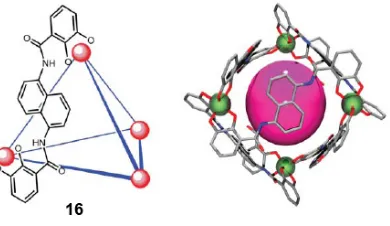
Figure 1-13 M4L6 host 16 with six bisbidentate catechol amide ligands and a generic spherical guest in an assembled tetrahedron host ... 31
Figure 1-15 Structure of Diederich’s ethylene bridged cavitand 30 bearing PEG
groups on the lower rim and top view of energy-minimized model of cavitand 30
-methoxyisophthalate complex showing hydrogen bonds between host and guest ... 39
Figure 1-16 Structure of water-soluble, octaamide cavitands 31 and 32. Energy-minimized structure of a deep cavitand with bound cyclohexanone ... 39
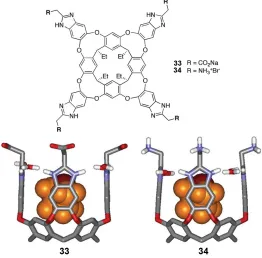
Figure 1-17 Structure of deep, tetraanionic cavitands 33 and 34 binding one molecule of THF ... 40
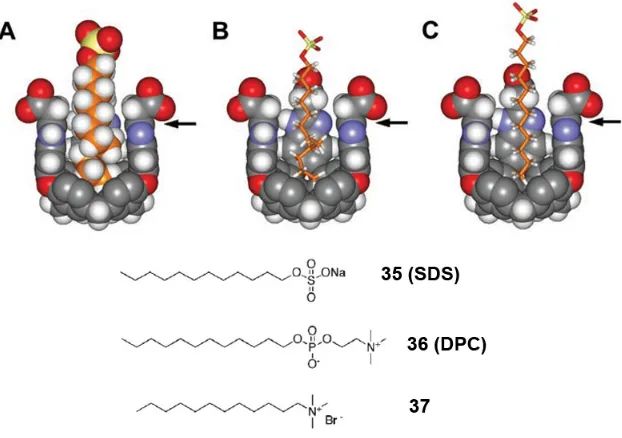
Figure 1-18 Energy-minimized structures of the complexes; one wall of the receptor has been removed for viewing clarity. (A) Space-filling model of partially coiled SDS showing C-H/π contacts. (B) Polytube model showing the accommodation of eight carbons with five gauche conformations within the cavity. (C) Extended conformation of SDS in the cavity ... 42
Figure 1-19 Chemical structure of tetrabenzoate cavitand 38 and depiction of the 38– cyclopentane complex featuring aromatic ‘‘revolving doors’’ ... 43
Figure 1-20 Structure of (a) tetra-substituted calix[4]arene monomers (b) depiction of a water-soluble dimeric capsule assembled through electrostatic interactions ... 44
Figure 1-21 Different perspectives of deep-cavity cavitand 43 ... 45
Figure 1-22 Schematic of the formation of 1:1 complexes or 2:1 assemblies using cavitand 43 ... 45
Figure 1-23 Isosteric Guests 44 – 49 ... 47
Figure 1-24 Dendronized water-soluble deep-cavity cavitand 60 ... 49
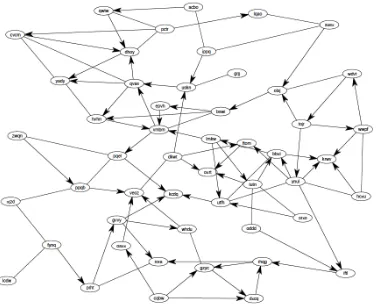
Figure 2-1 An example of a biological network ... 50
Figure 2-2 Space filling model of deep-cavity cavitand 61 ... 53
Figure 2-4 Plot of the ln(amplitude)versus the square of gradient strength applied
that was obtained in the case of cavitand a) OA 43 b) TEMOA 61 ... 56
Figure 2-5 1H NMR spectra of the complexes of 61 and hydrocarbons methane
through n-tetradecane ... 57
Figure 2-6 Kinetic Formation of 61 in the presence of light hydrocarbon ethane,
propane, and n-butane ... 59
Figure 2-7 1H NMR spectra of the complexes formed between host 61 and: a)
methane; b) propane; c) n-pentane; d) n-hexane; e) n-octane; f) n-nonane; g) n
-tetradecane. Shown is the guest binding region (0.50 to -4.00 ppm) and the
signal from the H atoms para to the acetal group in the host (ca. 7.20 ppm ... 60
Figure 2-8 Graph of the hydrodynamic volume (HV) of the complexes formed
between host 61/43 and alkanes guests, against the number of carbon atoms in
each guest ... 61
Figure 3-1 1H NMR chemical shifts (δMethyl) and changes in chemical shifts
(ΔδMethyl) of the methyl-H atoms the encapsulated guest n-pentane through n
-hexadecane (C16) internalized within capsule 432and 612 ... 68
Figure 3-2 Change in 1H NMR chemical shifts (Δδ) of methyl and methylene
protons of guests C12 and C16 in the presence of host 43 and 61. ... 70
Figure 3-3 Partial 1H NMR spectra of the 4361 hetero-capsular and 1:1
complexes and hydrocarbons pentane through n-hexadecane ... 71
Figure 3-4 Bound guest region of the COSY NMR spectra of the mixture of OA
43 and TEMOA 61 in the presence of n-undecane (C11) ... 72
Figure 3-5 Partial 1H NMR spectra of the 2:1 complexes formed between: a) 1
Figure 3-6 Partial 1H NMR spectra of the complexes formed between hosts 43
and 61 and: a) n-pentane; b) n-octane; c) n-decane ... 76
Figure 3-7 The mixture of host 43 and 61 at 1) 0.5 mM Na2B4O7; 2) 0.5 mM in 10
mM Na2B4O7 in the presence of n-pentane; 3) 1 mM in 20 mM Na2B4O7; 4) 1 mM
in 20 mM Na2B4O7 in the presence of n-pentane ... 77
Figure 3-8 Changes in 1 H NMR chemical shifts (Δδ) of methyl-H of guests
between hetero- and homo-capsular complexes versus the number of carbons in
guests ... 78
Figure 3-9 Bar graph showing the relationship between the extent of
hetero-capsule (4361) formation and the size of the encapsulated guest(s). Also
shown (red line) is the relationship between the hydrodynamic volume for the
complexes formed between pure 61 and the different guests ... 79
Figure 3-10 ITC experiments of 1) Host 43 in the presence of tri(ethylene glycol)
dimethyl ether 65 2) Host 61 in the presence of tri(ethylene glycol) dimethyl ether
65 3) Host 43 in the presence of tetra(ethylene glycol) dimethyl ether 66 4) Host
61 in the presence of tetra(ethylene glycol) dimethyl ether 66 ... 83
Figure 4-1 The structure of 67: cross-sectional view and space-filling views
along the crystallographic four-fold rotation axis ... 89
Figure 4-2 Gear-shaped amphiphiles 68 from the Shionoya group ... 90
Figure 4-31H NMR spectra of the complexes formed between host 61 and: 1) n
-tetradecane C14; 2) n-hexadecane C16; 3) n-heptadecane C17, 4) n-eicosane
C20; 5) n-heneicosane C21; 6) n-Tricosane C23; 7) n-Tetracosane C24; and 8)
n-Hexacosane C26. ... 94
Figure 4-4 1H NMR of 1) n-heptadecane; 2) tetrahedral template 69 in 1 mM
Figure 4-5 Shells with 4 subunit a) D2h symmetry; b) D2d symmetry (average toTd
symmetry) ... 97
Figure 4-6 Shells with 3 subunit a) D3h symmetry b) Oh symmetry ... 98
Figure 4-7 Partial 1H NMR aromatic region of 1) 1 mM TEMOA in 10 mM
Na2B4O7; 2) 1 mM TEMOA in 10 mM Na2B4O7 in the presence of n-hexadecane;
3) 1 mM TEMOA in 100 mM NaOD in the presence of n-hexadecane; 4) 1 mM
TEMOA in 100 mM NaOD ... 99
Figure 4-8 Space filling model of TEMOA Left: dimer, D4h symmetry; Middle:
tetramer, D2d symmetry; Right: hexamer, Cube(II) symmetry ... 100
Figure 5-1 The Hofmeister series and the effect of different salts on the physical
properties relating to protein folding ... 101
Figure 5-2 Binding competition between anion and adamantinecarboxylic acid to
a hydrophobic pocket 43 ... 102
Figure 5-3 1H NMR spectra of NaCl solution titrate to dimeric assembly 61
2• C17 in 8 mM NaOD. The switching between dimeric assembly and tetrameric
assembly was observed by increasing total salt concentration of the solution ... 104
Figure 5-4 The relationship between the extent of tetrameric assembly (612•
C17) formation and the total salt concentration of the solution, in the presence of
various sodium salts. [Host 61] = 0.8 mM (in 8 mM NaOD) ... 106
Figure 5-5 The relationship between the extent of tetrameric assembly (612•
C17) formation and the total salt concentration of the solution, in the presence of
various inorganic chloride salts. [Host] = 0.8 mM (in 8 mM NaOD) ... 107
List of Schemes
Scheme 1-1 Synthesis of water-soluble cyclophane 3b ... 15
Scheme 1-2 5’-ATP recognition by cyclophane 5 ... 16
Scheme 1-3 Synthesis of CB[n] under acidic conditions ... 22
Scheme 1-4 Self-assembled coordination cage13 ... 27
Scheme 1-5 a) Unusual regioselectivity of the Diels-Alder reaction of anthrancenes and N-cyclohexylmaleimide within 13 a) in water and b) the X-ray crystal structure of 14@13a (R=CH2OH) ... 28
Scheme 1-6 Photo-induced oxidation of adamantane within 13 in water ... 28
Scheme 1-7 The catalytic cycle for orthoformate ester hydrolysis within host 16 ... 32
Scheme 1-8 Hydrocarbons binding inside a tetrahydral [Ga4L6]12- host 16 ... 33
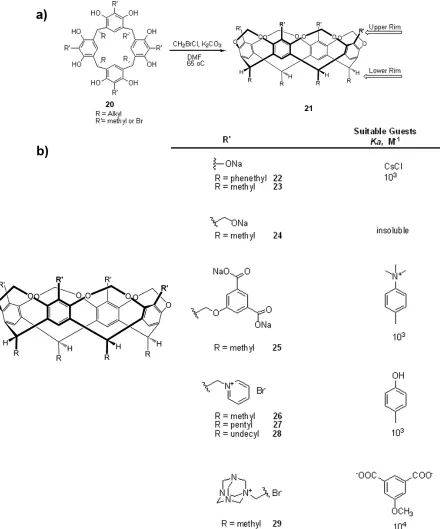
Scheme 1-9 Synthesis of resorcin[4]arenes bearing a variety of pendant R groups ... 35
Scheme 1-10 Water-soluble capsule 432 led to kinetic resolution of constitutional isomers ... 48
Scheme 2-1 Synthesis of deep-cavity canvitand 61 ... 52
List of Tables
Table 1-1 Calorimetrically determined log K values for the complexation of
alcohols with CB[6] in HCO2H/H2O (1:1) at 25 ºC and with α-CD in H2O at 25 ºC ... 23
Table 2-1 Abbreviated truth table for Host 61 as a nine-input, two-output switch ... 64
Table 3-1 1H NMR chemical shifts (δMethyl) and changes in chemical shifts
(ΔδMethyl) of the methyl-H atoms the encapsulated guest n-pentane through n
-hexadecane (C16) internalized within capsule 432 and 612 ... 68
Table 3-2 Change in 1H NMR chemical shifts (Δδ) of methyl and methylene
protons of guests C12 and C16 in the presence of host 43 and 61, unit is in ppm ... 69
Table 5-1 Hydrodynamic volumes of tetraalkylammonium salts obtained from
PGSE NMR experiments ... 110
Table 5-2 Hydrodynamic volumes of TEMOA 61 obtained from PGSE NMR
experiments in the presence of tetraalkylammonium salts and NaCl ... 110
Table 5-3 Hydrodynamic volumes of both salt and host obtained from PGSE
NMR experiments for TEMOA 61-C17 tetrameric assembly ... 112
Table 5-4 Hydrodynamic volumes of both salt and host obtained from PGSE
NMR experiments for TEMOA 61-C12 dimer and TEMOA 61-C17 tetramer ... 112
Table 5-5 Cation radius and heat capacity changes on hydration ... 114
Table 7-1 Diffusion constants for the complexes formed between host 61 and the
guest methane through n-tetradecane ... 121
Table 7-2 Values of hydrodynamic volume of tetraalkylammonium salts at
various concentrations ... 121
ABSTRACT
Water is a simple molecule but is an essential part of life. One key aspect of the
properties of water is the hydrophobic effect, and whilst there is an appreciation of this
phenomenon at the macro-scale (raindrops falling off leaves) and the micro-scale (the structure
of cellular systems), a complete understanding at the molecular level still eludes science.
Addressing this issue, our studies involve synthetic supramolecular compounds that assemble
in water via the hydrophobic effect.
First of all, a novel water-soluble deep-cavity cavitand was synthesized. It possesses
four endo methyl groups on top rim of the cavitand, eight water-solubilizing carboxylic acid
groups coated on the cavitand exterior, and a relatively large hydrophobic interior. Compared to
a previous well-studied water-soluble deep-cavity cavitand octa-acid (OA), this novel cavitand
(TEMOA) possesses a non-monotonic assembly profile in the presence of a homologous series
of straight-chain alkanes. Three supramolecular species were observed: 1:1, 2:2, and 2:2 and
they are approximately isoenergetic. Second, we examined the guest-controlled self-sorting in
assemblies. A mixture of OA and TEMOA formed hetero-capsular complex driven by the
hydrophobic effect. The extent of homo- or hetero-dimerization is intimately tied to the size of
the guest being encapsulated. TEMOA is less predisposed to dimerize than OA, thus TEMOA
possesses the ability to form various self-assembled states, such as tetrameric and hexameric
assemblies. Furthermore, we also discussed our observation of how external stimuli such as
changing the nature or concentration of a co-solute salt influences a unique, unusual transition
from one assembled state to another.
I.
Introduction
1.1
Non-covalent Interactions in Water
Non-covalent interactions, which can make molecules “stick” together, play an essential
role in the structures of DNA, proteins, and other biomolecules. They are also the dominant
type of bonds in supramolecular chemistry. In contrast to covalent bonds, non-covalent
interactions refer to attractive intermolecular forces. In this introduction we will focus on a few
typical non-covalent interactions prevalent in water: ion-pairing interactions, ion-dipole
interactions, hydrogen bonding, and π effects. We will also discuss the hydrophobic effect.
1.1.1. Ion Pairing Interactions
Electrostatic factors played dominant or important role in most non-covalent interactions.
The definition of an electrostatic interaction discussed here is a strictly Coulombic attraction or
repulsion between charges or partial charges that exists without change before or after the
interaction.
Since the majority of reactions carried out by organic chemists occur in solution,
selection of appropriate solvent(s) to assist reactions is essential. Chemists often examine the
dielectric constant (ε) of a solvent to determine its polarity, the higher ε values the greater the
polarity. It also gives information about how well the solvent screens electrostatic forces.
Coulomb’s law, which describes the electrostatic energies between full and partial charged
Where q1 and q2 are two charges, r is the distance between the two charges, E is the attractive
or repulsive potential energy, ε0 is electric constant. It demonstrated that many factors can
influence the energy of attraction between an ion pair: the distance between an ion pair, the
dielectric constant of the solvent, and the size and shape of the cations and anions. For
instance, the decreasing of the energy of an ion pair is significant when moving the pair form
gas phase (ε = 1) to an organic solvent (ε < 10), whereas in water (ε = 78) is substantially
attenuated.
The ion pairing interaction is a particularly strong intermolecular interaction between a
cation and an anion. In the gaseous phase the forces between an ion pair can be over 100 kcal
mol-1. An ion pair separated by a close distance can have an electrostatic attraction that is
larger than the thermal energy available to separate them. In other words, the ions stays
associated longer than the time required for Brownian motion to separate non-interacting
species.1 On example is that NaCl is fully dissociated in water. The Na+ and Cl- are far apart
from each other and are also hydrated by water molecules with ion-dipole interactions (vide
infra). In totality, ion pair formation can be viewed as a competition with ion solvation as a
means to lower the Gibbs free energy of the solution.1
1.1.2. Ion-Dipole Interactions
The ion-dipole interaction is a type of intermolecular interaction that results from the
electrostatic attraction between an ion and a neutral molecule that has a dipole. Coulomb’s Law
also can be applied to demonstrate the strength of this type of interactions (Eq. 1.2).
𝐸
=
−
!!"#$%&!"!!!!
(Eq. 1.2)
interactions are commonly found in polar solutions of ionic compounds. When a charged solute
is dissolved in a solvent with a dipole moment, the electric field associated with the charge
exerts a force on the dipole, orienting the oppositely charged end of the dipole toward the
charge. The attractive force can be quite large for a polar solvent molecule in direct contact with
an ion. Also, important solvation trends are evident in considering the simple ions. A clear
trend in hydration energies emerges, the smaller the ion, the greater the hydration energy. As
considering these ions as spheres of charge, the smaller ion has the same total charge as a
larger ion, but it is distributed over the surface of a smaller sphere. Thus, the charge per unit
area is larger, and so Coulombic interactions are stronger.1
In aqueous solution, cations and anions can be solvated by water molecules that are
organized in a different way than pure water. One common example of this ion-dipole
interaction is the aqueous solution of NaCl (1) – the interaction between sodium ion and polar
water molecule (Figure 1-1). The introduction of a NaCl into aqueous solution is accompanied
by the creation of a cavity in order to accommodate the solute. The change in the average
number of hydrogen bonds a water molecule participates in, ΔGHB, due to the presence of an
ion (or a solute) in solution is linearly related to the water structure breaking and making
properties of ions such as alkali metal and halide ions.2 Ions having -0.024 ≤ΔGHB ≤ 0.024 (in
cal mol-1) are to be considered as neither significantly breaking nor making water structure, eg.
Na+, Ag+, Et4N+, H2PO4-. Ions having ΔGHB ≤ -0.024 are considered water structure breakers. In
general, the bulkier the ions (mostly are anions) the more negative the ΔGHB. Ions having ΔGHB
≥ 0.024 are water structure makers, such as ions having larger electrostatic field with high
charge and small size (thus these have stronger Coulombic interactions). As an exception, the
The structure of water is also affected by the nature of the present ion pairs. The
process of solvating ions in water cannot be simply demonstrated as an entropically costly
process. Krestov has addressed the structural entropy, called ΔSstruc, which is obtained by
subtraction of the entropy contribution of the primary hydrating water around an ion from the
total standard molar entropy of hydration.2,4,5 Ions acting as water structure breakers have
ΔSstruc > 0 whereas water structure makers have ΔSstruc < 0. The values of ΔSstruc highly
correlate with temperature. With increasing the temperature, the value of ΔSstruc can diminish
for certain ions. Some ions can even change the character from a water structure makers to
structure breakers. For instance, Na+ is a water structure maker at 25 °C while it becomes a
water structure breaker at 20 °C. In contrast, K+ or S2- are water structure makers at 25 °C
while they become water structure breakers at 70 °C.
Ion-dipole interactions also play an important role in supramolecular chemisty. For
instance, the existence of the weak chemical bonds between alkali metal cations and ether
oxygen atoms determined the binding of alkali metal cations inside crown ethers 2 (Figure 1-1).
Ion-dipole interactions also include coordinative bonds between non-polarisable metal cations
and hard bases.6 Certain transition metal cations such as Cu(II) or Pd(II) can accept the
electrons donated by polar ligands and result in the metal-ligand coordination which is
Figure 1-1. Ion-dipole interactions between 1) Na+ and water; 2) K+ and crown ether.
1.1.3. Dipole-Dipole Interactions
The interaction between dipoles on solutes and solvents is analogous to the interaction
between a dipole and a charge. It can be attractive or repulsive. The polarizing field of
dipole-dipole interactions comes from a permanent dipole-dipole.7 If a dipole µ is fixed in space and oriented
at an angle θ to the line joining it to a polarizable molecule, the interaction energy falls off as a
function of the inverse distance between the dipoles to the third power. In this case, the
dipole-dipole interaction is very sensitive to the distance r between dipoles.1 Eq. 1.3 gives the energy
between two fixed dipoles that are in the same plane and parallel where µ1and µ2 are the two
dipole moments.
𝐸
=
!!!!!(!!"#!!!!)
!!"!!!!
(Eq. 1.3)
1.1.4. π Effects
π interactions include: the cation- π interaction, the polar- π interaction, and π donor-acceptor
interactions.
The cation- π interaction is the non-covalent interaction between a cation and the face of
a simple π system, such as benzene. Water molecules have a dipole moment in which we can
describe an interaction between an ion and the electrostatic model of water as an ion-dipole
interaction. In contrast π systems such as benzene and ethylene have no dipole moment but
have a quadrupole moment. By viewing the electrostatic potential surfaces of these molecules
with π systems, for benzene, the electrostatic potential surface is negative on the face of the
aromatic ring and positive along the edges. It is evident therefore that cation should be
attracted to the face.1
The strength of cation-π interactions can be linked to solvent effects. We would expect
this interaction to be attenuated in water. This is true to some extent, but the weakening of the
strength in water is much less than expected. In other words, water is much less effective at
attenuating a cation-π interaction than an ion pair or a hydrogen bond. This probably can be
viewed from two reasons. First, is the nature of molecules with π systems. Benzene is
hydrophobic. Cation – π interactions allow one face of benzene to be covered by the cation
rather than with water. The second reason concerns the long-range solvation of the counter
anion by water. The solvation energy can be described as the Born equation (Eq. 1.4), which is
a simple model involving the dielectric constant (ε), the ionic radius (a), and the charge of the
ion. For the model of long range solvation we can consider the distance between ion and the
effected water to be over two or three solvation shells, and this distance can be treated simple
as the ion radius.
In the case of solvating a cation-π system, such as a cation bindibg to a benzene ring, the
system remains full positively charged regardless of the separation between the interaction
cations and benzene. This makes the application of full Born solvation possible.
A polar-π interaction occurs when a conventionally polar molecule interacts with the
quadrupole moment of a π system. The aforementioned face of electrostatic surface of
benzene ring tends to associate with any hydrogen bond donor with a favorable electrostatic
interaction. For instance, the binding energy between water and benzene is 1.9 kcal mol-1 in the
gas phase with the water hydrogen pointing to the face of the benzene ring. Although this type
of interactions is weaker than the cation-π interaction, they also play essential role in the protein
structures and solid state packing interactions.1
In general, the π…π interaction refers to aromatic-aromatic interactions, interactions that
can be observed between simple aromatic rings. Like benzene, the face of an aromatic surface
has negative electrostatic potential and positive electrostatic potential along the edges. This
makes two benzene rings stack with an edge-to-face orientation (T-shape) or a displaced
orientation (slip stacked) instead of face-to-face orientation (stacked form, Figure 1-3). The
edge-to-face and displaced orientations are more energetically favored even in water, because
of the hydrophobic effect (vide infra). In some complicated structures in water, if the
edge-to-face orientation could be favored, a displaced orientation will be favored with positive
Figure 1-2.π…π interaction geometries.
1.1.5. van der Waals Interactions
van der Waals interactions include attraction between atoms, molecules, and surfaces.
They are the sum of the attractive or repulsive forces between non-polar molecules. van der
Waals interactions are a combination of three distinct types of forces: the induction force, the
orientation force, and the dispersion force. Dispersion forces is a type of force acts between all
atoms and molecules, even totally neutral ones.7 They make up dominant contribution to the
total van der Waals interactions between atoms and molecules. They are present in many
important phenomena such as adhesion, surface tension, wetting, and physical adsorption.
The London theory has generally been applied in dispersion forces. However, two
serious shortcomings have always been concerned. First, it assumes that atoms and molecules
have only a signal ionization potential. Second, it cannot handle the interactions of molecules in
a solvent.7 A general theory of van der Waals interactions between molecules was present by
McLachlan in 1963. This theory included the induction, orientation and dispersion force in one
equation. Moreover, it could also be applied to interactions in a solvent medium and
interactions of molecules or small particles in a medium.
Unlike the straightforward electrostatic interactions involving charged or dipolar edge-to-face displaced face-to-face
molecules, van der Waals forces are not generally pairwise additive, the force between any two
molecules is affected by the presence of other molecules nearby.7 Thus the total interaction
energy cannot be simply obtained by adding all the pair potentials of a molecule to its net
interaction energy with all the other molecules. This property is particularly important in the
interactions between large particles and surfaces in a medium.
1.1.6. Hydrogen Bonding
Hydrogen bonding is another important non-covalent interaction. Weak and moderate
hydrogen bonds can be describes as a Coulombic attraction between a polar donor bond (Dδ-
-Hδ+) and an acceptor atom (:Aδ-) (short-strong hydrogen bonds are not applicable in this model).
There are many factors that can intensify the electrostatic attraction, such as solvent effect,
electronegativity, resonance, and polarization. The strength of a hydrogen bond is strongly
dependent on the nature of both the donor and the acceptor, and the microenvironment of the
hydrogen bond. In general, we can divide the hydrogen bond strengths into three categories.
The very strong hydrogen bonds bear the energy between 15 to 40 kcal mol-1, the moderate
hydrogen bonds are in the range of 5 to 14 kcal mol-1, whereas the weak hydrogen bonds which
are the most common have energy between 0 to 4 kcal mol-1. According to Coulomb’s Law, in
the case of one or both of the partners is charged, the electrostatic attraction can increase
substantially.
Another factor of considering the strength of hydrogen bonding is geometry. One of the
most common examples of hydrogen bond is those formed in water. Water consists of one
This property of water allows significant H-bond between water molecules.
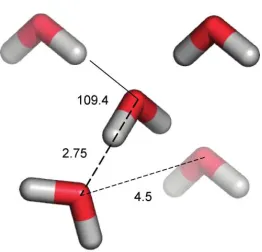
In the tetrahedral ice lattice structure (Figure 1-2), each water molecule is surrounded by
four hydrogen-bonded neighbors, two as the H-bond donor and two as the H-bond acceptor.
The water molecule at the centroid of the tetrahedral lattice has a distance of 2.75 Å to the
water molecules that are located at the vertices of a tetrahedron. The distance between two
vertices is ca. 4.5 Å and the H-O···O angle for the H atom on the vertex makes the smallest
angle of 109.4° with O atom at the centroid. This H-bond angle is revealed to be very
dependent on the structure of water.
Figure 1-3. Tetrahedral arrangement and dimensions in the ice lattice structure.8 (See copyright permission in appendix)
In the presence of solutes with different properties, water structure varies. Studies have
showed that the changes of heat capacity (ΔCp) correlate with the changes of this H-bond
angle.9 “Dissolving” apolar solutes increases the population of more linear water-water H-bonds
with larger water-water interaction energy, thus the hydration heat capacity of solvating water
increases. For polar solutes, they interact with water weakly with more bent water-water
H-bonds. This produces lower water-water interaction energy, thus resulting in a decreased Cp.
Also, the effects are largely dependent on the solvent accessible area of the solute.8 For
(TMA+), a so-called hydrophobic ion, revealed the subtle solvation effects upon the changes of
these water-water H-bond angles. Although TMA+ is soluble in water, it increases the hydration
heat capacity rather than decreases it (ΔhydrCp = 16 cal mol-1), whereas K+ decreases the heat
capacity rather than increase it (ΔhydrCp = -16 cal mol-1).2 This behavior is seen from the
angular structure that TMA+ promotes more linear water-water H-bonds while K+ promotes more
bent H-bonds.9,10 Also the effects of solutes are highly dependent on the first coordination shell
of water. In other words, the effects of hydration Cp are proportional to polar and apolar
solvent-accessible areas of solutes.11
1.2.
The Hydrophobic Effect
Although the application of the Coulomb’s Law can provide the electrostatic energy for
non-covalent interactions involving electrostatic attractions as their origin, the hydrophobic effect
is a deviation from this theme. It cannot be simply describe as one type of non-covalent
interaction. It is a combination of dipole-dipole interactions, hydrogen bonds, and van der
Waals interactions between water-water molecules. Polar water molecules can form an unusual
large number of intermolecular hydrogen bonds that can lead to strong attractive forces
between water molecules. The hydrophobic effect is a phenomenon of segregation between
simple organics such as hydrocarbons and water. Hydrophobic effects are very important in
membrane and micelle formation, protein folding, ligand-protein and protein-protein binding.12
They also play key roles in the binding of organic guests by water-soluble hosts.
molecules involving hydrophobic solutes have been accomplished. Fisicaro et al.13
demonstrated that the solubilization process of noble gases or methane involves creating a
cavity in the solvent by extruding water molecules. When dissolving a hydrophobic solute, three
forms of water molecules were addressed in their study. Form I is bulk water that is held
together by weak hydrogen bonds and form a structure of low density. Form II is water
molecule with a cage-like structure around the solute. Water molecules with this form are held
together by stronger hydrogen bonds and form a structure of high density. Type III water
molecules are the isolated water and relaxed around the solute within the cage and surround
the solute. Fisicaro et al. also addressed the process of solubilizing a hydrophobic solute is also
associated to an entropy/enthalpy compensation linearly correlated with the temperature.
Guillot and Giussani14 applied molecular dynamics calculations of the solubility of small gases
(noble gas and methane) in the evaluation of the temperature dependence of hydrophobic
hydration. They found that in the absence of a hydrophobic solute, water molecules are able to
exist as a distorted pentagonal dodecahedron structure whereas these structures collapse
rapidly when the boiling point is reached.
Chandler15 addressed different regimes and theories of the hydrophobic effect. Several
factors are involved in the physical origin of this topic. First is the high surface tension of water.
The very strong interaction between water-water molecules makes a significant penalty for
creating a cavity in water. Although water has high surface tension, liquid water is dynamic and
is not maximally hydrogen bonded. The rigid structure with four hydrogen bonds per water
molecule is only seen in the solid structure. Water loses its favorable water-water contacts after
dissolving organic molecules. In a system with small alkanes (particle radius ~ 0.4 nm, such as
methane), water molecules create a cavity with the smallest excluded volume to accommodate
this hydrophobic particle with each water molecule participating in four hydrogen bonds. In this
breaking hydrogen bonds, this hydration of a small solute only re-orders hydrogen bonds. Thus
this hydrophobic solute is coated by water molecules without creating an interface in which the
solute is considered to be hydrated. With increasing the size of hydrophobic particle or cluster,
the resulting large cavities are dehydrated because the cluster is sufficiently large and the
hydrogen bonds cannot simply surround the hydrophobic cluster. The broken hydrogen bonds
lead to the liquid moving away from the cavity and an interface between the solute and water is
created. The second factor behinds the hydrophobic effect is van der Waals interactions
between the non-polar hydrocarbons. Although van der Waals interactions are relatively weak
(-0.024 to -0.24 kcal mol-1), when dealing with contacted surfaces of macromolecules or proteins,
several hundreds van der Waals interactions may be involved. van der Waals interactions of a
correctly folded protein molecule could therefore sum to hundreds of kcal mol-1. On the other
hand, van der Waals interactions between water and non-polar solutes are weak attractive weak
interactions, they are too weak to affect the existence of interfaces in water but they do affect
the position of an interface.15 Third, hydrocarbons are polarizable and water is not which makes
water molecules tend to interact with each other.
In the regime of supramolecular chemisty, a few synthetic molecular and supramolecular
hosts bear a hydrophobic cavity. Introducing a guest to the system tends to stabilize the water
molecules by excluding the water molecule from the hydrophobic pocket to the bulk. Within the
cavity, the water molecules do not interact strongly with the hydrophobic walls and are therefore
of high energy.16
includes molecular self-assembly, folding, molecular recognition, mechanically interlocked
molecular architectures, dynamic covalent chemistry, and host-guest chemistry. In the past
forty years, extensive studies on the chemistry of synthetic hosts for the selective complexation
of organic and inorganic guests have been reported with prominent implications. Without doubt,
the design and synthesis of water-soluble molecular hosts is becoming a new stream in the
development of supramolecular chemistry. The most well characterized water-soluble
molecular and supramolecular hosts are cyclophanes, cyclodextrins, cucurbitrils, metal
coordinate hosts, and cavitands. We summarize these below.
1.3.1 Cyclophanes
Cyclophanes consist of aromatic units linked together through suitable bridging and
spacer groups.18,19 Although Stetter and Roos20 reported the first approach to the synthesis of
systems with binding sites for apolar molecules and recognized the potential of cyclophanes of
inclusion complexation, a later report by Koga provided direct evidence for inclusion.21 Host 3b
was synthesized by Koga and co-workers using a two-step procedure.22 N, N’
-ditosyl-4,4’-diaminodiphenylmethane 4 and tetramethylene bromide were cyclized in DMF in the presence
of potassium carbonate under high dilution condition to give 3a in 25% yield (Scheme 1-1).
Detosylation of 3a gave 3b in 67% yield. Host 3b was soluble in water below pH = 2. In its
acidic solution, 3b and 1,8-ANS formed 1:1 complex with the association constant of Ka = 6.25 ×
Scheme 1-1. Synthesis of water-soluble cyclophane 3b.
Further modifications on the structure of cyclophanes expanded their applications to
numerous areas. Varying the aromatic units, the bridging unit, or the spacer group, are other
approaches to adjust the binding properties of these hosts. In the case of varying the aromatic
units, Akkaya and co-workers synthesized calixpyridinium tetracation 5, an cationic receptor,
and observed very strong interactions between the positive charged host 5 and the fluorescent
guest (HPTS). The binding of the guest induced the fluorescent quenching and their further
studies showed the displacing HPTS by 5’-ATP turned the fluorsence “on” which indicated host
5 can selectively bind between these two guests (Scheme 1-2). 23 NH
NH Ts Ts
Br(CH2)4Br K2CO3, DMF
N
N R
R (CH2)4
(CH2)4
N
N R
R
4 3a R = Ts
3b R = H
HPTS 5'-ATP NaO3S OH SO3Na NaO3S N N N N HPTS N N N N HPTS 5'-ATP N N N N HPTS +
Fluoresence "OFF" Fluoresence "ON"
5
Scheme 1-2. 5’-ATP recognition by cyclophane 5.
Also, adding metal centers to the system to create additional non-covalent interactions
such as metal coordinations and cation-π interactions will greatly increase the binding
association between the host and guest. One example, Fabbrizzi and co-workers24 designed a
dicopper cyclophane 6 (Figure 1-4). Introducing this metal ion binding core enhances the
tendency of coordinating anionic guests. Host 6 is capable of binding polyatomic anions within
its intermetallic cavity in an aqueous solution at pH of 8. They have previous demonstrated that
the distance between two consecutive donor atoms, so-called “bite length”, plays a crucial role
in ion selectivity.25 A survey of a variety of ambidentate anions such as NCS-, NO3-, SO42-,
HPO42-, HCOO-, CH3COO-, N3-, NCO-, HCO3- revealed that N3-, NCO-, and HCO3- showed
stronger affinity to the cavity than the other anions. This result is attributed to the appropriate
bite length of the triangular HCO3- and linear triatomic ions N3- and NCO-. In a later example,
Fabbrizzi and co-worker reported an analogous cyclophane 7 (Figure 1-4), which successfully
detected pyrophosphate (PPi) from phosphate and other small inorganic anions in neutral
aqueous solution using an on/off fluorescent response.26 In virtue of the potentiality of this type
of cyclophane, Taglietti and co-workers designed a larger analogous cyclophane host 8 (Figure
quantities of the other classical neurotransmitters at neutral pH water solution.27
Figure 1-4. Water-soluble cyclophanes 6-8 with copper (II) center.
1.3.2 Cyclodextrins
The host-guest chemistry of cyclodextrins (CDs) has developed steadily over the past
century. CDs are a group of macrocyclic host molecules, the most common of which, having 6,
7, or 8 D-glucose convalently linked by α-1,4-glucose bounds, are so-named α-CD, β-CD, γ-CD,
respectively (Figure 1-5).28,29 CDs with fewer than six glucose residues are too strained to exist,
whereas those with more than eight residues are very soluble, difficult to isolate, and hardly
studied to date. α-CD, β-CD, and γ-CD are commonly referred to the native CDs.30 They have
an average structure of a truncated cone with hydrophobic cavity, while the rims formed by the
primary and secondary OH groups possess a hydrophilic character. Because these
water-soluble molecules have rigid and well-defined structure, they have been tremendously applied in
molecular recognition of organic, inorganic, and metalloorganic compounds that may be neutral,
cationic, anionic, or even radical.31 Usually, smaller molecules can be trapped within their cavity
forming host-guest complexes. This feature of CDs makes them excellent hosts for molecular
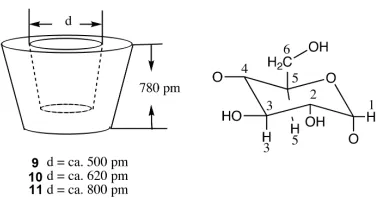
Figure 1-5. Structures of natural cyclodextrins 9 - 11.30
All CDs are truncated cone-shaped molecules with two portals to the hydrophobic
interior. The larger portal is ringed by secondary alcohol, named the secondary face, and the
smaller portal is the primary face. All of the CDs are 780 pm in height. Their cavity diameter
ranges between ca. 500 pm and ca. 800 pm (Figure 1-6).
Figure 1-6. Dimensions of Cyclodextrins 9 – 11.
The native CDs tend to weakly self-associate in aqueous solution. The solubility of β-CD
(25 ºC, 16.3 mM) is around 10 times less than α-CD and γ-CD (25oC, 121.1 mM and 168 mM
respectively). According to Coleman et al.,33 the low solubility is due to the interruption of the
hydrogen-bond structure of water by aggregated β-CD with its 7-fold symmetry, whereas the
high solubility of δ-CD, which contains nine glucose units.30,34 Szejtli35 attributed its low solubility
to the intramolecular hydrogen bonds of the β-CD rim. Further research, such as alkylation of
β-CD hydroxyls, leads to increases in solubility and these attempts stimulate motivation for
carrying out such chemical modifications.
Due to the structure of CDs, they have been widely applied in the studies of molecular
recognition,36-38 nanomaterials,39,40, protein recognition,41,42 and drug delivery and removal.32,43-45
Water molecules that are included in the hydrophobic cavity of CDs cannot fully form hydrogen
bonds with the hydrophobic wall of CDs and are energetically less stable than bulk water
molecules. By introducing a guest molecule of suitable size, water molecules in the CD cavity
will be replaced by the guest molecule. When a guest molecule is larger than the cavity space
of CD, it will partially embed in the cavity. The release of the water molecules from the cavity to
bulk water46-48 and the conformational changes or strain release of the CD upon complexation
are two main factors38 that contribute to the complexation thermodynamics of CDs.
Complexation reactions involving CDs are extremely important for understanding
general inclusion phenomena. Rekharsky et al.38 reviewed several classes of compounds
which can be included in natural CDs, and demonstrated the general trends of the
thermodynamic quantities for these complexation reactions. For instance, in these systematic
thermodynamic studies, thermodynamic quantities such as the standard Gibbs free energy
change (ΔGo), enthalpy (ΔHo), and entropy (ΔSo) are plotted against the number of aliphatic
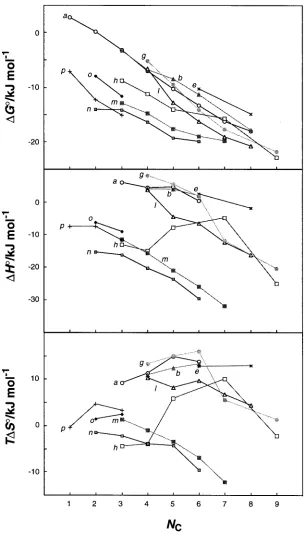
carbon atoms (NC) in guest molecules (Figure 1-7 for β-CD). By examining the inclusion
thermodynamics, interesting information can be obtained. For example, as Figure 1-7 shows
almost constant up to NC = 10. This length of the guest exceeds the depth of β-CD (7.8 Å) and
indicates that guests longer than the depth of β-CD only partially accommodate inside the
hydrophobic cavity. Guests with amphiliphatic groups of NC≥ 7 will have at least one methylene
group protruding out of the hydrophobic cavity and exposing to the water. This results in the
reduced van der Waals interactions between the guests and the inner wall of cyclodextrin. The
idea of “expanded hydrophobic cavity” is also used to describe this behavior. In the study of
complexation thermodynamics of β-cyclodextrins, adding a methylene group to the guest
molecules leads to the average of ΔGo increment of -2.8 kcal mol-1. This energy difference
indicates that the difference in the binding affinities between two host-guest pairs is greater than
100. In other words, this difference of the binding energy is sufficient to switch the complexation
Figure 1-7. Thermodynamic quantities (ΔGo, ΔHo, and TΔSo at 298 K) for the complexation of various classes of guests with β-CD as a function of the number of methylenes (Nc) in guest molecules, the
carboxyl carbons being not counted. (a) 1-alkanol (O), (b) sec-alkanol (▲), (e) alkylammonium (X), (g) alkanoate (●), (h) alkanoic acid (□), (l) cycloalkanol (Δ), (m) alkylbarbituric acid (■), (n) alkylthiobarbituric acid ( ), (o) ω-phenlyalkylamine ( ), and (p) ω-phenylalkanoate (+). Permission License No. Sim ila r , bu t som ewh a t r edu ced, r egu la r it ies ca n be
fou n d in t h e ch a n gin g pr ofile of∆H° for com plexa t ion
Th e globa l t r ea t m en t of t h ese da t a led u s t o a n in t er est in g con clu sion . F or com plexa t ion wit hR
-cy-F ig u re 2. Th er m odyn a m ic qu a n t it ies (∆G°,∆H°, a n d T∆S° a t 298 K) for t h e com plexa t ion of va r iou s cla sses of gu est s wit h β-cyclodext r in a s a fu n ct ion of t h e n u m ber of m et h ylen es (NC) in gu est m olecu les, t h e ca r boxyl ca r bon s bein g n ot
counted): (a ) 1-a lka nol (O), (b)sec-a lka nol (2), (e) a lkyla mmonium (×), (g) a lka noa te (X), (b) a lka noic a cid (0), (l) cycloa lka nol (4), (m ) a lkylba r bit u r ic a cid (9), (n ) a lkylt h ioba r bit u r ic a cid (~), (o)ω-ph en lya lkyla m in e ([), a n d (p)ω-ph en yla lka n oa t e (+).
1.3.3. Cucurbiturils
Cucurbiturils (CBs), whose shape resembles a pumpkin, are a family of macrocyclic
compounds obtained from a condensation of glycoluril (acetyleneurea) and formaldehyde in
concentrated HCl. Although the synthesis is first reported in 1905 by Behrend et. al,49 the study
of these substances developed slowly due to its extremely poor solubility in most common
solvents (the exception being strongly acidic aqueous solution. Furthermore, no method to
introduce any functional groups to the molecule was known.50 Until 1981, the first full
characterization of the structure and chemical nature was reported by Mock and co-workers51
who disclosed the remarkable macrocyclic structure comprising six glycoluril units and twelve
methylene bridges (Scheme 1-3).
Scheme 1-3. Synthesis of CB[n] under acidic conditions.
From CB[5] to CB[10], the height of the cavity is 9.0 Ǻ, with the mean diameter of the
internal cavity increases progressively from ~4.4 to ~8.8 Ǻ. The average diameter of the portal
increases from ~2.4 Ǻ to ~ 6.9 Ǻ (Figure 1-8).52 In term of cavity size, CB[6], CB[7], and CB[8]
are analogous to α-, β-, and γ-CD, respectively. When the reaction was conducted under mild
condition, Day and co-workers also isolated CB[5]@CB[10]. Isaacs and co-workers
successfully isolated free CB[10] from this complex by replacing the guest CB[5] with melamine
Figure 1-8. Top and side views of the X-ray crystal structures of CB[5], CB[6], CB[7], CB[8], and CB[5]@CB[10].54 The various compounds are drawn to scale. (Permission License No: 2627791097898, 2642181099119)
The ion-dipole interactions of the portals with their rich hydrogen-bonding ability, and the
covalent rigidity of the hydrophobic cavity of the host, contribute to the essential molecular
recognition properties of CBs. Investigation of the binding properties involving neutral organic
guests, charged organic guests, and metal ions with CB[6] is well studied. The binding ability of
CB[6] generally equals or exceeds those of other well-known host molecules such as
cyclodextrins and crown ethers. For instance, in the study of binding affinities between alcohols
with CB[6] and α-CD, CB[6] forms stronger interactions with the guests (except hexanol) (Table
1-1).
Table 1-1. Calorimetrically determined log K values for the complexation of alcohols with CB[6] in HCO2H/H2O (1:1) at 25 ºC and with α-CD in H2O at 25 ºC .55,56
CH3CH2OH CH3(CH2)2OH CH3(CH2)3OH CH3(CH2)4OH CH3(CH2)5OH
self-assembled monolayers, waste-stream remediation, DNA binding, gene transfection, and ion channels. Next, we discuss the use of the various CB[n] as components of molecular necklaces, rotaxanes and psuedorotaxanes, supramolecular amphiphiles, and sorting systems generated by self-assembly processes in solution and by crystal engineering in the solid state. Lastly, we discuss some mechanistic aspects of CB[n] synthesis based on our studies of the methylene-bridged glycoluril dimer as a model system and show how these insights lead to the synthesis of CB[n] derivatives, analogues, and congeners.
2.Synthesis of CB[n]
In the condensation of glycoluril (1 a) and formaldehyde, neither Behrend et al. nor Mock detected any macrocyclic compounds (homologues) composed of a different number of glycoluril rings (for example, CB[5], CB[7], and CB[8]). It was not until nearly 20 years later when this reaction was conducted under milder, kinetically controlled conditions by the research groups of Kim and Day that CB[5]–CB[8] and CB[5]@CB[10] were detected and isolated (Scheme 1).[7–9, 58]
3.Fundamental Properties of CB[n]
3.1.Dimensions
CB[n] are cyclic methylene-bridged glycoluril oligomers whose shape resembles a pumpkin. Figure 3 shows the X-ray crystal structures for CB[5]–CB[8] and CB[5]@CB[10]. The cavity of CB[6] in the solid state contains three H-bonded H2O molecules which can be released upon guest binding.
The defining features of CB[5]–CB[10] are their two portals lined by ureido carbonyl groups that provide entry to their hydrophobic cavity.[59]Similar to the cyclodextrins, the various
CB[n] have a common depth (9.1!), but their equatorial widths, annular widths a, and volumes vary systematically
with ring size (Table 1). The portals guarding the entry to CB[n] are approximately 2!narrower than the cavity itself which results in constrictive binding that produces significant steric barriers to guest association and dissociation.[60] The
cavity sizes available in the CB[n] family span and exceed those available with the cyclodextrins.
3.2.Solubility, Acidity, and Stability
One of the potential limitations of the CB[n] family is their relatively poor solubility in water: CB[6] and CB[8] are essentially insoluble, whereas CB[5] and CB[7] possess modest solubility in water (Table 1). The solubility of the CB[n] family is generally lower than the cyclodextrins. Like urea itself, however, the carbonyl groups lining the portals of CB[n] are weak bases: the pKavalue of the conjugate acid of CB[6] is 3.02. Although the pKavalues for CB[5], CB[7], and
CB[8] have not been measured, they are likely to be similar to that of CB[6]. Accordingly, the solubility of CB[5]–CB[8] increase dramatically in concentrated aqueous acid (for example, 61 mm for CB[6] in HCO2H/H2O (1:1), about
Scheme 1.Synthesis of CB[6] from1 aunder forcing conditions and a mixture of CB[n] under milder conditions. a) CH2O, HCl, heat;
b) H2SO4; c) CH2O, HCl, 1008C, 18 h.
Figure 3. Top and side views of the X-ray crystal structures of CB[5],[7]CB[6],[2]CB[7],[7]CB[8],[7]and CB[5]@CB[10].[9]The various compounds are
drawn to scale.
Cucurbit[n]urils
Angewandte
Chemie24
CB[6] possesses high binding selectivity due to its rigid structure and two binding
regions that favor positively charged groups and hydrophobic residues. For instance, a series
of stable host-guest complexes formed between CB[6] and alkyl amines of different chain length
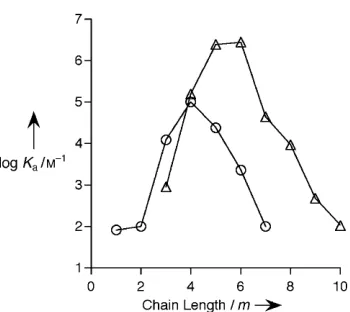
yield binding affinities with significant differences. Plotting the logKa value against the chain
length of the guests, Figure 1-9 shows that butylamine has 8-fold stronger binding affinity than
propylamine and 4-fold stronger than pentylamine. While for a series of α,ω-alkyl diammonium
ions, CB[6] prefers pentanediamine and hexanediamine relative to butanediamine and
heptanediamine. Mock interpret this result as length-dependent selectivity of CB[6].52 The
property of high selectivity (guest size, shape, and polarity) of CB[6] has also been applied in
molecular logic gate57 and constructing molecular switches.58
Figure 1-9. Relationship between the binding constant (log Ka) versus chain length m for H(CH2)mNH3+(О) and +H3N(CH2)mNH3+(Δ).52
Comparing the electrostatic potential of CB[7] with β-CD (Figure 1-10), CB[7] exhibits a
preference to interact with cationic guests whereas β-CD prefers to bind to neutral or anionic
guests.50 The hydrophobic cavity of CB[7] is slightly more voluminous than that of β-CD, with
its portals surrounded by polar carbonyl groups. These features lead to remarkable molecular of the host–guest complexes of CB[6]. First, the interior of
CB[6] constitutes a 1H NMR shielding region and upfield shifts of 1 ppm are common. The regions just outside the portals lined with carbonyl groups are weakly deshielding. Second, dynamic exchange processes between free and bound guest are often slow on the NMR time scale, thus allowing a direct observation of the free and bound guest simultaneously. To establish the importance of ion–dipole interactions relative to hydrogen bonds in the formation of CB[6] complexes (Figure 5), Mock and Shih considered the relative
binding affinities of 2–4 (Table 4, entries 2–4). “Formal replacement of the terminal hydrogen ofn-hexylamine with another amino group enhances binding 1200-fold. […] How-ever, replacement of this hydrogen by a hydroxyl group contributes nothing to the stabilization of the complex. […] While the alcohol (and ammonium ions) may be hydrogen bonded in the complex, in the absence of CB[6] they would also be fully hydrogen bonded. […] The consequential feature of ammonium ions is that they arecharged. […] Hence, it is our understanding that the high specificity for ammonium ions is largely an electrostaticion–dipole attraction.”[72] The preference of CB[6] for charged guests will transfer to the other members of the CB[n] family, but the relative impor-tance of electrostatic interactions versus the hydrophobic effect may change as the cavity size increases. Blatov and co-workers recently developed a computational technique based on crystallographic data to identify suitable guests for each member of the CB[n] family.[84]
4.2.4.Binding Selectivity of CB[6]
The relative rigidity of CB[6] and the close juxtaposition of two binding regions that favor positively charged groups with one that favors hydrophobic residues imparts high selectivity to the binding of CB[6] (Figure 5). For example, Mock found that alkyl amines and alkane diamines exhibit length-dependent selectivity for CB[6]. Figure 6 shows a plot of the logKavalue versus chain length. CB[6] prefers butyl-amine relative to propylbutyl-amine (8-fold) and pentylbutyl-amine (4-fold) whereas pentanediamine and hexanediamine are pref-erentially bound relative to butanediamine (15-fold) and heptanediamine (64-fold). These high selectivities have been used to construct molecular switches (see Section 5.1). CB[6] is also size-selective: for example, it forms stable complexes with 6 and 7 whereas the three- and six-membered ring
Similarly, CB[6] selects guests based on shape. For example, even though7and9have similar included volumes (86 versus 89!3), the former binds 1000-fold more strongly (Table 4, entries 7 and 9).[60] Similarly, 9 is included within CB[6] whereas theorthoandmetaisomers10and11are not bound (Table 4, entries 9–11). Lastly, CB[6] displays functional-group selectivity. For example,12 binds 6-fold more tightly than 13, which in turn binds 79-fold more tightly than 14 (Table 4, entries 12–14). Mock and Shih attribute this trend “to a solvation effect operating primarily on the uncomplexed guest; oxygen has greater intrinsic hydrophilicity than does sulfur, and a methylene group is more hydrophobic than is a thioether linkage.”[72]
4.2.5.Mechanistic Aspects of Association, Dissociation, and Exchange of Guests
If CB[6] and other members of the CB[n] family are to become important components of molecular machines, it is critical that the factors controlling the kinetic and mechanistic aspects of their recognition behavior be thoroughly under-stood. In contrast to the behavior of most synthetic receptors in aqueous solution, CB[6] commonly displays slow kinetics of guest association, dissociation, and exchange on the NMR time scale. As discussed in Sections 4.2.1 and 4.2.2, CB[6] readily binds protons and metal ions at its portals that are lined with carbonyl groups. These equilibria compete with guest binding and lower the Kavalue for guest binding accordingly (Scheme 2, red and blue equilibria).
Mock and Shih initially investigated the kinetics of guest exchange[72, 82] according to the two limiting mechanisms shown in Scheme 3: 1) an associative mechanism that
resem-Figure 5. Representation of the different binding regions of CB[6] and the geometry of the complex between CB[6] and the hexanediammo-nium ion.
Figure 6.Relationship between the binding constant (logKa) versus
chain lengthmfor H(CH2)mNH3+(*) and+H3N(CH2)mNH3+(~).
recognition properties. CB[7] can bind a wider range of guests than CB[6] and CB[5], and also it
binds a variety of positively charged compounds such as adamantanes, bicyclooctanes, and
ferrocene derivatives.
Figure 1-10. Electrostatic potential maps for a) CB[7] and b) β-CD. The red to blue color range spans -80
to 40 kcal mol-1.50 (Permission License No: 2643240970294)
CB[7] also retains the high selectivity as CB[6]. Kaifer and co-workers have
demonstrated that CB[7] can reside in different locations along guests 12a through 12i which
contain multiple binding sites (Figure 1-11).59,60 The viologen nucleus of derivatives that contain
shorter or hydrophilic groups enhanced the stability of these host-guest complexes whereas in
the presence of guest 12c and 12d, the host prefers to reside on the longer butyl and hexyl
Figure 1-11. Guests containing multiple binding sites for CB[7] binding study.
Geckeler et. al. reported the formation of a weak 1:2 exclusion complex with C60 by
high-speed vibration milling.61 CB[7] has been used as an additive to separate positional isomers by
capillary electrophoresis.62 It also has been investigated in reducing toxicity in cancer
treatment.50,63-65
1.3.4. Self-Assembled Metal Coordinated Hosts
Molecular containers such as cyclophanes, cyclodextrins, and cucurbiturils are molecular
hosts constructed by covalent bonds. As an alternative strategy, reversible metal coordinative
bond has played an important role in a variety of self-assembled supramolecular systems. As a
pioneer of the research on the metal coordination hosts, Fujita has focused on the use of
palladium or platinium ions, and principle ancillary ligands such as ethylenediamine derivatives.
One of the best characterized supramolecular clusters is the M6L4 octahedral assembly cage 13
which is first reported in 1995.66 This highly charged nanocage (overall charge +12)
self-assembles from six Pd(II) complexes and four 2,4,6-tri-4-pyridinyl-1,3,5-triazine tridentate
ligands (Scheme 1-4) and provides a hollow, hydrophobic cavity which is capable of binding
N N
R R
12a R = CH3
12b R = nPr
12c R = nBu
12d R = n-C6H13
NO2
O2N
HN
(CH2)3
12i R =
12f R = C3H6NH2
12g R = C12H25
12h R = C16H33