Developing, Testing and Interpreting a Cross Age Peer
Tutoring Intervention for Mathematics: Social
Interdependence,Systematic Reviews and an Empirical
Study.
ZENELI, MIRJAN
How to cite:
ZENELI, MIRJAN (2015) Developing, Testing and Interpreting a Cross Age Peer Tutoring Intervention for Mathematics: Social Interdependence,Systematic Reviews and an Empirical Study., Durham theses,
Durham University. Available at Durham E-Theses Online: http://etheses.dur.ac.uk/11367/ Use policy
The full-text may be used and/or reproduced, and given to third parties in any format or medium, without prior permission or charge, for personal research or study, educational, or not-for-prot purposes provided that:
• a full bibliographic reference is made to the original source • alinkis made to the metadata record in Durham E-Theses • the full-text is not changed in any way
The full-text must not be sold in any format or medium without the formal permission of the copyright holders. Please consult thefull Durham E-Theses policyfor further details.
1
Developing, Testing and Interpreting a Cross Age Peer Tutoring
Intervention for Mathematics: Social Interdependence,
Systematic Reviews and an Empirical Study
Mirjan Zeneli
Submitted in partial fulfilment of the requirement of
Doctorate of Philosophy in Education
School of Education, Durham University September 2015
2
To:
3
Acknowledgement
I would like to start by first thanking my partner for all the patience and discussions on peer
tutoring and my daughter for simply being around, reminding me when to take a break. My
acknowledgement also goes to Professor Peter Tymms for all his support as a supervisor to
make this work possible; you know very well that without your help this work would have not
even started. I have learned a great deal from you and I am lucky to have had you as my
mentor, thank you for going that extra mile. I would also like to thank Dr. David Bolden for
his endless contributions and support; Dr. Maria Cockerill for her help with approaching
participants and providing me with encouragement during difficult times. Special thanks also
go to Professor Allen Thurston for his advice on peer tutoring theories. Acknowledgments
also go to all administrative staff at Durham University, thank you for your efficiency,
support and quick personalized responses. I would also like to thank all the academic
authorities who helped one way or another with the schools, all the head-teachers, teachers
and students who took part in this research, your help will always be remembered, too. I have
learned so much from you and I look forward to carrying on working with you. Special thanks
also go to ESRC and the North East Doctorial Training Centre staff for their training and
financial support. Finally I would like to thank my family for motivating me, and my
previous college teacher Alison Halsey, who during my time at Canterbury College served as
a parent, friend and teacher, providing me with all the support that was needed to come this
far.
4
Abstract
Cross-age peer tutoring is a peer learning strategy which has been shown to improve both socio and academic process of learning factors as well improve attainment in various subjects. There is, however, still room for the intervention to be developed: which was the aim of this work. This was done by applying important socio interdependent aspects such as resource, interpersonal and goal interdependence to a cross-age-peer tutoring intervention in mathematics. Prior to developing the method, the researcher engaged with the theoretical literature as well as provides two forms of systematic reviews. The newly informed cross-age peer tutoring method was then tested on three schools, two of which adopted a pre-post-test quasi-experimental design and one took a single group pre-post-test design. All the schools applied an Interdependent Cross-Age Tutoring (ICAT) format for a period of 6 weeks, on the basis of a 30 minute session once a week. Mathematics head-teachers, facilitators, teachers and students were all trained in various aspects of ICAT. To capture and interpret the impact of the intervention, performance instruments were innovated for each school, together with various previously established attitude sub-scales. In order to measure implementation fidelity ICAT lesson materials were collected for most of the topics and each school received general as well as structured pair observations from the researcher. Also, in order to explore how different groups learned under ICAT the lesson materials of the higher performing tutees were compared to those of the lower performing tutees on various aspects. The findings were mixed, with one of the quasi-experimental design schools showing a highest effect size of 0.81 favoring the ICAT group. The impact of ICAT on important and broader processes of learning attitude variables, social as well as academic, are also discussed. Comparisons of lesson materials between higher performing tutees and lower performing tutees revealed that the highest performing tutees showed better implementation of an essential socio-interdependent aspect: setting a shared academic goal.
5
Table of content:
1 Introduction: Context, Definitions and Thesis Structure ... 13
1.1 The English Context ... 13
1.2 Definitions: Peer tutoring (a peer learning technique) ... 15
1.3 The Structure of this thesis ... 16
1.3.1 Part one ... 17
1.3.2 Part two ... 18
1.3.3 Part three... 19
2 Theoretical Literature Review ... 20
2.1 Introduction to Peer Tutoring Theory ... 20
2.2 Traditional Peer Tutoring Theories ... 22
2.2.1 Role Theory... 22
2.2.2 Social Skills Theory ... 25
2.2.3 Self-Determination Theory ... 27
2.2.4 Skinner’s S-R Model and Educationalists ... 28
2.2.5 Constructivism ... 30
2.3 Current Leading Peer Tutoring Theories ... 32
2.3.1 Social Constructivism ... 32
2.3.2 Social Interdependence Theory ... 39
2.4 Chapter Conclusion ... 49
3 Empirical Review ... 52
3.1 Introduction ... 52
3.2 The ‘What Works’ Literature ... 54
3.3 Review of peer assisted learning techniques ... 57
3.3.1 Peer facilitation and education ... 57
3.3.2 Peer feedback ... 58
3.3.3 Peer tutoring ... 59
3.4 A review of attainment and process of learning effectiveness around peer tutoring ... 62
3.4.1 Meta-Analyses review ... 63
3.4.2 Other Reviews ... 70
3.5 Methodical Literature Review ... 73
6
3.5.2 Inclusion criteria ... 74
3.5.3 Theoretical classifications and arrangements ... 76
3.5.4 Findings... 78
3.5.5 Discussion ... 82
3.6 Systematic review of peer tutoring in mathematics ... 83
3.6.1 Inclusion Criteria ... 84
3.6.2 Calculating the effect size ... 85
3.6.3 Findings... 86
3.6.4 Discussion on the systematic review findings ... 93
3.6.5 Chapter conclusion ... 93
4 Aims, Objectives, Research Questions and Significance ... 97
4.1 Introduction ... 97
4.2 Research aim and objectives ... 97
4.2.1 Research aim ... 97
4.2.2 Research Objectives ... 100
4.2.3 Justifying objectives... 102
4.3 Research questions ... 103
4.4 Significance ... 106
4.5 The significance of peer tutoring for mathematics as a subject ... 106
4.5.1 The significance of using ICAT for students and teachers ... 106
4.5.2 The significance for policy makers and academics ... 108
4.6 Chapter conclusion ... 109 5 Method ... 113 5.1 Introduction ... 113 5.2 Participants ... 114 5.3 Schools’ characteristics ... 115 5.4 Intervention procedures ... 117
5.4.1 Group creation and group characteristics ... 117
5.4.2 Design and data collected ... 118
5.4.3 Materials/exercises ... 121
5.4.4 Ethical considerations ... 127
5.4.5 Timetable ... 128
5.4.6 School Assistance ... 128
5.4.7 Pair and classroom set up ... 130
7
5.4.9 ICAT framework. ... 133
5.5 Instruments and data collection process ... 139
5.5.1 Performance ... 140
5.5.2 Attitude... 140
5.5.3 Social and academic behavioural observations ... 141
5.5.4 Lesson materials ... 142
5.6 Chapter conclusion ... 142
6 Instrument Development and Data Coding ... 144
6.1 Introduction ... 144
6.2 Data Entry ... 144
6.3 Mathematic tests reliability ... 145
6.4 Attitude questionnaire reliability ... 146
6.4.1 Trial schools ... 148
6.4.2 ICAT schools data: Model development and CFA ... 158
6.5 Group comparison instruments/variables ... 167
6.5.1 Arrangement of the lesson materials and the group threshold ... 169
6.5.2 Question 1:Totalpeer tutoring lessons (Indicator 1) ... 169
6.5.3 Question 2: Goal interdependence (Indicator 2) ... 170
6.5.4 Questions 3, 4 and 5: Quantity of exercises attempted by each group of tutees ... 170
6.5.5 Questions 6, 7, and 8: Quality of answers by each group of tutees ... 172
6.5.6 Questions 9, 10, 11, and 12: Quantity of different feedback types ... 182
6.6 Observations ... 184
6.7 Chapter conclusion ... 189
7 Analysis and Reporting Findings ... 190
7.1 Introduction ... 190
7.2 Analysis ... 190
7.2.1 Implementation ... 190
7.2.2 Performance and attitude analysis ... 190
7.2.3 Tutees lesson materials group analysis ... 193
7.3 Findings ... 194
7.3.1 Attrition rates ... 195
7.3.2 School level implementation analysis ... 198
7.3.3 Experimental findings ... 209
7.3.4 Comparing the lesson materials between different tutee groups ... 220
8
8 Discussion ... 227
8.1 Introduction ... 227
8.2 Discussing implementation fidelity ... 230
8.3 Discussing performance findings: Relating the findings to previous research ... 232
8.4 Discussing the peer tutoring learning process ... 235
8.4.1 Attitude variables ... 235
8.4.2 Lesson materials group comparison discussion ... 237
8.5 How do the findings aid one another? ... 239
8.6 Discussing ICAT Strengths ... 243
8.7 Chapter conclusion ... 246
9 Discussing the Limitations ... 250
9.1 Introduction ... 250
9.2 Theoretical Limitations: ... 251
9.2.1 Who benefited more from ICAT, tutors or tutees? ... 251
9.2.2 Lack of additional cooperative elements in the ICAT framework ... 251
9.2.3 Lack of incorporating other theories ... 252
9.3 Methodological Limitations:... 253
9.3.1 Experimental design limitations ... 253
9.3.2 Implementation limitations ... 260
9.3.3 Group level analysis of tutees’ lesson materials ... 262
9.3.4 Other Limitations ... 263
9.4 Chapter conclusion ... 265
10 Conclusion and Recommendations ... 267
10.1 Introduction ... 267
10.2 Recommendations for implementing co-operative group learning ... 271
10.3 Recommendations for implementing cross-age peer tutoring ... 273
10.4 Recommendations for implementing ICAT ... 276
10.5 Recommendations for future research and development of ICAT ... 279
References ... 283
Appendix: ... 319
Empirical Literature Review Tables ... 319
Consent Forms:... 332
Ethics approvals from the School of Education:... 335
Example of SPSS procedures: ... 336
9
List of Figures:
Figure 1. Diagram categorising paired learning ... 16
Figure 2. Social interdependence applicability ... 39
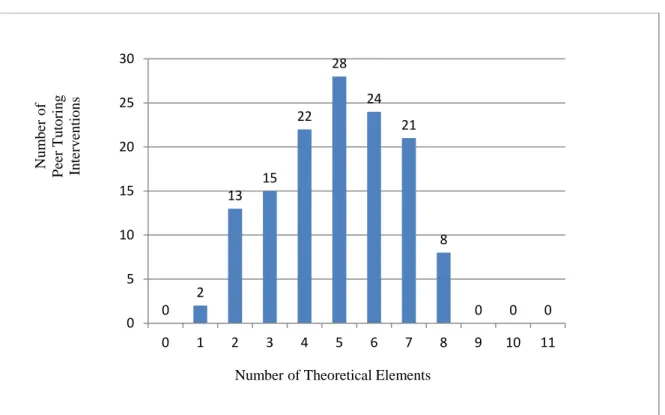
Figure 3. Theoretical scopes in literacy ... 80
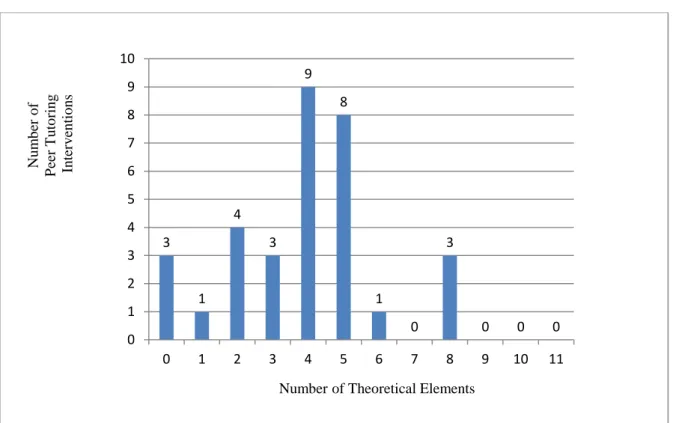
Figure 4. Theoretical scopes in mathematics ... 81
Figure 5. Theoretical scopes in science ... 81
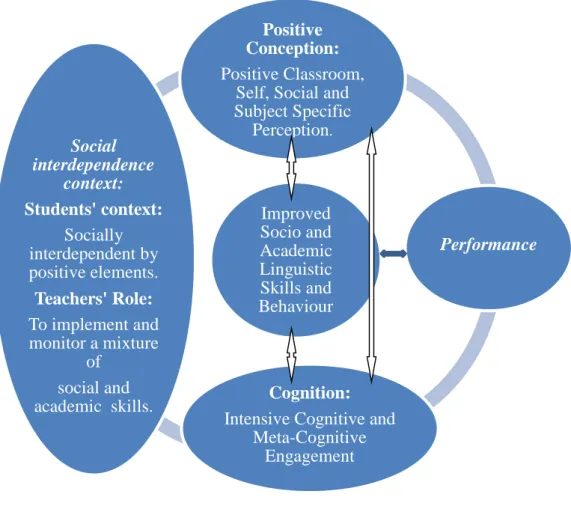
Figure 6. Social interdependence learning framework for ICAT ... 99
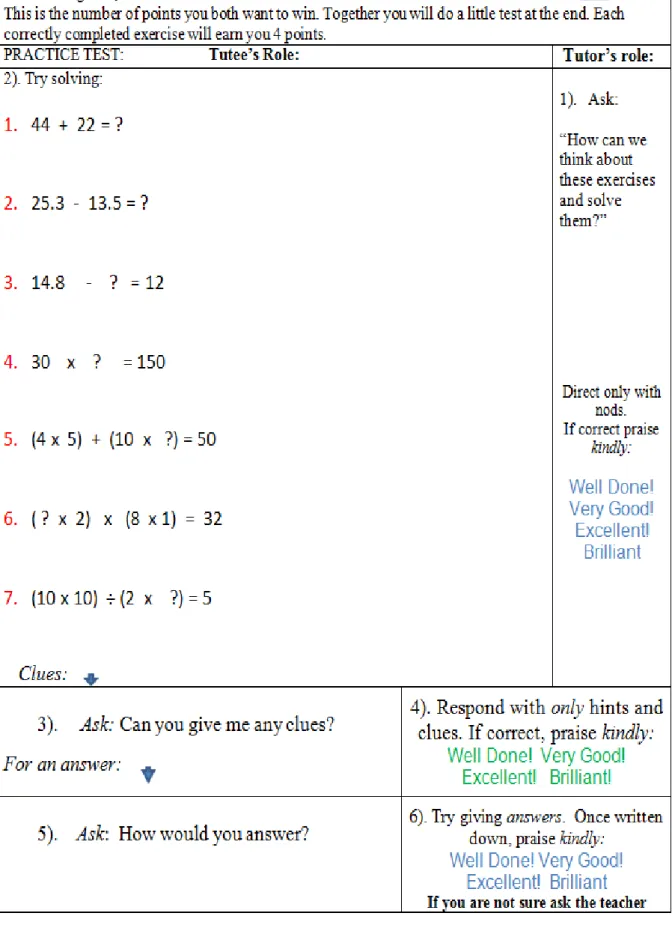
Figure 7. ICAT lesson script framework: Parts 1 and 2 ... 136
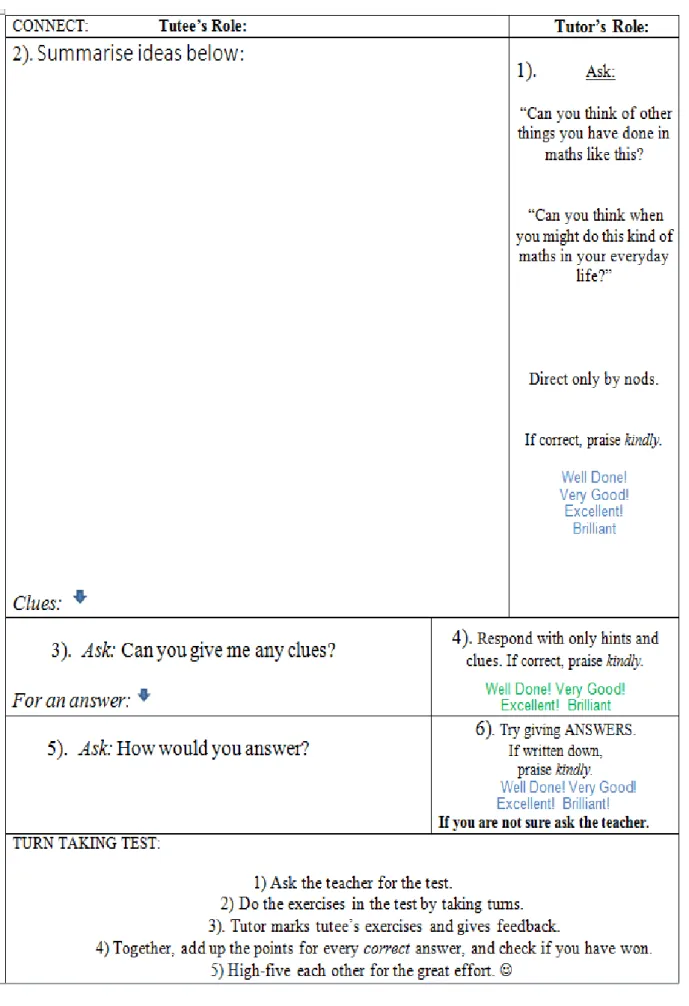
Figure 8. ICAT lesson script framework: Part 3 ... 137
Figure 9. ICAT lesson script framework: Part 4 ... 138
Figure 10. Attitude questionnaire for the trial schools ... 151
Figure 11. First model outcome, Years 7 students: Trial school data... 152
Figure 12. Confirming the model, Year 7: Trial school data ... 155
Figure 13. Confirming the model, Year 10: Trial school data ... 157
Figure 14. Peer tutoring attitude questionnaire ... 159
Figure 15. First measurement model, Year 6: Peer tutoring school data ... 160
Figure 16. Confirming the model, Year 6: Peer tutoring school data ... 164
Figure 17. Example of student set goal ... 170
Figure 18. Example of student practice section attempt ... 171
Figure 19. Example of a lesson in functions in the connect section ... 174
Figure 20. Example of a lesson in measurement in the connect section ... 174
Figure 21. Example of a lesson in area and volume in the connect section ... 175
Figure 22. Example of a lesson in functions in the connect section ... 175
Figure 23. Example of as lesson in probability in the connect section ... 176
Figure 24. Example of a lesson in function in the connect section ... 176
Figure 25. Feedback by ticks/crosses tapping into student's meta-cognition ... 183
Figure 26. Checking if goal is achieved ... 184
Figure 27. Pair observation sheet ... 186
10
List of Equations:
Equation 1. Hedge's g Equation 2. Pooled standard deviation ... 85
Equation 3. Cohen's d (using errors) Equation 4. Cohen's d (to calculate Std. from t-values) ... 85
Equation 5. Cohen's d for ANCOVA... 191
List of Tables:
Table 1. Essential classroom context and socio-psychological elements by theory... 50Table 2. Interpreting the effect size ... 55
Table 3. Percentage of theoretical elements for each subject ... 79
Table 4. Descriptive statistics of peer tutoring theoretical elements by subject ... 82
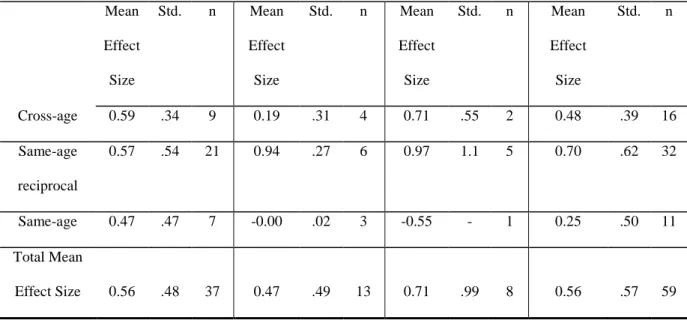
Table 5. Mean effect size by peer tutoring type ... 86
Table 6. Same-age reciprocal peer tutoring ... 87
Table 7. Same-age peer tutoring ... 90
Table 8. Cross-age peer tutoring ... 91
Table 9. School characteristics ... 116
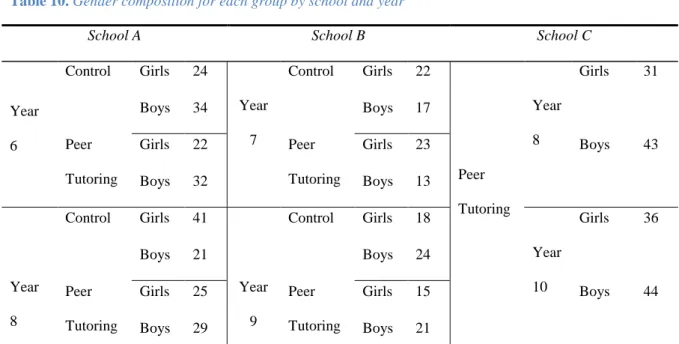
Table 10. Gender composition for each group by school and year ... 117
Table 11. Design and data collected ... 119
Table 12. Pre-test score differences by variables and schools ... 120
Table 13. Lesson topics by schools ... 121
Table 14. Cronbach's Alpha reliability coefficient for performance measurement ... 146
Table 15. First model fit summary with trial schools ... 153
Table 16. Confirming the model with trial schools, year 7: Model fit summary ... 156
Table 17. Confirming model trial school Year 10: Model fit summary ... 158
Table 18. Measurement model development, peer tutoring school, Year 6: Model fit summary ... 161
Table 19. Confirming the model, peer tutoring schools, Year 6: Model fit summary ... 165
Table 20. Instrument development and CFA coefficients by year and school ... 166
Table 21. Area of measurement by indicator type ... 168
Table 22. School A: Examples of students' answers in the connect section ... 177
Table 23. School B: Examples of students' answers in the connect section ... 179
Table 24. School C: Example of students' answers in the connect section ... 181
11
Table 26.Attrition rate % for each data collection type by group and school ... 197
Table 27. Percentage of implemented lessons according to programme specifications ... 199
Table 28. General school observations ... 201
Table 29. School lesson comparison ... 204
Table 30. School pair observations ... 208
Table 31. ANCOVA assumptions by school and attitude variable ... 211
Table 32. T-test assumptions for school C variables ... 213
Table 33. School A and B effect sizes ... 215
Table 34. School C effect sizes ... 216
Table 35. Group comparison of lesson materials: Effect sizes ... 222
Table 36. Quantitative and qualitative peer tutoring studies in literacy by socio interdependent elements ... 319
Table 37. Quantitative and qualitative peer tutoring studies in mathematics by socio interdependent elements ... 325
Table 38. Quantitative and qualitative peer tutoring studies in science by socio interdependent elements ... 329
List of Abbreviations:
ANOVA Analysis of Variance
ANCOVA Analysis of Covariance
ASDQ-1 Academic Self-Description Questionnaire CFA Confirmatory Factor Analysis
CAT Cross-age Peer Tutoring
CEM Centre for Evaluation and Monitoring
CFI Comparative Fit Index
CONSORT Consolidated Standards of Reporting Trials
CWPT Class Wide Peer Tutoring
12
ERIC Education Resource Information Centre
ES Effect Size
ESL English as Second Language
ICAT Interdependent Cross-age Peer Tutoring
IMI Intrinsic Motivation Instrument
IMPROVE Introducing the new concepts, Metacognitive
questioning, Practicing, Reviewing and reducing difficulties, Obtaining
mastery, Verification, and Enrichment
PAL Peer Assisted Learning
PALS Peer Assisted Learning Strategies
RCT Randomised Controlled Trial
RMSEA Root Mean Square Error of Approximation
RPT Reciprocal Peer Tutoring
SEN Special Education Needs
Std. Standard Deviation
TLI Tucker-Lewis Index
ZPD Zone of Proximal Development
© The copyright of this thesis rests with the author. No quotation from it should be published without the author's prior written consent and information derived from it should be acknowledged.
13
1
Introduction: Context, Definitions and Thesis Structure
1.1 The English Context
There is a need in England to further improve students’ mathematics attainment, especially in comparison to other subjects. The Department of Education in England provides national data
for Key Stage 2, ages 7-11, Key Stage 4, 14-16, and Key Stage 5, ages 16-18. The national
data set shows that in 2014 the percentage of students who gained their Key Stage 2 exam
results at a level 5 or above was 50% for reading, 52% for grammar, and only 42% for
mathematics. The UK as a whole has often performed below the international average in
mathematics (Pisa, 2009, 2012), although it must be acknowledged that within the UK there
are contextual and performance variations.
The English educational system has been under constant radical reforms since the 1988
Education Reform Act, which introduced the National Curriculum and the National Testing
Programme (Tymms, 2011). In the (2011) paper, Tymms outlines the major reforms that have
taken place in England, concluding that most of those reforms have not improved the basic
performance of English elementary and secondary students. This is regardless of the £500
million spent on the National Numeracy Strategy, the £500 million spent on the National
Literacy Strategy and the £40 per-subject/per-student for the national test (taking into account
600,000 students with 3 subjects each year, this is £72 million per year).
In other words, regardless the billions of Pounds worth of reform in England the standards
have not improved by a great deal. This was especially the case for literacy, while for
numeracy there had been only modest albeit questionable progress. One of the biggest issues
that the Tymms (2011) paper identifies is that for all these reforms the government failed to
carry out research to actually monitor if the reforms were working, especially when considering the vast amount of taxpayers’ money being spent.
14
Similar conclusions on the impact of reforms in England are not recent; Tymms, (2004)
and Tymms, Coe and Merrell (2005) made this point a decade ago. They did so by analysing
data from various data sets such as those from the Key Stage 2 results for mathematics and
reading, the Centre for Evaluation and Monitoring (CEM), and the findings by Massey,
Green, Dexter, Hammet (2003), etc.
The Tymms (2011) paper concludes with three important recommendations for policy
makers: a) evidence based education, rather than un-tested opinions, should lead reforms, b)
moving towards a learning society, i.e. even if a reform is influenced by academic evidence,
the government still needs to constantly monitor the effectiveness of their reforms since the educational context is constantly changing and c) Campbell’s (1969) idea of ‘Reforms as Experiment’ should be a guide for politicians involved in education, hence employing more scientific ways of conducting reforms.
Evidence based interventions are therefore needed to improve students’ performance and teaching standards in England and the UK as a whole. One evidence based intervention which
has shown to be effective in the USA and has potential benefits for England is cooperative
learning, a form of peer learning. There is a need to try and test more cooperative learning
interventions in England; research suggests that although the interventions have been proven
to be very effective, in the UK cooperative learning is still lacking behind (Jolliffe, 2007,
2015). This is important especially when considering the English context driving towards the idea of ‘Every Child Matters: Change for Children, 2004’ and how most of the advantages steaming from the cooperative learning interventions align extensively with such national
direction (Jolliffe, 2007).
To conclude research suggests that it is necessary to improve mathematics performance in
schools in England; one intervention type which can help improve performance as well as
15
1.2 Definitions: Peer tutoring (a peer learning technique)
Peer tutoring is an old teaching method. In Ancient Greece the method was endorsed by
Socrates and was widely in use. In the UK the method emerged during the 19th century and
went by the name of the Bell-Lancaster system (Allen, 1976). Andrew Bell, not an educator
then, wanted to find a way to help students in an orphan school in India and introduced the
idea of peer tutoring. The system was then adopted by Joseph Lancaster in England and later
in Wales (Allen, 1976). The method subsequently started to fall into disuse at the national
scale, as students were not trained to tutor (Duress, 1971).
Peer tutoring is one among many forms of peer learning techniques, with peer learning
being defined as the broader umbrella referring to students learning together. Peer learning
varies in number, usually involving two or more students. Topping and Ehly (1998) and
Topping (2007) provide a helpful typology of various forms of peer assisted learning
methods. They classify most peer learning strategies under the following three umbrellas:
1) Peer facilitation and education, i.e. peer modelling, peer education for health and peer
counselling;
2) Peer feedback, referring to peers monitoring peers and peers assessing peers, and
finally;
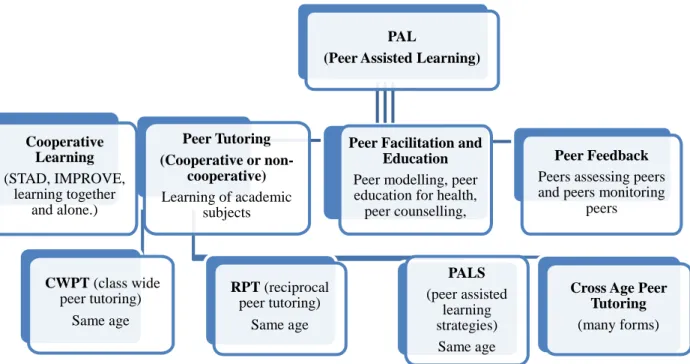
3) Peer tutoring, i.e., one-to-one1 interactions such as same-age class wide peer tutoring
(CWPT), same-age reciprocal peer tutoring (RPT), same-age peer assisted learning strategies (PALS), paired learning (same or cross-age tutoring), etc. 2.
1 Although one student might also be tutoring or tutored by two or three peers.
2 A broader definition and explanation of different forms of peer assisted learning strategies is presented in chapter 3, Empirical Literature Review, under the section ‘Review of peer assisted learning techniques’.
16
The term ‘cross-age tutoring’ in this paper refers to an age gap of two-three years. ‘Same-age’ will refer to when tutoring is conducted within a classroom, either similar-ability students or mixed-ability. Reciprocal peer tutoring will be defined broadly as a classroom
situation where every student has the ability to tutor and be tutored by their classroom friends
in different ways. As figure 1 illustrates, at the heart of the definition of peer tutoring is the
idea that the tutoring is done for the improvement of an academic subject.
Figure 1. Diagram categorising paired learning
1.3 The Structure of this thesis
Following this short introduction, the work is divided into three main parts, each with three
chapters: The first part covers various reviews and the aim of the research, the second part PAL
(Peer Assisted Learning)
Peer Tutoring (Cooperative or non-cooperative) Learning of academic subjects CWPT (class wide peer tutoring) Same age RPT (reciprocal peer tutoring) Same age PALS (peer assisted learning strategies) Same age
Cross Age Peer Tutoring (many forms) Peer Facilitation and
Education Peer modelling, peer education for health, peer counselling,
Peer Feedback Peers assessing peers and peers monitoring
peers Cooperative Learning (STAD, IMPROVE, learning together and alone.)
17
covers the methodology and the final part covers the reflections and discussion of the
findings:
The review consists of a chapter entitled ‘theoretical review’, a chapter entitled ‘empirical review’ and a chapter on ‘aims, objectives research question and significance’.
The second part on the methodology looks at: ‘overall research method’, ‘instrument development and coding’ and ‘reporting the analysis and findings'.
The final part, reflection, concentrates on three aspects: ‘discussing the findings’, ‘discussing the limitations’ and ‘conclusion and recommendations’.
1.3.1 Part one
Chapter two is a review of theory and it looks at both traditional and new or dominant
theories in peer tutoring, while simultaneously linking theories to one another in various
ways. The chapter concludes that Social Interdependence Theory provides more answers than
other theories in terms of how to make peer tutoring work, as the theory places great importance on making students’ interactions cooperative.
Chapter three is one of the lengthiest and provides an empirical review of five topics:
a) A review of the ‘what works’ literature;
b) A short review and explanation of the four most common types of peer tutoring
interventions;
c) A detailed review of meta-analyses on the impact of peer learning and peer
tutoring, while investigating the process of learning variables in cooperative
learning environments;
d) A structured and methodical review of peer tutoring interventions in the core
subjects of literacy, mathematics and science. This is undertaken in order to
18
social interdependent elements and identified whether many social interdependent aspects have been applied to ‘cross-age’ peer tutoring; and
e) A systematic review of peer tutoring in mathematics in order to establish the
average effect size of performance, academic attitude, and social attitude. This is
conducted for same-age traditional, same-age reciprocal and cross-age peer
tutoring.
The last two reviews are exclusive to this research paper and help establish: a) the
rationale for this research, b) more insight into how different peer tutoring interventions relate
to different theories, bringing order to any current misunderstanding and, c) the magnitude of
the effect sizes for peer tutoring research in mathematics, in both achievement and social and
academic attitudes.
Chapter four focuses on the aims, objectives, research questions and significance.
1.3.2 Part two
Chapter five sets out the research methods and covers issues such as: participants, research
designs, data collection procedures and the details of the intervention.
Chapter six covers instrument development and looks at four topics: a) it analyses the
reliability of the performance tests via Cronbach alpha for each school, b) investigates the questionnaires’ reliability and validity via exploratory and confirmatory factor analysis, c) it also defines the items and coding procedures used to analyse students’ lesson materials and, d) explains the observation items and the coding procedures.
Chapter seven reports the analysis methods and the findings for performance, attitude variables, students’ lesson materials and the observations.
19
1.3.3 Part three
The discussion chapter, chapter eight, covers: discussions of implementation fidelity, students’ performance findings, the process of learning variables related to Interdependent Cross-age Peer Tutoring (ICAT), the new framework developed here and the general
strengths of such framework.
Chapter nine discusses the limitations. Limitations are explored in various areas:
limitations regarding the extent to which the intervention was successful in applying social
interdependent elements, methodological limitations and other general limitations.
Chapter ten entitled ‘conclusion and recommendation’ provides: a) an overall conclusion, c) recommendations for how to implement cooperative learning successfully, d) how to
implement cross-age peer tutoring, e) how to implement ICAT and, f) proposals on further
development and research into ICAT.
20
PART I
2
Theoretical Literature Review
2.1 Introduction to Peer Tutoring Theory
Peer tutoring has been explained by various theories. Some of the theories apply to the
learning processes of the tutor, tutee, or both parties. The following are some of the main
fields from which explanations have derived: a) educators – concentrating on the effect of
individualised instructional tasks established within peer tutoring, b) developmental
psychologists and Gestalt Theory – tackling the effect of tutoring on socialisation, cognition
and meta-cognition, c) social psychologists – interested in social interaction and
psychological processes and, d) educational psychologists – interested in general
improvements of the method’s procedures (Allen, 1976; Goodland & Hirst, 1989).
Prior to preceding any further it is necessary to highlight two points: firstly, the above
categorisation is not mutually exclusive (Allen, 1976). For example, many educators who
concentrate on individualised instructions can be either behaviourist, social or educational
psychologists, developmental psychologists or all of the above. The trends could also be
interlinked with each other in various ways, such as an educational psychologist could very
easily subscribe to a social theory or psychological theory, for example Vygotsky can be
thought to belong to various social sciences trends. Therefore, even though categorisation of
theories and names will be used in this chapter, such categorisation is purely to aid the reader
by organising the text.
Secondly, prior to looking at each field of theories it is necessary to make explicitly clear
that most perspectives in peer tutoring do not contradict each other (Goodland & Hirst, 1989).
21
tutoring programme; what is perceived as crucial by one theory is not perceived as such by
another. It will be made evident, therefore, that the main critique towards most theories is
that they do not take a broader perspective, detailing the broader socio, psychological and
educational elements that are necessary for an effective peer tutoring intervention.
This chapter provides a critical evaluation of differing theoretical peer tutoring
perspectives. In particular the aim of this chapter is to analyse what each theory has to say
regarding the process of learning through which peer tutoring enhances performance. To
achieve its aim, the paper is divided into two main parts:
The first part analyses most of the older theories and models which attempt to explain why
and how peer tutoring enhances performance. Such analyses are necessary in order to
understand the current dominant theories in peer tutoring, which have links with traditional
views. Specifically, this section broadly analyses the similarities and differences of the
following theories: Role Theory, Social Skills Theory, Self-Determination Theory, Behaviour
Theory based on the S-R notion, and Piaget’s Constructivist Theory.
The second part looks at current and dominant peer tutoring theories. It particularly considers Vygotsky’s Social Constructivist Theory and Social Interdependence Theory. The essentials of each peer tutoring theory will be outlined.
Overall, this chapter makes three conclusions: Firstly, there are clear links between some
of the peer tutoring theories. Secondly, those links can be easily recognised between the two
currently dominant theories and the older theories. Finally, although there are strong links
between Social Constructivism and Social Interdependence, due to efforts made by
researchers such as Johnson and Johnson (1987) and Slavin (2010), this integration exists
mostly at the group level of three students and over, rather than at the one-to-one peer tutoring
22
2.2 Traditional Peer Tutoring Theories
The term ‘traditional peer tutoring’ theory is used to encompass all those approaches that are not currently frequently used to understand or explain why or how peer tutoring works or
should work.
2.2.1 Role Theory
Role Theory explains the effectiveness of peer tutoring by emphasising the benefits associated
with roles. Specifically, one of the ideas why peer tutoring is superior to traditional classroom
settings is that the method contains the appropriate roles in the tutoring process (Sarbin,
1976).
In order to explain why role is important Sarbin finds it necessary to first define roles in
two different ways: role/status is either earned or ascribed, the former being an achievement
by virtue such as being a teacher, a musician, a sportsman, etc., while the latter is assigned to
a person by nature, in the sense that you may become a parent, a brother, older or younger
(Sarbin, 1976). According to Sarbin (1976), when a person who has earned the role does not
perform to the standard expected, that person is more likely to receive a neutral response from
the community compared to a mother who does not perform in her role as a caring person.
The argument goes even further. It has been suggested that since the role of the classroom
teacher is earned and the response he/she gets is neutral within the classroom setting, the
teacher fails to give full dedication because there is less pressure from the classroom (Sarbin,
1976). The lack of pressure/motivation results in the teacher finding it hard to: a) understand
non-verbal cues of communication, b) evaluate the true ability of the student and, c) utilise
23
way of evaluation and esteem improvement the teacher or adult uses stars and grades. The
conclusion is that these non-verbal communication mechanisms are not effective in conveying
the necessary emotional support and increase role misunderstandings between the teacher and
the student (Sarbin, 1976).
The idea that adults find it hard to understand students’ non-verbal cues is illustrated by an early study which recorded a short tutoring episode without verbal discussion and
presented the video to two groups, students and adults: While the adults failed to understand
whether the tutee in the video had comprehended his exercise, the child watchers, via reading
non-verbal cues, predicted correctly (Allen & Feldman, 1975).
According to Role Theory, the beginning of peer tutoring is associated with unclear roles,
as the tutor thinks he/she has to take the role of the teacher; until the tutor comes to the
realisation that the role is not earned on the basis of merit, a condition also enabled by the fact
that the tutor is unable to use esteem valuations such as stars and grades used by teachers
(Sarbin, 1976). Consequently, the new identity forces the tutor to become caring, determined,
and as a way of feedback and evaluation, to use smiles, affection and other non-verbal
affective cues understood by the tutee. The tutor thereby gains respect from the tutee as well
as recognition from the teacher (Sarbin, 1976).
Therefore, the peer tutoring setting is different from the teacher-student setting. Certain
interrelated characteristics apply to both tutor and tutee: a) firstly, ascribed identity or role
takes over, b) secondly, this in return increases involvement and a sense of obligation on both
sides and, c) finally affective valuation reinforcement, or feedback, in the form of non-verbal
or affective communication is used instead of esteem reinforcement based on non-affective
systems such as stars or grades.
As a result of this understanding regarding the importance of the assigned role, proponents
of Role Theory develop recommendations on how to improve peer tutoring interactions.
24
to students, hence further increasing their ascribed roles (Sarbin & Allen, 1968). Also, in
cross-age peer tutoring for instance, the age difference, among other things, can serve as a symbol in itself, reinforcing each other’s roles.
Role Theory also seeks to explain psychological affective processes of learning in peer
tutoring. Especially Role Theory has tried to explain why tutors in cross-age conditions have
higher academic self-worth than tutors in same-age conditions. Higher academic self-worth
for tutors has been established by Miller, Topping and Thurston (2010), Topping, Campbell,
Douglas and Smith (2003), Tymms, Merrell, Thurston, Andor, Topping & Miller, (2011).
The reason why Role Theory is strong at explaining this phenomenon is that it argues that
being older is associated with more responsibilities towards the younger, and responsibility is associated with feeling important. As a result, on the tutor’s side the following affective psychological factors are enhanced through peer tutoring: a) academic motivation, b) the
school and subject specific attitude and, c) sense of responsibility (Allen, 1976). These
conclusions have also been reported earlier by names such as Cloward (1967), Gartner,
Kohler and Reisman (1971).
Moreover, for the tutor the above affective factors derive also from the class teacher role;
specifically, as a teacher you: a) are respected by the old and the young, which boosts your
self-esteem, b) gain recognition and a sense of responsibility to fulfil the role and the
expectations, c) understand the tutee’s position by empathising with the other’s situation, a
skill required by a good teacher, finally, d) there is the help element towards others, hence
further enhancing the feeling of being useful and improving self-acceptance (Allen 1976,
p21).
To conclude, the overall idea is that a person with an ascribed role is more pressured or
motivated to be successful towards a particular activity than the one with an earned role.
25
the context of comparing fixed-role or cross-age peer tutoring to normal classroom teacher
conditions.
2.2.2 Social Skills Theory
To recap, one of the weaknesses of Role Theory is that it over-emphasises the importance of roles in improving interactions and hence affective factors. Sarbin’s view could be questioned if we were to look at this idea in the context of siblings; for example even though a brother
has an assigned role it does not necessarily mean that he is pressured/motivated by society to
help his siblings.
Also, simply placing an older student with a younger one does not necessarily guarantee
that all their interactions will be pleasant. Some of the negative aspects in peer tutoring are
that bullying may appear from the tutor side or the tutee may intimidate the tutor (Allen,
1976). Therefore, when such circumstances are allowed in the classroom, peer tutoring
cannot be claimed to have its full positive effect.
Social Skills Theory, which was later fully integrated into Social Interdependence Theory
reports that social skills are an important element in peer tutoring (Allen & Feldman, 1976;
Argyle, 1976). Allen, Feldman & Devin-Shehan, (1976) have shown that when a tutee was programmed to provide wrong responses to the tutor, without the tutor’s knowledge, it produced a negative effect on the tutor’s interpersonal communication skills towards the tutee.
Social Skills Theory, however, does not emphasise the need to train students in social
skills. Instead the theory suggests that the tutors in a tutoring situation already have social
skills to interact and communicate with their tutee; this is the sole explanation for the
effectiveness of peer tutoring. The argument goes that most of the students already have an
26
The relationship proposed by Argyle is that social skills, such as synchronising body
language, speech patterns, utterances and gazes are automatically gained by extensive peer
tutoring experiences.
For Argyle (1976) social skills are the kernel of learning, since these are the skills through
which feedback and assessment is gained and given within a learning context. For example,
the act of looking is not just to obtain information but is also to send it. Therefore, since in
dyadic interactions the parties look at each other 55% of the time and have a mutual gaze of
25% of the time, it becomes evident that intense non-verbal exchange of information takes
place (Argyle, 1976; Argyle & Ingham, 1972). According to Argyle (1976), the relationship
between effective peer tutoring and social skills is to some extent reciprocal as time passes, in
other words, the more students interact with each other and know each other for a longer time,
the more they synchronise their communication skills and enhance their communication.
Social Skills Theory also reports that peer tutoring has an effect on meta-perception. Such perceptions emerge when two students of different ages interact in order to see each other’s inner mental state; hence requiring intense cognitive processes, although this can only take
place with students over the age of 8 or 9 (Argyle, 1976). Why? The logic implies that
meta-perception is enabled through cognitive structural similarities, since students have higher abilities than adults in putting themselves in their partners’ shoes (Argyle, 1976). Such idea is based on Bonarious’ (1965) conclusion that in similar cognitive constructs communication is easier. As already seen, this specific argument was also made by Role Theory when stating
how teachers fail to communicate effectively with students, and will be made by Social
27
2.2.3 Self-Determination Theory
To recap again, until this point we have seen how micro-elements of peer tutoring, such as the
nature of the role and communication play an important aspect in the effectiveness of a peer
tutoring programme, specifically in improving diverse emotional factors and consequently
performance.
The idea that peer tutoring enhances emotional factors is also supported by
Self-Determination Theory. For Self-Self-Determination Theory, however, emotional enhancement
derives not only from the micro elements of the interaction; a crucial element is also the classroom system or the activity context, which improves peers’ academic attitude and consequently performance (Deci, Eghrari, Patrick & Leone 1994; Lepper & Greene 1975;
Lepper & Henderson, 2000; Royan & Deci, 2000).
Hence, Self-Determination Theory, a social psychological theory, goes one step further
than Role Theory and Social Skills Theory. Unlike Sarbin or Argyle, who place particular
emphasis on role, identity, and interpersonal skills, Self-Determination Theory concludes that
a crucial element in understanding why tutoring by a peer works is to recognise the lack of a control mechanism in the students’ behaviour; fostering free will and tranquillity.
The theory goes as far as to suggest that having a teacher at the centre of the class is
perceived as authoritative, and one of the reasons why many students do not find learning to
be a fun activity (Royan & Deci, 2000). The argument is that although intentional monitoring
and rewarding increases extrinsic motivation and hence performance in the short term, it is
wiser to promote affective factors such as intrinsic motivation; specifically, the teacher should
work towards making the students enjoy their learning by letting them determine their
learning process as much as possible (Royan & Deci, 2000).
To conclude, the reason why peer tutoring works according to Self-Determination Theory,
28
tutee or tutor likes his/her partner, the activity itself transforms into a fun activity regardless
of its instructional structure. Recent research has shown that when it comes to peer learning
activities, the activities lacking negative competition or controlling reward structures, were
overall more effective (Roseth, Johnson & Johnson, 2008). As will be shown later in this
chapter, this view is also adopted by Constructivism, Social Constructivism and Social
Interdependence Theory. The main contribution by Self-Determination Theory to peer
tutoring is that students should be given more autonomy regarding their learning processes.
2.2.4 Skinner’s S-R Model and Educationalists
Although rewards may be perceived as controlling mechanisms, one has to make a further
distinction between the type of the reward and whom the reward comes from (Royan & Deci,
2000). This self-determination idea links well with Behaviour Theory explanations of peer
tutoring. Studies have shown that specific and spontaneous praising, a form of reward, as
opposed to constant praising, improves enjoyment and task involvement (Chalk & Lewis,
2004).
According to educationalists and Behaviour Theory, some of the most important elements
in dyad interactions in tutoring sessions are the following (Harrison & Cohen, 1971): Praise appropriately;
Do not punish;
Avoid using delicate cues to prompt; Deal with the responses appropriately.
The above points have their origin in Skinners’ behaviourist psychology of the S-R model, i.e. the stimulation/response idea (Goodland & Hirst, 1989). The idea is that in order
29
factors, they need to be constantly and appropriately rewarded, a strategy which can only be
achieved via individualised structured interactions (Goodland & Hirst, 1989).
Hence, apart from increasing affective/emotional factors via reward and esteem
mechanisms such as praising, behavioural psychologists point out how to also increase
cognitive elements via structure and task involvement, an idea highly applied by many
educational psychologists (Goodland & Hirst, 1989).
Individualised instruction within peer tutoring is seen as one of the crucial elements which enhance students’ performance (Harrison 1976; Topping & Thurston 2012; Yarrow & Topping 2001). Unlike texts or workbooks, which often confuse students, personalized peer
tutoring has the potential to provide students with support in reading complicated materials or
in understanding tasks (Harrison, 1976). In a comparison made between tutors who were
trained and tutors who were untrained in how to provide individualized instructions, Harrison
and Cohen (1971) found that tutors trained in personal instructional skills helped their tutee
perform four times better than those tutees who worked with un-trained tutors. Similar
findings have been produced by John, Fantuzzo, King, & Heller (1992).
In a comparison between instructional types, individualized instruction via peer tutoring
was found to provide the highest scores (Klosterman, 1970). Specifically, individualized
instruction in peer tutoring in mathematics has been reported to provide higher performance
outcomes than any other instructional technique in education in one of the earliest systematic
reviews regarding mathematics instruction (Hartley, 1977).
All forms of personal instructions require certain skills, such as avoiding punishment, increasing verbal praising and task clarification in order to be effective in improving students’ academic attainment. On the other hand, not all forms of individual instruction are effective if
applied universally. According to educationalists the logic goes that personal instructions may
differ across the subjects. For example, while it is necessary to correct a tutee with the right
30
shown how to answer the exercises independently via the use of physical or conceptual aids
(Harrison & Cohen, 1971). Some of the first names to apply and test the effect of
academically structured tutoring methods have been Ellson, Barber, Engle & Kampwerth
(1965), Ellison, Harris and Barber (1968), Harrison (1971, 1972), Harrison and Brimley
(1971), Niedermayer (1970), Niedermayer and Ellis (1971).
2.2.5 Constructivism
Up to this point, most of the above theories, with the exception of educationalists touching
upon cognitive elements, have concentrated on the affective/emotional psychological factors
enhanced by peer tutoring, as opposed to wider psychological elements such as cognition,
meta-cognition or organizational skills. For example, we have looked at how role, social
skills, the class system, and the praising as reward mechanism influence mainly affective psychological factors. As noted, educationalists on the other hand were the exception. By emphasizing individualized instructions they have made claims as to how wider cognitive psychological factors are enhanced by peer tutoring.
The names accredited for looking at the affective, cognitive and meta-cognitive impact of
peer tutoring are those belonging to the Constructivist school of thought. For Piaget (1950)
peer interactions are superior to student-adult interactions precisely due to the influence they
have on enhancing even wider psychological factors, especially cognitive factors. Piaget
(1950) concluded that discourse is more fruitful among peers. Discussion, the main element
that results in criticism, is better fostered among equals. Thus, for Piaget it was essential that
the teacher and the learner had the same authority, yet differing levels of knowledge (Piaget,
1950). The idea of reduced authority is similar to that of Self-Determination Theory,
31
It is suggested that cognitive change is only possible when there is a balance between
accommodations, i.e. the level of authority is equal, and assimilation, referring to the
introduction of new ideas and knowledge via the acceptance by the tutee of new phenomena
to be cognitively internalised (De Lisi & Golbeck, 1999). It is for these reasons that peer
tutoring is considered superior to adult teaching. Simply put, constructivism argues that peer
tutoring provides prime conditions for a change in cognitive structures (De Lisi & Golbeck,
1999).
Regarding cognitive processes, Piaget’s tutoring methods are built on theories of
equilibration, i.e. new ideas have to be reconciled with older ones, which can be achieved
when the new ideas do not extremely deviate from the existing ideas. However, in order for
cognitive change to take place there has to be some form of cognitive conflict in which the
tutee is lead and instructed by the tutor in a structured manner (De Lisi & Golbeck, 1999).
De Lisi and Golbeck (1999) provide a comprehensive model of the cognitive process
through which peer-tutoring in general enables cognitive change and therefore enhances
learning. To begin with, the existing cognitive structure is tested by a hypothesis by the
peer-learner which then first leads to assimilation and later to accommodation. Accommodation,
however, does not necessarily imply a permanent change to the existing structure (De Lisi’s
& Golbeck, 1999). In order for permanent change to emerge to the existing cognitive
structure there has to be what is called the perturbation-regulation-compensation sequence.
This rather extensive term relates to the idea that first the new knowledge needs to be
perceived as different from the existing knowledge, hence entering the regulation stage of
perturbation, then a cognitive decision is made, either the existing cognitive system is
changed permanently or the old system is retained (De Lisi & Golbeck, 1999).
To conclude, the crucial element in understanding how Piaget’s peer tutoring method results in cognitive reshaping, is to realise that among peers cognitive challenge is more
32
only once the interactions have ended, or when the tutor needs to prepare teaching materials
in advance (De Lisi & Golbeck, 1999). This is important to bear in mind when it comes to comparing Piaget’s view of how the social interaction enhances meta-cognition in peer tutoring to those explanations given by the current theory of Social Constructivism, the latter
arguing that cognitive and meta-cognitive changes emerge during the actual interactions. The
next section explores current theories:
2.3 Current Leading Peer Tutoring Theories
There are currently at least two extensively used peer tutoring theories, Social Constructivism
and Social Interdependence Theory:
2.3.1 Social Constructivism
For social constructivists, appropriate academic social interaction dimensions are necessary to
achieve higher psychological performance. Hence, in a more recent theoretical review of peer
tutoring and Social Constructivism, Thurston, et al, (2007) suggest that a distinction and a
link is usually made between inter-psychological (social) and intra-psychological (within the
mind) functions when reviewing Social Constructivism. Inter-psychological functions are
those which emerge via inter-subjectivity; in the peer tutoring context this is the degree to
which peers can engage in the type of dialogue which revolves around their own worlds or
views, a task easily performed by peers, however with difficulty between students and adults
(Donaldson, 1987).
The claim made by Vygotsky is that inter-psychological functions lead to
intra-psychological function, which makes learning possible among peers. Hence what is
important is the context provided by inter-subjectivity in the ‘Zone of Proximal Development’ (ZPD); that is “the distance between the actual developmental level as determined by
33
independent problem solving and the level of potential development as determined through problem solving under adult guidance, or in collaboration with more capable peers” (Vygotsky, 1986, p86).
Therefore, the link between inter-psychological and intra-psychological functions
explains how a child internalizes and processes new knowledge, as well as promoting lengthy mental developments via questions and debates which extend their peers’ thinking (Thurston, et al, 2007).
Gestalt theories, Social Constructivism being one of them, have emphasised that learning
will emerge when a learner can place his/her ideas in an intellectual context (Goodland &
Hirst, 1989). When students teach one another they first have to put effort into making the
material understandable to the learner; by doing so they constantly reflect on their own
learning process (Goodland & Hirst, 1989). By organising and preparing the materials for the
learners, one has to reshape and reformulate ideas in new ways and consequently the tutor
will understand the material better (Gartner, Kohler & Reisman, 1971).
A current dominant social constructivist figure in peer tutoring has been Keith Topping,
Head of the Centre for Peer Learning at Dundee University. Topping and Ehly (1998),
provide as many as 56 positive psychological processing elements involved in a peer tutoring
intervention; elements, which were then used by Topping and Ehly (2001) to create a Social
Constructivist model with differences to the De Lisi and Goldbeck (1999) constructivist
model. The Topping and Ehly (2001) model is broader and more detailed.
The model emphasizes the effect of inter-subjectivity and communication as a means of
minimizing psychological damage, under which the tutor is also a co-learner. Therefore the
tutor has to learn how to find the balance of information a peer can take in, while
simultaneously monitoring their performance, managing and detecting errors and giving
34
According to LeBlanc and Bearison (2004) and Topping and Ehly (2001) the following
are some of the characteristics found within peer tutoring:
Shared understanding. Understanding of a topic is perceived to be one of the crucial elements for long term memory, since understanding a material involves extensive
cognitive processes (Craick & Lockhart, 1972);
Shared positive experience. Having a shared positive experience is essential for the tutor since it creates a positive perception of the tutee, as well as the other way around; Instructional clarity. Another important aspect of the successful teaching session is
instructional clarity, especially understanding what the roles of each party are.
The Social Constructivist links with other peer tutoring theories. There are strong links
between Social Constructivism and Constructivism, Educationalist and Behaviour Theory, as
well as Social Skills Theory.
The connection to Constructivist Theory. The main difference between Piaget’s and Vygotsky’s peer tutoring methods and theories revolve around the timing of when the organisational, affective, cognitive and meta-cognitive elements are restructured (Thurston, et
al., 2007). Since Vygotsky placed more emphasis on the intra-psychological functioning and
inter-subjectivity, most psychological elements, for both tutee and tutor, are reshaped during
the interactions. For Piaget on the other hand the process of learning essentials on the tutor’s
side takes place at the pre-interaction stage, i.e. the stage of preparation, while for the tutee in
the post-interaction stage (Thurston, et al., 2007).
It can be argued that if work is given to students in advance, psychological elements will
also be reshaped during the interaction as well as prior to or after. If no material is given to
the students prior to the interactions, however, it is most likely that most of the psychological
changes will take place during and after the interactions. This explanation is consistent with
35
Also, both developmental psychologists, Piaget and Vygotsky, emphasized the
importance of similar authority between the tutee and the tutor. The only major second
difference between these two thinkers is that Vygotsky claimed that in order to successfully
affect the ZDP cross-ability interactions are required (Foot & Howe, 1998). According to
Socio Cognitive Theory (social constructivism), there is a strong connection between social
settings and learning, with more competent learners acting as mediators for those less
competent, providing the latter with scaffolds where knowledge can be tested (Vygotsky,
1968).
Whilst Piaget’s peer learning methods may be characterized by exemplifying, questioning, disagreement and evaluating, Vygotsky’s methods are characterized by exemplifying,
providing explanations, bringing ideas together (co-construction), leading and hinting
(Thurston, et al., 2007). Hence, in general Piaget’s theory of peer learning models is usually
applied to situations in which students have the same ability, while Vygotsky’s models
usually emphasise cross-ability and complementary interactions in which the tutor takes some
form of control, an action which serves well both tutor and tutee (Foot & Howe, 1998).
Furthermore, under Topping and Ehly’s (2001) social constructivist model questioning
and cognitive-conflict, characteristics belonging to Piaget’s constructivism, are also included.
The reason for doing so is that in reality the student interaction mode does not entirely
resemble that of a cognitive-conflict learning process of questioning and disagreement or
entirely that of a cooperative learning process of providing explanations and bringing ideas
together (Foot & Howe, 1998). The argument goes that the distinction is not clear since the
students usually choose the strategy which suits them at a particular point in time, depending
to a great extent on the knowledge the particular students hold of the task under consideration
(Foot & Howe, 1998). On the other hand one can make the argument that the structure of the
task does make a significant difference to shaping the nature of the interaction (Roseth, et al.,
36
Connection to Social Skills Theory. Topping and Ehly’s (2001) model and Yoarrow and Topping (2011) make it clear that in order to understand the peer tutoring learning process
thoroughly, it is also important to see the effect that social skills have on emotional elements,
i.e. academic self-concept or motivation, as well as on cognitive and meta-cognitive states.
The reason why this is important is that in return academic affective variables, such as
mathematics self-concept, have a major impact on performance (Marsh, & Craven, 2006;
Marsh & McDonald-Holmes, 1990; Marsh & O’Mara, 2008;; Royan & Deci, 2000), as do cognitive and meta-cognitive variables (Gabbert et al, 1986; Lovet 2008; Piaget, 1978;
Valentine, DuBois, & Cooper, 2004; Vygotsky, 1968, 1978;).
For example, Yarrow and Topping (2001) in analysing the process through which paired
writing enhances performance, also recommend that verbal and nonverbal cues are extremely
useful for both: a) stimulating esteem and, b) increasing cooperation; which consequently
shape the cognitive and meta-cognitive strategies of a particular tutoring method.
Connection to Educationalists and Behaviour Theory. The importance of individualized
instructional strategy, as emphasised by educationalists, is also emphasized as a crucial part of
the 2001 model, since it too improves affective, cognitive and meta-cognitive elements, and
consequently performance (Yarrow & Topping, 2001). In mathematics for example, there is a
difference between traditional instructions, which aims mainly to provide mechanical
mathematical activities, and new individualized instructions, which incorporate strategic
questioning, the latter method concentrating mostly on mathematical process and higher
mathematical thinking (Burns, 1985).
Recently, educationalists have attempted to design diverse individualized instructions
with the specific aim of increasing diverse socio-psychological processing factors. Yarrow
and Topping (2001) presented a form of paired reading, which if followed faithfully by
students would promote positive discourse among pairs. Also, if the interactions incorporate
37
tutoring (Goodland & Hirst, 1989), this would then lead to more stimulation,
task-concentration time and, reduced anxiety (Topping 1995, 2001a).
Process of Learning Outcomes. By analysing the processes and outcomes of peer tutoring methods, Topping and Thurston (2011) have tried to link specific socio interactions and
cognitive talk among peers to performance. For social constructivists peer tutoring is thought
to have psychological, behavioural and linguistic benefits:
Psychological Enhancements. According to meta-analyses by Cohen, et al., (1982), Leung
and Marsh (2005), and reviews by Sharply, A.M., and Sharply, C.F., (1981), Topping and
Ehly (1998), Roscoe and Chi (2007), the following have been identified as some of the
psychological elements enhanced by peer tutoring:
Enhanced affect:
Motivation to learn and subject specific self-conception.
Improved cognition:
Higher level of cognitive reconstruction, via asking questions and providing explanations.
Higher information transfer, due to better feedback. Intense engagement with the task and instructions.
Enhanced meta-cognition:
Greater chance to self-correct/reflect.
More chances to reshape and re-organise ideas, as tutees and tutors both need to provide comparative questions and elaborative explanations.
They are also given more opportunities to assess knowledge boundaries via monitoring.
Improved Behaviour: