
SAUNDERS, JOSHUA DANIEL. Novel Supramolecular Polyamides. (Under the supervision of Richard Kotek)
Abstract
Novel Supramolecular Polyamides
By
Joshua D. Saunders
A Thesis Submitted to the Graduate Faculty of
NORTH CAROLINA STATE UNIVERSITY
in Partial Fulfillment of the Requirements for the Degree of
Master of Science in
Textile Chemistry
June 2005
APPROVED BY
--- Chair of Advisory Committee
--- --- Committee Member Committee Member
Biography:
Joshua Saunders was born in Gastonia, North Carolina on 2nd of February, 1980. Graduating from North Gaston high school, he was accepted to the Textile Engineering, Chemistry, and Science Department as well as Chemistry Department at North Carolina State University in 1999. Graduating in 2003, he received his bachelor of science in both Textile Chemistry and Chemistry.
Acknowledgements:
TABLE OF CONTENTS
Pages
LIST OF TABLES
V
LIST OF FIGURES
VI
I. Introduction and Definitions Associated with Supramolecular
Polymers
1
1.1. Introduction 1
1.1.1. Class A 2
1.1.2. Class B 3
1.1.3. Class C 3
1.1.4. Class D 4
1.2. References 5
II.
Literature Review
6
2.1. Introduction to Binding Methods and Theories 6
2.1.1. Coulombic Bonds 6
2.1.2. Hydrogen bonds 7
2.1.3. Van der Waals Bonds 9
2.2. Binding Methods in Supramolecular Assembly 9 2.1.4. Hydrogen Bonding in Supramolecular Assembly 10 2.1.5. Metal Compound Coordination in Supramolecular Assembly 18 2.1.6. Cyclodextrins in Supramolecular Assembly 19 2.1.7. Combinational Bonding in Supramolecular Assembly 21
2.1.8. References 23
2.3. Conventional Methods of Synthesis 24
2.1.9. Synthesis via Polycondensation 24
2.1.10.References 29
2.4. Motivation of Research 29
2.5. Acknowledgments 30
III. N,N’-bis(p-Carboxylphenyl)terephthalamide Monomer Synthesis
and Binding
313.1. Introduction 31
3.2. Experimental 31
3.2.1. Materials 32
3.2.2. Monomer Synthesis 32
3.2.3. Binding Methods 34
3.2.3.1. Triethylenediamine (TED) 35
3.2.3.2. Bipiperidine (Bipip) 36
3.2.4. Analytical Measurements 37
3.2.4.1. DSC 37
3.2.4.2. FTIR 37
3.2.4.4. Elemental Analysis 37
3.3. Results and Discussion 37
3.4. Conclusions 46
3.5. Acknowledgments 47
3.6. References 47
IV. PBA Synthesis and Binding
48
4.1. Introduction 48
4.2. Experimental 49
4.2.1. Materials 49
4.2.2. Polycondensation of p-aminobenzoic acid (p-ABA) by Using
Triphenyl Phosphite in the Presence of Lithium Chloride 49 4.2.2.1. Polycondensation of p-aminobenzoic acid (p-ABA) by
Using Triphenyl Phosphite in the Presence of Lithium Chloride
Hydrates 50
4.2.3. Binding Methods 50
4.2.3.1. PBA Solutions 50
4.2.3.2. Triethylenediamine (TED) 51
4.2.3.3. Bipiperidine (Bipip) 51
4.2.3.4. Meijer Synthesis 52
4.2.3.5. Film Preparation 53
4.2.4. Analytical Measurements 55
4.2.4.1. DSC 55
4.2.4.2. FTIR 55
4.2.4.3. TGA 55
4.2.4.4. Elemental Analysis 55
4.2.4.5. Solution Viscosity 56
4.3. Results and Discussion 57
4.3.1. Binding of PBA 58
4.4. Conclusions 73
4.5. Acknowledgments 74
4.6. References 74
V. Final Conclusions
75LIST OF TABLES
Pages
Table 3.1 Melting Points of JP Monomers 33
Table 3.2 Elemental Analysis of JP Monomer and JPM Salt with TED 46 Table 4.1 PBA with TED Binding Solutions Component Amounts 51 Table 4.2 PBA with Bipip Binding Solutions Component Amounts 52 Table 4.3 PBA with Upy Binding Solutions Component Amounts 53
Table 4.4 Addition of TED to PBA Solutions 54
Table 4.5 LiCl Hydrates Reaction Conditions and PBA Viscosity Data 59 Table 4.6 Molecular Weight of PBA Samples Used for Making Films 67 Table 4.7 Comprehensive Viscosity and Reaction Conditions Data for PBA Samples 68
Table 4.8 Elemental Analysis of UPy Binding Agent [9] 69
LIST OF FIGURES
Pages
Figure 1.1. Geometric Arrays 2
Figure 1.2. Helical Arrays 3
Figure 2.1. Counter Ion Arrays 7
Figure 2.2. Hydrogen Bonded Arrays 8
Figure 2.3. Example of Complimentary Components (from [6]) 10 Figure 2.4. Examples of Biological Molecules Exhibiting Multiple Hydrogen Bonds
(from [7]) 12
Figure 2.5. Example Supramolecular Polymer Array utilizing UPy (a) The concept
of the binding of a supramolecular polymer (from [7]) 13
Figure 2.6. Hydrogen Bonded Array Utilizing Multiple H-Bonds 14 Figure 2.7. Examples of Supramolecular Array Utilizing Coordinate Chemistry 18 Figure 2.8. Formation of Coordination Polymers from Porphyrin (from [7]) 19 Figure 2.9. Supramolecular Polymer Consisting of β-cyclodextrin (from [7]) 20 Figure 2.10. Micelles, Bilayers, and Vesicles Formed by Single- or
Double-chained Surfactants in Water (from [9]) 21
Figure 2.11. Example of a Supramolecular Polymer Utilizing Columnar Assembly 22 Figure 2.12. The Structural Repeat Unit of Poly(p-benzamide) 25 Figure 3.1. Diamine Binder Structures: (a) Triethylenediamine (b) 4,4’-bipiperidine 34
Figure 3.2. IR of JPM Monomer Sample JPM-1-122 38
Figure 3.3. IR of Salt of JPM with TED Synthesized at Room Temperature 39
Figure 3.4. IR of JPM Monomer Sample JPM-5-121004 40
Figure 3.5. IR of Salt of JPM with Bipip Synthesized at Room Temperature 41
Figure 3.6. DSC of JPM Monomer sample JPM-1-122 43
Figure 3.7. TGA of JPM Monomer sample JPM-1-122 43
Figure 3.8. TGA of Salt of JPM with TED Synthesized at Room Temperature 44 Figure 3.9. TGA of Salt of JPM with Bipip Synthesized at Room Temperature 44 Figure 3.10. TGA of Salt of JPM with Bipip Synthesized at Elevated Temperature 45
Figure 3.11. TGA of TED Binding Component 45
Figure 4.1. Effects of Varying Amount of NMP in the Mixed Solvent Used
in the Polycondensation of p-PBA 58
Figure 4.2. Effects of Varying Concentration of LiCl in NMP Used in the
Polycondensation of PBA 58
Figure 4.3. Viscometry of PBA Solutions and PBA Solutions Treated with TED
Dissolved in DMAC (4 wt% LiCl) 60
Figure 4.4. Viscometry of PBA Solutions and PBA Solutions Treated with Bipip
Dissolved in DMAC (4 wt% LiCl) 60
Figure 4.5. Solution Viscometry of PBA Solutions and PBA Solutions Treated with
Bipip Dissolved in DMAC (4 wt% LiCl) 61
Figure 4.6. Viscometry of PBA Solutions and PBA Solutions with Varying Mw
Treated with TED Dissolved in DMAC (4 wt% LiCl) 61
Figure 4.7. Solution Viscometry of PBA-6-1029 in Concentrated Sulfuric Acid 63
Figure 4.8. IR of p-Aminobenzoic Acid Monomer 64
Figure 4.9. IR of PBA-5-1024 PBA Sample 65
Figure 4.11. TGA of p-Aminobenzoic acid Monomer PBA-5-1024 66
Figure 4.12. Illustration of UPy H-Bonding 69
Figure 4.13. Solution Viscosity of P(BA-co-SCMHB methacrylate)
I. Introduction and Definitions Associated with Supramolecular
Polymers
1.1. Introduction
Over the years much work [1-8] has been done on supramolecular polymerization [1]. Supramolecular polymerization is defined as the process of using bifunctional unimers to form long chain sequences held together by only non-covalent forces [1]. The term supramolecular polymer can be loosely defined as a network or system made up of non-covalent interactions through out the chain [1]. The aims of this chemistry are to produce highly complex chemical systems and advanced materials emphasizing an array with its components held together by only intermolecular forces instead of the conventional covalent bonding seen in synthetic materials. This allows for a new and exciting class of materials to emerge into commercial production. In most of the literature in this area, it is suggested that the properties of such materials are highly reliant on the interaction and relationship of the components used to form such networks and arrays [9]. Using the definition of supramolecular chemistry, it can easily be seen how this can be seen as a dynamic chemistry and the interaction of the molecules that make up a supramolecular entity [3]. This is because the supramolecular interactions associated with this type of chemistry allow for the discovery of compounds that can interact without side stimuli from surroundings and environment, which incorporate many novel features to such systems [9].
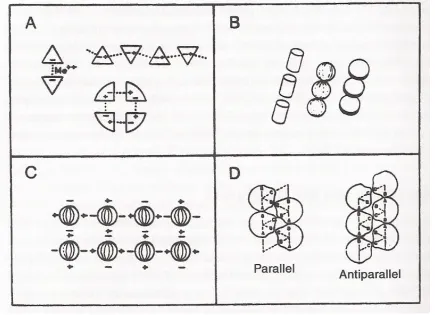
which define the different systems, used to form the complex arrays of supramolecular polymeric materials and example arrays can be seen in Figure 1.1.
Figure 1.1. Geometric Arrays
Schematic assemblies of (A) triangular units with monofunctional and bifunctional binding sites; (B) cylindrical, spherical, disklike units forming linear sequences; (C) spherical units with and equatorial distribution of binding sites forming a planar assembly; (D) asymmetrical site distribution generating helical assemblies. (from [7])
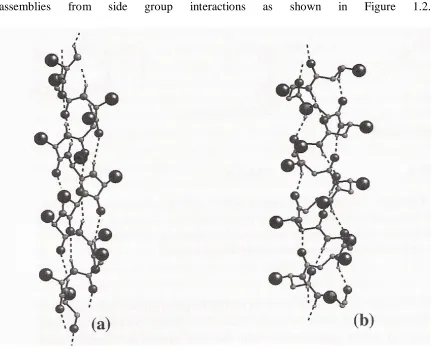
1.1.2. Class B represents those with self-assembling structures containing monofunctional unimers utilizing noncovalent forces for binding [1]. This includes the host/guest species as well as those possessing side chain bindings of the monofunctional unimer to that of a covalent polymer chain. Other examples of this would be double and triple chain assemblies from side group interactions as shown in Figure 1.2.
Figure 1.2. Helical Arrays
1.1.3. Class C includes the supramolecular polymers utilizing superimposition of covalent and supramolecular bonds [1]. These systems are shown to be self-assembling but contain irreversible interactions. This includes both assemblies that form supramolecular bonds and then subsequently form covalent bonds and those that form covalent bonding before the supramolecular bonding [1].
1.1.4. Class D. The fourth and the last are those in which the assemblies do not spontaneously form ordered structures under normal conditions, but rely on synthesis or a set of controlled methods of deposition to finally form supramolecular interactions [1]. All the following topics include details either directly or indirectly related to supramolecular chemistry and supramolecular polymerizations. This dissertation discusses many theories and demonstrates the varying classes and gives many unique applications in which supramolecular materials could be utilized. Supramolecular chemistry could provide powerful contributions and solutions to the fields of nanoscience and nanotechnology. This could then lead to the development of novel nanomaterials and smart materials. There are many expectations that could one day be met with the marriage of supramolecular chemistry with that of polymer chemistry.
various binders is discussed. In Chapter five, conclusions are presented. Chapter six contains communications for future work.
1.2. References
1. Cavalleri P., Ciferri A., Dell’Erba C., Marino N., Purevsuren B.,
Macromolecules, 30, 3513-3518,(1997)
2. Aharoni S. H., Hammond W. B., Szobota J. S., Masilamani D., J. Polym. Sci. Polym. Chem. Ed., 22, 2579-2599, (1984)
3. Balbi C., Bianchi E., Ciferri A., Tealdi A., J. Polym. Sci. Poly. Phy. Ed., 18, 2037-2053, (1980)
4. Brunsveld L., Folmer B. J. B., Meijer E. W., Sijbesma R. P., Chem. Rev., 101, 4071-4097, (2001)
5. Ciferri A, Macromol. Rapid Commun., 23, 511-529, (2002) 6. Ciferri A., Recent Res. Devel. Macromol., 6, 129-147, (2002)
7. Ciferri A. Ed., Supramolecular Polymers, Marcel Dekker Inc., 2000,
8. Tessa ten Cate A., Sijbesma R. P., Macromol. Rapid Commun.,23, 1094-1112, (2002)
9. Sellens R. J., Runciman J. I., Griffon A. C., Bryant E. S., Hughes W. E., Mol. Cryst. Liq. Cryst., 166, 123-129, (1989)
10.Kotek R., Krigbaum W. R., Preston J., J. Polym. Sci. Chem. Ed., 20, 3241-3249, (1982)
II. Literature Review
2.1. Introduction to Binding Methods and Theories
The classical noncovalent forces that are involved in the formation of supramolecular bonds are those associated with van der Waals interactions, coulombic interactions, hydrogen bonds. Since supramolecular interactions are composed of two complementary segments, the shapes of segments are of great importance when determining the best fit of complimentary sites, and in favoring the assembly of supramolecular systems. There is detailed quantitative analysis of the relative roles of the noncovalent forces in the literature dealing with the supramolecular chemistry and organic host-guest complexes [1-4]. General conclusions that can be obtained from the literature on noncovalent bonding forces show that stabilization of supramolecular polymers can be obtained by combination of several noncovalent interactions. This can be used to show that the occurrence of several sites for complimentary interaction can magnify the effect of weak singular interactions. Different interactions used in supramolecular polymers are as follows:
2.1.1. Coulombic Bonds
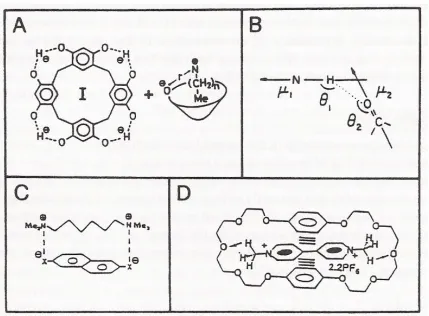
Figure 2.1. Counter Ion Arrays
(A) The ion pair I- N+R4[R = (CH2)Me]. An increase of n causes an increase of the separation distance and decrease of ∆F of formation. (B) Dipol-dipol interaction parameters for H-bonds. (C) Induced dipoles. ∆F for ion pair formation increases not only with the number of salt bridges but also with the number of aromatic rings in a series of di- and trications and di- and trianions. (D) π-π stacking interactions plus H-bonds contribute to the stabilization of a complex between paraquat [PQT]2+ and a cylclophane-like macrocyclic polyether with hydroquinal rings (from [9]).
2.1.2. Hydrogen Bonds
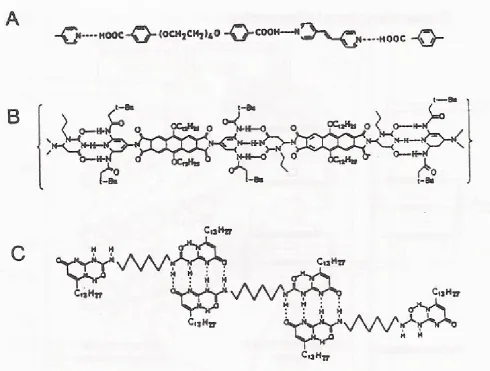
additive binding, allowing for a great stabilization supramolecular interactions (Figure 2.2).
Figure 2.2. Hydrogen Bonded Arrays
Supramolecular polymers stabilized by one, three, and four, hydrogen bonds for repeating unit. Polymer A exhibits thermotropic liquid crystalline behavior. Polymer B forms a nematic lyotropic phase in 1,1,2,2-tetrachloroethane at RT. Polymer C is stable in isotropic solutions of chloroform (from [9]).
2.1.3. Van der Waals Bonds
Bonding through the van der Waals forces occurs through weak dipole interactions. Dipole molecules are the types of molecules involved in this type of bonding. In dipolar molecules, the electronegativity difference between the covalently bonded atoms exceeds or equals 0.4 but is less than or equal to 2.0 [1]. This difference in electronegativity causes the electrons of the molecule to become unequally distributed. The atoms within the molecule that have the higher electronegativity attract the electrons from those with less electronegativity. This makes the atom with the higher electronegativity acquire a slightly negative charge, denoted by δ-. The atoms with less electronegativity acquire a slightly positive charge, denoted by δ+. These regions of the molecules are attracted to the oppositely charged regions of other dipolar molecules. In this way, the dipolar molecules are bonded to one another, and it is this bonding that constitutes van der Waals bonding [5].
2.2. Binding Methods in Supramolecular Assembly
Figure 2.3. Example of Complimentary Components (from [6])
2.2.1. Hydrogen Bonding in Supramolecular Assembly
Figure 2.4. Examples of biological molecules exhibiting multiple hydrogen bonds (from [7])
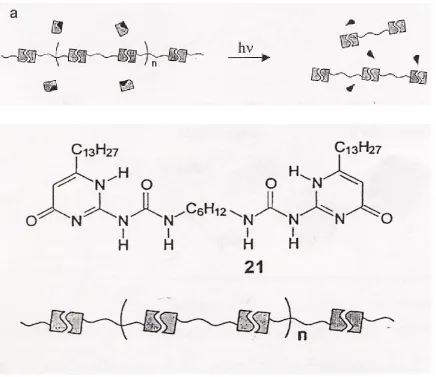
The assembly of supramolecular assemblies from ureidopyrimidinone (Upy) end groups Figure 2.5 based components is directly related to the work of this research. The use of Upy as a terminating group for poly(p-benzamide) PBA in hopes of creating a supramolecular polyamide is on the key points of research of this project. This research makes use the concept of additive site interactions. Because the UPy components have the ability to form five separate H-bonds with itself after being bound to a model compound terminated with OH groups as shown in the literature [7]. The chemistries involved with this work based on pyrimidines such as UPy are shown schematically below in Figure 2.5.
Figure 2.5. Example Supramolecular Polymer Array Utilizing UPy
(a) The concept of the binding mechanism of a supramolecular polymer (from [7]).
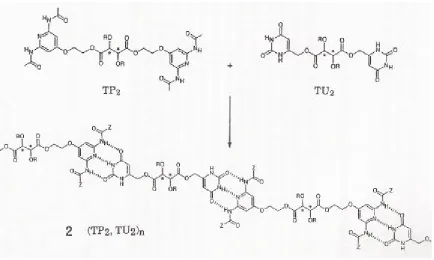
Figure 2.6. Hydrogen Bonded Array Utilizing Multiple H-Bonds
Self assembly of the polymolecular supramolecular species (TP2, TU2)n from the complementary chiral components TP2 and TU2 via hydrogen bonding; T represents L-, D-, or meso(M)- tartaric acid; R = C12H25.
polyesters, polyethers, and polycarbonates, which would lead to the ability to produce new supramolecular polymeric materials.
Other literature shows one of the more common ways to obtain supramolecular polymer networks [9]. This work investigates the chemistry involved in using strong dimerizing quadruple hydrogen bonded ureido-pyrimidone units to obtain a reversible polymer network. This supramolecular network is prepared using 3(4)-isocyanatomethyl-1-methylcyclohexyl-isocyanate in a coupling reaction utilizing multihydroxy functionalized polymer with isocytosines. The strongly hydrogen bonded ureido-pyrimidone network was then compared to that of a conventional covalently bonded polymer network which was comprised of a multidirectional hydrogen bonded network of urea units. The hydrogen bonded supramolecular network was found to form more favorable thermodynamic products due to the reversibility of the bonding over that of the irreversible covalently bonded polymer network. The ureido-pyrimidone network possessed many unique properties including the additional stabilization without the need for crystallinity or other types of phase separation. The ureido-pyrimidone network reported in this work is the first reversible network to exhibit such properties and due to the strength of the dimerization is able to form supramolecular materials with unique mechanical abilities.
supramolecular polymer networks. They introduced a theoretical relationship between the association constant and the degree of polymerization of supramolecular polymers. This goes along with the suggestion that the easiest way to strengthen the interaction between hydrogen bonding groups is by increasing the number of hydrogen bonds. The authors mention ureidotriazine and ureidopyrimidinone (both structures are shown in Figure 2.6) to prove the point going along with aforementioned papers emphasizing this type of chemistry. They discuss ureidopyrimidinone derivatives used in supramolecular polymerizations along with the description of the determination of DP of these types of materials to support the theory of higher DP in networks containing multiple hydrogen bonds. The possible preparation of such materials via the reaction of telechelic poly(ethylene/butylene) synthon in the same fashion would be of a great help in producing novel materials. The order of polymer chains directly affects the properties of polymers since most polymers are random coil configuration. This poses a problem due to the fact smart materials need a more structured architecture than that of the randomly coiled conventional polymer. This leads to the need to use rod-like supramolecular polymers that would allow for use as foundation for nanoelectronic and nanooptical applications. These polymers would need to possess a secondary and perhaps a tertiary structure very similar to those in biopolymers. Tessa ten Cate and Sijbesma [11] also use disc shaped molecules to form columnar stacks like those mentioned by other authors and explain how the columnar architecture could be improved via various stabilizing methods and properties.
2.2.2. Metal Compound Coordination in Supramolecular Assembly
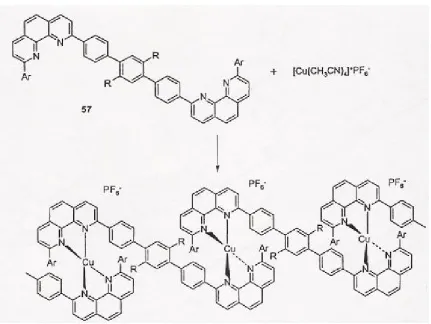
The coordination of certain metal compounds has been known for some years to allow for the assembly of a wide range of supramolecular complexes that range from cages to cyclic dimers [7]. A lot of the metal chemistry has been used that involves the coordinate interactions of copper and silver (Figure 2.7) [7]. Also, the use of porphyrin complexes has been reported.
Ciferri [8] also discusses polymers produced via coordination chemistry mentioning many metal binding groups, which could be used to form reversible coordination polymers including functionalized porphyrins in Figure 2.8 [8].
Figure 2.8. Formation of Coordination Polymers from Porphyrin (from [7]).
2.2.3. Cyclodextrins in Supramolecular Assembly
Figure 2.9. Supramolecular Polymer Consisting of β-cyclodextrin (from [7]).
Figure 2.10. Micelles, Bilayers, and Vesicles Formed by Single- or Double-chained Surfactants in Water (from [9]).
2.2.4. Combinational Bonding in Supramolecular Assembly
interactions. This paves the way for the introduction of supramolecular polymers using a tubular assembly Figure 2.11.
Figure 2.11. Example of a Supramolecular Polymer Utilizing Columnar Assembly Top: polymer resulting from living ring opening metathesis polymerization of a 7-oxanorbornene monomer substituted with two tapered monodendrons. Bottom: schematization of the assembly of four monodendrons (two monomers) in strata and in columns for polymers with DP = 24 and 64 (from [9]
applications for orienting and screening single polymers from similar neighborhood interactions.
The use of self-assembly and designing building blocks that would result in supramolecular polymerizations has been discussed through the literature [1-8]. Future research topics proposed by the literature, includes investigating and determining a way to accurately assess the DP of supramolecular polymers. Also, the assessment of mechanical strength of supramolecular bond with linear hydrogen bonding was one of the major concerns. It has been mentioned in the literature [17-26] that there is a need for a detailed investigation of the growth mechanisms associated with supramolecular polymers.
2.2.5 References
1. Schneider H-J, Angew Chem Int Ed Engl,30,1417, (1991)
2. Hobza P., Zahradnik, Intermolecular Complexes. Amsterdam:Elsevier, (1988) 3. Chem Rev 88: 813-988, (1988)
4. Jorgensen WJ, Acc Chem Res 22:184, (1989)
5. Fyfe MCT, Stoddart JF, Acc Chem Res, 30, 393, (1997)
6. Berl V., Schmutz M., Krische M. J., Khoury R. G., Lehn J.,Chem. Eur.J., 8, No. 5, (2002)
7. Brunsveld L., Folmer B. J. B., Meijer E. W., Sijbesma R. P., Chem. Rev., 101, 4071-4097, (2001)
8. Ciferri A, Macromol. Rapid Commun.,23, 511-529, (2002)
9. Ciferri A. Ed., Supramolecular Polymers, Marcel Dekker Inc., 2000, 10.Lange R. F. M., Van Gurp M., Meijer E. W., J. Polym. Sci. Chem. Ed.,37,
3657-3670, (1999)
12.Tessa ten Cate A., Sijbesma R. P., Macromol. Rapid Commun.,23, 1094-1112, (2002)
13.Aharoni S. H., Hammond W. B., Szobota J. S., Masilamani D., J. Polym. Sci. Polym. Chem. Ed., 22, 2579-2599, (1984)
15.Berl V., Schmutz M., Krische M. J., Khoury R. G., Lehn J.,Chem. Eur.J., 8, No. 5, (2002)
16.Bladon P., Griffon A. C., Macromolecules, 26, 6604-6610, (1993)
17.Burchell C. J., Ferguson G., Lough A. J., Gregson R. M., Glidwell C., Acta Cryst., B57, 329-338, (2000)
18.Cavalleri P., Ciferri A., Dell’Erba C., Marino N., Purevsuren B.,
Macromolecules, 30, 3513-3518,(1997)
19.Ciferri A. Ed., Supramolecular Polymers, Marcel Dekker Inc., 2000, 20.Ciferri A., Recent Res. Devel. Macromol., 6, 129-147, (2002)
21.Folmer B. R. B., Sijbesma R. P., Versteegen R. M., Vander Rijt J. A. J., Meijer E. W., Advanced Materials, (2000)
22.Hoshino H., Jin J. I., Lenz R. W., J. App. Polym. Sci., 29, 547-554, (1984) 23.Kotera M., Lehn J-M, Vigneron J-P, J.Chem. Soc. Chem. Commun.,197-198,
(1994)
24.Kwolek S. L., Morgan P. W. , Schaefgen J.R., Gulrich L. W.,
Macromolecules, 10, 1390-1396, (1977) 25.Lehn J., Macromol. Symp., 174, 5-6, (2001)
26.Killian F. L., American Chemical Society Polym. Div.,17, 69-74, (1969) 27.Sellens R. J., Runciman J. I., Griffon A. C., Bryant E. S., Hughes W. E., Mol.
Cryst. Liq. Cryst., 166, 123-129, (1989)
28.Ying Q., Benjamin C., Macromolecules, 20, 871-877, (1987)
2.3 Conventional Methods of Synthesis
This chapter discusses the conventional methods used in polyamides synthesis. The literature was consulted to find the best method to produced the rigid rods for the foundation of the supramolecular polyamides.
2.3.1. Synthesis via Polycondensation
O
N H H
nOH
Figure 2.12 The Structural Repeat Unit of Poly(p-benzamide)
Molecular weights of polymers were shown to vary with the amount of salts added to the mixed solvent. The polycondensation was shown to be strongly affected by the monomer concentration, solvents, and tertiary amines such as pyridine.
Scheme 2.1.The scheme depicts the mechanism of the amide linkage formation in the Yamazaki reaction
Hypothetical mechanism.
N
P
H OCOR1 C6H5O OC6H5
NH2
CONHR2 C6H5OH P(OC6H5)3
P(OC6H5)2 O
H OC6H5
+ + +
+ Py
R 1COOH
R 1
The more flexible polyamide-hydrazide was synthesized using p-aminobenzhydrazide and terephthalic acid and the active reagent diphenyl phosphite. The evidence used to prove the copolymer existence was the increase in inherent viscosity during the second step of the polymerization. Also, the solubility of the copolymer was compared to that of the homopolymers used in the synthesis. This work demonstrates a novel way for improving the solubility and compatibility of aromatic polyamides with other polymers using a copolymer made of rigid and semiflexible blocks via synthesis by the Yamazaki reaction by a two-step process. The use of the Yamazaki reaction in this paper gives vital information needed if one is inclined to synthesize PBA using either of the two monomers mentioned above.
Higashi [2] synthesized high molecular weight poly(p-phenyleneterephthalamide) via a polycondensation reaction similar to the one used by the Yamazaki, mentioned earlier and shown in Scheme 2.2.
C6H4 COOH
HOOC H2N C6H4 NH2 P(OC6H5)3
LiCl/CaCl2/Py/NMP
* OC C6H4 CONH C6H4 N
H n * HO P(OC6H5)2 C6H5OH 100
+
+
+
+
2hrs C
0
Scheme 2.2
work shows the effectiveness of metal salts in overcoming the difficulties of modifying polyterephthalamides due to the polyamide monomers and solvents.
2.3.2 References
1. Yamazaki N., Matsumoto M., Higashi F., J. Polym. Sci. Chem. Ed.,13, 1373-1380, (1975)
2. Higashi F., Ogata S., Aoki Y., J. Polym. Sci. Chem. Ed., 20, 2081-2087, (1982)
3. Kotek R., Krigbaum W. R., Preston J., J. Polym. Sci. Chem. Ed., 21, 2837-2841, (1983)
4. Kotek R., Krigbaum W.R., Preston J., J. Polym. Sci. Chem. Ed., 22, 873-876 (1984)
5. Kotek R., Krigbaum W.R., Preston J., J. Polym. Sci. Chem. Ed., 22, 873-876 (1984)
2.4 Motivation of Research
(a) N, N’-bis(p-carboxylphenyl)terephthalamide monomer
• TED binding
• Bipip binding
(b) PBA binding in amide solvents
• TED binding
• Bipip binding
• UPy binding
Moreover, the fully covalent polymers thus far produced are highly insoluble in common organic solvents; On the other hand, easier processing becomes feasible if the DP of conventional PBA (prepared by the Yamazaki reaction) is increased by supramolecular bonding in polyamide solvent mediums.
2.5 Acknowledgments
III. N, N’-bis(p-carboxylphenyl)terephthalamide Monomer Synthesis and Binding 3.1 Introduction
3.2 Experimental 3.2.1 Materials
Commercially available anhydrous LiCl (Aldrich) was dried in an oven at 400 oC and kept in a vacuum desiccator containing NaOH. N,N-dimethylacetamide (DMAC), anhydrous, 99.0% (Aldrich), sodium bicarbonate (Aldrich), tetrahydrofuran (THF) (Aldrich) , hydrochloric acid (Aldrich), p-aminobenzoic acid (p-ABA) (Aldrich), triethylenediamine, bipiperidine dihydrochloride (Aldrich), chloroform (Aldrich), sodium hydroxide pellets (NaOH) (Fischer), pentane (Aldrich), 2-amino-4-hydroxy-6-methylpyrimidine (Aldrich), hexyldiisocyanate, and terephthaloyl chloride (TCL) (Aldrich) were used with out further purification.
3.2.2 Monomer Synthesis
The p-aminobenzoic acid (Aldrich) was used as received and was reacted with
terephthaloyl chloride to produce N, N’-bis(p-carboxylphenyl)terephthalamide (JPM) monomer according to the Scheme 3.1 [1-3].
The procedure is as follow 2.4x10⁻² mol of TCL were added to 100mL of THF and allowed to dissolve. A second solution containing 4.7x10⁻² mol of sodium bicarbonate and 5.2x10⁻² mol p-ABA was added to 100 ml of water and allowed to dissolve. Once both solutions were dissolved completely the solution were mixed together in a blender and allowed to mix for 10 min. The filtered product was washed with diluted HCl. The product was collected and dried in vacuum at 80oC. A percent yield of 90% was recorded from the synthesis.
Anal. Calcd. for C22H16O6N2: C = 65.44 % H = 3.96% O = 23.34% N = 6.94% Found: C = 63.32% H = 4.36% O = 24.28% N = 6.31%
Galbraith Laboritories, Inc carried out the elemental analyses.
The melting points of N, N’-bis(p-carboxylphenyl)terephthalamide monomers used were experimentally determined using a Perkin-Elmer differential scanning calorimeter (DSC) and recorded in Table 3.1.
Table 3.1. Melting Points of JP Monomers
Monomer DSC Mp (oC)
JPM-1 404.87
JPM-2 398.86
JPM-3 399.92
JPM-4 402.35
3.2.3 Binding Methods
Three different binding methods used in the investigation utilized workable chemistries with the acid groups of the monomer to create ionic bond formations between the monomer and binders. The theoretical idea that diamines could form hydrogen or ionic bonds interlinking the acid groups of the monomer in self-assembling supramolecular polymer led to the choice to use diamines. Perhaps the way nylon salts are formed in the following Scheme 3.2.
Scheme 3.2
The purpose of using both secondary and tertiary amines shown in Figure 3.1 was to investigate which would produce the most optimal binding. The monomer was used because of its rigid rod construction and its termination with acid groups [1-3].
N N HN NH
a) b)
Figure 3.1. Diamine Binder Structures: (a) Triethylenediamine (b) 4,4’-bipiperidine
O
OH
O O H
N
H2 NH2
O
O
O O
H3N NH3
Hexamethylenediamine Adipic acid
+
EtOH
+
3.2.3.1 Binding with Triethylenediamine (TED)
At Room Temperature
Two solutions were made by adding 1.93x10⁻³ mol of monomer to 10 ml of DMAC containing 4% LiCl along with 1.93x10⁻³ mol TED to 10 ml of DMAC containing 4% LiCl. The solutions were then added together and mixed at room temperature. The resulting precipitate was filtered via vacuum, and collected and dried under reduced pressure at 60oC. A percent yield of 96% was recorded.
At Elevated Temperature
Two solutions were made by adding 1.93x10⁻³mol of monomer to 10 ml of DMAC containing 4% LiCl along with 1.93x10⁻³mol TED to 10 ml of DMAC containing 4% LiCl. The solutions were then added together mixed and heated to 100oC for 1h. The resulting precipitate was vacuum filtered, and collected and dried under reduced pressure at 60oC. A percent yield of 94% was recorded.
3.2.3.2 Binding with Bipiperidine (Bipip)
At Room Temperature
Two solutions were made by adding 1.73x10⁻³ mol of monomer to 10 ml of DMAC containing 4% LiCl along with 1.78x10⁻³ mol Bipip to 10 ml of DMAC containing 4% LiCl. The solutions were then added together and mixed at room temperature. The resulting precipitate was filtered via vacuum, collected and dried under reduced pressure at 60oC. A percent yield of 95% was recorded.
At Elevated Temperature
Two solutions were made by adding 1.73x10⁻³ mol of monomer to10 ml of DMAC containing 4% LiCl along with 1.78x10⁻³ mol Bipip to 10 ml of DMAC containing 4% LiCl the solutions were then added together mixed and heated to 100oC for 1h. The resulting precipitate was vacuum filtered, collected and dried under reduced pressure at 60oC. A percent yield of 96% was recorded.
3.2.4 Analytical Measurements
3.2.4.1 Differential Scanning Calorimetry (DSC)
DSC was conducted on 3-10 mg samples in a Diamond DSC Perkin Elmer with Pyris software. An indium standard was used for calibration, a heating rate of 20oC/min. was employed, and nitrogen was used as the purge gas.
Absorbance FTIR spectra were recorded on a Thermo Electron Nexus 470 bench with OMNIC software. Frequencies from 400-4000 cm-1 were covered and 64 scans were recorded with a gain =1 on samples mixed with KBr and pressed into pellets.
3.2.4.3 Thermogravimetric Analysis (TGA)
TGA scans of 5-10 mg samples were obtained using a PerkinElmer Pyris 1 thermogravimetric analyzer. The samples were placed in platinum pans that were hung in the heating furnace. The weight percentage of the material remaining in the pan was recorded while heating 25-800oC a heating rate of 20oC/min. Nitrogen was used as the purge gas.
3.2.4.4 Elemental Analysis
Galbraith labs determined the hydrogen, nitrogen, oxygen and carbon content of the JPM samples for verification of the purity and structure.
3.3 Results and Discussion
N,N’-bis(p-carboxylphenyl)terephthalamide monomer synthesized using the method in section 3.2.2 The structure the monomer can be seen in Scheme 3.3.
JPM-1-122 0.10 0.15 0.20 0.25 0.30 0.35 0.40 0.45 0.50 0.55 A b s o rb a n c e 500 1000 1500 2000 2500 3000 3500 4000 Wavenumbers (cm-1)
Figure 3.2 IR of JPM Monomer Sample JPM-1-122
Scheme 3.3 N H O O N H O OH O O H
not seen in the spectra of the sample treated with TED, it does show a peak at 1680 related to a carbonyl stretch. Some peaks appear in the treated sample that do not appear in the original untreated sample. These peaks at 1523, 1493, 1430 cm-1 correspond to CH2 stretching. The starting monomer does not contain CH2 so this can be assumed to be from triethylenediamine. The spectrum shown in Figure 3.3 supports the reaction scheme shown in Scheme 3.4.
JPM-1-TED-51104 0.05 0.10 0.15 0.20 0.25 0.30 0.35 0.40 0.45 0.50 0.55 0.60 0.65 0.70 0.75 A b s o rb a n c e 500 1000 1500 2000 2500 3000 3500 4000 Wavenumbers (cm-1)
Scheme 3.4 JPM-5-121004 0.2 0.3 0.4 0.5 0.6 0.7 0.8 0.9 1.0 1.1 1.2 1.3 1.4 1.5 1.6 1.7 A b s o rb a n c e 500 1000 1500 2000 2500 3000 3500 4000 Wavenumbers (cm-1)
Figure 3.4 IR of JPM Monomer Sample JPM-5-121004
N H O O N H O O O H OH N N N H O O N H O O O
O HN N
DMAC 4 wt-% LiCl
+ +
N H O O N H O O O H OH N H O O N H O O
O O H2N NH2
DMAC 4 wt-% LiCl
+ +
Bipip
JPM-5-bipip ran 5-13-05
0.15 0.20 0.25 0.30 0.35 0.40 0.45 0.50 0.55 0.60 0.65 0.70 A b s o rb a n c e 500 1000 1500 2000 2500 3000 3500 4000 Wavenumbers (cm-1)
Figure 3.5 IR of Salt of JPM with Bipip Synthesized at Room Temperature
The JPM sample treated with the Bipip shows the expected peak at 3300 cm-1 corresponding to NH from the formation of the salt with the binder and the monomer. This salt formation after reaction of Bipip with the OH portion of the acid group of the monomer as shown in the reaction schematic in Scheme 3.5.
The peaks and doublets from 2600 to 3000 cm-1 relate to CH2 from the saturated rings of the Bipip diamine. The peak at 1680 cm-1 comes from the carbonyl groups of the monomer. The peaks from the 800-500 cm-1 represent the aromatic ring stretching of the starting monomer.
The thermo-gravimetric analysis (TGA) was performed in nitrogen to ensure the test was administered in an inert environment. The amount of weight loss during the experiments was recorded. The thermal degradation of the JPM monomer (Figure 3.6) shows a two-step weight loss confirming that it is a stable compound. The second stage of weight loss seems to be from the aromatic rings breaking apart at the amide linkages. The TGA of the sample treated with TED is shown in Figure 3.7 and shows a three-step weight loss the latter two steps is exactly like that of the weight loss seen in the monomer. The first weight loss can be explained as the TED component of the sample this can due to similar weight loss being seen in Figure 3.11 of the TGA of the TED component. The weight loss for the samples treated with the Bipip diamine show vastly different weight loss between the sample prepared at room temperature and the one prepared and heated to 100oC. The weight loss graphs shown in Figures 3.9 and 3.10 show three step weight loss much like that seen in the samples treated with TED.
The first step of weight loss is from the Bipip diamine and the last two from the monomer starting material.
the monomer was structurally correct and that the monomer treated with TED retained the diamine after treatment.
Figure 3.8 TGA of Salt of JPM with TED Synthesized at Room Temperature
Figure 3.10 TGA of Salt of JPM with Bipip Synthesized at Elevated Temperature
Table 3.2 Elemental Analysis of JP Monomer and JPM Salt with TED JP Monomera)
Analysis For Calculated (%) Found (%)
Oxygen 23.64 24.28
Carbon 65.44 63.37
Hydrogen 3.96 4.36
Nitrogen 6.94 6.32
a)
C22H16O6N2
JP Monomer/ TEDb) Salt
Analysis For Calculated (%) Found (%)
Oxygen 18.52 19.21
Carbon 65.19 64.41
Hydrogen 5.43 5.63
Nitrogen 10.87 10.79
b)
N2C6H12.
3.4 Conclusions
treatment with the diamine binder. Of the two diamine binders used in the investigation only the TED binder seems to form the supramolecular bonds. Although it seems from the data that TED binder forms a salt with the JP monomer instead of the first theorized hydrogen bonds with the OH components of the acid groups terminating the monomer. The elemental analysis data supports the thermogravimetric analysis of the treated samples retaining the TED after treatment. The TGA data support that the TED binder has some interaction with the JPM monomer.. The data support an interaction due to its persistence of the binder even after repeatable washing with methanol after filtration of the sample. The percentage of weight loss differences between the reaction at room temperature and that of the reaction heated to 100oC. The differences in the treated JPM monomers thermogravimetric analysis graph upon heating the sample after addition of the diamine are possibly due to the added heat forcing the proposed reaction schematic in Scheme 3.4 to more readily go to completion.
3.5 Acknowledgments
I am very grateful for Dr. Jack Preston and his visits during my research from which I gained a great amount of understanding of polyamide synthesis.
3.6 References
1. Kotek R., Krigbaum W. R., Preston J., J. Polym. Sci. Chem. Ed., 20, 3241- 3249, (1982)
2. Kotek R., Krigbaum W. R., Preston J., J. Polym. Sci. Chem. Ed., 21, 2837-2841, (1983)
IV. PBA Synthesis and Binding
4.1 Introduction
4.2 Experimental 4.2.1 Materials
Commercially available anhydrous LiCl (Aldrich) was dried in an oven at 400 0C and kept in a vacuum desiccator containing NaOH. LiCl hydrate (Aldrich), N,N-dimethylacetamide (DMAC), anhydrous, 99.0% (Aldrich), sodium bicarbonate (Aldrich), tetrahydrofuran (THF) (Aldrich) , sulfuric acid (Aldrich), hydrochloric acid (Aldrich), p-aminobenzoic acid (p-ABA) (Aldrich), triethylenediamine, bipiperidine dihydrochloride (Aldrich), chloroform (Aldrich), sodium hydroxide pellets (NaOH) (Fischer), pentane (Aldrich), 2-amino-4-hydroxy-6-methylpyrimidine (Aldrich), hexyldiisocyanate, and terephthaloyl chloride (TCL) (Aldrich) were used with out further purification.
4.2.2 Polycondensation of para-aminobenzoic acid (p-ABA) by Using Triphenyl Phosphite in the Presence of Lithium Chloride
A typical polymerization procedure is shown below.
4.2.2.1 Polycondensation of p-ABA by Using Triphenyl Phosphite in the Presence of Lithium Chloride Hydrates
Lithium Chloride Hydrate Synthesis
The lithium chloride hydrate was synthesized by making an aqueous saturated solution of LiCl and water. The solution was heated to 60oC until the LiCl was completely dissolved. The solution was allowed to cool until a wet mixture of LiCl reformed and was filtered warm and dried in a desiccator.
Polymerization of PBA with Lithium Chloride Hydrates
A mixture of p-ABA (2.74 g, 0.02 mole) and triphenyl phosphite (6.21 g, 0.02 mole) in a mixed solvent of NMP (30 ml) and pyridine (20 ml) containing lithium chloride hydrates (4 wt-%) was heated to 100oC for 3 hr with stirring under nitrogen. After cooling, the reaction mixture was poured into methanol (200ml), and the precipitated polymer was separated by filtration, washed in boiling methanol for 2hr, and dried.
4.2.3 Binding Methods 4.2.3.1 PBA Solutions
4.2.3.2 Binding with Triethylenediamine (TED)
Two sets of PBA solutions were prepared using the method in section 4.2.3.1 in different concentrations from 2-4%; one set of solutions was kept as control, while the remaining three solutions were treated with TED which had been dissolved in 0.5ml of the DMAC solvent containing (4 wt-%) in a 2:1 mol ratio of TED: PBA. The solutions were stored in a desiccator for 24 hrs at room temperature. The amount of the components are shown in Table 4.1.
Table 4.1 PBA with TED Binding Solutions Component Amounts Sample
Code
DMAC/LiCl (ml) PBA (g) TED (g)
2A 10.5 0.20 0
3A 10.5 0.30 0
4A 10.5 0.40 0
2B 10.5 0.20 7.1x10⁻³
3B 10.5 0.30 1.1x10⁻²
4B 10.5 0.40 1.4x10⁻²
Note: A sample of PBA with inherent viscosity of 1.00 was used for the sample preparation.
4.2.3.3 Binding with Bipiperidine (Bipip)
Two sets of PBA solutions were prepared using the method in section 4.2.3.1 in different concentrations of (0.5, 1.5, 2.5%); one set of solutions were kept as controls while the remaining three solutions were treated with Bipip which had been dissolved in 0.5ml of the DMAC solvent containing (4 wt-%) in a 2:1 mol ratio of Bipip: PBA. The solutions were stored in a desiccator for 24 hrs at room temperature as shown in Table 4.2.
Table 4.2 PBA with Bipip Binding Solutions Component Amounts PBA Conc.
(wt%)
Sample Code DMAC/LiCl (ml) PBA (g) Bipip (g)
0.5 Control 15.5 0.075 0
1.5. Control 15.5 0.225 0
2.5. Control 15.5 0.375 0
0.5. Exp. 15.5 0.075 3.0x10⁻³
1.5. Exp. 15.5 0.225 9.0x10⁻³
2.5. Exp. 15.5 0.375 1.5x10⁻²
Control samples are those without binder added. Exp. samples are those with binder added.
4.2.3.4 Meijer Synthesis
Scheme 4.1.
N NH
NH2
O
CH3
N NH
N H O
CH3
N H
C6H12NCO
O OCN-C5H12-NCO
16 hrs,100 Co
Two sets of PBA solutions were prepared using the method in section 4.2.3.1 in different concentrations of (0.5, 1.5 and 2.5%); one set of solutions was kept as control, while the remaining three solutions were treated with Upy which had been dissolved in 0.5ml of the DMAC solvent containing (4 wt-%) in a 2:1 mol ratio of Upy: PBA. The solutions were stored in a desiccator for 24 hrs at room temperature as shown in Table 4.3.
Table 4.3 PBA with Upy Binding Solutions Component Amounts PBA Conc.
(wt%)
Sample Code DMAC/LiCl (ml) PBA (g) Upy (g)
0.5 Control 15.5 0.075 0
1.5 Control 15.5 0.225 0
2.5 Control 15.5 0.375 0
0.5 Exp. 15.5 0.075 5.8x10⁻³
1.5 Exp. 15.5 0.225 1.7x10⁻²
2.5 Exp. 15.5 0.375 2.9x10⁻²
Control samples are those without binder added. Exp. samples are those with binder added.
4.2.3.5 Film Preparation
Five PBA solutions were prepared using the method in section 4.2.3.1 of the same concentration of 3.75% (g/ml) using 1.5g PBA in 40ml of DMAC (4 wt-%). Each of the five solutions was split into two 20 ml solutions. One set of solutions was kept as control, while the remaining five solutions were treated with TED that had been dissolved in 0.5 ml of the DMAC solvent containing (4 wt-%) in a 2:1 mol ratio of TED: PBA. The solutions were stored in a desiccator for 24 hrs at room temperature as shown in Table 4.4.
Table 4.4 Addition of TED to PBA Solutions
Sample Mw (g/mol) DMAC/LiCl (ml) PBA (g) TED (g)
PBA-9-1120 (cont.) 494 40.5 1.5 0
PBA-19-39 (cont.) 839 40.5 1.5 0
PBA-23-716 (cont.) 1046 40.5 1.5 0
PBA-18-226 (cont.) 3348 40.5 1.5 0
PBA-22-630 (cont.) 5812 40.5 1.5 0
PBA-9-1120 (exp.) 494 40.5 1.5 0.0392
PBA-19-39 (exp.) 839 40.5 1.5 0.0439
PBA-23-716 (exp.) 1046 40.5 1.5 0.0477
PBA-18-226 (exp.) 3348 40.5 1.5 0.0334
PBA-22-630 (exp.) 5812 40.5 1.5 0.0289
Cont. samples are those with out binder added Exp. are those with binder added.
Film Preparation
4.2.4 Analytical Measurements
4.2.4.1 Differential Scanning Calorimetry (DSC)
DSC was conducted on 3-10 mg samples in a Diamond DSC Perkin Elmer with Pyris software. An indium standard was used for calibration, a heating rate of 20oC/min. was employed, and nitrogen was used as the purge gas.
4.2.4.2 Fourier Transform Infrared (FTIR)
Absorbance FTIR spectra were recorded on a Thermo Electron Nexus 470 bench with OMNIC software. Frequencies from 400-4000 cm-1 were covered and 64 scans were recorded with a gain =1 on samples mixed with KBr and pressed into pellets.
4.2.4.3 Thermogravimetric Analysis (TGA)
TGA scans of 5-10 mg samples were obtained using a Perkin Elmer Pyris 1 thermogravimetric analyzer. The samples were placed in platinum pans that were hung in the heating furnace. The weight percentage of the mater remaining in the pan was recorded while heating 25-800oC a heating rate of 20oC/min. Nitrogen was used as the purge gas.
4.2.4.4 Elemental Analysis
4.2.4.5 Solution Viscosity
Solution viscosities were obtained using Ubbelhode viscometers size 1C and 2 at 25oC. Solvents used were 96% sulfuric acid for PBA; for some portions of the binding experiments dimethylacetamide (DMAC) containing 4% lithium chloride was used in the already prepared PBA solutions. All polymer concentrations were 0.5 g/dL for determining inherent viscosities for intrinsic viscosity calculations. The flow time of the solvent always exceeded 100s. (Note: the concentration of LiCl were grams of salt per 100 mL of solvent.) [8]
Relative viscosity o rel
t
t
=
η
(1)
Specific viscosity
1
−
=
o spect
t
η
(2)
Reduced viscosityc
t
t
o red)
1
(
−
=
η
(3)
Inherent viscosity
c
t
t
o inh)
1
ln(
−
=
η
(4)
4.3 Results and Discussion 4.3.1 Binding of PBA
0 0.2 0.4 0.6 0.8 1 1.2 1.4 1.6 1.8
0 10 20 30 40 50
Amount of NMP (ml)
In h e re n t V is c o s ti y ( d L /g )
Figure 4.1 Effects of Varying Amount of NMP in the Mixed Solvent Used in the Polycondensation of p-ABA
0 0.2 0.4 0.6 0.8 1 1.2 1.4 1.6 1.8
0 2 4 6 8
Conc. of LiCl (wt%)
In h e re n t V is c o s it y ( d L /g )
The polycondensation reaction of p-ABA in the presence of 4 wt-% LiCl was examined by varying the amounts of pyridine in NMP as shown in Figure 4.1. By varying the amounts of solvents used during the polycondensation reaction you can vary the molecular weights of the polyamide produced. Another method we tried was to use LiCl hydrates in place of dried LiCl to investigate the effect on the molecular weights of polymers produced. The results are given in Table 4.3. From this table you can see that the hydrates probably inhibit the polymerization resulting in littler or no product. This is supported from the relative viscosity being 1.0. This was thought to be perhaps another option to control the molecular of our PBA samples produced. This was a key factor in our work since the ability to control the size of the PBA segments is key to finding the optimal size for formation of a supramolecular polyamide. Our theory of supramolecular polymerization utilizes small blocks of rigid polyamides bound together by different diamine or pyrimidine binders to increase the over DP and molecular weight. The varying inherent viscosities observed and calculated molecular weights [11] are given in Table 4.5.
Table 4.5 LiCl Hydrates Reaction Conditions and PBA Viscosity Data Solvent Ratio
(NMP/Py) LiCl (%) Time (hr) Type of Hydrate
Relative
Viscosity of PBA
30/20 4 3 Aldrich 1.05
30/20 4 3 Synthesized 1.04
30/20 4 3 Aldrich 1.06
0 5 10 15 20 25 30 35 40 45
2.0 3.0 4.0
Concentration of PBA (%)
R e d u c e d V is c o s it y ( d L /g ) PBA PBA+TED
Figure 4.3 Viscometry of PBA Solutions and PBA Solutions Treated with TED Dissolved in DMAC (4 wt% LiCl) Inherent Viscosity 1.24 Mw 6368
Figure 4.4 Viscometry of PBA Solutions and PBA Solutions Treated with Bipip
Dissolved in DMAC (4 wt% LiCl). Inherent viscosity of 1.32 dL/g. Mw of 6891 g/mol.
0.00 20.00 40.00 60.00 80.00 100.00 120.00
0.5 1.5 2.5
Concentration of PBA (%)
R e d u c e d V is c o s it y (d L /g )) PBA
0.00 2.00 4.00 6.00 8.00 10.00 12.00 14.00 16.00 18.00
0.5 1.5 2.5
Concentration of PBA (%)
R e d u c e d V is c o s it y ( d L /g ) PBA
PBA + Upy
Figure 4.5 Viscometry of PBA Solutions and PBA Solutions Treated with Upy Dissolved in DMAC (4 wt% LiCl). Inherent viscosity 1.42 dL/g. Mw of 7509 g/mol.
0.00 1.00 2.00 3.00 4.00 5.00 6.00 7.00 8.00 5812 3348 1046 839 494
Molecular Weight of PBA (g/mol)
R e d u c e d V is c o s it y ( d L /g ) PBA
PBA + TED
The molecular weights were calculated using equations from the Schaefgen work on viscosities of PBA. Solution viscometry was preformed on a series of PBA solutions with varying concentrations. The results are shown in Figure 4.7. From these results we were able to use the equations and constants used by Schaefgen [11] to calculate the molecular weight of our polymer samples without a need to do the Huggins plot for every sample. Once a Huggins plot has been done for one sample in a specific solvent, in this case concentrated sulfuric acid, a linear regression can be used to obtain a trend line. Using the equation of the line in the y=mx+b format you may use assume the m or slope of the line will be equivalent for every sample since this is a constant that relates to the solvent interaction with the polymer. Considering Y is the inherent viscosity of your sample and
X is the concentration of that sample it is easy to enough to calculate for the remaining variable b, which is the intercept of, and theoretical intrinsic viscosity of your sample. Using the theoretical intrinsic viscosity coupled with the equations from the Schaefgen paper the molecular weight for any PBA sample can easily be calculated from equations 5 and 6 [11].
Mw < 12000 g/mol
(5)
[η] = 1.9 x 10⁻⁷ Mw1.7
Mw >12000 g/mol
(6)
The varying molecular weights allowed for the choice of samples with optimal molecular weights for treatment with the binders.
The method for binding was carried out by dissolving PBA in DMAC containing 4 wt-% LiCl at different concentrations below the critical point, where PBA starts to form liquid crystalline phases [12]. The binder was added to the dissolved PBA solutions using the method in section 4.2.3. Solution viscometry was performed on the samples treated with TED and control samples are shown in Figure 4.4. There is a marked increase in viscosity from the control and treated samples when compared when compared with one another. . This increase is possibly due to formation of a salt increasing the molecular weight increases with the TED component as shown in the Scheme 4.2.
y = 1.3668x + 2.0102 R2 = 0.9656
y = -0.4858x + 1.9563 R2 = 0.9877 0 0.5 1 1.5 2 2.5 3 3.5 4
0.0000 0.5000 1.0000 1.5000
PBA Concentration (g/dl)
R e d u c e d a n d I n h e re n t V is c o s it ie s Reduced Viscosity Inherent Viscosity Linear (Reduced Viscosity) Linear (Inherent Viscosity)
Scheme 4.2. Formation of JPM salt with TED N H O N H O OH O N
H2 n
N N O OH O O H HN NH O O O O DMAC 4 wt-% LiCl
TED
Scheme for Ideal Salt formation:
+ + PABA 0.10 0.11 0.12 0.13 0.14 0.15 0.16 0.17 0.18 0.19 0.20 0.21 0.22 0.23 0.24 A b s o rb a n c e 500 1000 1500 2000 2500 3000 3500 4000 Wavenumbers (cm-1)
PBA-5-1024 1st run (weird) 0.13 0.14 0.15 0.16 0.17 0.18 0.19 0.20 0.21 0.22 0.23 0.24 0.25 0.26 0.27 0.28 0.29 0.30 0.31 A b s o rb a n c e 500 1000 1500 2000 2500 3000 3500 4000 Wavenumbers (cm-1)
Figure 4.9 IR of PBA-5-1024 PBA Sample
Figure 4.11 TGA of p-Aminobenzoic Acid Monomer PBA-5-1024
Scheme 4.3 Amide Salt Formation Between JPM and Bipip
Table 4.6 Molecular Weight of PBA Samples Used for Making Films Solvent Ratio
(NMP/Py) LiCl (%) Time (hr) Mw (g/mol)
30/20 4 3 5812
30/20 4 3 3348
30/20 4 3 1046
30/20 4 3 839
30/20 4 3 494
Like TED, the Bipip NH group could react with the acid group of the PBA to form a simple salt increasing the molecular weight by biding two PBA chains together. This goes along with the basis for the work when this was implemented as a binding agent for PBA it was theorized that it would hydrogen bond with carbonyl group of the acid group of the PBA.
N H O N H O OH O N
H2 n
NH2
H2N O N H O O N H H n O N H O O N
H nH
DMac 4 wt-% LiCl Bipip
Table 4.7 Comprehensive Viscosity and Reaction Conditions Data for PBA Samples
Solvent Ratio
(NMP/Py) LiCl (%) Time (hr)
Inherent Viscosity
(dL/g)
Mw (g/mol)
40 to10 4 3 1.33 6955
40 to10 4 3 1.40 7388
40 to10 4 3 1.42 7509
40 to10 4 3 1.32 6891
30 to 20 4 3 1.55 8262
30 to 20 4 3 1.73 10016
10 to 40 4 3 0.28 5262
15 to 35 4 3 0.32 4955
40 to10 1 3 0.40 4281
40 to10 1.5 3 1.25 6435
40 to10 2 3 1.57 8374
40 to10 7 3 1.24 6368
20 to 30 4 3 0.32 4955
25 to 25 4 3 1.55 8262
30 to 20 4 1 1.06 5060
30 to 20 4 2 1.56 8318
22 to 28 4 3 0.99 4484
30 to 20 4 0.5 0.87 3348
30 to 20 4 0.5 0.45 3819
10 to 40 4 3 0.22 5717
30 to 20 4 3 1.00 4569
30 to 20 4 3 1.16 5812
30 to 20 4 3 0.48 3522
Table 4.8 Elemental Analysis of UPy Binding Agent
Analysis for Reported Results (%)a) Laboratory Results %
Oxygen 16.33 16.22
Carbon 53.23 52.86
Hydrogen 6.53 6.65
Nitrogen 23.88 23.76
a)
The reported results are taken from reference [9].
N O
N N
N O
CH3
H H
H
N
O N
N N O
CH3
H H
H
Scheme 4.4 Reaction of UPy with Amine groups of PBA N N H CH3 O N H O N H
C6H12 NCO
N N H CH3 O N H O N H
C6H12 N
H X N H O COOH O OH N H H n
+
Where X represents the benzamide unit
The theoretical ideas of binding of the Upy to the PBA polymer are supported by the literature. Meijer and his colleagues made use of Upy to form supramolecular molecules with NH2 terminated model compounds [9].
such as the Upy used in this work have been suggested to be sufficiently strong enough to construct novel supramolecular polymers.
Scheme 4.5 Synthetic strategy of novel SCMHB-methacrylate monomer and SCMHB- Copolymers
Figure 4.13 Solution viscosity of P(BA-co-SCMHB methacrylate) ([BA]:[SCMHB methacrylate]=91.6:10.4mol%) (II) in different solutions from [13]
4.4 Conclusions
Using the Yamazaki reaction conditions polymer samples of varying molecular weights were synthesized. The use of hydrated LiCl was investigated as a method to control the molecular weight of PBA but was found to hinder the polymerization resulting in little or no polymer. Because of the hindrance to the reaction the use of LiCl hydrates as control for the molecular weight of PBA was proven to be unrealistic method. The samples were then treated with two diamines namely triethylenediamine (TED) and bipiperidine (Bipip) and a pyrimidine derivative (Upy) to induce a supramolecular assembly rigid rod polyamide segments. Solution viscometry was used as the main quantitative tool for the analysis of changes in the reduced viscosity of the samples. The viscometric studies completed on the samples shows viscosity increases in the treated samples relating to molecular weight change from the original untreated samples. These same trends are noted in the literature and are given in a similar fashion in Scheme 4.5 and Figure 4.13. The same trend was noted in the literature using a methacrylate copolymer with pendant side groups able to hydrogen bond with one another. This differs from our which utilizes end groups that are more suited for aligning into chain type formations.
stability and thermal properties to compare to known values to insure purity of PBA samples.
4.5 Acknowledgments
I am very grateful for Dr. Jack Preston and his visits during my research from which I gained a great amount of understanding of polyamide synthesis.
4.6 References
1. Asrar J., Preston J., Ciferri A, Krigbaum W. R., J. Polym. Sci. Chem. Ed., 20, 373-381, (1982)
2. N. Yamazaki, M. Matsumoto, F. Higashi, J. Polym. Sci. Chem. Ed., 13, 1373 (1975)
3. Lindsey J. S., New J. Chem, 15, 153-180, (1991)
4. Lawrence D. S., Jiang T., Levett M., Chem. Rev., 95, 2229-2260, (1991) 5. Tessa ten Cate A., Sijbesma R. P., Macromo. Rapid Commun.,23, 1094-1112,
(2002)
6. Higashi F., Ogata S., Aoki Y., J. Polym. Sci. Chem. Ed., 20, 2081-2087, (1982)
7. Ying Q., Benjamin C., Macromolecules, 20, 871-877, (1987)
8. Schaefgen J. R., Foldi V. S., Logullo F. M., Good V. H., Gulrich L. W., Killian F. L., American Chemical Society Polym. Div.,17, 69-74, (1969) 9. Folmer B. R. B., Sijbesma R. P., Versteegen R. M., Vander Rijt J. A. J.,
Meijer E. W., Advanced Materials, (2000)
10.Ogata N., Jushukugo, Kagaku Dojin Press, 1971, pg 39
11.Schaefgen J. R., Foldi V. S., Logullo F. M., Good V. H., Gulrich L. W., Killian F. L., American Chemical Society Polym. Div.,17, 69-74, (1969) 12.Kwolek S. L., Morgan P. W., Schaefgen J.R., Gulrich L. W., Macromolecules,
10, 1390-1396, (1977)
V. Final Conclusions
In the experiments done on both the N,N’-bis(p-carboxylphenyl)terephthalamide monomer the treatment with TED seemed to form noncovalent bonds with the JPM monomer components via a ionic interaction between the positive charge of the amine and the negative charge of the oxygen terminated monomer. This was what was originally thought would happen and provides the basis of producing a supramolecular polymeric array utilizing rigid rod segments of polyamides. The analytical data collected during the course of the investigation supports this theory. Although the second binder 4,4’-bipiperidine made up amine groups incorporated into two linked saturated rings more likely formed covalent amide linkages with the monomer, it still provides crucial data in the interactive forces of diamines with polyamide monomer segments. This interaction may provide for future work utilizing a two step diamine treatment of the N,N’-bis(p-carboxylphenyl)terephthalamide monomer to form a supramolecular polyamide array discussed more in (Chapter VI).
![Figure 2.3. Example of Complimentary Components (from [6])](https://thumb-us.123doks.com/thumbv2/123dok_us/1610090.1199439/19.612.93.501.99.518/figure-example-of-complimentary-components-from.webp)

![Figure 2.8. Formation of Coordination Polymers from Porphyrin (from [7]).](https://thumb-us.123doks.com/thumbv2/123dok_us/1610090.1199439/28.612.145.468.182.468/figure-formation-coordination-polymers-porphyrin.webp)