MP-04.01
Medication use and survival in diabetic patients with kidney cancer
Nayan, Madhur1; Macdonald, Erin M.2; Juurlink, David N.2,3; Austin, Peter
C.2; Finelli, Antonio1; Kulkarni, Girish S.1; Hamilton, Robert J.1
1Department of Surgery, Division of Urology, University of Toronto, Toronto,
ON, Canada; 2Institute for Clinical Evaluative Sciences, Toronto, ON,
Canada; 3Department of Internal Medicine, University of Toronto, Toronto,
ON, Canada
Introduction and Objectives: Survival rates in kidney cancer have improved
little over time, and studies suggest that diabetes is an independent risk factor for poor survival in patients with kidney cancer. The objective of our study was to determine whether medications with putative anti-neoplastic properties (statins, metformin, and non-steroidal anti-inflammatory drugs (NSAIDs)) are associated with improved survival in diabetics with kidney cancer.
Methods: We conducted a population-based cohort study utilizing linked
healthcare databases in Ontario, Canada. We identified patients aged 66 or older with newly diagnosed diabetes and a subsequent diagnosis of incident kidney cancer from 1998 to 2014. Receipt of metformin, statins, or NSAIDs was defined using prescription claims. The primary outcome was all-cause mortality and the secondary outcome was death due to kidney cancer. We used multivariable Cox proportional hazard regression, with medication use modeled with time-varying and cumulative exposure analyses to account for intermittent use.
Results: During the 14-year study period, we studied 613 patients. Of these,
409 (67%) died, including 194 (32%) from kidney cancer. Current statin use was associated with a markedly reduced risk of death from any cause (adjusted hazard ratio 0.74; 95% CI 0.59-0.91) and death due to kidney cancer (adjusted hazard ratio 0.71; 95% CI 0.51- 0.97). However, survival was not associated with current use of metformin or NSAIDs, or cumulative exposure to any of the medications studied.
Conclusions: Among diabetic patients with kidney cancer, survival
out-comes are associated with active statin use, rather than total cumulative use. These findings support the use of randomized trials to confirm whether diabetics with kidney cancer should be started on a statin at the time of cancer diagnosis to improve survival outcomes.
MP-04.02
Utilizing fractional polynomials to predict post-chemotherapy retroperitoneal lymph node dissection pathology
Leão, Ricardo1; Nayan, Madhur1; Garisto, Juan1; Fadaak, Kamel1; Jewett,
Michael A.1; Bedard, Philippe L.2; Warde, Padraig3; Anson-Cartwright, Lynn1;
Chung, Peter3; Sweet, Joan4; O’Malley, Martin5; Moore, Malcom2; Hamilton,
Robert J.1
1Division of Urology, Princess Margaret Cancer Centre, UHN, University
of Toronto, Toronto, ON, Canada; 2Medical Oncology, Princess Margaret
Cancer Centre, UHN, University of Toronto, Toronto, ON, Canada;
3Radiation Oncology, Princess Margaret Cancer Centre, UHN, University
of Toronto, Toronto, ON, Canada; 4Pathology Department, Princess Margaret
Cancer Centre, UHN, University of Toronto, Toronto, ON, Canada; 5Medical
Imaging, Princess Margaret Cancer Centre, UHN, University of Toronto, Toronto, ON, Canada
Introduction and Objectives: Post-chemotherapy retroperitoneal lymph
node dissection (pcRPLND) is part of the multimodal treatment for patients with advanced germ cell tumours of testis (GCTT). We recommend pcRPLND to all patients with residual masses >1cm. However, in up to 45%
of pcRPLNDs, only fibrosis/necrosis is identified. The only validated model (Vergouwe et al) uses six variables with a discriminative ability (c-statistic) of 0.77-0.84, however, has not been adopted clinically. The objective of this study was to construct models with improved discriminative ability and ease of use to predict benign disease.
Methods: A retrospective review of our pcRPLNDs between 1978 and 2015
was performed. Variables evaluated included pre-chemotherapy orchiec-tomy pathology, pre-chemotherapy tumour markers, post-chemotherapy mass size, and change in mass size during chemotherapy. Multivariable logistic regression was used to evaluate viable disease (teratoma/cancer) vs. necrosis/fibrosis. Multivariable fractional polynomials (FP) were employed. The models were evaluated for their discriminative ability and reliability (Hosmer-Lemeshow test-HL) A final model was chosen based on parsimony and discriminative ability.
Results: 144 patients were identified. Residual masses contained viable
cancer in 16%, teratoma in 57%, necrosis/fibrosis in 27%. Our model, using three variables (teratoma in orchiectomy pathology, pre-chemotherapy AFP, and change in mass size during chemotherapy) had good reliability (HL test p>0.05) and a c-statistic of 0.83. In 102 patients where data to calculate the Vergouwe model was available, our model had a c-statistic of 0.84, while the Vergouwe model had 0.80.
Conclusions: We developed a three-variable model for the prediction of
pcRPLND pathology using FP with comparable performance to the six-variable Vergouwe model. Additional validation in of our model in an independent cohort is required, but if validated, our three-variable model could have more clinical applicability due to ease of use.
MP-04.03
Validating the Bladder Utility Symptom Scale (BUSS): A novel patient reported quality-of-life instrument for all patients with bladder cancer
Perlis, Nathan1; Boehme, Kirstin E.1,2; Jamal, Munir A.3; Bremner, Karen
E.2; Alibhai, Shabbir M.4; Finelli, Antonio1; Ritvo, Paul5; Krahn, Murray2,6;
Gandhi, Rushi1; Kulkarni, Girish S.1
1Surgical Oncology, Division of Urology, University of Toronto, University
Health Network, Toronto, ON, Canada; 2Medicine, University Health
Network, Toronto General Research Institute, Toronto, ON, Canada;
3Urology, Trillium Health Partners, Mississauga, ON, Canada; 4Medicine and
Geriatrics, University of Toronto, University Health Network, Toronto, ON, Canada; 5Psychology, York University and Cancer Care Ontario, Toronto,
ON, Canada; 6Toronto Health Economics and Technology Assessment
Collaborative, University of Toronto, Toronto, ON, Canada
Introduction and Objectives: Accurately measuring health-related quality
of life (HRQOL) is paramount in bladder cancer (BC) care because at each stage patients face diverse treatment modalities with unique morbidities. A patient-reported outcome (PRO) metric validated to measure overall HRQOL for all BC patients does not exist. The purpose of this study was to generate a patient-driven, succinct, global HRQOL questionnaire valid and responsive for BC.
Methods: Questions were created by a panel of experts based on a
concep-tual framework of global HRQOL in BC generated through literature review, patient focus groups, and expert interviews. The Bladder Utility Symptoms Scale (BUSS) was pilot tested with experts and patients using cognitive methods until saturation was reached. To determine BUSS-P validation and reliability, field testing was performed at both an academic and community hospital, the University Health Network (Toronto, ON) and Trillium Health Partners (Mississauga, ON), respectively. We used purposive sampling to
Poster Session 4: Urologic Malignancies (1)
accrue 117 BC patients. All stages of BC from Ta to metastatic disease were included and patients receiving all forms of treatment were accrued, including intravesical therapy, surgery, radiotherapy, and systemic chemo-therapy. Patients completed the BUSS-P and 5 other HRQOL and utility instruments (FACT-Bl, BCI, EQ-5D, SF-36, TTO). Whole and subscale Spearman’s rank correlations (rs), as well as comparisons of BUSS-P scores across known groups were used to assess construct validity. To assess reliability, patients repeated the questionnaires at four weeks.
Results: The BUSS contains 10 questions covering both generic and
BC-specific domains. In field testing, BUSS exhibited high whole-scale correlation with FACT-Bl (rs=0.82; p<0.0001) and EQ-5D (rs=0.67;
p<0.0001). Similarly, BUSS-P demonstrated substantial-to-high subscale correlations with EQ-5D (emotional well-being: rs=0.71; p<0.0001),
FACT-Bl (physical well-being: rs=-0.70; p<0.0001), and BCI (urinary issues: rs=-0.62; p<0.0001). Median BUSS scores (M) were also
signifi-cantly different (Kruskal-Wallis, p=0.0016) across patients with differing disease severity: non-muscle invasive BC (M=85.0), cystectomy (M=76.2), and metastatic BC patients (M=66.7). There was excellent test-retest reli-ability (ICC 0.78). Greater than 95% of respondents completed all BUSS questions, suggesting a comprehensible and well-designed questionnaire.
Conclusions: These data suggest that the BUSS is a valid PRO to measure
HRQOL among BC patients and is useable for patients regardless of treatment exposure, including surgery, radiotherapy, and chemotherapy.
MP-04.04
Small renal masses: Treatment decision outcomes from a multidisciplinary tumour board
Bidnur, Samir1; Ghavimi, Samrad1; Frees, Sebastian1; So, Alan I.1 1Urologic Sciences, University of British Columbia, Vancouver, BC,
Canada
Introduction and Objectives: The widespread use of cross-sectional
imag-ing procedures has led to increased diagnoses of small renal masses (SRM). Today, treatment options range from radical nephrectomy (RN) to nephron-sparing surgery (NSS) and local ablative treatments (ABL) to active surveillance (AS). This implicates the need for an interdisciplinary approach in selection of patients’ clinical pathways, such as a multidis-ciplinary tumour board (MTB). The aim of this study is to evaluate factors influencing decisions made in our MTB and reflect to what extend MTB decisions were followed in the clinical pathway of the individual patient.
Methods: We identified 85 patients with 100 SMR that were assessed
from 2012-2014 in our MTB. Treatment recommendations included ABL for 23, AS for 49, NSS for 24, and RN for four tumours. Several factors influencing treatment decision (tumour size, age of patient,
comorbidi-ties, baseline eGFR) were evaluated for each treatment decision group. Final treatment decision at followup was evaluated for each patient and compared to initial MTB recommendation.
Results: Median followup was 12 months (range 1-37). There was no
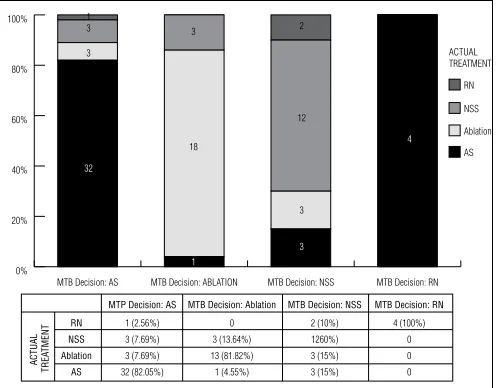
difference in eGFR between the treatment decision groups. Median age of patients selected for AS (73 years) was significantly higher than age of patients recommended for NSS (66 years) and ABL (65 years) Tumour size was significantly smaller in AS patients (2.2 cm) compared with NSS patients (2.9 cm). Severe comorbidities, multifocality, and previous his-tory of kidney disease were more common in patients selected for AS and NSS. MTB treatment recommendations were followed in 78% of cases. AS was abandoned in 18% for active treatment. Active treatment was changed to AS in 10% of cases (Fig. 1).
Conclusions: Multiple treatment options exist for the management of
SRM. AS patients are generally older, more comorbid patients with smaller masses. Despite the recommendations made by MTB, a significant num-ber of patients will receive an alternative treatment.
MP-04.05
Achieving the “trifecta” with open vs. minimally invasive partial nephrectomy
Ghavimi, Samrad1; Saarela, Olli2; Rendon, Ricardo A.3; Finelli, Antonio2;
Kapoor, Anil4; Moore, Ronald B.5; Breau, Rodney H.6; Lacombe, Louis7;
Kawakami, Jun8; Lattouf, Jean-Baptiste9; Drachenberg, Darrel E.10; Pautler,
Stephen E.11; Jewett, Michael A.2; Zhihui, Liu2; Tanguay, Simon12; Black,
Peter C.1
1University of British Columbia, Vancouver, BC, Canada; 2University
of Toronto, Toronto, ON, Canada; 3Dalhousie University, Halifax, NS,
Canada; 4McMaster University, Hamilton, ON, Canada; 5University
of Alberta, Edmonton, AB, Canada; 6The Ottawa Hospital, Ottawa,
ON, Canada; 7CHUQ-Hotel-Dieu de Quebec, Quebec, QC, Canada; 8University of Calgary, Calgary, AB, Canada; 9Université de Montréal,
Montreal, QC, Canada; 10University of Manitoba, Winnipeg, MB, Canada; 11Western University, London, ON, Canada; 12McGill University, Montreal,
QC, Canada
Introduction and Objectives: The “trifecta” summarizes three important
outcomes of partial nephrectomy (PN): negative surgical margin, minimal loss of renal function (≤10% decrease in eGFR) and absence of urologi-cal complications. Here, we assessed the achievement of the trifecta in patients undergoing open (OPN) vs. laparoscopic (LPN) vs. robotic partial nephrectomy (RPN).
Methods: From 2000-2014, 865 patients with a first occurrence of a
clini-cal T1 renal mass who underwent OPN (n=405), LPN (n=409), or RPN (n=51) were identified from the Canadian Kidney Cancer Information System (CKCis), a national database. Clinical, surgical, and pathologic parameters were collected and the rate of trifecta, as defined above, was calculated according to surgical approach.
Results: Pre-operative eGFR was >60 in 81% OPN, 91% LPN, and 94%
RPN (p=0.014). The clinical stage was T1a in 59% of OPN, 83% of LPN, and 78% of RPN (p<0.001). Virtually all LPN and RPN cases required warm ischemia, but 61% of OPN used cold ischemia. The mean duration of warm ischemia in those patient who required it was 21.9, 23.7, and 27.8 minutes for OPN, LPN, and RPN, respectively (p=0.13). Negative surgical margins were seen in 385 (95%) OPN, 387 (95%) LPN, and 47 (92%) RPN (p=0.68). A ≤10% change in eGFR was seen in 54%, 54%, and 53% of OPN, LPN, and RPN, respectively (p=0.98). No urological complications were observed in 96% OPN, 92% LPN, and 90% RPN (p=0.014). The overall “trifecta” was achieved in 199 (49%) OPN, 194 (47%) LPN, and 24 (47%) RPN (p=0.876).
Conclusions: While positive surgical margins and urological
complica-tions were uncommon with all three surgical approaches, the postopera-tive reduction in renal function was the principal obstacle to achieving the trifecta. The trifecta rate was comparable between minimally invasive and open approaches, although the baseline parameters indicate that the lesions undergoing OPN were likely more complex. The analysis is limited by the lack of nephrometry score to correct for the complexity of the surgery.
MP-04.06
Metformin use does not impact disease-specific mortality among diabetic patients with non-muscle invasive bladder cancer: A population-based analysis
Richard, Patrick1; Mohammed, Aza1; Bashir, Shaheena1; Leão, Ricardo1;
Bhindi, Bimal1; Fleshner, Neil E.1; Zlotta, Alexandre1; Kulkarni, Girish S.1 1Department of Surgical Oncology, Division of Urology, Princess Margaret
Cancer Centre, University Health Network, Toronto, ON, Canada
Introduction and Objectives: Non-muscle invasive bladder cancer
(NMIBC) is highly prevalent among the elderly. Many bladder cancer (BCa) patients are also afflicted by diabetes mellitus (DM), which affects 25% of persons aged 65 and older. Metformin is a first-line oral therapy used in this population and it has been demonstrated to have some anti-cancer properties. Our objective was to evaluate the impact of metformin use in NMIBC patients on disease-specific survival (DSS).
Methods: This is a retrospective, population-based cohort study, in which
we used administrative data to identify diabetic patients older than 66 years of age who were subsequently diagnosed with NMIBC in Ontario between 1992 and 2012. Cumulative daily duration of metformin use was calculated before and after the diagnosis of NMIBC. The primary outcome was DSS. A multivariable competing risks model was used to estimate DSS. The model was adjusted for age, year of diagnosis, gender, comorbidity score, and cumulative use of metformin.
Results: During the study period, 38 383 patients were diagnosed with
BCa, of which 10 144 (26%) were also diagnosed with DM. Of these, 2004 subjects older than 66 years of age at the time of DM diagnosis were subsequently diagnosed with de novo NMIBC. 977 (49%) of them were on metformin therapy at some point during followup. After a median followup of 63 months (interquartile range (IQR) 40-93), 1406 (70%) had died, including 367 (18%) deaths from BCa. On multivariable analysis, cumulative duration of metformin use after BCa diagnosis did not appear to impact BCa-specific death in a dose-dependent fashion. The adjusted HR was of 1.06 (95% CI 0.99-1.13) for each additional six months of metformin use.
Conclusions: In this large, population-based study, we have provided
strong evidence that metformin use does not significantly impact DSS among diabetic patients subsequently diagnosed with NMIBC. Given the limitations of the administrative databases, the protective effect of metformin on disease recurrence could not be evaluated and will require further evaluation.
MP-04.07
Renal function after partial nephrectomy correlates with tumour histology
Boyle, Shawna1; Fascelli, Michele2; Krane, Spencer1; Linehan, Marston1;
Metwalli, Adam1
1Urologic Oncology Branch, National Institutes of Health, Bethesda,
MD, United States; 2Sidney Kimmel Medical College, Thomas Jefferson
University, Philadelphia, PA, United States
Introduction and Objectives: Partial nephrectomy (PN) is indicated for
multifocal and hereditary kidney cancer and preserves renal functional. We present an analysis of postoperative renal function after PN based on tumour histology.
Methods: A single institution prospectively maintained database of
patients undergoing evaluation for renal tumour between 2002 and 2015. Patients who underwent renal surgery with pathologic evaluation and renal function were identified. Only patients with both preoperative nuclear renogram (NRS) and postoperative NRS performed within 12 months of surgery were included. Additional data collected were serum creatinine (Cr), pathology, tumour stage, and demographics. The trends in renal function using Cr and glomerular filtration rate (GFR) for each histologic subtype were observed.
Results: 331 patients, among whom 344 surgeries were performed, were
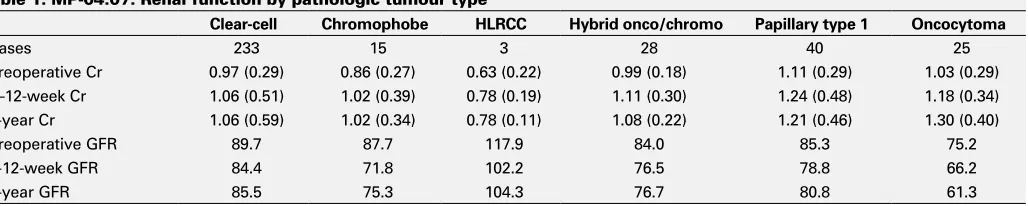
included. The pathologic categories were: clear cell (233), chromophobe (15), hereditary leiomyatosis and renal cell cancer (HLRCC) (3), hybrid oncocytic tumours (28), type 1 papillary (40), and oncocytoma (25). Those patients with papillary tumours had higher Cr and lower GFR (p=0.009) preoperatively; the postoperative decrease in renal function in this pathol-ogy was similar to that seen in the other tumour subtypes. Oncocytoma patients also started out with lower GFR (p=0.006); however, unlike other histologies, renal function continued to deteriorate on followup to one year. Postoperative renal function at one year shows a GFR loss for chro-mophobe and HLRCC that is three times that of clear cell (clear loss 5 ml/ min, HLRCC loss 15.7 ml/min, chromophobe loss 15.8 ml/min).
Conclusions: Renal functional preservation after partial nephrectomy
varies based on tumour histology and hereditary kidney cancer condi-tion. Most patients demonstrate stable renal function withinthree months after surgery, but patients with oncocytoma appear to have ongoing loss of renal function over one year followup.
MP-04.08
How to balance the risk of cancer-specific mortality and other-cause mortality in the decision between surgery or observation for patients with T1 kidney cancer
Trudeau, Vincent1; Larcher, Alessandro1,2; Dell’Oglio, Paolo1,2; Tian,
Zhe1; Fossati, Nicola2; Capitanio, Umberto2; Briganti, Alberto2; Montorsi,
Francesco2; Karakiewicz, Pierre1
1Cancer Prognostics and Health Outcomes Unit, Centre hospitalier de
l’Université de Montréal, Montreal, QC, Canada; 2Division of Oncology,
Unit of Urology, URI, IRCCS Ospedale San Raffaele, Milan, Italy
Introduction and Objectives: Without precise risk assessment of
cancer-specific mortality (CSM) and other-cause mortality (OCM) after surgery (SUR) or observation (OBS) for patient with T1 kidney cancer, treatment selection remains an empirical process. The aim of the study was to iden-tify specific patients that would benefit from SUR over OBS.
Methods: A population-based assessment of 11 192 patients with T1
kidney cancer treated with SUR or OBS in the SEER-Medicare database was performed. SUR was defined as radical or partial nephrectomy. A multivariable competing risk regression model was fitted to predict CSM and OCM after SUR or OBS. Covariates consisted of age, gender, race, Charlson comorbidity index (CCI), history of acute kidney injury (AKI) or chronic kidney disease (CKD), tumour size, and year of diagnosis. Heagerty’s method was used to compute the area under the curve (AUC).
Results: At a median followup of 64 months the five-year risk of CSM
and OCM were 6.7 and 24%, respectively. All the predictors evaluated were associated with the outcomes of interest (p<0.05). According to
Table 1. MP-04.07. Renal function by pathologic tumour type
Clear-cell Chromophobe HLRCC Hybrid onco/chromo Papillary type 1 Oncocytoma
Cases 233 15 3 28 40 25
Preoperative Cr 0.97 (0.29) 0.86 (0.27) 0.63 (0.22) 0.99 (0.18) 1.11 (0.29) 1.03 (0.29)
6–12-week Cr 1.06 (0.51) 1.02 (0.39) 0.78 (0.19) 1.11 (0.30) 1.24 (0.48) 1.18 (0.34)
1-year Cr 1.06 (0.59) 1.02 (0.34) 0.78 (0.11) 1.08 (0.22) 1.21 (0.46) 1.30 (0.40)
Preoperative GFR 89.7 87.7 117.9 84.0 85.3 75.2
6-12-week GFR 84.4 71.8 102.2 76.5 78.8 66.2
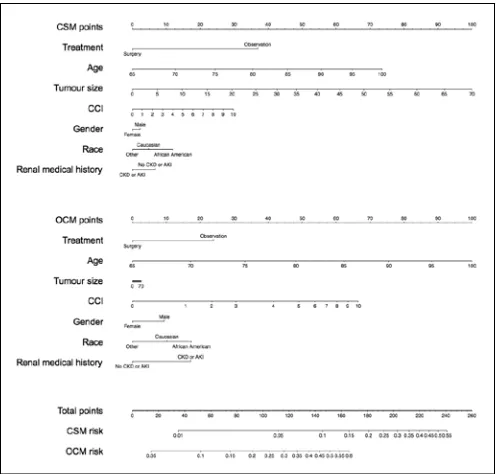
the proposed model (Fig. 1), the benefit of the choice for SUR over OBS with respect to CSM and OCM was importantly influenced by host and cancer characteristics. The five-year CSM risk of a 70-year-old African-American woman with CCI=0, without AKI or CKD diagnosed with a 65 mm tumour was 14% in case of OBS and 6% in case of SUR. The five-year risk of OCM for the same patient was 12% in case of OBS and 8% in case of SUR. These figures provide strong arguments for selecting SUR over OBS. Conversely, the five-year risk of CSM of an 85-years-old Caucasian man with CCI=8, with AKI or CKD diagnosed with a 15 mm tumour was 8% in case of OBS and 4% in case of SUR. The five-year risk of OCM for the same patient was 74% in case of observation and 58% in case of surgery. These figures provide weaker arguments for selecting SUR over OBS. AUC of the model was 74% for CSM and 73% for OCM.
Conclusions: The benefit of SUR over OBS resulted maximal in younger
and healthier patients with larger tumours and marginal in older and sicker patients with smaller tumours. The proposed model can optimize clinical decision-making, providing crucial and objective information with respect to long-term CSM and OCM risk, which can be used to select elderly patients with T1 kidney cancer for SUR or OBS.
MP-04.09
Correlation of 18 F-FDG PET/CT findings with histopathological type, grade, and T-stage of renal tumours: A prospective study
Mete, Uttam1; Ghanghas, Rajesh1; Sood, Ashwani2; Kakkar, Nandita3;
Mandal, Arup1
1Urology, Post-graduate Institute of Medical Education & Research,
Chandigarh, India; 2Nuclear Medicine, PGIMER, Chandigarh, India; 3Pathology, PGIMER, Chandigarh, India
Introduction and Objective: Contrast-enhanced computed tomography
(CECT) and magnetic resonance imaging (MRI) are not 100% accurate for diagnosing histological types, grades, and stage of renal tumour, which play an important role in decision-making while treating these patients. Positron emission tomography (PET)/CT can provide all this informations according to maximum standardized uptake value (SUVmax) of the lesion. This prospective study was done to find any correlation between the SUVmax of 18F-FDG PET/CT with histopathological findings in renal tumour patients.
Methods: 23 patients with solid renal mass underwent FDG PET/CT.
SUVmax was automatically calculated by the software for each renal lesion. All patients underwent nephretomy or biopsy of the renal tumour. PET result was correlated with the histopathological parameters.
Result: Out of 23 patients, 16 had clear-cell renal cell carcinoma (RCC),
six non-clear-cell RCC, and one was diagnosed as angiomyolipoma. Five patients had metastatic disease. PET/CT was 95.45 % sensitive and 91.30 % accurate in diagnosing primary lesion, and 100 % sensitive and spe-cific in detecting metastasis. The mean SUVmax of clear-cell RCC lesion was 6.9 (range 1.7-18.3). Increasing SUV max with increasing T-stage was noted. The mean SUVmax of T-stages I, II, III, and IV were 5.05, 3.98, 10.30, and 13.74, respectively. Increased SUVmax with increased Furhman’s grade was also noted (Grade I, II, and III 3.68 (2.11-9.33), 5.0 (3.9-9.35), and 6.6 (4.15-11.33), respectively). Three cases of high-grade urothelial carcinoma and one case of diffuse large B-cell lymphoma had SUVmax >15. One patient had PNET with SUVmax >10.
Conclusions: The current study establishes the fact that renal lesion can
be accurately characterized by PET/CT. The higher SUVmax of the lesion corresponds to high grade and high stage. The majority of the non-clear-cell carcinomas have higher SUVmax compared to clear-non-clear-cell carcinomas. We propose that PET/CT should be the single most imaging test to be done for evaluation and chacrecterization of renal mass.
MP-04.10
Short-term morbidity following retroperitoneal lymph node dissection
Paterson, Nicholas1; Breau, Rodney H.1,2; Cnossen, Sonya1; Montroy,
Joshua1; Mallick, Ranjeeta1; Schramm, David1; Fergusson, Dean1;
Cagiannos, Ilias2; Morash, Christopher G.2; Lavallee, Luke T.2
1Ottawa Hospital Research Institute, Ottawa, ON, Canada; 2Division
of Urology, Department of Surgery, University of Ottawa, Ottawa, ON, Canada
Introduction and Objectives: This study evaluated the frequency and
timing of complications following retroperitoneal lymph node dissection.
Methods: Male patients aged 18-50 who received retroperitoneal lymph
node dissection (RPLND) with data in The American College of Surgeons National Surgical Quality Improvement Program (NSQIP) from 2006 to 2014 were included. Baseline patient and treatment characteristics were collected. Complications in NSQIP are recorded by trained study nurses through a validated review process. The primary outcome of this study was the incidence of any complication following RPLND. Secondary out-comes included the incidence of individual complications, the timing of complications (in-hospital vs. after discharge) and the association between patient and treatment factors with the occurrence of complications.
Results: 289 patients met inclusion criteria. 39 (13.5%) patients were
over 40 years old. The median hospital stay was five days (interquartile range (IQR) 4-7 days). 53 (18.3%) patients experienced at least one post-operative complication. 15 (20%) complications occurred after hospital discharge. The most common complications included: blood transfusion (33; 11.0%), surgical site infection (11; 3.8%), return to the operating room (10; 3.4%), fascial dehiscence (4; 1.4%), deep vein thrombosis (4; 1.4%), and pneumonia (3; 1%). Factors associated with the occurrence of any post-operative complication included: increased age, elevated body mass index, higher American Society of Anesthesiologists class, presence of disseminated cancer, pre-operative weight loss >10% in the previous 6 months, smoking, low serum albumin concentration, pre-operative che-motherapy, and longer operating times (p<0.05).
Conclusions: 18% of RPLND patients experience a perioperative
com-plication. Interventions to reduce blood transfusion should be evaluated.
MP-04.11
Healthcare services use during the last six months of life among bladder cancer patients who underwent radical cystectomy in Quebec, Canada
Ahmed, Ahmed S. Zakaria1; Santos, Fabiano2; Dragomir, Alice1; Tanguay,
Simon1; Kassouf, Wassim1; Aprikian, Armen G.1
1Department of Surgery, Division of Urology, McGill University, Montreal,
QC, Canada; 2Department of Oncology, Division of Cancer Epidemiology,
McGill University, Montreal, QC, Canada
Introduction and Objectives: Management of bladder cancer imposes
a great economic challenge on the healthcare system, with the great-est share of this burden attributed to radical cystectomy (RC) and pro-longed followup. Our aim was to characterize healthcare services use and evaluate associated costs predictors during the last six months of life in patients who had RC.
Methods: We conducted a retrospective study within a cohort of 2988
patients who had RC from 2000-2009. Data was obtained from the RAMQ. We included patients who deceased during the study period and survived at least six months after the first 90 postoperative days. Services billing codes were used to retrieve hospital, outpatient, and imaging services. Linear regression models were used to assess predictors of costs.
Results: From the 1355 patients who died during the study period, we
analyzed data of 799 subjects. Males formed 77.3% and 52% of patients were between 60-75 years. In their last six months of life, 17.2% of patients had surgery for major urinary tract complications; 25% had che-motherapy, while 27.6% had radiotherapy. Also, 3.5% of patients had hemodialysis. Urologist visits ranked first, where 72.3% of patients had 3481 visits (average six visits/patient) followed by medical sub-specialist, where 69% of patients had 10 010 visits (average18 visits/patient). For sup-portive care, 97% of patients had 25 560 family physician visits (average 31 visits/patient), while only 16% of them had specialized care. Imaging was performed in 94.6% of patients. Services use kept increasing with time, especially during the last two months. Post-RC complications was a significant predictor associated with increased costs at all assessed services (p<0.0001).
Conclusions: Our study results suggest that healthcare services use
var-ies in the assessed period. Urologists involvement in the process of care tends to decrease in favour of other medical specialties, however, some healthcare services, like specialized supportive care, may be underused.
MP-04.12
Pathologic evaluation of non-tumour renal tissue predicts renal function post-radical nephrectomy
Mamut, Adiel E.1; Clark, Roderick1; Abrahim, Gena2; Cui, Fulan1; Rowe,
Neal E.3; Gabril, Manal2; Moussa, Madeleine2; Luke, Patrick P.1 1Department of Surgery, Division of Urology, Western University, London,
ON, Canada; 2Department of Pathology and Laboratory Medicine, Western
University, London, ON, Canada; 3Department of Surgery, Division of
Urology, University of Ottawa, Ottawa, ON, Canada
Introduction and Objectives: Recent studies have demonstrated that
the evaluation of non-neoplastic renal parenchymal tissue post-partial nephrectomy may predict future renal function. We assessed the predic-tive role of non-neoplastic renal pathology in a cohort of patients with normal preoperative renal function who underwent radical nephrectomy for a renal mass.
Methods: All local patients with a normal contralateral kidney who
underwent radical nephrectomy between April 2002 and May 2008 were identified. Patients with missing clinical data or preoperative chronic kidney disease (CKD), defined as glomerular filtration rate (GFR) <60 mL/ min/1.73m2) were excluded. Pathology slides were re-reviewed by a
geni-tourinary pathologist (MM) for presence of glomerulosclerosis (GS), inter-stitial fibrosis (IF), tubular atrophy (TA), and arterial narrowing (AN), which were correlated with pre- and postoperative renal function. Student’s t-test and logistic regression were used to assess statistical significance.
Results: 97 patients met inclusion criteria and had tissue available for
pathology review. GS, IF, TA, and AN was present in 70%, 44%, 44%, and 96% of patients, respectively. The presence of IF and TA was associated
with relatively reduced renal function both preoperatively and at one year (p<0.0001). Patients with GS demonstrated significant decline in renal function at one year (p<0.0001) despite normal preoperative renal func-tion. Of the assessed clinical conditions, only hypertension and coronary artery disease were associated with poor postoperative renal function on logistic regression (p=0.04 and 0.04).
Conclusions: Evaluation of non-tumour renal tissue at the time of radical
nephrectomy offers valuable predictive information regarding postopera-tive renal function. Significant pathological findings were common in our patient cohort. Our data suggest an ongoing role for pathological evaluation of non-neoplastic renal tissue in nephrectomy specimens. The overall impact of pathological evaluation needs to be evaluated in a larger cohort using multivariable analysis.
MP-04.13
Outcomes of standard vs. off-clamp partial nephrectomies in a porcine model
Olvera-Posada, Daniel1; Saja, Manujendra2,3; Aboalsamh, Ghaleb3;
Mikhail, David1; Haig, Aaron4; Lobb, Ian2,3; Grewal, Jaskirandeep 2,3;
Sener, Alp1,2,3
1Urology, Western University, London, ON, Canada; 2Department of
Microbiology and Immunology, LHSC, Western University, London, ON, Canada; 3Matthew Mailing Centre for Translational Transplant Studies,
LHSC, Western University, London, ON, Canada; 4Pathology, LHSC,
Western University, London, ON, Canada
Introduction and Objectives: Partial nephrectomy (PN) is considered the
standard of care for small renal masses. Controversy exists about the real functional benefit regarding off-clamp PN in patients without chronic kid-ney disease (CKD). We designed a 2/3 total nephrectomy porcine model to assess the underlying mechanisms of ischemia reperfusion injury (IRI) after PN. We evaluated intraoperative parameters, recovery of kidney function, levels of pro-apoptotic, anti-apoptotic and biomarkers of tubular injury.
Methods: Domestic male pigs (n=13) underwent left lower pole 1/3 PN
and allocated to either standard (Group 1: 45 minutes of warm ischemia) or zero ischemia PN using the ALTRUS device (Group 2); followed by contralateral nephrectomy. Biochemical studies were performed at base-line, Day 2 and at Day 7, before sacrifice. PCR and Western blot analyses were used to determine the expression of tissue apoptotic markers. Acute tubular necrosis (ATN) and apoptosis were graded and analyzed by an independent pathologist.
Results: At Day 2 following PN, there was a significant rise in serum
cre-atinine in Group 1, but not in Group 2 (355 vs. 136 mmol/L, p=0.008), which remained at baseline levels throughout the experiment. Blood hydrogen sulphide (H2S) levels significantly increased after IRI and
returned to baseline levels at Day 7. Intra-renal tissue oxygen saturation after PN inversely correlated with postoperative creatinine (rho -0.75, p=0.012) and grade of ATN (rho -0.70, p=0.036). We observed a rise in expression of pro-apoptotic markers BAD, BAX, and Caspase-3, and pro-inflammatory markers such as EDN1 and NGAL in Group 1 following PN compared to Group 2, which demonstrated no difference from Sham animals (p<0.05). Histological analysis revealed higher grade of ATN and apoptosis in Group 1. Post-PN H2S blood levels inversely correlated with
the grade of apoptosis (rho -0.787, p=0.020), and UPC ratio at Day 7 correlated with ATN (rho 0.866, p=0.003).
Conclusions: IRI associated with standard PN has a deleterious impact
MP-04.14
Endoscopic removal of inferior vena caval tumour thrombi in patients with renal cell carcinoma: Future perspectives
Nouh Ahmed, Mohammed1,2
1Division of Urology, Department of Surgical
Oncology, University Health Network, Toronto, ON, Canada; 2Department of Urology, Sohag
University Hospital, Sohag, Egypt
Introduction and Objectives: Removal of
infe-rior vena caval (IVC) tumour thrombi impli-cates aggressive surgical techniques with high operative morbidity and mortality.1,2 I
repre-sent, herein, a new technique for endoscopic IVC thrombectomy.
Methods: After isolating the IVC from its
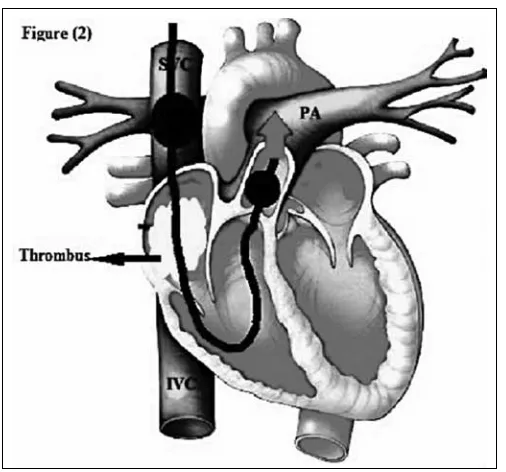
infra-renal segment up to right atrium using multi-channel catheters; abdominal IVC is dissected free from the posterior abdominal wall. Tumour thrombi are dissected then dragged down to the abdominal IVC using a flexible angioscope (a cystoscope). The abdominal segment is dou-ble-clamped and thrombi are removed by irri-gation using heparinized saline or through a small cavotomy. In level IV thrombi, right atrium is completely isolated by a double-bal-loon catheter and thrombi are manipulated as above, guided by a trans-esophageal echocar-diogram.
Results: Untested hypothesis for discussion. Conclusions: The above described technique
provides a minimally invasive strategy reducing the morbidity and mortality associated with this major surgical challenge and omitting the need for the liver rotation maneuvers or cardiopulmo-nary bypass and deep hypothermic circulatory arrest.
1. Gill IS, Metcalfe C, Abreu A, et al. Robotic level III inferior vena cava tumour thrombectomy: The initial series. J Urol 2015;194:929-38. http://dx.doi.org/10.1016/j.juro.2015.03.119
2. Loh-Doyle J et al. Vena cavoscopy in the assessment of intraluminal vena caval tumour involvement. AUA 2015. Abstract PD35-06.
MP-04.15
Hand-assisted laparoscopy infiltrative left radicalnephroureter-ectomy
Sert, I. Unal1
1Urology, Medicine Faculty of Necmettin Erbakan Universitesi, Konya,
Turkey
Introduction and Objectives: Hand-assisted laparoscopy (HAL) combines
the advantages of laparoscopy and open surgery. The only difference between standard laparoscopy and HAL is that the surgeons are also able to introduce their hand into the operative field. I would like to present step-by-step my first experience with HAL radical nephrectomy.
Methods: 40-year-old male patient with left renal mass infiltrating to
spleen and renal pedicle was admitted to hospital. Hand-assisted radical nephrectomy was recommended to the patient, as classical laparascopic surgery would be difficult to apply. HAL uses all the principles of standard transperitoneal laparoscopy. A pneumoperitoneum is created to insufflate the abdomen. A laparoscope is introduced to provide magnified visual-ization of the operative field and laparoscopic instruments are used to perform the surgery.The surgeon’s hand is used for exposing, retracting, dissecting, and maintaining hemostasis.
Results: The total opereative time was 60 minutes. There was no need for
transfusion. The patient was dischared from hospital at postoperative Day 3. The scar that the speciemen was removed was 7 cm.
Conclusions: HAL surgery is a mininmally invasive surgery method that
could easily be performed by a urologist trained on traditional open surgery without loss of tactile stimulus. As has been said by Dr. R.V.
Fig. 1. MP-04.14.
1. Bannenberg JJG, Meijer DW, Bannenberg JH, et al. Hand-assisted laparoscopic nephrectomy in the pig: Initial report.
Minim Invasive Ther Allied Technol 1996;5:483-7. http://dx.doi.
org/10.3109/13645709609153716
2. Wolf JS, Jr., Moon TD, Nakada SY. Hand-assisted laparoscopic nephrectomy: Comparison to standard laparoscopic nephrec-tomy. J Urol 1998;160:22-7. http://dx.doi.org/10.1016/S0022-5347(01)63016-7
3. Slakey DP, Wood JC, Hender D, et al. Laparoscopic living donor nephrectomy: Advantages of the hand-assisted method.
Transplantation 1999;68:581.
http://dx.doi.org/10.1097/00007890-199908270-00024
4. Wolf JS, Jr., Tchetgen MB, Merion RM. Hand-assisted laparoscopic live donor nephrectomy. Urology 1998;52:885-7. http://dx.doi. org/10.1016/S0090-4295(98)00389-6
5. Stifelman MD, Shichma S, Sosa RE. Hand-assisted laparoscopy. Curr
Surg Tech Urol 2000;12(2):1.
6. Stifelman MD, Sosa RE, Andrade A, et al. Hand-assisted laparo-scopic nephroureterectomy for the treatment of transitional cell car-cinoma of the upper tract. Urology 2000;56:741-7. http://dx.doi. org/10.1016/S0090-4295(00)00751-2
7. Wolf JS, Seifman BD, Montie JE. Nephron-sparing surgery for sus-pected malignancy: Open surgery compared to laparoscopy with selective use of hand assistance. J Urol 2000;163:1659-64. http:// dx.doi.org/10.1016/S0022-5347(05)67515-5
MP-04.16
Survival benefit of supplemental pre-surgical targeted therapy in metastatic renal cell carcinoma patients: A retrospective analysis
Fang, Cheng1; Kapoor, Anil1
1Department of Surgery, Division of Urology, McMaster University,
Hamilton, ON, Canada
Introduction and Objectives: Cytoreductive nephrectomy with
post-sur-gical targeted therapy can arguably be regarded as the standard of care for metastatic renal cell carcinoma (RCC). Despite this, the additional role of pre-surgical targeted therapy is uncertain and requires further research. Through retrospective analysis, we seek to compare differences in length of survival between patients who received upfront cytoreductive nephrectomy and post-surgical targeted therapy (adjuvant) to patients who additionally received pre-surgical targeted therapy (combined).
Methods: Between May 2010 and July 2015, 39 patients with complete
patient records who received cytoreductive nephrectomy for metastatic RCC were identified. All 39 patients completed at least one cycle of targeted therapy (sunitinib, pazopanib, and everolimus) over the course of their treatment. Length of survival was calculated from date of nephrec-tomy and date of CT diagnosis of metastatic disease as separately com-pared baselines. All patient variables were obtained and recorded from our institution’s database records and patient charts. Statistical analysis was performed with IBM SPSS Statistics 22 software.
Results: As of March 2016, 20 of the 39 patients have died. Mean length
of survival from date of diagnosis to death in the adjuvant therapy cohort was 19.7 months (n=10) compared to 33.7 months in the combined therapy cohort (n=10) for a mean difference of 14 months (p=0.069). Mean length of survival from date of nephrectomy to death in the adju-vant therapy cohort was 17.6 months compared to 24.9 months in the combined therapy cohort for a mean difference of 7.3 months (p=0.297).
Conclusions: Our retrospective analysis suggests that pre-surgical targeted
therapy may confer additional benefits in length of survival, especially from date of diagnosis for metastatic RCC patients. Larger sample size and analysis of the remaining currently alive patients is required to further validate these results.
MP-04.17
The impact of increasing laparoscopic intra-abdominal pressure and perioperative outcome in nephron-sparing surgery: A critical review
Abusanad, Osama1; Evans, Reymond Mark1; Elbaroni, Wesam1; Randhawa,
Harkaren1; Keane, John P.1; Thwaini, Ali A.1
1Urology, Belfast City Hospital, Belfast, United Kingdom
Introduction and Objectives: Nephron-sparing surgery (NSS) has now
become the gold standard treatment of patients with pT1 renal tumours. Adequate haemostasis is essential for advanced laparoscopic surgery. We describe the impact of increasing intra-peritoneal pressure (IAP) on perioperative outcomes.
Methods: Retrospective data collection for patients who underwent NSS
in a single institute between February 2012 and August 2015. Two cohort groups were reviewed according to IAP at the time of off clamp partial nephrectomy, Group A (IAP=12 mmHg), and B (IA=18mmHg). We ana-lyzed on estimated blood loss (EBL), nephrometry score (NS), estimated glomerular filtration rate (eGFR) changes, and length of stay (LOS).
Results: 105 patients underwent laparoscopic NSS. Median age for
Groups A and B was 56 (42-76) and 59 (37-75) years, respectively. The last consecutive 40 patients were selected having been performed by a single surgeon in order to minimize the learning curve effect on the outcome. Median EBL for Group A (n=24) was 150 mls and B (n=22) was 250 mls. Average NS for Groups A and B was 1.36 and 6.59, respectively. Median changes of eGFR pre/postoperatively in Groups A and B was 60-55 and 42-42.5, respectively. Median LOS was five and four days for Groups A and B, respectively.
Conclusions: This study showed that increasing the IAP to 18 mmHg
had better outcome regarding changes of eGFR and LOS. The higher EBL could be contributed to more challenging surgery, as demonstrated by increased NS. This concurs with the current literature. However, this needs long-term followup.
1. Chiu AW, Azadzoi KM, Hatzichristou DG, et al. Effects of intra-abdominal pressure on renal tissue perfusion during laparoscopy. J
Endourol 1994;8:99-103. http://dx.doi.org/10.1089/end.1994.8.99
2. Nishio S, Takeda H, Yokoyama M, et al. Changes in urinary output during laparoscopic adrenalectomy. Br J Urol Intl 1999;83:944-7. http://dx.doi.org/10.1046/j.1464-410x.1999.00098.x
MP-04.18
Zero ischemia time in partial nephrectomy with moderate to high RENAL nephrometry scores
Randhawa, Karen1; Keane, John P.1; Evans, Mark1; Elbaroni, Wesam1;
O’Kane, Hugh1; Thwaini, Ali A.1
1Urology Department, Belfast City Hospital, Belfast, United Kingdom Introduction and Objectives: In patients undergoing partial nephrectomy,
higher renal nephrometry score has been associated with increased esti-mated blood loss (EBL), warm ischemia time, and increased hospital stay. We evaluated our experience of zero ischemia time in lesions with higher nephrometry scores.
Methods: Retrospective imaging and review of partial nephrectomy data
at a single institution between April 2003 and August 2015were per-formed. Perioperative data and tumour complexity using RENAL neph-rometry score were collected. Tumours with nephneph-rometry scores of inter-mediate- and high-complexity were selected. Those with zero ischemia time were compared with those with documented warm ischemia time. Demographic and perioperative data was obtained, and postoperative oncological results and adverse events were analyzed.
Results: Of 104 patients, 38 were noted to have moderate- and
24 patients were noted to have zero ischemia time (Group 1), while the remainder had varying warm ischemia times (Group 2). Although average blood loss reported in our series is higher for Group 1, this is in keep-ing with zero ischemia and, therefore, as protective of renal function as possible. There is a trend towards higher conversion to open surgery and longer hospital stay for Group 2 with warm ischemia, although this is not considered statistically significant (p=0.32). This could be explained by the learning curve experience with majority of zero ischemia time operations performed later in the series. Positive surgical margin rate
was lower in zero ischemia group, demonstrating no potential adverse effect on oncological outcome; there was no statistical significance in EBL between groups (p=0.65).
Conclusions: Zero ischemia nephron-sparing surgery appears to be an