by Brent Agin, MD, and Sharon Perkins, RN
Healthy Aging
FOR
Healthy Aging For Dummies®
Published by
Wiley Publishing, Inc. 111 River St.
Hoboken, NJ 07030-5774 www.wiley.com
Copyright © 2008 by Wiley Publishing, Inc., Indianapolis, Indiana Published simultaneously in Canada
No part of this publication may be reproduced, stored in a retrieval system, or transmitted in any form or by any means, electronic, mechanical, photocopying, recording, scanning, or otherwise, except as permit-ted under Sections 107 or 108 of the 1976 Unipermit-ted States Copyright Act, without either the prior written permission of the Publisher, or authorization through payment of the appropriate per-copy fee to the Copyright Clearance Center, 222 Rosewood Drive, Danvers, MA 01923, 978-750-8400, fax 978-646-8600. Requests to the Publisher for permission should be addressed to the Legal Department, Wiley Publishing, Inc., 10475 Crosspoint Blvd., Indianapolis, IN 46256, 317-572-3447, fax 317-572-4355, or online at http:// www.wiley.com/go/permissions.
Trademarks: Wiley, the Wiley Publishing logo, For Dummies, the Dummies Man logo, A Reference for the Rest of Us!, The Dummies Way, Dummies Daily, The Fun and Easy Way, Dummies.com and related trade dress are trademarks or registered trademarks of John Wiley & Sons, Inc. and/or its affiliates in the United States and other countries, and may not be used without written permission. All other trademarks are the property of their respective owners. Wiley Publishing, Inc., is not associated with any product or vendor mentioned in this book.
LIMIT OF LIABILITY/DISCLAIMER OF WARRANTY: THE CONTENTS OF THIS WORK ARE INTENDED TO FURTHER GENERAL SCIENTIFIC RESEARCH, UNDERSTANDING, AND DISCUSSION ONLY AND ARE NOT INTENDED AND SHOULD NOT BE RELIED UPON AS RECOMMENDING OR PROMOTING A SPECIFIC METHOD, DIAGNOSIS, OR TREATMENT BY PHYSICIANS FOR ANY PARTICULAR PATIENT. THE PUB-LISHER AND THE AUTHOR MAKE NO REPRESENTATIONS OR WARRANTIES WITH RESPECT TO THE ACCURACY OR COMPLETENESS OF THE CONTENTS OF THIS WORK AND SPECIFICALLY DISCLAIM ALL WARRANTIES, INCLUDING WITHOUT LIMITATION ANY IMPLIED WARRANTIES OF FITNESS FOR A PAR-TICULAR PURPOSE. IN VIEW OF ONGOING RESEARCH, EQUIPMENT MODIFICATIONS, CHANGES IN GOVERNMENTAL REGULATIONS, AND THE CONSTANT FLOW OF INFORMATION RELATING TO THE USE OF MEDICINES, EQUIPMENT, AND DEVICES, THE READER IS URGED TO REVIEW AND EVALUATE THE INFORMATION PROVIDED IN THE PACKAGE INSERT OR INSTRUCTIONS FOR EACH MEDICINE, EQUIP-MENT, OR DEVICE FOR, AMONG OTHER THINGS, ANY CHANGES IN THE INSTRUCTIONS OR INDICA-TION OF USAGE AND FOR ADDED WARNINGS AND PRECAUINDICA-TIONS. READERS SHOULD CONSULT WITH A SPECIALIST WHERE APPROPRIATE. THE FACT THAT AN ORGANIZATION OR WEBSITE IS REFERRED TO IN THIS WORK AS A CITATION AND/OR A POTENTIAL SOURCE OF FURTHER INFORMATION DOES NOT MEAN THAT THE AUTHOR OR THE PUBLISHER ENDORSES THE INFORMATION THE ORGANIZA-TION OR WEBSITE MAY PROVIDE OR RECOMMENDAORGANIZA-TIONS IT MAY MAKE. FURTHER, READERS SHOULD BE AWARE THAT INTERNET WEBSITES LISTED IN THIS WORK MAY HAVE CHANGED OR DISAPPEARED BETWEEN WHEN THIS WORK WAS WRITTEN AND WHEN IT IS READ. NO WARRANTY MAY BE CRE-ATED OR EXTENDED BY ANY PROMOTIONAL STATEMENTS FOR THIS WORK. NEITHER THE PUBLISHER NOR THE AUTHOR SHALL BE LIABLE FOR ANY DAMAGES ARISING HEREFROM.
For general information on our other products and services, please contact our Customer Care Department within the U.S. at 800-762-2974, outside the U.S. at 317-572-3993, or fax 317-572-4002. For technical support, please visit www.wiley.com/techsupport.
Wiley also publishes its books in a variety of electronic formats. Some content that appears in print may not be available in electronic books.
Library of Congress Control Number: 2007941225 ISBN: 978-0-470-14975-1
About the Authors
Brent J. Agin, MD,has been in private practice for the last five years and is recognized by the community as the go-to medical advisor in the field of healthy aging. He sees patients of all ages and maintains a diverse array of clientele, including professional athletes and celebrities. He’s board certified in family medicine, receiving both his undergraduate degree and his MD at Michigan State University. He completed his internship and residency at the University of South Florida.
Dr. Agin offers family medicine, but his practice also provides aesthetics and weight loss assistance. He’s the medical director of Novus Medical Detox, which provides private detoxification for multiple addictions. With a strong interest in nutrition, he’s developed a supplement line and all-natural, rapid weight loss program, The TRIM Diet (www.trimlifestyle.com), while doing dietary and weight-loss consulting nationally.
In his free time, Dr. Agin enjoys golf, soccer, and fishing. He lives in Palm Harbor, Florida, with his wife Cindy and their two daughters.
Dedication
We dedicate this book to all the readers who are going to make positive changes in their lives. In the book, we offer a lot of information and tips to improve your lifestyle and health; all you have to do is go for it! Feeling healthy is the goal, and this book is your motivation. To date, whether it’s mental or physical health, neither of us has ever met a person who hasn’t been able to get healthier if he or she tried. Conversely, the people who’ve really put their hearts and souls into the effort have beat odds time and again and have achieved amazing personal goals. So here’s to you and to the rest of your healthy lives!
Authors’ Acknowledgments
From Dr. Agin:I would like to thank the coauthor Sharon Perkins, my literary agent Barb Doyen, and the team at Wiley Publishing. With these folks’ help I was able to accomplish a major goal in my life. For this, I acknowledge their guidance and patience and thank them dearly for the opportunity. I would also like to thank my family, friends, and co-workers for their support.
Publisher’s Acknowledgments
We’re proud of this book; please send us your comments through our Dummies online registration form located at www.dummies.com/register/.
Some of the people who helped bring this book to market include the following:
Acquisitions, Editorial, and Media Development
Project Editor: Kristin DeMint Acquisitions Editor: Tracy Boggier Copy Editors: Sarah Faulkner,
Carrie A. Burchfield, Pam Ruble Editorial Program Coordinator:
Erin Calligan Mooney
Technical Editor: Philip G. Hays, MD Senior Editorial Manager: Jennifer Ehrlich Editorial Manager: Michelle Hacker
Editorial Assistants:Joe Niesen, Leeann Harney Cover Photos:© Image Source/Corbis
Cartoons: Rich Tennant, (www.the5thwave.com)
Composition Services
Project Coordinators: Heather Kolter, Erin Smith
Layout and Graphics:Stacie Brooks, Reuben W. Davis, Alissa D. Ellet, Melissa K. Jester, Christine Williams Special Art:Kathryn Born, MA
Anniversary Logo Design:Richard Pacifico Proofreaders: Broccoli Information
Management, Jessica Kramer Indexer: Potomac Indexing, LLC Special Help
Vicki M. Adang
Publishing and Editorial for Consumer Dummies
Diane Graves Steele, Vice President and Publisher, Consumer Dummies Joyce Pepple, Acquisitions Director, Consumer Dummies
Kristin A. Cocks, Product Development Director, Consumer Dummies Michael Spring, Vice President and Publisher, Travel
Kelly Regan,Editorial Director, Travel Publishing for Technology Dummies
Andy Cummings,Vice President and Publisher, Dummies Technology/General User Composition Services
Contents at a Glance
Introduction ...1
Part I: So You Want to Look and Feel Young Forever . . . .7
Chapter 1: The Fountain of Youth, at Your Fingertips ...9
Chapter 2: The Four Major Health Concerns about Aging (and How to Prevent Them) ...21
Chapter 3: Evaluating Your Health and History and Setting Goals for Wellness...51
Part II: Workin’ on Your Framework ...71
Chapter 4: Putting Your Best Face Forward...73
Chapter 5: Loving the Skin You’re In ...93
Chapter 6: Building Bones and Preserving Joints ...115
Part III: Using Nutrition to Extend Your Expiration Date ...135
Chapter 7: You Are What You Eat: Nutrition 101 ...137
Chapter 8: Supplementing Your Daily Diet...163
Part IV: Getting Physical ...183
Chapter 9: Maintaining a Healthy Weight and Fitness Level...185
Chapter 10: Strengthening Your Heart...207
Chapter 11: Building and Fine-Tuning Healthy Muscles...219
Part V: Sharpening the All-Important Mind and Spirit ...237
Chapter 12: Keeping Your Mind and Memory in Tip-Top Shape ...239
Chapter 13: Decreasing Stress to Live a Longer, Better Life ...261
Chapter 14: ZZZ . . . The Infinite Importance of a Good Night’s Sleep...279
Chapter 15: Don’t Worry, Be Happy: The Keys to Maintaining Health and Vitality ...297
Part VI: The Part of Tens ...313
Chapter 16: Ten Medical Myths that Can Affect Your Health ...315
Chapter 17: Ten Foods to Help You Age Healthfully ...321
Chapter 18: Ten Mind Games to Boost Your Brainpower ...327
Chapter 19: Ten Ways to Make Your Home Safer as You Age ...333
Appendix: Health, Lifestyle, and History
Self-Assessment...339
Table of Contents
Introduction...1
About This Book...2
Conventions Used in This Book ...2
What You’re Not to Read ...3
Foolish Assumptions ...3
How This Book Is Organized...4
Part I: So You Want to Look and Feel Young Forever . . . ...4
Part II: Workin’ on Your Framework ...4
Part III: Using Nutrition to Extend Your Expiration Date...4
Part IV: Getting Physical ...5
Part V: Sharpening the All-Important Mind and Spirit...5
Part VI: The Part of Tens ...5
Icons Used in This Book...5
Where to Go from Here...6
Part I: So You Want to Look and Feel Young Forever ...7
Chapter 1: The Fountain of Youth, at Your Fingertips . . . .9
Life Expectancy in the 21st Century ...10
That was then . . . ...10
. . . This is now ...11
The Basics of Pro-Aging: The Best Actions You Can Take ...13
If Staying Young and Healthy Is So Easy, Why Isn’t Everyone Doing It?...16
Short-sighted thinking ...17
Confusing what feels good with what is good ...18
The desire for a quick (and easy) fix ...18
Modifying Your Lifestyle: The OneTrue Source of Hope...20
Chapter 2: The Four Major Health Concerns about Aging
(and How to Prevent Them) . . . .21
Cancer: The Four Most Common Forms ...21
Lung cancer...22
Breast cancer ...26
Prostate cancer...33
Colorectal cancer ...36
Diabetes...39
Differentiating among the types of diabetes...40
Understanding your risk...40
Playing your part in prevention...41
Recognizing the symptoms ...42
Cardiovascular Disease ...43
Differentiating among the various heart diseases and illnesses....44
Understanding your risk...45
Playing your part in prevention, and managing cardiovascular disease ...46
Recognizing the symptoms of coronary artery disease...47
Osteoporosis...48
Understanding your risk...48
Playing your part in prevention...49
Recognizing the symptoms ...50
Managing osteoporosis...50
Chapter 3: Evaluating Your Health and
History and Setting Goals for Wellness . . . .51
Investigating and Writing Down Your Medical and Family History ...52
Taking stock of yourself...52
Looking down the family line...53
Visiting the Doc ...54
Having regular checkups: What should happen...55
Less frequent exams ...61
Determining Your Goals and Putting Them on Paper ...63
Developing your goals ...64
Recording your goals ...65
Pushing for Persistence to Successfully Reach Your Goals...66
Staying focused — and optimistic...67
Measuring your progress ...68
Removing obstacles and getting back on track...68
Finding support ...69
Part II: Workin’ on Your Framework ...71
Chapter 4: Putting Your Best Face Forward . . . .73
Your Mouth, from Cradle to Golden Years ...73
Open Wide! What You Need to Know about Oral Health ...74
Outlining the top two oral health concerns...75
Understanding how an unhealthy mouth may affect the whole body ...77
Recognizing a quiet but increasing threat: The oral cancer epidemic ...78
Tending to Your Oral Cavity — Your Mouth, That Is...81
Doing away with tooth decay ...81
Taking care of dentures ...84
Can you Say “Eh?” Cleaning Out Your Ears...85
A closer look at the causes of hearing loss...85
Preventing hearing loss ...86
Examining and Preventing Age-Related Eye Conditions ...88
Clouding eyes — cataracts...90
Leaking retinas: Diabetic retinopathy...90
The pressure’s up with glaucoma ...90
A decreasing ability to see straight (literally): Macular degeneration ...91
Recognizing retinal detachment...92
Chapter 5: Loving the Skin You’re In . . . .93
A Primer on Your Body’s Shell...93
Your skin’s all-important roles...94
Your skin’s anatomy and how it functions ...94
How skin ages ...96
Fleeing the Free Radicals: Recognizing and Preventing Extrinsic Skin Damage...97
The scorching sun: Putting a block between you and the rays ...98
Toxic smoke (that is, all smoke): Snuffing out its effects...101
Other ways to fight for your skin ...102
Recognizing and Managing Skin-Damaging Diseases...104
Inspecting Your Skin for Cancer ...106
Aging Beautifully: A How-To Guide for Interested Folks ...107
Maintaining a healthy cleansing regimen...107
Keeping your skin well hydrated...109
Toning muscles for a face-lifting effect ...110
Chapter 6: Building Bones and Preserving Joints . . . .115
Examining Your Bones’ Biggest Role ...115
Vitally important vitamins and minerals...116
Organs and hormones that maintain the body’s calcium balance...117
Zooming in on the bones’ role in calcium delivery and balance ...118
The Big Dilemma: How Your Bones Change Over Time ...119
Decline in calcium absorption ...120
Bone degeneration and loss...120
Maintaining Healthy Bones ...122
An ounce of prevention: Live a healthy lifestyle ...122
Getting regular bone-density screenings...123
Treating Osteoporosis ...124
Maintaining the Parts that Join Your Bones ...126
The components of joints and how they age...126
Keeping your joints flexible (or making them that way)...127
Coping with Joint Pain and Arthritis ...128
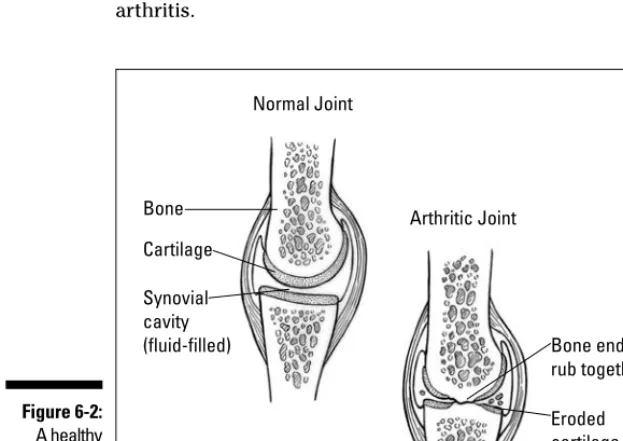
Understanding arthritis ...128
Formulating a medical treatment plan for arthritis ...130
Fighting arthritis in other ways ...130
Part III: Using Nutrition to Extend Your
Expiration Date ...135
Chapter 7: You Are What You Eat: Nutrition 101 . . . .137
The Importance of Nutrition — and Why You Should Care...137
How the good foods work for you . . ...138
. . . and how the bad foods work against you ...139
How Nutritional Needs Change As You Age...141
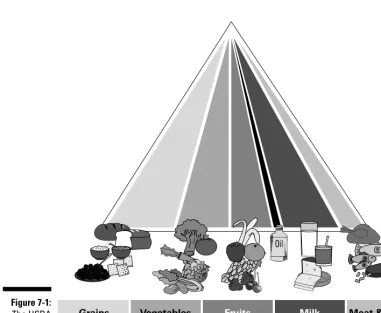
Figuring Out Which Types of Foods You Need...142
Counting Calories and Determining Your Daily Need...144
Calculating daily calories burned just by being alive...145
Gauging daily calories burned through activity ...145
Figuring out total calories your body needs to function well ...146
Picking the Right Macronutrients (Protein, Carbs, and Fats) ...146
Consuming complete proteins, no matter your lifestyle...147
Choosing good carbs ...150
Fighting off the bad fats and getting enough of the good ones ....152
Positive Nutritional Habits for Healthy Living ...154
Put down the salt shaker...154
Make mine organic?...155
Make sure you get enough H2O...156
Avoid the unpronounceable: Chemical additives ...158
Reading Food Labels...161
Chapter 8: Supplementing Your Daily Diet . . . .163
Knowing Which Vitamins and Minerals You Need (and How Much) ....164
Vitamins...164
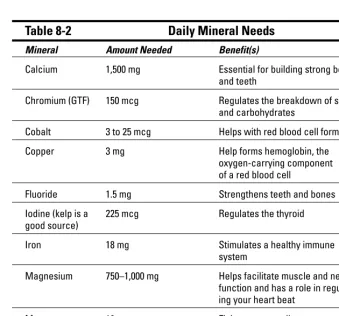
Minerals ...166
Deciding Whether You Need to Supplement Your Diet ...167
Taking stock of your lifestyle ...169
Getting your doctor involved ...170
The Absorption Factor: Comparing Supplements ...171
The importance of supplement form...171
The differences among brands ...172
Adding a Pinch of Good Bacteria: Probiotics ...174
The importance and function of probiotics...175
The two main probiotics (and where to get them) ...176
Using Herbs and Plants for Health and Healing ...177
Part IV: Getting Physical ...183
Chapter 9: Maintaining a Healthy Weight and Fitness Level . . . .185
Understanding Healthy Body Weight ...186
Calculating body mass...186
The Tolls of Extra Weight ...188
Assessing Your Current Level of Health ...190
Evaluating your fitness level ...190
Getting the green light from your primary physician...191
Crunching your body composition numbers ...193
Custom-Designing Your Plan with Balance in Mind...196
Counting calories for weight loss...196
Creating a safe and effective exercise program...197
From trial to style: Making a (good) habit of it...202
Evaluating the success of your efforts (and rewarding yourself along the way) ...203
When Weight Just Won’t Come Off: Considering Weight-Loss Surgery...204
Succeeding at the Hardest Part: Maintaining Your Healthy Weight!...205
Chapter 10: Strengthening Your Heart . . . .207
Understanding the Anatomy of the Heart...207
The Importance of Aerobic Activity and a Heart-Healthy Diet ...209
How inactivity damages your health ...209
How aerobic exercise improves your health ...210
How heart-healthy foods help keep your clicker clean...212
Aerobic Exercise — Ready, Set, Go! ...213
The time factor: How long and how often? ...213
Starting off and ending right: Warming up and cooling down ...214
The meat of the aerobic workout: Determining your target zone ...215
Chapter 11: Building and Fine-Tuning Healthy Muscles . . . .219
The Importance of Muscle Maintenance and Strengthening...219
What happens to aging muscles...220
How exercise can help ...222
Calling All Muscles: Report for Duty!...222
The three types of muscle...222
The major skeletal muscle groups ...223
The Two Types of Muscle-Related Training ...226
Strength training...226
Flexibility training ...228
Putting Your Strength- and Flexibility-Increasing Plan into Action — Safely ...230
Moving through your training and individual workouts ...230
Preventing injury ...232
Recognizing when you need to back off ...233
Preventing and Treating Muscle-Related Injury...233
Joint aches and pains ...234
Muscle strains and pulls...234
Part V: Sharpening the All-Important Mind and Spirit ...237
Chapter 12: Keeping Your Mind and Memory in Tip-Top Shape . . . .239
Starting at the Top: Basic Brain Anatomy...240
Dividing the brain into three governing areas...240
Understanding how the brain communicates with the body ...243
A Microscopic Look at the Aging Brain...244
Normal physical changes ...245
How physical changes manifest through your mentality...245
Identifying and Coping with Brain Disease ...247
Recognizing the most common forms of brain disease ...248
Sizing up your risk for brain disease ...252
Understanding the treatment options ...254
Keeping Your Brain Young ...255
Preventing age-related memory loss ...255
Improving Your Memory ...257
Chapter 13: Decreasing Stress to Live a Longer, Better Life . . . .261
Your Body’s Built-In Response System: How It’s Supposed to Work ...262
Observing the Tolls of Chronic Stress...263
The physical effects ...263
The mental and psychological effects ...265
Understanding the Big Picture: Why Chronic Stress Is a Concern as You Age ...267
Measuring Stress ...268
Paying attention to your stress response ...268
Defusing your stressors...269
Working through Stress with a Professional...270
Making Personal Strides to Reduce Stress...271
Accentuating the positive ...271
Employing self-relaxation techniques...272
Exploring your thoughts through journaling...274
Exercising away your stress...274
Tossing out poor habits...275
Bringing out the kid in you...277
Chapter 14: ZZZ . . . The Infinite Importance of a Good
Night’s Sleep . . . .279
Why Adequate Sleep Is Crucial to Your Health ...280
How Sleep Does Its Job...281
The structured phases: NREM sleep (stages 1-4) ...282
The random dreaming phase: REM...283
How Sleep Changes as You Age...284
Understanding Your Biological Clock: The Circadian Rhythm...285
Seeing how the rhythm works and how it runs amok ...286
Determining your own circadian rhythm ...287
Resuming Your Rhythm When You Veer Off Track ...290
Getting Back to Sleep When Your Eyes Are Wide Awake ...291
Seeking Professional Treatment ...293
Handling occasional sleeping problems...293
Identifying and correcting sleep disorders ...294
Chapter 15: Don’t Worry, Be Happy: The Keys
to Maintaining Health and Vitality . . . .297
The Importance of a Positive Attitude ...298
Embracing a Healthy, Balanced Approach to Life...299
Turning around negativity...299
Being less confrontational...300
Staying Active and In Touch with the World ...302
Connecting with Your Spiritual Side ...303
Connecting with Others: The Significance of Support ...304
Family and friends: Life preservers of the human kind...304
Love relationships: With or without them, how you age ...307
S-E-X: Why Getting It On May Help You Live Long ...308
Sexual activity is good for . . . everything ...308
Recognizing the effects of aging on sex...309
Solving sexual problems together...311
Part VI: The Part of Tens ...313
Chapter 16: Ten Medical Myths that Can Affect Your Health . . . .315
High Cholesterol Is Linked to Weight ...315
High Blood Pressure Is Caused by High Stress ...316
Women Shouldn’t Worry About Heart Disease ...316
Osteoporosis Is a Normal Part of Aging ...317
Only Smokers Get Lung Cancer...317
People with Darker Skin Don’t Need to Wear Sunscreen ...317
Herbs Are Natural, So They Can’t Hurt You...318
The Older You Get, The Less Sleep You Need ...318
As You Age, You Can’t Build Muscle ...319
Eating Late at Night Is Less Healthy Than Eating Early ...319
Chapter 17: Ten Foods to Help You Age Healthfully . . . .321
Blueberries...321
Broccoli ...322
Dark Chocolate ...322
Green Tea ...323
Nuts...324
Oatmeal ...324
Soy...325
Tomatoes...326
Yogurt ...326
Chapter 18: Ten Mind Games to Boost Your Brainpower . . . .327
Crossword Puzzles ...327
Sudoku Puzzles...328
Strategy Games...328
Jigsaw Puzzles ...329
Word Games...329
Short-Term Memory Quizzes...330
Sports ...330
Optical Illusions...331
Visualization and Meditation...331
Philosophical Reasoning ...332
Chapter 19: Ten Ways to Make Your Home Safer as You Age . . . .333
Preventing Falls ...333
In Case of Fire . . . Plan Ahead...334
Be Sure Your Meds Are Safe...334
Stock Your Emergency Supply Kit...335
Update Your Life-Saving Skills ...336
Let Lighting Lead Your Way ...336
Reach Easily...337
Bathe Safely ...337
Prevent Poisoning ...337
Make Sure that You Can See Clearly Now ...338
Appendix: Health, Lifestyle, and
History Self-Assessment...339
Personal Information ...339
General Health Survey...340
Just for Women...343
Just for Men ...344
Physical Fitness...345
Nutritional Health ...346
Family History ...348
Introduction
I
f you’re like many folks today, you realize that not only are people living longer than they used to, but also some of those people are living amazingly well while looking great. What’s their secret to living such an independent, active, and radiant lifestyle? The answer lies in their healthy lifestyles — an approach to life we revisit multiple times in this book. The goal of this book is to educate you on the healthy choices you can make that reward you with a healthier, longer, happier life.Some of the greatest threats to healthy aging come from disease and illnesses that cut your life short and the unhealthy choices that may have caused them. The good news is you can prevent many of these illnesses. Consider these facts:
Nearly 80 million U.S. adults have some form of cardiovascular disease (CVD), and someone in the U.S. dies every 36 seconds from CVD.
More than 20 million people have diabetes, and adults with diabetes die from heart disease at a rate two to four times higher than adults without diabetes.
Heart disease and stroke account for about 65 percent of deaths in people with diabetes.
Nearly 70 percent of Americans are overweight and more than 30 percent are obese.
These statistics focus on only a few health conditions, but we could give you similar numbers for many other ailments that people encounter as they get older. Wonder where all these statistics come from? In this book, many of the statistics we quote are from the World Health Organization (WHO), so if we don’t cite a source, you can assume that WHO is it. So with this information in mind, take a look at some of the secrets to healthy aging. Here are a few keys to success:
Prevention:By arming yourself with solid knowledge and making changes to your current lifestyle, you won’t necessarily live longer (although you may), but you will live a better qualityof life.
Moderation:Easy does it and in small doses. Making small but significant changes in your life can make a difference over time.
Practice:Much of the way you live is based on habits — some good, some bad — formed over a lifetime. Incorporating new routines in place of old habits takes some getting used to. In time and with consistent practice, these lifestyle changes can replace old habits and become second nature.
It’s never too early or too late to start taking care of your body. The sooner you treat your body as if it’s the only one you’re going to get, the sooner you’re on your way to healthy aging. Your body needs continuous respect and appreciation and if treated well can provide a wonderful, healthy life.
About This Book
This book is an excellent choice if you want to maximize your body’s poten-tial now and for as long as you own it. Whether you want to make a small adjustment, need some fine-tuning, or have to make a major overhaul, you find helpful advice in the pages of this book.
Our goal is to lay out the reasons why your body ages, explain the normal course of aging, and show you how aging is accelerated by your lifestyle choices. We’ve also given you information on how to prevent or reverse the effects of aging, disease, and illness.
You may be a 20-something looking for some tips on strength training and nutrition, while also wanting to know how to prevent illness while you’re still young. On the other hand, you could be in early retirement or even beyond that point, looking to recreate the energy and great health you had when you were younger, while getting up to date on the important preventative health exams. Either way, we present you with useful material in an easy-to-follow fashion to help you achieve your goals. If you happen to be passionate about a particular topic (like muscles or nutrition), don’t worry — we cover every subject in detail and even refer you to other For Dummiesbooks in case you just can’t get enough!
Conventions Used in This Book
To help you navigate easily through this book, we set up a few conventions used consistently throughout the book:
Anytime we want to highlight new words or terms defined in the text, we italicizethem.
Boldfacedtext is used to indicate the action part of numbered steps and the keywords of a bulleted list.
When this book was printed, some Web addresses may have needed to break across two lines of text. If you come across these instances, rest assured that we haven’t put in any extra characters (such as a hyphen) to indicate the break. So, when typing one of these Web addresses in a Web browser, just type in exactly what you see, pretending as if the line break doesn’t exist.
What You’re Not to Read
That’s right — you don’t have to read this book cover-to-cover to find helpful information. Any text you find in a gray box is a sidebar. Sidebars contain interesting but unessential information. If you’re in a hurry to get to the meat of the chapter, feel free to skip them and return to them later. Another area you can skip over, if you wish, are the places marked with a Technical Stuff icon. If you’re the type who wants to know all the technical details, you’ll enjoy these two areas; otherwise you can move on without missing essential information.
Foolish Assumptions
This book is for anyone who wants to live a healthier life, and we figure that means just about everyone! If you’ve picked up this book, we assume you fall into one or more of these categories:
You’re alive and want to stay that way for awhile, and you want to do so disease- and illness-free, as independent as possible, and with your mind as sharp as a tack.
You’re having some health issues and are willing to make some modifica-tions to your lifestyle to be healthier but aren’t sure what to do.
You have no interest in reading a dry medical textbook; you want an easy-to-follow reference book with some helpful “how-to’s” and “show-me-the-ways.”
You want a book that gives you the straight facts about what you need to know about how your body and mind work in order to make wise choices for healthy living, as well as how to adapt your lifestyle choices according to your age.
How This Book Is Organized
Healthy Aging For Dummiesis organized into six parts. Each part addresses a major area of the hows, whats, and whys of healthy aging. Because of this organization, it’s simple to find the topic that you’re looking for. Here’s a quick overview of what you can find in each part.
Part I: So You Want to Look
and Feel Young Forever . . .
If you want something badly enough, you must be willing to work for it. There’s no Fountain of Youth, and there’s no free lunch, either. In these chap-ters, you find out how to assess your current health, evaluate your chal-lenges and strengths, and set your mark on what you desire most. More importantly, we show you how to achieve your goals.
Part II: Workin’ on Your Framework
The chapters in this part discuss the fundamentals of caring for your perma-nent fixtures and structures, such your teeth, skin, and joints. As for your teeth, tooth loss is notsolely a sign of aging — it’s often a sign of poor dental hygiene, so we tell you what to do to keep those choppers for life. Your skin is your body’s first line of defense against disease and illness, so protect it and care for it. We tell you how. We also fill you in on why bones become weak and brittle as the years pass, what lifestyle factors accelerate this process, and what you can do to prevent it.
Part III: Using Nutrition to Extend
Your Expiration Date
Part IV: Getting Physical
The human body is meant to move, and most people don’t use their bodies to their full capabilities. Your muscles ache to be worked to the point of fatigue in order to rebuild and do it all over again. This part aims to get you excited about revving up your body to do what it craves. In turn, your body serves you well in the long run.
Part V: Sharpening the All-Important
Mind and Spirit
For many folks, losing their memory (or their mind) is one of the biggest con-cerns of getting older. In this section, we explain the differences between normal memory loss and memory loss due to disease, how to improve your memory, and how maintaining an upbeat outlook on life positively influences your overall health and well-being.
Part VI: The Part of Tens
This part presents helpful information in lists of ten items each. You can read about ten myths and get the facts behind them. Find the ten proven most healthy foods, play ten mind games to stretch your brain power, and discover ways to make your home safer as you age.
In addition, we threw in a handy Appendix with a questionnaire to help you and your doctor determine your current state of health. From there, you can create a roadmap for healthy living.
Icons Used in This Book
This book uses icons — small graphics or images in the margins — to mark certain paragraphs of information that you may find useful. Here’s the run-down of the helpful icons we use in this book.
This icon denotes critical information that you need to take away with you. Be sure to read it.
Once in a while, we go a bit deeper into the info on aging. This icon tips you off to that type of information. You can skip over these icons and still be able to age with perfection, but the info they contain enhances your understand-ing of healthy agunderstand-ing ever further.
The Warning icon cautions you against something that’s potentially harmful. Be sure to read and heed the information with these icons.
Where to Go from Here
You don’t have to start at Chapter 1 and read straight through this book. Just like all For Dummiesbooks, this one is set up so you can read any chapter, in any order, and still come out ahead. Sound good? Then keep on reading. (Starting wherever you want, of course.)
In this part . . .
W
hy is 40 the new 30 or 60 the new 50? If people are actually looking and feeling younger today than they did 50 years ago, how are they doing it? What are the biggest roadblocks to living a longer, healthier life, and how can you maneuver around them?Chapter 1
The Fountain of Youth,
at Your Fingertips
In This Chapter
Understanding the current life expectancy Uncovering proven methods to combat aging
Looking at the staggering numbers of preventable deaths
O
ver the years, thousands of people have searched for the elusive Fountain of Youth, and although some have claimed to have found it, for most, it remains a hidden treasure. Great strides have been made in uncovering the secrets to aging healthfully and lengthening the lifespan, but there’s still progress to be made. As much as you may wish otherwise, most people know there’s no magic pill for good health and longevity. It takes commitment, work, and some-times even denial of self — giving up poor eating habits, couch potato lifestyle, and the stressful schedules so many are addicted to — to stay healthy as you get older. You may be taking care of the externals but skipping over the basics of good health, which are also the basics of aging well.You can’t skip over the basics so easily, though. Balance is a big key in life, and healthy aging is no different. Skipping over essential healthcare is like ignoring routine maintenance on your car — the end result can be costly and dangerous.
Life Expectancy in the 21st Century
The last 100 years have seen a tremendous change in the way people live and the ailments they fall prey to. The epidemics of yesterday have been wiped out in industrialized countries, and life expectancy has increased. But even though folks are living longer today, this life expectancy brings a whole new set of problems and solutions.
Today, many folks take for granted that they’ll live into adulthood, while in the past, people were well aware of the unpredictable threats on their lives. Some of the most damaging health threats in the world today can be modified by lifestyle choices. Making healthy choices is the basis of healthy aging and the recurrent theme of this book.
To examine why people live longer lives today, you must first look at why people didn’tlive as long more than a century ago. This section focuses on the differences.
That was then . . .
Malnutrition, acute illnesses, infant mortality, and war were major contributors to shorter life expectancy 100 years ago. In the period of 1918 to 1919, the influenza virus (the flu) infected more than 400 million people worldwide and killed nearly 40 million. Today people still die from the flu, but not nearly at the mortality rates common in the past.
Poor living conditions and poor sanitation were also major causes of death. Each incident people experienced had a negative cumulative effect on their health. Even diseases that didn’t result in death left people more likely to develop chronic illnesses when they grew older and lead to poor life expectancy.
The statistical probability of a person 100 years ago going through life unscathed was extremely low. Here are a few of the problems that caused widespread disease and mortality then:
Crowded and unsanitary living conditions:These scenarios resulted in multiple outbreaks of malaria, cholera, dysentery, typhoid fever, yellow fever, and flu. Survivors often faced lifelong health consequences.
Viral and bacterial infections with no medical treatments or vaccines:
Viruses and bacteria infections caused death in high numbers of both adults and children. Worldwide there have been many pandemics (affecting a large group, even the world) from the Spanish Flu in 1918 to the Asian Flu in 1957 that killed more than 50 million people. Polio, smallpox, diphtheria, and measles killed many adults and children before the advent of vaccines and still do in third world countries. Hazardous work environments and hard physical labor:Starting as
young as age 13, exposed to dangerous fumes and bacteria, and with minimal protective equipment, people worked 10- to 12-hour shifts. The number of work-related deaths peaked around 1900 and then started to improve with the formation of unions and other safety requirements. Lack of certain nutrients:People from soldiers to sailors as well as
malnutrition in the poverty stricken suffered from lack of nutrients. These deficiencies included
•Pellagra:A deficiency of niacin (b3) that may include symptoms of dermatitis, diarrhea, dementia, and death.
•Goiter:Goiter is caused by a lack of iodine in a child’s diet that can lead to hyperthyroidism (elevated thyroid hormone). Complications include heart problems, impaired mental function, and birth defects.
•Scurvy:Lack of vitamin C led to scurvy, a condition where the body can’t properly absorb iron, causing anemia.
•Rickets:This affliction was due to a lack of vitamin D, which is necessary for bone mineralization. Children with rickets had bones that didn’t fully develop and were deformed, often with the classic bowing of the legs. Kids were also more susceptible to whooping cough and measles.
. . . This is now
There has been a change in the major health concerns today versus 100 years ago, but globally, some similarities still exist. Worldwide, infectious disease is still a major cause of death, and the threat of newer strains of viruses and bacteria are always present. In addition, the mutation of “superbugs” that are immune to many antibiotics has been created by overuse of antibiotics.
Over the years, medical advances have fueled the changes that have overcome some major health threats to society. Here is the list of major contributors:
Infant vaccinations:Today, over 80 percent of children age three or younger receive vaccinations. As a result, some of the deadly diseases, like smallpox and polio, are completely controlled in developed coun-tries, while worldwide programs try to spread this success into the underdeveloped countries. Furthermore, new vaccines are available (like for chicken pox) that weren’t available 30 years ago. People born in 1955 were the first to receive vaccinations in infancy, starting with polio. That factor alone significantly increased that generation’s lifespan. In the years to follow, more childhood vaccines were added, such as measles in 1963, mumps in 1967, and rubella in 1969.
Antibiotics:People have been receiving antibiotics since the 1940s for bacterial infections, such as syphilis, tuberculosis, malaria, and pneumo-nia. Penicillin was discovered in 1928 and first used medically in 1940. After the discovery of penicillin, the rate of development of newer antibi-otics was paralleled by fear of emerging resistant bacteria. In the 1950s, new resistant bacteria emphasized the need to limit use of antibiotics to keep new resistant bacteria for emerging. Today, the improper use of antibiotics is widespread, leaving researchers nervous about the inevitable development of newer resistant bugs. Follow your doctor’s recommendation about taking antibiotics seriously to help avoid further resistant strains from improper antibiotic use.
Medical technology:Medical technology drives the improvements in modern medicine. To make better medications, vaccines, and diagnostic tests, there needs to be advances in equipment to identify and create them. Diagnosing disease in its early stages, which improves outcome, comes from better diagnostic imaging. Patients with disease that has advanced to a point where organs are failing are given hope from tech-nology advancements in prosthetics, organ transplantation, and tissue repair. Here are a few of the major breakthroughs:
• The artificial heartcan be used to keep heart failure patients alive until they can receive a donor heart.
•Computer-aided tomography (CAT) scanproduces three-dimen-sional images of the body that can show doctors whether a tumor is present and how deep it is in the body, to guide diagnosis and treatments.
•Magnetic resonance imaging (MRI)is when magnetic fields and radio waves cause atoms to give off tiny radio signals, making it possible to detect cancer and other ailments early.
The Basics of Pro-Aging: The Best
Actions You Can Take
You can’t prevent the passage of time, but when you’re proactiveabout your life choices, you can control some of the risk factors in your life associated with illness and disease. Being proactive doesn’t automatically guarantee you won’t develop a chronic disease or illness, but not doing anything or actively taking part in known risk factors that are linked to chronic disease or illness may lead to health problems.
You may not realize just how much control you have over how long you live — and we don’t necessarily mean that in a good way. Seemingly casual choices you make every day may have the most profound impact on your health. In fact, it’s estimated that if everyone in the United States led a healthy lifestyle (outlined in the list below), more than 50 percent of the cases of cardiovascular disease and diabetes could be avoided, and more than 50 percent of all cases of cancer prevented.
The earlier in life you choose to follow a lifestyle of disease prevention, the more you can lower your risks of developing chronic disease. Chronic disease and illness come from many different factors, some of which you can control — such as lifestyle choices — and others you can’t — like your age and genetics.
The following tips show you how to avoid the most damaging and pre-ventable threats to your health and aging:
Don’t smoke — and if you already do, stop.Really. Smoking increases the risks for the top three killers: heart disease, cancer, and cardiovascular ailments, including strokes. It also damages your lungs and other parts of your respiratory system. At least 60 chemicals in cigarette smoke cause cancer, and as a cigarette burns, it produces the poisons carbon monoxide, ammonia, formaldehyde, arsenic, and cyanide.
Smoking raises your blood pressure and decreases the flow of oxygen to your brain and body. It’s also a significant risk factor for other health concerns, including emphysema, chronic bronchitis, stroke, and osteo-porosis. (See Chapter 2 for more info on smoking; Chapter 6 for osteoporosis.) In the year 2006, smoking resulted in 435,000 deaths or 18.1 percent of the total deaths (includes 35,000 deaths from second-hand smoke and 1,000 infant deaths due to maternal smoking). Limit alcohol consumption.If you drink alcohol, no more than two
The high cost of free radicals
Free radicals can come from internal reactionsor can be caused by external sources such as exposure to X-rays, cigarette smoking, air pol-lutants, pesticides, and other industrial chemi-cals. To understand free radicals, it helps to understand cell structure.
The human body is made up of cells. Cells are made up of molecules. Molecules consist of elements (water, calcium, iron), and elements are composed of atoms (made of a nucleus, neutrons, protons, and electrons). Atoms are bound by a chemical bond created by pairs of electrons that surround the atom. The number of protons (positive charge) in the atom’s nucleus (center) determines the number of electrons (negative charge) that surround the atom. Electrons by nature are unstable and have a tendency to break away from the atom, leaving it with an unpaired electron. This
unpaired electron turns the atom into a free rad-ical, which becomes a scavenger looking for an available electron to stabilize itself. Free radi-cals steal electrons from other atoms, making these atoms, with missing electrons, become free radicals, and this sets off an ugly chain reaction (see the following figure). With time, free radicals cause damage to the cell structure and the cells die. Tissue that’s continuously assaulted by free radicals leads to cell death, which leads to more rapid aging. Free radicals are known to be linked to cancer, heart disease, arthritis, and other disease.
Antioxidants work by targeting free radicals and donating one of their electrons to each free rad-ical (a process called oxidation), neutralizing it, and preventing damage to the body’s tissues (see the following figure).
Cell interior
Cell membrane
Free radical steals an electron, destabilizing the
cell membrane
Damaging free radicals
Proteins and lipids in the cell membrane
Damaged cell membrane
Alcohol is a depressant and can exacerbate the symptoms of depression and other mental disturbances. Alcohol intoxication causes problems with coordination, speech, and decision making, leading to risky behaviors. At toxic levels of alcohol intake, vomiting, difficult breathing, seizures, and even death can occur. Alcohol has an addiction potential, with around 8 percent of adults having an alcohol use disorder. With addiction and chronic alcohol consumption, disease in the liver, pancreas, nervous system, and gastrointestinal system can occur. If you’ve had any history of addiction to alcohol or any other substance, you shouldn’t drink at all.
Many studies have found that consumption of alcohol at these quantities can have protective measures in cardiovascular disease. Consumption of red wine may be particularly favorable, since red wine contains certain polyphenol antioxidants associated with cardiovascular health.
If you’re pregnant, you should avoid alcohol altogether because
researchers don’t know how much alcohol will harm a fetus, but they do know that a certain amount can be extremely harmful.
Maintain a healthy, balanced diet.We can’t overstate the importance of a balanced and healthy diet as you age. A poor diet can lead to an increased risk of many health problems, including osteoporosis, heart disease, and impaired memory. Eating well, on the other hand, makes you feel and look better, keeps your body functioning optimally, wards off colds and sickness, and contributes to lowering blood pressure and cholesterol levels, which in turn helps protect you against heart disease and stroke. (Chapter 7 tells more about good nutrition.)
Antioxidant
Electrons
An electron is donated to the free radical
Free radical
Exercise regularly.Over time, a sedentary lifestyle can lead to obesity, a preventable yet dangerous epidemic that poses a threat to people’s longevity. And it’s on the rise. As you age, regular exercise should be a cornerstone of healthy living. As your body slows down, you may be tempted to skip the exercise because it’s harder to do, you feel challenged physically, or you accept that being less active is part of normal aging. Don’t fall prey to this thinking!
As you get older, exercise doesn’t need to be strenuous, it just needs to be consistent. Regular physical activity helps your body function more effectively. (See Chapters 9 and 10 for more info on activity and exercise.) Manage your stress and develop healthy coping mechanisms.Stress
causes the release of the hormones cortisol, norepinephrine, and epi-nephrine, which under acute stress have a protective effect on the body. But chronicstress allows hormones to hang around longer than usual and cause the formation of free radicals. (See Chapter 13 for more infor-mation on the effects of stress.) Although these little buggers don’t cause death directly, they do contribute to aging. Check out the nearby sidebar, “The high cost of free radicals.”
Get enough sleep regularly.You need sleep, both psychologically and physiologically. The body uses this time for healing and growth, and your body produces many hormones essential for proper functioning during the deepest sleep stages. Sleep irregularity can have a direct impact on some disorders, such as epilepsy and migraines, and has been associated with diseases, such as cardiovascular disease, clinical depression, diabetes, and other serious conditions. (See Chapter 14 for more on sleep.)
Visit your doctor for the recommended screening tests for your age.
Several important tests can help protect against cancer, heart disease, stroke, diabetes, and osteoporosis. Some of these tests find diseases early, when they’re most treatable, while others can actually help keep a disease from developing in the first place. (See Chapter 2 to find out which tests you should have and when.)
If Staying Young and Healthy Is So Easy,
Why Isn’t Everyone Doing It?
Short-sighted thinking
We’re going to let you in on a little secret, everyone is mortal. Despite this being common knowledge, few people think about the inevitability of their own death and the things they can do to prevent it from happening prema-turely. If they did, there would be far fewer accidents of every type, no one would ever break their hip falling off a ladder they shouldn’t have been on in the first place, and cigarette sales would plummet.
The idea that death can be postponed leads to thinking that “tomorrow” is a good time to start a dietary overhaul, an ambitious new exercise regimen, and, of course, tomorrow is the best time to quit smoking and drinking. For many people, tomorrow is also a good time to finally call and set up the routine physical or breast exam they’ve been avoiding for the past five years.
We’re not advocating that you get out the sackcloth and ashes and carry a sign that states “The End is Near,” but a little realism can go a long way toward a new way of living that can literally save lives — at least for a few more years.
How can you inject enough realism to make you want to change but not so much that you feel it’s all too futile anyway? The following ideas may help:
Take a quiz.There are online sites that allow you to input your health information and get a prediction of how long you’ll live. Seeing your projected timeline in black and white may be enough to get you motivated to make changes. One such site is www.livingto100.com. Pay attention to how you feel.Often the little nagging symptoms that
can signal something big brewing are ignored. One way to keep track of what’s going on with your health is to keep a journal. Don’t do this if you’re already obsessed with your health — most likely you already keep track of your symptoms. Do this only if you’re the type of person that ignores warning signs like shortness of breath, chest pain, or headaches. You may see a pattern that needs to be addressed.
See your doctor.Make it clear when you make the appointment that this isn’t a “sick” visit but rather a consultation, so more time is allotted. Ask him what you can do to improve your health, and then do it.
Confusing what feels good
with what is good
Making healthy food choices can have a major impact on health and aging. Most people know some of the fundamental eating habits that should be avoided such as eating fried foods and high sugar content snacks. Those same people also know that fruits and vegetables are good for you. Then why are so many people unable to make the decision to eat the way they know they should?
Could it be that some people’s inability to stop eating poorly is an addiction, similar to addictions to tobacco and alcohol? More likely, it’s the cavalier attitude many people have about their health that keeps them eating poorly, until they’re slapped in the face with the reality of poor health. You may have heard the saying “cancer is the cure for smoking.” Well, you would think diabetes and heart disease would be the cure for obesity . . . but sadly, they often aren’t. This battle is never ending in the medical profession. Moving to healthy eating habits is difficult. Eating what’s good for you just doesn’t feel as good as eating what’s bad for you, in many cases. It’s not that you can’t ever eat a fast food meal again — you can. You can’t, however, eat fast food or packaged food all or even most of the time and stay healthy.
The desire for a quick (and easy) fix
Given a choice, most people will take the quick fix over hard work every time. Lose 25 pounds in a week, guaranteed? Sign me up! Quit smoking overnight? Here’s my money! Build a beautiful body in only two minutes a day — and you don’t even have to stand up? That’s for me!
It’s human nature to want something for nothing, but when it comes to living longer, you have to put in the time and effort — hours in the gym, self-control in the grocery store, and discipline in your lifestyle choices. And make no mistake, it takes time and effort to eat healthier foods, exercise, and maintain a focused, balanced low-stress lifestyle. You have to give up things — horribly unhealthy foods that taste so wonderful as well as time you feel short on anyway — to get yourself in a positive aging routine.
Some of the more recent “quick fix” ideas have involved getting hormone supplements to stay young. Here’s the real story on some of the most often touted anti-aging hormones:
Some studies have shown an increase in muscle mass and decrease in body fat in patients with a documented deficiency who received injections several times a week. The studies didn’t, however, demonstrate an increase in strength along with the increase in muscle mass in those that didn’t have a deficiency in the hormone. Evidence supports that HGH use in those who have a deficiency does offer benefits, but doesn’t appear to be the simple answer for those without deficiency but are looking for a short cut.
Dehydroepiandrosterone (DHEA):DHEA is a hormone produced by the adrenal glands and is converted into the hormones estrogen and testos-terone. Levels of DHEA drop as you get older, and it’s been theorized that raising DHEA levels may increase muscle mass and bone density, boost the immune system, and delay aging symptoms, such as joint pain, decreased muscle, libido, and lower energy.
However, a study of 144 people over age 60 conducted by the Mayo Clinic over a two year period showed no increase in muscle strength, bone mass, endurance, or quality of life. An earlier, smaller, and shorter study did show some reduction in body fat and insulin resistance in those taking DHEA. Based on the evidence, use of DHEA without diagnosed deficiency doesn’t seem to offer much benefit. As with other hormones, DHEA can help those who have a deficiency.
Testosterone therapy:Like many hormones, testosterone production starts to decrease around age 30. Low testosterone levels can cause impotence in men and decreased sex drive, bone loss, muscle loss, and low energy levels in both men and women.
•Men:In men with low testosterone, supplementation can increase all the above, so the interest in testosterone as a way to keep older men “young” developed. However, using testosterone supplements if you have normal testosterone levels already can be risky; very high levels of testosterone have been linked to breast cancer in men and can cause prostate enlargement, which can accelerate already present prostate cancer.
•Women:Women with low testosterone can have improvements in weight management and libido, but they may also develop male characteristic side effects such as increased facial hair and deepened voice. These won’t occur if you’re truly deficient and monitored correctly.
While hormone supplementation can be valuable, it’s only valuable if you have a hormone deficiency. If you’re having symptoms of fatigue, erectile dys-function, inability to lose weight, muscle wasting despite exercise, or
Modifying Your Lifestyle: The One
True Source of Hope
Wading through the mire of information, articles, products, and research on aging is enough to leave you feeling conflicted and confused. Medicine is starting to center on the behavioral modification that effectively helps people practice healthy lifestyles. So familiarize yourself with the truth — which we provide for you in the pages of this book — and resolve to let it guide your decisions.
Chapter 2
The Four Major Health Concerns
about Aging (And How
to Prevent Them)
In This Chapter
Looking closely at cancer’s most common forms
Gauging the effects of diabetes, heart disease, and osteoporosis
I
f you were a fine wine, you could honestly say, “I’m not getting older, I’m getting better” and mean it. You may not be aging like fine wine, but you can help yourself age well, especially when it comes to avoiding the four biggest health risks of aging: cancer, diabetes, cardiovascular disease, and osteoporosis. You have the benefit of technology and research providing the tools to carry you further in life, with fewer health problems than any genera-tion before you. Your job is to pick up the tools — the informagenera-tion, screening techniques, and recommendations for healthier living — and use them.Life is full of choices and every one of them influences health in some form. Because you can’t look into the future, the best thing to do is to live as if every lifestyle choice you make has health ramifications down the road. The key phrase we repeat often throughout this book is modify your lifestyle.We hope this chapter convinces you that everyday changes can add up to healthier years — for years to come.
Cancer: The Four Most Common Forms
Metastasize:This term means that abnormal cells in a part of the body grow and can spread rapidly to other areas of the body. Metastasis is the major cause of cancer death, but in most cases, metastasis occurs later in the course of the disease . . . hence the importance of early detection. In situ:The term in situmeans that the cancer cells haven’t spread
beyond the sites where the cancer began; it’s still contained in the ducts or lobules.
The chance of developing cancer increases with age; 76 percent of all cancer is diagnosed in people over the age of 50. Although some of the risk factors for cancer, such as age, ethnicity, and family history, are beyond your control, you can still prevent 40 percent of cancers by modifying lifestyle choices, eating a healthy diet, staying physically active, and steering clear of tobacco products.
In this section, we cover the four most commonly diagnosed cancers — breast, colon, lung, and prostate — as well as their specific risk factors and preventive measures. We chose these particular cancers to discuss in detail not only because they’re common cancers, but also because they’re among the most easily diagnosed through routine examinations, which can increase cure rates. And in the case of lung and colon cancer, they’re the most preventable by lifestyle modification and/or early treatment. (Many other cancers, such as liver and stomach, can’t be diagnosed through routine testing and often aren’t diagnosed until symptoms develop.)
Lung cancer
About 1.3 billion people worldwide smoke, even though it’s no secret that smoking can kill you. If you aren’t convinced to quit, what will it take? Check out the following statistics of lung cancer:
Is the most common cancer worldwide, with 1.2 million new cases diagnosed in 2007 alone
Is the deadliest cancer and has the highest worldwide mortality rate Three million people diagnosed with lung cancer worldwide
Causes more deaths than the other three most common cancers combined (colon, breast, and prostate)
The good news? Most lung cancer is preventable, because 90 percent of cases are caused by smoking. Imagine how quickly new cases of lung cancer would drop if everyone quit lighting up.
Differentiating among the different types
much more common — around 80 percent of lung cancers are NSCLC. SCLC grows more quickly than NSCLC and is almost entirely caused by smoking.
NSCLC can be divided into three different types:
Adenocarcinoma:These cancers account for about 40 percent of lung cancers and have a better prognosis than other types of lung cancer. Adenocarcinomas are often found in the outer regions of the lungs and initially develop in the mucus producing cells.
Large cell carcinoma:Around 10 to 15 percent of lung cancers fall into this category; large cell carcinoma has characteristically large, rounded cells, grows rapidly, and has a poor prognosis.
Squamous cell carcinoma:This cancer accounts for about 25 to 30 percent of all lung cancers and most commonly occurs near the center of the lung in one of the bronchus (one of the two main branches of the windpipe). Smoking is the main cause.
Understanding your risk
Unlike some cancers, doctors know what causes lung cancer. Take a look at the risk factors:
Smoking:Cigarette smoking is the number one cause of lung cancer. Ninety percent of lung cancer cases occur in people who smoke. The more cigarettes you smoke, the higher your risk of developing lung cancer. Cigarette smoke contains over 4,000 chemicals, many of which are proven to be cancer-causing substances called carcinogens. Carcinogens cause irreversible damage to your body’s DNA cells and increase the chance of cancerous change.
Radon inhalation:Radon is a gas not detected by sight, taste, or smell. Radon is the second most common cause of lung cancer. Radon gas causes between 15,000 and 22,000 lung cancer deaths each year in the United States. Radon gas comes up through the soil and in through cracks in your home or a building’s foundation. It tends to build up in unventi-lated basements, pipes, drains, or walls. Home sales in many places now require radon testing — call the Environmental Protection Agency (EPA) or the National Environmental Health Association for more info.
Workplace chemicals:People (mine workers, pipe fitters, and ship-builders) who are exposed to certain workplace materials, such as asbestos, (see the sidebar “When the culprit is fibers, not nicotine”) have a higher risk of lung cancer because inhaled fibers and dust can become embedded in the lung cells, causing a chronic inflammatory reaction that can eventually result in cancerous cell changes. Workers’ risks are much higher if they smoke in addition to having these types of chemical exposures.
environmental tobacco smoke and is classified as any mixture of smoke given off by the burning end of a cigarette, cigar, pipe, or smoke exhaled from a smoker’s lungs. Secondhand smoke causes approximately 3,400 lung cancer deaths in the U.S. every year. Some of the carcinogens in sec-ondhand smoke include formaldehyde, benzene, vinyl chloride, arsenic, ammonia, and hydrogen cyanide. These agents have an immediate effect on your cardiovascular system.
Age:As with many cancers, your risk for developing lung cancer increases with age. The longer you smoke and the more cigarettes you smoke, the greater your chances of developing lung cancer. Less than 1 percent of lung cancer cases occur in people under age 40. The develop-ment of lung cancer increase thereafter, with the average patient age at diagnosis around 60.
Family history:People who have a first-degreerelative (mother, father, brother, or sister) with lung cancer have a higher incidence of lung cancer because some lung cancer is linked to mutations in the genetic cells that can be passed on to blood relatives.
Playing your part in prevention
If you want to reduce your risk for lung cancer, stop smoking, never start smoking, stay away from those who do, and avoid exposure to asbestos or chemicals (like radon and chromium) that can cause lung cancer. Eliminating these risks of lung cancer and lung disease and getting thorough medical evaluations for any exposures can almost completely eliminate the risk of lung cancer.
People with certain exposures may need to have yearly x-rays or other imaging due to the duration that some cancers take to develop. Some of the cancers can be missed with x-rays alone while computed tomography (CT) scans can be more sensitive, so see your doctor to establish the proper testing.
What if you used to smoke, but don’t now? Your risk for developing lung cancer starts to decline approximately five years after you kick the habit. After ten years, your risk of lung cancer is about 50 percent lower than a smoker’s, and the risk continues to decrease with time. It takes nearly 20 years for your lungs to return to “almost” normal, but some damage always remains. For people who’ve quit smoking and do develop lung cancer, studies show they usually respond better to treatment and may live longer than those who continue to smoke.
Recognizing the symptoms
Cough that persists or worsens without any particular reason Hoarseness
Fever or night sweats Coughing up blood
Weight loss and loss of appetite
Shortness of breath, wheezing, or chest tightness Chronic infections such as bronchitis or pneumonia
Talk to your doctor if you experience any of these cancer symptoms.
Treating lung cancer and considering the prospects
Lung cancer treatments are based on the type of lung cancer, how advanced the disease, and your underlying general health. If the cancer is found to be treatable and your health supports treatment, doctors usually use some combination of chemotherapy, radiation, and surgery:
Chemotherapy:Chemotherapy is used to shrink tumors, keep tumors from spreading, or simply to help relieve pain from some of the tumors when someone is receiving comfort measures only. Chemotherapy drugs damage healthy cells as well as cancerous cells and can have severe side effects that may seem worse than the cancer symptoms themselves. These types of reactions depend on the type of agents used; some chemotherapy agents cause fewer symptoms than others. A cancer doctor can determine the best option for your specific cancer situation. Radiation:Radiation uses x-rays to kill cancer cells. This procedure can
be accomplished by shooting the radiation through the outside of the body or directly inserting radiation into the cancer or area of the cancer by needles or catheters. The delivery method depends on the type of cancer, stage, and location of the cancer, with the goal of destroying
When the culprit is fibers, not nicotine
Two other types of cancer are mesothelioma, usually found in asbestos exposed workers, and carcinoid tumors. Asbestos is a naturally occur-ring fibrous mineral, which is used in many industrial building materials because it’s durable and resistant to heat. Mesothelioma cancer takes 35 to 40 years to develop and grows in the
cancer cells with minimal harm to the surrounding healthy tissue. Radiation can damage normal tissues, so make sure to discuss radiation treatment with a doctor specializing in radiation therapy.
Surgery:Lung cancer treatment may involve removing a portion, a lobe, or a whole lung. Lymph nodes surrounding the cancerous area may be removed during surgery to determine whether treatment options are needed.
Regardless of the treatment, lung cancer can have a poor prognosis if not found early. The following statistics apply to lung cancer:
Only one in eight lung cancer patients survives five years after their diagnosis.
The five-year survival rate is almost 50 percent for patients with local-ized tumors; unfortunately, less than 25 percent of cases are diagnosed that early.
After the cancer metastasizes, the five-year survival rate is less than 2 percent.
Approximately six out of ten lung cancer patients die within one year of their diagnosis; between seven and eight out of ten people die from their disease in two years.
Breast cancer
Many young women state that their biggest health fear when growing older is breast cancer. Even though lung cancer has a higher mortality rate and heart disease is a greater health risk (see respective sections in this chapter), breast cancer is still what many women worry most about. On the flip side, many women don’t worry about breast cancer because it doesn’t run in their families. This false sense of security can be a costly mistake if it keeps you from having preventative testing.
Consider the following breast cancer facts:
Globally, breast cancer is the most commonly diagnosed cancer among women and is the second leading cause of cancer death for women. About 1.2 million people worldwide are diagnosed with the disease each
year with approximately 502,000 global deaths.
Breast cancer also affects about 1,600 men worldwide each year. Breast cancer is more common among women over the age of 40 and is
rare in women under age 25.
You can’t completely prevent breast cancer — everyone is at risk. Great strides have been made in breast cancer awareness in recent years, with more women aware of the symptoms and utilizing self-exam and diagnostic techniques regularly.
Differentiating types of breast cancer
Breast cancer is classified in different ways according to its location and whether it’s metastasized. The following list describes other terms you may hear used to describe breast cancer:
Adenocarcinoma:Most breast cancers start in the glandular tissue (lobes and ducts) of the breast; cancers of glandular tissue are called adenocarcinoma. There are two types of adenocarcinoma:
•Ductal carcinoma in situ (DCIS):DCIS means the cancer is con-tained within the walls of the ducts and hasn’t spread to other breast tissue or metastasized. This is the most common type of noninvasive breast cancer, accounting for around 20 percent of newly diagnosed cases. Almost all women diagnosed at th