Electronic Thesis and Dissertation Repository
8-29-2014 12:00 AM
The Effect of Exercise on Cigarette Craving and Withdrawal
The Effect of Exercise on Cigarette Craving and Withdrawal
Symptoms While Using a Nicotine Lozenge
Symptoms While Using a Nicotine Lozenge
Amelia TritterThe University of Western Ontario Supervisor
Dr. Harry Prapavessis
The University of Western Ontario Graduate Program in Kinesiology
A thesis submitted in partial fulfillment of the requirements for the degree in Master of Arts © Amelia Tritter 2014
Follow this and additional works at: https://ir.lib.uwo.ca/etd Part of the Health Psychology Commons
Recommended Citation Recommended Citation
Tritter, Amelia, "The Effect of Exercise on Cigarette Craving and Withdrawal Symptoms While Using a Nicotine Lozenge" (2014). Electronic Thesis and Dissertation Repository. 2341.
https://ir.lib.uwo.ca/etd/2341
This Dissertation/Thesis is brought to you for free and open access by Scholarship@Western. It has been accepted for inclusion in Electronic Thesis and Dissertation Repository by an authorized administrator of
THE EFFECT OF EXERCISE ON CIGARETTE CRAVING AND WITHDRAWAL SYMPTOMS WHILE USING A NICOTINE LOZENGE
(Thesis format: Monograph)
by
Amelia Tritter
Graduate Program in Kinesiology
A thesis submitted in partial fulfillment of the requirements for the degree of
Master of Arts
The School of Graduate and Postdoctoral Studies The University of Western Ontario
London, Ontario, Canada
ii
It is imperative that smoking cessation aids effectively alleviate cigarette craving
and withdrawal symptoms because their intensity has shown to predict relapse.
The nicotine lozenge is a pharmacotherapy that has shown to reduce symptoms
of craving and withdrawal. Research has also shown that a single session of
exercise can provide temporary relief from craving and withdrawal for smokers
who are both temporarily abstaining and undergoing a real quit attempt. Applying
two efficacious monotherapies concurrently may provide additive benefit and
greater symptom relief. Thirty recently quit smokers were randomized to either
the experimental (exercise and lozenge) or control (lozenge alone) condition.
While both conditions demonstrated reductions in craving, the reduction was
significantly greater for the experimental group. These findings demonstrate that
an acute bout of exercise provides additional craving relief to the nicotine lozenge
in recently quit smokers.
Keywords: smoking,nicotine lozenge, acute exercise, craving, withdrawal
iii
This research project would not have been possible without the support of many
people. To my supervisor Harry Prapavessis. Thank you for the guidance you
have provided me over the past 5 years. Apart from the science, you have taught
me valuable life lessons that I will cherish forever. To my teammate Lyndsay. I
could not ask for a more spectacular mentor, colleague, and friend. Thank you for
instilling the confidence in me that you have and setting the bar high for me in life.
I have had the opportunity to become colleagues and friends with several
researchers in the EHPL during my time. To those who have come and gone and
those that remain, thank for you for making this experience as positive as it has
been. My friends and family–those near and far–you have provided me with
stability when I needed grounding, motivation when I needed a push, and
laughter when I needed to smile. Thank you for embarking with me on my
iv
Abstract………..……….ii
Acknowledgments………...……….iii
List of Tables………..………..vi
List of Figures………...…...vii
List of Appendices………..viii
Chapter One: Literature Review……….1
Introduction………...1
Nicotine Dependence…….……….………...2
Nicotine Replacement Therapy (NRT)……….8
Acute Effects of Exercise.………12
Possible Mechanisms of Acute Exercise Effects……….…17
Combining Acute Exercise with a Nicotine Lozenge………..22
Purpose and Hypothesis………...24
Chapter Two: The Current Study……….25
Methods………..………25
Design...………..………...25
Participants………..………..25
Primary Outcome Measure………...…….26
Secondary Outcome Measure…………...……….……...26
Other Measures………..……….…………...27
Intervention………..………....………...…..28
Procedure………..………...…………...29
v
Treatment of Data………..………...36
Fidelity Check………..………...39
Group Equivalency at Baseline………..………...39
Main Analyses………..………...42
Chapter Three: Discussion………52
Craving………..……….……52
Withdrawal Symptoms………..……….…………..56
Strengths and Limitations……….…...60
Conclusions………..……….61
References………...………62
Appendix A………...………83
Appendix B…..………....94
vi
Table 1: Abstinence at Six Months for Smoking Cessation Strategies………..…..8
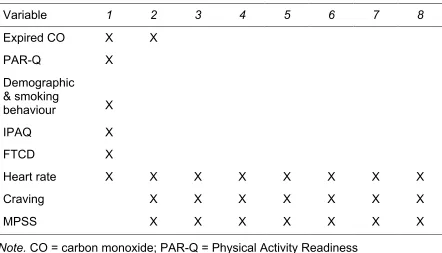
Table 2: Schedule of Measures………32
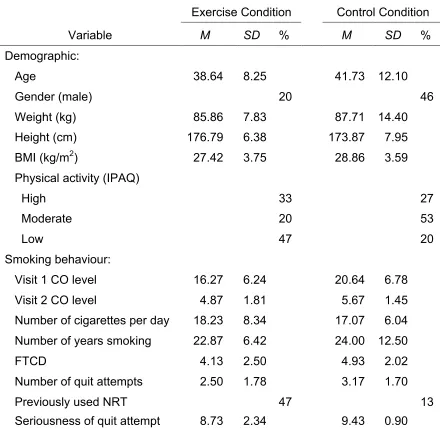
Table 3: Demographic and Smoking Behaviour Variables………..41
Table 4: Means, Standard Deviations, and 95% Confidence Intervals for
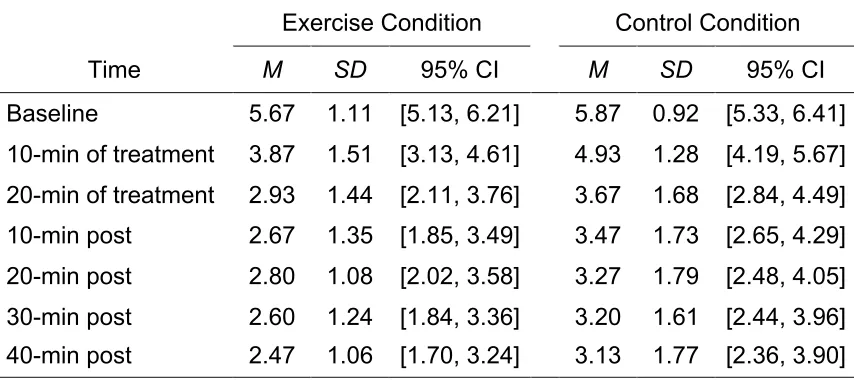
Craving Before, During, and After Treatment…..……….…….43
Table 5: Means, Standard Deviations, and 95% Confidence Intervals for
Restlessness Before, During, and After Treatment………..45
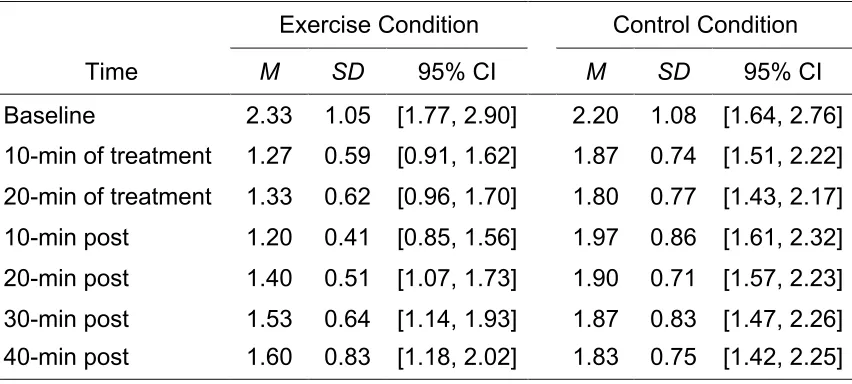
Table 6: Means, Standard Deviations, and 95% Confidence Intervals for
Irritability Before, During, and After Treatment……….……….47
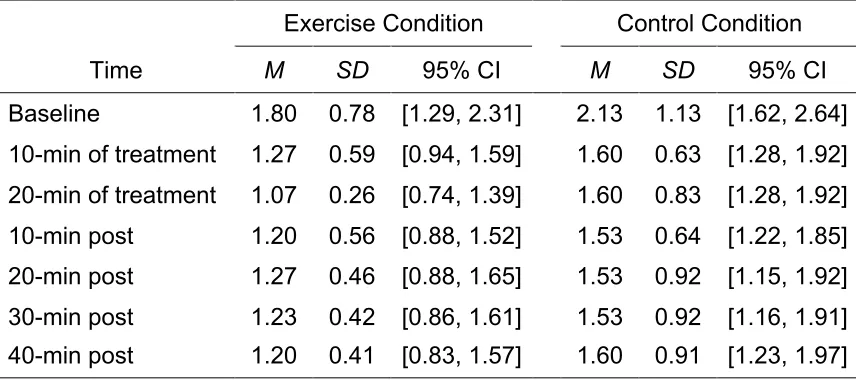
Table 7: Means, Standard Deviations, and 95% Confidence Intervals for Poor
Concentration Before, During, and After Treatment…………..………...49
Table 8: Correlations Between Residuals for Craving and Withdrawal
vii
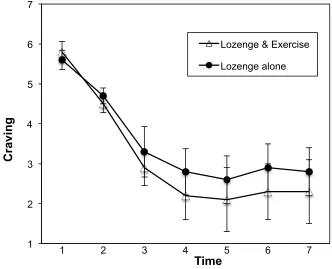
Figure 1: Pilot sample’s craving relative to time...………...33
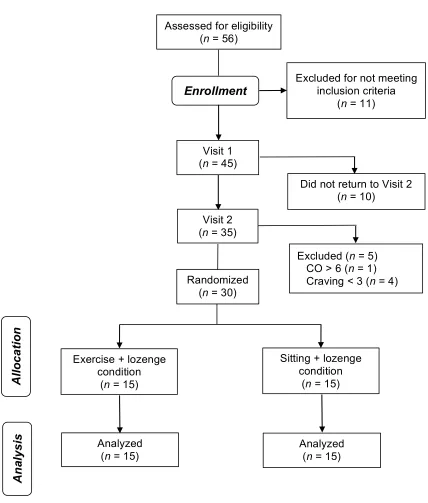
Figure 2: Flow of participants through the study………38
Figure 3: Craving relative to time. ………..……….44
Figure 4: Restlessness relative to time………..………….46
Figure 5: Irritability relative to time………...………48
viii
Appendix A………...………..83
Recruitment Poster………..……….………84
Recruitment E-mail………..……….………85
Ethics Approval………..……….………..86
Letter of Information………..……….………..87
Appendix B………...………..94
Craving……….………..……….……...95
Withdrawal Symptoms………..96
Demographic and Smoking Behaviour Questionnaire………....97
International Physical Activity Questionnaire (Short-form)..…………...98
Fagerström Test for Cigarette Dependence………103
Chapter One: Literature Review
Introduction
Cigarette smoking continues to be the leading cause of preventable death
in the world today (World Health Organization [WHO], 2011), accounting for more
than 37,000 deaths each year in Canada alone (Baliunas et al., 2007). The
negative health consequences of smoking have been thoroughly researched.
While lung cancer has long been identified as the disease of smokers, the
detriments of smoking are much more broad. Several other cancers have been
linked to smoking as well, including: mouth, larynx, throat, esophagus, bladder,
kidney, cervix, pancreas, and stomach. Furthermore, smoking has shown to lead
to cardiovascular diseases such as stroke and coronary heart disease. In
general, smoking harms nearly every organ in the body and affects a person’s
overall health (U.S. Department of Health and Human Services [USDHHS],
2014).
Despite the unfavourable morbidity and mortality outcomes associated
with smoking, a significant proportion of the population continues to engage in
this behaviour. It is estimated that approximately 16% of Canadians aged 15
years or older smoke (Health Canada, 2012). Fortunately for these individuals, it
is never too late to reap the benefits of quitting. The risks associated with many of
the aforementioned diseases can be reduced or largely removed by stopping
smoking. These benefits commence almost immediately, with a decrease in heart
rate occurring within 20 minutes of abstinence. Other short-term benefits of
lung function and blood circulation. The long-term benefits are even more
motivating. For example, the risk of coronary heart disease is cut in half after 1
year of quitting and can drop to the level of a non-smoker after 15 years. In
addition, the risk of stroke can be reduced to that of a non-smoker within 5 to 15
years of quitting. After 10 years of being smoke-free, the risk of several cancers
(i.e., mouth, throat, esophagus, bladder, and cervix) decrease and one’s lung
cancer death rate becomes approximately half that of a smoker’s (USDHHS,
2004). Although stopping smoking at a younger age reduces health risks to a
greater degree, quitting at any age is beneficial and can give back years of life
that would be lost by continuing to smoke.
Given these health benefits, it may come to no surprise that the majority of
smokers want to quit. Unfortunately, only 3 to 5% of those who quit unassisted
remain smoke-free after 6 to 12 months (Hughes, Keely, & Naud, 2004) and
nearly half of those who undergo surgery for early-stage lung cancer return to
smoking (Walker et al., 2006). These findings are not only discouraging but also
indicative of the degree of difficulty that presents itself when trying to quit. So,
what makes quitting smoking so challenging? The answer to this question is
multifaceted and requires an understanding of the factors that contribute to
nicotine dependence.
Nicotine Dependence
As reported by the Royal College of Physicians of London (2000), nicotine
is a highly addictive drug on par with heroin and cocaine. Nicotine is recognized
Classification of Diseases, tenth edition (ICD-10; WHO, 1992). These symptoms
include: tolerance, withdrawal, impaired control, neglect of activities, time spent in
substance-related activity, continued use despite problems, and compulsion. The
criteria described in the ICD-10 are similar to those found in the Diagnostic and
Statistical Manual of Mental Disorders, fourth edition (DSM-IV; American
Psychiatric Association, 2000); with the exception that the DSM-IV does not
explicitly state the compulsion criteria (i.e., strong desire or sense of compulsion
to use). Both systems require at least three co-occurring criteria within a
12-month period to diagnose dependence (Hasin, Hatzenbuehler, Keyes, & Ogburn,
2006).
Nicotine is the major psychoactive constituent in tobacco (Karan, Dani, &
Benowitz, 2003) and can be found in various tobacco products. The cigarette is
the most efficient device, delivering nicotine to the brain within 7 seconds of
inhalation (Maisto, Galizio, & Connors, 2004). The average smoker absorbs 1 to
2 mg of nicotine per cigarette (Karan et al., 2003) and metabolizes the drug
relatively quickly, with nicotine blood concentration levels dropping by half within
2 to 3 hours of smoking (Lynch & Bonnie, 1994). The neurological effect of
nicotine serves as a powerful driving force of this disorder; however, behavioural,
genetic, and socio-environmental factors contribute as well.
Neurological factors. Nicotine activates the mesolimbic pathway, known
as the “reward centre” of the brain that controls feelings of pleasure and
motivation (Gardner, 1997). The mesolimbic pathway originates in the midbrain
and is composed of the ventral tegmental area (VTA) and nucleus accumbens
brain regions, and the prefrontal cortex. Embedded on the plasma membrane of
dopaminergic neurons are nicotinic acetylcholine receptors (nAChRs) that are
activated by the neurotransmitter acetylcholine (ACh; Gardner, 1997). These
receptors can also be stimulated by nicotine (Calabresi, Lacey, & North, 1989),
which has particularly high-affinity to α4β2 subunits (Lukas et al., 1999). When
nicotine or ACh bind to nAChRs, the ion-gated channels open and a subsequent
action potential is fired down the dopaminergic axons to the terminal found in the
NAc. The neurotransmitter dopamine is then released from the synaptic vesicles
and into the cleft. Dopamine elicits euphoric feelings and reinforces future
engagement in smoking behaviour (Benowitz, 2010; Wonnacott, Sidhpura, &
Balfour, 2005). The binding of nicotine stimulates the release of other
neurotransmitters as well, which produce a range of psychoactive effects. These
neurotransmitters and their associated responses include: ACh (arousal and
cognitive enhancement), norepinephrine (arousal and appetite suppression),
glutamate (learning and memory enhancement), serotonin (mood modulation and
appetite suppression), β-endorphin (reduction in anxiety and tension), and GABA
(reduction in anxiety and tension; Benowitz, 2008).
Prolonged nicotine exposure causes neuroadaptations (Wang & Sun,
2005) and leads to drug tolerance, where a higher nicotine dose is required to
produce the same magnitude of effect (Smith & Stolerman, 2009). The exact
adaptations the brain undergoes in response to nicotine have been debated,
however, desensitization and upregulation seem most probable (Ortells &
Barrantes, 2010). The desensitization-upregulation hypothesis is as follows: 1)
activated state. 2) The nAChRs become desensitized as binding-sites are
occupied with high-affinity. 3) The homeostatic response to desensitization is
upregulation, whereby a greater number of nAChRs are produced (Ortells &
Barrantes, 2010). It has been suggested that during periods of nicotine
abstinence, previously desensitized nAChRs become unoccupied and recover to
a responsive state. Together, the increase in number of nAChRs and reactivation
of desensitized receptors are thought to be responsible for cigarette cravings and
the array of withdrawal symptoms (e.g., irritability, depressed mood, restlessness,
anxiety, difficulty concentrating, increased hunger and eating, and insomnia) that
emerge in nicotine-deprived smokers (Dani & Heinemann, 1996).
Behavioural factors. With habitual smoking, smokers become familiar
with the pleasant state elicited by cigarettes and the unfavourable symptoms that
accompany short-term abstinence. Becoming aware of, and ultimately learning,
these consequences of smoking (or not smoking) impacts future behaviour. This
method of learning is known as operant conditioning, where an individual’s
behaviour is influenced by its outcomes. These consequences (or
reinforcements) can be positive or negative, and in turn, strengthen or weaken
the behaviour accordingly (Skinner, 1938). For example, the psychoactive effects
of nicotine serve as a reward, and thus, positively reinforce smoking (Glautier,
2004). Conversely, craving and withdrawal symptoms serve as a punishment,
and as a result, negatively reinforce quitting (Eissenberg, 2004). Together, these
behavioural consequences strengthen future smoking behaviour and reduce the
The average Canadian smoker consumes 15 cigarettes per day (Health
Canada, 2012) and takes approximately 11 puffs per cigarette (USDHHS, 1988).
This exposes smokers to more than 150 doses of nicotine daily. As a result,
smokers are likely to develop associations with this drug because it is
administered at such a high frequency. The repetitive nature of smoking and the
associations that develop with this behaviour can be explained by Pavlov’s
(1927) classical conditioning theory. Classical conditioning occurs when an
initially neutral stimulus produces the same response as an existing stimulus with
which it has been paired. This process entails three stages (i.e., before, during,
and after conditioning). Before conditioning, smoking serves as the unconditioned
stimulus (UCS) and cigarette cravings and withdrawal symptoms serve as the
unconditioned response (UCR). During the conditioning stage, a neutral stimulus
becomes associated with the UCS. In regards to smoking, environmental stimuli
that occur repeatedly in temporal proximity become conditioned stimuli (CS) and
can include smoking paraphernalia (e.g., an ashtray), sensory aspects of
smoking (e.g., cigarette smell or taste), and/or situational cues (e.g., smoking
while drinking coffee). After conditioning, the mere presence of CSs alone can
trigger craving and withdrawal symptoms, which now become a conditioned
response (CR; Bevins & Palmatier, 2004; Niaura, 2000). Classical and operant
conditioning are two behavioural theories that help explain the learned
component of this disorder.
Genetic factors. Certain smokers may be at greater risk of becoming
addicted to nicotine due to genetic predispositions. Nicotine is primarily
the liver enzyme cytochrome CYP2A6. Research reveals that polymorphic
variations of the CYP2A6 gene influence the rate at which nicotine is metabolized
(high vs. low activity), which in turn, impact nicotine dependence, smoking
behaviour, and withdrawal symptoms. For example, smokers with a high-activity
variation of the gene have a tendency to smoke a greater number of cigarettes
per day, intake more nicotine daily, and smoke their first cigarette earlier in the
day compared to those with a low-activity variant. This heavy smoking behaviour
translates into a higher nicotine (or cigarette) dependence score. In addition,
among those attempting to quit, high-activity carriers report greater withdrawal
symptoms than their low-activity counterparts (Kubota et al., 2006).
Socio-environmental factors. Many social and environmental factors
contribute to the development and maintenance of nicotine dependence as well
as the likelihood of relapse (WHO, 2010). Environmental influences, such as
being in the presence of smokers (i.e., peers, family, or strangers), can
encourage smoking behaviour. Furthermore, marketing, portrayal in the media,
and brand preference of specific populations can influence the progression
towards habitual smoking (Royal College of Physicians, 2007). However,
environmental factors can also discourage tobacco use. Developing and
enforcing smoke-free policies as well as increasing taxes can serve as barriers to
smoking, and thus, reduce initiation rates and promote cessation attempts (WHO,
2010).
The interplay of these factors influences the development and resiliency of
this disorder, as well as the challenges associated with quitting. A significant
individual-based cessation interventions that facilitate quitting and remaining
smoke-free. Of the various modalities and settings offered, behavioural
counseling and pharmacotherapy, used alone or in combination, have shown to
yield the greatest success (USDHHS, 2008). The effectiveness of some
cessation strategies can be found in Table 1.
Table 1
Abstinence at Six Months for Smoking Cessation Strategies (USDHHS, 2008)
Cessation strategies % abstinent [95% CI] Physician advice to quit 10.2 [8.5, 12.0] Behavioural interventions
Proactive telephone counseling 13.1 [11.4, 14.8] Group counseling 13.9 [11.6, 16.1] Individual counseling 16.8 [14.7, 19.1] Pharmacotherapy interventions
Nicotine patch (6 – 14 weeks) 23.4 [21.3, 25.8] Nicotine gum (6 – 14 weeks) 19.0 [16.5, 21.9] Nicotine lozenge (2 mg) 24.2a
Nicotine inhaler 24.8 [19.1, 31.6] Bupropion SR 24.2 [22.2, 26.4] Varenicline (2 mg/day) 33.2 [28.9, 37.8]
Note. CI = Confidence Interval
aOne qualifying randomized trial; 95% CI not reported
Nicotine Replacement Therapy (NRT)
Currently Health Canada's Therapeutic Products Directorate has approved
six smoking cessation medications, including four NRT formulations (patch, gum,
tartrate). It is imperative that cessation aids effectively manage craving and
withdrawal symptoms because their intensity has shown to predict relapse
(Swan, Ward, & Jack, 1996). NRT has been recognized as a first line treatment
for smoking cessation, in part because it suppresses these symptoms. The
fundamental mechanism by which all NRT formulations exert their effect is by
binding to nAChRs that were formerly activated by nicotine obtained from
cigarettes (Shiffman, Fant, Buchhalter, Gitchell, & Henningfield, 2005). The
transdermal patch is an easy, convenient formulation that releases nicotine into
the skin at a steady state (Shiffman et al., 2005). Research has shown that the
patch effectively alleviates background cravings (Rose, Herskovic, Trilling, &
Jarvik, 1985), which are constantly present and require no triggering stimuli
(Shiffman, 2000). However, this passive modality does not protect users against
episodic craving (Tiffany, Cox, & Elash, 2000; Waters et al., 2004). Episodic
cravings are acute, intense, and typically provoked by environmental (e.g.,
someone smokers) or affective (e.g., emotional distress) stimuli (Shiffman, 2000).
These acute craving episodes are particularly problematic because they are
associated with a very high risk of relapse (Shiffman, Paty, Gnys, Kassel,
Hickcox, 1996). Therefore, being able to quickly administer a dose of nicotine
during an “at-risk” moment will help avoid a lapse (Shiffman et al., 2005).
Oral NRT. Several fast-acting oral NRT formulations are available in
Canada, including the nicotine gum, lozenge, and inhaler. These products deliver
nicotine through the oral mucosa membrane that lines the inside of the mouth.
Orals NRTs offer the following advantages compared to the patch. Firstly,
McRobbie et al., 2010). Secondly, the user can control the amount and timing of
dosing on an “as needs basis” (Shiffman et al., 2005). Lastly, the oral
administration of these formulations mimics some of the sensory cues associated
with the smoking behaviour (i.e., oral stimulation; Muramoto, Ranger-Moore, &
Leischow, 2003).
A recent Cochrane review by Stead and colleagues (2012) revealed that
the nicotine gum, lozenge/tablets, and inhaler are all effective smoking cessation
aids, with respective pooled risk ratios of 1.49 (95% CI [1.40, 1.60], 55 trials),
1.95 ([1.61, 2.36], 6 trials), and 1.90 ([1.36, 2.67], 4 trials) compared to placebo or
non-NRT control groups. While they exhibit comparable efficacy profiles, other
factors must be weighed when selecting the most appropriate product for a
single-dose randomized controlled trial. Two important factors to consider are: 1)
standardization of the amount of nicotine consumed and 2) ease of drug
administration. The lozenge allows for more consistent nicotine dosing, whereas,
several confounding variables may influence amount of nicotine absorbed by the
gum and inhaler modalities. For example, up to 50% of the nicotine can remain in
the gum if not properly chewed (Benowitz, Jacob, & Savanapridi, 1987). In
addition, the number and depth of inhalations as well as environmental factors,
such as room temperature, impact the amount of nicotine absorbed from the
inhaler (Lunell, Molander, & Andersson, 1997). The lozenge is also easier to
administer and demands less activity (i.e., passively dissolves in mouth) than the
gum (i.e., chew-and-park technique) or the inhaler (i.e., requires continuous
Nicotine lozenge. A single nicotine lozenge has shown to significantly
reduce cigarette craving and withdrawal symptoms in temporarily abstaining
smokers. In a double-blinded, placebo-controlled, randomized-controlled
crossover trial, McRobbie and colleagues (2010) examined the effect of a 2.5 mg
nicotine lozenge in the initial 60 minutes of product use. Cigarette craving and
withdrawal symptoms were assessed on 100 mm visual analogue scales. The
lozenge group reported a mean change craving score of -24.7 (SE = 2.8), which
was significantly greater than that of the placebo group, Mdiff = -15.8, 95% CI
[-23.7, -7.9], p < .0001. Significant group differences in craving were found within
10 minutes of product placement. In regards to withdrawal symptoms, the
lozenge group reported mean reductions for irritability, restlessness, and poor
concentration of 9.6 (SE = 2.2), 10.8 (SE = 2.0), and 7.1 (SE = 2.0), respectively.
The lozenge group had significantly greater decreases than the placebo for
irritability, Mdiff= -7.6, [-14.6, -.7], p = .02, restlessness, Mdiff = -10.0, [-16.5, -3.5],
p = .0006), and poor concentration, Mdiff = -7.5, [-14.2, -.7], p = .02.
Shahab, McEwen, and West (2011) examined the effects of a 4 mg
nicotine lozenge on cigarette craving and withdrawal symptoms in a
single-blinded, randomized-controlled crossover trial. Significant decreases in craving
(i.e., urge to smoke and desire for cigarette) were reported over the 20-minute
assessment period. Of the five withdrawal symptoms assessed (i.e., depressed
mood, irritability, restlessness, hunger, and poor concentration), significant
reductions were found for poor concentration and restlessness from before to
after NRT use. Similarly, Kotlyar and colleagues (2007) found that a 4 mg
aggregated withdrawal symptoms from before to 5, 10, and 30 minutes after
product placement.
These findings corroborate the efficacy of the nicotine lozenge and its
ability to reduce craving and withdrawal symptoms. However, as advised by
pharmaceutical companies, NRTs should be augmented with other treatments to
maximize symptom relief. Applying two efficacious monotherapies concurrently
may provide additive benefit and greater symptom relief. Meditation, deep
breathing, cognitive relaxation techniques, and exercise are examples of acute
strategies that have been postulated to relieve cravings and could be
implemented with a nicotine lozenge. Of these adjunctive strategies, exercise is
the strongest contender because its effects on craving and withdrawal symptoms
have been most scientifically validated.
Acute Effects of Exercise
The effects of acute exercise on nicotine-deprived smokers have been
comprehensively studied and summarized in several systematic reviews (i.e.,
Hassova et al., 2013; Roberts, Maddison, Simpson, Bullen, & Prapavessis, 2012;
Taylor, Ussher, & Faulkner, 2007).
Cigarette craving. Two meta-analyses (i.e., Hassova et al., 2013; Roberts
et al., 2012) have quantified the effect of exercise on cigarette cravings. Roberts
and colleagues used aggregate data to conduct their analyses, whereas Hassova
et al. used individual participant data (IPD), which is a more rigorous statistical
approach. The included studies used a temporary abstinence paradigm and
walking, running, and isometric) of exercise that ranged in intensity (light to
vigorous) and duration (5 to 18 minutes). Craving was assessed using the ‘desire
to smoke’ (DtS) and/or ‘strength of desire to smoke’ (SoD) item(s), both of which
are rated on 7-point Likert scales.
The meta-analyses (Hassova et al., 2013; Roberts et al., 2012) concluded
that a single bout of exercise has a positive effect on cigarette craving. Based on
the aggregated data of 10 trials (Arbour-Nicitopoulos, Faulkner, Hsin, & Selby,
2011; Faulkner, Arbour-Nicitopoulos & Hsin, 2010; Janse Van Rensburg &
Taylor, 2008; Janse Van Rensburg, Taylor, Bennattayallah, & Hodgson, 2012;
Janse Van Rensburg, Taylor, & Hodgson, 2009a; Janse Van Rensburg, Taylor,
Hodgson, & Benattayallah, 2009b; Scerbo, Faulkner, Taylor, & Thomas, 2010;
Taylor & Katomeri, 2007; Taylor, Katomeri, & Ussher, 2006; Ussher, Nunziata,
Cropley, & West, 2001), Roberts and colleagues (2012) calculated a weighted
mean difference in DtS between exercise and control conditions of -1.90 points,
95% CI [-3.06, -.075], in favour of exercise. Similarly, the weighted mean
difference in SoD of nine trials (Everson, Daley, & Ussher, 2006, 2008; Janse
Van Rensburg et al., 2012; Scerbo et al., 2010; Taylor & Katomeri, 2007; Taylor,
Katomeri, & Ussher, 2005; Ussher, Cropley, Playle, & Mohidin, 2009; Ussher et
al., 2001; Ussher, West, Doshi, & Sampuran, 2006) favoured the exercise
condition by -2.41 points, [-3.45, -1.37]. These findings are analogous to those
reported by Hassova and colleagues who used individual participant data. For
example, across 17 studies (Daniel, Cropley, & Fife-Schaw, 2006; Daniel,
Cropley, Ussher, & West, 2004; Faulkner et al., 2010; Haasova, Oh, & Taylor,
Rensburg & Taylor, 2008; Janse Van Rensburg et al., 2012, 2009a, 2009b;
Katomeri, 2009; Oh, 2011; Scerbo et al., 2010; Taylor & Katomeri, 2007; Taylor
et al., 2005; Thompson, 2009; Ussher et al., 2001, 2006), the weighted mean
difference on DtS between exercise and control conditions was -2.04 points, 95%
CI [-2.60, -1.46], in favour of exercise. Furthermore, their meta-analysis of 15
studies (Daniel et al., 2006, 2004; Everson et al., 2008; Faulkner et al., 2010;
Haasova et al., 2011; Janse Van Rensburg et al., 2012; Katomeri, 2009; Oh,
2011; Scerbo et al., 2010; Taylor & Katomeri, 2007; Taylor et al., 2005;
Thompson, 2009; Ussher et al., 2009, 2001, 2006) favoured the exercise
condition by -1.91 points, [-2.59, -1.22] for SoD. The effect sizes found in these
studies were moderate to large in size (ranging from d = 0.4 to 1.9; Cohen, 1988).
This is comparable to, or many cases exceed the effect sizes found with oral
NRTs.
With respect to craving time effects, the magnitude of craving relief
appears greatest during, or immediately after exercise. However, significant
effects have been shown to last up to 30 minutes post-exercise (Scerbo et al.,
2010; Ussher et al., 2009). The speed at which exercise relieves urges to smoke
may be faster than that of the nicotine lozenge. While significant reductions have
been reported within 3 to 5 minutes of administering a lozenge, maximal relief is
not attained until after 30 minutes (Hansson, Hajek, Perfekt, & Kraiczi, 2012). The
timing of this effect is in accordance with pharmacokinetic studies that reveal
maximal blood nicotine levels at 25 (McEwen, West, & Gaiger, 2008) and 30
Exercise-induced reductions in cigarette craving have been observed with
various types of exercise and across all intensities. Even 10 minutes of isometric
exercise (Ussher et al., 2009) or a low-intensity yoga session (Elibero, Janse Van
Rensburg, & Drobes, 2011) have shown to significantly reduce craving relative to
passive controls. However, recent work by Hassova and colleagues (2014) found
that the benefits of exercise are significantly influenced by the intensity at which it
is performed. Hassova et al. (2014) conducted a one-stage IPD meta-analysis on
930 subjects. They rescaled the DtS and SoD craving items from 0 to 100, thus a
difference between groups of -10 indicated that post-intervention craving scores
were 10% lower in the exercise group compared to the controls. The analysis
revealed mean differences of -9.22, 95% CI [-15.24, -3.20], -34.56 [-2.59, -1.22],
and -31.29 [-2.59, -1.22], for light-, moderate-, and vigorous-intensity exercise,
respectively. Thus, as previously shown by Hassova et al. (2013), exercising at a
light intensity results in craving reductions of a smaller magnitude compared to
those resulting from moderate or vigorous intensities. However, no significant
difference exists between the effects of moderate- and vigorous-intensity
exercise on craving relief. In other words, there seems to be no additional benefit
from engaging in vigorous as opposed to moderate-intensity exercise (Hassova
et al., 2014). This finding is advantageous from a clinical standpoint because
moderate-intensity exercise (e.g., brisk walking) is more convenient and tolerable
than vigorous-intensity exercise. Therefore, quitters may be more likely to
execute and adhere to this behaviour.
Withdrawal symptoms. Exercise has shown to reduce various withdrawal
concentrating, and stress (Roberts et al., 2012). However, the effects of exercise
on withdrawal symptoms are inconsistent compared to craving. As a result, less
research has been devoted to examining withdrawal symptoms and no
meta-analysis has been conducted on this outcome to date. The findings described
below are based on the systematic review provided by Roberts and colleagues
(2012). Three of the five studies (Arbour-Nicitopoulos et al., 2011; Daniel,
Cropley, & Fife-Schaw, 2007; Everson et al., 2008; Ho, 2009; Ussher et al., 2009)
that used the Mood and Physical Symptoms Scale (MPSS) and variations of the
scale (i.e., included stress and tension items) found significant reductions in at
least three withdrawal symptoms (Daniel et al., 2007; Ussher et al., 2009) and/or
the composite MPSS score pre- to post-exercise (Everson et al., 2008). Two of
these studies (Everson et al., 2008; Ussher et al., 2009) compared the effects of
exercise to a passive sitting condition and found significant interaction (Time x
Condition) effects. Ussher and colleagues (2009) found that a 10-minute bout of
isometric exercise reduced levels of irritability, restlessness, and difficulty
concentrating, as well as tension and stress. Everson and colleagues (2008)
found that those cycling for 10 minutes at a moderate intensity (40 to 59% HRR)
reported lower composite MPSS scores at the 5-minute mark compared to those
sitting passively. However, pairwise comparisons revealed the vigorous-intensity
(60 to 85% HRR) cycling condition reported significantly higher composite MPSS
scores during exercise than the passive control.
The acute exercise and temporary smoking cessation literature is
encouraging. A single bout of exercise has shown to consistently alleviate
should continue to investigate the mediating mechanisms through which exercise
exerts its acute effects.
Possible Mechanisms of Acute Exercise Effects
As previously mentioned, the effect of acute exercise on craving has
yielded more conclusive evidence than on withdrawal symptoms. Therefore,
greater efforts have been devoted towards explaining the exercise-craving
relationship. Understanding the mechanisms by which exercise influences
craving will not only substantiate the causality of this relationship, but also
provide insight for developing interventions that maximize craving relief (Taylor et
al., 2007). The proposed mechanisms that will be reviewed below have been
categorized into affect, biological, and cognitive hypotheses (Hassova et al.,
2013, 2014; Roberts et al., 2012; Taylor et al., 2007).
Affect hypotheses. According to the circumplex model of affect (Russell,
1980), affective states are thought to arise from two dimensions: valence
(pleasure-displeasure continuum) and arousal. Smoking cigarettes and exercise
are two behaviours that influence both of these dimensions. For example,
smokers report decreases in arousal and increases in emotional stress during
periods of temporary abstinence. However, both of these levels return to normal
values upon smoking a cigarette (Steptoe & Ussher, 2006). Furthermore,
increases in affective valence (Ekkekakis, Parfitt, & Petruzzello, 2011) and
activation (i.e., arousal; Reed & Ones, 2006) have been shown to occur following
a single bout of exercise. Therefore, it has been proposed that changes in affect
2007). In a seminal study, Taylor and colleagues (2006) showed that the
moderating effect of acute exercise on craving and withdrawal symptoms was
mediated only through reduced emotional stress (i.e., self-reported tension). In
another study, Elibero et al. (2011) found that when positive affect was higher,
cravings were lower. However, changes in positive affect did not mediate the
exercise and craving relations. Hassova and colleagues (2014) recently tested
this hypothesis across the IPD (372 observations) of eight studies. The included
studies compared the effects of moderate-intensity exercise on cravings and
dimensions of affect to passive controls. They found the exercise group reported
higher levels of arousal and positive feelings (valence) post-intervention after
adjusting for baseline values. This finding suggests that a bout of
moderate-intensity exercise increases positive feelings and arousal in temporarily
abstaining smokers. However, these changes in affect were not significantly
associated with post-intervention craving values. In other words, neither arousal
nor valence appeared to meditate the exercise-craving relationship. Despite
evidence dismissing arousal and valence as potential mechanisms, other
constructs of mood and affect still warrant investigation.
Biological hypotheses. Due to the brain’s limited-processing capacity, it
is thought that the additional strain of exercise requires a shift in attention from
cognitive (i.e., cravings) to somatic (i.e., bodily) thoughts (Acevedo & Ekkekakis,
2006). This hypothesis was supported by Janse Van Rensberg et al. (2012,
2009b) who found that exercise reduced activation in areas of the brain
associated with reward processing and increased activation in default mode
smokers. The next step is to test whether this attention-shift mediates the effects
of exercise on craving.
Biological markers, such as cortisol, dopamine, catecholamines, heart rate
variability (HRV), and nicotine metabolism have also been proposed as potential
mechanisms of the exercise-craving relationship. Chronic smoking results in
higher levels of plasma and salivary cortisol, a hormone that helps to cope with
stress (Baron, Comi, Cryns, Brinck-Johnsen, & Mercer, 1995; Field, Colditz,
Willett, Longcope, & McKinlay, 1994). These elevated cortisol levels drop after
the first 2 weeks of quitting smoking (Cohen, al’Absi, & Collins, 2004; Frederick,
Reus, Ginsberg, Hall, Munoz, & Ellman, 1998; Pomerleau C., Garcia, Pomerleau
O., & Cameron, 1992; Pomerleau O., Pomerleau C., & Marks, 2000; Steptoe &
Ussher, 2006). Greater reductions in cortisol have been associated with
increases in craving and withdrawal (Steptoe & Ussher, 2006), higher levels of
distress, and predictive of subsequent relapse (Frederick et al., 1998). One
plausible explanation for this finding is that there is an increase in nicotine
receptor sensitivity associated with a reduction in cortisol leading to an
intensification of tobacco craving and withdrawal symptoms (Pomerleau O. &
Pomerleau C., 1990). It is also possible that the stimulating effects of cortisol may
contribute to the reinforcing properties of smoking, in which case a dramatic drop
in cortisol might be distressing for the smoker (Steptoe & Ussher, 2006). Acute
exercise in healthy humans has been shown to elevate cortisol levels
(Mastorakos & Pavlatou, 2005). Through extension, exercise may help buffer
both the desire to smoke and withdrawal symptoms by raising cortisol levels back
nicotine. Scerbo and colleagues (2010) found that exercising at a vigorous
intensity resulted in a smaller decline in cortisol levels compared to
moderate-intensity exercise or sitting passively. However, this attenuated drop in cortisol
did not translate into lower reported cravings by the vigorous-intensity exercise
condition. This null effect may be due to the short abstinence period (3 hours)
used, and in turn, producing cravings of only moderate degree. Therefore, the
role of cortisol in the exercise-craving relationship should be examined using a
longer abstinence period.
The remaining biological mechanisms (dopamine, catecholamines, HRV,
and nicotine metabolism) are at the early stages of investigation, as described
below. 1) Animal research has shown that exercise stimulates the release of
dopamine in the striatum of rats (Hattori, Naoi, & Nishino, 1994); which may
mimic the effects of nicotine on the mesolimbic pathway. However, research has
not yet confirmed that exercise increases dopamine in the human brain (Taylor et
al., 2007). 2) The presence of nicotine stimulates the release of adrenaline and
noradrenaline, two catecholamines partially responsible for tobacco’s
mood-altering effect. As smoking increases levels of circulating adrenaline and
noradrenaline (Laustiola, Kotamäki, Lassila, Kallioniemi, & Manninen, 1991),
quitting smoking decreases both (Ward et al., 1991). A single bout of exercise
has shown to increase the concentration of circulating adrenaline and
noradrenaline (Richter & Sutton, 1994), which may explain the effect of exercise
on craving. 3) Heart rate variability has shown to decrease with habitual smoking
(Lucini, Bertocchi, Malliani, & Pagani, 1996; Niedermaier et al., 1993) and
effect of acute exercise on HRV for smokers is unknown. However, acute
exercise may expedite this process and produce immediate increases in HRV,
which in turn, may positively affect craving and withdrawal symptoms. 4) The
speed at which an individual metabolizes nicotine influences smoking behaviour
(e.g., number of cigarettes consumed per day) as well as the intensity and
frequency of cravings experienced during periods of abstinence (Kubota et al.,
2006; Lerman et al., 2006; Schnoll et al., 2009). The role of nicotine metabolism
should be examined as it may influence the amount of craving relief exercise is
capable of providing (e.g., may be less effective for smokers with a high nicotine
metabolism).
Cognitive hypotheses. It was once suggested that the cognitive
demands required to engage in exercise might distract individuals from thoughts
pertaining to craving. However, the distraction hypothesis seems doubtful–as
explained by Taylor and colleagues (2007). For one, exercise that requires
minimal cognitive demands, such as walking, has shown to attenuate craving to a
similar degree as vigorous-intensity exercise that demands greater resources
(Scerbo et al., 2010). In addition, if exercise served as a distractor, one would
expect its effect to dissipate once exercise stopped. However, this is not the
case, as reductions in craving have shown to last 50 minutes post-exercise
(Taylor & Katomeri, 2007). For these reasons alone, distraction does not appear
to be a significant contributor to the effects of exercise on craving. Another
cognitive mechanism that has been tested is treatment expectations. Patients’
expectancy beliefs have been shown to influence treatment outcome in various
treatment benefits (Constantino, Arnkoff, Glass, Ametrano, & Smith, 2011). Two
studies (Daniel et al., 2007; Harper, Fitzgeorge, Tritter, & Prapavessis, 2013)
examined if smokers’ treatment expectations towards exercise influenced its
effectiveness. Both studies revealed that expectancy levels (hi vs. low) did not
correspond to the magnitude of symptom relief reported pre- to post-exercise.
Combining Acute Exercise with a Nicotine Lozenge
Ample research has confirmed that a single dose of exercise or nicotine
consumed through a lozenge can effectively alleviate craving, and at times,
withdrawal symptoms. Although both monotherapies have shown to produce
greater relief compared to placebos, the adverse symptoms of nicotine
deprivation persist and unfortunately cause the majority of individuals to return to
smoking. Implementing these monotherapies together may provide additive relief
and minimize cravings that linger.
Combining monotherapies with distinct mechanisms of action or
therapeutic pathways has the potential to yield additive benefit (Ebbert, Hays, &
Hurt, 2010). Apart from the dopamine hypothesis, the proposed mechanisms of
acute exercise differ from the process by which the nicotine lozenge exerts its
effect. Therefore, consuming a nicotine lozenge in adjunct with exercise may
produce greater reductions in craving and withdrawal symptoms. To date, only
one study has examined the acute effects of combining exercise and NRT on
craving and withdrawal symptoms (Harper, Fitzgeorge, Tritter, & Prapavessis,
2012). In a 14-week exercise-aided NRT cessation program, Harper and
decrease in craving and withdrawal symptoms after a bout of moderate-intensity
exercise. Significant reductions in craving pre- to post-exercise were found at all
three assessment points of the program: 1) Week 5 (1 week after quitting while
on the 21 mg NRT dose); 2) Week 11 (7 weeks after quitting while on the 14 mg
NRT dose); 3) Week 13 (9 weeks after quitting while on the 7 mg NRT dose). In
regards to withdrawal symptoms, significant reductions in psychological and
sedation symptoms were shown at Week 5 and 11, but not at Week 13.
Significant increases in physical symptoms were found at Week 5 and 11, but not
at Week 13. No significant change in appetite was evident at any time point. In
summation, Harper and colleagues found that exercise provided additional
symptom relief while on an NRT. Although these findings are encouraging, it
cannot be said for certain that these reductions in craving and withdrawal
symptoms are specifically related to exercise because there was no control
condition solely receiving the NRT patch. To validate this work, a more robust
methodology must be used that compares the combined treatment to a control
condition. Furthermore, the steady-release of nicotine from the transdermal patch
alleviates background cravings; hence the instantaneous effect of both a nicotine
lozenge and acute exercise on episodic cravings in recently abstinent smokers
Purpose and Hypothesis
Purpose. The purpose of the present study was to examine whether an
acute bout of moderate intensity exercise provides additional craving (primary
outcome) and withdrawal (secondary outcome) relief to the NRT lozenge in
recently quit smokers.
Hypothesis. It was hypothesized that participants in the treatment
condition (acute exercise and nicotine lozenge) would report greater reduction in
craving and withdrawal symptoms than those in the control condition (nicotine
Chapter Two: The Current Study
Methods
The subsequent methods are reported in accordance with CONSORT
principles (www.consort-statement.org). The conduct of this study adhered to the
guidelines outlined in the Declaration of Helsinki (World Medical Association,
2013) and the Handbook for Good Clinical Research Practice(WHO, 2002).
Ethical approval was granted from Western University’s Health Sciences
Research Ethics Board (#103508; Appendix A). All participants read the Letter of
Information (Appendix A), had his/her questions answered, and signed a Consent
Form (Appendix A) prior to participation in the study.
Design
This research study used a two-group randomized controlled trial design.
Randomization was accomplished using a computer-generated numbers table.
Participants
Inclusion criteria included: (1) aged 18 to 65 years, (2) smoked a minimum
of five cigarettes per day, (3) interested in quitting, (4) no contraindications to
physical activity, and (5) no contraindications to NRT. Exclusion criteria included:
(1) females who were pregnant, intending on becoming pregnant, or
breast-feeding while in the study and (2) inability to abstain from smoking for a minimum
of 15 hours without nicotine replacement aids. Thirty participants (Mage = 40.24
randomized into one of two conditions: moderate intensity exercise (experimental
arm) or passive sitting (control arm). Participants included 10 males and 20
females.
Primary Outcome Measure
Craving. Cigarette craving was assessed using the “I have a desire to
smoke” statement (Tiffany & Drobes, 1991). Desire to smoke was scored on a
7-point Likert scale, from 1 (strongly disagree) to 4 (neither agree nor disagree),
and 7 (strongly agree).
Secondary Outcome Measure
Withdrawal symptoms. Nicotine withdrawal symptoms were measured
using the Moods and Physical Symptoms Scale (MPSS; West & Hajek, 2004).
The MPSS contains five single-items that are believed to be part of the nicotine
withdrawal syndrome, including depressed mood, irritability, restlessness,
hunger, and poor concentration. In line with previous acute studies, the hunger
and depression items were removed because of the short assessment period
used (e.g., Kotlyar et al., 2007; McRobbie et al., 2010). In addition to the
withdrawal symptoms described above, the MPSS assesses ratings of strength of
urges to smoke and time spent with urges to smoke. These two items were also
excluded because it has been suggested that they may not reflect withdrawal
symptoms, but rather cigarette craving. The three remaining items were rated on
a 5-point scale, ranging from 1 (not at all) to 5 (extremely). Separate change
Other Measures
Demographic and smoking behaviour. The following information was
collected: age, gender, smoking status (e.g., number of cigarettes smoked per
day), and smoking history (e.g., number of years smoking regularly, number of
previous quit attempts). In addition, height (m) and weight (kg) were provided and
Body Mass Index (BMI: kg/m2) was calculated.
Physical activity. The short-form International Physical Activity
Questionnaire (IPAQ; Craig et al., 2003) was used to measure current levels of
physical activity. The IPAQ assesses (1) walking, (2) moderate, and (3) vigorous
physical activities. Participants were asked to estimate the amount of time (in
minutes) they spent performing each type of physical activity in the previous 7
days. Time spent sitting was measured as well, however, given that this is an
indicator of sedentary activity, it was excluded in the present study. Separate
MET-minutes were computed for each level of physical activity by multiplying the
MET score of an activity by the minutes performed weekly. The MET scores used
in the calculation included: (1) walking = 3.3 METs, (2) moderate physical activity
= 4.0 METs, and (3) vigorous physical activity = 8.0 METs. A total physical
activity score was computed by summing the MET-minute scores for each
activity. In line with the recommended scoring protocol, participants’ physical
activity levels were classified as low, moderate, or high.
Cigarette dependence. Perception of cigarette dependence was
measured using the Fagerström Test for Cigarette Dependence (FTCD;
Dependence (FTND; Heatherton, Kozlowski, Frecker, & Fagerström, 1991). The
FTCD contains six items that were summed to yield a total score out of 10 points.
A five-level categorization system was used ranging from very low to very high
dependence. These classes have been scored as very low (0 to 2), low (3 to 4),
medium (5), high (6 to 7), and very high (8 to 10). The FTCD has shown high
internal consistency (α = .64, p < .001) and adequate test-retest reliability (r = .88;
Pomerleau C., Carton, Lutzke, Flessland, & Pomerleau O., 1994). In the current
study, the Cronbach’s alpha was slightly below the acceptable level (α = .619),
however, the mean inter-item correlation was adequate, falling within the range of
.2 to .4 (Briggs & Cheek, 1986).
Intervention
Moderate intensity exercise. The experimental condition completed a
single bout of moderate intensity exercise. The session entailed a 2-minute
warm-up, 15 minutes of moderate-intensity exercise, and a 3-minute cool-down
on a Woodway PPS treadmill (Woodway, Waukesh, WI). Moderate intensity was
defined as 45 to 68% of heart rate reserve (HRR; Karvonen, Kentala, & Mustala,
1957). Heart rate reserve was calculated using the formula: maximum heart rate
(HRmax = 220 − age) − resting heart rate (HRrest). Resting heart rate was taken at
Visit 1 because values can drop approximately 8.5 beats per minute upon 11 to
15 hours of abstinence (Perkins, Epstein, Stiller, Marks, & Jacob, 1989).
Therefore, using HRrest values collected prior to quitting provided a more accurate
indicator of a normal heart rate. The calculation for 45% HRR was: [(HRmax −
+ HRrest. Heart rate was monitored using the Polar RS100 heart rate device. The
researcher controlled the incline and speed of the treadmill to ensure that
participants were exercising in their target heart rate range.
Passive sitting. The control condition sat alone in a laboratory room for
20 minutes and had minimal contact with the researcher. Participants were
allowed to read if they desired.
Procedure
Male and female smokers from London, Ontario who were interested in
quitting were recruited through several sources. Advertisement was exhibited in
local newspapers, posters were placed at medical clinics, and a mass e-mail was
sent to students of Western University and employees of the Middlesex London
Health Unit (Appendix A).
Participants were initially screened for eligibility criteria by telephone or
e-mail. Screening questions pertained to age (i.e., between 18 and 65 years),
smoking status (i.e., number of cigarettes smoked per day), contraindications to
NRT or exercise (i.e., capable of walking on a treadmill for 20 minutes at a
moderate intensity), and for females, current pregnancy or breast-feeding
statuses. For those eligible and interested, a first visit was scheduled where initial
screening was confirmed and the Physical Activity Readiness Questionnaire
(PAR-Q; Canadian Society for Exercise Physiology [CSEP], 2002) was
completed. Participants who answered “yes” to any question on the PAR-Q were
ineligible to participate. The study required participants to come to the Exercise
Western Ontario (London, Ontario) for two sessions, before (Visit 1) and after
quitting (Visit 2). See Figure 2 for a flow diagram of participants.
Participants verified their smoking status at Visit 1 using the piCO+™
Smokerlyzer® carbon monoxide (CO) monitor (Bedfont Scientific, USA). In line
with previous research (Faulkner et al., 2010), a breath CO reading greater than
10 parts per million (ppm) was considered the threshold for inclusion in the study.
Resting heart rate was collected as well. Participants then completed the
following questionnaires: (1) demographic and smoking behaviour, (2) IPAQ
(Craig et al., 2003), (3) FTCD (Fagerström, 2012). All questionnaires can be
found in Appendix B. Visit 1 took approximately 45 minutes to complete.
Visit 2 was scheduled within 1 week of the initial visit. Participants quit
smoking cigarettes and refrained from using nicotine products 15 hours prior to
the second visit. Upon arriving at the laboratory, participants provided another
breath carbon monoxide (CO) sample to confirm their smoke-free status. A
concentration reading of less than 6 ppm was deemed acceptable (as used in
previous research). Participants who were unable to obtain a reading of less than
6 ppm were rescheduled for a second attempt. Those participants unable to
abstain from cigarettes or nicotine products for the rescheduled appointment
were deemed ineligible for the study. Once abstinence was confirmed,
participants’ heart rates were collected and questionnaires pertaining to cigarette
craving (i.e., desire to smoke; Tiffany & Drobes, 1993) and nicotine withdrawal
symptoms (i.e., Mood and Physical Symptoms Scale; West & Hajek, 2004) were
because these baseline values were too low to demonstrate a substantial
decline.
All eligible participants were then randomized to the experimental or
control condition and received a single dosage of the 2 mg NICORETTE®
lozenge. The researcher instructed the participant to place the lozenge in his/her
mouth and let it dissolve (approximately 20 minutes), occasionally moving the
lozenge from one cheek to the other without chewing or swallowing it.
Immediately after administering the lozenge, participants commenced the
20-minute treatment they were allocated to (i.e., moderate intensity exercise or
passive sitting). Cigarette craving and nicotine withdrawal symptoms were
assessed during treatment (at 10 and 20 minutes). Following treatment, both
conditions sat passively for 40 minutes. Post-treatment craving and withdrawal
symptoms were assessed four times at 10-minute intervals. See Table 2 for the
schedule of measures. After completing these assessments, the researcher
provided participants with a set of smoking cessation aids that included 27 2 mg
NICORETTE® Lozenges (expected to last 2 to 3 days), the Forever Free™: A
Guide To Remaining Smoke Free, and direct access to the Smokers Help Line
(1-877-513-5333). In addition, participants were invited to use the EHPL exercise
facility over the next two weeks and were offered $50.00 of compensation. Visit 2
Table 2
Schedule of Measures
Note. CO = carbon monoxide; PAR-Q = Physical Activity Readiness
Questionnaire; IPAQ = International Physical Activity Questionnaire;FTCD = Fagerström Test for Cigarette Dependence; MPSS = Mood and Physical Symptoms Scale. 1 = Pre-quit (Visit 1) 2 = Baseline (Visit 2), 3 = 10-min of treatment, 4 = 20-min of treatment, 5 = 10-min treatment, 6 = 20-min post-treatment, 7 = 30-min post-post-treatment, 8 = 40-min post-treatment).
Variable 1 2 3 4 5 6 7 8
Expired CO X X
PAR-Q X
Demographic & smoking
behaviour X
IPAQ X
FTCD X
Heart rate X X X X X X X X
Craving X X X X X X X
1 2 3 4 5 6 7
1 2 3 4 5 6 7
Craving
Time
Lozenge & Exercise
Lozenge alone
Pilot sample. A pilot sample (n = 10) was used to determine the optimal
timing of administering the lozenge and commencing exercise to examine its
additive effect. Previous research shows that maximum blood nicotine levels are
reached 25 (McEwen et al., 2008) and 30 minutes (Kotlyar et al., 2007) after
administering a lozenge. Exercise has shown a more rapid effect on craving, with
reductions occurring almost immediately after onset. To account for the potential
lag of the lozenge, a sequential approach was initially used where the
experimental condition started exercising 10 minutes after administering the
lozenge. However, preliminary data showed that the lozenge reduced cravings as
early as 10 minutes after product placement (Figure 1). Therefore, the protocol
was altered so the exercise and lozenge were administered simultaneously.
Sample Size Calculation
Muramoto and colleagues (2003) found that a single nicotine lozenge
elicited a 1.43-point reduction in craving (desire to smoke) assessed on a 7-point
scale. Roberts and colleagues (2012) calculated a weighted mean difference
between exercise and control conditions of -1.90 points on the desire to smoke
scale, in favour of exercise. If the effects of the nicotine lozenge and exercise
were 100% additive, it would be expected that participants receiving both
exercise and the nicotine lozenge would experience a larger reduction in craving
(experimental mean = 3.33, SD = 1.0) compared to those receiving the nicotine
lozenge alone (control mean = 1.43, SD = 1.0). Hence, in order to be adequately
powered (power = .99) to detect this difference with the alpha set at .05, a sample
size of 30 smokers was needed (SamplePower 3, IBM-SPSS).
Statistical Analyses
Fidelity check (exercise). A one-way analysis of covariance (ANCOVA)
was conducted to compare the groups’ heart rate data collected after 20 minutes
of treatment. Heart rate data collected immediately prior to treatment (i.e.,
baseline) were used as the covariate in this analysis.
Group equivalency. One-way analysis of variances (ANOVAs) and
Chi-square tests were used to determine if any differences existed between groups
for the following data: (a) demographic and smoking behaviour variables
assessed at Visit 1 and (b) baseline (pre-treatment) craving and withdrawal
Primary and secondary outcome analyses. A series of 2 (Condition:
moderate intensity exercise vs. passive sitting) × 7 (Time: baseline, 10-min of
treatment, 20-min of treatment, 10-min post-treatment, 20-min post-treatment,
30-min post-treatment, 40-min post-treatment) repeated measures ANOVAs were
used to determine whether group differences could be seen across time for
primary (i.e., craving) and secondary outcomes (i.e., restlessness, irritability, and
poor concentration). As recommended by Thomson, Nelson, and Silverman
(2005), significant interactions were described and main effects were only
reported when no significant interaction was found.
Bivariate correlations were conducted on the variables of interest (i.e.,
craving, irritability, restlessness, and poor concentration). Standardized residual
change scores were calculated for each variable using regression analysis,
inputting the pre-treatment (baseline) value as the independent variable and the
20-min treatment value as the dependent variable (Schutz, 1989). The resulting
residual or change score represents the degree of change over time,
independent of the baseline value (Sallis, Alcarez, McKenzie, & Hovell, 1999).
The level of significance was accepted at p < .05 for all tests (Tabachnick
& Fidell, 1996). Effect sizes (ηρ2, phi) accompany all reported findings. Data were
Results
Treatment of Data
Missing data. A pairwise deletion method was used to treat missing data.
Ten data points were missing from Visit 1: one for age, one for height, two for
weight, two for BMI, and four for the number of previous quit attempts. Two
participants (one control, one intervention) were missing complete heart rate data
collected at Visit 2.
Outliers. A boxplot technique was used to identify outliers. A datum point
was considered an outlier if it extended more than 1.5 box-lengths from the edge
of the box and an extreme outlier if it extended more than three box-lengths. Ten
outliers were found at Visit 1: two for weight, two for BMI, one for CO level, four
for number of quit attempts, and one for number of cigarettes smoked per day.
No outliers were found at Visit 2. Outliers and extreme outliers were removed
from the final data set.
Assumptions of statistical techniques. The following assumptions were
satisfied in the present study. 1) The dependent variables assessed were interval
or ratio (continuous). 2) A random sample from the population was used to obtain
the data. 3) Each observation or measurement was independent from, or not
influenced by, any other observation or measurement.
The assumption of normality was checked for the ANOVAs and ANCOVA.
Normality was assessed in part using skewness and kurtosis values and
histograms were used to check the shape of the distribution. The
less than .05 indicated a violation of this assumption. These tests did not violate
normality.
The assumption of homogeneity of variance was checked for the ANOVAs
and ANCOVA using the Levene’s test. A value of less than .05 was used to
signify a violation of this assumption. No violations were found.
The assumption of homogeneity of intercorrelations was assessed for the
repeated measures ANOVAs using Box’s test of equality of covariance matrices.
A significant value of less than .001 implied a violation of this assumption.
Measures of poor concentration and restlessness violated this assumption,
however, this was disregarded because the conditions were equal in size (n = 15;
Hakstian, Roed, & Lind, 1979).
The assumption of circularity was assessed for the repeated measures
ANOVAs using Mauchly’s test of sphericity. A significant value of less than .05
was used as an indicator of a violation of this assumption. Measures of craving,
poor concentration, restlessness, and irritability were significant (p < .05).
Therefore, Multivariate statistics were reported to account for these violations
(Stevens, 1996).
In regards to the bivariate correlations, the assumptions of linearity and
homoscedasticity were checked through visual inspection of the distribution of
Al lo c a ti o n An al y s is
Figure 2. Flow of participants through the study. Visit 2 (n = 35)
Assessed for eligibility (n = 56)
Excluded for not meeting inclusion criteria
(n = 11)
Enrollment
Did not return to Visit 2 (n = 10)
Excluded (n = 5) CO > 6 (n = 1) Craving < 3 (n = 4) Visit 1
(n = 45)
Exercise + lozenge condition
(n = 15)
Randomized (n = 30)
Analyzed (n = 15)
Analyzed (n = 15)
Sitting + lozenge condition
(n = 15)
Fidelity Check
After adjusting for pre-treatment values, those exercising (n = 14, M =
107.57, SD = 6.97) had a significantly higher heart rates after 20 minutes of
treatment compared to those sitting passively (n = 14, M = 79.50, SD = 18.18), F
= 105.42, p < .001, ηρ2 = .81. All 14 participants in the exercise condition with
complete heart rate data adhered to the moderate intensity prescription (45 to
68% HRR) while those in the control condition remained below this threshold.
Group Equivalency at Baseline
Demographic and smoking behaviour information is shown in Table 3.
One-way ANOVAs revealed no significant group differences for age, F(1, 27) =
0.64, p = .432, ηρ2 = .02, weight, F(1, 24) = 0.16, p = .690, ηρ2 = .01, height, F(1,
27) = 1.18, p = .287, ηρ2 = .04, and BMI, F(1, 24) = 0.99, p = .328, ηρ2 = .04.
Chi-square tests indicated no significant group differences for gender, χ² (1, n = 30) =
1.35, p = .245, phi = -.28, or level of physical activity, χ² (1, n = 30) = 3.98, p =
.140, phi = .36.
No significant group differences were found for the following smoking
behaviour variables assessed at Visit 1: CO level, F(1, 27) = 3.28, p = .081, ηρ2 =
.11, number of cigarettes smoked daily, F(1, 27) = 0.18, p = .673, ηρ2 = .01,
number of years smoked, F(1, 28) = 0.10, p = .757, ηρ2 = .00, Fagerström Test for
Cigarette Dependence score, F(1, 28) = 0.93, p = .343, ηρ2 = .03, number of
previous quit attempts, F(1, 20) = 0.81, p = .380, ηρ2 = .04, and seriousness of