Title
Disparities in Smoking Cessation Outcomes among Multi-ethnic Pregnant Smokers in San Bernardino County, CA: Findings from the Loma Linda University Health
Comprehensive Tobacco Treatment Program
Authors
Anne Berit Petersen, PhD, MPH, RN1 Temidayo Ogunrinu, MPH2
Shane Wallace, BS2 Jane Yun, MD3
Juan Carlos Belliard, PhD, MPH4 Pramil N. Singh, DrPH2,5
Affiliations
1 Loma Linda University School of Nursing, 11262 Campus Street, Loma Linda, CA 92350, USA
2 Center for Health Research, Loma Linda University School of Public Health, 11234 Anderson St, Loma Linda, CA 92354, USA
3 Loma Linda University Health SACHS Clinic, 250 S G St, San Bernardino, CA 92410, USA
4 Institute for Community Partnerships, Loma Linda University, 11234 Anderson St, Loma Linda, CA 92354, USA
5 Transdisciplinary Tobacco Research Program, Loma Linda University Cancer Center, 11234 Anderson St, Loma Linda, CA 92354 USA
Corresponding author: [email protected]
Key words
Tobacco use cessation; pregnancy; postpartum quit rates; return to smoking/relapse; smoking cessation methods; incentives
Abstract
Smoking during pregnancy remains one of the most significant risk factors for poor birth outcomes. The Loma Linda University Health Comprehensive Tobacco Treatment Program (CTTP) is the largest maternal tobacco cessation program in San Bernardino County – the largest county in the contiguous US. CTTP is an eight week, incentivized, behavioral intervention for tobacco cessation for pregnant smokers. As part of program evaluation, we used a retrospective cohort design to assess smoking abstinence and to identify predictors of relapse/smoking after enrollment. Among CTTP cohort enrollees (n=233) from 2012-2013 we found: 1) a 28.4% 8 week point prevalence abstinence (PPA), and at a median of 9 months of follow-up after the PPA, 81.6%
continued to indicate tobacco cessation, and 2) a high rate of relapse or loss to follow-up (56%). Our modeling of the odds of relapse/smoking after enrollment indicated that this was higher in young mothers, non-Hispanic mothers (White, Black), first/third trimester mothers, and rural mothers. The evaluation identified efficacy of the behavioral intervention model at 8 weeks, but that relapse/smoking was occurring in disparity populations. Formative research is needed to expand the programmatic outreach and enrollment of mothers wanting to quit smoking.
Background
Maternal smoking remains one of the most important modifiable causes of poor pregnancy outcomes in the US and globally1 2. In addition to the risk for adverse health effects for the mother, tobacco use during the prenatal period is associated with poor fetal outcomes such as tobacco-induced abortions, and stillbirths, and numerous risks to the infant postpartum, including low birth weight (LBW), sudden infant death
syndrome (SIDS), preterm birth (PTB), neurological and cognitive delays, birth defects, colic, asthma and atopic1 2. However, despite general awareness of these
well-established risks associated with prenatal smoking, a significant number of women continue to smoke during pregnancy3.
Overall, the current rate of cigarette smoking among non-pregnant and pregnant U.S. women of reproductive age (15-44 years) is declining but remains relatively high (20.8% during 2007-2016)3. Of great concern is a disparity whereby smoking is higher in rural women of reproductive age (Non-Pregnant (Rural, 24% vs. Urban, 17%),
Pregnant (Rural, 20% vs. Urban, 9%))3. Some of this effect has been further attributed to a socioeconomic disparity with a higher prevalence of low income women in rural, sparsely populated regions4. Nighbhor et al have further noted lower access to health care and public health infrastructure in rural, sparsely populated areas3.
parity11 12. Behavioral factors include the level of nicotine dependence, while cognitive factors include self-efficacy to quit as well as the willingness to quit 13. Those who continue to smoke during pregnancy are more likely to belong to a disparity population by rurality, low income, or ethnicity that are causal in multiple stressors and/or higher levels of nicotine dependence 11 12.
The U.S. Preventive Services Task Force (USPSTF) 2015 clinical guidelines for counseling and interventions to prevent tobacco use and tobacco-related diseases among adults, recommends that “clinicians ask all pregnant women about tobacco use, advise them to stop using tobacco, and provide behavioral interventions for cessation”;
the recommendation cites inconclusive evidence for using pharmacotherapy or
electronic nicotine delivery devices as cessation aids14. The most common behavioral or psychosocial interventions include counseling, seeking feedback, implementing health education, providing incentives, and peer or social support 14. A recent systematic review found counseling, feedback, and incentives to be most effective, while the evidence for health education and social support is less clear 5.
Despite these recommendations, there continues to be a lack of provision and access to evidenced-based smoking cessation interventions during pregnancy. A systematic review conducted in 2019 by Gould et al.15 evaluated the pooled prevalence of health providers provision of the recommended 5As components of smoking
cessation care during pregnancy and found high levels (>79%) of performance of ‘Ask,’ ‘Advise’ and ‘Assess’; however, significantly lower rates of ‘Assist’ (59.2%) and
‘Arrange’ (33.3%). Further research is needed on the effectiveness of interventions to
pregnant women underutilize existing smoking cessation services covered by Medicaid 17. There continues to be a wide call for enhanced theory based tailored smoking cessation programs for pregnant women, designed to effectively target identified
barriers and facilitators of quitting and staying quit among this vulnerable population 12 16 18.
Our program evaluation focuses on San Bernardino County, CA—the largest county in the contiguous US—in which nearly 12% of pregnant women reported having
smoked during the three months prior to their pregnancy (vs 10.8% statewide)19-21. The county maternal smoking rates show clear disparity trends by rurality (22.7% in rural vs 10.2% in urban regions), access to health insurance (15.5% among Medi-Cal recipients vs 6% among those insured privately), education (20.8% among those with <High School), and ethnicity (23.8% among Whites, 18% among Blacks vs 7.4% among Hispanics) 22.
In San Bernardino County, Loma Linda University Health developed through state funding (First 5 CA.gov) the Comprehensive Tobacco Treatment Program (CTTP) – the largest maternal tobacco cessation and relapse prevention program in the County.
behavioral, and gestational variables associated with successful completion of the CTTP, and 2) Assess the impact of program enrollment on point-prevalence smoking abstinence during treatment and at three or more months of follow-up.
Methods
Program Description
Coverage and Outreach. The Comprehensive Tobacco Treatment Program model consists of an 8-week program, with weekly in person meetings and telephone follow-up intervals at 3, 6, and 9-months, delivered by trained perinatal health educators (BS or MPH prepared). Participants are referred to the program during prenatal visits by collaborating primary care providers at selected sites within San Bernardino County. The referral sites include outpatient clinics, hospitals, and rehabilitation homes. The four main localized regional referral sites include 1) Desert region sites within Barstow, Apple Valley, Joshua Tree, Yucca Valley, and Del Pueblo, 2) Loma Linda, 3) South San Bernardino City, and 4) Fontana & Rialto. Patients are screened for tobacco use at each of the collaborating sites using standardized prenatal protocols, and when indicated, referred to the CTTP for smoking cessation support (most often via fax). In addition, program announcements in the form of printed flyers are posted at WIC Offices, and distributed at community outreach events and health fairs. The flyers included eligibility criteria, contact information, and requested interested participants to call to self-enroll.
informal meeting at a mutually agreed upon meeting location or invite them to a small group session conducted at the premises of one of the referral sites. Most common meeting locations include public spaces near the participant's home, obstetric clinics, community partner agencies, hospitals, and outpatient rehabilitation centers. During the initial face-to-face visit, the perinatal health educators assess participants’ smoking
status, the risk for maternal depression and substance abuse (alcohol and other drugs), and when appropriate, referrals are made based on the CTTP protocol.
The CTTP utilizes evidence-based materials developed by the American College of Obstetricians and Gynecologists which recommended 5 A’s program 23, and
motivational interviewing techniques.5 The health educator provides tobacco cessation-related education that highlights the risks associated with smoking during pregnancy and the benefits of cessation, and works with the participant to develop an
individualized quit plan. The purpose of the quit plan is to provide individualized support participants in setting a quit date, and outlining personalized goals and strategies for quitting and staying quit. At the weekly sessions, health educators review the
individualized quit plan , support cessation efforts, and provide supplemental material based on the individual’s needs. Weekly biomarker feedback, using urinary cotinine, is
completion of eight (or more) weeks in the program, participants are followed up via telephone at 3, 6, and 9-month intervals. During these follow-up telephone calls,
participants are asked about the well-being of the baby, their smoking status, and if they have relapsed, how much they are currently smoking (number of cigarettes/day), and when (date) they relapsed. If relapse has occurred, they are referred to the 1-800-NOBUTTS California Smoker’s Helpline.
Evaluation Methods
We used a retrospective cohort design to assess the efficacy of the CTTP in promoting smoking cessation among pregnant women, and identify predictors of program completion and non-completion. Human subjects’ approval for the program
evaluaton was obtained from the Loma Linda University Institutional Review Board (IRB # 5190418).
Cohort. The current analysis is based on a cohort of 233 pregnant women from San Bernardino County who were enrolled in the CTTP program during one year between July 2012 and July 2013.
Program completion (Outcome variable). Participants were determined to have
completed the program if they stayed quit for eight consecutive weeks, as evidenced by negative urinary cotinine measured weekly. In addition, regardless of their completion status, participants’ smoking status (yes/no) was re-assessed at 3, 6, and 9 months
intervals via telephone follow-up.
enrollment indicates whether the participant was still smoking or not on the day of program enrollment as validated by biochemical feedback (urinary cotinine). The ethnicity/race variable had the following four levels: Asians, Blacks, Hispanics, and Whites. Age in years was obtained as a continuous variable.
Statistical analysis. We used logistic regression to assess the effect of individual socio-demographic variables on program completion. We conducted two multiple logistic regression analyses. The first assessed the effect of smoking status at enrollment, age, and race on program completion 24 25. The second analysis looked at the adjusted effects of gestational age, race, and age on program completion (defined as 8-week point-prevalence abstinence). Non-completion was defined as relapse within any of the eight weeks of program enrollment. All the analyses were conducted using SAS 9.3 26.
Results
Participant Characteristics
In 2012-2013, the CTTP enrolled 233 participants (Table 1). At the time of enrollment, the majority of participants were under 25 years of age (59%, n = 137) with 12 years of education or less (71%, n = 125), in the second or third trimester of their pregnancy (86%, n = 196), a single parent (62.9%, n = 110), and had a partner who currently smoked (54.3%, n = 119) (See Table 1). Approximately 46% (n = 107) of the
participants were Hispanic, while 31% were non-Hispanic White (n = 72) and 16.4% were non-Hispanic Black.
8 week point prevalence abstinence (PPA), relapse, and loss to follow-up
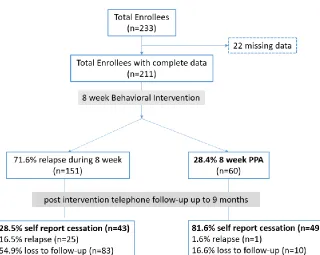
Figure 1 depicts the program’s participant rates of 8 week PPA, relapse, and loss to
date) indicated a 28.4% 8 week PPA verified by weekly urinary cotinine tests. After a median of 9.04 months of follow-up after the 8 week intervention, 81.6% reported no tobacco use (85% postnatal reports). Among the 71.6% of subjects who relapsed during the 8 weeks post quit date, we found that 28.5% reported no tobacco use (66%
postnatal reports) after a median of 3.35 months after the 8 week intervention. There was an overall 44% loss to follow-up among all subjects who enrolled in the 8 week intervention.
Variables associated with Relapse/Smoking during and after the intervention
In tables 2-4 we conducted a logistic regression analysis to identify variables associated with relapse/smoking during and after the intervention. In univariable models depicted in table 2 we found that younger mothers (ages 21-25) were three times more likely than mothers 31 and older to relapse/smoke. Those mothers who had not adhered to quit date at the start of the 8 week program (i.e. were current smokers) were 3 times more likely to relapse/smoke (OR= 3.17 95% CI [1.44, 6.95]), and this effect was even more pronounced for the heaviest smokers (OR for > 5 cigarettes per day = 4.68 [1.36, 16.18]). Black (OR=2.84 95% CI [1.07, 7.52]) and White (OR=3.93 95% CI [1.75, 8.85]) mothers were more likely than Hispanic/Latino mothers to relapse/smoke. The highest rates of relapse/smoking were also found at the first and third trimester. These
Discussion
Our program evaluation of CTTP identified notable efficacy of the 8 week incentivized health educator-delivered model. Specifically, we found a 28.4% 8 week PPA rate after the intervention and that during a median of 9 months of follow-up after the intervention 81.6% self reported currently using no tobacco. The limitation of our approach was the overall high rate of relapse or loss to follow-up (56%). Our modeling of
relapse/smoking in enrollees indicated that this was significantly higher in young mothers, non-Hispanic mothers (White, Black), those mothers who did not adhere to a quit date at enrollment, and first/third trimester mothers. Also noteworthy was a 64% higher rate of relapse/smoking in the rural “High Desert” region.
Cessation rates and outreach
The major cessation outcome findings in this study suggest that the CTTP model was successful in supporting the cessation efforts in a sample of multi-ethnic women, but evidence for statewide disparity trends remained. A recent systematic review, which included 102 randomized control trials, evaluated the effectiveness of various
comparable to those found in evidenced-based interventions provided to multi-ethnic populations of pregnant women who smoke. For example, when administered to a representative Medicaid-supported prenatal care population, the evidence-based Smoking Cessation and Reduction in Pregnancy Treatment (SCRIPTS) program which includes standardized educational materials and counseling, reported a 12% cessation rate, and an 18.2% significant reduction rate among the experimental group at three months or less postpartum 28. In contrast, the BABY & ME-Tobacco Free® program which utilizes counseling, and biomarker feedback with monthly incentives in the form of diaper voucher reported an intention to treat quit rate of 60% during pregnancy and sustained results during postpartum (64% at 6 months) in a model that utilized itinerant smoking cessation specialists 29.
While the cessation rates observed in this sample of the CTTP are encouraging, of considerable concern is the observation that approximately 44% of the total number of participants enrolled in the CTTP were loss to follow-up, which is substantially higher than the loss to follow-up rates observed in other intervention studies 5 28 30. In studies conducted among pregnant women, loss to follow-up has been associated with
results were attributed to the implementation of a range of health systems processes and culturally-sensitive retention strategies, including the collection of multiple
telephone numbers, regular updates of contact information using a computerized data management system that was available to all project staff, integration of cultural competence training and consideration with all study procedures 30. This same study also found differences between those that are lost-to-follow-up and those that drop out—thereby suggesting the need for different strategies for engaging both groups 30.
abstinence motivations, self-efficacy, nicotine dependence, and smoking-related symptomatology 32 33.
Health Disparities
Rurality. In this sample, one of the predictors of relapse/smoking was the program referral site. Participants who were referred from sites in the High Desert region had a 64% increase in odds towards relapse/smoking during or after the
strategies for expanding reach and engagement of program participants from the High and Eastern Desert regions of the county.
Ethnicity. Whites and Blacks had significantly higher odds of program non-completion in this study, while those who identified as Hispanic had the highest rates of program completion. These findings are consistent with national cessation rates during pregnancy, which is highest among non-Hispanic Asians and Hispanics 21. National, state, and county level reports consistently report a higher prevalence of maternal smoking among those who identify as White and Black vs. Hispanics, and the highest prevalence among those who identify as non-Hispanic American Indian or Alaska Native women (up to 18% nationally) 19 21 34. Furthermore, in a recent report on smoking intensity during pregnancy, the highest prevalence of high intensity smoking (≥10
cigs/day) before and during pregnancy was among Non-Hispanic White women,
followed by Black women 36. These disparities underscore the limitations of the CTTP’s outreach, and speak to the need for further formative research to understand how the program can increase its effectiveness in supporting smoking cessation among pregnant women in these subgroups.
Over 45% of the CTTP participants in this sample were of Hispanic decent, which reflects the race/ethnic group proportions in San Bernardino County, with Latino
Hispanic/Latino Paradox here refers to the suggestive a priori research that concludes that there may be maternal and infant health advantages among Hispanics women with quitting smoking during pregnancy 39. These advantages are thought to stem from shared culture, social networks, and higher levels of social capital. This phenomenon has since been observed at the national level in the US and the implications warrant further exploration at the state and county levels. For example, within San Bernardino County, many regions have Hispanic ethnic densities that are representative of larger than 50% of the total population residing there 41. Studies have also shown that the maternal and infant-related health benefits attributed to smoking cessation, in some circumstances, may also extend to other ethnicities, such as non-Hispanic Whites and non-Hispanic Blacks 40. One analysis found an approximate 80% reduction in the odds of smoking, with an approximate 33% reduction in infant mortality, as well as moderate reductions in preterm delivery risk, for white and black mothers that may live in regions where the Hispanic ethnic densities are greater than 50% 40. However, it has also been shown that these benefits may balance between ethnicities when taking into
consideration the mother’s level of acculturation. As a result of acculturation, mothers
may have adapted to new sociocultural norms, and the literature suggests a negative influence of acculturation on tobacco use among Hispanic immigrants 42.
smoking before and during pregnancy remains an urgent concern in the US, there is also a need for interventions that focus on the proportion of “low intensity quitters and reducers” who are ready to stop smoking 36. Therefore, while the discussions
concerning the Hispanic Paradox continue to caution against presumptions of cultural homogeneity among immigrant women 37, when considering community level assets (adopting a strengths perspective), the higher Hispanic ethnic densities observed across San Bernardino may present an opportunity to capitalize on the positive impact of the associated cultural and social networks within these communities.
Program modifications
In the literature, individual-level (vs. population-level) smoking cessation interventions for pregnant women have tended to differ substantially relevant to main intervention strategies, intensity, duration, and in the people involved in their
the health educator model has been determined to be unsustainable. Therefore, these study findings present an opportunity to explore other models
There is mounting evidence that the timing of smoking cessation interventions may be especially critical in preventing poor birth outcomes, as the period late in the first and early in the second trimester is a potential biologically vulnerable window for risk of PTB, and this may be most pronounced late in the first trimester 44. These
findings speak to the importance of identifying and extending smoking cessation support to women as early as possible in their pregnancy. In addition to the importance of
including smoking cessation interventions in routine preconception care 45, there is a need to refine referral processes to ensure more effective contact procedures. The evidence also suggests that the use of routine CO monitoring and “Opt-Out” referral programs during antenatal visits with culturally appropriate support have the potential to increase rates of quitting 16 45-47.
The observed patterns among Hispanic populations both nationally and in this sample may assist in determining priorities and inform programmatic modifications of the CTTP. For example, the effectiveness of engaging lay health advisors, promotores
or community health workers (CHW) to provide culturally tailored evidence-based smoking cessation interventions for pregnant women has been cited as holding
promise, particularly for underserved minority and rural communities 37 48 49. The use of CHWs is based on Rogers’ innovation diffusion theory where diffusion of innovation or
specific interventions such as motivational interviewing, when compared to professional counselors, studies have shown that the effectiveness is not diminished in a CHW model 51.
A recent systematic review of the literature identified features that enable positive CHW program outcomes, such as community embeddedness, and supportive supervision, continuous education, and adequate logistical support and supplies 52. The effectiveness of CHWs among Hispanic women has been well established and
increasing evidence of their effectiveness among other ethnicities 49. In a large study conducted recently in the Appalachian region of Ohio among a predominantly white female sample, Wewers et al. (2017) evaluated two evidence-based CHW models of tobacco dependence treatment, including a face-to-face condition and a referral to a state-sponsored quit line condition, and found that both approaches offer promise to low-resource settings and underserved regions 48.
The LLUH health system has utilized CHWs in the community setting for some time, and has led the region in training and integrating clinic-based CHW in healthcare settings ranging from primary to tertiary clinical settings. The LLUH training program has graduated over 150 CHWs between 2016-2019 and works with the region’s largest
support perinatal efforts. Formative mix-methods studies have been conducted within the same health system to explore patient and CHW’s perceptions related to clinical
integration of CHWs into a primary care setting, as well as organizational readiness for CHW training and implementation of clinic-based CHWs 53-55. This work could be highly useful in providing the context-specific elements and considerations that experts
advocate are necessary in order to maximize the full potential of this role 52.
Finally, there is also growing evidence that mobile phone text messaging and app-based interventions result in greater quit rates when compared with minimal smoking cessation support 56. In a 2019 systematic review, only one of the 26 studies included specifically targeted pregnant women and mothers 56. While further research is indicated, these types of platforms may offer a mechanism for enhancing the reach and engagement with CTTP participants between face-to-face sessions, or as an integrated strategy in the development of revised multi-component model.
Limitations
This retrospective study utilized a quasi-experimental one-group design that presents a threat to internal validity. Additionally, the high LOSS TO FOLLOW-UP rates may have introduced attrition bias or systematic differences between participants who continued in the program vs. those who dropped out. Future recommendations include testing the effectiveness of the CTTP utilizing a randomized control trial design and incorporating additional measures to prevent loss of data from attrition. The study was strengthened by the use of biochemical validation of smoking abstinence during
In regards to the sample size, the data resulted in only 60 events, allowing for only six terms to be in each model. This prevented us from testing statistical power as well as confounders and effect modifiers, and may also have prevented us from seeing other variables that could have attributed to program non-completion. Furthermore, inconsistencies in the data collection and data entry procedures increased the amount of missing data, which in turn contributed to the smaller sample size.
Future evaluations may benefit from the re-evaluation of outcome measures and data collection points, as the binary (completion/non-completion) primary program outcome variable did not allow for the characterization of participants' struggles with relapse while enrolled in the program. Additionally, we did not have access to referral site data concerning the number of women who were initially eligible for the program vs. number referred to the program, which would have provided useful information about the acceptability, and degree of selection bias in the study population 57.
Conclusions
Our findings identify that incentivized maternal smoking cessation delivered by a health care organization was effective for program participants. However, there is a critical need to enhance participation and engagement among disparity populations (by rurality and non-Hispanic ethnicity). Formative research is needed to increase
understanding of contextual factors affecting outreach and enhance cost effectiveness in order to expand the programmatic support being extended to mothers in San
Table 1: Demographic, behavioral, and gestational variables among enrollees in the Comprehensive Tobacco Treatment Program (San Bernardino County, California) during 2012-2013 (N = 233) 1
Variable N (%)
Age category
20 or younger 41 (17.67)
21-25 96 (41.38)
26-30 50 (21.55)
31 or older 45 (19.4)
Total 232
Gestational age at enrollment
First trimester 32 (14.04) Second trimester 89 (39.04) Third trimester 107 (46.93)
Total 228
Race/Ethnicity
Asian/Other 15 (6.47)
Hispanic 107(46.12)
NH Black 38(16.38)
NH White 72 (31.03)
Total 232
Education
9th Grade or less 61 (34.66) High school graduate 64 (36.36) College education or
more
51 (28.98)
Total 176
Income
Less than $10,000 69 (51.49) $10,000-$25,000 40 (29.85) More than $25,000 25 (18.66)
Total 134
Single parent
No 65 (37.14)
Yes 110 (62.86)
Total 175
Partner smokes
No 100 (45.66)
Yes 119 (54.34)
1 Demographic data missing for 1 participant
Variable N (%)
Total 219
Number of cigarettes/day at enrollment
Quit 159 (68.83)
≥ 1 Cigarette/day 72 (31.17)
Total 231
Drug use
No 140 (76.5)
Yes 43 (23.5)
Total 183
Alcohol use
No 96 (52.46)
Yes 87 (47.54)
Total 183
Smoking status at enrollment
No (Quit) 153 (67.7)
Yes (Current smoking) 73 (32.3)
Total 226
Number of pregnancies
1 or none 63 (27.75)
2 48 (21.15)
3 40 (17.62)
4 35 (15.42)
5 or more 41 (18.06)
Total 227
Number of children
None 80 (35.09)
1 60 (26.32)
2 39 (17.11)
3 or more 49 (21.49)
Total 228
Program location by region within SB County
Linda Linda 78 (33.62)
High Desert 76 (32.76)
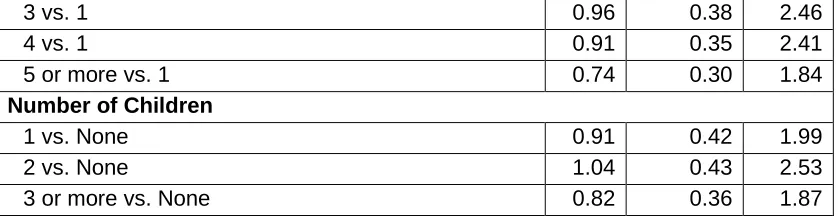
Table 2: Univariable odds ratios relating selected variables to program non-completion among participants enrolled in the Comprehensive Tobacco Treatment Program (San Bernardino County, California) from 2012-2013 (N = 233).
Covariates OR 95% Confidence
Interval Age
20 or younger vs. 21-25 0.63 0.26 1.51
26-30 vs. 21-25 0.59 0.26 1.33
31 or older vs. 21-25 0.33 0.15 0.75
Race
Asian/Other vs. Hispanic 1.31 0.42 4.12
NH Black vs. Hispanic 2.84 1.07 7.52
NH White vs. Hispanic 3.93 1.75 8.85
Education
9th Grade or less vs. College education or more 1.64 0.72 3.70 High school graduate vs. College education or more 1.45 0.66 3.16
Income
$10,000-$25,000 vs. More than $25,000 1.05 0.37 2.98 Less than $10,000 vs. More than $25,000 1.77 0.67 4.67
Single parent
Yes vs. No 1.49 0.76 2.92
Partner smokes
Yes vs. No 1.59 0.86 2.94
Program location
Fontana/Rialto vs. Loma Linda 0.76 0.28 2.04
High Desert vs. Loma Linda 1.64 0.73 3.68
San Bernardino City vs. Loma Linda 0.57 0.26 1.22
Smoking status at time of enrollment (Current smoking vs. Quit)
Yes vs. No 3.17 1.44 6.95
Cigarettes
5 or less/day vs. Non smoker 2.17 0.84 5.62
More than 5/day vs. Non smoker 4.68 1.36 16.18
Alcohol use
Yes vs. No 0.99 0.52 1.89
Drug use
Yes vs. No 1.65 0.72 3.78
Gestational age at enrolment
First trimester vs. Second trimester 4.04 1.28 12.72
Third trimester vs. Second trimester 2.36 1.23 4.50 Parity
3 vs. 1 0.96 0.38 2.46
4 vs. 1 0.91 0.35 2.41
5 or more vs. 1 0.74 0.30 1.84
Number of Children
1 vs. None 0.91 0.42 1.99
2 vs. None 1.04 0.43 2.53
3 or more vs. None 0.82 0.36 1.87
Table 3. Multivariable model relating gestational age, age, and ethnicity variables to program non-completion among participants enrolled in the Comprehensive Tobacco Treatment Program (San Bernardino County, California) from 2012-2013 (N = 233).
Covariates OR 95% Confidence
Interval
1st Trimester vs. 2nd Trimester
3.87 1.15 13.04
3rd Trimester vs. 2nd Trimester
2.87 1.43 5.77
Age 0.93 0.87 0.99
Asian/Other vs. Hispanic
0.86 0.25 2.98
NH Black vs. Hispanic
3.13 1.13 8.69
NH White vs. Hispanic 4.38 1.87 10.25
Table 4. Multivariable model relating smoking status at enrollment, ethnicity, and age to program non-completion among participants enrolled in the Comprehensive Tobacco Treatment Program (San Bernardino County, California) from 2012-2013 (N = 233).
Covariates OR
95% Confidence
Interval
Smoking vs. Quit 2.440 1.030 5.776
Age 0.923 0.868 0.982
Asian/Other vs. Hispanic
1.225 0.377 3.981
NH Black vs. Hispanic
3.019 1.101 8.274
NH White vs. Hispanic
Acknowledgements
This study was supported by Grant HHSN 267200700021C from NICHD/Department of Health and Human Services (National Children’s Study Award to University of California, Irvine, and sub-award to Loma Linda University and Cal State San Bernardino).
Author Contributions
The following statements should be used
Conceptualization, P.S. and T.O.; Methodology, P.S.; Software, T.O. and S.W.; Validation, S.W.; Formal Analysis, X.X.; Writing – Original Draft Preparation,T.O.; Writing – Review & Editing, A.B.P, J.Y. and J.C.B.; Supervision, P.S.; Project Administration, P.S.; Funding Acquisition, P.S.
Conflict of Interest
References
1. Lange S, Probst C, Rehm J, et al. National, regional, and global prevalence of smoking during
pregnancy in the general population: a systematic review and meta-analysis. The Lancet Global
Health 2018;6(7):e769-e76.
2. U.S. Department of Health and Human Services. The Health Consequences of Smoking: 50 Years of Progress. A Report of the Surgeon General. Atlanta, GA: U.S: Department of Health and Human Services, Centers for Disease Control and Prevention, National Center for Chronic Disease Prevention and Health Promotion, Office on Smoking and Health, 2014.
3. Nighbor TD, Doogan NJ, Roberts ME, et al. Smoking prevalence and trends among a U.S. national sample of women of reproductive age in rural versus urban settings. PLoS One
2018;13(11):e0207818. doi: 10.1371/journal.pone.0207818 [published Online First: 2018/11/30] 4. Chilcoat HD. An overview of the emergence of disparities in smoking prevalence, cessation, and
adverse consequences among women. Drug and alcohol dependence 2009;104 Suppl 1:S17-23. doi: 10.1016/j.drugalcdep.2009.06.002 [published Online First: 2009/07/28]
5. Chamberlain C, O'Mara-Eves A, Porter J, et al. Psychosocial interventions for supporting women to stop smoking in pregnancy. The Cochrane database of systematic reviews 2017;2:Cd001055. doi: 10.1002/14651858.CD001055.pub5 [published Online First: 2017/02/15]
6. Wagijo MA, Sheikh A, Duijts L, et al. Reducing tobacco smoking and smoke exposure to prevent preterm birth and its complications. Paediatric respiratory reviews 2017;22:3-10. doi: 10.1016/j.prrv.2015.09.002 [published Online First: 2015/10/21]
7. Cnattingius S, Granath F, Petersson G, et al. The influence of gestational age and smoking habits on the risk of subsequent preterm deliveries. J New England Journal of Medicine 1999;341(13):943-48.
8. Cooper S, Orton S, Leonardi-Bee J, et al. Smoking and quit attempts during pregnancy and postpartum: a longitudinal UK cohort. J BMJ open 2017;7(11):e018746.
9. Solomon LJ, Quinn VP. Spontaneous quitting: Self-initiated smoking cessation in early pregnancy.
Nicotine & Tobacco Research 2004;6(Suppl_2):S203-S16. doi: 10.1080/14622200410001669132
%J Nicotine & Tobacco Research
10. Tong VT, Dietz PM, Morrow B, et al. Trends in smoking before, during, and after pregnancy--Pregnancy Risk Assessment Monitoring System, United States, 40 sites, 2000-2010. Morbidity
and mortality weekly report Surveillance summaries (Washington, DC : 2002) 2013;62(6):1-19.
[published Online First: 2013/12/19]
11. Bauld L, Graham H, Sinclair L, et al. Barriers to and facilitators of smoking cessation in pregnancy and following childbirth: literature review and qualitative study. Health technology assessment
(Winchester, England) 2017;21(36):1-158. doi: 10.3310/hta21360 [published Online First:
2017/07/01]
12. Boucher J, Konkle A. Understanding inequalities of maternal smoking—bridging the gap with adapted intervention strategies. J International journal of environmental research public health 2016;13(3):282.
13. Emery JL, Sutton S, Naughton F. Cognitive and Behavioral Predictors of Quit Attempts and Biochemically-Validated Abstinence During Pregnancy. Nicotine & tobacco research : official
journal of the Society for Research on Nicotine and Tobacco 2017;19(5):547-54. doi:
10.1093/ntr/ntw242 [published Online First: 2017/04/14]
Annals of internal medicine 2015;163(8):622-34. doi: 10.7326/m15-2023 [published Online First: 2015/09/22]
15. Gould GS, Twyman L, Stevenson L, et al. What components of smoking cessation care during pregnancy are implemented by health providers? A systematic review and meta-analysis. BMJ open 2019;9(8):e026037. doi: 10.1136/bmjopen-2018-026037 [published Online First:
2019/08/21]
16. Bar-Zeev Y, Bonevski B, Lim LL, et al. Improving health providers smoking cessation care in pregnancy: A systematic review and meta-analysis. Addictive behaviors 2019;93:29-38. doi: 10.1016/j.addbeh.2019.01.002 [published Online First: 2019/01/27]
17. Scheuermann TS, Richter KP, Jacobson LT, et al. Medicaid Coverage of Smoking Cessation Counseling and Medication Is Underutilized for Pregnant Women. Nicotine & tobacco research : official
journal of the Society for Research on Nicotine and Tobacco 2017;19(5):656-59. doi:
10.1093/ntr/ntw263 [published Online First: 2017/04/14]
18. Campbell KA, Fergie L, Coleman-Haynes T, et al. Improving Behavioral Support for Smoking Cessation in Pregnancy: What Are the Barriers to Stopping and Which Behavior Change Techniques Can Influence These? Application of Theoretical Domains Framework. International journal of
environmental research and public health 2018;15(2) doi: 10.3390/ijerph15020359 [published
Online First: 2018/02/22]
19. California Department of Public Health. Maternal and Infant Health Assessment (MIHA) Survey Data Snapshots, 2013-2015: MIHA Data Snapshot, California by Race/Ethnicity, 2013-2015. 2018 20. California Department of Public Health. Maternal and Infant Health Assessment (MHA) Survey
County and Regional Data Snapshots for Subgroups, 2013-2015, 2018.
21. Curtin SC, Matthews TJ. Smoking Prevalence and Cessation Before and During Pregnancy: Data From the Birth Certificate, 2014. National vital statistics reports : from the Centers for Disease Control and Prevention, National Center for Health Statistics, National Vital Statistics System
2016;65(1):1-14. [published Online First: 2016/02/26]
22. California Department of Public Health. Maternal and Infant Health Assessment (MIHA) Survey Data Snapshots, 2013-2015, 2018.
23. The American Congress of Obstetricians and Gynecologists. Committee Opinion No. 721: Smoking Cessation During Pregnancy. Obstetrics and gynecology 2017;130(4):e200-e04. doi:
10.1097/aog.0000000000002353 [published Online First: 2017/09/25]
24. Cheung KL, de Ruijter D, Hiligsmann M, et al. Exploring consensus on how to measure smoking cessation. A Delphi study. BMC Public Health 2017;17(1):890-90. doi: 10.1186/s12889-017-4902-7
25. West R, Hajek P, Stead L, et al. Outcome criteria in smoking cessation trials: proposal for a common standard. Addiction (Abingdon, England) 2005;100(3):299-303. doi:
10.1111/j.1360-0443.2004.00995.x [published Online First: 2005/03/01] 26. SAS® 9.3 [program]. Cary, NC, USA: SAS Institute Inc., 2011.
27. Windsor R. Behavioral Treatment Methods for Pregnant Smokers: The Evidence Base for Prenatal Care Programs and Professional Practice. School of Public Health, University of Illinois: Springer 2010.
28. Windsor R, Woodby L, Miller T, et al. Effectiveness of Smoking Cessation and Reduction in Pregnancy Treatment (SCRIPT) methods in Medicaid-supported prenatal care: Trial III. Health education &
behavior : the official publication of the Society for Public Health Education 2011;38(4):412-22.
doi: 10.1177/1090198110382503 [published Online First: 2011/05/10]
30. El-Khorazaty MN, Johnson AA, Kiely M, et al. Recruitment and retention of low-income minority women in a behavioral intervention to reduce smoking, depression, and intimate partner violence during pregnancy. BMC Public Health 2007;7:233. doi: 10.1186/1471-2458-7-233 [published Online First: 2007/09/08]
31. Houston-Ludlam AN, Bucholz KK, Grant JD, et al. The interaction of sociodemographic risk factors and measures of nicotine dependence in predicting maternal smoking during pregnancy. Drug
and alcohol dependence 2019;198:168-75. doi: 10.1016/j.drugalcdep.2019.02.014 [published
Online First: 2019/04/03]
32. Kia F, Tosun N, Carlson S, et al. Examining characteristics associated with quitting smoking during pregnancy and relapse postpartum. Addictive behaviors 2018;78:114-19. doi:
https://doi.org/10.1016/j.addbeh.2017.11.011
33. Germeroth LJ, Wang Z, Emery RL, et al. The Role of Self-Efficacy and Motivation in Postpartum Sustained Smoking Abstinence. Women's health issues : official publication of the Jacobs
Institute of Women's Health 2019;29(3):259-66. doi: 10.1016/j.whi.2019.03.006 [published
Online First: 2019/05/11]
34. San Bernardino County Board of Supervisors. San Bernardino County Commmunity Indicators Report 2018, 2018.
35. American Lung Association. State of tobacco control 2019 - California local grades 2019 [Available from:
https://www.lung.org/local-content/california/documents/state-of-tobacco-control/2019/counties/san-bernardino-countypdf.pdf accessed 29 October 2019. 36. Kondracki AJ. Prevalence and patterns of cigarette smoking before and during early and late
pregnancy according to maternal characteristics: the first national data based on the 2003 birth certificate revision, United States, 2016. Reproductive health 2019;16(1):142. doi:
10.1186/s12978-019-0807-5 [published Online First: 2019/09/15]
37. Fitzgerald EM. Evidence-based tobacco cessation strategies with pregnant Latina women. The
Nursing clinics of North America 2012;47(1):45-54. doi: 10.1016/j.cnur.2011.11.001 [published
Online First: 2012/02/01]
38. Pampel FC, Krueger PM, Denney JT. Socioeconomic Disparities in Health Behaviors. 2010;36(1):349-70. doi: 10.1146/annurev.soc.012809.102529
39. Shaw RJ, Pickett KE. The health benefits of Hispanic communities for non-Hispanic mothers and infants: another Hispanic paradox. American journal of public health 2013;103(6):1052-7. doi: 10.2105/ajph.2012.300985 [published Online First: 2013/04/20]
40. Shaw RJ, Pickett KE, Wilkinson RG. Ethnic density effects on birth outcomes and maternal smoking during pregnancy in the US linked birth and infant death data set. American journal of public
health 2010;100(4):707-13. doi: 10.2105/ajph.2009.167114 [published Online First: 2010/02/20]
41. United States Census Bureau. ACS Demographic and Housing Estimates 2013-2017 American Community Survey 5-Year Estimates: United States Census Bureau, 2017.
42. Bethel JW, Schenker MB. Acculturation and smoking patterns among Hispanics: a review. J American
journal of preventive medicine 2005;29(2):143-48.
43. Trinidad DR, Pérez-Stable EJ, White MM, et al. A nationwide analysis of US racial/ethnic disparities in smoking behaviors, smoking cessation, and cessation-related factors. J American journal of
public health 2011;101(4):699-706.
44. Kondracki AJ, Hofferth SL. A gestational vulnerability window for smoking exposure and the increased risk of preterm birth: how timing and intensity of maternal smoking matter.
Reproductive health 2019;16(1):43. doi: 10.1186/s12978-019-0705-x [published Online First:
45. Scherman A, Tolosa JE, McEvoy C. Smoking cessation in pregnancy: a continuing challenge in the United States. Therapeutic advances in drug safety 2018;9(8):457-74. doi:
10.1177/2042098618775366 [published Online First: 2018/10/27]
46. Sloan M, Campbell KA, Bowker K, et al. Pregnant Women's Experiences and Views on an "Opt-Out" Referral Pathway to Specialist Smoking Cessation Support: A Qualitative Evaluation. Nicotine & tobacco research : official journal of the Society for Research on Nicotine and Tobacco
2016;18(5):900-5. doi: 10.1093/ntr/ntv273 [published Online First: 2016/01/09]
47. Campbell KA, Cooper S, Fahy SJ, et al. 'Opt-out' referrals after identifying pregnant smokers using exhaled air carbon monoxide: impact on engagement with smoking cessation support. Tobacco
control 2017;26(3):300-06. doi: 10.1136/tobaccocontrol-2015-052662 [published Online First:
2016/05/27]
48. Wewers ME, Shoben A, Conroy S, et al. Effectiveness of Two Community Health Worker Models of Tobacco Dependence Treatment Among Community Residents of Ohio Appalachia. Nicotine & tobacco research : official journal of the Society for Research on Nicotine and Tobacco
2017;19(12):1499-507. doi: 10.1093/ntr/ntw265 [published Online First: 2016/11/01]
49. Andrews JO, Felton G, Wewers ME, et al. Use of community health workers in research with ethnic minority women. Journal of nursing scholarship : an official publication of Sigma Theta Tau
International Honor Society of Nursing 2004;36(4):358-65. [published Online First: 2005/01/08]
50. Rogers EM. Diffusion of Innovations. 5th ed. New York: Free Press 2003.
51. Lando HA. Lay facilitators as effective smoking cessation counselors. Addictive behaviors
1987;12(1):69-72. doi: 10.1016/0306-4603(87)90011-6 [published Online First: 1987/01/01] 52. Scott K, Beckham SW, Gross M, et al. What do we know about community-based health worker
programs? A systematic review of existing reviews on community health workers. Human
resources for health 2018;16(1):39. doi: 10.1186/s12960-018-0304-x [published Online First:
2018/08/18]
53. Lee L, Montgomery S, Gamboa-Maldonado T, et al. Perceptions of organizational readiness for training and implementation of clinic-based community health workers. Journal of health
organization and management 2019;33(4):478-87. doi: 10.1108/jhom-06-2018-0158 [published
Online First: 2019/07/10]
54. Lewis CM, Gamboa-Maldonado T, Belliard JC, et al. Preparing for Community Health Worker Integration Into Clinical Care Teams Through an Understanding of Patient and Community Health Worker Readiness and Intent. The Journal of ambulatory care management
2019;42(1):37-46. doi: 10.1097/jac.0000000000000261 [published Online First: 2018/12/01] 55. Lewis CM, Gamboa-Maldonado T, Carlos Belliard J, et al. Patient and Community Health Worker
Perceptions of Community Health Worker Clinical Integration. Journal of community health 2019;44(1):159-68. doi: 10.1007/s10900-018-0566-1 [published Online First: 2018/08/14] 56. Whittaker R, McRobbie H, Bullen C, et al. Mobile phone text messaging and app-based interventions
for smoking cessation. The Cochrane database of systematic reviews 2019;10:Cd006611. doi: 10.1002/14651858.CD006611.pub5 [published Online First: 2019/10/23]