University of Huddersfield Repository
Abdeljaber, Fadi Detecting Autistic Traits using Computational Intelligence & Machine Learning Techniques Original Citation Abdeljaber, Fadi (2019) Detecting Autistic Traits using Computational Intelligence & Machine Learning Techniques. Masters thesis, University of Huddersfield. This version is available at http://eprints.hud.ac.uk/id/eprint/34844/ The University Repository is a digital collection of the research output of the University, available on Open Access. Copyright and Moral Rights for the items on this site are retained by the individual author and/or other copyright owners. Users may access full items free of charge; copies of full text items generally can be reproduced, displayed or performed and given to third parties in any format or medium for personal research or study, educational or notforprofit purposes without prior permission or charge, provided: • The authors, title and full bibliographic details is credited in any copy; • A hyperlink and/or URL is included for the original metadata page; and • The content is not changed in any way. For more information, including our policy and submission procedure, please contact the Repository Team at: [email protected]. http://eprints.hud.ac.uk/i
Detecting Autistic Traits
using Computational Intelligence &
Machine
Learning Techniques
Fadi Abdeljaber (Thabtah)
Submitted in partial fulfilment of the requirements for the degree
of Master of Research (MRes)
Health and Human Sciences
Department of Psychology
University of Huddersfield
Huddersfield, UK
ii
DECLARATION
I hereby declare that this thesis has not been submitted, either in the same or
different form, to this or any other university for a degree.
iii
ACKNOWLEDGMENTS
First and foremost, I would like to thank God almighty for the strength, health and
knowledge given to me to peruse my studies. I would like also to thank my
supervisor Dr. David Peebles for the ongoing help & support during my research
studies. Without his guidance and support this work will not be possible.
Great thanks to my wife Neda who has been supportive and patient with all the
working hours I have invested during my journey. Special thanks go to Hatem my
lovely son who has inspired me to conduct this work and finally I would like to thank
my son Fayez, my mother Fatima, my brothers and my sisters for their spiritual
support.
iv
DEDICATION
This thesis is dedicated to my son Hatem who has been my “dipsy” from day 1
until now and my father Fayez God bless his soul.
v
Publications
1. Thabtah F. Peebles D. (2019) A New Machine Learning Model based on Induction of Rules for Autism Detection. Health Informatics Journal. 2018. (Accepted and to appear in February 2019). 2. Thabtah F. Peebles D. (2018) Screening of Autism: A Comprehensive ASD Screening Tools Review for Toddlers, Children, Adolescents, and Adults. Journal of Intellectual Disabilities. (Under Review).
4. Thabtah F. (2108) Machine learning in autistic spectrum disorder behavioral research: A review and ways forward. Informatics for Health and Social Care 43 (2), 1-20. 2018.
5. Thabtah F. (2018) An Accessible and Efficient Autism Screening Method for Behavioural Data and Predictive Analyses. Health Informatics Journal. Health informatics journal, pp. 1-21, 1460458218796636 . 2018.
3. Thabtah F. et al. (2018) A new computational intelligence approach to detect autistic features for autism screening. International Journal of Medical Informatics, Volume 117, pp. 112-124.
6. Thabtah F. (2017) ASDTests. A mobile app for ASD screening. www.asdtests.com.1
1 Fadi is the main author of all accepted and published works of this study. For papers that were not solely
authored by Fadi, he was the first author of these as he performed experiments, results analyses, coding, and the entire writing. The co-author(s) verified the mathematical model(s) and the results produced besides contributing to the paper organization and guidance.
vi
ABSTRACT
Autistic Spectrum Disorder (ASD) is a developmental disorder that describes certain challenges associated with communication (verbal and non-verbal), social skills and repetitive behaviours. Self-administered ASD assessment tools, also known as screening tools, are typically conducted by a caregiver, medical staff and require responses to a large number of items. The validity and accuracy of assessments based on these tools relies upon classification methods which have antiquated technologies and this should be of concern for users in the healthcare community. A possible way to improve the classification accuracy and efficiency of the current screening tools is to adopt intelligent methods based on machine learning (ML) and computational intelligence. The latter can be utilised to identify a concise set of items by using new technologies such as mobile platforms, thus improving screening, or be able to steer those in seek of help toward a more accurate diagnosis. To automate the classification process and enhance the predictive accuracy of the test, the processing of data, based on the outcome of the computational intelligence, can be conducted using the former method.
This thesis proposes a new ML architecture for ASD screening that consists of a rule-based classification method called Rules Machine Learning (RML) which generates high predictive rules that can be easily understood by different users. Moreover, a new feature selection method known as Variable Analysis (Va) is proposed; this significantly reduces the number of features needed for ASD screening methods while maintaining performance. The last proposal in this thesis is an easy and accessible mobile screening application called ASDTests, which enables vital autism features to be collected from three primary datasets: adults, children, and adolescents from which thorough descriptive and predictive analyses are performed. To measure the performance of the RML and Va methods, large numbers of experiments have been conducted using various feature selection and ML techniques on the considered datasets. The bases of the comparisons are: evaluation metrics including sensitivity, specificity, accuracy, positive predictive value (PPV), negative predictive value (NVP), and harmonic mean. The results clearly demonstrated that the new ML method was able to choose fewer items from the three datasets than the other methods considered while maintaining acceptable levels of specificity, sensitivity, and predictive accuracy. The concise sets of items and classifiers generated are of high interest to the different individuals interested in ASD screening. These results can also assist in early detection of ASD traits, thus facilitating access to necessary support systems for the physical, social, and educational well-being of the patient and their family in addition to increasing the likelihood of improved outcomes for the patient.
vii
Table ofContents
CHAPTER ONE ... 1
1.1 INTRODUCTION ... 1
1.2 THE RESEARCH PROBLEM, AIMS AND RESEARCH QUESTIONS ... 3
1.3 THE RESEARCH ISSUES AND CONTRIBUTIONS ... 5
1.3.1SCORING FUNCTION ... 5
1.3.2 Performance (Efficiency, Accuracy, Sensitivity and Specificity) ... 6
1.3.3 Features Analysis ... 7
1.3.4 Behaviour Datasets Scarcity ... 8
1.3.5ACCESSIBILITY ... 9
1.4 MACHINE LEARNING: A BRIEF INTRODUCTION ... 10
1.5 THESIS STRUCTURE ... 12
CHAPTER TWO: LITERATURE REVIEW COMMON AUTISM SCREENING METHODS AND RECENT MACHINE LEARNING USE IN ASD CLASSIFICATION ... 13
2.1 INTRODUCTION ... 13
2.2 ASD SCREENING METHODS ... 15
2.2.1TODDLERS AND CHILDREN ASDSCREENING METHODS ... 15
2.2.1.1 Quantitative Checklist for Autism in Toddlers (Q-CHAT) ... 15
2.2.1.2 Autism Behaviour Checklist (ABC) ... 16
2.2.1.3 Autism Screening Instrument for Educational Planning – 3rd Version (ASIEP-3) ... 17
2.2.1.4 Childhood Autism Rating Scale (CARS-2) ... 17
2.2.1.5 Developmental Behaviour Checklist – Early Screen (DBD-ES) ... 18
2.2.1.6 Early Screening for Autistic Traits (ESAT) ... 19
2.2.1HYBRID SCREENING METHODS ... 20
2.2.2.1 Autism Spectrum Screening Questionnaire (ASSQ) ... 20
2.2.2.2 Autism Spectrum Quotient (AQ) ... 20
2.2.2.3 Social Communication Questionnaire (SCQ) ... 21
2.2.2.4 Social Responsiveness Scale (SRS) ... 22
2.2.2.5 Child Behaviour Checklist (CBCL) ... 23
2.3 COMPARISON OF THE ASD SCREENING METHODS ... 24
2.4 DISCUSSION ON THE ASD SCREENING METHODS ... 27
2.4.1 DSM-IV VS.DSM-5CRITERIA ... 27
2.4.2DIGITAL PRESENCE AND ACCESSIBILITY ... 29
2.4.3ADMINISTRATION AND TIME EFFICIENCY ... 31
2.4.4PERFORMANCE AND COMPREHENSIBILITY ... 32
2.4.5POPULARITY ... 32
2.5 RECENT MACHINE LEARNING STUDY ON ASD SCREENING AND DIAGNOSIS ... 33
viii
CHAPTER THREE MACHINE LEARNING METHOD FOR ASD SCREENING ... 43
3.1 INTRODUCTION ... 43
3.2 THE PROPOSED MACHINE LEARNING ARCHITECTURE ... 44
3.2.1DATA COLLECTION METHOD... 45
3.2.2DATA TRANSFORMATION AND PRE-PROCESSING ... 51
3.2.3FEATURE SELECTION ... 52
3.2.4THE CLASSIFICATION METHOD ... 56
3.3 CHAPTER SUMMARY ... 59
CHAPTER FOUR: DATA AND RESULTS ANALYSIS ... 60
4.1INTRODUCTION... 60
4.2EVALUATION MEASURES ... 61
4.3DATASETS ... 62
4.4FEATURE SELECTION RESULTS ANALYSIS ... 65
4.4.1 Experimental Setting ... 65
4.4.2 Number of Features Selected ... 66
4.4.3 Accuracy, Sensitivity Specificity, PPVs, NPVs Results based on Feature Selection ... 69
4.5RMLRESULTS ANALYSIS ... 75
4.5.1 Experimental Settings ... 75
4.5.2 Error Rate, Sensitivity, Specificity and Harmonic Mean Results of RML ... 75
4.6CHAPTER SUMMARY ... 82
CHAPTER FIVE: CONCLUSIONS AND FUTURE WORK ... 84
REFERENCES ... 86
ix
Table ofContents
CHAPTER ONE ... 1
1.1 INTRODUCTION ... 1
1.2 THE RESEARCH PROBLEM, AIMS AND RESEARCH QUESTIONS ... 3
1.3 THE RESEARCH ISSUES AND CONTRIBUTIONS ... 5
1.3.1SCORING FUNCTION ... 5
1.3.2 Performance (Efficiency, Accuracy, Sensitivity and Specificity) ... 6
1.3.3 Features Analysis ... 7
1.3.4 Behaviour Datasets Scarcity ... 8
1.3.5ACCESSIBILITY ... 9
1.4 MACHINE LEARNING: A BRIEF INTRODUCTION ... 10
1.5 THESIS STRUCTURE ... 12
CHAPTER TWO: LITERATURE REVIEW COMMON AUTISM SCREENING METHODS AND RECENT MACHINE LEARNING USE IN ASD CLASSIFICATION ... 13
2.1 INTRODUCTION ... 13
2.2 ASD SCREENING METHODS ... 15
2.2.1TODDLERS AND CHILDREN ASDSCREENING METHODS ... 15
2.2.1.1 Quantitative Checklist for Autism in Toddlers (Q-CHAT) ... 15
2.2.1.2 Autism Behaviour Checklist (ABC) ... 16
2.2.1.3 Autism Screening Instrument for Educational Planning – 3rd Version (ASIEP-3) ... 17
2.2.1.4 Childhood Autism Rating Scale (CARS-2) ... 17
2.2.1.5 Developmental Behaviour Checklist – Early Screen (DBD-ES) ... 18
2.2.1.6 Early Screening for Autistic Traits (ESAT) ... 19
2.2.2HYBRID SCREENING METHODS ... 20
2.2.2.1 Autism Spectrum Screening Questionnaire (ASSQ) ... 20
2.2.2.2 Autism Spectrum Quotient (AQ) ... 20
2.2.2.3 Social Communication Questionnaire (SCQ) ... 21
2.2.2.4 Social Responsiveness Scale (SRS) ... 22
2.2.2.5 Child Behaviour Checklist (CBCL) ... 23
2.3 COMPARISON OF THE ASD SCREENING METHODS ... 24
2.4 DISCUSSION ON THE ASD SCREENING METHODS ... 27
2.4.1 DSM-IV VS.DSM-5CRITERIA ... 27
2.4.2DIGITAL PRESENCE AND ACCESSIBILITY ... 29
2.4.3ADMINISTRATION AND TIME EFFICIENCY ... 31
2.4.4PERFORMANCE AND COMPREHENSIBILITY ... 32
2.4.5POPULARITY ... 32
2.5 RECENT MACHINE LEARNING STUDY ON ASD SCREENING AND DIAGNOSIS ... 33
x
CHAPTER THREE MACHINE LEARNING METHOD FOR ASD SCREENING ... 43
3.1 INTRODUCTION ... 43
3.2 THE PROPOSED SYSTEM ARCHITECTURE FOR DETECTION OF AUTISTIC TRAITS ... 44
3.2.1DATA COLLECTION ... 45
3.2.2DATA TRANSFORMATION AND PRE-PROCESSING ... 51
3.2.3FEATURE EVALUATION AND SELECTION... 52
3.2.4MACHINE LEARNING METHODS FOR THE DETECTION OF AUTISTIC TRAITS ... 56
3.3 CHAPTER SUMMARY ... 59
CHAPTER FOUR: TESTING AND PERFORMANCE EVALUATION ... 60
4.1INTRODUCTION... 60
4.2EVALUATION MEASURES ... 61
4.3DATASETS ... 62
4.4FEATURE SELECTION RESULTS ANALYSIS ... 65
4.4.1 Experimental Setting ... 65
4.4.2 Number of Features Selected ... 66
4.4.3 Accuracy, Sensitivity Specificity, PPVs, NPVs Results based on Feature Selection ... 70
4.5RMLRESULTS ANALYSIS ... 75
4.5.1 Experimental Settings ... 75
4.5.2 Error Rate, Sensitivity, Specificity and Harmonic Mean Results of RML ... 76
4.6CHAPTER SUMMARY ... 82
CHAPTER FIVE: CONCLUSIONS AND FUTURE WORK ... 84
REFERENCES ... 87
xi
LIST OF FIGURES
FIGURE1.ASDSCREENINGPROBLEMASAPREDICTIVETASKINML... 4
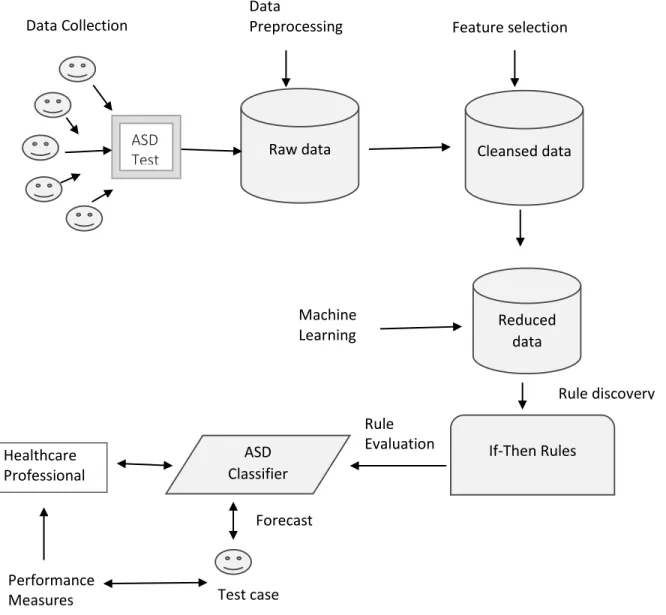
FIGURE3.1THEPROPOSEDMLARCHITECTUREFORASDCLASSIFICATION ... 45
FIGURE 3.2 THE PROPOSED APP (ASDTESTS) NAVIGATION DIAGRAM………48
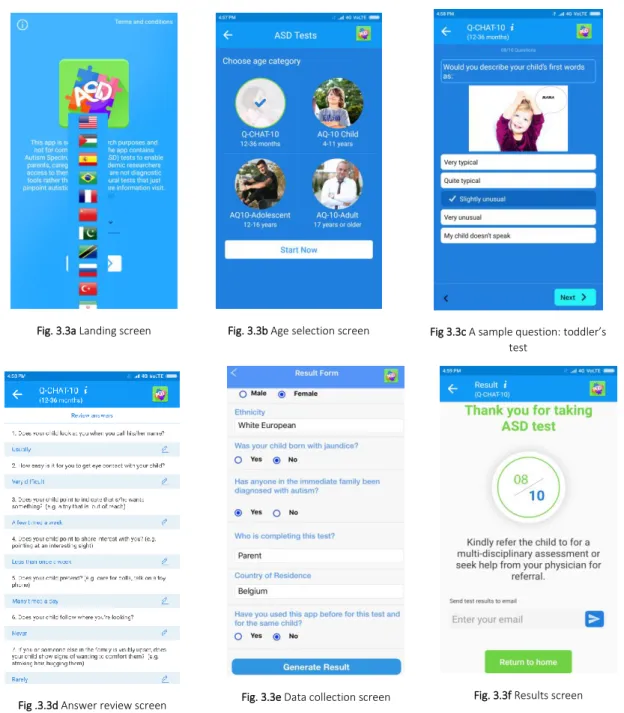
FIGURE3.3ALANDINGSCREEN ... 49
FIGURE3.3BAGESELECTIONSCREEN ... 49
FIGURE3.3CASAMPLEQUESTION:TODDLER’STEST ... 49
FIGURE3.3DANSWERREVIEWQUESTION ... 49
FIGURE3.3EDATACOLLECTIONSCREEN ... 49
FIGURE 3.3FRESULTSCREEN ... 49
FIGURE 3.4RMLALGORITHM ... 59
FIG.4.1A THE DISTRIBUTION OF INSTANCES (WITH AND WITHOUT ASD TRAITS ) PER AGE GROUP ... 64
FIGURE 4.1B:THE DISTRIBUTION OF AGE INSTANCES (WITH AND WITHOUT ASD TRAITS ) PER CLASS LABEL ... 64
FIGURE 4.2: NUMBER OF VARIABLES SELECTED FROM THE ASD DATASET BASED ON THE CONSIDERED FILTERING METHODS ... 67
FIGURES4.3A&4.3B:CLASSIFICATION ACCURACIES OF RIPPER AND C4.5 ALGORITHMS AGAINST THE SELECTED SUBSETS OF DATA OF THE CONSIDERED METHODS ... 71
FIGURES4.4A& 4.4B: SENSITIVITY RATES OF RIPPER AND C4.5 ALGORITHMS AGAINST THE SELECTED SUBSETS OF DATA OF THE CONSIDERED METHODS ... 72
FIGURES4.5A&4.5B:SPECIFICITY RATES OF RIPPER AND C4.5 ALGORITHMS AGAINST THE SELECTED SUBSETS OF DATA OF THE CONSIDERED METHODS ... 73
FIGURES4.6 A &4.6 B:PPV RATES OF RIPPER AND C4.5 ALGORITHMS AGAINST THE SELECTED SUBSETS OF DATA OF THE CONSIDERED METHODS ... 74
FIGURES4.7 A &4.7B:NPV RATES OF RIPPER AND C4.5 ALGORITHMS AGAINST THE SELECTED SUBSETS OF DATA OF THE CONSIDERED METHODS ... 75
FIGURE 4.8:ERROR RATES DERIVED BY THE CONSIDERED ML ALGORITHMS ON THE ADULT AUTISM DATASET ... 76
FIGURE 4.9 A:SENSITIVITY RATES OF THE ML ALGORITHMS ON THE ADULT,ADOLESCENT AND CHILD DATASETS ... 78
FIGURE 4.9 B:SPECIFICITY RATES OF THE ML ALGORITHMS ON THE ADULT,ADOLESCENT AND CHILD DATASETS ... 78
FIGURE 4.10 F1 RATES IN % DERIVED BY THE CONSIDERED ML ALGORITHMS ON THE ADULT, ADOLESCENT AND CHILD DATASETS ………..80
FIGURE 11NUMBER OF RULES DERIVED BY THE CONSIDERED ML ALGORITHMS ON THE ADULT DATASET ... 81
xii
LIST OF TABLES
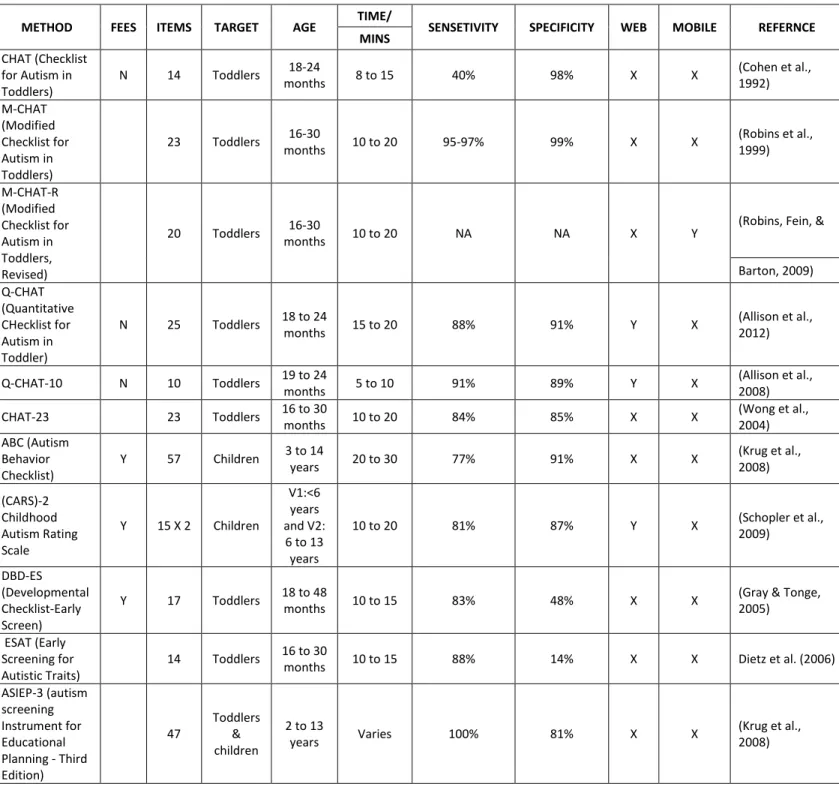
TABLE2.1:SUMMARYOFSCREENINGMETHODSAVAILABLEFORTODDLERSANDCHILDREN ... 25
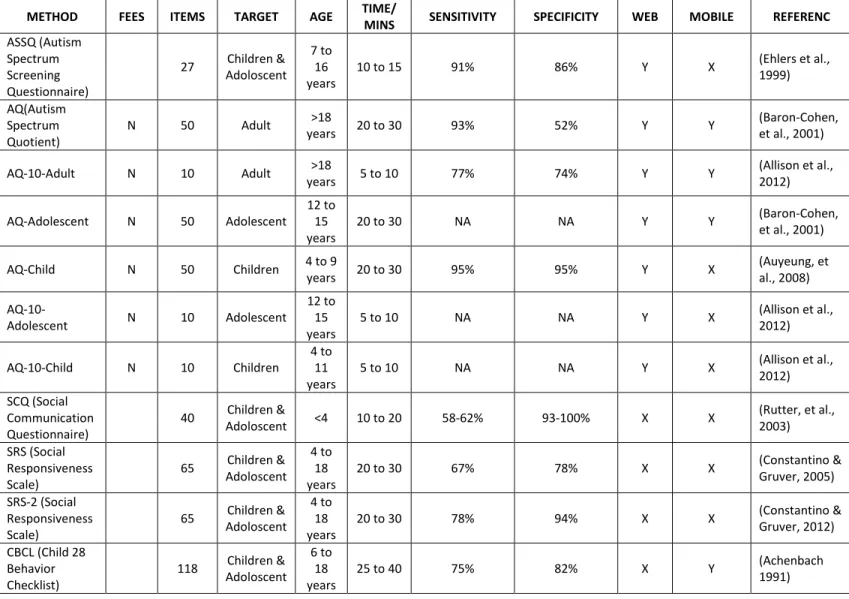
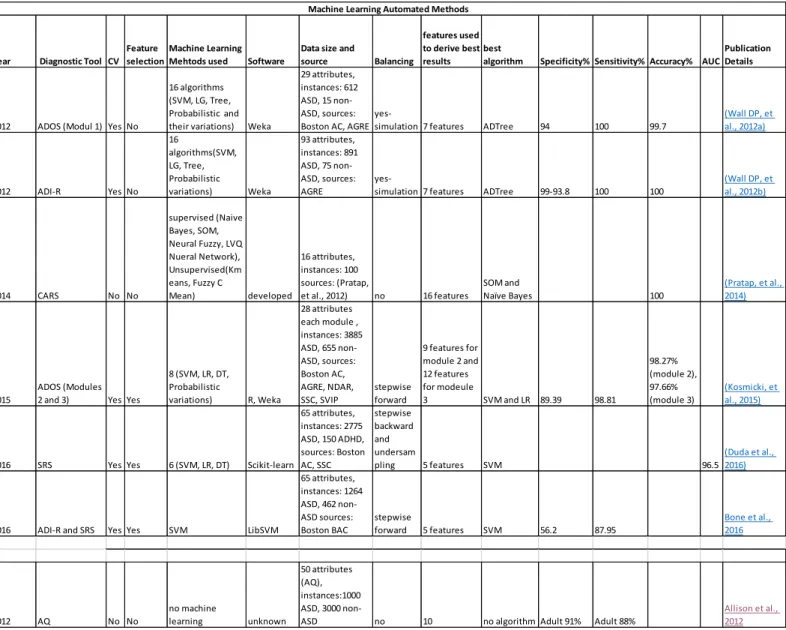
TABLE2.2:SUMMARYOFHYBRIDSCREENINGMETHODSAVAILABLE ... 26 TABLE 2.3: SAMPLE OF STUDIES ON THE USE OF MACHINE LEARNING FOR ASD CLASSIFICATION IN
BEHAVIOUR SCIENCE ……….40
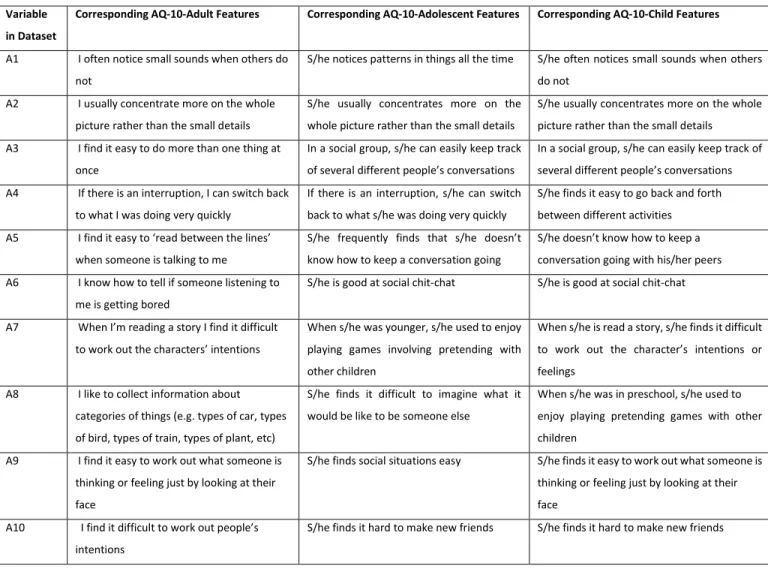
TABLE3.1:DETAILSOFVARIABLESINTHECHILD,ADOLESCENTANDADULTSCREENINGMETHODS .. 47
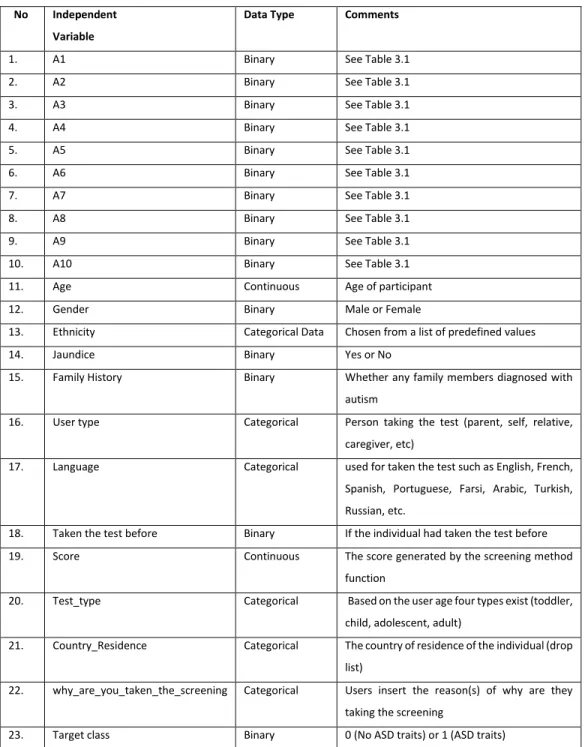
TABLE3.2:FEATURESINTHECHILD,ADOLESCENT,ANDADULTDATASETS ... 50
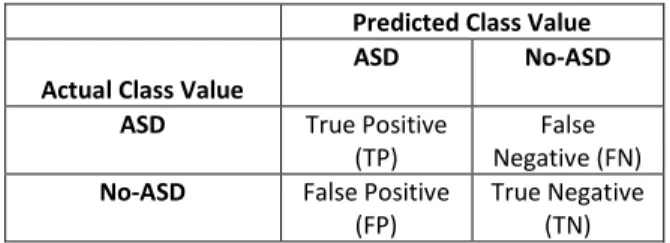
TABLE 4.1 A CONFUSION MATRIX FOR ASD SCREENING PROBLEM……….……….61
TABLE4.1B:SAMPLESIXTEENINSTANCESFROMTHEADULTDATASET ... 63
TABLE 4.1C:SUMMARY OF THE INSTANCES IN THE CONSIDERED DATASETS... 64
TABLE4.2AFEATURESREMAINEDALONGWITHTHEIRSCORESONTHEAQ-ADULTDATASETAFTER
APPLYINGVA ... 68
TABLE4.2B:FEATURESREMAINEDALONGWITHTHEIRSCORESONTHEAQ-ADOLESCENTDATASETAFTER
APPLYINGVA ... 68
TABLE4.2C:FEATURESREMAINEDALONGWITHTHEIRSCORESONTHEAQ-CHILDDATASETAFTER
APPLYINGVA ... 68
TABLE4.3:RELATIVEREDUCTIONOFTHEVARIABLESSELECTEDIN%FROMTHEASDDATASETSBASEDON
THECONSIDEREDFILTERINGMETHODSVERSUSVA ... 70
TABLE4.4:COMMONRULESDERIVEDBYRMLANDRIPPERALGORITHMSONTHEAUTISMDATASET 82
1
Chapter One
Introduction
1.1 Introduction
Autism Spectrum Disorder (ASD) is a pervasive developmental disorder that hinders an individual’s skills in socialisation, creates repetitive behaviours, and impacts expressive or verbal communication with disruptions ranging from moderate to severe (Pennington et al., 2014). The symptoms of autism are more visible and easy to identify in children two to three years of age. According to Towle and Patrick (2016), one out of every 68 children has autism in United States. Consequently, various screening methods have been developed by leading medical experts and psychiatrists worldwide seeking to identify autistic traits in the primitive stage so as to readily provide the necessary medications (Allison, et al., 2012).
Formal ASD diagnosis is typically conducted by specialised physicians in a clinical environment using a Clinical Judgment (CJ) procedure and based on observable and measurable behavioural indicators. Existing paradigms seem to subscribe to the idea that more questions translate to a more accurate classification. Present autism screening methods are based on ASD diagnosis methods, so they usually take a long time to conduct due to the large number of items that the user must go through while relying on static human embedded rules. This has necessitated a change in the way diagnostics are coded and behave within ASD screening methods in the process of classifying cases.
Current ASD screening tools generally employ human-developed rules to classify cases and controls. Psychiatric and behavioural science specialists have designed these rules, and the quality of outcomes and decisions depends substantially on the subjective contributions of these professionals and the interpretations of the specialised clinical staff conducting the assessments. Alternatively the diagnosis of ASD might be empowered by automated decisions generated by intelligent algorithms such as machine learning (ML). ML is a research area based around
2
statistics, probability, artificial intelligence, databases, and other computer science areas that aim to intelligently discover hidden knowledge (models) from datasets (Qabajeh et al., 2015; Mohammed, et al., 2014). Using ML seldom involves users in the processes of classification or model learning and indeed may boost the classification accuracy and efficiency. More importantly, the models derived using ML will not replace clinicians, rather these models offer the clinician guidance to potentially improve the referral decisions of individuals undergoing ASD analysis.
Limited examination of the ML perspective screening has been previously conducted regarding the classification and validation processes of autism. This new paradigm of utilising ML will not only make screening tools faster and more accessible but will also dramatically change the prospective of designing future clinical diagnostic tools. When the ML algorithm is utilised in the screening tools, it will provide users with valuable information and guide the process of correct classification in a more efficient manner. Recently, a few scholars in the ASD research field, mainly in clinical research, have investigated ML to either improve the classification time of an ASD diagnosis or to detect the most influential items in ASD diagnosis, i.e. (Abbas et al., 2017; Chu et al., 2016; Lopez Marcano et al., 2016; Maenner et al., 2016; Duda et al., 2016; Bone et al, 2014). However, little research has been done on the use of ML to improve the screening of ASD. Therefore, this research addresses this gap by developing a new ASD screening architecture that incorporates a novel mobile screening application, feature assessment method and a ML classification method.
The current study aims to better understand which components contribute to an efficient and accessible data-based ASD screening tool such that may be used by stakeholders seeking to understand whether they should seek an autism diagnosis by a professional. More specifically, we seek to establish an intelligent model for ASD screening to reliably and accurately provide ASD traits feedback to patients, caregivers, and medical professionals regarding the potential need for professional diagnostic services. This investigation is vital for the standardization of efficient ASD diagnostic tools worldwide, serving to support long-term research goals and potentially impacting society directly.
This thesis investigates the applicability of ML approach on the problem of ASD classification during the screening phase. We develop a new rule-based classification architecture that not only is able to predict the cases and controls during the screening process but also offers rich rules for
3
the different stakeholders including physicians, parents, teachers and caregivers. The proposed ML architecture consists of data collection tools based on a mobile environment, a novel feature selection method and a competitive learning method for classification. The thesis also proposes a new mobile screening application for data collection from four different target groups (toddlers, children, adolescent, adult). These datasets have been used to identify highly influential features and can be used in further research related to improving the performance of ASD screening. Lastly, we propose a new feature selection method that reduces feature-to-feature correlation and maintains feature-to-class correlation. Section 1.3.1 gives further details on the main contributions and issues of this thesis.
1.2 The Research Problem, Aims and Research Questions
ASD screening differs from clinical ASD diagnosis in which the latter is typically conducted in a clinical setting with the presence of one or more licensed clinicians to formally produce a diagnosis. The former does not require a clinical setting and often involves seeking autistic traits associated with an individual. Normally in the screening process, parents, caregivers, teachers, medical staff and sometimes individuals (in case of adult with an average Intelligence Quotient) answer a series of behaviour, communication and social questions. A score is then derived from the screening method to indicate whether the individual should seek further medical assessment. This thesis is concerned with the ASD screening issue and therefore ASD clinical diagnosis is out of scope.
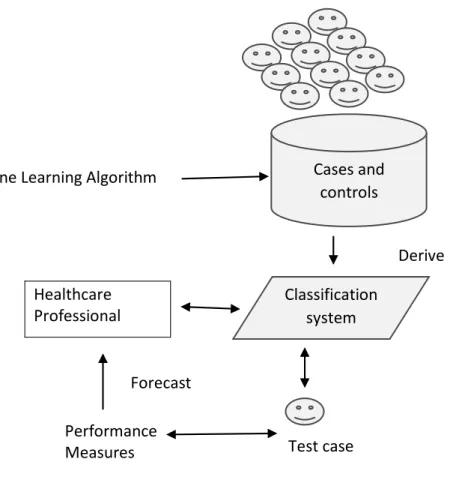
The ASD screening process encompasses predicting whether individuals are associated with autism traits by using characterised features with a class variable (ASD classification) and a historical dataset so this problem can be treated as a classification task in supervised learning (See Figure 1.1). In this context, the user will utilise labelled cases of individuals with and without ASD (training dataset) to construct a classification system (model) using an ML technique. The model is then employed to automatically forecast the class of a new case (cases that has not yet classified) as accurately as possible. Integrating ML models into the classification process will indeed improve the accuracy, specificity, sensitivity and efficiency of the test. In addition, the screening decision will not rely on static hand-crafted rules, but on an intelligent model derived from labelled historical cases and controls, and will offer guidance to the user; this will minimise the subjectivity of the decision.
4
The lack of integrating technology, such as ML with existing screening methods, may contribute to current limitations such as accessibility, lack of behaviour datasets, reliability of simple scoring function and hand-crafted rules, and subjectivity of the final decision. The ML innovations to be examined and developed for screening tools are intended to make the classification process of ASD automated, rather than static. These changes may effectively replace pre-existing human-generated rules and procedures resulting in distinct and impactful advantages: enhanced efficiency (time taken to perform the screening) with ASD classification, reduction in the number of features of ASD assessments to minimal levels while maintaining assessment integrity (identification of key components that produce accurate diagnoses), increasing accessibility especially when using a mobile environment, providing new datasets that can be utilised for further analysis, and more importantly enhancing the classification accuracy, sensitivity and specificity.
Fig. 1.1 ASD screening problem as a predictive task in ML
Classification system Performance Measures Forecast Healthcare Professional Test case Cases and controls Machine Learning Algorithm
5
The screening assessment, with respect to screening tools, is expected to be automated using ML and facilitated by caregivers or professionals. This necessitates the following aims: (1) Minimisation of the total number of scale items through computational intelligence techniques; (2) Creation of a ML classification algorithm within the classification process to learn by examining the case or control; (3) Creating a screening application to increase the accessibility and to collect cases and controls for different target groups (training datasets).
This study also aims to limit the role of human-derived rules embedded within current assessment tools by using ML technology to boost classification performance. This is particularly necessary for cases that are difficult to classify (for example, cases unclearly associated with an ASD type). Results obtained from the proposed ASD pre-diagnostic tool are expected to be initially utilised by different stakeholders, such as medical professionals, for more efficient referrals to comprehensive evaluations. The main research questions that this thesis will answer are:
1) Is the Machine Learning approach applicable to screening methods for ASD?
2) Can rule-based ML methods improve ASD screening in terms of accuracy, sensitivity, specificity and efficiency?
1.3 The Research Issues and Contributions
1.3.1 Scoring Function
Autism screening is a fundamental step towards understanding autistic traits and for speeding up referrals to further evaluation in the clinical environment. However, existing screening tools rely on simple calculations, using scoring functions that add up scores from answers given by individuals. Therefore, one of the crucial issues in ASD screening research is improving the screening process so that individuals and their families can have a more accurate service. This can be accomplished by utilising models generated by ML technology from historical cases and controls. Therefore, instead of using the scoring function the automated models can be used for predicting autistic traits during the screening process.
To address this issue, a novel rule-based ML method called Rules-Machine Learning (RMR) that replaces the static scoring function found in conventional screening methods is proposed.
6
RML is a covering algorithm that uses two main thresholds to learn straightforward If-Then rules from the input training dataset. The learning phase involves discovering high correlations among the independent variables (features in the training dataset) and the target class variable (ASD traits/ No ASD traits) in an efficient manner by repeatedly decreasing the size of the training dataset whenever a rule is generated. In doing so, a reduction in overlapping among the rules is accomplished by discarding redundant rules and only keeping highly predictive rules for prediction. Unlike conventional covering methods, the learning procedure of RML is efficient in the sense that rules are discarded early whenever they are unable to attain certain frequency or confidence. The proposed ASD classification method (RML) is explained in detail in Chapter 3 and it has been accepted for publication to the Journal of Health Informatics.
1.3.2 Performance (Efficiency, Accuracy, Sensitivity and Specificity)
The accessibility and use of ASD screening tools is vital as they may reduce waiting times for formal clinical evaluation and provide individuals on the spectrum and their families better understanding of the resources and services available (special education, speech therapy, work environment, etc.). However, most of the existing screening tools are based on clinical diagnostic methods that contain large numbers of items that the parent, caregiver or the individual are required to check. Therefore, these methods have been criticised as being too time consuming (Thabtah 2017A; Duda et al., 2016; Bone et al., 2016; Bone et al., 2014; Duda et al., 2014; Allison et al., 2012; Wall et al., 2012A, Wall et al., 2012B).
ASD traits are often screened using recognisable and measurable behavioural indicators (for example, social skills, engagement in age-appropriate play and leisure, behaviour excesses, and communication skills). These indicators are usually represented by items given in a questionnaire format for most current screening methods (i.e. Autism Quotient (AQ), Screening Tool for Autism in Toddlers and Young Children (STATS), Childhood Autism Rating Scale-2 (CARS-2), etc. (Baron-Cohen et al., 2006; Stone et al., 2008; Schopler & Bourgondien 2010). The screening process for individuals mainly relies on simple hand-crafted rules with a scoring function that tallies scores associated with the items on the questionnaire to calculate the outcome. Therefore, the quality of the classification outcome of individuals undergoing such screening is primarily based on a) The items designed in the method; b) The experience and knowledge of the user who
7
is administering the screening; c) The hand-crafted rules linked with the scoring function. To improve the classification performance especially with respect to predictive accuracy, sensitivity, specificity and reduce false positives and true negatives, an automated classification system derived from historical cases and controls using ML is promising.
We propose automated models derived by a RML classification method that replaces hand-crafted rules with richer knowledge bases. These bases consist of predictive rules derived from the learning phase using RML from former cases and controls of adults, adolescents, and children. These rules are easy to understand and manage by novice users and medical experts; they can boost the performance of the classification of cases and controls with respect to accuracy, sensitivity and specificity. Experimental results on Adult, Adolescent and Child datasets using various evaluation metrics conducted in Chapter four demonstrate that the automated models are clearly effective and efficient in detecting ASD traits.
1.3.3 Features Analysis
One of the key issues in ASD screening is the large number of questions or items that the user must ask in order to complete a full screening. For instance, in the AQ screening tool there are 50 items the individual (adult) must check during the screening. The combination of tedious assessment methodologies and other common obstacles associated with accessibility, may affect the quality of the outcome. Thus, identifying fewer, albeit influential, features in common ASD screening methods is urgent. To achieve this aim, computational intelligence based on feature selection that considers feature-to-class correlations and reduces feature-to-feature correlations, is advantageous. This feature selection should assign each feature its true weight based on observed and expected probabilities as well as minimise scores derived from other methods. Therefore, only small non-redundant features are selected and can be exploited in the screening by the ML classification algorithm.
One of the primary aims of this study is to build on previous attempts to reduce the number of items in AQ short versions by discovering the least number of items that affect the process of ASD classification. The methodology used for achieving this aim is based on a newly proposed computational intelligence method being referred to as Variable Analysis (Va). Va intelligently computes the correlations between items in three AQ screening method versions based on
8
normalised scores of the Information Gain (IG) and Chi-Square (CHI) methods (Quinlan, 1986; Shannon 1948; Liu & Setiono, 1995). The scores are stabilised and the discrepant behaviour of the results of these filtering methods is substantially reduced. Va assigns a weighted vector per item as a score, then ranks items based on their significance with the ASD class label Fewer items can be retained, thus improving the efficiency of the screening as well as pinpointing the most important items that contribute to autistic traits. By identifying a set of the least number of items, modern technologies such as mobile platforms can be used to allow more people to undergo screening for ASD, and this will enhance accessibility throughout the healthcare community. The results of the Va have been verified using ML technology by deriving automated classification systems with respect to specificity, sensitivity, positive predictive values (PPVs), negative predictive values (NPVs), and predictive accuracy. Experimental results (Chapter Four) using cases and controls related to items in three common screening methods, along with features related to individuals, have been analysed and compared with results obtained from other common filtering methods. The results showed that Va was able to use fewer features from adult, adolescent, and child screening methods yet maintained competitive predictive accuracy, sensitivity, and specificity rates. These results have been published in Thabtah et al., (2018).
1.3.4 Behaviour Datasets Scarcity
Datasets on the traits, characteristics, diagnoses and prognoses of autism are rare. Presently, few autism datasets associated with clinical diagnostics are available. The clear majority of available data on autism concerns the genetics of the condition. A few examples of these are the AGRE (Geschwind, et al., 2001), National Database of Autism Research [NDAR] (Hall et al., 2012) and Boston Autism Consortium [AC] (Fischbach and Lord, 2010), but no behaviour data for screening of ASD. The rarity of behaviour datasets for autism screening research limits the opportunities of enhancing the existing tools’ performance; it is imperative to allocate effort and resources to recruit and collect instances-related cases and controls. These datasets can be utilised by researchers in the areas of psychology, psychiatry and computational intelligence to improve the prognoses and screening of autistic traits in existing methods.
For the rarity behavioural dataset issue, an ASD screening application (app) that embraces all age categories (infant, child, adolescent, adult), serves larger communities (the majority of the aforementioned apps are only available in English), and which is short in length (3-5 minutes), is
9
proposed (Thabtah, 2018B). The ASD app is called ASDTests and it is designed and implemented to fit all age categories and to serve larger communities worldwide (across 11 languages) while maintaining brevity (10 questions per test). The ASDTests app is available in both Android and Google stores and can be easily accessed by users (Thabtah 2017B). It contains a clear disclaimer for data privacy and usage before an individual submits screening answers, all data submitted is anonymous and the user has the chance to consent before any submission.
1.3.5 Accessibility
Rapid growth in the number of ASD cases worldwide and the economic impact of autism, necessitates the development of easily accessible and effective ASD screening tools. Limited research studies have been conducted on developing interactive mobile platform autism tests for different types of users interested in autism. Most of the current screening methods take considerable time to conduct; their shortened versions, which speed up the screening and increase accessibility for the healthcare community, have not yet been integrated into a mobile environment. A few ASD screening apps have been developed including ASDetect, Autism and Beyond App (AaB), Autism Test App (ATA) and the Asperger Test (ASD Detect org., 2016; Autism and Beyond, 2017; Autism Test, 2017; Asperger Test (2017)), however, only a few apps are available in both Google play and Apple iTunes stores, making them accessible to both iPhone and Android users. The majority offer their tests only in the English language and thus they are not accessible to many potential users. More importantly, no ASD testing apps have been found that cover toddlers, children, adolescents, and adults collectively, making the available apps narrow in their scope of coverage.
To improve accessibility, a new mobile application called ASDTests that offers users and the health community a friendly, time-efficient, and accessible mobile-based ASD screening was developed. This innovative and interactive app contains evidence-based short ASD screening tools for toddlers, children, adolescents, and adults using the Autism Quotient - 10 (AQ) and Quantitative Checklist for Autism in Toddlers (Q-CHAT) methods. The ASDTests app can be used by health professionals to assist their practise or to advise individuals if they should pursue formal clinical diagnosis. Unlike existing autism screening apps being tested, the proposed app covers a larger audience consisting of four different tests, one each for toddlers, children,
10
adolescents, and adults as well as being available in eleven different languages. The proposed app can be utilised by a variety of stakeholders including parents, caregivers, and more importantly health professionals to advise potential cases for further clinical assessments.
1.4 Machine Learning: A Brief Introduction
ML is a research field that integrates mathematics, artificial intelligence, search methods, and other sciences to derive accurate predictive models from datasets (Abdelhamid et al., 2014; Thabtah et al., 2006; Witten & Frank, 2005). ML techniques are utilised by managers and other users to discover hidden patterns in structured and unstructured datasets to enhance decision-making (Thabtah, 2018A). For instance, in a retail supermarket chain, managers are interested in processing transactional datasets that contain customers’ historical purchases so as to improve item shelving and to set promotion strategies. Physicians are striving for sets of rules that explain the correlations among different symptoms and the type of illness to aid in medical diagnosis.
ML methods require minimal human involvement during data processing and usually offer useful patterns for users (Mohammed et al., 2013). One of the common tasks in ML is supervised learning. Supervised learning tasks, such as classification, involve training on historical instances known as the training dataset in order to learn a classification system also called the model or the classifier (Mohammed et al., 2016). The training dataset typically contains a set of variables one of which is the target variable (class); the learning phase is restricted to this class therefore this type of learning is called ‘supervised’. The model learnt is then evaluated on an independent test instances (test dataset) to measure its predictive performance. Typical applications of supervised learning are loan approvals, gene classification, text categorisation, medical diagnoses and credit card scoring. If no target variable is available in the input dataset and the task involves grouping of instances (clustering) or just discovering useful patterns without prediction (association rule mining) this type of learning is ‘unsupervised’. Hereunder are listed common ML tasks summarised from (Witten & Frank, 2005).
• Association Rule Mining: Initially, association rule mining was employed to discover useful
rules based on the frequency of items in a transaction dataset. These rules are used by managers to learn more about customers’ purchasing behaviour so that certain marketing strategies can be developed.
11
• Clustering: When the task is descriptive and involves grouping data instances into groups based on a certain similarity metric, this is considered clustering. For example, dividing customers based on specific demographic variables is a typical application of cluster analysis.
• Classification: When the aim is to predict a specific variable based on other independent variables this task is called classification. In classification, a model is learned from the training data such that it can be used to forecast the class in a test dataset. For instance, classification models are employed by financial institutions to forecast loan approval applications.
• Regression: In regression analysis, a model that represents the correlation among the independent variables and the dependant variable is constructed. Typically, the dependent and independent variables are continuous variables. Regression can be seen as a special case of classification in ML.
Several different ML approaches that involve predictive analysis have been published by scholars including Decision Trees, Probabilistic, Associative Classification, Support Vector Machine (SVM), Covering, Rough Set, Artificial Neural Network (ANN), Boosting, Bagging and Rule Induction among others (Quinlan, 1979; 1986; Friedman et al., 1997; Thabtah, et al., 2004; Hadi et al., 2008; Mohammad, et al., 2014; Cortes & Vapnik, 1995; Freund & Schapire, 1997; Breiman, 1996; Holt, 1993). Each of these ML approaches has positive and negative aspects. For example, Associative Classification and ANN approaches often derive good predictive models with respect to accuracy yet the former suffers from having a very large number of rules in the classifier; the latter requires multiple trial and errors during the training phase in order to optimise the outcome and thus it is not cost effective with respect to efficiency. Probabilistic techniques such as Naïve Bayes are cost effective with respect to time and yet their general performance overall is not highly competitive with classifiers such as SVM or ANN.
This thesis involves building a new ML method using covering classification; to explain further we clarify the operation of the covering approach. In the covering classification, the outcome is a set of rules that have been learnt in a sequential manner. The covering approach starts with an empty rule for the first class value in the training dataset then it keeps adding items into the rules’ body until the rule error cannot be reduced (Thabtah et al., 2010). There are many ways to compute a rule’s error, one of which is based on the data instances that the rule covers in the training dataset. Once the rule is produced, all training data instances linked with it are erased, and the covering algorithm then proceeds with building the next rule for the same class. When all rules with the
12
current class are found then the algorithm moves to the next class value and repeats the same process. Once all rules are generated or the training dataset becomes empty then the covering algorithm terminates and generates the rules sets as a model for prediction. In predicting a test case, most covering techniques assign the class label in line with the first rule in the model to the test case (Thabtah et al., 2011). Covering is considered by many researchers a favourable classification approach since the models offered are easy to interpret and manage by decision makers besides having good predictive accuracy (Qabajeh, et al., 2015; Mohammed et al., 2014; Witten & Frank, 2005; Cohen, 1995). In Chapter Three we show how the proposed ML method differs from classic covering techniques in ML.
1.5 Thesis Structure
This thesis is comprised of five chapters; Chapter Two reviews common ASD screening methods and critically analyses their upsides and downsides. In addition, we review and analyse recent studies on the application of ML for autism screening and diagnosis. Chapter Three presents the new ML architecture including data collection (ASDTest app), feature selection, data transformation, and more importantly the covering classification method. Chapter Four is devoted to data and results analysis in which we conduct a large number of experiments on three datasets using various different computational intelligence and ML techniques. In this chapter, we show the true performance of the proposed feature selection and ML methods when compared to other common ML techniques for the problem of ASD traits detection. Finally, we conclude in Chapter Five by highlighting the key contributions and limitations of the thesis and pinpointing new potential research routes.
13
Chapter Two
2Literature Review
Common Autism Screening Methods and Recent
Machine Learning Use in ASD Classification
2.1 Introduction
There are many clinical diagnosis and screening methods available to assess individuals with ASD. Most popular diagnosis methods include Autism Diagnostic Interview-Revised (ADI-R), Autism Diagnostic Observation Schedule (ADOS), Childhood Autism Rating Scale (CARS), Joseph Picture self-concept scale, and the social responsiveness scale (Lord, et al., 2000; Schopler, et al., 1980; Lord, et al., 1994; Le Couteur, 1994; Constantino, 2005; 2012). These are clinical methods used for formal ASD diagnosis and treatment planning (Risi, et al., 2006). Techniques like ADI-R and ADOS are clinically proven to be effective instruments in differentiating autism from other related developmental disorders, having adequate validity and sensitivity (Rutter, et al., 2003). However, they have been criticised for being time consuming, having long questionnaires and scoring methods, and requiring licensed clinicians and observers to administer them (Duda et al., 2016; Bone, et al., 2016; Wall, et al., 2012A; Allison et a;., 2012; Wall et al., 2012).
Apart from clinical diagnostic methods, there are screening instruments developed by different neuroscientists and psychologists in the autism and healthcare arena. Screening methods help different stakeholders such as parents, caregivers and physicians among others identify autistic traits in individuals often using questionnaires. Tools such as Autism Spectrum Quotient (AQ) and the Modified Checklist for Autism in Toddlers (M-CHAT) which are discussed in later sections often consist of large sets of items for discriminating the autistic behaviours from all other types of PDDs (Baron-Cohen, 2001; Scott, et al., 2002; Robins et al., 2001). Most of these tools have
2 Parts of this chapter have been published in the Journal of Informatics for Health and Social Care 43 (2), 1-20.
14
been developed based on diagnosis methods and have been able to present more accessible ways for users to undergo an ASD screening. Nevertheless, screening tools are not considered diagnosis methods for ASD since many of them lack the presence of a licensed clinician as well as the necessary clinical environment.
There have been many studies in the applied behavioural sciences that have investigated the efficiency and effectiveness in clinical environments of ASD diagnosis techniques (Ventola, et al., 2016; Sappok et al., 2013; South, et al., 2012; Matson et al., 2012; Ventola, et al., 2006). However, limited studies have been carried out to identify the performance of ASD screening methods and to evaluate their strengths and weaknesses (Stewart & Lee, 2017; Towle & Patrick, 2016; Zwaigenbaum, et al., 2015; Soleimani, et al., 2014; Krug et al., 2008). For instance, Soleimani, et al. (2014), reviewed common screening methods related to autism and only compared their performance with regard to specificity and sensitivity. Zwaigenbaum, et al. (2015), reviewed early screening methods for toddlers without covering other important aspects relating to adolescents, children, and adults. They indicated that early identification of ASD traits in toddlers, 18-24 months of age, is consistent with the recommendations of the American Academy of Paediatrics. Another similar review of ASD tools for infants was conducted by Towle and Patrick (2016) and showed that a two-level screening can help improve the reliability of the process. In addition, Stewart and Lee (2017) conducted a systematic review of common diagnosis methods of ASD in low and middle-income countries. They revealed that because of the limited clinical resources in low-income countries screening methods are more effective in discovering autistic traits. However, clinical diagnosis methods seem more widely utilised in middle and high-income countries besides cross cultural diagnostics have been shown some of these methods to be unreliable (Elsabbagh et al., 2012).
This chapter divided into two main parts; the first part of the chapter critically evaluates common ASD screening methods in order to recognise the merits, performance issues, and shortcomings (not only in terms of sensitivity, and specificity, but also critical issues related to administration, efficiency, target audience, complexity, digital existence, and accessibility among others) for each available method. Furthermore, screening methods that cover all target ages (toddlers, children, adolescents, and adults) are critically analysed, making this review comprehensive and applicable to the entire population of cases. For convenience, all identified methods are categorised according to their target audience, i.e. Toddlers and Children, and
15
Hybrids. Screening methods included in the Hybrid category typically facilitate the screening of toddlers, children, adolescents, and adults all together.
In the second part of this chapter, we review recent research works on the use of machine learning within autism screening and diagnosis research. To improve the classification process of ASD, researchers have recently started to adopt machine learning intelligent methods (Abbas et al., 2017; Thabtah 2017; Maenner et al., 2016; Duda et al., 2016; Pancer and Derkacz, 2015; Mythili & Shanavas, 2014; Bone et al, 2014; Duda et al., 2014; Wall et al., 2012B). The primary purposes of these machine learning studies on ASD was to improve diagnosis time of a case in order to provide quicker access to health care services, improve diagnosis accuracy, and reduce the dimensionality of the input dataset so as to identify the highest ranked features of ASD.
The chapter consists of four main Sections. Section 2.1 introduces the ASD screening and Section 2.2 reviews and critically analyses the ASD screening tools considered. Section 2.3 is devoted to a comprehensive discussion that contrasts and evaluates the identified screening tools in terms of their method of administration, accessibility, popularity, performance, and comprehensibility. Lastly, Section 2.4 contains suggestions for the different stakeholders involved in ASD research and summarises that abridge the findings of the review chapter.
2.2 ASD Screening Methods
2.2.1 Toddlers and Children ASD Screening methods
2.2.1.1 Quantitative Checklist for Autism in Toddlers (Q-CHAT)
The Q-CHAT is one of the oldest methods of screening for autism. It was developed by Baron-Cohen, Allen, & Gillberg (1992), as an efficient quantitative checklist to be administered by medical professionals coinciding with a report submitted by the child’s parents based on observations of the child’s behaviour. The earliest version of Q-CHAT was used to detect autism in toddlers aged between 18 and 24 months only. A screening study carried out to test the validity of Q-CHAT, based on 16,235 toddlers, revealed that the sensitivity of Q-CHAT’s initial version was as low as 38%. M-CHAT, a modified version, was thus introduced by Robins, et al. (2001) to enhance the sensitivity of the original CHAT method. A similar screening study was conducted for M-CHAT, and it was discovered that it had higher sensitivity and specificity on the referred
16
sample population despite those of the M-CHAT method on the over-all population remained in question. However, both the CHAT and M-CHAT consisted of over 20 Likert Scale-type questions that needed to be completed in order to assist healthcare specialists in differentiating actual cases from controls for further referrals. The screening may take 20 minutes or more until the diagnostician would expect to complete it.
M-CHAT was later shortened to ten questions in order to make it more convenient and less time consuming for clinical and medical professionals to complete the screening process (Allison et al., 2012). The methodology and questions were revised, retaining only the most significant items during the screening and was based on a computed discrimination index. CHAT-23, the Chinese version of Q-CHAT, extended the screening population to toddlers aged from 16 to 30 months (Wong, et al., 2004). One of the most recent modifications, 10-Q-CHAT, is now available in many different languages, making it more accessible to healthcare professionals globally. It has proven to be an acceptable version, with 91% sensitivity and 89% specificity. Results of the CHAT method are generated based on a five-point scale (0-4), where a higher score indicates an increased possibility of positive autism symptoms (Allison, et al., 2008). The short version of the Q-CHAT screening contains 10 questions and are efficient to be conducted as it is accessible on the Internet.
2.2.1.2Autism Behaviour Checklist (ABC)
Autism Behaviour Checklist (ABC) is a commonly used ASD screening tool with a rating scale developed by Krug et al., (1980) as an attempt to identify children with autism. ABC provides parents and teachers of children aged between 12 and 14 years a questionnaire to complete, consisting of 57 items, to capture the symptoms associated with the child’s behaviour. These are categorised under five different subscales: sensory behaviour, communication and language skills, behaviour related to object use, body language, and social and adoptive behaviours. ABC is a subtest of ASIEP’s third version and mostly consists of questions with scores ranging from 1-4 according to the level of mental or behavioural impairment of the child and based on the answers given by the parents, teachers, or the caregivers (Krug, et al., 2008). The result is then analysed by well trained professionals. In the initial stage, measures are utilised to distinguish the child’s situation from autism and other types of neurodevelopmental disorders such as obsessive-compulsive disorders. Once the child’s autism is confirmed, further evaluations are then made to understand the areas for development required by the child (Oro et al., 2014). According to the
17
research by Campbell et al., (2006), which used 167 sample cases of autism, it was revealed that ABC has 77% sensitivity, 91% specificity, and 80% overall accuracy rates.
2.2.1.3 Autism Screening Instrument for Educational Planning – 3rd Version (ASIEP-3) ASIEP-3 is a special tool kit, consisting of an Autism Behaviour Checklist (ABC), a sample of vocal behaviour assessment, interaction assessment, educational assessment, and prognosis learning rate developed by Krug, et al., (2008), using normed data gathered from a sample population in the United States. Designed to identify children with a high level of autistic behaviour, aged from 0-2 years and 11 months to 13 years, it also develops programmes to educate such children and to monitor their progress over time. ABC is the initial screening tool used to identify autism cases and to sample vocal behaviour by measuring communication and language problems of the child (such as babbling and repetitiveness). Interaction assessment then monitors the child’s spontaneous social behaviour while educational assessment measures the functioning level of the child. The prognosis learning rate helps the user to understand the child’s progress and speed of learning. ASIEP-3 collects the normed data by using ABC questionnaires distributed among parents, teachers, caregivers, school psychologists, and other healthcare professionals in addition to providing activities for them do with the children that identify their special needs (Frye & Walker, 2008). ASIEP-3 is more time consuming than the other methods of screening for autism, taking approximately 90-120 minutes to complete a single screening process whereas methods like QCHAT-10 take approximately less than ten minutes (Soleimani, et al., 2014).
2.2.1.4 Childhood Autism Rating Scale (CARS-2)
CARS was developed by Schopler et al., (1980) to recognise young children with symptoms of ASD and to distinguish their severity through direct observation of the child’s functioning in responses that include smell, touch, light, sound, body use, social behaviour, verbal and nonverbal communication, and consistency of intellectual response. The initial version of CARS was focused only on children aged below 6 years, and later in the CARS- 2nd version was extended to children aged from 6 to 13 years (Schopler & Bourgondien, 2010). The revised version is more responsive to high functioning individuals, leading to a higher clinical value in CARS-2 than in the CARS original version (Schopler et al., 1980). CARS- 2 consists of three basic components: the standard version rating booklet (CARS2-ST), the high functioning version rating booklet (CARS2-HF), and a questionnaire for parents and caregivers (CARS2-QPC). The standard version rating booklet is
18
similar to the original version of CARS and evaluates children aged below six years with an IQ lower than the estimated average IQ level in order to identify their communication impairments and risk of having ASD. The high functioning version of the rating booklet involves evaluating children aged between 6 and 13 years with strong communication skills and a higher IQ than the estimated average IQ level.
The questionnaire given to parents and caregivers to complete is used as a source for gathering information required for scaling CARS2-ST and CARS2-HF. Therefore, parents, teachers, and caregivers are granted access only to CARS2-QPS. Both of the other components consist of 15 items each, and are administered by specially trained professionals, evaluators, healthcare professionals, language therapists, physicians, and other experts who are familiar with ASD screening and evaluation. CARS-HF allows the scaling of the behaviours by using a 4-point scale based on direct observations by healthcare professionals along with those made by parents, caregivers, or any other party who is familiar with the child’s behaviour. The final score is determined by the trained professionals and the severity of autistic behaviour is interpreted by using a cut-off score. Results generated by CARS2-HF are then used by psychiatrists, pathologists, and other healthcare professionals in their diagnosis and for determining what further evaluations are required in order to identify the type of medication that needs to be prescribed. School teachers need to plan and design education programmes according to the child’s needs, and other educational professionals need to make accurate placement decisions, so they too utilise the results of CARS2-HF. Results are also used by other parties who are interested in furthering research on ASD and its screening methods. Validity studies against the diagnosis made based upon CARS-2 results showed 81% sensitivity and 87% specificity rates along with a good fit with the DSM-5 (American Psychiatric Association, 2013) and has been recognised as one of the best measures of autistic behaviour severity (Chlebowski, et al., 2010).
2.2.1.5 Developmental Behaviour Checklist – Early Screen (DBD-ES)
Einfeld & Tonge (2007) developed a questionnaire-based ASD screening method that needs to be administered by parents, teachers, caregivers, or other guardians of the child. The questions and assessment criteria have been based on research, experiments, and problems reported over a six-month period. There are a few versions of DBD available, each consisting of 96 items. The questions are designed to be answered with three basic options, ranging from 0-2, where 0 indicates
19
‘Not True as far as I know,’ 1 indicates ‘Sometimes or Somewhat True,’ and 2 indicates ‘Very True.’ DBD-P is designed for children aged between 4 and 18 years to identify their behavioural and emotional difficulties through a questionnaire administered by the parents or primary caregiver(s) (Gary & Tonge, 2005). DBD-T is also designed for the same age category of children, but for administration by their teachers. DBD-ES is the version developed for infants, aged from 18 to 48 months, and consists of 17 instruments that need to be answered by the parents or their caregivers (Gary, et al., 2007). The results of DBD-ES are interpreted based on an un-weighted cut-off score of 11. DBD-ES is an acceptable parent-administered ASD screening method for identifying children with intellectual frailties, and has a sensitivity of 83% and specificity of 48% (Einfeld & Tonge, 2007).
2.2.1.6 Early Screening for Autistic Traits (ESAT)
ESAT’s design is based on the symptoms of ASD and seeks to differentiate infants aged 0-36 months from children with other types of developmental problems. Even though it is used for screening the behaviour of toddlers, it is focused more on detecting neurodevelopmental issues in infants at the age of 14-15 months. Dietz et al., (2006) developed ESAT in 2006 as a primary ASD screening checklist. It has 14 different instruments that are focused on a child’s behaviours during playing, eye contact, joint attention, reactions, verbal and nonverbal communication, and interest in others. The checklist is undertaken by the parents or primary caregivers of the child and administered by a trained professional health consultant. All the questions given on the checklist have either ‘Yes’ or ‘No’ response options and the examination takes approximately 10-15 minutes to complete. Even though babies who score higher in ESAT are identified as more vulnerable to autism and other related developmental impairments, it doesn’t differentiate well between cases and controls for infants aged below 25 months. Some infants who scored less in ESAT, and recognised as controls, later received an ASD diagnosis (Lord & Luyster, 2006). Therefore, the sensitivity and specificity of ESAT is still in question and follow up studies are required to develop ESAT into a more reliable ASD screening tool.
20
2.2.2 Hybrid Screening methods
2.2.2.1 Autism Spectrum Screening Questionnaire (ASSQ)
ASSQ is also a hybrid screening questionnaire developed by Ehlers et al., (1999A; 1999B) to identify the characteristics of high functioning developmental disorders, including autism and Asperger syndrome. It has 27 different questions, with three possible rating responses ranging from 0-2 as ‘Yes,’ ‘Somewhat,’ and ‘No.’ The questionnaire is administrated by the parents or the teachers of the 7 to 16-year-old child or adolescent, and the result is interpreted based on the overall score gained by the individual. An overall score exceeding the threshold indicates that the individual has many characteristics of the autism spectrum and other high functioning syndromes. An accuracy of 90% is shown in the accurately attributed positive results generated by the tool at a cut-off threshold of 13 (Einfeld & Tonge, 2007). A recent study performed to validate the ASSQ screening tool reported that it has 91% sensitivity and 86% specificity (Posserud et al., 2009). 2.2.2.2 Autism Spectrum Quotient (AQ)
AQ is a self-administrated ASD screening tool developed by Dr. Baron-Cohen (2001) along with other behavioural scientists from the Autism Research Centre, University of Cambridge, for identifying autism and other neurodevelopmental symptoms in adults with an average level of intelligence. The AQ questionnaire consists of 50 different questions covering the areas of social skills, attention switching, imagination, communication and attention to detail. The AQ test is available online and each question has four possible rating responses (‘Definitely Agree,’ ‘Slightly Agree,’ ‘Slightly Disagree,’ and ‘Definitely Disagree’) depending on which final score is calculated. The final score can range from 0-50 and a higher score indicates an increased level of autistic symptoms. A recent study on the validity of the AQ suggested that a cut-off score of 32 would optimise the validity of screening for adults in a clinical setting (Baron-Cohen, 2001). Later, in 2006 and 2008, two different versions of AQ were launched to cover adolescents and children (Baron-Cohen, et al., 2006; Auyeung, et al., 2008; Allison, et al., 2012). AQ-Child is a parent-administered questionnaire specially designed for children aged 4-11 years whereas AQ adolescent is designed for teenagers aged 12-15 years. All versions of AQ contain 50 unique items and take approximately 20-30 minutes to complete.
To make it simpler and less time-consuming, Allison, et al. (2012), presented a compressed version of the original AQ adult version known as AQ-10-adult. Even though AQ-10 is shorter
21
than the original version it has a predictive power similar to the original AQ version. The questions of QA-10 also have four possible responses: ‘Definitely Agree,’ ‘Slightly Agree,’ ‘Slightly Disagree,’ and ‘Definitely Disagree.’ The screening rule often considers one point per question. That is to say a point is assigned if the answer is either ‘Slightly Agree’ or ‘Definitely Agree’ for questions 1, 7, 8, and 10. In addition, a point is added if the user’s responses to questions 2, 3, 4, 5, 6, and 9 are either ‘Slightly’ or ‘Definitely Disagree.’ The overall score is then calculated using a handcrafted diagnosis rule and anyone who scores above the threshold of six is considered to have autism and other related impairments. Lastly, Baron-Cohen, et al. (2006), and Auyeung, et al. (2008), have developed full AQ versions for adolescents and children respectively. Allison, et al. (2012), then proposed shorter versions for the full adolescent and children’s AQ tests. Score calculations for the adolescent and child short versions are different from the AQ adult short version. Details of the questions, and the scoring of the adolescent and children AQ short versions, can be found in Chapter two and Allison, et al. (2012).
In terms of validity, AQ-child has the highest sensitivity (95%) and specificity (95%) out of all the versions of AQ. However, overall sensitivity and specificity of AQ are reported as 77% and 74% respectively at a cut-off score of 32 (Auyeung, 2008).
2.2.2.3 Social Communication Questionnaire (SCQ)
The Social Communication Questionnaire is a clinically used ASD screening tool to evaluate communication and social behavioural impairments of children that may be symptomatic of ASD. The questionnaire consists of 40 Yes/No questions that need to be administered by parents and primary caregivers of the child, and takes approximately 15 minutes to complete one screening process (Rutter et al., 2003). The SCQ is available in two basic formats: lifetime and current. The lifetime version looks at the entire developmental history of the child whereas the current version focuses on the child’s behaviour only during the past three months. Results generated by both versions are subject to a cut-off score, where individuals who score beyond the cut-off score in the lifetime version are identified as possible autism cases and directed to complete further evaluations. Results generated from the current version are used to set goals for individual education programmes, further medical intervention, and treatment planning. According to the analysis carried out on the ASQ tool to evaluate its validity and degree to which the tool can discern