SOUTH AFRICAN PRIMARY CARE CLINICAL PRACTICE GUIDELINES:
EXPLORATORY STUDY OF GUIDELINE DEVELOPMENT,
IMPLEMENTATION AND USE
Tamara Kredo
Dissertation presented for the degree of
Doctor of Philosophy in Public Health
Stellenbosch University, South Africa
Supervisors: Professor Jimmy Volmink and Associate Professor Salla Atkins
ii
Declaration
By submitting this dissertation electronically, I declare that the entirety of the work contained therein is my own, original work, that I am the sole author thereof (save to the extent explicitly otherwise stated), that reproduction and publication thereof by Stellenbosch University will not infringe any third-party rights and that I have not previously in its entirety or in part submitted it for obtaining any qualification. This dissertation includes four original papers published or submitted for publication in peer-reviewed journals, and two policy briefs (summaries of the studies). In addition, there are several published papers to which I contributed and that are relevant to the doctoral research that have been included in the thesis as supplementary papers. The development and writing of the thesis papers (published and unpublished) and the thesis overall were the principal responsibility of myself and, where this is not the case, a declaration is included in the dissertation indicating the nature and extent of the contributions of co-authors.
Signature:
Date: December 2019
Copyright © 2019, Stellenbosch University All rights reserved
iii
Abstract
Strong primary health care is indicative of a functioning health system and a necessary precursor to universal health coverage (UHC). The South African government aims to strengthen primary health care and implement UHC. Within the national UHC strategy, clinical practice guidelines are named tools to support evidence-informed, cost-effective practice. However, if poorly developed, guidelines may hinder the quality of patient care; and, if not adequately implemented, they will have no impact. Against this backdrop, this dissertation aimed to explore the role-players, processes, barriers to and enablers of guideline development, implementation and use; and to suggest recommendations for improved guidelines for South African primary care.
Qualitative methods were used to engage role-players contributing to primary care guidelines along the continuum from guideline development through implementation to use. In-depth interviews were conducted with national developers (n = 37) and provincial managers (n = 22); and seven focus group discussions were held with healthcare providers (n = 47) from June 2014 to August 2016. The four provinces selected represented diverse health systems and social conditions (KwaZulu Natal, Western Cape, Eastern Cape and Limpopo). All recorded data were transcribed verbatim. Thematic content analysis was used for data analysis.
The initial phase engaged guideline developers who expressed the opinion that, overall, guidelines are an important means to ensure equitable and effective patient care and that the rigour of guideline development was improving. The study identified several factors which may negatively impact guideline credibility and implementability including inadequate human resources and funding for technical and methodological work; poor communication and coordination resulting in fragmentation between national, provincial, private and public sectors; lack of agreed development methods; poor management of potential conflicts of interest; and, insufficient consideration of implementation contexts. Participants felt these challenges could be mitigated by a committed guideline community working to reduce inequity. However, they thought improvements were currently being hampered by resource gaps which enable commercial or personal interests to drive development. Suggested solutions included national coordination of guideline activities which supports collaboration and transparency across sectors and disciplines.
The next phase explored the experiences of guideline implementation. Provincial and district managers, clinicians and trainers are supportive of guidelines as a tool for ensuring the delivery of quality healthcare services. They report having roles in guideline adaptation, implementation and evaluation but described feeling unsupported in these tasks. Two significant themes arose in this study - health systems and
iv
cultural-geographic factors. Health systems factors were financial constraints impacting access to guidelines and essential equipment/medicines; inadequate governance and audit capacity, and unclear accountability; insufficient skilled clinical staff; and, a need for interdisciplinary training and post-training mentorship. Socio-cultural-geographic factors considered to be important for improving guideline implementability were authentic consultation with end-users and implementers in the development stages to ensure feasible recommendations are made.
The last phase explored perspectives of guideline use finding that healthcare providers, mostly nurses and allied healthcare providers, were knowledgeable about guidelines, generally trusted their credibility and were motivated to use them. Nurses reported that guidelines provide confidence and professional independence where doctors are scarce. Barriers to guideline use were inadequate hardcopy distribution and digital access; insufficient and substandard photocopies; linguistic challenges (e.g. complicated language, no summaries or local language versions); lack of support tools (e.g. posters); limited involvement in development impacting feasibility or acceptability of recommendations; and, patchy training and insufficient post-training supervision.
Overall, the dissertation provides novel insights into the current state of primary care clinical guidelines in South Africa. The findings indicate that guidelines have the potential to strengthen primary health care in South Africa. The predominant view of guideline developers, implementers and users that guidelines add value to the health system creates a strong foundation from which to build. For further advancements the political environment needs to value and foster creativity, transparency and collaboration within and between guideline development and implementation groups to enhance guideline quality and acceptability.
v
Abstrakt
Florerende primêre gesondheidsorg is een van die aanwysers van ’n funksionele gesondheidsorgstelsel en ’n noodsaaklike voorloper van universele gesondheidsdekking (UGD). Die Suid-Afrikaanse regering het dit as ’n doelwit gestel om primêre gesondheidsorg te versterk en UGD in te voer. Binne die nasionale UGD-strategie word riglyne vir kliniese praktyk beskou as instrumente waarmee bewysgebaseerde, kostedoeltreffende praktyk ondersteun word. Swak uitgewerkte riglyne kan egter juis die gehalte van pasiëntesorg belemmer; en indien dit nie behoorlik deurgevoer word nie, het dit geen uitwerking nie. Dit is die agtergrond waarteen hierdie proefskrif die rolspelers, prosesse, hindernisse en instaatstellers wat met die ontwikkeling, deurvoering en toepassing van riglyne verband hou, wil ondersoek en aanbevelings vir verbeterde riglyne vir Suid-Afrikaanse primêre sorg wil aanbied.
Kwalitatiewe metodes is gevolg om rolspelers wat tot riglyne vir primêre sorg bydra, te betrek, vanoor die hele spektrum heen – vanaf die ontwikkeling tot die deurvoering en toepassing daarvan. Diepgaande onderhoude is met 37 nasionale ontwikkelaars en 22 provinsiale bestuurders gevoer, en sewe fokusgroepbesprekings is tussen Junie 2014 en Augustus 2016 met 47 gesondheidsorgverskaffers gehou. Die vier provinsies waaroor die navorsing gedoen is – KwaZulu-Natal, Wes-Kaap, Oos-Kaap en Limpopo – verteenwoordig uiteenlopende gesondheidsorgstelsels en sosiale omstandighede. Alle data op rekord is woordeliks oorgeskryf, en data-ontleding is aan die hand van tematiese inhoudsontleding gedoen. Die riglynontwikkelaars wat in die aanvangsfase betrek is, was wat van mening dat riglyne, in die geheel gesien, ’n belangrike manier is om gelyke en doeltreffende pasiëntesorg te verseker en dat die standaarde in riglynontwikkeling besig is om strenger te raak. Die navorsing het verskeie faktore uitgewys wat die geloofwaardigheid en uitvoerbaarheid van riglyne nadelig kan beïnvloed, byvoorbeeld onvoldoende menslike hulpbronne en befondsing vir tegniese en metodologiese werk; swak kommunikasie en koördinering, wat fragmentasie in nasionale, provinsiale, privaat en openbare sektore veroorsaak; ’n gebrek aan ooreengekome ontwikkelingsmetodes; swak bestuur van moontlike belangebotsings; en onvoldoende oorweging van die kontekste waarin deurvoering moet plaasvind. Volgens die deelnemers kan hierdie uitdagings getemper word deur ’n toegewyde riglyngemeenskap wat daaraan werk om ongelykheid uit te skakel. Nietemin reken hulle dat verbeterings tans deur gebrekkige bronne gekortwiek word, wat ’n gaping vir kommersiële of persoonlike belange laat om die gang van ontwikkeling te bepaal. Voorgestelde oplossings is onder meer nasionale koördinering van werksaamhede in verband met riglyne, wat samewerking sal ondersteun, en deursigtigheid en geloofwaardigheid oor alle sektore en vakgebiede heen.
vi
Die volgende navorsingsfase het ondersoek hoe mense die deurvoering van riglyne ervaar. Provinsiale en distriksbestuurders, klinici en opleiers is ten gunste van riglyne as ’n instrument om te verseker dat gesondheidsorgdienste van gehalte gelewer word. Hulle rolbeskrywings sluit die aanpassing, deurvoering en evaluering van riglyne in, maar hulle voel dat hulle nie in hierdie take ondersteun word nie. Hierdie navorsing het twee duidelike temas opgelewer: faktore rakende gesondheidsorgstelsels en sosio-geo-kulturele faktore. Faktore rakende gesondheidsorgstelsels is finansiële beperkings wat toegang tot riglyne en noodsaaklike toerusting of medikasie beïnvloed; ontoereikende bestuursbeheer- en ouditkapasiteit en onduidelikheid oor verantwoordbaarheid; onvoldoende opgeleide kliniese personeel; en ’n behoefte aan interdissiplinêre opleiding en post-opleiding-mentorskap. Onder die sosio-geo-kulturele faktore wat as belangrik vir verbeterde deurvoerbaarheid van riglyne beskou word, is egte beraadslaging met eindpuntgebruikers en deurvoerders, alreeds in die ontwikkelingstadiums, om te verseker dat die uiteindelik aanbevelings uitvoerbaar is.
Die laaste navorsingsfase het perspektiewe op riglyntoepassing ondersoek en bevind dat gesondheidsorgwerkers, meestal verpleegkundiges en verskaffers van verwante gesondheidsorg, goed ingelig is oor riglyne, gewoonlik die geloofwaardigheid daarvan vertrou en gedrewe is om dit toe te pas. Verpleegkundiges was van mening dat riglyne vertroue en professionele onafhanklikheid bring waar dokters skaars is. Hindernisse wat riglyne betref is onvoldoende verspreiding van gedrukte weergawes sowel as onvoldoende digitale toegang; onvoldoende en minderwaardige fotokopieë; taalkundige uitdagings (bv. ingewikkelde taalgebruik en ’n gebrek aan opsommings en weergawes in die plaaslike taal); gebrek aan steunmateriaal (bv. plakkate); beperkte betrokkenheid by die ontwikkelingsfase, wat ’n uitwerking op die uitvoerbaarheid of aanvaarbaarheid van die aanbevelings het; en ongereelde opleiding en gebrekkige post-opleiding-toesig.
In die geheel gesien, verskaf die proefskrif insig in die huidige stand van kliniese riglyne vir primêre sorg in Suid-Afrika. Die bevindings toon dat riglyne die potensiaal het om primêre gesondheidsorg in die land te versterk. Die oorheersende beskouing onder persone wat riglyne ontwikkel, deurvoer en toepas is dat riglyne waarde tot die gesondheidsorgstelsel toevoeg en ’n stewige grondslag vorm waarop voortgebou kan word. Met die oog op verdere vooruitgang moet die politieke omgewing die waarde van kreatiewe denke, deursigtigheid en samewerking binne en onderling tussen groepe wat riglyne ontwikkel en dié wat dit deurvoer, insien en dit bevorder ten einde die gehalte en aanvaarbaarheid van riglyne te bevorder.
vii
Acknowledgements
I would like to acknowledge all those who have inspired, encouraged, supported and helped me to learn throughout the doctoral process. I would like to recognise patients and healthcare practitioners who are my motivation for conducting research in this area. I need to sincerely thank the research participants for giving of their precious time and sharing of their rich experiences.
Special thanks to my supervisors, Jimmy Volmink and Salla Atkins, for giving of their knowledge and experience, but moreover for their kindness, humour, humanity and patience.
The research was made possible by generous funding from the South African Medical Research Council (SAMRC) through a grant from the Flagships Awards Project (SAMRC-RFA-IFSP-01-2013/ SAGE). At the SAMRC, I would like to thank Glenda Gray for her professional support. My thanks to Taryn Young without whose encouragement we would not have pursued the South African Guidelines Excellence (SAGE) Project grant. Thanks to Jeremy Grimshaw for providing sound advice, ideas and guidance. Thanks to my colleagues and friends for supporting the research on SAGE including Amber Abrams, Karen Daniels, Jocelyn Muller and Tebogo Mokganyetji, amongst others. At Cochrane South Africa, I would like to acknowledge all members of the team who I value and respect for their commitment to the work we do and for their support for me during my doctoral process. I would particularly like to express my gratitude to the kind efforts of Joy Oliver and Michelle Galloway who have helped me cross my t’s and dot my i’s. Thanks to Sara Cooper for her helpful mentorship and insights.
Thanks to Annika Cullberg for sharing her Håxås home and the loveliest writing room and to my friends for their support and laughter. Most importantly, my gratitude to my family, my mother, father, sister, Simone, and brother, Oren, for their love and encouragement always. Finally, to my most special people Tom, Mira, and Francis, thanks for their kindness and understanding and bringing light and balance to life.
1
TABLE OF CONTENTS
Declaration ... ii Abstract ... iii Abstrakt ... v Acknowledgements ... vii Abbreviations ... 3 Definition of terms ... 4Chapter 1. Introduction and scope of work ... 6
Background ... 6
Outline of doctoral research ... 9
Aims ... 9
Research question ... 9
Overview of methods ... 11
Study setting ... 11
Sample population ... 11
Data collection and management ... 13
Ethical considerations ... 15
Chapter 2: Primary care guideline development: role-players, context, barriers and enablers ... 16
Chapter 3: Primary care guideline development: processes for development ... 29
Related publications and presentations: ... 29
Chapter 4: Primary care guideline implementation: barriers and enablers ... 44
Chapter 5: Primary care guideline use: barriers and enablers ... 79
Chapter 6: Policy briefs - summarising the research findings for policy and practice ... 93
Chapter 7: Discussion and conclusion ... 98
Implications for policy and practice ... 104
Strengths and limitations of the research ... 104
Research gaps ... 106
Conclusion ... 108
2
Appendices ... 109
Appendix 1: Literature review: clinical practice guidelines ... 110
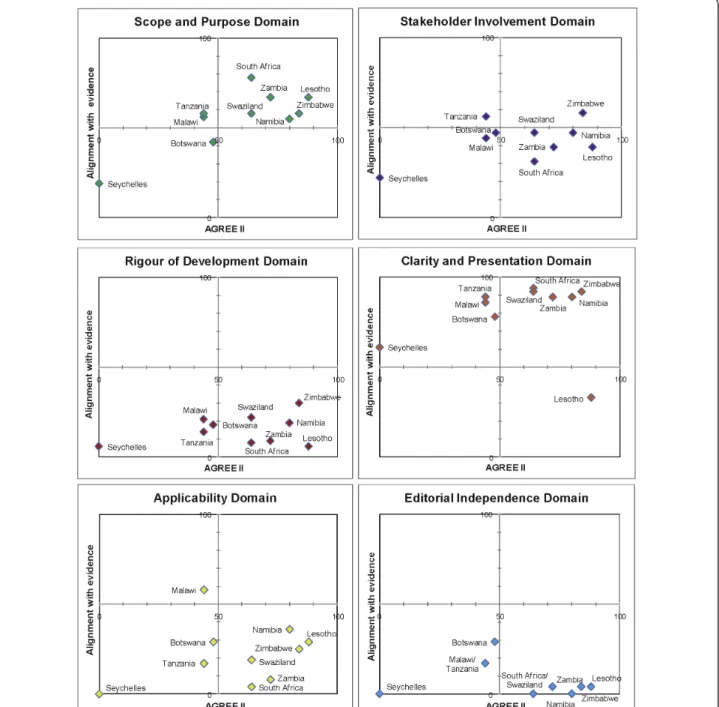
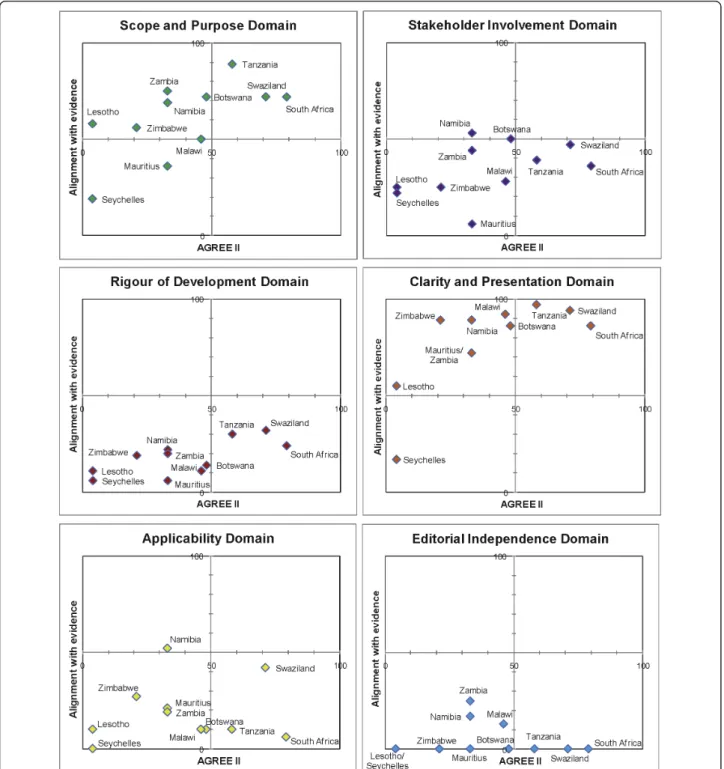
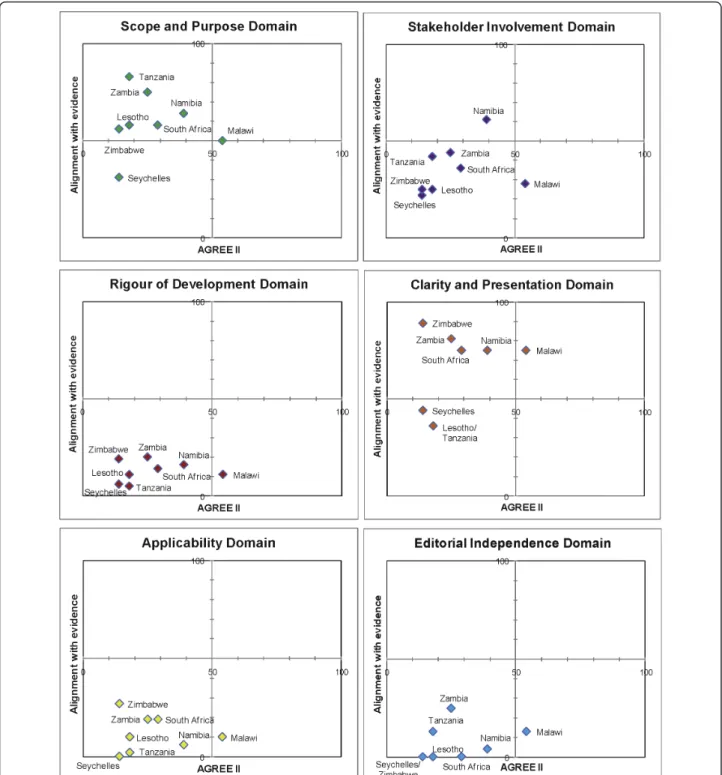
Appendix 2: Guidelines quality appraisal: Southern African Development Community ... 118
Appendix 3: South African clinical practice guidelines: A landscape analysis ... 132
Appendix 4: South African Guidelines Excellence - editorial ... 138
Appendix 5: SAGE Project protocol for ethics ... 141
Appendix 6: Protocol – review of primary care evidence to practice gaps in South Africa ... 178
References ... 184
3
Abbreviations
CPG Clinical practice guideline
EBHC Evidence-based Healthcare
EDP Essential Drugs Programme
EML Essential Medicines List
HTA Health-technology assessment
HICs High-income countries
LMICs Low- and middle-income countries
NDoH National Department of Health
NHI National Health Insurance
PC Primary care
PHC Primary health care
QI Quality improvement
SAGE South African Guidelines Excellence
SU Stellenbosch University
UHC Universal health coverage
4
Definition of terms
Clinical practice guidelines (CPGs)
CPGs are statements that include recommendations intended to optimise patient care that are informed by a systematic review of evidence and an assessment of the benefits and harms of alternative care options (Institute of Medicine, 2011). There are many synonyms for CPGs – in South Africa, we often use the term ‘Standard Treatment Guidelines’.
Primary health care Primary health care is centred on the individual, the family and the community. The support they receive for treating and preventing disease, and for protecting, maintaining and improving their health is integrated across health and health-related sectors. These include housing, water, sanitation, agriculture, education, social welfare, environment, trade and commerce, etc. Within the health system, the health services provide the principal and most direct support to the community (National Department of Health, South Africa).
Primary care Primary care is first point of contact with, or the entry point into, the health system. Primary care constitutes the first level of care in a continuing healthcare process and would commonly be delivered at a clinic, health post or a private practitioner’s surgery. Primary care focuses on personal health or individual healthcare and is predominantly curative (or therapeutic), preventive and rehabilitative in nature (Health Systems Trust, Health Review 2008).
Universal health coverage (UHC)
UHC is defined as ensuring that all people have access to needed health services (including prevention, promotion, treatment, rehabilitation and palliation) of sufficient quality to be effective while also ensuring that the use of these services does not expose the user to financial hardship (World Health Organization, accessed 21 April 2019,
https://www.who.int/healthsystems/universal_health_coverage/en/). Primary health care
re-engineering
Enhancing primary health care through strengthening district managers. In addition to the district-management strengthening, this includes increasing ward-based outreach teams (community workers); integrated school health services and district clinical specialist teams (specialists that provide clinical governance including training).
National Health Insurance (NHI)
NHI is a health-financing system that is designed to pool funds to provide access to quality, affordable personal health services for all South Africans based on their health needs, irrespective of their socioeconomic status (National Department of Health, South Africa).
5 Essential medicines Essential medicines are those that satisfy the priority healthcare needs of the
population. Essential medicines are selected with due regard to disease prevalence and public-health relevance, evidence of clinical efficacy and safety, and comparative costs and cost-effectiveness.
(World Health Organization, accessed 21 April 2019,
https://www.who.int/medicines/services/essmedicines_def/en/).
Professional society A professional association (also called a professional body, professional organisation, or professional society) seeks to further a particular profession, the interests of individuals engaged in that profession and the public interest (Wikipedia, accessed 21 April 2019).
Health-services research
Health-services research is the multidisciplinary field of scientific investigation that studies how social factors, financing systems, organisational structures and processes, health technologies, and personal behaviours affect access to healthcare, the quality and cost of healthcare, and ultimately our health and well-being. Its research domains are individuals, families, organisations, institutions, communities, and populations (Lohr, Academy for Health Services Research and Health Policy, 2002).
Health-systems research
Health policy and systems research (HPSR) is a field that seeks to understand and improve how societies organise themselves in achieving collective health goals, and how different actors interact in the policy and implementation processes to contribute to policy outcomes. The objective is to promote the coverage, quality, efficiency and equity of health systems.
(World Health Organization, accessed 21 April 2019, https://www.who.int/alliance-hpsr/about/hpsr/en/).
Policy brief A policy brief is a concise summary of a particular issue, the policy options to deal with it, and some recommendations on the best option. It is aimed at government policy-makers and others who are interested in formulating or influencing policy (International Development Research Centre, accessed 21 April 2019, https://www.idrc.ca/en/resources/research-tools).
6
Chapter 1. Introduction and scope of work
Background
World Health Organization (WHO) member countries endorsed the 1978 Primary Health Care Alma Ata Declaration committing to developing primary health care as core national health policy (1). Primary health care, usually the first contact for people with the health system, aims to provide comprehensive, accessible, cost-effective care throughout a person’s life (1, 2). A functioning primary health care system is considered indicative of a strong health system and a necessary precursor to achieving Universal Health Coverage (UHC)(2, 3). The UHC definition aligns with that of primary health care as it aims to ensure that ‘all people have access to needed health services, including prevention, promotion, treatment, rehabilitation and palliation, of sufficient quality to be effective while also ensuring that the use of these services does not expose the user to financial hardship’ (2-4). Ambitions for more countries to achieve UHC was re-iterated in the 2015 United Nations’ Sustainable Development Goals (SDGs) agenda for 2030 in which Goal 3, dedicated to ‘health and wellbeing’, specifies targets for UHC as one of the indicators of success (5). Further, in 2018, the Alma Ata and SDG agenda for UHC were re-affirmed in the WHO and United Nations Children’s Fund (UNICEF) led Primary Health Care Declaration of Astana (6).
However, despite clear goals and several multi-national agreements over several decades, a 2017 World Bank and WHO report measuring UHC success stated that at least half of the global population does not yet access basic health services (7). Furthermore, in 2019, the WHO included ‘weak primary health care’ in their list of top-ten threats to global public health (8). How best to address this gap between the aspirations for healthcare excellence and the current reality is complex. It is likely that the effect of politics, power and the social determinants of health play a part (9-11). In this complex situation, health-systems and services research on and about UHC is essential for taking the health agenda forward and stimulating the uptake of evidence-informed strategies (12).
In South Africa, like other under-resourced settings, there is an urgent need to improve the quality of primary health care to ensure good use of the limited funds, equity of access, and better patient outcomes (13, 14). The National Department of Health (NDoH) has indicated that patient outcomes in South Africa are poor relative to other middle-income countries with a similar health spend of 8.5% of the GDP (15, 16). In addition, South Africa has an entrenched two-tiered health system, including a private health sector catering for less than 20% of the population, alongside a faltering public-health system responsible for the remaining, mostly poor, South Africans (3, 17).
7
In line with the global agenda, primary health care strengthening in South African is a political imperative. The national government has introduced several programmes to improve health-service delivery over the past two decades including ‘primary health care re-engineering’ which aligns with global views about district health strengthening by empowering district managers; district outreach teams (community workers); integrated school health services and district clinical specialists (specialists that provide clinical governance including training) (18). More recently, South African government policies have committed to a major re-structuring of the current health system through their UHC policy which will be funded through a National Health Insurance (NHI) mechanism (3, 18-20).
Despite these strategies, primary health care in South Africa is faltering in its progress to achieve the goal of quality, integrated, patient-centred, accessible, affordable care and strategies are needed to aid progress (21, 22). In South Africa the new NHI policy outlines the challenges in the current health system and proposes overarching strategies to achieve UHC, but clarity on the specific steps to reach UHC is still a matter of debate. What is emphasised is the importance of enhanced clinical governance and treatment guidelines, also known as clinical practice guidelines (CPGs), are named tools for supporting evidence-informed, cost-effective patient care (3, 23).
High-quality CPGs bridge the gap between synthesised evidence, policy, context and patient choice . They are recognised as essential quality-improvement tools with a range of purposes including standardisation of care, informing funding decisions and improving access to care (24-28). CPG development and implementation activities have been evolving globally over decades. In order to understand the history, research and innovation in the CPG field, we published a literature review entitled Guide to clinical practice guidelines: the current state of play (25) [Appendix 1]. The review ‘collates findings from an extensive document search, to provide a guide describing standards, methods and systems reported in the current CPG methodology and implementation literature’. This narrative review informed my understanding of CPG research globally and re-iterated the evidence gap in research and methods development emanating from low- and middle-income country (LMIC) settings.
Furthermore, understanding the landscape of CPGs globally, regionally and in South Africa has been informed by other CPG-related research in which I have participated. This includes the conduct of systematic reviews to inform WHO CPGs which provided insight into the process of CPG development undertaken by WHO (29-31). In 2010 we conducted an evaluation of WHO guideline processes and quality, a follow on from an earlier study in 2007 which criticised the WHO for their expert opinion based CPGs, and found improvements since the introduction of their Guidelines Review Committee and guidance manual (32, 33). We also evaluated CPG development quality using the AGREE II tool and assessed the credibility
8
of the content for five priority conditions in 14 countries of the Southern African Development Community (34) [Appendix 2]. We found that South Africa is a node of technical expertise in this field, with the number and quality of our CPGs exceeding that of our regional neighbours. Further, we identified the difficulty in the region and that a repository would be helpful for policy-makers, health managers and users (34). These findings were reflected in another cross-sectional analysis we conducted in which we mapped all of the CPGs in South Africa (35) [Appendix 3]. We found 171 CPGs had been disseminated since 2012 developed by many CPG contributors from both the private and public sectors, and at all levels of the health system, including Professional Association CPGs for specialists, hospital-level CPGs addressing specific contextual requirements, and the many NDoH CPGs (35). In addition to contributions to CPG development, South African researchers are global leaders in CPG implementation research, conducting studies evaluating CPG uptake for common primary care conditions such as HIV, asthma and tuberculosis (36-41).
Overall what is known in the field of CPG in South Africa is that South African policy-makers, academics and managers have been contributing to CPG development and implementation activities nationally, regionally and internationally for many decades. From a historical perspective, in South Africa’s new democracy in the 1990s, CPGs were perceived to be important vehicles to address inequity entrenched during the apartheid era. Taking a lead from the WHO, the Essential Medicine List and Standard Treatment Guidelines committees were established to enhance equitable access to medicines and other technology throughout the country, particularly in previously disadvantaged provinces (42). Through Essential Medicine List-informed CPGs, government aims to increase their national purchasing power, decrease costs and increase access to essential care (42, 43). This becomes increasingly important in the context of UHC and the need to have CPGs that are credible and integrated across sectors and levels of care. Therefore, despite innovative South African activities into CPG development and implementation for primary health care, there is room for improvement to reach global CPG standards (44, 45). In addition, information is lacking regarding the context and processes of CPG development, adherence to CPGs, and factors that improve their implementation, accessibility and use. This is particularly concerning when one considers the diverse contexts of care found across the country, and the limited resources available to underwrite South Africa’s commitment to the WHO’s call for ‘health for all’ (5, 46). Local research is therefore needed to better understand the continuum of CPGs from development, adaptation or contextualisation through to effective implementation and evaluation. Such knowledge may pave the way for better-focused and more effective and efficient interventions to improve healthcare outcomes.
It was against this backdrop that a broader project was established - the South African Guidelines Excellence (SAGE) project (http://www.mrc.ac.za/cochrane/sage.htm) funded as a Flagship Awards
9
Project by the South African Medical Research Council (SAMRC-RFA-IFSP-01-2013/ SAGE). The overarching goal of the Flagship funding was to support large-scale, innovative, interdisciplinary research projects to address health problems in South Africa. I was the project principal investigator, and my doctoral research comprised a component of the overall SAGE Project research.
SAGE was a multi-partner initiative to contribute to both understanding and improving standards and capacity for national CPG development, adaptation and implementation for primary health care (PHC). An outline of the project purpose is provided in an editorial we wrote (47) [Appendix 4]. The project consisted of several components. The five goals were:
Goal 1: Mapping primary care CPG development players and processes Goal 2: Identifying and evaluating local CPG quality
Goal 3: Exploring barriers to and facilitators for CPG implementation and use Goal 4: Development of an online CPG toolkit
Goal 5: Capacity building for CPG developers and implementers
Each Goal was led by a different research team. I was responsible for Goals 1 and 3 which used qualitative research methods and included my PhD research, alongside other research led by other researchers; Goal 2, 4 and 5 (led by colleagues at the University of South Australia and Stellenbosch University) used a variety of research methods including systematic reviews, cross-sectional designs and qualitative research methods to address their research questions and capacity-building deliverables. The protocol included several research components for the overall SAGE project, including research which formed part of this thesis. Full details of the protocol are provided in Appendix 5. For more information on the project see the website: www.mrc.ac.za/intramural-research-units/Cochrane-SAGE
Outline of doctoral research
Aims
To examine the players, context, processes, barriers to and enablers of South African primary care clinical practice guideline development, implementation and use; and to develop recommendations for enhancing primary care guideline development and implementation.
Research question
What are the current contexts, processes, barriers to and enablers of clinical practice guideline development, implementation and use for South African primary care?
10 Sub-questions
• Who are the stakeholders involved with South African primary care CPG development and
implementation; what is the context in which this is done; what are the processes used; and what are drivers for and barriers to CPG development and implementation?
• What is the role of provincial government officials and district managers in receiving, adapting, disseminating and implementing primary care clinical practice guidelines in four provinces in South Africa?
• What are the perspectives of primary health care providers regarding the barriers to and potential solutions for increasing use of primary care CPGs in South Africa?
• What are the implications for policy and practice based on the findings of the research?
The thesis includes three published manuscripts, one submitted manuscript and two online policy briefs summarising the findings. An overview of the chapters as they relate to the research aim and sub-questions is provided in Table 1.
Table 1. Outline of the PhD thesis chapters
Chapter No. Outline of research sub-questions and contents
Chapter 1 Introduction and scope of work - this chapter outlines the background to the research including primary health care, universal health coverage and the role of guidelines in this policy context. It also expands on the current status of guidelines in primary health care service delivery and the health system in South Africa. Chapter 2 Paper 1 addresses the sub-question ‘who are the roleplayers in primary care CPG
development and what is their perspective about the context, barriers to and drivers of CPG development and implementation?’
Chapter 3 Paper 2 addresses the sub-question ‘what are national primary care CPG
developer’s perceptions of the processes that should inform national CPG development, and their view of what is occurring in practice?’
Chapter 4 Paper 3 addresses the sub-question ‘what are the barriers to and enablers of primary care CPG implementation from the perspective of provincial and district implementers in four provinces in South Africa?’
Chapter 5 Paper 4 addresses the sub-question ‘what are the perspectives of CPG users working in primary care facilities in four provinces in South Africa about the barriers to and enablers of CPG use?’
Chapter 6 The policy briefs address the sub-question ‘what are the implications for policy and practice based on the findings of the research?’
11
They are summaries of the evidence from the manuscripts.
- CPG development: evidence summary about the perspectives of primary care
CPG developers and their suggested actions to enhance CPG development.
- CPG implementation and use: evidence summary about the perspectives of
provincial, district health managers and primary care providers and their suggested actions to enhance CPG uptake.
Chapter 7 Discussion and conclusion - this chapter reflects on the findings from all the studies and suggests key learnings, strengths, limitations and research gaps.
Overview of methods
The research was conducted using qualitative research methods. This approach enabled us to learn about the perspectives of the range of role-players involved with primary care CPGs from development to use (48-50). Using in-depth interviews with national developers and provincial managers provided insights into their individual views of the field of CPG development and implementation; whereas the focus group method used when meeting CPG users in primary care ensured that we could gather their joint stories and experiences, reflected in a clinic team where CPGs are part of patient care. Details about the methods and analysis are provided within the four manuscripts reported in Chapters 2 to 5. Reporting of the methods and analysis followed the Consolidated Criteria for Reporting Qualitative research (COREQ) (51).
Study setting
South African primary care and the health system
The research is embedded within South Africa’s primary health care system, and specifically explores primary care (first point of contact) CPGs, rather than primary health care CPGs which address broader issues of infrastructure or planning for health-service delivery. Details about South Africa’s primary health care system are given above and within each publication.
Sample population
We engaged 107 role-players involved with national primary care CPG development; provincial and district CPG implementation; and primary care health care providers involved with CPG use (Table 2). After initial interviews with national CPG contributors, we learned that there are discrete groups, with differing roles and responsibilities for primary care CPG activities, hence the sample includes three sub-groups: developers of national primary care guidelines; implementers in provinces and districts; and, guideline users/ healthcare providers in primary care facilities.
Development: National CPG development role-players included the public, private sector and pharmaceutical industry representatives, however, we interviewed relatively few of the latter two groups.
12
Sampling was done purposefully starting with individuals known to be involved with national CPG development. We then used a snowballing approach asking those we interviewed for suggestions of who else we should speak to. Following the initial 25 interviews, the research team suggested that our sample was weighted towards medical doctors and pharmacists and was not representative of all clinical disciplines involved with primary care service delivery who are likely to have CPGs. We therefore proceeded to purposefully identify and interview additional role-players to ensure a representative sample including all primary care disciplines (dentistry, nutrition, nursing, rehabilitation/allied health, pharmacists, medical doctors). It is notable that we interviewed more developers in richer provinces, which likely reflects the position of the largest academic centres that dominate policy formulation and research.
Implementation and use: When exploring CPG implementation and use, four provinces were visited, KwaZulu Natal, Western Cape, Eastern Cape and Limpopo. These provinces were chosen as they differ in population size and density, economic development, healthcare spend and resources, and health outcomes. While the Western Cape, Eastern Cape and Limpopo have similar population sizes, the Western Cape is better funded, and has higher educational levels, lower poverty levels and higher life expectancy. KwaZulu-Natal has the largest population size, a high poverty prevalence and poor life expectancy, despite health expenditure approaching that of the Western Cape. Other factors besides available funds, are likely to play a role in this regard, including a high prevalence of infectious diseases, such as HIV and the urban to rural distribution of health services (52).
Within each province we visited provincial offices and two districts representing rural and peri-urban or urban primary care facilities. We aimed to interview two to five managers in the provincial office, two district managers or trainers in each of the two districts visited and to facilitate two focus groups with primary care healthcare providers in the districts where we had spoken to the district managers. We used both purposeful and convenience sampling based on who was available for interviews and on recommendations of relevant role-players by the Provincial Research Management Offices. As the individual papers only present the specific sample population, to give an overall perspective, we report on the overall sample briefly described in the table below (Table 2).
Table 2. Overview of sample population in the PhD thesis
Stakeholder group Description of sample
Developers: National 37 interviews
13 - Disciplines represented included medicine (19), pharmacy (5), nursing
(4), allied health (3), dentistry (1), nutrition (2), non-clinical managers (3) - Provinces included Eastern Cape (1); Gauteng (16); KwaZulu-Natal (3);
Western Cape (17)
- Roles or sectors included National (10) and Provincial Department of Health (2); Professional Societies (6); private sector (pharmaceutical industry 1; and medical schemes 2) (3); academia (14); non-governmental organisations (2)
Implementers:
Provincial and district
20 interviews (22 participants)
Previous clinical disciplines: nurses = 15, doctors = 7
KwaZulu-Natal: 4 interviews (1 in province, 3 in district offices) Limpopo: 4 interviews (2 in province and 2 in district offices) Eastern Cape: 6 interviews (2 in province, 4 in district offices) Western Cape: 6 interviews (5 in province, 1 in district offices) Users: Healthcare
providers
7 focus group discussions (48 participants)
KwaZulu-Natal: Doctor, nurses, quality assurance officer, dentist, physiotherapist, counsellors (n = 12)
Limpopo: Dentists, oral hygienist, occupational therapists, physiotherapists, dieticians, counsellors, database administrator (n = 17)
Eastern Cape: Nurses (n = 12)
Western Cape: Nurses, dentists, health promotions officer (n = 6)
Data collection and management
Negotiating access
Data collection took place between June 2014 – August 2016, starting with national developers, and proceeding with several trips to the provinces and districts. National developers generally had more autonomy to agree to participate than those in provincial roles. Provincial research is managed and monitored through the National Health Research Database (https://nhrd.hst.org.za/), and each province has their own Research Management Office. The processes and requirements of these offices delayed access in some cases. Provincial and district offices in the provinces had varying responses to requests for interviews. Some individuals were more familiar and comfortable with the process and value of research, while others were reluctant or, at times, suspicious of the purpose of the research, requiring multiple submissions of approval documents to gain access to them or their teams. We anticipated that the
14
province with greater research experience, the Western Cape, would be the most accessible, however, this was the last province to provide approval. Due to changes in job roles in their Research Management Office, we were only able to complete one focus group, rather than two in this province.
Preparation for interviews and analysis
To build relevant skills to conduct the planned qualitative research, SAGE hosted an in-house workshop on qualitative interviewing skills prior to recruiting participants. Furthermore, I completed a course offered for doctoral students on Qualitative research methods: Practical approaches to qualitative research in 2014 through a jointly offered Stellenbosch University and Karolinska University programme. I also attended the University College London’s Centre for Behaviour Change Summer School 2015: Behaviour Change – Principles and Practice. At the outset of interviews, I received mentoring from experienced qualitative researchers. All interviews were attended by two researchers. I was the observer on initial interviews progressing to lead most of the remaining interviews. There was peer feedback following interviews to improve practice and reflect on skills and learning.
Interviews and focus group discussions In-depth interviews
In-depth interviews were conducted in English with national developers and provincial health managers all linked with CPGs for primary care (Table 1). Data were collected using the semi-structured questions framework to elicit free-flowing information and ideas. Although guided by the discussion schedule, this was adapted iteratively as I discovered more about the research field and could therefore verify or clarify points made in previous interviews. The main intention was to elicit views regarding processes and context for CPG development, enablers of and barriers to CPG development and implementation, and to identify additional relevant role-players. The discussion schedule is provided in an appendix of the protocol [Appendix 5]. Interviews were usually conducted face-to-face, at the workplace or another convenient venue at the request of participants. Three interviews were conducted via skype or phone due to scheduling challenges or the participant’s preference.
Focus group discussions
Focus groups, with primary care healthcare providers, followed a similar approach to interviews in that they were held in English and included two trained researchers, a lead facilitator and observer (Table 1). Focus groups included more diverse participants, and although we held these in English, at times, some of the junior staff chose to answer in their mother tongue. The few sections of non-English language text were translated by members of the research team. A focus-group discussion schedule is shown in the SAGE protocol [Appendix 5]. The guide was used initially, but adapted iteratively to reflect learning from earlier
15
focus groups and, ultimately, aimed to elicit the following from healthcare providers: What is your understanding of a guideline? What is process of guideline use? What are potential enablers of and barriers to using guidelines?
Ethical considerations
The Ethics Committees at the South African Medical Research Council (SAMRC) and Stellenbosch University provided approval (SAMRC ethics approval EC 002-2/2014; Stellenbosch University ethics approval N14/02/008). As the SAGE Project principal investigator, I was responsible for drafting the protocol with input and final approval from co-investigators. All participants provided signed consent prior to participation.
16
Chapter 2: Primary care guideline development: role-players, context,
barriers and enablers
Summary: This qualitative study explored perspectives of national guideline developers regarding the prominent role-players in national guideline development and the context for development and implementation of primary care guidelines in South Africa. Furthermore, the interviews explored the possible barriers to and enablers of guideline development and implementation. We found that South African guideline development is led by national government but there is an active community of guideline developers spanning the private and public sectors. We found guideline development and implementation were hampered by a lack of financial resources for technical and methodological work; fragmentation between groups, and between national and provincial health sectors; and, a lack of agreed systems for CPG development and implementation. Some CPG contributors steadfastly work to improve processes aiming to enhance communication, use of evidence, and transparency to ensure credible guidance is produced. Many interviewed had shared values, and were driven to address inequity, however, resource gaps were perceived to create an enabling environment for commercial interests or personal agendas to drive the CPG development process.
Publication citation:Kredo T, Abrams A, Young T, Louw Q, Volmink J, Daniels K. Primary care clinical practice guidelines in South Africa: qualitative study exploring perspectives of national stakeholders. BMC Health Serv Res. 2017;17(1):608.
https://www.ncbi.nlm.nih.gov/pmc/articles/PMC5575947/pdf/12913_2017_Article_2546.pdf
Related presentations:
Kredo T, Abrams A, Machingaidze S, Young T, Louw Q, Daniels K. Exploring current players, practices, processes and contexts of clinical guideline development for South African primary care Health Systems Trust Conference 2016, Boksburg, Gauteng. 4-6 May 2016 (poster).
Abrams A, Kredo T, Young T, Louw Q, Daniels K. Reported use and perceptions of value of Cochrane evidence by South African guideline developers. 23rd Cochrane Colloquium. Vienna, Austria. 3-7 October
2015 (oral).
R E S E A R C H A R T I C L E
Open Access
Primary care clinical practice guidelines in
South Africa: qualitative study exploring
perspectives of national stakeholders
Tamara Kredo1* , Amber Abrams1, Taryn Young1,2, Quinette Louw3, Jimmy Volmink1,2,4and Karen Daniels5,6
Abstract
Background:Clinical practice guidelines (CPGs) are common tools in policy and clinical practice informing clinical decisions at the bedside, governance of health facilities, health insurer and government spending, and patient choices. South Africa’s health sector is transitioning to a national health insurance system, aiming to build on other primary health care initiatives to transform the previously segregated, inequitable services. Within these plans CPGs are an integral tool for delivering standardised and cost effective care. Currently, there is no accepted standard approach to developing, adapting or implementing CPGs efficiently or effectively in South Africa. We explored the current players; drivers; and the context and processes of primary care CPG development from the perspective of stakeholders operating at national level.
Methods:We used a qualitative approach. Sampling was initially purposeful, followed by snowballing and further sampling to reach representivity of primary care service providers. Individual in-depth interviews were recorded and transcribed verbatim. We used thematic content analysis to analyse the data.
Results:We conducted 37 in-depth interviews from June 2014–July 2015. We found CPG development and implementation were hampered by lack of human and funding resources for technical and methodological work; fragmentation between groups, and between national and provincial health sectors; and lack of agreed systems for CPG development and implementation. Some CPG contributors steadfastly work to improve processes aiming to enhance communication, use of evidence, and transparency to ensure credible guidance is produced. Many
interviewed had shared values, and were driven to address inequity, however, resource gaps were perceived to create an enabling environment for commercial interests or personal agendas to drive the CPG development process. Conclusions:Our findings identified strengths and gaps in CPG development processes, and a need for national standards to guide CPG development and implementation. Based on our findings and suggestions from participants, a possible way forward would be for South Africa to have a centrally coordinated CPG unit to address these needs and aspects of fragmentation by devising processes that support collaboration, transparency and credibility across sectors and disciplines. Such an initiative will require adequate resourcing to build capacity and ensure support for the delivery of high quality CPGs for South African primary care.
Keywords:Clinical practice guideline, Primary care, Qualitative interviews, Guideline development, Guideline implementation, Universal health coverage
* Correspondence:[email protected]
1Cochrane South Africa, South African Medical Research Council, Cape Town,
South Africa
Full list of author information is available at the end of the article
© The Author(s). 2017Open AccessThis article is distributed under the terms of the Creative Commons Attribution 4.0 International License (http://creativecommons.org/licenses/by/4.0/), which permits unrestricted use, distribution, and reproduction in any medium, provided you give appropriate credit to the original author(s) and the source, provide a link to the Creative Commons license, and indicate if changes were made. The Creative Commons Public Domain Dedication waiver (http://creativecommons.org/publicdomain/zero/1.0/) applies to the data made available in this article, unless otherwise stated.
Kredoet al. BMC Health Services Research (2017) 17:608
DOI 10.1186/s12913-017-2546-z
Background
Since the first democratic elections in South Africa in 1994, there have been many initiatives aiming to trans-form the previously segregated and fragmented health sector [1, 2]. These include integrating the public health system at national level, shifting from racialised to integrated health departments; introducing a re-engineered primary health care (PHC) approach deliv-ered through health districts; and, refocusing funding to priority programmes such as immunisation and HIV care [3]. Despite this, and the allocation of 8.5% of gross domestic product (GDP) to health care provision; South Africa’s health outcomes are relatively poor when compared to other middle-income countries with simi-lar GDP percentage expenditure on health [1, 3, 4]. In the public sector, inequalities in healthcare delivery and outcomes persist between urban and rural settings and within and between provinces [5]. In response to this inequality and the high burden of disease from commu-nicable and non-commucommu-nicable causes, and violence and injury; the Minister of Health is driving forward plans for universal health coverage (UHC), as described in the National Health Insurance (NHI) White Paper [6–9].
Quality of health service delivery must be of high standard for UHC to achieve its intended goal [10–12]. Clinical practice guidelines (CPGs) are a common knowledge translation tool in policy and practice, cov-ering clinical decisions at the bedside, governance of health facilities, health insurer and government spend-ing, and patient choices. CPGs summarise rigorously gathered evidence, distilled for use by healthcare pro-viders to standardise and provide best-available care [13, 14]. Within the range of operational tools available for policy implementation, CPGs are recognised as cen-tral to clinical service delivery [15, 16].
The South African government has introduced sev-eral PHC quality improvement programmes, including appointing District Specialist Clinical Teams (DSCTs) to support services within health districts. The ‘Ideal Clinic’ programme was initiated in 2013 to systematic-ally consider and ensure adequate infrastructure, hu-man resources, good governance and equipment for primary care [8, 17]. This programme is governed by specific clinical policies, protocols and CPGs, and aims to involve stakeholders across government depart-ments, the private sector and non-governmental orga-nisations (NGOs) to address health and social needs. In part, the intention is to integrate the preventative and curative health services in a patient-centred manner [18]. The ‘Ideal Clinic’, based on PHC principles, in-cludes the Integrated Clinical Services Management programme, which focuses on efficient, cost-effective chronic disease management [17, 19]. In this context,
CPGs are specifically used as clinical training tools for the DCSTs, and as part of clinical audit criteria to as-sess a facility’s attainment of ‘Ideal Clinic’status [17].
South Africa has long contributed to CPG develop-ment with key players such as the National Depart-ment of Health (NDoH), clinical professional societies and NGOs producing guidance for their respective constituents. In particular, the NDoH’s Essential Drugs Programme has been producing guid-ance documents since the mid-1990s to support equitable use of medicines in the public sector. Other research on CPG development has been con-ducted in South Africa, in particular, exploration of policy development processes for maternal health and there has also been a quantitative evaluation of the quality of CPGs for PHC [20–23]. What is lacking, however, is comprehensive information on the pro-cesses, context and challenges for PHC CPG develop-ment and impledevelop-mentation in South Africa. The NHI system will require agreement and integration across sectors and jurisdictions, and national CPGs will need to speak to healthcare needs of all to ensure equal service delivery and redress of ongoing ‘fault lines’ in the system [5]. This transition from the current health system arrangement to NHI provides a window of opportunity to explore the current ‘state of play’ of CPG development and implementation in order to inform NHI processes.
Currently, there is no available guidance on standard approaches to developing, adapting or implementing CPGs efficiently or effectively in South Africa. To ad-dress this gap, the South African Guidelines Excellence (SAGE) project was established as a multi-partner re-search initiative aimed at setting in motion a stakeholder-driven process to contribute to the under-standing of standards of national CPG development, adaptation and implementation [24]. The project con-sists of several components, including a mapping phase, development of an online CPG resource, and capacity building opportunities for those involved in CPG devel-opment, implementation and research. During the mapping phase, a cross-sectional analysis of a sample of 16 PHC CPGs was completed, identifying the strengths and gaps, in relation to global standards for CPG reporting [23, 25]. We found that overall AGREE II scores were poor to moderate, mostly due to poor reporting of rigour of methodological approaches; ap-plicability; and, editorial independence. These findings are of concern as they may impact on the credibility of South African CPGs. In this paper we examine these is-sues in more depth by identifying the current role players; drivers; and the context and processes of PHC CPG development from the perspective of national stakeholders [26].
Kredoet al. BMC Health Services Research (2017) 17:608 Page 2 of 12
Methods
This research makes use of qualitative methods, drawing on an interpretivist paradigm to explore national role players’ experiences in the processes of developing and implementing CPGs [26–28].
Research context
South Africa has a population approaching 55 million, with a health system invested in primary healthcare and district level ownership [8]. Fiscal federalism is in place in which national government designs strategies, policies and clinical CPGs; and provincial governments imple-ment CPGs, sometimes after adaptation, to the levels of healthcare from regional, district to community based health centres [2]. Although government is responsible for CPG development and implementation, many role players contribute to CPG activities to fill clinical guid-ance gaps, possibly duplicating, and possibly omitting key health areas.
Sampling
Purposeful sampling began with consultations between the research team and CPG developers known to have a role in national CPGs [28]. Stakeholder groups included the NDoH, academics and researchers, specialist profes-sional associations, medical schemes, NGOs, and the pharmaceutical industry. In addition, the five core NDoH-endorsed primary care CPGs were identified: Basic Antenatal Care, Integrated Management of Child-hood Illness, the Essential Drug List (EDL) Standard Treatment Guidelines for primary care and Primary Care 101 (PC101), as well as a recently completed CPG for Health Promotion and these were used to guide sam-pling. We used a‘snowballing’approach in which a core group of individuals actively involved with CPG develop-ment or impledevelop-mentation in South Africa for primary care were invited to participate; these individuals were then asked to identify other ‘key role players’ for inclu-sion in the sample [28]. During the course of the study we recognised that some groups known to be involved with PHC service delivery or linked with the endorsed PHC CPGs had not been identified through snowballing. At interim analysis, the sample was dominated by doc-tors and pharmacists, thus, additional groups including allied health, dentistry, nursing, and nutrition were pur-posefully sought to fill gaps and achieve a satisfactory degree of representivity [28]. Those interviewed occu-pied senior managerial positions within government, academic or organisations.
Data collection and management
Interviewers received training in semi-structured inter-viewing techniques from a senior social scientist re-searcher. All but one of the interviews were conducted
in pairs. Interviewers were all female and included vari-ous professions including clinicians (medical doctors, al-lied health professionals), social scientists and basic scientists, all with previous interviewing experience, and in analysis of qualitative data. The lead researcher, present at most interviews, has experience, as a doctor and specialist clinical pharmacologist, in using and teaching CPGs. She is also known to some of those interviewed and is involved with CPG activities at aca-demic institutions and government which may have fa-cilitated access to some interviewees, but could also introduce response bias. For this reason, it was consid-ered important to have two interviewers per interviewee, one of whom who was not engaged in CPG activity, and thus would have more distance so as to ensure objectivity.
Invitations were emailed to potential participants requesting a suitable time and venue for conducting interviews. Participants were provided with informa-tion sheets and consent forms prior to their interview. We aimed to interview everyone in person, but four participants requested telephonic interviews. Most par-ticipants chose to be interviewed at their place of work, with one exception who opted to do the inter-view at home. Two of those invited referred us to other colleagues to interview. None of those invited dropped out or requested to withdraw once we started. Inter-views lasted 60 min on average (ranging from 40 to 90 min). One interview was spread over two sessions due to time constraints during the first meeting. Before commencing, the focus of the project and purpose of the interview were discussed, and consent was re-affirmed, thereby ensuring that participants under-stood clearly why they were selected, what the interview was about and what their rights were. The semi-structured interview guide (see Additional file 1) was tailored to the experiences of each interviewee and each interview built on the findings of previous inter-views. In other words, as the interviews progressed, as-sumptions, queries, and gaps in the evolving data set were clarified through further data collection. Data sat-uration was achieved prior to final interviews. The additional 10 interviews were conducted to ensure a representative sample and that no new themes emerged.
Interviews were recorded using a digital recorder. All interviews were transcribed by a third party, blind to the aims of the study. Transcriptions were reviewed for accuracy by members of the research team, but not by those interviewed, making changes as needed based on the audio files. Data is stored electronically on password-protected computers; a masterlist and the consent forms are stored in a locked cabinet to which the study lead has access.
Kredoet al. BMC Health Services Research (2017) 17:608 Page 3 of 12
Analysis
An iterative, thematic content analysis approach was used [29]. A team of four, initially deductively, read the first 24 transcripts to develop a coding list, maintaining a focus on the key research objectives, that is: players, process, con-text, drivers and barriers to CPG development or imple-mentation [26]. Once this coding list was developed, a single researcher coded the remaining 13 transcripts inde-pendently. Coding lists were categorised by identifying common themes within the broad research question. All preliminary findings were presented and discussed with the team to verify further emergent themes at regular in-tervals until all interviews and analysis were completed (Additional file 2). A summary of the findings and emer-ging themes were presented to the larger project team– consisting of people who have experience in CPG develop-ment, PHC service delivery, and the South African health-care context - for validation.
Rigour
To ensure rigour [27], we initiated the project ensuring the question was relevant. Our study may be of inter-est to the national policymakers or other researchers, and given the paucity of information on CPG activities in middle or lower income settings generally, this may have global relevance. We ensuredvaliditythrough de-tailed description of our approach to sampling, data collection, data management, analysis. We considered
reflexivityas described in the methods and limitations of the manuscript. The results are most transferableto the South African context–where history and politics have impacted on policy development. However, some findings may be transferableto other developing coun-try settings where transparency and CPG processes are also in transition. There may also be transferability
within South Africa and learning from primary care CPGs to other CPG development.
Ethics and reporting
The study was approved by the Research Ethics Com-mittees of the South African Medical Research Council (EC002–2/2014) and Stellenbosch University (N14/02/ 008). All participants provided written informed con-sent. Names of participants were anonymised, however, it was explained to participants that despite efforts to
maintain anonymity, their opinions might be recognisable in the reporting process. An opportunity for them to with-draw before or during the interview was provided (none took this opportunity), and to review how their opinions were conveyed in the final manuscript (some took this op-portunity). We referred to the Consolidated criteria for reporting qualitative research (COREQ) reporting guide-lines to ensure comprehensive reporting [30].
Results
Overall, CPG development is a complex web of interac-tions between players and organisainterac-tions, informed by values, politics and power. Values reported include dis-tributive justice, standardising care and equitable access to medicines. The process for CPG production differs by setting and group and is often poorly articulated. Silos of guideline activity, both nationally and provincially, po-tentially result in duplicated efforts for the often volun-teer teams of technical experts. There is recognition of a transition to more robust processes in some CPG devel-opment groups. There is also recognition and accept-ance of the need to improve further to align with international standards; however, the financial and hu-man resources are lacking.
We conducted 37 in-depth interviews with high-level policymakers and CPG contributors from national and provincial Departments of Health; professional societies; for-profit groups including pharmaceutical industry and medical schemes; university academics; funders and technical advisors (Table 1).
Role players in CPG development
Public sector players
Those interviewed agreed that NDoH plays the central role driving and developing guidance documents through their various directorates, supported by part-ners, including academic institutions, funders and tech-nical advisors from multi-lateral organisations such as the WHO and UNICEF.
Guidelines is a big national Department of Health role …[INT06].
It’s the government who is pushing, the government which defined the date, the approach and so on and
Table 1Description of stakeholders sampled (37 total)
Background discipline Medicine (19), pharmacy (5), nursing (4), allied health (3),
dentistry (1), nutrition (2), non-clinical managers (3)
Provinces represented Eastern Cape (1); Gauteng (16); Kwazulu-Natal (3); Western Cape (17)
Sectors and stakeholder groups
National (10) and Provincial Department of Health (2); Professional Societies (6); Private sector (pharmaceutical 1; and medical Schemes 2) (3); academia (14); non-governmental organisations (2)
Kredoet al. BMC Health Services Research (2017) 17:608 Page 4 of 12
as part of development partners, we go there to help. [INT23]
Within government there is a central programme devel-oping CPGs particular oriented to the essential medi-cines list which is linked with streamlining national medicine and device procurement; and in parallel there are disease or topic specific programmes, such as HIV, tuberculosis, rehabilitation and nutrition, developing CPGs, with potentially overlapping content.
In addition to the NDoH CPG development efforts, medical schemes, professional societies, at times with pharmaceutical industry support, NGOs, provincial hos-pital or clinic level initiatives all develop CPGs where no or limited guidance exists. Participants, generally aca-demics from outside of government, suggested that their role in CPG development emerged to address gaps in clinical guidance, not covered by NDoH.
But then some of the smaller, neglected diseases don’t have a directorate at the Department of Health or whatever ... And so often those are undertaken by professional societies [INT06]
Organisations like the TAC [Treatment Action Campaign] that has driven the engagement and enabled professionals to actually engage with
government and get good policies in place and develop good guidelines [INT18]
Furthermore, while PHC providers such as nurses play the central role in service delivery at PHC they are not seen to be driving CPG activities nationally, and were described as noticeably absent in leading roles except perhaps in consultation processes or external review of documents.
Private sector players
Private health insurance is an important player in clin-ical care in South Africa. Funding of medicines and de-vices is decided through advanced systems and committees within each scheme. Insurers are governed by the Council for Medical Schemes who develop the prescribed minimum benefit packages - however, up-dates to these have not been promulgated for more than a decade. Some participants described how the essential medicines programme should form the basis of the prescribed minimum benefit and ideally, align-ing private sector with national government.
Ultimately the view is to change the legislation with regard to private health care to make sure that this essential medicines list forms the basis of this minimum benefit package and then you remove a
whole bunch of inequity out of this private health insurance[INT11]
At the end of the day, as we go into an NHI, this divide should not exist[INT14]
The pharmaceutical industry, another private player, may contribute evidence to medical schemes, profes-sional societies and government to encourage invest-ment in their health technology. They provide grants to support some professional society guideline develop-ment. Beyond the guideline development they impact pricing of medicines, and influence practice of clinicians. We have over the years been very conscious of the role and the influence of industry in shaping decision-making, even within the various well-respected na-tional societies [INT18]
Consulting end-users and external groups
Although NDoH aims to involve various sectors and interest groups through workshops and consultation during CPG development, the need for tangible engage-ment from stakeholders was described as a key area for improvement.
we had people from facilities, we had nurses at different strata, you had unions and you had nurses from facility level giving input to that scale-up plan which is very specific and thus you can say a guideline for getting your clinic to function optimally…we also involve the civil society organisations, our donor part-ners and the NGO’s that, we call them implementation partners funded by the donor partners, and then other government departments and also private sector orga-nisations [INT27]
We tried, really tried by all means to involve all the stakeholders because with just us alone we won’t be able to, to reach you know everybody who really needs to be involved in addressing that particular problem …I do not think we have really found a better, you know, a better mechanism of really, you know, engaging the people who are, who are at the frontline of implementation on how do you really want us to package some of this document [INT37]
Values and drivers for CPG development
The dominant view expressed by participants was that CPGs are valued for supporting delivery of standardised, equitable healthcare, especially in the post-apartheid South African context to ensure access for all to PHC. CPG development was driven by the same complex in-fluences as other health policies [31], despite different
Kredoet al. BMC Health Services Research (2017) 17:608 Page 5 of 12



![Table 4 Aggregated AGREE II Scores across diseases [median(range)]](https://thumb-us.123doks.com/thumbv2/123dok_us/1579444.2712369/129.892.84.809.153.565/table-aggregated-agree-ii-scores-diseases-median-range.webp)